Day: October 24, 2026

Gospel and Word of the Day – 25 October 2026 – A reading from the Book of Exodus 22:20-26 Thus says the LORD: "You shall not molest or oppress an alien, for you were once aliens yourselves in the land of Egypt.  You shall not wrong any widow or orphan.  If ever you wrong them and they cry out to me, I will surely hear their cry.  My wrath will flare up, and I will kill you with the sword; then your own wives will be widows, and your children orphans. "If you lend money to one of your poor neighbors among my people, you shall not act like an extortioner toward him by demanding interest from him.  If you take your neighbor’s cloak as a pledge, you shall return it to him before sunset; for this cloak of his is the only covering he has for his body.  What else has he to sleep in? If he cries out to me, I will hear him; for I am compassionate."   A reading from the First Letter of St. Paul to Thessalonians 1:5c-10 Brothers and sisters: You know what sort of people we were among you for your sake.  And you became imitators of us and of the Lord, receiving the word in great affliction, with joy from the Holy Spirit, so that you became a model for all the believers in Macedonia and in Achaia. For from you the word of the Lord has sounded forth not only in Macedonia and in Achaia, but in every place your faith in God has gone forth, so that we have no need to say anything.  For they themselves openly declare about us what sort of reception we had among you, and how you turned to God from idols to serve the living and true God and to await his Son from heaven, whom he raised from the dead, Jesus, who delivers us from the coming wrath.From the Gospel according to Matthew 22:34-40 When the Pharisees heard that Jesus had silenced the Sadducees, they gathered together, and one of them, a scholar of the law tested him by asking, "Teacher, which commandment in the law is the greatest?"  He said to him, "You shall love the Lord, your God, with all your heart, with all your soul, and with all your mind. This is the greatest and the first commandment. The second is like it: You shall love your neighbor as yourself.  The whole law and the prophets depend on these two commandments."This Sunday’s Gospel (Mk 12:28-34) offers us Jesus’ teaching on the greatest commandment, the commandment of love, which is two-fold: love of God and love of neighbour. (…) Before being a command — love is not a command — it is a gift, a reality that God allows us to know and experience, so that, like a seed, it can also germinate within us and develop throughout our life. If the love of God has planted deep roots in a person, then he is able to love even those who do not deserve it, as God does us. Fathers and mothers do not love their children only when they deserve love; they always love them, though of course, they make them understand when they are wrong. We learn from God to seek only what is good and never what is evil. We learn to look at each other not only with our eyes, but with the eyes of God, which is the gaze of Jesus Christ. A gaze that begins in the heart and does not stop at the surface, that goes beyond appearances and manages to capture the deepest aspirations of the other: waiting to be heard, for caring attention, in a word: love. But the opposite is also true: that by opening myself to another, just as he or she is, by reaching out, by making myself available, I am also opening myself to know God, to feel that he is there and is good. Love of God and love of neighbour are inseparable and are mutually related. (Pope Benedict XVI, Angelus, 4 November 2012)

A reading from the Book of Exodus
22:20-26

Thus says the LORD:
"You shall not molest or oppress an alien,
for you were once aliens yourselves in the land of Egypt. 
You shall not wrong any widow or orphan. 
If ever you wrong them and they cry out to me,
I will surely hear their cry. 
My wrath will flare up, and I will kill you with the sword;
then your own wives will be widows, and your children orphans.

"If you lend money to one of your poor neighbors among my people,
you shall not act like an extortioner toward him
by demanding interest from him. 
If you take your neighbor’s cloak as a pledge,
you shall return it to him before sunset;
for this cloak of his is the only covering he has for his body. 
What else has he to sleep in?
If he cries out to me, I will hear him; for I am compassionate."


A reading from the First Letter of St. Paul to Thessalonians
1:5c-10

Brothers and sisters:
You know what sort of people we were among you for your sake. 
And you became imitators of us and of the Lord,
receiving the word in great affliction, with joy from the Holy Spirit,
so that you became a model for all the believers
in Macedonia and in Achaia.
For from you the word of the Lord has sounded forth
not only in Macedonia and in Achaia,
but in every place your faith in God has gone forth,
so that we have no need to say anything. 
For they themselves openly declare about us
what sort of reception we had among you,
and how you turned to God from idols
to serve the living and true God
and to await his Son from heaven,
whom he raised from the dead,
Jesus, who delivers us from the coming wrath.

From the Gospel according to Matthew
22:34-40

When the Pharisees heard that Jesus had silenced the Sadducees,
they gathered together, and one of them,
a scholar of the law tested him by asking,
"Teacher, which commandment in the law is the greatest?" 
He said to him,
"You shall love the Lord, your God,
with all your heart,
with all your soul,
and with all your mind.
This is the greatest and the first commandment.
The second is like it:
You shall love your neighbor as yourself. 
The whole law and the prophets depend on these two commandments."

This Sunday’s Gospel (Mk 12:28-34) offers us Jesus’ teaching on the greatest commandment, the commandment of love, which is two-fold: love of God and love of neighbour. (…) Before being a command — love is not a command — it is a gift, a reality that God allows us to know and experience, so that, like a seed, it can also germinate within us and develop throughout our life.

If the love of God has planted deep roots in a person, then he is able to love even those who do not deserve it, as God does us. Fathers and mothers do not love their children only when they deserve love; they always love them, though of course, they make them understand when they are wrong. We learn from God to seek only what is good and never what is evil. We learn to look at each other not only with our eyes, but with the eyes of God, which is the gaze of Jesus Christ. A gaze that begins in the heart and does not stop at the surface, that goes beyond appearances and manages to capture the deepest aspirations of the other: waiting to be heard, for caring attention, in a word: love. But the opposite is also true: that by opening myself to another, just as he or she is, by reaching out, by making myself available, I am also opening myself to know God, to feel that he is there and is good. Love of God and love of neighbour are inseparable and are mutually related. (Pope Benedict XVI, Angelus, 4 November 2012)

Read More
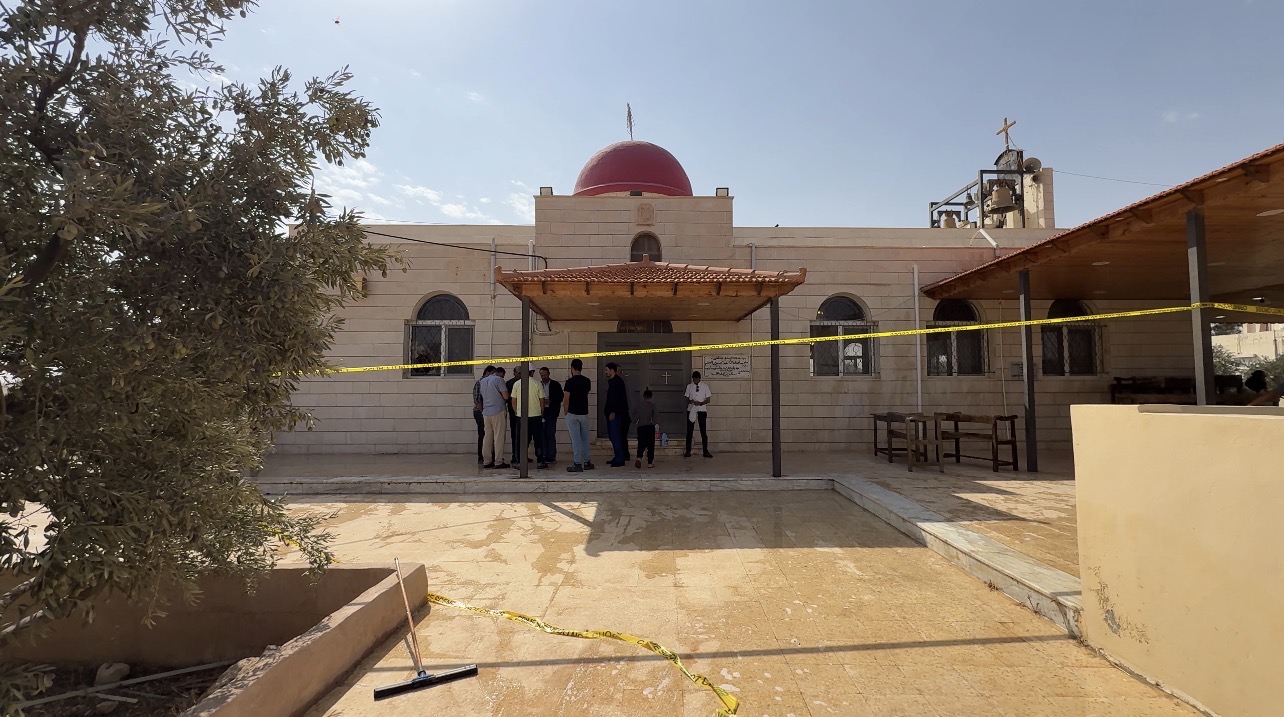
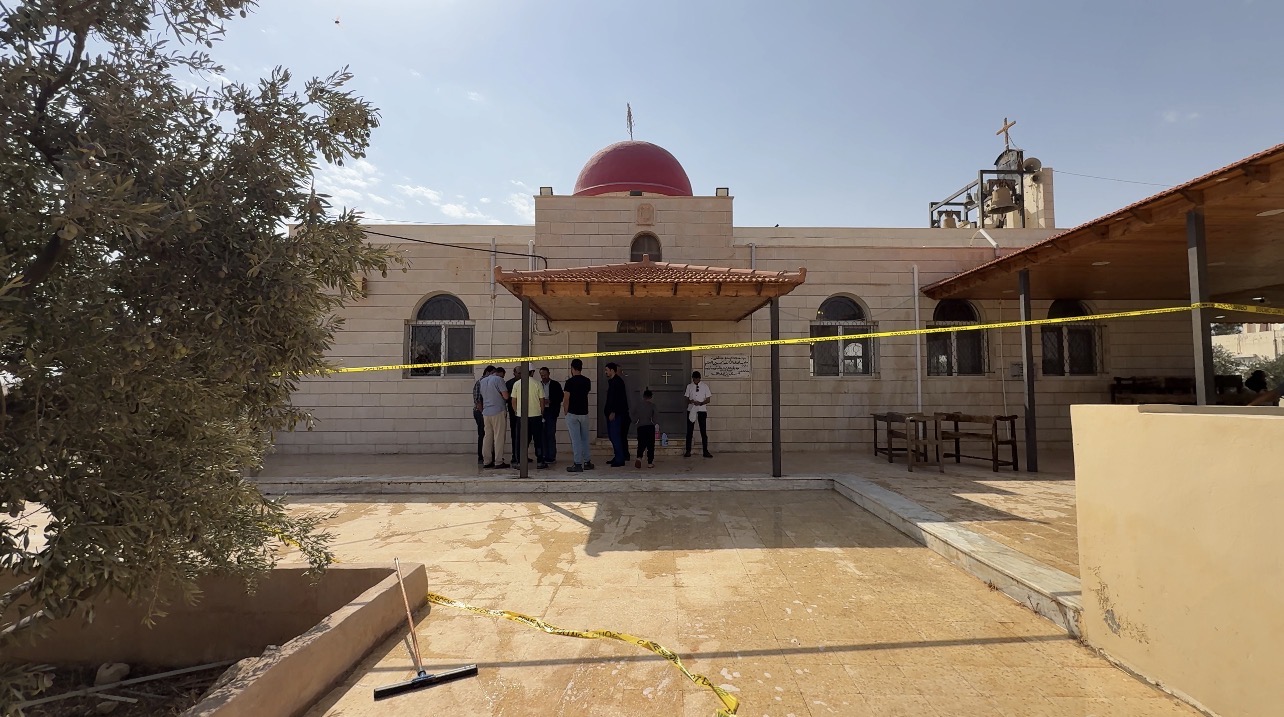
Jordan church attack death toll rises to 9 as Christian leaders call for unity – #Catholic – The death toll from the armed attack on St. George Greek Orthodox Church in Hamoud, in southern Jordan’s Karak governorate, has risen to nine, with others wounded. The attack took place during a funeral Friday, and security authorities are continuing their investigation and search for the perpetrators.According to authorities, three gunmen arrived at the church in a blue pickup truck. One wore a mask and carried a Kalashnikov rifle, while the other two had their faces uncovered and carried handguns. The shooting began near the church’s main entrance, where mourners had gathered.Al Jazeera’s Arabic-language website reported that the attackers carried substantial quantities of ammunition and changed their weapons’ magazines several times during the assault. They also fired again at some people after they had fallen to the ground. According to the same report, all those killed were near the church entrance when the shooting began.Jordanian Interior Minister Mazen al-Faraya described the assault as a terrorist attack carried out by an extremist group. Public Security Director Maj. Gen. Obeidallah al-Maaytah said authorities were continuing to gather information and investigate to identify the perpetrators, arrest them, and bring them to justice.As of Saturday morning, Jordanian authorities had not officially linked the attackers to a specific organization or announced any arrests. Media reports, citing Jordanian government and security sources, said the perpetrators espoused a takfiri ideology, an extremist outlook that declares other Muslims to be unbelievers. A public prosecutor ordered a ban on publishing details of the investigation as authorities continued their search.King Abdullah II pledged that the perpetrators would face the harshest penalties.“Those who imagined that treacherous bullets could divide Jordanians have been thwarted by our resilience and unity,” he said, emphasizing Jordanians’ shared homeland and solidarity.In their response, the patriarchs and heads of churches in Jerusalem described the targeting of mourners at prayer as “a grave crime against God and humanity.” They expressed solidarity with Greek Orthodox Patriarch Theophilos III of Jerusalem, the Greek Orthodox Archdiocese in Jordan, and the victims’ families.They called on all churches in the region to ring their bells at noon Saturday Jordanian time and to pray for the victims and the recovery of the wounded. They stressed that the attack would not succeed in undermining the unity and cohesion of Jordanian society.The Latin Patriarchate of Jerusalem said the attack violated the sanctity of places of worship and the right to life and to worship freely and with dignity. It described Jordan’s national unity as “a safeguard against terrorism and extremism,” emphasizing that the country’s Muslims and Christians form one family bound by a shared history and destiny.The Greek Orthodox Patriarchate of Jerusalem, under whose jurisdiction the targeted church falls, affirmed that the attack would not undermine the Christian presence or Christians’ ties to their homeland.“We are the children of this land, its living roots, and partners in its history, present, and future. We will remain here as witnesses to the faith, however great the challenges,” the patriarchate said.The Jordan Council of Churches said the attack on the church and the mourners targeted social peace and coexistence. It emphasized solidarity among all communities in Jordan and rejected attempts to sow religious division.The statements from Jordan were accompanied by condemnations from churches across the region, including the Middle East Council of Churches and several churches and patriarchates. Their responses emphasized the protection of places of worship, the need to confront extremist rhetoric and hate speech, and the fact that Christians are an integral part of the region’s societies, with deep roots in their homelands.Church bells rang across Jordan and Palestine at noon Saturday in remembrance of those killed and in solidarity with their families and the wounded, answering the appeal of the patriarchs and heads of churches in Jerusalem.This story was first published by ACI MENA, the Arabic-language sister service of EWTN News. It has been translated and adapted by EWTN News English.

Jordan church attack death toll rises to 9 as Christian leaders call for unity – #Catholic – The death toll from the armed attack on St. George Greek Orthodox Church in Hamoud, in southern Jordan’s Karak governorate, has risen to nine, with others wounded. The attack took place during a funeral Friday, and security authorities are continuing their investigation and search for the perpetrators.According to authorities, three gunmen arrived at the church in a blue pickup truck. One wore a mask and carried a Kalashnikov rifle, while the other two had their faces uncovered and carried handguns. The shooting began near the church’s main entrance, where mourners had gathered.Al Jazeera’s Arabic-language website reported that the attackers carried substantial quantities of ammunition and changed their weapons’ magazines several times during the assault. They also fired again at some people after they had fallen to the ground. According to the same report, all those killed were near the church entrance when the shooting began.Jordanian Interior Minister Mazen al-Faraya described the assault as a terrorist attack carried out by an extremist group. Public Security Director Maj. Gen. Obeidallah al-Maaytah said authorities were continuing to gather information and investigate to identify the perpetrators, arrest them, and bring them to justice.As of Saturday morning, Jordanian authorities had not officially linked the attackers to a specific organization or announced any arrests. Media reports, citing Jordanian government and security sources, said the perpetrators espoused a takfiri ideology, an extremist outlook that declares other Muslims to be unbelievers. A public prosecutor ordered a ban on publishing details of the investigation as authorities continued their search.King Abdullah II pledged that the perpetrators would face the harshest penalties.“Those who imagined that treacherous bullets could divide Jordanians have been thwarted by our resilience and unity,” he said, emphasizing Jordanians’ shared homeland and solidarity.In their response, the patriarchs and heads of churches in Jerusalem described the targeting of mourners at prayer as “a grave crime against God and humanity.” They expressed solidarity with Greek Orthodox Patriarch Theophilos III of Jerusalem, the Greek Orthodox Archdiocese in Jordan, and the victims’ families.They called on all churches in the region to ring their bells at noon Saturday Jordanian time and to pray for the victims and the recovery of the wounded. They stressed that the attack would not succeed in undermining the unity and cohesion of Jordanian society.The Latin Patriarchate of Jerusalem said the attack violated the sanctity of places of worship and the right to life and to worship freely and with dignity. It described Jordan’s national unity as “a safeguard against terrorism and extremism,” emphasizing that the country’s Muslims and Christians form one family bound by a shared history and destiny.The Greek Orthodox Patriarchate of Jerusalem, under whose jurisdiction the targeted church falls, affirmed that the attack would not undermine the Christian presence or Christians’ ties to their homeland.“We are the children of this land, its living roots, and partners in its history, present, and future. We will remain here as witnesses to the faith, however great the challenges,” the patriarchate said.The Jordan Council of Churches said the attack on the church and the mourners targeted social peace and coexistence. It emphasized solidarity among all communities in Jordan and rejected attempts to sow religious division.The statements from Jordan were accompanied by condemnations from churches across the region, including the Middle East Council of Churches and several churches and patriarchates. Their responses emphasized the protection of places of worship, the need to confront extremist rhetoric and hate speech, and the fact that Christians are an integral part of the region’s societies, with deep roots in their homelands.Church bells rang across Jordan and Palestine at noon Saturday in remembrance of those killed and in solidarity with their families and the wounded, answering the appeal of the patriarchs and heads of churches in Jerusalem.This story was first published by ACI MENA, the Arabic-language sister service of EWTN News. It has been translated and adapted by EWTN News English.

The attack took place during a funeral Friday, and security authorities are continuing their investigation and search for the perpetrators.
Read More
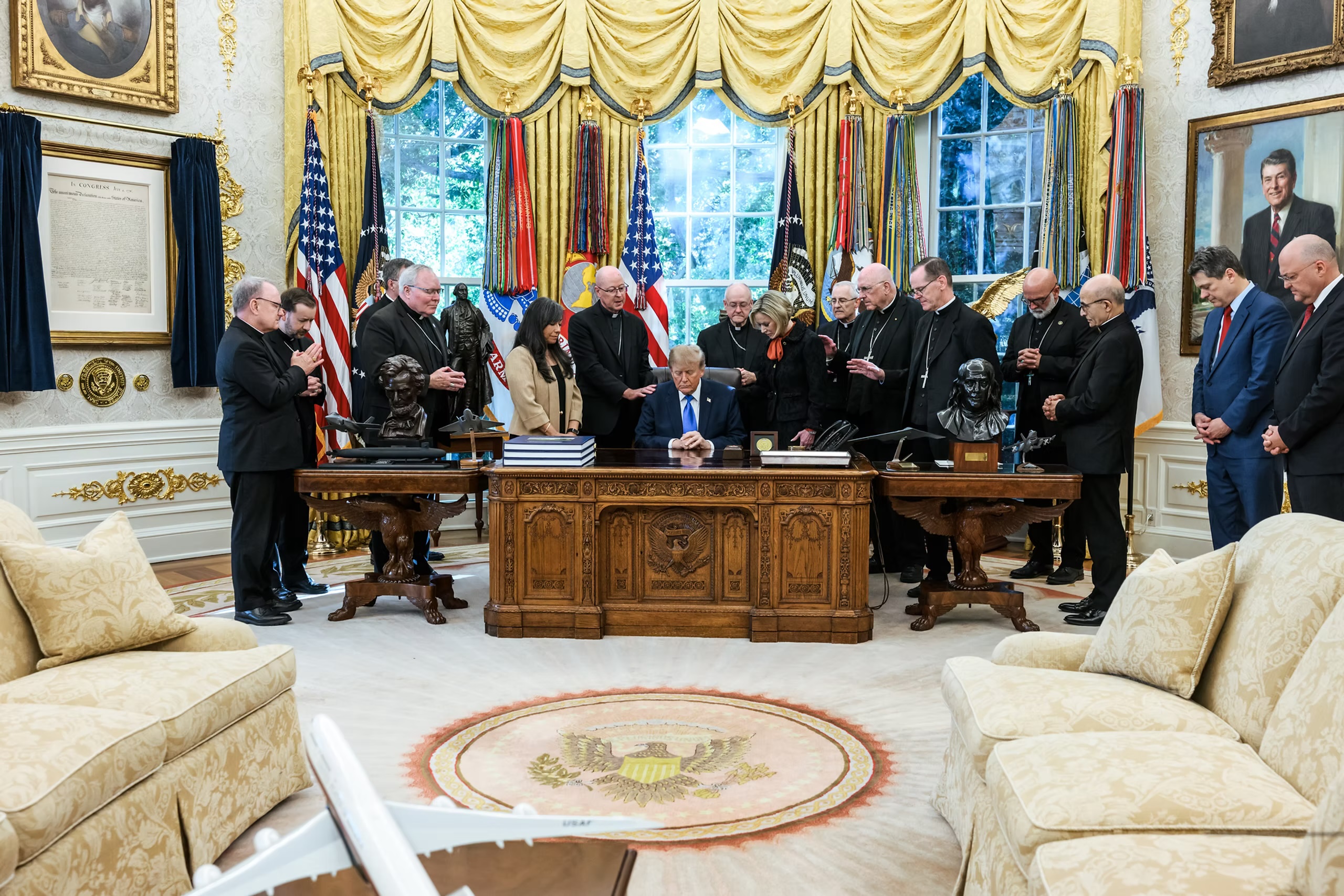
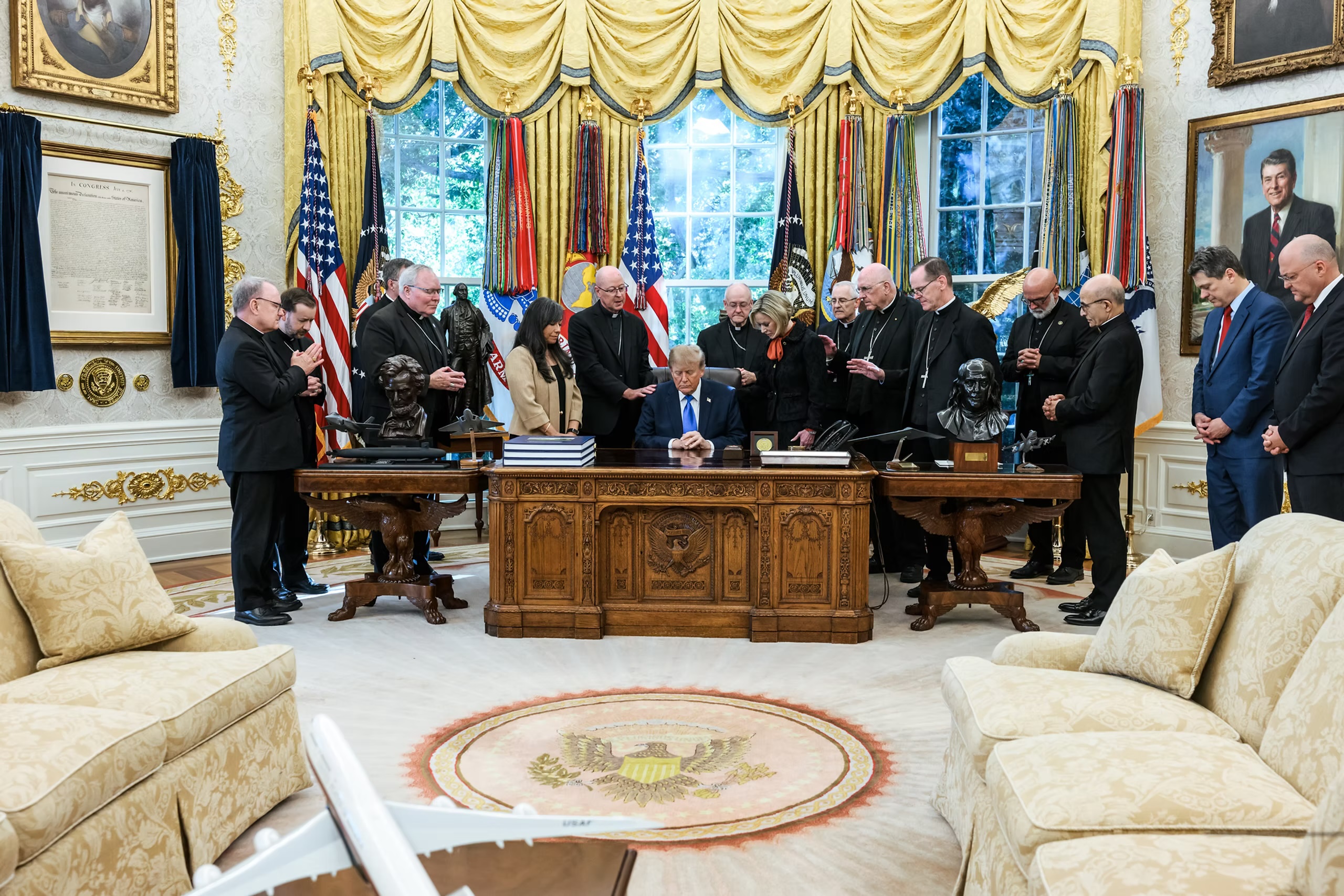
Denver archbishop responds to criticism over Trump prayer meeting: ‘I was being a Catholic priest’ – #Catholic – Denver Archbishop James Golka this week defended his participation in a prayer event with U.S. President Donald Trump at the Oval Office, citing the gathering as an opportunity to publicly pray and evangelize the faith. Golka, who was installed in the Denver Archdiocese in March after serving as the bishop of Colorado Springs for several years, led a prayer during an Oct. 22 meeting at the Oval Office between Trump and several U.S. bishops. During the gathering the archbishop in part prayed for the Holy Spirit to “surround our country, to protect us against any influence of evil.”The prayer event generated some backlash for what critics have argued was a politically motivated photo opportunity on the part of the White House. Golka this week said he “knew people might be upset” at the event and that it could be "use[d] for political purposes.” “But as I prayed about it, I thought that this is what Catholics do. We pray for people. No matter whether we agree or disagree on anything, we always pray for our country and leaders,” he said in remarks to the Denver Catholic. Golka said during the meeting he articulated Church teachings to the president. “As Catholics, we’re called to share our faith in season and out of season and to witness to the dignity of every human person,” he told the Denver Catholic. He denied that the event, including video of the prayer shared on social media, constituted an “endorsement” of the president. “That was never my intention,” he said. “The bishops of the United States teach that the Church cannot champion any candidate or party,” he said. “I hold to that. However you vote, you ultimately belong to Jesus who loves you infinitely more than you can imagine.”The archbishop said he has received criticism from friends about the decision and that he has responded by telling them: “I was being a Catholic priest.” He described himself as “heartbroken” at the anger over the event. He urged Christians to “look beyond the headlines, which are often crafted to provoke, towards the full truth.” “I will keep praying for our president, our governor and everyone who serves in public office, regardless of their party or position on divisive topics,” he said. The Archdiocese of Denver said after the event that praying for public leaders “is a long Catholic practice” that dates back to Apostolic Age.

Denver archbishop responds to criticism over Trump prayer meeting: ‘I was being a Catholic priest’ – #Catholic – Denver Archbishop James Golka this week defended his participation in a prayer event with U.S. President Donald Trump at the Oval Office, citing the gathering as an opportunity to publicly pray and evangelize the faith. Golka, who was installed in the Denver Archdiocese in March after serving as the bishop of Colorado Springs for several years, led a prayer during an Oct. 22 meeting at the Oval Office between Trump and several U.S. bishops. During the gathering the archbishop in part prayed for the Holy Spirit to “surround our country, to protect us against any influence of evil.”The prayer event generated some backlash for what critics have argued was a politically motivated photo opportunity on the part of the White House. Golka this week said he “knew people might be upset” at the event and that it could be "use[d] for political purposes.” “But as I prayed about it, I thought that this is what Catholics do. We pray for people. No matter whether we agree or disagree on anything, we always pray for our country and leaders,” he said in remarks to the Denver Catholic. Golka said during the meeting he articulated Church teachings to the president. “As Catholics, we’re called to share our faith in season and out of season and to witness to the dignity of every human person,” he told the Denver Catholic. He denied that the event, including video of the prayer shared on social media, constituted an “endorsement” of the president. “That was never my intention,” he said. “The bishops of the United States teach that the Church cannot champion any candidate or party,” he said. “I hold to that. However you vote, you ultimately belong to Jesus who loves you infinitely more than you can imagine.”The archbishop said he has received criticism from friends about the decision and that he has responded by telling them: “I was being a Catholic priest.” He described himself as “heartbroken” at the anger over the event. He urged Christians to “look beyond the headlines, which are often crafted to provoke, towards the full truth.” “I will keep praying for our president, our governor and everyone who serves in public office, regardless of their party or position on divisive topics,” he said. The Archdiocese of Denver said after the event that praying for public leaders “is a long Catholic practice” that dates back to Apostolic Age.

Archbishop James Golka led a prayer during an Oct. 22 meeting at the Oval Office between Trump and over half a dozen of his fellow U.S. bishops.
Read More
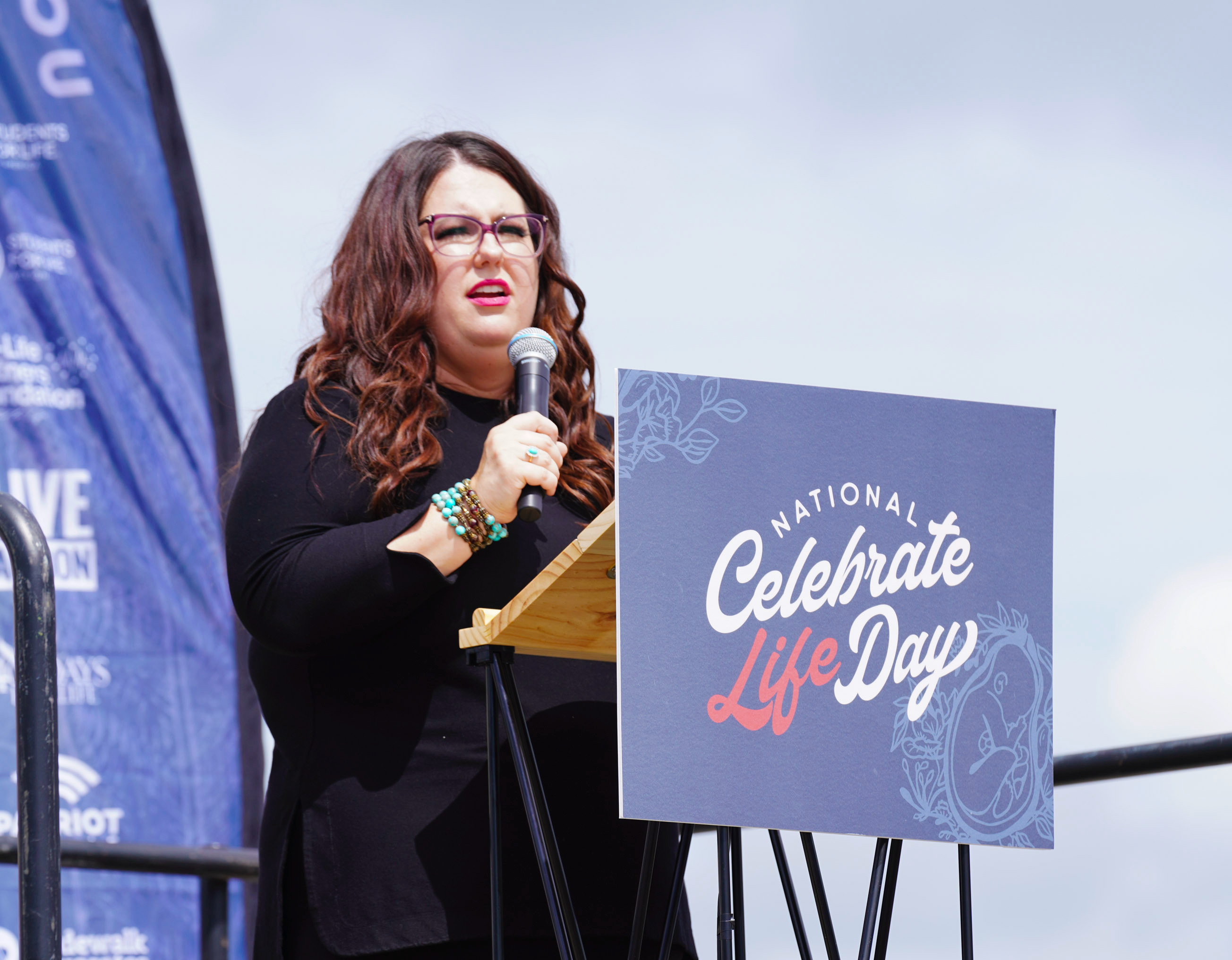
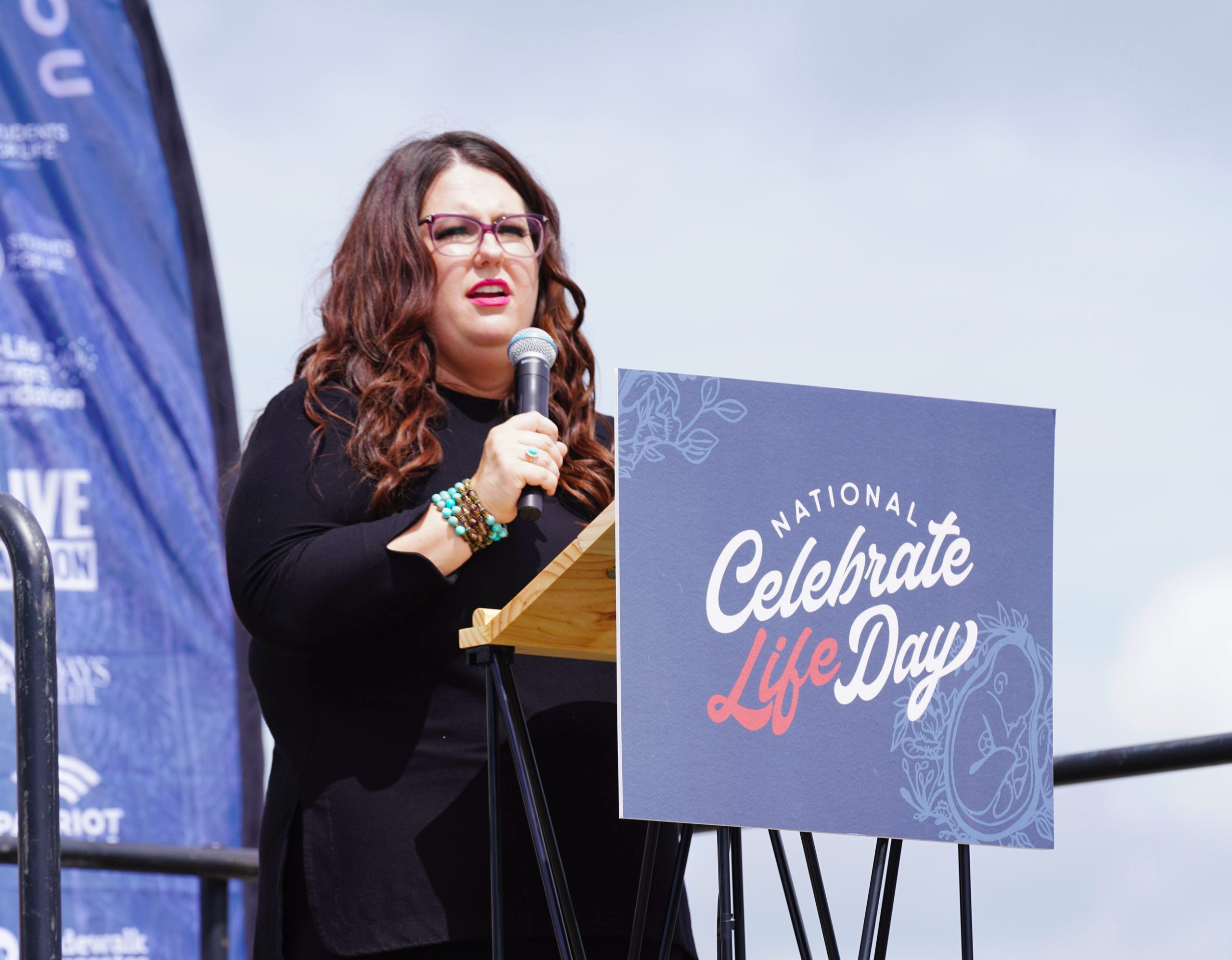
Students for Life, Turning Point debate abortion in ‘Feminists Lied’ campus tour – #Catholic – Students for Life of America and Turning Point USA teamed up this month to launch a new tour on college campuses, in which students are invited to debate the ethics of abortion with a pro-life speaker.The tour, titled “Feminists Lied: Prove Me Wrong,” features Students for Life President Kristan Hawkins. It began on Oct. 20 to challenge the view that feminism and a legal right to abortion have helped women rather than hurt them.“For decades, young women were told that career success, a degree, and independence were the keys to happiness, and that abortion was the price of equality,” Hawkins, who is Catholic, said in a statement.“Many Millennial women now ask whether those promises delivered, and Gen Z deserves to hear that conversation before they make the same choices,” she said. “Motherhood is not a weakness to be overcome. If equality requires a woman to end her pregnancy to succeed, then we haven’t liberated her at all. We’ve just handed her a different burden and called it freedom.”The tour includes visits to eight campuses: the University of North Texas, Grand Valley State University, the University of Cincinnati, Boise State University, the University of New Mexico, the University of Arizona, Southern Oregon University, and the University of Washington.Following the first event at the University of North Texas, Hawkins posted on X that her pro-life tour is intended to be in line with “Charlie’s legacy,” referencing Turning Point founder Charlie Kirk, who was assassinated on Sept. 10, 2025 during a college speaking and debating tour.Kirk, who was a conservative activist, frequently challenged abortion and encouraged young people to start families. He was an evangelical Christian who often blended political activism with evangelism.CatholicVote reaches Hispanics on Virginia abortion initiativeThe conservative organization CatholicVote has teamed up with Eduardo Verástegui — a Mexican actor and star in Sound of Freedom — to reach Hispanic voters in Virginia and encourage them to vote against a referendum that would enshrine a right to abortion in the state constitution.The advertisement, in Spanish, informs voters of the “very important” referendum, and notes that the state’s bishops have spoken with clarity against the proposal. The bishops of both dioceses in the state have said Catholics have a “sacred duty” to vote no.Verástegui also highlighted the bishops’ opposition to a separate ballot initiative to enshrine same-sex marriage in the state constitution.English archbishop voices concern over euthanasia law in Isle of ManArchbishop John Sherrington expressed sadness that an "assisted dying” bill will become law on the Isle of Man, which is a self-governing Crown Dependency of the British Crown.“The Catholic Church continues to teach that life is a most precious gift of God and that we are stewards entrusted with this gift to protect it, treat illness, and care for the good of life,” said Sherrington, whose jurisdiction includes the Isle of Man.“As such, a person should never intentionally end his or her life,” he said. “Catholic teaching, shared by many Christians and others of goodwill, proposes a different approach from that which has been passed into law by the Tynwald.”The law will allow people who are terminally ill to receive physician-assisted suicide.Arizona man wins lawsuit against abortion clinicAn Arizona man named Mario Villegas won a lawsuit against the Phoenix-based abortion clinic Camelback Family Planning after a court found that the clinic failed to follow the state’s informed consent law when his then-wife was prescribed chemical abortion drugs.Villegas was awarded $5,000 in statutory damages and $62,500 in compensatory damages for his psychological, emotional, and physical injuries. He had argued in court that the clinic did not adequately inform his wife, from whom he is now divorced, about the development of the unborn child, risks associated with abortion, and possible alternatives.In awarding Villegas damages, the court outlined that he was unable to properly function, eat, or sleep after his wife decided she wanted an abortion. The court highlighted his statements about feeling guilty after the abortion, saying "my baby was no longer living, and [I was wondering], ‘was there anything else I could have [done] to change the outcome?’”The court noted that he had spoken about his grief, with him expressing his “feeling of loss” and saying, “I lost an opportunity to have somebody in my life.”Villegas carries the ultrasound photo of his unborn child everywhere he goes, according to the court.

Students for Life, Turning Point debate abortion in ‘Feminists Lied’ campus tour – #Catholic – Students for Life of America and Turning Point USA teamed up this month to launch a new tour on college campuses, in which students are invited to debate the ethics of abortion with a pro-life speaker.The tour, titled “Feminists Lied: Prove Me Wrong,” features Students for Life President Kristan Hawkins. It began on Oct. 20 to challenge the view that feminism and a legal right to abortion have helped women rather than hurt them.“For decades, young women were told that career success, a degree, and independence were the keys to happiness, and that abortion was the price of equality,” Hawkins, who is Catholic, said in a statement.“Many Millennial women now ask whether those promises delivered, and Gen Z deserves to hear that conversation before they make the same choices,” she said. “Motherhood is not a weakness to be overcome. If equality requires a woman to end her pregnancy to succeed, then we haven’t liberated her at all. We’ve just handed her a different burden and called it freedom.”The tour includes visits to eight campuses: the University of North Texas, Grand Valley State University, the University of Cincinnati, Boise State University, the University of New Mexico, the University of Arizona, Southern Oregon University, and the University of Washington.Following the first event at the University of North Texas, Hawkins posted on X that her pro-life tour is intended to be in line with “Charlie’s legacy,” referencing Turning Point founder Charlie Kirk, who was assassinated on Sept. 10, 2025 during a college speaking and debating tour.Kirk, who was a conservative activist, frequently challenged abortion and encouraged young people to start families. He was an evangelical Christian who often blended political activism with evangelism.CatholicVote reaches Hispanics on Virginia abortion initiativeThe conservative organization CatholicVote has teamed up with Eduardo Verástegui — a Mexican actor and star in Sound of Freedom — to reach Hispanic voters in Virginia and encourage them to vote against a referendum that would enshrine a right to abortion in the state constitution.The advertisement, in Spanish, informs voters of the “very important” referendum, and notes that the state’s bishops have spoken with clarity against the proposal. The bishops of both dioceses in the state have said Catholics have a “sacred duty” to vote no.Verástegui also highlighted the bishops’ opposition to a separate ballot initiative to enshrine same-sex marriage in the state constitution.English archbishop voices concern over euthanasia law in Isle of ManArchbishop John Sherrington expressed sadness that an "assisted dying” bill will become law on the Isle of Man, which is a self-governing Crown Dependency of the British Crown.“The Catholic Church continues to teach that life is a most precious gift of God and that we are stewards entrusted with this gift to protect it, treat illness, and care for the good of life,” said Sherrington, whose jurisdiction includes the Isle of Man.“As such, a person should never intentionally end his or her life,” he said. “Catholic teaching, shared by many Christians and others of goodwill, proposes a different approach from that which has been passed into law by the Tynwald.”The law will allow people who are terminally ill to receive physician-assisted suicide.Arizona man wins lawsuit against abortion clinicAn Arizona man named Mario Villegas won a lawsuit against the Phoenix-based abortion clinic Camelback Family Planning after a court found that the clinic failed to follow the state’s informed consent law when his then-wife was prescribed chemical abortion drugs.Villegas was awarded $5,000 in statutory damages and $62,500 in compensatory damages for his psychological, emotional, and physical injuries. He had argued in court that the clinic did not adequately inform his wife, from whom he is now divorced, about the development of the unborn child, risks associated with abortion, and possible alternatives.In awarding Villegas damages, the court outlined that he was unable to properly function, eat, or sleep after his wife decided she wanted an abortion. The court highlighted his statements about feeling guilty after the abortion, saying "my baby was no longer living, and [I was wondering], ‘was there anything else I could have [done] to change the outcome?’”The court noted that he had spoken about his grief, with him expressing his “feeling of loss” and saying, “I lost an opportunity to have somebody in my life.”Villegas carries the ultrasound photo of his unborn child everywhere he goes, according to the court.

Here is a roundup of recent pro-life and abortion-related news.

Read More
Paterson Parish showcases powerful devotion during St. Therese Mass #Catholic – On Oct. 4, Bishop Kevin J. Sweeney helped St. Therese Parish in Paterson, N.J., celebrate the feast day of St. Thérèse the Little Flower, traditionally observed on Oct. 1, with a Spanish Mass in the church. The popular saint is also known as St. Thérèse of Lisieux and St. Thérèse of the Child Jesus.
Father Yasid Salas, St. Therese’s pastor, concelebrated the Mass with Bishop Sweeney. The Mass included many faithful dressed as St. Thérèse and a dramatic devotion to her.
BEACON PHOTOS | JOE GIGLI
 [See image gallery at beaconnj.org] 

Click here to subscribe to our weekly newsletter.

Paterson Parish showcases powerful devotion during St. Therese Mass #Catholic –

On Oct. 4, Bishop Kevin J. Sweeney helped St. Therese Parish in Paterson, N.J., celebrate the feast day of St. Thérèse the Little Flower, traditionally observed on Oct. 1, with a Spanish Mass in the church. The popular saint is also known as St. Thérèse of Lisieux and St. Thérèse of the Child Jesus.

Father Yasid Salas, St. Therese’s pastor, concelebrated the Mass with Bishop Sweeney. The Mass included many faithful dressed as St. Thérèse and a dramatic devotion to her.

BEACON PHOTOS | JOE GIGLI

Click here to subscribe to our weekly newsletter.

– On Oct. 4, Bishop Kevin J. Sweeney helped St. Therese Parish in Paterson, N.J., celebrate the feast day of St. Thérèse the Little Flower, traditionally observed on Oct. 1, with a Spanish Mass in the church. The popular saint is also known as St. Thérèse of Lisieux and St. Thérèse of the Child Jesus. Father Yasid Salas, St. Therese’s pastor, concelebrated the Mass with Bishop Sweeney. The Mass included many faithful dressed as St. Thérèse and a dramatic devotion to her. BEACON PHOTOS | JOE GIGLI Click here to subscribe to our weekly newsletter.
Read More
How to face tragedy and still affirm God is your friend? The answer of a Venezuelan mother #Catholic On June 24, 2026, María Elena Rocha was in Caracas. That Wednesday, a public holiday in Venezuela, she decided to set out on a pilgrimage with two friends to visit sites associated with Venezuela’s first saints: St. Carmen Rendiles and St. José Gregorio Hernández.Her devotion made the circuitous, hour-long  journey from her home in La Guaira to the capital city feel shorter. María Elena lived in La Guaira’s Caribbean Golf I building with her family: her husband, Wilson, and their sons, 25-year-old Ricardo and 22-year-old Enrique, all three of whom chose to stay home that day.In Caracas, the day unfolded normally. María Elena and her friends visited the Colegio Belén, where the remains of Mother Carmen rest. Afterward, they went to the José Gregorio Hernández House Museum and concluded their pilgrimage with a Mass at Our Lady of La Candelaria Parish, where the remains of the “doctor of the poor” also rest.Earthquakes and uncertaintyAt 6:04 p.m., María Elena and her friends were in line to buy ice cream. Dark gray clouds over Caracas signaled an approaching storm, but the roar would not come from the sky but from the earth. At that moment, the ground shook with extreme violence, and panic reigned. The three of them managed to get out of the shopping mall where they had been.Soon, the power grid failed and both the internet and telephone lines went down. Two hours later, the group was finally able to retrieve their car from where it was parked and began the journey back home, a trip that, this time, seemed to last forever.
 
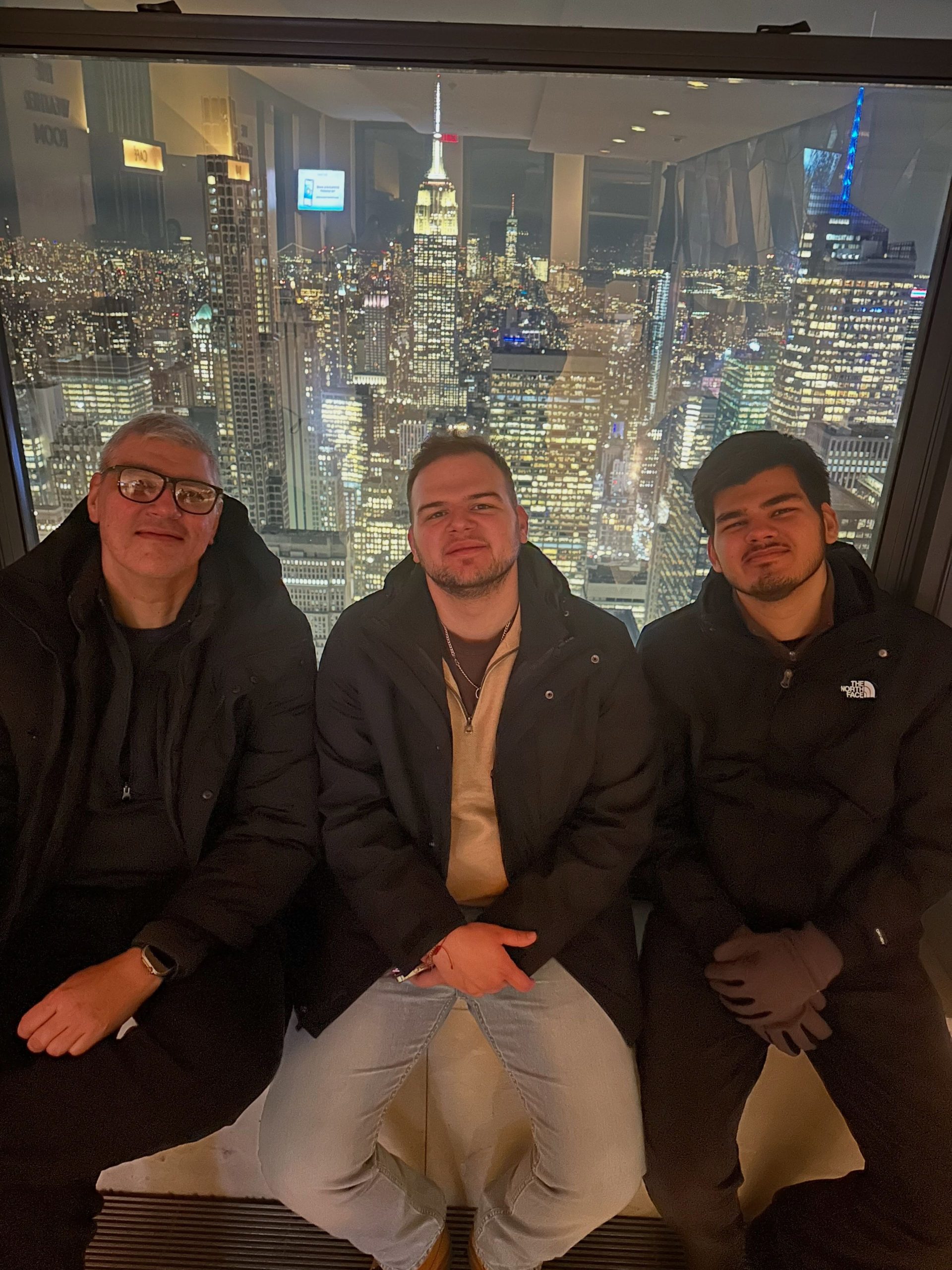
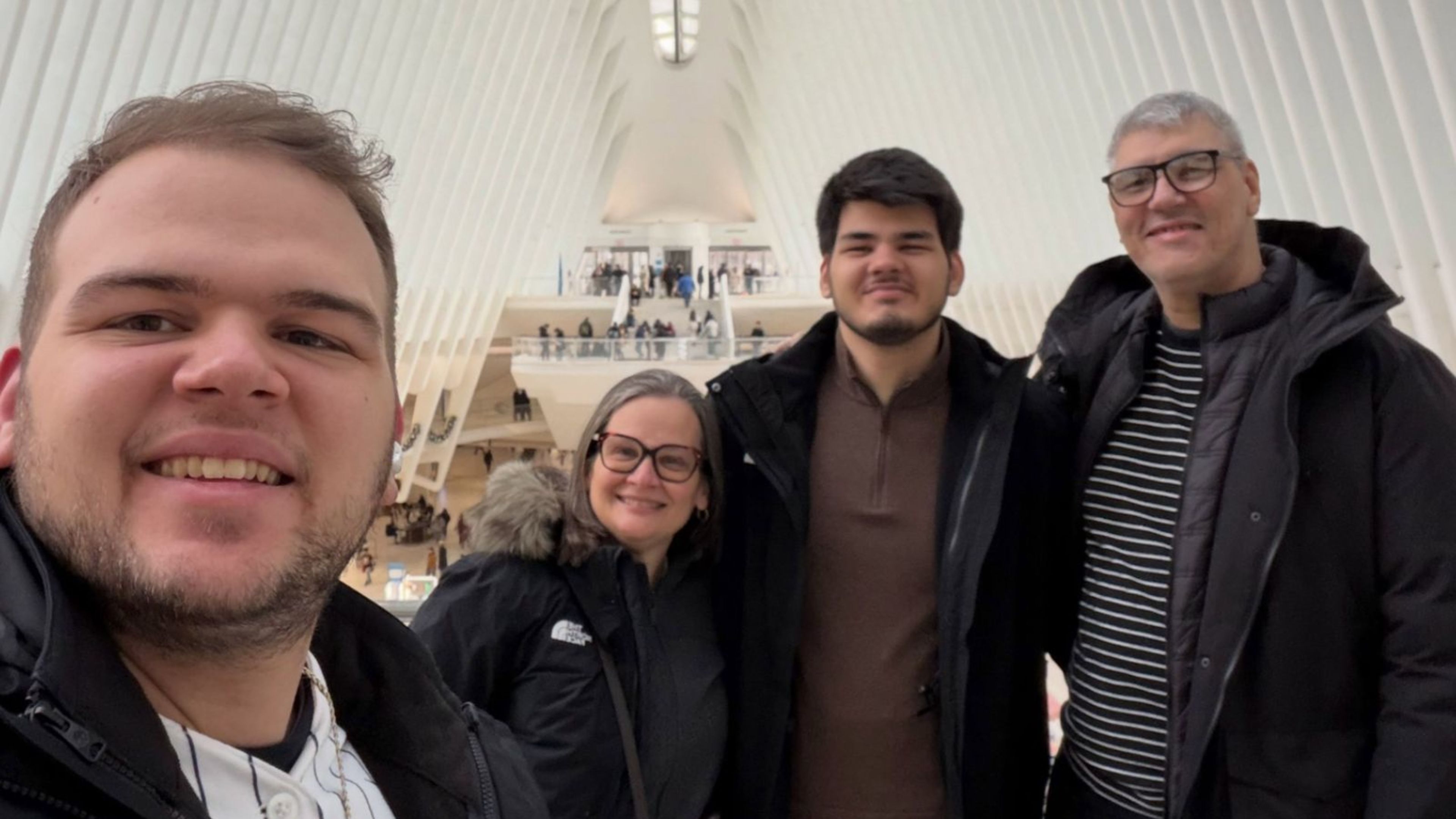
 Wilson, Ricardo, and Enrique on vacation | Credit: Courtesy of María Elena Rocha
 
 María Elena told EWTN News Español, the Spanish-language sister service of EWTN News, that what she encountered in La Guaira looked like something out of a horror movie. Late into the night, only fires broke the darkness. Entire buildings had collapsed. People were searching desperately through the rubble, while others were stealing and looting. There were shrieks, wailing, and weeping.The journey home was difficult, not only because of the damaged state of the road, but also because of the shock evoked by the scene. Every meter covered, every sight of pain and destruction, dealt a blow to the hope María Elena still clung to: the hope of reuniting with her loved ones. She could only reach her home on foot.María Elena faces unimaginable painIt was nearly midnight when María Elena saw that where the Caribbean Golf I building had once stood there was now only a massive pile of rubble. The 49-year-old woman said that paradoxically she felt a great sense of inner peace despite the tragedy. Amidst the confusion, she was told that one of her children was alive but trapped in the rubble. With great effort, María Elena made her way to the spot.It was Enrique, her youngest son. He was severely injured but was able to communicate with his mother. The first few hours following the earthquakes were chaotic in La Guaira; rescue efforts had to be carried out by hand because the necessary equipment for a swift response was not available. It was a very long night during which Enrique asked María Elena not to abandon him. “Don’t worry, son, I will never leave you alone,” she told him.
 
 María Elena with Enrique | Credit: Courtesy of María Elena Rocha
 
 And so, morning came, followed by the afternoon. Trapped and in pain, Enrique could hold on no longer. María Elena, always close by, said she heard his final breath: “He waited for me to take his last breath.” Enrique died right there, alongside his father and his older brother. It was days later that rescuers managed to recover their bodies, which María Elena was then able to give a Christian burial.“My faith grew stronger,” María Elena said. Her journey, however, has not been easy. It has been filled with pain, reproaches, and at times even anger toward God. María Elena was left on her own, and many times she sought answers.“I fought with God. I was filled with rage. ‘Why did you leave me here? Am I so bad that I have to stay here?’ Yet, I surrendered all my suffering to God for the sanctification of their souls,” she shared.Her greatest refuge has always been faith. Now she regularly attends a prayer group at a parish in Caracas, which she says has been very beneficial. She seeks indulgences for her husband and children and says she always tries to be cheerful and “let others see God in me.”“Despite the great loss I’ve experienced, I’ve held onto my sense of humor. That‘s one of the things I asked of God when my son Enrique passed away. I accepted his death with deep pain and entrusted him to God, but I prayed that he wouldn’t take away my joy because I had always been the source of joy in our home. That’s what my children and my husband used to say,” she remarked.“I want my husband and my children to feel proud of their wife and mother. I know that if I am happy, they will be happy, too. Happiness is a decision, and I decided to entrust my happiness to God because he wants all of us to be happy,” she added.Oct. 24 marks four months since that terrible day. More than 6,000 Venezuelans lost their lives in a matter of seconds; thousands were left injured, and many others remain missing. “Despite everything, I thank God for the fact that I was able to speak with my youngest son at that moment. I am grateful to God for life,” María Elena says, though she adds with that sense of humor she hasn’t lost: “Although I do ask him to take me soon.”“I ask that I might fulfill my mission quickly so that I can go to Heaven, because that’s what I long for most these days. Even before, I had no fear of death, because that is our destiny: to die in order to live and I want to live with God,” she said.María Elena says she doesn’t yet know what will become of her life, but affirms that she has “surrendered herself” to whatever Providence may decide.A message on the value of sufferingThe Church teaches us that God does not desire suffering for its own sake, nor is he its direct cause. The explanation of how God can permit evil without being its author is profound, yet it does not fully resolve the pain of any given loss. Through faith, we believe that God can bring good even out of evil; however, this does not make the death of innocent people a good thing, nor does it justify tragedies.Such suffering can take on meaning when experienced in union with Christ. As has been evidenced in the case in Venezuela following the earthquakes, pain can awaken solidarity and mutual responsibility; it can even prompt a society to reflect on how it might improve. This is María Elena’s conviction.“We have been suffering for years. Just try it, you’ll see: when you entrust that suffering to Christ, all the little things we go through, those moments of anger and indignation, offering them to Jesus for the sake of someone else, you will see how the blessings follow,” she said.
 
 María Elena after recovering intact from the rubble a statue of Our Lady of Fatima which belonged to the Luso-Venezuelan Center of Vargas | Credit: Courtesy of María Elena Rocha
 
 “And another thing: thank God for everything. It’s incredible, when you thank God for both the bad things and the good, blessings will follow. I’m not saying that problems won’t continue to arise; I still have plenty of things to deal with myself, but when we are with God, our burdens are lighter,” María Elena reflected.“I am not alone, because I have God; I have the Most Holy Virgin Mary, who has always been with me and I have felt her presence. And who better than she who knows what this pain is like?” she said.This story was first published by EWTN News Español, the Spanish-language sister service of EWTN News. It has been translated and adapted by EWTN News English.

How to face tragedy and still affirm God is your friend? The answer of a Venezuelan mother #Catholic On June 24, 2026, María Elena Rocha was in Caracas. That Wednesday, a public holiday in Venezuela, she decided to set out on a pilgrimage with two friends to visit sites associated with Venezuela’s first saints: St. Carmen Rendiles and St. José Gregorio Hernández.Her devotion made the circuitous, hour-long  journey from her home in La Guaira to the capital city feel shorter. María Elena lived in La Guaira’s Caribbean Golf I building with her family: her husband, Wilson, and their sons, 25-year-old Ricardo and 22-year-old Enrique, all three of whom chose to stay home that day.In Caracas, the day unfolded normally. María Elena and her friends visited the Colegio Belén, where the remains of Mother Carmen rest. Afterward, they went to the José Gregorio Hernández House Museum and concluded their pilgrimage with a Mass at Our Lady of La Candelaria Parish, where the remains of the “doctor of the poor” also rest.Earthquakes and uncertaintyAt 6:04 p.m., María Elena and her friends were in line to buy ice cream. Dark gray clouds over Caracas signaled an approaching storm, but the roar would not come from the sky but from the earth. At that moment, the ground shook with extreme violence, and panic reigned. The three of them managed to get out of the shopping mall where they had been.Soon, the power grid failed and both the internet and telephone lines went down. Two hours later, the group was finally able to retrieve their car from where it was parked and began the journey back home, a trip that, this time, seemed to last forever. Wilson, Ricardo, and Enrique on vacation | Credit: Courtesy of María Elena Rocha María Elena told EWTN News Español, the Spanish-language sister service of EWTN News, that what she encountered in La Guaira looked like something out of a horror movie. Late into the night, only fires broke the darkness. Entire buildings had collapsed. People were searching desperately through the rubble, while others were stealing and looting. There were shrieks, wailing, and weeping.The journey home was difficult, not only because of the damaged state of the road, but also because of the shock evoked by the scene. Every meter covered, every sight of pain and destruction, dealt a blow to the hope María Elena still clung to: the hope of reuniting with her loved ones. She could only reach her home on foot.María Elena faces unimaginable painIt was nearly midnight when María Elena saw that where the Caribbean Golf I building had once stood there was now only a massive pile of rubble. The 49-year-old woman said that paradoxically she felt a great sense of inner peace despite the tragedy. Amidst the confusion, she was told that one of her children was alive but trapped in the rubble. With great effort, María Elena made her way to the spot.It was Enrique, her youngest son. He was severely injured but was able to communicate with his mother. The first few hours following the earthquakes were chaotic in La Guaira; rescue efforts had to be carried out by hand because the necessary equipment for a swift response was not available. It was a very long night during which Enrique asked María Elena not to abandon him. “Don’t worry, son, I will never leave you alone,” she told him. María Elena with Enrique | Credit: Courtesy of María Elena Rocha And so, morning came, followed by the afternoon. Trapped and in pain, Enrique could hold on no longer. María Elena, always close by, said she heard his final breath: “He waited for me to take his last breath.” Enrique died right there, alongside his father and his older brother. It was days later that rescuers managed to recover their bodies, which María Elena was then able to give a Christian burial.“My faith grew stronger,” María Elena said. Her journey, however, has not been easy. It has been filled with pain, reproaches, and at times even anger toward God. María Elena was left on her own, and many times she sought answers.“I fought with God. I was filled with rage. ‘Why did you leave me here? Am I so bad that I have to stay here?’ Yet, I surrendered all my suffering to God for the sanctification of their souls,” she shared.Her greatest refuge has always been faith. Now she regularly attends a prayer group at a parish in Caracas, which she says has been very beneficial. She seeks indulgences for her husband and children and says she always tries to be cheerful and “let others see God in me.”“Despite the great loss I’ve experienced, I’ve held onto my sense of humor. That‘s one of the things I asked of God when my son Enrique passed away. I accepted his death with deep pain and entrusted him to God, but I prayed that he wouldn’t take away my joy because I had always been the source of joy in our home. That’s what my children and my husband used to say,” she remarked.“I want my husband and my children to feel proud of their wife and mother. I know that if I am happy, they will be happy, too. Happiness is a decision, and I decided to entrust my happiness to God because he wants all of us to be happy,” she added.Oct. 24 marks four months since that terrible day. More than 6,000 Venezuelans lost their lives in a matter of seconds; thousands were left injured, and many others remain missing. “Despite everything, I thank God for the fact that I was able to speak with my youngest son at that moment. I am grateful to God for life,” María Elena says, though she adds with that sense of humor she hasn’t lost: “Although I do ask him to take me soon.”“I ask that I might fulfill my mission quickly so that I can go to Heaven, because that’s what I long for most these days. Even before, I had no fear of death, because that is our destiny: to die in order to live and I want to live with God,” she said.María Elena says she doesn’t yet know what will become of her life, but affirms that she has “surrendered herself” to whatever Providence may decide.A message on the value of sufferingThe Church teaches us that God does not desire suffering for its own sake, nor is he its direct cause. The explanation of how God can permit evil without being its author is profound, yet it does not fully resolve the pain of any given loss. Through faith, we believe that God can bring good even out of evil; however, this does not make the death of innocent people a good thing, nor does it justify tragedies.Such suffering can take on meaning when experienced in union with Christ. As has been evidenced in the case in Venezuela following the earthquakes, pain can awaken solidarity and mutual responsibility; it can even prompt a society to reflect on how it might improve. This is María Elena’s conviction.“We have been suffering for years. Just try it, you’ll see: when you entrust that suffering to Christ, all the little things we go through, those moments of anger and indignation, offering them to Jesus for the sake of someone else, you will see how the blessings follow,” she said. María Elena after recovering intact from the rubble a statue of Our Lady of Fatima which belonged to the Luso-Venezuelan Center of Vargas | Credit: Courtesy of María Elena Rocha “And another thing: thank God for everything. It’s incredible, when you thank God for both the bad things and the good, blessings will follow. I’m not saying that problems won’t continue to arise; I still have plenty of things to deal with myself, but when we are with God, our burdens are lighter,” María Elena reflected.“I am not alone, because I have God; I have the Most Holy Virgin Mary, who has always been with me and I have felt her presence. And who better than she who knows what this pain is like?” she said.This story was first published by EWTN News Español, the Spanish-language sister service of EWTN News. It has been translated and adapted by EWTN News English.

Maria Elena Rocha recounts how despite the tragedy of losing her husband and two sons in last summer’s earthquake in Venezuela, her faith and trust in God still sustains her.
Read More
‘He died doing what he loved’: Memories of the Ecuadorian priest who died at the altar #Catholic “He died doing what he loved, the Eucharist” is how Father Pedro Calle remembered his fellow Redemptorist, Father Patricio Sánchez Molinari, who died Oct. 17 after a large crucifix broke loose from the sanctuary wall and fell on him during Mass.“It’s not so easy to process or come to terms with this situation, given the way it happened,” Calle shared in an interview with EWTN News Español, the Spanish-language sister service of EWTN News. “I could break down at any moment because of the pain I feel inside.”Calle lives in Quito, Ecuador, and manages the administrative needs of the Redemptorist congregation in the Andean-Caribbean Province, which comprises Venezuela, Colombia, and Ecuador. He is currently in Guayaquil serving also as the legal representative to handle matters related to Sánchez’s death. He is also taking part in the Oct. 19–27 novena for the repose of his soul.
 
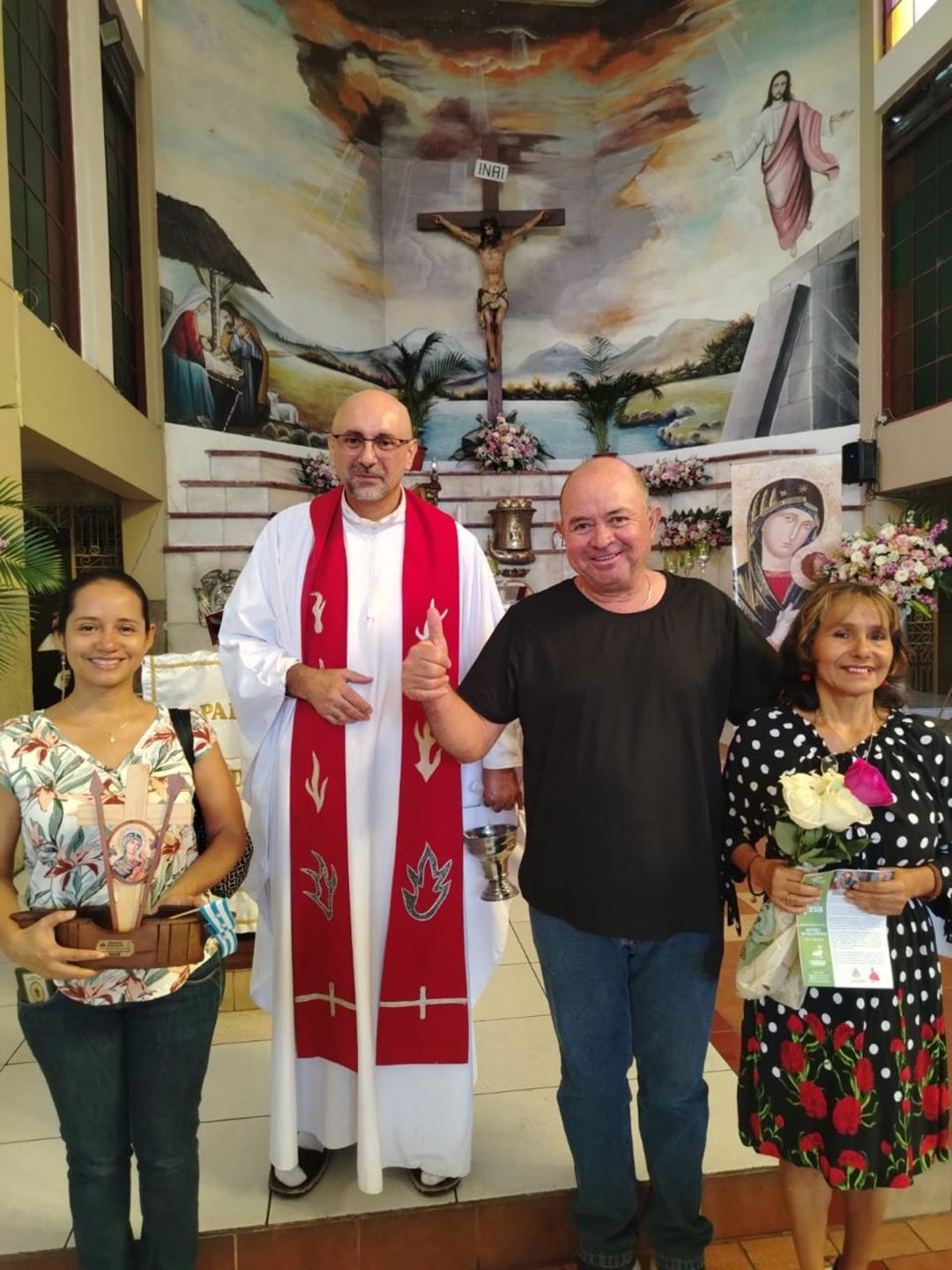
 Father Patricio Sánchez Molinari with some of the faithful at Our Lady of Perpetual Help Church. | Credit: Photo courtesy of Father Pedro Calle
 
 “He died embracing the cross. The crucifix was not damaged, save for the part of the leg [of the corpus]. It is striking how he celebrated the Lord’s passover, and the Lord celebrated his passover with him… And Patricio died doing what he loved: the Eucharist,” the priest emphasized.He loved the Eucharist and the Blessed Virgin MaryCalle described Sánchez as a man “with a pure heart and a ready smile, a smile that created a sense of closeness. People were drawn to him because of his purity of heart, in which there was no trace of ill intent. He was always so very calm, patient, and tolerant.”“He very much loved the Blessed Sacrament. Wherever he went to any parish he would always emphasize this devotion. And he was always the first one there; he wouldn’t just expose the Blessed Sacrament for a while and then leave, he would stay to pray,” the priest recounted.Sánchez served in Loja, in southern Ecuador, and later in a mission area called Vinces. He also spent nine years at a parish in Manta, and finally about four years in Guayaquil, at Our Lady of Perpetual Help Church. He served as the pastor there, and it was in that church that he died.
 
 Father Patricio Sánchez Molinari with some of the faithful. | Credit: Photo courtesy of Father Pedro Calle
 
 “He also loved the Most Holy Virgin Mary. We can describe Patricio as someone who throughout his ministry everyone felt his closeness to them, absolutely everyone,” the Redemptorist priest highlighted.“He was always a very dedicated man, always spiritual and pastoral. He would say ‘yes’ to everyone. We could say, then, that he was a hardworking man, very self-sacrificing, very devoted,” he remarked.Calle further noted that “Patricio was a very simple person, very approachable and full of human warmth. That’s why his homilies were so simple.”“My enduring memory of Patricio,” he added, “is that he was a very welcoming person, always concerned with making sure one had something to eat or drink. He enjoyed going to the cinema and was an athletic person; he liked going for a walk and swimming.”‘A sign of grace’The priest shared that he never had a conversation with Sánchez about how he would have liked to be remembered, but he highlighted one aspect he has been reflecting on in recent days following the tragic death of his fellow priest.“Patricio’s death will become, or is already becoming, a sign of grace for Catholics and for humanity, given the fact that he was in the midst of broadcasting [the Mass] and that the tragedy unfolded in precisely this way, rather than any other. That was a message for everyone,” Calle remarked.
 
 Father Patricio Sánchez Molinari with a group of the faithful. | Credit: Photo courtesy of Father Pedro Calle
 
 The priest remarked, in closing, that he does not know where the story of this priest will ultimately lead but that it certainly will not leave anyone indifferent.“I don’t know if his mission is beginning now. I cannot offer any certainty or assurance; it is simply a personal perception, based on the context and the way he died.”‘One day, all of us here will also die’Sánchez was born on Nov. 6, 1973, in Cuenca, Ecuador. He made his profession in the Congregation of the Most Holy Redeemer (Redemptorists) on Aug. 15, 2000, the solemnity of the Assumption of the Blessed Virgin Mary. He was ordained a priest on Oct. 15, 2005.He was pastor at Our Lady of Perpetual Help Parish in south Guayaquil. He served as the superior of his religious community, where he lived alongside a fellow religious brother who had taken his perpetual vows.In his final homily, on the day of his death, he spoke about the importance of making time for God. “He must come first,” he said, adding: “Dear brothers and sisters, one day, all of us here will also die. Sometimes, the time we have spent on material things does not hold as much meaning as the time we dedicate to God, that quality time we give to God, to our brothers and sisters, to our wife, our husband, to our children, and to our families. That is time spent in the best possible way.”This story was first published by EWTN News Español, the Spanish-language sister service of EWTN News. It has been translated and adapted by EWTN News English.

‘He died doing what he loved’: Memories of the Ecuadorian priest who died at the altar #Catholic “He died doing what he loved, the Eucharist” is how Father Pedro Calle remembered his fellow Redemptorist, Father Patricio Sánchez Molinari, who died Oct. 17 after a large crucifix broke loose from the sanctuary wall and fell on him during Mass.“It’s not so easy to process or come to terms with this situation, given the way it happened,” Calle shared in an interview with EWTN News Español, the Spanish-language sister service of EWTN News. “I could break down at any moment because of the pain I feel inside.”Calle lives in Quito, Ecuador, and manages the administrative needs of the Redemptorist congregation in the Andean-Caribbean Province, which comprises Venezuela, Colombia, and Ecuador. He is currently in Guayaquil serving also as the legal representative to handle matters related to Sánchez’s death. He is also taking part in the Oct. 19–27 novena for the repose of his soul. Father Patricio Sánchez Molinari with some of the faithful at Our Lady of Perpetual Help Church. | Credit: Photo courtesy of Father Pedro Calle “He died embracing the cross. The crucifix was not damaged, save for the part of the leg [of the corpus]. It is striking how he celebrated the Lord’s passover, and the Lord celebrated his passover with him… And Patricio died doing what he loved: the Eucharist,” the priest emphasized.He loved the Eucharist and the Blessed Virgin MaryCalle described Sánchez as a man “with a pure heart and a ready smile, a smile that created a sense of closeness. People were drawn to him because of his purity of heart, in which there was no trace of ill intent. He was always so very calm, patient, and tolerant.”“He very much loved the Blessed Sacrament. Wherever he went to any parish he would always emphasize this devotion. And he was always the first one there; he wouldn’t just expose the Blessed Sacrament for a while and then leave, he would stay to pray,” the priest recounted.Sánchez served in Loja, in southern Ecuador, and later in a mission area called Vinces. He also spent nine years at a parish in Manta, and finally about four years in Guayaquil, at Our Lady of Perpetual Help Church. He served as the pastor there, and it was in that church that he died. Father Patricio Sánchez Molinari with some of the faithful. | Credit: Photo courtesy of Father Pedro Calle “He also loved the Most Holy Virgin Mary. We can describe Patricio as someone who throughout his ministry everyone felt his closeness to them, absolutely everyone,” the Redemptorist priest highlighted.“He was always a very dedicated man, always spiritual and pastoral. He would say ‘yes’ to everyone. We could say, then, that he was a hardworking man, very self-sacrificing, very devoted,” he remarked.Calle further noted that “Patricio was a very simple person, very approachable and full of human warmth. That’s why his homilies were so simple.”“My enduring memory of Patricio,” he added, “is that he was a very welcoming person, always concerned with making sure one had something to eat or drink. He enjoyed going to the cinema and was an athletic person; he liked going for a walk and swimming.”‘A sign of grace’The priest shared that he never had a conversation with Sánchez about how he would have liked to be remembered, but he highlighted one aspect he has been reflecting on in recent days following the tragic death of his fellow priest.“Patricio’s death will become, or is already becoming, a sign of grace for Catholics and for humanity, given the fact that he was in the midst of broadcasting [the Mass] and that the tragedy unfolded in precisely this way, rather than any other. That was a message for everyone,” Calle remarked. Father Patricio Sánchez Molinari with a group of the faithful. | Credit: Photo courtesy of Father Pedro Calle The priest remarked, in closing, that he does not know where the story of this priest will ultimately lead but that it certainly will not leave anyone indifferent.“I don’t know if his mission is beginning now. I cannot offer any certainty or assurance; it is simply a personal perception, based on the context and the way he died.”‘One day, all of us here will also die’Sánchez was born on Nov. 6, 1973, in Cuenca, Ecuador. He made his profession in the Congregation of the Most Holy Redeemer (Redemptorists) on Aug. 15, 2000, the solemnity of the Assumption of the Blessed Virgin Mary. He was ordained a priest on Oct. 15, 2005.He was pastor at Our Lady of Perpetual Help Parish in south Guayaquil. He served as the superior of his religious community, where he lived alongside a fellow religious brother who had taken his perpetual vows.In his final homily, on the day of his death, he spoke about the importance of making time for God. “He must come first,” he said, adding: “Dear brothers and sisters, one day, all of us here will also die. Sometimes, the time we have spent on material things does not hold as much meaning as the time we dedicate to God, that quality time we give to God, to our brothers and sisters, to our wife, our husband, to our children, and to our families. That is time spent in the best possible way.”This story was first published by EWTN News Español, the Spanish-language sister service of EWTN News. It has been translated and adapted by EWTN News English.

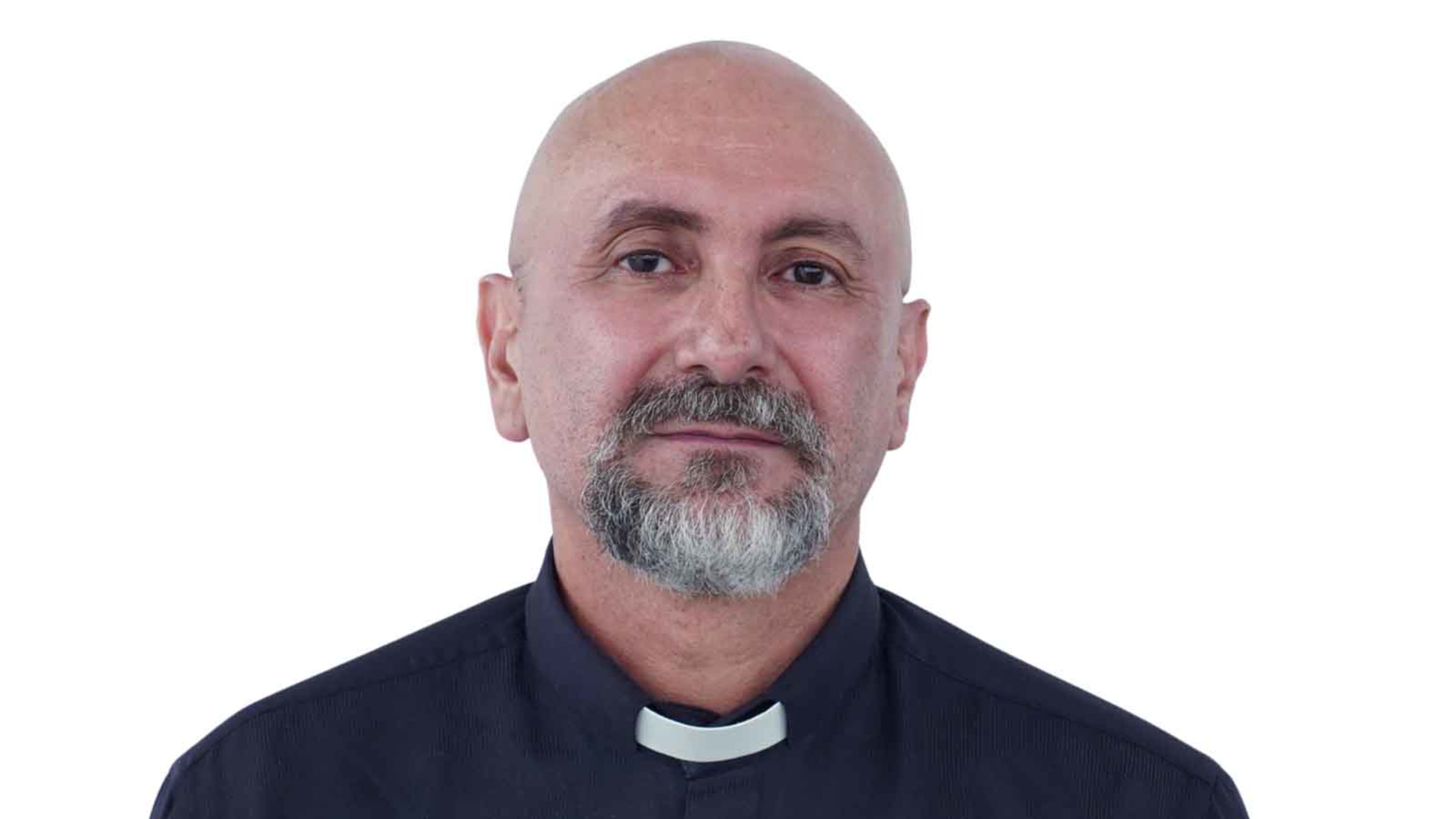
The late Father Patricio Sánchez Molinari was described as a man “with a pure heart and a ready smile … he was always so very calm, patient, and tolerant.” asFather Patricio Sánchez
Read More

In Astronomy’s 2022 list of the 20 greatest astronomers of all time, Associate Editor Michael Bakich ranked Tycho Brahe No. 2, second only to Galileo, noting: “Danish astronomer Tyge (Tycho) Ottesen Brahe was history’s greatest pre-telescopic observer.” Born Dec. 14, 1546, Tycho was raised by an uncle who funded his education at the University ofContinue reading “Oct. 24, 1601: The death of Tycho Brahe”

The post Oct. 24, 1601: The death of Tycho Brahe appeared first on Astronomy Magazine.

Read More
Picture of the day


White teatfish (Holothuria fuscogilva), Ras Muhammad National Park, Red Sea, Egypt. This species of sea cucumber, also known as white teeth, is found in shallow waters near islands and around coral reefs in the tropical waters of the Indo-Pacific ocean. Juvenile cucumbers live in shallower waters (such as inter-tidal zones) and then migrate to deeper waters as they mature. Adult cucumbers weigh between 2.4 and 4 kilograms. They are oval in shape and have a firm texture. This species cucumber has lateral papillae (teats) which are often buried in the sand. As it’s consumed as a food and is part of a large commercial fishery across its range, it was listed as vulnerable on the IUCN Red List in 2010 due to overfishing.
 #ImageOfTheDay
Picture of the day
White teatfish (Holothuria fuscogilva), Ras Muhammad National Park, Red Sea, Egypt. This species of sea cucumber, also known as white teeth, is found in shallow waters near islands and around coral reefs in the tropical waters of the Indo-Pacific ocean. Juvenile cucumbers live in shallower waters (such as inter-tidal zones) and then migrate to deeper waters as they mature. Adult cucumbers weigh between 2.4 and 4 kilograms. They are oval in shape and have a firm texture. This species cucumber has lateral papillae (teats) which are often buried in the sand. As it’s consumed as a food and is part of a large commercial fishery across its range, it was listed as vulnerable on the IUCN Red List in 2010 due to overfishing.
Read More