bank

‘The Church needs her sons’: Catholic podcast hosts call men to embrace fatherhood and faith #Catholic Samuel Blair and Jason Angelette are two of the five hosts of “The Point Man Podcast,” a podcast for Catholic men. Together, alongside Chris Price, Clint Capdepon, and Drew Pearson, they are fathers and husbands who share their knowledge and experience about navigating life today as Catholic men and as leaders of their families.Blair, a father of four, and Angelette, a widowed father of five, explained that the podcast is aimed at fathers and focuses on how masculinity and the sacramental life can be integrated. Describing themselves as a “mic’d up men’s group,” they try to foster a community to help men realize they’re not alone and encourage one another in their walk with the Lord.Ahead of Father’s Day, EWTN News spoke to the two men about how masculinity is perceived in today’s culture, what authentic masculinity looks like, and why fatherhood is such an important vocation in the life of the Church.(Editorʼs note: This interview was edited for clarity and length.)EWTN News: “Toxic masculinity” is a term used a lot in todayʼs culture. How would you each define authentic Catholic masculinity?Angelette: Jesus Christ. Thatʼs authentic masculinity. Jesus Christ fully reveals man to himself in his most high calling … the more that we model, imitate, and walk in the footsteps of Our Lord and Savior Jesus Christ, we will radiate a loving walk with our brothers and sisters in Christ in showing what real masculinity looks like.He tells the story of the prodigal son, which is the greatest short story ever told of what happens when, in the face of a father who is humiliated by his son, his son abandoned him, took the money, squandered the inheritance, and just left this complete stain on the family name, and how does he respond to it? Or when you see the compassion and the mercy that he shows the woman who is literally caught in the very act of adultery. Or you see when he embraces Peter after heʼs denied him three times and he gives him three chances to redeem himself and to show that mercy and that kindness and that humility and that gentleness.The heart of a man is a heart that has been set on fire by the Lord Jesus and he loves with gentleness and humility, not weakness in a sense of [being passive], but meekness in the sense of responding to the will of the Father.Blair: At the end of the day, when we die, the Lord doesnʼt ask us, “All right, well let me see your bank account, let me see the titles.” Itʼs “How well did you love?” And you cannot love if you donʼt receive love, which is to Jasonʼs point, he said it very succinctly, is Jesus Christ — he is the way, the truth, and life. So, modeling our lives after him and in that offering not only our wife, our children, our community, stability, offering our strength, warmth, validation because weʼve received that validation and love from the Father.Angelette: Toxic masculinity is men who are fighting the wrong fight. Men who have embraced the wrong identity, men who have abused the gifts and talents that theyʼve been given for themselves and not for others and for the kingdom.
 
 Samuel Blair, Jason Angelette, Chris Price, Clint Capdepon, and Drew Pearson film an episode of “The Point Man Podcast.” | Credit: Studio 7 at The Reminding
 
 Why is fatherhood such an important vocation in the life of the Church?Angelette: John Paul II, who wrote a play — he wrote five plays — and his last one was called “Radiation of Fatherhood.” And I feel like part of the gift of fatherhood is to radiate the fatherhood of God into the world and to our children.That is this beautiful gift that weʼve been given to participate in this way that God wants to reveal himself through us. Heʼs allowing us to participate — and not act like him, but to love like him, to love with a love like his.So as men, as husbands, as fathers, thereʼs this ability that through this masculine heart, this male heart, through this fatherhood, that we can love and reveal the love of God, the love of the father into the world.Satan hates that. I mean, the thing that destroys families is when fathers have abandoned their post and they leave. Look at the statistics of what happens when a father is not embracing his responsibility as the first herald of the faith, to lead their family in faith, and how hard it is for the faith to be passed on to the next generation.For Fatherʼs Day, what message would you like to share with fathers?Blair: Fathers, know that you’re unconditionally loved by God the Father and that the prodigal son points to that. And whether youʼre the younger son or the older son, he has this great inheritance for his boys, his sons.Not only should we enter into a relationship with Jesus for our own sake but for our wives, for our children, and ultimately the Church. The Church needs her sons fully engaged. Gone are the days you can just be on the sidelines.Angelette: You hear all the time that God loves you and unless youʼre drawing near to the Father, that just sounds like words. So, just avail yourself to really draw into prayer, to the sacraments, to connect with other men in Christ to not walk this road alone.If you want your heart on fire, draw near to the Sacred Heart and let his fire, let the heart of Christ, ignite your heart to the love that weʼre called to so we can truly love our families, truly love our children, and love our wives, and be the man that we know in our heart we want to be and that weʼre being called to be.

‘The Church needs her sons’: Catholic podcast hosts call men to embrace fatherhood and faith #Catholic Samuel Blair and Jason Angelette are two of the five hosts of “The Point Man Podcast,” a podcast for Catholic men. Together, alongside Chris Price, Clint Capdepon, and Drew Pearson, they are fathers and husbands who share their knowledge and experience about navigating life today as Catholic men and as leaders of their families.Blair, a father of four, and Angelette, a widowed father of five, explained that the podcast is aimed at fathers and focuses on how masculinity and the sacramental life can be integrated. Describing themselves as a “mic’d up men’s group,” they try to foster a community to help men realize they’re not alone and encourage one another in their walk with the Lord.Ahead of Father’s Day, EWTN News spoke to the two men about how masculinity is perceived in today’s culture, what authentic masculinity looks like, and why fatherhood is such an important vocation in the life of the Church.(Editorʼs note: This interview was edited for clarity and length.)EWTN News: “Toxic masculinity” is a term used a lot in todayʼs culture. How would you each define authentic Catholic masculinity?Angelette: Jesus Christ. Thatʼs authentic masculinity. Jesus Christ fully reveals man to himself in his most high calling … the more that we model, imitate, and walk in the footsteps of Our Lord and Savior Jesus Christ, we will radiate a loving walk with our brothers and sisters in Christ in showing what real masculinity looks like.He tells the story of the prodigal son, which is the greatest short story ever told of what happens when, in the face of a father who is humiliated by his son, his son abandoned him, took the money, squandered the inheritance, and just left this complete stain on the family name, and how does he respond to it? Or when you see the compassion and the mercy that he shows the woman who is literally caught in the very act of adultery. Or you see when he embraces Peter after heʼs denied him three times and he gives him three chances to redeem himself and to show that mercy and that kindness and that humility and that gentleness.The heart of a man is a heart that has been set on fire by the Lord Jesus and he loves with gentleness and humility, not weakness in a sense of [being passive], but meekness in the sense of responding to the will of the Father.Blair: At the end of the day, when we die, the Lord doesnʼt ask us, “All right, well let me see your bank account, let me see the titles.” Itʼs “How well did you love?” And you cannot love if you donʼt receive love, which is to Jasonʼs point, he said it very succinctly, is Jesus Christ — he is the way, the truth, and life. So, modeling our lives after him and in that offering not only our wife, our children, our community, stability, offering our strength, warmth, validation because weʼve received that validation and love from the Father.Angelette: Toxic masculinity is men who are fighting the wrong fight. Men who have embraced the wrong identity, men who have abused the gifts and talents that theyʼve been given for themselves and not for others and for the kingdom. Samuel Blair, Jason Angelette, Chris Price, Clint Capdepon, and Drew Pearson film an episode of “The Point Man Podcast.” | Credit: Studio 7 at The Reminding Why is fatherhood such an important vocation in the life of the Church?Angelette: John Paul II, who wrote a play — he wrote five plays — and his last one was called “Radiation of Fatherhood.” And I feel like part of the gift of fatherhood is to radiate the fatherhood of God into the world and to our children.That is this beautiful gift that weʼve been given to participate in this way that God wants to reveal himself through us. Heʼs allowing us to participate — and not act like him, but to love like him, to love with a love like his.So as men, as husbands, as fathers, thereʼs this ability that through this masculine heart, this male heart, through this fatherhood, that we can love and reveal the love of God, the love of the father into the world.Satan hates that. I mean, the thing that destroys families is when fathers have abandoned their post and they leave. Look at the statistics of what happens when a father is not embracing his responsibility as the first herald of the faith, to lead their family in faith, and how hard it is for the faith to be passed on to the next generation.For Fatherʼs Day, what message would you like to share with fathers?Blair: Fathers, know that you’re unconditionally loved by God the Father and that the prodigal son points to that. And whether youʼre the younger son or the older son, he has this great inheritance for his boys, his sons.Not only should we enter into a relationship with Jesus for our own sake but for our wives, for our children, and ultimately the Church. The Church needs her sons fully engaged. Gone are the days you can just be on the sidelines.Angelette: You hear all the time that God loves you and unless youʼre drawing near to the Father, that just sounds like words. So, just avail yourself to really draw into prayer, to the sacraments, to connect with other men in Christ to not walk this road alone.If you want your heart on fire, draw near to the Sacred Heart and let his fire, let the heart of Christ, ignite your heart to the love that weʼre called to so we can truly love our families, truly love our children, and love our wives, and be the man that we know in our heart we want to be and that weʼre being called to be.

Samuel Blair and Jason Angelette are fathers and husbands who share their knowledge and experiences on navigating life as Catholic men and leaders of their families on “The Point Man Podcast.”

Read More
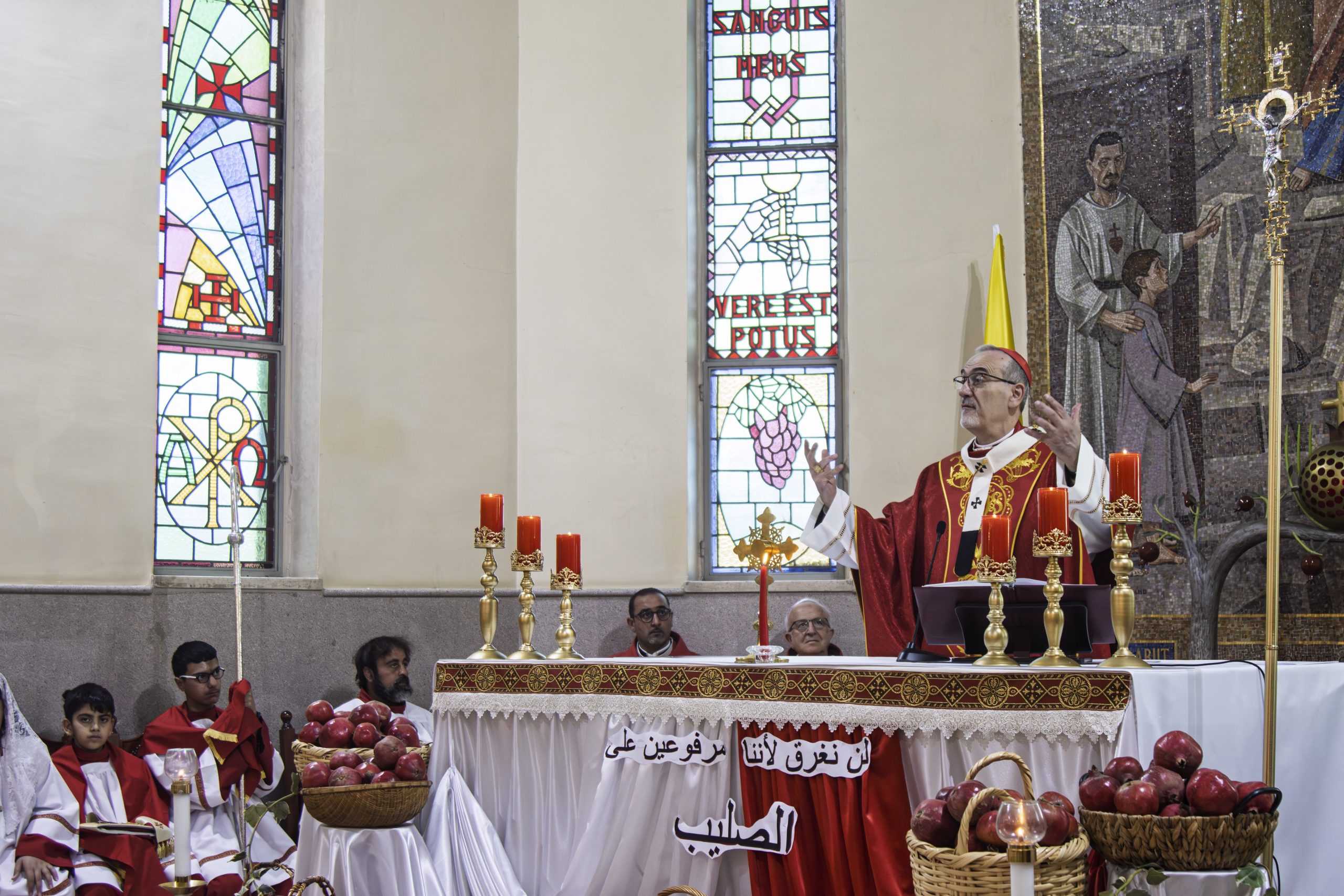
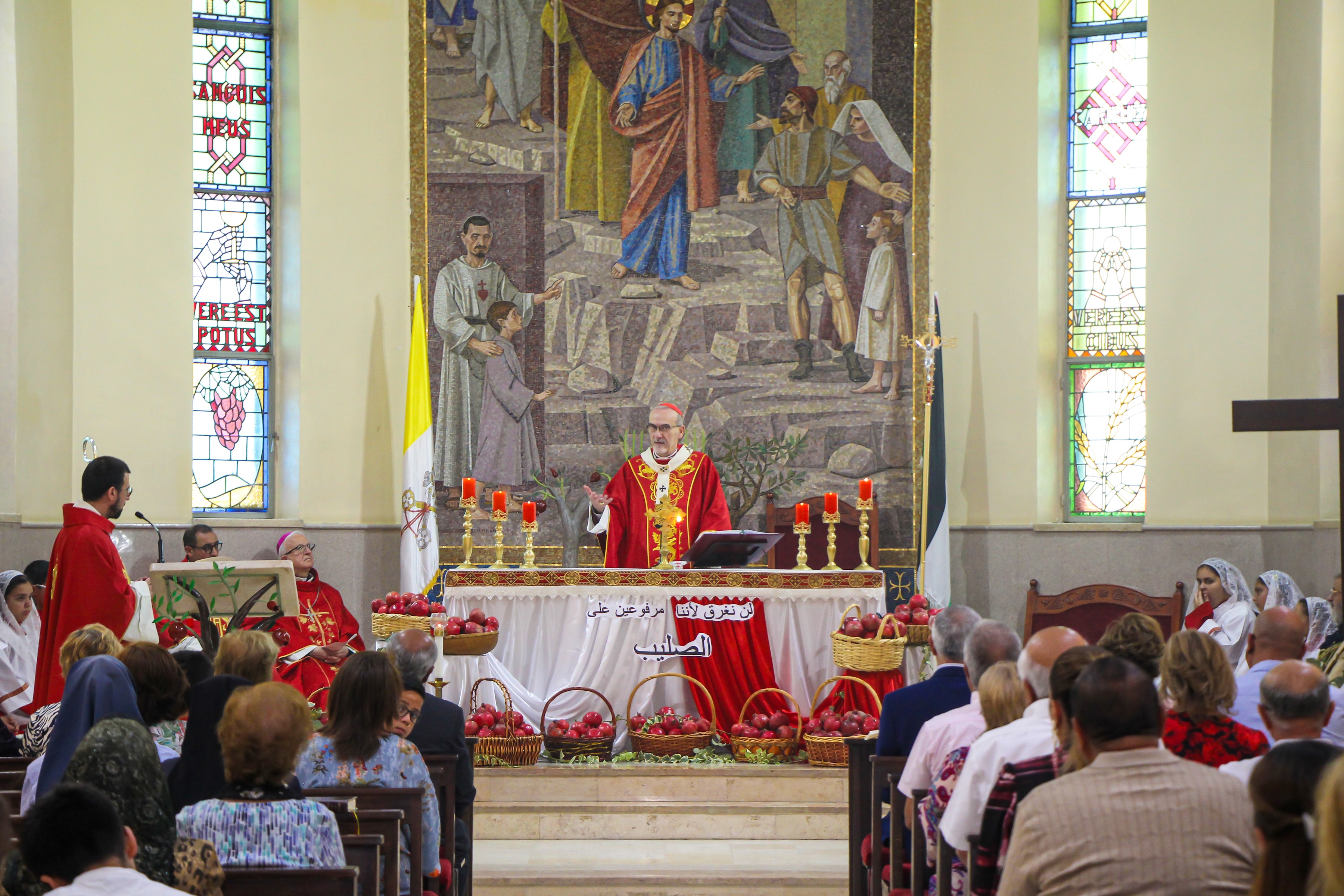
Monsignor Vaccari cites rising humanitarian strain as Middle East violence intensifies #Catholic Monsignor Peter Vaccari reported rising humanitarian needs during a recent Middle East visit, describing disrupted daily life as conflicts intensified.Vaccari, president of Catholic Near East Welfare Association (CNEWA), a papal agency that delivers humanitarian aid, described the realities facing those living amid ongoing regional tensions in an interview with “EWTN News Nightly” anchor Veronica Dudo, an excerpt of which was broadcast on June 8. Vaccari said about a visit to Jerusalem: “The day began with the sound of large sirens. Loud sirens going off, letting us know that rockets, drones, and missiles were on their way.” The situation, he said, dramatically altered the day’s plans for residents and aid workers alike.Despite the challenges, Vaccari continued his journey throughout the region, emphasizing the importance of maintaining a visible Church presence among suffering communities.CNEWA maintains offices throughout the Middle East, including in Jerusalem, Amman, and Beirut. According to Vaccari, the organization’s local presence enables it to respond quickly to changing circumstances and coordinate assistance directly with Church leaders on the ground.“The work that we do is on the ground,” Vaccari said, noting that local staff and Church partners remain deeply connected to the communities they serve.Much of CNEWA’s work focuses on humanitarian relief in Gaza, the West Bank, Jordan, and Lebanon. The organization provides assistance ranging from food and clean water to medicine, medical equipment, and emergency relief for families displaced by conflict.Beyond material aid, CNEWA has increasingly emphasized psychosocial and emotional support programs. Vaccari said such healing initiatives have become especially important as communities continue to endure the trauma associated with war and displacement.“To whatever extent we can work to try to provide clean water, medicine, food, medical relief, medical equipment, weʼre trying to do that,” he said. “Psychosocial healing, which as you can well imagine under the circumstances right now, is [also] a very needed entity.”Founded by Pope Pius XI in 1926, CNEWA works on behalf of the Holy See to support Eastern Catholic Churches and provide humanitarian assistance throughout the Middle East, Northeast Africa, India, and Eastern Europe. The organization partners closely with local bishops, religious communities, and lay leaders to deliver aid where it is most needed.“We work with the local Church,” Vaccari said. “We’re working with local bishops, lay leadership, consecrated religious, and the nuncios.”The organization’s work is funded largely through donations from Catholics and other benefactors around the world.“Never, in a typical mission, do we work alone,” Vaccari said. He expressed gratitude for local partners and donors whose support makes the organization’s humanitarian and pastoral outreach possible.

Monsignor Vaccari cites rising humanitarian strain as Middle East violence intensifies #Catholic Monsignor Peter Vaccari reported rising humanitarian needs during a recent Middle East visit, describing disrupted daily life as conflicts intensified.Vaccari, president of Catholic Near East Welfare Association (CNEWA), a papal agency that delivers humanitarian aid, described the realities facing those living amid ongoing regional tensions in an interview with “EWTN News Nightly” anchor Veronica Dudo, an excerpt of which was broadcast on June 8. Vaccari said about a visit to Jerusalem: “The day began with the sound of large sirens. Loud sirens going off, letting us know that rockets, drones, and missiles were on their way.” The situation, he said, dramatically altered the day’s plans for residents and aid workers alike.Despite the challenges, Vaccari continued his journey throughout the region, emphasizing the importance of maintaining a visible Church presence among suffering communities.CNEWA maintains offices throughout the Middle East, including in Jerusalem, Amman, and Beirut. According to Vaccari, the organization’s local presence enables it to respond quickly to changing circumstances and coordinate assistance directly with Church leaders on the ground.“The work that we do is on the ground,” Vaccari said, noting that local staff and Church partners remain deeply connected to the communities they serve.Much of CNEWA’s work focuses on humanitarian relief in Gaza, the West Bank, Jordan, and Lebanon. The organization provides assistance ranging from food and clean water to medicine, medical equipment, and emergency relief for families displaced by conflict.Beyond material aid, CNEWA has increasingly emphasized psychosocial and emotional support programs. Vaccari said such healing initiatives have become especially important as communities continue to endure the trauma associated with war and displacement.“To whatever extent we can work to try to provide clean water, medicine, food, medical relief, medical equipment, weʼre trying to do that,” he said. “Psychosocial healing, which as you can well imagine under the circumstances right now, is [also] a very needed entity.”Founded by Pope Pius XI in 1926, CNEWA works on behalf of the Holy See to support Eastern Catholic Churches and provide humanitarian assistance throughout the Middle East, Northeast Africa, India, and Eastern Europe. The organization partners closely with local bishops, religious communities, and lay leaders to deliver aid where it is most needed.“We work with the local Church,” Vaccari said. “We’re working with local bishops, lay leadership, consecrated religious, and the nuncios.”The organization’s work is funded largely through donations from Catholics and other benefactors around the world.“Never, in a typical mission, do we work alone,” Vaccari said. He expressed gratitude for local partners and donors whose support makes the organization’s humanitarian and pastoral outreach possible.

Monsignor Peter Vaccari, president of Catholic Near East Welfare Association (CNEWA), a papal agency that delivers humanitarian aid, described situation in Jerusalem.

Read More
Picture of the day


Fortified city of Carcassonne during the blue hour, France. Founded during the Gallo-Roman period, the citadel derives its reputation from its 3 kilometres (1.9 mi) long double surrounding walls interspersed by 52 towers. The medieval citadel, situated on a hill on the right bank of the river Aude, was restored at the end of the 19th century by the theorist and architect Eugène Viollet-le-Duc. In 1997, it was added to the UNESCO list of World Heritage Sites because of its exceptional testimony to the architecture and planning of a medieval fortress town.
 #ImageOfTheDay
Picture of the day
Fortified city of Carcassonne during the blue hour, France. Founded during the Gallo-Roman period, the citadel derives its reputation from its 3 kilometres (1.9 mi) long double surrounding walls interspersed by 52 towers. The medieval citadel, situated on a hill on the right bank of the river Aude, was restored at the end of the 19th century by the theorist and architect Eugène Viollet-le-Duc. In 1997, it was added to the UNESCO list of World Heritage Sites because of its exceptional testimony to the architecture and planning of a medieval fortress town.
Read More
Picture of the day


Panoramic view of the west bank of Nigeen Lake in Srinagar, India, with the distant Middle Himalayan Pir Panjal mountain range in the background. The city, situated on the banks of the Jhelum river and several lakes in the Himalayan Kashmir Valley, is the summer capital of Jammu and Kashmir and the northernmost million-plus city of India.
 #ImageOfTheDay
Picture of the day
Panoramic view of the west bank of Nigeen Lake in Srinagar, India, with the distant Middle Himalayan Pir Panjal mountain range in the background. The city, situated on the banks of the Jhelum river and several lakes in the Himalayan Kashmir Valley, is the summer capital of Jammu and Kashmir and the northernmost million-plus city of India.
Read More