Day: September 27, 2026

Gospel and Word of the Day – 28 September 2026 – A reading from the Book of Job 1:6-22 One day, when the angels of God came to present themselves before the LORD, Satan also came among them. And the LORD said to Satan, "Whence do you come?" Then Satan answered the LORD and said, "From roaming the earth and patrolling it."  And the LORD said to Satan, "Have you noticed my servant Job, and that there is no one on earth like him, blameless and upright, fearing God and avoiding evil?" But Satan answered the LORD and said, "Is it for nothing that Job is God-fearing? Have you not surrounded him and his family and all that he has with your protection? You have blessed the work of his hands, and his livestock are spread over the land. But now put forth your hand and touch anything that he has, and surely he will blaspheme you to your face." And the LORD said to Satan, "Behold, all that he has is in your power; only do not lay a hand upon his person." So Satan went forth from the presence of the LORD. And so one day, while his sons and his daughters were eating and drinking wine in the house of their eldest brother, a messenger came to Job and said, "The oxen were ploughing and the asses grazing beside them, and the Sabeans carried them off in a raid. They put the herdsmen to the sword, and I alone have escaped to tell you." While he was yet speaking, another came and said, "Lightning has fallen from heaven and struck the sheep and their shepherds and consumed them; and I alone have escaped to tell you." While he was yet speaking, another messenger came and said, "The Chaldeans formed three columns, seized the camels, carried them off, and put those tending them to the sword, and I alone have escaped to tell you." While he was yet speaking, another came and said, "Your sons and daughters were eating and drinking wine in the house of their eldest brother, when suddenly a great wind came across the desert and smote the four corners of the house. It fell upon the young people and they are dead; and I alone have escaped to tell you." Then Job began to tear his cloak and cut off his hair. He cast himself prostrate upon the ground, and said, "Naked I came forth from my mother’s womb, and naked shall I go back again. The LORD gave and the LORD has taken away; blessed be the name of the LORD!" In all this Job did not sin, nor did he say anything disrespectful of God.From the Gospel according to Luke 9:46-50 An argument arose among the disciples about which of them was the greatest.  Jesus realized the intention of their hearts and took a child and placed it by his side and said to them, "Whoever receives this child in my name receives me, and whoever receives me receives the one who sent me. For the one who is least among all of you is the one who is the greatest." Then John said in reply,  "Master, we saw someone casting out demons in your name  and we tried to prevent him because he does not follow in our company." Jesus said to him,  "Do not prevent him, for whoever is not against you is for you."After having spoken of the primacy of service, Jesus does something precisely to illustrate this. We have seen that Jesus’ actions are stronger than the words he uses. And what is that action? He takes a child and puts him in the midst of the disciples, at the center, in the most important place (cf. v. 36). In the Gospel, the child does not symbolize innocence so much as littleness. For like children, the little ones depend on others, on adults, they need to receive. Jesus embraces those children and says that those who welcome a little one, a child, welcome him (cf. v. 37). The ones who are to be served above all are: those in need of receiving who cannot give anything in return. (…) In welcoming those on the margins, the neglected, we welcome Jesus because He is there. And in the little one, in the poor person we serve, we also receive God’s tender embrace. Dear brothers and sisters, challenged by the Gospel, let us ask ourselves: Am I, who follow Jesus, interested in the one who is neglected? Or am I rather seeking personal gratification, like the disciples that day? Do I understand life in terms of competing to make room for myself at others’ expense, or do I believe that being first means serving? And, concretely: do I dedicate time to a “little one”, to a person who has no means to pay me back? Am I concerned about someone who cannot give me anything in return, or only with my relatives and friends? (Pope Francis, Angelus, 19 September 2021)  

A reading from the Book of Job
1:6-22

One day, when the angels of God came to present themselves before the LORD,
Satan also came among them.
And the LORD said to Satan, "Whence do you come?"
Then Satan answered the LORD and said,
"From roaming the earth and patrolling it." 
And the LORD said to Satan, "Have you noticed my servant Job,
and that there is no one on earth like him,
blameless and upright, fearing God and avoiding evil?"
But Satan answered the LORD and said,
"Is it for nothing that Job is God-fearing?
Have you not surrounded him and his family
and all that he has with your protection?
You have blessed the work of his hands,
and his livestock are spread over the land.
But now put forth your hand and touch anything that he has,
and surely he will blaspheme you to your face."
And the LORD said to Satan,
"Behold, all that he has is in your power;
only do not lay a hand upon his person."
So Satan went forth from the presence of the LORD.

And so one day, while his sons and his daughters
were eating and drinking wine
in the house of their eldest brother,
a messenger came to Job and said,
"The oxen were ploughing and the asses grazing beside them,
and the Sabeans carried them off in a raid.
They put the herdsmen to the sword,
and I alone have escaped to tell you."
While he was yet speaking, another came and said,
"Lightning has fallen from heaven
and struck the sheep and their shepherds and consumed them;
and I alone have escaped to tell you."
While he was yet speaking, another messenger came and said,
"The Chaldeans formed three columns,
seized the camels, carried them off,
and put those tending them to the sword,
and I alone have escaped to tell you."
While he was yet speaking, another came and said,
"Your sons and daughters were eating and drinking wine
in the house of their eldest brother,
when suddenly a great wind came across the desert
and smote the four corners of the house.
It fell upon the young people and they are dead;
and I alone have escaped to tell you."
Then Job began to tear his cloak and cut off his hair.
He cast himself prostrate upon the ground, and said,

"Naked I came forth from my mother’s womb,
and naked shall I go back again.
The LORD gave and the LORD has taken away;
blessed be the name of the LORD!"

In all this Job did not sin,
nor did he say anything disrespectful of God.

From the Gospel according to Luke
9:46-50

An argument arose among the disciples
about which of them was the greatest. 
Jesus realized the intention of their hearts and took a child
and placed it by his side and said to them,
"Whoever receives this child in my name receives me,
and whoever receives me receives the one who sent me.
For the one who is least among all of you
is the one who is the greatest."

Then John said in reply, 
"Master, we saw someone casting out demons in your name 
and we tried to prevent him
because he does not follow in our company."
Jesus said to him, 
"Do not prevent him, for whoever is not against you is for you."

After having spoken of the primacy of service, Jesus does something precisely to illustrate this. We have seen that Jesus’ actions are stronger than the words he uses. And what is that action? He takes a child and puts him in the midst of the disciples, at the center, in the most important place (cf. v. 36). In the Gospel, the child does not symbolize innocence so much as littleness. For like children, the little ones depend on others, on adults, they need to receive. Jesus embraces those children and says that those who welcome a little one, a child, welcome him (cf. v. 37). The ones who are to be served above all are: those in need of receiving who cannot give anything in return. (…) In welcoming those on the margins, the neglected, we welcome Jesus because He is there. And in the little one, in the poor person we serve, we also receive God’s tender embrace. Dear brothers and sisters, challenged by the Gospel, let us ask ourselves: Am I, who follow Jesus, interested in the one who is neglected? Or am I rather seeking personal gratification, like the disciples that day? Do I understand life in terms of competing to make room for myself at others’ expense, or do I believe that being first means serving? And, concretely: do I dedicate time to a “little one”, to a person who has no means to pay me back? Am I concerned about someone who cannot give me anything in return, or only with my relatives and friends? (Pope Francis, Angelus, 19 September 2021)


Read More
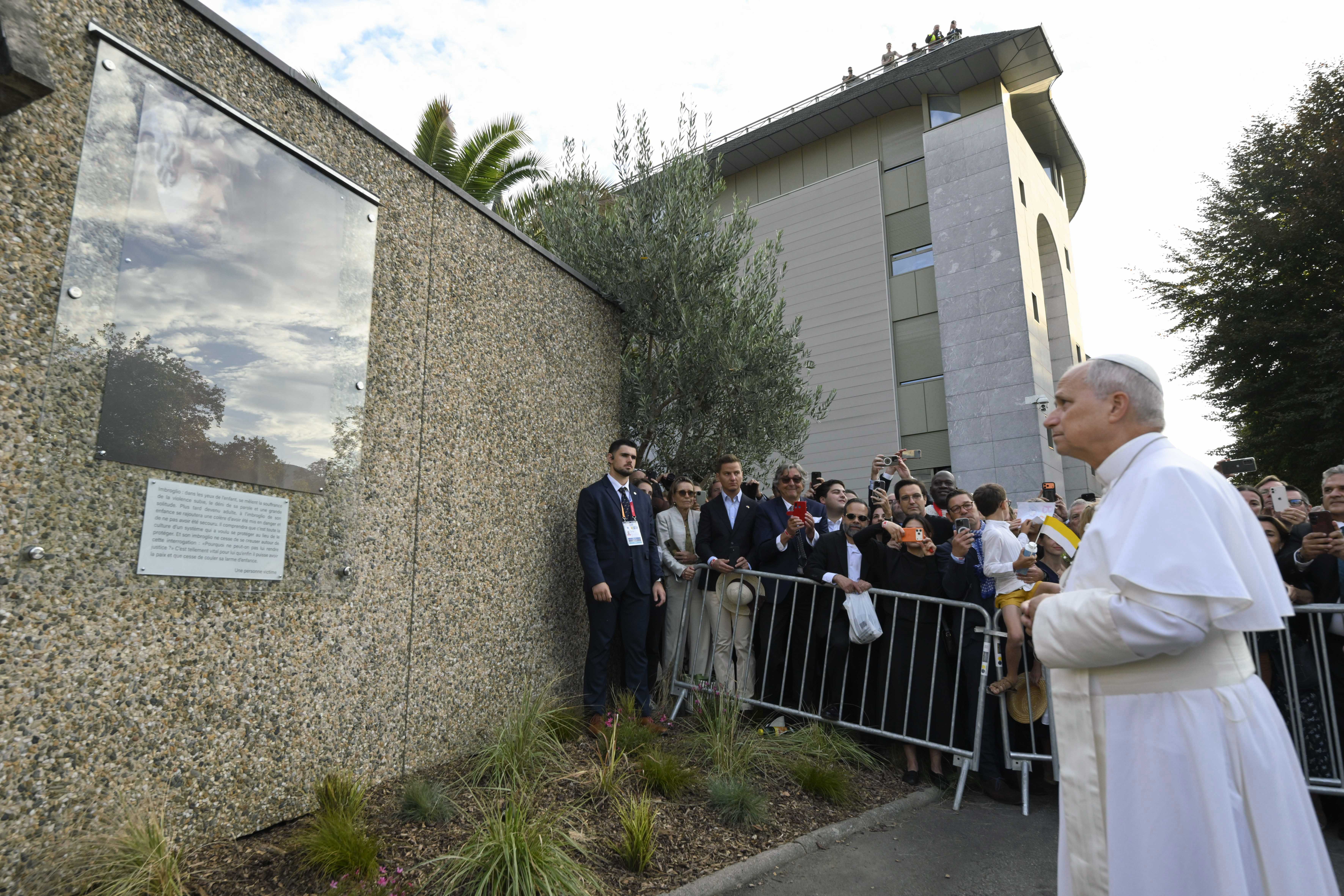
Pope Leo meets French abuse victims in Lourdes #Catholic LOURDES, France — Pope Leo XIV met seven French victims of clerical sexual abuse on Sunday, making a gesture of solidarity and reconciliation at a shrine world-famous for its healing waters.The nearly two-hour encounter took place at the residence of the local bishop, where Leo is staying for his two nights at the Sanctuary of Our Lady of Lourdes.Speaking to journalists after the meeting, one of the victims, Jérôme Guillement, said, “There was something sincere about [Pope Leo]. With him, every word was carefully chosen; every word had meaning. … There were a lot of emotions.”According to the Holy See Press Office, Leo spent an hour and a half speaking to the four men and three women individually, before addressing them as a group for about 20 minutes and “thanking them for their painful testimony and reaffirming his commitment to ensuring that the harm they experienced is not repeated for others.”He “expressed his solidarity with them and, through them, with all those who have suffered and continue to suffer from the wounds of abuse,” the statement said.Leo also prayed with some of the victims.“I sensed that he was a man of commitment and also a man of resolve,” Olivier Mardi, one of the participants, said after the meeting. “He’s not fooled and knows that these events will continue and that we must remain vigilant… There was an emotional side to it, and at the same time something very powerful when he speaks.”Five of the seven involved in the meeting revealed their identities ahead of the pope’s trip. Among them was Bertrand Virieux, a victim of ex-priest Bernard Preynat, who in 2020 was sentenced to five years in prison for assaults on young scouts in the Archdiocese of Lyon. Preynat died in 2024.The Church in France has been grappling with the repercussions of abuse in the wake of an independent commission’s report that hundreds of thousands of children had been abused by clergy and religious over the past 70 years.The Independent Commission on Sexual Abuse in the Church (CIASE) published a nearly 2,500-page final report in October 2021, estimating that 216,000 children were abused by priests, deacons, monks, or nuns in France from 1950 to 2020.It added that when abuse by lay Church workers was also taken into account, “the estimated number of child victims rises to 330,000 for the whole of the period.”The victims were accompanied by Bishop Gérard Le Stang of Amiens, president of the Council for the Prevention and Combating of Pedophilia within the French bishops’ conference.Guillement said Leo “felt that the Church in France still had a great deal of work to do” to prevent abuse.“We talked about prevention as part of a cultural shift at all levels … There are different opinions, but from his perspective, there’s still a systemic dimension at play,” the man added.According to Mardi, the pontiff “responded well to our very concrete proposals; he knows he has to work with us… He said we need to rekindle hope, and it takes serious commitment to make that happen.”Pope Leo spoke about the clerical sexual abuse of minors in his address to the French bishops on the morning of Sept. 27.“In recent years, you have faced with determination the painful scourge of abuse committed against minors by members of the clergy or in an ecclesial context,” he said.The pontiff praised them for their courageous measures to listen, search for truth, justice, forgiveness, and making amends, as well as “a firm commitment to a culture of prevention and protection against these crimes.”“You must continue along the path you have begun, maintaining the greatest vigilance,” he said.Before addressing the bishops, Leo stopped in front of a memorial for victims of child sexual abuse, featuring the brief reflection of an anonymous victim.“[The victim] will come to understand that it was the entire culture of a system that sought to protect itself rather than protect him,” an inscription on the memorial reads. “And his turmoil continues to deepen around this question: Why can’t justice be done for him? It is so vital to him that he may finally find peace and that the tears of his childhood may cease to flow.”At an open-air Mass later on Sunday morning, the pope seemed to allude to the clerical abuse crisis, saying in his homily that “In order to heal the deep wounds, infidelities and painful errors that have occurred within [the Church], we must humbly place ourselves under the Lord’s purifying gaze. Recognizing our own faults is essential to our spiritual growth.”The pope’s plans for a private conversation with victims ignited controversy among several abuse support groups in France who criticized the format of the meeting and the exclusion of victims’ organizations.Asked about the criticism, Bishop Pierre-Antoine Bozo, the spokesman of the French bishops’ conference, told journalists that “there are many survivor groups … If all of them had been included or brought together, it would have been a very large format, and it would not have had the same impact.”“What helps us most in accompanying victims is listening to them. And to do that, you cannot have 50 people sitting in front of you. That is really what the pope wanted,” Bozo said.The Lourdes shrine was an evocative backdrop for the meeting with abuse victims, since it is among the first shrines to cover artwork by the accused sexual abuser Father Marko Rupnik, currently on trial at the Vatican.Mosaics by Rupnik on the façade of the Basilica of the Rosary were covered ahead of Leo’s visit and will remain indefinitely hidden.“It had come to carry such a symbolic burden for victims that, even though many of the people who come to Lourdes are not abuse victims, for those who are, something had to be done,” Bishop Bozo said.“If it becomes so difficult for people to come to Lourdes, people who should have a privileged place there because they are suffering, then the situation is no longer acceptable,” the spokesman added. “So I think covering the mosaics is a first step. Afterward, something new will have to be proposed, perhaps a new work of art.”

Pope Leo meets French abuse victims in Lourdes #Catholic LOURDES, France — Pope Leo XIV met seven French victims of clerical sexual abuse on Sunday, making a gesture of solidarity and reconciliation at a shrine world-famous for its healing waters.The nearly two-hour encounter took place at the residence of the local bishop, where Leo is staying for his two nights at the Sanctuary of Our Lady of Lourdes.Speaking to journalists after the meeting, one of the victims, Jérôme Guillement, said, “There was something sincere about [Pope Leo]. With him, every word was carefully chosen; every word had meaning. … There were a lot of emotions.”According to the Holy See Press Office, Leo spent an hour and a half speaking to the four men and three women individually, before addressing them as a group for about 20 minutes and “thanking them for their painful testimony and reaffirming his commitment to ensuring that the harm they experienced is not repeated for others.”He “expressed his solidarity with them and, through them, with all those who have suffered and continue to suffer from the wounds of abuse,” the statement said.Leo also prayed with some of the victims.“I sensed that he was a man of commitment and also a man of resolve,” Olivier Mardi, one of the participants, said after the meeting. “He’s not fooled and knows that these events will continue and that we must remain vigilant… There was an emotional side to it, and at the same time something very powerful when he speaks.”Five of the seven involved in the meeting revealed their identities ahead of the pope’s trip. Among them was Bertrand Virieux, a victim of ex-priest Bernard Preynat, who in 2020 was sentenced to five years in prison for assaults on young scouts in the Archdiocese of Lyon. Preynat died in 2024.The Church in France has been grappling with the repercussions of abuse in the wake of an independent commission’s report that hundreds of thousands of children had been abused by clergy and religious over the past 70 years.The Independent Commission on Sexual Abuse in the Church (CIASE) published a nearly 2,500-page final report in October 2021, estimating that 216,000 children were abused by priests, deacons, monks, or nuns in France from 1950 to 2020.It added that when abuse by lay Church workers was also taken into account, “the estimated number of child victims rises to 330,000 for the whole of the period.”The victims were accompanied by Bishop Gérard Le Stang of Amiens, president of the Council for the Prevention and Combating of Pedophilia within the French bishops’ conference.Guillement said Leo “felt that the Church in France still had a great deal of work to do” to prevent abuse.“We talked about prevention as part of a cultural shift at all levels … There are different opinions, but from his perspective, there’s still a systemic dimension at play,” the man added.According to Mardi, the pontiff “responded well to our very concrete proposals; he knows he has to work with us… He said we need to rekindle hope, and it takes serious commitment to make that happen.”Pope Leo spoke about the clerical sexual abuse of minors in his address to the French bishops on the morning of Sept. 27.“In recent years, you have faced with determination the painful scourge of abuse committed against minors by members of the clergy or in an ecclesial context,” he said.The pontiff praised them for their courageous measures to listen, search for truth, justice, forgiveness, and making amends, as well as “a firm commitment to a culture of prevention and protection against these crimes.”“You must continue along the path you have begun, maintaining the greatest vigilance,” he said.Before addressing the bishops, Leo stopped in front of a memorial for victims of child sexual abuse, featuring the brief reflection of an anonymous victim.“[The victim] will come to understand that it was the entire culture of a system that sought to protect itself rather than protect him,” an inscription on the memorial reads. “And his turmoil continues to deepen around this question: Why can’t justice be done for him? It is so vital to him that he may finally find peace and that the tears of his childhood may cease to flow.”At an open-air Mass later on Sunday morning, the pope seemed to allude to the clerical abuse crisis, saying in his homily that “In order to heal the deep wounds, infidelities and painful errors that have occurred within [the Church], we must humbly place ourselves under the Lord’s purifying gaze. Recognizing our own faults is essential to our spiritual growth.”The pope’s plans for a private conversation with victims ignited controversy among several abuse support groups in France who criticized the format of the meeting and the exclusion of victims’ organizations.Asked about the criticism, Bishop Pierre-Antoine Bozo, the spokesman of the French bishops’ conference, told journalists that “there are many survivor groups … If all of them had been included or brought together, it would have been a very large format, and it would not have had the same impact.”“What helps us most in accompanying victims is listening to them. And to do that, you cannot have 50 people sitting in front of you. That is really what the pope wanted,” Bozo said.The Lourdes shrine was an evocative backdrop for the meeting with abuse victims, since it is among the first shrines to cover artwork by the accused sexual abuser Father Marko Rupnik, currently on trial at the Vatican.Mosaics by Rupnik on the façade of the Basilica of the Rosary were covered ahead of Leo’s visit and will remain indefinitely hidden.“It had come to carry such a symbolic burden for victims that, even though many of the people who come to Lourdes are not abuse victims, for those who are, something had to be done,” Bishop Bozo said.“If it becomes so difficult for people to come to Lourdes, people who should have a privileged place there because they are suffering, then the situation is no longer acceptable,” the spokesman added. “So I think covering the mosaics is a first step. Afterward, something new will have to be proposed, perhaps a new work of art.”

The pontiff “expressed his solidarity with them and, through them, with all those who have suffered and continue to suffer from the wounds of abuse,” the Vatican said.
Read More
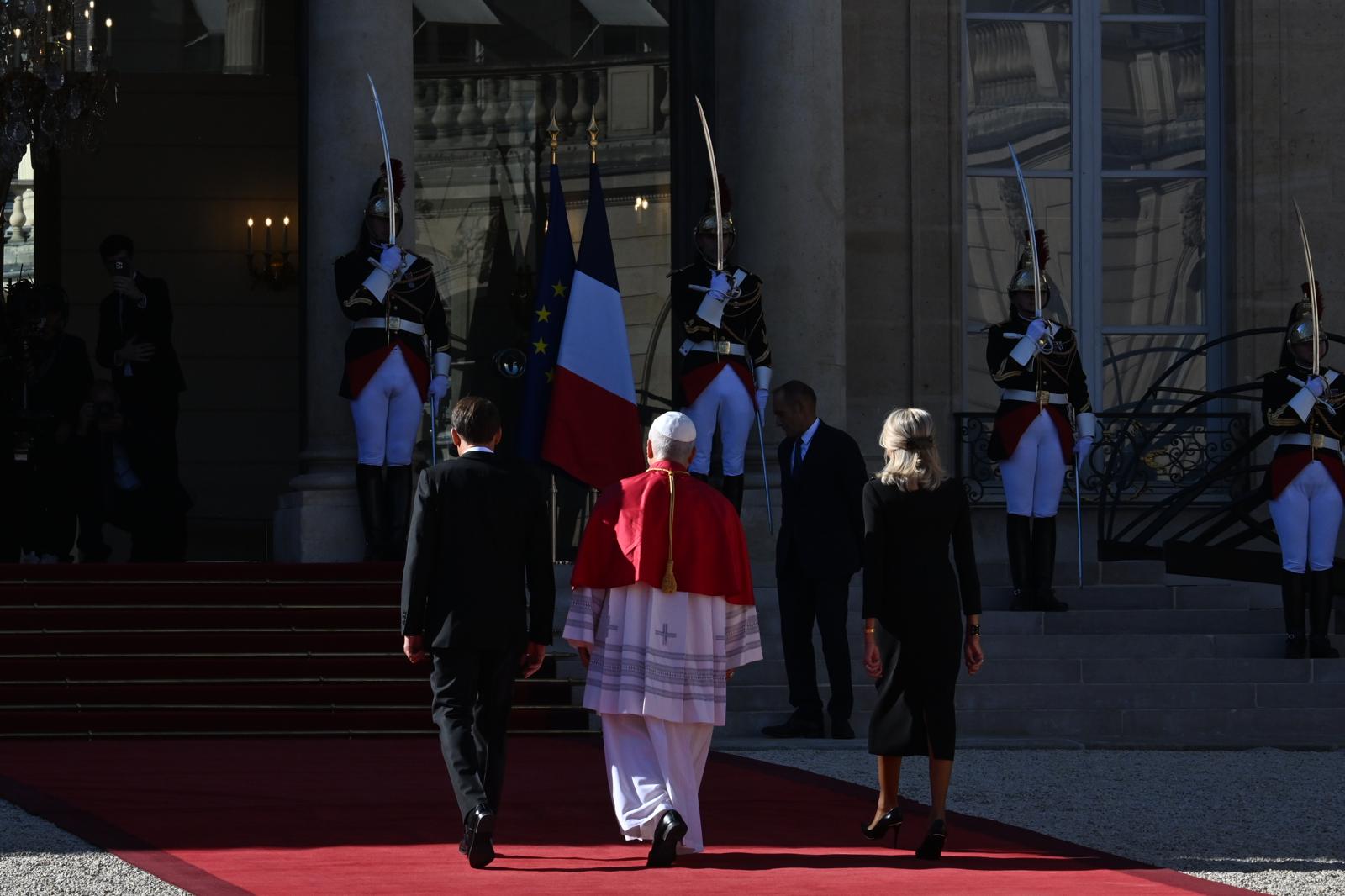
In Metz, Pope Leo steps into Europe’s deepening divide over immigration – #Catholic – METZ, France — The hot-button issue of immigration has invited itself into Pope Leo XIV’s first apostolic journey to France, otherwise marked by the defense of human life and the remarkable signs of Catholic revival currently emerging across the country. It could provide one of the most revealing indications yet of how the American pope intends to address a deeply divided Europe.As Leo prepares to reach Metz, at the crossroads of France, Germany, and Luxembourg, what message can he offer a continent increasingly torn between the Christian imperative to welcome the stranger and growing concerns over the social, cultural, and security consequences of mass immigration?The balance is particularly difficult to strike, not least for a pope whose experience has been largely shaped by Latin America, where migration raises different demographic and civilizational challenges than in Europe. So far, he has combined strong continuity with Pope Francis’ defense of migrants and a more explicit recognition of the rights of nations, the demands of integration, and the concerns of receiving societies.It is against this backdrop that Leo is traveling to Metz on Sept. 28 for an interreligious meeting, followed by an address on the “Roots of Europe for Peace and Unity” at the Robert Schuman Conference Centre. He already sent a strong international signal by visiting Maison Bakhita, a Paris center for migrants, on Sept. 26, just one day before the World Day of Migrants and Refugees.At Europe’s crossroadsMore than a decade after the 2015 migration crisis, immigration has become one of the defining fault lines of European politics — and increasingly of European Catholicism itself.That year alone, more than 1.2 million people applied for asylum in the European Union, and migration pressures have remained a major continental issue ever since, with political repercussions still unfolding. In the weeks preceding Leo’s arrival in Metz, the anti-immigration Alternative for Germany (AfD) scored two historic victories in regional elections, while in France, Marine Le Pen’s Rassemblement National is already well ahead of its rivals in polls for the 2027 presidential election.The term “remigration” itself, once largely confined to fringe circles, has entered the European political vocabulary, as illustrated by the large-scale “Save Europe Act” campaign, which advocates an end to mass immigration and a policy of remigration. It has already gathered some 750,000 signatures and sparked a confrontation with the European Commission over its attempted registration as a European Citizens’ Initiative.These mounting tensions are increasingly reflected within the Church itself. While identitarian Catholic voices and platforms have gained visibility on social media, much of the Catholic hierarchy has continued to place strong emphasis on the duty to welcome migrants.In Germany, Catholic bishops have also repeatedly warned against the AfD and the growing appeal of “remigration,” while Cardinal Gerhard Müller, following the party’s historic victory in Saxony-Anhalt this month, accused bishops of misusing their spiritual authority by intervening in partisan politics and thereby alienating Catholic AfD voters. In Italy, meanwhile, Archbishop Giancarlo Perego, head of the bishops’ migration commission, recently accused Giorgia Meloni’s government of placing “borders before people.”France has been marked by equally heated Catholic debates on the issue over the past decade. In “Église et immigration: le grand malaise,” published in 2017, conservative writer Laurent Dandrieu accused Church leaders of reducing Catholic teaching to an almost exclusive imperative of welcome while neglecting the major upheavals experienced by local communities. More recently, Father Benoist de Sinety, in “La Cause du Christ,” attacked the opposite temptation of instrumentalizing Christianity in the service of identitarian politics. A column published this month in La Nef magazine challenged what it regarded as a false choice between Christian hospitality and attachment to one’s cultural inheritance.A ‘rupture’ with the previous pontificate?Pope Leo, however, seems sensitive to the nuances demanded by this growing polarization. While maintaining the firm defense of migrants that characterized Francis’ pontificate, he has also given unusual prominence to the responsibilities of migrants and the legitimate concerns of the societies that receive them. Barely a month after his election, Leo prayed at Pentecost that the Holy Spirit might “open borders, break down walls,” and overcome the “logic of exclusion” of political nationalisms. Yet, while supporting the U.S. bishops’ opposition to President Donald Trump’s mass deportation policies last November, he stated unequivocally that “every country has a right to determine who and how and when people enter,” rejecting the idea that states should have open borders.This drive for balance was reaffirmed during his visit to the Canary Islands in June, when he invoked the “right not to have to migrate,” warned against the creation of “parallel worlds,” and asserted that host societies must be able to welcome newcomers without “diluting their identity.”This language has led some Catholic observers, including French Vatican analyst Jean-Marie Guénois, to speak of a “rupture” with his predecessor on immigration. But his approach appears less a break than an attempt to better articulate a tension already present in Catholic doctrine.A delicate balanceIndeed, the Catechism of the Catholic Church itself holds together principles that are often separated in today’s debate. It asks wealthier nations to welcome foreigners seeking security and vital resources “to the extent they are able,” while affirming that political authorities may regulate immigration for the sake of the common good. Migrants, in turn, are called to respect the laws as well as the “material and spiritual heritage” of their host country (No. 2241).The Catholic Church therefore establishes moral obligations without prescribing minimum or maximum thresholds. Such teaching inevitably requires prudential judgments concerning integration, security, social cohesion, and the common good — precisely the areas over which Catholics today are most deeply divided.At a time when Europe’s migration debate is hardening and divisions are deepening to the point of threatening the unity of the Church, the question is no longer simply whether Catholics should welcome the stranger or defend the continuity of nations and cultures. It is whether the Church can speak credibly both to Europeans who feel dispossessed of their future and to the migrant who, more often than not, does not know Christ. Leo’s address at the “Roots of Europe” conference may offer a first indication of how he intends to navigate between these two realities in an increasingly tense European context.

In Metz, Pope Leo steps into Europe’s deepening divide over immigration – #Catholic – METZ, France — The hot-button issue of immigration has invited itself into Pope Leo XIV’s first apostolic journey to France, otherwise marked by the defense of human life and the remarkable signs of Catholic revival currently emerging across the country. It could provide one of the most revealing indications yet of how the American pope intends to address a deeply divided Europe.As Leo prepares to reach Metz, at the crossroads of France, Germany, and Luxembourg, what message can he offer a continent increasingly torn between the Christian imperative to welcome the stranger and growing concerns over the social, cultural, and security consequences of mass immigration?The balance is particularly difficult to strike, not least for a pope whose experience has been largely shaped by Latin America, where migration raises different demographic and civilizational challenges than in Europe. So far, he has combined strong continuity with Pope Francis’ defense of migrants and a more explicit recognition of the rights of nations, the demands of integration, and the concerns of receiving societies.It is against this backdrop that Leo is traveling to Metz on Sept. 28 for an interreligious meeting, followed by an address on the “Roots of Europe for Peace and Unity” at the Robert Schuman Conference Centre. He already sent a strong international signal by visiting Maison Bakhita, a Paris center for migrants, on Sept. 26, just one day before the World Day of Migrants and Refugees.At Europe’s crossroadsMore than a decade after the 2015 migration crisis, immigration has become one of the defining fault lines of European politics — and increasingly of European Catholicism itself.That year alone, more than 1.2 million people applied for asylum in the European Union, and migration pressures have remained a major continental issue ever since, with political repercussions still unfolding. In the weeks preceding Leo’s arrival in Metz, the anti-immigration Alternative for Germany (AfD) scored two historic victories in regional elections, while in France, Marine Le Pen’s Rassemblement National is already well ahead of its rivals in polls for the 2027 presidential election.The term “remigration” itself, once largely confined to fringe circles, has entered the European political vocabulary, as illustrated by the large-scale “Save Europe Act” campaign, which advocates an end to mass immigration and a policy of remigration. It has already gathered some 750,000 signatures and sparked a confrontation with the European Commission over its attempted registration as a European Citizens’ Initiative.These mounting tensions are increasingly reflected within the Church itself. While identitarian Catholic voices and platforms have gained visibility on social media, much of the Catholic hierarchy has continued to place strong emphasis on the duty to welcome migrants.In Germany, Catholic bishops have also repeatedly warned against the AfD and the growing appeal of “remigration,” while Cardinal Gerhard Müller, following the party’s historic victory in Saxony-Anhalt this month, accused bishops of misusing their spiritual authority by intervening in partisan politics and thereby alienating Catholic AfD voters. In Italy, meanwhile, Archbishop Giancarlo Perego, head of the bishops’ migration commission, recently accused Giorgia Meloni’s government of placing “borders before people.”France has been marked by equally heated Catholic debates on the issue over the past decade. In “Église et immigration: le grand malaise,” published in 2017, conservative writer Laurent Dandrieu accused Church leaders of reducing Catholic teaching to an almost exclusive imperative of welcome while neglecting the major upheavals experienced by local communities. More recently, Father Benoist de Sinety, in “La Cause du Christ,” attacked the opposite temptation of instrumentalizing Christianity in the service of identitarian politics. A column published this month in La Nef magazine challenged what it regarded as a false choice between Christian hospitality and attachment to one’s cultural inheritance.A ‘rupture’ with the previous pontificate?Pope Leo, however, seems sensitive to the nuances demanded by this growing polarization. While maintaining the firm defense of migrants that characterized Francis’ pontificate, he has also given unusual prominence to the responsibilities of migrants and the legitimate concerns of the societies that receive them. Barely a month after his election, Leo prayed at Pentecost that the Holy Spirit might “open borders, break down walls,” and overcome the “logic of exclusion” of political nationalisms. Yet, while supporting the U.S. bishops’ opposition to President Donald Trump’s mass deportation policies last November, he stated unequivocally that “every country has a right to determine who and how and when people enter,” rejecting the idea that states should have open borders.This drive for balance was reaffirmed during his visit to the Canary Islands in June, when he invoked the “right not to have to migrate,” warned against the creation of “parallel worlds,” and asserted that host societies must be able to welcome newcomers without “diluting their identity.”This language has led some Catholic observers, including French Vatican analyst Jean-Marie Guénois, to speak of a “rupture” with his predecessor on immigration. But his approach appears less a break than an attempt to better articulate a tension already present in Catholic doctrine.A delicate balanceIndeed, the Catechism of the Catholic Church itself holds together principles that are often separated in today’s debate. It asks wealthier nations to welcome foreigners seeking security and vital resources “to the extent they are able,” while affirming that political authorities may regulate immigration for the sake of the common good. Migrants, in turn, are called to respect the laws as well as the “material and spiritual heritage” of their host country (No. 2241).The Catholic Church therefore establishes moral obligations without prescribing minimum or maximum thresholds. Such teaching inevitably requires prudential judgments concerning integration, security, social cohesion, and the common good — precisely the areas over which Catholics today are most deeply divided.At a time when Europe’s migration debate is hardening and divisions are deepening to the point of threatening the unity of the Church, the question is no longer simply whether Catholics should welcome the stranger or defend the continuity of nations and cultures. It is whether the Church can speak credibly both to Europeans who feel dispossessed of their future and to the migrant who, more often than not, does not know Christ. Leo’s address at the “Roots of Europe” conference may offer a first indication of how he intends to navigate between these two realities in an increasingly tense European context.

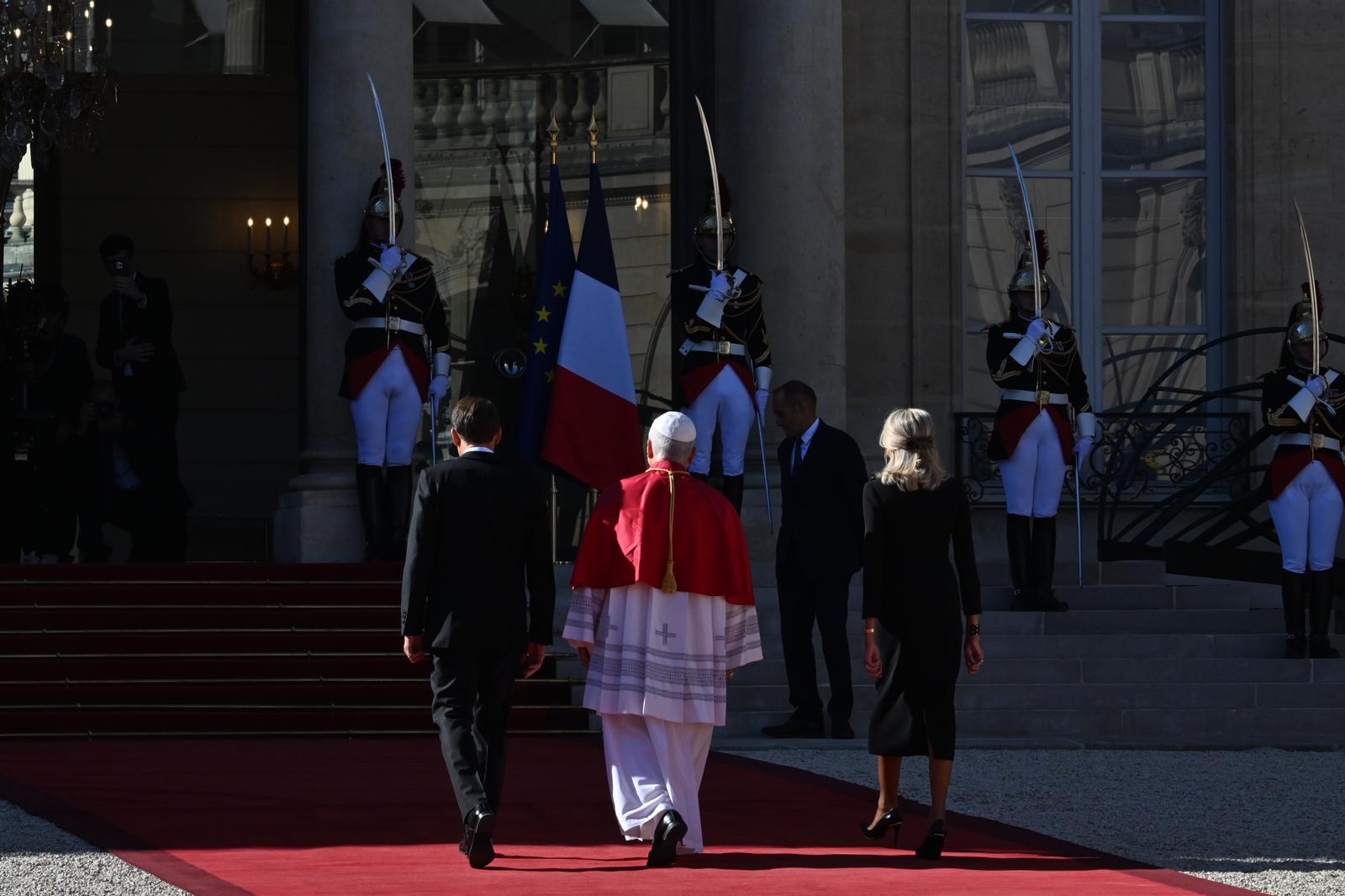
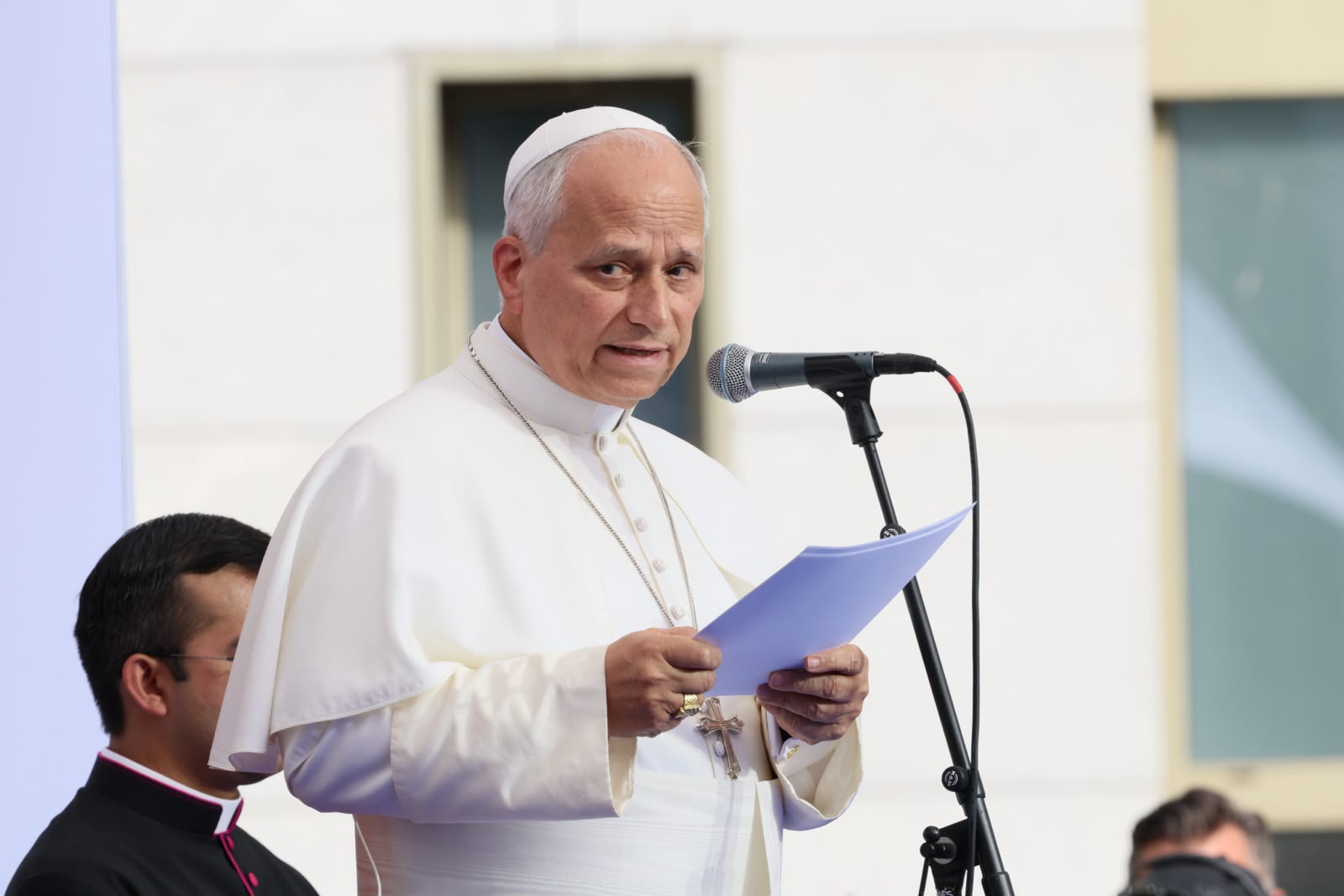
As Leo prepares to reach Metz, at the crossroads of France, Germany, and Luxembourg, what message will he offer about welcoming the stranger and the consequences of mass immigration?
Read More
Killing the sick is ‘false compassion,’ pope says in Lourdes – #Catholic – LOURDES, France — Killing the sick is neither compassionate nor normal, and being legal does not make it moral, Pope Leo XIV said Sunday, in a clear reference to France’s recent legalization of euthanasia and assisted suicide.“I know that for some of you, because of particular illnesses and, at times, terrible pain, your horizon may appear dark, uncertain and without hope. But no human law should ever make you lose the certainty of your dignity,” the pope said during a meeting with about 5,000 sick people and caregivers at the Sanctuary of Our Lady of Lourdes on Sept. 27.“It is precisely in the name of this inalienable dignity of the human person that we must reject the temptation to cause death under the guise of false compassion,” the pontiff added to loud applause. “It is impossible to regard causing death as something normal. What is legal is not necessarily moral.”The popeʼs remarks on end-of-life concerns were met with applause and shouts of “Bravo.”France legalized assisted suicide and euthanasia this summer, becoming the fifth European country to do so after Belgium, the Netherlands, Luxembourg, and Spain. In addition, Switzerland and Austria permit assisted suicide.Euthanasia is the intentional ending of a person’s life to relieve suffering. It differs from assisted dying, in which the patient takes life-ending drugs himself, under a physician’s guidance. Both practices are prohibited by Catholic teaching.Leo met Sept. 27 with staff and sick guests of the Accueil Notre-Dame (Notre Dame Home), a residential accommodation classified as a healthcare facility, which hosts sick, disabled, and frail pilgrims to Lourdes.The Catholic shrine is one of the most visited in the world, drawing more than 3 million people every year, many in search of miraculous physical healing.The 136-acre property includes the Grotto of Massabielle, where a young St. Bernadette Soubirous saw 18 apparitions of the Virgin Mary starting on Feb. 11, 1858. Today, pilgrims to the sanctuary bathe themselves in the freshwater spring Mary revealed to Bernadette.Visitors have reported 7,000 healings since the apparitions; after lengthy investigations, the Church has declared that 72 of the recoveries were miraculous, meaning unexplainable by science.“Here in Lourdes, the city of the sick and of hope, I appeal to the entire healthcare community to remember the profound meaning of your vocation, which is to care for a suffering person, not to eliminate that person,” Pope Leo said.He encouraged healthcare workers to be “passionate servants of life” and cited his speech to the Jérôme Lejeune Foundation in June, in which he said, "no one ever has the right, “on the basis of laboratory algorithms, to decide the life of a given embryo or elderly person! Medicine must never become the servant of programmed death!”Instagram postEarlier in the morning, the pope addressed the French bishops’ conference, praising the bishops’ courage in opposing the legalization of euthanasia and assisted suicide.“I encourage you to persevere, together with all people of good will who uphold the same values,” he told the bishops.In his remarks to the sick and caregivers, Leo called for structures for palliative care and urged the healthcare field to accompany the sick with the same tenderness they receive in Lourdes.
 
 Pope Leo XIV greets medical staff and those assisted by the Accueil Notre-Dame on Sept. 26, 2027 in Lourdes, France. | Credit: Vatican Media
 
 “Doctors, nurses, stretcher-bearers, chaplains, pastoral teams serving the sick, and so many others live out their vocation in the service of the dignity of the human person, so that the world may have life,” he said.“Dear brothers and sisters who are sick,” he concluded, “I want to tell you that you are not a burden. You are the beating heart of our humanity and a precious treasure for the Church. I carry in my prayers the trials you are going through.”Instagram postImmediately after the meeting, the pope walked next door to greet the Discalced Carmelite nuns whose monastery faces the grotto of the apparitions from across the river Gave de Pau. The contemplative monastery was founded in 1876, just 18 years after Mary appeared to St. Bernadette.

Killing the sick is ‘false compassion,’ pope says in Lourdes – #Catholic – LOURDES, France — Killing the sick is neither compassionate nor normal, and being legal does not make it moral, Pope Leo XIV said Sunday, in a clear reference to France’s recent legalization of euthanasia and assisted suicide.“I know that for some of you, because of particular illnesses and, at times, terrible pain, your horizon may appear dark, uncertain and without hope. But no human law should ever make you lose the certainty of your dignity,” the pope said during a meeting with about 5,000 sick people and caregivers at the Sanctuary of Our Lady of Lourdes on Sept. 27.“It is precisely in the name of this inalienable dignity of the human person that we must reject the temptation to cause death under the guise of false compassion,” the pontiff added to loud applause. “It is impossible to regard causing death as something normal. What is legal is not necessarily moral.”The popeʼs remarks on end-of-life concerns were met with applause and shouts of “Bravo.”France legalized assisted suicide and euthanasia this summer, becoming the fifth European country to do so after Belgium, the Netherlands, Luxembourg, and Spain. In addition, Switzerland and Austria permit assisted suicide.Euthanasia is the intentional ending of a person’s life to relieve suffering. It differs from assisted dying, in which the patient takes life-ending drugs himself, under a physician’s guidance. Both practices are prohibited by Catholic teaching.Leo met Sept. 27 with staff and sick guests of the Accueil Notre-Dame (Notre Dame Home), a residential accommodation classified as a healthcare facility, which hosts sick, disabled, and frail pilgrims to Lourdes.The Catholic shrine is one of the most visited in the world, drawing more than 3 million people every year, many in search of miraculous physical healing.The 136-acre property includes the Grotto of Massabielle, where a young St. Bernadette Soubirous saw 18 apparitions of the Virgin Mary starting on Feb. 11, 1858. Today, pilgrims to the sanctuary bathe themselves in the freshwater spring Mary revealed to Bernadette.Visitors have reported 7,000 healings since the apparitions; after lengthy investigations, the Church has declared that 72 of the recoveries were miraculous, meaning unexplainable by science.“Here in Lourdes, the city of the sick and of hope, I appeal to the entire healthcare community to remember the profound meaning of your vocation, which is to care for a suffering person, not to eliminate that person,” Pope Leo said.He encouraged healthcare workers to be “passionate servants of life” and cited his speech to the Jérôme Lejeune Foundation in June, in which he said, "no one ever has the right, “on the basis of laboratory algorithms, to decide the life of a given embryo or elderly person! Medicine must never become the servant of programmed death!”Instagram postEarlier in the morning, the pope addressed the French bishops’ conference, praising the bishops’ courage in opposing the legalization of euthanasia and assisted suicide.“I encourage you to persevere, together with all people of good will who uphold the same values,” he told the bishops.In his remarks to the sick and caregivers, Leo called for structures for palliative care and urged the healthcare field to accompany the sick with the same tenderness they receive in Lourdes. Pope Leo XIV greets medical staff and those assisted by the Accueil Notre-Dame on Sept. 26, 2027 in Lourdes, France. | Credit: Vatican Media “Doctors, nurses, stretcher-bearers, chaplains, pastoral teams serving the sick, and so many others live out their vocation in the service of the dignity of the human person, so that the world may have life,” he said.“Dear brothers and sisters who are sick,” he concluded, “I want to tell you that you are not a burden. You are the beating heart of our humanity and a precious treasure for the Church. I carry in my prayers the trials you are going through.”Instagram postImmediately after the meeting, the pope walked next door to greet the Discalced Carmelite nuns whose monastery faces the grotto of the apparitions from across the river Gave de Pau. The contemplative monastery was founded in 1876, just 18 years after Mary appeared to St. Bernadette.

In a speech to sick people and caregivers, the pope denounced France’s recent legalization of euthanasia and assisted suicide.
Read More
Diocese honors retired priests for service during autumn luncheon #Catholic – The Ministry for Retired Priests of the Paterson Diocese in New Jersey held an Autumn Luncheon for Retired Priests on Sept. 15 at St. Ann Parish in Parsippany, N.J., with Bishop Kevin J. Sweeney.
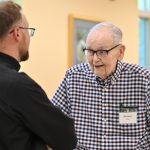
Several active priests joined the retired priests, among them several diocesan officials, including Father Michael Parisi, vicar general and pastor of St. Catherine of Siena Parish in Mountain Lakes, N.J.; Msgr. John Hart, director of priest personnel and pastor of Assumption Parish in Morristown, N.J.; Father Nico Quintos, minister to retired priests and St. Ann’s pastor; and Father Richard Bay, a retired priest and minister to senior priests.
BEACON PHOTOS | JOE GIGLI
 [See image gallery at beaconnj.org]  


Click here to subscribe to our weekly newsletter.

Diocese honors retired priests for service during autumn luncheon #Catholic –

The Ministry for Retired Priests of the Paterson Diocese in New Jersey held an Autumn Luncheon for Retired Priests on Sept. 15 at St. Ann Parish in Parsippany, N.J., with Bishop Kevin J. Sweeney.

Several active priests joined the retired priests, among them several diocesan officials, including Father Michael Parisi, vicar general and pastor of St. Catherine of Siena Parish in Mountain Lakes, N.J.; Msgr. John Hart, director of priest personnel and pastor of Assumption Parish in Morristown, N.J.; Father Nico Quintos, minister to retired priests and St. Ann’s pastor; and Father Richard Bay, a retired priest and minister to senior priests.

BEACON PHOTOS | JOE GIGLI

Click here to subscribe to our weekly newsletter.

– The Ministry for Retired Priests of the Paterson Diocese in New Jersey held an Autumn Luncheon for Retired Priests on Sept. 15 at St. Ann Parish in Parsippany, N.J., with Bishop Kevin J. Sweeney. Several active priests joined the retired priests, among them several diocesan officials, including Father Michael Parisi, vicar general and pastor of St. Catherine of Siena Parish in Mountain Lakes, N.J.; Msgr. John Hart, director of priest personnel and pastor of Assumption Parish in Morristown, N.J.; Father Nico Quintos, minister to retired priests and St. Ann’s pastor; and Father Richard Bay, a retired priest and minister to

Read More

Born Sept. 27, 1918, and educated at Bradfield College and Oxford University in the U.K., Martin Ryle would go on to be the first astronomer royal (1972-1982) with a background in radio astronomy. During World War II, Ryle worked in radio systems and countermeasures for the RAF. He was strongly antiwar, though, and had noContinue reading “Sept. 27, 1918: The birth of Martin Ryle”

The post Sept. 27, 1918: The birth of Martin Ryle appeared first on Astronomy Magazine.

Read More
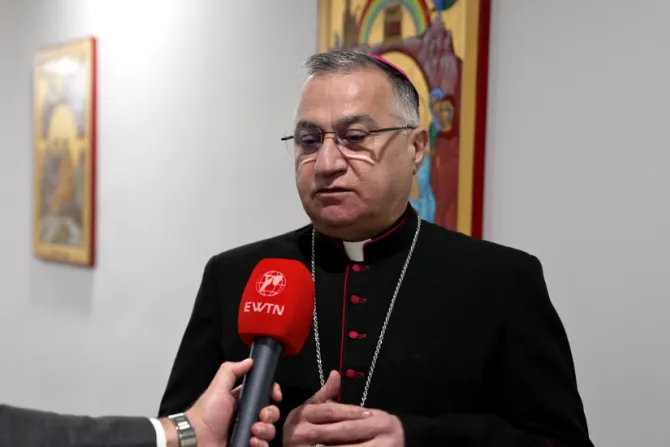
For Iraq’s Christians, Archbishop Warda says long-term stability requires jobs – #Catholic – For Christians in Iraq, remaining in their historic homeland increasingly depends not only on security but also on whether younger generations can find meaningful work and build stable lives, according to Chaldean Catholic Archbishop Bashar Warda of Erbil.In an interview with ACI MENA, the Arabic-language sister service of EWTN News, Warda said education, professional formation, and sustainable employment have become essential to strengthening Christian communities at a time when economic pressures continue to weigh heavily on young Iraqis.The challenge is particularly significant for Christians because their numbers have declined considerably in recent decades, leaving smaller communities more vulnerable to economic pressures.Speaking at the Catholic University of Erbil, Warda pointed to the structure of Iraq’s economy as part of the problem. Government spending and public-sector employment continue to play an outsized role, while the private sector has yet to generate enough sustainable jobs to meet the needs of a young and growing workforce.A difficult transition from education to employmentWorld Bank data indicate that the country’s unemployment rate stands at 15.5%, while labor force participation is around 38%. Demographics add another layer to the challenge: Iraqis between the ages of 15 and 29 make up approximately 29% of the population, placing continued pressure on the labor market.The countryʼs heavy dependence on oil also affects its ability to generate employment. Oil accounted for approximately 88% of government revenue and 91% of merchandise exports in 2025, leaving the economy exposed to fluctuations in energy prices and revenues.Against that backdrop, Warda said preparing young people for employment requires more than helping them earn university degrees. Education, he said, must also provide the practical and professional skills needed in an increasingly competitive labor market, particularly as opportunities for government employment become more limited.He pointed to university students who take night jobs to finance their education as an example of both the pressures facing young Iraqis and their determination to pursue a future through work.For Warda, their experience also demonstrates that young people are prepared to take responsibility when meaningful opportunities are available.Moving beyond emergency assistanceWarda praised the support that Aid to the Church in Need provides through scholarships but said the challenge does not end when students graduate.Helping young Christians move from education into employment, he said, must become a greater priority for the Church and other institutions seeking to sustain Iraqʼs Christian presence.That requires a broader change in approach: from responding primarily to immediate needs to creating the conditions in which families and young people can become economically independent.Warda called for greater investment in people, professional formation, employment, and projects capable of strengthening the private sector and providing young Iraqis with viable alternatives to dependence on government jobs.The Chaldean Catholic Archdiocese of Erbil has sought to follow that model through a network of educational, academic, healthcare, media, and humanitarian institutions. Creating opportunities through Church institutionsWarda said institutions connected to the archdiocese currently employ approximately 950 people from different communities and backgrounds without discrimination. Yet he raised the question of whether even that number is enough when measured against the scale of the economic challenges facing Iraqi society and, in particular, its Christian communities.For Warda, expanding sustainable employment will require partnerships and investment beyond what Church institutions can accomplish on their own.He argued that the Churchʼs response should therefore be rooted not simply in charitable assistance but in justice, human dignity, and empowerment.The ultimate purpose of assistance, he said, should be to give people the skills and opportunities they need to support themselves and their families rather than allowing short-term assistance to become a source of permanent dependence.For Iraqʼs Christians, that approach places economic opportunity alongside education as an important part of the effort to preserve a living Christian presence in the country, one in which young people can see a future for themselves and their families in their homeland.This story was first published by ACI MENA, the Arabic-language sister service of EWTN News. It has been translated and adapted by EWTN News English.

For Iraq’s Christians, Archbishop Warda says long-term stability requires jobs – #Catholic – For Christians in Iraq, remaining in their historic homeland increasingly depends not only on security but also on whether younger generations can find meaningful work and build stable lives, according to Chaldean Catholic Archbishop Bashar Warda of Erbil.In an interview with ACI MENA, the Arabic-language sister service of EWTN News, Warda said education, professional formation, and sustainable employment have become essential to strengthening Christian communities at a time when economic pressures continue to weigh heavily on young Iraqis.The challenge is particularly significant for Christians because their numbers have declined considerably in recent decades, leaving smaller communities more vulnerable to economic pressures.Speaking at the Catholic University of Erbil, Warda pointed to the structure of Iraq’s economy as part of the problem. Government spending and public-sector employment continue to play an outsized role, while the private sector has yet to generate enough sustainable jobs to meet the needs of a young and growing workforce.A difficult transition from education to employmentWorld Bank data indicate that the country’s unemployment rate stands at 15.5%, while labor force participation is around 38%. Demographics add another layer to the challenge: Iraqis between the ages of 15 and 29 make up approximately 29% of the population, placing continued pressure on the labor market.The countryʼs heavy dependence on oil also affects its ability to generate employment. Oil accounted for approximately 88% of government revenue and 91% of merchandise exports in 2025, leaving the economy exposed to fluctuations in energy prices and revenues.Against that backdrop, Warda said preparing young people for employment requires more than helping them earn university degrees. Education, he said, must also provide the practical and professional skills needed in an increasingly competitive labor market, particularly as opportunities for government employment become more limited.He pointed to university students who take night jobs to finance their education as an example of both the pressures facing young Iraqis and their determination to pursue a future through work.For Warda, their experience also demonstrates that young people are prepared to take responsibility when meaningful opportunities are available.Moving beyond emergency assistanceWarda praised the support that Aid to the Church in Need provides through scholarships but said the challenge does not end when students graduate.Helping young Christians move from education into employment, he said, must become a greater priority for the Church and other institutions seeking to sustain Iraqʼs Christian presence.That requires a broader change in approach: from responding primarily to immediate needs to creating the conditions in which families and young people can become economically independent.Warda called for greater investment in people, professional formation, employment, and projects capable of strengthening the private sector and providing young Iraqis with viable alternatives to dependence on government jobs.The Chaldean Catholic Archdiocese of Erbil has sought to follow that model through a network of educational, academic, healthcare, media, and humanitarian institutions. Creating opportunities through Church institutionsWarda said institutions connected to the archdiocese currently employ approximately 950 people from different communities and backgrounds without discrimination. Yet he raised the question of whether even that number is enough when measured against the scale of the economic challenges facing Iraqi society and, in particular, its Christian communities.For Warda, expanding sustainable employment will require partnerships and investment beyond what Church institutions can accomplish on their own.He argued that the Churchʼs response should therefore be rooted not simply in charitable assistance but in justice, human dignity, and empowerment.The ultimate purpose of assistance, he said, should be to give people the skills and opportunities they need to support themselves and their families rather than allowing short-term assistance to become a source of permanent dependence.For Iraqʼs Christians, that approach places economic opportunity alongside education as an important part of the effort to preserve a living Christian presence in the country, one in which young people can see a future for themselves and their families in their homeland.This story was first published by ACI MENA, the Arabic-language sister service of EWTN News. It has been translated and adapted by EWTN News English.

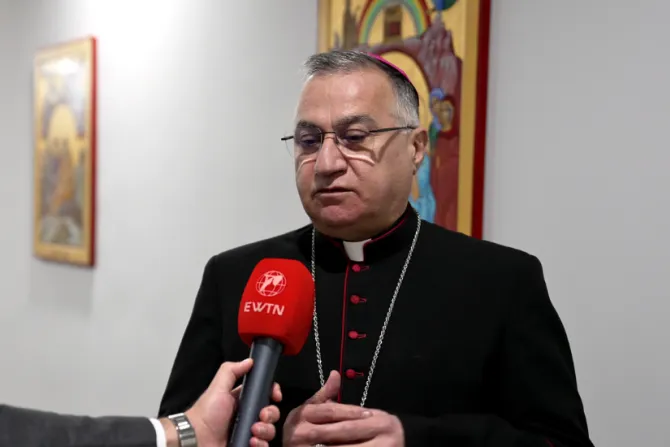
Archbishop Bashar Warda of Erbil called for investment in the future of young Christians in Iraq, pointing to the structure of the country’s economy as part of the problem.
Read More
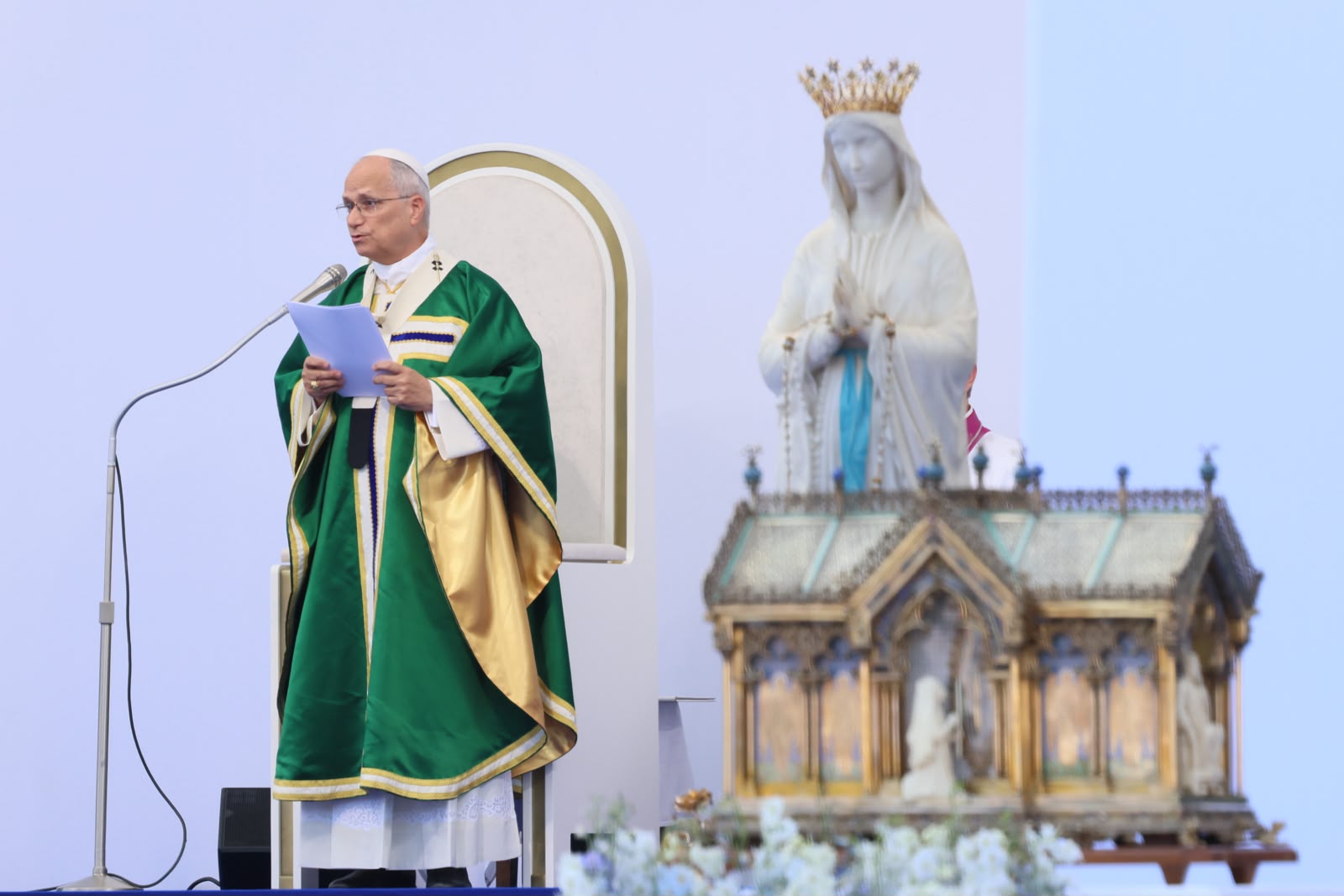
Pope Leo in Lourdes: The Church must heal her ‘wounds, infidelities, and painful errors’ #Catholic LOURDES, France — Pope Leo XIV issued a firm call to conversion from sin and error in the Church, and invited all to repent and do penance, at the Sanctuary of Our Lady of Lourdes on Sunday.Mary’s call to conversion in her message to St. Bernadette “also concerns the Church herself as she makes her earthly journey. She must have the courage to begin with herself,” he said at Mass on Sept. 27.“In order to heal the deep wounds, infidelities and painful errors that have occurred within her, we must humbly place ourselves under the Lord’s purifying gaze. Recognizing our own faults is essential to our spiritual growth,” the pontiff said.In 2021, the Independent Commission on Sexual Abuse in the Church (CIASE) published a nearly 2,500-page final report, estimating that 216,000 children were abused by priests, deacons, monks, or nuns in France from 1950 to 2020.TweetLeo is scheduled to meet later on Sunday with seven victims of clerical sexual abuse in France.Lourdes is an evocative backdrop to the private meeting, since it is among the first shrines to cover artwork by the accused sexual abuser Father Marko Rupnik, currently on trial at the Vatican.Rupnik’s mosaics decorating the front of the Basilica of the Rosary were covered ahead of Leo’s visit and will remain covered indefinitely, according to the local bishop.The pope celebrated Mass on a prairie across the river Gave de Pau from the grotto of the apparitions on the third day of his Sept. 25-28 visit to France.Pilgrims from France and around the world gathered on the grassy hill and along the streets of the shrine. Some waved flags or held banners of sacred images. A number of pilgrims arrived in wheelchairs. Around 150,000 people attended the Mass, according to the Vatican.Claire Banks, a nurse from the UK, said she has traveled over 100 times to Lourdes.“It was too good of an opportunity to miss coming here and seeing the pope. I think he’s wonderful,” she told EWTN News. She described an “electric atmosphere” at the shrine since Leo’s arrival.Libby Frank, another Mass attendee, is also from the UK, but has lived in Lourdes for 40 years. She recently retired after working for a charity that brings sick people to the shrine.“I worked for three papal visits and now I’ve come to one papal visit to enjoy it with my family and friends and just be part of the community,” she said, referencing two visits by St. Pope John Paul II in 1983 and 2004, and one by Pope Benedict in 2008.“There’s been a phenomenal amount of excitement locally waiting for Leo to come visit. The town [of Lourdes] has really gotten behind everything that’s happening,” she said.TweetThe Sanctuary of Our Lady of Lourdes is among the most popular Catholic shrines in the world, built on the site of Mary’s apparitions to St. Bernadette in 1858. It is particularly visited by the sick, who come to bathe in or drink its healing spring water.In his homily, Pope Leo noted that a “call to conversion, both tender and urgent,” was a central part of the message the Virgin Mary entrusted to Bernadette, and that “it is today, not tomorrow, that we must repent.”He said Jesus is quite direct about the call to repentance: “As St. Luke tells us, ‘Unless you repent, you will all perish.’ But he also extends our horizon beyond this earthly life to the horizon of eternal life.”“Did not the Virgin Mary say to St. Bernadette, ‘I do not promise to make you happy in this world but in the next’?” Leo said.The pope noted that we can often forget this in an age and society focused on progress and material wellbeing.Eternal life is already won for us by Jesus’ sacrifice, he continued, but “the obstacle to grace and eternal life — the only obstacle to this love — is sin.”The Holy Father called everyone to do penance, an act of love for God and for our brothers and sisters, “who do not heed this call to conversion, and whose sins lead them towards death.”“We want to make amends for the wounds our sins have dealt to [God’s] heart,” he said.Addressing the many sick, elderly, and disabled people present at the Mass, Leo said their suffering, if lived in a “spirit of offering,” can take part “in the redemptive work that the world so greatly needs.”“In this way, you are truly at the heart of the Church, and your role is irreplaceable,” he said.“In the face of current trends that seek to redefine the value of human life in illness, suffering and old age, the grotto of Massabielle stands as a place of Christian hope,” he said. “Here, no one is turned away due to their frailty.”Earlier in the morning, Leo met with France’s bishops at the shrine, where he praised their courage in opposing the recent legalization of euthanasia and assisted suicide in the country.“I encourage you to persevere, together with all people of good will who uphold the same values,” he told the bishops’ conference.At the end of Mass, before praying the Angelus, the pope invited those present to pray the rosary for peace, and to offer concrete acts of penance and mercy.“It was here that the Immaculate Virgin appeared to St. Bernadette with the rosary and, as it were, guided her in prayer,” he said. “For this reason, today I invite all the faithful and all Christian communities to pray the holy rosary throughout the coming month of October, with the particular intention that wars may cease and that peace may be established among peoples in conflict.”Elliot Hartley contributed to this report.This story was updated at 7:14 a.m. ET with more information about the Mass and the pope’s meeting with bishops.

Pope Leo in Lourdes: The Church must heal her ‘wounds, infidelities, and painful errors’ #Catholic LOURDES, France — Pope Leo XIV issued a firm call to conversion from sin and error in the Church, and invited all to repent and do penance, at the Sanctuary of Our Lady of Lourdes on Sunday.Mary’s call to conversion in her message to St. Bernadette “also concerns the Church herself as she makes her earthly journey. She must have the courage to begin with herself,” he said at Mass on Sept. 27.“In order to heal the deep wounds, infidelities and painful errors that have occurred within her, we must humbly place ourselves under the Lord’s purifying gaze. Recognizing our own faults is essential to our spiritual growth,” the pontiff said.In 2021, the Independent Commission on Sexual Abuse in the Church (CIASE) published a nearly 2,500-page final report, estimating that 216,000 children were abused by priests, deacons, monks, or nuns in France from 1950 to 2020.TweetLeo is scheduled to meet later on Sunday with seven victims of clerical sexual abuse in France.Lourdes is an evocative backdrop to the private meeting, since it is among the first shrines to cover artwork by the accused sexual abuser Father Marko Rupnik, currently on trial at the Vatican.Rupnik’s mosaics decorating the front of the Basilica of the Rosary were covered ahead of Leo’s visit and will remain covered indefinitely, according to the local bishop.The pope celebrated Mass on a prairie across the river Gave de Pau from the grotto of the apparitions on the third day of his Sept. 25-28 visit to France.Pilgrims from France and around the world gathered on the grassy hill and along the streets of the shrine. Some waved flags or held banners of sacred images. A number of pilgrims arrived in wheelchairs. Around 150,000 people attended the Mass, according to the Vatican.Claire Banks, a nurse from the UK, said she has traveled over 100 times to Lourdes.“It was too good of an opportunity to miss coming here and seeing the pope. I think he’s wonderful,” she told EWTN News. She described an “electric atmosphere” at the shrine since Leo’s arrival.Libby Frank, another Mass attendee, is also from the UK, but has lived in Lourdes for 40 years. She recently retired after working for a charity that brings sick people to the shrine.“I worked for three papal visits and now I’ve come to one papal visit to enjoy it with my family and friends and just be part of the community,” she said, referencing two visits by St. Pope John Paul II in 1983 and 2004, and one by Pope Benedict in 2008.“There’s been a phenomenal amount of excitement locally waiting for Leo to come visit. The town [of Lourdes] has really gotten behind everything that’s happening,” she said.TweetThe Sanctuary of Our Lady of Lourdes is among the most popular Catholic shrines in the world, built on the site of Mary’s apparitions to St. Bernadette in 1858. It is particularly visited by the sick, who come to bathe in or drink its healing spring water.In his homily, Pope Leo noted that a “call to conversion, both tender and urgent,” was a central part of the message the Virgin Mary entrusted to Bernadette, and that “it is today, not tomorrow, that we must repent.”He said Jesus is quite direct about the call to repentance: “As St. Luke tells us, ‘Unless you repent, you will all perish.’ But he also extends our horizon beyond this earthly life to the horizon of eternal life.”“Did not the Virgin Mary say to St. Bernadette, ‘I do not promise to make you happy in this world but in the next’?” Leo said.The pope noted that we can often forget this in an age and society focused on progress and material wellbeing.Eternal life is already won for us by Jesus’ sacrifice, he continued, but “the obstacle to grace and eternal life — the only obstacle to this love — is sin.”The Holy Father called everyone to do penance, an act of love for God and for our brothers and sisters, “who do not heed this call to conversion, and whose sins lead them towards death.”“We want to make amends for the wounds our sins have dealt to [God’s] heart,” he said.Addressing the many sick, elderly, and disabled people present at the Mass, Leo said their suffering, if lived in a “spirit of offering,” can take part “in the redemptive work that the world so greatly needs.”“In this way, you are truly at the heart of the Church, and your role is irreplaceable,” he said.“In the face of current trends that seek to redefine the value of human life in illness, suffering and old age, the grotto of Massabielle stands as a place of Christian hope,” he said. “Here, no one is turned away due to their frailty.”Earlier in the morning, Leo met with France’s bishops at the shrine, where he praised their courage in opposing the recent legalization of euthanasia and assisted suicide in the country.“I encourage you to persevere, together with all people of good will who uphold the same values,” he told the bishops’ conference.At the end of Mass, before praying the Angelus, the pope invited those present to pray the rosary for peace, and to offer concrete acts of penance and mercy.“It was here that the Immaculate Virgin appeared to St. Bernadette with the rosary and, as it were, guided her in prayer,” he said. “For this reason, today I invite all the faithful and all Christian communities to pray the holy rosary throughout the coming month of October, with the particular intention that wars may cease and that peace may be established among peoples in conflict.”Elliot Hartley contributed to this report.This story was updated at 7:14 a.m. ET with more information about the Mass and the pope’s meeting with bishops.

The pontiff spoke about the urgency of repentance and conversion at a Mass on the third day of his visit to France.
Read More
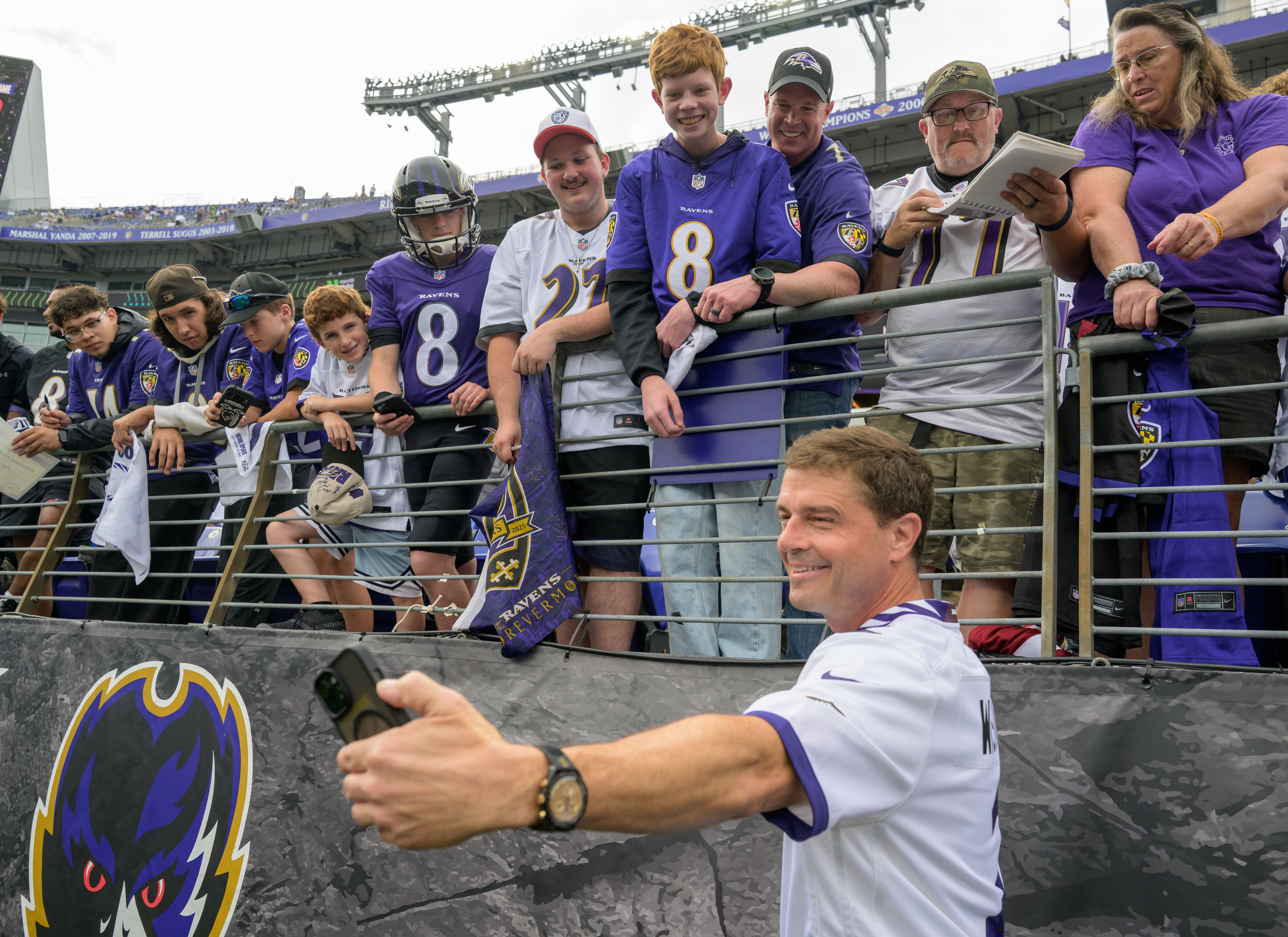
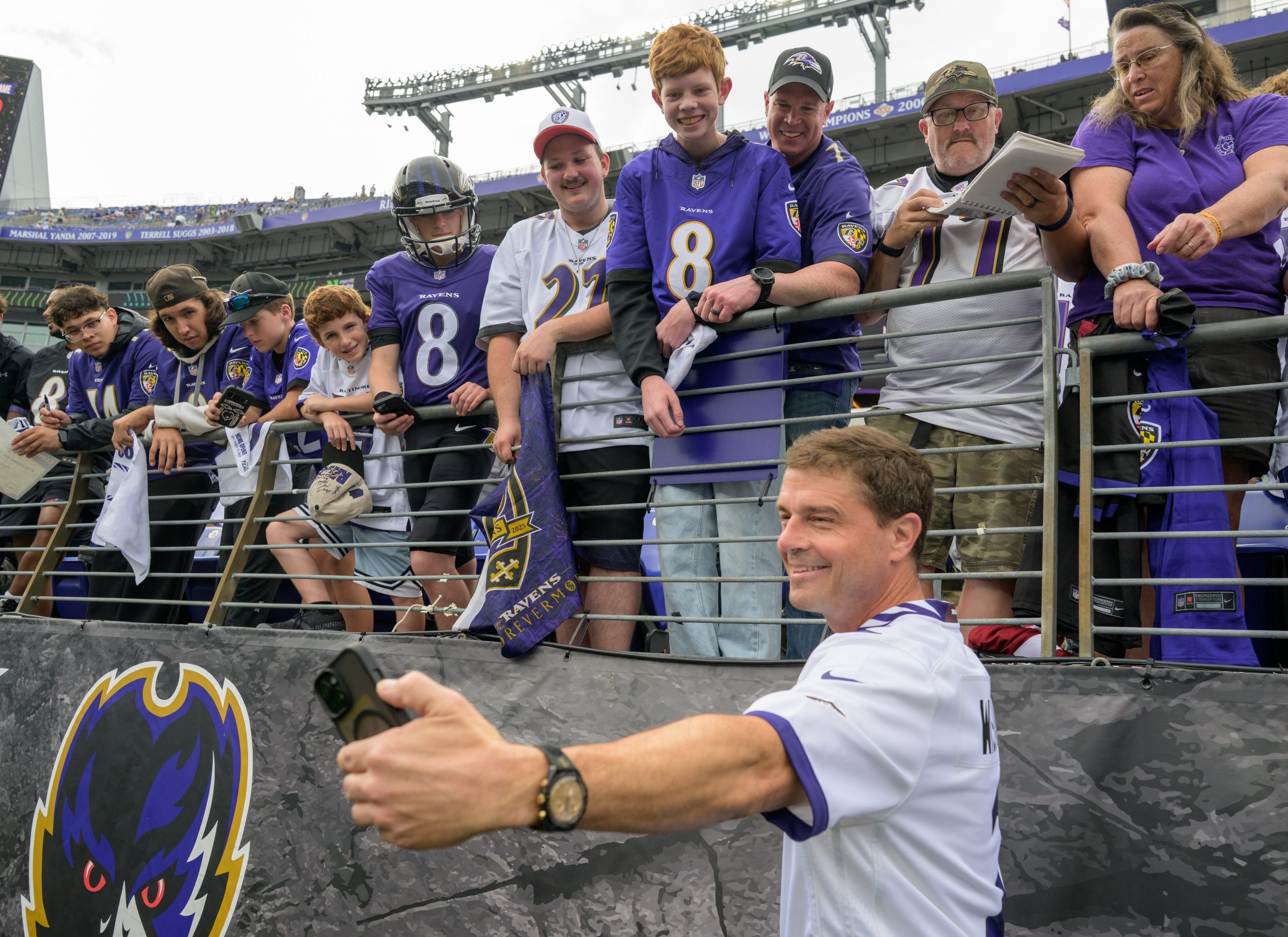
NASA Astronaut Reid Wiseman Attends Ravens vs. Saints Game – NASA astronaut and commander of the agency’s Artemis II mission, Reid Wiseman, a Baltimore native, takes a selfie with fans at an NFL game between the New Orleans Saints and the Baltimore Ravens at M&T Bank Stadium, Sunday, Sept. 20, 2026, in Baltimore.

NASA astronaut and commander of the agency’s Artemis II mission, Reid Wiseman, a Baltimore native, takes a selfie with fans at an NFL game between the New Orleans Saints and the Baltimore Ravens at M&T Bank Stadium, Sunday, Sept. 20, 2026, in Baltimore.

Read More