birthday

World’s oldest priest dies at 110 #Catholic In late February, Pope Leo XIV thanked Father Bruno Kant of the Diocese of Fulda in Germany for his “many years of faithful and devoted priestly service.” Kant, the oldest priest in the world at 110 years of age, passed away on the night of Friday, May 29. He had been a priest since 1950.In an article published on his dioceseʼs website, Bishop Michael Gerber of Fulda recalled that "just a few months ago" he had "the privilege of conveying Pope Leo XIVʼs blessing to Father Bruno Kant on the occasion of his 110th birthday.""My encounter with him left a deep impression on me. Even at his advanced age, he radiated the humility, kindness, and spiritual depth that characterized his entire priestly life. The Diocese of Fulda remembers his work and service with great gratitude," he added.Father Guido Pasanow of the parish in Eichenzell-Löschenrod, where Kant lived until his death, said that with the priest’s death, the parish “loses a person who was fundamental to it for many years.”“Even after retiring from active ministry, he remained a confidant, pastor, and spiritual guide deeply cherished by many parishioners. We are grateful for all that he contributed to our community,” he added.As reported by the Catholic news outlet katholisch in November 2025, Kant, born near Danzig in what is now Poland, had aspired to become a priest since the age of 9. He was able to begin his theological studies, but the Nazi regime thwarted his plans by conscripting him for forced labor and making him a soldier.Kant spent four years as a prisoner of war in Russia before reuniting with his family, who had fled to the West.He was finally ordained a priest in 1950. After decades of priestly service, he considerably curtailed his activities. He stopped driving at the age of 102, according to a report published on katholisch.de in November.“Over the last few years, he has refrained from celebrating holy Mass with the congregation on Wednesday evenings. However, he continued visiting the sick for as long as he was able. Now, that is no longer possible for him.”On that occasion, Kant said: “I expect to die every day. I am not far from it.” In his final years, he spent his days solving Sudokus, watching television, reading newspapers, and, of course, praying.“Praying keeps me young,” he said.This story was first published by CNA Deutsch, the German-language sister service of EWTN News. It has been translated and adapted by ACI Prensa/EWTN News English.

World’s oldest priest dies at 110 #Catholic In late February, Pope Leo XIV thanked Father Bruno Kant of the Diocese of Fulda in Germany for his “many years of faithful and devoted priestly service.” Kant, the oldest priest in the world at 110 years of age, passed away on the night of Friday, May 29. He had been a priest since 1950.In an article published on his dioceseʼs website, Bishop Michael Gerber of Fulda recalled that "just a few months ago" he had "the privilege of conveying Pope Leo XIVʼs blessing to Father Bruno Kant on the occasion of his 110th birthday.""My encounter with him left a deep impression on me. Even at his advanced age, he radiated the humility, kindness, and spiritual depth that characterized his entire priestly life. The Diocese of Fulda remembers his work and service with great gratitude," he added.Father Guido Pasanow of the parish in Eichenzell-Löschenrod, where Kant lived until his death, said that with the priest’s death, the parish “loses a person who was fundamental to it for many years.”“Even after retiring from active ministry, he remained a confidant, pastor, and spiritual guide deeply cherished by many parishioners. We are grateful for all that he contributed to our community,” he added.As reported by the Catholic news outlet katholisch in November 2025, Kant, born near Danzig in what is now Poland, had aspired to become a priest since the age of 9. He was able to begin his theological studies, but the Nazi regime thwarted his plans by conscripting him for forced labor and making him a soldier.Kant spent four years as a prisoner of war in Russia before reuniting with his family, who had fled to the West.He was finally ordained a priest in 1950. After decades of priestly service, he considerably curtailed his activities. He stopped driving at the age of 102, according to a report published on katholisch.de in November.“Over the last few years, he has refrained from celebrating holy Mass with the congregation on Wednesday evenings. However, he continued visiting the sick for as long as he was able. Now, that is no longer possible for him.”On that occasion, Kant said: “I expect to die every day. I am not far from it.” In his final years, he spent his days solving Sudokus, watching television, reading newspapers, and, of course, praying.“Praying keeps me young,” he said.This story was first published by CNA Deutsch, the German-language sister service of EWTN News. It has been translated and adapted by ACI Prensa/EWTN News English.

Ordained in 1950, Father Bruno Kant served the Diocese of Fulda in Germany for decades. After retiring from active ministry, he remained a confidant, pastor, and spiritual guide for many parishioners.

Read More
Picture of the day


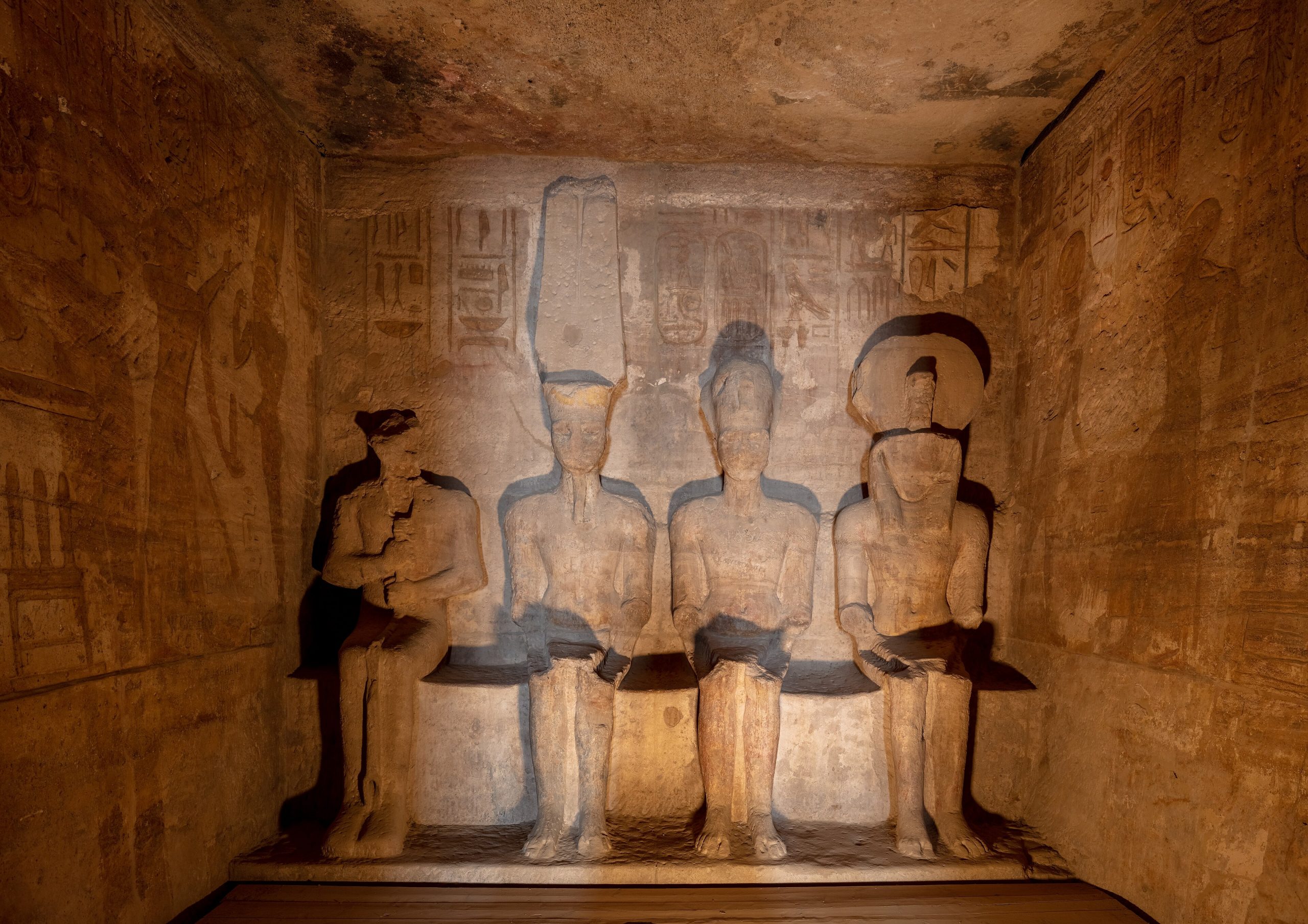
Famous sanctuary of the temple of Ramses II, Abu Simbel, Egypt. The Great Temple at Abu Simbel, which took about twenty years to build, was completed around year 24 of the reign of Ramesses the Great (which corresponds to 1265 BC). It was dedicated to the gods Amun, Ra-Horakhty, and Ptah, as well as to the deified Ramesses himself. It is generally considered the grandest and most beautiful of the temples commissioned during the reign of Ramesses II, and one of the most beautiful in Egypt. In the sanctuary are rock cut sculptures of four seated figures: Ra-Horakhty, the deified king Ramesses, and the gods Amun Ra and Ptah, the main divinities in that period. It is believed that the axis of the temple was positioned by the ancient Egyptian architects in such a way that on October 22 and February 22 (allegedly the king’s birthday and coronation day, respectively), the rays of the sun would penetrate the sanctuary and illuminate the sculptures on the back wall, except for the statue of Ptah, a god connected with the realm of the dead, who always remained in the dark. People gather at Abu Simbel on these days to witness this.
 #ImageOfTheDay
Picture of the day
Famous sanctuary of the temple of Ramses II, Abu Simbel, Egypt. The Great Temple at Abu Simbel, which took about twenty years to build, was completed around year 24 of the reign of Ramesses the Great (which corresponds to 1265 BC). It was dedicated to the gods Amun, Ra-Horakhty, and Ptah, as well as to the deified Ramesses himself. It is generally considered the grandest and most beautiful of the temples commissioned during the reign of Ramesses II, and one of the most beautiful in Egypt. In the sanctuary are rock cut sculptures of four seated figures: Ra-Horakhty, the deified king Ramesses, and the gods Amun Ra and Ptah, the main divinities in that period. It is believed that the axis of the temple was positioned by the ancient Egyptian architects in such a way that on October 22 and February 22 (allegedly the king’s birthday and coronation day, respectively), the rays of the sun would penetrate the sanctuary and illuminate the sculptures on the back wall, except for the statue of Ptah, a god connected with the realm of the dead, who always remained in the dark. People gather at Abu Simbel on these days to witness this.
Read More
Picture of the day


Tenzin Gyatso, the fourteenth and current Dalai Lama, is the highest spiritual leader and head of Tibetan Buddhism. In 1959, he escaped from Tibet to India following the Tibetan uprising against Chinese occupation of Tibet, and established the Tibetan government-in-exile, which continues to function in Dharamsala, India, where he resides. He was awarded the Nobel Peace Prize in 1989. Today is his 90th birthday.
 #ImageOfTheDay
Picture of the day
Tenzin Gyatso, the fourteenth and current Dalai Lama, is the highest spiritual leader and head of Tibetan Buddhism. In 1959, he escaped from Tibet to India following the Tibetan uprising against Chinese occupation of Tibet, and established the Tibetan government-in-exile, which continues to function in Dharamsala, India, where he resides. He was awarded the Nobel Peace Prize in 1989. Today is his 90th birthday.
Read More