Building

Pope Leo XIV: Vatican diplomats must be bridges and channels of peace #Catholic Pope Leo XIV on Monday outlined the qualities needed in priests who serve as Vatican diplomats, describing their work as a unique ministry that serves not only Catholics but also the entire human family in individual nations and international organizations.The pope made the remarks April 27 during a visit to the Pontifical Ecclesiastical Academy, the Holy See’s school for training diplomats, on the occasion of the 325th anniversary of its founding.Leo recalled that a few years earlier, while serving as prefect of the Dicastery for Bishops, he had visited the academy and reflected on “the essential mission carried out by the alma mater of the pontifical diplomats.”“Today, almost a year after the start of my Petrine ministry, accompanied by the diligent commitment of the Secretariat of State and the pontifical representations,” he said, “I therefore look with deep gratitude upon the history of dedication and service that this joyful anniversary celebrates.”That history, the pope said, rooted in the very Catholicity of the Church, has included an unbroken chain of priests from various parts of the world who have contributed “with their humble efforts to the building of that unity in Christ which, amid the diversity of origins, makes communion a fundamental characteristic of the diplomatic service of the Holy See.”Referring to reforms made to the academy by Pope Francis in March 2025, Leo said the most important reform required of those entering the community is “a constant exercise in conversion, aimed at cultivating ‘closeness, attentive listening, witness, a fraternal approach, and dialogue … combined with humility and meekness.’”The pope said the gathering was an opportunity to outline some characteristics of the pontifical diplomatic priest, who participates in the ministry of the successor of Peter and serves peace, truth, and justice.The Vatican diplomat, he said, “must be, first of all, a messenger of the paschal proclamation ‘Peace be with you!’”“Even when the hopes for dialogue and reconciliation seem to vanish and peace ‘as the world gives it’ is trampled upon and put to the test,” Leo said, “you are called to continue to bring the word of the risen Christ to all. ‘Peace I leave with you; my peace I give to you.’”Before trying to build peace “with our own meager strength,” the pope said, the mission of pontifical diplomats calls them to be bridges and channels for it, “so that the grace that comes from heaven may find its way through the vicissitudes of history.”Leo also said the papal diplomat, working in different cultural settings and international organizations, “is specifically assigned to bear witness to the truth that is Christ.”Such a diplomat, he said, must bring Christ’s message to the forum of nations and become “a sign of his love for that portion of humanity entrusted to his mission as a shepherd, even before that of a diplomat.”The pope also stressed the importance of clear language in diplomacy, citing his January address to the diplomatic corps accredited to the Holy See in which he said it is urgently necessary that “words once again … express distinct and clear realities unequivocally,” because “only in this way can authentic dialogue resume without misunderstandings.”“For this reason, too,” he told the students, “it is important that you bring to the world the Word of Life, who revealed himself not through the affirmation of abstract principles and ideas but by becoming flesh.”Leo reminded the academy’s students that they are preparing for a ministry “which is not limited to safeguarding the good of the Catholic community but extends to the entire human family living in a particular nation or participating in the work of various international organizations.”This, he said, requires them “to be promoters of all forms of justice that help to recognize, rebuild, and protect the image of God imprinted in every person.”“In the defense of human rights — among which the rights to religious freedom and to life are prominent — I therefore urge you to continue to show the way, not toward confrontation and demands but toward the protection of human dignity, the development of peoples and communities, and the promotion of international cooperation,” he said. “These are the only means that allow us to embark on authentic paths of peace.”The pope acknowledged that in a world marked by tensions, where conflict can appear to be the only way to address needs and demands, efforts at dialogue, listening, and reconciliation may seem insufficient, at times even futile.“This must not discourage us!” he said. “Let us continue to invoke with confidence the gift of Christ’s peace, without fear.”He assured the superiors and students that their ministry, at any time and in any place, will be “an instrument for promoting and safeguarding the dignity of every man and woman, created in the image and likeness of God, and for advancing the common good.”This story was first published by ACI Prensa, the Spanish-language sister service of EWTN News. It has been translated and adapted by EWTN News English.

Pope Leo XIV: Vatican diplomats must be bridges and channels of peace #Catholic Pope Leo XIV on Monday outlined the qualities needed in priests who serve as Vatican diplomats, describing their work as a unique ministry that serves not only Catholics but also the entire human family in individual nations and international organizations.The pope made the remarks April 27 during a visit to the Pontifical Ecclesiastical Academy, the Holy See’s school for training diplomats, on the occasion of the 325th anniversary of its founding.Leo recalled that a few years earlier, while serving as prefect of the Dicastery for Bishops, he had visited the academy and reflected on “the essential mission carried out by the alma mater of the pontifical diplomats.”“Today, almost a year after the start of my Petrine ministry, accompanied by the diligent commitment of the Secretariat of State and the pontifical representations,” he said, “I therefore look with deep gratitude upon the history of dedication and service that this joyful anniversary celebrates.”That history, the pope said, rooted in the very Catholicity of the Church, has included an unbroken chain of priests from various parts of the world who have contributed “with their humble efforts to the building of that unity in Christ which, amid the diversity of origins, makes communion a fundamental characteristic of the diplomatic service of the Holy See.”Referring to reforms made to the academy by Pope Francis in March 2025, Leo said the most important reform required of those entering the community is “a constant exercise in conversion, aimed at cultivating ‘closeness, attentive listening, witness, a fraternal approach, and dialogue … combined with humility and meekness.’”The pope said the gathering was an opportunity to outline some characteristics of the pontifical diplomatic priest, who participates in the ministry of the successor of Peter and serves peace, truth, and justice.The Vatican diplomat, he said, “must be, first of all, a messenger of the paschal proclamation ‘Peace be with you!’”“Even when the hopes for dialogue and reconciliation seem to vanish and peace ‘as the world gives it’ is trampled upon and put to the test,” Leo said, “you are called to continue to bring the word of the risen Christ to all. ‘Peace I leave with you; my peace I give to you.’”Before trying to build peace “with our own meager strength,” the pope said, the mission of pontifical diplomats calls them to be bridges and channels for it, “so that the grace that comes from heaven may find its way through the vicissitudes of history.”Leo also said the papal diplomat, working in different cultural settings and international organizations, “is specifically assigned to bear witness to the truth that is Christ.”Such a diplomat, he said, must bring Christ’s message to the forum of nations and become “a sign of his love for that portion of humanity entrusted to his mission as a shepherd, even before that of a diplomat.”The pope also stressed the importance of clear language in diplomacy, citing his January address to the diplomatic corps accredited to the Holy See in which he said it is urgently necessary that “words once again … express distinct and clear realities unequivocally,” because “only in this way can authentic dialogue resume without misunderstandings.”“For this reason, too,” he told the students, “it is important that you bring to the world the Word of Life, who revealed himself not through the affirmation of abstract principles and ideas but by becoming flesh.”Leo reminded the academy’s students that they are preparing for a ministry “which is not limited to safeguarding the good of the Catholic community but extends to the entire human family living in a particular nation or participating in the work of various international organizations.”This, he said, requires them “to be promoters of all forms of justice that help to recognize, rebuild, and protect the image of God imprinted in every person.”“In the defense of human rights — among which the rights to religious freedom and to life are prominent — I therefore urge you to continue to show the way, not toward confrontation and demands but toward the protection of human dignity, the development of peoples and communities, and the promotion of international cooperation,” he said. “These are the only means that allow us to embark on authentic paths of peace.”The pope acknowledged that in a world marked by tensions, where conflict can appear to be the only way to address needs and demands, efforts at dialogue, listening, and reconciliation may seem insufficient, at times even futile.“This must not discourage us!” he said. “Let us continue to invoke with confidence the gift of Christ’s peace, without fear.”He assured the superiors and students that their ministry, at any time and in any place, will be “an instrument for promoting and safeguarding the dignity of every man and woman, created in the image and likeness of God, and for advancing the common good.”This story was first published by ACI Prensa, the Spanish-language sister service of EWTN News. It has been translated and adapted by EWTN News English.

The pontiff said the Holy See’s diplomatic service is a unique ministry rooted in peace, truth, and justice and directed not only to Catholics but also to the entire human family.

Read More
Kicked out of Mass as a mischievous child, Pope Leo will ordain him Sunday #Catholic The Diocese of Rome shared the testimonies of eight seminarians who, on April 26, Good Shepherd Sunday, will be ordained priests by Pope Leo XIV. Among them is Christian Sguazzino, who as a child was once kicked out of Mass by a priest because he was causing "chaos.”Sguazzino, together with Deacon Danilo Defant and Sister Ester Maddalena Iapenna, will share their testimonies on Friday, April 24, at St. John Lateran Basilica, the cathedral church of Rome, during the prayer vigil for vocations.Sguazzino discovered his vocation at St. John of the Cross Parish. “When I was a child — after having made my first Communion — I would go play soccer and then attend Mass every day, always bringing a friend along,” the future priest recounted.“At that time, there wasn’t even a proper church building; instead, services were held in tents. My friends and I, naturally, caused a bit of chaos. So, one day the assistant pastor kicked us out and told us we would be excommunicated!” he shared with a smile.Recalling that time of mischief, Sguazzino said that “even then — despite everything — I felt the joy of being in church; I loved looking at the altar and the tabernacle.” Along his journey, he emphasized, it was crucial to meet “so many priests who were happy to be priests. Their witness was fundamental.”An uncle who was a priest always supported himYordan Camilo Medina is Colombian and has an uncle who is a priest. As a child, he recounted, “I used to accompany him to take Communion to the mountain communities, and the joy of the faithful upon receiving the body of Christ was incredible.”“Now he, too, is in Rome, and I have followed him here on my path of priestly formation. He has always supported me,” he added.He dreamed of becoming a friarGiovanni Emanuele Nunziante is 32 years old. He was born in Rome but spent part of his childhood in England. “If I had to tell you how my vocation began, my earliest memory dates back to when I was a child,“ he said. ”I didn’t yet fully understand what it meant to be a priest, but I dreamed of being close to the Lord and toyed with the idea of ​​becoming a friar. Then, it all faded into oblivion!”The call returned with force in 2016, during the Fourth Sunday of Easter. “Upon hearing the Gospel of the Good Shepherd, that desire to be close to the Lord in a special way returned … I realized that my deepest desire was to offer my life just as Jesus did — the Good Shepherd,” he said.The influence of the Neocatechumenal WayAntonino Ordine, 27, related that his vocation was born within the faith formation program known as the Neocatechumenal Way: “I was born and raised in a very practicing family, and this led me to appreciate the beauty of the work the Church carries out on a daily basis. I was fortunate enough to meet priests and missionary families especially during a mission in Sweden who were fundamental to my discernment.”He had wanted to become a doctor and after having served on missions in Latin America, the Middle East, and India, he realized that God was calling him to give himself completely out of love for him.He was born in Africa into a non-Catholic familyJos Emanuel Nleme Sabate was born in Cameroon. “My father was Protestant and we often prayed at home,” he said. “When I was 11 years old, I entered the minor seminary of my home diocese because it had a reputation as an excellent school. It was there that I learned about Catholicism.”“I was baptized at the age of 12 and I believe it was during that rite, which was unfamiliar to me at the time, that I decided to become a priest,” he shared. He is now studying sign language and helping people with disabilities.He was a pianist of international stature“I come from a Catholic family,” Daniele Riscica related, “and I have always participated in parish activities; however, I studied at the Frosinone Conservatory and completed my piano studies in classical music. From there, I continued my career as a concert pianist.”Regarded as a rising star of the international piano scene by the age of 24, he said, “I had already achieved many goals in life, yet I was not satisfied. I felt that God was calling me to something more. So I tried entering the seminary — almost as a test … and there I felt happy.”He is grateful for his parents' faithGiorgio Larosa is 30 years old and said that his “vocation was born out of attending the parish, thanks to the faith my parents instilled in me.” His parents' example, as well as “the example of other Christians, laypeople and priests, was also very powerful. In their stories, I saw the power of the Gospel,” he recounted.He left his job and entered the seminaryGuglielmo Lapenna is 35 years old and worked in a liquor factory before beginning his formation for the priesthood.“During World Youth Day 2016 in Kraków, I decided to leave my job and enter the seminary,” he shared, adding: “And the Lord has reaffirmed my vocation every day.”This story was first published by ACI Prensa, the Spanish-language sister service of EWTN News. It has been translated and adapted by EWTN News English.

Kicked out of Mass as a mischievous child, Pope Leo will ordain him Sunday #Catholic The Diocese of Rome shared the testimonies of eight seminarians who, on April 26, Good Shepherd Sunday, will be ordained priests by Pope Leo XIV. Among them is Christian Sguazzino, who as a child was once kicked out of Mass by a priest because he was causing "chaos.”Sguazzino, together with Deacon Danilo Defant and Sister Ester Maddalena Iapenna, will share their testimonies on Friday, April 24, at St. John Lateran Basilica, the cathedral church of Rome, during the prayer vigil for vocations.Sguazzino discovered his vocation at St. John of the Cross Parish. “When I was a child — after having made my first Communion — I would go play soccer and then attend Mass every day, always bringing a friend along,” the future priest recounted.“At that time, there wasn’t even a proper church building; instead, services were held in tents. My friends and I, naturally, caused a bit of chaos. So, one day the assistant pastor kicked us out and told us we would be excommunicated!” he shared with a smile.Recalling that time of mischief, Sguazzino said that “even then — despite everything — I felt the joy of being in church; I loved looking at the altar and the tabernacle.” Along his journey, he emphasized, it was crucial to meet “so many priests who were happy to be priests. Their witness was fundamental.”An uncle who was a priest always supported himYordan Camilo Medina is Colombian and has an uncle who is a priest. As a child, he recounted, “I used to accompany him to take Communion to the mountain communities, and the joy of the faithful upon receiving the body of Christ was incredible.”“Now he, too, is in Rome, and I have followed him here on my path of priestly formation. He has always supported me,” he added.He dreamed of becoming a friarGiovanni Emanuele Nunziante is 32 years old. He was born in Rome but spent part of his childhood in England. “If I had to tell you how my vocation began, my earliest memory dates back to when I was a child,“ he said. ”I didn’t yet fully understand what it meant to be a priest, but I dreamed of being close to the Lord and toyed with the idea of ​​becoming a friar. Then, it all faded into oblivion!”The call returned with force in 2016, during the Fourth Sunday of Easter. “Upon hearing the Gospel of the Good Shepherd, that desire to be close to the Lord in a special way returned … I realized that my deepest desire was to offer my life just as Jesus did — the Good Shepherd,” he said.The influence of the Neocatechumenal WayAntonino Ordine, 27, related that his vocation was born within the faith formation program known as the Neocatechumenal Way: “I was born and raised in a very practicing family, and this led me to appreciate the beauty of the work the Church carries out on a daily basis. I was fortunate enough to meet priests and missionary families especially during a mission in Sweden who were fundamental to my discernment.”He had wanted to become a doctor and after having served on missions in Latin America, the Middle East, and India, he realized that God was calling him to give himself completely out of love for him.He was born in Africa into a non-Catholic familyJos Emanuel Nleme Sabate was born in Cameroon. “My father was Protestant and we often prayed at home,” he said. “When I was 11 years old, I entered the minor seminary of my home diocese because it had a reputation as an excellent school. It was there that I learned about Catholicism.”“I was baptized at the age of 12 and I believe it was during that rite, which was unfamiliar to me at the time, that I decided to become a priest,” he shared. He is now studying sign language and helping people with disabilities.He was a pianist of international stature“I come from a Catholic family,” Daniele Riscica related, “and I have always participated in parish activities; however, I studied at the Frosinone Conservatory and completed my piano studies in classical music. From there, I continued my career as a concert pianist.”Regarded as a rising star of the international piano scene by the age of 24, he said, “I had already achieved many goals in life, yet I was not satisfied. I felt that God was calling me to something more. So I tried entering the seminary — almost as a test … and there I felt happy.”He is grateful for his parents' faithGiorgio Larosa is 30 years old and said that his “vocation was born out of attending the parish, thanks to the faith my parents instilled in me.” His parents' example, as well as “the example of other Christians, laypeople and priests, was also very powerful. In their stories, I saw the power of the Gospel,” he recounted.He left his job and entered the seminaryGuglielmo Lapenna is 35 years old and worked in a liquor factory before beginning his formation for the priesthood.“During World Youth Day 2016 in Kraków, I decided to leave my job and enter the seminary,” he shared, adding: “And the Lord has reaffirmed my vocation every day.”This story was first published by ACI Prensa, the Spanish-language sister service of EWTN News. It has been translated and adapted by EWTN News English.

Seminarians shared their personal stories of hearing and responding to God’s call to the priesthood.

Read More
Pope Leo XIV says debate with Trump is ‘not in my interest at all’ #Catholic ABOARD THE PAPAL PLANE — Pope Leo XIV arrived in Angola after a two-and-a-half-hour flight from Cameroon on April 18, using the short journey to reject suggestions that his recent remarks about war were aimed at U.S. President Donald Trump while reflecting on the pastoral focus of his African trip.In a brief in-flight press conference with journalists, the pope addressed the interpretation of some of his recent speeches as a response to criticism from Trump, who had accused him of weakness in foreign policy.“[T]hereʼs been a certain narrative that has not been accurate in all of its aspects, but because of the political situation created when on the first day of the trip, the President of the United States made some comments about myself,” the pope said.“Much of what has been written since then has been more commentary on commentary, trying to interpret what has been said.”He pointed in particular to his address at the April 16 prayer meeting for peace in Cameroon.“Just one little example, the talk that I gave at the prayer meeting for peace a couple days ago was prepared two weeks ago, well before the president ever commented on myself and on the message of peace that I am promoting,” he said.“And yet, as it happens, it was looked at as if I was trying to debate again the president, which is not in my interest at all.”Leo XIV said he intends instead to continue proclaiming the Gospel and promoting peace.“So we go on the journey, we continue proclaiming the Gospel message,” he said.He added that the liturgies during the trip have highlighted what it means to follow Christ, promote fraternity, and seek justice and peace.The pope also said the broader African journey has been shaped by themes that emerged at the start of the trip in Algeria, especially the figure of St. Augustine.“I was personally very pleased, as you know, we began the trip in Algeria with the theme of Saint Augustine, and yesterday at the Catholic University, we had the blessing of that beautiful monument that they had prepared with a map of Africa and Saint Augustine at the center,” he said.“And so in one sense, it expresses part of what this trip is about.”Leo XIV emphasized that his primary purpose in Africa is to accompany Catholics.“And I primarily come to Africa as pastor, as the head of the Catholic Church, to be with, to celebrate with, to encourage and accompany all of the Catholics throughout Africa.”He also referred to a meeting with imams in Cameroon, describing it in general terms as part of the Church’s continuing commitment to interreligious dialogue, understanding, and peace-building.He concluded his main remarks by thanking journalists for their work and expressing hope that God would continue to bless the journey.Responding later to a French journalist, Leo XIV expressed gratitude for the reception he received in Cameroon.“I would just like to thank everyone in Cameroon for the wonderful welcome, the great enthusiasm, the joy of the people,” he said.“It was absolutely fantastic, the experience … how wonderful it is to experience what it means to be a follower of Jesus Christ and to celebrate our faith together.”The pope’s flight took him from Yaoundé to Luanda, crossing over Cameroon, Equatorial Guinea, Gabon, the Democratic Republic of Congo, and Angola. Angola is the third and penultimate stop of his African journey.The Catholic Church has longstanding ties with Angola. Formal relations date back centuries, including the 1608 appointment of Antonio Manuel Nyunda as the first ambassador to Rome from the then-Kingdom of Kongo. More recently, in 2019, the Holy See and Angola signed an agreement recognizing the legal personality of the Catholic Church and defining its property rights.This story was first published by ACI Stampa, the Italian-language sister service of EWTN News. It has been translated and adapted by EWTN News English.

Pope Leo XIV says debate with Trump is ‘not in my interest at all’ #Catholic ABOARD THE PAPAL PLANE — Pope Leo XIV arrived in Angola after a two-and-a-half-hour flight from Cameroon on April 18, using the short journey to reject suggestions that his recent remarks about war were aimed at U.S. President Donald Trump while reflecting on the pastoral focus of his African trip.In a brief in-flight press conference with journalists, the pope addressed the interpretation of some of his recent speeches as a response to criticism from Trump, who had accused him of weakness in foreign policy.“[T]hereʼs been a certain narrative that has not been accurate in all of its aspects, but because of the political situation created when on the first day of the trip, the President of the United States made some comments about myself,” the pope said.“Much of what has been written since then has been more commentary on commentary, trying to interpret what has been said.”He pointed in particular to his address at the April 16 prayer meeting for peace in Cameroon.“Just one little example, the talk that I gave at the prayer meeting for peace a couple days ago was prepared two weeks ago, well before the president ever commented on myself and on the message of peace that I am promoting,” he said.“And yet, as it happens, it was looked at as if I was trying to debate again the president, which is not in my interest at all.”Leo XIV said he intends instead to continue proclaiming the Gospel and promoting peace.“So we go on the journey, we continue proclaiming the Gospel message,” he said.He added that the liturgies during the trip have highlighted what it means to follow Christ, promote fraternity, and seek justice and peace.The pope also said the broader African journey has been shaped by themes that emerged at the start of the trip in Algeria, especially the figure of St. Augustine.“I was personally very pleased, as you know, we began the trip in Algeria with the theme of Saint Augustine, and yesterday at the Catholic University, we had the blessing of that beautiful monument that they had prepared with a map of Africa and Saint Augustine at the center,” he said.“And so in one sense, it expresses part of what this trip is about.”Leo XIV emphasized that his primary purpose in Africa is to accompany Catholics.“And I primarily come to Africa as pastor, as the head of the Catholic Church, to be with, to celebrate with, to encourage and accompany all of the Catholics throughout Africa.”He also referred to a meeting with imams in Cameroon, describing it in general terms as part of the Church’s continuing commitment to interreligious dialogue, understanding, and peace-building.He concluded his main remarks by thanking journalists for their work and expressing hope that God would continue to bless the journey.Responding later to a French journalist, Leo XIV expressed gratitude for the reception he received in Cameroon.“I would just like to thank everyone in Cameroon for the wonderful welcome, the great enthusiasm, the joy of the people,” he said.“It was absolutely fantastic, the experience … how wonderful it is to experience what it means to be a follower of Jesus Christ and to celebrate our faith together.”The pope’s flight took him from Yaoundé to Luanda, crossing over Cameroon, Equatorial Guinea, Gabon, the Democratic Republic of Congo, and Angola. Angola is the third and penultimate stop of his African journey.The Catholic Church has longstanding ties with Angola. Formal relations date back centuries, including the 1608 appointment of Antonio Manuel Nyunda as the first ambassador to Rome from the then-Kingdom of Kongo. More recently, in 2019, the Holy See and Angola signed an agreement recognizing the legal personality of the Catholic Church and defining its property rights.This story was first published by ACI Stampa, the Italian-language sister service of EWTN News. It has been translated and adapted by EWTN News English.

En route from Cameroon to Angola, the pope said his mission in Africa is pastoral and rejected suggestions that his recent remarks were aimed at President Donald Trump.

Read More
Pope Leo XIV arrives in Cameroon for second leg of Africa trip #Catholic YAOUNDE, Cameroon — Pope Leo XIV arrived Wednesday in Yaoundé, the capital of Cameroon, after a five-hour flight. While meeting with journalists aboard the papal plane, he delivered a brief address, thanking the Algerian authorities and reflecting on the first leg of the journey.Leo, speaking in English, expressed his “gratitude to all the authorities in Algeria, who made this visit possible. As youʼve seen, theyʼve even granted us the full honor of an escort as we fly over Algerian airspace.”This, the pope said, is “a sign of the goodness, of the generosity, of the respect that the Algerian people and the Algerian government have wished to show to the Holy See, to myself. And so I want to say a word of thanks to them, as well as a word of thanks to the very small but very significant presence of the Catholic Church in Algeria.”The pontiff then reflected on the journey.“We had, as you know,” he said, “some very special visits both in the Basilica Notre Dame dʼAfrique as well as in Annaba yesterday, in the Basilica of St. Augustine on the hill overlooking both the modern city of Annaba and the ruins of the ancient Roman city of Ippona. And that in itself, I would say, is also symbolically significant, because St. Augustine, who was bishop, as you know, of Hippo for more than 30 years, actually is a figure which is very much from the past and speaks to us of tradition, speaks to us of the life, the Church, as the Church grew in the early centuries.”Continuing to speak about St. Augustine, Leo said that he is “a very important figure today as his writings, his teaching, his spirituality, his invitation to search for God and to search for truth is something that is very much needed today — a message that is very real for all of us today, as believers in Jesus Christ, but for all people. And as youʼve seen, even the people of Algeria, the vast majority of whom are not Christian, they very much honor and respect the memory of St. Augustine as one of the great sons of their land.""So it was a special blessing for me personally to return once again to Annaba yesterday," he said, "but also to offer to the Church and the world a vision that St. Augustine offers us in terms of the search for God and the struggle to build community, to seek for unity among all peoples and respect for all peoples in spite of the differences.”The pope concluded: “In two days in Algeria I think weʼve really had a wonderful opportunity to, if you will, continue to build bridges, to promote dialogue. I think the visit to the mosque was significant and to say that it showed that although we have different beliefs, we have different ways of worshipping, we have different ways of living, we can live together in peace. And so I think that promoting that kind of image is something which the world needs to hear today, and that together we can continue to offer in our witness through as we continue on this apostolic voyage.”Pope Leo XIV is the third pope to visit Cameroon.Leo will first meet with 92-year-old President Biya, elected to an eighth term and in power for 40 years. After his address to the diplomatic corps — a standard stop at the beginning of every trip — the pope will visit the Ngul Zamba orphanage, a historic point of reference for the care and education of orphaned children and minors in situations of serious social vulnerability.In addition to Yaoundé, Leo XIV will also visit the city of Bamenda, around 230 miles from the capital, at the center of the Anglophone crisis — a complex situation in which English-speaking separatists have also called for the formation of their own state.The pope will also visit Douala, Cameroon’s economic capital, thus touching all the major realities of the country before departing for Angola on April 18.

Pope Leo XIV arrives in Cameroon for second leg of Africa trip #Catholic YAOUNDE, Cameroon — Pope Leo XIV arrived Wednesday in Yaoundé, the capital of Cameroon, after a five-hour flight. While meeting with journalists aboard the papal plane, he delivered a brief address, thanking the Algerian authorities and reflecting on the first leg of the journey.Leo, speaking in English, expressed his “gratitude to all the authorities in Algeria, who made this visit possible. As youʼve seen, theyʼve even granted us the full honor of an escort as we fly over Algerian airspace.”This, the pope said, is “a sign of the goodness, of the generosity, of the respect that the Algerian people and the Algerian government have wished to show to the Holy See, to myself. And so I want to say a word of thanks to them, as well as a word of thanks to the very small but very significant presence of the Catholic Church in Algeria.”The pontiff then reflected on the journey.“We had, as you know,” he said, “some very special visits both in the Basilica Notre Dame dʼAfrique as well as in Annaba yesterday, in the Basilica of St. Augustine on the hill overlooking both the modern city of Annaba and the ruins of the ancient Roman city of Ippona. And that in itself, I would say, is also symbolically significant, because St. Augustine, who was bishop, as you know, of Hippo for more than 30 years, actually is a figure which is very much from the past and speaks to us of tradition, speaks to us of the life, the Church, as the Church grew in the early centuries.”Continuing to speak about St. Augustine, Leo said that he is “a very important figure today as his writings, his teaching, his spirituality, his invitation to search for God and to search for truth is something that is very much needed today — a message that is very real for all of us today, as believers in Jesus Christ, but for all people. And as youʼve seen, even the people of Algeria, the vast majority of whom are not Christian, they very much honor and respect the memory of St. Augustine as one of the great sons of their land.""So it was a special blessing for me personally to return once again to Annaba yesterday," he said, "but also to offer to the Church and the world a vision that St. Augustine offers us in terms of the search for God and the struggle to build community, to seek for unity among all peoples and respect for all peoples in spite of the differences.”The pope concluded: “In two days in Algeria I think weʼve really had a wonderful opportunity to, if you will, continue to build bridges, to promote dialogue. I think the visit to the mosque was significant and to say that it showed that although we have different beliefs, we have different ways of worshipping, we have different ways of living, we can live together in peace. And so I think that promoting that kind of image is something which the world needs to hear today, and that together we can continue to offer in our witness through as we continue on this apostolic voyage.”Pope Leo XIV is the third pope to visit Cameroon.Leo will first meet with 92-year-old President Biya, elected to an eighth term and in power for 40 years. After his address to the diplomatic corps — a standard stop at the beginning of every trip — the pope will visit the Ngul Zamba orphanage, a historic point of reference for the care and education of orphaned children and minors in situations of serious social vulnerability.In addition to Yaoundé, Leo XIV will also visit the city of Bamenda, around 230 miles from the capital, at the center of the Anglophone crisis — a complex situation in which English-speaking separatists have also called for the formation of their own state.The pope will also visit Douala, Cameroon’s economic capital, thus touching all the major realities of the country before departing for Angola on April 18.

Reflecting on the visit to Algeria, the pope described it as “a wonderful opportunity to continue building bridges and promoting dialogue.”

Read More
French priest Henri Caffarel, founder of Teams of Our Lady, declared venerable by Pope Leo XIV #Catholic Father Henri Caffarel, a French priest whose apostolate centered on accompanying and guiding married couples on the path to holiness, is one step closer to being canonized.On March 23, Pope Leo XIV recognized the heroic virtues of the newly declared venerable, who maintained that couples are made for happiness and that marriage is a path toward it.With this deep conviction, and conscious of the challenges faced by couples, Caffarel, who was born in Lyon, France, in 1903, founded the movement for marital spirituality known as “Teams of Our Lady” in Paris in 1939.The beginning of a living legacySpaniards Alberto Pérez Bueno and Mercedes Gómez-Ferrer Lozano, the couple in charge of the Teams of Our Lady internationally, have been married for 35 years and have three children. In an interview with ACI Prensa, the Spanish-language sister service of EWTN News, they said the ministry started “with four couples who approached Father Caffarel to ask him how they could live out their faith as a couple.”“He didn’t have an answer at that moment, so he proposed that they embark on a journey of discovery together rooted in the sacrament of holy orders and the sacrament of matrimony. And that‘s how it all began,” Alberto explained.Following World War II, the movement, which is primarily lay-led, grew rapidly; today, it is present in 92 countries and is comprised of more than 15,000 teams.
 
 Father Henri Caffarel. | Credit: Photo courtesy of Alberto Pérez Bueno
 
 Marital communication and prayerMercedes emphasized that from the very beginning, Caffarel saw the need to foster the essentials of marital communication and prayer, convinced that by sharing their problems with one another, many couples could avoid estrangement that sometimes occurs in marriage.The priest, Alberto recalled, said that “the sacrament of matrimony is an image of God” and “probably the most perfect one there is.” The priest said married couples are called to holiness through a life of “work, personal growth, love, patience, and building a life together.”“It‘s not an overnight process but rather a journey undertaken over the course of a lifetime. Father Caffarel invited couples to embark on this path and to attain holiness through their work and their life together,” Alberto emphasized.Mercedes said the priest thought of marriage as a sign “that reflects the love of God” because the relationship of communion that exists between spouses is analogous to the relationship existing among the three Divine Persons: Christ, the Father, and the Holy Spirit.In the priest’s view, the image of marriage allowed for a clearer expression of the idea of ​​a God who is love “and who communicates and expands within his own nature.” From this perspective, “holiness ceases to be understood as a matter of individual effort or moral perfection and is situated instead within the dynamic of love that transforms and animates life,” Mercedes explained.A continuous path of spiritual growthThe organization of the Teams of Our Lady is based on a specific methodology “that goes beyond monthly meetings,” encompassing prayer, dialogue, and personal commitment. Each team consists of five or six married couples, fostering “listening to the word, personal prayer, prayer as a couple and family prayer, and a profound dialogue in the presence of the Lord that we also have every month,” Mercedes explained.Ultimately, it is a matter of “having a rule of life, a set of elements through which you strive to improve your Christian life,” she said. There is also a yearly retreat and a specific study theme each month.Alberto emphasized that the Teams of Our Lady are, in a sense, “precursors of the synodality” promoted by Pope Francis. “It’s a movement that is very nonclerical — though, it must be said, the accompaniment of married couples by priests is essential.”He also noted that “married couples place their time, their skills, their charisms, and their gifts at the service of others in order to build community.” Mercedes, who had the opportunity to meet the now-venerable, recalled that in 1973 he stepped aside after founding the teams, convinced that “if it was a work of the Holy Spirit and possessed a charism for the Church, there was no need for him to stay on.”Leaving the ministry in the laity’s hands, he retired to a house of prayer on the outskirts of Paris, where he began his other “great work”: teaching people how to pray. Mercedes noted that “one of the things he desired most was to teach people how to draw closer to Christ and to serve as an intermediary so that every person could have a personal encounter with God.”
 
 Alberto Pérez Bueno and Mercedes Gómez-Ferrer Lozano, international organizers of Teams of Our Lady. | Credit: Photo courtesy of Alberto Pérez Bueno
 
 The challenges facing married couples todayAlberto and Mercedes explained how married couples today confront new challenges stemming from the pace of life, particularly the “massive entry of women into the workforce,” which has brought different challenges, such as “finding time to be together and talk.”They highlighted Caffarel’s enduring counsel: “Seek out these moments; don’t let them slip away,” for life “sweeps us along like a fast-moving river.They also highlighted the movement’s impact in countries such as Lithuania, with a past marked by communist repression, or in African nations where the teams foster equality, participation, and changes such as abandoning polygamy. This is also true in Europe, where the Teams of Our Lady help strengthen families within increasingly secularized societies.Both highlight the universal impact of the movement: Couples from diverse cultures agree on the benefits received, particularly the “opportunity to pray together” and the realization of “how difficult it would have been without the presence of Christ in their married life.” Ultimately, this is a way of life that responds to a profound desire: Even as sacramental marriages decline, “there is no diminishing of people’s desire to live as a couple.”Mercedes also warned of a growing way of dealing with problems: “At the slightest setback, people are right off tempted to give up,” and the couple is not taught how to “persevere and forgive.” Added to this is “a great fear of commitment” and a tendency to avoid lasting bonds or communities despite the fact that, deep down, people “want to be happy and want to stay together.”For this reason, she emphasized the importance of mutual support and community life: “It‘s fundamental to allow oneself to be helped,” since in her view navigating married life in isolation “is extremely complex.”The teams offer precisely the necessary tools and support: a setting where married couples share their problems and solutions. Drawing upon their own experiences, they particularly encourage young couples to embark on this path of holiness.Both expressed their joy that Caffarel has been declared venerable, a long-awaited recognition following nearly 20 years of going through the beatification process, which continues, awaiting a miracle wrought through his intercession.This story was first published by ACI Prensa, the Spanish-language sister service of EWTN News. It has been translated and adapted by EWTN News English.

French priest Henri Caffarel, founder of Teams of Our Lady, declared venerable by Pope Leo XIV #Catholic Father Henri Caffarel, a French priest whose apostolate centered on accompanying and guiding married couples on the path to holiness, is one step closer to being canonized.On March 23, Pope Leo XIV recognized the heroic virtues of the newly declared venerable, who maintained that couples are made for happiness and that marriage is a path toward it.With this deep conviction, and conscious of the challenges faced by couples, Caffarel, who was born in Lyon, France, in 1903, founded the movement for marital spirituality known as “Teams of Our Lady” in Paris in 1939.The beginning of a living legacySpaniards Alberto Pérez Bueno and Mercedes Gómez-Ferrer Lozano, the couple in charge of the Teams of Our Lady internationally, have been married for 35 years and have three children. In an interview with ACI Prensa, the Spanish-language sister service of EWTN News, they said the ministry started “with four couples who approached Father Caffarel to ask him how they could live out their faith as a couple.”“He didn’t have an answer at that moment, so he proposed that they embark on a journey of discovery together rooted in the sacrament of holy orders and the sacrament of matrimony. And that‘s how it all began,” Alberto explained.Following World War II, the movement, which is primarily lay-led, grew rapidly; today, it is present in 92 countries and is comprised of more than 15,000 teams. Father Henri Caffarel. | Credit: Photo courtesy of Alberto Pérez Bueno Marital communication and prayerMercedes emphasized that from the very beginning, Caffarel saw the need to foster the essentials of marital communication and prayer, convinced that by sharing their problems with one another, many couples could avoid estrangement that sometimes occurs in marriage.The priest, Alberto recalled, said that “the sacrament of matrimony is an image of God” and “probably the most perfect one there is.” The priest said married couples are called to holiness through a life of “work, personal growth, love, patience, and building a life together.”“It‘s not an overnight process but rather a journey undertaken over the course of a lifetime. Father Caffarel invited couples to embark on this path and to attain holiness through their work and their life together,” Alberto emphasized.Mercedes said the priest thought of marriage as a sign “that reflects the love of God” because the relationship of communion that exists between spouses is analogous to the relationship existing among the three Divine Persons: Christ, the Father, and the Holy Spirit.In the priest’s view, the image of marriage allowed for a clearer expression of the idea of ​​a God who is love “and who communicates and expands within his own nature.” From this perspective, “holiness ceases to be understood as a matter of individual effort or moral perfection and is situated instead within the dynamic of love that transforms and animates life,” Mercedes explained.A continuous path of spiritual growthThe organization of the Teams of Our Lady is based on a specific methodology “that goes beyond monthly meetings,” encompassing prayer, dialogue, and personal commitment. Each team consists of five or six married couples, fostering “listening to the word, personal prayer, prayer as a couple and family prayer, and a profound dialogue in the presence of the Lord that we also have every month,” Mercedes explained.Ultimately, it is a matter of “having a rule of life, a set of elements through which you strive to improve your Christian life,” she said. There is also a yearly retreat and a specific study theme each month.Alberto emphasized that the Teams of Our Lady are, in a sense, “precursors of the synodality” promoted by Pope Francis. “It’s a movement that is very nonclerical — though, it must be said, the accompaniment of married couples by priests is essential.”He also noted that “married couples place their time, their skills, their charisms, and their gifts at the service of others in order to build community.” Mercedes, who had the opportunity to meet the now-venerable, recalled that in 1973 he stepped aside after founding the teams, convinced that “if it was a work of the Holy Spirit and possessed a charism for the Church, there was no need for him to stay on.”Leaving the ministry in the laity’s hands, he retired to a house of prayer on the outskirts of Paris, where he began his other “great work”: teaching people how to pray. Mercedes noted that “one of the things he desired most was to teach people how to draw closer to Christ and to serve as an intermediary so that every person could have a personal encounter with God.” Alberto Pérez Bueno and Mercedes Gómez-Ferrer Lozano, international organizers of Teams of Our Lady. | Credit: Photo courtesy of Alberto Pérez Bueno The challenges facing married couples todayAlberto and Mercedes explained how married couples today confront new challenges stemming from the pace of life, particularly the “massive entry of women into the workforce,” which has brought different challenges, such as “finding time to be together and talk.”They highlighted Caffarel’s enduring counsel: “Seek out these moments; don’t let them slip away,” for life “sweeps us along like a fast-moving river.They also highlighted the movement’s impact in countries such as Lithuania, with a past marked by communist repression, or in African nations where the teams foster equality, participation, and changes such as abandoning polygamy. This is also true in Europe, where the Teams of Our Lady help strengthen families within increasingly secularized societies.Both highlight the universal impact of the movement: Couples from diverse cultures agree on the benefits received, particularly the “opportunity to pray together” and the realization of “how difficult it would have been without the presence of Christ in their married life.” Ultimately, this is a way of life that responds to a profound desire: Even as sacramental marriages decline, “there is no diminishing of people’s desire to live as a couple.”Mercedes also warned of a growing way of dealing with problems: “At the slightest setback, people are right off tempted to give up,” and the couple is not taught how to “persevere and forgive.” Added to this is “a great fear of commitment” and a tendency to avoid lasting bonds or communities despite the fact that, deep down, people “want to be happy and want to stay together.”For this reason, she emphasized the importance of mutual support and community life: “It‘s fundamental to allow oneself to be helped,” since in her view navigating married life in isolation “is extremely complex.”The teams offer precisely the necessary tools and support: a setting where married couples share their problems and solutions. Drawing upon their own experiences, they particularly encourage young couples to embark on this path of holiness.Both expressed their joy that Caffarel has been declared venerable, a long-awaited recognition following nearly 20 years of going through the beatification process, which continues, awaiting a miracle wrought through his intercession.This story was first published by ACI Prensa, the Spanish-language sister service of EWTN News. It has been translated and adapted by EWTN News English.

A married couple that leads the Teams of Our Lady, founded by newly-declared Venerable Father Henri Caffarel, explains how this lay apostolate helps couples grow together in holiness.

Read More

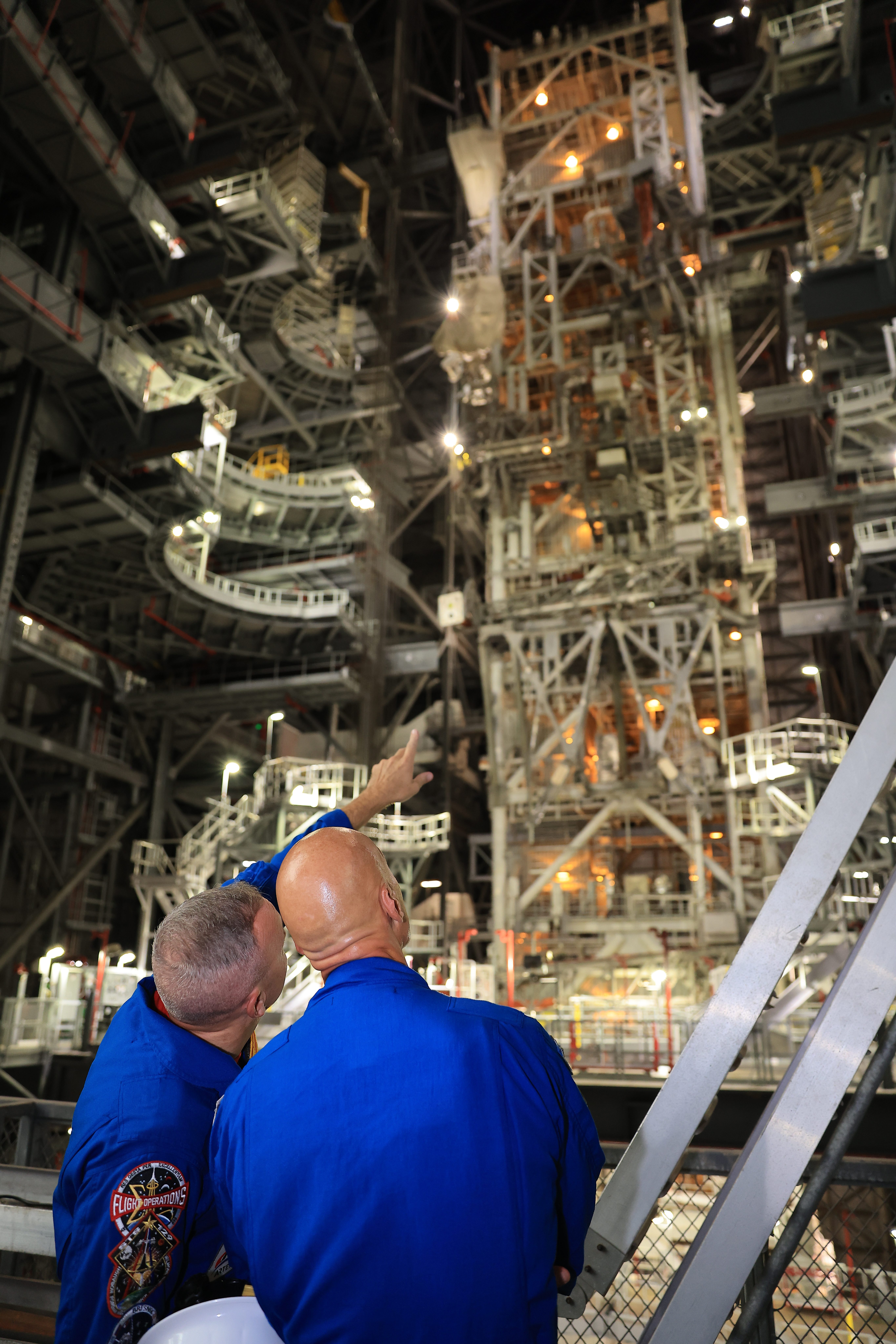
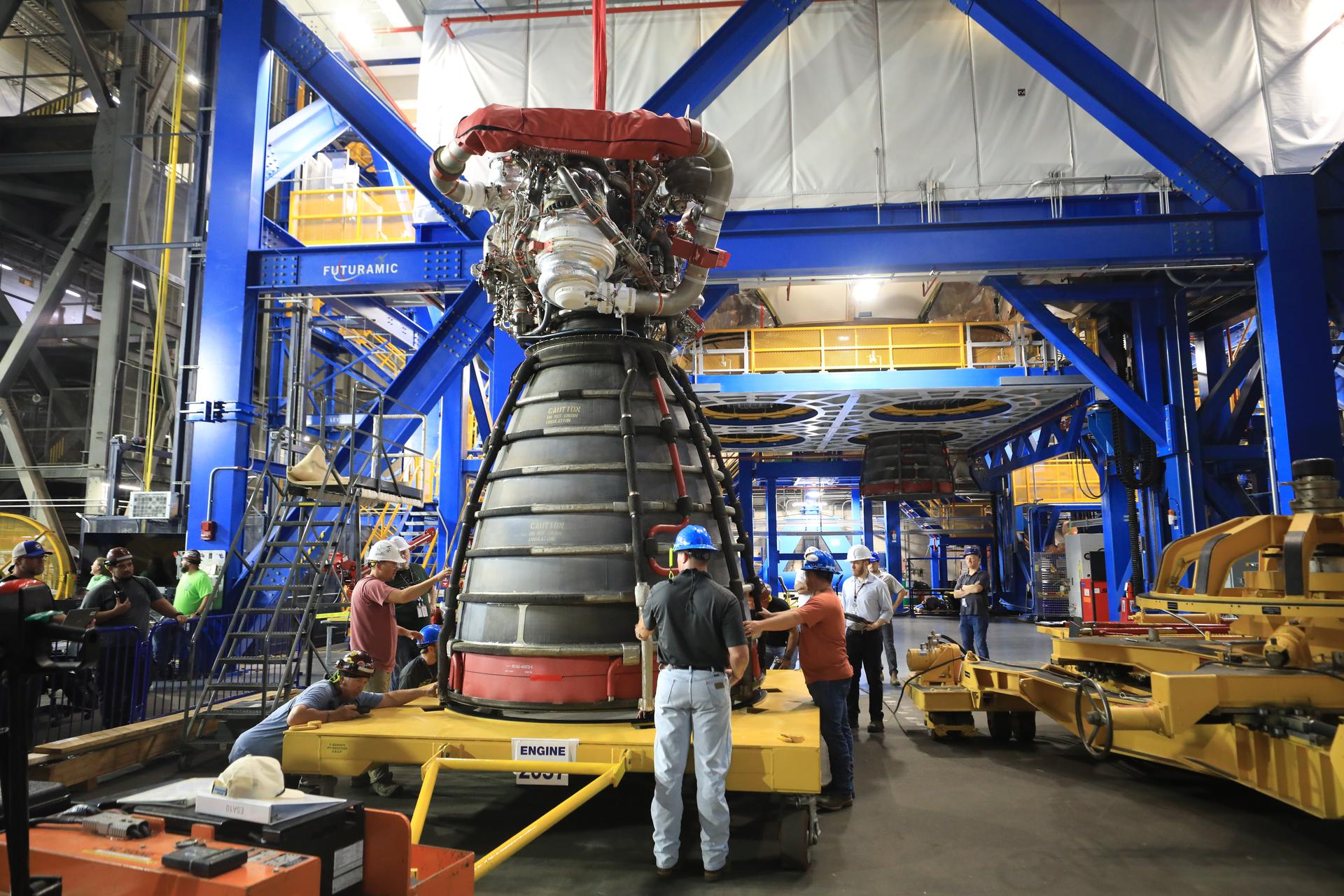
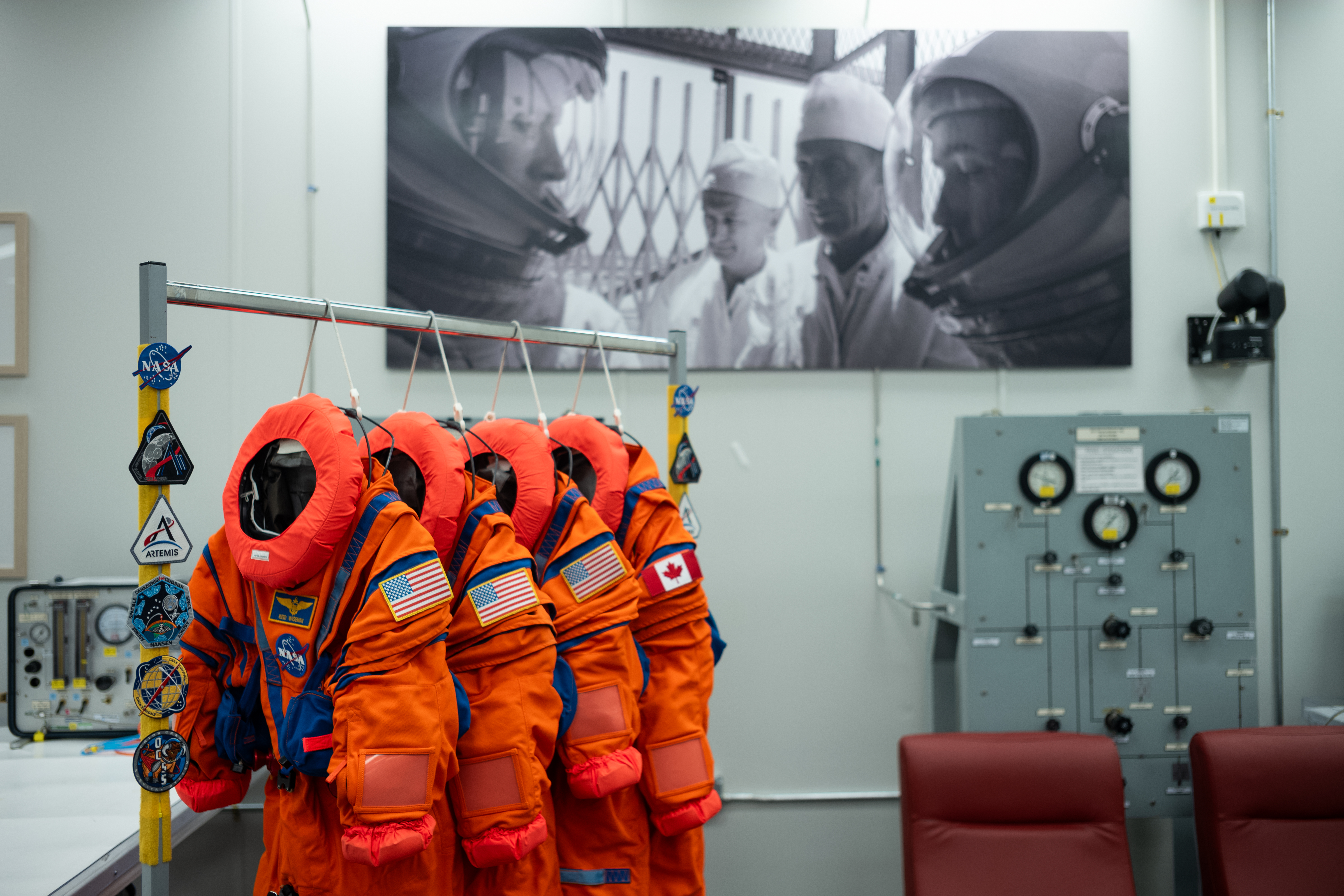
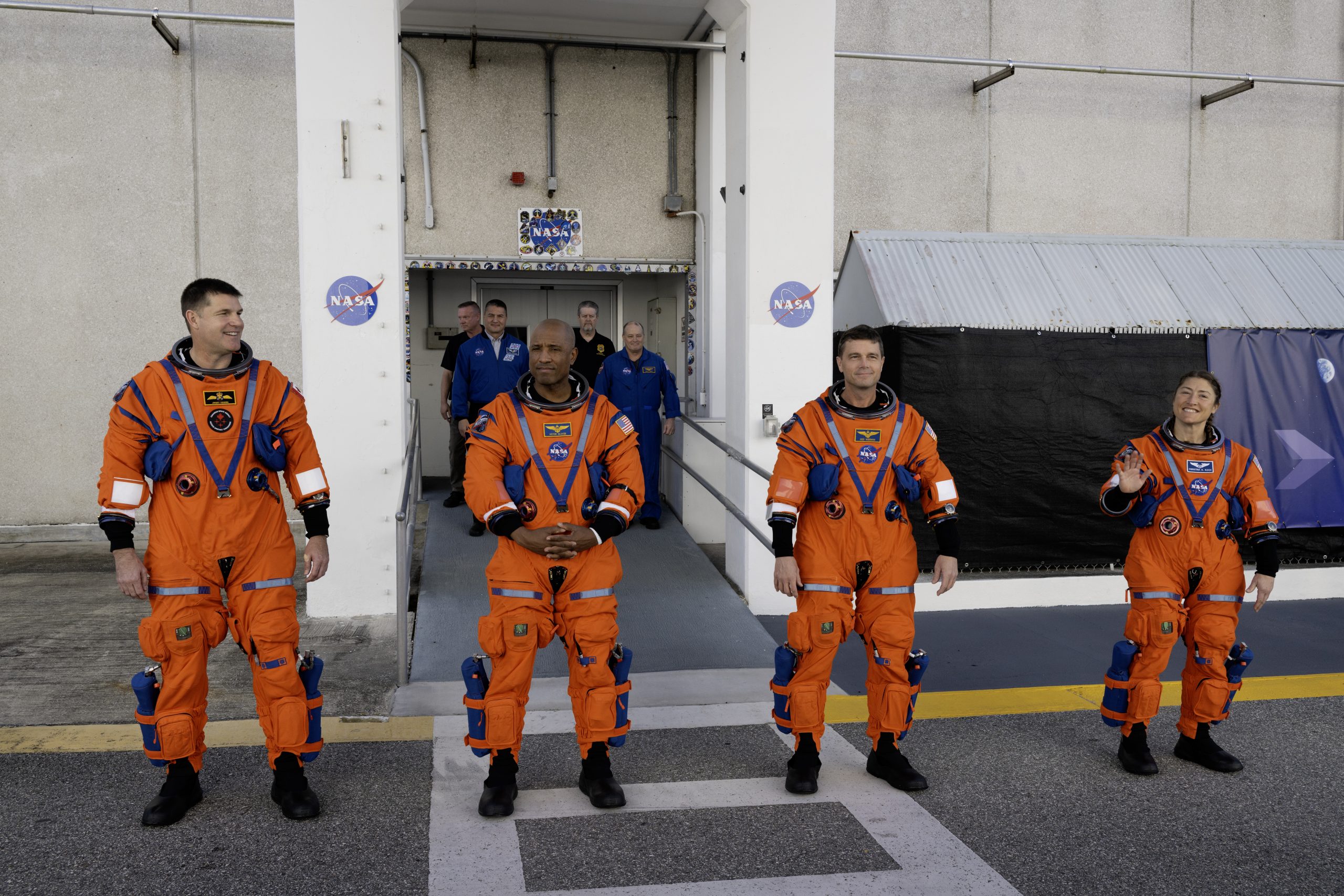
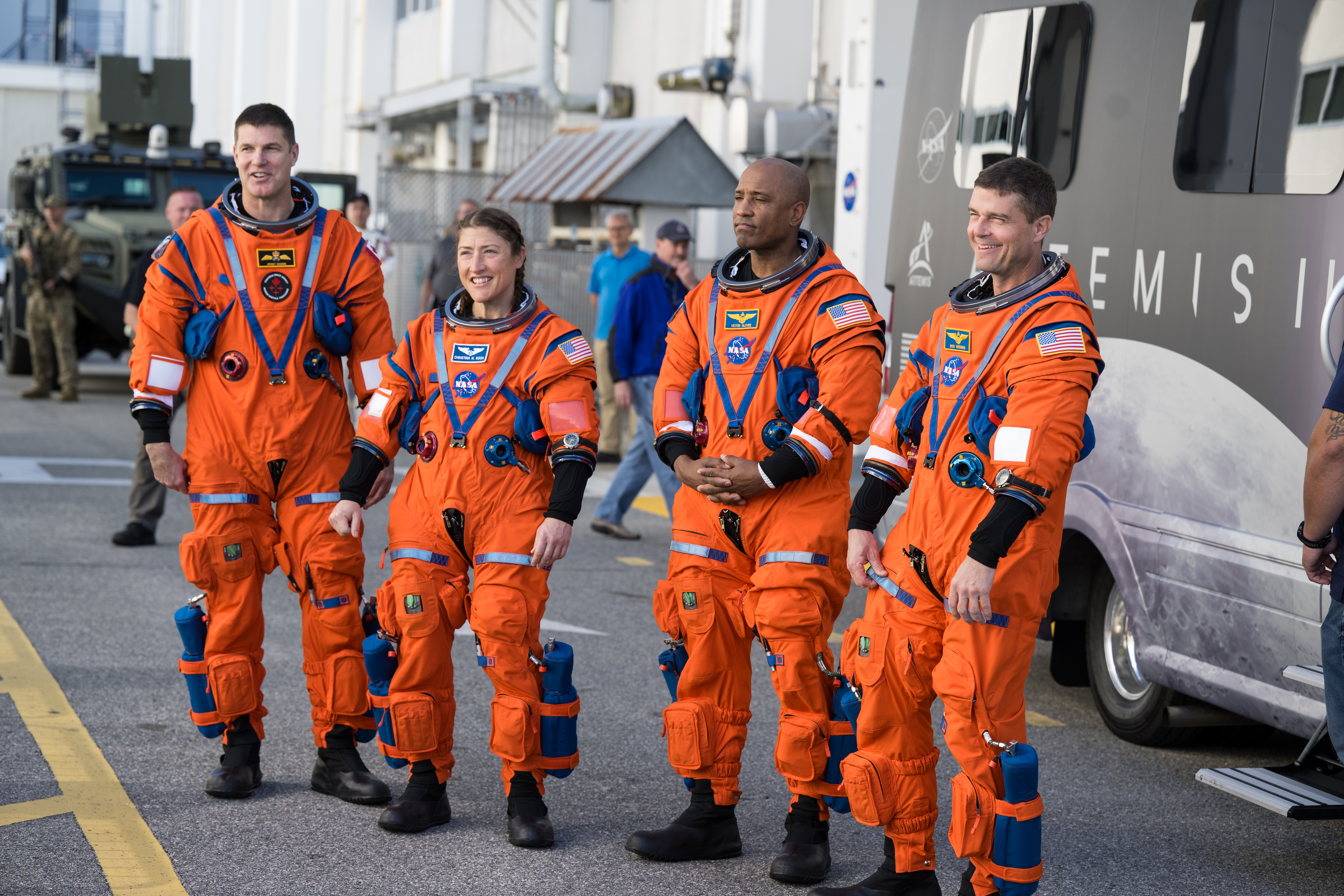
The Orion Crew Survival System suits that Commander Reid Wiseman, Pilot Victor Glover, and Mission Specialist Christina Koch from NASA, and Mission Specialist Jeremy Hansen from the CSA (Canadian Space Agency) will wear on the Artemis II test flight are seen in the suit-up room of the Neil A. Armstrong Operations and Checkout Building, Saturday, Jan. 17, 2026, at NASA’s Kennedy Space Center in Florida.

Read More
Pope Leo XIV reunites with his eighth grade classmates #Catholic On the steps of St. Peter’s Basilica in Rome, Pope Leo XIV met last week with some of his eighth grade classmates from St. Mary of the Assumption lower school in south Chicago, where he grew up.Of the 82 eighth graders with whom he attended St. Mary’s in 1969, 10 greeted him after the general audience on March 18, exchanging laughs, gifts, and warm handshakes.During the meeting, his former classmates gave him a photograph of the class of 1969, which he held up as he posed for another group shot more than 50 years later.Jerome Clemens pointed out the young Robert Prevost standing among his classmates to the L’Osservatore Romano, the Vatican newspaper: “Here he is, our friend, the pope,” showing the back of the photo with Prevost’s old autograph and his new one, which he signed, “Leo XIV.”Another former classmate, Sherry Stone (née Blue), dropped a sign she held that read “God bless you Pope Leo” when the pope approached her.“Sorry! I’m nervous!” she said, laughing, as he shook her hand.Instagram postLast spring, Stone told the Lansing Journal: “When he was in the conclave, I thought, ‘Could it be him? Could Bob be the new pope? No, probably not.’ When I saw that it was him, I was just amazed. I was crying tears of joy.”“He was a super nice guy, but not nerdy,” she said.After finishing eighth grade at St. Mary’s, Prevost attended boarding school at St. Augustine Seminary High School in Michigan, graduating in 1973. He then attended another Augustinian school, Villanova University, where he earned a bachelor’s degree in mathematics in 1977 before entering the Augustinian novitiate that September. He was ordained a priest in 1982, earning a master of divinity degree from the Catholic Theological Union in Chicago that same year. He earned a licentiate in canon law (JCL) in 1984 and completed a doctorate in canon law (JCD) in 1987, both from the Pontifical University of St. Thomas Aquinas in Rome.St. Mary’s church and school on Chicago’s ‘most endangered list’St. Mary of the Assumption Church and School, where a young Prevost served as an altar boy and his mother, Mildred Prevost, worked as a librarian, was at the center of a vibrant Catholic community in the Riverdale neighborhood on Chicago’s South Side in the 1960s.The property, which has been vacant since 2011 and is now privately owned, is located just a few blocks from the pope’s childhood home in Dolton, Illinois, but within Chicago city limits.The neighborhood has seen significant decline since then. Ward Miller of Preservation Chicago told EWTN News that St. Mary’s, which has a hole in the roof of the church building, broken windows, graffiti, and many other issues, was listed on Preservation Chicago’s 2026 “7 Most Endangered List" as of March 4.
 
 Broken windows and graffiti on St. Mary of the Assumption School, where Robert Prevost, now Pope Leo XIV, the first American pope, attended eighth grade in 1969. | Credit: Matthew Kaplan
 
 “We at Preservation Chicago are of the opinion that the church and school buildings of St. Mary’s are in need of immediate attention in order to secure temporary repairs, with a long-term goal of a full restoration of the campus of buildings, before everything is lost to deterioration,” Miller said.The property’s current owner, Joel Hall, said last year he is open to a landmark designation by the city, according to Miller. Preservation Chicago, a nonprofit advocacy organization dedicated to preserving historic sites in Chicago and encouraging landmark designations in the city, presented its case to designate it as such at a meeting in May 2025 of the Commission of Chicago Landmarks.No decision has been made yet regarding the landmark designation, but Preservation Chicago has created an online petition to the city of Chicago to “Save the Pope’s Church!”“This complex should become a visitors site, an oratory or shrine, as this is our first American pope — a world leader, and from Chicago!” Miller told EWTN News.
 
 The interior of the dilapidated St. Mary of the Assumption Church, showing water damage to the floor and graffiti behind where the altar once stood. Pope Leo XIV served as an altar boy there during his childhood. | Credit: Ward Miller/Preservation Chicago
 
 “We would very much like to see a partnership form to save these buildings and tell the story of this world leader,” reads an article on Preservation Chicago’s website. “An initial step in this process would be to consider a Chicago landmark designation of the buildings of this campus, with a plan to methodically restore and repurpose each of the buildings.”
 
 Close-up of St. Mary of the Assumption Church in Riverdale, Chicago, Pope Leo XIV’s childhood parish, which was recently added to Preservation Chicagoʼs “7 Most Endangered” list of historic structures in the city. | Credit: Cristen Brown
 
 Miller told EWTN News he would like to see the property “prepared [in time] for the pope’s return visits to Chicago!”The pope does not yet have plans to visit the United States.

Pope Leo XIV reunites with his eighth grade classmates #Catholic On the steps of St. Peter’s Basilica in Rome, Pope Leo XIV met last week with some of his eighth grade classmates from St. Mary of the Assumption lower school in south Chicago, where he grew up.Of the 82 eighth graders with whom he attended St. Mary’s in 1969, 10 greeted him after the general audience on March 18, exchanging laughs, gifts, and warm handshakes.During the meeting, his former classmates gave him a photograph of the class of 1969, which he held up as he posed for another group shot more than 50 years later.Jerome Clemens pointed out the young Robert Prevost standing among his classmates to the L’Osservatore Romano, the Vatican newspaper: “Here he is, our friend, the pope,” showing the back of the photo with Prevost’s old autograph and his new one, which he signed, “Leo XIV.”Another former classmate, Sherry Stone (née Blue), dropped a sign she held that read “God bless you Pope Leo” when the pope approached her.“Sorry! I’m nervous!” she said, laughing, as he shook her hand.Instagram postLast spring, Stone told the Lansing Journal: “When he was in the conclave, I thought, ‘Could it be him? Could Bob be the new pope? No, probably not.’ When I saw that it was him, I was just amazed. I was crying tears of joy.”“He was a super nice guy, but not nerdy,” she said.After finishing eighth grade at St. Mary’s, Prevost attended boarding school at St. Augustine Seminary High School in Michigan, graduating in 1973. He then attended another Augustinian school, Villanova University, where he earned a bachelor’s degree in mathematics in 1977 before entering the Augustinian novitiate that September. He was ordained a priest in 1982, earning a master of divinity degree from the Catholic Theological Union in Chicago that same year. He earned a licentiate in canon law (JCL) in 1984 and completed a doctorate in canon law (JCD) in 1987, both from the Pontifical University of St. Thomas Aquinas in Rome.St. Mary’s church and school on Chicago’s ‘most endangered list’St. Mary of the Assumption Church and School, where a young Prevost served as an altar boy and his mother, Mildred Prevost, worked as a librarian, was at the center of a vibrant Catholic community in the Riverdale neighborhood on Chicago’s South Side in the 1960s.The property, which has been vacant since 2011 and is now privately owned, is located just a few blocks from the pope’s childhood home in Dolton, Illinois, but within Chicago city limits.The neighborhood has seen significant decline since then. Ward Miller of Preservation Chicago told EWTN News that St. Mary’s, which has a hole in the roof of the church building, broken windows, graffiti, and many other issues, was listed on Preservation Chicago’s 2026 “7 Most Endangered List" as of March 4. Broken windows and graffiti on St. Mary of the Assumption School, where Robert Prevost, now Pope Leo XIV, the first American pope, attended eighth grade in 1969. | Credit: Matthew Kaplan “We at Preservation Chicago are of the opinion that the church and school buildings of St. Mary’s are in need of immediate attention in order to secure temporary repairs, with a long-term goal of a full restoration of the campus of buildings, before everything is lost to deterioration,” Miller said.The property’s current owner, Joel Hall, said last year he is open to a landmark designation by the city, according to Miller. Preservation Chicago, a nonprofit advocacy organization dedicated to preserving historic sites in Chicago and encouraging landmark designations in the city, presented its case to designate it as such at a meeting in May 2025 of the Commission of Chicago Landmarks.No decision has been made yet regarding the landmark designation, but Preservation Chicago has created an online petition to the city of Chicago to “Save the Pope’s Church!”“This complex should become a visitors site, an oratory or shrine, as this is our first American pope — a world leader, and from Chicago!” Miller told EWTN News. The interior of the dilapidated St. Mary of the Assumption Church, showing water damage to the floor and graffiti behind where the altar once stood. Pope Leo XIV served as an altar boy there during his childhood. | Credit: Ward Miller/Preservation Chicago “We would very much like to see a partnership form to save these buildings and tell the story of this world leader,” reads an article on Preservation Chicago’s website. “An initial step in this process would be to consider a Chicago landmark designation of the buildings of this campus, with a plan to methodically restore and repurpose each of the buildings.” Close-up of St. Mary of the Assumption Church in Riverdale, Chicago, Pope Leo XIV’s childhood parish, which was recently added to Preservation Chicagoʼs “7 Most Endangered” list of historic structures in the city. | Credit: Cristen Brown Miller told EWTN News he would like to see the property “prepared [in time] for the pope’s return visits to Chicago!”The pope does not yet have plans to visit the United States.

Pope Leo XIV met with 10 of his eighth grade classmates in St. Peter’s Square at a recent general audience.

Read More
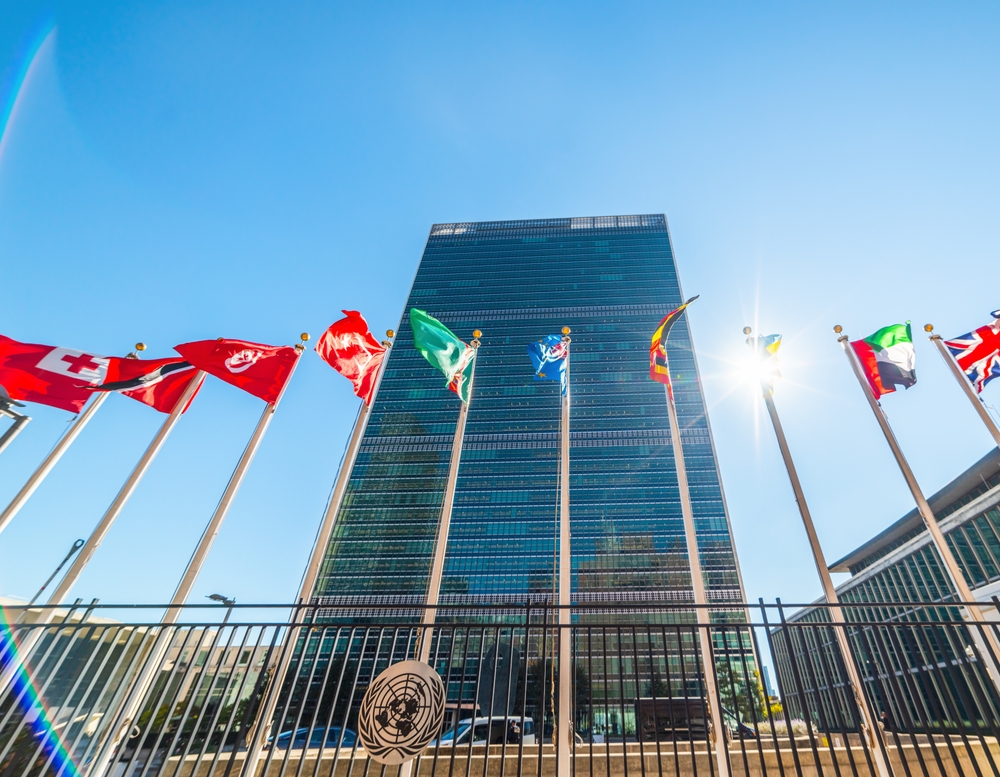
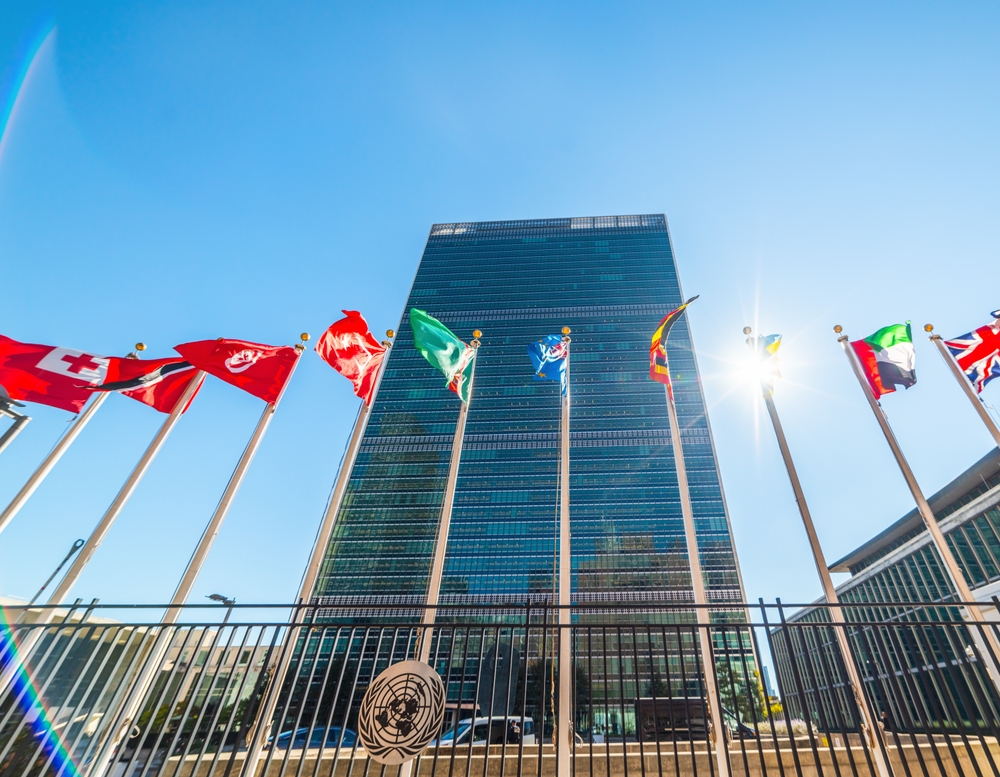
At a time of conflict, Pope Leo sends a bridge-builder to the United States #Catholic Archbishop Gabriele Caccia, the recently appointed apostolic nuncio to the United States, takes up his new role at a time of heightened tension between the Vatican and the White House over issues including immigration to the U.S. and war in the Middle East.Former collaborators say Caccia’s personal qualities and wide diplomatic experience — including in Lebanon and the Philippines — make him well suited for this crucial assignment.The 68-year-old diplomat recently served as the permanent observer of the Holy See Mission to the United Nations in New York after Pope Francis appointed him there in 2019. His new job is important as a liaison between the Vatican and the U.S., where recent federal policies have faced growing resistance from Church leaders.Pope Leo’s new man on a high-stakes missionA veteran diplomat, Caccia will serve as Pope Leo XIV’s chief representative to the Trump administration. Like his predecessor, Cardinal Christophe Pierre, he assumes office amid ongoing tension between the administration and the Church, especially on immigration enforcement and foreign policy.In a public statement in November 2025, U.S. bishops strongly opposed the administration’s treatment of migrants during mass deportations. Pope Leo expressed support for the statement and denounced the treatment of migrants as “extremely disrespectful, and with instances of violence.”The U.S. bishops have also voiced concern over recent foreign policy moves, including interventions in the Middle East. In January of this year, three U.S. cardinals — Blase Cupich, Joseph Tobin, and Robert McElroy — jointly condemned the administration’s foreign policy in a public statement. In recent addresses, Pope Leo has also called for a ceasefire in the Middle East, deploring on March 15 a “widespread climate of hatred and fear.”Monsignor Roger Landry, who served at the Holy See Mission from 2015 to 2022 and now heads the Pontifical Mission Societies, expressed confidence in the nuncio’s ability to communicate the Holy See’s concerns effectively to the U.S. government while supporting the bishops.“He will represent Pope Leo very well to the U.S. government and the U.S. Church, be a great listener and effective relayer of what’s happening in the United States to Pope Leo, and be a steady source of counsel and support to U.S. bishops,” he told EWTN News.Dálida Morales, who interned at the mission and now works at the Ministry of Industry and Commerce in the Dominican Republic, conveyed hope for the archbishop’s potential to build international dialogue.“He is genuinely a bridge-builder for peace. At a time when dialogue, moral clarity, and principled leadership are urgently needed in the United States, his appointment there is both timely and hopeful,” she said.A diplomat forged in complex geopoliticsHaving worked in the diplomatic service of the Holy See since 1991, Caccia previously served in challenging posts before his appointment to the U.N. He served as apostolic nuncio to Lebanon and the Philippines, two countries with sensitive political climates.His service in Lebanon occurred during the outbreak of the Syrian Civil War in 2011. There, he helped coordinate the Church’s humanitarian response to support over 1.5 million Syrian refugees in Lebanon. His service also included helping maintain peace in a country constitutionally divided among Maronite Christians, Muslims, and Druze.He served in the Philippines at the height of President Rodrigo Duterte’s highly aggressive and controversial anti-narcotics campaign, which resulted in thousands of extrajudicial killings. As the nuncio, he helped to support the bishops, who were vocal critics against the government, while maintaining the country’s diplomatic relations with the Holy See.During his time at the U.N., he promoted the Vatican’s diplomatic stance. Father Mark Knestout, who served with Caccia as a former attaché for the Holy See Mission, noted the importance of his diplomatic experience in his new role.“He was in Lebanon for eight years, which is a complex situation because you have multiple denominations of Catholics there, alongside the situation with Muslims,” he told EWTN News. “So I see him being personable and striving to get to know everyone in the United States as best he can.”An inclusive leader and sports loverFormer staff of Caccia also shared with EWTN News some personal anecdotes from their time serving with him in New York. Vitória Volpato, a former intern at the mission who serves at the Prefecture of São Paulo in Brazil, noted with gratitude the archbishop’s insights on leadership.“He said something that stayed with me: ‘I do not choose the people I work with, but I work with the people I have.’ That made me reflect on what a good leader must be, something the archbishop clearly is,” she said.Ashley Campbell, who interned at the mission and now works at the Religious Freedom Institute, reflected on his love of sports. “I remember once walking with him back to the Holy See Mission building from the U.N., and we talked about how we both grew up playing sports and how amazing it would be if Vatican City could send athletes to the Olympics.”Fidelity to the Holy FatherOne trait consistently praised by those who have worked with the archbishop is his fidelity to the Holy Father. Knestout described the archbishop as a “true Churchman who wants to represent the desires and the intentions of the Holy Father.”Morales added: “Every Wednesday, he would ask us about the Holy Father’s general audience. In this way, he reminded us that one of the most meaningful ways to remain united to the Church is by listening to the voice of the pope. It is a habit I continue to keep today thanks to him.”

At a time of conflict, Pope Leo sends a bridge-builder to the United States #Catholic Archbishop Gabriele Caccia, the recently appointed apostolic nuncio to the United States, takes up his new role at a time of heightened tension between the Vatican and the White House over issues including immigration to the U.S. and war in the Middle East.Former collaborators say Caccia’s personal qualities and wide diplomatic experience — including in Lebanon and the Philippines — make him well suited for this crucial assignment.The 68-year-old diplomat recently served as the permanent observer of the Holy See Mission to the United Nations in New York after Pope Francis appointed him there in 2019. His new job is important as a liaison between the Vatican and the U.S., where recent federal policies have faced growing resistance from Church leaders.Pope Leo’s new man on a high-stakes missionA veteran diplomat, Caccia will serve as Pope Leo XIV’s chief representative to the Trump administration. Like his predecessor, Cardinal Christophe Pierre, he assumes office amid ongoing tension between the administration and the Church, especially on immigration enforcement and foreign policy.In a public statement in November 2025, U.S. bishops strongly opposed the administration’s treatment of migrants during mass deportations. Pope Leo expressed support for the statement and denounced the treatment of migrants as “extremely disrespectful, and with instances of violence.”The U.S. bishops have also voiced concern over recent foreign policy moves, including interventions in the Middle East. In January of this year, three U.S. cardinals — Blase Cupich, Joseph Tobin, and Robert McElroy — jointly condemned the administration’s foreign policy in a public statement. In recent addresses, Pope Leo has also called for a ceasefire in the Middle East, deploring on March 15 a “widespread climate of hatred and fear.”Monsignor Roger Landry, who served at the Holy See Mission from 2015 to 2022 and now heads the Pontifical Mission Societies, expressed confidence in the nuncio’s ability to communicate the Holy See’s concerns effectively to the U.S. government while supporting the bishops.“He will represent Pope Leo very well to the U.S. government and the U.S. Church, be a great listener and effective relayer of what’s happening in the United States to Pope Leo, and be a steady source of counsel and support to U.S. bishops,” he told EWTN News.Dálida Morales, who interned at the mission and now works at the Ministry of Industry and Commerce in the Dominican Republic, conveyed hope for the archbishop’s potential to build international dialogue.“He is genuinely a bridge-builder for peace. At a time when dialogue, moral clarity, and principled leadership are urgently needed in the United States, his appointment there is both timely and hopeful,” she said.A diplomat forged in complex geopoliticsHaving worked in the diplomatic service of the Holy See since 1991, Caccia previously served in challenging posts before his appointment to the U.N. He served as apostolic nuncio to Lebanon and the Philippines, two countries with sensitive political climates.His service in Lebanon occurred during the outbreak of the Syrian Civil War in 2011. There, he helped coordinate the Church’s humanitarian response to support over 1.5 million Syrian refugees in Lebanon. His service also included helping maintain peace in a country constitutionally divided among Maronite Christians, Muslims, and Druze.He served in the Philippines at the height of President Rodrigo Duterte’s highly aggressive and controversial anti-narcotics campaign, which resulted in thousands of extrajudicial killings. As the nuncio, he helped to support the bishops, who were vocal critics against the government, while maintaining the country’s diplomatic relations with the Holy See.During his time at the U.N., he promoted the Vatican’s diplomatic stance. Father Mark Knestout, who served with Caccia as a former attaché for the Holy See Mission, noted the importance of his diplomatic experience in his new role.“He was in Lebanon for eight years, which is a complex situation because you have multiple denominations of Catholics there, alongside the situation with Muslims,” he told EWTN News. “So I see him being personable and striving to get to know everyone in the United States as best he can.”An inclusive leader and sports loverFormer staff of Caccia also shared with EWTN News some personal anecdotes from their time serving with him in New York. Vitória Volpato, a former intern at the mission who serves at the Prefecture of São Paulo in Brazil, noted with gratitude the archbishop’s insights on leadership.“He said something that stayed with me: ‘I do not choose the people I work with, but I work with the people I have.’ That made me reflect on what a good leader must be, something the archbishop clearly is,” she said.Ashley Campbell, who interned at the mission and now works at the Religious Freedom Institute, reflected on his love of sports. “I remember once walking with him back to the Holy See Mission building from the U.N., and we talked about how we both grew up playing sports and how amazing it would be if Vatican City could send athletes to the Olympics.”Fidelity to the Holy FatherOne trait consistently praised by those who have worked with the archbishop is his fidelity to the Holy Father. Knestout described the archbishop as a “true Churchman who wants to represent the desires and the intentions of the Holy Father.”Morales added: “Every Wednesday, he would ask us about the Holy Father’s general audience. In this way, he reminded us that one of the most meaningful ways to remain united to the Church is by listening to the voice of the pope. It is a habit I continue to keep today thanks to him.”

Archbishop Gabriele Caccia, the new papal envoy to Washington, has been shaped by a diplomatic career in geopolitical hot spots.

Read More
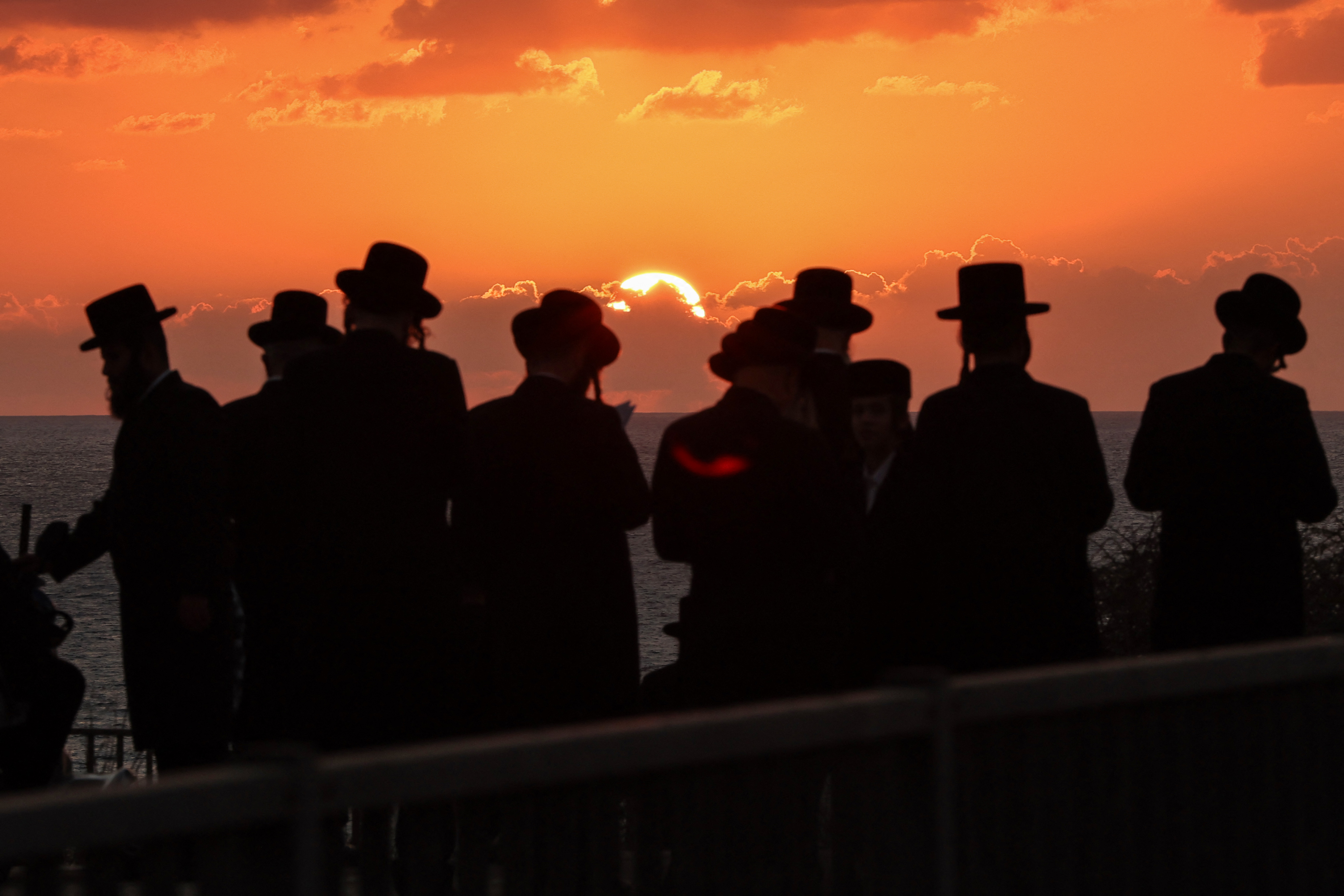
Attack on one faith wounds all, Detroit archbishop says after synagogue attack #Catholic Archbishop Edward J. Weisenburger of Detroit offered prayers and “profound sorrow” for the Jewish community after an attack on Temple Israel Synagogue in West Bloomfield, Michigan.“We stand in solidarity with our Jewish brothers and sisters, holding in prayer all those affected by this act of violence, especially those who are wounded, grieving, or shaken, including the congregation, first responders, and the greater community,” Weisenburger said in a statement.On March 12, an attacker drove a vehicle into Temple Israel in West Bloomfield, near Detroit, and opened fire.“An attack on one faith community wounds us all,” Weisenburger said. “As details continue to emerge, we remain united with our partners in faith, particularly our Jewish friends and neighbors.”“Together, we pray for an end to violence and for deeper peace in our world. May God’s abundant love and mercy guide us toward compassion, justice, and peace,” he said.Synagogue attackJennifer Runyan, special agent in charge of the FBI’s Detroit field office, said in a statement the FBI “forensically confirmed the assailant responsible” was 41-year-old Ayman Mohamad Ghazali of Dearborn Heights, Michigan. He “has no previous criminal history and registered weapons. He also has never been the subject of an FBI investigation.”In a timeline released by Runyan, the FBI reported Ghazali drove his vehicle into the synagogue building, injuring a security officer in the process. Ghazali then began firing a gun, starting a gunfight between him and security guards, the FBI said.Ghazali’s vehicle’s engine compartment caught fire and at some point during the gunfire, Ghazali suffered “a self-inflicted gunshot wound,” Runyan said.In the bed of his truck, law enforcement found “a large quantity of commercial grade fireworks and several jugs filled with a flammable liquid we believe to be gasoline, some of which was consumed in the fire,” she said.The FBI confirmed the suspect is deceased, but “thankfully, the brave officers and security personnel who protected the Temple … are recovering, and we continue to pray for their speedy healing,” Runyan said.

Attack on one faith wounds all, Detroit archbishop says after synagogue attack #Catholic Archbishop Edward J. Weisenburger of Detroit offered prayers and “profound sorrow” for the Jewish community after an attack on Temple Israel Synagogue in West Bloomfield, Michigan.“We stand in solidarity with our Jewish brothers and sisters, holding in prayer all those affected by this act of violence, especially those who are wounded, grieving, or shaken, including the congregation, first responders, and the greater community,” Weisenburger said in a statement.On March 12, an attacker drove a vehicle into Temple Israel in West Bloomfield, near Detroit, and opened fire.“An attack on one faith community wounds us all,” Weisenburger said. “As details continue to emerge, we remain united with our partners in faith, particularly our Jewish friends and neighbors.”“Together, we pray for an end to violence and for deeper peace in our world. May God’s abundant love and mercy guide us toward compassion, justice, and peace,” he said.Synagogue attackJennifer Runyan, special agent in charge of the FBI’s Detroit field office, said in a statement the FBI “forensically confirmed the assailant responsible” was 41-year-old Ayman Mohamad Ghazali of Dearborn Heights, Michigan. He “has no previous criminal history and registered weapons. He also has never been the subject of an FBI investigation.”In a timeline released by Runyan, the FBI reported Ghazali drove his vehicle into the synagogue building, injuring a security officer in the process. Ghazali then began firing a gun, starting a gunfight between him and security guards, the FBI said.Ghazali’s vehicle’s engine compartment caught fire and at some point during the gunfire, Ghazali suffered “a self-inflicted gunshot wound,” Runyan said.In the bed of his truck, law enforcement found “a large quantity of commercial grade fireworks and several jugs filled with a flammable liquid we believe to be gasoline, some of which was consumed in the fire,” she said.The FBI confirmed the suspect is deceased, but “thankfully, the brave officers and security personnel who protected the Temple … are recovering, and we continue to pray for their speedy healing,” Runyan said.

Michigan Catholics “stand in solidarity” with Jewish community after attack on a synagogue.

Read More
Rohingya refugees learn about Lent as Caritas Bangladesh bridges faiths in camps #Catholic COX’S BAZAR, Bangladesh — As more than 1 million Rohingya Muslim refugees in Bangladesh observe the final days of Ramadan, the Catholic charity Caritas Bangladesh is building bridges between the two faiths by sharing the meaning of Lent with refugees and host communities in the sprawling camps of Cox’s Bazar.“We at Caritas Bangladesh are building a bridge between the two religions by highlighting the significance of Lent for our Christians with the Rohingya refugees and the host community so that they can understand the meaning of Lent,” said Liton Luis Gomes, project director of Caritas Bangladesh’s Emergency Response Program.“We have been sharing with the Rohingya refugees the significance of our fasting, which is to eat less and distribute it to the poor, to listen to people, or to serve those who really deserve it,” Gomes told EWTN News.Caritas is sharing the theme of its 2026 Lenten campaign — “Prayer, Listening, and Fasting: A Holy Call of Inner Transformation” — with the Rohingya and host communities, Gomes said.The pope and the RohingyaPope Francis met a group of Rohingya refugees during his apostolic visit to Bangladesh on Dec. 1, 2017. The refugees traveled to Dhaka from Cox’s Bazar to meet the pope during an interreligious gathering at the archbishop’s residence.“The presence of God today is also called Rohingya,” Francis told the gathering in remarks that marked the first time during his visit to Myanmar and Bangladesh that he publicly used the word “Rohingya” to describe the persecuted Muslim minority.
 
 Pope urges ‘full rights’ be given to persecuted Rohingya minority
 
 Most of the Rohingya in the Cox’s Bazar camps arrived from Myanmar since August 2017, when the military began conducting clearance operations after a series of rebel attacks in Myanmar’s Rakhine state. The Rohingya are Muslims who have long faced discrimination in Buddhist-majority Myanmar, including being denied citizenship since 1982. The military coup in Myanmar, formerly Burma, in February 2021 further heightened their vulnerability.The population density of the camps is staggering — roughly 103,600 people per square mile, more than 40 times the average population density of Bangladesh as a whole. Refugees live in side-by-side plastic and bamboo shelters, each just a little larger than 100 square feet, some holding a dozen residents.‘We are not in a festive mood’Eid al-Fitr, one of Islam’s most important religious celebrations, is expected to begin later this week, but refugees say they are not able to celebrate.Abdur Rahim, 55, a Rohingya father of five, told EWTN News that food in the camps is not sufficient but that refugees are “still surviving, thanks to the Bangladesh government and the Almighty.”“We have no money to buy new clothes for my child and grandchild for this festival. Eid is joyful to Muslims, but we are not in a festive mood, because if we can go to our motherland Myanmar, we will be happy,” Rahim said.Rahim said the Caritas initiative had given him a new understanding of the season of fasting.“I didn’t know that Ramadan is not just about not eating. Now, through Caritas, I’ve learned that Ramadan is about helping people and reducing your expenses,” Rahim said.Between 2017 and 2023, Caritas provided  million in emergency efforts for Rohingya and host community members in Cox’s Bazar, according to Caritas Internationalis. During that period the charity assisted nearly 1.7 million individuals with shelter support, protection, disaster risk reduction, education, and water, sanitation, and hygiene services.Caritas Bangladesh is the social action arm of the Catholic Bishops’ Conference of Bangladesh.

Rohingya refugees learn about Lent as Caritas Bangladesh bridges faiths in camps #Catholic COX’S BAZAR, Bangladesh — As more than 1 million Rohingya Muslim refugees in Bangladesh observe the final days of Ramadan, the Catholic charity Caritas Bangladesh is building bridges between the two faiths by sharing the meaning of Lent with refugees and host communities in the sprawling camps of Cox’s Bazar.“We at Caritas Bangladesh are building a bridge between the two religions by highlighting the significance of Lent for our Christians with the Rohingya refugees and the host community so that they can understand the meaning of Lent,” said Liton Luis Gomes, project director of Caritas Bangladesh’s Emergency Response Program.“We have been sharing with the Rohingya refugees the significance of our fasting, which is to eat less and distribute it to the poor, to listen to people, or to serve those who really deserve it,” Gomes told EWTN News.Caritas is sharing the theme of its 2026 Lenten campaign — “Prayer, Listening, and Fasting: A Holy Call of Inner Transformation” — with the Rohingya and host communities, Gomes said.The pope and the RohingyaPope Francis met a group of Rohingya refugees during his apostolic visit to Bangladesh on Dec. 1, 2017. The refugees traveled to Dhaka from Cox’s Bazar to meet the pope during an interreligious gathering at the archbishop’s residence.“The presence of God today is also called Rohingya,” Francis told the gathering in remarks that marked the first time during his visit to Myanmar and Bangladesh that he publicly used the word “Rohingya” to describe the persecuted Muslim minority. Pope urges ‘full rights’ be given to persecuted Rohingya minority Most of the Rohingya in the Cox’s Bazar camps arrived from Myanmar since August 2017, when the military began conducting clearance operations after a series of rebel attacks in Myanmar’s Rakhine state. The Rohingya are Muslims who have long faced discrimination in Buddhist-majority Myanmar, including being denied citizenship since 1982. The military coup in Myanmar, formerly Burma, in February 2021 further heightened their vulnerability.The population density of the camps is staggering — roughly 103,600 people per square mile, more than 40 times the average population density of Bangladesh as a whole. Refugees live in side-by-side plastic and bamboo shelters, each just a little larger than 100 square feet, some holding a dozen residents.‘We are not in a festive mood’Eid al-Fitr, one of Islam’s most important religious celebrations, is expected to begin later this week, but refugees say they are not able to celebrate.Abdur Rahim, 55, a Rohingya father of five, told EWTN News that food in the camps is not sufficient but that refugees are “still surviving, thanks to the Bangladesh government and the Almighty.”“We have no money to buy new clothes for my child and grandchild for this festival. Eid is joyful to Muslims, but we are not in a festive mood, because if we can go to our motherland Myanmar, we will be happy,” Rahim said.Rahim said the Caritas initiative had given him a new understanding of the season of fasting.“I didn’t know that Ramadan is not just about not eating. Now, through Caritas, I’ve learned that Ramadan is about helping people and reducing your expenses,” Rahim said.Between 2017 and 2023, Caritas provided $45 million in emergency efforts for Rohingya and host community members in Cox’s Bazar, according to Caritas Internationalis. During that period the charity assisted nearly 1.7 million individuals with shelter support, protection, disaster risk reduction, education, and water, sanitation, and hygiene services.Caritas Bangladesh is the social action arm of the Catholic Bishops’ Conference of Bangladesh.

As Ramadan draws to a close in the camps of Cox’s Bazar, Caritas Bangladesh is sharing the meaning of Lent with more than 1 million Rohingya Muslim refugees.

Read More
Crew-12 Members and Insignia – From left, NASA’s SpaceX Crew-12 crew members – Roscosmos cosmonaut Andrey Fedyaev, NASA astronauts Jack Hathaway and Jessica Meir, and ESA (European Space Agency) astronaut Sophie Adenot – pose next to their mission insignia inside the Astronaut Crew Quarters in the Neil A. Armstrong Operations and Checkout Building at NASA’s Kennedy Space Center in Florida on Monday, Feb. 9, 2026.

From left, NASA’s SpaceX Crew-12 crew members – Roscosmos cosmonaut Andrey Fedyaev, NASA astronauts Jack Hathaway and Jessica Meir, and ESA (European Space Agency) astronaut Sophie Adenot – pose next to their mission insignia inside the Astronaut Crew Quarters in the Neil A. Armstrong Operations and Checkout Building at NASA’s Kennedy Space Center in Florida on Monday, Feb. 9, 2026.

Read More
NASA’s Artemis II Rocket and Spacecraft Make Their Way to Launch Pad – NASA’s massive Crawler-Transporter, upgraded for the Artemis program, carried the agency’s SLS (Space Launch System) and Orion spacecraft on the Mobile Launcher from the Vehicle Assembly Building to Launch Pad 39B at NASA’s Kennedy Space Center in Florida in preparation for the Artemis II mission.

NASA’s massive Crawler-Transporter, upgraded for the Artemis program, carried the agency’s SLS (Space Launch System) and Orion spacecraft on the Mobile Launcher from the Vehicle Assembly Building to Launch Pad 39B at NASA’s Kennedy Space Center in Florida in preparation for the Artemis II mission.

Read More
Picture of the day


The ceiling mosaic in the Baptistry of Neon in Ravenna, Italy depicts the Baptism of Jesus. Built around 6th century A.D., the building is a UNESCO World heritage site. Today is the Feast of the Baptism of the Lord in much of Western Christianity.
 #ImageOfTheDay
Picture of the day
The ceiling mosaic in the Baptistry of Neon in Ravenna, Italy depicts the Baptism of Jesus. Built around 6th century A.D., the building is a UNESCO World heritage site. Today is the Feast of the Baptism of the Lord in much of Western Christianity.
Read More
NASA’s Crawler Preps for Artemis II Rollout – NASA’s crawler-transporter 2 moves toward the Vehicle Assembly Building at NASA’s Kennedy Space Center in Florida on Friday, Jan. 9, 2026. The crawler will transport NASA’s SLS (Space Launch System) rocket with the Orion spacecraft to Launch Complex 39B ahead of the Artemis II launch.

NASA’s crawler-transporter 2 moves toward the Vehicle Assembly Building at NASA’s Kennedy Space Center in Florida on Friday, Jan. 9, 2026. The crawler will transport NASA’s SLS (Space Launch System) rocket with the Orion spacecraft to Launch Complex 39B ahead of the Artemis II launch.

Read More
Santa Visits Artemis II Rocket – NASA engineer Guy Naylor poses for a photograph wearing a custom Santa Claus suit on the 19th level of High Bay 4 inside the Vehicle Assembly Building with NASA’s integrated Moon rocket behind him at the agency’s Kennedy Space Center in Florida on Thursday, Dec. 11, 2025.

NASA engineer Guy Naylor poses for a photograph wearing a custom Santa Claus suit on the 19th level of High Bay 4 inside the Vehicle Assembly Building with NASA’s integrated Moon rocket behind him at the agency’s Kennedy Space Center in Florida on Thursday, Dec. 11, 2025.

Read More
Artemis II Crew Launch Day Rehearsal – From left to right, CSA (Canadian Space Agency) astronaut Jeremy Hansen and NASA astronauts Christina Koch, Victor Glover, and Reid Wiseman are seen as they depart the Neil A. Armstrong Operations and Checkout Building to board their Orion spacecraft atop NASA’s Space Launch System rocket inside the Vehicle Assembly Building as part of the Artemis II countdown demonstration test, Saturday, Dec. 20, 2025, at NASA’s Kennedy Space Center in Florida.

From left to right, CSA (Canadian Space Agency) astronaut Jeremy Hansen and NASA astronauts Christina Koch, Victor Glover, and Reid Wiseman are seen as they depart the Neil A. Armstrong Operations and Checkout Building to board their Orion spacecraft atop NASA’s Space Launch System rocket inside the Vehicle Assembly Building as part of the Artemis II countdown demonstration test, Saturday, Dec. 20, 2025, at NASA’s Kennedy Space Center in Florida.

Read More

Artemis II Orion Spacecraft Stacked – NASA’s Artemis II Orion spacecraft with its launch abort system is stacked atop the agency’s SLS (Space Launch System) rocket in High Bay 3 of the Vehicle Assembly Building at NASA’s Kennedy Space Center in Florida on Monday, Oct. 20, 2025. The spacecraft will carry NASA astronauts Reid Wiseman, Victor Glover, Christina Koch, and CSA (Canadian Space Agency) astronaut Jeremy Hansen on a 10-day mission around the Moon and back in early 2026.

NASA’s Artemis II Orion spacecraft with its launch abort system is stacked atop the agency’s SLS (Space Launch System) rocket in High Bay 3 of the Vehicle Assembly Building at NASA’s Kennedy Space Center in Florida on Monday, Oct. 20, 2025. The spacecraft will carry NASA astronauts Reid Wiseman, Victor Glover, Christina Koch, and CSA (Canadian Space Agency) astronaut Jeremy Hansen on a 10-day mission around the Moon and back in early 2026.

Read More
Picture of the day


Church of El Salvador, Luesia, Zaragoza, Spain. The church is located in the highest area of the nucleus of the village of Luesia, next to the remains of the old medieval castle, to which it is historically and constructively associated. Its origin dates back to the end of the 11th century with the construction of the semicircular triple apse head with a double crypt at the bottom, while the body with three naves was built throughout the 12th century and the two portals on its southern fronts and occidental already respond to models from the beginning of the 13th century. The Romanesque building underwent a profound reform though in the mid-16th century. The main altarpiece is a Romanesque piece carved in wood; polychrome and gilt. The work is attributed to Gaspar Ramos, a sculptor from Sangüesa, who executed it around 1630.
 #ImageOfTheDay
Picture of the day
Church of El Salvador, Luesia, Zaragoza, Spain. The church is located in the highest area of the nucleus of the village of Luesia, next to the remains of the old medieval castle, to which it is historically and constructively associated. Its origin dates back to the end of the 11th century with the construction of the semicircular triple apse head with a double crypt at the bottom, while the body with three naves was built throughout the 12th century and the two portals on its southern fronts and occidental already respond to models from the beginning of the 13th century. The Romanesque building underwent a profound reform though in the mid-16th century. The main altarpiece is a Romanesque piece carved in wood; polychrome and gilt. The work is attributed to Gaspar Ramos, a sculptor from Sangüesa, who executed it around 1630.
Read More
Picture of the day


Feskekôrka (meaning “fish church”) is a historic building in Gothenburg, Sweden that formerly housed an indoor fish market. Its name is based on the building’s resemblance to a neo-Gothic church.
 #ImageOfTheDay
Picture of the day
Feskekôrka (meaning “fish church”) is a historic building in Gothenburg, Sweden that formerly housed an indoor fish market. Its name is based on the building’s resemblance to a neo-Gothic church.
Read More
Artemis II Crew Walks Out for Practice Scenarios

From left to right, NASA astronauts Victor Glover, Artemis II pilot; Reid Wiseman, Artemis II commander; CSA (Canadian Space Agency) astronaut Jeremy Hansen, Artemis II mission specialist, and NASA astronaut Christina Koch, Artemis II mission specialist, suit up and walk out of the Neil A. Armstrong Operations and Checkout Building at NASA’s Kennedy Space Center in Florida on Monday, Aug. 11, 2025. During a two-day operation, the Artemis II team practiced night-run demonstrations of different launch day scenarios for the Artemis II test flight.

Read More