demons

Exorcist Father Ripperger agrees to 1-year ‘fast’ from public speaking #Catholic Archbishop James Golka of Denver has asked Father Chad Ripperger, a prominent Catholic exorcist whose podcast appearances have reached millions of viewers, to take a yearlong break from public speaking and interviews.Ripperger agreed to the request, according to a statement from Kelly Clark, director of communications for the Archdiocese of Denver, provided to the National Catholic Register, the sister partner of EWTN News, and LifeSiteNews and later posted to the archdiocese’s website.“Archbishop Golka recently met with Fr. Chad Ripperger to discuss his ministry and his community, the Society of the Most Sorrowful Mother,” Clark said. “During that conversation, the Archbishop asked Fr. Ripperger to consider a one-year fast from public speaking and interviews.”“The time will allow him to devote himself to the Society and to the people it serves,” she continued. “Fr. Ripperger readily agreed. At the end of the year, they will review the arrangement together.”Golka is “grateful for Fr. Ripperger’s priestly service, exorcism ministry, and for the generous spirit in which he received this request,” the statement continued. “We ask the faithful to join us in praying for Fr. Ripperger and for the Society.”LifeSiteNews reported Oct. 19 that Ripperger — who in 2012 founded the Society of the Most Sorrowful Mother (also known as the Doloran Fathers), a semi-contemplative society of priests located in Keenesburg, Colorado, that focuses on spiritual warfare and traditional Catholic liturgy — had canceled several speaking engagements, including one scheduled for the outlet’s 30th anniversary gala in April 2027.The archdiocese’s statement did not clarify whether the request would affect any of his other priestly duties, or whether it was disciplinary in nature.Ripperger has drawn a large audience through appearances on podcasts hosted by Tucker Carlson and Shawn Ryan. In his April interview with Carlson, he spoke about the role of exorcism in the Gospels and what he sees as a decline in belief in the devil among Christians.“A lot of the Christians will just say, ‘Well, I believe in God, but I don’t necessarily believe in the devil,’” Ripperger told Carlson. “Well, then how can you not believe that this is one of the primary missions of Christ, was to save us from them, ultimately?”The nearly two-hour conversation also covered psychology, the nature of demons, and the distinction between supernatural and preternatural phenomena.In his March interview with Ryan, Ripperger took the discussion further, addressing UFOs and alien abductions. He suggested in the four-hour interview that some reported abduction experiences were demonic, saying that if “you strip the veneer of the alien aspect of it off,” what remains is “just demons.”Discussing Jeffrey Epstein’s island, Ripperger said the layout and things he had read online suggested occult involvement, though he acknowledged he could not be certain about everything he had seen.In a later July episode, Ryan gifted him a rifle, prompting Ripperger — who had mentioned in their previous interview that he carries a firearm and that his community has a target range — to respond: “We’ll have to use it later this afternoon.”The archdiocese has not said whether Golka’s request had anything to do with Ripperger’s remarks in either interview.The development comes amid a larger discussion within the Church about how exorcists should approach speaking to larger audiences through podcasts and media.A July Register feature examined this recent trend, in which several priests and experts said these appearances help people learn about the Church’s ministry, while others raised concerns that sensational talk about demons can frighten people and take the focus away from Christ. On June 3, another prominent priest, Monsignor Stephen Rossetti, was removed from his role as an exorcist in the Archdiocese of Washington. Rossetti had previously said in a YouTube video that he believes many UFO sightings are demonic in nature.This story was first published by the National Catholic Register, the sister partner of EWTN News, and has been adapted by EWTN News.

Exorcist Father Ripperger agrees to 1-year ‘fast’ from public speaking #Catholic Archbishop James Golka of Denver has asked Father Chad Ripperger, a prominent Catholic exorcist whose podcast appearances have reached millions of viewers, to take a yearlong break from public speaking and interviews.Ripperger agreed to the request, according to a statement from Kelly Clark, director of communications for the Archdiocese of Denver, provided to the National Catholic Register, the sister partner of EWTN News, and LifeSiteNews and later posted to the archdiocese’s website.“Archbishop Golka recently met with Fr. Chad Ripperger to discuss his ministry and his community, the Society of the Most Sorrowful Mother,” Clark said. “During that conversation, the Archbishop asked Fr. Ripperger to consider a one-year fast from public speaking and interviews.”“The time will allow him to devote himself to the Society and to the people it serves,” she continued. “Fr. Ripperger readily agreed. At the end of the year, they will review the arrangement together.”Golka is “grateful for Fr. Ripperger’s priestly service, exorcism ministry, and for the generous spirit in which he received this request,” the statement continued. “We ask the faithful to join us in praying for Fr. Ripperger and for the Society.”LifeSiteNews reported Oct. 19 that Ripperger — who in 2012 founded the Society of the Most Sorrowful Mother (also known as the Doloran Fathers), a semi-contemplative society of priests located in Keenesburg, Colorado, that focuses on spiritual warfare and traditional Catholic liturgy — had canceled several speaking engagements, including one scheduled for the outlet’s 30th anniversary gala in April 2027.The archdiocese’s statement did not clarify whether the request would affect any of his other priestly duties, or whether it was disciplinary in nature.Ripperger has drawn a large audience through appearances on podcasts hosted by Tucker Carlson and Shawn Ryan. In his April interview with Carlson, he spoke about the role of exorcism in the Gospels and what he sees as a decline in belief in the devil among Christians.“A lot of the Christians will just say, ‘Well, I believe in God, but I don’t necessarily believe in the devil,’” Ripperger told Carlson. “Well, then how can you not believe that this is one of the primary missions of Christ, was to save us from them, ultimately?”The nearly two-hour conversation also covered psychology, the nature of demons, and the distinction between supernatural and preternatural phenomena.In his March interview with Ryan, Ripperger took the discussion further, addressing UFOs and alien abductions. He suggested in the four-hour interview that some reported abduction experiences were demonic, saying that if “you strip the veneer of the alien aspect of it off,” what remains is “just demons.”Discussing Jeffrey Epstein’s island, Ripperger said the layout and things he had read online suggested occult involvement, though he acknowledged he could not be certain about everything he had seen.In a later July episode, Ryan gifted him a rifle, prompting Ripperger — who had mentioned in their previous interview that he carries a firearm and that his community has a target range — to respond: “We’ll have to use it later this afternoon.”The archdiocese has not said whether Golka’s request had anything to do with Ripperger’s remarks in either interview.The development comes amid a larger discussion within the Church about how exorcists should approach speaking to larger audiences through podcasts and media.A July Register feature examined this recent trend, in which several priests and experts said these appearances help people learn about the Church’s ministry, while others raised concerns that sensational talk about demons can frighten people and take the focus away from Christ. On June 3, another prominent priest, Monsignor Stephen Rossetti, was removed from his role as an exorcist in the Archdiocese of Washington. Rossetti had previously said in a YouTube video that he believes many UFO sightings are demonic in nature.This story was first published by the National Catholic Register, the sister partner of EWTN News, and has been adapted by EWTN News.

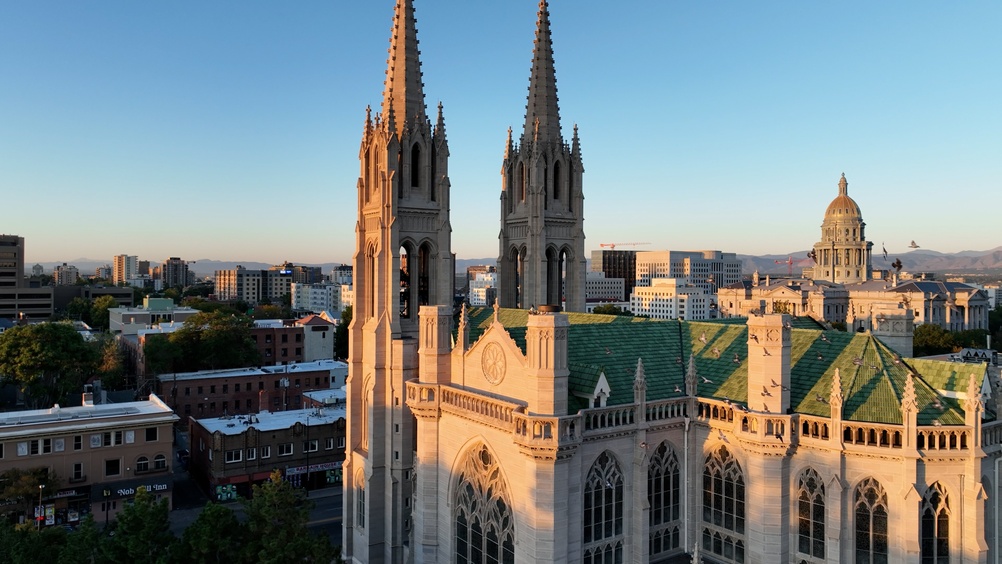
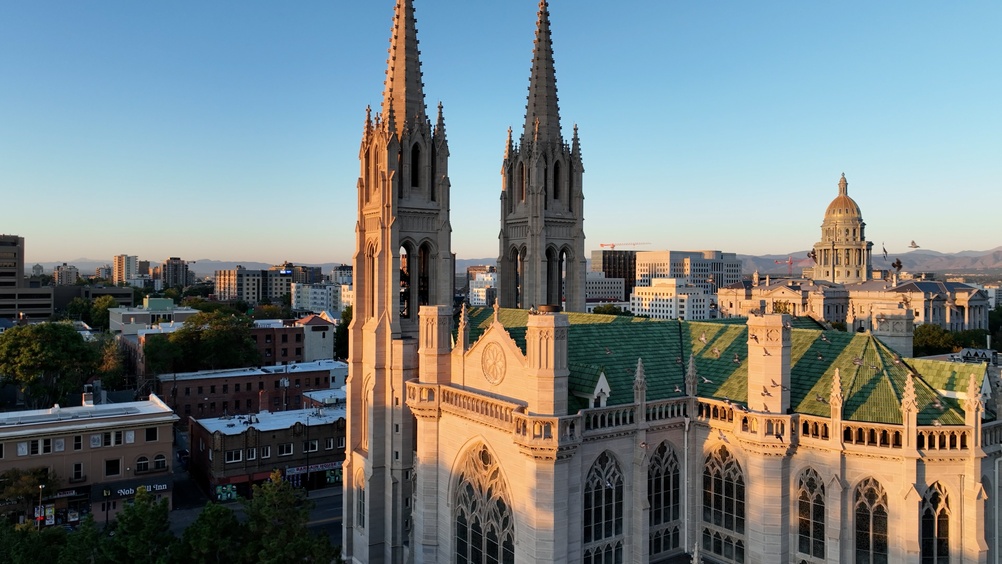
The prominent priest agreed to Denver Archbishop James Golka’s request, which the archdiocese says will allow him to focus on his religious community and the people it serves.
Read More
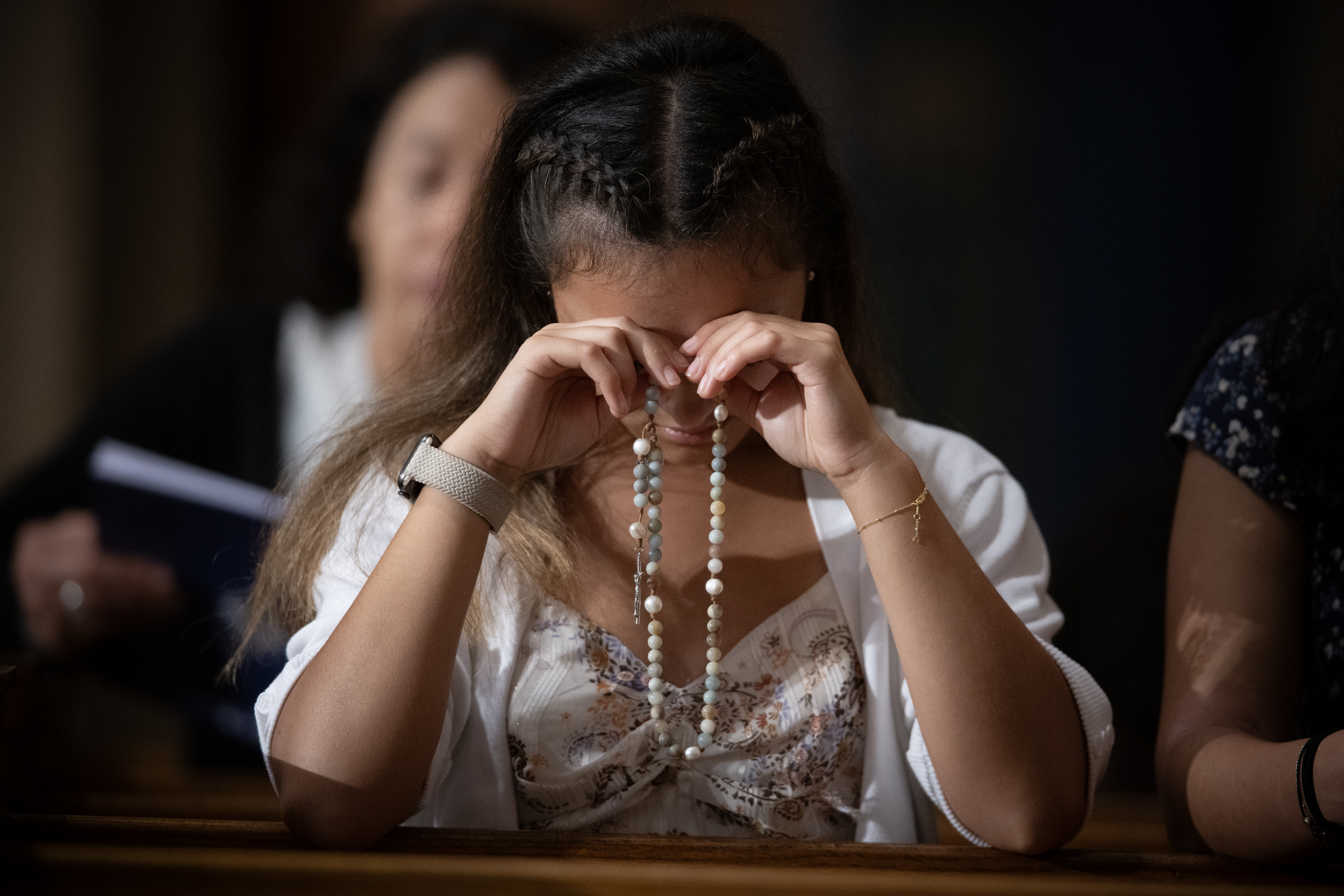
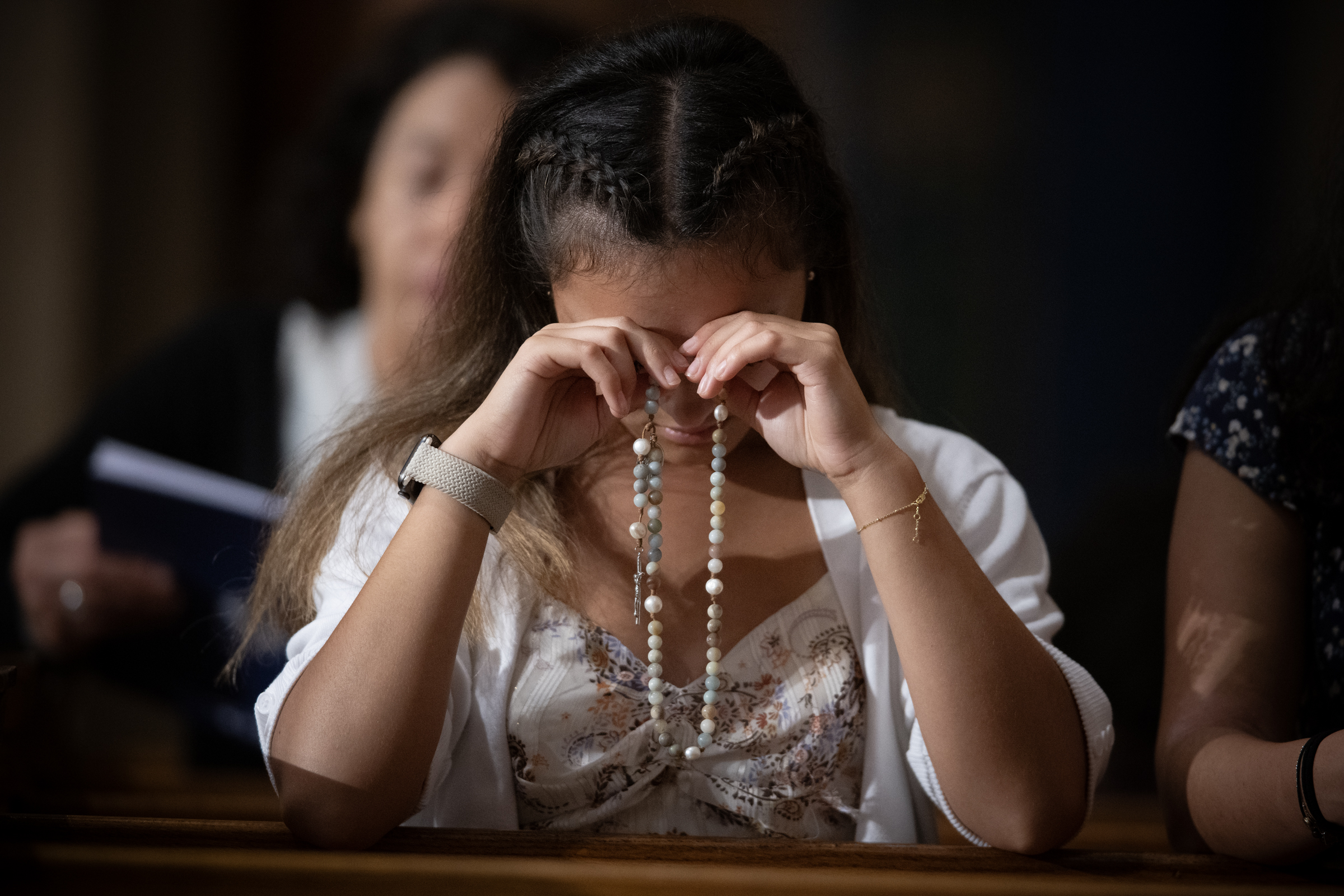
7 common myths and facts about the rosary #Catholic October is designated by the Catholic Church as the month of the rosary, and Oct. 7 is the feast of Our Lady of the Rosary.Here are seven common myths and facts about this popular devotion and  prayer:1. Only Catholics can pray the rosary.False. While rosaries are typically associated with Catholics, non-Catholics can certainly pray the rosary — and in fact, many credit it to their conversion. Even some Protestants recognize the rosary as a valid form of prayer.2. Praying the rosary is idolatry.False. Some have objections to the rosary, claiming it idolizes Mary and is overly repetitive.Just like any practice, the rosary can be abused — just as someone might idolize a particular pastor or priest, a form of worship, or fasting. But the rosary itself is not a form of idolatry.The rosary is not a prayer to Mary — it is a meditation on the life of Christ revealed in five mysteries “with the purposes of drawing the person praying deeper into reflecting on Christ’s joys, sacrifices, sufferings, and the glorious miracles of his life.”When we pray the Hail Mary, we are not adoring Mary; we are asking for her intercession — just as we might ask a friend or family member to pray for us.Second, any prayer can lose its meaning if we do not intentionally meditate on it. Focusing on the mysteries with purpose and intention is key to the rosary’s transforming power. As one author encourages: “The rosary itself stays the same, but we do not.”3. You can wear a rosary as a necklace.It depends. It is typically considered disrespectful and irreverent to wear a rosary around one’s neck as jewelry, even though the Church does not have an explicit declaration against doing so.However, Canon 1171 of the Code of Canon Law says that “sacred objects, set aside for divine worship by dedication or blessing, are to be treated with reverence. They are not to be made over to secular or inappropriate use, even though they may belong to private persons.”It is important to treat the rosary with respect and intention. If you intend to wear the rosary as a piece of jewelry, this would not be respectful and should be avoided. It goes without saying that wearing the rosary as a mockery or gang symbol would be a sin.But if it is your intention to use the rosary and be mindful of prayer, then it could be permissible. It is not uncommon in some cultures, like in Honduras and El Salvador, to see the rosary respectfully worn around the neck as a sign of devotion.Rosary rings or bracelets might be a better option if you want to keep your rosary close at hand as a reminder to pray, as they are kept more out of sight and would not be as easily misconstrued to be a piece of jewelry.4. The rosary is an extremist symbol.False. Back in 2022, a widely-shared Atlantic article went viral for accusing the rosary of being an “extremist symbol.”“Just as the AR-15 rifle has become a sacred object for Christian nationalists in general, the rosary has acquired a militaristic meaning for radical-traditional (or ‘rad trad’) Catholics,” the article read.The author also cited the Church’s stance on traditional marriage and the sanctity of life as evidence of “extremism” and claimed that Catholics’ tendency to call the rosary a “weapon in the fight against evil” as dangerous.As EWTN News reported in 2022, popes have urged Catholics to pray the rosary since 1571 — often referring to the rosary as a prayer “weapon” and most powerful spiritual tool.5. The rosary is not biblical.Untrue! Most of its words come directly from Scripture.First, the Our Father is prayed. The words of the Our Father are those Christ taught his disciples to pray in Matthew 6:9–13.The Hail Mary also comes straight from the Bible. The first part, “Hail, full of grace, the Lord is with thee,” comes from Luke 1:28, and the second, “Blessed art thou amongst women and blessed is the fruit of thy womb,” is found in Luke 1:42.Finally, each of the decades prayed on the rosary symbolizes an event in the lives of Jesus and his mother. The decades are divided into four sets of mysteries: joyful, luminous, sorrowful, and glorious, the majority of which are found in Scripture.6. A rosary bead, or pea, can kill you.Somewhat true. A rosary pea, or abrus seed, is a vine plant native to India and parts of Asia. The seeds of the vine, which are red with black spots, are often used to make beaded jewelry — including rosaries. Rosary pea seeds contain a toxic substance called “abrin,” which is a naturally-occurring poison that can be fatal if ingested. However, it’s unlikely for someone to get abrin poisoning just from holding a rosary made from abrus seeds, as one would have to swallow them.Today, most rosaries are made from other nontoxic materials, such as olive wood or glass — eliminating this concern.7. The rosary can help protect you.True. Praying the rosary has proven to be a miraculous force for protecting those of faith and bestowing upon them extra graces, such as the victory of the Christian forces at the Battle of Lepanto after St. Pius V implored Western Christians to pray the rosary.Many great saints across history, including Pope John Paul II, Padre Pio, and Lucia of Fátima, have also recognized the rosary as the most powerful weapon in fighting the real spiritual battles we face in the world.We know that spiritual warfare is a real and present danger: “For our struggle is not with flesh and blood but with the principalities, with the powers, with the world rulers of this present darkness, with the evil spirits in the heavens” (Eph 6:11–12).“The rosary is a powerful weapon to put the demons to flight and to keep oneself from sin … If you desire peace in your hearts, in your homes, and in your country, assemble each evening to recite the rosary. Let not even one day pass without saying it, no matter how burdened you may be with many cares and labors,” Pope Pius XI said.This story was first published on Oct. 1, 2022, and has been updated.

7 common myths and facts about the rosary #Catholic October is designated by the Catholic Church as the month of the rosary, and Oct. 7 is the feast of Our Lady of the Rosary.Here are seven common myths and facts about this popular devotion and  prayer:1. Only Catholics can pray the rosary.False. While rosaries are typically associated with Catholics, non-Catholics can certainly pray the rosary — and in fact, many credit it to their conversion. Even some Protestants recognize the rosary as a valid form of prayer.2. Praying the rosary is idolatry.False. Some have objections to the rosary, claiming it idolizes Mary and is overly repetitive.Just like any practice, the rosary can be abused — just as someone might idolize a particular pastor or priest, a form of worship, or fasting. But the rosary itself is not a form of idolatry.The rosary is not a prayer to Mary — it is a meditation on the life of Christ revealed in five mysteries “with the purposes of drawing the person praying deeper into reflecting on Christ’s joys, sacrifices, sufferings, and the glorious miracles of his life.”When we pray the Hail Mary, we are not adoring Mary; we are asking for her intercession — just as we might ask a friend or family member to pray for us.Second, any prayer can lose its meaning if we do not intentionally meditate on it. Focusing on the mysteries with purpose and intention is key to the rosary’s transforming power. As one author encourages: “The rosary itself stays the same, but we do not.”3. You can wear a rosary as a necklace.It depends. It is typically considered disrespectful and irreverent to wear a rosary around one’s neck as jewelry, even though the Church does not have an explicit declaration against doing so.However, Canon 1171 of the Code of Canon Law says that “sacred objects, set aside for divine worship by dedication or blessing, are to be treated with reverence. They are not to be made over to secular or inappropriate use, even though they may belong to private persons.”It is important to treat the rosary with respect and intention. If you intend to wear the rosary as a piece of jewelry, this would not be respectful and should be avoided. It goes without saying that wearing the rosary as a mockery or gang symbol would be a sin.But if it is your intention to use the rosary and be mindful of prayer, then it could be permissible. It is not uncommon in some cultures, like in Honduras and El Salvador, to see the rosary respectfully worn around the neck as a sign of devotion.Rosary rings or bracelets might be a better option if you want to keep your rosary close at hand as a reminder to pray, as they are kept more out of sight and would not be as easily misconstrued to be a piece of jewelry.4. The rosary is an extremist symbol.False. Back in 2022, a widely-shared Atlantic article went viral for accusing the rosary of being an “extremist symbol.”“Just as the AR-15 rifle has become a sacred object for Christian nationalists in general, the rosary has acquired a militaristic meaning for radical-traditional (or ‘rad trad’) Catholics,” the article read.The author also cited the Church’s stance on traditional marriage and the sanctity of life as evidence of “extremism” and claimed that Catholics’ tendency to call the rosary a “weapon in the fight against evil” as dangerous.As EWTN News reported in 2022, popes have urged Catholics to pray the rosary since 1571 — often referring to the rosary as a prayer “weapon” and most powerful spiritual tool.5. The rosary is not biblical.Untrue! Most of its words come directly from Scripture.First, the Our Father is prayed. The words of the Our Father are those Christ taught his disciples to pray in Matthew 6:9–13.The Hail Mary also comes straight from the Bible. The first part, “Hail, full of grace, the Lord is with thee,” comes from Luke 1:28, and the second, “Blessed art thou amongst women and blessed is the fruit of thy womb,” is found in Luke 1:42.Finally, each of the decades prayed on the rosary symbolizes an event in the lives of Jesus and his mother. The decades are divided into four sets of mysteries: joyful, luminous, sorrowful, and glorious, the majority of which are found in Scripture.6. A rosary bead, or pea, can kill you.Somewhat true. A rosary pea, or abrus seed, is a vine plant native to India and parts of Asia. The seeds of the vine, which are red with black spots, are often used to make beaded jewelry — including rosaries. Rosary pea seeds contain a toxic substance called “abrin,” which is a naturally-occurring poison that can be fatal if ingested. However, it’s unlikely for someone to get abrin poisoning just from holding a rosary made from abrus seeds, as one would have to swallow them.Today, most rosaries are made from other nontoxic materials, such as olive wood or glass — eliminating this concern.7. The rosary can help protect you.True. Praying the rosary has proven to be a miraculous force for protecting those of faith and bestowing upon them extra graces, such as the victory of the Christian forces at the Battle of Lepanto after St. Pius V implored Western Christians to pray the rosary.Many great saints across history, including Pope John Paul II, Padre Pio, and Lucia of Fátima, have also recognized the rosary as the most powerful weapon in fighting the real spiritual battles we face in the world.We know that spiritual warfare is a real and present danger: “For our struggle is not with flesh and blood but with the principalities, with the powers, with the world rulers of this present darkness, with the evil spirits in the heavens” (Eph 6:11–12).“The rosary is a powerful weapon to put the demons to flight and to keep oneself from sin … If you desire peace in your hearts, in your homes, and in your country, assemble each evening to recite the rosary. Let not even one day pass without saying it, no matter how burdened you may be with many cares and labors,” Pope Pius XI said.This story was first published on Oct. 1, 2022, and has been updated.

A look at this popular devotion and prayer on the feast of Our Lady of the Rosary.

Read More