Ecuador

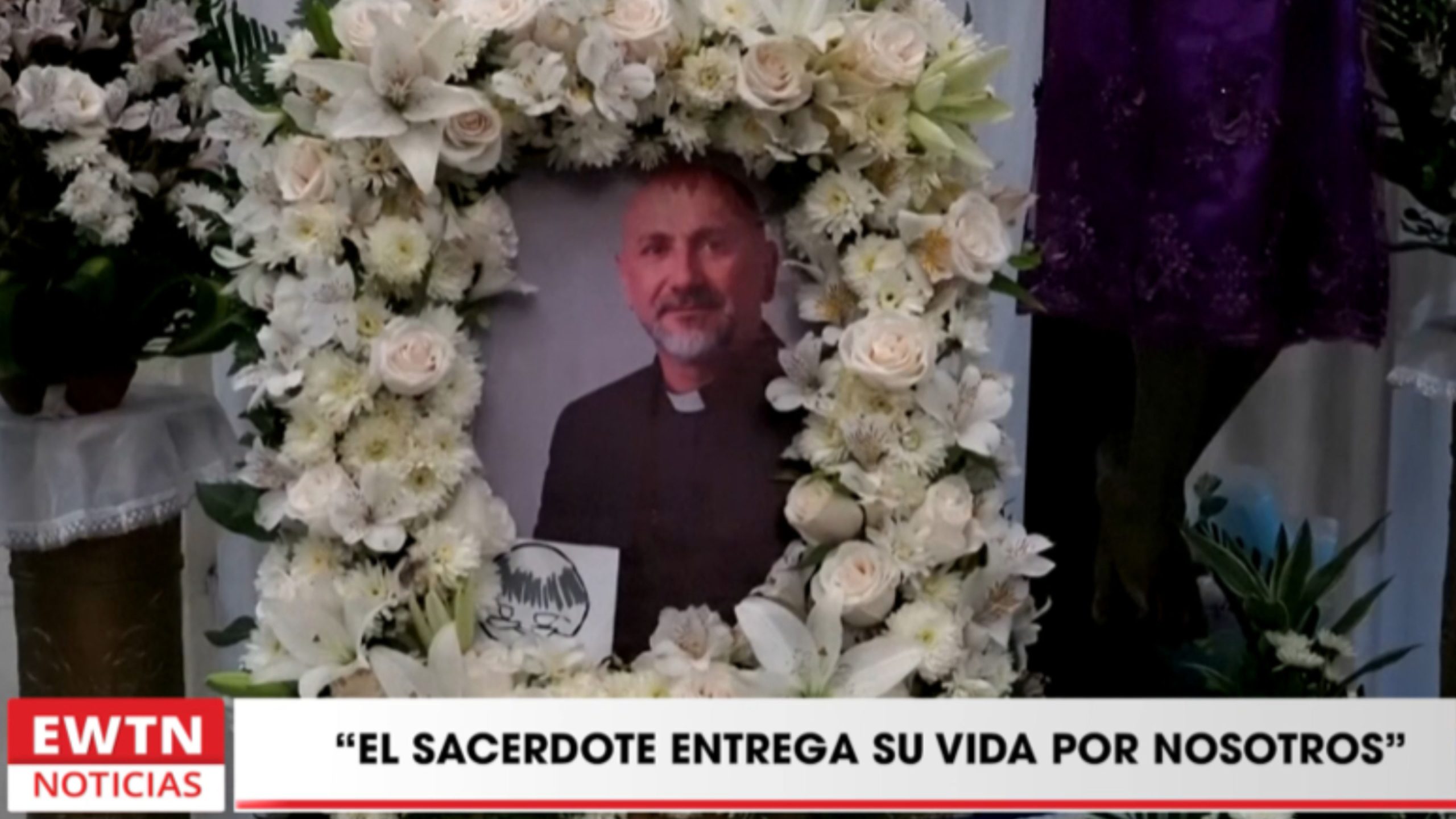
‘He died doing what he loved’: Memories of the Ecuadorian priest who died at the altar #Catholic “He died doing what he loved, the Eucharist” is how Father Pedro Calle remembered his fellow Redemptorist, Father Patricio Sánchez Molinari, who died Oct. 17 after a large crucifix broke loose from the sanctuary wall and fell on him during Mass.“It’s not so easy to process or come to terms with this situation, given the way it happened,” Calle shared in an interview with EWTN News Español, the Spanish-language sister service of EWTN News. “I could break down at any moment because of the pain I feel inside.”Calle lives in Quito, Ecuador, and manages the administrative needs of the Redemptorist congregation in the Andean-Caribbean Province, which comprises Venezuela, Colombia, and Ecuador. He is currently in Guayaquil serving also as the legal representative to handle matters related to Sánchez’s death. He is also taking part in the Oct. 19–27 novena for the repose of his soul.
 
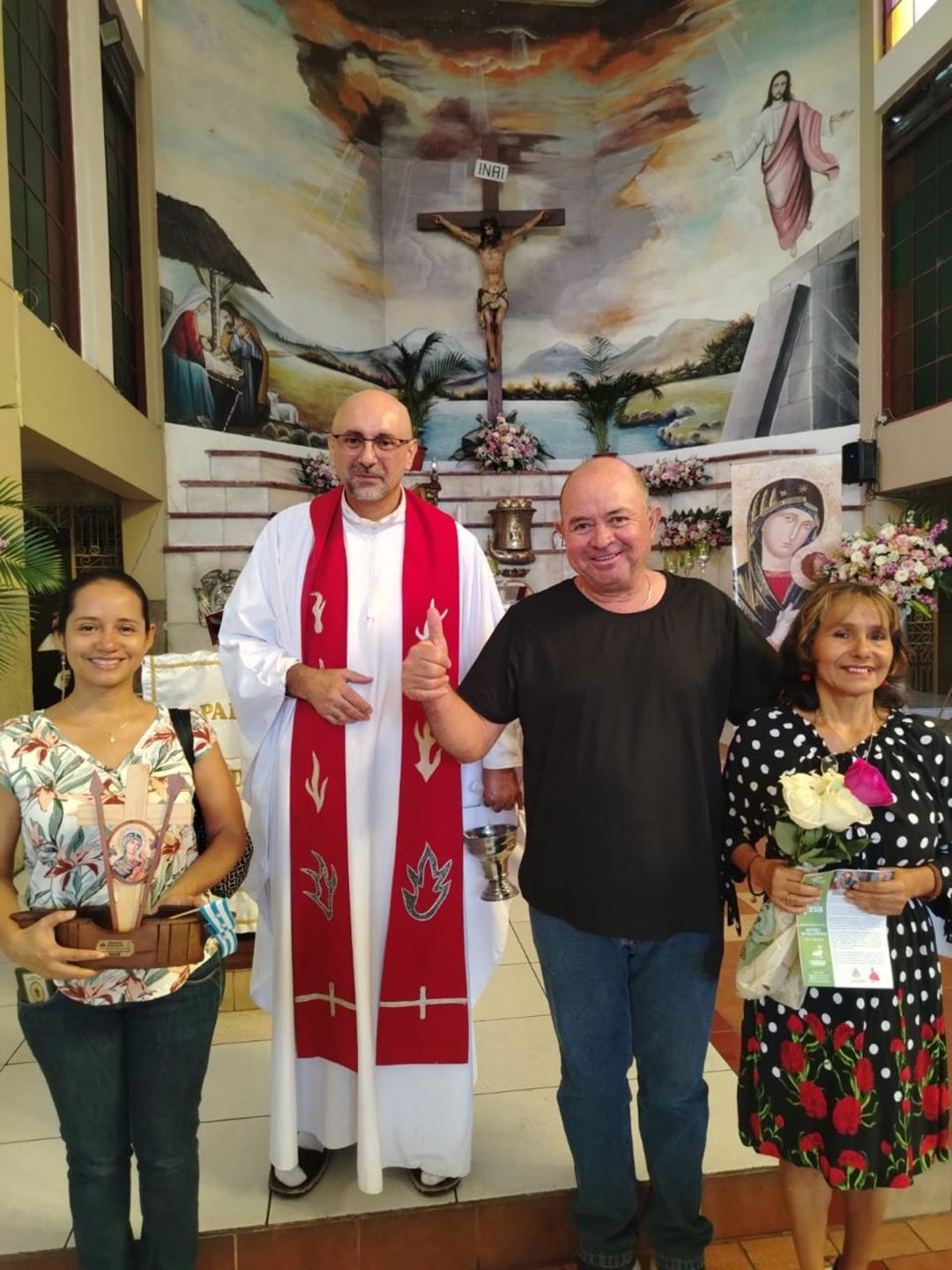
 Father Patricio Sánchez Molinari with some of the faithful at Our Lady of Perpetual Help Church. | Credit: Photo courtesy of Father Pedro Calle
 
 “He died embracing the cross. The crucifix was not damaged, save for the part of the leg [of the corpus]. It is striking how he celebrated the Lord’s passover, and the Lord celebrated his passover with him… And Patricio died doing what he loved: the Eucharist,” the priest emphasized.He loved the Eucharist and the Blessed Virgin MaryCalle described Sánchez as a man “with a pure heart and a ready smile, a smile that created a sense of closeness. People were drawn to him because of his purity of heart, in which there was no trace of ill intent. He was always so very calm, patient, and tolerant.”“He very much loved the Blessed Sacrament. Wherever he went to any parish he would always emphasize this devotion. And he was always the first one there; he wouldn’t just expose the Blessed Sacrament for a while and then leave, he would stay to pray,” the priest recounted.Sánchez served in Loja, in southern Ecuador, and later in a mission area called Vinces. He also spent nine years at a parish in Manta, and finally about four years in Guayaquil, at Our Lady of Perpetual Help Church. He served as the pastor there, and it was in that church that he died.
 
 Father Patricio Sánchez Molinari with some of the faithful. | Credit: Photo courtesy of Father Pedro Calle
 
 “He also loved the Most Holy Virgin Mary. We can describe Patricio as someone who throughout his ministry everyone felt his closeness to them, absolutely everyone,” the Redemptorist priest highlighted.“He was always a very dedicated man, always spiritual and pastoral. He would say ‘yes’ to everyone. We could say, then, that he was a hardworking man, very self-sacrificing, very devoted,” he remarked.Calle further noted that “Patricio was a very simple person, very approachable and full of human warmth. That’s why his homilies were so simple.”“My enduring memory of Patricio,” he added, “is that he was a very welcoming person, always concerned with making sure one had something to eat or drink. He enjoyed going to the cinema and was an athletic person; he liked going for a walk and swimming.”‘A sign of grace’The priest shared that he never had a conversation with Sánchez about how he would have liked to be remembered, but he highlighted one aspect he has been reflecting on in recent days following the tragic death of his fellow priest.“Patricio’s death will become, or is already becoming, a sign of grace for Catholics and for humanity, given the fact that he was in the midst of broadcasting [the Mass] and that the tragedy unfolded in precisely this way, rather than any other. That was a message for everyone,” Calle remarked.
 
 Father Patricio Sánchez Molinari with a group of the faithful. | Credit: Photo courtesy of Father Pedro Calle
 
 The priest remarked, in closing, that he does not know where the story of this priest will ultimately lead but that it certainly will not leave anyone indifferent.“I don’t know if his mission is beginning now. I cannot offer any certainty or assurance; it is simply a personal perception, based on the context and the way he died.”‘One day, all of us here will also die’Sánchez was born on Nov. 6, 1973, in Cuenca, Ecuador. He made his profession in the Congregation of the Most Holy Redeemer (Redemptorists) on Aug. 15, 2000, the solemnity of the Assumption of the Blessed Virgin Mary. He was ordained a priest on Oct. 15, 2005.He was pastor at Our Lady of Perpetual Help Parish in south Guayaquil. He served as the superior of his religious community, where he lived alongside a fellow religious brother who had taken his perpetual vows.In his final homily, on the day of his death, he spoke about the importance of making time for God. “He must come first,” he said, adding: “Dear brothers and sisters, one day, all of us here will also die. Sometimes, the time we have spent on material things does not hold as much meaning as the time we dedicate to God, that quality time we give to God, to our brothers and sisters, to our wife, our husband, to our children, and to our families. That is time spent in the best possible way.”This story was first published by EWTN News Español, the Spanish-language sister service of EWTN News. It has been translated and adapted by EWTN News English.

‘He died doing what he loved’: Memories of the Ecuadorian priest who died at the altar #Catholic “He died doing what he loved, the Eucharist” is how Father Pedro Calle remembered his fellow Redemptorist, Father Patricio Sánchez Molinari, who died Oct. 17 after a large crucifix broke loose from the sanctuary wall and fell on him during Mass.“It’s not so easy to process or come to terms with this situation, given the way it happened,” Calle shared in an interview with EWTN News Español, the Spanish-language sister service of EWTN News. “I could break down at any moment because of the pain I feel inside.”Calle lives in Quito, Ecuador, and manages the administrative needs of the Redemptorist congregation in the Andean-Caribbean Province, which comprises Venezuela, Colombia, and Ecuador. He is currently in Guayaquil serving also as the legal representative to handle matters related to Sánchez’s death. He is also taking part in the Oct. 19–27 novena for the repose of his soul. Father Patricio Sánchez Molinari with some of the faithful at Our Lady of Perpetual Help Church. | Credit: Photo courtesy of Father Pedro Calle “He died embracing the cross. The crucifix was not damaged, save for the part of the leg [of the corpus]. It is striking how he celebrated the Lord’s passover, and the Lord celebrated his passover with him… And Patricio died doing what he loved: the Eucharist,” the priest emphasized.He loved the Eucharist and the Blessed Virgin MaryCalle described Sánchez as a man “with a pure heart and a ready smile, a smile that created a sense of closeness. People were drawn to him because of his purity of heart, in which there was no trace of ill intent. He was always so very calm, patient, and tolerant.”“He very much loved the Blessed Sacrament. Wherever he went to any parish he would always emphasize this devotion. And he was always the first one there; he wouldn’t just expose the Blessed Sacrament for a while and then leave, he would stay to pray,” the priest recounted.Sánchez served in Loja, in southern Ecuador, and later in a mission area called Vinces. He also spent nine years at a parish in Manta, and finally about four years in Guayaquil, at Our Lady of Perpetual Help Church. He served as the pastor there, and it was in that church that he died. Father Patricio Sánchez Molinari with some of the faithful. | Credit: Photo courtesy of Father Pedro Calle “He also loved the Most Holy Virgin Mary. We can describe Patricio as someone who throughout his ministry everyone felt his closeness to them, absolutely everyone,” the Redemptorist priest highlighted.“He was always a very dedicated man, always spiritual and pastoral. He would say ‘yes’ to everyone. We could say, then, that he was a hardworking man, very self-sacrificing, very devoted,” he remarked.Calle further noted that “Patricio was a very simple person, very approachable and full of human warmth. That’s why his homilies were so simple.”“My enduring memory of Patricio,” he added, “is that he was a very welcoming person, always concerned with making sure one had something to eat or drink. He enjoyed going to the cinema and was an athletic person; he liked going for a walk and swimming.”‘A sign of grace’The priest shared that he never had a conversation with Sánchez about how he would have liked to be remembered, but he highlighted one aspect he has been reflecting on in recent days following the tragic death of his fellow priest.“Patricio’s death will become, or is already becoming, a sign of grace for Catholics and for humanity, given the fact that he was in the midst of broadcasting [the Mass] and that the tragedy unfolded in precisely this way, rather than any other. That was a message for everyone,” Calle remarked. Father Patricio Sánchez Molinari with a group of the faithful. | Credit: Photo courtesy of Father Pedro Calle The priest remarked, in closing, that he does not know where the story of this priest will ultimately lead but that it certainly will not leave anyone indifferent.“I don’t know if his mission is beginning now. I cannot offer any certainty or assurance; it is simply a personal perception, based on the context and the way he died.”‘One day, all of us here will also die’Sánchez was born on Nov. 6, 1973, in Cuenca, Ecuador. He made his profession in the Congregation of the Most Holy Redeemer (Redemptorists) on Aug. 15, 2000, the solemnity of the Assumption of the Blessed Virgin Mary. He was ordained a priest on Oct. 15, 2005.He was pastor at Our Lady of Perpetual Help Parish in south Guayaquil. He served as the superior of his religious community, where he lived alongside a fellow religious brother who had taken his perpetual vows.In his final homily, on the day of his death, he spoke about the importance of making time for God. “He must come first,” he said, adding: “Dear brothers and sisters, one day, all of us here will also die. Sometimes, the time we have spent on material things does not hold as much meaning as the time we dedicate to God, that quality time we give to God, to our brothers and sisters, to our wife, our husband, to our children, and to our families. That is time spent in the best possible way.”This story was first published by EWTN News Español, the Spanish-language sister service of EWTN News. It has been translated and adapted by EWTN News English.

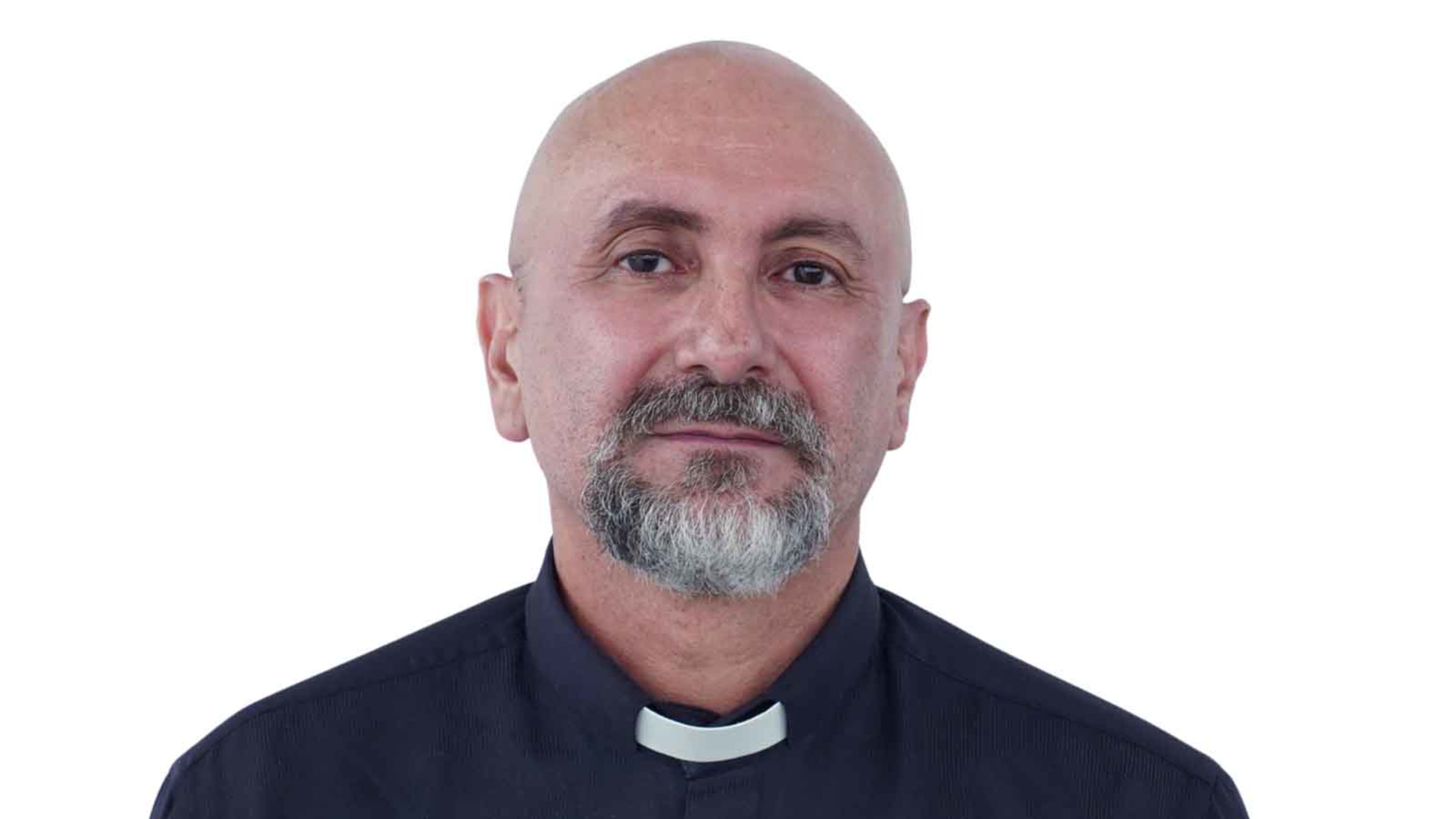
The late Father Patricio Sánchez Molinari was described as a man “with a pure heart and a ready smile … he was always so very calm, patient, and tolerant.” asFather Patricio Sánchez
Read More
Falling cross that killed priest a punishment from God? A priest reflects #Catholic The death of Father Patricio Alfredo Sánchez Molinari on Saturday, Oct. 17, which occurred when a cross fell on him while he was celebrating Mass in Guayaquil, Ecuador, has left Catholics in shock.In response to comments on social media questioning whether the incident was a punishment from God, Father Juan Carlos Vásconez, a priest and rector of St. Josemaría Escrivá Church in Guayaquil, pointed to a passage from the Gospel to explain why it should not be interpreted in that way.In comments to EWTN News Español, the Spanish-language sister service of EWTN News, Vásconez spoke about the collapse of the tower of Siloam, which resulted in the deaths of 18 people (cf. Luke 13:4-5). He explained that Jesus made it clear that the victims were no more sinful than the other inhabitants of Jerusalem. Rather than assigning them blame, the Lord called everyone to repentance.“In the face of death, there is a message of equality. Life is fragile, and we will all go through that moment,” he said.The priest recalled that Sánchez was very well loved in Guayaquil and noted his piety. In February, he had led a retreat that was attended by other priests.A cross falls during MassFor Vásconez, the circumstances surrounding the Redemptorist priest’s death also invite reflection on the Christian faith.“The Mass is the sacrifice of Christ on Calvary, and it is the greatest thing we Christians have here on earth,” he noted.Vásconez shared in the grief caused by Sánchez’s passing, affirming that even in the midst of a tragedy, the faithful can find strength in God. He also asked for prayers for the Redemptorists and for the community of Our Lady of Perpetual Help Parish, which has lost its parish priest.“I would say that this will serve as a seed, inspiring [more men] to also want to dedicate themselves,” he added, referring to the possibility that the priest’s witness might encourage new vocations.Reviewing safety in churchesVásconez also called for an inspection of objects installed within churches to prevent accidents. He emphasized the need to ensure that crosses and religious images are securely fastened and that items attached to walls and ceilings are also checked.He mentioned that he recently learned of another incident in which a piece of marble detached from a wall. Consequently, he explained that at the church where he serves, they will inspect the ceiling lights to ensure they are securely anchored.“These are safety matters which incidents like this serve as a reminder to pay attention to such things,” he noted.The priest asked for prayers for the parishioners of Our Lady of Perpetual Help and for the Redemptorist family following the death of Sánchez.This story was first published by EWTN News Español, the Spanish-language sister service of EWTN News. It has been translated and adapted by EWTN News English.

Falling cross that killed priest a punishment from God? A priest reflects #Catholic The death of Father Patricio Alfredo Sánchez Molinari on Saturday, Oct. 17, which occurred when a cross fell on him while he was celebrating Mass in Guayaquil, Ecuador, has left Catholics in shock.In response to comments on social media questioning whether the incident was a punishment from God, Father Juan Carlos Vásconez, a priest and rector of St. Josemaría Escrivá Church in Guayaquil, pointed to a passage from the Gospel to explain why it should not be interpreted in that way.In comments to EWTN News Español, the Spanish-language sister service of EWTN News, Vásconez spoke about the collapse of the tower of Siloam, which resulted in the deaths of 18 people (cf. Luke 13:4-5). He explained that Jesus made it clear that the victims were no more sinful than the other inhabitants of Jerusalem. Rather than assigning them blame, the Lord called everyone to repentance.“In the face of death, there is a message of equality. Life is fragile, and we will all go through that moment,” he said.The priest recalled that Sánchez was very well loved in Guayaquil and noted his piety. In February, he had led a retreat that was attended by other priests.A cross falls during MassFor Vásconez, the circumstances surrounding the Redemptorist priest’s death also invite reflection on the Christian faith.“The Mass is the sacrifice of Christ on Calvary, and it is the greatest thing we Christians have here on earth,” he noted.Vásconez shared in the grief caused by Sánchez’s passing, affirming that even in the midst of a tragedy, the faithful can find strength in God. He also asked for prayers for the Redemptorists and for the community of Our Lady of Perpetual Help Parish, which has lost its parish priest.“I would say that this will serve as a seed, inspiring [more men] to also want to dedicate themselves,” he added, referring to the possibility that the priest’s witness might encourage new vocations.Reviewing safety in churchesVásconez also called for an inspection of objects installed within churches to prevent accidents. He emphasized the need to ensure that crosses and religious images are securely fastened and that items attached to walls and ceilings are also checked.He mentioned that he recently learned of another incident in which a piece of marble detached from a wall. Consequently, he explained that at the church where he serves, they will inspect the ceiling lights to ensure they are securely anchored.“These are safety matters which incidents like this serve as a reminder to pay attention to such things,” he noted.The priest asked for prayers for the parishioners of Our Lady of Perpetual Help and for the Redemptorist family following the death of Sánchez.This story was first published by EWTN News Español, the Spanish-language sister service of EWTN News. It has been translated and adapted by EWTN News English.

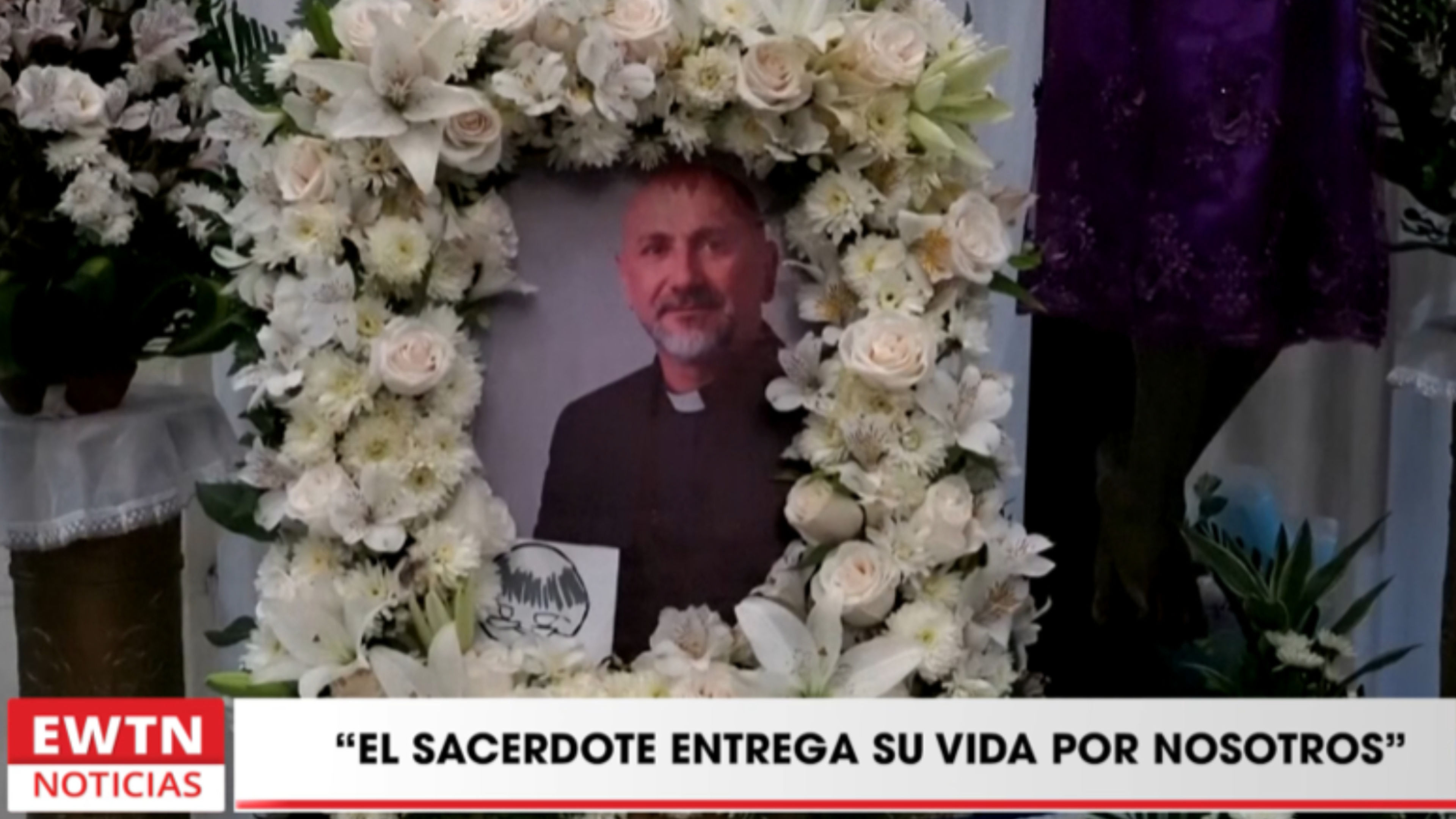
Father Juan Vásconez said the death of Father Patricio Sánchez resulting from a large cross falling in him should not be interpreted as a punishment but as a call to repent, as we will all die.
Read More
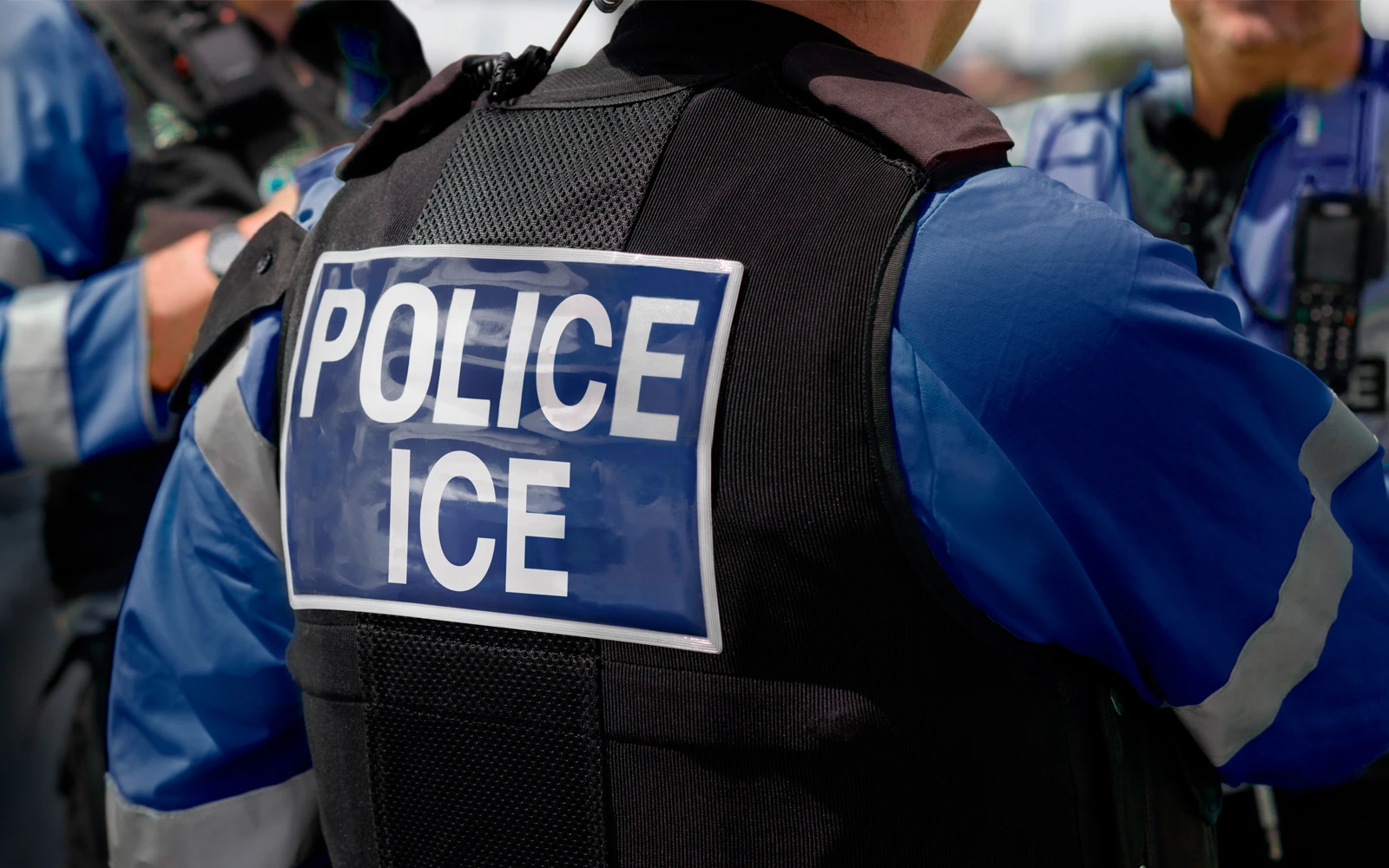
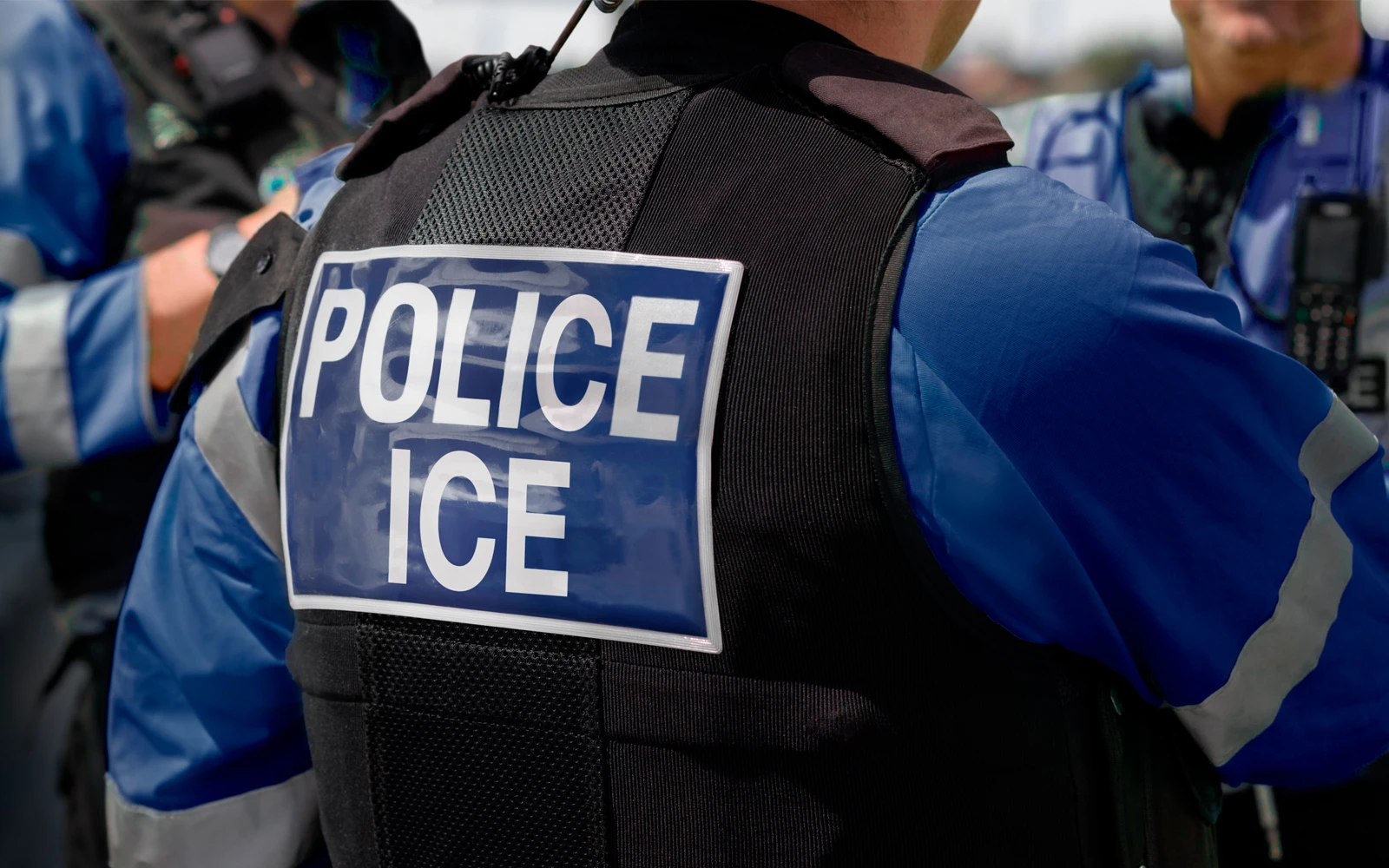
Church leaders continue to urge Catholics to aid immigrants as government defends deportations #Catholic Church leaders continue to draw attention to what they call the “indiscriminate” enforcement actions of U.S. federal immigration officials as they urged Catholics on the World Day of Migrants and Refugees to pray, help immigrants, and advocate for policy change.Pope Leo XIV titled this year’s observance of World Day of Migrants and Refugees “Even Just One of These Children,” citing Matthew 18:5: “Whoever welcomes one such child in my name welcomes me.”Cardinal Robert McElroy of Washington, D.C., said in a homily on Sunday, Sept. 27, that “for the last year and a half, the people of the United States have witnessed the suffering of the undocumented in our midst, purposely and strategically magnified by our government, and for the most part, we have simply passed on by.”McElroy wrote that “Jesus weeps all across our nation for the children who have been arrested, detained, transported to far-off centers with terrible living conditions, and cut off from their families.”The cardinal described the case of a 5-year-old boy in Minneapolis, Liam Ramos, who along with his father was arrested by Immigration and Customs Enforcement (ICE) officers and was “imprisoned for a month until an outraged federal judge ordered him to be released.”After being held for about 10 days, on Jan. 31, U.S. District Judge Fred Biery in San Antonio ordered their release, writing in his order that the case grew from “the ill-conceived and incompetently-implemented government pursuit of daily deportation quotas, apparently even if it requires traumatizing children.”Biery attached a photo and two Gospel verses to his order: Matthew 19:14 (“Let the little children come to me, and do not hinder them”) and John 11:35 (“Jesus wept”).In March an immigration judge denied the family’s asylum claim and ordered them removed to Ecuador. McElroy also decried the government’s ending of temporary protected status (TPS) for nearly 1 million people, saying refugees admitted under it “never broke any law.”The cardinal said: "They are being deported because of a general desire to exclude immigrants from American society. They are being deported because the bigotry that has often tarnished American immigrant history is rampant once again in our nation.”The Trump administration has stated it ended TPS because it says conditions in many countries have improved and the program “has been abused and exploited by illegal aliens” and has become a “de facto amnesty” program.TPS is granted when the Department of Homeland Security (DHS) determines that a country is temporarily unsafe to return to because of armed conflict, disaster, or other extraordinary conditions. Congress designed TPS in the Immigration Act of 1990 as a time-limited humanitarian designation intended to be temporary; it is not a path to citizenship. TPS holders are lawfully present and authorized to work while the designation lasts. After termination of TPS, however, people who remain commit a civil immigration violation.Yakima, Washington, bishop calls for ‘surgical deportation’Bishop Joseph Tyson of the Diocese of Yakima, Washington, also issued a message on Sunday, lamenting that “Yakima County seems to be disproportionately targeted” by immigration enforcement actions. He cited Freedom of Information Act data he had obtained, which he said showed that “fewer than a fourth” of the people ICE had detained between March and August had a criminal record.Tyson called for “a public policy that allows for a surgical deportation of those with serious criminal records” rather than the “indiscriminate deportation” of immigrants who “have lived here for years” and are often “detained in front of courthouses while pursuing legal pathways to regularize their legal status.”Andrew Arthur, a national-security and immigration expert at the Center for Immigration Studies, told EWTN News that “immigration laws — like every other law — are meaningless unless they are enforced.”“Border security — which even the bishops support — is impossible without interior enforcement and deportations of those who entered illegally,” even if they have not committed other crimes, he said.Referring to Tyson’s recommendation for “surgical deportations” for those with “serious criminal records,” Arthur, a former immigration judge, explained that the law does not require that “serious” crimes be committed before deportation takes place.“A ‘serious crime’ is one that impacts or threatens any other person,” he said. Regardless “there is no reason to wait until a drunk driver kills someone before he is deported … There is no reason that the American people should be threatened by a criminal immigrant who should never have been here to begin with.”McElroy also described ongoing immigration enforcement as a “wholesale war” on immigrants, which Arthur called a "reckless statement.”“Using military terminology in this context denigrates federal officers who are tasked with a very difficult job,” Arthur said.DHS affirms continued arrests of ‘anyone’ in country illegallyThe Department of Homeland Security refuted a report circulating on Sept. 26 that said anonymous ICE officials claimed they were instructed to cease arresting illegal immigrants who had not committed crimes other than entering or remaining in the country illegally.In a statement to EWTN News as well as in a social media post, DHS called the claim “false,” saying: “No one is off the table. We will continue to arrest any and all illegal aliens that come into our path. Anyone in our country illegally will be arrested and deported.”

Church leaders continue to urge Catholics to aid immigrants as government defends deportations #Catholic Church leaders continue to draw attention to what they call the “indiscriminate” enforcement actions of U.S. federal immigration officials as they urged Catholics on the World Day of Migrants and Refugees to pray, help immigrants, and advocate for policy change.Pope Leo XIV titled this year’s observance of World Day of Migrants and Refugees “Even Just One of These Children,” citing Matthew 18:5: “Whoever welcomes one such child in my name welcomes me.”Cardinal Robert McElroy of Washington, D.C., said in a homily on Sunday, Sept. 27, that “for the last year and a half, the people of the United States have witnessed the suffering of the undocumented in our midst, purposely and strategically magnified by our government, and for the most part, we have simply passed on by.”McElroy wrote that “Jesus weeps all across our nation for the children who have been arrested, detained, transported to far-off centers with terrible living conditions, and cut off from their families.”The cardinal described the case of a 5-year-old boy in Minneapolis, Liam Ramos, who along with his father was arrested by Immigration and Customs Enforcement (ICE) officers and was “imprisoned for a month until an outraged federal judge ordered him to be released.”After being held for about 10 days, on Jan. 31, U.S. District Judge Fred Biery in San Antonio ordered their release, writing in his order that the case grew from “the ill-conceived and incompetently-implemented government pursuit of daily deportation quotas, apparently even if it requires traumatizing children.”Biery attached a photo and two Gospel verses to his order: Matthew 19:14 (“Let the little children come to me, and do not hinder them”) and John 11:35 (“Jesus wept”).In March an immigration judge denied the family’s asylum claim and ordered them removed to Ecuador. McElroy also decried the government’s ending of temporary protected status (TPS) for nearly 1 million people, saying refugees admitted under it “never broke any law.”The cardinal said: "They are being deported because of a general desire to exclude immigrants from American society. They are being deported because the bigotry that has often tarnished American immigrant history is rampant once again in our nation.”The Trump administration has stated it ended TPS because it says conditions in many countries have improved and the program “has been abused and exploited by illegal aliens” and has become a “de facto amnesty” program.TPS is granted when the Department of Homeland Security (DHS) determines that a country is temporarily unsafe to return to because of armed conflict, disaster, or other extraordinary conditions. Congress designed TPS in the Immigration Act of 1990 as a time-limited humanitarian designation intended to be temporary; it is not a path to citizenship. TPS holders are lawfully present and authorized to work while the designation lasts. After termination of TPS, however, people who remain commit a civil immigration violation.Yakima, Washington, bishop calls for ‘surgical deportation’Bishop Joseph Tyson of the Diocese of Yakima, Washington, also issued a message on Sunday, lamenting that “Yakima County seems to be disproportionately targeted” by immigration enforcement actions. He cited Freedom of Information Act data he had obtained, which he said showed that “fewer than a fourth” of the people ICE had detained between March and August had a criminal record.Tyson called for “a public policy that allows for a surgical deportation of those with serious criminal records” rather than the “indiscriminate deportation” of immigrants who “have lived here for years” and are often “detained in front of courthouses while pursuing legal pathways to regularize their legal status.”Andrew Arthur, a national-security and immigration expert at the Center for Immigration Studies, told EWTN News that “immigration laws — like every other law — are meaningless unless they are enforced.”“Border security — which even the bishops support — is impossible without interior enforcement and deportations of those who entered illegally,” even if they have not committed other crimes, he said.Referring to Tyson’s recommendation for “surgical deportations” for those with “serious criminal records,” Arthur, a former immigration judge, explained that the law does not require that “serious” crimes be committed before deportation takes place.“A ‘serious crime’ is one that impacts or threatens any other person,” he said. Regardless “there is no reason to wait until a drunk driver kills someone before he is deported … There is no reason that the American people should be threatened by a criminal immigrant who should never have been here to begin with.”McElroy also described ongoing immigration enforcement as a “wholesale war” on immigrants, which Arthur called a "reckless statement.”“Using military terminology in this context denigrates federal officers who are tasked with a very difficult job,” Arthur said.DHS affirms continued arrests of ‘anyone’ in country illegallyThe Department of Homeland Security refuted a report circulating on Sept. 26 that said anonymous ICE officials claimed they were instructed to cease arresting illegal immigrants who had not committed crimes other than entering or remaining in the country illegally.In a statement to EWTN News as well as in a social media post, DHS called the claim “false,” saying: “No one is off the table. We will continue to arrest any and all illegal aliens that come into our path. Anyone in our country illegally will be arrested and deported.”

Pope Leo XIV titled this year’s observance of World Day of Migrants and Refugees “Even Just One of These Children,” citing Matthew 18:5: “Whoever welcomes one such child in my name welcomes me.”
Read More