facebook

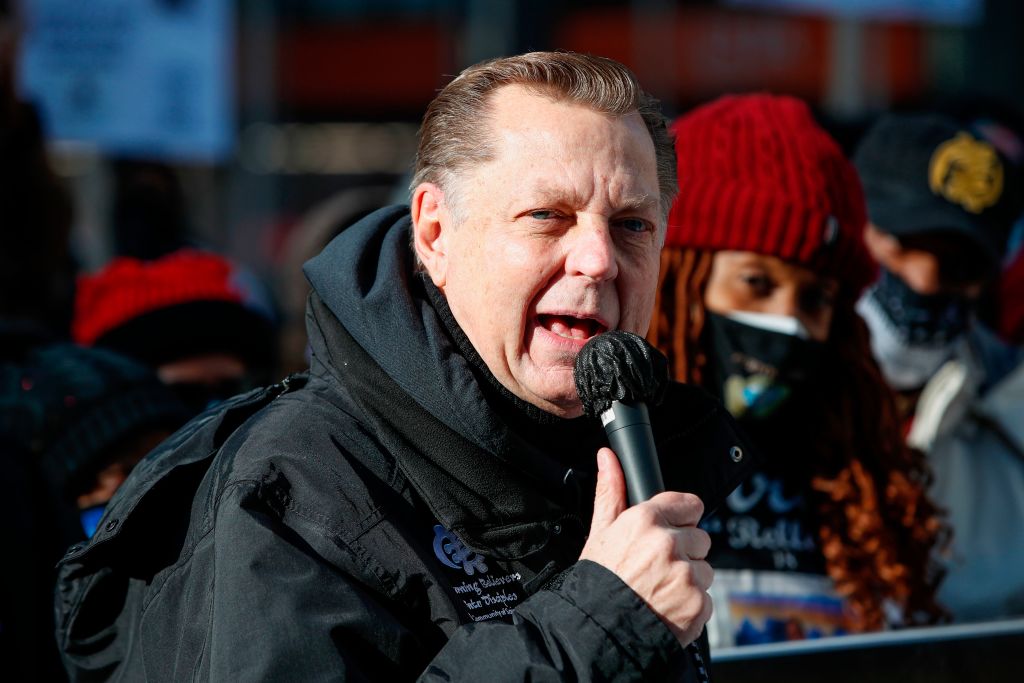
UK bishops welcome child safety but cautious on social media ban for under 16 #Catholic Catholic bishops across the United Kingdom say they need to see more legislative detail before supporting government proposals to ban social media for youth under 16. On June 15, Secretary of State for Science, Innovation, and Technology Liz Kendall announced to the House of Commons that the government "will ban social media companies providing their services to under 16s.”Kendall said that the UK would be following the same model as Australia, which was the first country in the world to ban social media for youth under 16. The UK ban is due to come into effect early next year.In an email response to EWTN News on June 17 regarding whether bishops of England and Wales support the proposed ban, a spokeswoman for the Catholic Bishops' Conference for England and Wales said: “Until the government publishes further details it’s hard to give a yes or no answer.” But Bishop John Arnold, the lead bishop for communications for the conference, “is very keen to ensure that the safety and protection of the dignity of young people online is a central concern for all,” the statement said.In a separate email to EWTN News, Bishop Arnold wrote that the “safety of children and young people in the digital world is paramount. Young people face many pressures today, which are often exacerbated by unrealistic and harmful material which they have accessed online.”“When it comes to the responsible and appropriate use of technology, the protection of children and young people is a shared responsibility among parents, schools, government and society,” he said.“I urge all people to work together to protect and place the dignity of the human person, especially children, the young and vulnerable, at the center of technological and legislative developments,” the bishop said.The Bishops’ Conference of Scotland, meanwhile, said it would “prefer not to comment directly on the specific policy issue, but rather give a considered response to the noble principles behind online safety measures.” “The bishops support the introduction of any new measures which increase online safety for children and young people,” the conference said."We have a responsibility to ensure that children and young people are protected from harmful and age-inappropriate content, and from online environments that can negatively affect their wellbeing, relationships and healthy development,” the statement continued.The UK governmentʼs proposal includes banning youth usage of platforms like Instagram, YouTube, TikTok, Snapchat, Facebook, and X. They do not intend for messaging services like WhatsApp and Signal to be included in the ban.Livestreamers and strangers being able to contact children will also be restricted for those under‑16 on other online services like gaming.“Who should take responsibility?”Edwin Fawcett, a Catholic psychotherapist based in England and Wales, is also unsure about the benefits and drawbacks of the proposal.“At this point the toll taken on mental and emotional health by social media, especially for developing brains, is virtually undisputed. Who should take responsibility for young peopleʼs formation and education?” he told EWTN News. “The Churchʼs wise answer: parents. Yet in a busy, driven and fragmented society the tsunami of digital hyper-reality is almost impossible to avoid or withstand,” he said.Fawcett argued that there is “a pandemic of relational wounds and deficits in the real world” which “has set the stage for widespread mental health issues, which are being activated and worsened by addictive online behavior — behavior chosen in an attempt to anesthetize the same wounds.”He continued: “Whether the ban is designed to support the rights and responsibilities of the family is hard to say. But letʼs pray that a deep renewal of family life, communities and culture will begin filling the void which social media has falsely promised to do — a void which may now be exposed by the incoming ban.”Lucy Marsh, a spokeswoman for the Family Education Trust — a secular research body which supports traditional family values — said that the ban has not been sufficiently “thought through.”“Children should not have unsupervised access to social media, but the government’s rushed plan to ban under-16s from using certain platforms is the wrong way to go about it,” she told EWTN News.“Rather than educating parents on how to restrict their child’s access to the internet and raising awareness about why young children should not have smartphones, the government is trying to introduce digital ID via the back door. This means using facial recognition and biometrics which involve giving even more information to tech companies. In the name of protecting children, those children will be under even more surveillance.”The government “should focus on ensuring tech companies make phones for children which cannot access social media apps, including WhatsApp, which is used by predatory adults to share pornography and groom children,” she said.

UK bishops welcome child safety but cautious on social media ban for under 16 #Catholic Catholic bishops across the United Kingdom say they need to see more legislative detail before supporting government proposals to ban social media for youth under 16. On June 15, Secretary of State for Science, Innovation, and Technology Liz Kendall announced to the House of Commons that the government "will ban social media companies providing their services to under 16s.”Kendall said that the UK would be following the same model as Australia, which was the first country in the world to ban social media for youth under 16. The UK ban is due to come into effect early next year.In an email response to EWTN News on June 17 regarding whether bishops of England and Wales support the proposed ban, a spokeswoman for the Catholic Bishops' Conference for England and Wales said: “Until the government publishes further details it’s hard to give a yes or no answer.” But Bishop John Arnold, the lead bishop for communications for the conference, “is very keen to ensure that the safety and protection of the dignity of young people online is a central concern for all,” the statement said.In a separate email to EWTN News, Bishop Arnold wrote that the “safety of children and young people in the digital world is paramount. Young people face many pressures today, which are often exacerbated by unrealistic and harmful material which they have accessed online.”“When it comes to the responsible and appropriate use of technology, the protection of children and young people is a shared responsibility among parents, schools, government and society,” he said.“I urge all people to work together to protect and place the dignity of the human person, especially children, the young and vulnerable, at the center of technological and legislative developments,” the bishop said.The Bishops’ Conference of Scotland, meanwhile, said it would “prefer not to comment directly on the specific policy issue, but rather give a considered response to the noble principles behind online safety measures.” “The bishops support the introduction of any new measures which increase online safety for children and young people,” the conference said."We have a responsibility to ensure that children and young people are protected from harmful and age-inappropriate content, and from online environments that can negatively affect their wellbeing, relationships and healthy development,” the statement continued.The UK governmentʼs proposal includes banning youth usage of platforms like Instagram, YouTube, TikTok, Snapchat, Facebook, and X. They do not intend for messaging services like WhatsApp and Signal to be included in the ban.Livestreamers and strangers being able to contact children will also be restricted for those under‑16 on other online services like gaming.“Who should take responsibility?”Edwin Fawcett, a Catholic psychotherapist based in England and Wales, is also unsure about the benefits and drawbacks of the proposal.“At this point the toll taken on mental and emotional health by social media, especially for developing brains, is virtually undisputed. Who should take responsibility for young peopleʼs formation and education?” he told EWTN News. “The Churchʼs wise answer: parents. Yet in a busy, driven and fragmented society the tsunami of digital hyper-reality is almost impossible to avoid or withstand,” he said.Fawcett argued that there is “a pandemic of relational wounds and deficits in the real world” which “has set the stage for widespread mental health issues, which are being activated and worsened by addictive online behavior — behavior chosen in an attempt to anesthetize the same wounds.”He continued: “Whether the ban is designed to support the rights and responsibilities of the family is hard to say. But letʼs pray that a deep renewal of family life, communities and culture will begin filling the void which social media has falsely promised to do — a void which may now be exposed by the incoming ban.”Lucy Marsh, a spokeswoman for the Family Education Trust — a secular research body which supports traditional family values — said that the ban has not been sufficiently “thought through.”“Children should not have unsupervised access to social media, but the government’s rushed plan to ban under-16s from using certain platforms is the wrong way to go about it,” she told EWTN News.“Rather than educating parents on how to restrict their child’s access to the internet and raising awareness about why young children should not have smartphones, the government is trying to introduce digital ID via the back door. This means using facial recognition and biometrics which involve giving even more information to tech companies. In the name of protecting children, those children will be under even more surveillance.”The government “should focus on ensuring tech companies make phones for children which cannot access social media apps, including WhatsApp, which is used by predatory adults to share pornography and groom children,” she said.

Bishops across the UK and other Catholic leaders say they want more information before endorsing a proposal to ban social media for youth under 16.

Read More
Irish bishops call for calm in Belfast following racially motivated civil unrest #Catholic Following its summer 2026 general meeting, the Irish Bishops’ Conference voiced its deep concern about the attack on human life and the wider violence and social disorder that has taken place in Belfast and across Northern Ireland this past week.The civil unrest followed a brutal knife attack in Belfast carried out by a Sudanese national. Footage of the incident has been widely circulated globally and on social media. Bishop Alan McGuckian, SJ, of Down and Connor said: “My thoughts and prayers are firstly with Stephen Ogilvie, who sustained life-changing devastating injuries in a brutal and horrific attack.”Referring to the rioting, intimidation, and vandalism toward immigrant people that followed, he said: “So many newcomers make an outstanding contribution to our communities, including our parishes. They are our friends. Shame on all those who have sought to mobilize, agitate, weaponize, and politicize the fear and concerns of others over the last few days. All of us have a responsibility to de-escalate societal tension rather than stoke the flames of racism.”Lebanese priest says ‘situation drastically deteriorating’ for ChristiansFather Youssef Semaan, parish priest of Kfour, Nabatieh District, in Lebanon, said the situation for Christians remaining in the country is continuing to worsen.“Every week is more dangerous than the last. The situation has become unbearable,” Semaan said, according to a press release from Aid to the Church in Need on Thursday. The priest, who was forced to leave Kfour due to safety reasons, said he has managed to return on two occasions. He said many Christians have been faced with the difficult decision to “stay and risk their lives or abandon our land without any guarantee that we will ever get our houses or our goods back.” In Kfour, the Christian population has dropped from 120 to around 12, ACN noted. “We still have hope,” Semaan said. “But hope itself is not enough. It has to be based on solid foundations that allow us to rebuild and go on living. We are human after all.”Zimbabwe bishops consecrate nation to Mary, a ‘model of courage’ in difficult timesMembers of the Zimbabwe Catholic Bishops’ Conference (ZCBC) have consecrated the Southern African nation to the Immaculate Heart of the Blessed Virgin Mary, entrusting the country to her maternal protection and presenting her as a model of faith, hope, courage, and love amid ongoing challenges.The consecration took place during a Mass marking the conclusion of the bishops’ 2026 plenary assembly at the Sacred Heart of Jesus Cathedral of the Archdiocese of Harare on June 10, ACI Africa, the sister service of EWTN News in Africa, reported Thursday. In his homily, ZCBC president Bishop Raymond Tapiwa Mupandasekwa said the bishops identified Mary as a fitting patroness for Zimbabwe, saying: “The act of surrender to God is indeed an imitation of this Holy Virgin. She is the woman who not only shows her total surrender to God in faith, but she is also a woman of great hope. At the foot of the cross she stands. A great sign of courage in a very difficult moment.”Legislation threatening the seal of confession in France failsA provision in a bill proposed to the French National Assembly that would have compelled priests to violate the seal of confession to report instances of abuse against minors has failed.The bill, aimed at preventing and combating violence in schools in the wake of a sex abuse scandal at a Catholic boarding school in southern France, was adopted on June 1 without the proposed clause that would have removed exemptions for priests from mandatory reporting of information regarding sexual abuse heard during the sacrament of confession. The French Bishops’ Conference expressed “grave concern” ahead of a debate on the bill, noting several articles in the bill that “call into question several fundamental freedoms,” including the right to secrecy under the seal of confession.Christians in Tyre face new wave of uncertaintyThe Christian community in the southern Lebanese city of Tyre is watching recent developments with growing concern after the area was included in an Israeli evacuation warning for the first time, ACI MENA, the Arabic-language sister service of EWTN News, reported Thursday.Church leaders fear that any military escalation could have lasting consequences for one of Lebanon’s oldest Christian communities, which has already endured years of economic hardship and emigration. Melkite Greek Catholic Archbishop Georges Iskandar called for urgent efforts to protect civilians and preserve the city’s historic and religious character, warning that further instability could accelerate the decline of the local Christian presence.Victims of clergy abuse in Australia clash with diocese over memorialA group representing victim survivors of clergy abuse has announced its agreement with the Diocese of Ballarat in Australia to build a memorial for victims “null and void” after an alleged communication breakdown with the diocese.“Throughout the memorial process, we have sought to engage with Church representatives in a respectful, transparent, and constructive manner. We have acted in good faith and demonstrated a genuine willingness to work collaboratively towards memorials at both sites: St. Patrick’s Cathedral and St. Alipius Old Boys School,” the Ballarat and District Survivors Memorial Committee said in a June 6 Facebook post. “Regrettably, we do not believe the same level of transparency and good faith has been demonstrated by the Church during these negotiations.”British National Trust reopens 420-year-old Catholic lodgeLyveden, a three-story Tudor lodge in Northamptonshire, England, known for its Catholic symbolism, has been reopened following conservation work.“Weʼre very excited to open Lyveden Lodge after 18 months and welcome visitors back inside this remarkable building,” Matthew Glasgow, senior building surveyor, said in a BBC News report on Friday. “While further conservation work will be needed in the coming years, the completed repairs mean visitors can once again enjoy this extraordinary unfinished vision of Sir Thomas Tresham.” Conservationists conducted repairs to the lodge’s stonework, replaced timber, and restored its Elizabethan garden. Constructed in the 16th century by Sir Thomas Tresham, a practicing Catholic who faced persecution for refusing to attend Anglican church services during the late 1500s and early 1600s, Lyveden is built in the shape of a Greek cross and features references to Christian numerology, according to the National Trust’s website.Rebaptisms raise questions in Syria’s Maronite communityReports that several Maronites in the Latakia countryside of Syria joined Protestant groups and underwent “rebaptism” have sparked discussion within the local Church about the challenges facing parish life in the region.The situation came to light in the village of Ain Halaqim, where community members pointed to years of pastoral difficulties, including the absence of a resident priest and limited opportunities for ongoing catechesis, ACI MENA reported Friday. Rather than focusing solely on the individuals who left, many local voices are asking broader questions about how the Church can better accompany the faithful, especially in communities affected by economic struggles and migration.

Irish bishops call for calm in Belfast following racially motivated civil unrest #Catholic Following its summer 2026 general meeting, the Irish Bishops’ Conference voiced its deep concern about the attack on human life and the wider violence and social disorder that has taken place in Belfast and across Northern Ireland this past week.The civil unrest followed a brutal knife attack in Belfast carried out by a Sudanese national. Footage of the incident has been widely circulated globally and on social media. Bishop Alan McGuckian, SJ, of Down and Connor said: “My thoughts and prayers are firstly with Stephen Ogilvie, who sustained life-changing devastating injuries in a brutal and horrific attack.”Referring to the rioting, intimidation, and vandalism toward immigrant people that followed, he said: “So many newcomers make an outstanding contribution to our communities, including our parishes. They are our friends. Shame on all those who have sought to mobilize, agitate, weaponize, and politicize the fear and concerns of others over the last few days. All of us have a responsibility to de-escalate societal tension rather than stoke the flames of racism.”Lebanese priest says ‘situation drastically deteriorating’ for ChristiansFather Youssef Semaan, parish priest of Kfour, Nabatieh District, in Lebanon, said the situation for Christians remaining in the country is continuing to worsen.“Every week is more dangerous than the last. The situation has become unbearable,” Semaan said, according to a press release from Aid to the Church in Need on Thursday. The priest, who was forced to leave Kfour due to safety reasons, said he has managed to return on two occasions. He said many Christians have been faced with the difficult decision to “stay and risk their lives or abandon our land without any guarantee that we will ever get our houses or our goods back.” In Kfour, the Christian population has dropped from 120 to around 12, ACN noted. “We still have hope,” Semaan said. “But hope itself is not enough. It has to be based on solid foundations that allow us to rebuild and go on living. We are human after all.”Zimbabwe bishops consecrate nation to Mary, a ‘model of courage’ in difficult timesMembers of the Zimbabwe Catholic Bishops’ Conference (ZCBC) have consecrated the Southern African nation to the Immaculate Heart of the Blessed Virgin Mary, entrusting the country to her maternal protection and presenting her as a model of faith, hope, courage, and love amid ongoing challenges.The consecration took place during a Mass marking the conclusion of the bishops’ 2026 plenary assembly at the Sacred Heart of Jesus Cathedral of the Archdiocese of Harare on June 10, ACI Africa, the sister service of EWTN News in Africa, reported Thursday. In his homily, ZCBC president Bishop Raymond Tapiwa Mupandasekwa said the bishops identified Mary as a fitting patroness for Zimbabwe, saying: “The act of surrender to God is indeed an imitation of this Holy Virgin. She is the woman who not only shows her total surrender to God in faith, but she is also a woman of great hope. At the foot of the cross she stands. A great sign of courage in a very difficult moment.”Legislation threatening the seal of confession in France failsA provision in a bill proposed to the French National Assembly that would have compelled priests to violate the seal of confession to report instances of abuse against minors has failed.The bill, aimed at preventing and combating violence in schools in the wake of a sex abuse scandal at a Catholic boarding school in southern France, was adopted on June 1 without the proposed clause that would have removed exemptions for priests from mandatory reporting of information regarding sexual abuse heard during the sacrament of confession. The French Bishops’ Conference expressed “grave concern” ahead of a debate on the bill, noting several articles in the bill that “call into question several fundamental freedoms,” including the right to secrecy under the seal of confession.Christians in Tyre face new wave of uncertaintyThe Christian community in the southern Lebanese city of Tyre is watching recent developments with growing concern after the area was included in an Israeli evacuation warning for the first time, ACI MENA, the Arabic-language sister service of EWTN News, reported Thursday.Church leaders fear that any military escalation could have lasting consequences for one of Lebanon’s oldest Christian communities, which has already endured years of economic hardship and emigration. Melkite Greek Catholic Archbishop Georges Iskandar called for urgent efforts to protect civilians and preserve the city’s historic and religious character, warning that further instability could accelerate the decline of the local Christian presence.Victims of clergy abuse in Australia clash with diocese over memorialA group representing victim survivors of clergy abuse has announced its agreement with the Diocese of Ballarat in Australia to build a memorial for victims “null and void” after an alleged communication breakdown with the diocese.“Throughout the memorial process, we have sought to engage with Church representatives in a respectful, transparent, and constructive manner. We have acted in good faith and demonstrated a genuine willingness to work collaboratively towards memorials at both sites: St. Patrick’s Cathedral and St. Alipius Old Boys School,” the Ballarat and District Survivors Memorial Committee said in a June 6 Facebook post. “Regrettably, we do not believe the same level of transparency and good faith has been demonstrated by the Church during these negotiations.”British National Trust reopens 420-year-old Catholic lodgeLyveden, a three-story Tudor lodge in Northamptonshire, England, known for its Catholic symbolism, has been reopened following conservation work.“Weʼre very excited to open Lyveden Lodge after 18 months and welcome visitors back inside this remarkable building,” Matthew Glasgow, senior building surveyor, said in a BBC News report on Friday. “While further conservation work will be needed in the coming years, the completed repairs mean visitors can once again enjoy this extraordinary unfinished vision of Sir Thomas Tresham.” Conservationists conducted repairs to the lodge’s stonework, replaced timber, and restored its Elizabethan garden. Constructed in the 16th century by Sir Thomas Tresham, a practicing Catholic who faced persecution for refusing to attend Anglican church services during the late 1500s and early 1600s, Lyveden is built in the shape of a Greek cross and features references to Christian numerology, according to the National Trust’s website.Rebaptisms raise questions in Syria’s Maronite communityReports that several Maronites in the Latakia countryside of Syria joined Protestant groups and underwent “rebaptism” have sparked discussion within the local Church about the challenges facing parish life in the region.The situation came to light in the village of Ain Halaqim, where community members pointed to years of pastoral difficulties, including the absence of a resident priest and limited opportunities for ongoing catechesis, ACI MENA reported Friday. Rather than focusing solely on the individuals who left, many local voices are asking broader questions about how the Church can better accompany the faithful, especially in communities affected by economic struggles and migration.

Bishops in Northern Ireland call for peace, abuse victims in Australia clash with diocese, anti-Catholic legislation in France fails, Zimbabwe, and more in this week’s Catholic world news roundup.

Read More