
| Picture of the day |
|---|

|
|
A historical reenactment of a pioneer traveling the Oregon Trail in Wyoming.
|
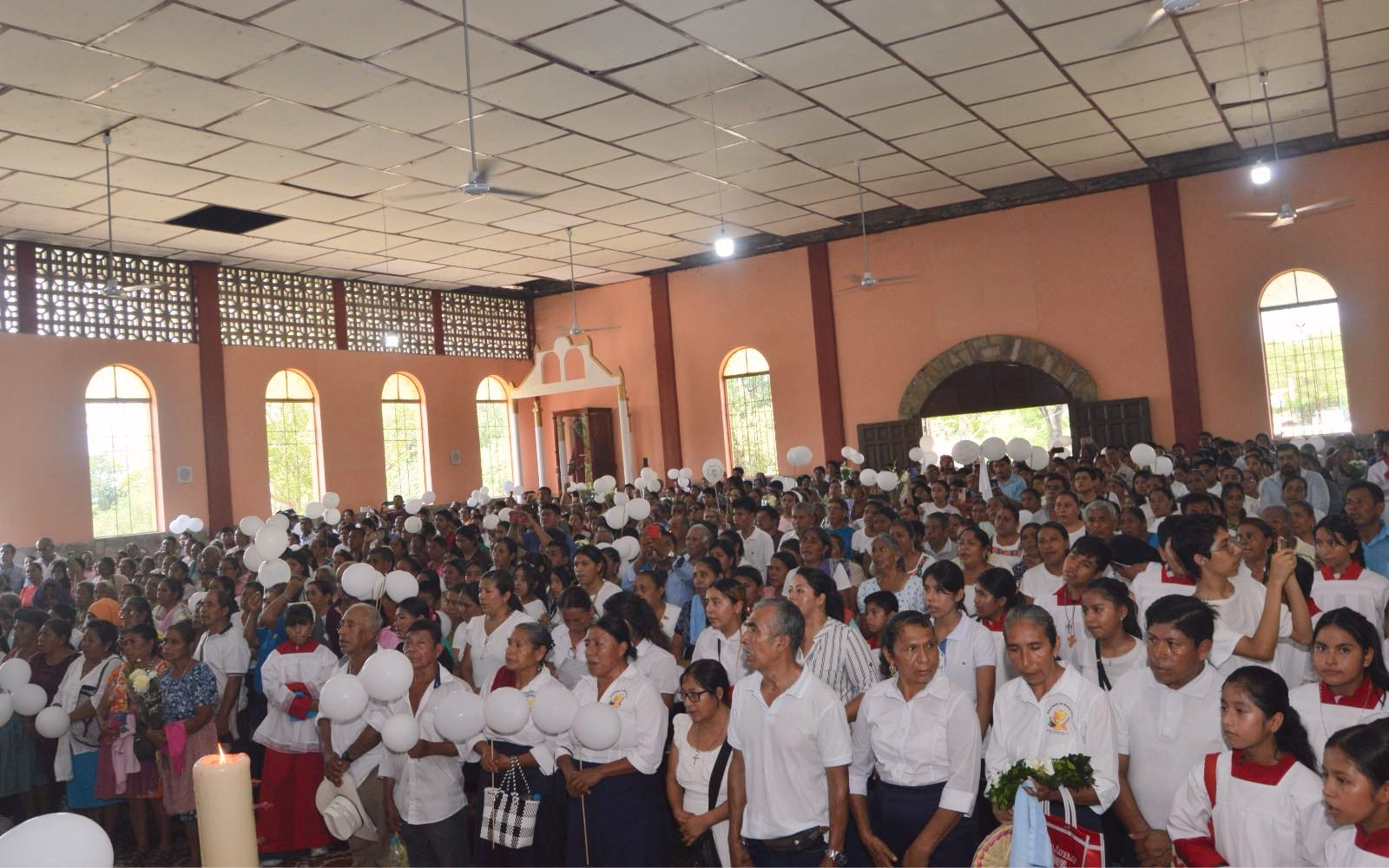
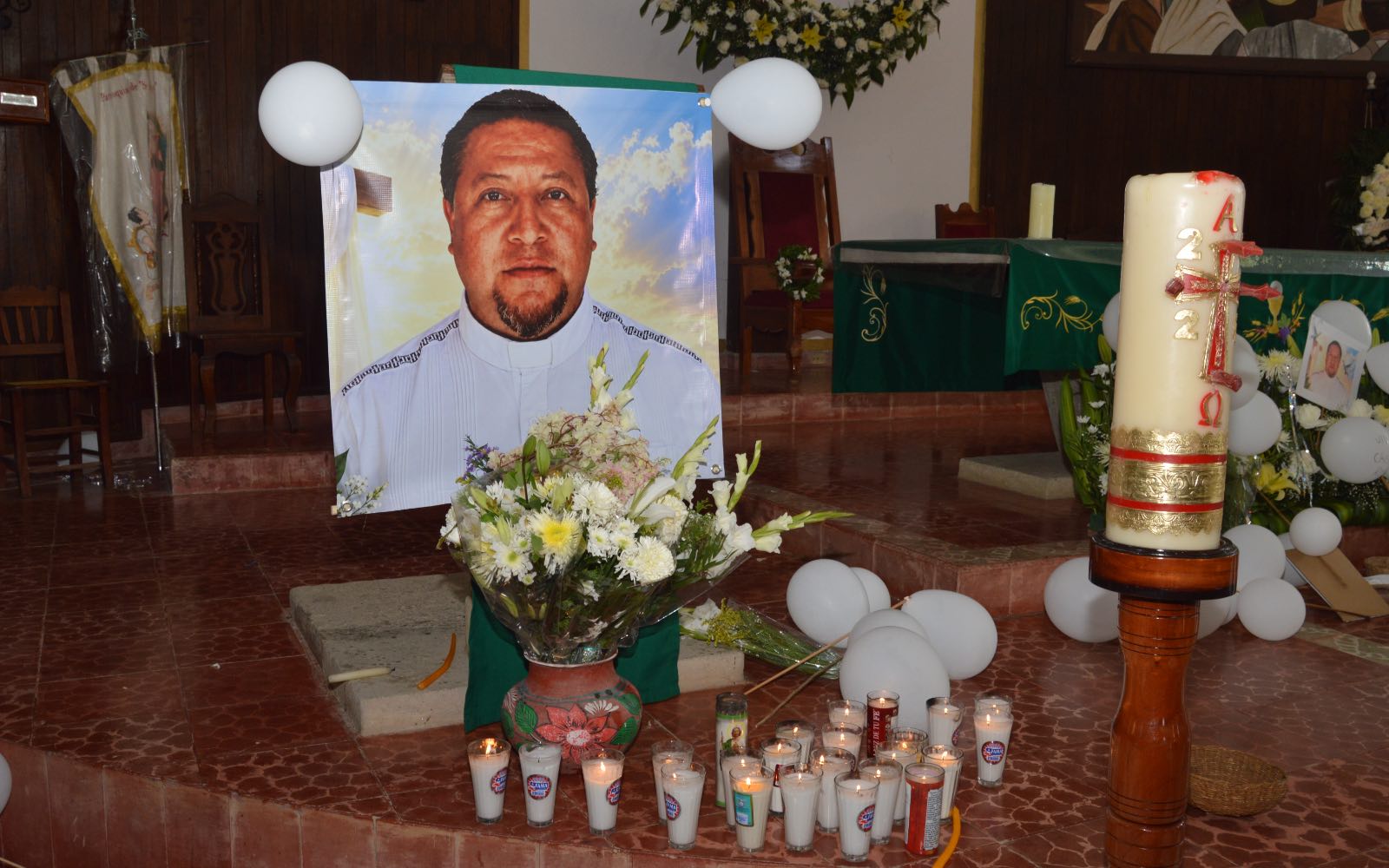
The Sept. 15 murder of Father Román de la Cruz Hernández was likely perpetrated by organized crime and is not an isolated incident but forms part of a pattern of fear and intimidation.
A reading from the Book of Proverbs
30:5-9
Every word of God is tested;
he is a shield to those who take refuge in him.
Add nothing to his words,
lest he reprove you, and you will be exposed as a deceiver.
Two things I ask of you,
deny them not to me before I die:
Put falsehood and lying far from me,
give me neither poverty nor riches;
provide me only with the food I need;
Lest, being full, I deny you,
saying, "Who is the LORD?"
Or, being in want, I steal,
and profane the name of my God.
From the Gospel according to Luke
9:1-6
Jesus summoned the Twelve and gave them power and authority
over all demons and to cure diseases,
and he sent them to proclaim the Kingdom of God
and to heal the sick.
He said to them, "Take nothing for the journey,
neither walking stick, nor sack, nor food, nor money,
and let no one take a second tunic.
Whatever house you enter, stay there and leave from there.
And as for those who do not welcome you,
when you leave that town,
shake the dust from your feet in testimony against them."
Then they set out and went from village to village
proclaiming the Good News and curing diseases everywhere.
There is no going without staying : before sending the disciples forth on mission, Christ — the Gospel says — “calls them to himself” (cf. Mt 10:1). The proclamation is born from the encounter with the Lord; every Christian activity, especially the mission, begins from there. Not from what is learnt in an academy. No, no! It begins from the encounter with the Lord. Witnessing him, in fact, means radiating him; but, if we do not receive his light, we will be extinguished; if we do not spend time with him, we will bear ourselves instead of him — I am bringing myself and not him — and it will all be in vain. So only those who remain with him can bring the Gospel of Jesus. Anyone who does not remain with him cannot bear the Gospel. He will bring ideas, but not the Gospel. Equally, however, there is no staying without going. In fact, following Christ is not an inward-looking fact: without proclamation, without service, without mission, the relationship with Jesus does not grow. (…) In other words: we have a gift, so we are called to make a gift of ourselves; we have received a gift and our vocation is to make a gift of ourselves to others; there is in us the joy of being children of God, it must be shared with our brothers and sisters who do not yet know it! This is the reason for the proclamation. Going forth and bringing the joy of what we have received. (…) This is how one should proclaim: by showing Jesus rather than talking about Jesus. And how do we show Jesus? With our witness. (Pope Francis, General Audience, 15 February 2023)
Read More![Venerable Fulton Sheen’s powerful messages still resonate with audiences #Catholic – If he were alive today, Venerable Archbishop Fulton J. Sheen might be lighting up social media — like TikTok, Facebook, and X — with his simple, engaging lessons and stories about how to live a fulfilling life in Christ.
Matthew E. Bunson, vice president and editorial director of EWTNNews, said that Venerable Sheen, one of the 20th Century’s most influential Catholic evangelists, would already have attracted “millions of followers” on digital platforms by now. On the night of Sept. 16, Bunson made that assertion during his talk, “The Life and Beatification of Archbishop Fulton Sheen,” at St. Thomas More Church in the Convent Station neighborhood of Morris Township, N.J.
The well-attended presentation in Morris County occurred less than a week before Venerable Sheen is beatified this Thursday, Sept. 24, at a Mass at The Dome at America’s Center in St. Louis, Mo. At that time, he will be designated as “blessed.” During his life, the nationally known TV and radio evangelist, author, and speaker traveled from his New York City residence to the Paterson Diocese, N.J., many times to give presentations and visit family and friends.
Fulton J. Sheen’s family overjoyed about his beatification
Long before digital media, Venerable Sheen transformed religious communications. Starting in the 1930s, he rose to fame, touching the lives of millions with the Catholic Hour radio show and, even more lives in the 1950s, with his popular TV program, Life is Worth Living. He also authored 73 books and countless pamphlets and essays explaining how the tenets of the Catholic faith enrich lives.
“The archbishop’s magnetic personality and presentations quickly drew an estimated 30 million viewers each week [to the TV show]. Jews, Protestants, Catholics and skeptics tuned in, quickly making him a household name,” Bunson said. The archbishop often beat his TV competitors on Sunday nights using little more than his engaging presentation, direct and into the camera, a corny joke, and writings on a chalkboard, he said. “It shows us [Catholic evangelizers] how to speak truth with clarity and charity. He possessed a variability to explain profound truths in language ordinary people could understand,” Bunson said.
Even today, Venerable Sheen reminds Catholics that no matter their walk of life, they are all called to be evangelists of the Gospel and to become saints, said Bunson, also a prominent Catholic historian, author, and theologian. In the modern age, Venerable Sheen has cultivated a huge following among Gen Z, he said.
Venerable Sheen’s “dramatic gestures or actual illustrations, and stories, were not entertainment for their own sake.” Instead, they were tools placed in the service of God’s truth, not to make himself famous. In accepting his Emmy award in 1952, he quipped, “I feel it is time I pay tribute to my four writers — Matthew, Mark, Luke and John,” Bunson said.
“The archbishop understood that people are not searching for theories. They’re searching for meaning, forgiveness, truth, love, mercy, and hope. Christianity answers that search to a person,” said Bunson, adding Venerable Sheen spoke about the beauty of life and faith as well as the demands of the Gospel. “He challenged people to examine their consciousness and warned against materialism, pride, sexual immorality, indifference, resentment, and worship of social. The archbishop reminded his listeners that a person can gain the whole world and still lose their soul,” he said.
Venerable Sheen also staunchly promoted the pro-life cause long before legalized abortion and was a prophet of the Eucharistic revival. He also taught at Catholic University of America in Washington, D.C., was national director of the Society of the Propagation of the Faith, and served as bishop of Rochester, N.Y. He died in 1979 at 84.
The New Jersey Area Order of Malta, a lay religious order of the Church that seeks to glorify God through work with the sick and the poor and witness of the Catholic faith, sponsored the presentation. Christine Myers of the Order of Malta served as master of ceremonies. Bishop Kevin J. Sweeney and members of Venerable Sheen’s family attended.
After Bunson’s talk, the bishop told the crowd, “Thank God for Archbishop Sheen’s ministry, and we look forward to his beatification next Thursday.”
In his presentation, Bunson said, “The archbishop reminds us that the salvation of souls must remain our priority. Evangelization, however, can also take place through a microphone, television camera, classroom, a newspaper, conversation, in an ordinary home, or anyone who lives,” Bunson said.
BEACON PHOTOS | MATTHEW GIGLI
[See image gallery at beaconnj.org]
Click here to subscribe to our weekly newsletter.](https://unitedyam.com/wp-content/uploads/2026/09/venerable-fulton-sheens-powerful-messages-still-resonate-with-audiences-catholic-if-he-were-alive-today-venerable-archbishop-fulton-j-sheen-might-be-lighting-up-social-media-li.jpg "Venerable Fulton Sheen’s powerful messages still resonate with audiences #Catholic – If he were alive today, Venerable Archbishop Fulton J. Sheen might be lighting up social media — like TikTok, Facebook, and X — with his simple, engaging lessons and stories about how to live a fulfilling life in Christ.
Matthew E. Bunson, vice president and editorial director of EWTNNews, said that Venerable Sheen, one of the 20th Century’s most influential Catholic evangelists, would already have attracted “millions of followers” on digital platforms by now. On the night of Sept. 16, Bunson made that assertion during his talk, “The Life and Beatification of Archbishop Fulton Sheen,” at St. Thomas More Church in the Convent Station neighborhood of Morris Township, N.J.
The well-attended presentation in Morris County occurred less than a week before Venerable Sheen is beatified this Thursday, Sept. 24, at a Mass at The Dome at America’s Center in St. Louis, Mo. At that time, he will be designated as “blessed.” During his life, the nationally known TV and radio evangelist, author, and speaker traveled from his New York City residence to the Paterson Diocese, N.J., many times to give presentations and visit family and friends.
Fulton J. Sheen’s family overjoyed about his beatification
Long before digital media, Venerable Sheen transformed religious communications. Starting in the 1930s, he rose to fame, touching the lives of millions with the Catholic Hour radio show and, even more lives in the 1950s, with his popular TV program, Life is Worth Living. He also authored 73 books and countless pamphlets and essays explaining how the tenets of the Catholic faith enrich lives.
“The archbishop’s magnetic personality and presentations quickly drew an estimated 30 million viewers each week [to the TV show]. Jews, Protestants, Catholics and skeptics tuned in, quickly making him a household name,” Bunson said. The archbishop often beat his TV competitors on Sunday nights using little more than his engaging presentation, direct and into the camera, a corny joke, and writings on a chalkboard, he said. “It shows us [Catholic evangelizers] how to speak truth with clarity and charity. He possessed a variability to explain profound truths in language ordinary people could understand,” Bunson said.
Even today, Venerable Sheen reminds Catholics that no matter their walk of life, they are all called to be evangelists of the Gospel and to become saints, said Bunson, also a prominent Catholic historian, author, and theologian. In the modern age, Venerable Sheen has cultivated a huge following among Gen Z, he said.
Venerable Sheen’s “dramatic gestures or actual illustrations, and stories, were not entertainment for their own sake.” Instead, they were tools placed in the service of God’s truth, not to make himself famous. In accepting his Emmy award in 1952, he quipped, “I feel it is time I pay tribute to my four writers — Matthew, Mark, Luke and John,” Bunson said.
“The archbishop understood that people are not searching for theories. They’re searching for meaning, forgiveness, truth, love, mercy, and hope. Christianity answers that search to a person,” said Bunson, adding Venerable Sheen spoke about the beauty of life and faith as well as the demands of the Gospel. “He challenged people to examine their consciousness and warned against materialism, pride, sexual immorality, indifference, resentment, and worship of social. The archbishop reminded his listeners that a person can gain the whole world and still lose their soul,” he said.
Venerable Sheen also staunchly promoted the pro-life cause long before legalized abortion and was a prophet of the Eucharistic revival. He also taught at Catholic University of America in Washington, D.C., was national director of the Society of the Propagation of the Faith, and served as bishop of Rochester, N.Y. He died in 1979 at 84.
The New Jersey Area Order of Malta, a lay religious order of the Church that seeks to glorify God through work with the sick and the poor and witness of the Catholic faith, sponsored the presentation. Christine Myers of the Order of Malta served as master of ceremonies. Bishop Kevin J. Sweeney and members of Venerable Sheen’s family attended.
After Bunson’s talk, the bishop told the crowd, “Thank God for Archbishop Sheen’s ministry, and we look forward to his beatification next Thursday.”
In his presentation, Bunson said, “The archbishop reminds us that the salvation of souls must remain our priority. Evangelization, however, can also take place through a microphone, television camera, classroom, a newspaper, conversation, in an ordinary home, or anyone who lives,” Bunson said.
BEACON PHOTOS | MATTHEW GIGLI
[See image gallery at beaconnj.org]
Click here to subscribe to our weekly newsletter.")
Venerable Fulton Sheen’s powerful messages still resonate with audiences #Catholic – 
If he were alive today, Venerable Archbishop Fulton J. Sheen might be lighting up social media — like TikTok, Facebook, and X — with his simple, engaging lessons and stories about how to live a fulfilling life in Christ.
Matthew E. Bunson, vice president and editorial director of EWTNNews, said that Venerable Sheen, one of the 20th Century’s most influential Catholic evangelists, would already have attracted “millions of followers” on digital platforms by now. On the night of Sept. 16, Bunson made that assertion during his talk, “The Life and Beatification of Archbishop Fulton Sheen,” at St. Thomas More Church in the Convent Station neighborhood of Morris Township, N.J.
The well-attended presentation in Morris County occurred less than a week before Venerable Sheen is beatified this Thursday, Sept. 24, at a Mass at The Dome at America’s Center in St. Louis, Mo. At that time, he will be designated as “blessed.” During his life, the nationally known TV and radio evangelist, author, and speaker traveled from his New York City residence to the Paterson Diocese, N.J., many times to give presentations and visit family and friends.
Fulton J. Sheen’s family overjoyed about his beatification
Long before digital media, Venerable Sheen transformed religious communications. Starting in the 1930s, he rose to fame, touching the lives of millions with the Catholic Hour radio show and, even more lives in the 1950s, with his popular TV program, Life is Worth Living. He also authored 73 books and countless pamphlets and essays explaining how the tenets of the Catholic faith enrich lives.
“The archbishop’s magnetic personality and presentations quickly drew an estimated 30 million viewers each week [to the TV show]. Jews, Protestants, Catholics and skeptics tuned in, quickly making him a household name,” Bunson said. The archbishop often beat his TV competitors on Sunday nights using little more than his engaging presentation, direct and into the camera, a corny joke, and writings on a chalkboard, he said. “It shows us [Catholic evangelizers] how to speak truth with clarity and charity. He possessed a variability to explain profound truths in language ordinary people could understand,” Bunson said.
Even today, Venerable Sheen reminds Catholics that no matter their walk of life, they are all called to be evangelists of the Gospel and to become saints, said Bunson, also a prominent Catholic historian, author, and theologian. In the modern age, Venerable Sheen has cultivated a huge following among Gen Z, he said.
Venerable Sheen’s “dramatic gestures or actual illustrations, and stories, were not entertainment for their own sake.” Instead, they were tools placed in the service of God’s truth, not to make himself famous. In accepting his Emmy award in 1952, he quipped, “I feel it is time I pay tribute to my four writers — Matthew, Mark, Luke and John,” Bunson said.
“The archbishop understood that people are not searching for theories. They’re searching for meaning, forgiveness, truth, love, mercy, and hope. Christianity answers that search to a person,” said Bunson, adding Venerable Sheen spoke about the beauty of life and faith as well as the demands of the Gospel. “He challenged people to examine their consciousness and warned against materialism, pride, sexual immorality, indifference, resentment, and worship of social. The archbishop reminded his listeners that a person can gain the whole world and still lose their soul,” he said.
Venerable Sheen also staunchly promoted the pro-life cause long before legalized abortion and was a prophet of the Eucharistic revival. He also taught at Catholic University of America in Washington, D.C., was national director of the Society of the Propagation of the Faith, and served as bishop of Rochester, N.Y. He died in 1979 at 84.
The New Jersey Area Order of Malta, a lay religious order of the Church that seeks to glorify God through work with the sick and the poor and witness of the Catholic faith, sponsored the presentation. Christine Myers of the Order of Malta served as master of ceremonies. Bishop Kevin J. Sweeney and members of Venerable Sheen’s family attended.
After Bunson’s talk, the bishop told the crowd, “Thank God for Archbishop Sheen’s ministry, and we look forward to his beatification next Thursday.”
In his presentation, Bunson said, “The archbishop reminds us that the salvation of souls must remain our priority. Evangelization, however, can also take place through a microphone, television camera, classroom, a newspaper, conversation, in an ordinary home, or anyone who lives,” Bunson said.
BEACON PHOTOS | MATTHEW GIGLI
Click here to subscribe to our weekly newsletter.
– If he were alive today, Venerable Archbishop Fulton J. Sheen might be lighting up social media — like TikTok, Facebook, and X — with his simple, engaging lessons and stories about how to live a fulfilling life in Christ. Matthew E. Bunson, vice president and editorial director of EWTNNews, said that Venerable Sheen, one of the 20th Century’s most influential Catholic evangelists, would already have attracted “millions of followers” on digital platforms by now. On the night of Sept. 16, Bunson made that assertion during his talk, “The Life and Beatification of Archbishop Fulton Sheen,” at St. Thomas More Church
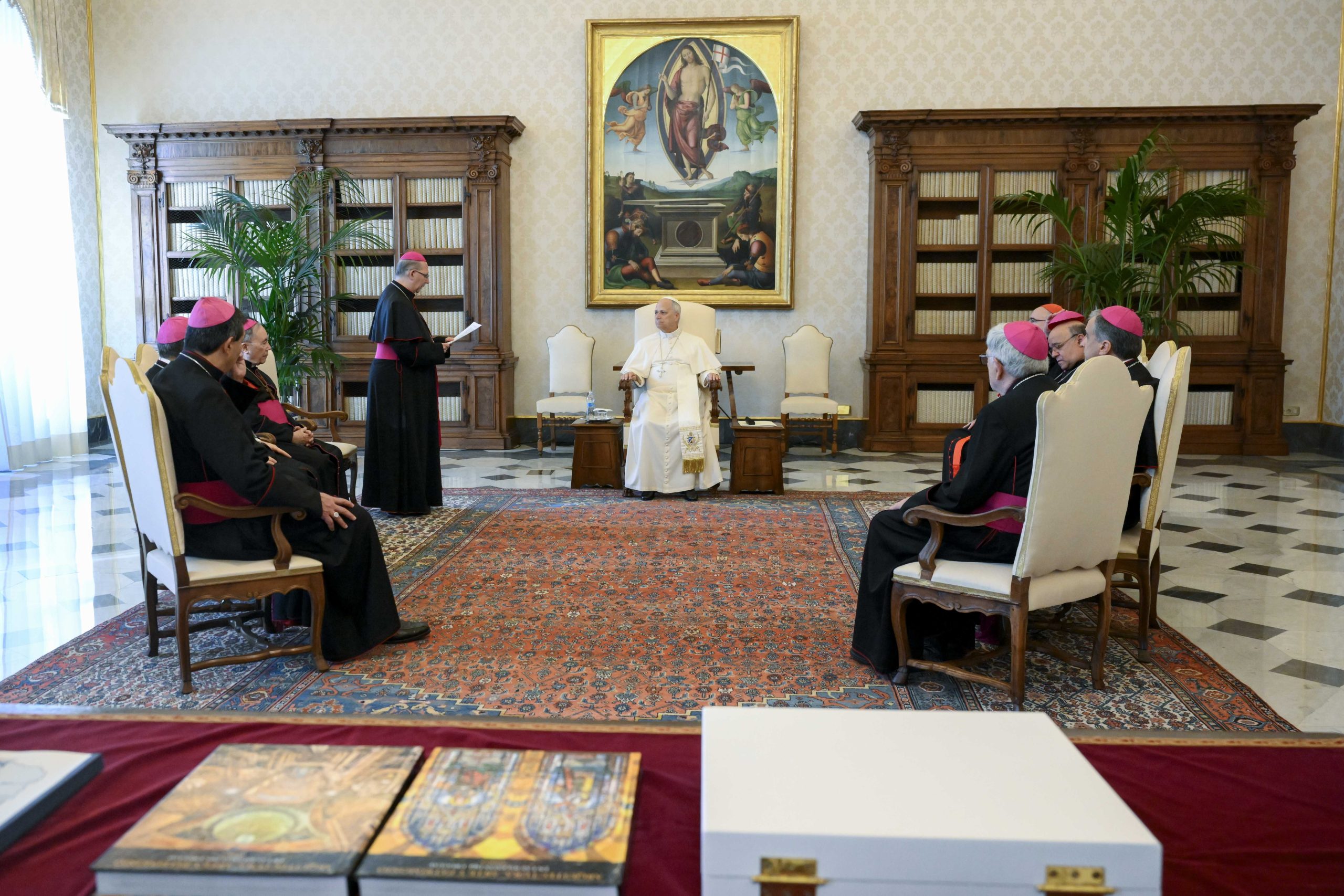
Although church attendance is low and the society is quite s quite secularized, the president of Uruguay’s bishops’ conference believes Pope Leo’s visit will give a boost to the country’s spiritual renewal.

Using NASA’s Chandra X-ray Observatory, scientists have discovered a new class of objects behaving unlike any they have seen before.
Read More
What the 112th World Day of Migrants and Refugees means for us #Catholic – 
“For this 112th World Day (of Migrants and Refugees), the theme ‘Even just one of these children,’ draws our attention to the minors directly involved in the experience of migration and flight, to the care owed them, and to the Lord’s promise that ‘whoever receives one such child in my name receives me’ (Mk. 9:37).” (From the first paragraph of Pope Leo XIV’s message. See: Message of His Holiness Pope Leo XIV for the 112th World Day of Migrants and Refugees)
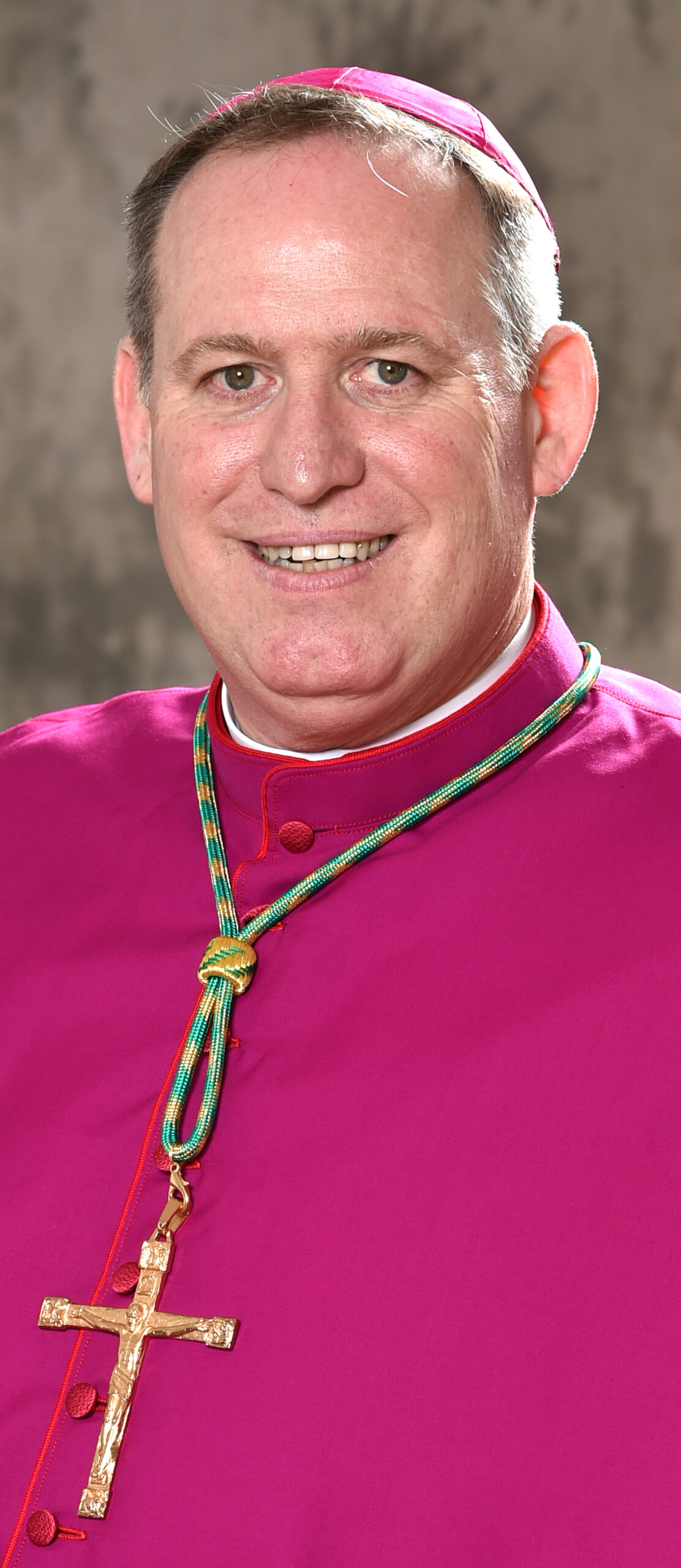
BISHOP KEVIN J. SWEENEY
I had thought that I may not be writing a column this week, because I was blessed to travel this past weekend on a brief, four-day pilgrimage to Mexico — you can see pictures, reflections, and more information here. This pilgrimage, however, gave me the opportunity to reflect on how many of our human vulnerabilities intersect with some of our present-day social difficulties and, regrettably, sometimes strife.
In my reflection these days, I noted that moving through a place that we do not know well always makes us feel a little insecure to some degree. When we appreciate that, in one way or another, we are all vulnerable in our travels, we can expand our horizons toward welcome.
In welcoming the vulnerable or the displaced, we are in the company of the Lord. The Lord’s presence is reassuring and empowering of the gifts of the Holy Spirit that enable us to remove obstacles from one another’s path so we can travel safely. These gifts we use along the way are poured forth by the Holy Spirit as the virtues of faith, hope, and charity.
Even the briefest of pilgrimages, or travel, calls to mind the image of life as a journey. While some travel is for pleasure and adventure, other kinds of travel can be anxiety-inducing, and for some, wearying.
While I do not travel often, I do so enough to witness the experience of many “frequent flyers” who are constantly in transit for work or other responsibilities that keep them on the move. There is nothing pleasurable about that kind of ceaseless trek. When a long journey is made alone, it can also enhance the feeling of weariness and sometimes lead to a sense of insecurity.
Whether the road is short or long, by God’s plan, we are on a journey through this life to the next. While in transit, so to speak, the Lord gives us the mission of caring for one another. The companions we meet on life’s journey, as on any journey, determine whether our travel is a joyful adventure or tedious crawl. Even on the most arduous journey, we can learn and pass the time more profitably when we share conversation that begins with openness to others.
This short pilgrimage of mine, which included time in Mexico City at the foot of the Tepeyac Hill, where the Blessed Virgin appeared to the simple peasant and now the first canonized saint of the Americas, Juan Diego Cuauhtlatoatzin, is a blessing. You can feel the Blessed Mother’s continuing embrace of all of her children at this Basilica Shrine of Our Lady of Guadalupe. So many feel drawn to this shrine of Our Lady because of her reassuring maternal love that leads us to her Son. The Blessed Mother encourages us to be worthy disciples of her Son. Our goal to be faithful disciples is, in itself, a journey and one never made alone.
In first reaching out to Saint Juan Diego at Tepeyac, the Virgin Mary provided yet another sign of God’s special love for the poor and the marginalized. That embrace continues. On this particular pilgrimage, we also walked in the footsteps of the Venerable Father Aloysius Schwartz, who is in the process of beatification and perhaps, one day, canonization. Father Schwartz founded the Sisters of Mary and the World Villages for Children Girlstown and Boystown and other orphanages for children who have no place to call “home.” Girlstowns and Boystowns provide places of safety and joy for so many boys and girls who have no safety net in life.
A few days before I left for the pilgrimage, one of our priests sent me some information on the upcoming (Sunday, Sept. 27) 112th World Day for Migrants and Refugees. I guess I had “missed” a notification, especially from the USCCB. The priest also shared information from the United States Conference of Catholic Bishops (USCCB) about the 45th annual “National Migration Week,” sponsored by the Church in the United States, which will already have started but hopefully not finished by the time you are reading this.
For more information, see: National Migration Week to Focus on the Presence of Christ within Each Migrant Child. Very often, we can get lost in statistics when we discuss complex issues like immigration. The message of the Virgin Mary at Tepeyac and the example of Father Schwartz highlight our need to approach one another as companions on this life’s journey. In this way, we are more likely to open our hearts to understanding by seeking solutions that are durable, humane, and welcoming. When we welcome the poor and vulnerable with a generous response, we are embracing the Lord himself.
Pilgrims know that their destinations in this world are never final. We are “citizens of heaven” (Philippians 3:20). Our human condition means that each one of us is vulnerable along the way. The example of the Blessed Mother, who said to Saint Juan Diego, “Am I not here, I, who am your Mother?” is a challenge to us all to have the courage to magnify the power of God’s presence through our love for one another.
The concrete acts of mercy by the Venerable Father Aloysius Schwartz demonstrate what a vision based on the absolute dignity of the human person, especially children, can produce: compassion and love multiplied by the power of God’s grace.
What can we do to help obtain dignity and safety for those involved in the tumultuous process of migration? First, we can pray for migrants and refugees themselves and pray for just laws and policies that reflect human dignity and love founded on justice. We can also welcome the stranger where and when we can. Recalling that we are all passing through this world, we can commit to making our shared journey more peaceful through care, compassion, and generous hospitality born of the Holy Spirit who dwells in our hearts.
Reminding us that in welcoming the stranger, we welcome Christ, our Holy Father, Pope Leo XIV exhorts us to open our hearts to vulnerable migrants and refugees so we are witnesses to the divine truth of our faith that “love can overcome indifference.” In recognizing this special week dedicated to Migrants and Refugees, we recommit ourselves to our commitment to make room on our own journeys for the displaced and vulnerable.
Click here to subscribe to our weekly newsletter.
– “For this 112th World Day (of Migrants and Refugees), the theme ‘Even just one of these children,’ draws our attention to the minors directly involved in the experience of migration and flight, to the care owed them, and to the Lord’s promise that ‘whoever receives one such child in my name receives me’ (Mk. 9:37).” (From the first paragraph of Pope Leo XIV’s message. See: Message of His Holiness Pope Leo XIV for the 112th World Day of Migrants and Refugees) BISHOP KEVIN J. SWEENEY I had thought that I may not be writing a column this week, because I
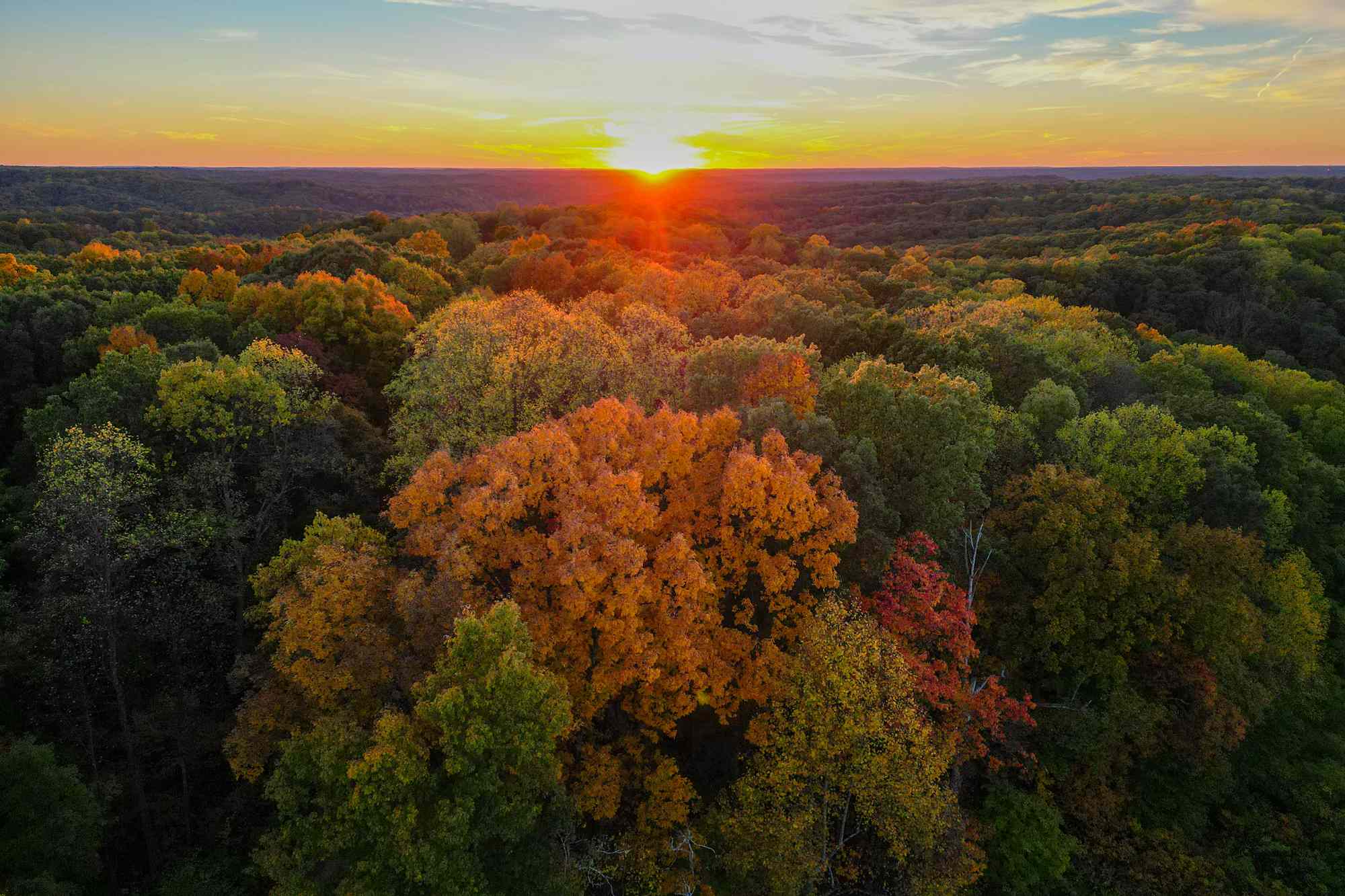
Hikers, horseback riders, and leaf peepers will want to move Indiana’s Brown County State Park to the top of their must-visit list.
:max_bytes(150000):strip_icc():format(jpeg)/TAL-lead-image-BROWNCOSP1125-b462aab0de3c42dda90aee46b8fc022d.jpg)
![Pope Leo XIV, in France, will bring Catholic social teaching to a secular Europe – #Catholic – Pope Leo XIV flies to France on Friday, where across four days in three cities he will proclaim Catholic teaching to the heart of secular Europe on matters that include end-of-life questions, immigration, and artificial intelligence.The visit “will truly be a moment in which Leo’s project of making the Church’s social doctrine better known can take shape,” said Father Patrick Valdrini, a former rector of the Institut Catholique de Paris.France is statistically more secular than it was in 2008, when Pope Benedict XVI made a pastoral visit to the country. The latest data on religious identity in France, in 2019-2020, found that 51% of adults in France say they have no religious affiliation, an 8% increase from a decade before. While 29% of the population identifies as Catholic, the survey found only 8% say they go to Church regularly, according to the Institut National D’Etudes Démographiques.Yet according to Cyprien Viet, a journalist with the French agency I.Media, the country has become more open to Catholicism in recent years. The reasons for this shift include sympathy for Christianity following attacks on churches and the 2016 killing by Islamist terrorists of Father Jacques Hamel, enhanced appreciation for France’s Christian heritage after the 2019 burning of Notre-Dame Cathedral, and gratitude for the Church’s charitable service during the COVID-19 pandemic.More recently, “Pope Leo’s encyclical on artificial intelligence [Magnifica Humanitas] has had a fairly strong impact in France, and people recognize that there is a need to explore these issues more deeply. The pope is helping greatly in providing points of reference,” Viet said.The challenge of laïcitéDuring his Sept. 25–28 visits to Paris, Lourdes, and Metz, Leo’s approach to sharing the Catholic Church’s teaching on political and social issues will draw wide attention, not least because of France’s tradition of “laïcité,” a strict legal separation of Church and state.This policy has always involved a certain distrust, even hostility, toward the idea that faith can contribute something good to society, Valdrini said.“The concept of ‘laïcité’ emerged especially during the French Revolution, rooted in the view that religion hinders freedom and reason, that it is something burdensome rather than liberating,” he said.Among the most sensitive issues that the pope is expected to address are end-of-life questions. France legalized assisted suicide and euthanasia this summer, becoming the fifth European country to do so after Belgium, the Netherlands, Luxembourg, and Spain. In addition, Switzerland and Austria permit assisted suicide. Euthanasia is the intentional ending of a person’s life to relieve suffering. It differs from assisted dying, in which the patient takes life-ending drugs himself, under a physician’s guidance. Both practices are prohibited by Catholic teaching.
Francis X. Rocca, Vatican editor of EWTN News, interviews Charles Personnaz, French ambassador to the Holy See, at his offices in Rome on Sept. 10, 2026. | Credit: Daniel Ibanez/EWTN News
Charles Personnaz, France’s ambassador to the Holy See, says he expects the pope to speak out on the issue but to leave the political debate to the French bishops, who were already outspoken in their vigorous condemnation of the euthanasia bill before it passed in July.“I think the pope will certainly repeat what is the Catholic doctrine: the preservation of life from the beginning to … the natural end,” the ambassador said. “But he will also leave to … the French Catholic Church the debate with the political parties in France and the institutions. That is the subsidiarity that is at the heart of Catholic doctrine as well.”A message about human dignityOn a visit to the Sanctuary of Our Lady of Lourdes, Pope Leo is expected to deliver a message about the inherent dignity of every human person, even when suffering from illness or disability.Meeting and praying with the sick and vulnerable at one of the most visited Catholic shrines in the world, the Holy Father will give a concrete sign of faith in the value of every human life.At the shrine he will also meet privately with victims of abuse in the Catholic Church in France and with the country’s bishops.
The Massabielle Grotto in Lourdes, France. | Credit: Christian Pablo Inglize/Shutterstock
Leo is expected to address the global challenges posed by artificial intelligence when he speaks at the headquarters of UNESCO, the United Nations Educational, Scientific, and Cultural Organization, in Paris on Sept. 25. On his last day, he will reflect on interreligious dialogue and the future of Europe at meetings in Metz.The pope’s visit to a migrant integration center run by the Archdiocese of Paris will touch on one of the most volatile political issues in Europe and beyond, and one closely tied to next year’s presidential election in France, in which the anti-immigration politician Marine Le Pen is the current frontrunner.Personnaz said he expects the pope’s comments on immigration to be well received, calling the pontiff’s previous statements on the topic “very balanced” with a focus on the responsibility of nations to help people stay in their homeland.State visit or apostolic journey?Pope Francis visited France three times during his pontificate, but Leo will be making the first state visit by a pope to France since Benedict XVI’s apostolic journey in 2008.The French Catholic newspaper La Croix has reported that the Holy See has refused some requests by the government, including a proposal that President Emmanuel Macron accompany the pontiff into Notre-Dame Cathedral for a prayer service on Sept. 25. The Holy See Press Office and the Élysée Palace, the official residence and office of the French president, did not respond to requests for comment on the report.
Notre-Dame Cathedral in Paris. | Credit: Mistervlad/Shutterstock
According to Valdrini, Leo is following in the tradition of St. Paul VI, who sought to emphasize the pastoral character of his travel — the visit to a local Church by the successor of Peter — rather than his role as a head of state.“It will still be a state visit, and there will be official ceremonies, but it is clear that the pope wanted to emphasize, as previous popes did, this [apostolic] dimension of the journey,” Valdrini said.Catholicism growsDespite a lack of religious practice in France, enthusiasm for Pope Leo’s visit is high, as demonstrated by the response to his events with the public in France’s capital.Adolescents and young adults have snapped up tickets for a prayer vigil in the 81,000-seat Stade de France and an open-air Mass in Place de la Concorde. Paris’ largest public square may draw some of the biggest crowds of his pontificate thus far, with 600,000 people expected to fill the square and a nearly two-mile stretch of avenue connecting to the Arc de Triomphe. This enthusiasm is also reflected in an atypical outpouring of donations to the dioceses to cover organizational costs.Leo will address France’s Catholics at a critical juncture in their history, as they welcome rising numbers of converts. He is likely to encourage the nation traditionally known as “the eldest daughter of the Church” to rediscover her Catholic roots.This Easter, France recorded more than 20,000 adult and adolescent baptisms, a 20% increase from the already record-high number in 2025, which saw a 45% increase from 2024 figures.The phenomenon has prompted the bishops of Île de France, the ecclesiastical region that includes the Archdiocese of Paris, to convene a special council on how to respond to the huge influx of Catholic converts.“Today people have not inherited their faith … and so they are kind of ignorant about the Catholic heritage,” Personnaz said. “But when they discover it, they have no prejudices about it. And in a world where the youth are searching for a sense to [their] life, the Catholic proposal remains very interesting.”Francis X. Rocca and Victoria Cardiel contributed to this report.](https://unitedyam.com/wp-content/uploads/2026/09/pope-leo-xiv-in-france-will-bring-catholic-social-teaching-to-a-secular-europe-catholic-pope-leo-xiv-flies-to-france-on-friday-where-across-four-days-in-three-cities-he-will-proclaim-catholic.webp "Pope Leo XIV, in France, will bring Catholic social teaching to a secular Europe – #Catholic – Pope Leo XIV flies to France on Friday, where across four days in three cities he will proclaim Catholic teaching to the heart of secular Europe on matters that include end-of-life questions, immigration, and artificial intelligence.The visit “will truly be a moment in which Leo’s project of making the Church’s social doctrine better known can take shape,” said Father Patrick Valdrini, a former rector of the Institut Catholique de Paris.France is statistically more secular than it was in 2008, when Pope Benedict XVI made a pastoral visit to the country. The latest data on religious identity in France, in 2019-2020, found that 51% of adults in France say they have no religious affiliation, an 8% increase from a decade before. While 29% of the population identifies as Catholic, the survey found only 8% say they go to Church regularly, according to the Institut National D’Etudes Démographiques.Yet according to Cyprien Viet, a journalist with the French agency I.Media, the country has become more open to Catholicism in recent years. The reasons for this shift include sympathy for Christianity following attacks on churches and the 2016 killing by Islamist terrorists of Father Jacques Hamel, enhanced appreciation for France’s Christian heritage after the 2019 burning of Notre-Dame Cathedral, and gratitude for the Church’s charitable service during the COVID-19 pandemic.More recently, “Pope Leo’s encyclical on artificial intelligence [Magnifica Humanitas] has had a fairly strong impact in France, and people recognize that there is a need to explore these issues more deeply. The pope is helping greatly in providing points of reference,” Viet said.The challenge of laïcitéDuring his Sept. 25–28 visits to Paris, Lourdes, and Metz, Leo’s approach to sharing the Catholic Church’s teaching on political and social issues will draw wide attention, not least because of France’s tradition of “laïcité,” a strict legal separation of Church and state.This policy has always involved a certain distrust, even hostility, toward the idea that faith can contribute something good to society, Valdrini said.“The concept of ‘laïcité’ emerged especially during the French Revolution, rooted in the view that religion hinders freedom and reason, that it is something burdensome rather than liberating,” he said.Among the most sensitive issues that the pope is expected to address are end-of-life questions. France legalized assisted suicide and euthanasia this summer, becoming the fifth European country to do so after Belgium, the Netherlands, Luxembourg, and Spain. In addition, Switzerland and Austria permit assisted suicide. Euthanasia is the intentional ending of a person’s life to relieve suffering. It differs from assisted dying, in which the patient takes life-ending drugs himself, under a physician’s guidance. Both practices are prohibited by Catholic teaching.
Francis X. Rocca, Vatican editor of EWTN News, interviews Charles Personnaz, French ambassador to the Holy See, at his offices in Rome on Sept. 10, 2026. | Credit: Daniel Ibanez/EWTN News
Charles Personnaz, France’s ambassador to the Holy See, says he expects the pope to speak out on the issue but to leave the political debate to the French bishops, who were already outspoken in their vigorous condemnation of the euthanasia bill before it passed in July.“I think the pope will certainly repeat what is the Catholic doctrine: the preservation of life from the beginning to … the natural end,” the ambassador said. “But he will also leave to … the French Catholic Church the debate with the political parties in France and the institutions. That is the subsidiarity that is at the heart of Catholic doctrine as well.”A message about human dignityOn a visit to the Sanctuary of Our Lady of Lourdes, Pope Leo is expected to deliver a message about the inherent dignity of every human person, even when suffering from illness or disability.Meeting and praying with the sick and vulnerable at one of the most visited Catholic shrines in the world, the Holy Father will give a concrete sign of faith in the value of every human life.At the shrine he will also meet privately with victims of abuse in the Catholic Church in France and with the country’s bishops.
The Massabielle Grotto in Lourdes, France. | Credit: Christian Pablo Inglize/Shutterstock
Leo is expected to address the global challenges posed by artificial intelligence when he speaks at the headquarters of UNESCO, the United Nations Educational, Scientific, and Cultural Organization, in Paris on Sept. 25. On his last day, he will reflect on interreligious dialogue and the future of Europe at meetings in Metz.The pope’s visit to a migrant integration center run by the Archdiocese of Paris will touch on one of the most volatile political issues in Europe and beyond, and one closely tied to next year’s presidential election in France, in which the anti-immigration politician Marine Le Pen is the current frontrunner.Personnaz said he expects the pope’s comments on immigration to be well received, calling the pontiff’s previous statements on the topic “very balanced” with a focus on the responsibility of nations to help people stay in their homeland.State visit or apostolic journey?Pope Francis visited France three times during his pontificate, but Leo will be making the first state visit by a pope to France since Benedict XVI’s apostolic journey in 2008.The French Catholic newspaper La Croix has reported that the Holy See has refused some requests by the government, including a proposal that President Emmanuel Macron accompany the pontiff into Notre-Dame Cathedral for a prayer service on Sept. 25. The Holy See Press Office and the Élysée Palace, the official residence and office of the French president, did not respond to requests for comment on the report.
Notre-Dame Cathedral in Paris. | Credit: Mistervlad/Shutterstock
According to Valdrini, Leo is following in the tradition of St. Paul VI, who sought to emphasize the pastoral character of his travel — the visit to a local Church by the successor of Peter — rather than his role as a head of state.“It will still be a state visit, and there will be official ceremonies, but it is clear that the pope wanted to emphasize, as previous popes did, this [apostolic] dimension of the journey,” Valdrini said.Catholicism growsDespite a lack of religious practice in France, enthusiasm for Pope Leo’s visit is high, as demonstrated by the response to his events with the public in France’s capital.Adolescents and young adults have snapped up tickets for a prayer vigil in the 81,000-seat Stade de France and an open-air Mass in Place de la Concorde. Paris’ largest public square may draw some of the biggest crowds of his pontificate thus far, with 600,000 people expected to fill the square and a nearly two-mile stretch of avenue connecting to the Arc de Triomphe. This enthusiasm is also reflected in an atypical outpouring of donations to the dioceses to cover organizational costs.Leo will address France’s Catholics at a critical juncture in their history, as they welcome rising numbers of converts. He is likely to encourage the nation traditionally known as “the eldest daughter of the Church” to rediscover her Catholic roots.This Easter, France recorded more than 20,000 adult and adolescent baptisms, a 20% increase from the already record-high number in 2025, which saw a 45% increase from 2024 figures.The phenomenon has prompted the bishops of Île de France, the ecclesiastical region that includes the Archdiocese of Paris, to convene a special council on how to respond to the huge influx of Catholic converts.“Today people have not inherited their faith … and so they are kind of ignorant about the Catholic heritage,” Personnaz said. “But when they discover it, they have no prejudices about it. And in a world where the youth are searching for a sense to [their] life, the Catholic proposal remains very interesting.”Francis X. Rocca and Victoria Cardiel contributed to this report.")
During his Sept. 25–28 visit to Paris, Lourdes, and Metz, Leo’s approach to sharing the Catholic Church’s teaching on political and social issues will be highly watched.
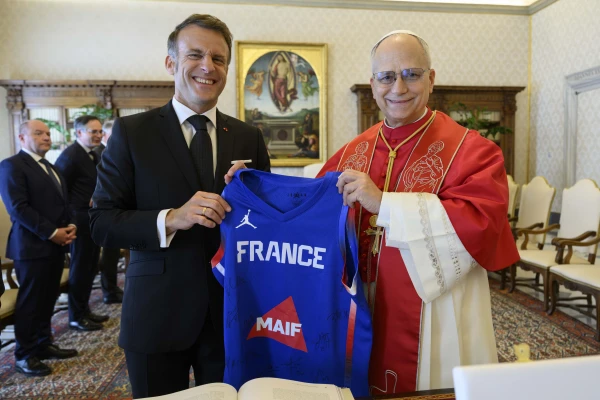
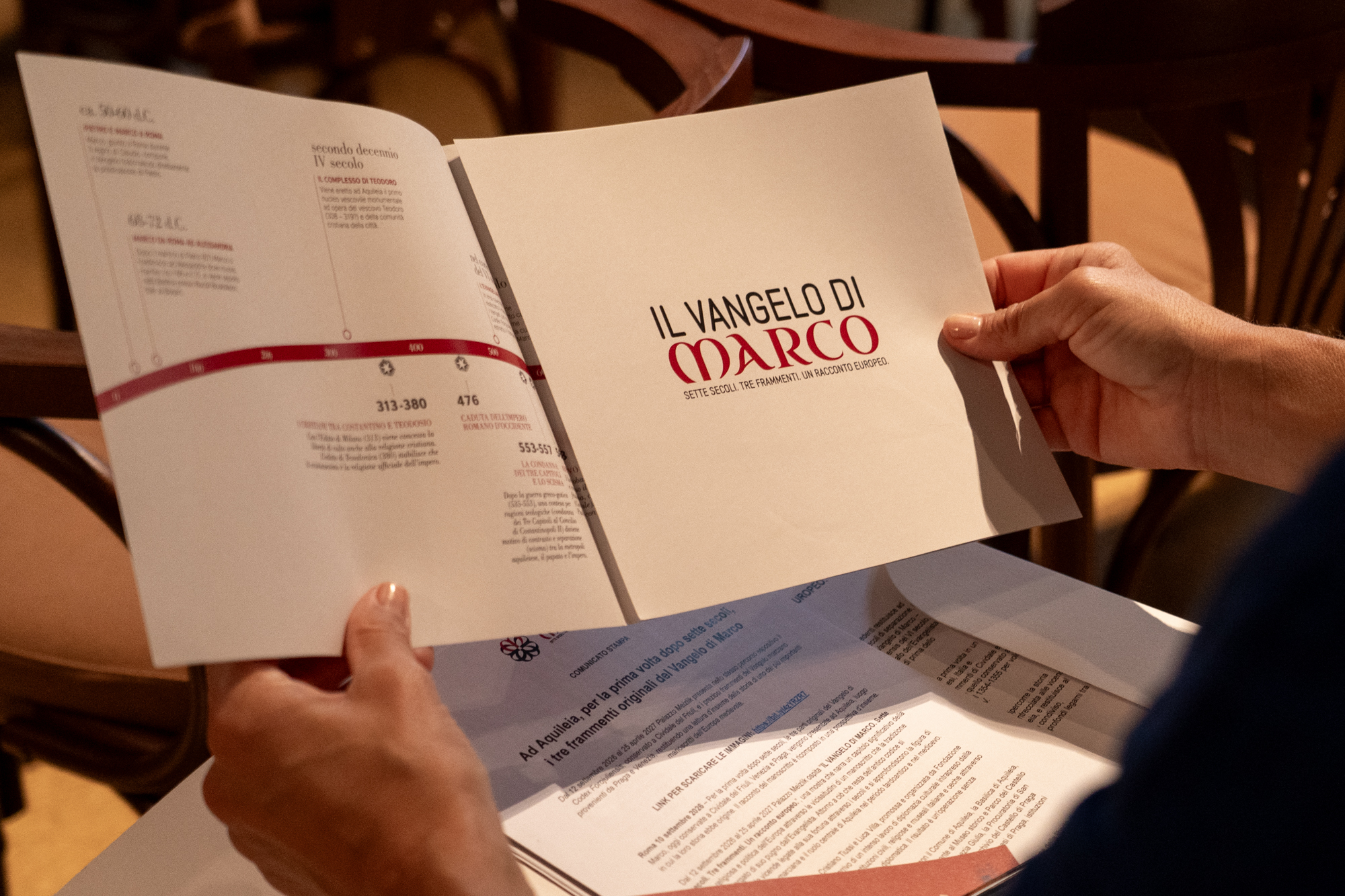
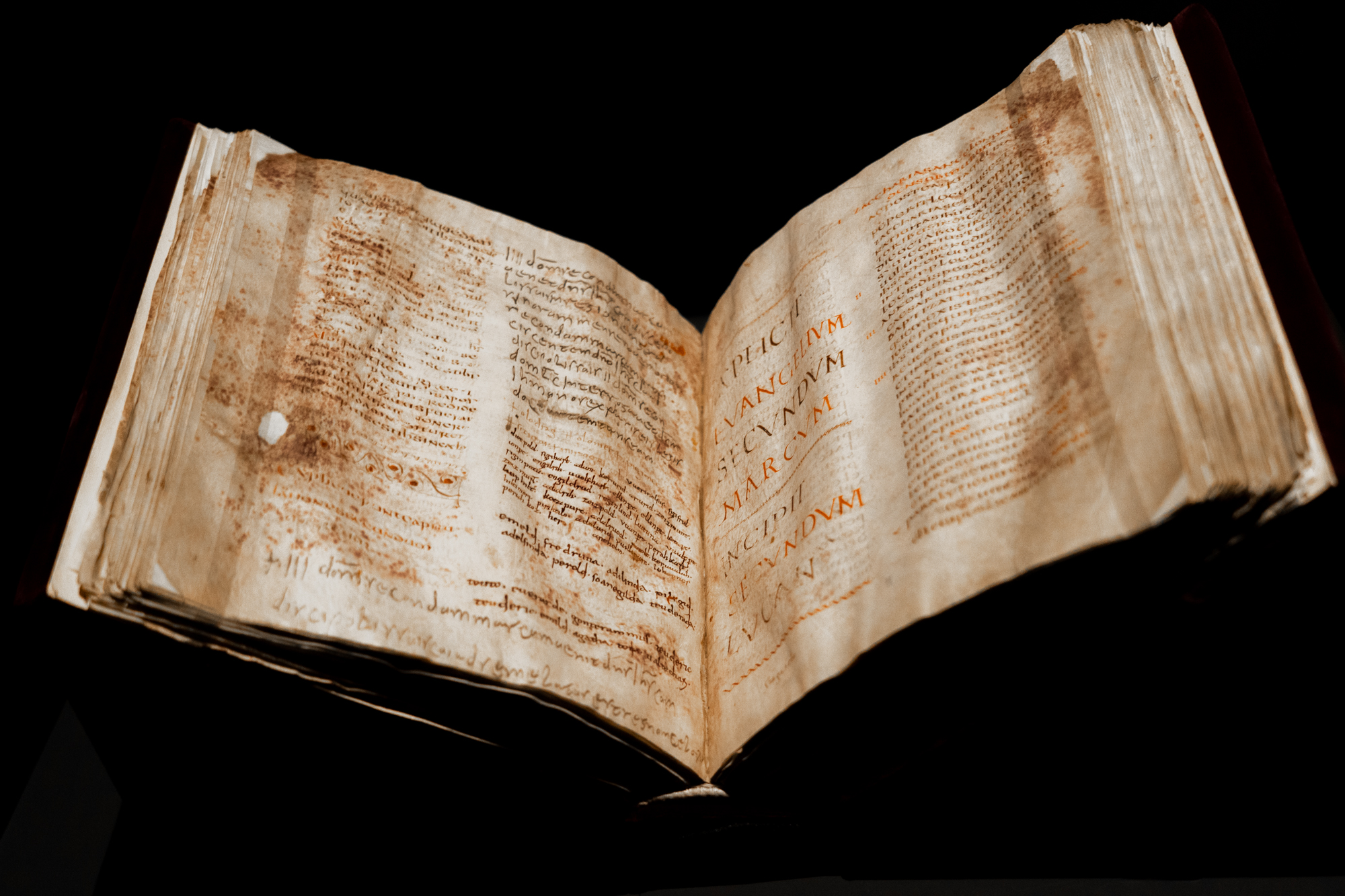
The exhibition, “The Gospel of Mark: Seven Centuries. Three Fragments. One European Story,” has made it possible to view the original sixth-century manuscripts once venerated as relics.
Riccardo Maffioli from Albizzate, Varese, Italy The Soap Bubble Nebula (PN G75.5+1.7 or PN Ju 1), a little-studied planetary nebula in Cygnus near the better-known Crescent Nebula, is the shell cast off by a dying Sun-like star. Its near-perfect sphere, roughly 4′ across was only discovered in 2008; its faintness and position against other emissionContinue reading “A bubble adrift”
The post A bubble adrift appeared first on Astronomy Magazine.
Read More