facts

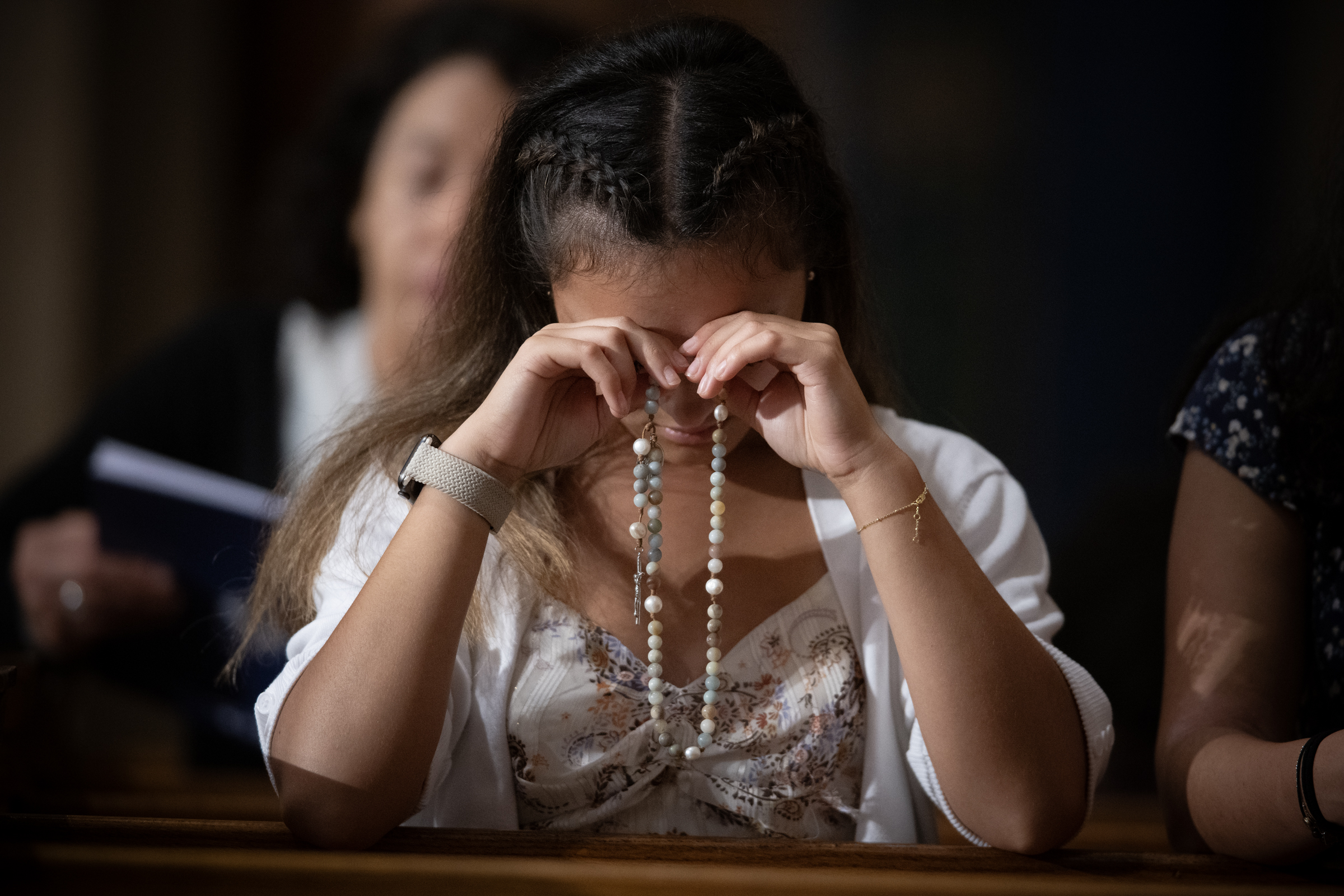
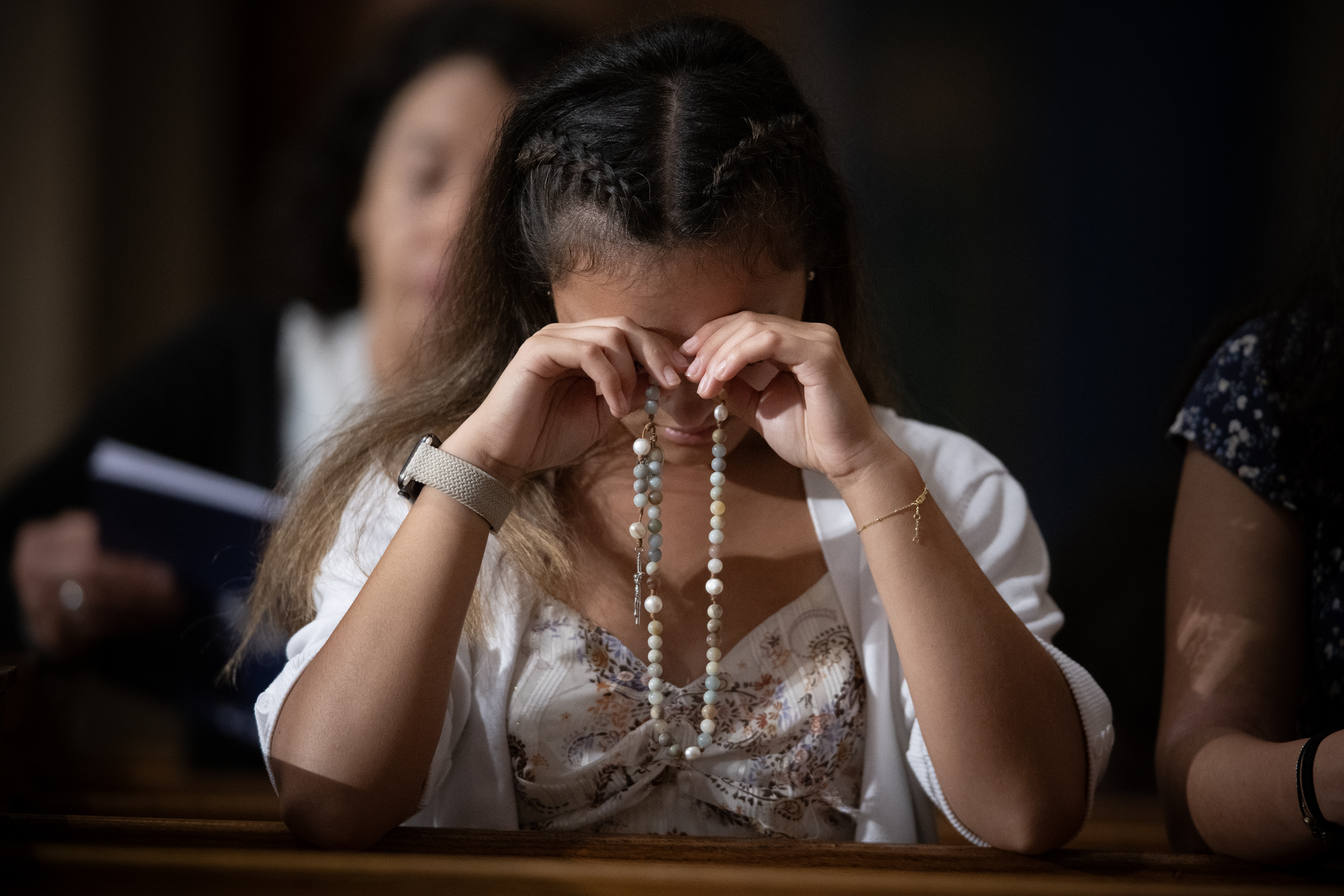
7 common myths and facts about the rosary #Catholic October is designated by the Catholic Church as the month of the rosary, and Oct. 7 is the feast of Our Lady of the Rosary.Here are seven common myths and facts about this popular devotion and  prayer:1. Only Catholics can pray the rosary.False. While rosaries are typically associated with Catholics, non-Catholics can certainly pray the rosary — and in fact, many credit it to their conversion. Even some Protestants recognize the rosary as a valid form of prayer.2. Praying the rosary is idolatry.False. Some have objections to the rosary, claiming it idolizes Mary and is overly repetitive.Just like any practice, the rosary can be abused — just as someone might idolize a particular pastor or priest, a form of worship, or fasting. But the rosary itself is not a form of idolatry.The rosary is not a prayer to Mary — it is a meditation on the life of Christ revealed in five mysteries “with the purposes of drawing the person praying deeper into reflecting on Christ’s joys, sacrifices, sufferings, and the glorious miracles of his life.”When we pray the Hail Mary, we are not adoring Mary; we are asking for her intercession — just as we might ask a friend or family member to pray for us.Second, any prayer can lose its meaning if we do not intentionally meditate on it. Focusing on the mysteries with purpose and intention is key to the rosary’s transforming power. As one author encourages: “The rosary itself stays the same, but we do not.”3. You can wear a rosary as a necklace.It depends. It is typically considered disrespectful and irreverent to wear a rosary around one’s neck as jewelry, even though the Church does not have an explicit declaration against doing so.However, Canon 1171 of the Code of Canon Law says that “sacred objects, set aside for divine worship by dedication or blessing, are to be treated with reverence. They are not to be made over to secular or inappropriate use, even though they may belong to private persons.”It is important to treat the rosary with respect and intention. If you intend to wear the rosary as a piece of jewelry, this would not be respectful and should be avoided. It goes without saying that wearing the rosary as a mockery or gang symbol would be a sin.But if it is your intention to use the rosary and be mindful of prayer, then it could be permissible. It is not uncommon in some cultures, like in Honduras and El Salvador, to see the rosary respectfully worn around the neck as a sign of devotion.Rosary rings or bracelets might be a better option if you want to keep your rosary close at hand as a reminder to pray, as they are kept more out of sight and would not be as easily misconstrued to be a piece of jewelry.4. The rosary is an extremist symbol.False. Back in 2022, a widely-shared Atlantic article went viral for accusing the rosary of being an “extremist symbol.”“Just as the AR-15 rifle has become a sacred object for Christian nationalists in general, the rosary has acquired a militaristic meaning for radical-traditional (or ‘rad trad’) Catholics,” the article read.The author also cited the Church’s stance on traditional marriage and the sanctity of life as evidence of “extremism” and claimed that Catholics’ tendency to call the rosary a “weapon in the fight against evil” as dangerous.As EWTN News reported in 2022, popes have urged Catholics to pray the rosary since 1571 — often referring to the rosary as a prayer “weapon” and most powerful spiritual tool.5. The rosary is not biblical.Untrue! Most of its words come directly from Scripture.First, the Our Father is prayed. The words of the Our Father are those Christ taught his disciples to pray in Matthew 6:9–13.The Hail Mary also comes straight from the Bible. The first part, “Hail, full of grace, the Lord is with thee,” comes from Luke 1:28, and the second, “Blessed art thou amongst women and blessed is the fruit of thy womb,” is found in Luke 1:42.Finally, each of the decades prayed on the rosary symbolizes an event in the lives of Jesus and his mother. The decades are divided into four sets of mysteries: joyful, luminous, sorrowful, and glorious, the majority of which are found in Scripture.6. A rosary bead, or pea, can kill you.Somewhat true. A rosary pea, or abrus seed, is a vine plant native to India and parts of Asia. The seeds of the vine, which are red with black spots, are often used to make beaded jewelry — including rosaries. Rosary pea seeds contain a toxic substance called “abrin,” which is a naturally-occurring poison that can be fatal if ingested. However, it’s unlikely for someone to get abrin poisoning just from holding a rosary made from abrus seeds, as one would have to swallow them.Today, most rosaries are made from other nontoxic materials, such as olive wood or glass — eliminating this concern.7. The rosary can help protect you.True. Praying the rosary has proven to be a miraculous force for protecting those of faith and bestowing upon them extra graces, such as the victory of the Christian forces at the Battle of Lepanto after St. Pius V implored Western Christians to pray the rosary.Many great saints across history, including Pope John Paul II, Padre Pio, and Lucia of Fátima, have also recognized the rosary as the most powerful weapon in fighting the real spiritual battles we face in the world.We know that spiritual warfare is a real and present danger: “For our struggle is not with flesh and blood but with the principalities, with the powers, with the world rulers of this present darkness, with the evil spirits in the heavens” (Eph 6:11–12).“The rosary is a powerful weapon to put the demons to flight and to keep oneself from sin … If you desire peace in your hearts, in your homes, and in your country, assemble each evening to recite the rosary. Let not even one day pass without saying it, no matter how burdened you may be with many cares and labors,” Pope Pius XI said.This story was first published on Oct. 1, 2022, and has been updated.

7 common myths and facts about the rosary #Catholic October is designated by the Catholic Church as the month of the rosary, and Oct. 7 is the feast of Our Lady of the Rosary.Here are seven common myths and facts about this popular devotion and  prayer:1. Only Catholics can pray the rosary.False. While rosaries are typically associated with Catholics, non-Catholics can certainly pray the rosary — and in fact, many credit it to their conversion. Even some Protestants recognize the rosary as a valid form of prayer.2. Praying the rosary is idolatry.False. Some have objections to the rosary, claiming it idolizes Mary and is overly repetitive.Just like any practice, the rosary can be abused — just as someone might idolize a particular pastor or priest, a form of worship, or fasting. But the rosary itself is not a form of idolatry.The rosary is not a prayer to Mary — it is a meditation on the life of Christ revealed in five mysteries “with the purposes of drawing the person praying deeper into reflecting on Christ’s joys, sacrifices, sufferings, and the glorious miracles of his life.”When we pray the Hail Mary, we are not adoring Mary; we are asking for her intercession — just as we might ask a friend or family member to pray for us.Second, any prayer can lose its meaning if we do not intentionally meditate on it. Focusing on the mysteries with purpose and intention is key to the rosary’s transforming power. As one author encourages: “The rosary itself stays the same, but we do not.”3. You can wear a rosary as a necklace.It depends. It is typically considered disrespectful and irreverent to wear a rosary around one’s neck as jewelry, even though the Church does not have an explicit declaration against doing so.However, Canon 1171 of the Code of Canon Law says that “sacred objects, set aside for divine worship by dedication or blessing, are to be treated with reverence. They are not to be made over to secular or inappropriate use, even though they may belong to private persons.”It is important to treat the rosary with respect and intention. If you intend to wear the rosary as a piece of jewelry, this would not be respectful and should be avoided. It goes without saying that wearing the rosary as a mockery or gang symbol would be a sin.But if it is your intention to use the rosary and be mindful of prayer, then it could be permissible. It is not uncommon in some cultures, like in Honduras and El Salvador, to see the rosary respectfully worn around the neck as a sign of devotion.Rosary rings or bracelets might be a better option if you want to keep your rosary close at hand as a reminder to pray, as they are kept more out of sight and would not be as easily misconstrued to be a piece of jewelry.4. The rosary is an extremist symbol.False. Back in 2022, a widely-shared Atlantic article went viral for accusing the rosary of being an “extremist symbol.”“Just as the AR-15 rifle has become a sacred object for Christian nationalists in general, the rosary has acquired a militaristic meaning for radical-traditional (or ‘rad trad’) Catholics,” the article read.The author also cited the Church’s stance on traditional marriage and the sanctity of life as evidence of “extremism” and claimed that Catholics’ tendency to call the rosary a “weapon in the fight against evil” as dangerous.As EWTN News reported in 2022, popes have urged Catholics to pray the rosary since 1571 — often referring to the rosary as a prayer “weapon” and most powerful spiritual tool.5. The rosary is not biblical.Untrue! Most of its words come directly from Scripture.First, the Our Father is prayed. The words of the Our Father are those Christ taught his disciples to pray in Matthew 6:9–13.The Hail Mary also comes straight from the Bible. The first part, “Hail, full of grace, the Lord is with thee,” comes from Luke 1:28, and the second, “Blessed art thou amongst women and blessed is the fruit of thy womb,” is found in Luke 1:42.Finally, each of the decades prayed on the rosary symbolizes an event in the lives of Jesus and his mother. The decades are divided into four sets of mysteries: joyful, luminous, sorrowful, and glorious, the majority of which are found in Scripture.6. A rosary bead, or pea, can kill you.Somewhat true. A rosary pea, or abrus seed, is a vine plant native to India and parts of Asia. The seeds of the vine, which are red with black spots, are often used to make beaded jewelry — including rosaries. Rosary pea seeds contain a toxic substance called “abrin,” which is a naturally-occurring poison that can be fatal if ingested. However, it’s unlikely for someone to get abrin poisoning just from holding a rosary made from abrus seeds, as one would have to swallow them.Today, most rosaries are made from other nontoxic materials, such as olive wood or glass — eliminating this concern.7. The rosary can help protect you.True. Praying the rosary has proven to be a miraculous force for protecting those of faith and bestowing upon them extra graces, such as the victory of the Christian forces at the Battle of Lepanto after St. Pius V implored Western Christians to pray the rosary.Many great saints across history, including Pope John Paul II, Padre Pio, and Lucia of Fátima, have also recognized the rosary as the most powerful weapon in fighting the real spiritual battles we face in the world.We know that spiritual warfare is a real and present danger: “For our struggle is not with flesh and blood but with the principalities, with the powers, with the world rulers of this present darkness, with the evil spirits in the heavens” (Eph 6:11–12).“The rosary is a powerful weapon to put the demons to flight and to keep oneself from sin … If you desire peace in your hearts, in your homes, and in your country, assemble each evening to recite the rosary. Let not even one day pass without saying it, no matter how burdened you may be with many cares and labors,” Pope Pius XI said.This story was first published on Oct. 1, 2022, and has been updated.

A look at this popular devotion and prayer on the feast of Our Lady of the Rosary.

Read More
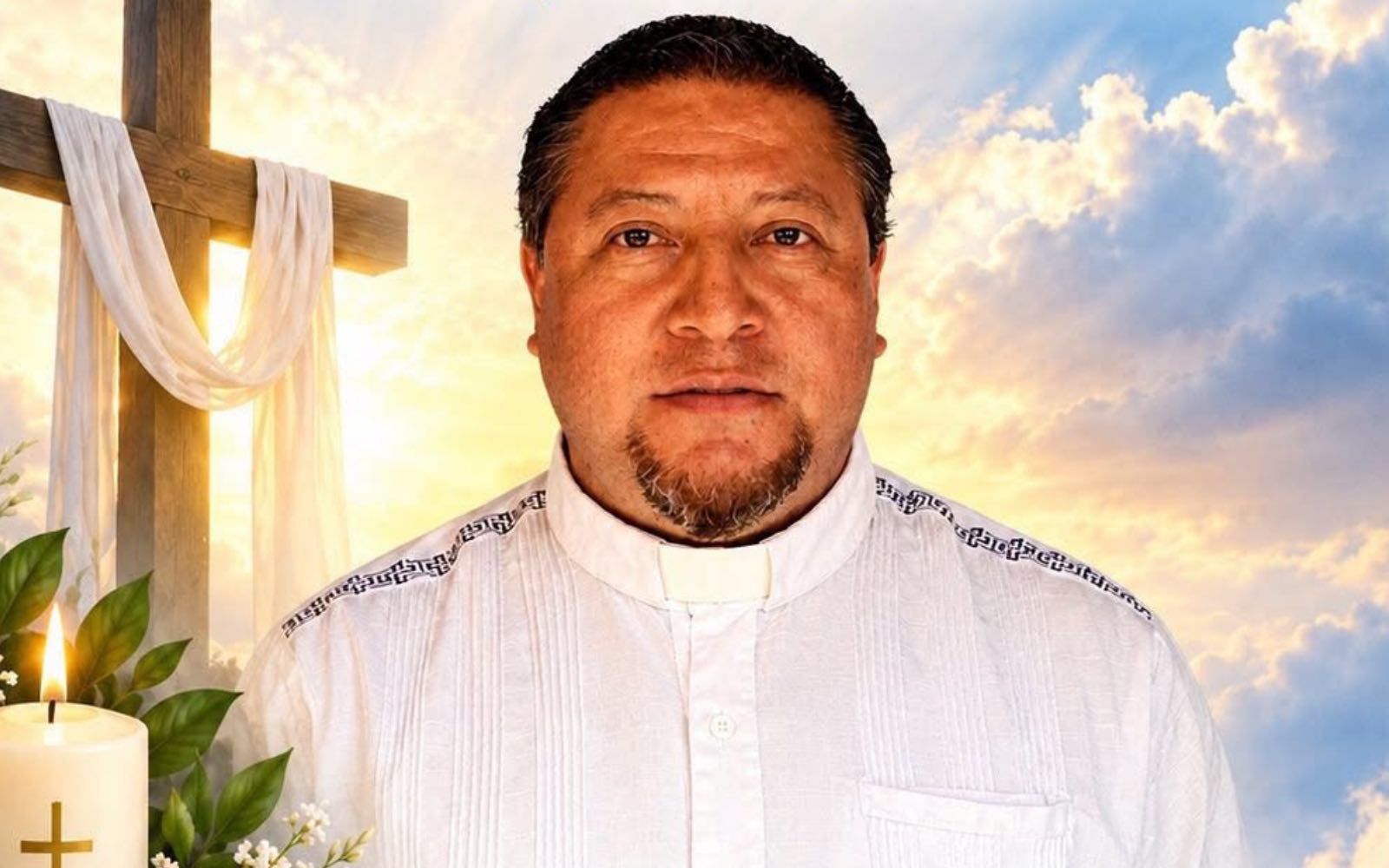
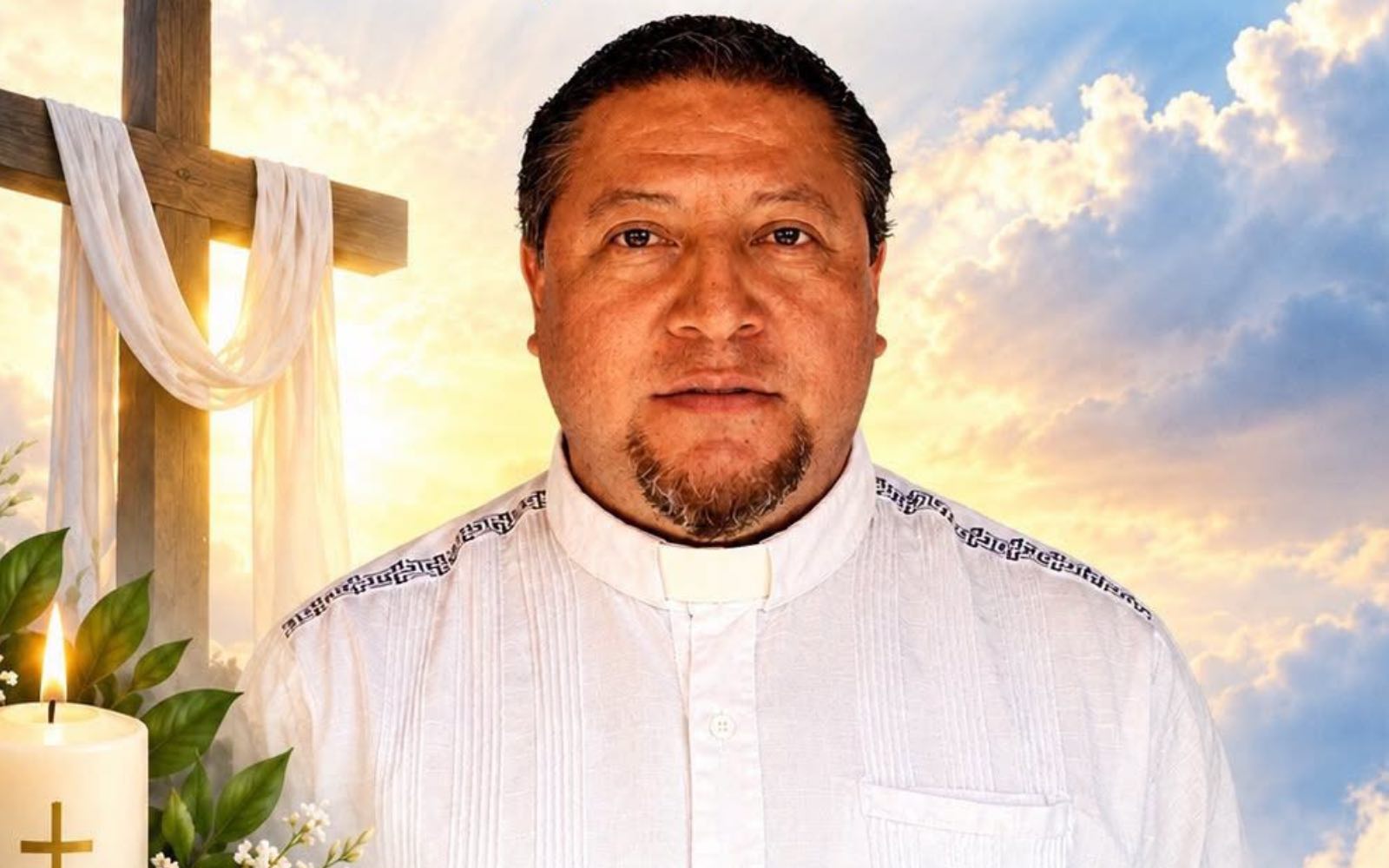
Mexican bishops demand ‘thorough investigation’ of priest’s murder #Catholic Mexico’s bishops are demanding that authorities conduct “a thorough investigation” to clarify the circumstances surrounding the murder of Father Román de la Cruz Hernández, pastor of Santa Cruz in Huejutla, Hidalgo state.In a Sept. 16 statement, the Mexican Bishops’ Conference (CEM, by its Spanish acronym) expressed its indignation and sadness over the crime as well as its solidarity with the Diocese of Huejutla, Hidalgo, to which De la Cruz belongedAccording to the bishops' conference, the priest’s murder took place on Sept. 15. The newspaper El Universal reported that the body of De la Cruz was found with gunshot wounds along a stretch of the Tolago-Tetlapaya highway in the Lolotla district of Hidalgo.“We stand in fraternal solidarity with José Hiraís Acosta Beltrán, bishop of Huejutla, his priests, consecrated religious, and the entire people of God of this local Church,” the CEM stated while “calling upon the relevant authorities to conduct a thorough investigation to clarify the facts and ensure that justice is served swiftly.”The Mexican bishops also prayed “for the eternal rest of Father Román,” asking God “to grant strength and comfort to his family, friends, parishioners, and all those who shared in his ministry and his life.”The CEM statement joins that of Acosta, who urged against speculating about the crime “to allow the relevant authorities to conduct the investigation and report on the tragedy.”At the same time, the bishop of Huejutla denounced “the alarming situation of violence going on in our country.”The prelate asked the faithful to work to build “a culture of peace and reconciliation, seeking the eradication of violence, and not to lose respect for the life of any person.”“Let us allow God, in his infinite goodness, to help us root out from the human heart every destructive sentiment of resentment, vengeance, and hatred that threatens the most precious gift he has bestowed upon us: life,” he emphasized.According to the Catholic Multimedia Center, 28 incidents of violence against Church members, including the murders of four priests, have been recorded during Claudia Sheinbaum’s term as president of Mexico so far.This story was first published by ACI Prensa, the Spanish-language sister service of EWTN News. It has been translated and adapted by EWTN News English.

Mexican bishops demand ‘thorough investigation’ of priest’s murder #Catholic Mexico’s bishops are demanding that authorities conduct “a thorough investigation” to clarify the circumstances surrounding the murder of Father Román de la Cruz Hernández, pastor of Santa Cruz in Huejutla, Hidalgo state.In a Sept. 16 statement, the Mexican Bishops’ Conference (CEM, by its Spanish acronym) expressed its indignation and sadness over the crime as well as its solidarity with the Diocese of Huejutla, Hidalgo, to which De la Cruz belongedAccording to the bishops' conference, the priest’s murder took place on Sept. 15. The newspaper El Universal reported that the body of De la Cruz was found with gunshot wounds along a stretch of the Tolago-Tetlapaya highway in the Lolotla district of Hidalgo.“We stand in fraternal solidarity with José Hiraís Acosta Beltrán, bishop of Huejutla, his priests, consecrated religious, and the entire people of God of this local Church,” the CEM stated while “calling upon the relevant authorities to conduct a thorough investigation to clarify the facts and ensure that justice is served swiftly.”The Mexican bishops also prayed “for the eternal rest of Father Román,” asking God “to grant strength and comfort to his family, friends, parishioners, and all those who shared in his ministry and his life.”The CEM statement joins that of Acosta, who urged against speculating about the crime “to allow the relevant authorities to conduct the investigation and report on the tragedy.”At the same time, the bishop of Huejutla denounced “the alarming situation of violence going on in our country.”The prelate asked the faithful to work to build “a culture of peace and reconciliation, seeking the eradication of violence, and not to lose respect for the life of any person.”“Let us allow God, in his infinite goodness, to help us root out from the human heart every destructive sentiment of resentment, vengeance, and hatred that threatens the most precious gift he has bestowed upon us: life,” he emphasized.According to the Catholic Multimedia Center, 28 incidents of violence against Church members, including the murders of four priests, have been recorded during Claudia Sheinbaum’s term as president of Mexico so far.This story was first published by ACI Prensa, the Spanish-language sister service of EWTN News. It has been translated and adapted by EWTN News English.

The priest was found dead with gunshot wounds along a stretch of highway. The local bishop urged people not to speculate about the crime and denounced the ongoing violence in the country.
Read More
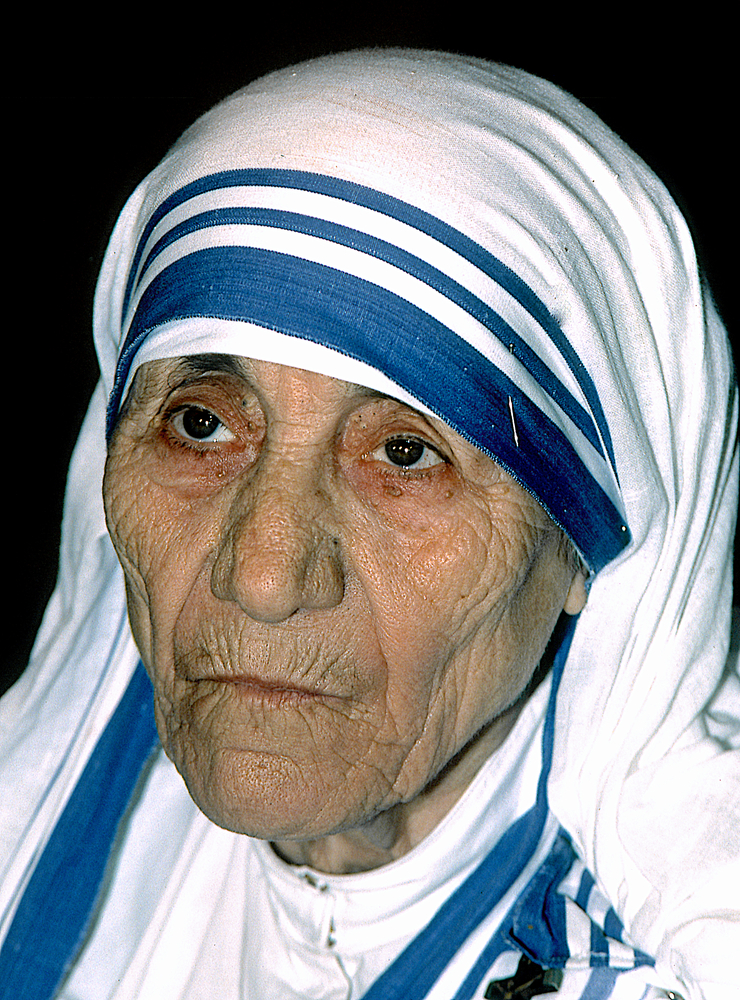
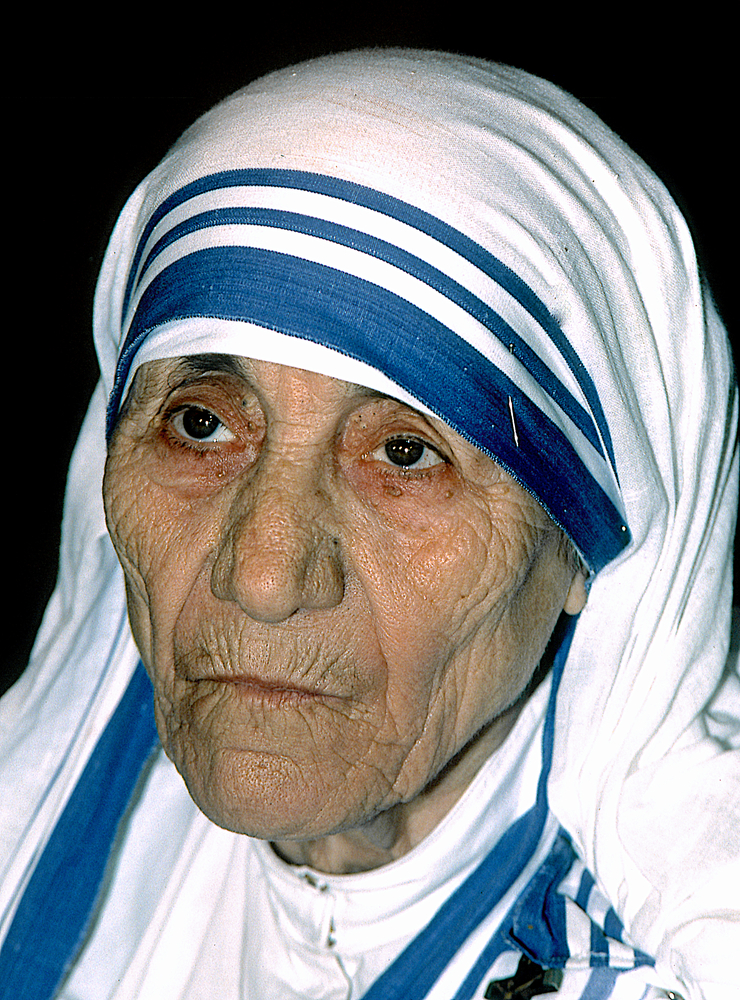
10 lesser-known facts about St. Teresa of Calcutta, 10 years after canonization #Catholic On Sept. 5, Catholics around the world celebrate the feast of St. Teresa of Calcutta, popularly known as Mother Teresa, and this year marks 10 years since she was declared a saint by the Catholic Church. The beloved religious sister was known globally for her work among the poorest of poor in India and for founding the Missionaries of Charity.Yet behind the familiar image of the saint there are aspects of her life that may not be as well-known — from her childhood in the Balkans and years as a teacher to her surprising friendships and spiritual struggles.Here are 10 lesser-known facts about the life of St. Teresa of Calcutta as we celebrate her 10 years as a canonized saint:1. She wasn’t born in IndiaMother Teresa was born Anjezë (Agnes) Gonxhe Bojaxhiu in 1910 in Skopje, which was then part of the Ottoman Empire and is now the capital of North Macedonia. She came from an ethnic Albanian family and was the youngest of five children — two of whom died in infancy.2. She entered religious life at 18At age 12, she felt called to serve the poor and at 18, left home to join the Institute of the Blessed Virgin Mary, known as the Sisters of Loreto, an Irish order of nuns, with the intention to serve in India. She would never again live with her immediate family.3. She chose the name Teresa after St. Thérèse of LisieuxUpon her arrival at Rathfarnham Abbey in Ireland, she took the name Teresa after St. Thérèse of Lisieux, a 19th-century French nun known as the “Little Flower” who was known for her simplicity and doing things in her “Little Way.”4. She was a teacher before she served the poorBefore beginning her work among the poor, Mother Teresa taught in India for nearly two decades. She arrived in Calcutta, India. on Jan. 6, 1929, and after making her first vows in 1931, she was assigned to the Loretto Entally community and taught at St. Mary’s Bengali Medium School for girls. In 1937, Teresa made her final vows as a Loreto nun and then reassumed her duties at the school. In 1944 she became principal of the school.5. She experienced a ‘call within a call’On Sept. 10, 1946, Mother Teresa experienced what she would refer to as the “call within a call.” Over the following weeks and months, she would receive inspiration from God asking her to establish a religious community that would serve the poorest of the poor.6. She didn’t immediately start the religious orderIn August of 1948, Teresa left the Loreto convent and went to a short medical training with the Medical Mission Sisters in Patna. In December of the same year, she returned to Calcutta and stayed temporarily with the Little Sisters of the Poor. During this time, she worked in the slums tending to the sick and dying. On Oct. 7, 1950, the congregation of the Missionaries of Charity was officially established.7. She founded branches for men and priests, tooIn order to serve the various physical and spiritual needs of the sick, Teresa founded the Missionaries of Charity Brothers in 1963 and in 1984 the Missionaries of Charity Fathers. She also created groups for lay people including Co-Workers of Mother Teresa and the Sick and Suffering Co-Workers, which were groups of people who shared her spirit of prayer, simplicity, and love for those most in need.8. She received the Nobel Peace Prize — and rejected the traditional banquetWhen Mother Teresa received the Nobel Peace Prize in 1979, she asked that the money that would have been spent on the customary banquet instead be given to the poor. She also used her Nobel platform to speak about the dignity of human life and the need for the protection of the unborn.9. She experienced profound spiritual darknessOne of the most surprising aspects of Mother Teresa’s life is that she endured decades of what she described as profound interior darkness. Despite being a woman of deep prayer, her private letters revealed that she sometimes felt distant from God even as she continued serving him.10. Her congregation spread around the worldToday the Missionaries of Charity have 754 homes in 138 countries around the world and a little over 5,000 nuns serving the poorest of the poor.

10 lesser-known facts about St. Teresa of Calcutta, 10 years after canonization #Catholic On Sept. 5, Catholics around the world celebrate the feast of St. Teresa of Calcutta, popularly known as Mother Teresa, and this year marks 10 years since she was declared a saint by the Catholic Church. The beloved religious sister was known globally for her work among the poorest of poor in India and for founding the Missionaries of Charity.Yet behind the familiar image of the saint there are aspects of her life that may not be as well-known — from her childhood in the Balkans and years as a teacher to her surprising friendships and spiritual struggles.Here are 10 lesser-known facts about the life of St. Teresa of Calcutta as we celebrate her 10 years as a canonized saint:1. She wasn’t born in IndiaMother Teresa was born Anjezë (Agnes) Gonxhe Bojaxhiu in 1910 in Skopje, which was then part of the Ottoman Empire and is now the capital of North Macedonia. She came from an ethnic Albanian family and was the youngest of five children — two of whom died in infancy.2. She entered religious life at 18At age 12, she felt called to serve the poor and at 18, left home to join the Institute of the Blessed Virgin Mary, known as the Sisters of Loreto, an Irish order of nuns, with the intention to serve in India. She would never again live with her immediate family.3. She chose the name Teresa after St. Thérèse of LisieuxUpon her arrival at Rathfarnham Abbey in Ireland, she took the name Teresa after St. Thérèse of Lisieux, a 19th-century French nun known as the “Little Flower” who was known for her simplicity and doing things in her “Little Way.”4. She was a teacher before she served the poorBefore beginning her work among the poor, Mother Teresa taught in India for nearly two decades. She arrived in Calcutta, India. on Jan. 6, 1929, and after making her first vows in 1931, she was assigned to the Loretto Entally community and taught at St. Mary’s Bengali Medium School for girls. In 1937, Teresa made her final vows as a Loreto nun and then reassumed her duties at the school. In 1944 she became principal of the school.5. She experienced a ‘call within a call’On Sept. 10, 1946, Mother Teresa experienced what she would refer to as the “call within a call.” Over the following weeks and months, she would receive inspiration from God asking her to establish a religious community that would serve the poorest of the poor.6. She didn’t immediately start the religious orderIn August of 1948, Teresa left the Loreto convent and went to a short medical training with the Medical Mission Sisters in Patna. In December of the same year, she returned to Calcutta and stayed temporarily with the Little Sisters of the Poor. During this time, she worked in the slums tending to the sick and dying. On Oct. 7, 1950, the congregation of the Missionaries of Charity was officially established.7. She founded branches for men and priests, tooIn order to serve the various physical and spiritual needs of the sick, Teresa founded the Missionaries of Charity Brothers in 1963 and in 1984 the Missionaries of Charity Fathers. She also created groups for lay people including Co-Workers of Mother Teresa and the Sick and Suffering Co-Workers, which were groups of people who shared her spirit of prayer, simplicity, and love for those most in need.8. She received the Nobel Peace Prize — and rejected the traditional banquetWhen Mother Teresa received the Nobel Peace Prize in 1979, she asked that the money that would have been spent on the customary banquet instead be given to the poor. She also used her Nobel platform to speak about the dignity of human life and the need for the protection of the unborn.9. She experienced profound spiritual darknessOne of the most surprising aspects of Mother Teresa’s life is that she endured decades of what she described as profound interior darkness. Despite being a woman of deep prayer, her private letters revealed that she sometimes felt distant from God even as she continued serving him.10. Her congregation spread around the worldToday the Missionaries of Charity have 754 homes in 138 countries around the world and a little over 5,000 nuns serving the poorest of the poor.

Sept. 5 marks the feast of Mother Teresa and the 10th anniversary of her canonization.

Read More