Day: October 7, 2026

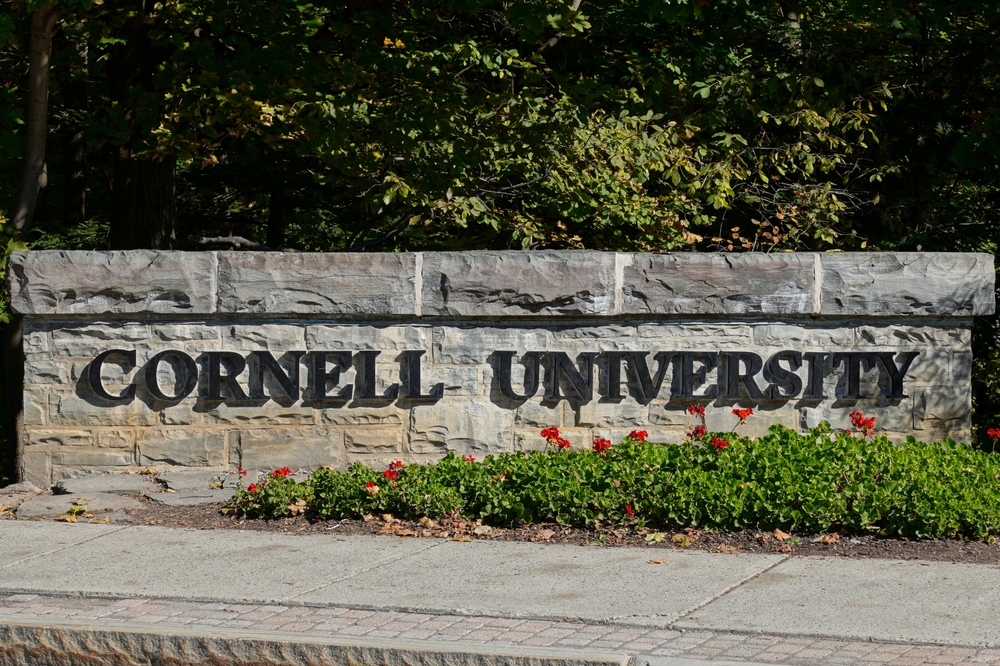
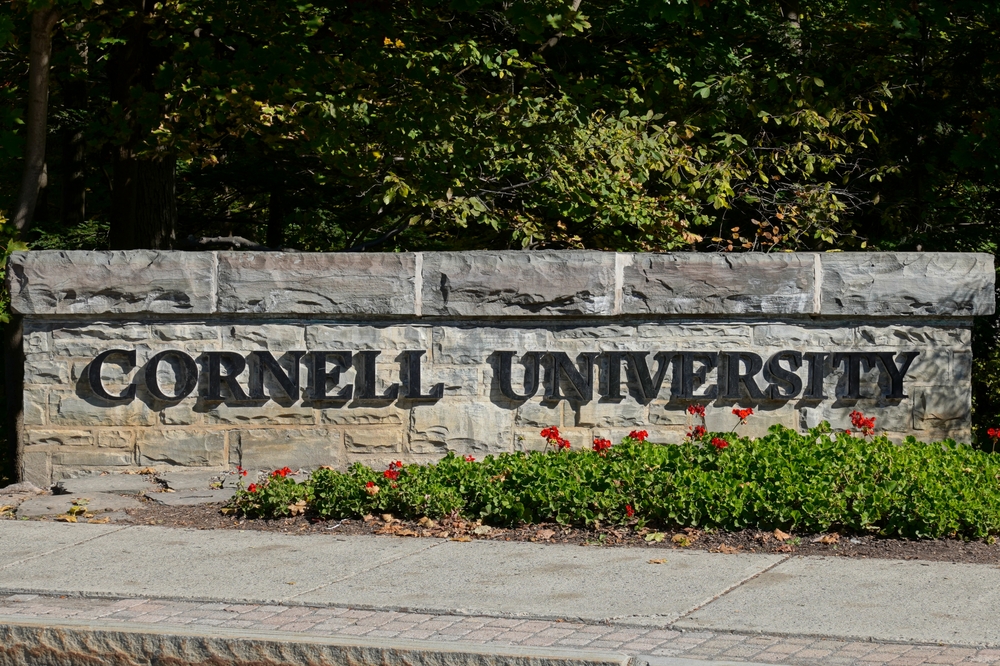
Cornell Catholic Community issues letter after campus protests – #Catholic – Catholic clergy at Cornell University issued a pastoral letter encouraging students to engage in “difficult public discussions” with charity and courage, after campus protests over the universityʼs handling of alleged sexual assaults involving members of the Chi Phi fraternity in 2024.The Cornell Catholic Community, led by Associate Director Deacon Matthew Hall and priest-chaplains Father Daniel McMullin and Father David Cataline, said in an Oct. 7 statement that campus ministry is offering prayer, pastoral care, and support to students affected by sexual violence. A former Cornell student’s civil lawsuit alleges fraternity members sexually assaulted her at the Ithaca, New York, campus, leading to scrutiny of Cornell’s disciplinary process. New York Attorney General Letitia James has opened a criminal investigation into the handling of allegations.The pastoral letter, “Salt, Leaven, and Light,” reflects on Catholic teaching concerning marriage and sexuality, the theology of the body, the principles of Catholic moral reasoning, the relationship between freedom and authority, and the vocation of Christians to contribute to the moral life of the communities in which they live and work, the statement said.“We are not called to retreat from difficult conversations because our neighbors do not yet speak the language of Catholic theology,” the pastoral letter said. “Much less are we permitted to stand aloof, as if their plight were not our problem. We are called to help our neighbors see more clearly what they may already see in shadow: that human beings are endowed with an infinite dignity; that sex is sacred; that our choices have real moral meaning; that some things are objectively good and some objectively evil; and that freedom is not simply the power to choose whatever we want, but the capacity to choose what is truly good.”The letter further offers students nine suggestions for “Seasoning, Leavening, and Enlightening Cornell” amid the ongoing scandal, including prayer before speaking, knowing the Church’s teachings on sexual ethics and consent, rejecting relativism, using personal influence for good, and entering the public square only “when you have something true and charitable to say.” “Prelims are upon you. The last thing you need is national news cameras filming B-roll as you try to go about your day. Nor do you need 29 paragraphs of extra reading,” the letter said. “For some of you, the events of these weeks will cause particular bitterness, anxiety, and sadness, as they bring to mind your own experiences of sexual violence, accusations, sins, and other painful experiences. We know too well what it means to call this life a ‘vale of tears.’ But God ‘comforts us in all our affliction, so that we may be able to comfort those who are in any affliction.’ (2 Cor 1:4) Let us bear gently and kindly with one another. Please know of my prayers for you,” the letter said.Hall said in an email sharing the pastoral letter: “We must enter the discourse as Christians: prayerfully, thoughtfully, charitably, and with confidence that the Catholic faith has something true and beautiful to say to the whole world.”“We do not want our Catholic students to retreat from difficult conversations,” Hall said. “We want our students to have the intellectual and spiritual resources to enter those conversations charitably and courageously. We need to be able to affirm what is true, recognize human dignity, and help one another pursue what is genuinely good.”On Oct. 9, the memorial of St. John Henry Newman, patron of Catholic communities at secular universities, the Cornell Catholic Community will observe a day of prayer, the statement said.

Cornell Catholic Community issues letter after campus protests – #Catholic – Catholic clergy at Cornell University issued a pastoral letter encouraging students to engage in “difficult public discussions” with charity and courage, after campus protests over the universityʼs handling of alleged sexual assaults involving members of the Chi Phi fraternity in 2024.The Cornell Catholic Community, led by Associate Director Deacon Matthew Hall and priest-chaplains Father Daniel McMullin and Father David Cataline, said in an Oct. 7 statement that campus ministry is offering prayer, pastoral care, and support to students affected by sexual violence. A former Cornell student’s civil lawsuit alleges fraternity members sexually assaulted her at the Ithaca, New York, campus, leading to scrutiny of Cornell’s disciplinary process. New York Attorney General Letitia James has opened a criminal investigation into the handling of allegations.The pastoral letter, “Salt, Leaven, and Light,” reflects on Catholic teaching concerning marriage and sexuality, the theology of the body, the principles of Catholic moral reasoning, the relationship between freedom and authority, and the vocation of Christians to contribute to the moral life of the communities in which they live and work, the statement said.“We are not called to retreat from difficult conversations because our neighbors do not yet speak the language of Catholic theology,” the pastoral letter said. “Much less are we permitted to stand aloof, as if their plight were not our problem. We are called to help our neighbors see more clearly what they may already see in shadow: that human beings are endowed with an infinite dignity; that sex is sacred; that our choices have real moral meaning; that some things are objectively good and some objectively evil; and that freedom is not simply the power to choose whatever we want, but the capacity to choose what is truly good.”The letter further offers students nine suggestions for “Seasoning, Leavening, and Enlightening Cornell” amid the ongoing scandal, including prayer before speaking, knowing the Church’s teachings on sexual ethics and consent, rejecting relativism, using personal influence for good, and entering the public square only “when you have something true and charitable to say.” “Prelims are upon you. The last thing you need is national news cameras filming B-roll as you try to go about your day. Nor do you need 29 paragraphs of extra reading,” the letter said. “For some of you, the events of these weeks will cause particular bitterness, anxiety, and sadness, as they bring to mind your own experiences of sexual violence, accusations, sins, and other painful experiences. We know too well what it means to call this life a ‘vale of tears.’ But God ‘comforts us in all our affliction, so that we may be able to comfort those who are in any affliction.’ (2 Cor 1:4) Let us bear gently and kindly with one another. Please know of my prayers for you,” the letter said.Hall said in an email sharing the pastoral letter: “We must enter the discourse as Christians: prayerfully, thoughtfully, charitably, and with confidence that the Catholic faith has something true and beautiful to say to the whole world.”“We do not want our Catholic students to retreat from difficult conversations,” Hall said. “We want our students to have the intellectual and spiritual resources to enter those conversations charitably and courageously. We need to be able to affirm what is true, recognize human dignity, and help one another pursue what is genuinely good.”On Oct. 9, the memorial of St. John Henry Newman, patron of Catholic communities at secular universities, the Cornell Catholic Community will observe a day of prayer, the statement said.

Students protested the university’s handling of alleged sexual assaults involving members of the Chi Phi fraternity in 2024.
Read More

Gospel and Word of the Day – 08 October 2026 – A reading from the Letter of St. Paul to the Galatians 3:1-5 O stupid Galatians! Who has bewitched you, before whose eyes Jesus Christ was publicly portrayed as crucified? I want to learn only this from you: did you receive the Spirit from works of the law, or from faith in what you heard? Are you so stupid? After beginning with the Spirit, are you now ending with the flesh? Did you experience so many things in vain?– if indeed it was in vain. Does, then, the one who supplies the Spirit to you and works mighty deeds among you do so from works of the law or from faith in what you heard?From the Gospel according to Luke 11:5-13 Jesus said to his disciples: “Suppose one of you has a friend to whom he goes at midnight and says, ‘Friend, lend me three loaves of bread, for a friend of mine has arrived at my house from a journey and I have nothing to offer him,’ and he says in reply from within, ‘Do not bother me; the door has already been locked and my children and I are already in bed. I cannot get up to give you anything.’ I tell you, if he does not get up to give him the loaves because of their friendship, he will get up to give him whatever he needs because of his persistence. “And I tell you, ask and you will receive; seek and you will find; knock and the door will be opened to you. For everyone who asks, receives; and the one who seeks, finds; and to the one who knocks, the door will be opened. What father  among you would hand his son a snake when he asks for a fish? Or hand him a scorpion when he asks for an egg? If you then, who are wicked, know how to give good gifts to your children, how much more will the Father in heaven give the Holy Spirit to those who ask him?”“Ask, and it will be given you; seek, and you will find; knock, and the door will be opened for you” (Lk 11:9). With these words, Jesus invites us to turn with trust to the Father for all our needs. (…) “To ask,” in fact, is to recognize, through poverty, that everything is a gift from the Lord and to give thanks for it. “To seek” is to open oneself, through obedience, to discovering each day the path we must take on the journey towards holiness, following God’s plans. “To knock” is to ask for and to offer the gifts we have received to our brothers and sisters with a chaste heart, striving to love everyone with respect and generosity. (…) “To ask,” “to seek,” and “to knock” also means reflecting on our own lives, bringing to mind and heart what the Lord has achieved over the years by multiplying talents, strengthening and purifying faith, and fostering generosity and freedom in charity. Sometimes this has been achieved in joyful circumstances, and at other times in ways that are more difficult to understand, perhaps even through the mysterious crucible of suffering. At all times, however, we find ourselves in the embrace of that paternal goodness that characterizes what he does in us and through us, for the good of the Church (cf. Lumen Gentium, 43). (…) Without him, nothing exists, nothing makes sense, nothing is worthwhile. Your “asking,” “seeking,” and “knocking,” both in prayer and in life, has much to do with this truth. (Pope Leo XIV, Homily, 9 October 2025)

A reading from the Letter of St. Paul to the Galatians
3:1-5

O stupid Galatians!
Who has bewitched you,
before whose eyes Jesus Christ was publicly portrayed as crucified?
I want to learn only this from you:
did you receive the Spirit from works of the law,
or from faith in what you heard?
Are you so stupid?
After beginning with the Spirit,
are you now ending with the flesh?
Did you experience so many things in vain?–
if indeed it was in vain.
Does, then, the one who supplies the Spirit to you
and works mighty deeds among you
do so from works of the law
or from faith in what you heard?

From the Gospel according to Luke
11:5-13

Jesus said to his disciples:
“Suppose one of you has a friend
to whom he goes at midnight and says,
‘Friend, lend me three loaves of bread,
for a friend of mine has arrived at my house from a journey
and I have nothing to offer him,’
and he says in reply from within,
‘Do not bother me; the door has already been locked
and my children and I are already in bed.
I cannot get up to give you anything.’
I tell you, if he does not get up to give him the loaves
because of their friendship,
he will get up to give him whatever he needs
because of his persistence.

“And I tell you, ask and you will receive;
seek and you will find;
knock and the door will be opened to you.
For everyone who asks, receives;
and the one who seeks, finds;
and to the one who knocks, the door will be opened.
What father  among you would hand his son a snake
when he asks for a fish?
Or hand him a scorpion when he asks for an egg?
If you then, who are wicked,
know how to give good gifts to your children,
how much more will the Father in heaven give the Holy Spirit
to those who ask him?”

“Ask, and it will be given you; seek, and you will find; knock, and the door will be opened for you” (Lk 11:9). With these words, Jesus invites us to turn with trust to the Father for all our needs. (…)

“To ask,” in fact, is to recognize, through poverty, that everything is a gift from the Lord and to give thanks for it. “To seek” is to open oneself, through obedience, to discovering each day the path we must take on the journey towards holiness, following God’s plans. “To knock” is to ask for and to offer the gifts we have received to our brothers and sisters with a chaste heart, striving to love everyone with respect and generosity. (…)

“To ask,” “to seek,” and “to knock” also means reflecting on our own lives, bringing to mind and heart what the Lord has achieved over the years by multiplying talents, strengthening and purifying faith, and fostering generosity and freedom in charity. Sometimes this has been achieved in joyful circumstances, and at other times in ways that are more difficult to understand, perhaps even through the mysterious crucible of suffering. At all times, however, we find ourselves in the embrace of that paternal goodness that characterizes what he does in us and through us, for the good of the Church (cf. Lumen Gentium, 43). (…)

Without him, nothing exists, nothing makes sense, nothing is worthwhile. Your “asking,” “seeking,” and “knocking,” both in prayer and in life, has much to do with this truth. (Pope Leo XIV, Homily, 9 October 2025)

Read More
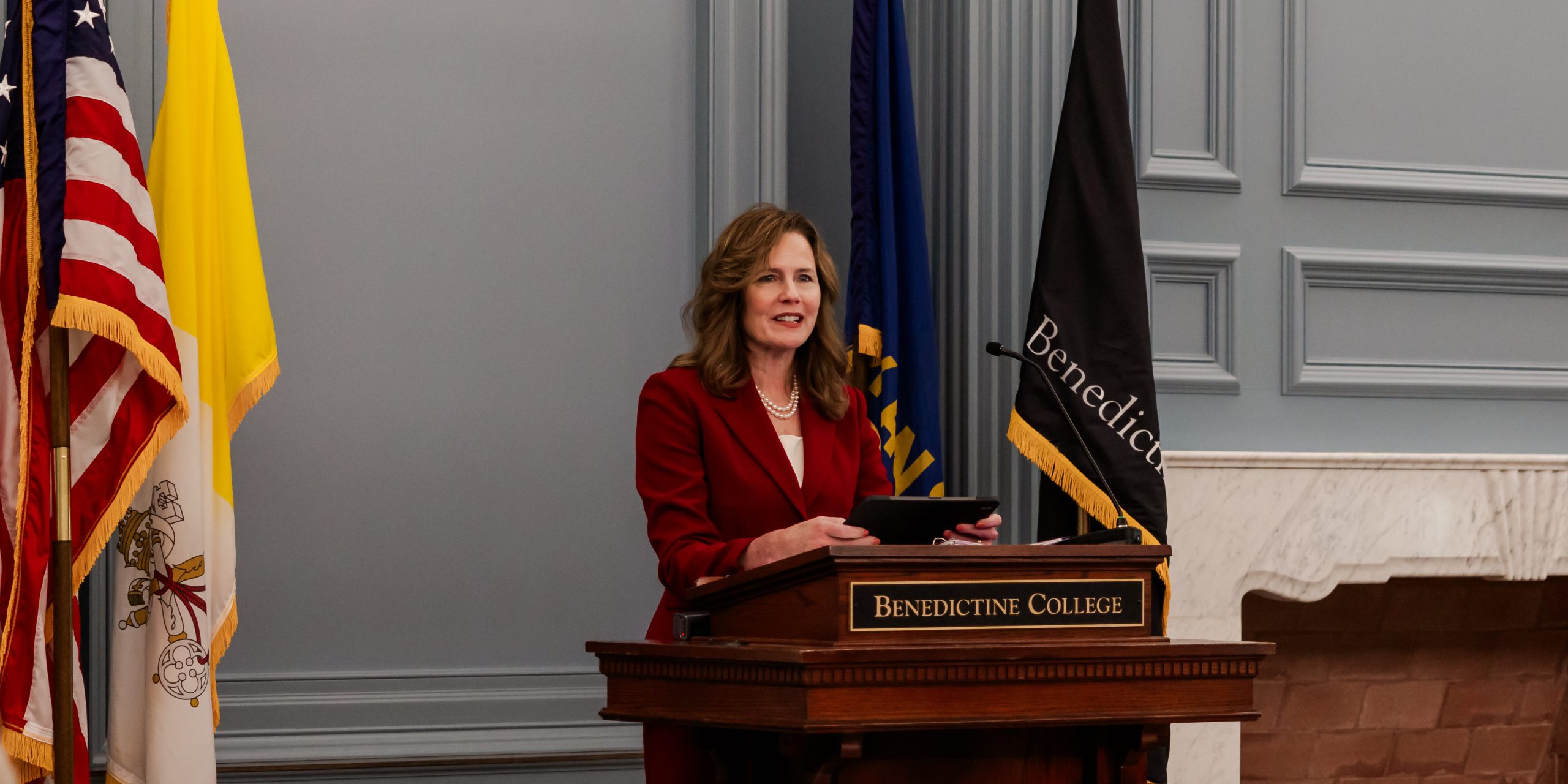
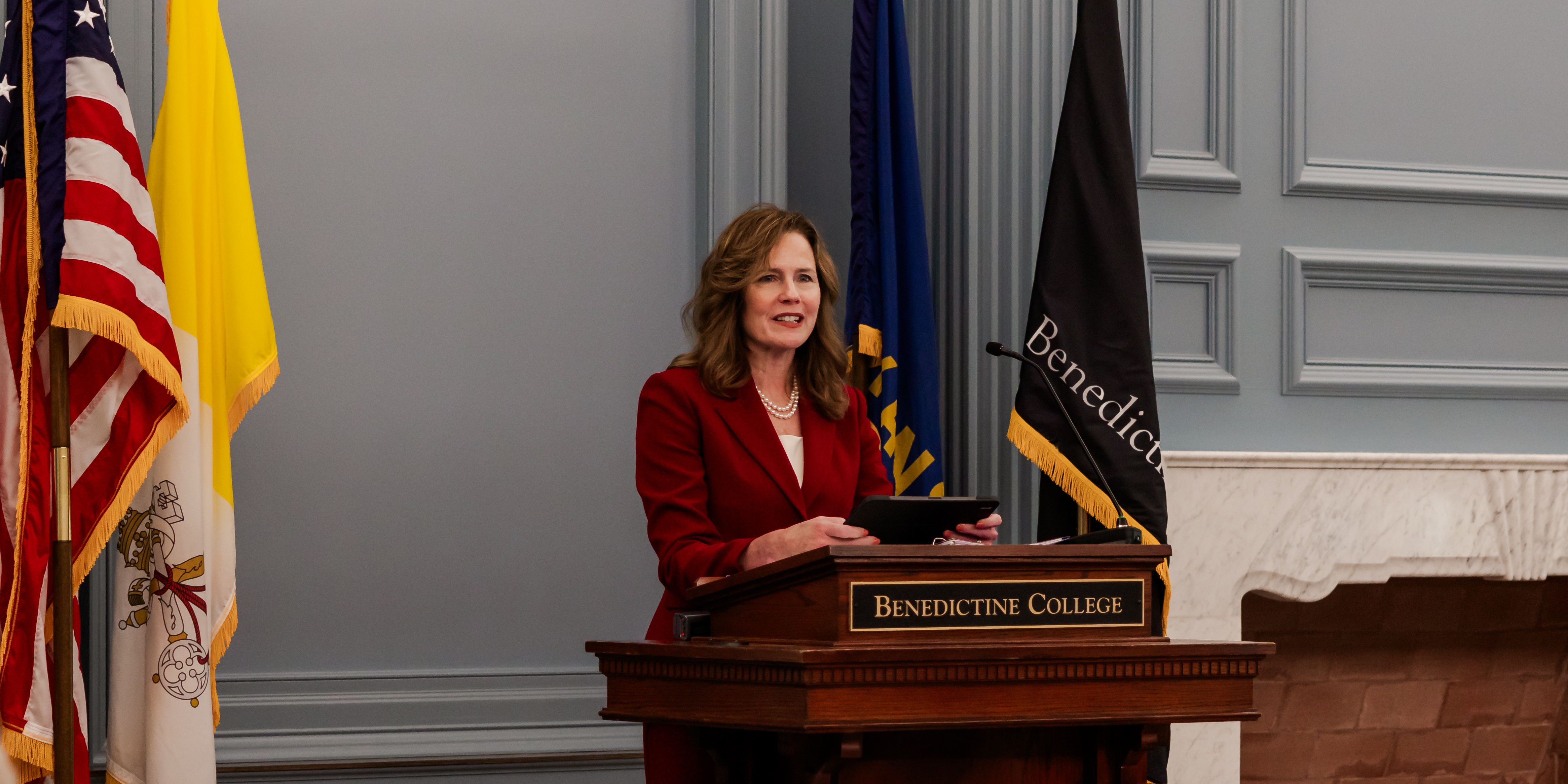
Justice Amy Coney Barrett headlines Benedictine College library dedication – #Catholic – U.S. Supreme Court Justice Amy Coney Barrett gave the keynote address at the dedication of Benedictine College’s Independence Hall library Sept. 26.“My hope is that this library will help the students of Benedictine College defend the American project today,” Barrett said during her remarks, according to a Sept. 28 press release. “And I hope that it will bring them together to discuss new ideas, forge friendships and, importantly, learn to disagree respectfully. In a time of hyper-polarization, many have limited interactions with those whose beliefs they do not like. But citizens must learn to disagree about ideas without making enemies of the people who hold them. The success of the American project depends on it.”Sen. Jerry Moran, R-Kansas, also delivered remarks. “We change the world one soul at a time, and one citizen at a time,” he said. “It happens here every day at Benedictine College … If we could judge the world and its future by what happens here at this college, we can have a very warm spot in our heart and a very bright sense of hope.”Other speakers at the event included the college’s president, Stephen Minnis; Michael Kuckelman, chairman of the board of directors; Kimberly Shankman, dean and provost of the college; recent alumni Jeffery Schremmer and Arturo Hernandez; and Abbot James Albers of St. Benedict Abbey, who led prayers.Chicago Archdiocese urges Illinois to join federal education tax credit programThe Archdiocese of Chicago is calling on Illinois Gov. JB Pritzker to opt the state in to a new federal Education Freedom Tax Credit program that could bring up to  billion in additional education funding to Illinois schools.“Yesterday, the U.S. Department of Treasury released draft guidelines for the Education Freedom Tax Credit program. They offer a clear opportunity for Illinois to join the program and open the door to much-needed education funding for all schools in the state,” the archdiocese said in an Oct. 2 press release.Under the program, individuals could receive a dollar-for-dollar federal tax credit of up to ,700, while couples filing jointly could receive up to ,400, for donations to recognized scholarship-granting organizations. The program would not require state or local funding or taxes.Most of the funding generated through the program would support public school students, while some could provide scholarships for students attending Catholic and other nonpublic schools, according to the archdiocese. The funding also could support tutoring, education technology, school supplies, and transportation.“If our state does not opt-in, polls indicate that up to  billion in Illinois donations would flow to other states, funding that could benefit our own students. It is imperative that Gov. Pritzker opt Illinois into the program to help secure this new funding source for our state’s students,” the archdiocese said.Bishop David M. O’Connell, CM, chairman of the U.S. Conference of Catholic Bishops’ Committee on Catholic Education, similarly called the federal scholarship tax credit “a transformative opportunity for children across the country” in an Oct. 2 statement.Australian Catholic school system to cut ties with religious order after abuse scandalThe Trustees of Edmund Rice Education Australia is considering severing the national network of Catholic schools’ connection with the Christian Brothers after a fallout over the compensation of sexual abuse victims.Edmund Rice is seeking to part ways with the order that runs the 61 schools in its network as the relationship between the organization and the religious order have “become strained,” according to an ABC News report.The move comes after the Christian Brothers attempted to avoid paying sex abuse survivor claims by transferring over  million worth of property assets to Edmund Rice over a decade in symbolic  dollar transfers.

Justice Amy Coney Barrett headlines Benedictine College library dedication – #Catholic – U.S. Supreme Court Justice Amy Coney Barrett gave the keynote address at the dedication of Benedictine College’s Independence Hall library Sept. 26.“My hope is that this library will help the students of Benedictine College defend the American project today,” Barrett said during her remarks, according to a Sept. 28 press release. “And I hope that it will bring them together to discuss new ideas, forge friendships and, importantly, learn to disagree respectfully. In a time of hyper-polarization, many have limited interactions with those whose beliefs they do not like. But citizens must learn to disagree about ideas without making enemies of the people who hold them. The success of the American project depends on it.”Sen. Jerry Moran, R-Kansas, also delivered remarks. “We change the world one soul at a time, and one citizen at a time,” he said. “It happens here every day at Benedictine College … If we could judge the world and its future by what happens here at this college, we can have a very warm spot in our heart and a very bright sense of hope.”Other speakers at the event included the college’s president, Stephen Minnis; Michael Kuckelman, chairman of the board of directors; Kimberly Shankman, dean and provost of the college; recent alumni Jeffery Schremmer and Arturo Hernandez; and Abbot James Albers of St. Benedict Abbey, who led prayers.Chicago Archdiocese urges Illinois to join federal education tax credit programThe Archdiocese of Chicago is calling on Illinois Gov. JB Pritzker to opt the state in to a new federal Education Freedom Tax Credit program that could bring up to $2 billion in additional education funding to Illinois schools.“Yesterday, the U.S. Department of Treasury released draft guidelines for the Education Freedom Tax Credit program. They offer a clear opportunity for Illinois to join the program and open the door to much-needed education funding for all schools in the state,” the archdiocese said in an Oct. 2 press release.Under the program, individuals could receive a dollar-for-dollar federal tax credit of up to $1,700, while couples filing jointly could receive up to $3,400, for donations to recognized scholarship-granting organizations. The program would not require state or local funding or taxes.Most of the funding generated through the program would support public school students, while some could provide scholarships for students attending Catholic and other nonpublic schools, according to the archdiocese. The funding also could support tutoring, education technology, school supplies, and transportation.“If our state does not opt-in, polls indicate that up to $1 billion in Illinois donations would flow to other states, funding that could benefit our own students. It is imperative that Gov. Pritzker opt Illinois into the program to help secure this new funding source for our state’s students,” the archdiocese said.Bishop David M. O’Connell, CM, chairman of the U.S. Conference of Catholic Bishops’ Committee on Catholic Education, similarly called the federal scholarship tax credit “a transformative opportunity for children across the country” in an Oct. 2 statement.Australian Catholic school system to cut ties with religious order after abuse scandalThe Trustees of Edmund Rice Education Australia is considering severing the national network of Catholic schools’ connection with the Christian Brothers after a fallout over the compensation of sexual abuse victims.Edmund Rice is seeking to part ways with the order that runs the 61 schools in its network as the relationship between the organization and the religious order have “become strained,” according to an ABC News report.The move comes after the Christian Brothers attempted to avoid paying sex abuse survivor claims by transferring over $50 million worth of property assets to Edmund Rice over a decade in symbolic $1 dollar transfers.

Justice Amy Coney Barrett speaks at Benedictine College, the Archdiocese of Chicago urges Illinois’ governor to opt in to an education tax program, and more in this week’s education roundup.
Read More
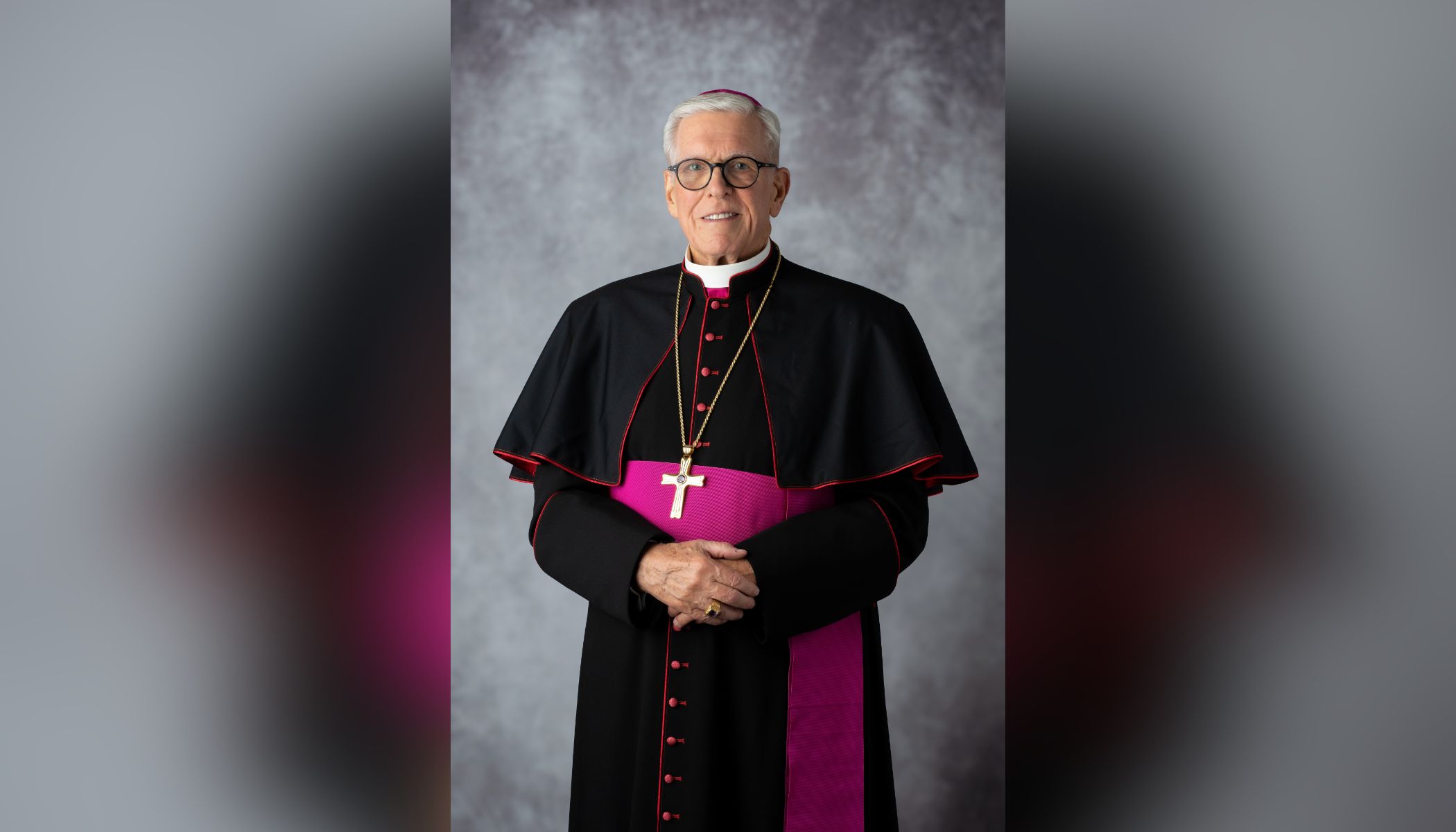
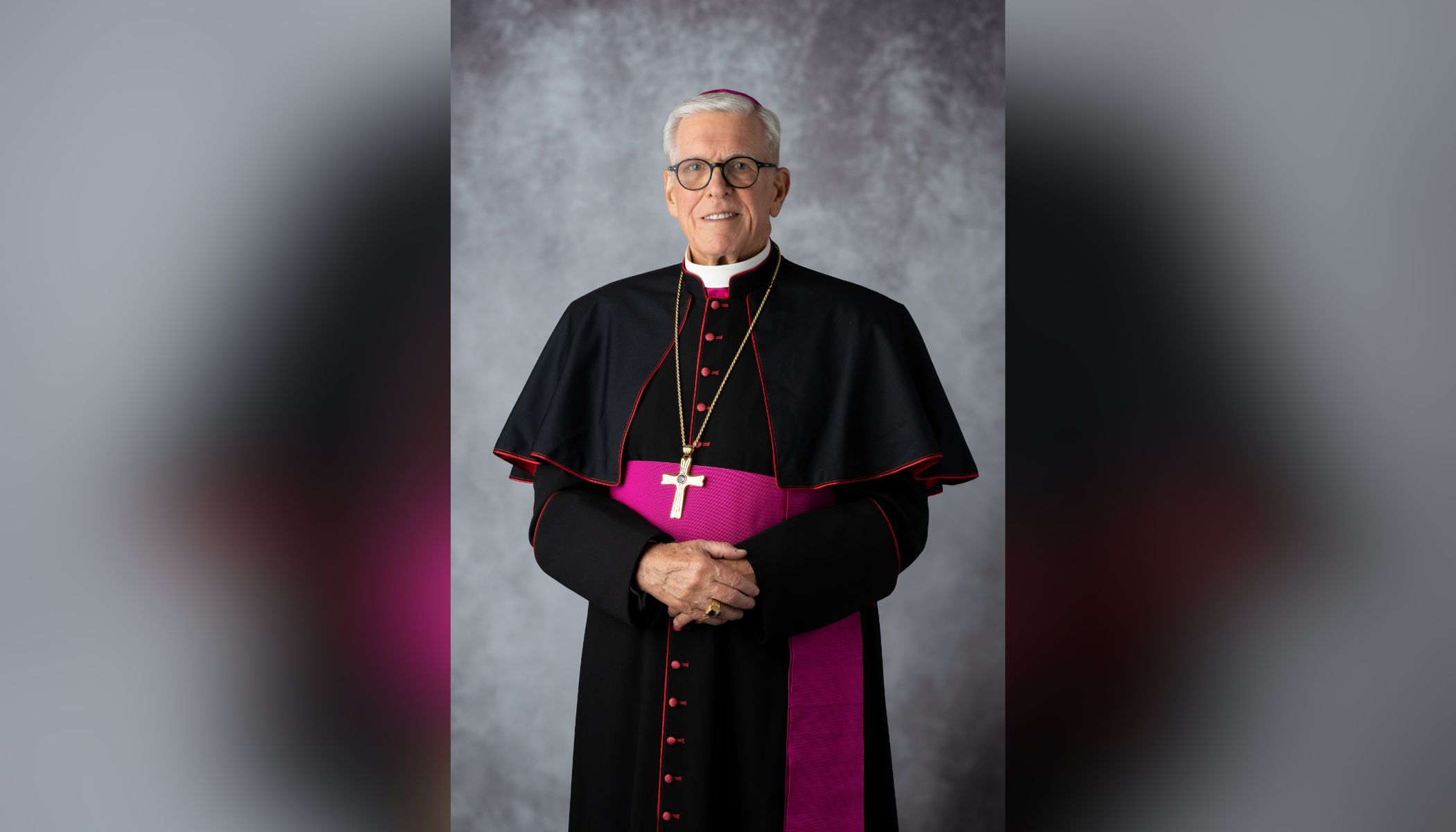
Bishop Emeritus Frank Dewane, who led Diocese of Venice in Florida for nearly 20 years, dies at 76 – #Catholic – Bishop Emeritus Frank Dewane, who led the Diocese of Venice in Florida for nearly two decades until his retirement earlier this year, died on Oct. 7 at 76 years old. His death was confirmed in a news release by current Bishop Emilio Biosca Agüero, OFM Cap, who was appointed to that role in May.“It is with profound sadness, yet with faith in the promise of the Resurrection, that I announce the passing of the Most Reverend Frank J. Dewane, Bishop Emeritus of the Diocese of Venice in Florida,” Agüero said. Dewane died at 3 a.m. at Sarasota Memorial Hospital “surrounded by close family and friends,” the prelate said. A cause of death was not immediately given. Born in Green Bay, Wisconsin, on March 9, 1950, Dewane was ordained in that diocese on July 16, 1988. Prior to his ordination he worked for NBC in Moscow and also worked at a subsidiary for Pepsi in New York. Among his roles prior to his consecration as bishop, Dewane served as a member of the Permanent Observer Mission of the Holy See to the United Nations in New York and as the undersecretary of the Pontifical Council for Justice and Peace. He was named a coadjutor bishop of the Venice Diocese in 2006 by then-Pope Benedict XVI and was ultimately installed as bishop there on Jan. 19, 2007. He retired from that role on May 13 after nearly 20 years of service there. Among his other roles in the U.S. Church were chair of the U.S. Conference of Catholic Bishops’ domestic justice committee as well as on the bishops’ ad hoc Committee Against Racism. Near the end of his tenure, in 2025, he spoke out against what he described as the “corrosive” rhetoric of U.S. federal officials who were intending to build a detention facility in the Everglades meant to house immigrants in the country illegally.“Decency requires that we remember individuals being detained are fathers and mothers, brothers and sisters of distressed relatives,” the bishop said at the time.

Bishop Emeritus Frank Dewane, who led Diocese of Venice in Florida for nearly 20 years, dies at 76 – #Catholic – Bishop Emeritus Frank Dewane, who led the Diocese of Venice in Florida for nearly two decades until his retirement earlier this year, died on Oct. 7 at 76 years old. His death was confirmed in a news release by current Bishop Emilio Biosca Agüero, OFM Cap, who was appointed to that role in May.“It is with profound sadness, yet with faith in the promise of the Resurrection, that I announce the passing of the Most Reverend Frank J. Dewane, Bishop Emeritus of the Diocese of Venice in Florida,” Agüero said. Dewane died at 3 a.m. at Sarasota Memorial Hospital “surrounded by close family and friends,” the prelate said. A cause of death was not immediately given. Born in Green Bay, Wisconsin, on March 9, 1950, Dewane was ordained in that diocese on July 16, 1988. Prior to his ordination he worked for NBC in Moscow and also worked at a subsidiary for Pepsi in New York. Among his roles prior to his consecration as bishop, Dewane served as a member of the Permanent Observer Mission of the Holy See to the United Nations in New York and as the undersecretary of the Pontifical Council for Justice and Peace. He was named a coadjutor bishop of the Venice Diocese in 2006 by then-Pope Benedict XVI and was ultimately installed as bishop there on Jan. 19, 2007. He retired from that role on May 13 after nearly 20 years of service there. Among his other roles in the U.S. Church were chair of the U.S. Conference of Catholic Bishops’ domestic justice committee as well as on the bishops’ ad hoc Committee Against Racism. Near the end of his tenure, in 2025, he spoke out against what he described as the “corrosive” rhetoric of U.S. federal officials who were intending to build a detention facility in the Everglades meant to house immigrants in the country illegally.“Decency requires that we remember individuals being detained are fathers and mothers, brothers and sisters of distressed relatives,” the bishop said at the time.

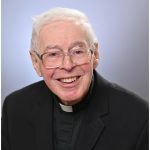
The bishop died in a local hospital “surrounded by close family and friends,” current Bishop Emilio Biosca Agüero, OFM Cap, said.
Read More
Obituary: Msgr. Robert Carroll, 89 #Catholic – A Mass of Christian Burial will be held on Tuesday, Oct. 13 at 10:30 a.m. at Our Lady of Fatima Church in the Highland Lakes neighborhood of Vernon, N.J., for Msgr. Robert Carroll, a retired priest of the Paterson Diocese, N.J., who died on Oct. 7, the Feast of Our Lady of the Holy Rosary. He was 89.
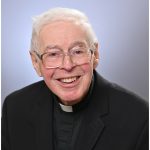
Bishop James J. Navagh ordained Msgr. Carroll on May 25, 1963.
Msgr. Carroll faithfully served throughout the diocese of Paterson, especially in parochial assignments at St. Rose of Lima Parish in East Hanover, N.J., St. Brendan Parish in Clifton, N.J., St. Gerard Majella Parish in Paterson, N.J., St. Nicholas Parish in Passaic, N.J., St. Anthony Parish in Hawthorne, N.J., and finally at Our Lady of Fatima Parish in Highland Lakes before his retirement in 2016.
Msgr. Carroll also served on the faculty at former Neumann Prep in Wayne, N.J., as the assistant director of vocations; Passaic dean; and spiritual director for both the Morris County Curia of the Legion of Mary and the former Domus Bartimaeus House of Discernment in Boonton, N.J.
Visitation for Msgr. Carroll will occur on Monday, Oct. 12 from 3 to 7 p.m. at Our Lady of Fatima Church in the Highland Lakes. The Mass of Christian Burial will be held on Tuesday, Oct. 13 at 10:30 a.m. at Our Lady of Fatima. Priests are invited to concelebrate the funeral Mass. Please bring diocesan vestment.
Interment to follow the Mass at St. Joseph’s Cemetery in Newton, N.J.
Condolences may be sent to the attention of the Clergy Personnel Office, 205 Madison Ave., Madison, N.J. 07940
Please keep Msgr. Carroll; his sister-in-law, Denise Carrol; his niece, Amy Carroll; his nephew, Peter Carroll; all of his family and friends; and all of the Priests of the Paterson Diocese in your prayers, especially at the Eucharist.

Click here to subscribe to our weekly newsletter.

Obituary: Msgr. Robert Carroll, 89 #Catholic – A Mass of Christian Burial will be held on Tuesday, Oct. 13 at 10:30 a.m. at Our Lady of Fatima Church in the Highland Lakes neighborhood of Vernon, N.J., for Msgr. Robert Carroll, a retired priest of the Paterson Diocese, N.J., who died on Oct. 7, the Feast of Our Lady of the Holy Rosary. He was 89. Bishop James J. Navagh ordained Msgr. Carroll on May 25, 1963. Msgr. Carroll faithfully served throughout the diocese of Paterson, especially in parochial assignments at St. Rose of Lima Parish in East Hanover, N.J., St. Brendan Parish in Clifton, N.J., St. Gerard Majella Parish in Paterson, N.J., St. Nicholas Parish in Passaic, N.J., St. Anthony Parish in Hawthorne, N.J., and finally at Our Lady of Fatima Parish in Highland Lakes before his retirement in 2016. Msgr. Carroll also served on the faculty at former Neumann Prep in Wayne, N.J., as the assistant director of vocations; Passaic dean; and spiritual director for both the Morris County Curia of the Legion of Mary and the former Domus Bartimaeus House of Discernment in Boonton, N.J. Visitation for Msgr. Carroll will occur on Monday, Oct. 12 from 3 to 7 p.m. at Our Lady of Fatima Church in the Highland Lakes. The Mass of Christian Burial will be held on Tuesday, Oct. 13 at 10:30 a.m. at Our Lady of Fatima. Priests are invited to concelebrate the funeral Mass. Please bring diocesan vestment. Interment to follow the Mass at St. Joseph’s Cemetery in Newton, N.J. Condolences may be sent to the attention of the Clergy Personnel Office, 205 Madison Ave., Madison, N.J. 07940 Please keep Msgr. Carroll; his sister-in-law, Denise Carrol; his niece, Amy Carroll; his nephew, Peter Carroll; all of his family and friends; and all of the Priests of the Paterson Diocese in your prayers, especially at the Eucharist. Click here to subscribe to our weekly newsletter.

Obituary: Msgr. Robert Carroll, 89 #Catholic –

A Mass of Christian Burial will be held on Tuesday, Oct. 13 at 10:30 a.m. at Our Lady of Fatima Church in the Highland Lakes neighborhood of Vernon, N.J., for Msgr. Robert Carroll, a retired priest of the Paterson Diocese, N.J., who died on Oct. 7, the Feast of Our Lady of the Holy Rosary. He was 89.

Bishop James J. Navagh ordained Msgr. Carroll on May 25, 1963.

Msgr. Carroll faithfully served throughout the diocese of Paterson, especially in parochial assignments at St. Rose of Lima Parish in East Hanover, N.J., St. Brendan Parish in Clifton, N.J., St. Gerard Majella Parish in Paterson, N.J., St. Nicholas Parish in Passaic, N.J., St. Anthony Parish in Hawthorne, N.J., and finally at Our Lady of Fatima Parish in Highland Lakes before his retirement in 2016.

Msgr. Carroll also served on the faculty at former Neumann Prep in Wayne, N.J., as the assistant director of vocations; Passaic dean; and spiritual director for both the Morris County Curia of the Legion of Mary and the former Domus Bartimaeus House of Discernment in Boonton, N.J.

Visitation for Msgr. Carroll will occur on Monday, Oct. 12 from 3 to 7 p.m. at Our Lady of Fatima Church in the Highland Lakes. The Mass of Christian Burial will be held on Tuesday, Oct. 13 at 10:30 a.m. at Our Lady of Fatima. Priests are invited to concelebrate the funeral Mass. Please bring diocesan vestment.

Interment to follow the Mass at St. Joseph’s Cemetery in Newton, N.J.

Condolences may be sent to the attention of the Clergy Personnel Office, 205 Madison Ave., Madison, N.J. 07940

Please keep Msgr. Carroll; his sister-in-law, Denise Carrol; his niece, Amy Carroll; his nephew, Peter Carroll; all of his family and friends; and all of the Priests of the Paterson Diocese in your prayers, especially at the Eucharist.


Click here to subscribe to our weekly newsletter.

– A Mass of Christian Burial will be held on Tuesday, Oct. 13 at 10:30 a.m. at Our Lady of Fatima Church in the Highland Lakes neighborhood of Vernon, N.J., for Msgr. Robert Carroll, a retired priest of the Paterson Diocese, N.J., who died on Oct. 7, the Feast of Our Lady of the Holy Rosary. He was 89. Bishop James J. Navagh ordained Msgr. Carroll on May 25, 1963. Msgr. Carroll faithfully served throughout the diocese of Paterson, especially in parochial assignments at St. Rose of Lima Parish in East Hanover, N.J., St. Brendan Parish in Clifton, N.J., St. Gerard
Read More
Holy See presses development, poverty, women’s issues at UN #Catholic The Holy See’s permanent observer to the U.N. raised global development, poverty, and women’s equality as topics of concern during the 81st General Assembly.Archbishop Christophe-Zakhia El-Kassis, the Holy See’s apostolic nuncio to the U.N., called for “true equality” for women, and for global economic and technological advances to prioritize the human person and the common good during remarks delivered at the Oct. 6 session.El-Kassis, who was appointed to the position in July, spoke during the U.N.’s Third Committee, which focuses on social, humanitarian, and cultural issues, as well as the Second Committee, which focuses on economic and financial issues.Drawing from Pope Leo XIV’s statement that “development is truly human when it places people at the center instead of the accumulation of wealth,” El-Kassis noted that eradicating poverty must come with the development of a system that does not treat the poor “merely as passive recipients of assistance.”“Instead, they should be active participants and protagonists in the measures and programs designed to help them in their own lives,” he said. “To achieve the objectives of poverty eradication, full employment and decent work, and social integration, as set out in Copenhagen and reaffirmed in Doha, will require sustained cooperation, creativity and a renewed commitment to a political, economic, ethical and spiritual vision for social development based on human dignity.”
 
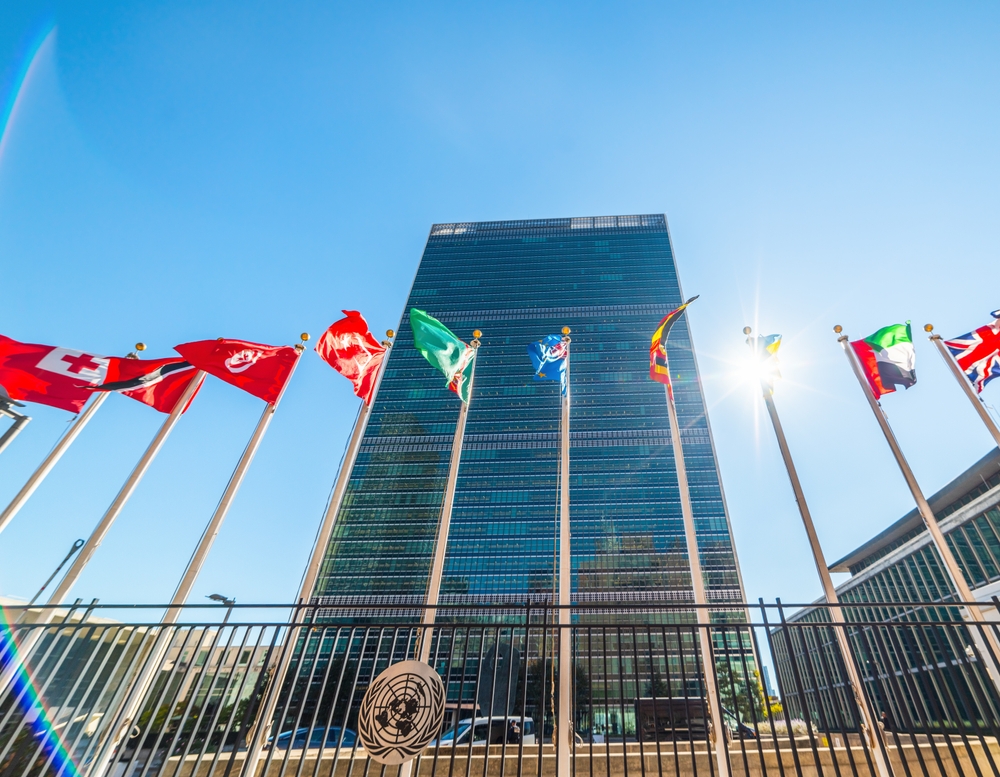
 U.N. headquarters in Midtown Manhattan. | Credit: Gabriele Maltinti/Shutterstock
 
 During another session on sustainable development and global economic change, El-Kassis called for the world’s economy to embrace “fairer and more inclusive international financial architecture.”“The circumstances of a person’s birth should not determine the respect for one’s inherent God-given dignity or the opportunities an individual is able to access,” he said. “Similarly, the economic circumstances of a country should not limit its ability to meaningfully participate decisions that shape its development.”El-Kassis similarly quoted Leo’s encyclical Magnifica Humanitas when speaking about women and emphasized that “equality for women cannot be achieved as long as violence against women remains widespread.” The Holy See’s U.N. representative further decried human trafficking and said other technological and medical developments have enabled forms of exploitation, including surrogacy.The Holy See reiterated its opposition to surrogacy, arguing that it treats gestation as “a negotiable service,” which violates the dignity of both the child and the mother.

Holy See presses development, poverty, women’s issues at UN #Catholic The Holy See’s permanent observer to the U.N. raised global development, poverty, and women’s equality as topics of concern during the 81st General Assembly.Archbishop Christophe-Zakhia El-Kassis, the Holy See’s apostolic nuncio to the U.N., called for “true equality” for women, and for global economic and technological advances to prioritize the human person and the common good during remarks delivered at the Oct. 6 session.El-Kassis, who was appointed to the position in July, spoke during the U.N.’s Third Committee, which focuses on social, humanitarian, and cultural issues, as well as the Second Committee, which focuses on economic and financial issues.Drawing from Pope Leo XIV’s statement that “development is truly human when it places people at the center instead of the accumulation of wealth,” El-Kassis noted that eradicating poverty must come with the development of a system that does not treat the poor “merely as passive recipients of assistance.”“Instead, they should be active participants and protagonists in the measures and programs designed to help them in their own lives,” he said. “To achieve the objectives of poverty eradication, full employment and decent work, and social integration, as set out in Copenhagen and reaffirmed in Doha, will require sustained cooperation, creativity and a renewed commitment to a political, economic, ethical and spiritual vision for social development based on human dignity.” U.N. headquarters in Midtown Manhattan. | Credit: Gabriele Maltinti/Shutterstock During another session on sustainable development and global economic change, El-Kassis called for the world’s economy to embrace “fairer and more inclusive international financial architecture.”“The circumstances of a person’s birth should not determine the respect for one’s inherent God-given dignity or the opportunities an individual is able to access,” he said. “Similarly, the economic circumstances of a country should not limit its ability to meaningfully participate decisions that shape its development.”El-Kassis similarly quoted Leo’s encyclical Magnifica Humanitas when speaking about women and emphasized that “equality for women cannot be achieved as long as violence against women remains widespread.” The Holy See’s U.N. representative further decried human trafficking and said other technological and medical developments have enabled forms of exploitation, including surrogacy.The Holy See reiterated its opposition to surrogacy, arguing that it treats gestation as “a negotiable service,” which violates the dignity of both the child and the mother.

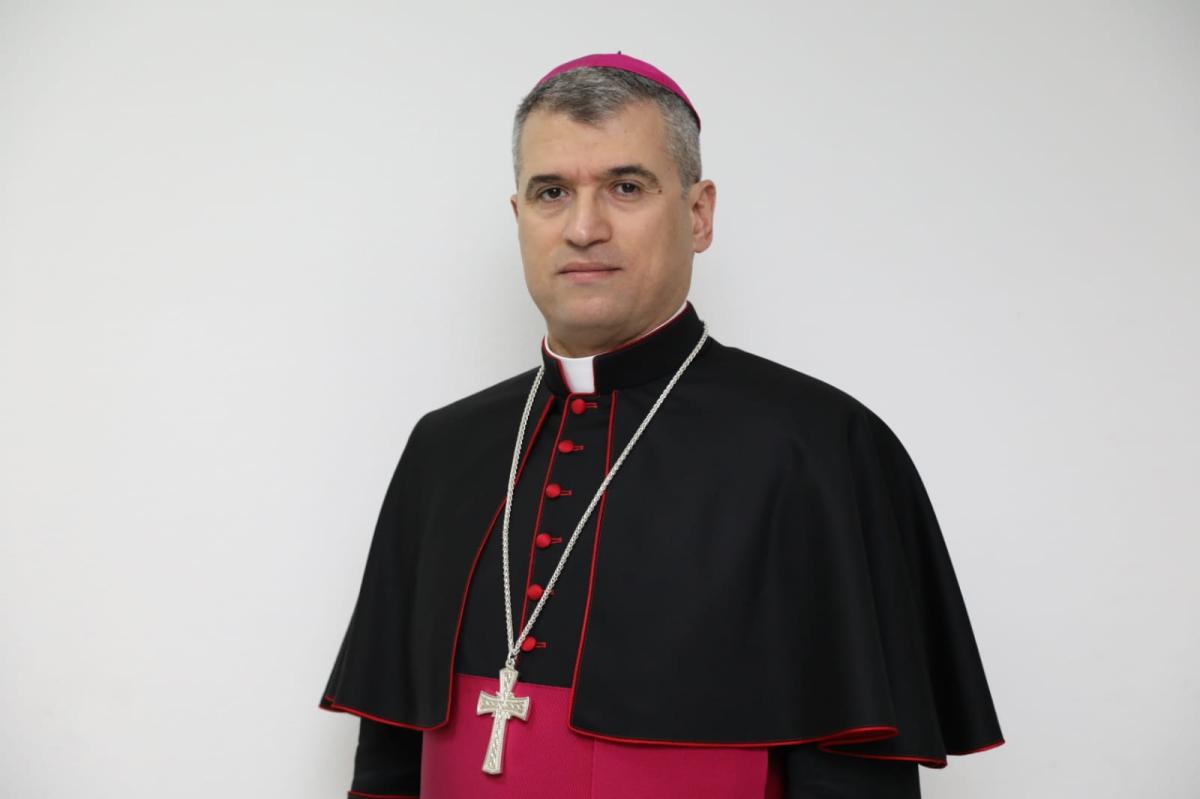
“Circumstances of a person’s birth should not determine the respect for one’s inherent God-given dignity or the opportunities an individual is able to access,” Archbishop Christophe El-Kassis said.
Read More
Canada won’t expand assisted suicide for those suffering from mental illness, government says #Catholic The Canadian government will not expand its broadly popular assisted suicide program for individuals suffering solely from a mental illness, Minister of Justice Sean Fraser said on Oct. 7. The announcement brings an end to several years of debate and speculation regarding whether the country would allow doctors to help kill individuals who are suffering from mental health issues but who are not terminally or seriously ill. Fraser told media at the Canadian House of Commons on Oct. 7 that the country would not move forward with the proposed expansion. “While there is not a perfect consensus on this issue, we believe this is the correct approach at this particular time,” he told media. Euthanasia has become a leading cause of death in Canada since it was legalized roughly a decade ago. About 100,000 Canadians have died by the country’s medical assistance in dying (MAID) program since 2016.The country’s euthanasia program is one of the most permissive in the world. In 2023 euthanasia accounted for roughly 1 out of every 20 deaths there.The MAID program is nominally limited to those suffering from what the government describes as a “grievous and irremediable medical condition,” though the condition need not be fatal or terminal. The government had previously debated expanding the program to those suffering from mental health issues, though postponed the question in 2024 after a parliamentary report said the nation was “not ready” for the expansion.Fraser said on Wednesday that upcoming legislation would indefinitely extend the ban on mental health-related euthanasia. A 2025 report from Cardus Health found that vulnerable demographics were obtaining suicide assistance at disproportionately high rates in Canada. Among those groups were individuals suffering from mental illness. Assisted suicide has expanded at the regional level in the country. In 2024, for instance, the provincial government of Quebec said it would begin allowing assisted suicide in the form of “advance requests,” where individuals can be euthanized at a time when they are unable to give consent so long as they agreed to the procedure at some point in the past. In 2024, meanwhile, a watchdog report found that hundreds of violations of the country’s euthanasia rules had gone unreported to law enforcement.

Canada won’t expand assisted suicide for those suffering from mental illness, government says #Catholic The Canadian government will not expand its broadly popular assisted suicide program for individuals suffering solely from a mental illness, Minister of Justice Sean Fraser said on Oct. 7. The announcement brings an end to several years of debate and speculation regarding whether the country would allow doctors to help kill individuals who are suffering from mental health issues but who are not terminally or seriously ill. Fraser told media at the Canadian House of Commons on Oct. 7 that the country would not move forward with the proposed expansion. “While there is not a perfect consensus on this issue, we believe this is the correct approach at this particular time,” he told media. Euthanasia has become a leading cause of death in Canada since it was legalized roughly a decade ago. About 100,000 Canadians have died by the country’s medical assistance in dying (MAID) program since 2016.The country’s euthanasia program is one of the most permissive in the world. In 2023 euthanasia accounted for roughly 1 out of every 20 deaths there.The MAID program is nominally limited to those suffering from what the government describes as a “grievous and irremediable medical condition,” though the condition need not be fatal or terminal. The government had previously debated expanding the program to those suffering from mental health issues, though postponed the question in 2024 after a parliamentary report said the nation was “not ready” for the expansion.Fraser said on Wednesday that upcoming legislation would indefinitely extend the ban on mental health-related euthanasia. A 2025 report from Cardus Health found that vulnerable demographics were obtaining suicide assistance at disproportionately high rates in Canada. Among those groups were individuals suffering from mental illness. Assisted suicide has expanded at the regional level in the country. In 2024, for instance, the provincial government of Quebec said it would begin allowing assisted suicide in the form of “advance requests,” where individuals can be euthanized at a time when they are unable to give consent so long as they agreed to the procedure at some point in the past. In 2024, meanwhile, a watchdog report found that hundreds of violations of the country’s euthanasia rules had gone unreported to law enforcement.

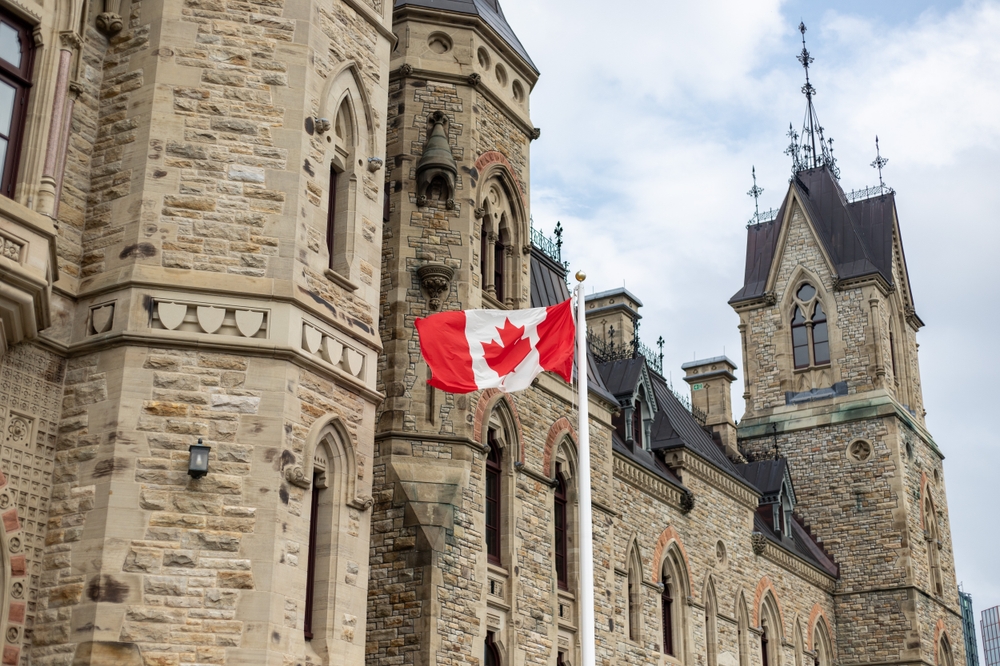
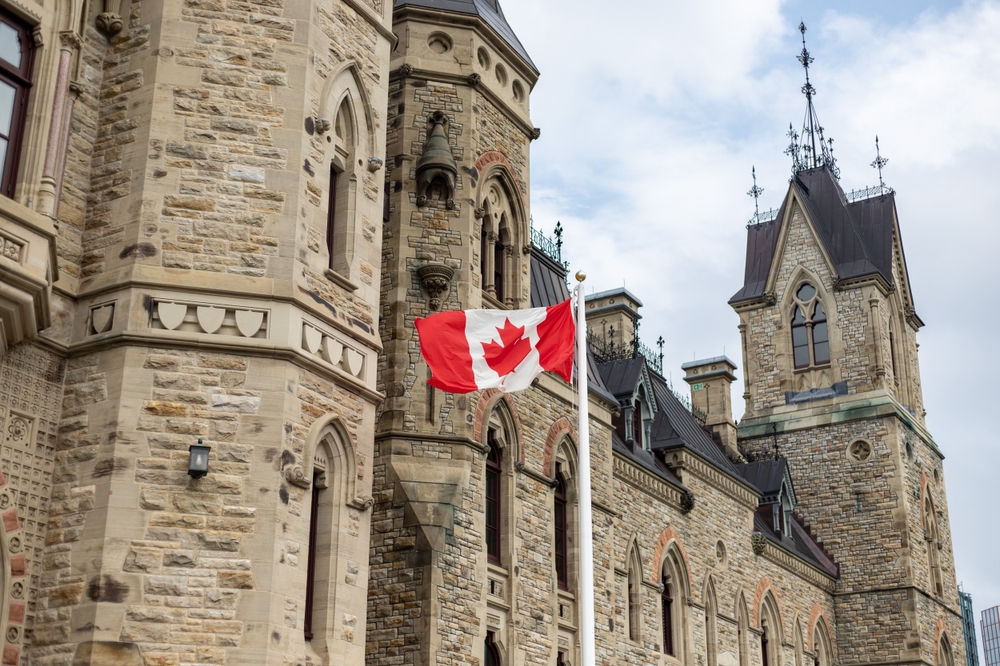
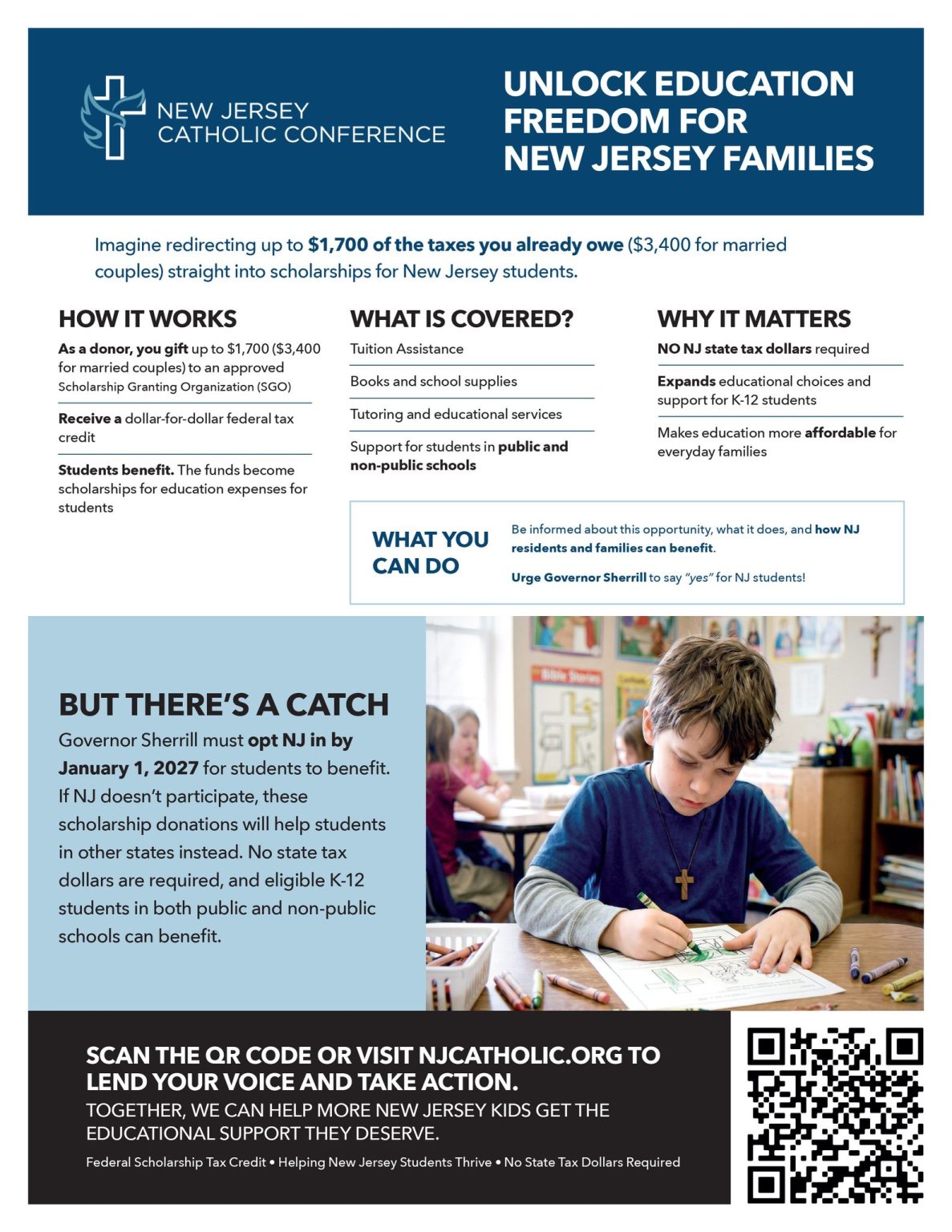
The government has debated expanding its medical assistance in dying program for those suffering solely from mental health issues.
Read More
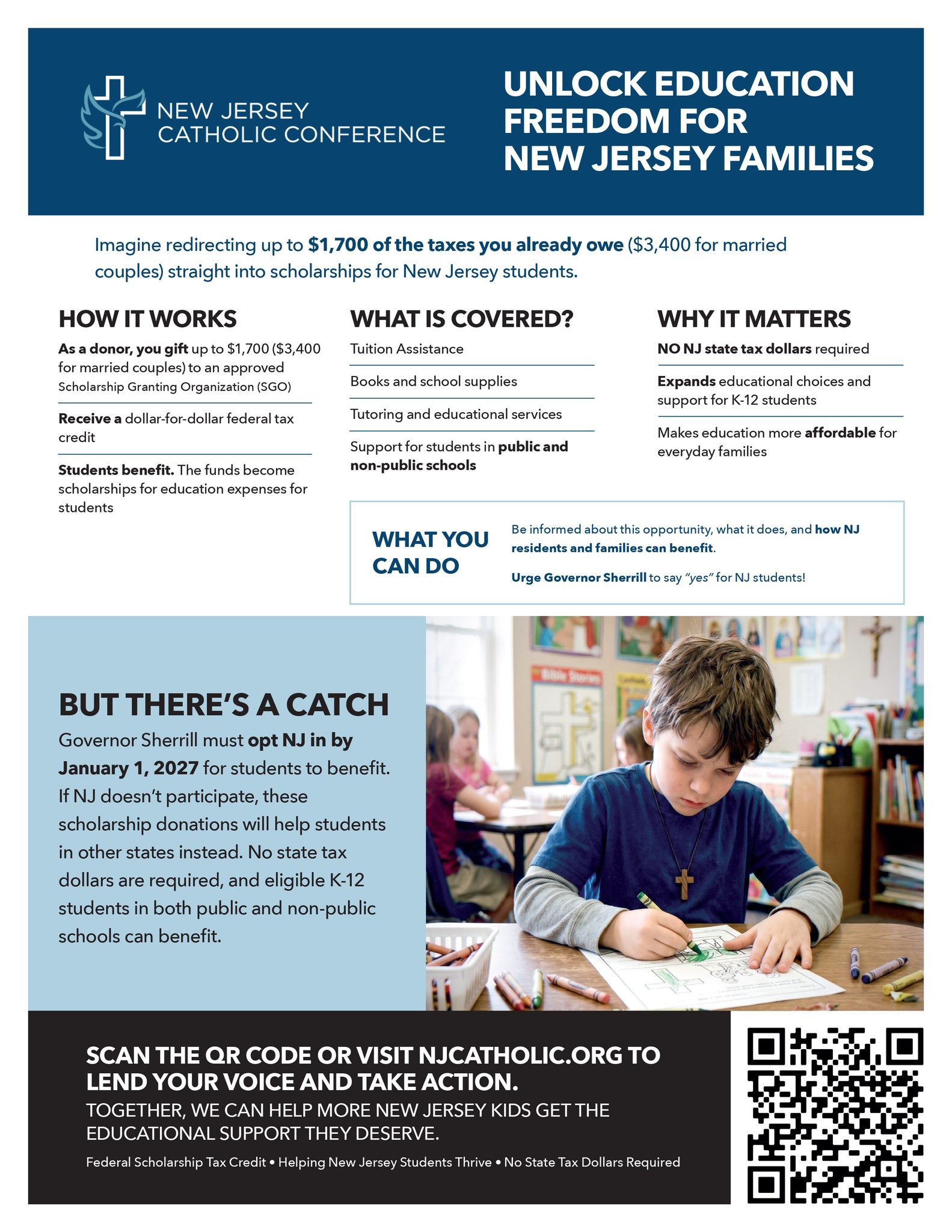
NJCC to voters: Ask Gov. Sherrill to opt in N.J. for students to access federal tax dollars #Catholic – Federal tax dollars could soon be applied to education expenses for eligible New Jersey families at no cost to the state – but only if Governor Mikie Sherrill opts in by Jan. 1, 2027.

The New Jersey Catholic Conference, public policy arm of the bishops of New Jersey, launched an advocacy campaign Oct. 5, featuring dedicated web pages, an Action Alert and a packet of digital and social media graphics and bulletin inserts to be shared throughout the state via Catholic schools, parishes and media outlets. The campaign urges voters to reach out to Governor Sherrill and ask her to say “yes” to New Jersey’s participation in the Federal Scholarship Tax Credit.
According to the NJCC’s website, if the Governor accepts the program for NJ, it would provide federal tax dollars to New Jersey families for educational assistance. The program would impose no cost to the state, and scholarships would benefit both students attending public and non-public schools. Each state must formally opt in to the FSTC by the new year to receive the benefits.
The Diocese of Trenton’s Bishop David M. O’Connell, C.M., in his role as chairman of the U.S. Conference of Catholic Bishops’ Committee on Catholic Education, advocated for the FSTC as “a transformative opportunity for children across the country.” In a brief message released Oct. 2, he writes, “The Catholic Church teaches that parents are the first and primary educators of our children, and that parents have the obligation of educating their children in the manner best suited for their development and needs. The Federal Scholarship Tax Credit will create opportunities for families to access much-needed resources to expand their options for choosing the best tools and learning environment for their children.”



Bishop O’Connell’s full message is available HERE. 
As indicated in the Internal Revenue Code Section 25F,taxpayers living in participating states can allocate federal tax dollars already owed – up to ,700 per individual or ,400 for married couples – as a nonrefundable tax credit to an approved Scholarship Granting Organization: a nonprofit organization that provides scholarships for K–12 education-related expenses, which is certified by the state. Scholarship Granting Organizations then use those contributions to provide scholarships for tuition, books, fees, supplies, tutoring and other educational services.
“You may have heard this program described as a ‘school voucher’ scheme that will hurt public education, or as a benefit for wealthy families who could already afford private school,” reads the NJCC Action Alert. “Neither is accurate, and we need your voice to help set the record straight. By federal law, scholarships are limited to students from households earning no more than 300% of their area’s median income, keeping the focus on working- and middle-class families.”
These federal tax dollars can make educational choices and support more available and affordable for everyday families with K-12 students. But if New Jersey doesn’t participate, those scholarship donations will go to help students in other states, the Action Alert cites. As of publication, 31 states have opted in or committed to the tax credits; four have declined and two have vetoed. Source: https://eftccredit.com/tools/state-opt-in-tracker.
The Action Alert can be accessed at https://www.votervoice.net/NJCC/Campaigns/139845/Respond.
Advocacy campaign materials and an overview of FSTC can be found at: https://njcatholic.org/education-tax-credit-spread-the-word. https://njcatholic.org/education-tax-credit-overview.
EmmaLee Italia is a contributing editor and writer for The Monitor, the official news publication and website of the Catholic Diocese of Trenton, N.J.


NJCC to voters: Ask Gov. Sherrill to opt in N.J. for students to access federal tax dollars #Catholic – Federal tax dollars could soon be applied to education expenses for eligible New Jersey families at no cost to the state – but only if Governor Mikie Sherrill opts in by Jan. 1, 2027. The New Jersey Catholic Conference, public policy arm of the bishops of New Jersey, launched an advocacy campaign Oct. 5, featuring dedicated web pages, an Action Alert and a packet of digital and social media graphics and bulletin inserts to be shared throughout the state via Catholic schools, parishes and media outlets. The campaign urges voters to reach out to Governor Sherrill and ask her to say “yes” to New Jersey’s participation in the Federal Scholarship Tax Credit. According to the NJCC’s website, if the Governor accepts the program for NJ, it would provide federal tax dollars to New Jersey families for educational assistance. The program would impose no cost to the state, and scholarships would benefit both students attending public and non-public schools. Each state must formally opt in to the FSTC by the new year to receive the benefits. The Diocese of Trenton’s Bishop David M. O’Connell, C.M., in his role as chairman of the U.S. Conference of Catholic Bishops’ Committee on Catholic Education, advocated for the FSTC as “a transformative opportunity for children across the country.” In a brief message released Oct. 2, he writes, “The Catholic Church teaches that parents are the first and primary educators of our children, and that parents have the obligation of educating their children in the manner best suited for their development and needs. The Federal Scholarship Tax Credit will create opportunities for families to access much-needed resources to expand their options for choosing the best tools and learning environment for their children.” Bishop O’Connell’s full message is available HERE.  As indicated in the Internal Revenue Code Section 25F,taxpayers living in participating states can allocate federal tax dollars already owed – up to $1,700 per individual or $3,400 for married couples – as a nonrefundable tax credit to an approved Scholarship Granting Organization: a nonprofit organization that provides scholarships for K–12 education-related expenses, which is certified by the state. Scholarship Granting Organizations then use those contributions to provide scholarships for tuition, books, fees, supplies, tutoring and other educational services. “You may have heard this program described as a ‘school voucher’ scheme that will hurt public education, or as a benefit for wealthy families who could already afford private school,” reads the NJCC Action Alert. “Neither is accurate, and we need your voice to help set the record straight. By federal law, scholarships are limited to students from households earning no more than 300% of their area’s median income, keeping the focus on working- and middle-class families.” These federal tax dollars can make educational choices and support more available and affordable for everyday families with K-12 students. But if New Jersey doesn’t participate, those scholarship donations will go to help students in other states, the Action Alert cites. As of publication, 31 states have opted in or committed to the tax credits; four have declined and two have vetoed. Source: https://eftccredit.com/tools/state-opt-in-tracker. The Action Alert can be accessed at https://www.votervoice.net/NJCC/Campaigns/139845/Respond. Advocacy campaign materials and an overview of FSTC can be found at: https://njcatholic.org/education-tax-credit-spread-the-word. https://njcatholic.org/education-tax-credit-overview. EmmaLee Italia is a contributing editor and writer for The Monitor, the official news publication and website of the Catholic Diocese of Trenton, N.J.    

NJCC to voters: Ask Gov. Sherrill to opt in N.J. for students to access federal tax dollars #Catholic –

Federal tax dollars could soon be applied to education expenses for eligible New Jersey families at no cost to the state – but only if Governor Mikie Sherrill opts in by Jan. 1, 2027.

The New Jersey Catholic Conference, public policy arm of the bishops of New Jersey, launched an advocacy campaign Oct. 5, featuring dedicated web pages, an Action Alert and a packet of digital and social media graphics and bulletin inserts to be shared throughout the state via Catholic schools, parishes and media outlets. The campaign urges voters to reach out to Governor Sherrill and ask her to say “yes” to New Jersey’s participation in the Federal Scholarship Tax Credit.

According to the NJCC’s website, if the Governor accepts the program for NJ, it would provide federal tax dollars to New Jersey families for educational assistance. The program would impose no cost to the state, and scholarships would benefit both students attending public and non-public schools. Each state must formally opt in to the FSTC by the new year to receive the benefits.

The Diocese of Trenton’s Bishop David M. O’Connell, C.M., in his role as chairman of the U.S. Conference of Catholic Bishops’ Committee on Catholic Education, advocated for the FSTC as “a transformative opportunity for children across the country.” In a brief message released Oct. 2, he writes, “The Catholic Church teaches that parents are the first and primary educators of our children, and that parents have the obligation of educating their children in the manner best suited for their development and needs. The Federal Scholarship Tax Credit will create opportunities for families to access much-needed resources to expand their options for choosing the best tools and learning environment for their children.”

Bishop O’Connell’s full message is available HERE. 

As indicated in the Internal Revenue Code Section 25F,taxpayers living in participating states can allocate federal tax dollars already owed – up to $1,700 per individual or $3,400 for married couples – as a nonrefundable tax credit to an approved Scholarship Granting Organization: a nonprofit organization that provides scholarships for K–12 education-related expenses, which is certified by the state. Scholarship Granting Organizations then use those contributions to provide scholarships for tuition, books, fees, supplies, tutoring and other educational services.

“You may have heard this program described as a ‘school voucher’ scheme that will hurt public education, or as a benefit for wealthy families who could already afford private school,” reads the NJCC Action Alert. “Neither is accurate, and we need your voice to help set the record straight. By federal law, scholarships are limited to students from households earning no more than 300% of their area’s median income, keeping the focus on working- and middle-class families.”

These federal tax dollars can make educational choices and support more available and affordable for everyday families with K-12 students. But if New Jersey doesn’t participate, those scholarship donations will go to help students in other states, the Action Alert cites. As of publication, 31 states have opted in or committed to the tax credits; four have declined and two have vetoed. Source: https://eftccredit.com/tools/state-opt-in-tracker.

The Action Alert can be accessed at https://www.votervoice.net/NJCC/Campaigns/139845/Respond.

Advocacy campaign materials and an overview of FSTC can be found at: https://njcatholic.org/education-tax-credit-spread-the-word. https://njcatholic.org/education-tax-credit-overview.

EmmaLee Italia is a contributing editor and writer for The Monitor, the official news publication and website of the Catholic Diocese of Trenton, N.J.


– Federal tax dollars could soon be applied to education expenses for eligible New Jersey families at no cost to the state – but only if Governor Mikie Sherrill opts in by Jan. 1, 2027. The New Jersey Catholic Conference, public policy arm of the bishops of New Jersey, launched an advocacy campaign Oct. 5, featuring dedicated web pages, an Action Alert and a packet of digital and social media graphics and bulletin inserts to be shared throughout the state via Catholic schools, parishes and media outlets. The campaign urges voters to reach out to Governor Sherrill and ask her to
Read More
Picture of the day


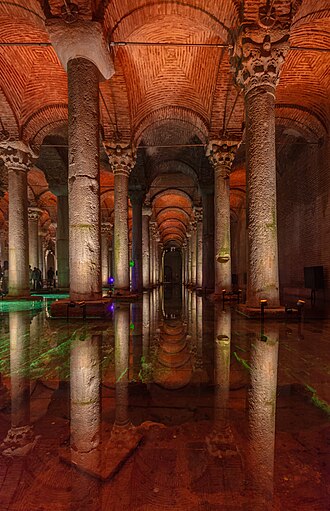
View of the Basilica Cistern, Istanbul, Turkey. The Basilica Cistern, or Cisterna Basilica is the largest of several hundred ancient cisterns that lie beneath the city. This subterranean cistern was called Basilica because it was located under a large public square, the Stoa Basilica, on the First Hill of Constantinople. The cistern, built in the 6th century during the reign of Byzantine emperor Justinian I, provided a water filtration system for the Great Palace of Constantinople and other buildings on the First Hill, and continued to provide water to the Topkapı Palace after the Ottoman conquest in 1453 and into modern times. Today it is kept with little water, for public access inside the space.
 #ImageOfTheDay
Picture of the day
View of the Basilica Cistern, Istanbul, Turkey. The Basilica Cistern, or Cisterna Basilica is the largest of several hundred ancient cisterns that lie beneath the city. This subterranean cistern was called Basilica because it was located under a large public square, the Stoa Basilica, on the First Hill of Constantinople. The cistern, built in the 6th century during the reign of Byzantine emperor Justinian I, provided a water filtration system for the Great Palace of Constantinople and other buildings on the First Hill, and continued to provide water to the Topkapı Palace after the Ottoman conquest in 1453 and into modern times. Today it is kept with little water, for public access inside the space.
Read More

The Crab Nebula Our first object is the Crab Nebula in Taurus. It’s one of the sky’s most famous objects, and a nice small telescope target. Although the word “nebula” is part of this object’s name, astronomers classify M1 as a supernova remnant. In 1054, a brilliant new star 4 times brighter than Venus appearedContinue reading “Winter observing targets for small telescopes”

The post Winter observing targets for small telescopes appeared first on Astronomy Magazine.

Read More

7 common myths and facts about the rosary #Catholic October is designated by the Catholic Church as the month of the rosary, and Oct. 7 is the feast of Our Lady of the Rosary.Here are seven common myths and facts about this popular devotion and  prayer:1. Only Catholics can pray the rosary.False. While rosaries are typically associated with Catholics, non-Catholics can certainly pray the rosary — and in fact, many credit it to their conversion. Even some Protestants recognize the rosary as a valid form of prayer.2. Praying the rosary is idolatry.False. Some have objections to the rosary, claiming it idolizes Mary and is overly repetitive.Just like any practice, the rosary can be abused — just as someone might idolize a particular pastor or priest, a form of worship, or fasting. But the rosary itself is not a form of idolatry.The rosary is not a prayer to Mary — it is a meditation on the life of Christ revealed in five mysteries “with the purposes of drawing the person praying deeper into reflecting on Christ’s joys, sacrifices, sufferings, and the glorious miracles of his life.”When we pray the Hail Mary, we are not adoring Mary; we are asking for her intercession — just as we might ask a friend or family member to pray for us.Second, any prayer can lose its meaning if we do not intentionally meditate on it. Focusing on the mysteries with purpose and intention is key to the rosary’s transforming power. As one author encourages: “The rosary itself stays the same, but we do not.”3. You can wear a rosary as a necklace.It depends. It is typically considered disrespectful and irreverent to wear a rosary around one’s neck as jewelry, even though the Church does not have an explicit declaration against doing so.However, Canon 1171 of the Code of Canon Law says that “sacred objects, set aside for divine worship by dedication or blessing, are to be treated with reverence. They are not to be made over to secular or inappropriate use, even though they may belong to private persons.”It is important to treat the rosary with respect and intention. If you intend to wear the rosary as a piece of jewelry, this would not be respectful and should be avoided. It goes without saying that wearing the rosary as a mockery or gang symbol would be a sin.But if it is your intention to use the rosary and be mindful of prayer, then it could be permissible. It is not uncommon in some cultures, like in Honduras and El Salvador, to see the rosary respectfully worn around the neck as a sign of devotion.Rosary rings or bracelets might be a better option if you want to keep your rosary close at hand as a reminder to pray, as they are kept more out of sight and would not be as easily misconstrued to be a piece of jewelry.4. The rosary is an extremist symbol.False. Back in 2022, a widely-shared Atlantic article went viral for accusing the rosary of being an “extremist symbol.”“Just as the AR-15 rifle has become a sacred object for Christian nationalists in general, the rosary has acquired a militaristic meaning for radical-traditional (or ‘rad trad’) Catholics,” the article read.The author also cited the Church’s stance on traditional marriage and the sanctity of life as evidence of “extremism” and claimed that Catholics’ tendency to call the rosary a “weapon in the fight against evil” as dangerous.As EWTN News reported in 2022, popes have urged Catholics to pray the rosary since 1571 — often referring to the rosary as a prayer “weapon” and most powerful spiritual tool.5. The rosary is not biblical.Untrue! Most of its words come directly from Scripture.First, the Our Father is prayed. The words of the Our Father are those Christ taught his disciples to pray in Matthew 6:9–13.The Hail Mary also comes straight from the Bible. The first part, “Hail, full of grace, the Lord is with thee,” comes from Luke 1:28, and the second, “Blessed art thou amongst women and blessed is the fruit of thy womb,” is found in Luke 1:42.Finally, each of the decades prayed on the rosary symbolizes an event in the lives of Jesus and his mother. The decades are divided into four sets of mysteries: joyful, luminous, sorrowful, and glorious, the majority of which are found in Scripture.6. A rosary bead, or pea, can kill you.Somewhat true. A rosary pea, or abrus seed, is a vine plant native to India and parts of Asia. The seeds of the vine, which are red with black spots, are often used to make beaded jewelry — including rosaries. Rosary pea seeds contain a toxic substance called “abrin,” which is a naturally-occurring poison that can be fatal if ingested. However, it’s unlikely for someone to get abrin poisoning just from holding a rosary made from abrus seeds, as one would have to swallow them.Today, most rosaries are made from other nontoxic materials, such as olive wood or glass — eliminating this concern.7. The rosary can help protect you.True. Praying the rosary has proven to be a miraculous force for protecting those of faith and bestowing upon them extra graces, such as the victory of the Christian forces at the Battle of Lepanto after St. Pius V implored Western Christians to pray the rosary.Many great saints across history, including Pope John Paul II, Padre Pio, and Lucia of Fátima, have also recognized the rosary as the most powerful weapon in fighting the real spiritual battles we face in the world.We know that spiritual warfare is a real and present danger: “For our struggle is not with flesh and blood but with the principalities, with the powers, with the world rulers of this present darkness, with the evil spirits in the heavens” (Eph 6:11–12).“The rosary is a powerful weapon to put the demons to flight and to keep oneself from sin … If you desire peace in your hearts, in your homes, and in your country, assemble each evening to recite the rosary. Let not even one day pass without saying it, no matter how burdened you may be with many cares and labors,” Pope Pius XI said.This story was first published on Oct. 1, 2022, and has been updated.

7 common myths and facts about the rosary #Catholic October is designated by the Catholic Church as the month of the rosary, and Oct. 7 is the feast of Our Lady of the Rosary.Here are seven common myths and facts about this popular devotion and  prayer:1. Only Catholics can pray the rosary.False. While rosaries are typically associated with Catholics, non-Catholics can certainly pray the rosary — and in fact, many credit it to their conversion. Even some Protestants recognize the rosary as a valid form of prayer.2. Praying the rosary is idolatry.False. Some have objections to the rosary, claiming it idolizes Mary and is overly repetitive.Just like any practice, the rosary can be abused — just as someone might idolize a particular pastor or priest, a form of worship, or fasting. But the rosary itself is not a form of idolatry.The rosary is not a prayer to Mary — it is a meditation on the life of Christ revealed in five mysteries “with the purposes of drawing the person praying deeper into reflecting on Christ’s joys, sacrifices, sufferings, and the glorious miracles of his life.”When we pray the Hail Mary, we are not adoring Mary; we are asking for her intercession — just as we might ask a friend or family member to pray for us.Second, any prayer can lose its meaning if we do not intentionally meditate on it. Focusing on the mysteries with purpose and intention is key to the rosary’s transforming power. As one author encourages: “The rosary itself stays the same, but we do not.”3. You can wear a rosary as a necklace.It depends. It is typically considered disrespectful and irreverent to wear a rosary around one’s neck as jewelry, even though the Church does not have an explicit declaration against doing so.However, Canon 1171 of the Code of Canon Law says that “sacred objects, set aside for divine worship by dedication or blessing, are to be treated with reverence. They are not to be made over to secular or inappropriate use, even though they may belong to private persons.”It is important to treat the rosary with respect and intention. If you intend to wear the rosary as a piece of jewelry, this would not be respectful and should be avoided. It goes without saying that wearing the rosary as a mockery or gang symbol would be a sin.But if it is your intention to use the rosary and be mindful of prayer, then it could be permissible. It is not uncommon in some cultures, like in Honduras and El Salvador, to see the rosary respectfully worn around the neck as a sign of devotion.Rosary rings or bracelets might be a better option if you want to keep your rosary close at hand as a reminder to pray, as they are kept more out of sight and would not be as easily misconstrued to be a piece of jewelry.4. The rosary is an extremist symbol.False. Back in 2022, a widely-shared Atlantic article went viral for accusing the rosary of being an “extremist symbol.”“Just as the AR-15 rifle has become a sacred object for Christian nationalists in general, the rosary has acquired a militaristic meaning for radical-traditional (or ‘rad trad’) Catholics,” the article read.The author also cited the Church’s stance on traditional marriage and the sanctity of life as evidence of “extremism” and claimed that Catholics’ tendency to call the rosary a “weapon in the fight against evil” as dangerous.As EWTN News reported in 2022, popes have urged Catholics to pray the rosary since 1571 — often referring to the rosary as a prayer “weapon” and most powerful spiritual tool.5. The rosary is not biblical.Untrue! Most of its words come directly from Scripture.First, the Our Father is prayed. The words of the Our Father are those Christ taught his disciples to pray in Matthew 6:9–13.The Hail Mary also comes straight from the Bible. The first part, “Hail, full of grace, the Lord is with thee,” comes from Luke 1:28, and the second, “Blessed art thou amongst women and blessed is the fruit of thy womb,” is found in Luke 1:42.Finally, each of the decades prayed on the rosary symbolizes an event in the lives of Jesus and his mother. The decades are divided into four sets of mysteries: joyful, luminous, sorrowful, and glorious, the majority of which are found in Scripture.6. A rosary bead, or pea, can kill you.Somewhat true. A rosary pea, or abrus seed, is a vine plant native to India and parts of Asia. The seeds of the vine, which are red with black spots, are often used to make beaded jewelry — including rosaries. Rosary pea seeds contain a toxic substance called “abrin,” which is a naturally-occurring poison that can be fatal if ingested. However, it’s unlikely for someone to get abrin poisoning just from holding a rosary made from abrus seeds, as one would have to swallow them.Today, most rosaries are made from other nontoxic materials, such as olive wood or glass — eliminating this concern.7. The rosary can help protect you.True. Praying the rosary has proven to be a miraculous force for protecting those of faith and bestowing upon them extra graces, such as the victory of the Christian forces at the Battle of Lepanto after St. Pius V implored Western Christians to pray the rosary.Many great saints across history, including Pope John Paul II, Padre Pio, and Lucia of Fátima, have also recognized the rosary as the most powerful weapon in fighting the real spiritual battles we face in the world.We know that spiritual warfare is a real and present danger: “For our struggle is not with flesh and blood but with the principalities, with the powers, with the world rulers of this present darkness, with the evil spirits in the heavens” (Eph 6:11–12).“The rosary is a powerful weapon to put the demons to flight and to keep oneself from sin … If you desire peace in your hearts, in your homes, and in your country, assemble each evening to recite the rosary. Let not even one day pass without saying it, no matter how burdened you may be with many cares and labors,” Pope Pius XI said.This story was first published on Oct. 1, 2022, and has been updated.

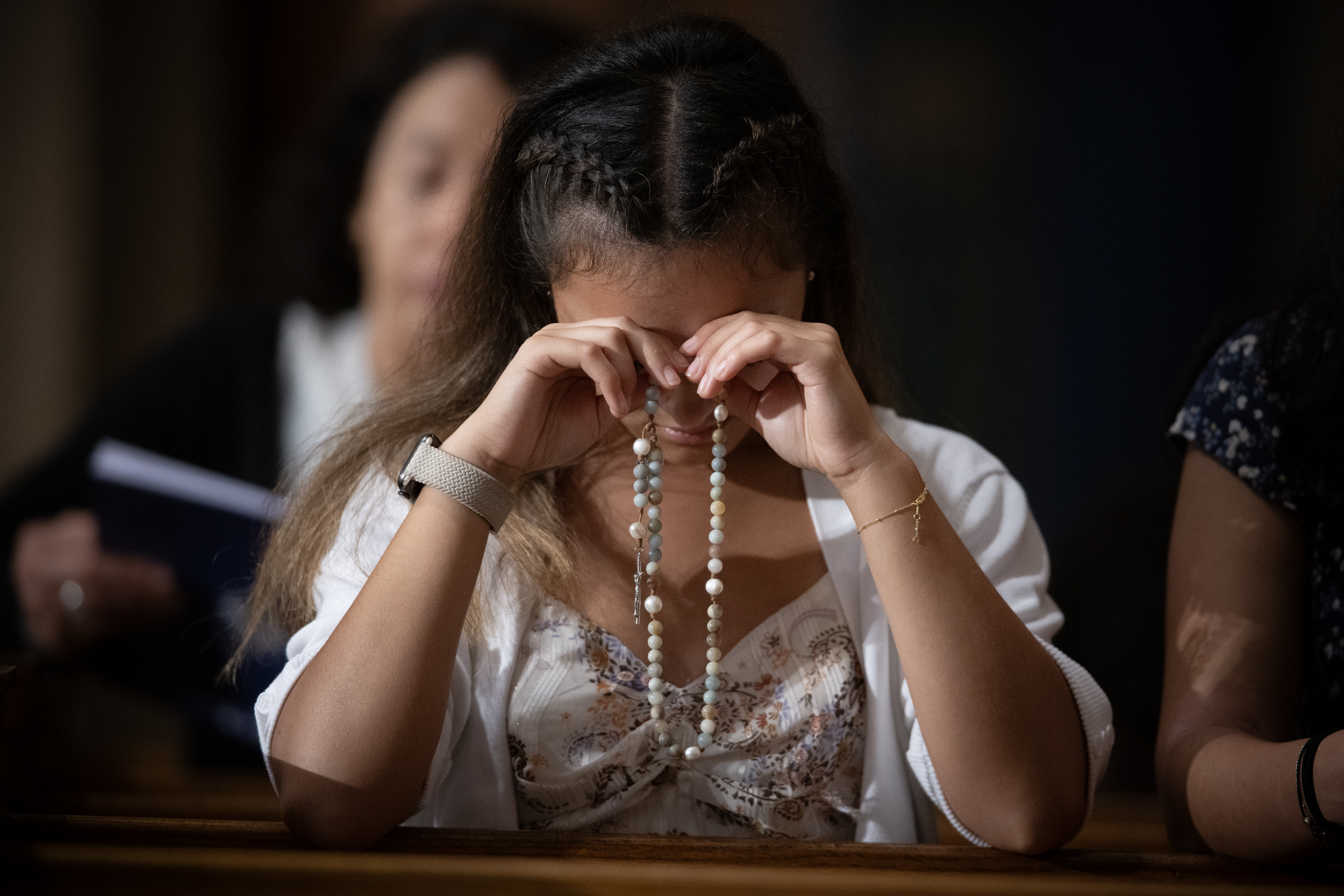
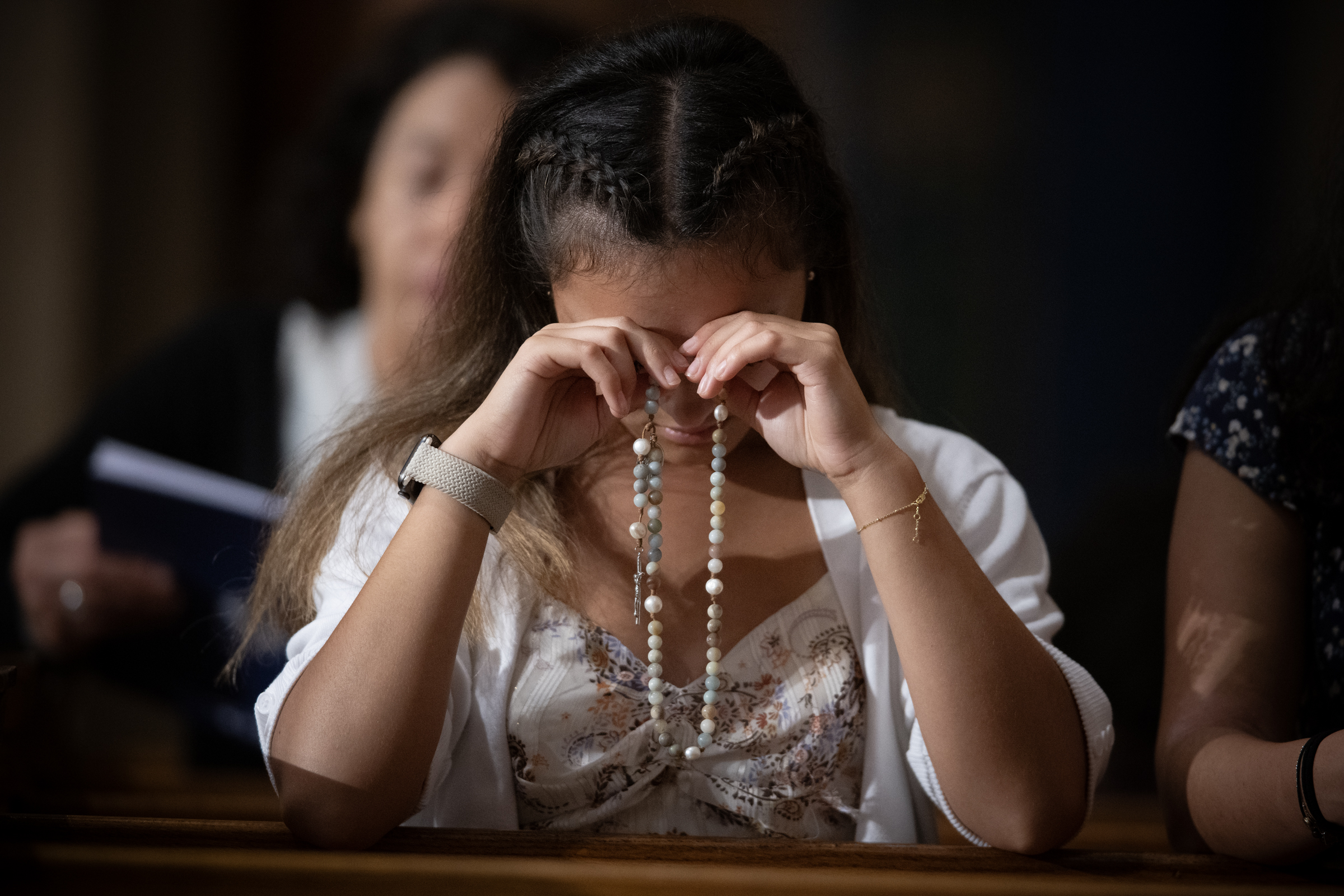
A look at this popular devotion and prayer on the feast of Our Lady of the Rosary.

Read More