Fifa

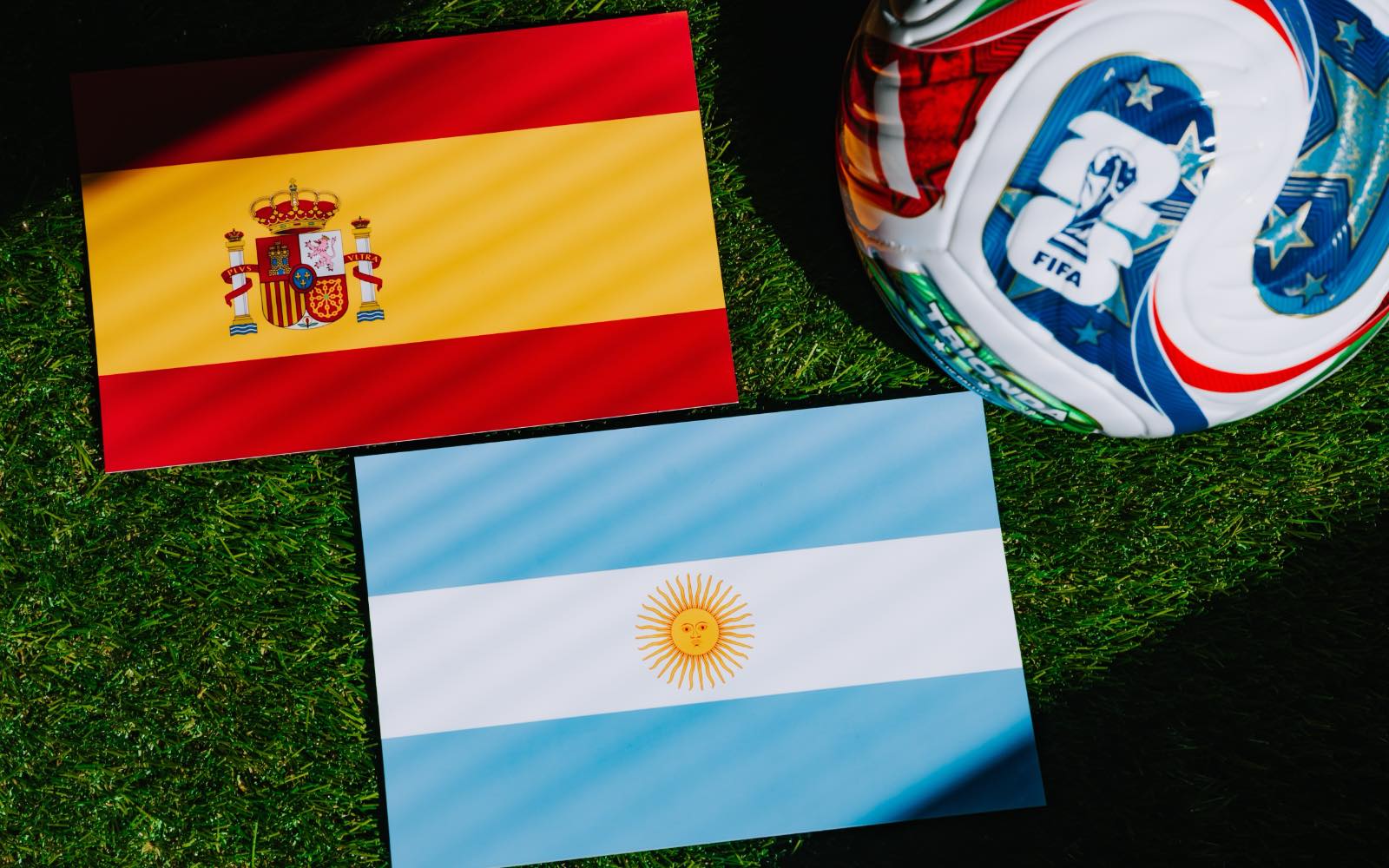
Post-World Cup insults fly between Spaniards and Argentinans: ‘It’s idolatry,’ priest says #Catholic In response to the insults exchanged on social media between Argentinian and Spanish fans following the 2026 FIFA World Cup final, a priest questioned the amount of rage, warning that those behaving this way have “lost their bearings" and that "the way they’re acting isn’t about soccer; it’s idolatry." In a thread posted on X, Father Francisco Javier Bronchalo, a Spanish priest from the Diocese of Getafe, lamented having read “too many insults on social media between Argentinians and Spaniards” in recent days.“Someone posts something with the best of intentions, and people come down on them as if they had hit their mother,” he noted.The Spanish national team defeated Argentina 1-0 on Sunday, July 19, with a goal by Ferrán Torres and became world champion for the second time, following the title won in 2010.In his reflection, Bronchalo noted that “the human heart is made to worship” and warned that if it “does not worship God, it will worship something else: success, the body, money, or a soccer team.”This idolatry, he continued, replaces “liturgical chant with the team anthem, the worshipping assembly with the cheering section, and salvation with winning a title,” ultimately becoming “a religion without God.”The Spanish priest said “the insults and excesses seen in recent days” demonstrate that “people defend with violence and mockery something that, deep down, is devoid of both truth and meaning.”“The Gospel says that the mouth speaks from what overflows from the heart. Today, we would say: The fingers write from what overflows from the heart,” he remarked.However, Bronchalo clarified that “[soccer] is not the problem,” as the sport can bring about “healthy joy” and promote values ​​such as effort, perseverance, loyalty, and teamwork.“But a means treated as an end becomes a tyrant. Soccer as an ultimate end turns into the opposite: a source of anger, anxiety, and emptiness,” he warned.“The question is not whether you are passionate about soccer. The question is what place it holds in your heart. If it is a means, it draws you closer to heaven. If it is an end, it traps you on earth,” he said.Bishop Munilla: Don’t turn soccer into ‘a religion’The Spanish priest’s reflection echoed the warning issued before the World Cup final by the bishop of Orihuela-Alicante in Spain, José Ignacio Munilla, who highlighted that soccer has values ​​worth recognizing but noted that “it is one thing to enjoy the sport, and quite another to turn it into a religion.”The prelate further noted that “an inability to accept defeat is a sign of immaturity” but “those who need to humiliate others don’t know how to win, either.” “True sportsmanship lies in discovering that one’s rival is not an enemy but someone who makes the game possible,” he stated.‘Rivals for a day. Brothers forever’Amid verbal clashes on social media, Catholic priests from Argentina and Spain shared messages of goodwill and congratulations.Argentinian priest Father Tomás Agustín Beroch wrote on X: “Congratulations to Spain. They were far superior and won decisively. Long live Spain — our Motherland that evangelized us — and congratulations on this cup. It is well-deserved.”“As I’ve been saying throughout this World Cup, we must win heaven, and Christ must reign in our hearts above all else. A big hug to my Spanish friends and to all the people of that great nation,” he said.Hours before the final, Father Francisco Delgado of the Archdiocese of Toledo in Spain posted an image of two soccer players — one Spanish and the other Argentinian — walking across the playing field with their arms around each other. Above them, the words read: “Rivals for a day. Brothers forever.”Argentinian priest Father Javier Olivera Ravasi congratulated Spain on the championship on X, stating: “They deserve it. They were better.”He then posted a photo of his backpack featuring the flags of Argentina and Spain, which he has carried “for years” declaring “Long live Christ the King! Long live Catholic Spain and Catholic Argentina!”This story was first published by ACI Prensa, the Spanish-language sister service of EWTN News. It has been translated and adapted by EWTN News English.

Post-World Cup insults fly between Spaniards and Argentinans: ‘It’s idolatry,’ priest says #Catholic In response to the insults exchanged on social media between Argentinian and Spanish fans following the 2026 FIFA World Cup final, a priest questioned the amount of rage, warning that those behaving this way have “lost their bearings" and that "the way they’re acting isn’t about soccer; it’s idolatry." In a thread posted on X, Father Francisco Javier Bronchalo, a Spanish priest from the Diocese of Getafe, lamented having read “too many insults on social media between Argentinians and Spaniards” in recent days.“Someone posts something with the best of intentions, and people come down on them as if they had hit their mother,” he noted.The Spanish national team defeated Argentina 1-0 on Sunday, July 19, with a goal by Ferrán Torres and became world champion for the second time, following the title won in 2010.In his reflection, Bronchalo noted that “the human heart is made to worship” and warned that if it “does not worship God, it will worship something else: success, the body, money, or a soccer team.”This idolatry, he continued, replaces “liturgical chant with the team anthem, the worshipping assembly with the cheering section, and salvation with winning a title,” ultimately becoming “a religion without God.”The Spanish priest said “the insults and excesses seen in recent days” demonstrate that “people defend with violence and mockery something that, deep down, is devoid of both truth and meaning.”“The Gospel says that the mouth speaks from what overflows from the heart. Today, we would say: The fingers write from what overflows from the heart,” he remarked.However, Bronchalo clarified that “[soccer] is not the problem,” as the sport can bring about “healthy joy” and promote values ​​such as effort, perseverance, loyalty, and teamwork.“But a means treated as an end becomes a tyrant. Soccer as an ultimate end turns into the opposite: a source of anger, anxiety, and emptiness,” he warned.“The question is not whether you are passionate about soccer. The question is what place it holds in your heart. If it is a means, it draws you closer to heaven. If it is an end, it traps you on earth,” he said.Bishop Munilla: Don’t turn soccer into ‘a religion’The Spanish priest’s reflection echoed the warning issued before the World Cup final by the bishop of Orihuela-Alicante in Spain, José Ignacio Munilla, who highlighted that soccer has values ​​worth recognizing but noted that “it is one thing to enjoy the sport, and quite another to turn it into a religion.”The prelate further noted that “an inability to accept defeat is a sign of immaturity” but “those who need to humiliate others don’t know how to win, either.” “True sportsmanship lies in discovering that one’s rival is not an enemy but someone who makes the game possible,” he stated.‘Rivals for a day. Brothers forever’Amid verbal clashes on social media, Catholic priests from Argentina and Spain shared messages of goodwill and congratulations.Argentinian priest Father Tomás Agustín Beroch wrote on X: “Congratulations to Spain. They were far superior and won decisively. Long live Spain — our Motherland that evangelized us — and congratulations on this cup. It is well-deserved.”“As I’ve been saying throughout this World Cup, we must win heaven, and Christ must reign in our hearts above all else. A big hug to my Spanish friends and to all the people of that great nation,” he said.Hours before the final, Father Francisco Delgado of the Archdiocese of Toledo in Spain posted an image of two soccer players — one Spanish and the other Argentinian — walking across the playing field with their arms around each other. Above them, the words read: “Rivals for a day. Brothers forever.”Argentinian priest Father Javier Olivera Ravasi congratulated Spain on the championship on X, stating: “They deserve it. They were better.”He then posted a photo of his backpack featuring the flags of Argentina and Spain, which he has carried “for years” declaring “Long live Christ the King! Long live Catholic Spain and Catholic Argentina!”This story was first published by ACI Prensa, the Spanish-language sister service of EWTN News. It has been translated and adapted by EWTN News English.

The priest said “the human heart is made to worship” and warned that if it “does not worship God, it will worship something else: success, the body, money, or a soccer team.”
Read More
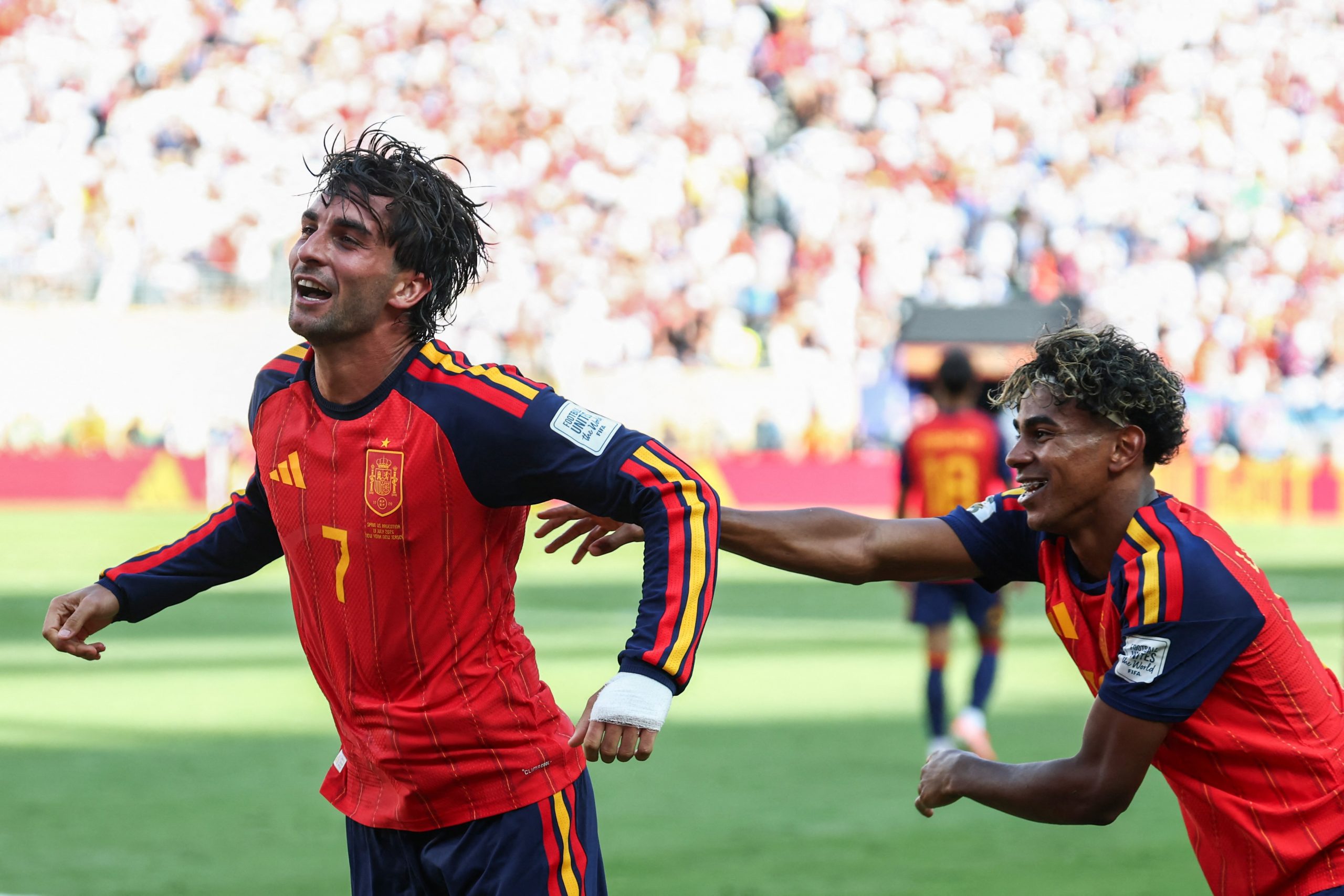
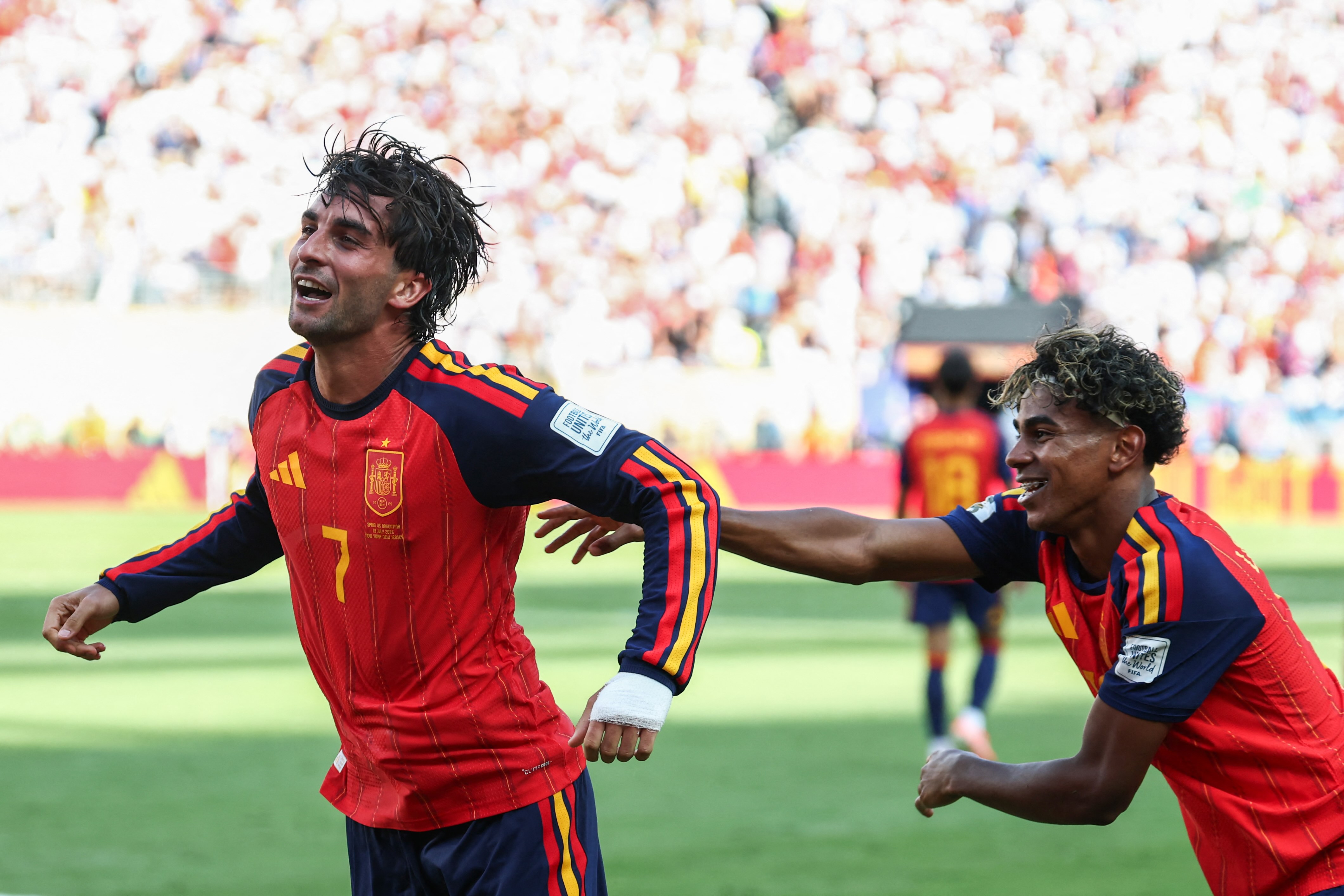
Ferrán Torres, the Catholic forward who won the World Cup for Spain #Catholic Ferrán Torres is the Catholic forward who secured a 1–0 victory for Spain over Messiʼs Argentina in the 2026 FIFA World Cup final, played on Sunday, July 19, in New Jersey.“The goal is the least important thing; right now, all I want is to grab that trophy and squeeze it as hard as I can, because I believe it represents the dream of the 47 million people we were representing on the pitch today — because I think we deserved it and we gave it our all,” said Ferrán Torres after the final.Torres, who plays for Barcelona in Spain, also said that the goal brought him a sense of relief, given the heavy criticism he had faced during the World Cup. “Thank God, He always gives me the strength to keep going, and in the end — as I always say — God grants things to those who deserve them most,” the forward emphasized.Days before the final, a video was released in which Torres spoke about the importance of God in his life. “I have a cross and an image of the Virgin Mary; ultimately, I think having such strong faith gives me great support — it is something very important to me,” remarked the Spanish forward, who was named the final’s Superior Player of the Match.TweetTorres stands out for his Catholic faith within the Spanish national team, alongside coach Luis de la Fuente — who, at the press conference prior to the semifinal match where they defeated France 2–0, stated that he prays “every day, but not because I am at a World Cup or in order to get a result.”“I give thanks every day — every day I wake up and find myself well, I look at myself and say: ‘Another day I can enjoy life.’ I give thanks for those little things. I pray—because I do pray every day — not to ask for more help,” the Spanish head coach explained at the time.This story was first published by ACI Prensa, the Spanish-language sister service of EWTN News. It has been translated and adapted by EWTN News English.

Ferrán Torres, the Catholic forward who won the World Cup for Spain #Catholic Ferrán Torres is the Catholic forward who secured a 1–0 victory for Spain over Messiʼs Argentina in the 2026 FIFA World Cup final, played on Sunday, July 19, in New Jersey.“The goal is the least important thing; right now, all I want is to grab that trophy and squeeze it as hard as I can, because I believe it represents the dream of the 47 million people we were representing on the pitch today — because I think we deserved it and we gave it our all,” said Ferrán Torres after the final.Torres, who plays for Barcelona in Spain, also said that the goal brought him a sense of relief, given the heavy criticism he had faced during the World Cup. “Thank God, He always gives me the strength to keep going, and in the end — as I always say — God grants things to those who deserve them most,” the forward emphasized.Days before the final, a video was released in which Torres spoke about the importance of God in his life. “I have a cross and an image of the Virgin Mary; ultimately, I think having such strong faith gives me great support — it is something very important to me,” remarked the Spanish forward, who was named the final’s Superior Player of the Match.TweetTorres stands out for his Catholic faith within the Spanish national team, alongside coach Luis de la Fuente — who, at the press conference prior to the semifinal match where they defeated France 2–0, stated that he prays “every day, but not because I am at a World Cup or in order to get a result.”“I give thanks every day — every day I wake up and find myself well, I look at myself and say: ‘Another day I can enjoy life.’ I give thanks for those little things. I pray—because I do pray every day — not to ask for more help,” the Spanish head coach explained at the time.This story was first published by ACI Prensa, the Spanish-language sister service of EWTN News. It has been translated and adapted by EWTN News English.

Torres stands out for his Catholic faith within the Spanish national team, alongside coach Luis de la Fuente.

Read More
As the World Cup final looms, what lessons can defeat teach us? #Catholic With fewer than 10 matches left to play, the 2026 FIFA World Cup is entering its final stretch. As the tournament continues and more national teams are defeated and eliminated, the dream of becoming world champion fades away.Faced with this reality, a question arises: What message can defeat convey from the perspective of the Catholic faith?The worldʼs most important national team tournament has already seen the elimination of host countries Mexico, the United States, and Canada, as well as teams with high aspirations like Cristiano Ronaldo’s Portugal and Luka Modrić’s Croatia.Although one might think that a defeat brings only sadness and frustration, Father David Jasso, a priest of the Archdiocese of Monterrey, Mexico, and former sporting director of the Monterrey Soccer Club, said in an interview with ACI Prensa, the Spanish-language sister service of EWTN News, that failure also offers important lessons.“We learn more from failure and mistakes than from achievements and successes,” the priest stated, noting that defeat is part of life and personal growth.He also highlighted that the World Cup has demonstrated the power of sport to bring people together around the same dream. He pointed out that experiences like this remind us that we can still “unite, that we can still be together, and that shared hopes and dreams are also part of life.”He encouraged fans to experience the remainder of the tournament in a spirit of fraternity. “Even though our national team isnʼt participating, we love soccer, so let’s enjoy it, especially with family and friends,” he said, while also calling for gatherings and fan festivities to take place “with respect and peace.”Jasso noted that although soccer is a “thrilling, indescribable” sport and winning the World Cup is a great aspiration, “there are more important things for which we are playing,” including “glory, heaven, and salvation.”He also pointed out the importance of preserving the essence of the game, urging people to “carefully protect the sport from corruption, negative practices, and business aspects that unfortunately affect this beautiful sport.”A moment to reflect on hopeFather José de Jesús Aguilar, a priest of the Archdiocese of Mexico, told ACI Prensa that even in defeat, “one must always have hope.”The priest noted that the Gospel invites us to “always seek success, the best, and growth,” but he also pointed out that Scripture teaches, in the Book of Ecclesiastes, that “there is a time to win and a time to lose.”He explained that this is because “there are many things that do not depend solely on oneself, but also on others,” and furthermore, “people, times, circumstances, opportunities, and many other things” can change.For this reason, he urged fans to accept the final scores with composure, noting that although all the teams are competing to lift up the trophy in celebration, “in this World Cup, there will be only one winner, while all the others participate and learn even from their losses.”This story was first published by ACI Prensa, the Spanish-language sister service of EWTN News. It has been translated and adapted by EWTN News English.

As the World Cup final looms, what lessons can defeat teach us? #Catholic With fewer than 10 matches left to play, the 2026 FIFA World Cup is entering its final stretch. As the tournament continues and more national teams are defeated and eliminated, the dream of becoming world champion fades away.Faced with this reality, a question arises: What message can defeat convey from the perspective of the Catholic faith?The worldʼs most important national team tournament has already seen the elimination of host countries Mexico, the United States, and Canada, as well as teams with high aspirations like Cristiano Ronaldo’s Portugal and Luka Modrić’s Croatia.Although one might think that a defeat brings only sadness and frustration, Father David Jasso, a priest of the Archdiocese of Monterrey, Mexico, and former sporting director of the Monterrey Soccer Club, said in an interview with ACI Prensa, the Spanish-language sister service of EWTN News, that failure also offers important lessons.“We learn more from failure and mistakes than from achievements and successes,” the priest stated, noting that defeat is part of life and personal growth.He also highlighted that the World Cup has demonstrated the power of sport to bring people together around the same dream. He pointed out that experiences like this remind us that we can still “unite, that we can still be together, and that shared hopes and dreams are also part of life.”He encouraged fans to experience the remainder of the tournament in a spirit of fraternity. “Even though our national team isnʼt participating, we love soccer, so let’s enjoy it, especially with family and friends,” he said, while also calling for gatherings and fan festivities to take place “with respect and peace.”Jasso noted that although soccer is a “thrilling, indescribable” sport and winning the World Cup is a great aspiration, “there are more important things for which we are playing,” including “glory, heaven, and salvation.”He also pointed out the importance of preserving the essence of the game, urging people to “carefully protect the sport from corruption, negative practices, and business aspects that unfortunately affect this beautiful sport.”A moment to reflect on hopeFather José de Jesús Aguilar, a priest of the Archdiocese of Mexico, told ACI Prensa that even in defeat, “one must always have hope.”The priest noted that the Gospel invites us to “always seek success, the best, and growth,” but he also pointed out that Scripture teaches, in the Book of Ecclesiastes, that “there is a time to win and a time to lose.”He explained that this is because “there are many things that do not depend solely on oneself, but also on others,” and furthermore, “people, times, circumstances, opportunities, and many other things” can change.For this reason, he urged fans to accept the final scores with composure, noting that although all the teams are competing to lift up the trophy in celebration, “in this World Cup, there will be only one winner, while all the others participate and learn even from their losses.”This story was first published by ACI Prensa, the Spanish-language sister service of EWTN News. It has been translated and adapted by EWTN News English.

In the world of sports, as in life, “we learn more from failure and mistakes than from achievements and successes,” said former Monterrey Soccer Club director and priest Father David Jasso.

Read More
5 powerful moments of faith at the 2026 FIFA World Cup #Catholic The 2026 FIFA World Cup began on June 11 — making history as the first World Cup jointly hosted by the United States, Canada, and Mexico.The FIFA World Cup is one of the most-watched sporting events with roughly 5 billion people tuning in to the tournament that brings together soccer’s best athletes from around the world.Despite only being a little over a week into the soccer tournament, the name of Jesus has already been made known many times from several of the athletes and teams as they compete on this global stage.Here are five powerful moments of faith we’ve seen at the World Cup so far:1. Croatian team shares the importance of their Catholic faithAhead of Croatia’s first match against England, two members of the team took part in a press conference where they discussed the role their Catholic faith plays in their lives.EWTN News correspondent Mark Irons was in attendance and asked Kristijan Jakić and Igor Matanović what Catholicism means to the team and if prayer and faith is important to them in their own lives.“I think faith is very important in my life. When you pray to God, it’s like a feeling that someone is listening to you, and that gives me a lot of strength,” Matanović said.Jakić added: “We are a country in which we are Catholics and in which faith means the path in our lives. I think faith represents the entire national team. Faith simply means everything in our lives.”Instagram post2. Players from Curaçao and Germany join in prayer after competing against one anotherThe national team from the country of Curaçao — which is a Caribbean island with a population of 150,000 — made history by qualifying for the World Cup for the first time. By qualifying, the island nation set a Guinness World Record as the smallest country by population to ever reach the global menʼs tournament.Despite losing to Germany in their first match 7-1, the players and coaches were visibly emotional realizing the achievement the team had accomplished. In a moment of gratitude, several of the athletes joined on the pitch for a moment of prayer. They were then joined by German players Jonathan Tah and Felix Nmecha — both outspoken Christians.In a postgame interview, Nmecha said: “During the game, we are opponents, but after the game we are all Christians and we are brothers… In our faith, we all believe that Jesus is glorified through the game and that’s why we came together and simply prayed together.”Instagram post3. Lionel Messi thanks God after making historyArgentina went up against Algeria on June 16 in Kansas City, Kansas, where over 69,000 fans watched history unfold at the feet of the famous Argentinian player Lionel Messi.During the 3-0 victory against Algeria, Messi recorded the first FIFA World Cup hat trick — when a single player scores three goals during one game — of his career. Additionally, Messi made history by tying former German soccer player Miroslav Klose’s record for most men’s World Cup goals scored at 16.After the game, Messi, a devout Catholic, said: “I can’t ask for more than what I received. As I’ve said many times, thank God that he has given me so much and everything that comes now is a blessing.”Instagram post4. Team USA shares a moment of prayer after historic win against ParaguayOn June 12, the men from the United States started their World Cup journey on a positive note with a 4-1 victory over Paraguay. After the game, defender Mark McKenzie led the team in a moment of prayer on the field.Leading into the tournament, several of the U.S. players were vocal about their faith. Star winger Christian Pulisic is known for leading several of his teammates in a Bible study he calls “Bible Time” and has discussed the important role reading Scripture plays in his daily life.Goalkeeper Matt Freese recently spoke to Sports Spectrum’s “What’s Up” podcast and discussed how his faith and career are intertwined.“Godʼs given me so many opportunities within this game and within my career. I still have a role to play in that. I still have to do my part and take that opportunity and do something with it,” Freese said.He also shared that he’s a listener of Father Mike Schmitz’s “Bible in a Year” podcast.“Right now I’m listening to ‘Bible in a Year’ by Father Mike Schmitz. It’s been fantastic and it kind of makes me able to — even when I’m on the road or even if itʼs a busy stretch — make sure I’m spending some time every day, hopefully every day, [with Scripture],” he said.Instagram post5. Felix Nmecha honors Jesus in post-goal celebrationGerman midfielder Felix Nmecha honored Jesus by making a powerful gesture after scoring the first goal in Germany’s 7-1 victory against Curaçao on June 14.After scoring the goal, Nmecha knelt down on one knee and made the gesture of taking off a crown from his head, placed it on the ground, and then pointed up to the sky. This “crown down” gesture, as it has been called, symbolizes that every gift, every victory, and every moment of glory belongs to Christ.In a postgame interview, Nmecha said: “It was an incredible blessing to score my first goal for Germany and for it to be so fast. All the glory I give to God, because he is the one who has given me this talent and the opportunity to be here living this dream.”Instagram post

5 powerful moments of faith at the 2026 FIFA World Cup #Catholic The 2026 FIFA World Cup began on June 11 — making history as the first World Cup jointly hosted by the United States, Canada, and Mexico.The FIFA World Cup is one of the most-watched sporting events with roughly 5 billion people tuning in to the tournament that brings together soccer’s best athletes from around the world.Despite only being a little over a week into the soccer tournament, the name of Jesus has already been made known many times from several of the athletes and teams as they compete on this global stage.Here are five powerful moments of faith we’ve seen at the World Cup so far:1. Croatian team shares the importance of their Catholic faithAhead of Croatia’s first match against England, two members of the team took part in a press conference where they discussed the role their Catholic faith plays in their lives.EWTN News correspondent Mark Irons was in attendance and asked Kristijan Jakić and Igor Matanović what Catholicism means to the team and if prayer and faith is important to them in their own lives.“I think faith is very important in my life. When you pray to God, it’s like a feeling that someone is listening to you, and that gives me a lot of strength,” Matanović said.Jakić added: “We are a country in which we are Catholics and in which faith means the path in our lives. I think faith represents the entire national team. Faith simply means everything in our lives.”Instagram post2. Players from Curaçao and Germany join in prayer after competing against one anotherThe national team from the country of Curaçao — which is a Caribbean island with a population of 150,000 — made history by qualifying for the World Cup for the first time. By qualifying, the island nation set a Guinness World Record as the smallest country by population to ever reach the global menʼs tournament.Despite losing to Germany in their first match 7-1, the players and coaches were visibly emotional realizing the achievement the team had accomplished. In a moment of gratitude, several of the athletes joined on the pitch for a moment of prayer. They were then joined by German players Jonathan Tah and Felix Nmecha — both outspoken Christians.In a postgame interview, Nmecha said: “During the game, we are opponents, but after the game we are all Christians and we are brothers… In our faith, we all believe that Jesus is glorified through the game and that’s why we came together and simply prayed together.”Instagram post3. Lionel Messi thanks God after making historyArgentina went up against Algeria on June 16 in Kansas City, Kansas, where over 69,000 fans watched history unfold at the feet of the famous Argentinian player Lionel Messi.During the 3-0 victory against Algeria, Messi recorded the first FIFA World Cup hat trick — when a single player scores three goals during one game — of his career. Additionally, Messi made history by tying former German soccer player Miroslav Klose’s record for most men’s World Cup goals scored at 16.After the game, Messi, a devout Catholic, said: “I can’t ask for more than what I received. As I’ve said many times, thank God that he has given me so much and everything that comes now is a blessing.”Instagram post4. Team USA shares a moment of prayer after historic win against ParaguayOn June 12, the men from the United States started their World Cup journey on a positive note with a 4-1 victory over Paraguay. After the game, defender Mark McKenzie led the team in a moment of prayer on the field.Leading into the tournament, several of the U.S. players were vocal about their faith. Star winger Christian Pulisic is known for leading several of his teammates in a Bible study he calls “Bible Time” and has discussed the important role reading Scripture plays in his daily life.Goalkeeper Matt Freese recently spoke to Sports Spectrum’s “What’s Up” podcast and discussed how his faith and career are intertwined.“Godʼs given me so many opportunities within this game and within my career. I still have a role to play in that. I still have to do my part and take that opportunity and do something with it,” Freese said.He also shared that he’s a listener of Father Mike Schmitz’s “Bible in a Year” podcast.“Right now I’m listening to ‘Bible in a Year’ by Father Mike Schmitz. It’s been fantastic and it kind of makes me able to — even when I’m on the road or even if itʼs a busy stretch — make sure I’m spending some time every day, hopefully every day, [with Scripture],” he said.Instagram post5. Felix Nmecha honors Jesus in post-goal celebrationGerman midfielder Felix Nmecha honored Jesus by making a powerful gesture after scoring the first goal in Germany’s 7-1 victory against Curaçao on June 14.After scoring the goal, Nmecha knelt down on one knee and made the gesture of taking off a crown from his head, placed it on the ground, and then pointed up to the sky. This “crown down” gesture, as it has been called, symbolizes that every gift, every victory, and every moment of glory belongs to Christ.In a postgame interview, Nmecha said: “It was an incredible blessing to score my first goal for Germany and for it to be so fast. All the glory I give to God, because he is the one who has given me this talent and the opportunity to be here living this dream.”Instagram post

Christian athletes are making the name of Jesus known at the 2026 FIFA World Cup. Here are five powerful moments of faith at the international tournament so far.

Read More