Day: July 23, 2026

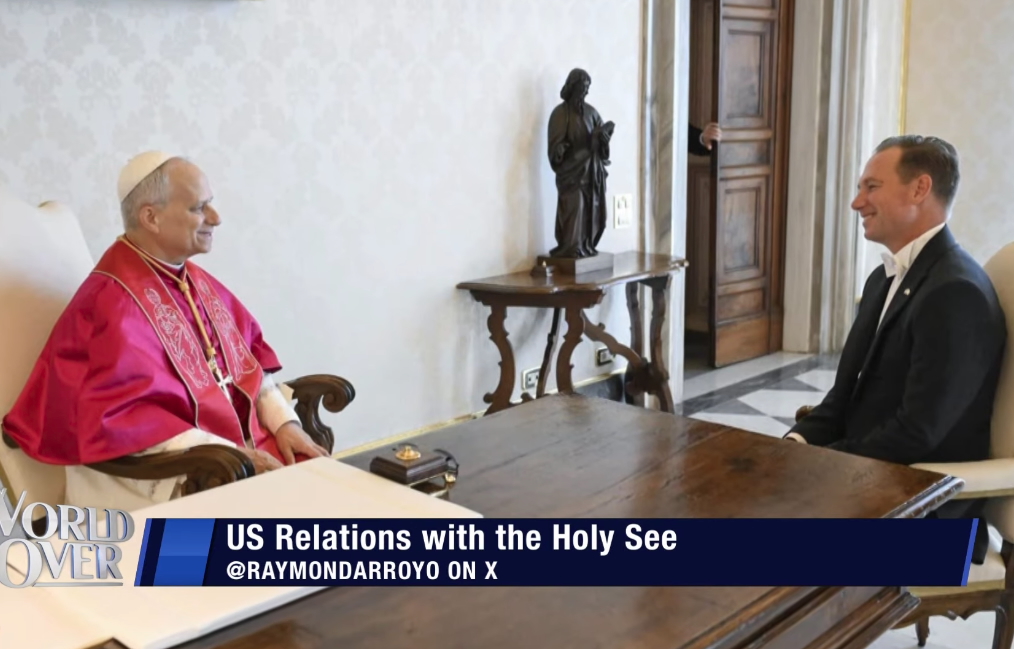
U.S. Ambassador clarifies view on pope’s role in politics, war after Vatican response – #Catholic – After the Vatican reframed statements that U.S. Ambassador to the Holy See Brian Burch made to The New York Times, the ambassador has clarified that he understands Pope Leo XIV’s role as a head of state is “inseparable” from his role as the universal shepherd of the Church.During a July 23 interview with the EWTN News program “The World Over with Raymond Arroyo,” Burch clarified that his July 9 comments to the Times were not meant to imply that Leo’s statements about Iran war policy should be seen as simply diplomatic — rather than spiritual — guidance.“I think thereʼs a misunderstanding,” Burch explained. “… [The role of] the pope as the universal sovereign of the Holy See and as the universal pastor — a pastor of the universal Church — is inseparable.”The controversy stemmed from a quotation in the Times article in which Burch said: “When the pope acts as the sovereign leader of the Holy See, he is coequal with world leaders.” The article also paraphrased Burch’s position by saying the ambassador argued that the pope’s comments about the Iran war were not made as the vicar of Christ but rather as the political leader of the Vatican City State.Without naming Burch, the Editorial Director for the Vatican Dicastery for Communication, Andrea Tornielli, subsequently wrote a July 13 op-ed saying that “even when he speaks about war and peace … the Successor of Peter remains, above all, a spiritual leader.” Even though Leo is a head of state, he wrote, this “does not mean that he acts or speaks as a politician when addressing issues concerning the affairs of humanity.”In his interview with Arroyo, Burch disputed the Times’ characterization of his views, saying the outlet “doesnʼt exactly understand the nuances of Catholic social teaching and how to apply it.”“The pope has this dual role,” Burch said. “He is both the head of the sovereign territory of the Holy See, which has diplomatic relations with the world, but inseparable from that is his role as the universal pastor of the Catholic Church. And when he acts, he certainly acts in such a way to call the world to these high moral principles, to the ideals of … how [humanity] ought to live together.”At the same time, Burch insisted that “there are some very difficult, contingent, practical matters” that play into decisions about going to war, which he said “is the responsibility of the prudential wisdom of those responsible for the common good,” which are political leaders like President Trump.“I tried to explain [to the Times] where there are certain prudential questions,” Burch said. “For example, what does the intelligence information tell us about the situation in Iran? Where is the dialogue at? What [do] the regional alliances look like? What [does] the war game scenario implicate?”“These are very contingent, prudential questions that inform this question on the legitimate use of force,” he added. “And I think, to the Holy Fatherʼs credit, he is the universal shepherd that is calling humanity to this high ideal to try to resolve these sorts of conflicts without violence, without the use of force.”Burch told Arroyo that he does not see disagreement between Trump and Leo on the intended end goal: “Thereʼs no disagreement on peace, on disarming Iran, on the need for interreligious dialogue, for religious freedom.”“Where the challenge comes is the means to get there,” Burch said. He added that it’s not “a surprise, nor a shock, nor an unwelcome message from the Holy Father that we ought to seek peace, that we ought to seek ways to resolve these sorts of conflicts without the use of force.”“But as you know, original sin exists, and there are evil people in this world with evil intentions that, if they arenʼt stopped, certainly could do enormous damage, catastrophic damage, in the world,” the ambassador emphasized.

U.S. Ambassador clarifies view on pope’s role in politics, war after Vatican response – #Catholic – After the Vatican reframed statements that U.S. Ambassador to the Holy See Brian Burch made to The New York Times, the ambassador has clarified that he understands Pope Leo XIV’s role as a head of state is “inseparable” from his role as the universal shepherd of the Church.During a July 23 interview with the EWTN News program “The World Over with Raymond Arroyo,” Burch clarified that his July 9 comments to the Times were not meant to imply that Leo’s statements about Iran war policy should be seen as simply diplomatic — rather than spiritual — guidance.“I think thereʼs a misunderstanding,” Burch explained. “… [The role of] the pope as the universal sovereign of the Holy See and as the universal pastor — a pastor of the universal Church — is inseparable.”The controversy stemmed from a quotation in the Times article in which Burch said: “When the pope acts as the sovereign leader of the Holy See, he is coequal with world leaders.” The article also paraphrased Burch’s position by saying the ambassador argued that the pope’s comments about the Iran war were not made as the vicar of Christ but rather as the political leader of the Vatican City State.Without naming Burch, the Editorial Director for the Vatican Dicastery for Communication, Andrea Tornielli, subsequently wrote a July 13 op-ed saying that “even when he speaks about war and peace … the Successor of Peter remains, above all, a spiritual leader.” Even though Leo is a head of state, he wrote, this “does not mean that he acts or speaks as a politician when addressing issues concerning the affairs of humanity.”In his interview with Arroyo, Burch disputed the Times’ characterization of his views, saying the outlet “doesnʼt exactly understand the nuances of Catholic social teaching and how to apply it.”“The pope has this dual role,” Burch said. “He is both the head of the sovereign territory of the Holy See, which has diplomatic relations with the world, but inseparable from that is his role as the universal pastor of the Catholic Church. And when he acts, he certainly acts in such a way to call the world to these high moral principles, to the ideals of … how [humanity] ought to live together.”At the same time, Burch insisted that “there are some very difficult, contingent, practical matters” that play into decisions about going to war, which he said “is the responsibility of the prudential wisdom of those responsible for the common good,” which are political leaders like President Trump.“I tried to explain [to the Times] where there are certain prudential questions,” Burch said. “For example, what does the intelligence information tell us about the situation in Iran? Where is the dialogue at? What [do] the regional alliances look like? What [does] the war game scenario implicate?”“These are very contingent, prudential questions that inform this question on the legitimate use of force,” he added. “And I think, to the Holy Fatherʼs credit, he is the universal shepherd that is calling humanity to this high ideal to try to resolve these sorts of conflicts without violence, without the use of force.”Burch told Arroyo that he does not see disagreement between Trump and Leo on the intended end goal: “Thereʼs no disagreement on peace, on disarming Iran, on the need for interreligious dialogue, for religious freedom.”“Where the challenge comes is the means to get there,” Burch said. He added that it’s not “a surprise, nor a shock, nor an unwelcome message from the Holy Father that we ought to seek peace, that we ought to seek ways to resolve these sorts of conflicts without the use of force.”“But as you know, original sin exists, and there are evil people in this world with evil intentions that, if they arenʼt stopped, certainly could do enormous damage, catastrophic damage, in the world,” the ambassador emphasized.

Burch said his recent comments to the New York Times were not meant to imply that Pope Leo’s statements about the Iran war should be seen as simply diplomatic — rather than spiritual — guidance.
Read More

O God, Who did cause the children of Israel
to traverse the Red Sea dryshod;
Thou Who did point out by a star to the Magi
the road that led them to Thee;
grant us we beseech Thee,
a prosperous journey and propitious weather;
so that, under the guidance of Thy holy angels
we may safely reach that journey’s end,
and later the haven of eternal salvation.

Hear, O Lord,
the prayers of Thy servants.
Bless their journeyings.
Thou Who art everywhere present,
shower …

Read More

Gerald Rhemann, taken from Farm Tivoli, Namibia The Helix Nebula (NGC 7293) is a planetary nebula around 650 light-years away in Aquarius, the glowing remains of a dying, Sun-like star’s outer layers. They now surround a hot white dwarf left at the nebula’s center. The imager captured about 24.3 hours of exposure in Hα/OIII/LRGB filtersContinue reading “A glowing eye”

The post A glowing eye appeared first on Astronomy Magazine.

Read More
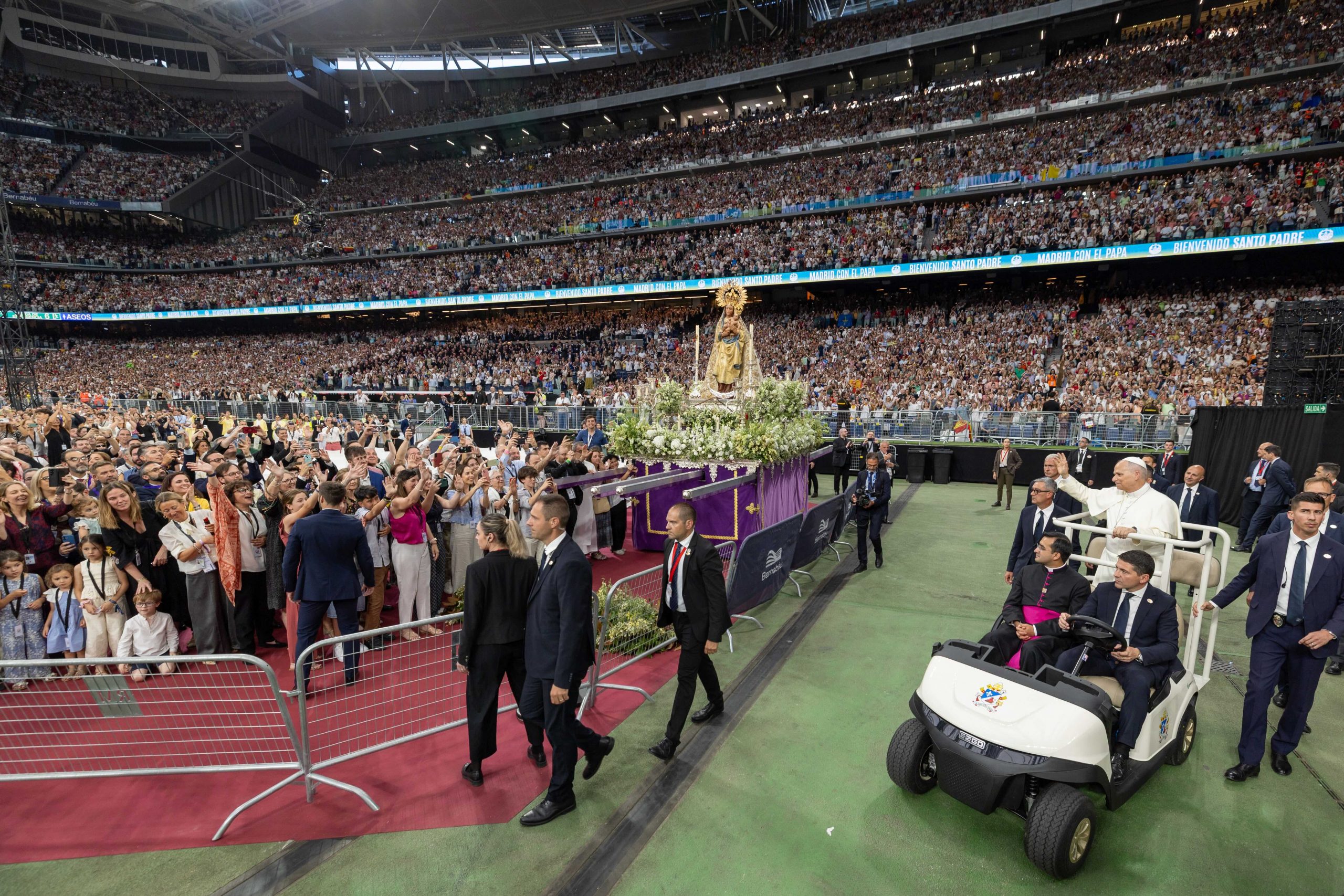
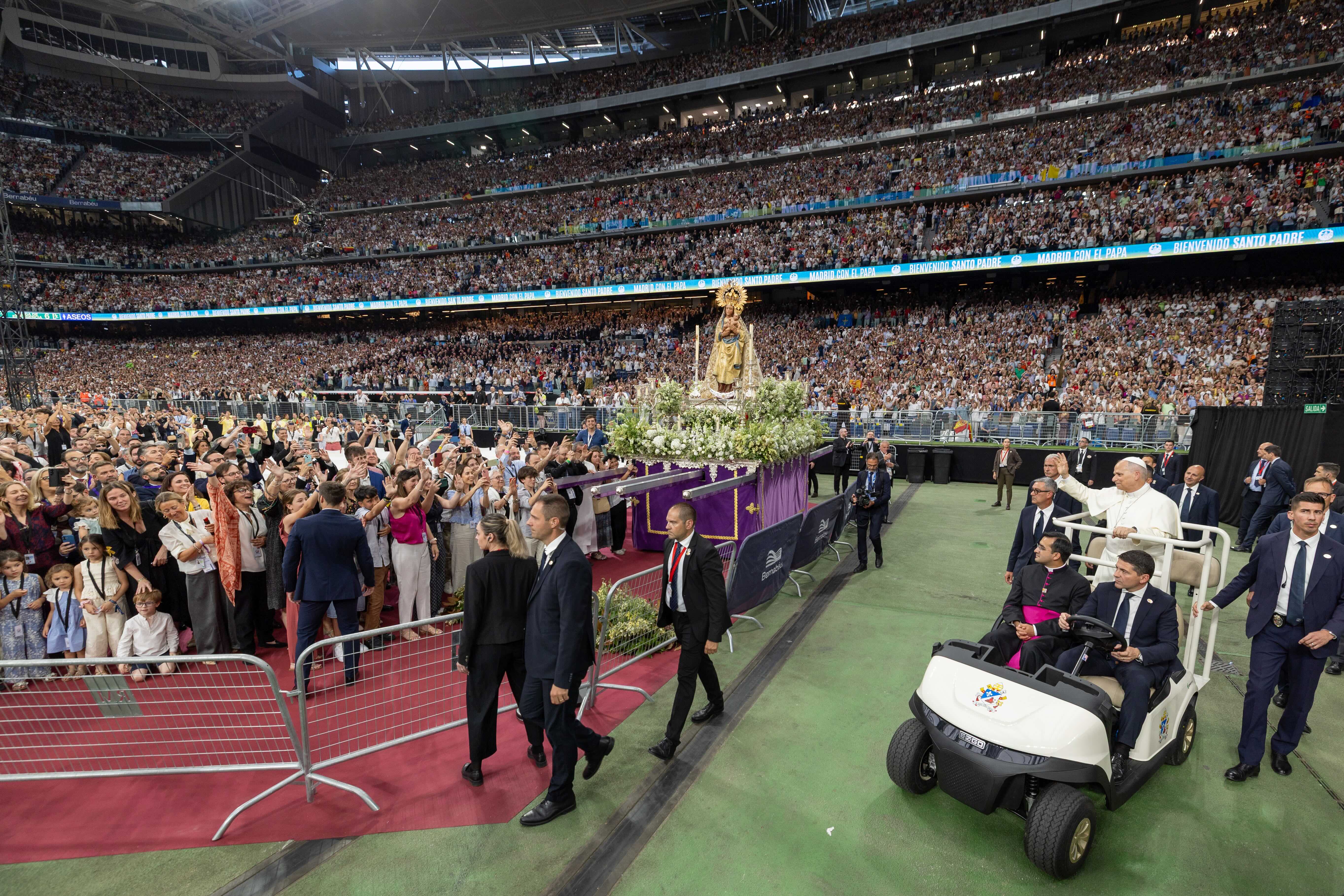
Survey assesses impact of Pope Leo XIV’s visit to Spain – #Catholic – Pope Leo XIV’s visit to Spain last month made a profound impact on the Spanish people, according to a survey commissioned by the Spanish Bishops’ Conference.Conducted online by GAD3 with more than 5,000 of registered participants and volunteers involved in the apostolic journey, 97% held a positive or very positive view of the pontiff’s visit to Madrid, Barcelona, ​​and the Canary Islands that took place June 6–12.Fifty-seven percent of respondents acknowledged that, prior to the popeʼs arrival in Spain, their knowledge of the person, biography, and apostolic message of Leo XIV was limited. That number dropped to 14% following the visit.The vast majority of registered participants and volunteers indicated that the presence of the vicar of Christ in Spain has strengthened their desire to help improve the world, deepen their personal relationship with God, and reinforce their commitment to the Church.The visit has also contributed very positively to a better understanding of the person of Jesus Christ and the Church.Among the emotions most frequently experienced during the days of the papal visit to the country, respondents highlighted joy, enthusiasm, hope, peace, a sense of unity with others, spiritual connection, and pride.The popeʼs most impactful messagesAmong the messages from Pope Leo XIV that had the greatest impact were “the importance of prayer and a personal encounter with God” (19%); “the importance of living out oneʼs faith with joy and hope” (17%); “the call to serve and help others” (13%); and “building peace through dialogue, listening, and reconciliation” (12%).Among the least highlighted messages were “the value of volunteering” (1%), “the dialogue between faith, culture, and art” (2%), and “welcoming and integrating migrants and vulnerable people” (7%) even though a significant part of the pope’s visit and his messages involved the migration situation in Spain.Resolutions following the visitAfter the pope’s visit to Spain, the survey participants made personal resolutions, including “trying to live with more hope or joy” (45%), “attending more to my spiritual life” (41%), “trying to help others more” (30%), and “talking more about my faith with others” (28%).Likewise, many have committed to “spending more time in prayer” (27%), “considering an important decision,” “participating in my parish or community,” or “becoming more committed to the Church” (11%).Digital impactThe vast majority of participants read or listened to digital content about the pope after the visit (91%) or shared photos and videos of the visit via WhatsApp (89%).Seven out of 10 forwarded messages, quotes, or videos of the pope via WhatsApp or Telegram, while slightly more than half sought out and followed new social media profiles related to the pontiff or the visit, or shared content in parish, volunteer, or attendee groups.Furthermore, 55% used Instagram, 24% YouTube, 1 in 5 Facebook, 14% TikTok, and only 10% used X. More than a quarter of the respondents did not use social media.Overall, 91% felt that media coverage accurately reflected the experience to a great or significant extent.The group of registrants and volunteers consisted of 39% men and 61% women, with an average age of 36; 22% of those attending the various events were under the age of 18.This story was first published by ACI Prensa, the Spanish-language sister service of EWTN News. It has been translated and adapted by EWTN News English.

Survey assesses impact of Pope Leo XIV’s visit to Spain – #Catholic – Pope Leo XIV’s visit to Spain last month made a profound impact on the Spanish people, according to a survey commissioned by the Spanish Bishops’ Conference.Conducted online by GAD3 with more than 5,000 of registered participants and volunteers involved in the apostolic journey, 97% held a positive or very positive view of the pontiff’s visit to Madrid, Barcelona, ​​and the Canary Islands that took place June 6–12.Fifty-seven percent of respondents acknowledged that, prior to the popeʼs arrival in Spain, their knowledge of the person, biography, and apostolic message of Leo XIV was limited. That number dropped to 14% following the visit.The vast majority of registered participants and volunteers indicated that the presence of the vicar of Christ in Spain has strengthened their desire to help improve the world, deepen their personal relationship with God, and reinforce their commitment to the Church.The visit has also contributed very positively to a better understanding of the person of Jesus Christ and the Church.Among the emotions most frequently experienced during the days of the papal visit to the country, respondents highlighted joy, enthusiasm, hope, peace, a sense of unity with others, spiritual connection, and pride.The popeʼs most impactful messagesAmong the messages from Pope Leo XIV that had the greatest impact were “the importance of prayer and a personal encounter with God” (19%); “the importance of living out oneʼs faith with joy and hope” (17%); “the call to serve and help others” (13%); and “building peace through dialogue, listening, and reconciliation” (12%).Among the least highlighted messages were “the value of volunteering” (1%), “the dialogue between faith, culture, and art” (2%), and “welcoming and integrating migrants and vulnerable people” (7%) even though a significant part of the pope’s visit and his messages involved the migration situation in Spain.Resolutions following the visitAfter the pope’s visit to Spain, the survey participants made personal resolutions, including “trying to live with more hope or joy” (45%), “attending more to my spiritual life” (41%), “trying to help others more” (30%), and “talking more about my faith with others” (28%).Likewise, many have committed to “spending more time in prayer” (27%), “considering an important decision,” “participating in my parish or community,” or “becoming more committed to the Church” (11%).Digital impactThe vast majority of participants read or listened to digital content about the pope after the visit (91%) or shared photos and videos of the visit via WhatsApp (89%).Seven out of 10 forwarded messages, quotes, or videos of the pope via WhatsApp or Telegram, while slightly more than half sought out and followed new social media profiles related to the pontiff or the visit, or shared content in parish, volunteer, or attendee groups.Furthermore, 55% used Instagram, 24% YouTube, 1 in 5 Facebook, 14% TikTok, and only 10% used X. More than a quarter of the respondents did not use social media.Overall, 91% felt that media coverage accurately reflected the experience to a great or significant extent.The group of registrants and volunteers consisted of 39% men and 61% women, with an average age of 36; 22% of those attending the various events were under the age of 18.This story was first published by ACI Prensa, the Spanish-language sister service of EWTN News. It has been translated and adapted by EWTN News English.

Pope Leo XIV’s recent visit to Spain was well received by attendees and volunteers, with 97% reporting a positive or very positive view.
Read More
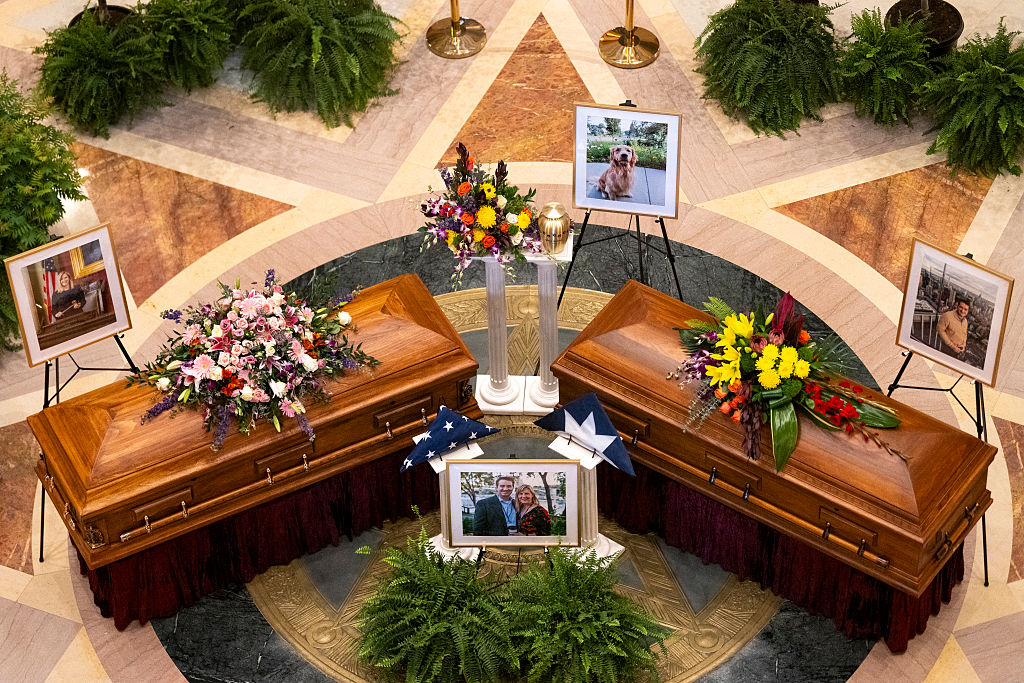
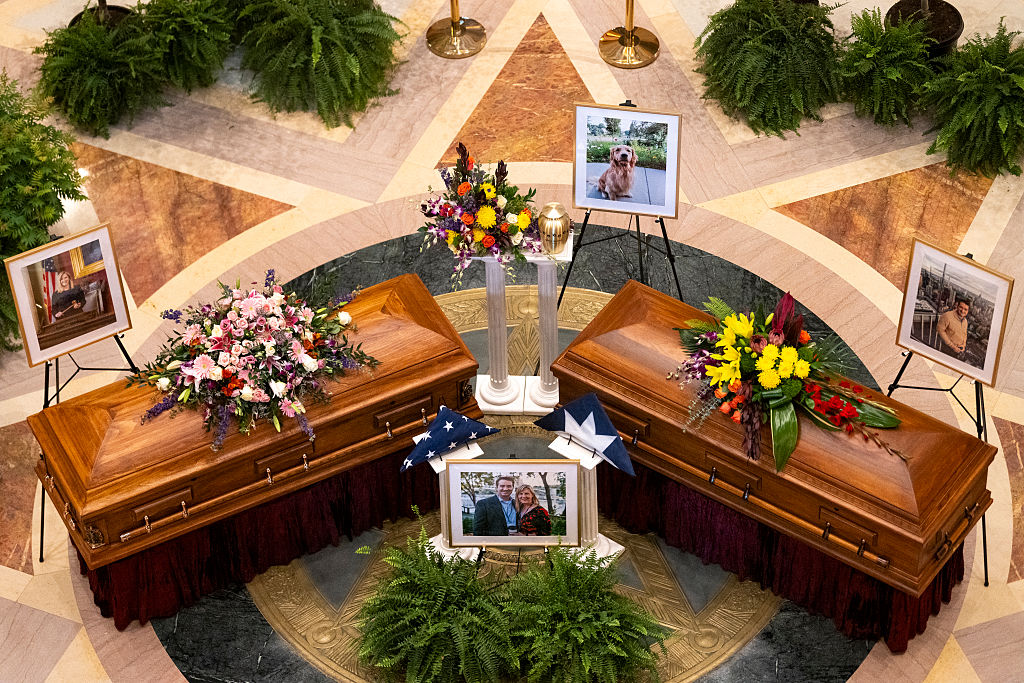
Man who killed Minnesota lawmaker Melissa Hortman receives consecutive life sentences – #Catholic – Vance Boelter was sentenced to two life terms plus 40 years for shooting one Minnesota Democratic lawmaker and killing another and her husband last year.Boelter, 58, was sentenced after pleading guilty to stalking and murdering former Minnesota House Speaker Emerita Melissa Hortman and her husband, Mark Hortman, in their Brooklyn Park, Minnesota, home on June 14, 2025.Melissa Hortman was a Catholic who once taught Sunday school and volunteered in her parish’s children’s faith formation program.She and her husband “had been a part of the St. Timothy Parish community,”  Father Joe Whalen, the pastor of the Blaine, Minnesota, parish, said in a statement following the murders.U.S. District Judge John R. Tunheim sentenced Boelter in federal court on July 23. Boelter was also sentenced for the stalking and shooting of Sen. John Hoffman, D-Minnesota, and his wife, Yvette Hoffman, and the attempted shooting of their daughter Hope Hoffman, who all survived Boelter’s attack in their Champlin, Minnesota, home.Boelter previously pleaded guilty June 11 to the six charges including two stalkings, two murders through use of a firearm, and two federal firearm-shooting offenses. Through his plea agreement, Boelter was able to avoid the possibility of the death penalty.“Vance Boelter’s crimes rank among the most horrific this office has ever prosecuted,” U.S. Attorney Daniel Rosen said in a press release.“Today, the United States ensured that Boelter will spend the rest of his life in prison without the possibility of release. Those who commit political violence at any level should take heed that the Department of Justice will seek and obtain the longest prison terms available for their crimes,” he said.In a statement following the attacks, Bishop Robert Barron of the Diocese of Winona-Rochester, Minnesota, recalled meeting both Hortman and Hoffman at the state capitol a few months before the shootings during a meeting of bishops with state leaders.“I was deeply impressed by both,” Barron said in a statement. “Rep. Hortman listened to us with sharp intelligence and acute attention.”Both lawmakers also met regularly with the local Catholic bishops, according to Archbishop Bernard Hebda of St. Paul and Minneapolis.

Man who killed Minnesota lawmaker Melissa Hortman receives consecutive life sentences – #Catholic – Vance Boelter was sentenced to two life terms plus 40 years for shooting one Minnesota Democratic lawmaker and killing another and her husband last year.Boelter, 58, was sentenced after pleading guilty to stalking and murdering former Minnesota House Speaker Emerita Melissa Hortman and her husband, Mark Hortman, in their Brooklyn Park, Minnesota, home on June 14, 2025.Melissa Hortman was a Catholic who once taught Sunday school and volunteered in her parish’s children’s faith formation program.She and her husband “had been a part of the St. Timothy Parish community,”  Father Joe Whalen, the pastor of the Blaine, Minnesota, parish, said in a statement following the murders.U.S. District Judge John R. Tunheim sentenced Boelter in federal court on July 23. Boelter was also sentenced for the stalking and shooting of Sen. John Hoffman, D-Minnesota, and his wife, Yvette Hoffman, and the attempted shooting of their daughter Hope Hoffman, who all survived Boelter’s attack in their Champlin, Minnesota, home.Boelter previously pleaded guilty June 11 to the six charges including two stalkings, two murders through use of a firearm, and two federal firearm-shooting offenses. Through his plea agreement, Boelter was able to avoid the possibility of the death penalty.“Vance Boelter’s crimes rank among the most horrific this office has ever prosecuted,” U.S. Attorney Daniel Rosen said in a press release.“Today, the United States ensured that Boelter will spend the rest of his life in prison without the possibility of release. Those who commit political violence at any level should take heed that the Department of Justice will seek and obtain the longest prison terms available for their crimes,” he said.In a statement following the attacks, Bishop Robert Barron of the Diocese of Winona-Rochester, Minnesota, recalled meeting both Hortman and Hoffman at the state capitol a few months before the shootings during a meeting of bishops with state leaders.“I was deeply impressed by both,” Barron said in a statement. “Rep. Hortman listened to us with sharp intelligence and acute attention.”Both lawmakers also met regularly with the local Catholic bishops, according to Archbishop Bernard Hebda of St. Paul and Minneapolis.

Vance Boelter was sentenced for the murder of Rep. Melissa Hortman, a Catholic lawmaker who once taught Sunday school and volunteered in her parish’s children’s faith formation program.
Read More
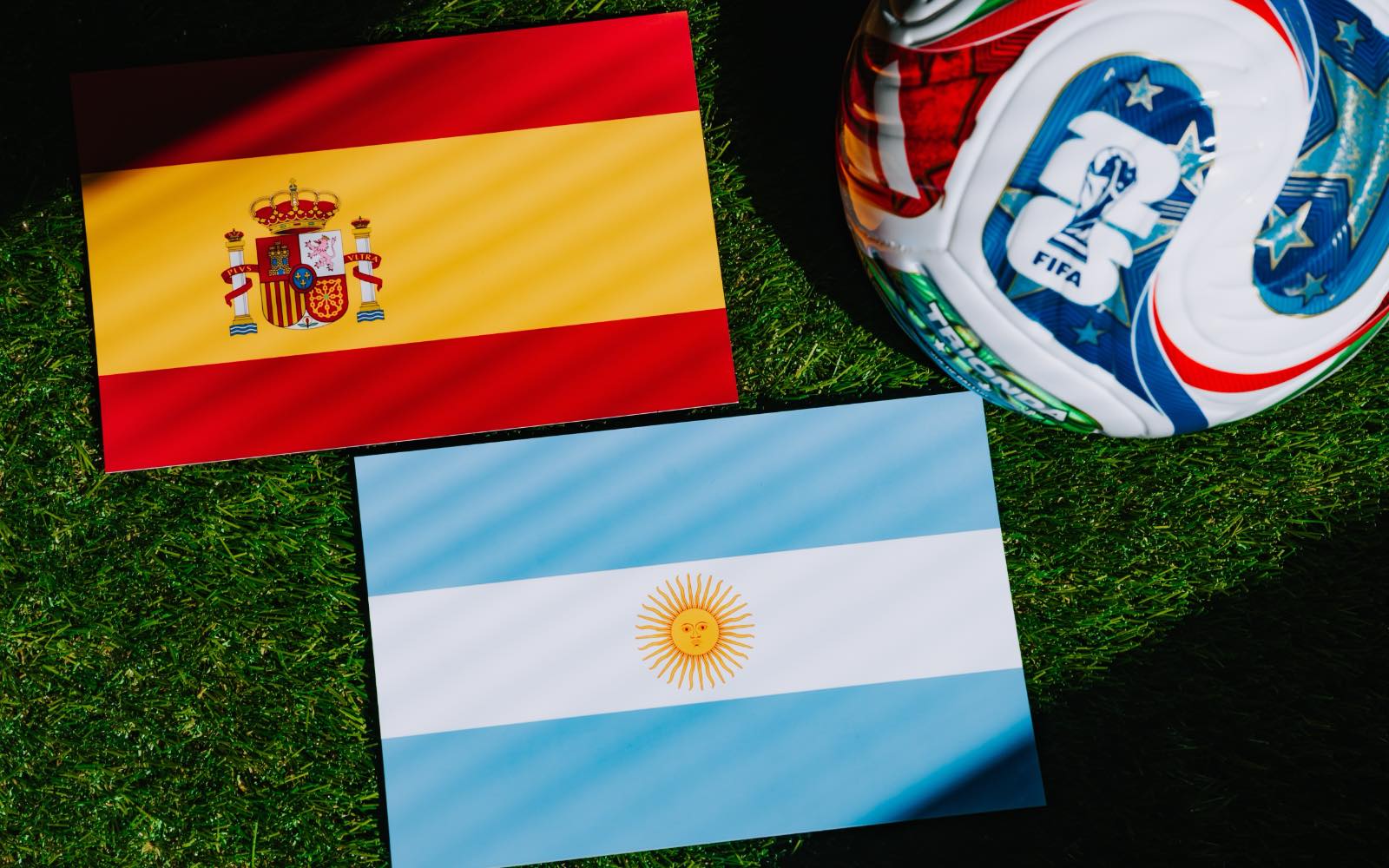
Post-World Cup insults fly between Spaniards and Argentinans: ‘It’s idolatry,’ priest says #Catholic In response to the insults exchanged on social media between Argentinian and Spanish fans following the 2026 FIFA World Cup final, a priest questioned the amount of rage, warning that those behaving this way have “lost their bearings" and that "the way they’re acting isn’t about soccer; it’s idolatry." In a thread posted on X, Father Francisco Javier Bronchalo, a Spanish priest from the Diocese of Getafe, lamented having read “too many insults on social media between Argentinians and Spaniards” in recent days.“Someone posts something with the best of intentions, and people come down on them as if they had hit their mother,” he noted.The Spanish national team defeated Argentina 1-0 on Sunday, July 19, with a goal by Ferrán Torres and became world champion for the second time, following the title won in 2010.In his reflection, Bronchalo noted that “the human heart is made to worship” and warned that if it “does not worship God, it will worship something else: success, the body, money, or a soccer team.”This idolatry, he continued, replaces “liturgical chant with the team anthem, the worshipping assembly with the cheering section, and salvation with winning a title,” ultimately becoming “a religion without God.”The Spanish priest said “the insults and excesses seen in recent days” demonstrate that “people defend with violence and mockery something that, deep down, is devoid of both truth and meaning.”“The Gospel says that the mouth speaks from what overflows from the heart. Today, we would say: The fingers write from what overflows from the heart,” he remarked.However, Bronchalo clarified that “[soccer] is not the problem,” as the sport can bring about “healthy joy” and promote values ​​such as effort, perseverance, loyalty, and teamwork.“But a means treated as an end becomes a tyrant. Soccer as an ultimate end turns into the opposite: a source of anger, anxiety, and emptiness,” he warned.“The question is not whether you are passionate about soccer. The question is what place it holds in your heart. If it is a means, it draws you closer to heaven. If it is an end, it traps you on earth,” he said.Bishop Munilla: Don’t turn soccer into ‘a religion’The Spanish priest’s reflection echoed the warning issued before the World Cup final by the bishop of Orihuela-Alicante in Spain, José Ignacio Munilla, who highlighted that soccer has values ​​worth recognizing but noted that “it is one thing to enjoy the sport, and quite another to turn it into a religion.”The prelate further noted that “an inability to accept defeat is a sign of immaturity” but “those who need to humiliate others don’t know how to win, either.” “True sportsmanship lies in discovering that one’s rival is not an enemy but someone who makes the game possible,” he stated.‘Rivals for a day. Brothers forever’Amid verbal clashes on social media, Catholic priests from Argentina and Spain shared messages of goodwill and congratulations.Argentinian priest Father Tomás Agustín Beroch wrote on X: “Congratulations to Spain. They were far superior and won decisively. Long live Spain — our Motherland that evangelized us — and congratulations on this cup. It is well-deserved.”“As I’ve been saying throughout this World Cup, we must win heaven, and Christ must reign in our hearts above all else. A big hug to my Spanish friends and to all the people of that great nation,” he said.Hours before the final, Father Francisco Delgado of the Archdiocese of Toledo in Spain posted an image of two soccer players — one Spanish and the other Argentinian — walking across the playing field with their arms around each other. Above them, the words read: “Rivals for a day. Brothers forever.”Argentinian priest Father Javier Olivera Ravasi congratulated Spain on the championship on X, stating: “They deserve it. They were better.”He then posted a photo of his backpack featuring the flags of Argentina and Spain, which he has carried “for years” declaring “Long live Christ the King! Long live Catholic Spain and Catholic Argentina!”This story was first published by ACI Prensa, the Spanish-language sister service of EWTN News. It has been translated and adapted by EWTN News English.

Post-World Cup insults fly between Spaniards and Argentinans: ‘It’s idolatry,’ priest says #Catholic In response to the insults exchanged on social media between Argentinian and Spanish fans following the 2026 FIFA World Cup final, a priest questioned the amount of rage, warning that those behaving this way have “lost their bearings" and that "the way they’re acting isn’t about soccer; it’s idolatry." In a thread posted on X, Father Francisco Javier Bronchalo, a Spanish priest from the Diocese of Getafe, lamented having read “too many insults on social media between Argentinians and Spaniards” in recent days.“Someone posts something with the best of intentions, and people come down on them as if they had hit their mother,” he noted.The Spanish national team defeated Argentina 1-0 on Sunday, July 19, with a goal by Ferrán Torres and became world champion for the second time, following the title won in 2010.In his reflection, Bronchalo noted that “the human heart is made to worship” and warned that if it “does not worship God, it will worship something else: success, the body, money, or a soccer team.”This idolatry, he continued, replaces “liturgical chant with the team anthem, the worshipping assembly with the cheering section, and salvation with winning a title,” ultimately becoming “a religion without God.”The Spanish priest said “the insults and excesses seen in recent days” demonstrate that “people defend with violence and mockery something that, deep down, is devoid of both truth and meaning.”“The Gospel says that the mouth speaks from what overflows from the heart. Today, we would say: The fingers write from what overflows from the heart,” he remarked.However, Bronchalo clarified that “[soccer] is not the problem,” as the sport can bring about “healthy joy” and promote values ​​such as effort, perseverance, loyalty, and teamwork.“But a means treated as an end becomes a tyrant. Soccer as an ultimate end turns into the opposite: a source of anger, anxiety, and emptiness,” he warned.“The question is not whether you are passionate about soccer. The question is what place it holds in your heart. If it is a means, it draws you closer to heaven. If it is an end, it traps you on earth,” he said.Bishop Munilla: Don’t turn soccer into ‘a religion’The Spanish priest’s reflection echoed the warning issued before the World Cup final by the bishop of Orihuela-Alicante in Spain, José Ignacio Munilla, who highlighted that soccer has values ​​worth recognizing but noted that “it is one thing to enjoy the sport, and quite another to turn it into a religion.”The prelate further noted that “an inability to accept defeat is a sign of immaturity” but “those who need to humiliate others don’t know how to win, either.” “True sportsmanship lies in discovering that one’s rival is not an enemy but someone who makes the game possible,” he stated.‘Rivals for a day. Brothers forever’Amid verbal clashes on social media, Catholic priests from Argentina and Spain shared messages of goodwill and congratulations.Argentinian priest Father Tomás Agustín Beroch wrote on X: “Congratulations to Spain. They were far superior and won decisively. Long live Spain — our Motherland that evangelized us — and congratulations on this cup. It is well-deserved.”“As I’ve been saying throughout this World Cup, we must win heaven, and Christ must reign in our hearts above all else. A big hug to my Spanish friends and to all the people of that great nation,” he said.Hours before the final, Father Francisco Delgado of the Archdiocese of Toledo in Spain posted an image of two soccer players — one Spanish and the other Argentinian — walking across the playing field with their arms around each other. Above them, the words read: “Rivals for a day. Brothers forever.”Argentinian priest Father Javier Olivera Ravasi congratulated Spain on the championship on X, stating: “They deserve it. They were better.”He then posted a photo of his backpack featuring the flags of Argentina and Spain, which he has carried “for years” declaring “Long live Christ the King! Long live Catholic Spain and Catholic Argentina!”This story was first published by ACI Prensa, the Spanish-language sister service of EWTN News. It has been translated and adapted by EWTN News English.

The priest said “the human heart is made to worship” and warned that if it “does not worship God, it will worship something else: success, the body, money, or a soccer team.”
Read More
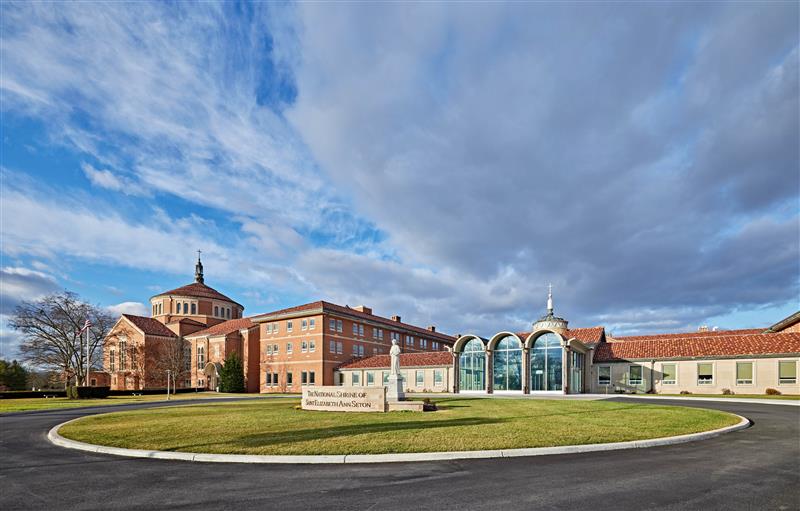
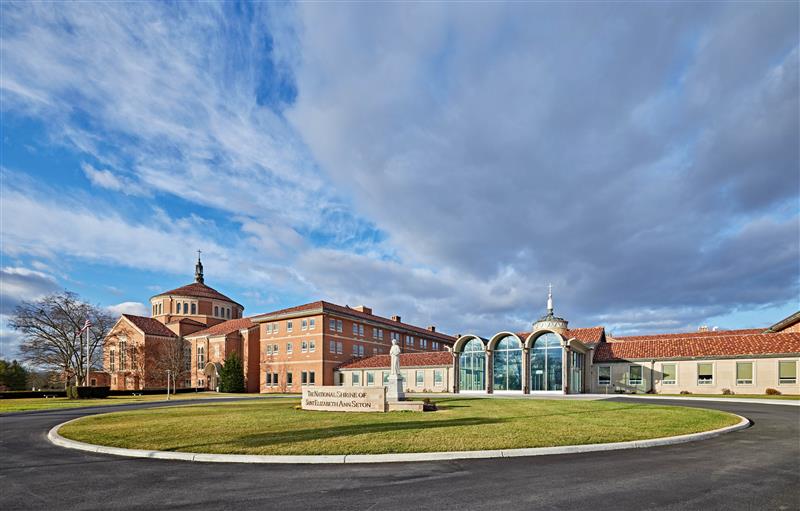
Ann Teresa O’Neill, healed in Seton canonization miracle, dies at 78 #Catholic Ann Teresa O’Neill, whose confirmed miracle led to the canonization of St. Elizabeth Ann Seton, died on July 17 at age 78.O’Neill, of Easton, Maryland, had leukemia as a child, and her cure was accepted for Seton’s path to sainthood in 1975.Archbishop William E. Lori of Baltimore will serve as the principal celebrant for O’Neill’s funeral Mass on July 25 at the Basilica of the National Shrine of St. Elizabeth Ann Seton in Emmitsburg, Maryland. Interment will follow on the grounds of the shrine.“Ann O’Neill spent more than seventy years answering questions about a miracle,” Rob Judge, executive director of the National Shrine of St. Elizabeth Ann Seton, said in a statement following her death. “Yet, if you talked with her for any length of time, you discovered she wasn’t really interested in talking about miracles.”“She wanted to talk about her mother’s faith. She wanted to talk about Mother Seton. Mostly, she wanted to talk about Jesus,” he said.
 
 She wanted to talk about her mother’s faith. She wanted to talk about Mother Seton. Mostly, she wanted to talk about Jesus. That may be the clearest evidence of why God chose her life to become part of one of the most important stories in American Catholic history.”
 
 Rob JudgeExecutive director of the National Shrine of St. Elizabeth Ann Seton
 
 
 “That may be the clearest evidence of why God chose her life to become part of one of the most important stories in American Catholic history,” he said.“The saints are like our friends,” O’Neill said in an interview with the Archdiocese of Baltimore’s Catholic Review in 2025. “Mother Seton was my mother’s friend. She’s my friend. And because we’re Catholic, we have a lot of friends in heaven.”Born on Oct. 7, 1947, O’Neill was the daughter of the late Felixena OʼNeill and the late William Richard OʼNeill.She is survived by her children, Joseph Hooe, Gerard Hooe, and Mary Alice Zawodny, and several grandchildren and great-grandchildren, a funeral notice said. She was preceded in death by her son Robert Eugene Hooe Jr. The miracle that helped Mother Seton become a saintBorn in Baltimore, O’Neill developed advanced leukemia as a young girl in 1952. Despite doctors trying every treatment, she grew more sick and her case was considered hopeless.During Holy Week, it was expected that the 4-year-old girl would pass within a few weeks.While her family prepared for her loss, Sister Mary Alice Fowler, supervisor of the children’s ward at St. Agnes Hospital, gave O’Neill’s mother prayers for Seton’s intercession and had her give them to relatives and friends.She pinned a cloth that had touched Seton’s remains to O’Neill’s hospital gown. Family members, friends, and other religious leaders began a novena for O’Neill.On Good Friday in 1952, with her daughter’s condition deteriorating, O’Neill’s mother took her to Mother Seton’s resting place in Emmitsburg — where Seton started the Sisters of Charity of St. Joseph, the first community for religious women established in the U.S., and the first Catholic school for girls.Against doctors’ wishes, O’Neill’s parents drove her to Emmitsburg, laid her on Seton’s tomb in the cemetery, and took her inside Mother Seton’s house where the saint had died of tuberculosis in 1821.Once her mother returned O’Neill to the hospital, doctors performed blood work and testing. On Easter Monday her blood count was normal. Constant tests over the following years showed her health to be normal.O’Neillʼs cure was accepted for Seton’s path to sainthood. Pope Paul VI officially canonized Mother Seton on Sept. 14, 1975, the ceremony for which O’Neill attended in Rome.

Ann Teresa O’Neill, healed in Seton canonization miracle, dies at 78 #Catholic Ann Teresa O’Neill, whose confirmed miracle led to the canonization of St. Elizabeth Ann Seton, died on July 17 at age 78.O’Neill, of Easton, Maryland, had leukemia as a child, and her cure was accepted for Seton’s path to sainthood in 1975.Archbishop William E. Lori of Baltimore will serve as the principal celebrant for O’Neill’s funeral Mass on July 25 at the Basilica of the National Shrine of St. Elizabeth Ann Seton in Emmitsburg, Maryland. Interment will follow on the grounds of the shrine.“Ann O’Neill spent more than seventy years answering questions about a miracle,” Rob Judge, executive director of the National Shrine of St. Elizabeth Ann Seton, said in a statement following her death. “Yet, if you talked with her for any length of time, you discovered she wasn’t really interested in talking about miracles.”“She wanted to talk about her mother’s faith. She wanted to talk about Mother Seton. Mostly, she wanted to talk about Jesus,” he said. She wanted to talk about her mother’s faith. She wanted to talk about Mother Seton. Mostly, she wanted to talk about Jesus. That may be the clearest evidence of why God chose her life to become part of one of the most important stories in American Catholic history.” Rob JudgeExecutive director of the National Shrine of St. Elizabeth Ann Seton “That may be the clearest evidence of why God chose her life to become part of one of the most important stories in American Catholic history,” he said.“The saints are like our friends,” O’Neill said in an interview with the Archdiocese of Baltimore’s Catholic Review in 2025. “Mother Seton was my mother’s friend. She’s my friend. And because we’re Catholic, we have a lot of friends in heaven.”Born on Oct. 7, 1947, O’Neill was the daughter of the late Felixena OʼNeill and the late William Richard OʼNeill.She is survived by her children, Joseph Hooe, Gerard Hooe, and Mary Alice Zawodny, and several grandchildren and great-grandchildren, a funeral notice said. She was preceded in death by her son Robert Eugene Hooe Jr. The miracle that helped Mother Seton become a saintBorn in Baltimore, O’Neill developed advanced leukemia as a young girl in 1952. Despite doctors trying every treatment, she grew more sick and her case was considered hopeless.During Holy Week, it was expected that the 4-year-old girl would pass within a few weeks.While her family prepared for her loss, Sister Mary Alice Fowler, supervisor of the children’s ward at St. Agnes Hospital, gave O’Neill’s mother prayers for Seton’s intercession and had her give them to relatives and friends.She pinned a cloth that had touched Seton’s remains to O’Neill’s hospital gown. Family members, friends, and other religious leaders began a novena for O’Neill.On Good Friday in 1952, with her daughter’s condition deteriorating, O’Neill’s mother took her to Mother Seton’s resting place in Emmitsburg — where Seton started the Sisters of Charity of St. Joseph, the first community for religious women established in the U.S., and the first Catholic school for girls.Against doctors’ wishes, O’Neill’s parents drove her to Emmitsburg, laid her on Seton’s tomb in the cemetery, and took her inside Mother Seton’s house where the saint had died of tuberculosis in 1821.Once her mother returned O’Neill to the hospital, doctors performed blood work and testing. On Easter Monday her blood count was normal. Constant tests over the following years showed her health to be normal.O’Neillʼs cure was accepted for Seton’s path to sainthood. Pope Paul VI officially canonized Mother Seton on Sept. 14, 1975, the ceremony for which O’Neill attended in Rome.

As a young girl, Ann Teresa O’Neill’s miraculous cure from leukemia was accepted as a miracle to advance St. Elizabeth Ann Seton’s path to sainthood.
Read More
Pope Leo takes road trip to mountainside shrines during his summer vacation #Catholic – ROME (OSV News) — Pope Leo XIV took a road trip pilgrimage with his older brother to the scenic mountainside Sanctuary of the Most Holy Trinity in Vallepietra July 22 before stopping to pray in the Holy Cave in Subiaco, where a young St. Benedict sought refuge from the corruption of Rome in the early sixth century.
The Vatican said the pope traveled by car from Castel Gandolfo, where he is spending a few weeks in July, to the remote mountain sanctuary near the Italian region of Abruzzo, a roughly two-hour drive from Castel Gandolfo on winding mountain roads, then continued on to the Benedictine monasteries of St. Benedict and St. Scholastica in nearby Subiaco.
It was the second surprise pilgrimage the pope has made this week during his summer vacation. On July 20, he visited the Benedictine Abbey of Montecassino, where he prayed for peace at the tomb of St. Benedict.
The Holy Trinity sanctuary sits more than 4,500 feet up Mount Autore, on the border of Italy’s Lazio and Abruzzo regions. Built into the rock itself, the shrine draws many pilgrims, who climb the mountain trails on foot, carrying banners each year in the days after Pentecost leading up to Trinity Sunday.

Click here to subscribe to our weekly newsletter.

Inside, Pope Leo prayed before a revered historic fresco of the Holy Trinity, rendered in Byzantine style. He then greeted the shrine’s religious community and the faithful gathered there.
A video shared by one pilgrim showed the pope’s brother John Prevost stepping out of the backseat of the black car along with Pope Leo, surrounded by a slew of papal security personnel, to the surprise of visitors who had come to the shrine without expecting a papal visit.
Speaking off the cuff from a balcony of the shrine, Pope Leo told the pilgrims that the beauty of the mountain sanctuary “reminds us of the desire in all our hearts to seek God, to seek holiness, and to seek the help of God, who never abandons us.” Before departing, he greeted pilgrims individually; many kissing the pope’s ring.
The feast of St. Anne, whose chapel stands at the foot of the steps leading out of the Vallepietra shrine, is celebrated July 26, and the sanctuary has already begun the days of celebrations and pilgrimage leading up to the feast.
From Vallepietra, the pope traveled to nearby Subiaco, where St. Benedict of Nursia withdrew as a hermit in the early sixth century following the example of the Desert Fathers and laying the spiritual groundwork that would later lead him to be considered the father of Western monasticism.
At the Monastery of St. Benedict, the pope paused in silent prayer before a 13th-century fresco of St. Francis, the oldest existing portrait of the saint from Assisi who came to Subiaco as a pilgrim in 1223.
In the Sacro Speco, the “Holy Cave” where St. Benedict lived in solitude, Pope Leo kissed the knee of the saint’s statue, a longstanding custom among pilgrims, and led those present in the Lord’s Prayer.
The pope then went on to the Monastery of St. Scholastica, named for St. Benedict’s sister, where he shared lunch with the Benedictine community and toured the cloisters before the return drive to Castel Gandolfo.
The Subiaco monasteries have been regarded as a center of Benedictine spirituality for nearly a thousand years. The Holy Cave holds frescoes spanning centuries, with some dating back to as early as the 9th century. The Church of St. Scholastica, first built in 981 and rebuilt in Gothic style after a 1228 earthquake, was also home to Italy’s first printing press, established there by German monks.
Courtney Mares is Vatican editor for OSV News. Follow her on X @catholicourtney.

Pope Leo takes road trip to mountainside shrines during his summer vacation #Catholic – ROME (OSV News) — Pope Leo XIV took a road trip pilgrimage with his older brother to the scenic mountainside Sanctuary of the Most Holy Trinity in Vallepietra July 22 before stopping to pray in the Holy Cave in Subiaco, where a young St. Benedict sought refuge from the corruption of Rome in the early sixth century. The Vatican said the pope traveled by car from Castel Gandolfo, where he is spending a few weeks in July, to the remote mountain sanctuary near the Italian region of Abruzzo, a roughly two-hour drive from Castel Gandolfo on winding mountain roads, then continued on to the Benedictine monasteries of St. Benedict and St. Scholastica in nearby Subiaco. It was the second surprise pilgrimage the pope has made this week during his summer vacation. On July 20, he visited the Benedictine Abbey of Montecassino, where he prayed for peace at the tomb of St. Benedict. The Holy Trinity sanctuary sits more than 4,500 feet up Mount Autore, on the border of Italy’s Lazio and Abruzzo regions. Built into the rock itself, the shrine draws many pilgrims, who climb the mountain trails on foot, carrying banners each year in the days after Pentecost leading up to Trinity Sunday. Click here to subscribe to our weekly newsletter. Inside, Pope Leo prayed before a revered historic fresco of the Holy Trinity, rendered in Byzantine style. He then greeted the shrine’s religious community and the faithful gathered there. A video shared by one pilgrim showed the pope’s brother John Prevost stepping out of the backseat of the black car along with Pope Leo, surrounded by a slew of papal security personnel, to the surprise of visitors who had come to the shrine without expecting a papal visit. Speaking off the cuff from a balcony of the shrine, Pope Leo told the pilgrims that the beauty of the mountain sanctuary “reminds us of the desire in all our hearts to seek God, to seek holiness, and to seek the help of God, who never abandons us.” Before departing, he greeted pilgrims individually; many kissing the pope’s ring. The feast of St. Anne, whose chapel stands at the foot of the steps leading out of the Vallepietra shrine, is celebrated July 26, and the sanctuary has already begun the days of celebrations and pilgrimage leading up to the feast. From Vallepietra, the pope traveled to nearby Subiaco, where St. Benedict of Nursia withdrew as a hermit in the early sixth century following the example of the Desert Fathers and laying the spiritual groundwork that would later lead him to be considered the father of Western monasticism. At the Monastery of St. Benedict, the pope paused in silent prayer before a 13th-century fresco of St. Francis, the oldest existing portrait of the saint from Assisi who came to Subiaco as a pilgrim in 1223. In the Sacro Speco, the “Holy Cave” where St. Benedict lived in solitude, Pope Leo kissed the knee of the saint’s statue, a longstanding custom among pilgrims, and led those present in the Lord’s Prayer. The pope then went on to the Monastery of St. Scholastica, named for St. Benedict’s sister, where he shared lunch with the Benedictine community and toured the cloisters before the return drive to Castel Gandolfo. The Subiaco monasteries have been regarded as a center of Benedictine spirituality for nearly a thousand years. The Holy Cave holds frescoes spanning centuries, with some dating back to as early as the 9th century. The Church of St. Scholastica, first built in 981 and rebuilt in Gothic style after a 1228 earthquake, was also home to Italy’s first printing press, established there by German monks. Courtney Mares is Vatican editor for OSV News. Follow her on X @catholicourtney.

Pope Leo takes road trip to mountainside shrines during his summer vacation #Catholic –

ROME (OSV News) — Pope Leo XIV took a road trip pilgrimage with his older brother to the scenic mountainside Sanctuary of the Most Holy Trinity in Vallepietra July 22 before stopping to pray in the Holy Cave in Subiaco, where a young St. Benedict sought refuge from the corruption of Rome in the early sixth century.

The Vatican said the pope traveled by car from Castel Gandolfo, where he is spending a few weeks in July, to the remote mountain sanctuary near the Italian region of Abruzzo, a roughly two-hour drive from Castel Gandolfo on winding mountain roads, then continued on to the Benedictine monasteries of St. Benedict and St. Scholastica in nearby Subiaco.

It was the second surprise pilgrimage the pope has made this week during his summer vacation. On July 20, he visited the Benedictine Abbey of Montecassino, where he prayed for peace at the tomb of St. Benedict.

The Holy Trinity sanctuary sits more than 4,500 feet up Mount Autore, on the border of Italy’s Lazio and Abruzzo regions. Built into the rock itself, the shrine draws many pilgrims, who climb the mountain trails on foot, carrying banners each year in the days after Pentecost leading up to Trinity Sunday.


Click here to subscribe to our weekly newsletter.

Inside, Pope Leo prayed before a revered historic fresco of the Holy Trinity, rendered in Byzantine style. He then greeted the shrine’s religious community and the faithful gathered there.

A video shared by one pilgrim showed the pope’s brother John Prevost stepping out of the backseat of the black car along with Pope Leo, surrounded by a slew of papal security personnel, to the surprise of visitors who had come to the shrine without expecting a papal visit.

Speaking off the cuff from a balcony of the shrine, Pope Leo told the pilgrims that the beauty of the mountain sanctuary “reminds us of the desire in all our hearts to seek God, to seek holiness, and to seek the help of God, who never abandons us.” Before departing, he greeted pilgrims individually; many kissing the pope’s ring.

The feast of St. Anne, whose chapel stands at the foot of the steps leading out of the Vallepietra shrine, is celebrated July 26, and the sanctuary has already begun the days of celebrations and pilgrimage leading up to the feast.

From Vallepietra, the pope traveled to nearby Subiaco, where St. Benedict of Nursia withdrew as a hermit in the early sixth century following the example of the Desert Fathers and laying the spiritual groundwork that would later lead him to be considered the father of Western monasticism.

At the Monastery of St. Benedict, the pope paused in silent prayer before a 13th-century fresco of St. Francis, the oldest existing portrait of the saint from Assisi who came to Subiaco as a pilgrim in 1223.

In the Sacro Speco, the “Holy Cave” where St. Benedict lived in solitude, Pope Leo kissed the knee of the saint’s statue, a longstanding custom among pilgrims, and led those present in the Lord’s Prayer.

The pope then went on to the Monastery of St. Scholastica, named for St. Benedict’s sister, where he shared lunch with the Benedictine community and toured the cloisters before the return drive to Castel Gandolfo.

The Subiaco monasteries have been regarded as a center of Benedictine spirituality for nearly a thousand years. The Holy Cave holds frescoes spanning centuries, with some dating back to as early as the 9th century. The Church of St. Scholastica, first built in 981 and rebuilt in Gothic style after a 1228 earthquake, was also home to Italy’s first printing press, established there by German monks.

Courtney Mares is Vatican editor for OSV News. Follow her on X @catholicourtney.

ROME (OSV News) — Pope Leo XIV took a road trip pilgrimage with his older brother to the scenic mountainside Sanctuary of the Most Holy Trinity in Vallepietra July 22 before stopping to pray in the Holy Cave in Subiaco, where a young St. Benedict sought refuge from the corruption of Rome in the early sixth century. The Vatican said the pope traveled by car from Castel Gandolfo, where he is spending a few weeks in July, to the remote mountain sanctuary near the Italian region of Abruzzo, a roughly two-hour drive from Castel Gandolfo on winding mountain roads, then
Read More
Peru, Uruguay advance preparations for upcoming papal visit #Catholic – (OSV News) — Anticipation for Pope Leo XIV’s visit to South America is building as Peru’s president-elect pledged state cooperation and Uruguay’s Church officials announced logistical plans for the U.S.-born pontiff’s return to the region as pope.
In a statement released July 16, the Peruvian bishops’ conference said it had welcomed Keiko Fujimori, whose victory in the country’s presidential election was declared July 4.
Fujimori met with Bishop Carlos García Camader of Lurín, president of the Peruvian bishops’ conference, as well as Bishop Luis Alberto Barrera Pacheco of Callao and Msgr. Guillermo Inca Pereda, vice president and acting secretary general of the conference, respectively.
According to the statement, the bishops discussed several topics, including the papal visit “scheduled for November of this year.”
“At the end of the meeting, the president-elect expressed her satisfaction with the confirmation of the Holy Father’s visit and stated the future government’s willingness to coordinate with the Church the necessary actions to contribute to the development of this important pastoral event,” the bishops’ conference said.
The president-elect, the conference said, emphasized the importance of ensuring that the pope will “meet with as many faithful and communities as possible” during his visit and that doing so will strengthen “the message of hope, unity and closeness that characterizes his ministry.”

Click here to subscribe to our weekly newsletter.

While the Vatican has not officially announced the visit, some details of the trip were revealed in June by the outgoing Peruvian president, José María Balcázar, after meeting with Pope Leo.
Balcázar said in a statement published after his June 18 meeting with the pope that the visit could span eight to 10 days in early November, with planned stops in Lima, Chiclayo, Piura, Pucallpa and Cusco.
Uruguay prepares for Pope Leo
In May, Uruguay’s bishops’ conference said that while no official date has been announced, there was a “high probability” Pope Leo would visit in late 2026.
However, at a working breakfast with journalists hosted by the conference July 15, Cardinal Daniel Sturla of Montevideo said the official schedule of the visit would be confirmed by the Vatican in late July.
“Almost 40 years ago, we experienced the unforgettable visit of St. John Paul II. Now we welcome Pope Leo with enormous anticipation. It is a joy for the Church, but also for all of Uruguay,” the cardinal said.
The pope, he noted, is “a figure who transcends,” and that his visit is not just significant for Catholics but for all people in Uruguay and around the world.
“We saw it at Francis’ funeral and at the beginning of Leo XIV’s pontificate, where heads of state and representatives from all over the world were present. In Uruguay, too, he will be a gift for the entire country,” Cardinal Sturla said.
The Uruguayan cardinal told journalists he had extended an invitation to Pope Leo to visit the country shortly after the papal election and noted that the pope had expressed his desire to
visit Uruguay and Argentina.
Pope Leo’s visit to the country, he said, would include stops in Montevideo, Florida, as well as a visit to the northern part of the country, with the city of Paysandú named as a possible destination.
Cardinal Sturla also told journalists that the pope could also visit Casavalle Basin, a marginalized district on the outskirts of Montevideo, where the Catholic Church runs several social programs.
The Archdiocese of Montevideo stated that while it awaits the Vatican’s official confirmation of the pope’s schedule, the local church “continues to work with various public bodies and technical teams in organizing the visit, convinced that the pope’s arrival will be an opportunity to strengthen hope, encounter, and dialogue throughout the country.”
Junno Arocho Esteves is an international correspondent for OSV News. Follow him on X @jae_journalist.
 

Peru, Uruguay advance preparations for upcoming papal visit #Catholic – (OSV News) — Anticipation for Pope Leo XIV’s visit to South America is building as Peru’s president-elect pledged state cooperation and Uruguay’s Church officials announced logistical plans for the U.S.-born pontiff’s return to the region as pope. In a statement released July 16, the Peruvian bishops’ conference said it had welcomed Keiko Fujimori, whose victory in the country’s presidential election was declared July 4. Fujimori met with Bishop Carlos García Camader of Lurín, president of the Peruvian bishops’ conference, as well as Bishop Luis Alberto Barrera Pacheco of Callao and Msgr. Guillermo Inca Pereda, vice president and acting secretary general of the conference, respectively. According to the statement, the bishops discussed several topics, including the papal visit “scheduled for November of this year.” “At the end of the meeting, the president-elect expressed her satisfaction with the confirmation of the Holy Father’s visit and stated the future government’s willingness to coordinate with the Church the necessary actions to contribute to the development of this important pastoral event,” the bishops’ conference said. The president-elect, the conference said, emphasized the importance of ensuring that the pope will “meet with as many faithful and communities as possible” during his visit and that doing so will strengthen “the message of hope, unity and closeness that characterizes his ministry.” Click here to subscribe to our weekly newsletter. While the Vatican has not officially announced the visit, some details of the trip were revealed in June by the outgoing Peruvian president, José María Balcázar, after meeting with Pope Leo. Balcázar said in a statement published after his June 18 meeting with the pope that the visit could span eight to 10 days in early November, with planned stops in Lima, Chiclayo, Piura, Pucallpa and Cusco. Uruguay prepares for Pope Leo In May, Uruguay’s bishops’ conference said that while no official date has been announced, there was a “high probability” Pope Leo would visit in late 2026. However, at a working breakfast with journalists hosted by the conference July 15, Cardinal Daniel Sturla of Montevideo said the official schedule of the visit would be confirmed by the Vatican in late July. “Almost 40 years ago, we experienced the unforgettable visit of St. John Paul II. Now we welcome Pope Leo with enormous anticipation. It is a joy for the Church, but also for all of Uruguay,” the cardinal said. The pope, he noted, is “a figure who transcends,” and that his visit is not just significant for Catholics but for all people in Uruguay and around the world. “We saw it at Francis’ funeral and at the beginning of Leo XIV’s pontificate, where heads of state and representatives from all over the world were present. In Uruguay, too, he will be a gift for the entire country,” Cardinal Sturla said. The Uruguayan cardinal told journalists he had extended an invitation to Pope Leo to visit the country shortly after the papal election and noted that the pope had expressed his desire to visit Uruguay and Argentina. Pope Leo’s visit to the country, he said, would include stops in Montevideo, Florida, as well as a visit to the northern part of the country, with the city of Paysandú named as a possible destination. Cardinal Sturla also told journalists that the pope could also visit Casavalle Basin, a marginalized district on the outskirts of Montevideo, where the Catholic Church runs several social programs. The Archdiocese of Montevideo stated that while it awaits the Vatican’s official confirmation of the pope’s schedule, the local church “continues to work with various public bodies and technical teams in organizing the visit, convinced that the pope’s arrival will be an opportunity to strengthen hope, encounter, and dialogue throughout the country.” Junno Arocho Esteves is an international correspondent for OSV News. Follow him on X @jae_journalist.  

Peru, Uruguay advance preparations for upcoming papal visit #Catholic –

(OSV News) — Anticipation for Pope Leo XIV’s visit to South America is building as Peru’s president-elect pledged state cooperation and Uruguay’s Church officials announced logistical plans for the U.S.-born pontiff’s return to the region as pope.

In a statement released July 16, the Peruvian bishops’ conference said it had welcomed Keiko Fujimori, whose victory in the country’s presidential election was declared July 4.

Fujimori met with Bishop Carlos García Camader of Lurín, president of the Peruvian bishops’ conference, as well as Bishop Luis Alberto Barrera Pacheco of Callao and Msgr. Guillermo Inca Pereda, vice president and acting secretary general of the conference, respectively.

According to the statement, the bishops discussed several topics, including the papal visit “scheduled for November of this year.”

“At the end of the meeting, the president-elect expressed her satisfaction with the confirmation of the Holy Father’s visit and stated the future government’s willingness to coordinate with the Church the necessary actions to contribute to the development of this important pastoral event,” the bishops’ conference said.

The president-elect, the conference said, emphasized the importance of ensuring that the pope will “meet with as many faithful and communities as possible” during his visit and that doing so will strengthen “the message of hope, unity and closeness that characterizes his ministry.”


Click here to subscribe to our weekly newsletter.

While the Vatican has not officially announced the visit, some details of the trip were revealed in June by the outgoing Peruvian president, José María Balcázar, after meeting with Pope Leo.

Balcázar said in a statement published after his June 18 meeting with the pope that the visit could span eight to 10 days in early November, with planned stops in Lima, Chiclayo, Piura, Pucallpa and Cusco.

Uruguay prepares for Pope Leo

In May, Uruguay’s bishops’ conference said that while no official date has been announced, there was a “high probability” Pope Leo would visit in late 2026.

However, at a working breakfast with journalists hosted by the conference July 15, Cardinal Daniel Sturla of Montevideo said the official schedule of the visit would be confirmed by the Vatican in late July.

“Almost 40 years ago, we experienced the unforgettable visit of St. John Paul II. Now we welcome Pope Leo with enormous anticipation. It is a joy for the Church, but also for all of Uruguay,” the cardinal said.

The pope, he noted, is “a figure who transcends,” and that his visit is not just significant for Catholics but for all people in Uruguay and around the world.

“We saw it at Francis’ funeral and at the beginning of Leo XIV’s pontificate, where heads of state and representatives from all over the world were present. In Uruguay, too, he will be a gift for the entire country,” Cardinal Sturla said.

The Uruguayan cardinal told journalists he had extended an invitation to Pope Leo to visit the country shortly after the papal election and noted that the pope had expressed his desire to
visit Uruguay and Argentina.

Pope Leo’s visit to the country, he said, would include stops in Montevideo, Florida, as well as a visit to the northern part of the country, with the city of Paysandú named as a possible destination.

Cardinal Sturla also told journalists that the pope could also visit Casavalle Basin, a marginalized district on the outskirts of Montevideo, where the Catholic Church runs several social programs.

The Archdiocese of Montevideo stated that while it awaits the Vatican’s official confirmation of the pope’s schedule, the local church “continues to work with various public bodies and technical teams in organizing the visit, convinced that the pope’s arrival will be an opportunity to strengthen hope, encounter, and dialogue throughout the country.”

Junno Arocho Esteves is an international correspondent for OSV News. Follow him on X @jae_journalist.


(OSV News) — Anticipation for Pope Leo XIV’s visit to South America is building as Peru’s president-elect pledged state cooperation and Uruguay’s Church officials announced logistical plans for the U.S.-born pontiff’s return to the region as pope. In a statement released July 16, the Peruvian bishops’ conference said it had welcomed Keiko Fujimori, whose victory in the country’s presidential election was declared July 4. Fujimori met with Bishop Carlos García Camader of Lurín, president of the Peruvian bishops’ conference, as well as Bishop Luis Alberto Barrera Pacheco of Callao and Msgr. Guillermo Inca Pereda, vice president and acting secretary general
Read More
Peru: Historic churches severely damaged following earthquakes #Catholic – (OSV News) — After a pair of earthquakes struck the mountainous region of Junín in Peru, the Catholic Church in the country expressed solidarity with victims’ families and is coordinating humanitarian aid to help victims, as well as efforts to preserve damaged historic churches.
“We join in the grief of the families mourning their loved ones, raising our prayers for the eternal rest of the deceased, and asking the Lord to grant strength, comfort, and hope to all,” the Peruvian bishops’ conference said in a statement published July 19.
According to Peru’s National Civil Defense Institute, at least five people were killed and 32 wounded after two earthquakes measuring magnitudes of 5.1 and 3.7 struck July 18 in the Chupaca province, located roughly 186 miles east of the Peruvian capital of Lima.
Dozens of homes were destroyed or declared uninhabitable following the earthquake, and several public buildings, including two churches, the institute said, adding that the earthquake also caused damage in Huancayo and Huancavelica.
The Archdiocese of Huancayo said it was coordinating humanitarian efforts through its Caritas office and “is actively participating in first response efforts.”

Click here to subscribe to our weekly newsletter.

In a statement published July 19, the archdiocese said Archbishop Luis Alberto Huamán Camayo of Huancayo traveled to the city of Pumpunya, which also suffered significant damage, “to support the affected population, express the Church’s solidarity, and coordinate relief efforts with the authorities and emergency teams present in the area.”
“Through Caritas Huancayo, humanitarian aid has been distributed consisting of non-perishable food, water, blankets, pots, stoves and other essential items, intended to immediately assist families who lost their homes or were seriously affected by the earthquake,” the statement read.
The archdiocese was also assessing damage to several churches and properties, including the El Copón chapel in Pumpunya and the Church of St. James the Apostle in Chongos Bajo.
According to the Peruvian bishops’ conference, both religious buildings are National Cultural Heritage sites.
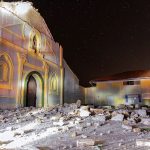
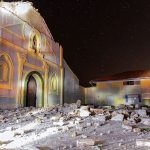
“The Church of St. James the Apostle in Chongos Bajo, built in the 16th century, suffered particularly significant damage, including the partial collapse of the roof and part of the pediment,” the bishops said. “The bell tower is also at risk of collapse, and therefore, the necessary actions are being coordinated to protect this important expression of the country’s historical and religious heritage.”
The conference also said the Archdiocese of Huancayo was coordinating efforts with the cultural office of Junín as well as with the Peruvian Civil Defense office to “carry out the technical evaluation of the affected churches and adopt the necessary measures to guarantee their conservation and the safety of the faithful.”
“The Catholic Church reaffirms its commitment to accompany the affected communities and to promote unity and solidarity in these times of emergency,” the Peruvian bishops’ conference said.
“It also calls for continued support for the affected families and for coordinated efforts in the recovery and reconstruction of the affected areas, as well as in the protection of the heritage of faith that forms part of the history and identity of these communities,” it said.
Junno Arocho Esteves is an international correspondent for OSV News. Follow him on X @jae_journalist.
 

Peru: Historic churches severely damaged following earthquakes #Catholic – (OSV News) — After a pair of earthquakes struck the mountainous region of Junín in Peru, the Catholic Church in the country expressed solidarity with victims’ families and is coordinating humanitarian aid to help victims, as well as efforts to preserve damaged historic churches. “We join in the grief of the families mourning their loved ones, raising our prayers for the eternal rest of the deceased, and asking the Lord to grant strength, comfort, and hope to all,” the Peruvian bishops’ conference said in a statement published July 19. According to Peru’s National Civil Defense Institute, at least five people were killed and 32 wounded after two earthquakes measuring magnitudes of 5.1 and 3.7 struck July 18 in the Chupaca province, located roughly 186 miles east of the Peruvian capital of Lima. Dozens of homes were destroyed or declared uninhabitable following the earthquake, and several public buildings, including two churches, the institute said, adding that the earthquake also caused damage in Huancayo and Huancavelica. The Archdiocese of Huancayo said it was coordinating humanitarian efforts through its Caritas office and “is actively participating in first response efforts.” Click here to subscribe to our weekly newsletter. In a statement published July 19, the archdiocese said Archbishop Luis Alberto Huamán Camayo of Huancayo traveled to the city of Pumpunya, which also suffered significant damage, “to support the affected population, express the Church’s solidarity, and coordinate relief efforts with the authorities and emergency teams present in the area.” “Through Caritas Huancayo, humanitarian aid has been distributed consisting of non-perishable food, water, blankets, pots, stoves and other essential items, intended to immediately assist families who lost their homes or were seriously affected by the earthquake,” the statement read. The archdiocese was also assessing damage to several churches and properties, including the El Copón chapel in Pumpunya and the Church of St. James the Apostle in Chongos Bajo. According to the Peruvian bishops’ conference, both religious buildings are National Cultural Heritage sites. “The Church of St. James the Apostle in Chongos Bajo, built in the 16th century, suffered particularly significant damage, including the partial collapse of the roof and part of the pediment,” the bishops said. “The bell tower is also at risk of collapse, and therefore, the necessary actions are being coordinated to protect this important expression of the country’s historical and religious heritage.” The conference also said the Archdiocese of Huancayo was coordinating efforts with the cultural office of Junín as well as with the Peruvian Civil Defense office to “carry out the technical evaluation of the affected churches and adopt the necessary measures to guarantee their conservation and the safety of the faithful.” “The Catholic Church reaffirms its commitment to accompany the affected communities and to promote unity and solidarity in these times of emergency,” the Peruvian bishops’ conference said. “It also calls for continued support for the affected families and for coordinated efforts in the recovery and reconstruction of the affected areas, as well as in the protection of the heritage of faith that forms part of the history and identity of these communities,” it said. Junno Arocho Esteves is an international correspondent for OSV News. Follow him on X @jae_journalist.  

Peru: Historic churches severely damaged following earthquakes #Catholic –

(OSV News) — After a pair of earthquakes struck the mountainous region of Junín in Peru, the Catholic Church in the country expressed solidarity with victims’ families and is coordinating humanitarian aid to help victims, as well as efforts to preserve damaged historic churches.

“We join in the grief of the families mourning their loved ones, raising our prayers for the eternal rest of the deceased, and asking the Lord to grant strength, comfort, and hope to all,” the Peruvian bishops’ conference said in a statement published July 19.

According to Peru’s National Civil Defense Institute, at least five people were killed and 32 wounded after two earthquakes measuring magnitudes of 5.1 and 3.7 struck July 18 in the Chupaca province, located roughly 186 miles east of the Peruvian capital of Lima.

Dozens of homes were destroyed or declared uninhabitable following the earthquake, and several public buildings, including two churches, the institute said, adding that the earthquake also caused damage in Huancayo and Huancavelica.

The Archdiocese of Huancayo said it was coordinating humanitarian efforts through its Caritas office and “is actively participating in first response efforts.”


Click here to subscribe to our weekly newsletter.

In a statement published July 19, the archdiocese said Archbishop Luis Alberto Huamán Camayo of Huancayo traveled to the city of Pumpunya, which also suffered significant damage, “to support the affected population, express the Church’s solidarity, and coordinate relief efforts with the authorities and emergency teams present in the area.”

“Through Caritas Huancayo, humanitarian aid has been distributed consisting of non-perishable food, water, blankets, pots, stoves and other essential items, intended to immediately assist families who lost their homes or were seriously affected by the earthquake,” the statement read.

The archdiocese was also assessing damage to several churches and properties, including the El Copón chapel in Pumpunya and the Church of St. James the Apostle in Chongos Bajo.

According to the Peruvian bishops’ conference, both religious buildings are National Cultural Heritage sites.

“The Church of St. James the Apostle in Chongos Bajo, built in the 16th century, suffered particularly significant damage, including the partial collapse of the roof and part of the pediment,” the bishops said. “The bell tower is also at risk of collapse, and therefore, the necessary actions are being coordinated to protect this important expression of the country’s historical and religious heritage.”

The conference also said the Archdiocese of Huancayo was coordinating efforts with the cultural office of Junín as well as with the Peruvian Civil Defense office to “carry out the technical evaluation of the affected churches and adopt the necessary measures to guarantee their conservation and the safety of the faithful.”

“The Catholic Church reaffirms its commitment to accompany the affected communities and to promote unity and solidarity in these times of emergency,” the Peruvian bishops’ conference said.

“It also calls for continued support for the affected families and for coordinated efforts in the recovery and reconstruction of the affected areas, as well as in the protection of the heritage of faith that forms part of the history and identity of these communities,” it said.

Junno Arocho Esteves is an international correspondent for OSV News. Follow him on X @jae_journalist.


(OSV News) — After a pair of earthquakes struck the mountainous region of Junín in Peru, the Catholic Church in the country expressed solidarity with victims’ families and is coordinating humanitarian aid to help victims, as well as efforts to preserve damaged historic churches. “We join in the grief of the families mourning their loved ones, raising our prayers for the eternal rest of the deceased, and asking the Lord to grant strength, comfort, and hope to all,” the Peruvian bishops’ conference said in a statement published July 19. According to Peru’s National Civil Defense Institute, at least five people
Read More
Perú y Uruguay se enfocan en los preparativos para la próxima visita papal #Catholic – (OSV News) — Aumenta la expectativa ante la visita del Papa León XIV a Sudamérica, mientras la presidente electa de Perú se comprometió a brindar la cooperación del Estado y los responsables eclesiásticos de Uruguay anunciaron los planes logísticos para el regreso a la región, en calidad de Papa, del pontífice nacido en Estados Unidos.
En un comunicado publicado el 16 de julio, la Conferencia Episcopal Peruana indicó que había recibido a Keiko Fujimori, cuya victoria en las elecciones presidenciales del país fue declarada el 4 de julio.
Fujimori se reunió con el obispo Carlos García Camader de Lurín, presidente de la Conferencia Episcopal Peruana, así como con el obispo Luis Alberto Barrera Pacheco de Callao y monseñor Guillermo Inca Pereda, vicepresidente y secretario general interino de la conferencia, respectivamente.
Según el comunicado, los obispos abordaron varios temas, entre ellos la visita papal “prevista para noviembre del presente año”.
“Al término del encuentro, la presidenta electa expresó su satisfacción por la confirmación de la visita del Santo Padre y manifestó la disposición del futuro gobierno para coordinar con la Iglesia las acciones necesarias que contribuyan al desarrollo de este importante acontecimiento pastoral”, señaló la conferencia episcopal.

Para suscribirse a nuestro boletín electrónico semanal, haga click aquí.

La presidenta electa, señaló que la conferencia, hizo hincapié en la importancia de garantizar que el Papa pueda “encontrarse con el mayor número posible de fieles y comunidades del país” durante su visita y que ello fortalezca “el mensaje de esperanza, unidad y cercanía que caracteriza su ministerio”.
Aunque el Vaticano no ha anunciado oficialmente la visita, el presidente saliente de Perú, José María Balcázar, reveló algunos detalles del viaje en junio, tras reunirse con el Papa León.
Balcázar afirmó en un comunicado publicado tras su reunión del 18 de junio con el Papa que la visita podría durar entre ocho y diez días a principios de noviembre, con paradas previstas en Lima, Chiclayo, Piura, Pucallpa y Cusco.
Uruguay se prepara para la visita del Papa León
En mayo, la Conferencia Episcopal del Uruguay señaló que, si bien no se había anunciado una fecha oficial, existía una “alta probabilidad” de que el Papa León visitara el país a finales de 2026.
Sin embargo, en un desayuno de trabajo con periodistas organizado por la conferencia el 15 de julio, el cardenal Daniel Sturla, de Montevideo, dijo que el Vaticano confirmaría el calendario oficial de la visita a finales de julio.
“Hace casi 40 años, vivimos la inolvidable visita de San Juan Pablo II. Ahora recibimos con enorme expectativa al Papa León. Es una alegría para la Iglesia, pero también para todo el Uruguay”, dijo el cardenal.
El Papa, señaló, es “una figura que trasciende”, y que su visita no solo es significativa para los católicos, sino para todas las personas en Uruguay y en todo el mundo.
“Lo vimos en el funeral de Francisco y en el inicio del pontificado de León XIV, donde estuvieron presentes jefes de Estado y representantes de todo el mundo. También en Uruguay será un don para todo el país”, dijo el cardenal Sturla.
El cardenal uruguayo dijo a los periodistas que le había extendido una invitación al Papa León para que visitara el país poco después de la elección papal y señaló que el Papa había expresado su deseo de visitar Uruguay y Argentina.
La visita del Papa León al país, dijo, incluiría paradas en Montevideo y Florida, así como una visita al norte del país, con la ciudad de Paysandú señalada como un posible destino.
El cardenal Sturla también dijo a los periodistas que el Papa podría visitar la Cuenca de Casavalle, un barrio marginado en las afueras de Montevideo, donde la Iglesia Católica lleva a cabo varios programas sociales.
La Arquidiócesis de Montevideo declaró que, mientras espera la confirmación oficial del Vaticano sobre el itinerario del Papa, la Iglesia local “continúa trabajando junto a los distintos organismos públicos y equipos técnicos en la organización de la visita, convencida de que la llegada del Papa será una oportunidad para fortalecer la esperanza, el encuentro y el diálogo en todo el país”.
Junno Arocho Esteves es corresponsal internacional de OSV News. Síguelo en X @jae_journalist.
 

Perú y Uruguay se enfocan en los preparativos para la próxima visita papal #Catholic – (OSV News) — Aumenta la expectativa ante la visita del Papa León XIV a Sudamérica, mientras la presidente electa de Perú se comprometió a brindar la cooperación del Estado y los responsables eclesiásticos de Uruguay anunciaron los planes logísticos para el regreso a la región, en calidad de Papa, del pontífice nacido en Estados Unidos. En un comunicado publicado el 16 de julio, la Conferencia Episcopal Peruana indicó que había recibido a Keiko Fujimori, cuya victoria en las elecciones presidenciales del país fue declarada el 4 de julio. Fujimori se reunió con el obispo Carlos García Camader de Lurín, presidente de la Conferencia Episcopal Peruana, así como con el obispo Luis Alberto Barrera Pacheco de Callao y monseñor Guillermo Inca Pereda, vicepresidente y secretario general interino de la conferencia, respectivamente. Según el comunicado, los obispos abordaron varios temas, entre ellos la visita papal “prevista para noviembre del presente año”. “Al término del encuentro, la presidenta electa expresó su satisfacción por la confirmación de la visita del Santo Padre y manifestó la disposición del futuro gobierno para coordinar con la Iglesia las acciones necesarias que contribuyan al desarrollo de este importante acontecimiento pastoral”, señaló la conferencia episcopal. Para suscribirse a nuestro boletín electrónico semanal, haga click aquí. La presidenta electa, señaló que la conferencia, hizo hincapié en la importancia de garantizar que el Papa pueda “encontrarse con el mayor número posible de fieles y comunidades del país” durante su visita y que ello fortalezca “el mensaje de esperanza, unidad y cercanía que caracteriza su ministerio”. Aunque el Vaticano no ha anunciado oficialmente la visita, el presidente saliente de Perú, José María Balcázar, reveló algunos detalles del viaje en junio, tras reunirse con el Papa León. Balcázar afirmó en un comunicado publicado tras su reunión del 18 de junio con el Papa que la visita podría durar entre ocho y diez días a principios de noviembre, con paradas previstas en Lima, Chiclayo, Piura, Pucallpa y Cusco. Uruguay se prepara para la visita del Papa León En mayo, la Conferencia Episcopal del Uruguay señaló que, si bien no se había anunciado una fecha oficial, existía una “alta probabilidad” de que el Papa León visitara el país a finales de 2026. Sin embargo, en un desayuno de trabajo con periodistas organizado por la conferencia el 15 de julio, el cardenal Daniel Sturla, de Montevideo, dijo que el Vaticano confirmaría el calendario oficial de la visita a finales de julio. “Hace casi 40 años, vivimos la inolvidable visita de San Juan Pablo II. Ahora recibimos con enorme expectativa al Papa León. Es una alegría para la Iglesia, pero también para todo el Uruguay”, dijo el cardenal. El Papa, señaló, es “una figura que trasciende”, y que su visita no solo es significativa para los católicos, sino para todas las personas en Uruguay y en todo el mundo. “Lo vimos en el funeral de Francisco y en el inicio del pontificado de León XIV, donde estuvieron presentes jefes de Estado y representantes de todo el mundo. También en Uruguay será un don para todo el país”, dijo el cardenal Sturla. El cardenal uruguayo dijo a los periodistas que le había extendido una invitación al Papa León para que visitara el país poco después de la elección papal y señaló que el Papa había expresado su deseo de visitar Uruguay y Argentina. La visita del Papa León al país, dijo, incluiría paradas en Montevideo y Florida, así como una visita al norte del país, con la ciudad de Paysandú señalada como un posible destino. El cardenal Sturla también dijo a los periodistas que el Papa podría visitar la Cuenca de Casavalle, un barrio marginado en las afueras de Montevideo, donde la Iglesia Católica lleva a cabo varios programas sociales. La Arquidiócesis de Montevideo declaró que, mientras espera la confirmación oficial del Vaticano sobre el itinerario del Papa, la Iglesia local “continúa trabajando junto a los distintos organismos públicos y equipos técnicos en la organización de la visita, convencida de que la llegada del Papa será una oportunidad para fortalecer la esperanza, el encuentro y el diálogo en todo el país”. Junno Arocho Esteves es corresponsal internacional de OSV News. Síguelo en X @jae_journalist.  

Perú y Uruguay se enfocan en los preparativos para la próxima visita papal #Catholic –

(OSV News) — Aumenta la expectativa ante la visita del Papa León XIV a Sudamérica, mientras la presidente electa de Perú se comprometió a brindar la cooperación del Estado y los responsables eclesiásticos de Uruguay anunciaron los planes logísticos para el regreso a la región, en calidad de Papa, del pontífice nacido en Estados Unidos.

En un comunicado publicado el 16 de julio, la Conferencia Episcopal Peruana indicó que había recibido a Keiko Fujimori, cuya victoria en las elecciones presidenciales del país fue declarada el 4 de julio.

Fujimori se reunió con el obispo Carlos García Camader de Lurín, presidente de la Conferencia Episcopal Peruana, así como con el obispo Luis Alberto Barrera Pacheco de Callao y monseñor Guillermo Inca Pereda, vicepresidente y secretario general interino de la conferencia, respectivamente.

Según el comunicado, los obispos abordaron varios temas, entre ellos la visita papal “prevista para noviembre del presente año”.

“Al término del encuentro, la presidenta electa expresó su satisfacción por la confirmación de la visita del Santo Padre y manifestó la disposición del futuro gobierno para coordinar con la Iglesia las acciones necesarias que contribuyan al desarrollo de este importante acontecimiento pastoral”, señaló la conferencia episcopal.


Para suscribirse a nuestro boletín electrónico semanal, haga click aquí.

La presidenta electa, señaló que la conferencia, hizo hincapié en la importancia de garantizar que el Papa pueda “encontrarse con el mayor número posible de fieles y comunidades del país” durante su visita y que ello fortalezca “el mensaje de esperanza, unidad y cercanía que caracteriza su ministerio”.

Aunque el Vaticano no ha anunciado oficialmente la visita, el presidente saliente de Perú, José María Balcázar, reveló algunos detalles del viaje en junio, tras reunirse con el Papa León.

Balcázar afirmó en un comunicado publicado tras su reunión del 18 de junio con el Papa que la visita podría durar entre ocho y diez días a principios de noviembre, con paradas previstas en Lima, Chiclayo, Piura, Pucallpa y Cusco.

Uruguay se prepara para la visita del Papa León

En mayo, la Conferencia Episcopal del Uruguay señaló que, si bien no se había anunciado una fecha oficial, existía una “alta probabilidad” de que el Papa León visitara el país a finales de 2026.

Sin embargo, en un desayuno de trabajo con periodistas organizado por la conferencia el 15 de julio, el cardenal Daniel Sturla, de Montevideo, dijo que el Vaticano confirmaría el calendario oficial de la visita a finales de julio.

“Hace casi 40 años, vivimos la inolvidable visita de San Juan Pablo II. Ahora recibimos con enorme expectativa al Papa León. Es una alegría para la Iglesia, pero también para todo el Uruguay”, dijo el cardenal.

El Papa, señaló, es “una figura que trasciende”, y que su visita no solo es significativa para los católicos, sino para todas las personas en Uruguay y en todo el mundo.

“Lo vimos en el funeral de Francisco y en el inicio del pontificado de León XIV, donde estuvieron presentes jefes de Estado y representantes de todo el mundo. También en Uruguay será un don para todo el país”, dijo el cardenal Sturla.

El cardenal uruguayo dijo a los periodistas que le había extendido una invitación al Papa León para que visitara el país poco después de la elección papal y señaló que el Papa había expresado su deseo de visitar Uruguay y Argentina.

La visita del Papa León al país, dijo, incluiría paradas en Montevideo y Florida, así como una visita al norte del país, con la ciudad de Paysandú señalada como un posible destino.

El cardenal Sturla también dijo a los periodistas que el Papa podría visitar la Cuenca de Casavalle, un barrio marginado en las afueras de Montevideo, donde la Iglesia Católica lleva a cabo varios programas sociales.

La Arquidiócesis de Montevideo declaró que, mientras espera la confirmación oficial del Vaticano sobre el itinerario del Papa, la Iglesia local “continúa trabajando junto a los distintos organismos públicos y equipos técnicos en la organización de la visita, convencida de que la llegada del Papa será una oportunidad para fortalecer la esperanza, el encuentro y el diálogo en todo el país”.

Junno Arocho Esteves es corresponsal internacional de OSV News. Síguelo en X @jae_journalist.


(OSV News) — Aumenta la expectativa ante la visita del Papa León XIV a Sudamérica, mientras la presidente electa de Perú se comprometió a brindar la cooperación del Estado y los responsables eclesiásticos de Uruguay anunciaron los planes logísticos para el regreso a la región, en calidad de Papa, del pontífice nacido en Estados Unidos. En un comunicado publicado el 16 de julio, la Conferencia Episcopal Peruana indicó que había recibido a Keiko Fujimori, cuya victoria en las elecciones presidenciales del país fue declarada el 4 de julio. Fujimori se reunió con el obispo Carlos García Camader de Lurín, presidente
Read More
Pope Leo’s July prayer: ‘For Respect for Human Life’ #Catholic – Sometimes it is more beneficial to reflect on the meaning of a season near its end than at its beginning. Often it seems that well before the season concludes many people have moved on, and have largely forgotten the season’s meaning.
So as July is quickly closing out, I hope this column on Pope Leo’s July prayer, titled “For Respect for Human Life,” will help inspire you and me to deeply pray, learn, teach, serve, and advocate “For Respect for Human Life” all year, and every year!
The Holy Father begins his prayer with “Lord of life, you created us in love and called us to live in fullness. Each person is a sacred gift that reflects your face, from the first instant of existence to the final breath of their journey on earth.” 

Image if each one of us, each country, each corporation, each religion – including each Catholic – truly and fully looked upon every single person, all persons “from the first instant of existence to the final breath of their journey on earth” as a sacred gift that reflects the face of God, what a beautiful world it would be!
Nurturing such a loving, beautiful vision towards every single human being would naturally inspire us to end abortion, poverty, starvation, hunger, homelessness, human trafficking, slave labor, unsafe underpaid employment, euthanasia, and the warehousing of the elderly in often unappealing nursing homes.
And such a beautiful vision would also compel us to insure clean water and sanitation, quality education, full health care, and decent housing for every human being, as well as building welcoming bridges – instead of meanspirited walls – for poor and persecuted migrants and refugees.
Like Pope Leo, seeing each person as a sacred gift that reflects the face of God would also inspire us to treasure and protect our common earth home from pollution and human induced global warming for the wellbeing of all of us, as well as for the wellbeing of future generations.
And seeing in every person a reflection of the face of God would naturally compel us to finally outlaw war and war preparation fulfilling Isaiah’s prophesy proclaiming that “They shall beat their swords into plowshares and their spears into pruning hooks; one nation shall not raise the sword against another, nor shall they train for war again.”
In his “For Respect for Human Life” July prayer Pope Leo ends by inviting all of us to join him in praying:
Forgive us, Lord,
when we fall into indifference or the culture of discard,
when we fail to see in others a being worthy of love.
Give us a new heart, always ready to choose life,
and generous hands that protect it through concrete actions.
Make your Church a living witness of the Gospel of life,
an open home where every life is celebrated,
where no one feels unwanted,
and where dignity is always honored and protected.
Lord Jesus,
may we love life as You love it:
with tenderness, fidelity, and self-giving.
May we proclaim, in words and actions,
that every human life is worth the total gift of ourselves. Amen.
Tony Magliano is an internationally syndicated Catholic social justice and peace columnist. He is available to speak at diocesan or parish gatherings. Tony can be reached at tmag6@comcast.net.

Click here to subscribe to our weekly newsletter.

Pope Leo’s July prayer: ‘For Respect for Human Life’ #Catholic – Sometimes it is more beneficial to reflect on the meaning of a season near its end than at its beginning. Often it seems that well before the season concludes many people have moved on, and have largely forgotten the season’s meaning. So as July is quickly closing out, I hope this column on Pope Leo’s July prayer, titled “For Respect for Human Life,” will help inspire you and me to deeply pray, learn, teach, serve, and advocate “For Respect for Human Life” all year, and every year! The Holy Father begins his prayer with “Lord of life, you created us in love and called us to live in fullness. Each person is a sacred gift that reflects your face, from the first instant of existence to the final breath of their journey on earth.”  Image if each one of us, each country, each corporation, each religion – including each Catholic – truly and fully looked upon every single person, all persons “from the first instant of existence to the final breath of their journey on earth” as a sacred gift that reflects the face of God, what a beautiful world it would be! Nurturing such a loving, beautiful vision towards every single human being would naturally inspire us to end abortion, poverty, starvation, hunger, homelessness, human trafficking, slave labor, unsafe underpaid employment, euthanasia, and the warehousing of the elderly in often unappealing nursing homes. And such a beautiful vision would also compel us to insure clean water and sanitation, quality education, full health care, and decent housing for every human being, as well as building welcoming bridges – instead of meanspirited walls – for poor and persecuted migrants and refugees. Like Pope Leo, seeing each person as a sacred gift that reflects the face of God would also inspire us to treasure and protect our common earth home from pollution and human induced global warming for the wellbeing of all of us, as well as for the wellbeing of future generations. And seeing in every person a reflection of the face of God would naturally compel us to finally outlaw war and war preparation fulfilling Isaiah’s prophesy proclaiming that “They shall beat their swords into plowshares and their spears into pruning hooks; one nation shall not raise the sword against another, nor shall they train for war again.” In his “For Respect for Human Life” July prayer Pope Leo ends by inviting all of us to join him in praying: Forgive us, Lord, when we fall into indifference or the culture of discard, when we fail to see in others a being worthy of love. Give us a new heart, always ready to choose life, and generous hands that protect it through concrete actions. Make your Church a living witness of the Gospel of life, an open home where every life is celebrated, where no one feels unwanted, and where dignity is always honored and protected. Lord Jesus, may we love life as You love it: with tenderness, fidelity, and self-giving. May we proclaim, in words and actions, that every human life is worth the total gift of ourselves. Amen. Tony Magliano is an internationally syndicated Catholic social justice and peace columnist. He is available to speak at diocesan or parish gatherings. Tony can be reached at tmag6@comcast.net. Click here to subscribe to our weekly newsletter.

Pope Leo’s July prayer: ‘For Respect for Human Life’ #Catholic –

Sometimes it is more beneficial to reflect on the meaning of a season near its end than at its beginning. Often it seems that well before the season concludes many people have moved on, and have largely forgotten the season’s meaning.

So as July is quickly closing out, I hope this column on Pope Leo’s July prayer, titled “For Respect for Human Life,” will help inspire you and me to deeply pray, learn, teach, serve, and advocate “For Respect for Human Life” all year, and every year!

The Holy Father begins his prayer with “Lord of life, you created us in love and called us to live in fullness. Each person is a sacred gift that reflects your face, from the first instant of existence to the final breath of their journey on earth.” 

Image if each one of us, each country, each corporation, each religion – including each Catholic – truly and fully looked upon every single person, all persons “from the first instant of existence to the final breath of their journey on earth” as a sacred gift that reflects the face of God, what a beautiful world it would be!

Nurturing such a loving, beautiful vision towards every single human being would naturally inspire us to end abortion, poverty, starvation, hunger, homelessness, human trafficking, slave labor, unsafe underpaid employment, euthanasia, and the warehousing of the elderly in often unappealing nursing homes.

And such a beautiful vision would also compel us to insure clean water and sanitation, quality education, full health care, and decent housing for every human being, as well as building welcoming bridges – instead of meanspirited walls – for poor and persecuted migrants and refugees.

Like Pope Leo, seeing each person as a sacred gift that reflects the face of God would also inspire us to treasure and protect our common earth home from pollution and human induced global warming for the wellbeing of all of us, as well as for the wellbeing of future generations.

And seeing in every person a reflection of the face of God would naturally compel us to finally outlaw war and war preparation fulfilling Isaiah’s prophesy proclaiming that “They shall beat their swords into plowshares and their spears into pruning hooks; one nation shall not raise the sword against another, nor shall they train for war again.”
In his “For Respect for Human Life” July prayer Pope Leo ends by inviting all of us to join him in praying:

Forgive us, Lord,
when we fall into indifference or the culture of discard,
when we fail to see in others a being worthy of love.
Give us a new heart, always ready to choose life,
and generous hands that protect it through concrete actions.

Make your Church a living witness of the Gospel of life,
an open home where every life is celebrated,
where no one feels unwanted,
and where dignity is always honored and protected.

Lord Jesus,
may we love life as You love it:
with tenderness, fidelity, and self-giving.
May we proclaim, in words and actions,
that every human life is worth the total gift of ourselves. Amen.

Tony Magliano is an internationally syndicated Catholic social justice and peace columnist. He is available to speak at diocesan or parish gatherings. Tony can be reached at tmag6@comcast.net.


Click here to subscribe to our weekly newsletter.

Sometimes it is more beneficial to reflect on the meaning of a season near its end than at its beginning. Often it seems that well before the season concludes many people have moved on, and have largely forgotten the season’s meaning. So as July is quickly closing out, I hope this column on Pope Leo’s July prayer, titled “For Respect for Human Life,” will help inspire you and me to deeply pray, learn, teach, serve, and advocate “For Respect for Human Life” all year, and every year! The Holy Father begins his prayer with “Lord of life, you created us

Read More
From Florham Park to joyful Divine Word Missionary priesthood #Catholic – After years of seminary study, Father Ryan Agbim, formerly of Holy Family Parish in Florham Park in the Paterson Diocese, N.J., describes his first few weeks as a priest of the Society of the Divine Word as both “surreal” and “a pure joy and a grace.”
On May 23, Father Agbim, 31, and six other seminarians were ordained Divine Word priests by Bishop John Douglas Deshotel of Lafayette, La., in Chicago. Divine Word Missionaries work globally in 79 countries to spread the Gospel through service and action.
“Presiding over a liturgy and putting into practice what I’ve learned from my great teacher, Father Richard Fragomeni [associate professor of liturgy and preaching and chairperson of the Department of Word and Worship at the Catholic Theological Union in Chicago], has been a pure joy and a grace!” said Father Agbim, who attended weekly Mass with his family at Holy Family from 2003 to 2014.
Father Agbim continued, “To hear my first confession was such a blessing, as I have been waiting to facilitate that sacrament since the beginning of my formation! It is such a moment to make known the infinite mercy that Christ offers to all of us. To all reading this: Go to confession! You won’t regret it!”

Click here to subscribe to our weekly newsletter.

Within Divine Word, Father Agbim has been assigned to the Canada District at Cristo Rey Parish in Mississauga, a large Canadian city neighboring Toronto on Lake Ontario. There, the faith community speaks English and Portuguese. He will take some time to learn Portuguese to become more effective in his pastoral role.
In addition, Father Agbim has accepted the role of communications coordinator for the Chicago Province, which spans from Nebraska to Massachusetts and from Canada to the Caribbean.
“This is an exciting new role that will take creativity, teamwork, and another degree,” said Father Agbim, who will travel to Argentina in August for a meeting of coordinators where the Society of the Divine Word is located around the world.
Recently, Father Agbim returned to New Jersey and visited Holy Family, where he celebrated and concelebrated Masses. He used to worship there with his family — his mother, Barbara, from England, and his father, Mathias, from Nigeria, both deceased, and his sister, Jessica.
“It was heartwarming to celebrate the Eucharist among familiar faces. It felt like a homecoming,” Father Agbim said.
Initially, Father Agbim discerned a life with a wife and children. He earned a bachelor’s degree in public health from Rutgers University in New Brunswick, N.J., in 2018. But at the end of his sophomore year, he had a life-changing conversation with Father Fred Walters, then Holy Family’s pastor, now retired.
“Father Fred said, ‘As a priest, you could be a spiritual father for your spiritual children — to so many people,’” Agbim said. “That moved me from wanting to be a biological father to being a priest.”
But it wasn’t until college that Father Agbim first heard God’s call through the questions of others, like “Have you thought of being a priest?” One of them was Bishop Emeritus Arthur J. Serratelli during a pastoral visit to Holy Family.
Father Agbim’s exploration of vocations led him to the Society of the Divine Word. He was impressed by the community’s “missionary spirit.”
In 2019, Agbim quit his job as a pharmacy technician to enter Divine Word’s novitiate in Epworth, Iowa. He made his first vows in 2020 and his perpetual vows in 2025. He later moved to Hyde Park, Chicago, for theology studies.
Father Agbim was featured in a November 2025 story on BeaconNJ.com. There, he anticipated in future priestly vocations “feeling gratitude, mixed with some fear. But I leave certain decisions in God’s hands. He knows better than I do.”
Read the story on Father Agbim last year.
 

From Florham Park to joyful Divine Word Missionary priesthood #Catholic – After years of seminary study, Father Ryan Agbim, formerly of Holy Family Parish in Florham Park in the Paterson Diocese, N.J., describes his first few weeks as a priest of the Society of the Divine Word as both “surreal” and “a pure joy and a grace.” On May 23, Father Agbim, 31, and six other seminarians were ordained Divine Word priests by Bishop John Douglas Deshotel of Lafayette, La., in Chicago. Divine Word Missionaries work globally in 79 countries to spread the Gospel through service and action. “Presiding over a liturgy and putting into practice what I’ve learned from my great teacher, Father Richard Fragomeni [associate professor of liturgy and preaching and chairperson of the Department of Word and Worship at the Catholic Theological Union in Chicago], has been a pure joy and a grace!” said Father Agbim, who attended weekly Mass with his family at Holy Family from 2003 to 2014. Father Agbim continued, “To hear my first confession was such a blessing, as I have been waiting to facilitate that sacrament since the beginning of my formation! It is such a moment to make known the infinite mercy that Christ offers to all of us. To all reading this: Go to confession! You won’t regret it!” Click here to subscribe to our weekly newsletter. Within Divine Word, Father Agbim has been assigned to the Canada District at Cristo Rey Parish in Mississauga, a large Canadian city neighboring Toronto on Lake Ontario. There, the faith community speaks English and Portuguese. He will take some time to learn Portuguese to become more effective in his pastoral role. In addition, Father Agbim has accepted the role of communications coordinator for the Chicago Province, which spans from Nebraska to Massachusetts and from Canada to the Caribbean. “This is an exciting new role that will take creativity, teamwork, and another degree,” said Father Agbim, who will travel to Argentina in August for a meeting of coordinators where the Society of the Divine Word is located around the world. Recently, Father Agbim returned to New Jersey and visited Holy Family, where he celebrated and concelebrated Masses. He used to worship there with his family — his mother, Barbara, from England, and his father, Mathias, from Nigeria, both deceased, and his sister, Jessica. “It was heartwarming to celebrate the Eucharist among familiar faces. It felt like a homecoming,” Father Agbim said. Initially, Father Agbim discerned a life with a wife and children. He earned a bachelor’s degree in public health from Rutgers University in New Brunswick, N.J., in 2018. But at the end of his sophomore year, he had a life-changing conversation with Father Fred Walters, then Holy Family’s pastor, now retired. “Father Fred said, ‘As a priest, you could be a spiritual father for your spiritual children — to so many people,’” Agbim said. “That moved me from wanting to be a biological father to being a priest.” But it wasn’t until college that Father Agbim first heard God’s call through the questions of others, like “Have you thought of being a priest?” One of them was Bishop Emeritus Arthur J. Serratelli during a pastoral visit to Holy Family. Father Agbim’s exploration of vocations led him to the Society of the Divine Word. He was impressed by the community’s “missionary spirit.” In 2019, Agbim quit his job as a pharmacy technician to enter Divine Word’s novitiate in Epworth, Iowa. He made his first vows in 2020 and his perpetual vows in 2025. He later moved to Hyde Park, Chicago, for theology studies. Father Agbim was featured in a November 2025 story on BeaconNJ.com. There, he anticipated in future priestly vocations “feeling gratitude, mixed with some fear. But I leave certain decisions in God’s hands. He knows better than I do.” Read the story on Father Agbim last year.  

From Florham Park to joyful Divine Word Missionary priesthood #Catholic –

After years of seminary study, Father Ryan Agbim, formerly of Holy Family Parish in Florham Park in the Paterson Diocese, N.J., describes his first few weeks as a priest of the Society of the Divine Word as both “surreal” and “a pure joy and a grace.”

On May 23, Father Agbim, 31, and six other seminarians were ordained Divine Word priests by Bishop John Douglas Deshotel of Lafayette, La., in Chicago. Divine Word Missionaries work globally in 79 countries to spread the Gospel through service and action.

“Presiding over a liturgy and putting into practice what I’ve learned from my great teacher, Father Richard Fragomeni [associate professor of liturgy and preaching and chairperson of the Department of Word and Worship at the Catholic Theological Union in Chicago], has been a pure joy and a grace!” said Father Agbim, who attended weekly Mass with his family at Holy Family from 2003 to 2014.

Father Agbim continued, “To hear my first confession was such a blessing, as I have been waiting to facilitate that sacrament since the beginning of my formation! It is such a moment to make known the infinite mercy that Christ offers to all of us. To all reading this: Go to confession! You won’t regret it!”


Click here to subscribe to our weekly newsletter.

Within Divine Word, Father Agbim has been assigned to the Canada District at Cristo Rey Parish in Mississauga, a large Canadian city neighboring Toronto on Lake Ontario. There, the faith community speaks English and Portuguese. He will take some time to learn Portuguese to become more effective in his pastoral role.

In addition, Father Agbim has accepted the role of communications coordinator for the Chicago Province, which spans from Nebraska to Massachusetts and from Canada to the Caribbean.

“This is an exciting new role that will take creativity, teamwork, and another degree,” said Father Agbim, who will travel to Argentina in August for a meeting of coordinators where the Society of the Divine Word is located around the world.

Recently, Father Agbim returned to New Jersey and visited Holy Family, where he celebrated and concelebrated Masses. He used to worship there with his family — his mother, Barbara, from England, and his father, Mathias, from Nigeria, both deceased, and his sister, Jessica.

“It was heartwarming to celebrate the Eucharist among familiar faces. It felt like a homecoming,” Father Agbim said.

Initially, Father Agbim discerned a life with a wife and children. He earned a bachelor’s degree in public health from Rutgers University in New Brunswick, N.J., in 2018. But at the end of his sophomore year, he had a life-changing conversation with Father Fred Walters, then Holy Family’s pastor, now retired.

“Father Fred said, ‘As a priest, you could be a spiritual father for your spiritual children — to so many people,’” Agbim said. “That moved me from wanting to be a biological father to being a priest.”

But it wasn’t until college that Father Agbim first heard God’s call through the questions of others, like “Have you thought of being a priest?” One of them was Bishop Emeritus Arthur J. Serratelli during a pastoral visit to Holy Family.

Father Agbim’s exploration of vocations led him to the Society of the Divine Word. He was impressed by the community’s “missionary spirit.”

In 2019, Agbim quit his job as a pharmacy technician to enter Divine Word’s novitiate in Epworth, Iowa. He made his first vows in 2020 and his perpetual vows in 2025. He later moved to Hyde Park, Chicago, for theology studies.

Father Agbim was featured in a November 2025 story on BeaconNJ.com. There, he anticipated in future priestly vocations “feeling gratitude, mixed with some fear. But I leave certain decisions in God’s hands. He knows better than I do.”

Read the story on Father Agbim last year.


After years of seminary study, Father Ryan Agbim, formerly of Holy Family Parish in Florham Park in the Paterson Diocese, N.J., describes his first few weeks as a priest of the Society of the Divine Word as both “surreal” and “a pure joy and a grace.” On May 23, Father Agbim, 31, and six other seminarians were ordained Divine Word priests by Bishop John Douglas Deshotel of Lafayette, La., in Chicago. Divine Word Missionaries work globally in 79 countries to spread the Gospel through service and action. “Presiding over a liturgy and putting into practice what I’ve learned from my
Read More
Seminarian moves closer to priesthood with Aug. 1 deacon ordination #Catholic – Bishop Kevin J. Sweeney will ordain Carlos Vargas, a seminarian of the Paterson Diocese, N.J., to the transitional diaconate on Saturday, Aug. 1, at 10:30 a.m. at St Anthony Of Padua Church in Passaic, N.J.
Vargas’ ordination to the transitional diaconate marks the last step toward his anticipated ordination to the priesthood of the diocese next year.
All are invited to attend the ordination.
Vargas originates from Barranquilla in the northern part of Columbia. His grandmother taught him to pray the rosary. He was an altar server as his parish, Church was St. Dominic. Then, Vargas traveled to the United States, arriving in the Paterson Diocese in 2017.
Throughout his time in the diocese, Vargas as involved with local parishes, including St. Margaret of Scotland in Morristown, N.J., Our Lady of the Magnificat in Kinnelon, N.J., and Holy Spirit in Pequannock, N.J.
Vargas was also among the diocesan representatives who attended the 2024 National Eucharistic Congress in Indianapolis, Ind.

Click here to subscribe to our weekly newsletter.

Seminarian moves closer to priesthood with Aug. 1 deacon ordination #Catholic –

Bishop Kevin J. Sweeney will ordain Carlos Vargas, a seminarian of the Paterson Diocese, N.J., to the transitional diaconate on Saturday, Aug. 1, at 10:30 a.m. at St Anthony Of Padua Church in Passaic, N.J.

Vargas’ ordination to the transitional diaconate marks the last step toward his anticipated ordination to the priesthood of the diocese next year.

All are invited to attend the ordination.

Vargas originates from Barranquilla in the northern part of Columbia. His grandmother taught him to pray the rosary. He was an altar server as his parish, Church was St. Dominic. Then, Vargas traveled to the United States, arriving in the Paterson Diocese in 2017.

Throughout his time in the diocese, Vargas as involved with local parishes, including St. Margaret of Scotland in Morristown, N.J., Our Lady of the Magnificat in Kinnelon, N.J., and Holy Spirit in Pequannock, N.J.

Vargas was also among the diocesan representatives who attended the 2024 National Eucharistic Congress in Indianapolis, Ind.


Click here to subscribe to our weekly newsletter.

Bishop Kevin J. Sweeney will ordain Carlos Vargas, a seminarian of the Paterson Diocese, N.J., to the transitional diaconate on Saturday, Aug. 1, at 10:30 a.m. at St Anthony Of Padua Church in Passaic, N.J. Vargas’ ordination to the transitional diaconate marks the last step toward his anticipated ordination to the priesthood of the diocese next year. All are invited to attend the ordination. Vargas originates from Barranquilla in the northern part of Columbia. His grandmother taught him to pray the rosary. He was an altar server as his parish, Church was St. Dominic. Then, Vargas traveled to the United
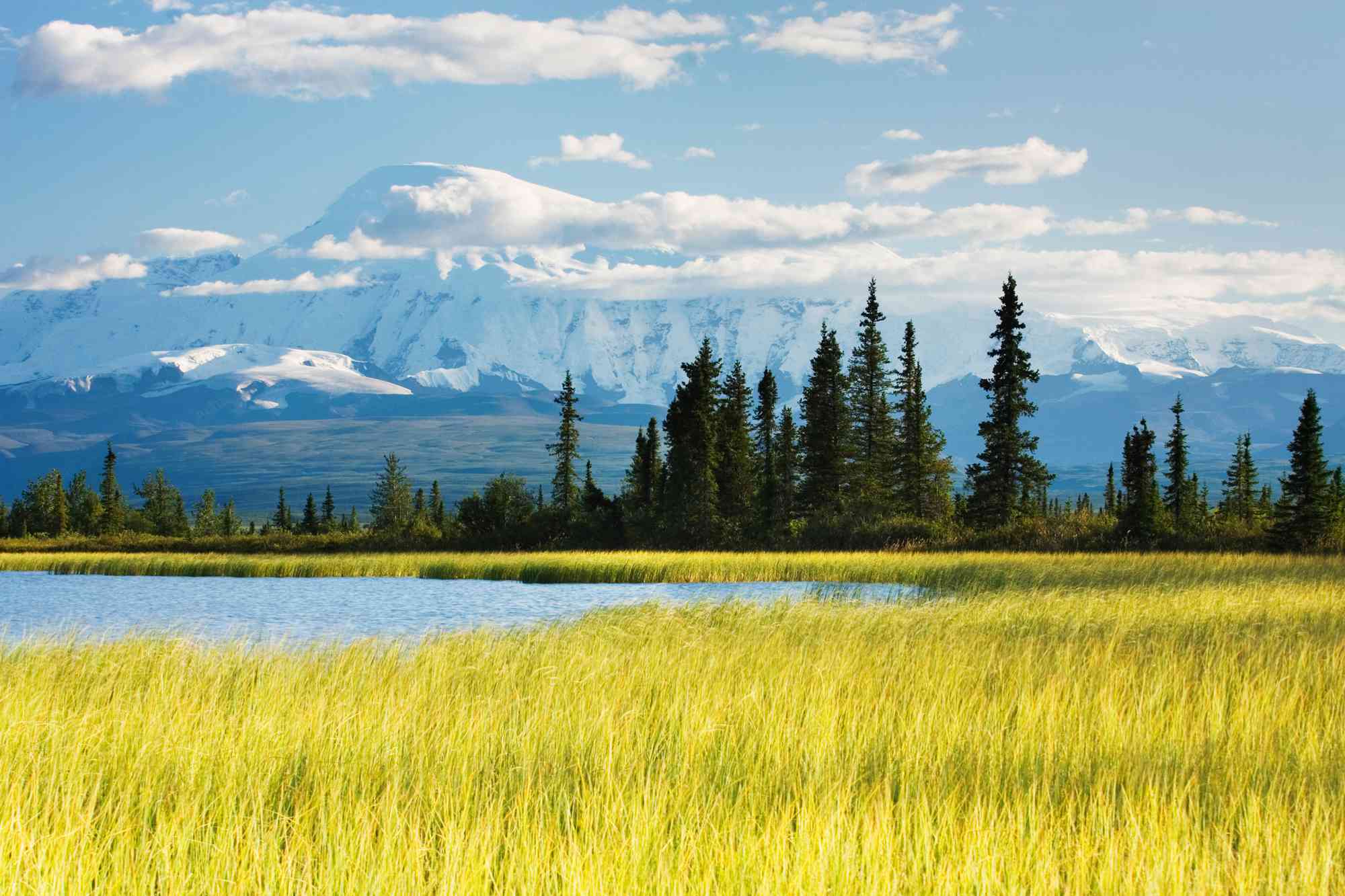
Read More
5 things to know about St. Bridget of Sweden, mystic and mother #Catholic On July 23, the Catholic Church celebrates the feast day of St. Bridget of Sweden, a mystic of the Middle Ages who was a wife, mother to a large family, lady-in-waiting to a queen, and founder of a religious order that still exists today.1. St. Bridget experienced her first vision at age 10.Bridget, or “Birgitta,” was born to wealthy, devout parents in Sweden in the year 1303. Her mother died early in her life, and she and her siblings were raised by their aunt. At 10 years old, Bridget had a vision of Christ on the cross in his agonizing suffering. In her vision, Bridget saw Christ with his wounds from Good Friday, with the wounds of “The Man of Sorrows” in Isaiah 53. She asked Jesus who hurt him, and he responded: “Those who despise me and refuse my love for them.” She would go on to write about these revelations; her works were published posthumously.2. Bridget served in the royal court of Sweden.Bridget was married in 1316 at the young age of 13 to 18-year-old Ulf Gudmarsson, the Swedish prince of Nericia. The two joined the Third Order of St. Francis and dedicated their resources to building a hospital and caring for the needs of the poor. Ulf served on the council of the king of Sweden, Magnus Eriksson, and the king asked Bridget to be a lady-in-waiting for his wife, Queen Blanche of Namur.3. Bridget was a mother to eight children, and one of them became a saint.Bridget and Ulf raised a large family together while also serving the poor and managing their duties in court. Of Bridget’s eight children, two died in infancy, and another two died in the Crusades. Two of their surviving children were married, and another two joined religious life. One of those two became a saint and was canonized — St. Catherine of Sweden.4. Bridget founded a religious order, the Bridgettines, after her husband died.Bridget and Ulf made a pilgrimage to Santiago de Compostela in Spain between 1341 and 1343, but on their return trip, Ulf became ill. The couple stopped in France until Ulf regained his health, but soon after they returned to Sweden, in 1344, he passed away.After his death, Bridget donated her belongings to the poor and devoted her life to Christ, following a call from God to start a new religious order.She founded the Order of the Most Holy Savior, now known as the Brigittines, in 1346, and her congregation was approved by Pope Urban V in 1370. The Brigittines were to be led by an abbess and constitute both nuns and priests. The priests, who lived in a separate section, served as chaplains and confessors for the nuns.King Magnus helped Bridget make the Abbey of Vadstena the home of the Brigittines. He donated a small palace and land for the new monastery.But Bridget would never see her work come to fruition. She had a vision from Christ calling her to return to Rome and await the pope’s return from France during the Avignon Papacy. She never became a nun herself, and she never saw the monastery in Vadstena. She died several years before the pope’s permanent return to Rome.But her order spread through Europe and still exists today in both contemplative monasteries and apostolic convents, with branches in 19 countries including Sweden, Norway, Poland, Italy, Israel, India, the Philippines, Mexico, and the United States.5. St. Bridget is the co-patroness of Europe.After Bridget died in Rome on July 23, 1373, her children brought her remains back to the headquarters of her religious order. Less than 20 years later, in 1391, Pope Boniface IX proclaimed her a saint. Her revelations and writings on the sufferings of Christ were published after her death. In 1999, St. John Paul II chose her as one of the three female co-patronesses of Europe, along with St. Catherine of Siena and St. Edith Stein.This story was first published on July 23, 2024, and has been updated.

5 things to know about St. Bridget of Sweden, mystic and mother #Catholic On July 23, the Catholic Church celebrates the feast day of St. Bridget of Sweden, a mystic of the Middle Ages who was a wife, mother to a large family, lady-in-waiting to a queen, and founder of a religious order that still exists today.1. St. Bridget experienced her first vision at age 10.Bridget, or “Birgitta,” was born to wealthy, devout parents in Sweden in the year 1303. Her mother died early in her life, and she and her siblings were raised by their aunt. At 10 years old, Bridget had a vision of Christ on the cross in his agonizing suffering. In her vision, Bridget saw Christ with his wounds from Good Friday, with the wounds of “The Man of Sorrows” in Isaiah 53. She asked Jesus who hurt him, and he responded: “Those who despise me and refuse my love for them.” She would go on to write about these revelations; her works were published posthumously.2. Bridget served in the royal court of Sweden.Bridget was married in 1316 at the young age of 13 to 18-year-old Ulf Gudmarsson, the Swedish prince of Nericia. The two joined the Third Order of St. Francis and dedicated their resources to building a hospital and caring for the needs of the poor. Ulf served on the council of the king of Sweden, Magnus Eriksson, and the king asked Bridget to be a lady-in-waiting for his wife, Queen Blanche of Namur.3. Bridget was a mother to eight children, and one of them became a saint.Bridget and Ulf raised a large family together while also serving the poor and managing their duties in court. Of Bridget’s eight children, two died in infancy, and another two died in the Crusades. Two of their surviving children were married, and another two joined religious life. One of those two became a saint and was canonized — St. Catherine of Sweden.4. Bridget founded a religious order, the Bridgettines, after her husband died.Bridget and Ulf made a pilgrimage to Santiago de Compostela in Spain between 1341 and 1343, but on their return trip, Ulf became ill. The couple stopped in France until Ulf regained his health, but soon after they returned to Sweden, in 1344, he passed away.After his death, Bridget donated her belongings to the poor and devoted her life to Christ, following a call from God to start a new religious order.She founded the Order of the Most Holy Savior, now known as the Brigittines, in 1346, and her congregation was approved by Pope Urban V in 1370. The Brigittines were to be led by an abbess and constitute both nuns and priests. The priests, who lived in a separate section, served as chaplains and confessors for the nuns.King Magnus helped Bridget make the Abbey of Vadstena the home of the Brigittines. He donated a small palace and land for the new monastery.But Bridget would never see her work come to fruition. She had a vision from Christ calling her to return to Rome and await the pope’s return from France during the Avignon Papacy. She never became a nun herself, and she never saw the monastery in Vadstena. She died several years before the pope’s permanent return to Rome.But her order spread through Europe and still exists today in both contemplative monasteries and apostolic convents, with branches in 19 countries including Sweden, Norway, Poland, Italy, Israel, India, the Philippines, Mexico, and the United States.5. St. Bridget is the co-patroness of Europe.After Bridget died in Rome on July 23, 1373, her children brought her remains back to the headquarters of her religious order. Less than 20 years later, in 1391, Pope Boniface IX proclaimed her a saint. Her revelations and writings on the sufferings of Christ were published after her death. In 1999, St. John Paul II chose her as one of the three female co-patronesses of Europe, along with St. Catherine of Siena and St. Edith Stein.This story was first published on July 23, 2024, and has been updated.

On July 23, the Catholic Church celebrates the feast day of St. Bridget of Sweden, a mystic of the Middle Ages who was a wife and mother of eight children.
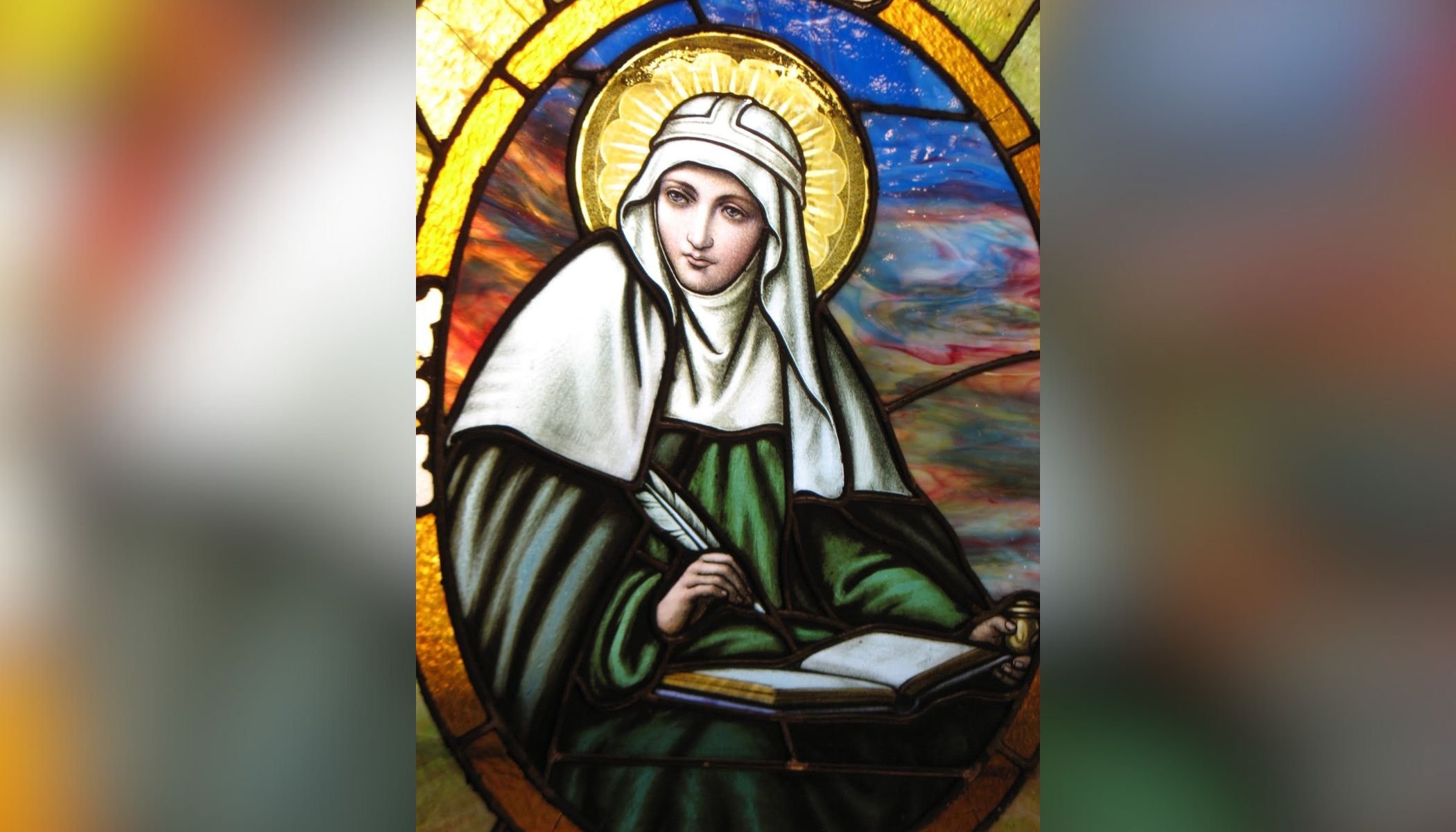
Read More