florida

Catholic, Orthodox bishops join in dialogue and prayer at Washington, D.C., conference #Catholic Catholic and Eastern Orthodox bishops exchanged dialogue and joined together in prayer at an ecumenical conference in Washington, D.C., this week with a hope that one day the Eastern and Western churches will be reunited.The conference, held at the retreat house for the St. John Paul II National Shrine on July 13–15, was organized by the Orientale Lumen Foundation. Jack Figel, an Eastern Catholic who founded the group, named it after St. John Paul II’s apostolic letter expressing hope for reunification.Speakers included the secretary for the Vatican Dicastery for Promoting Christian Unity, Archbishop Flavio Pace; the primate of the Orthodox Church in America, Metropolitan Tikhon Mollard; Cardinal Seán Patrick OʼMalley; Greek Orthodox Bishop Anthony Vrame; and Romanian Catholic Bishop John Michael Botean.“I grew up with — I lived with — the tension between East and West my whole life,” Figel told EWTN News.A reunification, Figel said, “all depends on the Holy Spirit.” He said: “It is going to be a miracle and it’s going to be on God’s time.”The conference included speeches by both Catholic and Orthodox bishops and joint panels. Prayer services were held in the Eastern form in which bishops from both traditions participated: a moleben to the Holy Spirit on Monday, daily vespers on Tuesday, and the Akathist to the Mother of God on Wednesday.Theological hurdlesRecent popes have had friendly relations with Eastern Orthodox patriarchs, and ongoing study by the Joint International Commission for Theological Dialogue between the Roman Catholic Church and the Orthodox Church is seeking to resolve theological disputes.In 2024, the commission set up two subcommittees to analyze two major points of contention: one for papal infallibility and the other for the Filioque.Papal infallibility refers to Vatican I’s teaching that the pope can infallibly define doctrines. The Filioque — Latin for “and the Son” — refers to the West adding the phrase in the Nicene Creed “the Holy Spirit … who proceeds from the Father ‘and the Son.’” Catholics argue this clarifies the Latin translation of the Creed, which was originally in Greek; but many Orthodox see it as changing the understanding of the Trinity.Vrame told EWTN News these theological issues continue to be a hurdle toward Catholic and Orthodox communion.The No. 1 issueSpeaking from the Orthodox perspective, he said papal infallibility and supremacy is the No. 1 issue. Although Orthodox acknowledge Ecumenical Patriarch Bartholomew as “first among equals” among patriarchs, “our governance structure allows for each national Church to govern itself,” he said.Dialogue with Rome, Vrame said, must address questions of “how do we begin to understand any claims of universal jurisdiction of the papacy” and “how do we understand any form of papal infallibility.” He said the Catholic embrace of synodality could improve dialogue on this issue.He said a major question is what unity would look like and pointed toward Rome’s relationship with Eastern Catholics as a possible example, saying they are “in communion with Rome,” but “Rome allowed them to retain their distinctive rites and practices.” However, he noted historical complications with Rome’s past attempts to Latinize Eastern Catholics and a major question to settle is: “What would unity do?”Mollard also told EWTN News “the whole question of primacy and synodality” remains a major issue, along with “centuries of separation,” which he said “doesn’t help either.”Pace told EWTN News that the subcommittee addressing infallibility has to “prepare a very good draft” on the matter that the full committee made up of Catholic and Orthodox leaders “can discuss and approve.”Steps toward unityAs the hierarchy tries to work out millennium-old theological disputes, Mollard said another step is “trying to get from the theological [dialogue] to the implementation” of a stronger relationship but warned “everyone’s afraid to do anything.”“We do have to practice these things,” he said in his speech. “Let’s work together and see if we can find our unity in Christ … [and] work on the structures that could bring that about more formally.”“Prayer and humility are always good,” Mollard said.He told EWTN News that some steps could be jointly “caring for the poor” or “feeding the hungry,” which is “the most direct way that collaboration can take place” at this time. In his speech, O’Malley called for joint prayer and study sessions, joint pastoral letters and statements, and joint works of mercy.Figel suggested Catholic and Orthodox parishes should “pray once a month for unity for at least 10 or 15 minutes.”Ultimately, Vrame said full unity and communion would be expressed “in the Eucharist” if all issues are resolved.“We don’t share the Eucharist,” he said. “That would be the culminating moment.”Dialogue and the laityMany bishops said dialogue and bonds should take place among laity too, with Botean saying in his speech that ecumenism cannot just be “at the level of academics.”“Without the face-to-face stuff, … we’re going to get nowhere,” he said. “And if our competition is the internet, we have more driving us apart than together.”Botean warned against hostile and uncharitable exchanges, many of which occur on social media, saying: “When we become unloving because of our faith, we’re on the wrong track.”Lizbeth Moncada, a senior at Florida Atlantic University who attended the conference, told EWTN News that she has “a lot of friends who are Eastern Orthodox and Oriental Orthodox” but agreed that online dialogue can often be “polarizing.”She said exchanges online can be “very disheartening” and she has “wanted to stop engaging in these conversations” at times. Yet, she said discussions like what occurred at the conference are “encouraging.”Andrew Likoudis of the ecumenical Likoudis Legacy Foundation, told EWTN News: “I try not to even engage in online discourse because of how toxic it is.” Yet, he said “the discourse here is much healthier” and allows Catholics and Orthodox Christians to “cross theological boundaries and retain the integrity of our own traditions without compromise.”Vrame, commenting on dialogue, said “beating up on somebody else is not very Christian … no matter what you think of their position.” He said people can have “respectful disagreements … without having to beat up on somebody,” saying that’s “no way to show love for your neighbor.”He said it’s good that people are passionate about their faith but posed the question: “Are we passionate in a way that reflects Christ and Christianity?”

Catholic, Orthodox bishops join in dialogue and prayer at Washington, D.C., conference #Catholic Catholic and Eastern Orthodox bishops exchanged dialogue and joined together in prayer at an ecumenical conference in Washington, D.C., this week with a hope that one day the Eastern and Western churches will be reunited.The conference, held at the retreat house for the St. John Paul II National Shrine on July 13–15, was organized by the Orientale Lumen Foundation. Jack Figel, an Eastern Catholic who founded the group, named it after St. John Paul II’s apostolic letter expressing hope for reunification.Speakers included the secretary for the Vatican Dicastery for Promoting Christian Unity, Archbishop Flavio Pace; the primate of the Orthodox Church in America, Metropolitan Tikhon Mollard; Cardinal Seán Patrick OʼMalley; Greek Orthodox Bishop Anthony Vrame; and Romanian Catholic Bishop John Michael Botean.“I grew up with — I lived with — the tension between East and West my whole life,” Figel told EWTN News.A reunification, Figel said, “all depends on the Holy Spirit.” He said: “It is going to be a miracle and it’s going to be on God’s time.”The conference included speeches by both Catholic and Orthodox bishops and joint panels. Prayer services were held in the Eastern form in which bishops from both traditions participated: a moleben to the Holy Spirit on Monday, daily vespers on Tuesday, and the Akathist to the Mother of God on Wednesday.Theological hurdlesRecent popes have had friendly relations with Eastern Orthodox patriarchs, and ongoing study by the Joint International Commission for Theological Dialogue between the Roman Catholic Church and the Orthodox Church is seeking to resolve theological disputes.In 2024, the commission set up two subcommittees to analyze two major points of contention: one for papal infallibility and the other for the Filioque.Papal infallibility refers to Vatican I’s teaching that the pope can infallibly define doctrines. The Filioque — Latin for “and the Son” — refers to the West adding the phrase in the Nicene Creed “the Holy Spirit … who proceeds from the Father ‘and the Son.’” Catholics argue this clarifies the Latin translation of the Creed, which was originally in Greek; but many Orthodox see it as changing the understanding of the Trinity.Vrame told EWTN News these theological issues continue to be a hurdle toward Catholic and Orthodox communion.The No. 1 issueSpeaking from the Orthodox perspective, he said papal infallibility and supremacy is the No. 1 issue. Although Orthodox acknowledge Ecumenical Patriarch Bartholomew as “first among equals” among patriarchs, “our governance structure allows for each national Church to govern itself,” he said.Dialogue with Rome, Vrame said, must address questions of “how do we begin to understand any claims of universal jurisdiction of the papacy” and “how do we understand any form of papal infallibility.” He said the Catholic embrace of synodality could improve dialogue on this issue.He said a major question is what unity would look like and pointed toward Rome’s relationship with Eastern Catholics as a possible example, saying they are “in communion with Rome,” but “Rome allowed them to retain their distinctive rites and practices.” However, he noted historical complications with Rome’s past attempts to Latinize Eastern Catholics and a major question to settle is: “What would unity do?”Mollard also told EWTN News “the whole question of primacy and synodality” remains a major issue, along with “centuries of separation,” which he said “doesn’t help either.”Pace told EWTN News that the subcommittee addressing infallibility has to “prepare a very good draft” on the matter that the full committee made up of Catholic and Orthodox leaders “can discuss and approve.”Steps toward unityAs the hierarchy tries to work out millennium-old theological disputes, Mollard said another step is “trying to get from the theological [dialogue] to the implementation” of a stronger relationship but warned “everyone’s afraid to do anything.”“We do have to practice these things,” he said in his speech. “Let’s work together and see if we can find our unity in Christ … [and] work on the structures that could bring that about more formally.”“Prayer and humility are always good,” Mollard said.He told EWTN News that some steps could be jointly “caring for the poor” or “feeding the hungry,” which is “the most direct way that collaboration can take place” at this time. In his speech, O’Malley called for joint prayer and study sessions, joint pastoral letters and statements, and joint works of mercy.Figel suggested Catholic and Orthodox parishes should “pray once a month for unity for at least 10 or 15 minutes.”Ultimately, Vrame said full unity and communion would be expressed “in the Eucharist” if all issues are resolved.“We don’t share the Eucharist,” he said. “That would be the culminating moment.”Dialogue and the laityMany bishops said dialogue and bonds should take place among laity too, with Botean saying in his speech that ecumenism cannot just be “at the level of academics.”“Without the face-to-face stuff, … we’re going to get nowhere,” he said. “And if our competition is the internet, we have more driving us apart than together.”Botean warned against hostile and uncharitable exchanges, many of which occur on social media, saying: “When we become unloving because of our faith, we’re on the wrong track.”Lizbeth Moncada, a senior at Florida Atlantic University who attended the conference, told EWTN News that she has “a lot of friends who are Eastern Orthodox and Oriental Orthodox” but agreed that online dialogue can often be “polarizing.”She said exchanges online can be “very disheartening” and she has “wanted to stop engaging in these conversations” at times. Yet, she said discussions like what occurred at the conference are “encouraging.”Andrew Likoudis of the ecumenical Likoudis Legacy Foundation, told EWTN News: “I try not to even engage in online discourse because of how toxic it is.” Yet, he said “the discourse here is much healthier” and allows Catholics and Orthodox Christians to “cross theological boundaries and retain the integrity of our own traditions without compromise.”Vrame, commenting on dialogue, said “beating up on somebody else is not very Christian … no matter what you think of their position.” He said people can have “respectful disagreements … without having to beat up on somebody,” saying that’s “no way to show love for your neighbor.”He said it’s good that people are passionate about their faith but posed the question: “Are we passionate in a way that reflects Christ and Christianity?”

Catholic and Orthodox bishops discussed steps toward unity and the importance of cooperation and friendly dialogue.

Read More
SSPX Masses an ‘abuse’ of Eucharist: U.S. bishops continue to urge Catholics not to attend #Catholic U.S. bishops continue to instruct Catholics to separate themselves from the schismatic Society of St. Pius X (SSPX) while urging the society’s members to return to full communion with the Catholic Church.The Vatican declared July 2 that six prelates involved in the SSPX’s unauthorized July 1 episcopal consecrations incurred automatic excommunication. Despite repeated warnings, SSPX bishops consecrated four new bishops without a pontifical mandate — an act of open disobedience to the authority of the pope that carries automatic excommunication for the six bishops involved.Lay faithful who formally adhere to SSPX are also considered schismatic and can incur excommunication by continuing to attend SSPX services after the Church’s formal pronouncement of a schism.Various Catholic bishops with SSPX locations in their dioceses are explicitly forbidding Catholics from attending SSPX Masses, instructing them to avoid the now-illicit sacraments and to withdraw their children from SSPX-affiliated schools while also urging frequent attendees and SSPX priests to seek spiritual guidance and return to the Catholic Church.Abuse of the EucharistBishop Michael Burbidge of Arlington, Virginia, instructed Catholics to “avoid participating in the activities of the SSPX.”Burbidge emphasized in a July 8 letter to his flock that “as a result of the SSPXʼs schismatic act, any celebrations of the sacraments of confession and matrimony by the SSPX are invalid, and the administration of other sacraments is illicit.”Bishop John Iffert of Covington, Kentucky, explained what it means for these sacraments to be “illicit.”“This means that the celebrations are not permitted by the law of the Church and the cleric offering the sacrament commits the canonical and moral fault of disobedience in each instance,” Iffert said.“The Masses these priests celebrate are an abuse of the Eucharist, insofar as they make the sacrament of unity into an occasion of division within the Church, and so they should be firmly rejected and avoided by all the Catholic faithful,” Iffert said.“Together with the priests of the diocese, I invite all Catholics who have been attending the SSPX liturgy to practice their faith in one of the parishes, missions, or chapels of the diocese,” Iffert said. “You will find the Catholic Mass and the sacramental life celebrated faithfully and respectfully throughout the Diocese of Covington.”Who is in schism?Burbidge clarified that not all attendees of SSPX are necessarily in schism but must simply return to sacraments and ministries in union with the Church.“I encourage any persons locally who have been attached to the SSPX and who desire the spiritual nourishment of the Church and the extraordinary form of the Mass to become active in any one of the eight locations in our diocese where this is currently possible,” Burbidge said.“Although lay faithful who formally adhere to the SSPX are considered schismatic and excommunicated, this does not apply to lay faithful ‘who do not reject the magisterium of the authority of the Roman pontiff’ and have engaged with the SSPX for solely liturgical or spiritual reasons,” Burbidge said. “Such persons must simply resolve not to continue to participate in future SSPX sacramental worship or pastoral ministries.”“The Holy See, in the spirit of conciliation, has outlined the procedure necessary for SSPX priests and lay faithful to return to Catholic communion,” Burbidge explained.Bishop Manuel de Jesús Rodríguez of Palm Beach, Florida, issued a decree reiterating the Holy See’s excommunication and instructing the faithful to separate from SSPX in any "ecclesiastical ministry” or “diocesan entity.”Rodríguez also provided instructions for any Catholics who wish to leave SSPX “and enter into full communion with the Catholic Church."How SSPX’s schism affects educationThe schismatic acts of SSPX have a trickle-down effect, even affecting the education of children.In Covington, Kentucky, two schools are affiliated with SSPX. Iffert has instructed Catholics to withdraw their children from the schools due to the schismatic nature of the group.“Because Assumption Academy and Our Lady of the Sacred Heart Academy are associated with the SSPX, Catholic parents should not enroll their children in these schools,” Iffert said in a letter. “To do so is to entrust the religious formation of children to those who participate in schism against the Roman Catholic Church.”He encouraged parents to reach out to the diocesan Catholic schools office for “appropriate placement in a local Catholic school.”Praying for returnThe bishops prayed for union and for society members to return to the Church.“I pledge to pray for the bishops and priests of the SSPX and for their faithful return to regular order in the Catholic Church,” Iffert said. “I also assure the lay faithful who have been attached to the SSPX of my prayer for their good and for the restoration of unity in the Church.”Burbidge prayed especially for SSPX priests.“To my brother priests in the SSPX, please know of my prayers for you and my heartfelt desire for your return to full communion with the Church,” Burbidge said. “I invite all the faithful to join me in prayer for the end of all division and schism and for the unity of the Church, so that she may better fulfill the divine commission to make disciples of all nations.”“I ask all faithful Catholics to pray for restored unity and order in the Church and in our diocese,” Iffert said. “Please beg the intercession of Pope St. Pius X, that his name may always give glory to God and never be a sign of division in the Eucharistic community that he cherished.”

SSPX Masses an ‘abuse’ of Eucharist: U.S. bishops continue to urge Catholics not to attend #Catholic U.S. bishops continue to instruct Catholics to separate themselves from the schismatic Society of St. Pius X (SSPX) while urging the society’s members to return to full communion with the Catholic Church.The Vatican declared July 2 that six prelates involved in the SSPX’s unauthorized July 1 episcopal consecrations incurred automatic excommunication. Despite repeated warnings, SSPX bishops consecrated four new bishops without a pontifical mandate — an act of open disobedience to the authority of the pope that carries automatic excommunication for the six bishops involved.Lay faithful who formally adhere to SSPX are also considered schismatic and can incur excommunication by continuing to attend SSPX services after the Church’s formal pronouncement of a schism.Various Catholic bishops with SSPX locations in their dioceses are explicitly forbidding Catholics from attending SSPX Masses, instructing them to avoid the now-illicit sacraments and to withdraw their children from SSPX-affiliated schools while also urging frequent attendees and SSPX priests to seek spiritual guidance and return to the Catholic Church.Abuse of the EucharistBishop Michael Burbidge of Arlington, Virginia, instructed Catholics to “avoid participating in the activities of the SSPX.”Burbidge emphasized in a July 8 letter to his flock that “as a result of the SSPXʼs schismatic act, any celebrations of the sacraments of confession and matrimony by the SSPX are invalid, and the administration of other sacraments is illicit.”Bishop John Iffert of Covington, Kentucky, explained what it means for these sacraments to be “illicit.”“This means that the celebrations are not permitted by the law of the Church and the cleric offering the sacrament commits the canonical and moral fault of disobedience in each instance,” Iffert said.“The Masses these priests celebrate are an abuse of the Eucharist, insofar as they make the sacrament of unity into an occasion of division within the Church, and so they should be firmly rejected and avoided by all the Catholic faithful,” Iffert said.“Together with the priests of the diocese, I invite all Catholics who have been attending the SSPX liturgy to practice their faith in one of the parishes, missions, or chapels of the diocese,” Iffert said. “You will find the Catholic Mass and the sacramental life celebrated faithfully and respectfully throughout the Diocese of Covington.”Who is in schism?Burbidge clarified that not all attendees of SSPX are necessarily in schism but must simply return to sacraments and ministries in union with the Church.“I encourage any persons locally who have been attached to the SSPX and who desire the spiritual nourishment of the Church and the extraordinary form of the Mass to become active in any one of the eight locations in our diocese where this is currently possible,” Burbidge said.“Although lay faithful who formally adhere to the SSPX are considered schismatic and excommunicated, this does not apply to lay faithful ‘who do not reject the magisterium of the authority of the Roman pontiff’ and have engaged with the SSPX for solely liturgical or spiritual reasons,” Burbidge said. “Such persons must simply resolve not to continue to participate in future SSPX sacramental worship or pastoral ministries.”“The Holy See, in the spirit of conciliation, has outlined the procedure necessary for SSPX priests and lay faithful to return to Catholic communion,” Burbidge explained.Bishop Manuel de Jesús Rodríguez of Palm Beach, Florida, issued a decree reiterating the Holy See’s excommunication and instructing the faithful to separate from SSPX in any "ecclesiastical ministry” or “diocesan entity.”Rodríguez also provided instructions for any Catholics who wish to leave SSPX “and enter into full communion with the Catholic Church."How SSPX’s schism affects educationThe schismatic acts of SSPX have a trickle-down effect, even affecting the education of children.In Covington, Kentucky, two schools are affiliated with SSPX. Iffert has instructed Catholics to withdraw their children from the schools due to the schismatic nature of the group.“Because Assumption Academy and Our Lady of the Sacred Heart Academy are associated with the SSPX, Catholic parents should not enroll their children in these schools,” Iffert said in a letter. “To do so is to entrust the religious formation of children to those who participate in schism against the Roman Catholic Church.”He encouraged parents to reach out to the diocesan Catholic schools office for “appropriate placement in a local Catholic school.”Praying for returnThe bishops prayed for union and for society members to return to the Church.“I pledge to pray for the bishops and priests of the SSPX and for their faithful return to regular order in the Catholic Church,” Iffert said. “I also assure the lay faithful who have been attached to the SSPX of my prayer for their good and for the restoration of unity in the Church.”Burbidge prayed especially for SSPX priests.“To my brother priests in the SSPX, please know of my prayers for you and my heartfelt desire for your return to full communion with the Church,” Burbidge said. “I invite all the faithful to join me in prayer for the end of all division and schism and for the unity of the Church, so that she may better fulfill the divine commission to make disciples of all nations.”“I ask all faithful Catholics to pray for restored unity and order in the Church and in our diocese,” Iffert said. “Please beg the intercession of Pope St. Pius X, that his name may always give glory to God and never be a sign of division in the Eucharistic community that he cherished.”

More U.S. bishops are instructing Catholics to avoid attending Society of St. Pius X (SSPX) events in light of the recent excommunications of SSPX leadership.

Read More
Pope Leo XIV praises U.S. Eucharistic pilgrims, highlights country’s ‘strong Eucharistic heritage’ #Catholic Pope Leo XIV on July 5 praised Eucharistic pilgrims in the U.S. for walking thousands of miles with Christ as part of a “great legacy of faith” amid the country’s 250th anniversary celebrations. The pilgrimage, which carried the theme “One Nation, Under God,” began in St. Augustine, Florida in May and went as far north as Portland, Maine, before turning south and finishing in Philadelphia.In a video message played at the concluding Mass at the Cathedral Basilica of Saints Peter and Paul, Leo XIV —  the first pope in Catholic Church history from the United States — said the pilgrimage, which traced a route through the original 13 colonies that rebelled against England in 1776, was “particularly appropriate” to commemorate the country’s 250th anniversary of its founding.The U.S., the pope said, “has been imbued with a sense of faith that recognizes God’s sovereignty even before its formal establishment.” The Holy Father cited a Mass of Thanksgiving held in 1583 in Saint Augustine, Florida, by Spanish explorers. “This historical event, accompanied by many others, attests to the strong, though largely unknown, Eucharistic heritage of the United States of America,” the pope said. “This heritage, far from being forgotten, must continue to serve as a source of both renewal and unity.”That history, the pope told the pilgrims, “has continued to bear fruit by leading new generations of American Catholics to Jesus Christ.” He also cited the examples of U.S. martyrs and U.S.-born saints, including St. Kateri Tekakwitha, St. Elizabeth Ann Seton, and St. Katharine Drexel.“The intense apostolic activity of these holy men and women, and others like them, would not have been possible without the strength they drew daily from moments of silent prayer before the tabernacle,” he said. The pope said the Eucharistic pilgrimage helps “carry on this great legacy of faith.” The Eucharist is “an invaluable gift,” he said, one that the Church in the U.S. will use to “find strength to carry on her charitable service to the wider society.” Leo urged the pilgrims to “place your lives under God’s loving providence as you return to your homes.” He also urged them to “cultivate a strong Eucharistic life among your families, friends, and communities.”After the U.S. pilgrimage began on Pentecost in St. Augustine — the site of the 1583 Thanksgiving Mass referenced by Pope Leo XIV — it worked its way up the Eastern Seaboard, stopping at multiple U.S. dioceses and holy sites.The route drew thousands of pilgrims in locations including Williamsburg, Virginia, Baltimore, and Boston. On June 6 the pilgrimage passed through the streets of Washington, D.C.Along the way the pilgrimage gave recognition to uniquely American aspects of Catholicism, such as the Georgia Martyrs, who are scheduled for beatification on Oct. 31.

Pope Leo XIV praises U.S. Eucharistic pilgrims, highlights country’s ‘strong Eucharistic heritage’ #Catholic Pope Leo XIV on July 5 praised Eucharistic pilgrims in the U.S. for walking thousands of miles with Christ as part of a “great legacy of faith” amid the country’s 250th anniversary celebrations. The pilgrimage, which carried the theme “One Nation, Under God,” began in St. Augustine, Florida in May and went as far north as Portland, Maine, before turning south and finishing in Philadelphia.In a video message played at the concluding Mass at the Cathedral Basilica of Saints Peter and Paul, Leo XIV —  the first pope in Catholic Church history from the United States — said the pilgrimage, which traced a route through the original 13 colonies that rebelled against England in 1776, was “particularly appropriate” to commemorate the country’s 250th anniversary of its founding.The U.S., the pope said, “has been imbued with a sense of faith that recognizes God’s sovereignty even before its formal establishment.” The Holy Father cited a Mass of Thanksgiving held in 1583 in Saint Augustine, Florida, by Spanish explorers. “This historical event, accompanied by many others, attests to the strong, though largely unknown, Eucharistic heritage of the United States of America,” the pope said. “This heritage, far from being forgotten, must continue to serve as a source of both renewal and unity.”That history, the pope told the pilgrims, “has continued to bear fruit by leading new generations of American Catholics to Jesus Christ.” He also cited the examples of U.S. martyrs and U.S.-born saints, including St. Kateri Tekakwitha, St. Elizabeth Ann Seton, and St. Katharine Drexel.“The intense apostolic activity of these holy men and women, and others like them, would not have been possible without the strength they drew daily from moments of silent prayer before the tabernacle,” he said. The pope said the Eucharistic pilgrimage helps “carry on this great legacy of faith.” The Eucharist is “an invaluable gift,” he said, one that the Church in the U.S. will use to “find strength to carry on her charitable service to the wider society.” Leo urged the pilgrims to “place your lives under God’s loving providence as you return to your homes.” He also urged them to “cultivate a strong Eucharistic life among your families, friends, and communities.”After the U.S. pilgrimage began on Pentecost in St. Augustine — the site of the 1583 Thanksgiving Mass referenced by Pope Leo XIV — it worked its way up the Eastern Seaboard, stopping at multiple U.S. dioceses and holy sites.The route drew thousands of pilgrims in locations including Williamsburg, Virginia, Baltimore, and Boston. On June 6 the pilgrimage passed through the streets of Washington, D.C.Along the way the pilgrimage gave recognition to uniquely American aspects of Catholicism, such as the Georgia Martyrs, who are scheduled for beatification on Oct. 31.

The Holy Father addressed pilgrims at the close of the 2026 National Eucharistic Pilgrimage, which concluded in Philadelphia on July 5.

Read More
Wyoming Catholic College student wins Presidential 1776 Award #Catholic Incoming Wyoming Catholic College student Miriam Washut took home a 0,000 scholarship after winning first place in the first-ever Presidential 1776 Awards, a nationwide civics competition.Washut, who is the daughter of Wyoming Catholic College President Kyle Washut, emerged triumphant from among 20 finalists and over 8,000 students from all 50 states and territories who entered the competition.Washut, along with the second and third place winners, met with President Donald Trump in the Oval Office July 1 alongside U.S. Secretary of Education Linda McMahon.TweetMcMahon said the award “recognizes students who have demonstrated a deep understanding of America’s founding principles and enthusiasm for learning America’s story. What better way to celebrate 250 years of this great nation than by honoring those who will carry us into the next 250!”University of Mary launches graduate school of theology in ArizonaThe University of Mary has announced it will open a graduate school of theology in Phoenix in the fall.The satellite graduate school will offer a four-year master of divinity degree and a 36-credit master of arts in theology, taught in person at the Arizona Center, located across from St. Mary’s Basilica and the diocesan pastoral center, the university announced on June 30. The university described the move as a further development of its “long-standing partnership with the Diocese of Phoenix and Nazareth Seminary,” and an expansion of its Arizona mission. “What originally started as undergraduate formation for the seminarians of the diocese has blossomed into an academic program that now includes master’s-level work,” said Eric Westby, associate professor of theology at the university. “This formation will help students know their faith more deeply and be equipped to pass it on in a variety of settings,” he added. Benedictine College to open Independence Hall-themed library  Benedictine College in Atchison, Kansas, will hold a soft-launch opening of its new library, built to resemble Independence Hall in Philadelphia, on July 4.
 
 Benedictine Collegeʼs new library is designed to simultaneously honor the Catholic intellectual tradition and the principles of American liberty. | Credit: Courtesy of Benedictine College
 
 The interior of the new library includes an exact replica of Independence Hall’s historic Assembly Room, where America’s Declaration of Independence was debated and signed. The Assembly Room will be open to the public from 9 a.m. to noon, the college said in a press release. Visitors to the library, which is in the final stages of construction, will also be able to view a replica of the Liberty Bell. Visitors will also have the opportunity to view a collection of historic documents through an exhibit titled “Celebrating the American Experiment.”“Thirty-nine documents trace the story of the American founding and its origins in centuries of Western political thought,” the exhibit page states. “Among them are works by Aristotle, Cicero, John Locke, and Algernon Sidney, as well as the Declaration of Independence, the Federalist Papers, and a rare 1788 printing of the Constitution of the United States, one of only five known copies in existence.”DeSantis blocks funding for security improvements at Catholic schoolsRepublican Florida Gov. Ron DeSantis has vetoed a bill that would have allocated  million in state funding for security improvements at Catholic schools in Miami-Dade County. The veto came after the Florida Legislature passed the bill on May 29.The Archdiocese of Miami expressed its disappointment with the veto and thanked lawmakers for their efforts to pass legislation to protect its more than 37,000 students. “Security enhancements are not a luxury; they are an essential component of providing safe environments where students can learn and thrive,” the Archdiocese of Miami said in a June 29 statement. The archdiocese noted that it does not receive any funding to offset security costs, despite other privately-run public charter schools in the state receiving government aid.

Wyoming Catholic College student wins Presidential 1776 Award #Catholic Incoming Wyoming Catholic College student Miriam Washut took home a $150,000 scholarship after winning first place in the first-ever Presidential 1776 Awards, a nationwide civics competition.Washut, who is the daughter of Wyoming Catholic College President Kyle Washut, emerged triumphant from among 20 finalists and over 8,000 students from all 50 states and territories who entered the competition.Washut, along with the second and third place winners, met with President Donald Trump in the Oval Office July 1 alongside U.S. Secretary of Education Linda McMahon.TweetMcMahon said the award “recognizes students who have demonstrated a deep understanding of America’s founding principles and enthusiasm for learning America’s story. What better way to celebrate 250 years of this great nation than by honoring those who will carry us into the next 250!”University of Mary launches graduate school of theology in ArizonaThe University of Mary has announced it will open a graduate school of theology in Phoenix in the fall.The satellite graduate school will offer a four-year master of divinity degree and a 36-credit master of arts in theology, taught in person at the Arizona Center, located across from St. Mary’s Basilica and the diocesan pastoral center, the university announced on June 30. The university described the move as a further development of its “long-standing partnership with the Diocese of Phoenix and Nazareth Seminary,” and an expansion of its Arizona mission. “What originally started as undergraduate formation for the seminarians of the diocese has blossomed into an academic program that now includes master’s-level work,” said Eric Westby, associate professor of theology at the university. “This formation will help students know their faith more deeply and be equipped to pass it on in a variety of settings,” he added. Benedictine College to open Independence Hall-themed library  Benedictine College in Atchison, Kansas, will hold a soft-launch opening of its new library, built to resemble Independence Hall in Philadelphia, on July 4. Benedictine Collegeʼs new library is designed to simultaneously honor the Catholic intellectual tradition and the principles of American liberty. | Credit: Courtesy of Benedictine College The interior of the new library includes an exact replica of Independence Hall’s historic Assembly Room, where America’s Declaration of Independence was debated and signed. The Assembly Room will be open to the public from 9 a.m. to noon, the college said in a press release. Visitors to the library, which is in the final stages of construction, will also be able to view a replica of the Liberty Bell. Visitors will also have the opportunity to view a collection of historic documents through an exhibit titled “Celebrating the American Experiment.”“Thirty-nine documents trace the story of the American founding and its origins in centuries of Western political thought,” the exhibit page states. “Among them are works by Aristotle, Cicero, John Locke, and Algernon Sidney, as well as the Declaration of Independence, the Federalist Papers, and a rare 1788 printing of the Constitution of the United States, one of only five known copies in existence.”DeSantis blocks funding for security improvements at Catholic schoolsRepublican Florida Gov. Ron DeSantis has vetoed a bill that would have allocated $15 million in state funding for security improvements at Catholic schools in Miami-Dade County. The veto came after the Florida Legislature passed the bill on May 29.The Archdiocese of Miami expressed its disappointment with the veto and thanked lawmakers for their efforts to pass legislation to protect its more than 37,000 students. “Security enhancements are not a luxury; they are an essential component of providing safe environments where students can learn and thrive,” the Archdiocese of Miami said in a June 29 statement. The archdiocese noted that it does not receive any funding to offset security costs, despite other privately-run public charter schools in the state receiving government aid.

A Wyoming Catholic College student wins a White House civics competition, Benedictine College shows off its new library, and more in this week’s roundup of Catholic education news in the U.S.

Read More
Picture of the day


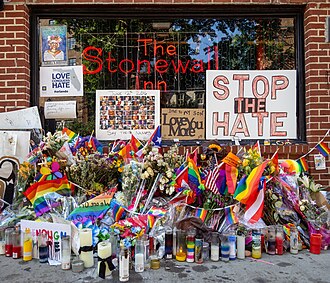
A memorial to victims of the Pulse nightclub shooting in front the Stonewall Inn in New York City. On June 12, 2016, a terrorist shot and killed 49 people and wounded 53 more in a mass shooting at Pulse, a gay nightclub in Orlando, Florida, USA.
 #ImageOfTheDay
Picture of the day
A memorial to victims of the Pulse nightclub shooting in front the Stonewall Inn in New York City. On June 12, 2016, a terrorist shot and killed 49 people and wounded 53 more in a mass shooting at Pulse, a gay nightclub in Orlando, Florida, USA.
Read More
Pro-life advocates defend unborn babies with Down syndrome after YouTuber goes public with abortion #Catholic Pro-life advocates defend unborn babies with Down syndromePro-life advocates are defending unborn children with Down syndrome after a YouTuber told the world that he and his wife aborted their child who had been diagnosed with the condition.YouTube creator Jesse Ridgway went viral for posting about how he and his wife decided to abort their unborn baby after they learned the child would likely have Down syndrome. Advocates on X reacted by sharing posts celebrating the worth of individuals with the medical diagnosis."Down syndrome shouldn’t mean a death sentence,” Live Action Founder and President Lila Rose said.SBA Pro-Life America posted in response to Ridgway’s post: “This is so sad and awful. We CANʼT stand silently by.”“Research shows 99% of people with Down syndrome are happy with their lives, and their families love them,” the pro-life group continued. “Families deserve truthful information & support. People with Down syndrome deserve to live. They should never be targets for discrimination, inside the womb or out. Period.”“Babies with Down syndrome arenʼt a ‘glitch.’ Theyʼre a blessing.” Live Action posted. “Yet 67-80% of these beautiful babies are killed for their disability before they are born."Study: Women aren’t informed on emotional, physical impact of abortionWomen want information on abortion symptoms and the emotional impacts associated with the procedure, but they often aren’t given it, according to a recent peer-reviewed study.The study by scholars associated with the Charlotte Lozier Institute found women experience significant informed consent gaps when they are given abortion drugs.The researchers found that three in 10 women report experiencing unexpected levels of pain and bleeding.“Because they didn’t know what was ‘normal,’ many women turned to the internet for information about abortion side effects like excessive pain and bleeding, help processing difficult emotions, and urgent reassurance during the abortion process,” the study read.Tessa Cox, senior research associate at the institute and one of the authors of the study emphasized the risks associated with this lack of medical information-sharing. “The stakes are too high for informed consent to be treated as a formality,” Cox said in a statement.Fourteen attorneys general call for clean water protections from abortion drugsFourteen attorneys general called on the federal government to track water pollution from abortion pills this week.The attorneys general asked the U.S. Environmental Protection Agency to track pollution from the drugs dumped into the U.S. water supply. They argued that “loosened regulations” have “increased the number of chemical abortions occurring in the home,” resulting in “tons of chemically tainted medical waste being flushed into American waterways.”Students for Life President Kristan Hawkins, who spearheaded the movement, called the request “commonsense.”“Because of negligent FDA policy and the failure to enforce the Comstock Act, more than 50 tons of chemically tainted blood, placenta tissue, and human remains go into our waterways every year. With infertility on the rise, we need to know: what is the extent of the damage?” Hawkins said in a statement shared with EWTN News.The letter was signed by attorneys general of Alabama, Alaska, Arkansas, Florida, Idaho, Indiana, Kansas, Kentucky, Louisiana, Missouri, Nebraska, Oklahoma, South Carolina, and Texas.Head of Knights of Columbus awarded for ‘building up a culture of life’The Sisters of Life, a religious organization centered around affirming the life of every human being, gave an award to the head of the Knights of Columbus, Supreme Knight Patrick Kelly, for his life-affirming work.Kelly received the John Cardinal O’Connor Award on on June 5 at the annual Friends of the Sisters of Life Gala in Rye, New York.“His Eminence John Cardinal O’Connor was a towering pillar of the pro-life movement,” Kelly said in a press release. “With an unshakable resolve, he dedicated so much of his ministry as bishop to proclaiming the sanctity of every human life, made in the image and likeness of God.”“Speaking for the Knights, we will keep doing everything we can to support the Sisters of Life, and to protect vulnerable mothers and their children,” Kelly said. "As we prepare for the work ahead, we take comfort in the knowledge that Jesus Christ will continue to guide us.”Alabama attorney general launches legal challenge against abortion drug companiesAlabama Attorney General Steve Marshall issued cease-and-desist letters to six companies that have been allegedly illegally distributing abortion drugs.According to a June 9 press release, the companies were providing chemical abortion drugs in Alabama, where abortion is illegal.“These companies are not only breaking the law, they are deceiving Alabama consumers about the very real dangers of these drugs,” said Marshall in a statement. “That stops now.”The letters were sent to abortion drug providers across the United States, as well as one company based in the United Arab Emirates. Several companies were based in California or New York, which have “shield laws” designed to protect abortion companies.

Pro-life advocates defend unborn babies with Down syndrome after YouTuber goes public with abortion #Catholic Pro-life advocates defend unborn babies with Down syndromePro-life advocates are defending unborn children with Down syndrome after a YouTuber told the world that he and his wife aborted their child who had been diagnosed with the condition.YouTube creator Jesse Ridgway went viral for posting about how he and his wife decided to abort their unborn baby after they learned the child would likely have Down syndrome. Advocates on X reacted by sharing posts celebrating the worth of individuals with the medical diagnosis."Down syndrome shouldn’t mean a death sentence,” Live Action Founder and President Lila Rose said.SBA Pro-Life America posted in response to Ridgway’s post: “This is so sad and awful. We CANʼT stand silently by.”“Research shows 99% of people with Down syndrome are happy with their lives, and their families love them,” the pro-life group continued. “Families deserve truthful information & support. People with Down syndrome deserve to live. They should never be targets for discrimination, inside the womb or out. Period.”“Babies with Down syndrome arenʼt a ‘glitch.’ Theyʼre a blessing.” Live Action posted. “Yet 67-80% of these beautiful babies are killed for their disability before they are born."Study: Women aren’t informed on emotional, physical impact of abortionWomen want information on abortion symptoms and the emotional impacts associated with the procedure, but they often aren’t given it, according to a recent peer-reviewed study.The study by scholars associated with the Charlotte Lozier Institute found women experience significant informed consent gaps when they are given abortion drugs.The researchers found that three in 10 women report experiencing unexpected levels of pain and bleeding.“Because they didn’t know what was ‘normal,’ many women turned to the internet for information about abortion side effects like excessive pain and bleeding, help processing difficult emotions, and urgent reassurance during the abortion process,” the study read.Tessa Cox, senior research associate at the institute and one of the authors of the study emphasized the risks associated with this lack of medical information-sharing. “The stakes are too high for informed consent to be treated as a formality,” Cox said in a statement.Fourteen attorneys general call for clean water protections from abortion drugsFourteen attorneys general called on the federal government to track water pollution from abortion pills this week.The attorneys general asked the U.S. Environmental Protection Agency to track pollution from the drugs dumped into the U.S. water supply. They argued that “loosened regulations” have “increased the number of chemical abortions occurring in the home,” resulting in “tons of chemically tainted medical waste being flushed into American waterways.”Students for Life President Kristan Hawkins, who spearheaded the movement, called the request “commonsense.”“Because of negligent FDA policy and the failure to enforce the Comstock Act, more than 50 tons of chemically tainted blood, placenta tissue, and human remains go into our waterways every year. With infertility on the rise, we need to know: what is the extent of the damage?” Hawkins said in a statement shared with EWTN News.The letter was signed by attorneys general of Alabama, Alaska, Arkansas, Florida, Idaho, Indiana, Kansas, Kentucky, Louisiana, Missouri, Nebraska, Oklahoma, South Carolina, and Texas.Head of Knights of Columbus awarded for ‘building up a culture of life’The Sisters of Life, a religious organization centered around affirming the life of every human being, gave an award to the head of the Knights of Columbus, Supreme Knight Patrick Kelly, for his life-affirming work.Kelly received the John Cardinal O’Connor Award on on June 5 at the annual Friends of the Sisters of Life Gala in Rye, New York.“His Eminence John Cardinal O’Connor was a towering pillar of the pro-life movement,” Kelly said in a press release. “With an unshakable resolve, he dedicated so much of his ministry as bishop to proclaiming the sanctity of every human life, made in the image and likeness of God.”“Speaking for the Knights, we will keep doing everything we can to support the Sisters of Life, and to protect vulnerable mothers and their children,” Kelly said. "As we prepare for the work ahead, we take comfort in the knowledge that Jesus Christ will continue to guide us.”Alabama attorney general launches legal challenge against abortion drug companiesAlabama Attorney General Steve Marshall issued cease-and-desist letters to six companies that have been allegedly illegally distributing abortion drugs.According to a June 9 press release, the companies were providing chemical abortion drugs in Alabama, where abortion is illegal.“These companies are not only breaking the law, they are deceiving Alabama consumers about the very real dangers of these drugs,” said Marshall in a statement. “That stops now.”The letters were sent to abortion drug providers across the United States, as well as one company based in the United Arab Emirates. Several companies were based in California or New York, which have “shield laws” designed to protect abortion companies.

Pro-life and abortion-related news you may have missed this week.

Read More
National Eucharistic Pilgrimage brings Christ through rainy streets of historic Baltimore #Catholic BALTIMORE, Maryland — About 300 Catholics gathered at the Basilica of the National Shrine of the Assumption of the Blessed Virgin Mary on Wednesday, June 10, for Mass and a Eucharistic procession through downtown Baltimore as the National Eucharistic Pilgrimage’s St. Frances Xavier Cabrini Route continued through the nation’s first Catholic diocese.
 
 The congregation participates in Mass at the Basilica of the National Shrine of the Assumption of the Blessed Virgin Mary during the National Eucharistic Pilgrimage in Baltimore, Maryland, June 10, 2026. | Credit: Jeffrey Bruno/EWTN News


 A member of the congregation kneels in prayer during Mass at the Basilica of the National Shrine of the Assumption of the Blessed Virgin Mary during the National Eucharistic Pilgrimage in Baltimore, Maryland, June 10, 2026. | Credit: Jeffrey Bruno/EWTN News
 
 Following the morning Mass, pilgrims processed several blocks in the rain from the basilica to Baltimore’s Washington Monument, one of the city’s most recognizable civic landmarks, praying and singing as they accompanied the Blessed Sacrament through the city’s historic streets.
 
 The Blessed Sacrament is carried beneath a canopy near Baltimore’s Washington Monument during the National Eucharistic Pilgrimage in Baltimore, Maryland, June 10, 2026. |.Credit: Jeffrey Bruno/EWTN News
 
 The Baltimore stop is part of the 2026 National Eucharistic Pilgrimage, which is traveling under the theme “One Nation Under God” as the United States prepares to mark the 250th anniversary of the signing of the Declaration of Independence.
 
 Monsignor Jay OʼConnor delivers the homily during Mass at the Basilica of the National Shrine of the Assumption of the Blessed Virgin Mary during the National Eucharistic Pilgrimage in Baltimore, Maryland, June 10, 2026. | Credit: Jeffrey Bruno/EWTN News
 
 In his homily, Monsignor Jay O’Connor reflected on the meaning of pilgrimage and the public witness of carrying the Eucharist through cities, towns, highways and waterways across the country. “This National Eucharistic Pilgrimage, which is of Jesus through the streets and the highways and the plains and the waterways of our country, brings the blessing of the Real Presence of Jesus into the heart and soul of our fellow citizens and our country,” he said.The basilica, completed in 1821, is the first cathedral constructed in the United States. It was built under the leadership of Bishop John Carroll, the first bishop of the United States, making the Baltimore stop a significant moment for a pilgrimage moving through many of the original 13 colonies during the nation’s semiquincentennial year.
 
 Members of the Knights of Columbus participate in a Eucharistic procession at Washington Monument Place in Baltimore, Maryland, June 10, 2026. | Credit: Jeffrey Bruno/EWTN News
 
 O’Connor said pilgrimage is not meant to be easy, citing St. John Paul II’s teaching that God uses the challenges of the journey to form his people.“Through the challenges of the journey, God forms us into the people he calls us to be — a community of missionary disciples,” he said.The celebrant also recalled a previous Eucharistic procession in Baltimore, when a man came out of his home and asked what was happening as the procession passed through his neighborhood.“One pilgrim responded, ‘Jesus is walking through your neighborhood,’” he said. “The man asked, ‘Can I join you?’ And he was invited to walk the rest of the way with the pilgrims. That’s what a pilgrimage is.”For the perpetual pilgrims accompanying the Eucharist along the Cabrini route, the journey has included long days of travel, prayer, public witness and constant movement.“It’s been very busy,” said John Paul Flynn, one of the perpetual pilgrims. “But it’s through that busyness, I think, that you start to lean more into it and lean more into the graces that are there.”He said the experience of traveling with the Blessed Sacrament has been unlike anything else.“Getting to be with Jesus all the time is a really unique experience,” he said, noting that the pilgrims even have adoration in the van as they travel.The pilgrimage was scheduled to continue through Maryland with stops in Severna Park and Annapolis before crossing the Chesapeake Bay by boat to Kent Island and the Diocese of Wilmington.
 
 Members of the Knights of Columbus depart the Basilica of the National Shrine of the Assumption of the Blessed Virgin Mary before a Eucharistic procession in Baltimore, Maryland, June 10, 2026. | Credit: Jeffrey Bruno/EWTN News
 
 The Cabrini route is named for St. Frances Xavier Cabrini, the Italian-born missionary sister who became the first U.S. citizen to be canonized a saint. Cabrini dedicated her life to serving immigrants, orphans, the sick and the poor, founding schools, hospitals and orphanages across the United States and beyond. The route began over Memorial Day weekend in St. Augustine, Florida, and is traveling north along the Eastern Seaboard before concluding in Philadelphia over Independence Day weekend.

National Eucharistic Pilgrimage brings Christ through rainy streets of historic Baltimore #Catholic BALTIMORE, Maryland — About 300 Catholics gathered at the Basilica of the National Shrine of the Assumption of the Blessed Virgin Mary on Wednesday, June 10, for Mass and a Eucharistic procession through downtown Baltimore as the National Eucharistic Pilgrimage’s St. Frances Xavier Cabrini Route continued through the nation’s first Catholic diocese. The congregation participates in Mass at the Basilica of the National Shrine of the Assumption of the Blessed Virgin Mary during the National Eucharistic Pilgrimage in Baltimore, Maryland, June 10, 2026. | Credit: Jeffrey Bruno/EWTN News A member of the congregation kneels in prayer during Mass at the Basilica of the National Shrine of the Assumption of the Blessed Virgin Mary during the National Eucharistic Pilgrimage in Baltimore, Maryland, June 10, 2026. | Credit: Jeffrey Bruno/EWTN News Following the morning Mass, pilgrims processed several blocks in the rain from the basilica to Baltimore’s Washington Monument, one of the city’s most recognizable civic landmarks, praying and singing as they accompanied the Blessed Sacrament through the city’s historic streets. The Blessed Sacrament is carried beneath a canopy near Baltimore’s Washington Monument during the National Eucharistic Pilgrimage in Baltimore, Maryland, June 10, 2026. |.Credit: Jeffrey Bruno/EWTN News The Baltimore stop is part of the 2026 National Eucharistic Pilgrimage, which is traveling under the theme “One Nation Under God” as the United States prepares to mark the 250th anniversary of the signing of the Declaration of Independence. Monsignor Jay OʼConnor delivers the homily during Mass at the Basilica of the National Shrine of the Assumption of the Blessed Virgin Mary during the National Eucharistic Pilgrimage in Baltimore, Maryland, June 10, 2026. | Credit: Jeffrey Bruno/EWTN News In his homily, Monsignor Jay O’Connor reflected on the meaning of pilgrimage and the public witness of carrying the Eucharist through cities, towns, highways and waterways across the country. “This National Eucharistic Pilgrimage, which is of Jesus through the streets and the highways and the plains and the waterways of our country, brings the blessing of the Real Presence of Jesus into the heart and soul of our fellow citizens and our country,” he said.The basilica, completed in 1821, is the first cathedral constructed in the United States. It was built under the leadership of Bishop John Carroll, the first bishop of the United States, making the Baltimore stop a significant moment for a pilgrimage moving through many of the original 13 colonies during the nation’s semiquincentennial year. Members of the Knights of Columbus participate in a Eucharistic procession at Washington Monument Place in Baltimore, Maryland, June 10, 2026. | Credit: Jeffrey Bruno/EWTN News O’Connor said pilgrimage is not meant to be easy, citing St. John Paul II’s teaching that God uses the challenges of the journey to form his people.“Through the challenges of the journey, God forms us into the people he calls us to be — a community of missionary disciples,” he said.The celebrant also recalled a previous Eucharistic procession in Baltimore, when a man came out of his home and asked what was happening as the procession passed through his neighborhood.“One pilgrim responded, ‘Jesus is walking through your neighborhood,’” he said. “The man asked, ‘Can I join you?’ And he was invited to walk the rest of the way with the pilgrims. That’s what a pilgrimage is.”For the perpetual pilgrims accompanying the Eucharist along the Cabrini route, the journey has included long days of travel, prayer, public witness and constant movement.“It’s been very busy,” said John Paul Flynn, one of the perpetual pilgrims. “But it’s through that busyness, I think, that you start to lean more into it and lean more into the graces that are there.”He said the experience of traveling with the Blessed Sacrament has been unlike anything else.“Getting to be with Jesus all the time is a really unique experience,” he said, noting that the pilgrims even have adoration in the van as they travel.The pilgrimage was scheduled to continue through Maryland with stops in Severna Park and Annapolis before crossing the Chesapeake Bay by boat to Kent Island and the Diocese of Wilmington. Members of the Knights of Columbus depart the Basilica of the National Shrine of the Assumption of the Blessed Virgin Mary before a Eucharistic procession in Baltimore, Maryland, June 10, 2026. | Credit: Jeffrey Bruno/EWTN News The Cabrini route is named for St. Frances Xavier Cabrini, the Italian-born missionary sister who became the first U.S. citizen to be canonized a saint. Cabrini dedicated her life to serving immigrants, orphans, the sick and the poor, founding schools, hospitals and orphanages across the United States and beyond. The route began over Memorial Day weekend in St. Augustine, Florida, and is traveling north along the Eastern Seaboard before concluding in Philadelphia over Independence Day weekend.

Thousands gathered at the Basilica of the National Shrine of the Assumption of the Blessed Virgin Mary on June 10 for Mass and a Eucharistic procession through downtown Baltimore.

Read More

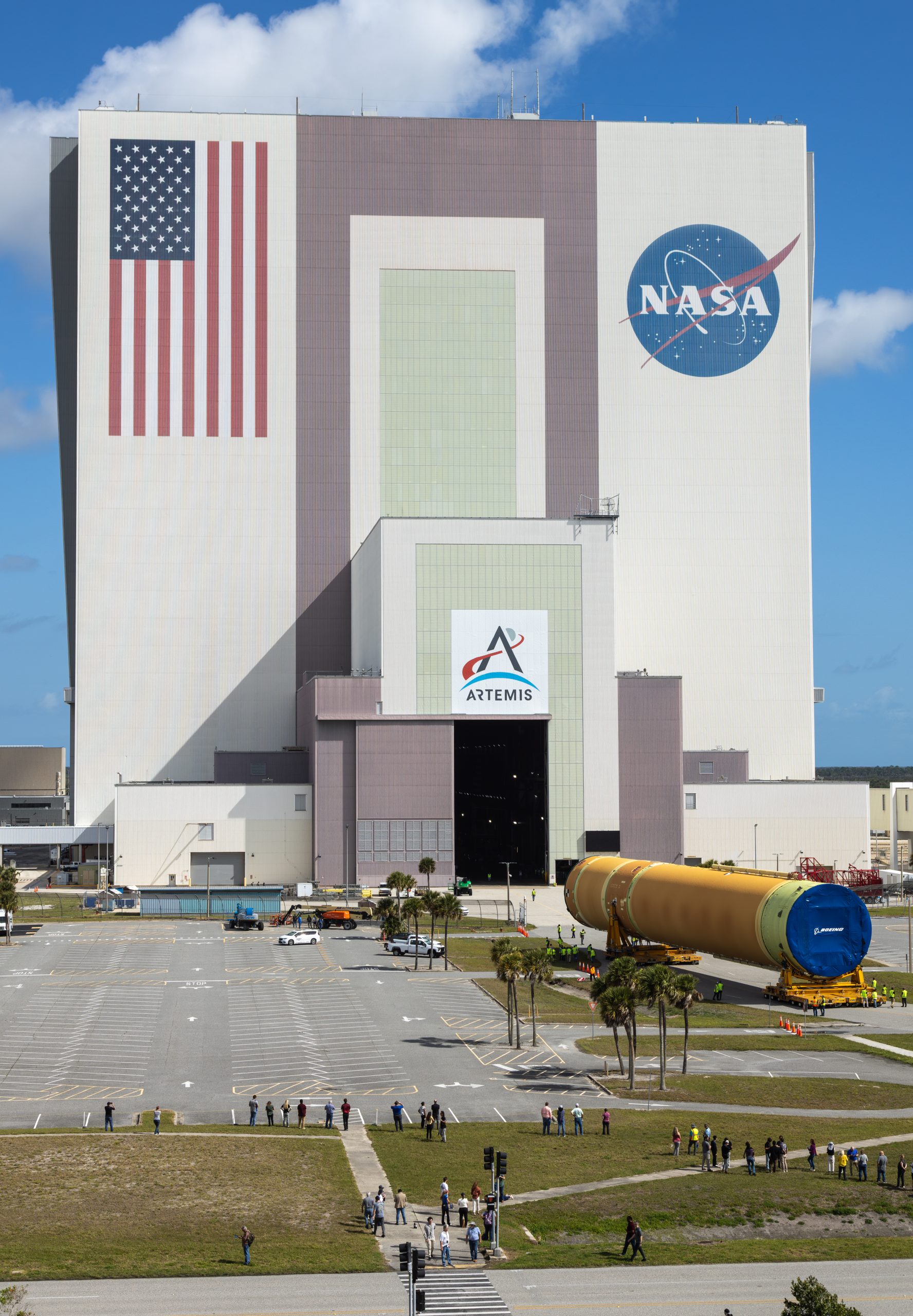
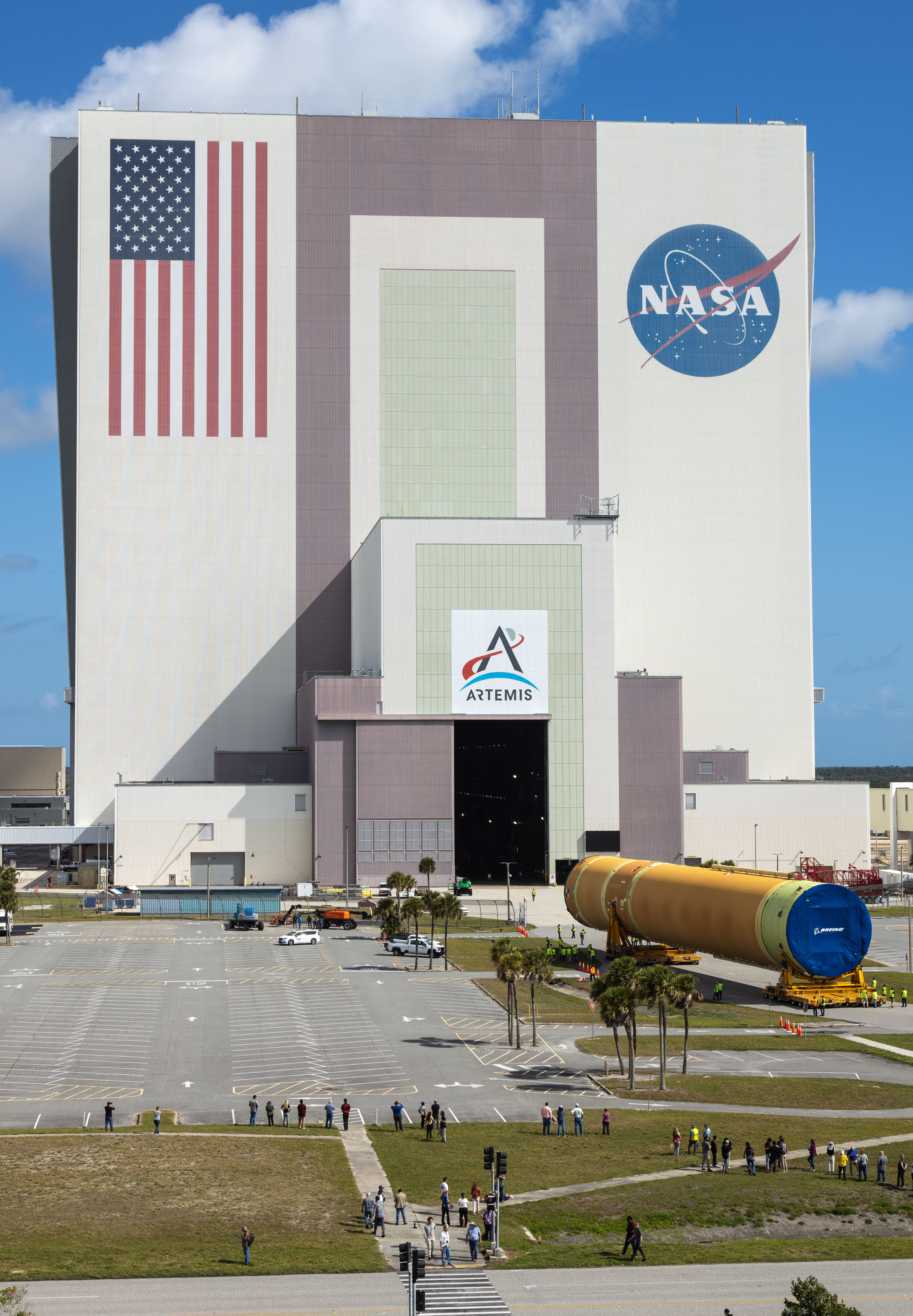
A train transports eight booster motor segments for the SLS (Space Launch System rocket) that will power NASA’s Artemis III mission from Northrop Grumman’s Railyard Shipping Facility in Corinne, Utah, June 2, to NASA’s Kennedy Space Center in Florida.

Read More
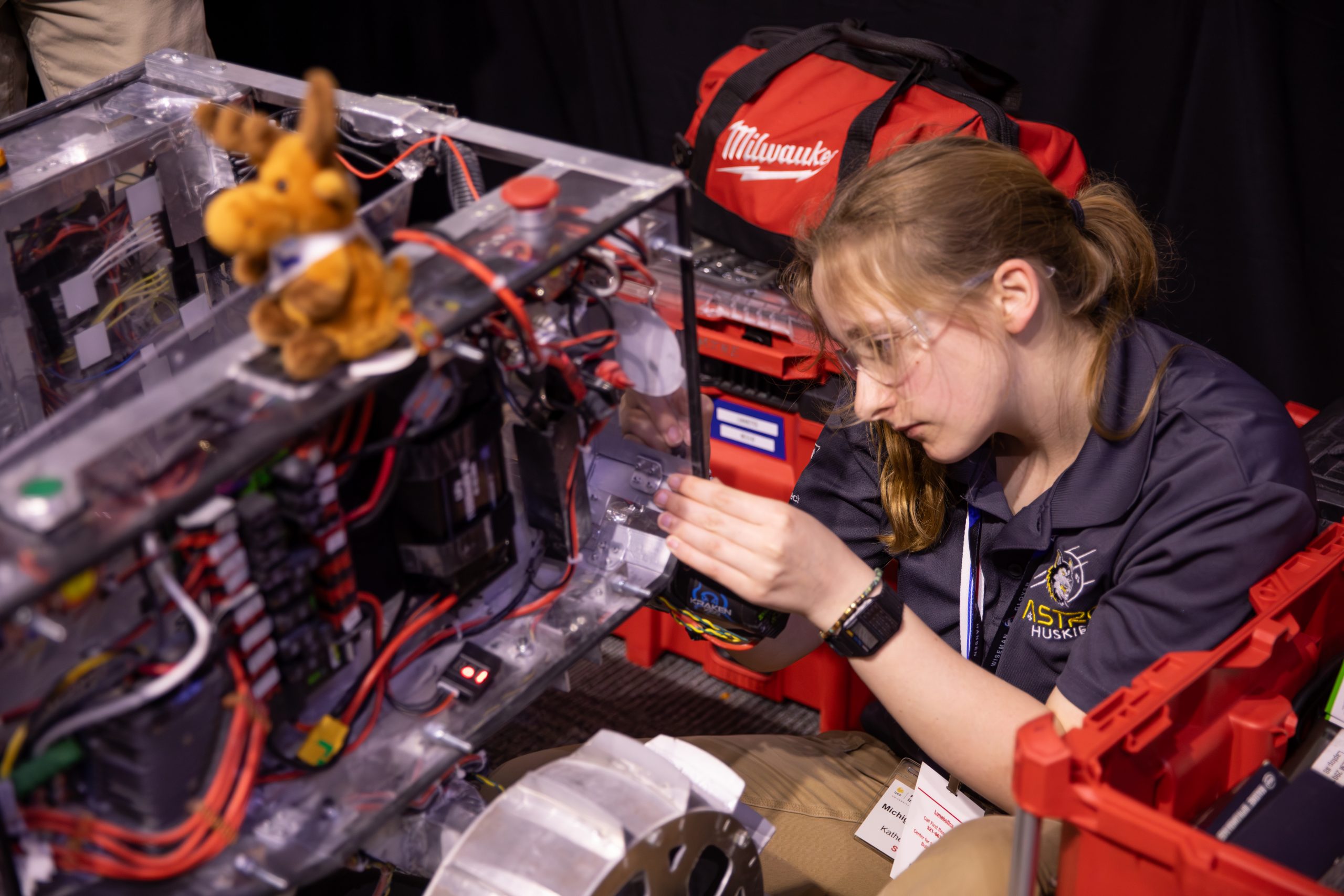
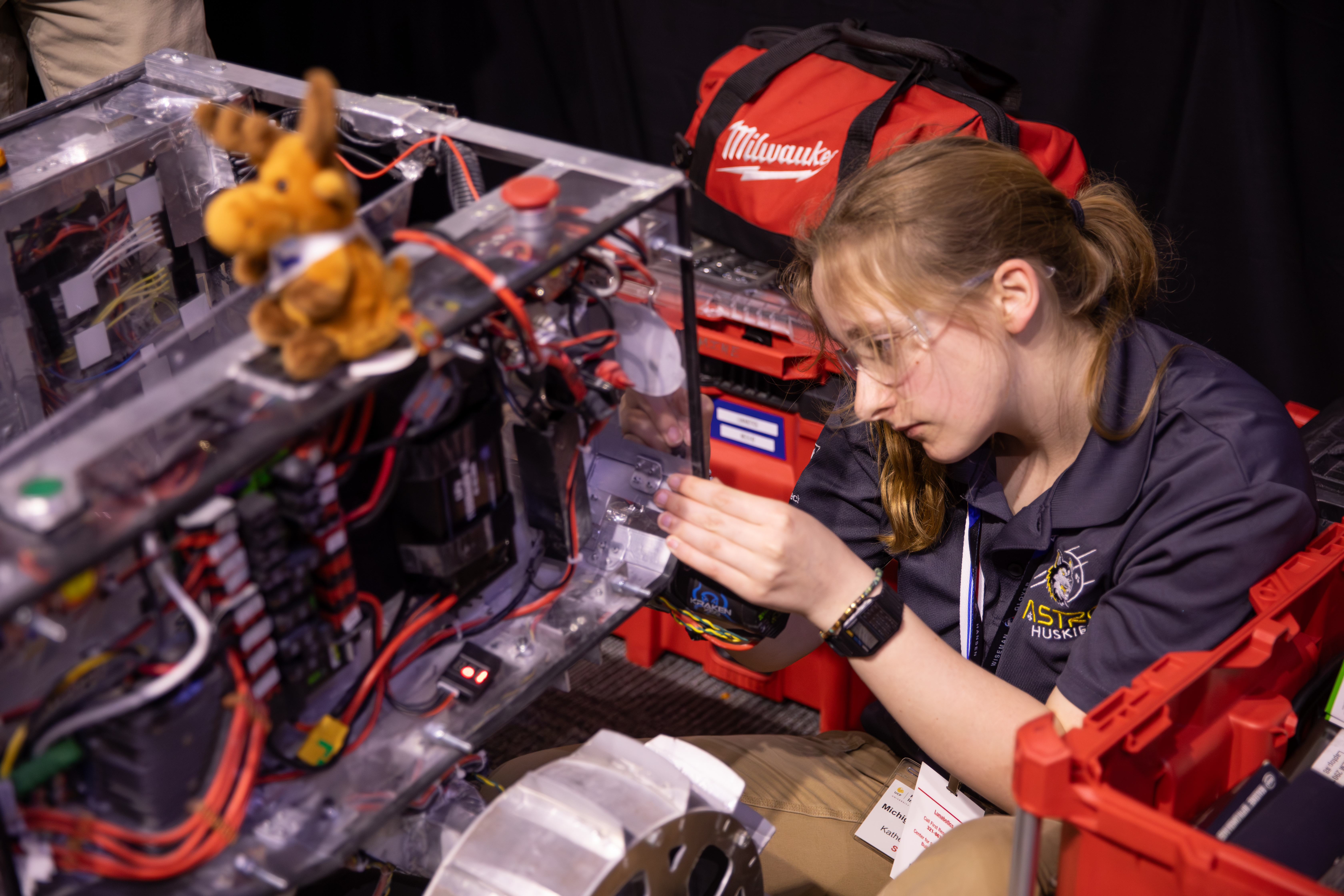
Students Build Moon Robots for NASA’s 2026 Lunabotics Challenge – Katherine Rauscher, of Michigan Technological University, prepares her team’s prototype lunar robot for its turn during the finals for NASA’s 2026 Lunabotics Challenge competition on Tuesday, May 19, 2026, inside the Astronauts Memorial Foundation’s Center for Space Education at the Kennedy Space Center Visitor Complex in Florida. Forty-seven teams from around the U.S. designed and built remote-controlled robots capable of traversing challenging lunar terrain while constructing regolith-based berm under conditions similar to those the agency will face as it returns to the lunar surface through Artemis.

Katherine Rauscher, of Michigan Technological University, prepares her team’s prototype lunar robot for its turn during the finals for NASA’s 2026 Lunabotics Challenge competition on Tuesday, May 19, 2026, inside the Astronauts Memorial Foundation’s Center for Space Education at the Kennedy Space Center Visitor Complex in Florida. Forty-seven teams from around the U.S. designed and built remote-controlled robots capable of traversing challenging lunar terrain while constructing regolith-based berm under conditions similar to those the agency will face as it returns to the lunar surface through Artemis.

Read More

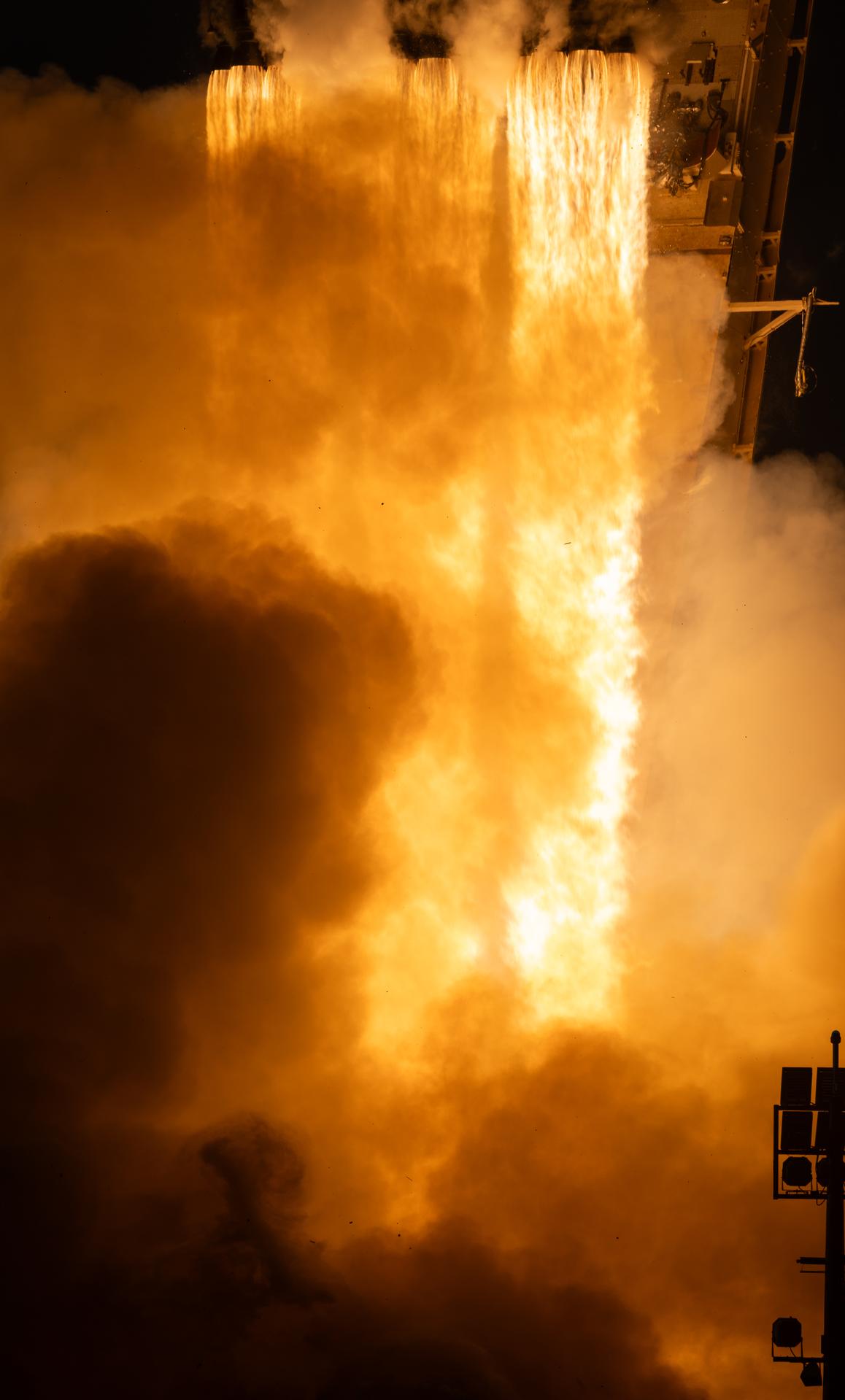
NASA’s Space Launch System rocket carrying the Orion spacecraft with NASA astronauts Reid Wiseman, commander; Victor Glover, pilot; Christina Koch, mission specialist; and CSA (Canadian Space Agency) astronaut Jeremy Hansen, mission specialist onboard launches on the Artemis II mission, Wednesday, April 1, 2026, from Launch Complex 39B at NASA’s Kennedy Space Center in Florida.

Read More

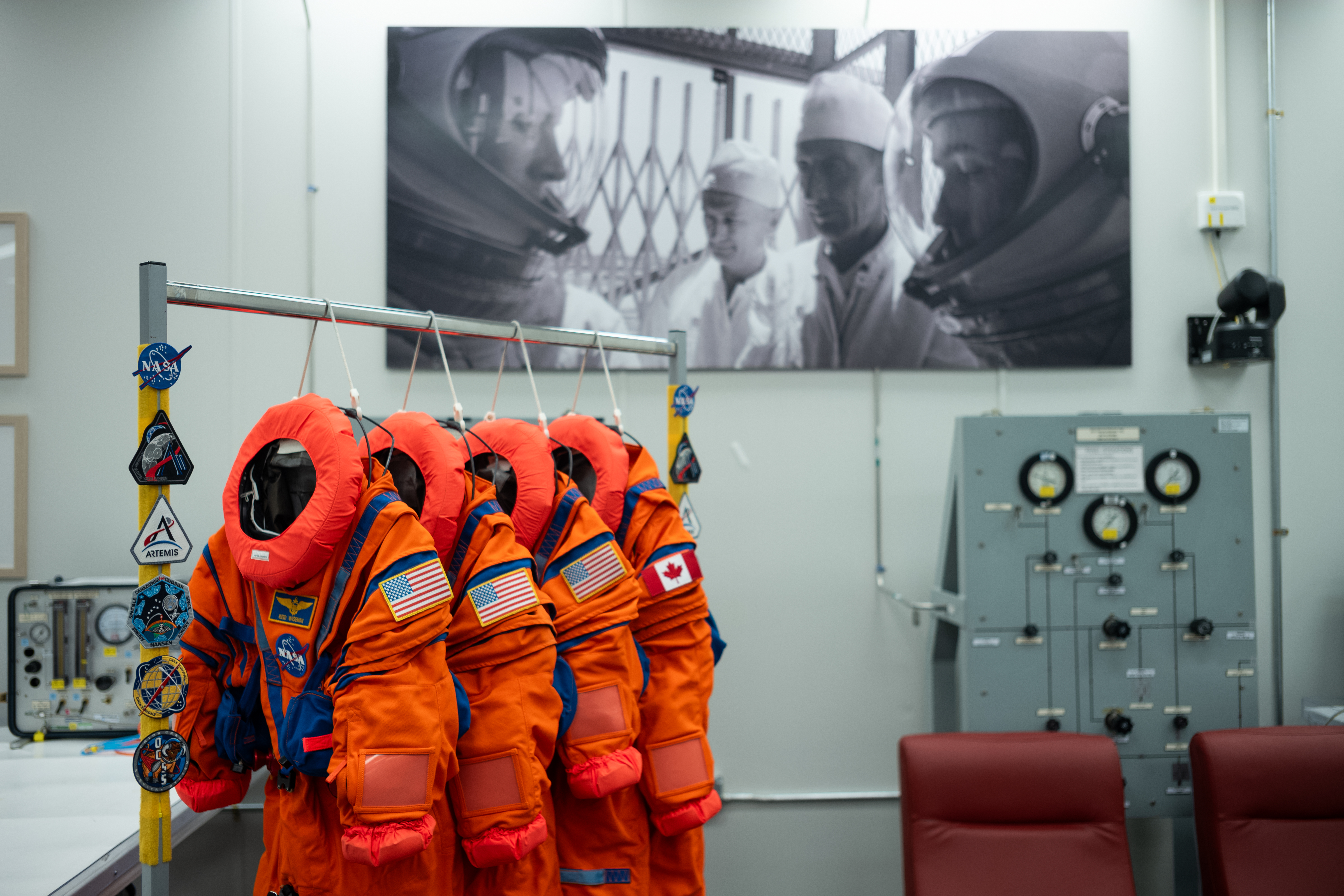
The Orion Crew Survival System suits that Commander Reid Wiseman, Pilot Victor Glover, and Mission Specialist Christina Koch from NASA, and Mission Specialist Jeremy Hansen from the CSA (Canadian Space Agency) will wear on the Artemis II test flight are seen in the suit-up room of the Neil A. Armstrong Operations and Checkout Building, Saturday, Jan. 17, 2026, at NASA’s Kennedy Space Center in Florida.

Read More
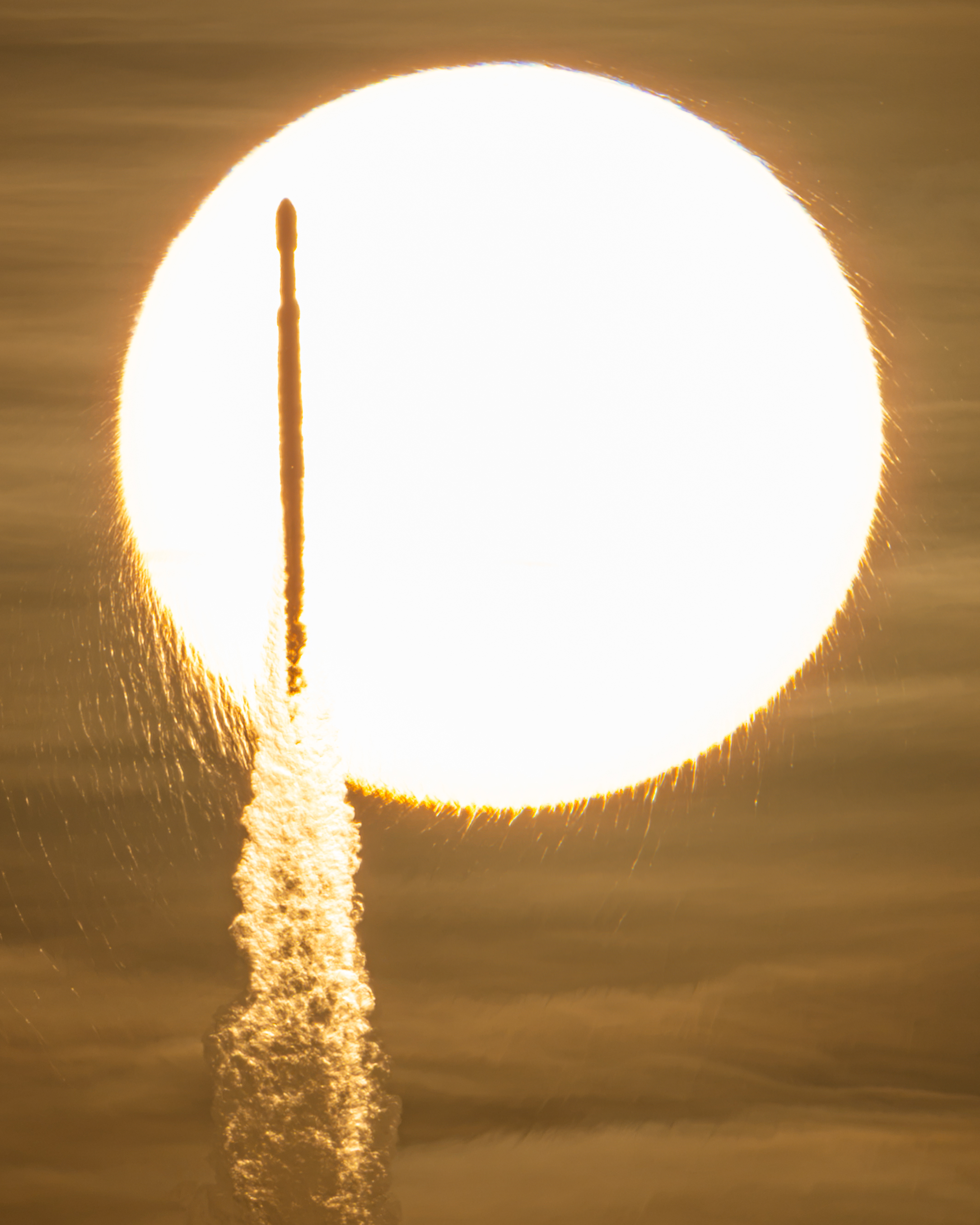
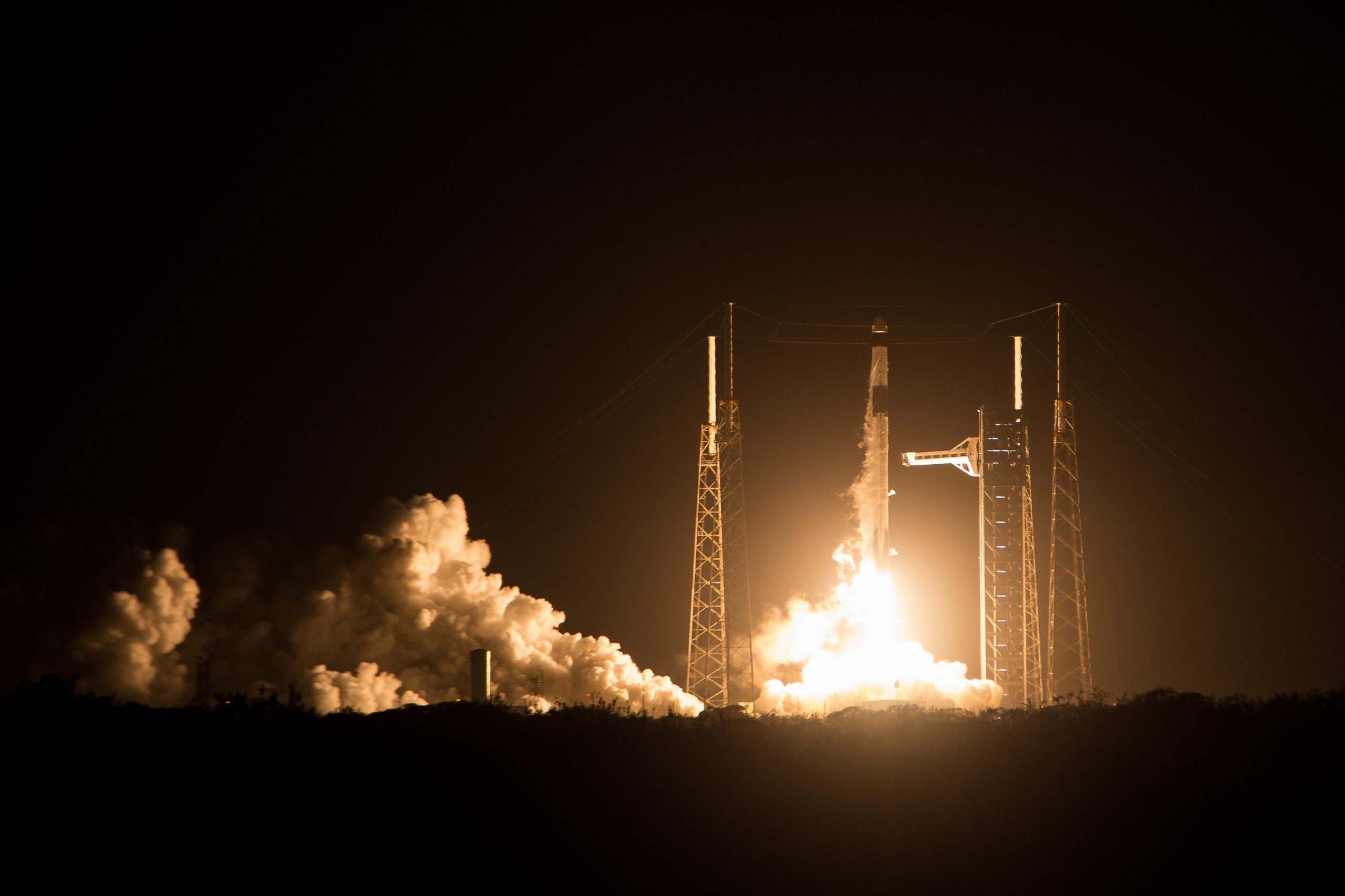
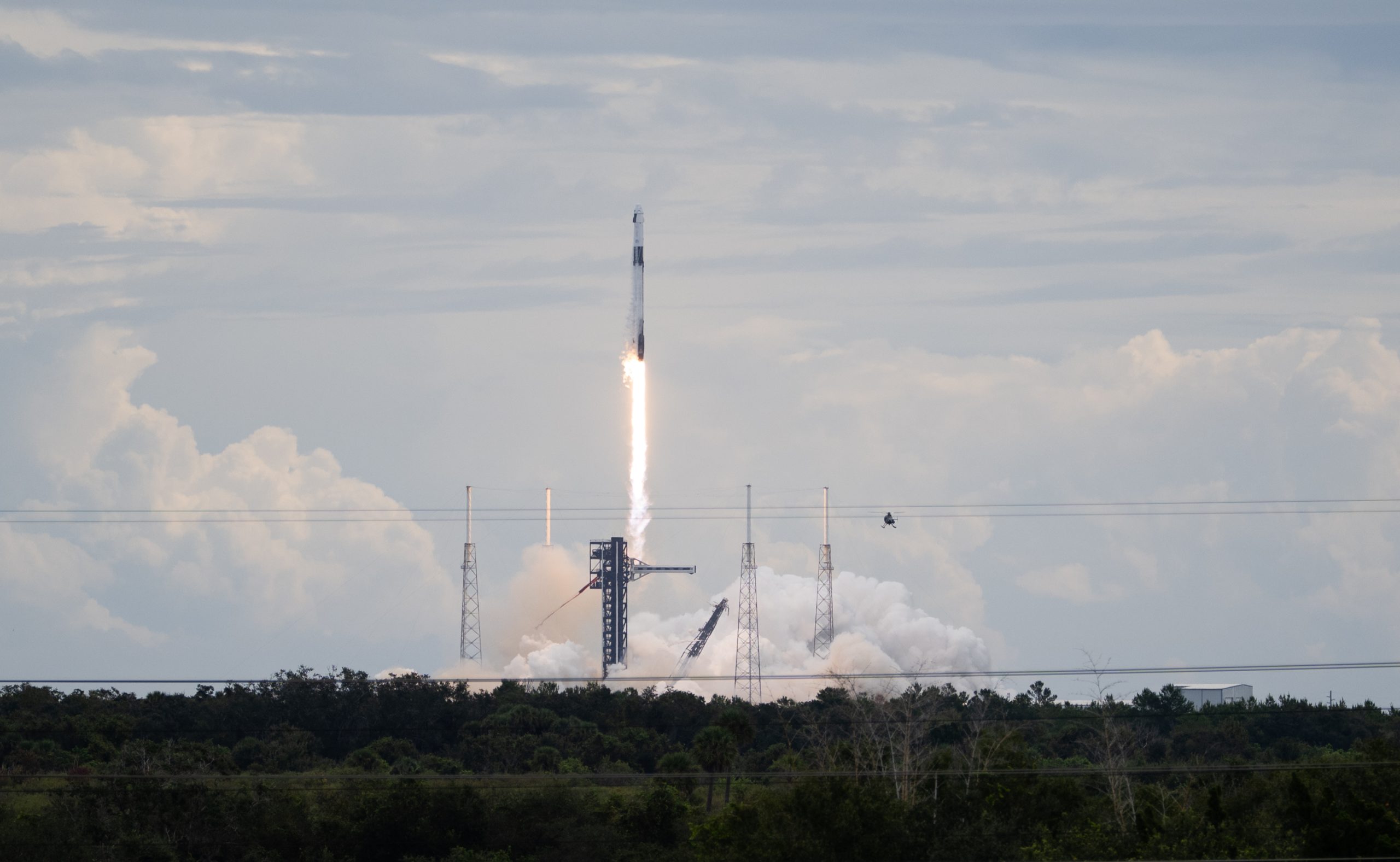
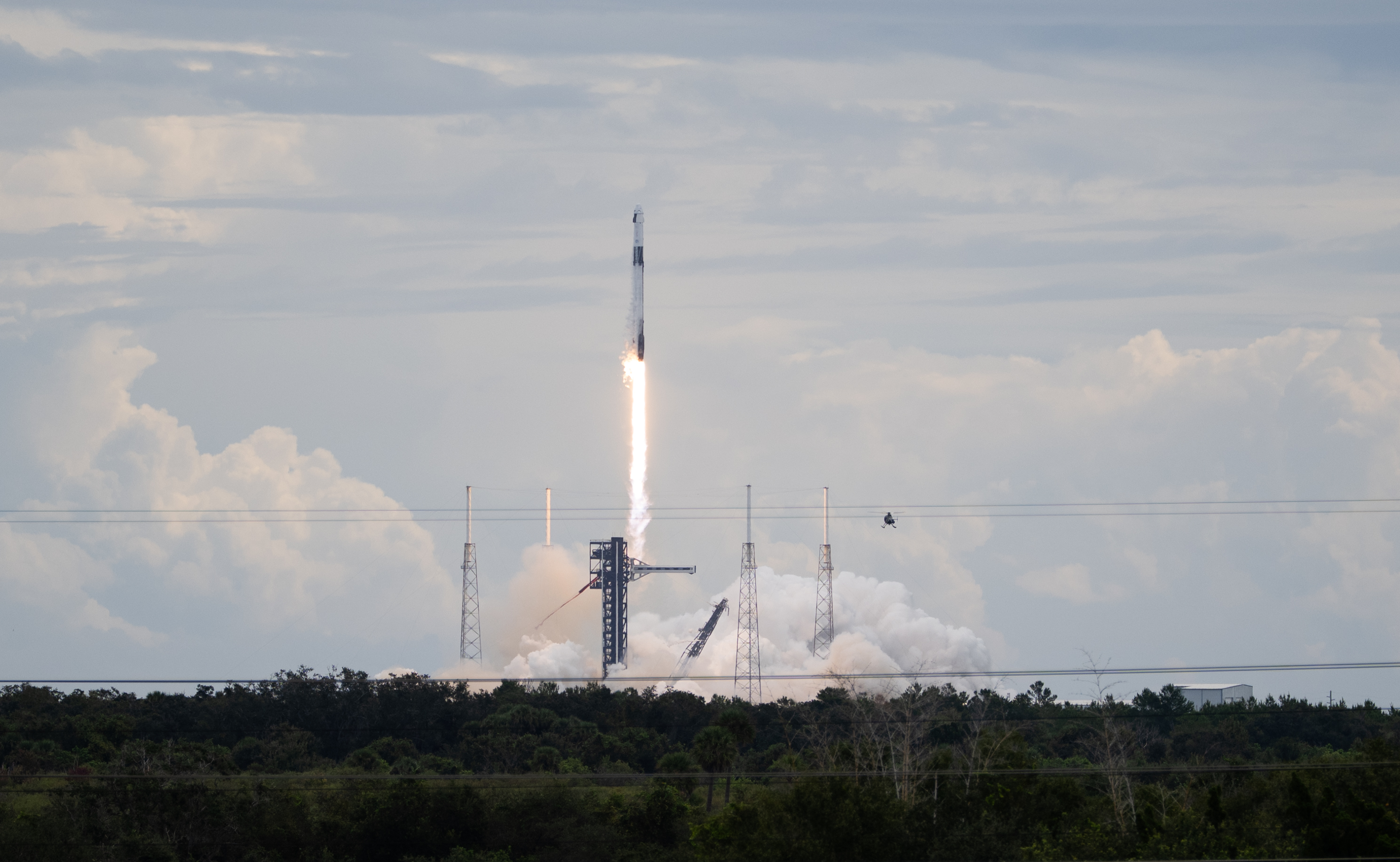
NASA’s SpaceX Crew-12 Launch – A SpaceX Falcon 9 rocket carrying the company’s Dragon spacecraft is launched on NASA’s SpaceX Crew-12 mission to the International Space Station with NASA astronauts Jessica Meir, Jack Hathaway, ESA (European Space Agency) astronaut Sophie Adenot, and Roscosmos cosmonaut Andrey Fedyaev onboard, Friday, Feb. 13, 2026, from Cape Canaveral Space Force Station in Florida. NASA’s SpaceX Crew-12 mission is the twelfth crew rotation mission of the SpaceX Dragon spacecraft and Falcon 9 rocket to the International Space Station as part of the agency’s Commercial Crew Program. Meir, Hathaway, Adenot, and Fedyaev launched at 5:15 a.m. EST from Space Launch Complex 40 at the Cape Canaveral Space Force Station to begin a mission aboard the orbital outpost.

A SpaceX Falcon 9 rocket carrying the company’s Dragon spacecraft is launched on NASA’s SpaceX Crew-12 mission to the International Space Station with NASA astronauts Jessica Meir, Jack Hathaway, ESA (European Space Agency) astronaut Sophie Adenot, and Roscosmos cosmonaut Andrey Fedyaev onboard, Friday, Feb. 13, 2026, from Cape Canaveral Space Force Station in Florida. NASA’s SpaceX Crew-12 mission is the twelfth crew rotation mission of the SpaceX Dragon spacecraft and Falcon 9 rocket to the International Space Station as part of the agency’s Commercial Crew Program. Meir, Hathaway, Adenot, and Fedyaev launched at 5:15 a.m. EST from Space Launch Complex 40 at the Cape Canaveral Space Force Station to begin a mission aboard the orbital outpost.

Read More
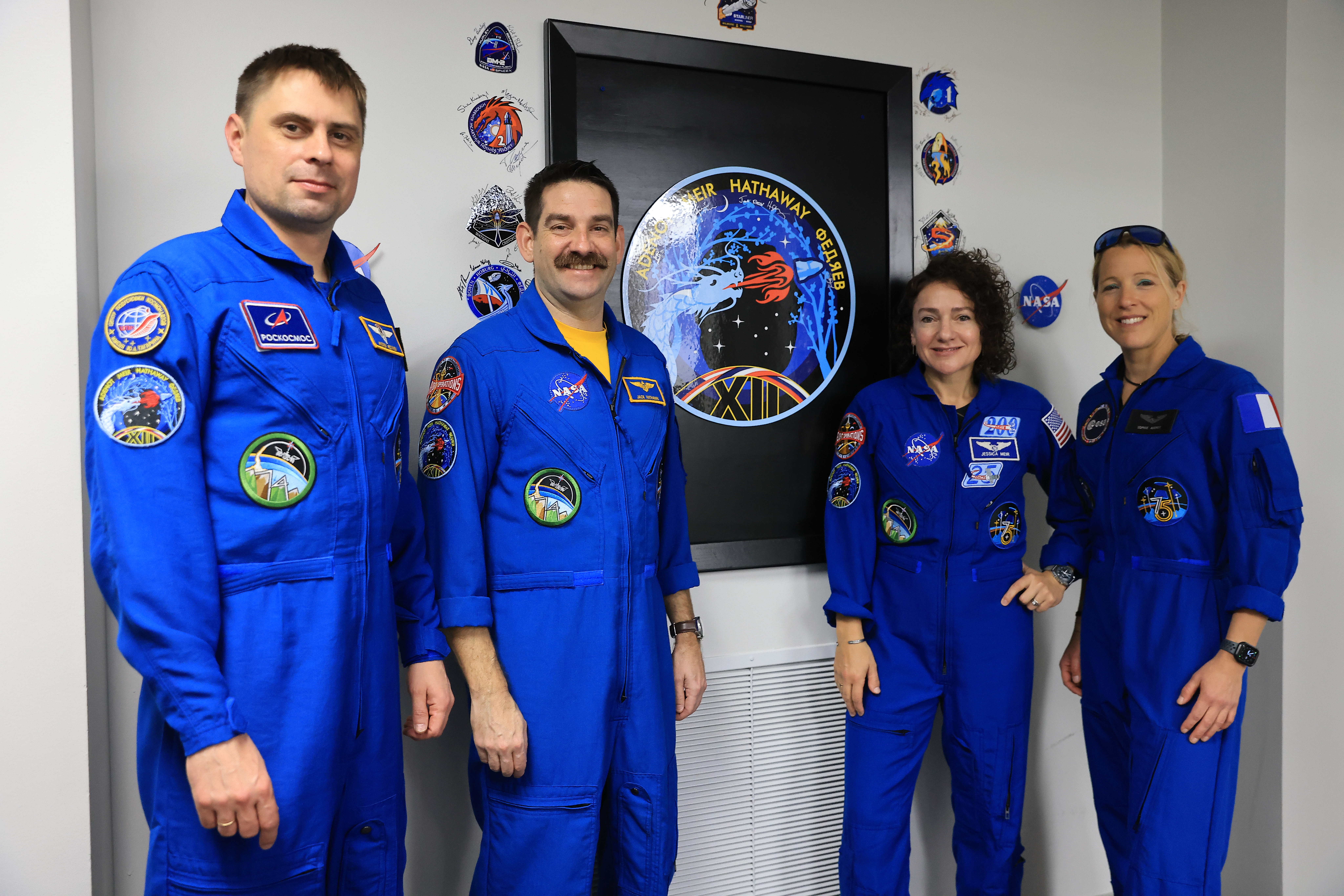
Crew-12 Members and Insignia – From left, NASA’s SpaceX Crew-12 crew members – Roscosmos cosmonaut Andrey Fedyaev, NASA astronauts Jack Hathaway and Jessica Meir, and ESA (European Space Agency) astronaut Sophie Adenot – pose next to their mission insignia inside the Astronaut Crew Quarters in the Neil A. Armstrong Operations and Checkout Building at NASA’s Kennedy Space Center in Florida on Monday, Feb. 9, 2026.

From left, NASA’s SpaceX Crew-12 crew members – Roscosmos cosmonaut Andrey Fedyaev, NASA astronauts Jack Hathaway and Jessica Meir, and ESA (European Space Agency) astronaut Sophie Adenot – pose next to their mission insignia inside the Astronaut Crew Quarters in the Neil A. Armstrong Operations and Checkout Building at NASA’s Kennedy Space Center in Florida on Monday, Feb. 9, 2026.

Read More
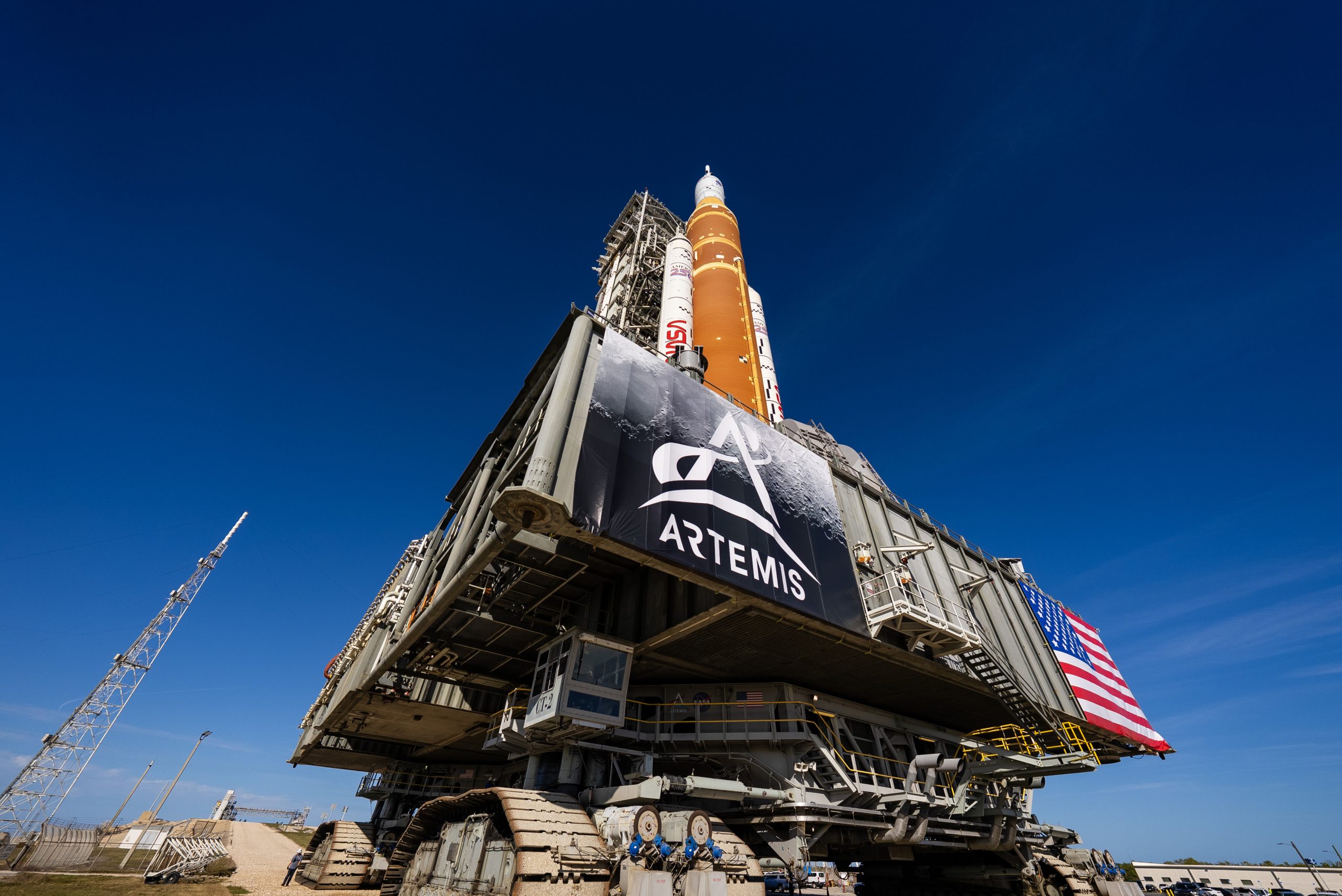
NASA’s Artemis II Rocket and Spacecraft Make Their Way to Launch Pad – NASA’s massive Crawler-Transporter, upgraded for the Artemis program, carried the agency’s SLS (Space Launch System) and Orion spacecraft on the Mobile Launcher from the Vehicle Assembly Building to Launch Pad 39B at NASA’s Kennedy Space Center in Florida in preparation for the Artemis II mission.

NASA’s massive Crawler-Transporter, upgraded for the Artemis program, carried the agency’s SLS (Space Launch System) and Orion spacecraft on the Mobile Launcher from the Vehicle Assembly Building to Launch Pad 39B at NASA’s Kennedy Space Center in Florida in preparation for the Artemis II mission.

Read More
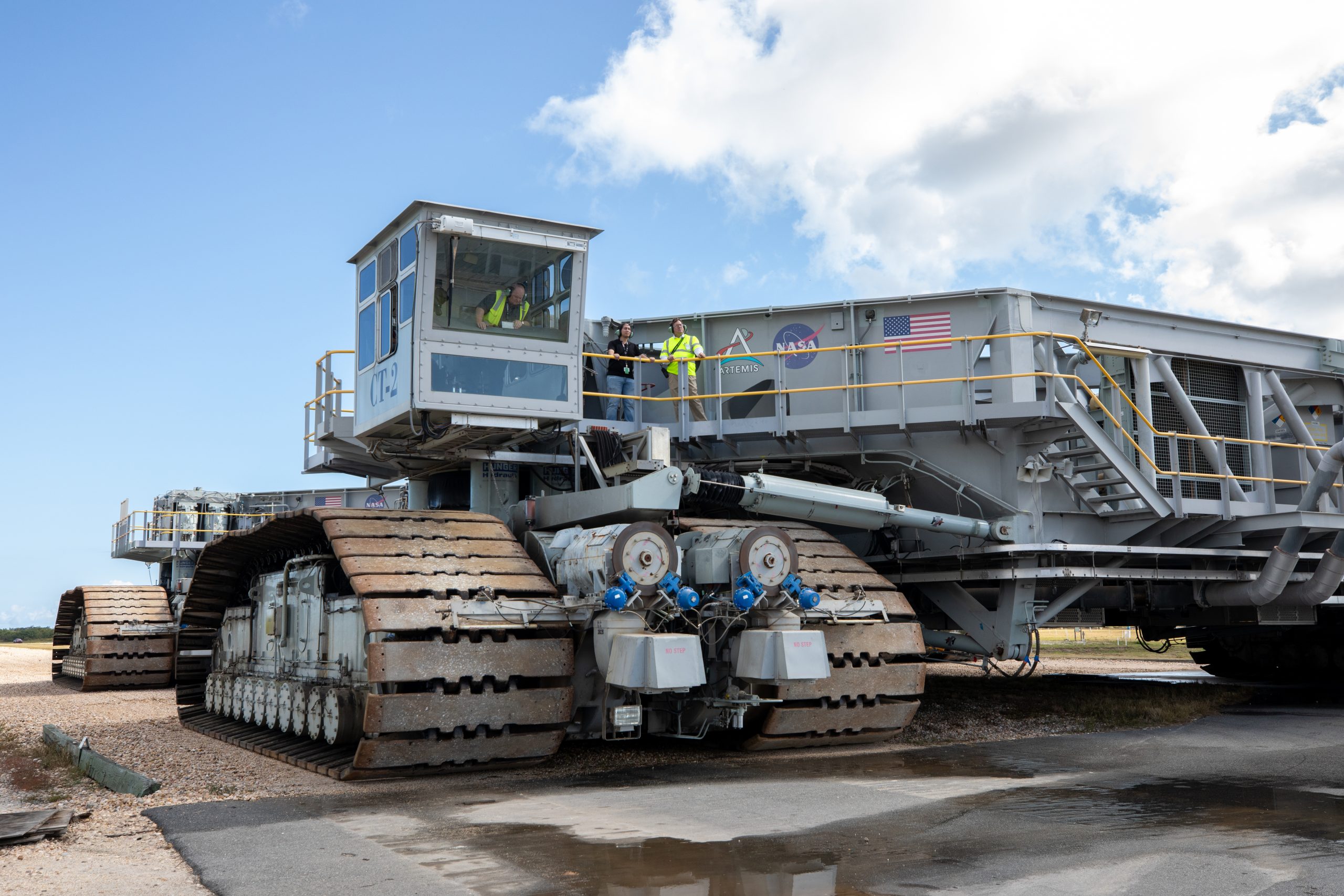
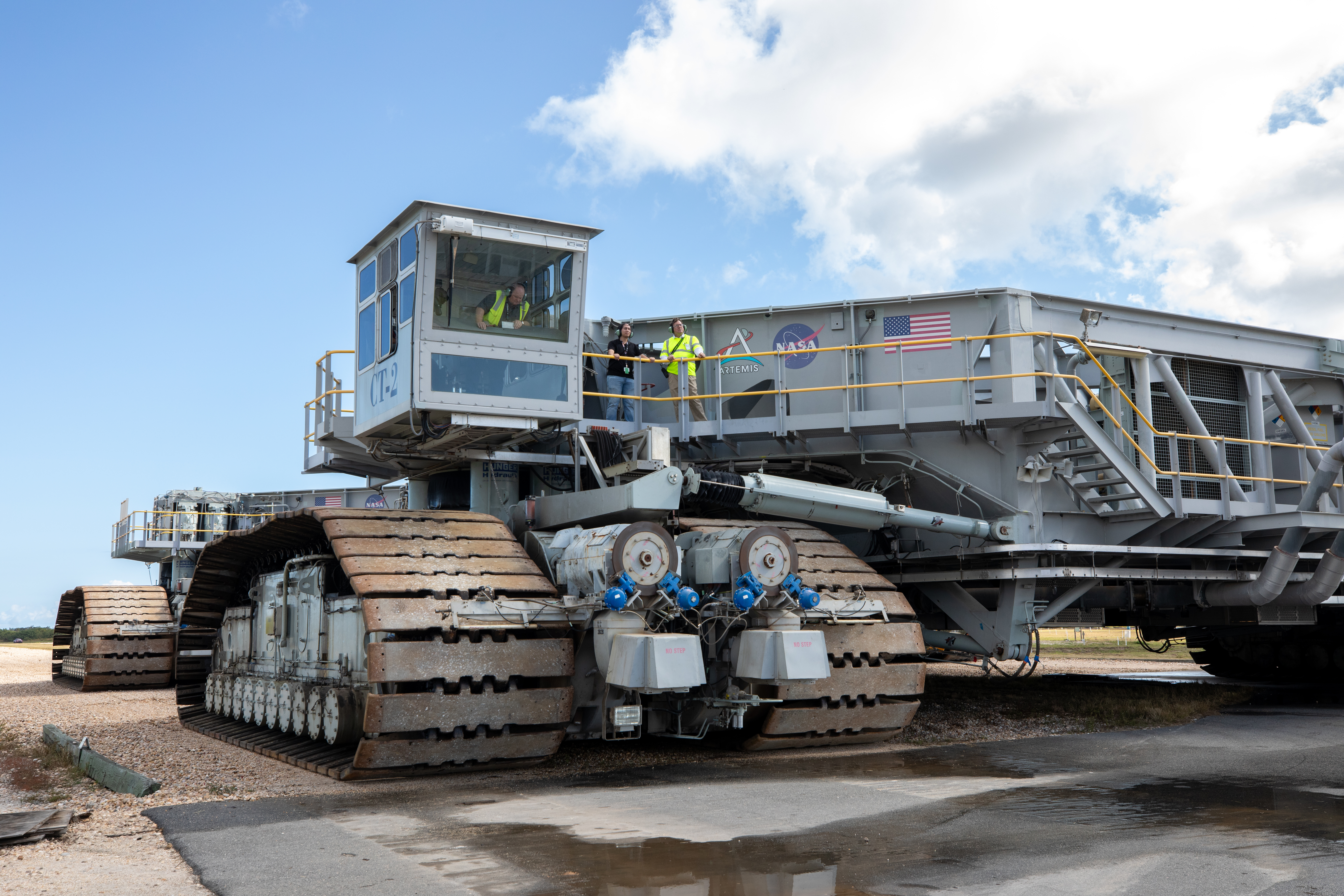
NASA’s Crawler Preps for Artemis II Rollout – NASA’s crawler-transporter 2 moves toward the Vehicle Assembly Building at NASA’s Kennedy Space Center in Florida on Friday, Jan. 9, 2026. The crawler will transport NASA’s SLS (Space Launch System) rocket with the Orion spacecraft to Launch Complex 39B ahead of the Artemis II launch.

NASA’s crawler-transporter 2 moves toward the Vehicle Assembly Building at NASA’s Kennedy Space Center in Florida on Friday, Jan. 9, 2026. The crawler will transport NASA’s SLS (Space Launch System) rocket with the Orion spacecraft to Launch Complex 39B ahead of the Artemis II launch.

Read More
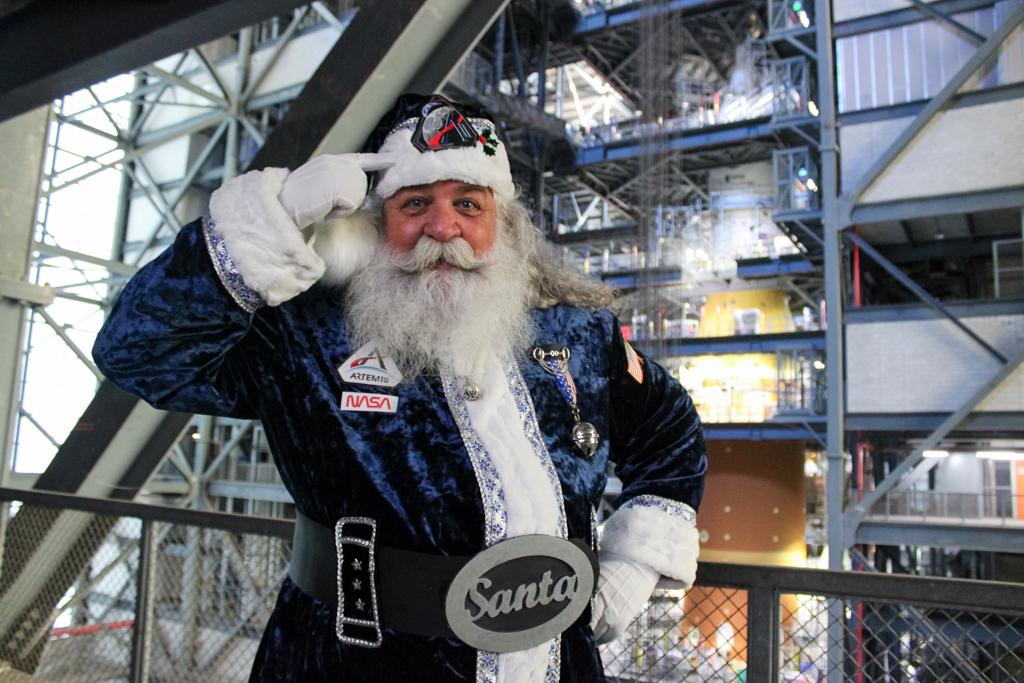
Santa Visits Artemis II Rocket – NASA engineer Guy Naylor poses for a photograph wearing a custom Santa Claus suit on the 19th level of High Bay 4 inside the Vehicle Assembly Building with NASA’s integrated Moon rocket behind him at the agency’s Kennedy Space Center in Florida on Thursday, Dec. 11, 2025.

NASA engineer Guy Naylor poses for a photograph wearing a custom Santa Claus suit on the 19th level of High Bay 4 inside the Vehicle Assembly Building with NASA’s integrated Moon rocket behind him at the agency’s Kennedy Space Center in Florida on Thursday, Dec. 11, 2025.

Read More
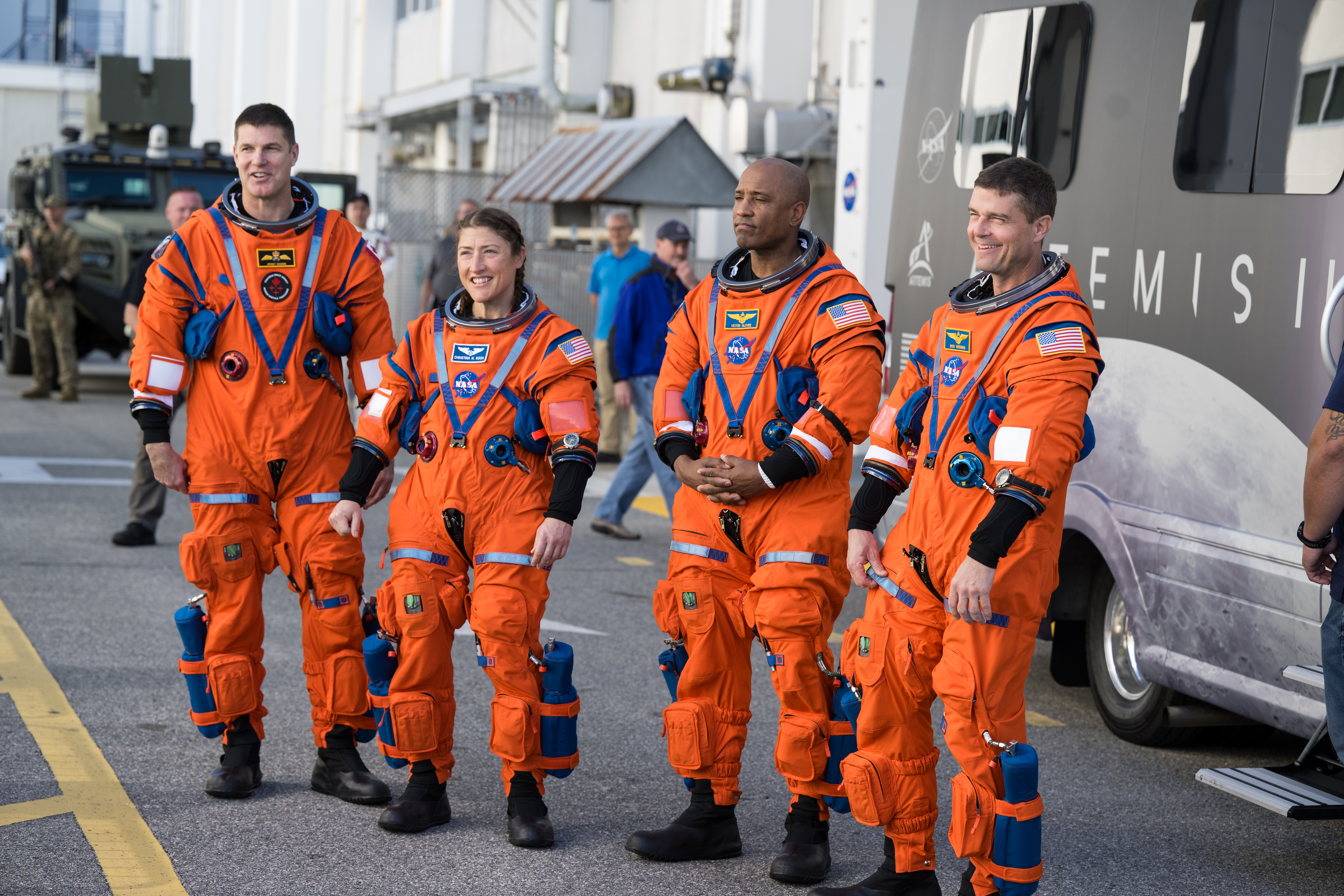
Artemis II Crew Launch Day Rehearsal – From left to right, CSA (Canadian Space Agency) astronaut Jeremy Hansen and NASA astronauts Christina Koch, Victor Glover, and Reid Wiseman are seen as they depart the Neil A. Armstrong Operations and Checkout Building to board their Orion spacecraft atop NASA’s Space Launch System rocket inside the Vehicle Assembly Building as part of the Artemis II countdown demonstration test, Saturday, Dec. 20, 2025, at NASA’s Kennedy Space Center in Florida.

From left to right, CSA (Canadian Space Agency) astronaut Jeremy Hansen and NASA astronauts Christina Koch, Victor Glover, and Reid Wiseman are seen as they depart the Neil A. Armstrong Operations and Checkout Building to board their Orion spacecraft atop NASA’s Space Launch System rocket inside the Vehicle Assembly Building as part of the Artemis II countdown demonstration test, Saturday, Dec. 20, 2025, at NASA’s Kennedy Space Center in Florida.

Read More
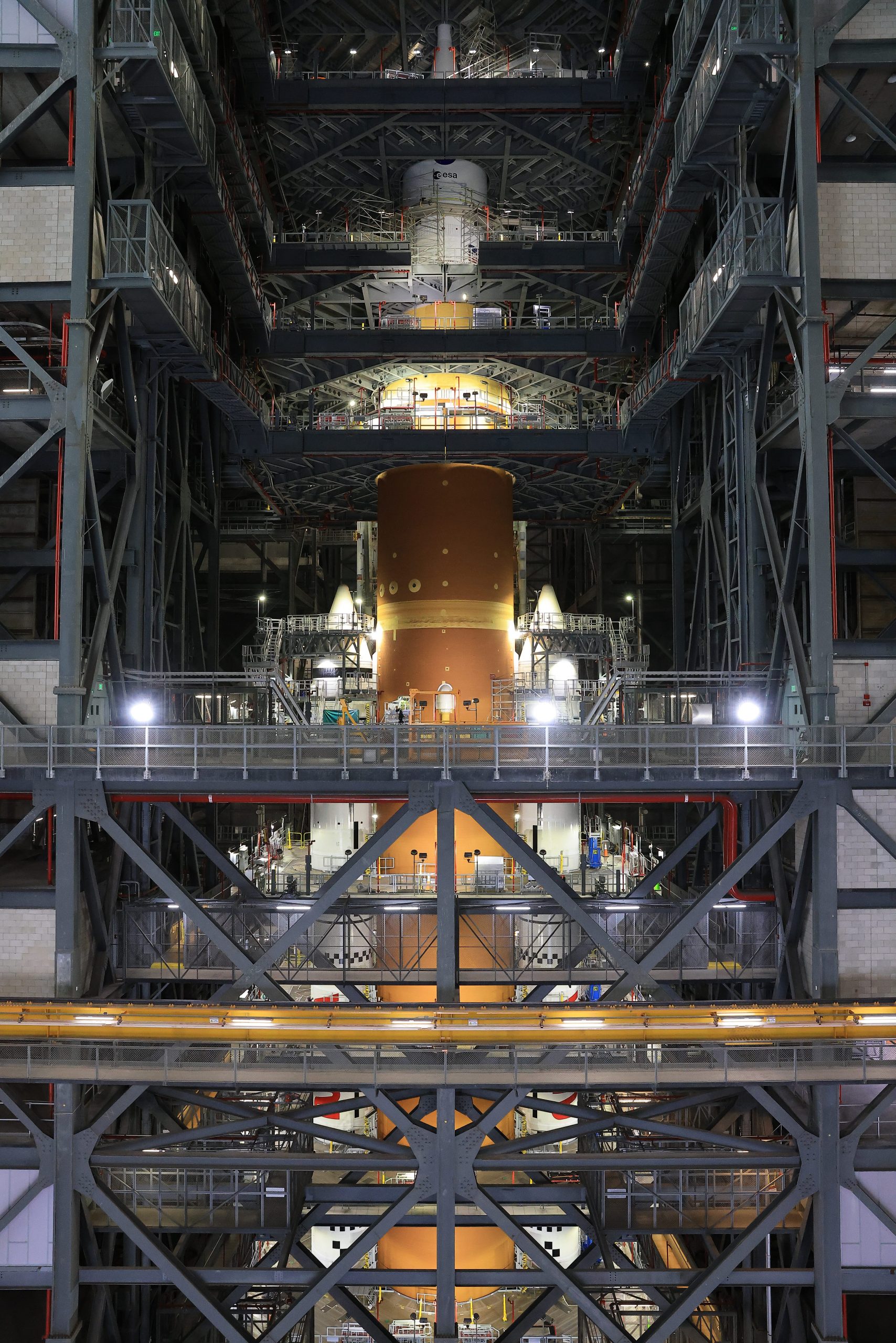
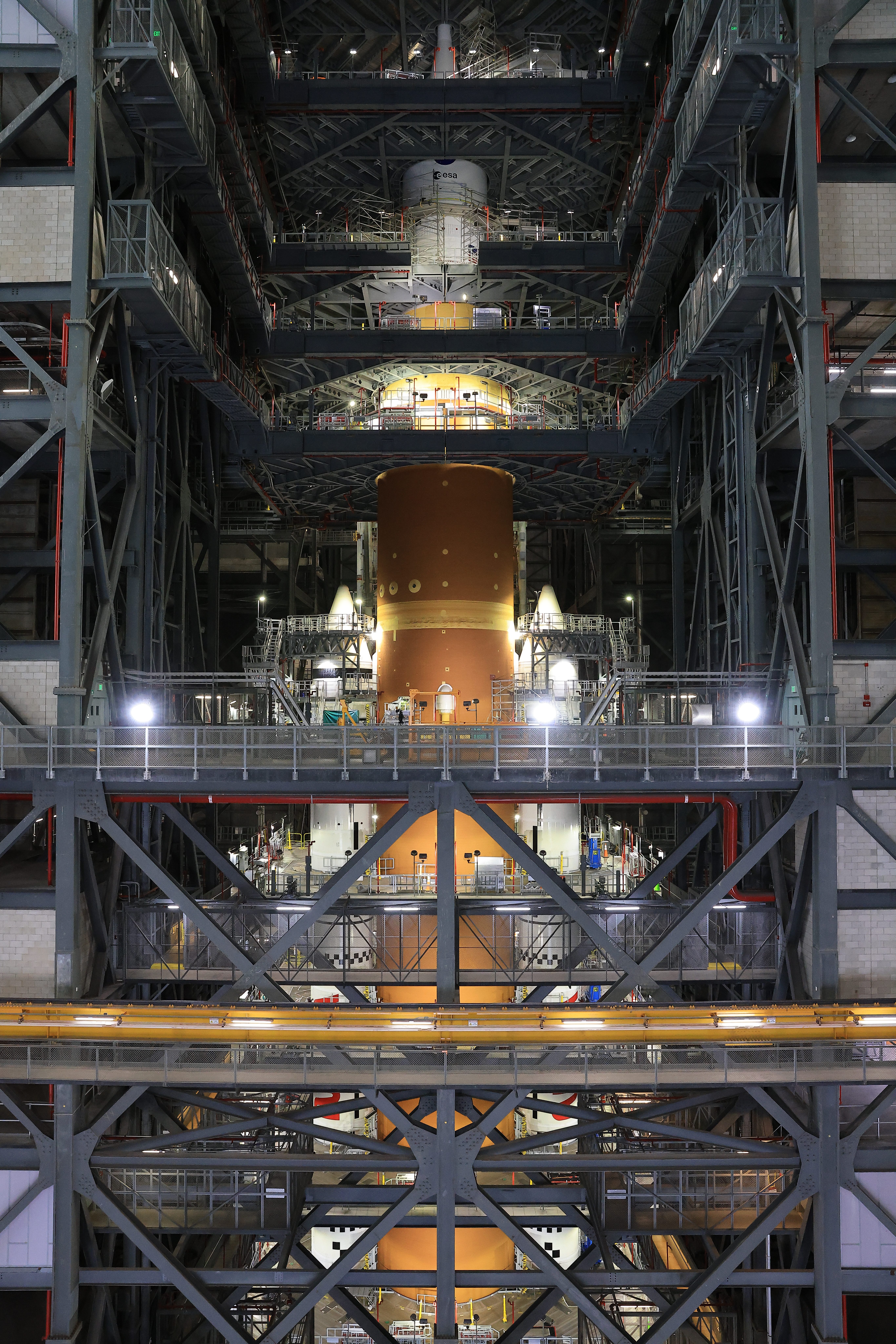
Artemis II Orion Spacecraft Stacked – NASA’s Artemis II Orion spacecraft with its launch abort system is stacked atop the agency’s SLS (Space Launch System) rocket in High Bay 3 of the Vehicle Assembly Building at NASA’s Kennedy Space Center in Florida on Monday, Oct. 20, 2025. The spacecraft will carry NASA astronauts Reid Wiseman, Victor Glover, Christina Koch, and CSA (Canadian Space Agency) astronaut Jeremy Hansen on a 10-day mission around the Moon and back in early 2026.

NASA’s Artemis II Orion spacecraft with its launch abort system is stacked atop the agency’s SLS (Space Launch System) rocket in High Bay 3 of the Vehicle Assembly Building at NASA’s Kennedy Space Center in Florida on Monday, Oct. 20, 2025. The spacecraft will carry NASA astronauts Reid Wiseman, Victor Glover, Christina Koch, and CSA (Canadian Space Agency) astronaut Jeremy Hansen on a 10-day mission around the Moon and back in early 2026.

Read More
3-in-1 Launch

A SpaceX Falcon 9 rocket carrying NASA’s IMAP (Interstellar Mapping and Acceleration Probe), the agency’s Carruthers Geocorona Observatory, and National Oceanic and Atmospheric Administration’s (NOAA) Space Weather Follow On–Lagrange 1 (SWFO-L1) spacecraft lifts off from Launch Complex 39A at NASA’s Kennedy Space Center in Florida at 7:30 a.m. EDT Wednesday, Sept. 24, 2025. The missions will each focus on different effects of the solar wind — the continuous stream of particles emitted by the Sun — and space weather — the changing conditions in space driven by the Sun — from their origins at the Sun to their farthest reaches billions of miles away at the edge of our solar system.

Read More
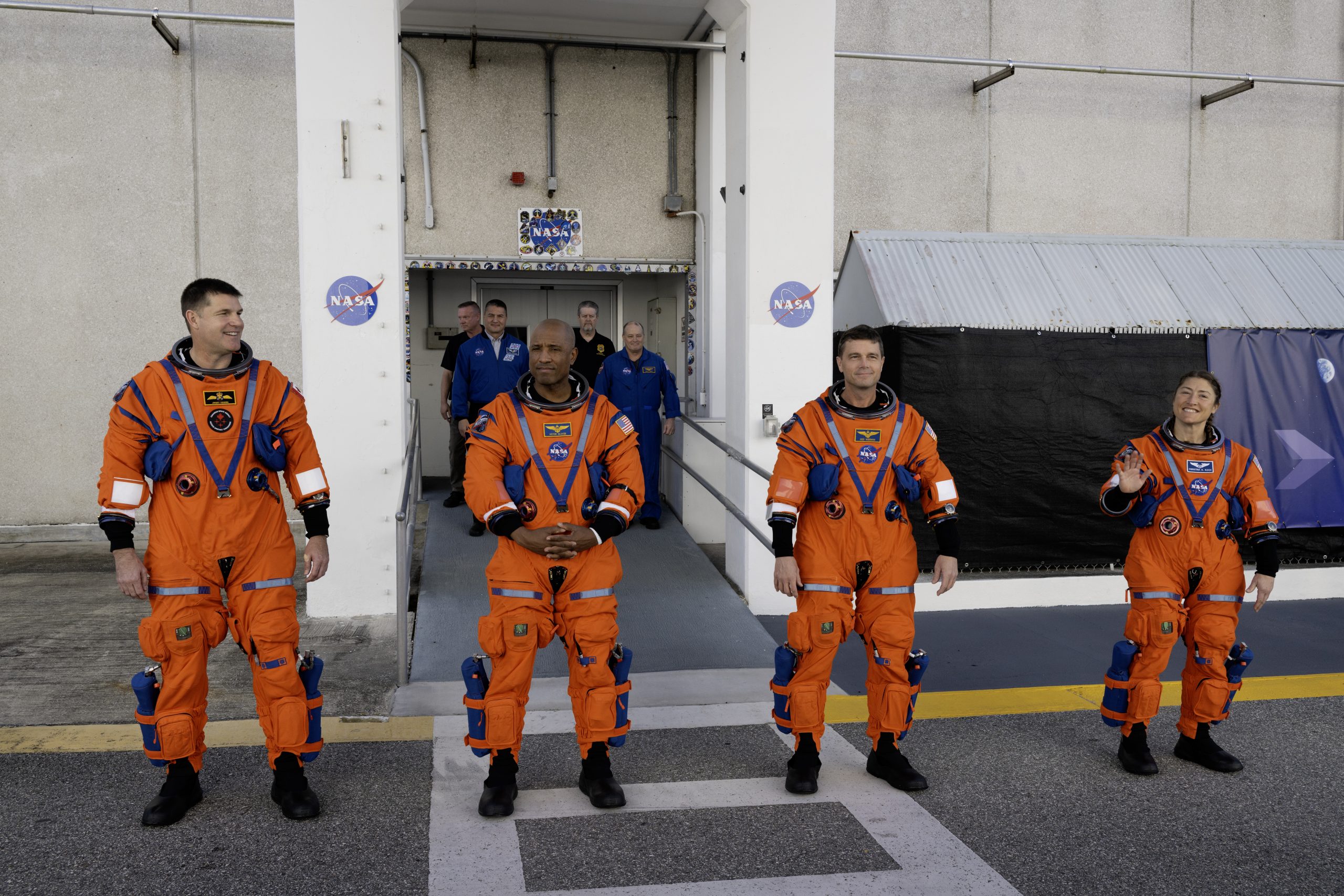
Artemis II Crew Walks Out for Practice Scenarios

From left to right, NASA astronauts Victor Glover, Artemis II pilot; Reid Wiseman, Artemis II commander; CSA (Canadian Space Agency) astronaut Jeremy Hansen, Artemis II mission specialist, and NASA astronaut Christina Koch, Artemis II mission specialist, suit up and walk out of the Neil A. Armstrong Operations and Checkout Building at NASA’s Kennedy Space Center in Florida on Monday, Aug. 11, 2025. During a two-day operation, the Artemis II team practiced night-run demonstrations of different launch day scenarios for the Artemis II test flight.

Read More
Alligator Goes for a Swim

An alligator moves through a brackish waterway at NASA’s Kennedy Space Center in Florida. The center shares space with the Merritt Island National Wildlife Refuge. More than 330 native and migratory bird species, 25 mammals, 117 fishes and 65 amphibians and reptiles call NASA Kennedy and the wildlife refuge home.

Read More
NASA’s Artemis II Crew Trains in Orion

The Artemis II crew (from left to right) CSA (Canadian Space Agency) Jeremy Hansen, mission specialist; Christina Koch, mission specialist; Victor Glover, pilot; and Reid Wiseman, commander, don their Orion Crew Survival System Suits for a multi-day crew module training beginning Thursday, July 31, 2025, at NASA’s Kennedy Space Center in Florida. Behind the crew, wearing clean room apparel, are members of the Artemis II closeout crew.

Read More
Crew-11 Launches to International Space Station

A SpaceX Falcon 9 rocket carrying the company’s Dragon spacecraft is launched on NASA’s SpaceX Crew-11 mission to the International Space Station with NASA astronauts Zena Cardman, Mike Fincke, JAXA (Japan Aerospace Exploration Agency) astronaut Kimiya Yui, and Roscosmos cosmonaut Oleg Platonov aboard, Friday, Aug. 1, 2025, from NASA’s Kennedy Space Center in Florida.

Read More