Foreign Policy

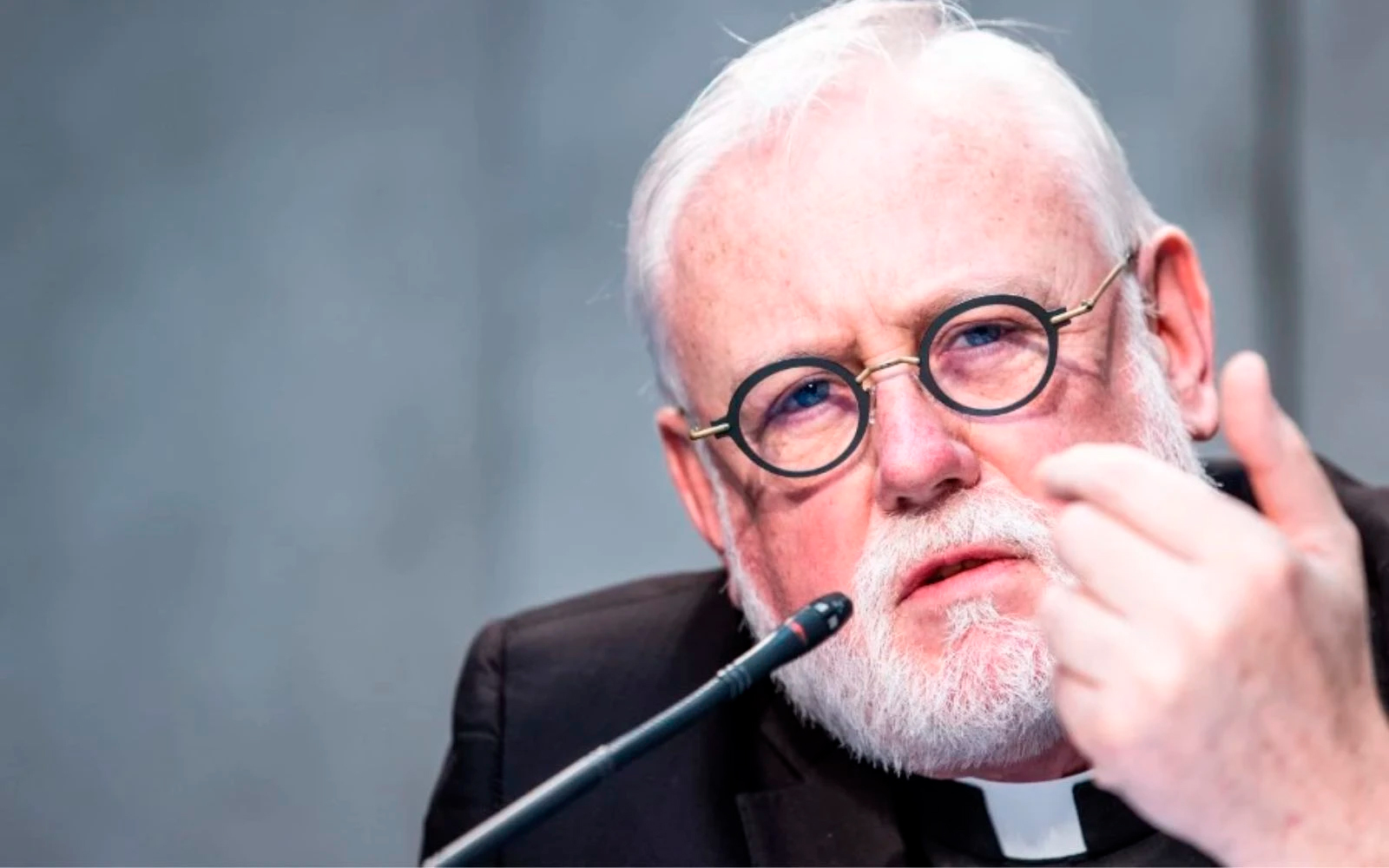
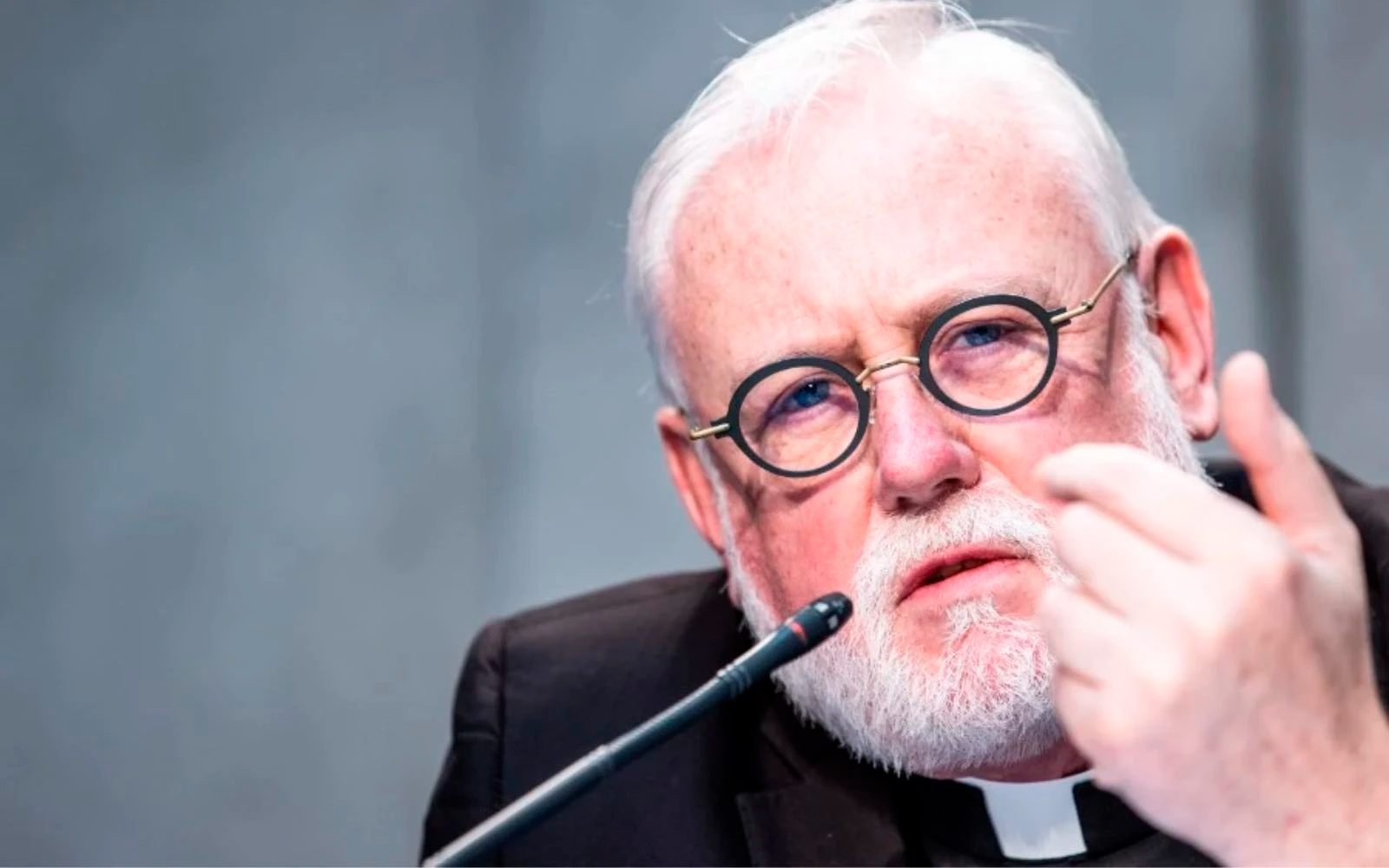
High-ranking Vatican official to meet with Putin’s adviser in Russia #Catholic The Vatican’s secretary for relations with states and international organizations, Archbishop Paul Richard Gallagher, will travel to Russia this week to hold meetings with Russian President Vladimir Putin adviser Yuri Ushakov and Russian Foreign Minister Sergey Lavrov as well as visit the country’s Catholic community.The announcement was made by the Vatican Secretariat of State on its X account and was described by Vatican News as “a mission of dialogue and peace.”According to the schedule, the first meeting will take place Aug. 25 with Lavrov. Subsequently, Gallagher will meet with Metropolitan Anthony of Volokolamsk, head of the Department for External Church Relations of the Moscow Patriarchate.On Wednesday, Aug. 26, Gallagher will meet with Ushakov, the foreign policy adviser to Putin. Vatican News noted that “the schedule confirms the Holy See’s determination to continue along the path of dialogue, even at one of the most difficult moments in international relations at the global level.”The Vatican representative will visit the Catholic community on Aug. 27. Gallagher will first meet with clergy and religious and then celebrate Mass at the Cathedral of the Immaculate Conception of the Holy Virgin Mary in Moscow. Finally, he will meet with the bishops.Gallagher is scheduled to return to the Holy See on Aug. 28. His previous visit to Russia took place in November 2021, when he met with Prime Minister Mikhail Mishustin, Lavrov, and the then-head of the Moscow Patriarchateʼs Department for External Church Relations, Metropolitan Hilarion.This story was first published by ACI Prensa, the Spanish-language sister service of EWTN News. It has been translated and adapted by EWTN News English.

High-ranking Vatican official to meet with Putin’s adviser in Russia #Catholic The Vatican’s secretary for relations with states and international organizations, Archbishop Paul Richard Gallagher, will travel to Russia this week to hold meetings with Russian President Vladimir Putin adviser Yuri Ushakov and Russian Foreign Minister Sergey Lavrov as well as visit the country’s Catholic community.The announcement was made by the Vatican Secretariat of State on its X account and was described by Vatican News as “a mission of dialogue and peace.”According to the schedule, the first meeting will take place Aug. 25 with Lavrov. Subsequently, Gallagher will meet with Metropolitan Anthony of Volokolamsk, head of the Department for External Church Relations of the Moscow Patriarchate.On Wednesday, Aug. 26, Gallagher will meet with Ushakov, the foreign policy adviser to Putin. Vatican News noted that “the schedule confirms the Holy See’s determination to continue along the path of dialogue, even at one of the most difficult moments in international relations at the global level.”The Vatican representative will visit the Catholic community on Aug. 27. Gallagher will first meet with clergy and religious and then celebrate Mass at the Cathedral of the Immaculate Conception of the Holy Virgin Mary in Moscow. Finally, he will meet with the bishops.Gallagher is scheduled to return to the Holy See on Aug. 28. His previous visit to Russia took place in November 2021, when he met with Prime Minister Mikhail Mishustin, Lavrov, and the then-head of the Moscow Patriarchateʼs Department for External Church Relations, Metropolitan Hilarion.This story was first published by ACI Prensa, the Spanish-language sister service of EWTN News. It has been translated and adapted by EWTN News English.

With Archbishop Paul Gallagher’s visit to Moscow this week, the Vatican continues to try to be a facilitator in bringing about a peaceful resolution to the Russia-Ukraine war.
Read More
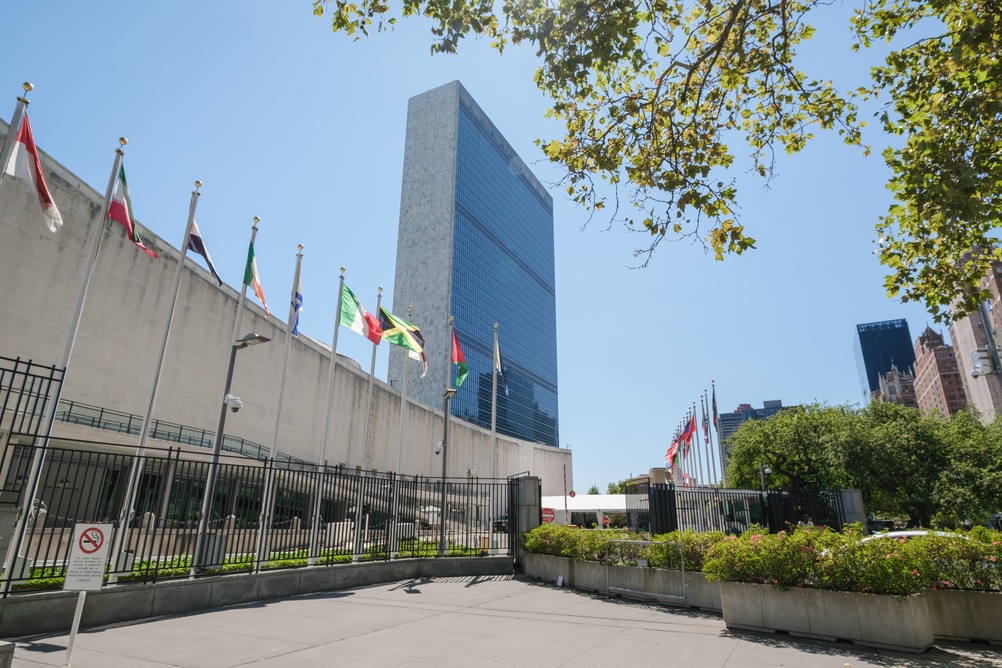
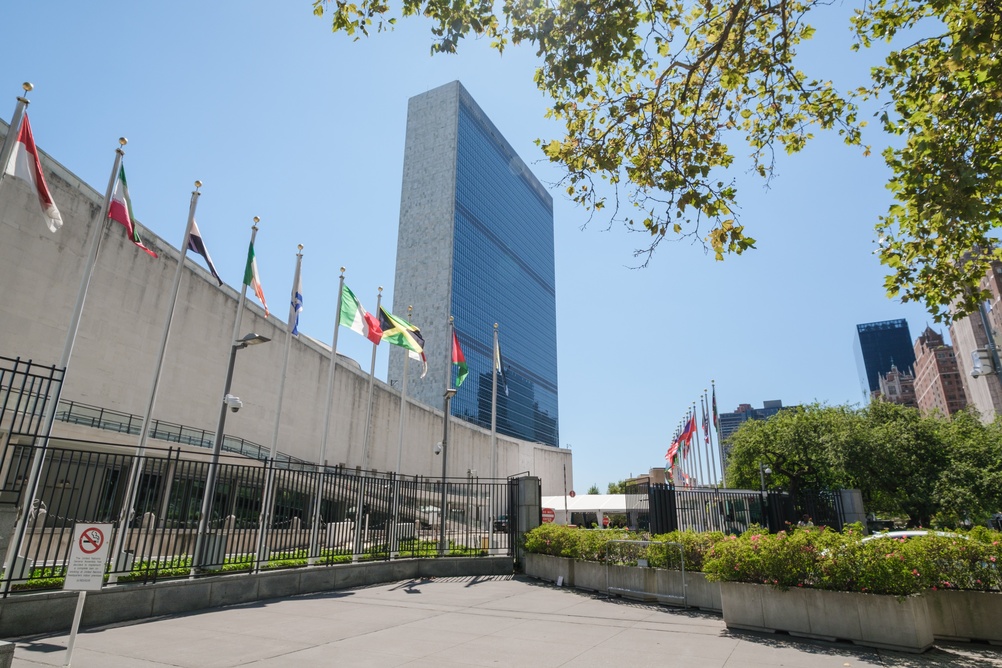
Catholic organization gathers signatures to call on world leaders to protect religious freedom #Catholic The pontifical foundation Aid to the Church in Need (ACN) has launched a petition campaign calling on the United Nations and the Council of Europe to protect religious freedom in the face of the religious persecution occurring in 62 countries.On its website, the Catholic organization states that “no one should have to choose between their faith and their life.” However, “5.4 billion people, almost two-thirds of humanity, live in countries where individuals and communities continue to face harassment, violence, and even death because of their beliefs.”ACN is therefore inviting people to sign the petition addressed to United Nations Secretary-General António Guterres; U.N. High Commissioner for Human Rights Volker Türk; the U.N. General Assembly; European Council President António Costa; as well as democratic governments, ambassadors, and diplomatic representatives.The goal is to call upon international leaders to permanently protect the fundamental right to freedom of thought, conscience, and religion, “as enshrined in Article 18 of the 1948 Universal Declaration of Human Rights.”ACN notes that its “Religious Freedom in the World Report 2025” warns that “some 5.4 billion people live in 62 countries where persecution, oppression, or discrimination by both state and non-state actors has intensified.”The pontifical foundation states that “this grave human rights crisis can no longer be ignored” and therefore urges democratic governments and international bodies to “publicly condemn all forms of religious persecution.”Likewise, ACN calls for “religious freedom to be a priority in foreign policy and diplomatic relations,” for “enforcing appropriate measures against regimes that repeatedly violate this fundamental right,” and for concrete measures to be adopted “to prevent violations, ensure the effective protection of this right, and promote the socioeconomic development of religious minorities.”The letter also calls for the protection of “at-risk religious communities to be granted protection, especially in countries suffering from sectarian violence or religious extremism. This is aimed at preventing forced migration, thereby enabling communities to stay in their ancestral homes and lands.”Finally, the letter requests that “individuals and groups suffering religious persecution receive the emergency aid and legal aid they need.”Those wishing to sign the petition can visit this link.This story was first published by ACI Prensa, the Spanish-language sister service of EWTN News. It has been translated and adapted by EWTN News English.

Catholic organization gathers signatures to call on world leaders to protect religious freedom #Catholic The pontifical foundation Aid to the Church in Need (ACN) has launched a petition campaign calling on the United Nations and the Council of Europe to protect religious freedom in the face of the religious persecution occurring in 62 countries.On its website, the Catholic organization states that “no one should have to choose between their faith and their life.” However, “5.4 billion people, almost two-thirds of humanity, live in countries where individuals and communities continue to face harassment, violence, and even death because of their beliefs.”ACN is therefore inviting people to sign the petition addressed to United Nations Secretary-General António Guterres; U.N. High Commissioner for Human Rights Volker Türk; the U.N. General Assembly; European Council President António Costa; as well as democratic governments, ambassadors, and diplomatic representatives.The goal is to call upon international leaders to permanently protect the fundamental right to freedom of thought, conscience, and religion, “as enshrined in Article 18 of the 1948 Universal Declaration of Human Rights.”ACN notes that its “Religious Freedom in the World Report 2025” warns that “some 5.4 billion people live in 62 countries where persecution, oppression, or discrimination by both state and non-state actors has intensified.”The pontifical foundation states that “this grave human rights crisis can no longer be ignored” and therefore urges democratic governments and international bodies to “publicly condemn all forms of religious persecution.”Likewise, ACN calls for “religious freedom to be a priority in foreign policy and diplomatic relations,” for “enforcing appropriate measures against regimes that repeatedly violate this fundamental right,” and for concrete measures to be adopted “to prevent violations, ensure the effective protection of this right, and promote the socioeconomic development of religious minorities.”The letter also calls for the protection of “at-risk religious communities to be granted protection, especially in countries suffering from sectarian violence or religious extremism. This is aimed at preventing forced migration, thereby enabling communities to stay in their ancestral homes and lands.”Finally, the letter requests that “individuals and groups suffering religious persecution receive the emergency aid and legal aid they need.”Those wishing to sign the petition can visit this link.This story was first published by ACI Prensa, the Spanish-language sister service of EWTN News. It has been translated and adapted by EWTN News English.

Aid to the Church in Need has launched a petition that urges international leaders to take action to end religious persecution.
Read More
White House marks 45th anniversary of martyrdom of Blessed Stanley Rother #Catholic The White House issued a presidential message commemorating the 45th anniversary of the martyrdom of Blessed Stanley Rother, continuing the administrationʼs pattern of recognizing prominent Catholic feast days and observances.“Today, Melania and I join with American Catholics and people of faith all across the world in honoring the towering legacy of Father Stanley Rother — an Oklahoma farm boy, the first American-born martyr beatified by the Catholic Church, and a champion of human dignity who heroically laid down his life to bring the light of Jesus Christ to a people plagued by horrific darkness,” President Donald Trump, who is not Catholic, said in the July 28 message.Rother was an Oklahoma native who became a missionary priest in 1968, serving in “the war-torn highlands of Guatemala, then ravaged by conflict,” the message said.“Though thousands of Catholics were forcibly disappeared and viciously murdered during the Guatemalan Civil War, Father Rother nonetheless spent 13 years bringing the Gospel to those devastated by poverty and violence — translating sacred Scripture and helping to build a school, a hospital, and the region’s first Catholic radio station — fearlessly embodying Christ’s commission to ‘make disciples of all nations,’” the message said.In the late 1970s, Guatemalaʼs civil war intensified. Rother was surrounded by extreme poverty and saw parishioners murdered for their faith.Amid the conflict, Rother’s name appeared on a hit list, which prompted him to seek refuge in Oklahoma. Despite the dangers, he insisted on returning to Guatemala, “refusing to abandon his flock in their hour of need.”On July 28, 1981, three men entered Rother’s rectory and fatally shot him. He was 46 years old.Rother was declared blessed by Pope Francis, and in 2017 a beatification Mass was said in Oklahoma City, which houses the Blessed Stanley Rother Shrine.Archbishop Paul Coakley of Oklahoma City said in a homily July 28 at the Rother Shrine that he was surprised “to wake up to an email that contained a special message from the White House. I don’t know if you’ve seen it or heard about it, but the White House acknowledged this day in honoring the 45th anniversary of the death of Father Stanley Rother. I didn’t know we were on their radar screen.”“But what a … tremendous honor it is for the Church, for Oklahoma, for our nation, to have this distinction and this recognition of this ordinary martyr, this parish priest, this missionary martyr: Blessed Stanley Rother,” said Coakley, president of the U.S. Conference of Catholic Bishops (USCCB).A story of religious libertyThe presidential statement highlighted that Rother’s story is a reminder of “America’s rich tradition of religious liberty.”“In his honor, we recommit to remaining vigilant so that our birthright of freedom endures in the face of every trial,” Trump’s statement said. “Above all, we pray that every soul of faith, every lover of freedom, and every seeker of truth will forever remember the name and treasure the story of Father Stanley Rother.”Since his martyrdom, “Rother has stood as a living testament to the power of courage, sacrificial service, and fidelity to God,” the message said. “He has inspired widespread devotion among Catholics.”“And every day, countless priests, pastors, chaplains, and spiritual leaders faithfully look to Father Rother as they strive to carry out his immortal legacy of fortitude, charity, humility, service, generosity, and perseverance.”Marking Catholic observancesTrump has established a pattern of releasing White House statements addressing significant commemorative Catholic days, along with messages marking observances by other faith traditions such as Judaism and Islam.Since Trump began his second term, the White House has released Catholic-focused celebratory statements on the feast of St. Joseph, the birthday of St. Frances Xavier Cabrini, and St. Patrick’s Day, acknowledging the saints’ lives and legacies.It also released a message on the solemnity of the Immaculate Conception, which appeared to be the first time a U.S. president formally recognized the holy day “honoring the faith, humility, and love of Mary, mother of Jesus and one of the greatest figures in the Bible,” the statement said.The president also released a statement on the anniversary of the death of St. John Paul II, calling him “one the fiercest defenders of human dignity to ever live” and encouraging “every American to keep the memory of Pope Saint John Paul II alive for generations to come.”Ahead of the 250th anniversary of the U.S., the president also released a statement regarding the USCCB’s Mass consecrating the nation to the Sacred Heart of Jesus, which the president called “a powerful moment in our national story.”While releasing the formal presidential messages on Catholic matters, Trump has also criticized Pope Leo XIV, calling him “weak on crime” and “terrible for foreign policy” on his social media accounts amid the Iran conflict.The president gained widespread attention in April when he made the comments.Despite the online criticism and falsely suggesting that Pope Leo wants Iran to develop nuclear weapons, the president later told reporters he has “nothing against the pope.”

White House marks 45th anniversary of martyrdom of Blessed Stanley Rother #Catholic The White House issued a presidential message commemorating the 45th anniversary of the martyrdom of Blessed Stanley Rother, continuing the administrationʼs pattern of recognizing prominent Catholic feast days and observances.“Today, Melania and I join with American Catholics and people of faith all across the world in honoring the towering legacy of Father Stanley Rother — an Oklahoma farm boy, the first American-born martyr beatified by the Catholic Church, and a champion of human dignity who heroically laid down his life to bring the light of Jesus Christ to a people plagued by horrific darkness,” President Donald Trump, who is not Catholic, said in the July 28 message.Rother was an Oklahoma native who became a missionary priest in 1968, serving in “the war-torn highlands of Guatemala, then ravaged by conflict,” the message said.“Though thousands of Catholics were forcibly disappeared and viciously murdered during the Guatemalan Civil War, Father Rother nonetheless spent 13 years bringing the Gospel to those devastated by poverty and violence — translating sacred Scripture and helping to build a school, a hospital, and the region’s first Catholic radio station — fearlessly embodying Christ’s commission to ‘make disciples of all nations,’” the message said.In the late 1970s, Guatemalaʼs civil war intensified. Rother was surrounded by extreme poverty and saw parishioners murdered for their faith.Amid the conflict, Rother’s name appeared on a hit list, which prompted him to seek refuge in Oklahoma. Despite the dangers, he insisted on returning to Guatemala, “refusing to abandon his flock in their hour of need.”On July 28, 1981, three men entered Rother’s rectory and fatally shot him. He was 46 years old.Rother was declared blessed by Pope Francis, and in 2017 a beatification Mass was said in Oklahoma City, which houses the Blessed Stanley Rother Shrine.Archbishop Paul Coakley of Oklahoma City said in a homily July 28 at the Rother Shrine that he was surprised “to wake up to an email that contained a special message from the White House. I don’t know if you’ve seen it or heard about it, but the White House acknowledged this day in honoring the 45th anniversary of the death of Father Stanley Rother. I didn’t know we were on their radar screen.”“But what a … tremendous honor it is for the Church, for Oklahoma, for our nation, to have this distinction and this recognition of this ordinary martyr, this parish priest, this missionary martyr: Blessed Stanley Rother,” said Coakley, president of the U.S. Conference of Catholic Bishops (USCCB).A story of religious libertyThe presidential statement highlighted that Rother’s story is a reminder of “America’s rich tradition of religious liberty.”“In his honor, we recommit to remaining vigilant so that our birthright of freedom endures in the face of every trial,” Trump’s statement said. “Above all, we pray that every soul of faith, every lover of freedom, and every seeker of truth will forever remember the name and treasure the story of Father Stanley Rother.”Since his martyrdom, “Rother has stood as a living testament to the power of courage, sacrificial service, and fidelity to God,” the message said. “He has inspired widespread devotion among Catholics.”“And every day, countless priests, pastors, chaplains, and spiritual leaders faithfully look to Father Rother as they strive to carry out his immortal legacy of fortitude, charity, humility, service, generosity, and perseverance.”Marking Catholic observancesTrump has established a pattern of releasing White House statements addressing significant commemorative Catholic days, along with messages marking observances by other faith traditions such as Judaism and Islam.Since Trump began his second term, the White House has released Catholic-focused celebratory statements on the feast of St. Joseph, the birthday of St. Frances Xavier Cabrini, and St. Patrick’s Day, acknowledging the saints’ lives and legacies.It also released a message on the solemnity of the Immaculate Conception, which appeared to be the first time a U.S. president formally recognized the holy day “honoring the faith, humility, and love of Mary, mother of Jesus and one of the greatest figures in the Bible,” the statement said.The president also released a statement on the anniversary of the death of St. John Paul II, calling him “one the fiercest defenders of human dignity to ever live” and encouraging “every American to keep the memory of Pope Saint John Paul II alive for generations to come.”Ahead of the 250th anniversary of the U.S., the president also released a statement regarding the USCCB’s Mass consecrating the nation to the Sacred Heart of Jesus, which the president called “a powerful moment in our national story.”While releasing the formal presidential messages on Catholic matters, Trump has also criticized Pope Leo XIV, calling him “weak on crime” and “terrible for foreign policy” on his social media accounts amid the Iran conflict.The president gained widespread attention in April when he made the comments.Despite the online criticism and falsely suggesting that Pope Leo wants Iran to develop nuclear weapons, the president later told reporters he has “nothing against the pope.”

The White House has issued a string of statements acknowledging prominent Catholic feast days and observances.

Read More