Funeral

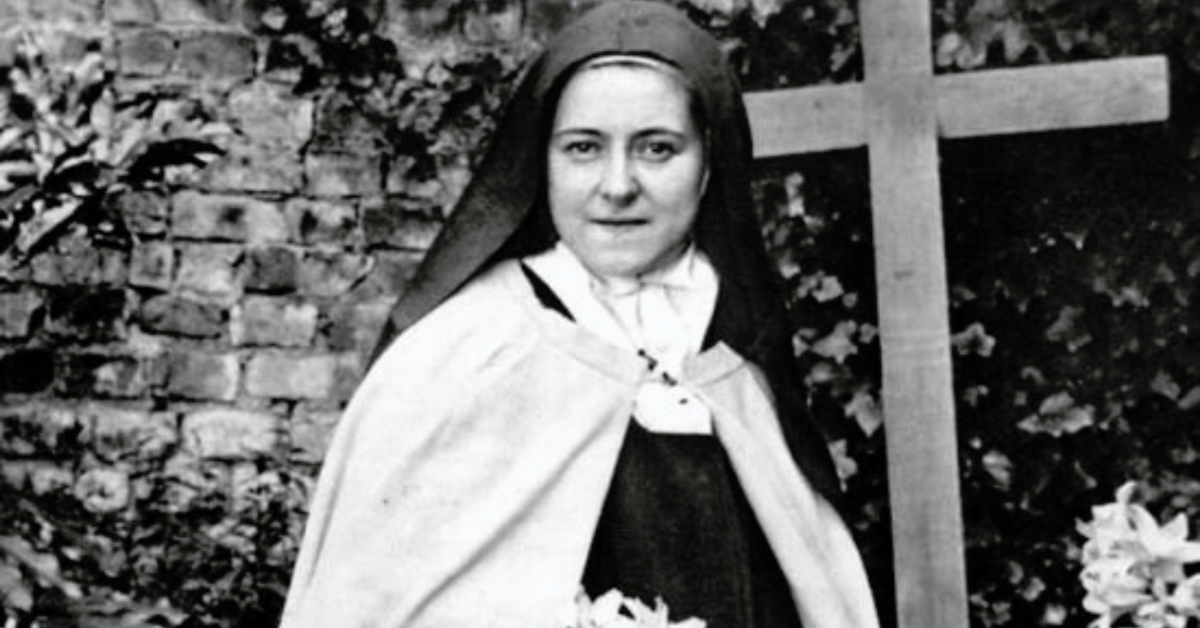
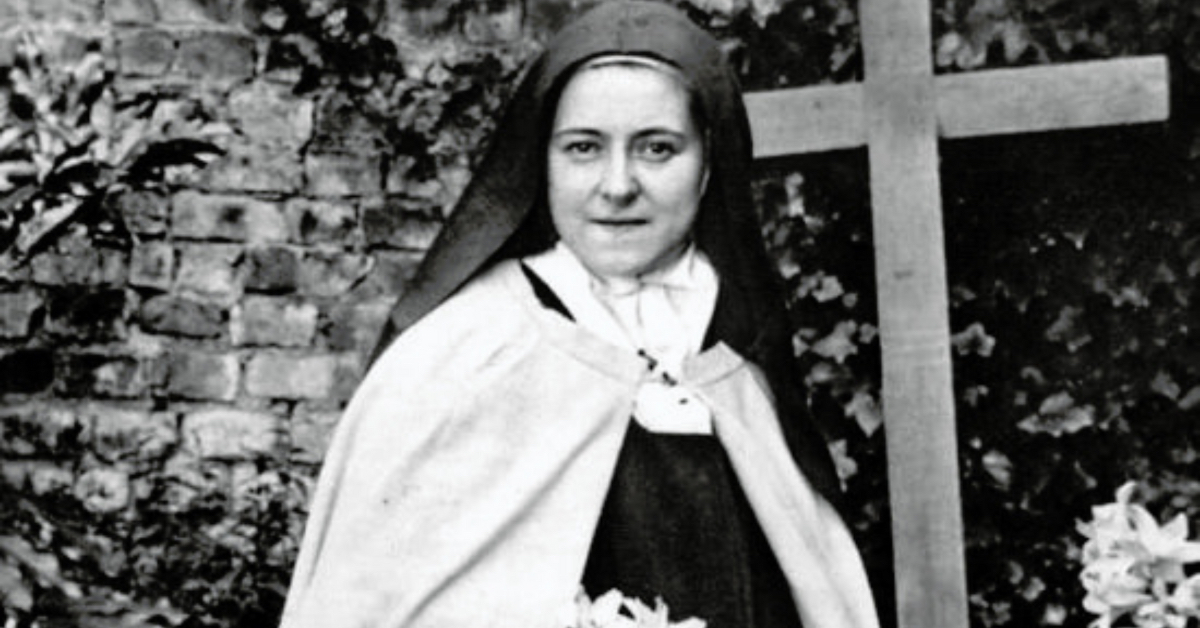
Czech court to weigh clearing cardinal jailed by communists #Catholic A second cardinal and a third senior churchman may be rehabilitated this year for mistreatment under the communist regime in Czechoslovakia. The District Court in Litoměřice, in what is now the Czech Republic, will consider a proposal for the rehabilitation of Cardinal Štěpán Trochta, the former bishop of Litoměřice, over his internment between 1950 and 1953.The public prosecutor asked the relevant authorities to carry out an investigation into the archives and, based on the outcome, found the initiative reasonable. He has already submitted a proposal for the judicial rehabilitation of Trochta over the illegal deprivation of his personal freedom. A date for consideration of the proposal has not yet been set.“I firmly believe that the name of Štěpán Trochta, my predecessor in Litoměřice, will be cleared through the courts,” said Archbishop Stanislav Přibyl of Prague, who is also apostolic administrator of Litoměřice.The verdict that sent Trochta to prison, handed down in a political trial for “treason and conspiracy,” was overturned in 1968, but the Czech courts have not dealt with his earlier illegal internment. The initiative for full rehabilitation came from Jan Kratochvil, director of the Museum of Czech, Slovak, and Ruthenian Exile of the 20th Century, and the lawyer Lubomír Müller.It is “important to clean his name in this way as well,” said Kratochvil, whose family was friends with the prelate.Salesian, prisoner, cardinalŠtěpán Trochta (1905–1974) was one of the first Czech members of the Society of St. Francis de Sales, the so-called Salesians. He studied in Turin, Italy, where he obtained a doctorate in theology. He returned to Czechoslovakia, and when Nazi Germany occupied the country, he was arrested for his contacts with and support for the resistance and was sent to several concentration camps.He was “ready to work, full of energy, enthusiasm, and willing to work hard.” Trochta was also a good organizer and a gifted speaker and writer who “enjoyed being among the boys, even though he gradually had to spend more time in administration,” according to “Life and Legacy,” a booklet published by the Salesians on the 50th anniversary of the prelate’s death.Shortly before the communists took over in Czechoslovakia, he was appointed bishop of Litoměřice. He became the spokesman for the episcopate of Czechoslovakia in difficult negotiations with the new government. In the end, the regime interned him in his residence and later imprisoned him. Although he was released sooner than expected, he was not allowed to continue as a bishop and had to work as a manual laborer.In 1969, when he was already back in the Diocese of Litoměřice, Pope Paul VI created him a cardinal “in pectore” — that is, secretly.When Trochta died five years later, the funeral was attended by many of the faithful, including cardinals from Berlin, Krakow, and Vienna. Archbishop Karol Wojtyła of Krakow, who later became Pope John Paul II, reportedly asked to concelebrate but was not permitted to do so. Wojtyła then defied the ban on foreign participants speaking, delivering a short address over the coffin in which he called the deceased prelate a martyr. The funeral Mass was celebrated by the Czech bishop and future Cardinal František Tomášek.A series of Czech rehabilitationsThe case may become one more in a recent series of rehabilitations in the Czech Republic.In February, the District Court of Prague recognized the unjust treatment of Cardinal Josef Beran, the former archbishop of Prague, who was interned in several locations. Last month, the District Court in Olomouc rehabilitated Archbishop Josef Karel Matocha of Olomouc, also over his internment.In 2024, the Regional Court in Hradec Králové rehabilitated Father Josef Toufar, who was illegally arrested and tortured to death.

Czech court to weigh clearing cardinal jailed by communists #Catholic A second cardinal and a third senior churchman may be rehabilitated this year for mistreatment under the communist regime in Czechoslovakia. The District Court in Litoměřice, in what is now the Czech Republic, will consider a proposal for the rehabilitation of Cardinal Štěpán Trochta, the former bishop of Litoměřice, over his internment between 1950 and 1953.The public prosecutor asked the relevant authorities to carry out an investigation into the archives and, based on the outcome, found the initiative reasonable. He has already submitted a proposal for the judicial rehabilitation of Trochta over the illegal deprivation of his personal freedom. A date for consideration of the proposal has not yet been set.“I firmly believe that the name of Štěpán Trochta, my predecessor in Litoměřice, will be cleared through the courts,” said Archbishop Stanislav Přibyl of Prague, who is also apostolic administrator of Litoměřice.The verdict that sent Trochta to prison, handed down in a political trial for “treason and conspiracy,” was overturned in 1968, but the Czech courts have not dealt with his earlier illegal internment. The initiative for full rehabilitation came from Jan Kratochvil, director of the Museum of Czech, Slovak, and Ruthenian Exile of the 20th Century, and the lawyer Lubomír Müller.It is “important to clean his name in this way as well,” said Kratochvil, whose family was friends with the prelate.Salesian, prisoner, cardinalŠtěpán Trochta (1905–1974) was one of the first Czech members of the Society of St. Francis de Sales, the so-called Salesians. He studied in Turin, Italy, where he obtained a doctorate in theology. He returned to Czechoslovakia, and when Nazi Germany occupied the country, he was arrested for his contacts with and support for the resistance and was sent to several concentration camps.He was “ready to work, full of energy, enthusiasm, and willing to work hard.” Trochta was also a good organizer and a gifted speaker and writer who “enjoyed being among the boys, even though he gradually had to spend more time in administration,” according to “Life and Legacy,” a booklet published by the Salesians on the 50th anniversary of the prelate’s death.Shortly before the communists took over in Czechoslovakia, he was appointed bishop of Litoměřice. He became the spokesman for the episcopate of Czechoslovakia in difficult negotiations with the new government. In the end, the regime interned him in his residence and later imprisoned him. Although he was released sooner than expected, he was not allowed to continue as a bishop and had to work as a manual laborer.In 1969, when he was already back in the Diocese of Litoměřice, Pope Paul VI created him a cardinal “in pectore” — that is, secretly.When Trochta died five years later, the funeral was attended by many of the faithful, including cardinals from Berlin, Krakow, and Vienna. Archbishop Karol Wojtyła of Krakow, who later became Pope John Paul II, reportedly asked to concelebrate but was not permitted to do so. Wojtyła then defied the ban on foreign participants speaking, delivering a short address over the coffin in which he called the deceased prelate a martyr. The funeral Mass was celebrated by the Czech bishop and future Cardinal František Tomášek.A series of Czech rehabilitationsThe case may become one more in a recent series of rehabilitations in the Czech Republic.In February, the District Court of Prague recognized the unjust treatment of Cardinal Josef Beran, the former archbishop of Prague, who was interned in several locations. Last month, the District Court in Olomouc rehabilitated Archbishop Josef Karel Matocha of Olomouc, also over his internment.In 2024, the Regional Court in Hradec Králové rehabilitated Father Josef Toufar, who was illegally arrested and tortured to death.

A district court will weigh whether Cardinal Štěpán Trochta, imprisoned by the Nazis and later by the communists, was unlawfully interned in the 1950s.

Read More
Michigan diocese celebrates new priests after ordinations moved out of cathedral #Catholic ANN ARBOR, Michigan — Bishop Earl Boyea of Lansing, Michigan, ordained four men to the priesthood on June 6 at St. Thomas Aquinas Parish in East Lansing after the crowd was too big for St. Mary’s Cathedral, the mother church of the diocese. In the packed church, Boyea told the ordinands: “You have been spending years being with Jesus. He’s calling you as he called those 12 so many centuries ago. Today, as you are consecrated by the Church for a sacred ministry, consecrate yourselves to drink the cup which the Lord gives and take in the word which the Spirit is providing. Though weak vessels that we are, we will not let that prevent us from following the calling we have received.”Now 75 and due to retire from his duties in Lansing, Boyea has ordained 45 priests during his 18 years of leadership of the diocese in Michigan’s capital. The diocese, one of seven Latin-rite dioceses in Michigan, is currently sponsoring 29 seminarians, and last year’s ordination class was the largest in nearly 50 years.Fathers Joshua Bauer, Jacob Derry, Ryan Ferrigan, and Peter Randolph, ordained by Boyea, all attended Sacred Heart Major Seminary of the Detroit Archdiocese.
 
 Bishop Earl Boyea of Lansing, Michigan, washes the feet of one of the four men he ordained to the priesthood on June 6, 2026, at St. Thomas Aquinas Parish in East Lansing, Michigan. | Credit: Valerie Hendrickson
 
 Before their ordination, the men were interviewed on video, displaying the chalices they will use as priests.Ferrigan, 28, said his antique sacred vessel had been left behind at the now-shuttered St. Michael Parish church in Flint, Michigan, established more than 170 years ago. Inscribed on its base are the words of an anonymous donor: “In reparation from a friend of the Sacred Heart.”“You know, it’s a paradox because this chalice has a long history, and I don’t know who the priests are who used it in the past,” he said. “They offered the Holy Sacrifice using this vessel for over 100 years, and I get to continue faithfully offering the Mass and praying for the salvation of the world every day.”In his thanksgiving address to the congregation, Ferrigan said of his priesthood: “It’s all about the glory of God and the salvation of souls!”In an interview with EWTN News, the new priest said: “In being ordained, the palpable joy they could see in me was there because in ordination, I am seeing the purpose for which God created me coming to fruition. I have become what the Lord created me to be.”“The day of my ordination was the best day of my life. Lots of friends and family were there to support me. The Lord has blessed me and is very good to me. I’m still adjusting and realizing that I’m really a priest now and have the privilege of offering the Mass every day. This is my commission and what the Lord wants me to do for his praise and the salvation of the world. It is still sinking in,” he told EWTN News.
 
 From left to right: Fathers Peter Randolph, Ryan Ferrigan, Jacob Derry, and Joshua Bauer at their ordaination on June 6, 2026, in East Lansing, Michigan. | Credit: Valerie Hendrickson
 
 Ferrigan celebrated his first solo Mass that same day at St. Martha Parish in Okemos, near Lansing. He was able to distribute the Eucharist for the first time in both instances to his mother. He will serve at St. Thomas the Apostle Parish in Ann Arbor, which is close to the University of Michigan campus and known for its music and solemn liturgies.“I’m excited to be going there, and I expect to serve about three years at St. Thomas,” he said, adding: “I’m excited about learning to be a parish priest and diving into ministry. This is how the Lord wants me to feed his sheep.”Randolph, 27, reflected in the video about his journey to the altar, which has included profound loss. “The emphasis of this chalice upon the humanity of Christ and about receiving the chalice, and then living it out to the fullest extent, both in pain and suffering, and full self-abandonment and full self-emptying and glory, means a lot to me, because my [18-year-old] brother Xavier died less than a year ago. And the Lord has really promised me that he’s going to meet me in the place of my pain,” he said, adding: “He’s not going to leave me alone. But it’s going to come in my very broken humanity. In my humanity that is now broken in a particular way in grief.”
 
 Peter Randolph prepares for his ordination to the priesthood on June 6, 2026, in East Lansing, Michigan. | Credit: Valerie Hendrickson
 
 Randolph’s father and grandfather serve as deacons in the Lansing Diocese. At the July 2025 funeral for Xavier, hundreds of friends and parishioners of the close-knit Christ the King Parish in Ann Arbor were on hand to support the Randolph family with the same solidarity shown at Randolph’s ordination. He has been assigned to St. Patrick Parish in Brighton, Michigan, which is known for its healing services and charismatic liturgies.As Boyea consecrated Randolph, the newly ordained young man openly sobbed in the presence of his many friends and family members. “I want every day of my priesthood and every time that I offer Mass in this chalice, to be able to say, like, ‘Accipiam calicem,’ right, I accept the chalice,” Randolph vowed. Paraphrasing Matthew 26:42, Randolph said: “Father, I accept this chalice, and I will drink it to the dregs with your Son.”

Michigan diocese celebrates new priests after ordinations moved out of cathedral #Catholic ANN ARBOR, Michigan — Bishop Earl Boyea of Lansing, Michigan, ordained four men to the priesthood on June 6 at St. Thomas Aquinas Parish in East Lansing after the crowd was too big for St. Mary’s Cathedral, the mother church of the diocese. In the packed church, Boyea told the ordinands: “You have been spending years being with Jesus. He’s calling you as he called those 12 so many centuries ago. Today, as you are consecrated by the Church for a sacred ministry, consecrate yourselves to drink the cup which the Lord gives and take in the word which the Spirit is providing. Though weak vessels that we are, we will not let that prevent us from following the calling we have received.”Now 75 and due to retire from his duties in Lansing, Boyea has ordained 45 priests during his 18 years of leadership of the diocese in Michigan’s capital. The diocese, one of seven Latin-rite dioceses in Michigan, is currently sponsoring 29 seminarians, and last year’s ordination class was the largest in nearly 50 years.Fathers Joshua Bauer, Jacob Derry, Ryan Ferrigan, and Peter Randolph, ordained by Boyea, all attended Sacred Heart Major Seminary of the Detroit Archdiocese. Bishop Earl Boyea of Lansing, Michigan, washes the feet of one of the four men he ordained to the priesthood on June 6, 2026, at St. Thomas Aquinas Parish in East Lansing, Michigan. | Credit: Valerie Hendrickson Before their ordination, the men were interviewed on video, displaying the chalices they will use as priests.Ferrigan, 28, said his antique sacred vessel had been left behind at the now-shuttered St. Michael Parish church in Flint, Michigan, established more than 170 years ago. Inscribed on its base are the words of an anonymous donor: “In reparation from a friend of the Sacred Heart.”“You know, it’s a paradox because this chalice has a long history, and I don’t know who the priests are who used it in the past,” he said. “They offered the Holy Sacrifice using this vessel for over 100 years, and I get to continue faithfully offering the Mass and praying for the salvation of the world every day.”In his thanksgiving address to the congregation, Ferrigan said of his priesthood: “It’s all about the glory of God and the salvation of souls!”In an interview with EWTN News, the new priest said: “In being ordained, the palpable joy they could see in me was there because in ordination, I am seeing the purpose for which God created me coming to fruition. I have become what the Lord created me to be.”“The day of my ordination was the best day of my life. Lots of friends and family were there to support me. The Lord has blessed me and is very good to me. I’m still adjusting and realizing that I’m really a priest now and have the privilege of offering the Mass every day. This is my commission and what the Lord wants me to do for his praise and the salvation of the world. It is still sinking in,” he told EWTN News. From left to right: Fathers Peter Randolph, Ryan Ferrigan, Jacob Derry, and Joshua Bauer at their ordaination on June 6, 2026, in East Lansing, Michigan. | Credit: Valerie Hendrickson Ferrigan celebrated his first solo Mass that same day at St. Martha Parish in Okemos, near Lansing. He was able to distribute the Eucharist for the first time in both instances to his mother. He will serve at St. Thomas the Apostle Parish in Ann Arbor, which is close to the University of Michigan campus and known for its music and solemn liturgies.“I’m excited to be going there, and I expect to serve about three years at St. Thomas,” he said, adding: “I’m excited about learning to be a parish priest and diving into ministry. This is how the Lord wants me to feed his sheep.”Randolph, 27, reflected in the video about his journey to the altar, which has included profound loss. “The emphasis of this chalice upon the humanity of Christ and about receiving the chalice, and then living it out to the fullest extent, both in pain and suffering, and full self-abandonment and full self-emptying and glory, means a lot to me, because my [18-year-old] brother Xavier died less than a year ago. And the Lord has really promised me that he’s going to meet me in the place of my pain,” he said, adding: “He’s not going to leave me alone. But it’s going to come in my very broken humanity. In my humanity that is now broken in a particular way in grief.” Peter Randolph prepares for his ordination to the priesthood on June 6, 2026, in East Lansing, Michigan. | Credit: Valerie Hendrickson Randolph’s father and grandfather serve as deacons in the Lansing Diocese. At the July 2025 funeral for Xavier, hundreds of friends and parishioners of the close-knit Christ the King Parish in Ann Arbor were on hand to support the Randolph family with the same solidarity shown at Randolph’s ordination. He has been assigned to St. Patrick Parish in Brighton, Michigan, which is known for its healing services and charismatic liturgies.As Boyea consecrated Randolph, the newly ordained young man openly sobbed in the presence of his many friends and family members. “I want every day of my priesthood and every time that I offer Mass in this chalice, to be able to say, like, ‘Accipiam calicem,’ right, I accept the chalice,” Randolph vowed. Paraphrasing Matthew 26:42, Randolph said: “Father, I accept this chalice, and I will drink it to the dregs with your Son.”

Bishop Earl Boyea ordained four new priests at a local Lansing parish, urging them to “drink the cup which the Lord gives” as they begin their ministry.

Read More