Holiness

Various U.S. bishops ‘invite home’ SSPX attendees after excommunications of leadership #Catholic A growing number of Catholic bishops are instructing the faithful to avoid illicit sacraments celebrated by the Society of St. Pius X (SSPX) after the traditionalist group’s bishops incurred the penalty of excommunication last week.The Vatican declared July 2 that six prelates involved in the SSPX’s unauthorized July 1 episcopal consecrations incurred automatic excommunication. Despite repeated warnings, SSPX bishops consecrated four new bishops without a pontifical mandate — an act of open disobedience to the authority of the pope that carries automatic excommunication for the six bishops involved.The SSPX is a fraternity of priests known for its celebration of the Traditional Latin Mass and opposition to the reforms of the Second Vatican Council.Various Catholic bishops with SSPX locations in their areas are explicitly forbidding Catholics from attending SSPX services while also urging frequent attendees or SSPX priests to seek spiritual guidance and return to the Catholic Church.Invited ‘home’Archbishop Bernard Hebda of St. Paul and Minneapolis urged SSPX families in his community to stay with the Catholic Church.“In the 10 years that I have led this local Church, I have met many sincere people who worship regularly or occasionally at the chapels of the SSPX within the territory of our archdiocese,” Hebda said. “I have been impressed by the strength of their families and their commitment to traditional Catholic values.”“It is my hope they will not follow the above-mentioned bishops in separating themselves from the successor of Peter, Pope Leo XIV, and from the Church that he humbly leads,” Hebda continued. “Throughout the centuries, our Catholic Church has consistently echoed the teaching of St. Ambrose: Ubi Petrus ibi ecclesia (Where there is Peter, there is the Church).”“At this difficult moment, we are blessed that the same traditional Eucharistic liturgy beloved by those who have worshipped with the SSPX in the past continues to be celebrated in six locations throughout the archdiocese,” Hebda said. “I am confident that those who prefer the Traditional Latin Mass could find a home here."Bishop Terry LaValley of Ogdensburg, New York, noted that in light of the “formal schism,” the disobedience “gravely harms the unity of the Church for which Christ so fervently prayed the night before he died.”LaValley said in a statement that Catholics are “forbidden” to participate in SSPX sacraments, the only exception being “when there is danger of death.” He noted that the schism “is not simply about the celebration of the Mass.”“The SSPX repudiates and denounces the teaching of the Second Vatican Council, in particular, ecumenism, religious liberty, collegiality of the bishops with the pope, and the Church’s understanding of and relationship with Judaism,” LaValley noted.LaValley instructed the faithful to avoid participation with SSPX and invited SSPX priests to remain with the Church.In a similar vein, Bishop Frank Caggiano of Bridgeport, Connecticut, invited anyone who previously worshipped with SSPX to come “home.”“The Holy See has made clear that the clergy of the society are now to be regarded as schismatic,” Caggiano said in a statement. “This means that, from this day forward, the sacraments they celebrate are illicit and, most significantly for the faithful, the confessions they hear and the marriages at which they preside are considered invalid by the Church.”“I know these words are difficult to hear, especially for those among us who have worshipped, whether regularly or on occasion, at liturgies celebrated by priests of the society,” Caggiano said. “Over the years I have come to know some of these families. I have been moved by their love for the beauty of the sacred liturgy, their devotion to our Catholic tradition, and the seriousness with which they seek to raise their children in the faith.”“My heart goes out to them at this painful moment, and I want them to know that they remain very much a part of our diocesan family,” Caggiano said.“I also wish to offer a word of reassurance. This excommunication does not fall upon those who have simply attended these liturgies out of a sincere desire to worship and who have never intended to reject the authority of the Holy Father or the teaching of the Church,” Caggiano said. “What the Church now asks is straightforward: Knowing the situation as it now stands, the faithful of the Catholic Church can no longer take part in the liturgies of the society, for to do so knowingly would be to share in a separation from the successor of Peter.”Caggiano noted that the “vetus ordo,” also known as the Traditional Latin Mass, is still celebrated in his diocese at several parishes throughout the diocese.He emphasized that the diocese also welcomes any SSPX priest who wants to return to full communion “with open arms and great tenderness.”Bishop James Johnston of Kansas City-St. Joseph, Missouri, said he will “be preparing guidance to assist our clergy, lay faithful, and especially any of the lay faithful who have worshipped locally with the SSPX at St. Vincent de Paul Kansas City.”“While it is imperative to not abandon future efforts toward full communion and to fervently pray for such, those who wish to maintain communion with the Catholic Church, including valid reception of the sacraments of matrimony and penance (confession), will no longer find that possible within the SSPX,” Johnston said in the statement.“In this moment, I wish to reassure the members of the SSPX within this diocese of my pastoral concern as a shepherd with a desire to assist you in this time of crisis,” Johnston said.Schism ‘wounds’ the body of ChristBishop Douglas Lucia of Syracuse, New York, emphasized that the announcement “forbids Roman Catholics of good standing to participate in and to receive the sacraments from bishops and priests associated with the Society of St. Pius X.”“[F]ormal adherence to schism is a grave offense against God and carries the penalty of excommunication decreed by the Churchʼs law,” Lucia wrote July 2.“I grieve over the wound that has been inflicted on Christʼs body, the Church, and its effect on the spiritual good of the faithful,” Lucia said. “Although todayʼs action relates to a specific event, I would caution that such wounds occur in the Church, when peopleʼs pain and concerns are ignored and the universal call to holiness is subjugated to personal agenda.”“I regret that the communion and trust that has been built in my seven years as bishop here in Syracuse is now so imperiled, but there cannot be accord when discord has been sown,” Lucia said.Bishop Donald Hying of Madison, Wisconsin, instructed Catholics “to refrain from attending Mass at any SSPX chapels.”“The Catholic faithful should attend Mass at a Catholic church with a Catholic priest where they can receive licit and valid sacraments,” Hying said.
 
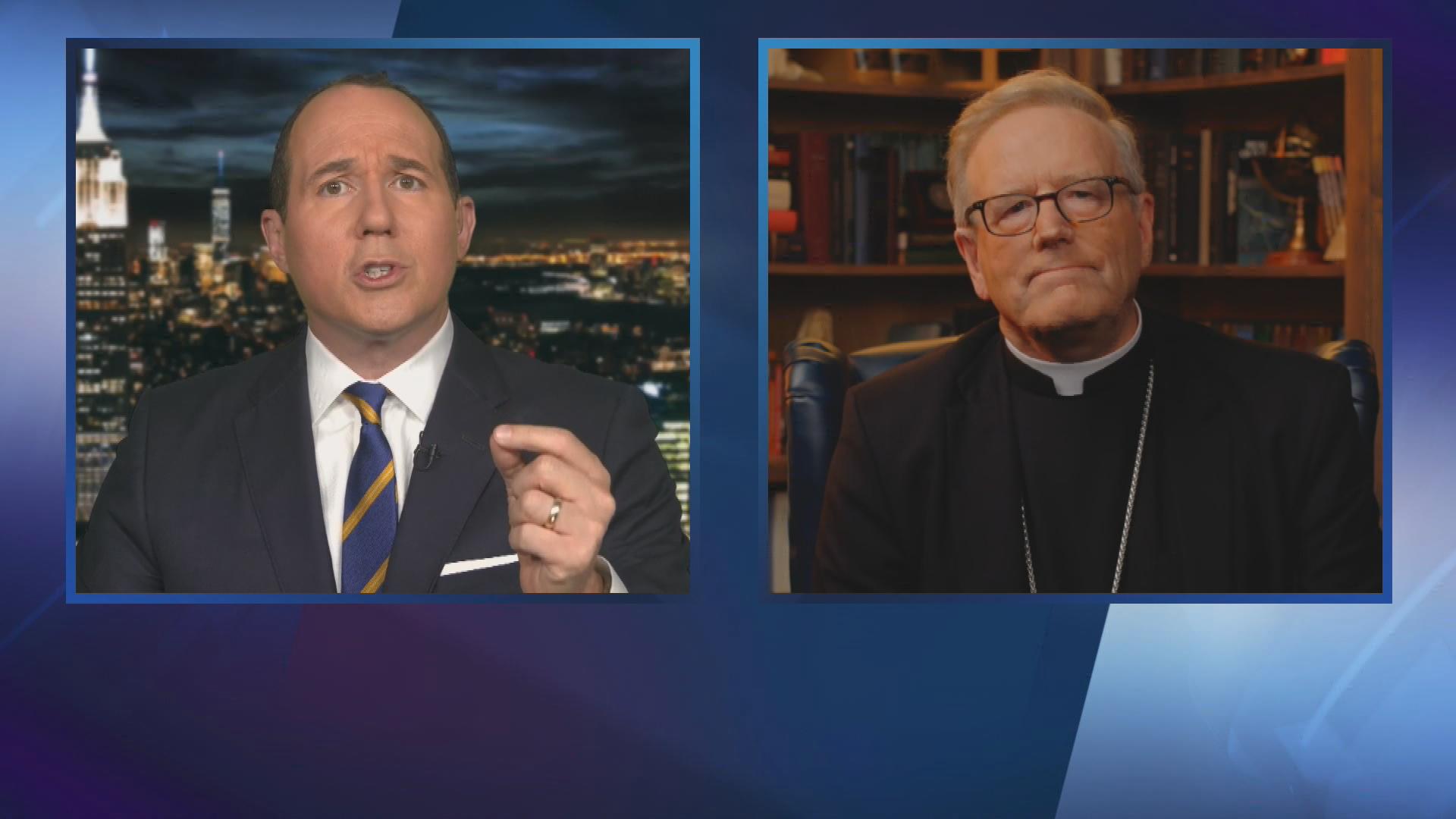
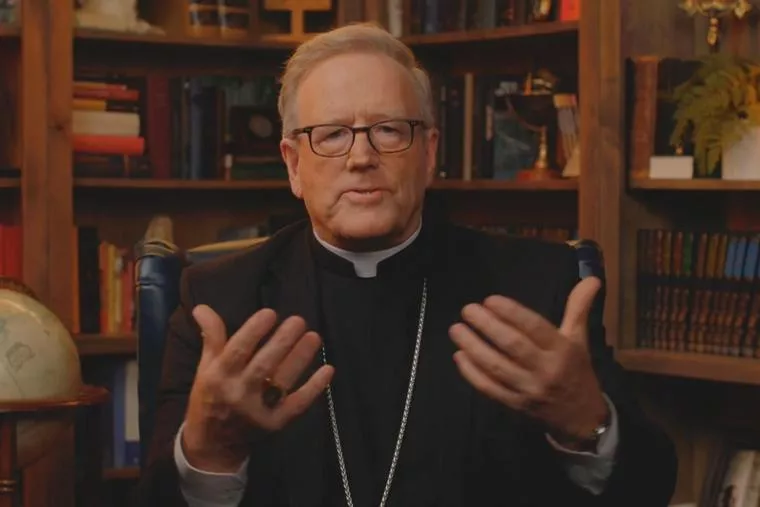
 Bishop Donald Hying instructed Catholics “to refrain from attending Mass at any SSPX chapels.” | Credit: “EWTN News Nightly”/Screenshot
 
 “For many years, the Church has been in dialogue with the leadership of SSPX in the hope that the group would return to full communion with the Catholic Church,” Hying said. “Their continued rejection of papal authority and decision to undertake blatantly schismatic acts have harmed these discussions and wounded the path to unity.”Archbishop Shawn McKnight of Kansas City, Kansas, called the bishopʼs consecrations "a source of profound sorrow for the whole Church because it wounds the visible unity that Christ desires for his body.” He noted that Pope Francis and Pope Benedict XVI took several steps toward communion and acceptance of the society.“Fidelity to sacred tradition is never opposed to fidelity to the successor of Peter,” McKnight said in his letter. “Rather, both are gifts entrusted by Christ to his Church and serve together to safeguard the deposit of faith and promote the salvation of souls.”“The Church’s living tradition is preserved by remaining close to the successor of Peter, by adhering to the apostolic faith handed down through the centuries and safeguarded within the communion of the Church,” McKnight said.

Various U.S. bishops ‘invite home’ SSPX attendees after excommunications of leadership #Catholic A growing number of Catholic bishops are instructing the faithful to avoid illicit sacraments celebrated by the Society of St. Pius X (SSPX) after the traditionalist group’s bishops incurred the penalty of excommunication last week.The Vatican declared July 2 that six prelates involved in the SSPX’s unauthorized July 1 episcopal consecrations incurred automatic excommunication. Despite repeated warnings, SSPX bishops consecrated four new bishops without a pontifical mandate — an act of open disobedience to the authority of the pope that carries automatic excommunication for the six bishops involved.The SSPX is a fraternity of priests known for its celebration of the Traditional Latin Mass and opposition to the reforms of the Second Vatican Council.Various Catholic bishops with SSPX locations in their areas are explicitly forbidding Catholics from attending SSPX services while also urging frequent attendees or SSPX priests to seek spiritual guidance and return to the Catholic Church.Invited ‘home’Archbishop Bernard Hebda of St. Paul and Minneapolis urged SSPX families in his community to stay with the Catholic Church.“In the 10 years that I have led this local Church, I have met many sincere people who worship regularly or occasionally at the chapels of the SSPX within the territory of our archdiocese,” Hebda said. “I have been impressed by the strength of their families and their commitment to traditional Catholic values.”“It is my hope they will not follow the above-mentioned bishops in separating themselves from the successor of Peter, Pope Leo XIV, and from the Church that he humbly leads,” Hebda continued. “Throughout the centuries, our Catholic Church has consistently echoed the teaching of St. Ambrose: Ubi Petrus ibi ecclesia (Where there is Peter, there is the Church).”“At this difficult moment, we are blessed that the same traditional Eucharistic liturgy beloved by those who have worshipped with the SSPX in the past continues to be celebrated in six locations throughout the archdiocese,” Hebda said. “I am confident that those who prefer the Traditional Latin Mass could find a home here."Bishop Terry LaValley of Ogdensburg, New York, noted that in light of the “formal schism,” the disobedience “gravely harms the unity of the Church for which Christ so fervently prayed the night before he died.”LaValley said in a statement that Catholics are “forbidden” to participate in SSPX sacraments, the only exception being “when there is danger of death.” He noted that the schism “is not simply about the celebration of the Mass.”“The SSPX repudiates and denounces the teaching of the Second Vatican Council, in particular, ecumenism, religious liberty, collegiality of the bishops with the pope, and the Church’s understanding of and relationship with Judaism,” LaValley noted.LaValley instructed the faithful to avoid participation with SSPX and invited SSPX priests to remain with the Church.In a similar vein, Bishop Frank Caggiano of Bridgeport, Connecticut, invited anyone who previously worshipped with SSPX to come “home.”“The Holy See has made clear that the clergy of the society are now to be regarded as schismatic,” Caggiano said in a statement. “This means that, from this day forward, the sacraments they celebrate are illicit and, most significantly for the faithful, the confessions they hear and the marriages at which they preside are considered invalid by the Church.”“I know these words are difficult to hear, especially for those among us who have worshipped, whether regularly or on occasion, at liturgies celebrated by priests of the society,” Caggiano said. “Over the years I have come to know some of these families. I have been moved by their love for the beauty of the sacred liturgy, their devotion to our Catholic tradition, and the seriousness with which they seek to raise their children in the faith.”“My heart goes out to them at this painful moment, and I want them to know that they remain very much a part of our diocesan family,” Caggiano said.“I also wish to offer a word of reassurance. This excommunication does not fall upon those who have simply attended these liturgies out of a sincere desire to worship and who have never intended to reject the authority of the Holy Father or the teaching of the Church,” Caggiano said. “What the Church now asks is straightforward: Knowing the situation as it now stands, the faithful of the Catholic Church can no longer take part in the liturgies of the society, for to do so knowingly would be to share in a separation from the successor of Peter.”Caggiano noted that the “vetus ordo,” also known as the Traditional Latin Mass, is still celebrated in his diocese at several parishes throughout the diocese.He emphasized that the diocese also welcomes any SSPX priest who wants to return to full communion “with open arms and great tenderness.”Bishop James Johnston of Kansas City-St. Joseph, Missouri, said he will “be preparing guidance to assist our clergy, lay faithful, and especially any of the lay faithful who have worshipped locally with the SSPX at St. Vincent de Paul Kansas City.”“While it is imperative to not abandon future efforts toward full communion and to fervently pray for such, those who wish to maintain communion with the Catholic Church, including valid reception of the sacraments of matrimony and penance (confession), will no longer find that possible within the SSPX,” Johnston said in the statement.“In this moment, I wish to reassure the members of the SSPX within this diocese of my pastoral concern as a shepherd with a desire to assist you in this time of crisis,” Johnston said.Schism ‘wounds’ the body of ChristBishop Douglas Lucia of Syracuse, New York, emphasized that the announcement “forbids Roman Catholics of good standing to participate in and to receive the sacraments from bishops and priests associated with the Society of St. Pius X.”“[F]ormal adherence to schism is a grave offense against God and carries the penalty of excommunication decreed by the Churchʼs law,” Lucia wrote July 2.“I grieve over the wound that has been inflicted on Christʼs body, the Church, and its effect on the spiritual good of the faithful,” Lucia said. “Although todayʼs action relates to a specific event, I would caution that such wounds occur in the Church, when peopleʼs pain and concerns are ignored and the universal call to holiness is subjugated to personal agenda.”“I regret that the communion and trust that has been built in my seven years as bishop here in Syracuse is now so imperiled, but there cannot be accord when discord has been sown,” Lucia said.Bishop Donald Hying of Madison, Wisconsin, instructed Catholics “to refrain from attending Mass at any SSPX chapels.”“The Catholic faithful should attend Mass at a Catholic church with a Catholic priest where they can receive licit and valid sacraments,” Hying said. Bishop Donald Hying instructed Catholics “to refrain from attending Mass at any SSPX chapels.” | Credit: “EWTN News Nightly”/Screenshot “For many years, the Church has been in dialogue with the leadership of SSPX in the hope that the group would return to full communion with the Catholic Church,” Hying said. “Their continued rejection of papal authority and decision to undertake blatantly schismatic acts have harmed these discussions and wounded the path to unity.”Archbishop Shawn McKnight of Kansas City, Kansas, called the bishopʼs consecrations "a source of profound sorrow for the whole Church because it wounds the visible unity that Christ desires for his body.” He noted that Pope Francis and Pope Benedict XVI took several steps toward communion and acceptance of the society.“Fidelity to sacred tradition is never opposed to fidelity to the successor of Peter,” McKnight said in his letter. “Rather, both are gifts entrusted by Christ to his Church and serve together to safeguard the deposit of faith and promote the salvation of souls.”“The Church’s living tradition is preserved by remaining close to the successor of Peter, by adhering to the apostolic faith handed down through the centuries and safeguarded within the communion of the Church,” McKnight said.

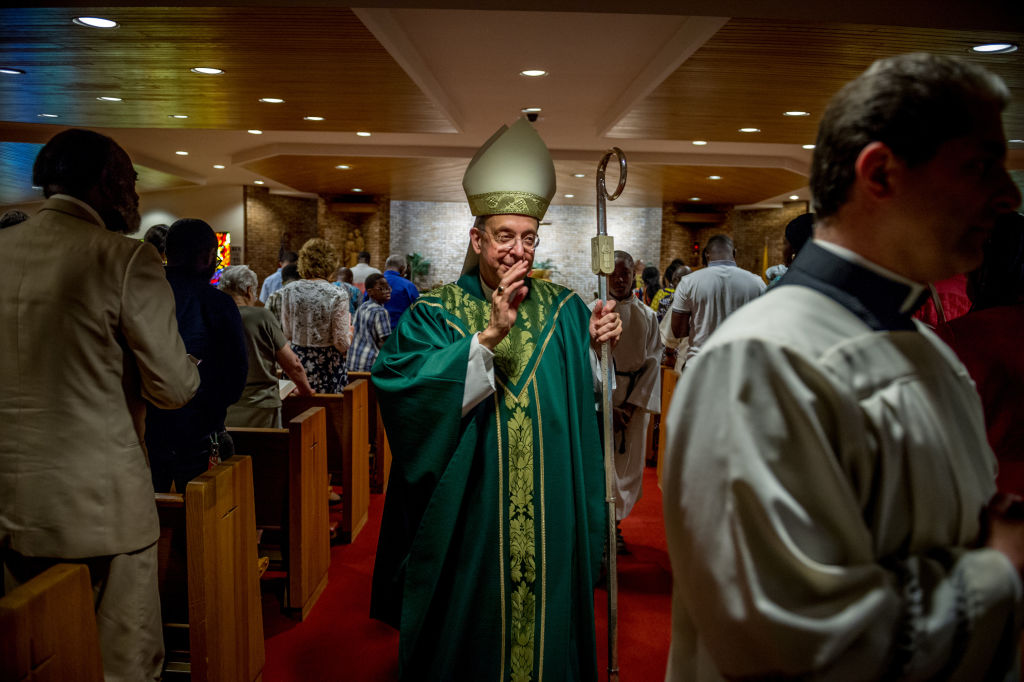
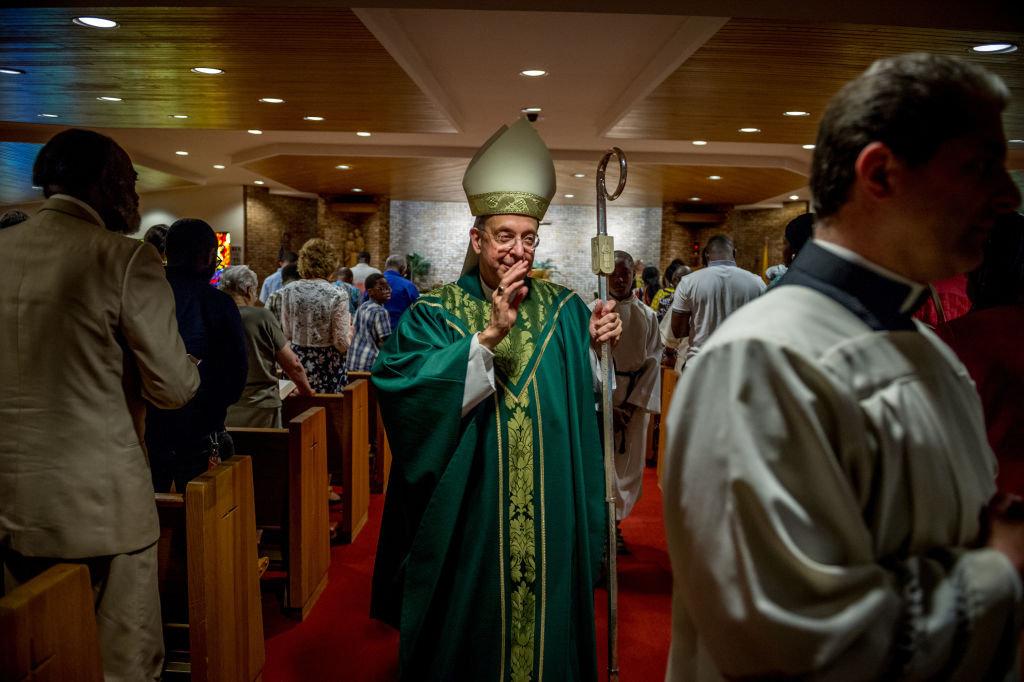
Catholic bishops with Society of St. Pius X locations in their areas are forbidding Catholics from attending SSPX services and urging attendees and SSPX priests to return to the Catholic Church.

Read More
Catholic scholar says classical learning can help renew America #Catholic ANN ARBOR, Michigan — Catholics should be proud of their contributions to the United States, especially for the intellectual tradition inherited from philosophers, theologians, and saints who contributed to the ideas leading to the Declaration of Independence and the Constitution, author and Hillsdale College Professor Matthew Mehan told EWTN News leading up to the 250th anniversary of the nation.Mehan is associate dean and professor of government studies at Hillsdale College’s Washington, D.C. campus. He holds a doctorate in literature from the University of Dallas and recently authored The American Book of Fables, a book for all ages that reflects Mehan’s desire to contribute to national renewal. The fables are set in the American landscape, framed by the Declaration of Independence, and accompanied by historical documents illustrating the country’s history, complexity, and geographical regions. In interviews with EWTN News, the author and scholar said the book grew out of his broader efforts to promote culture renewal through educational reform.“In a sense, it is an unsurprisingly Catholic endeavour of ‘fides et ratio,’” he said. “I wanted something like in church, where there is a papal flag and an American flag, representing faith, morals, love of country, and love of neighbor.” “I’ve always thought that way. I’ve also thought a lot about a combination of those things, with beautiful images and beautiful moral sentiments, and how those come together. So when the semiquinquicentennial was coming up, I thought it would be a great gift to the country.”. Mehan won the America 250 Innovation Prize from the Heritage Foundation for the work.The educator and father of eight said he shares the concerns of many teachers and parents dismayed by the current culture and how education has failed to cultivate virtue, civic pride and responsibility. He and his wife founded a school cooperative in Reston, Virginia that now has 38 participating families. He has also designed curricula for schools across the country. The role of educators is essential, Mehan said, while noting that doctorates are now the equivalent of 19th-century master’s degrees in terms of academic formation. “Catholic academics don’t know their own traditions very well,” he argued. “They know Greek philosophers, and the moderns who reject the Greco-Roman, Judeo-Christian, and Catholic vision of Western civilization and human nature, and may know the Summa Theologica and St. Augustine. But what they don’t know is the poetical and rhetorical tradition which moves people toward a common vision, which is an indispensable part of good letters and a healthy citizenry.” “And they don’t know the Romans,” he added. Drawing on the classical tradition, Mehan noted that Roman thinkers such as Cicero and Seneca prepared the “good soil,” the intellectual antecedents that inspired America’s founders. “Cicero, for instance, was taught in all seminaries until the 1900s,” while Seneca was praised by St. Jerome, he said. And ideas found in Cicero were the underpinnings of the theory of natural rights that informed later Catholic philosophers. Seneca’s De Clementia, for example, contributed to concepts of constitutional democracy and rights that shaped the American experiment in government. These classical authors, he argues, still have relevance and deserve renewed attention in universities and seminaries.
 
 Matthew Mehan is associate dean and professor of government studies at Hillsdale College’s Washington, D.C. campus. | Photo courtesy of Matthew Megan
 
 Asked about the future of Catholic education and how it can play a role in a national renewal, despite the closing of Catholic parishes and schools, Mehan said: “Catholic education is displaying a nascent energy.”“It’s very dynamic and full of people who have reoriented education towards what the Christian humanists of the Catholic tradition understood as their goal, which is to help students have a clean conscience and thus have the most joyful life possible in this life and the next,” he said.For Mehan, moral formation must take precedence over the mere transmission of information. He argues that Catholic education drifted from this mission in the 20th century as it increasingly followed secular models of education.Subjects such as calculus, computer coding, and the sciences are valuable, he said, but they should not be the primary focus of Catholic schools. “If you aim at them, ironically, you won’t get them. If you aim high, you’ll get the high and the low. If you aim for the low, you’ll get nothing. That is why education has collapsed except where the moral life is, ideally, centered around Christ.”Catholics holding doctorates who complain that tenured positions at colleges and universities are scarce should look to K-12 schools to make national renewal a reality, Mehan said.The renewal of Catholic education, and how it can contribute to national renewal, depends on placing Christ at the center and embracing the universal call to holiness emphasized by the Second Vatican Council, he argued. Movements such as Opus Dei and the Neo-catechumenal Way serve as “an enormous engine,” Mehan said, to plant holiness in students and encourage teachers themselves to be saints. It will change “how people teach, how they design curricula, and how they bring forward the richness of the Catholic faith and tradition.” “Actually, I’m very hopeful,” he said.To Catholics who may think of themselves as strangers in the United States, Mehan said, “No, brother, you built this too.” “Your people, your religious tradition, are at home here,” he said. “And you are meant for republican self-government. Augustine’s City of God laid the groundwork, St. Thomas Aquinas built the scaffolding, and St. Thomas More made it shine. American Catholics built this country with sweat, blood, and their arms.” “This is your patrimony too,” he said.

Catholic scholar says classical learning can help renew America #Catholic ANN ARBOR, Michigan — Catholics should be proud of their contributions to the United States, especially for the intellectual tradition inherited from philosophers, theologians, and saints who contributed to the ideas leading to the Declaration of Independence and the Constitution, author and Hillsdale College Professor Matthew Mehan told EWTN News leading up to the 250th anniversary of the nation.Mehan is associate dean and professor of government studies at Hillsdale College’s Washington, D.C. campus. He holds a doctorate in literature from the University of Dallas and recently authored The American Book of Fables, a book for all ages that reflects Mehan’s desire to contribute to national renewal. The fables are set in the American landscape, framed by the Declaration of Independence, and accompanied by historical documents illustrating the country’s history, complexity, and geographical regions. In interviews with EWTN News, the author and scholar said the book grew out of his broader efforts to promote culture renewal through educational reform.“In a sense, it is an unsurprisingly Catholic endeavour of ‘fides et ratio,’” he said. “I wanted something like in church, where there is a papal flag and an American flag, representing faith, morals, love of country, and love of neighbor.” “I’ve always thought that way. I’ve also thought a lot about a combination of those things, with beautiful images and beautiful moral sentiments, and how those come together. So when the semiquinquicentennial was coming up, I thought it would be a great gift to the country.”. Mehan won the America 250 Innovation Prize from the Heritage Foundation for the work.The educator and father of eight said he shares the concerns of many teachers and parents dismayed by the current culture and how education has failed to cultivate virtue, civic pride and responsibility. He and his wife founded a school cooperative in Reston, Virginia that now has 38 participating families. He has also designed curricula for schools across the country. The role of educators is essential, Mehan said, while noting that doctorates are now the equivalent of 19th-century master’s degrees in terms of academic formation. “Catholic academics don’t know their own traditions very well,” he argued. “They know Greek philosophers, and the moderns who reject the Greco-Roman, Judeo-Christian, and Catholic vision of Western civilization and human nature, and may know the Summa Theologica and St. Augustine. But what they don’t know is the poetical and rhetorical tradition which moves people toward a common vision, which is an indispensable part of good letters and a healthy citizenry.” “And they don’t know the Romans,” he added. Drawing on the classical tradition, Mehan noted that Roman thinkers such as Cicero and Seneca prepared the “good soil,” the intellectual antecedents that inspired America’s founders. “Cicero, for instance, was taught in all seminaries until the 1900s,” while Seneca was praised by St. Jerome, he said. And ideas found in Cicero were the underpinnings of the theory of natural rights that informed later Catholic philosophers. Seneca’s De Clementia, for example, contributed to concepts of constitutional democracy and rights that shaped the American experiment in government. These classical authors, he argues, still have relevance and deserve renewed attention in universities and seminaries. Matthew Mehan is associate dean and professor of government studies at Hillsdale College’s Washington, D.C. campus. | Photo courtesy of Matthew Megan Asked about the future of Catholic education and how it can play a role in a national renewal, despite the closing of Catholic parishes and schools, Mehan said: “Catholic education is displaying a nascent energy.”“It’s very dynamic and full of people who have reoriented education towards what the Christian humanists of the Catholic tradition understood as their goal, which is to help students have a clean conscience and thus have the most joyful life possible in this life and the next,” he said.For Mehan, moral formation must take precedence over the mere transmission of information. He argues that Catholic education drifted from this mission in the 20th century as it increasingly followed secular models of education.Subjects such as calculus, computer coding, and the sciences are valuable, he said, but they should not be the primary focus of Catholic schools. “If you aim at them, ironically, you won’t get them. If you aim high, you’ll get the high and the low. If you aim for the low, you’ll get nothing. That is why education has collapsed except where the moral life is, ideally, centered around Christ.”Catholics holding doctorates who complain that tenured positions at colleges and universities are scarce should look to K-12 schools to make national renewal a reality, Mehan said.The renewal of Catholic education, and how it can contribute to national renewal, depends on placing Christ at the center and embracing the universal call to holiness emphasized by the Second Vatican Council, he argued. Movements such as Opus Dei and the Neo-catechumenal Way serve as “an enormous engine,” Mehan said, to plant holiness in students and encourage teachers themselves to be saints. It will change “how people teach, how they design curricula, and how they bring forward the richness of the Catholic faith and tradition.” “Actually, I’m very hopeful,” he said.To Catholics who may think of themselves as strangers in the United States, Mehan said, “No, brother, you built this too.” “Your people, your religious tradition, are at home here,” he said. “And you are meant for republican self-government. Augustine’s City of God laid the groundwork, St. Thomas Aquinas built the scaffolding, and St. Thomas More made it shine. American Catholics built this country with sweat, blood, and their arms.” “This is your patrimony too,” he said.

Author and professor calls on Catholics to revive American culture through faith and classical learning.

Read More
Pope Leo XIV declares American religious founder Mary Teresa Tallon venerable #Catholic Pope Leo XIV has declared American religious sister Mary Teresa Tallon venerable.The pontiff signed a decree on Thursday recognizing the heroic virtue of the foundress of the Parish Visitors of Mary Immaculate in New York. He also recognized the heroic virtue of several others, bringing them closer to sainthood. Just before signing the decree, he met with Cardinal Marcello Semeraro, prefect of the Dicastery for the Causes of Saints.Mary Teresa Tallon: Making every soul countTallon was born on May 6, 1867, in Hanover, New York, as the daughter of Irish immigrants.In 1887, at the age of 19, Tallon joined the Sisters of the Holy Cross, despite her family’s disapproval. She remained part of the congregation for the next 33 years, teaching in Catholic schools in South Bend, Indiana.During this time, Tallon was inspired to establish a new congregation dedicated to contemplation and to preaching the Gospel to the neglected. In 1920, she left the Sisters of the Holy Cross and, on Aug. 15, established the Parish Visitors of Mary Immaculate (PVMI). She gave it the motto “Make every soul count.”Considered a gifted scholar, Tallon authored a report documenting the first decade of the Confraternity of Christian Doctrine in New York for the National Catechetical Congress in 1936.Tallon died on Feb. 10, 1954, after a prolonged illness. In 2013, she was declared a servant of God in recognition of her holiness.Others declared venerablePope Leo XIV on June 18 also moved several other servants of God along the path to sainthood.Two Italians were declared venerable: Maria Agnese Tribbioli, a religious sister who founded the Pie Operaie di San Giuseppe congregation, and Maria Petra Giordano, a Dominican nun.Others included Spanish nun Clara Andreu y Malferit and Belgian missionary Júlio Maria de Lombaerde.Leo also recognized the martyrdom of Juan Torres Torres and 19 companions, all Catholic priests, for having been killed “in odium fidei” (“in hatred of the faith”) in Spain during the Spanish Civil War.

Pope Leo XIV declares American religious founder Mary Teresa Tallon venerable #Catholic Pope Leo XIV has declared American religious sister Mary Teresa Tallon venerable.The pontiff signed a decree on Thursday recognizing the heroic virtue of the foundress of the Parish Visitors of Mary Immaculate in New York. He also recognized the heroic virtue of several others, bringing them closer to sainthood. Just before signing the decree, he met with Cardinal Marcello Semeraro, prefect of the Dicastery for the Causes of Saints.Mary Teresa Tallon: Making every soul countTallon was born on May 6, 1867, in Hanover, New York, as the daughter of Irish immigrants.In 1887, at the age of 19, Tallon joined the Sisters of the Holy Cross, despite her family’s disapproval. She remained part of the congregation for the next 33 years, teaching in Catholic schools in South Bend, Indiana.During this time, Tallon was inspired to establish a new congregation dedicated to contemplation and to preaching the Gospel to the neglected. In 1920, she left the Sisters of the Holy Cross and, on Aug. 15, established the Parish Visitors of Mary Immaculate (PVMI). She gave it the motto “Make every soul count.”Considered a gifted scholar, Tallon authored a report documenting the first decade of the Confraternity of Christian Doctrine in New York for the National Catechetical Congress in 1936.Tallon died on Feb. 10, 1954, after a prolonged illness. In 2013, she was declared a servant of God in recognition of her holiness.Others declared venerablePope Leo XIV on June 18 also moved several other servants of God along the path to sainthood.Two Italians were declared venerable: Maria Agnese Tribbioli, a religious sister who founded the Pie Operaie di San Giuseppe congregation, and Maria Petra Giordano, a Dominican nun.Others included Spanish nun Clara Andreu y Malferit and Belgian missionary Júlio Maria de Lombaerde.Leo also recognized the martyrdom of Juan Torres Torres and 19 companions, all Catholic priests, for having been killed “in odium fidei” (“in hatred of the faith”) in Spain during the Spanish Civil War.

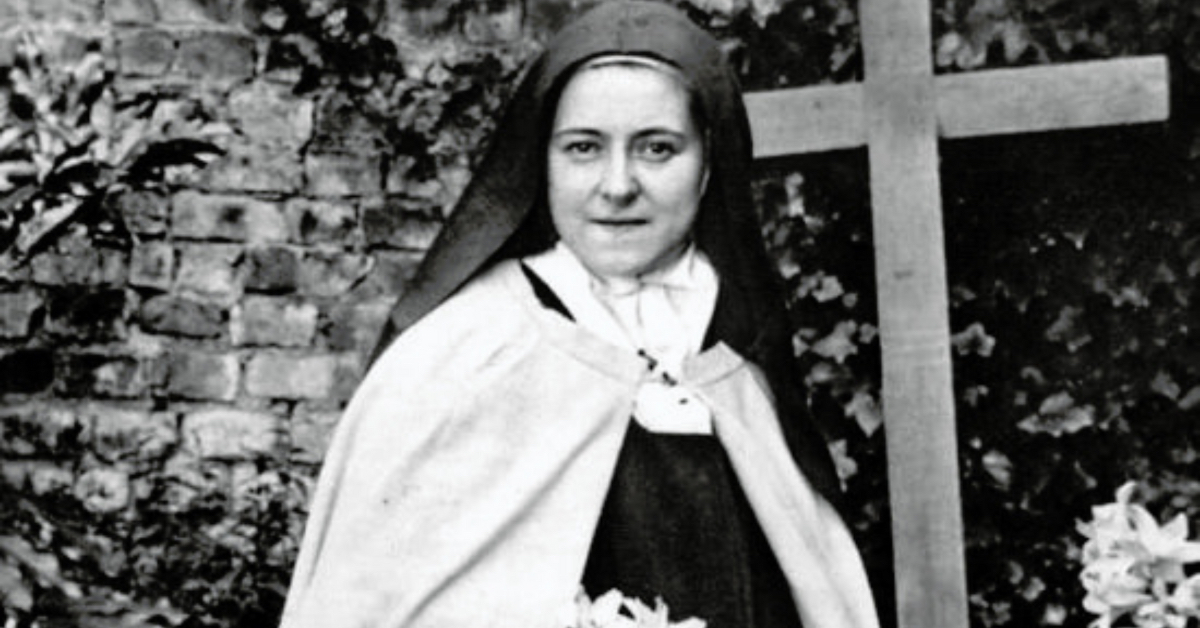
On June 18, the pope issued a decree recognizing the heroic virtue of the foundress of the Parish Visitors of Mary Immaculate in New York, among several others.

Read More
Everything you need to know about devotion to the Sacred Heart of Jesus #Catholic The solemnity of the Sacred Heart of Jesus falls on the Friday after the Corpus Christi octave, which in 2026 is on June 12. What exactly is the meaning behind this feast day? Below are answers to some common questions.Why do Catholics venerate the Sacred Heart of Jesus?“Devoting ourselves to the Sacred Heart is one of the easiest, fastest, and most pleasant ways to grow in holiness,” Father Ambrose Dobrozsi, a priest of the Archdiocese of Cincinnati, told EWTN News.“Many saints have done many things to grow close to Jesus Christ, but no way is more sure and more pleasing to him than to consecrate ourselves to his Sacred Heart through the Immaculate Heart of his mother,” he added.Where does devotion to the Sacred Heart come from?The story behind the modern iteration of the devotion to the Sacred Heart of Jesus, however, begins on Dec. 27, 1673, at a monastery belonging to the Order of the Visitation of Holy Mary (Visitandines) in eastern France.There, a nun named Sister Margaret Mary Alacoque began experiencing visions of the Sacred Heart. Those visions continued for 18 months.During her visions, Sister Margaret Mary learned ways to venerate the Sacred Heart of Christ.These devotions included the concept of a Holy Hour on Thursdays, the creation of the feast of the Sacred Heart after Corpus Christi, and the reception of the Eucharist on the first Friday of every month.As with many mystics, many people were skeptical of Sister Margaret Mary’s claims of visions. Her confessor, the then-Father Claude La Colombière, SJ, (now St. Claude La Colombière) believed her, and eventually, the mother superior of her community began to believe as well.The first feast of the Sacred Heart was celebrated privately at the monastery in 1686.Sister Margaret Mary died in 1690 and was canonized by Pope Benedict XV on May 13, 1920.Initially, the Vatican was hesitant to declare a feast of the Sacred Heart but did allow the Visitandines to celebrate a Mass special to this day. As the devotion to the Sacred Heart of Jesus spread throughout France, the Vatican granted the feast of the Sacred Heart of Jesus to France in 1765.In 1856, after much lobbying by French bishops on behalf of the feast of the Sacred Heart, Pope Pius IX designated the Friday following the feast of Corpus Christi as the feast of the Sacred Heart for the entire Latin-rite Church.On May 25, 1899, Pope Leo XIII promulgated the encyclical Annum Sacrum, which consecrated the entire world to the Sacred Heart of Jesus. This encyclical was written after a nun, Sister Mary of the Sacred Heart, sent two letters to the pope requesting that he consecrate the world to the Sacred Heart of Jesus.Sister Mary of the Divine Heart wrote the letters, she said, after Jesus made the request to her. Pope Leo XIII called this encyclical and the subsequent consecration the “great act” of his papacy.“Finally, there is one motive which we are unwilling to pass over in silence, personal to ourselves it is true, but still good and weighty, which moves us to undertake this celebration. God, the author of every good, not long ago preserved our life by curing us of a dangerous disease,” Leo XIII wrote.“We now wish, by this increase of the honor paid to the Sacred Heart, that the memory of this great mercy should be brought prominently forward, and our gratitude be publicly acknowledged.”But why consecrate the world — or anyone — to the Sacred Heart of Jesus? What does that mean?Pope Leo XIII described the act of consecration as one that will “establish or draw tighter the bonds which naturally connect public affairs with God,” which was especially needed for the world at the turn of the century.“While many see religion as unnecessary in a world with more and more technology and resources, swearing allegiance and consecrating ourselves to Christ the King in his Sacred Heart shows that humanity still needs and longs for a compassionate and all-powerful God,” Dobrozsi, the Cincinnati priest, told EWTN News.“In a society where some live in decadence and prideful luxury while others are destitute, the burning love of Christ’s Sacred Heart reminds us that the fires of his mercy are also fires of justice. And when the culture, and so many of us, feel hopeless that we could ever change after falling to sins of the flesh, the heart of Our Lord beats with powerful love, eternally declaring that true charity has triumphed over sin and death,” he added.These are the promises the Sacred Heart of Jesus made to St. Margaret Mary Alacoque:1. I will give them all the graces necessary for their state of life.2. I will give peace in their families.3. I will console them in all their troubles.4. I will be their refuge in life and especially in death.5. I will abundantly bless all their undertakings.6. Sinners shall find in my heart the source and infinite ocean of mercy.7. Tepid souls shall become fervent.8. Fervent souls shall rise speedily to great perfection.9. I will bless those places wherein the image of my Sacred Heart shall be exposed and venerated.10. I will give to priests the power to touch the most hardened hearts.11. Persons who propagate this devotion shall have their names eternally written in my heart.12. In the excess of the mercy of my heart, I promise you that my all powerful love will grant to all those who will receive Communion on the first Fridays, for nine consecutive months, the grace of final repentance: They will not die in my displeasure, nor without receiving the sacraments; and my heart will be their secure refuge in that last hour.This story was first published on EWTN News on June 19, 2020, and has been updated.

Everything you need to know about devotion to the Sacred Heart of Jesus #Catholic The solemnity of the Sacred Heart of Jesus falls on the Friday after the Corpus Christi octave, which in 2026 is on June 12. What exactly is the meaning behind this feast day? Below are answers to some common questions.Why do Catholics venerate the Sacred Heart of Jesus?“Devoting ourselves to the Sacred Heart is one of the easiest, fastest, and most pleasant ways to grow in holiness,” Father Ambrose Dobrozsi, a priest of the Archdiocese of Cincinnati, told EWTN News.“Many saints have done many things to grow close to Jesus Christ, but no way is more sure and more pleasing to him than to consecrate ourselves to his Sacred Heart through the Immaculate Heart of his mother,” he added.Where does devotion to the Sacred Heart come from?The story behind the modern iteration of the devotion to the Sacred Heart of Jesus, however, begins on Dec. 27, 1673, at a monastery belonging to the Order of the Visitation of Holy Mary (Visitandines) in eastern France.There, a nun named Sister Margaret Mary Alacoque began experiencing visions of the Sacred Heart. Those visions continued for 18 months.During her visions, Sister Margaret Mary learned ways to venerate the Sacred Heart of Christ.These devotions included the concept of a Holy Hour on Thursdays, the creation of the feast of the Sacred Heart after Corpus Christi, and the reception of the Eucharist on the first Friday of every month.As with many mystics, many people were skeptical of Sister Margaret Mary’s claims of visions. Her confessor, the then-Father Claude La Colombière, SJ, (now St. Claude La Colombière) believed her, and eventually, the mother superior of her community began to believe as well.The first feast of the Sacred Heart was celebrated privately at the monastery in 1686.Sister Margaret Mary died in 1690 and was canonized by Pope Benedict XV on May 13, 1920.Initially, the Vatican was hesitant to declare a feast of the Sacred Heart but did allow the Visitandines to celebrate a Mass special to this day. As the devotion to the Sacred Heart of Jesus spread throughout France, the Vatican granted the feast of the Sacred Heart of Jesus to France in 1765.In 1856, after much lobbying by French bishops on behalf of the feast of the Sacred Heart, Pope Pius IX designated the Friday following the feast of Corpus Christi as the feast of the Sacred Heart for the entire Latin-rite Church.On May 25, 1899, Pope Leo XIII promulgated the encyclical Annum Sacrum, which consecrated the entire world to the Sacred Heart of Jesus. This encyclical was written after a nun, Sister Mary of the Sacred Heart, sent two letters to the pope requesting that he consecrate the world to the Sacred Heart of Jesus.Sister Mary of the Divine Heart wrote the letters, she said, after Jesus made the request to her. Pope Leo XIII called this encyclical and the subsequent consecration the “great act” of his papacy.“Finally, there is one motive which we are unwilling to pass over in silence, personal to ourselves it is true, but still good and weighty, which moves us to undertake this celebration. God, the author of every good, not long ago preserved our life by curing us of a dangerous disease,” Leo XIII wrote.“We now wish, by this increase of the honor paid to the Sacred Heart, that the memory of this great mercy should be brought prominently forward, and our gratitude be publicly acknowledged.”But why consecrate the world — or anyone — to the Sacred Heart of Jesus? What does that mean?Pope Leo XIII described the act of consecration as one that will “establish or draw tighter the bonds which naturally connect public affairs with God,” which was especially needed for the world at the turn of the century.“While many see religion as unnecessary in a world with more and more technology and resources, swearing allegiance and consecrating ourselves to Christ the King in his Sacred Heart shows that humanity still needs and longs for a compassionate and all-powerful God,” Dobrozsi, the Cincinnati priest, told EWTN News.“In a society where some live in decadence and prideful luxury while others are destitute, the burning love of Christ’s Sacred Heart reminds us that the fires of his mercy are also fires of justice. And when the culture, and so many of us, feel hopeless that we could ever change after falling to sins of the flesh, the heart of Our Lord beats with powerful love, eternally declaring that true charity has triumphed over sin and death,” he added.These are the promises the Sacred Heart of Jesus made to St. Margaret Mary Alacoque:1. I will give them all the graces necessary for their state of life.2. I will give peace in their families.3. I will console them in all their troubles.4. I will be their refuge in life and especially in death.5. I will abundantly bless all their undertakings.6. Sinners shall find in my heart the source and infinite ocean of mercy.7. Tepid souls shall become fervent.8. Fervent souls shall rise speedily to great perfection.9. I will bless those places wherein the image of my Sacred Heart shall be exposed and venerated.10. I will give to priests the power to touch the most hardened hearts.11. Persons who propagate this devotion shall have their names eternally written in my heart.12. In the excess of the mercy of my heart, I promise you that my all powerful love will grant to all those who will receive Communion on the first Fridays, for nine consecutive months, the grace of final repentance: They will not die in my displeasure, nor without receiving the sacraments; and my heart will be their secure refuge in that last hour.This story was first published on EWTN News on June 19, 2020, and has been updated.

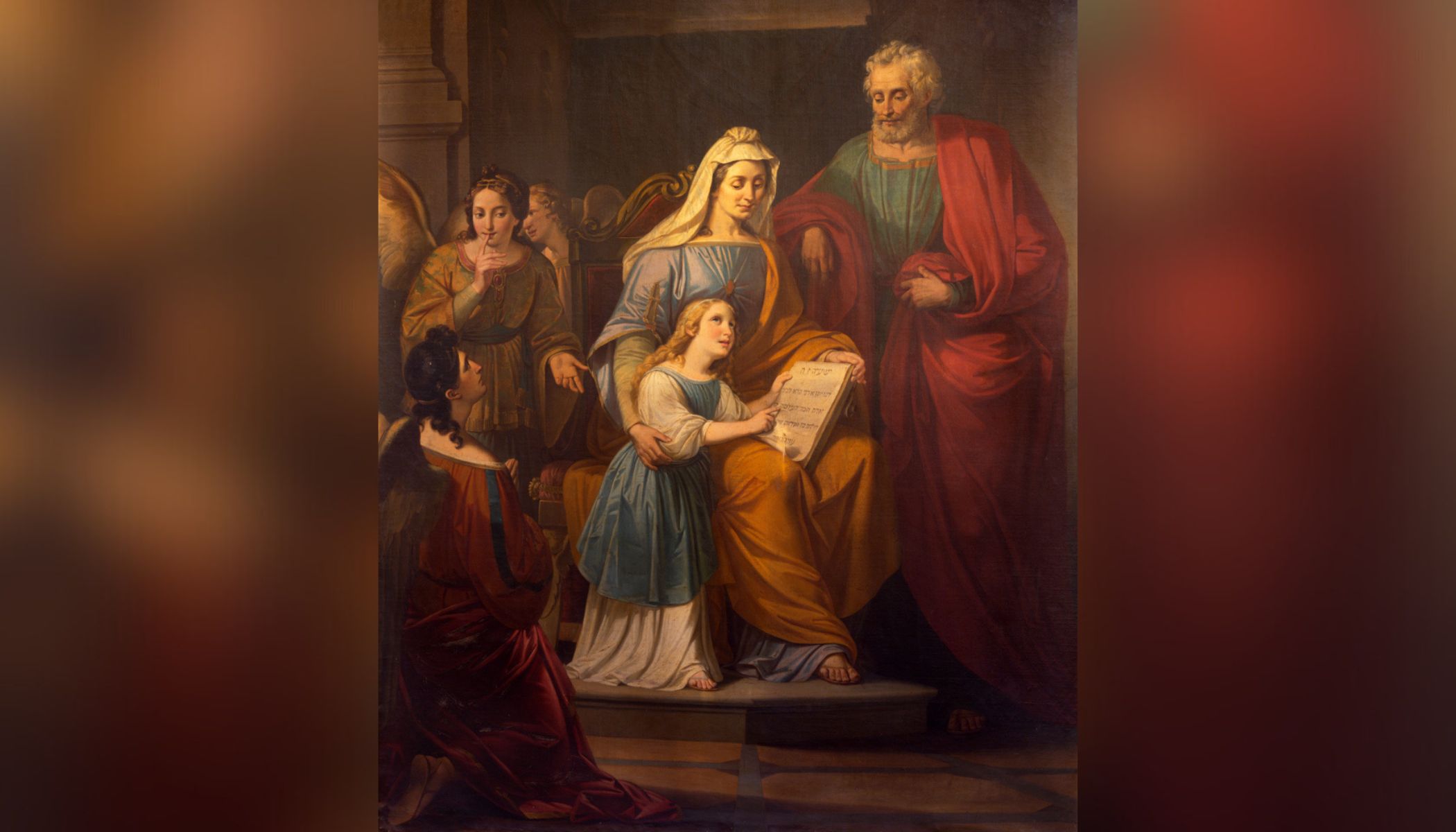
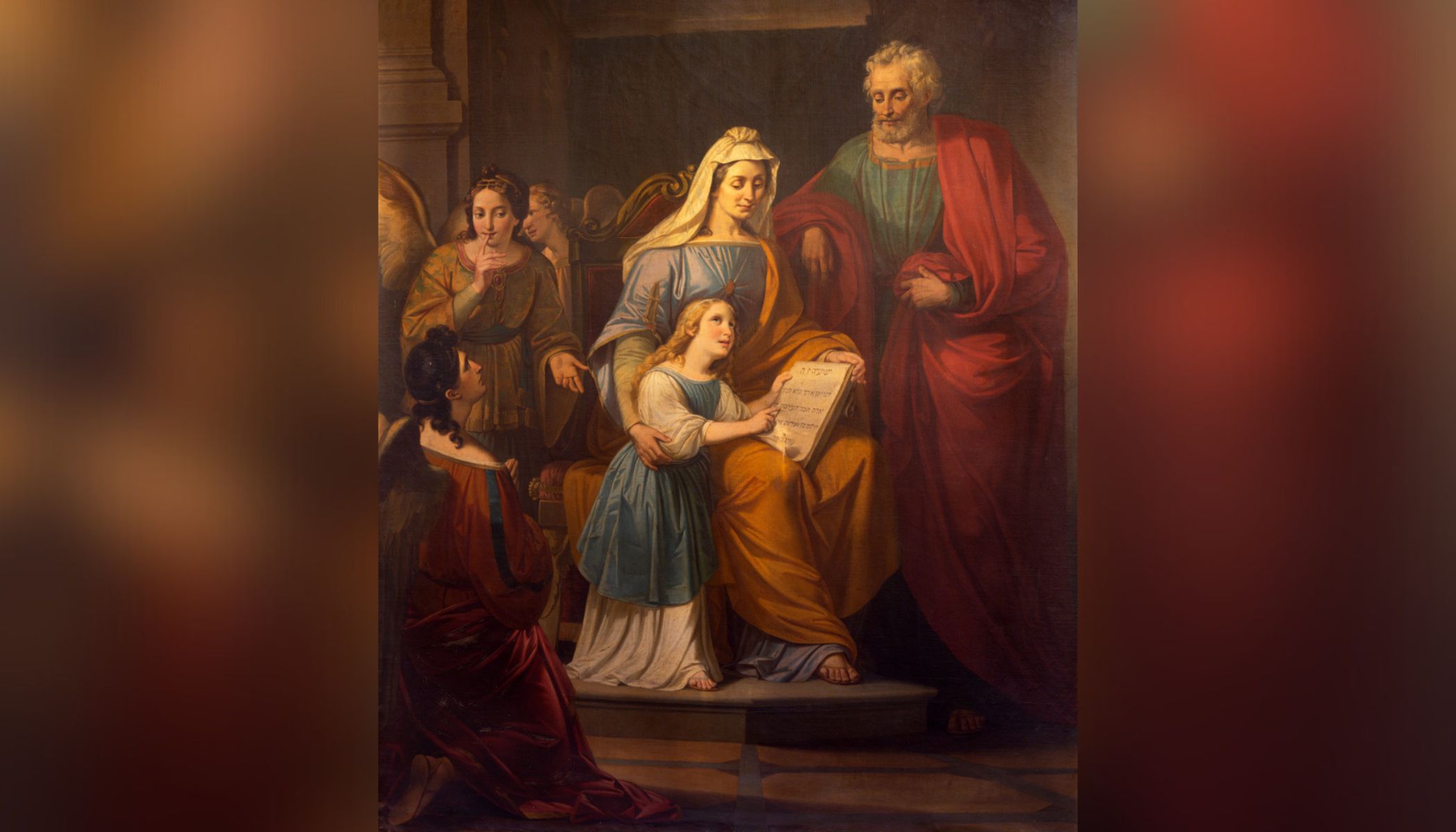
This year, the solemnity of the Sacred Heart of Jesus is celebrated on June 12.

Read More
Pope Leo unveils his encyclical: AI has ‘even greater consequences’ than Industrial Revolution #Catholic VATICAN CITY — Pope Leo XIV on Monday personally attended the presentation of his first encyclical, Magnifica Humanitas, in an uncustomary gesture. Upon his arrival at the event, held in the Vaticanʼs Synod Hall, he was greeted with sustained applause from an audience made up of members of the Roman Curia, representatives of academia, and the diplomatic corps.Among the speakers was Canadian Christopher Olah, co-founder of Anthropic, one of the leading artificial intelligence (AI) companies. The firm has recently had tensions with the administration of U.S. President Donald Trump after prohibiting the U.S. Department of Defense from using its software for military purposes.Some observers had raised concerns about including a representative of a major tech company like Anthropic in an event of this kind. The Holy Father himself dispelled any hesitation by thanking Olah for his presence: “What a great sign of hope it is that with our differences we can listen to one another,” he said in his remarks.“This interchange clearly bespeaks the gravity of the moment, as well as confidence that together we can discern the major questions of our time, and so the future of humanity,” he added.In his remarks prior to the pope’s address, Olah echoed the same idea: "That is why, if we want this technology to go well, it is enormously important that there be people outside those incentives — people who care about things going well and insist on safety, who are paying close attention, who are willing to say hard things, who are willing to be our earnest, thoughtful, critics. It is through dialogue and mutual effort, through the push and pull, that humanity will achieve great things. That is what I see in Magnifica Humanitas, and it is why I am grateful to His Holiness and the Church for taking up this work of discernment.”
 
 Christopher Olah, co-founder of AI company Anthropic, says he is grateful to Pope Leo XIV and the Church for “taking up this work of discernment” on artificial intelligence, during his address at the presentation of the encyclical Magnifica Humanitas on May 25, 2026, in the Synod Hall of the Vatican. | Credit: Daniel Ibáñez/EWTN News/Vatican Pool
 
 Olah, who is not a believer, also issued a call to various sectors — religious communities, civil society, academics, and governments — to follow the pope’s example with this document: “to take this seriously, to look closely, and to push events in a better direction. We need informed critics who will tell the labs when we are failing. We need moral voices that the incentives cannot bend.”It is no coincidence that Leo XIV signed his first encyclical on May 15, the same date on which his predecessor Leo XIII promulgated Rerum Novarum (“On New Things”) in 1891 in response to the dehumanization brought about by the Industrial Revolution. As the pope explained, the world today faces a transformation of perhaps even greater scope.“Today we find ourselves facing a transformation of similar magnitude, with perhaps even greater consequences. Artificial intelligence already touches many areas of our lives and affects decisions that shape human coexistence,” he said.The pope expressed particular concern about the impact of new technologies on the conduct of war, which, he warned, is changing dramatically.“Like the earlier Leo, I feel entrusted to look upon another huge transformation with eyes of faith, with lucidity of reason, with openness to mystery, and with cries of the poor and the earth resounding in my heart,” he said.The Holy Father also described the method behind the drafting of this magisterial document, which began in July 2025 at the papal residence in Castel Gandolfo. In it, he seeks to reaffirm what makes us human in a society shaped by technology.He emphasized that Magnifica Humanitas was born from listening: “I have listened to scientists and engineers who work with sincere enthusiasm on technologies capable of alleviating immense suffering, to political leaders and public officials who have perseveringly sought just rules, to parents and teachers who are deeply concerned for the future of younger generations,” he said, without naming individuals.At the same time, he acknowledged hearing “Other very troubling voices have also reached me about increasingly autonomous weapons systems practically beyond any human reach to govern them effectively.”“I hear very troubling accounts of algorithms that can block access to healthcare, employment, and security on the basis of data tainted by prejudice and injustice. And Iʼve heard the silence of those who have no voice when decisions are made — decisions likely to generate new forms of exclusion and suffering,” he lamented.In line with the document — which states that artificial intelligence is not morally neutral — the pope called for AI to be “disarmed.”“The word is strong, I know, but deliberately chosen because this moment needs words capable of attracting attention, awakening consciences, and indicating paths forward for humanity,” he warned.“The Church has long been working for nuclear disarmament, aware that every great technical power can affect peopleʼs lives, and so must be accompanied by adequate moral discernment and public control. Nuclear disarmament remains a service to peace and the dignity of the human family,” he added.Also speaking at the presentation were three cardinals of the Roman Curia: Secretary of State Pietro Parolin; Cardinal Víctor Manuel Fernández, prefect of the Dicastery for the Doctrine of the Faith; and Cardinal Michael Czerny, SJ, prefect of the Dicastery for Promoting Integral Human Development.Two theologians also took the floor: Anna Rowlands, a specialist in Catholic social teaching and migration ethics at Durham University, and Leocadie Lushombo, an expert in political theology and Catholic social thought at the Jesuit School of Theology of Santa Clara University in California.This story was originally published by ACI Prensa, EWTN News' Spanish-language news service. It has been translated and adapted by EWTN News English.

Pope Leo unveils his encyclical: AI has ‘even greater consequences’ than Industrial Revolution #Catholic VATICAN CITY — Pope Leo XIV on Monday personally attended the presentation of his first encyclical, Magnifica Humanitas, in an uncustomary gesture. Upon his arrival at the event, held in the Vaticanʼs Synod Hall, he was greeted with sustained applause from an audience made up of members of the Roman Curia, representatives of academia, and the diplomatic corps.Among the speakers was Canadian Christopher Olah, co-founder of Anthropic, one of the leading artificial intelligence (AI) companies. The firm has recently had tensions with the administration of U.S. President Donald Trump after prohibiting the U.S. Department of Defense from using its software for military purposes.Some observers had raised concerns about including a representative of a major tech company like Anthropic in an event of this kind. The Holy Father himself dispelled any hesitation by thanking Olah for his presence: “What a great sign of hope it is that with our differences we can listen to one another,” he said in his remarks.“This interchange clearly bespeaks the gravity of the moment, as well as confidence that together we can discern the major questions of our time, and so the future of humanity,” he added.In his remarks prior to the pope’s address, Olah echoed the same idea: "That is why, if we want this technology to go well, it is enormously important that there be people outside those incentives — people who care about things going well and insist on safety, who are paying close attention, who are willing to say hard things, who are willing to be our earnest, thoughtful, critics. It is through dialogue and mutual effort, through the push and pull, that humanity will achieve great things. That is what I see in Magnifica Humanitas, and it is why I am grateful to His Holiness and the Church for taking up this work of discernment.” Christopher Olah, co-founder of AI company Anthropic, says he is grateful to Pope Leo XIV and the Church for “taking up this work of discernment” on artificial intelligence, during his address at the presentation of the encyclical Magnifica Humanitas on May 25, 2026, in the Synod Hall of the Vatican. | Credit: Daniel Ibáñez/EWTN News/Vatican Pool Olah, who is not a believer, also issued a call to various sectors — religious communities, civil society, academics, and governments — to follow the pope’s example with this document: “to take this seriously, to look closely, and to push events in a better direction. We need informed critics who will tell the labs when we are failing. We need moral voices that the incentives cannot bend.”It is no coincidence that Leo XIV signed his first encyclical on May 15, the same date on which his predecessor Leo XIII promulgated Rerum Novarum (“On New Things”) in 1891 in response to the dehumanization brought about by the Industrial Revolution. As the pope explained, the world today faces a transformation of perhaps even greater scope.“Today we find ourselves facing a transformation of similar magnitude, with perhaps even greater consequences. Artificial intelligence already touches many areas of our lives and affects decisions that shape human coexistence,” he said.The pope expressed particular concern about the impact of new technologies on the conduct of war, which, he warned, is changing dramatically.“Like the earlier Leo, I feel entrusted to look upon another huge transformation with eyes of faith, with lucidity of reason, with openness to mystery, and with cries of the poor and the earth resounding in my heart,” he said.The Holy Father also described the method behind the drafting of this magisterial document, which began in July 2025 at the papal residence in Castel Gandolfo. In it, he seeks to reaffirm what makes us human in a society shaped by technology.He emphasized that Magnifica Humanitas was born from listening: “I have listened to scientists and engineers who work with sincere enthusiasm on technologies capable of alleviating immense suffering, to political leaders and public officials who have perseveringly sought just rules, to parents and teachers who are deeply concerned for the future of younger generations,” he said, without naming individuals.At the same time, he acknowledged hearing “Other very troubling voices have also reached me about increasingly autonomous weapons systems practically beyond any human reach to govern them effectively.”“I hear very troubling accounts of algorithms that can block access to healthcare, employment, and security on the basis of data tainted by prejudice and injustice. And Iʼve heard the silence of those who have no voice when decisions are made — decisions likely to generate new forms of exclusion and suffering,” he lamented.In line with the document — which states that artificial intelligence is not morally neutral — the pope called for AI to be “disarmed.”“The word is strong, I know, but deliberately chosen because this moment needs words capable of attracting attention, awakening consciences, and indicating paths forward for humanity,” he warned.“The Church has long been working for nuclear disarmament, aware that every great technical power can affect peopleʼs lives, and so must be accompanied by adequate moral discernment and public control. Nuclear disarmament remains a service to peace and the dignity of the human family,” he added.Also speaking at the presentation were three cardinals of the Roman Curia: Secretary of State Pietro Parolin; Cardinal Víctor Manuel Fernández, prefect of the Dicastery for the Doctrine of the Faith; and Cardinal Michael Czerny, SJ, prefect of the Dicastery for Promoting Integral Human Development.Two theologians also took the floor: Anna Rowlands, a specialist in Catholic social teaching and migration ethics at Durham University, and Leocadie Lushombo, an expert in political theology and Catholic social thought at the Jesuit School of Theology of Santa Clara University in California.This story was originally published by ACI Prensa, EWTN News' Spanish-language news service. It has been translated and adapted by EWTN News English.

The pope thanked Anthropic co-founder Christopher Olah for his presence at the presentation: “What a great sign of hope it is that with our differences we can listen to one another.”

Read More