instagram

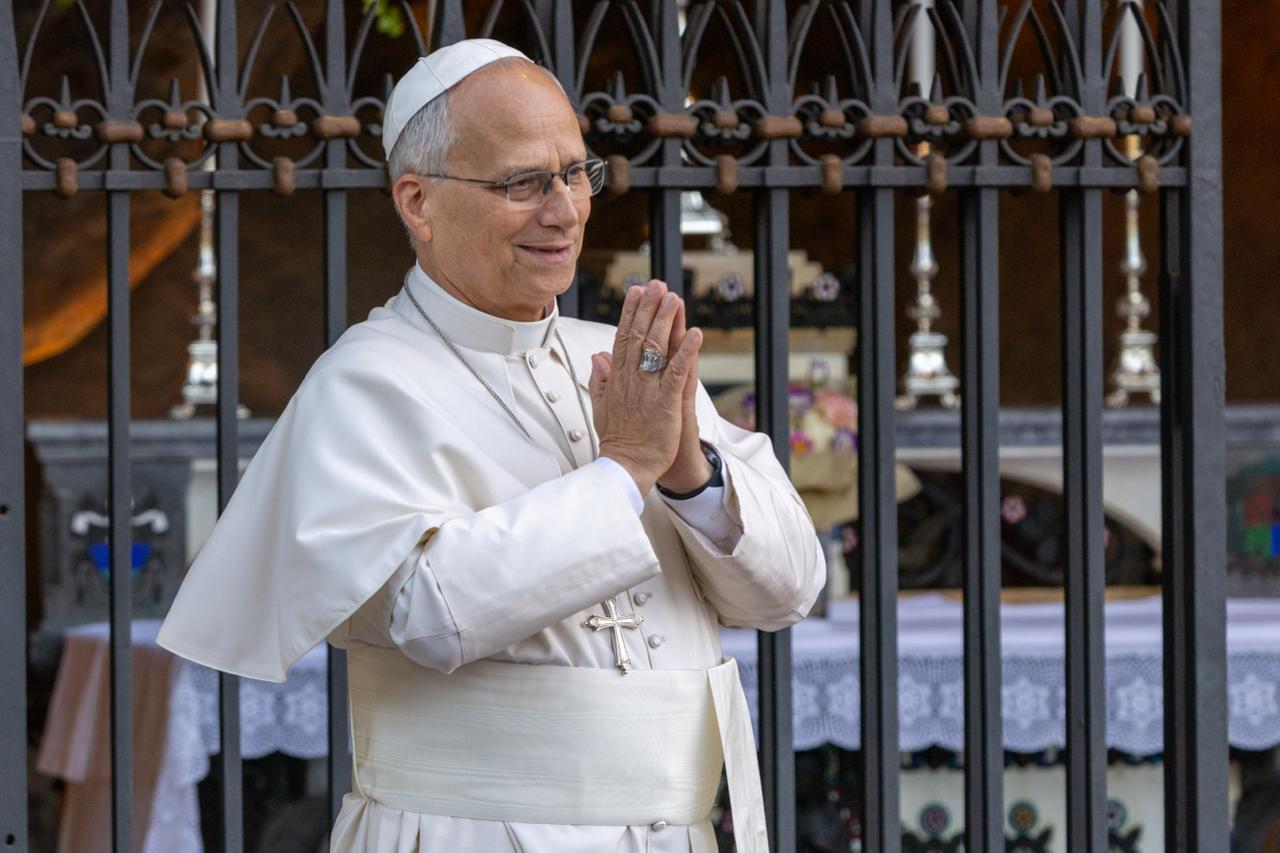
UK bishops welcome child safety but cautious on social media ban for under 16 #Catholic Catholic bishops across the United Kingdom say they need to see more legislative detail before supporting government proposals to ban social media for youth under 16. On June 15, Secretary of State for Science, Innovation, and Technology Liz Kendall announced to the House of Commons that the government "will ban social media companies providing their services to under 16s.”Kendall said that the UK would be following the same model as Australia, which was the first country in the world to ban social media for youth under 16. The UK ban is due to come into effect early next year.In an email response to EWTN News on June 17 regarding whether bishops of England and Wales support the proposed ban, a spokeswoman for the Catholic Bishops' Conference for England and Wales said: “Until the government publishes further details it’s hard to give a yes or no answer.” But Bishop John Arnold, the lead bishop for communications for the conference, “is very keen to ensure that the safety and protection of the dignity of young people online is a central concern for all,” the statement said.In a separate email to EWTN News, Bishop Arnold wrote that the “safety of children and young people in the digital world is paramount. Young people face many pressures today, which are often exacerbated by unrealistic and harmful material which they have accessed online.”“When it comes to the responsible and appropriate use of technology, the protection of children and young people is a shared responsibility among parents, schools, government and society,” he said.“I urge all people to work together to protect and place the dignity of the human person, especially children, the young and vulnerable, at the center of technological and legislative developments,” the bishop said.The Bishops’ Conference of Scotland, meanwhile, said it would “prefer not to comment directly on the specific policy issue, but rather give a considered response to the noble principles behind online safety measures.” “The bishops support the introduction of any new measures which increase online safety for children and young people,” the conference said."We have a responsibility to ensure that children and young people are protected from harmful and age-inappropriate content, and from online environments that can negatively affect their wellbeing, relationships and healthy development,” the statement continued.The UK governmentʼs proposal includes banning youth usage of platforms like Instagram, YouTube, TikTok, Snapchat, Facebook, and X. They do not intend for messaging services like WhatsApp and Signal to be included in the ban.Livestreamers and strangers being able to contact children will also be restricted for those under‑16 on other online services like gaming.“Who should take responsibility?”Edwin Fawcett, a Catholic psychotherapist based in England and Wales, is also unsure about the benefits and drawbacks of the proposal.“At this point the toll taken on mental and emotional health by social media, especially for developing brains, is virtually undisputed. Who should take responsibility for young peopleʼs formation and education?” he told EWTN News. “The Churchʼs wise answer: parents. Yet in a busy, driven and fragmented society the tsunami of digital hyper-reality is almost impossible to avoid or withstand,” he said.Fawcett argued that there is “a pandemic of relational wounds and deficits in the real world” which “has set the stage for widespread mental health issues, which are being activated and worsened by addictive online behavior — behavior chosen in an attempt to anesthetize the same wounds.”He continued: “Whether the ban is designed to support the rights and responsibilities of the family is hard to say. But letʼs pray that a deep renewal of family life, communities and culture will begin filling the void which social media has falsely promised to do — a void which may now be exposed by the incoming ban.”Lucy Marsh, a spokeswoman for the Family Education Trust — a secular research body which supports traditional family values — said that the ban has not been sufficiently “thought through.”“Children should not have unsupervised access to social media, but the government’s rushed plan to ban under-16s from using certain platforms is the wrong way to go about it,” she told EWTN News.“Rather than educating parents on how to restrict their child’s access to the internet and raising awareness about why young children should not have smartphones, the government is trying to introduce digital ID via the back door. This means using facial recognition and biometrics which involve giving even more information to tech companies. In the name of protecting children, those children will be under even more surveillance.”The government “should focus on ensuring tech companies make phones for children which cannot access social media apps, including WhatsApp, which is used by predatory adults to share pornography and groom children,” she said.

UK bishops welcome child safety but cautious on social media ban for under 16 #Catholic Catholic bishops across the United Kingdom say they need to see more legislative detail before supporting government proposals to ban social media for youth under 16. On June 15, Secretary of State for Science, Innovation, and Technology Liz Kendall announced to the House of Commons that the government "will ban social media companies providing their services to under 16s.”Kendall said that the UK would be following the same model as Australia, which was the first country in the world to ban social media for youth under 16. The UK ban is due to come into effect early next year.In an email response to EWTN News on June 17 regarding whether bishops of England and Wales support the proposed ban, a spokeswoman for the Catholic Bishops' Conference for England and Wales said: “Until the government publishes further details it’s hard to give a yes or no answer.” But Bishop John Arnold, the lead bishop for communications for the conference, “is very keen to ensure that the safety and protection of the dignity of young people online is a central concern for all,” the statement said.In a separate email to EWTN News, Bishop Arnold wrote that the “safety of children and young people in the digital world is paramount. Young people face many pressures today, which are often exacerbated by unrealistic and harmful material which they have accessed online.”“When it comes to the responsible and appropriate use of technology, the protection of children and young people is a shared responsibility among parents, schools, government and society,” he said.“I urge all people to work together to protect and place the dignity of the human person, especially children, the young and vulnerable, at the center of technological and legislative developments,” the bishop said.The Bishops’ Conference of Scotland, meanwhile, said it would “prefer not to comment directly on the specific policy issue, but rather give a considered response to the noble principles behind online safety measures.” “The bishops support the introduction of any new measures which increase online safety for children and young people,” the conference said."We have a responsibility to ensure that children and young people are protected from harmful and age-inappropriate content, and from online environments that can negatively affect their wellbeing, relationships and healthy development,” the statement continued.The UK governmentʼs proposal includes banning youth usage of platforms like Instagram, YouTube, TikTok, Snapchat, Facebook, and X. They do not intend for messaging services like WhatsApp and Signal to be included in the ban.Livestreamers and strangers being able to contact children will also be restricted for those under‑16 on other online services like gaming.“Who should take responsibility?”Edwin Fawcett, a Catholic psychotherapist based in England and Wales, is also unsure about the benefits and drawbacks of the proposal.“At this point the toll taken on mental and emotional health by social media, especially for developing brains, is virtually undisputed. Who should take responsibility for young peopleʼs formation and education?” he told EWTN News. “The Churchʼs wise answer: parents. Yet in a busy, driven and fragmented society the tsunami of digital hyper-reality is almost impossible to avoid or withstand,” he said.Fawcett argued that there is “a pandemic of relational wounds and deficits in the real world” which “has set the stage for widespread mental health issues, which are being activated and worsened by addictive online behavior — behavior chosen in an attempt to anesthetize the same wounds.”He continued: “Whether the ban is designed to support the rights and responsibilities of the family is hard to say. But letʼs pray that a deep renewal of family life, communities and culture will begin filling the void which social media has falsely promised to do — a void which may now be exposed by the incoming ban.”Lucy Marsh, a spokeswoman for the Family Education Trust — a secular research body which supports traditional family values — said that the ban has not been sufficiently “thought through.”“Children should not have unsupervised access to social media, but the government’s rushed plan to ban under-16s from using certain platforms is the wrong way to go about it,” she told EWTN News.“Rather than educating parents on how to restrict their child’s access to the internet and raising awareness about why young children should not have smartphones, the government is trying to introduce digital ID via the back door. This means using facial recognition and biometrics which involve giving even more information to tech companies. In the name of protecting children, those children will be under even more surveillance.”The government “should focus on ensuring tech companies make phones for children which cannot access social media apps, including WhatsApp, which is used by predatory adults to share pornography and groom children,” she said.

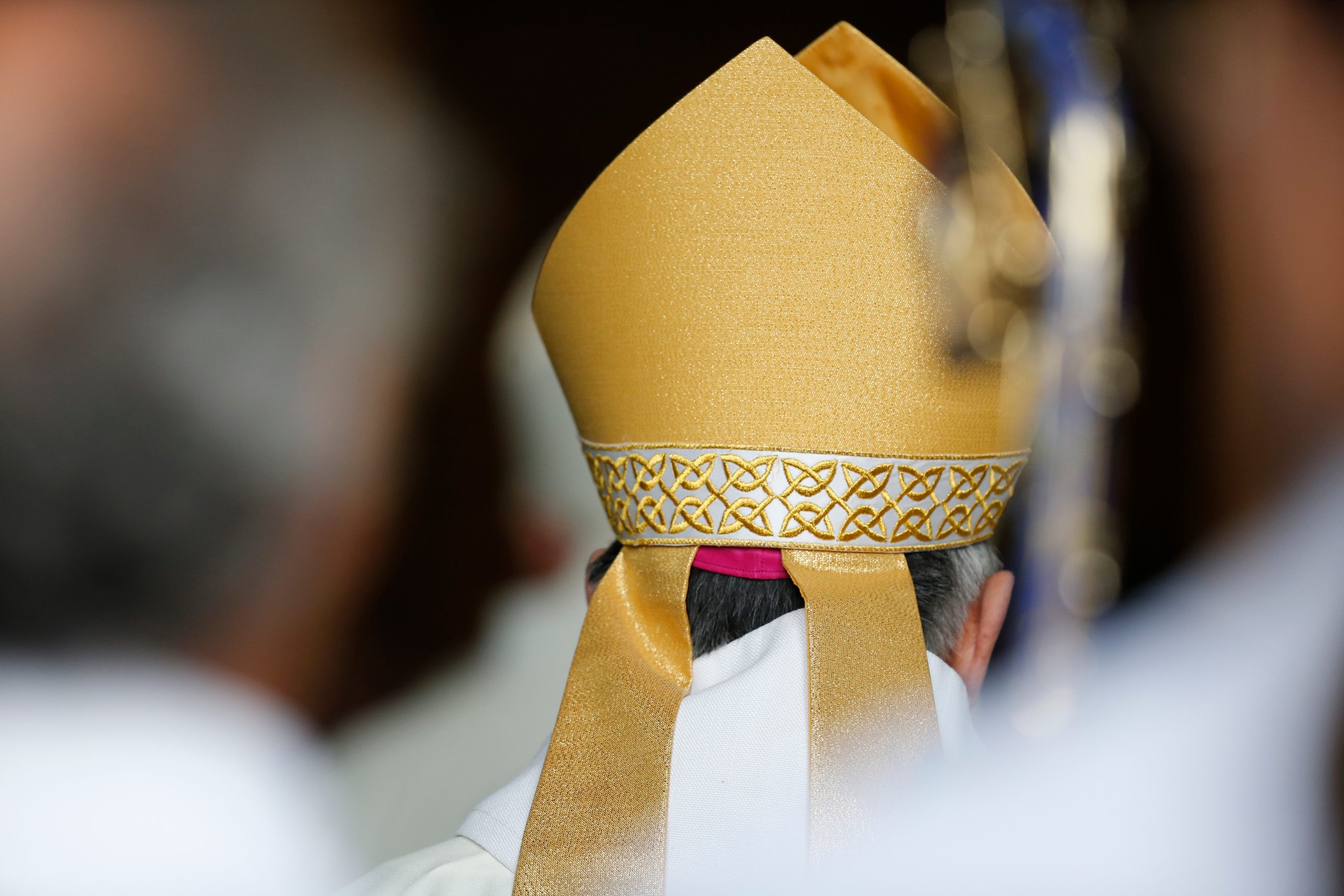
Bishops across the UK and other Catholic leaders say they want more information before endorsing a proposal to ban social media for youth under 16.

Read More
5 powerful moments of faith at the 2026 FIFA World Cup #Catholic The 2026 FIFA World Cup began on June 11 — making history as the first World Cup jointly hosted by the United States, Canada, and Mexico.The FIFA World Cup is one of the most-watched sporting events with roughly 5 billion people tuning in to the tournament that brings together soccer’s best athletes from around the world.Despite only being a little over a week into the soccer tournament, the name of Jesus has already been made known many times from several of the athletes and teams as they compete on this global stage.Here are five powerful moments of faith we’ve seen at the World Cup so far:1. Croatian team shares the importance of their Catholic faithAhead of Croatia’s first match against England, two members of the team took part in a press conference where they discussed the role their Catholic faith plays in their lives.EWTN News correspondent Mark Irons was in attendance and asked Kristijan Jakić and Igor Matanović what Catholicism means to the team and if prayer and faith is important to them in their own lives.“I think faith is very important in my life. When you pray to God, it’s like a feeling that someone is listening to you, and that gives me a lot of strength,” Matanović said.Jakić added: “We are a country in which we are Catholics and in which faith means the path in our lives. I think faith represents the entire national team. Faith simply means everything in our lives.”Instagram post2. Players from Curaçao and Germany join in prayer after competing against one anotherThe national team from the country of Curaçao — which is a Caribbean island with a population of 150,000 — made history by qualifying for the World Cup for the first time. By qualifying, the island nation set a Guinness World Record as the smallest country by population to ever reach the global menʼs tournament.Despite losing to Germany in their first match 7-1, the players and coaches were visibly emotional realizing the achievement the team had accomplished. In a moment of gratitude, several of the athletes joined on the pitch for a moment of prayer. They were then joined by German players Jonathan Tah and Felix Nmecha — both outspoken Christians.In a postgame interview, Nmecha said: “During the game, we are opponents, but after the game we are all Christians and we are brothers… In our faith, we all believe that Jesus is glorified through the game and that’s why we came together and simply prayed together.”Instagram post3. Lionel Messi thanks God after making historyArgentina went up against Algeria on June 16 in Kansas City, Kansas, where over 69,000 fans watched history unfold at the feet of the famous Argentinian player Lionel Messi.During the 3-0 victory against Algeria, Messi recorded the first FIFA World Cup hat trick — when a single player scores three goals during one game — of his career. Additionally, Messi made history by tying former German soccer player Miroslav Klose’s record for most men’s World Cup goals scored at 16.After the game, Messi, a devout Catholic, said: “I can’t ask for more than what I received. As I’ve said many times, thank God that he has given me so much and everything that comes now is a blessing.”Instagram post4. Team USA shares a moment of prayer after historic win against ParaguayOn June 12, the men from the United States started their World Cup journey on a positive note with a 4-1 victory over Paraguay. After the game, defender Mark McKenzie led the team in a moment of prayer on the field.Leading into the tournament, several of the U.S. players were vocal about their faith. Star winger Christian Pulisic is known for leading several of his teammates in a Bible study he calls “Bible Time” and has discussed the important role reading Scripture plays in his daily life.Goalkeeper Matt Freese recently spoke to Sports Spectrum’s “What’s Up” podcast and discussed how his faith and career are intertwined.“Godʼs given me so many opportunities within this game and within my career. I still have a role to play in that. I still have to do my part and take that opportunity and do something with it,” Freese said.He also shared that he’s a listener of Father Mike Schmitz’s “Bible in a Year” podcast.“Right now I’m listening to ‘Bible in a Year’ by Father Mike Schmitz. It’s been fantastic and it kind of makes me able to — even when I’m on the road or even if itʼs a busy stretch — make sure I’m spending some time every day, hopefully every day, [with Scripture],” he said.Instagram post5. Felix Nmecha honors Jesus in post-goal celebrationGerman midfielder Felix Nmecha honored Jesus by making a powerful gesture after scoring the first goal in Germany’s 7-1 victory against Curaçao on June 14.After scoring the goal, Nmecha knelt down on one knee and made the gesture of taking off a crown from his head, placed it on the ground, and then pointed up to the sky. This “crown down” gesture, as it has been called, symbolizes that every gift, every victory, and every moment of glory belongs to Christ.In a postgame interview, Nmecha said: “It was an incredible blessing to score my first goal for Germany and for it to be so fast. All the glory I give to God, because he is the one who has given me this talent and the opportunity to be here living this dream.”Instagram post

5 powerful moments of faith at the 2026 FIFA World Cup #Catholic The 2026 FIFA World Cup began on June 11 — making history as the first World Cup jointly hosted by the United States, Canada, and Mexico.The FIFA World Cup is one of the most-watched sporting events with roughly 5 billion people tuning in to the tournament that brings together soccer’s best athletes from around the world.Despite only being a little over a week into the soccer tournament, the name of Jesus has already been made known many times from several of the athletes and teams as they compete on this global stage.Here are five powerful moments of faith we’ve seen at the World Cup so far:1. Croatian team shares the importance of their Catholic faithAhead of Croatia’s first match against England, two members of the team took part in a press conference where they discussed the role their Catholic faith plays in their lives.EWTN News correspondent Mark Irons was in attendance and asked Kristijan Jakić and Igor Matanović what Catholicism means to the team and if prayer and faith is important to them in their own lives.“I think faith is very important in my life. When you pray to God, it’s like a feeling that someone is listening to you, and that gives me a lot of strength,” Matanović said.Jakić added: “We are a country in which we are Catholics and in which faith means the path in our lives. I think faith represents the entire national team. Faith simply means everything in our lives.”Instagram post2. Players from Curaçao and Germany join in prayer after competing against one anotherThe national team from the country of Curaçao — which is a Caribbean island with a population of 150,000 — made history by qualifying for the World Cup for the first time. By qualifying, the island nation set a Guinness World Record as the smallest country by population to ever reach the global menʼs tournament.Despite losing to Germany in their first match 7-1, the players and coaches were visibly emotional realizing the achievement the team had accomplished. In a moment of gratitude, several of the athletes joined on the pitch for a moment of prayer. They were then joined by German players Jonathan Tah and Felix Nmecha — both outspoken Christians.In a postgame interview, Nmecha said: “During the game, we are opponents, but after the game we are all Christians and we are brothers… In our faith, we all believe that Jesus is glorified through the game and that’s why we came together and simply prayed together.”Instagram post3. Lionel Messi thanks God after making historyArgentina went up against Algeria on June 16 in Kansas City, Kansas, where over 69,000 fans watched history unfold at the feet of the famous Argentinian player Lionel Messi.During the 3-0 victory against Algeria, Messi recorded the first FIFA World Cup hat trick — when a single player scores three goals during one game — of his career. Additionally, Messi made history by tying former German soccer player Miroslav Klose’s record for most men’s World Cup goals scored at 16.After the game, Messi, a devout Catholic, said: “I can’t ask for more than what I received. As I’ve said many times, thank God that he has given me so much and everything that comes now is a blessing.”Instagram post4. Team USA shares a moment of prayer after historic win against ParaguayOn June 12, the men from the United States started their World Cup journey on a positive note with a 4-1 victory over Paraguay. After the game, defender Mark McKenzie led the team in a moment of prayer on the field.Leading into the tournament, several of the U.S. players were vocal about their faith. Star winger Christian Pulisic is known for leading several of his teammates in a Bible study he calls “Bible Time” and has discussed the important role reading Scripture plays in his daily life.Goalkeeper Matt Freese recently spoke to Sports Spectrum’s “What’s Up” podcast and discussed how his faith and career are intertwined.“Godʼs given me so many opportunities within this game and within my career. I still have a role to play in that. I still have to do my part and take that opportunity and do something with it,” Freese said.He also shared that he’s a listener of Father Mike Schmitz’s “Bible in a Year” podcast.“Right now I’m listening to ‘Bible in a Year’ by Father Mike Schmitz. It’s been fantastic and it kind of makes me able to — even when I’m on the road or even if itʼs a busy stretch — make sure I’m spending some time every day, hopefully every day, [with Scripture],” he said.Instagram post5. Felix Nmecha honors Jesus in post-goal celebrationGerman midfielder Felix Nmecha honored Jesus by making a powerful gesture after scoring the first goal in Germany’s 7-1 victory against Curaçao on June 14.After scoring the goal, Nmecha knelt down on one knee and made the gesture of taking off a crown from his head, placed it on the ground, and then pointed up to the sky. This “crown down” gesture, as it has been called, symbolizes that every gift, every victory, and every moment of glory belongs to Christ.In a postgame interview, Nmecha said: “It was an incredible blessing to score my first goal for Germany and for it to be so fast. All the glory I give to God, because he is the one who has given me this talent and the opportunity to be here living this dream.”Instagram post

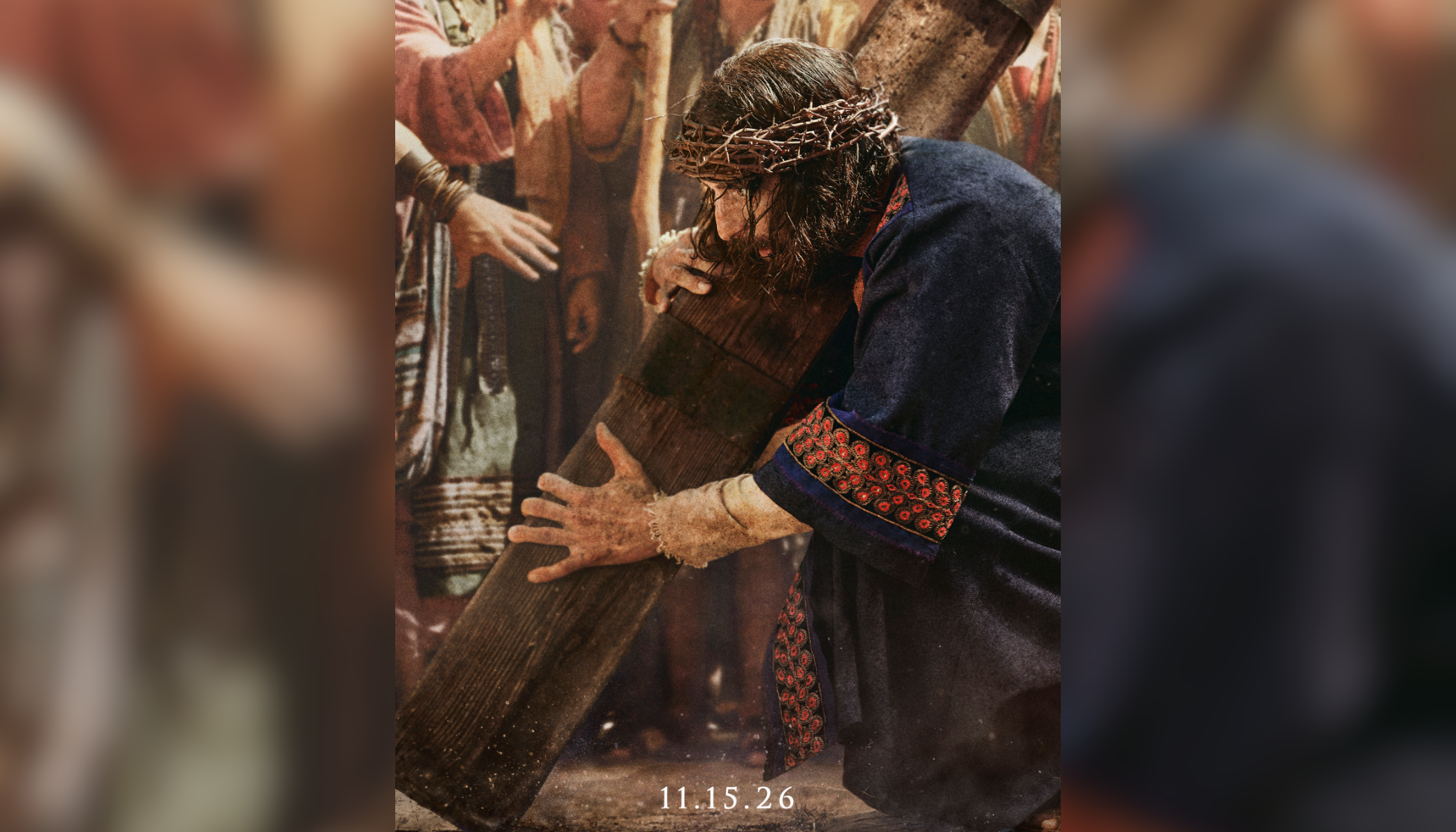
Christian athletes are making the name of Jesus known at the 2026 FIFA World Cup. Here are five powerful moments of faith at the international tournament so far.

Read More