Day: October 11, 2026

Gospel and Word of the Day – 12 October 2026 – A reading from the Letter of St. Paul to the Galatians 4:22-24, 26-27, 31–5:1 Brothers and sisters: It is written that Abraham had two sons, one by the slave woman and the other by the freeborn woman. The son of the slave woman was born naturally, the son of the freeborn through a promise. Now this is an allegory. These women represent two covenants. One was from Mount Sinai, bearing children for slavery; this is Hagar. But the Jerusalem above is freeborn, and she is our mother. For it is written: Rejoice, you barren one who bore no children; break forth and shout, you who were not in labor; for more numerous are the children of the deserted one than of her who has a husband. Therefore, brothers and sisters, we are children not of the slave woman but of the freeborn woman. For freedom Christ set us free; so stand firm and do not submit again to the yoke of slavery.From the Gospel according to Luke 11:29-32 While still more people gathered in the crowd, Jesus said to them, “This generation is an evil generation; it seeks a sign, but no sign will be given it, except the sign of Jonah. Just as Jonah became a sign to the Ninevites, so will the Son of Man be to this generation. At the judgment  the queen of the south will rise with the men of this generation and she will condemn them, because she came from the ends of the earth to hear the wisdom of Solomon, and there is something greater than Solomon here. At the judgment the men of Nineveh will arise with this generation  and condemn it, because at the preaching of Jonah they repented, and there is something greater than Jonah here.”The “Jonah syndrome” does not have zeal for the conversion of people; it seeks a holiness – if I may use the term – a “laundered” holiness, all beautiful, all well-presented, but without that zeal to go out and preach the Lord. Yet the Lord, faced with this generation afflicted by the ‘Jonah syndrome’, promises the sign of Jonah. (…) Jonah was inside the whale for three nights and three days, a reference to Jesus in the tomb – to His death and Resurrection – and that is the sign that Jesus promises, against hypocrisy, against this attitude of perfect religiosity, against this attitude of a group of Pharisees. The true sign of Jonah is the one that gives us the confidence of being saved by the blood of Christ. How many Christians think that they will be saved only for what they do, for their works. Works are necessary, but they are a consequence, a response to that merciful love that saves us. But works alone, without this merciful love, are of no use. (…) The sign of Jonah is God’s mercy in Jesus Christ, who died and rose again for us, for our salvation. The sign of Jonah calls us: to follow the Lord, sinners as we all are, with humility, with meekness. There is a call, even a choice. (Pope Francis, Santa Marta, 14 October 2013)

A reading from the Letter of St. Paul to the Galatians
4:22-24, 26-27, 31–5:1

Brothers and sisters:
It is written that Abraham had two sons,
one by the slave woman and the other by the freeborn woman.
The son of the slave woman was born naturally,
the son of the freeborn through a promise.
Now this is an allegory.
These women represent two covenants.
One was from Mount Sinai, bearing children for slavery;
this is Hagar.
But the Jerusalem above is freeborn, and she is our mother.
For it is written:
Rejoice, you barren one who bore no children;
break forth and shout, you who were not in labor;
for more numerous are the children of the deserted one
than of her who has a husband.
Therefore, brothers and sisters,
we are children not of the slave woman
but of the freeborn woman.

For freedom Christ set us free; so stand firm
and do not submit again to the yoke of slavery.

From the Gospel according to Luke
11:29-32

While still more people gathered in the crowd, Jesus said to them,
“This generation is an evil generation;
it seeks a sign, but no sign will be given it,
except the sign of Jonah.
Just as Jonah became a sign to the Ninevites,
so will the Son of Man be to this generation.
At the judgment 
the queen of the south will rise with the men of this generation
and she will condemn them,
because she came from the ends of the earth
to hear the wisdom of Solomon,
and there is something greater than Solomon here.
At the judgment the men of Nineveh will arise with this generation 
and condemn it,
because at the preaching of Jonah they repented,
and there is something greater than Jonah here.”

The “Jonah syndrome” does not have zeal for the conversion of people; it seeks a holiness – if I may use the term – a “laundered” holiness, all beautiful, all well-presented, but without that zeal to go out and preach the Lord. Yet the Lord, faced with this generation afflicted by the ‘Jonah syndrome’, promises the sign of Jonah. (…) Jonah was inside the whale for three nights and three days, a reference to Jesus in the tomb – to His death and Resurrection – and that is the sign that Jesus promises, against hypocrisy, against this attitude of perfect religiosity, against this attitude of a group of Pharisees. The true sign of Jonah is the one that gives us the confidence of being saved by the blood of Christ. How many Christians think that they will be saved only for what they do, for their works. Works are necessary, but they are a consequence, a response to that merciful love that saves us. But works alone, without this merciful love, are of no use. (…) The sign of Jonah is God’s mercy in Jesus Christ, who died and rose again for us, for our salvation. The sign of Jonah calls us: to follow the Lord, sinners as we all are, with humility, with meekness. There is a call, even a choice. (Pope Francis, Santa Marta, 14 October 2013)

Read More
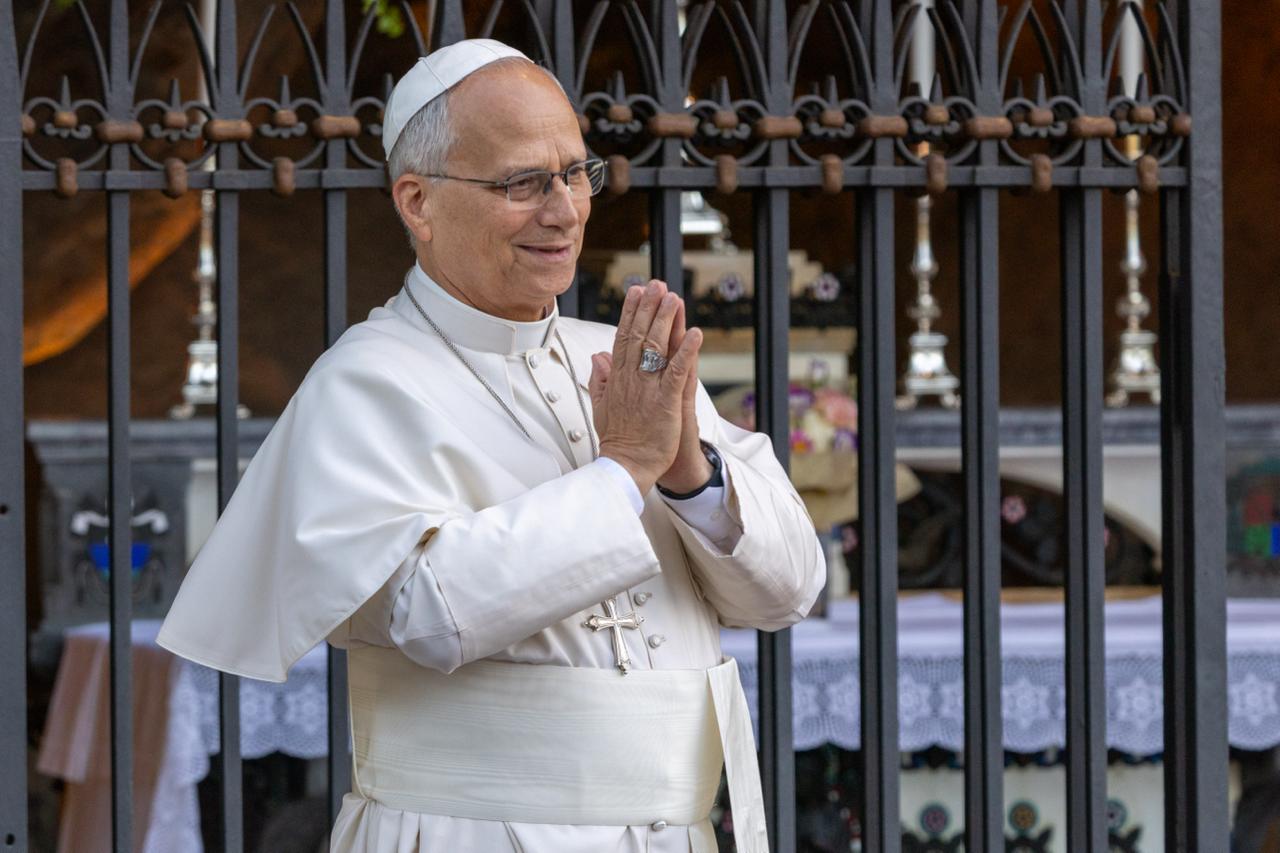
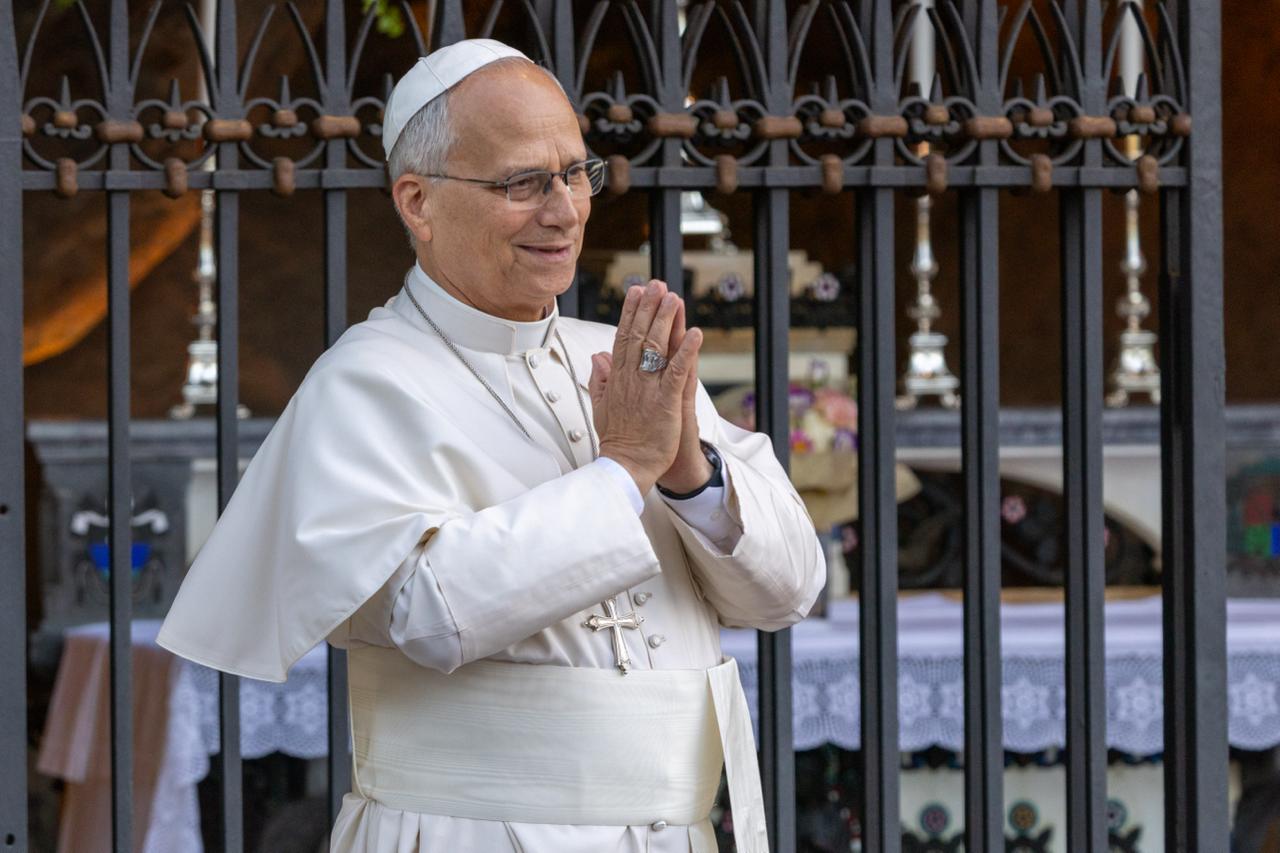
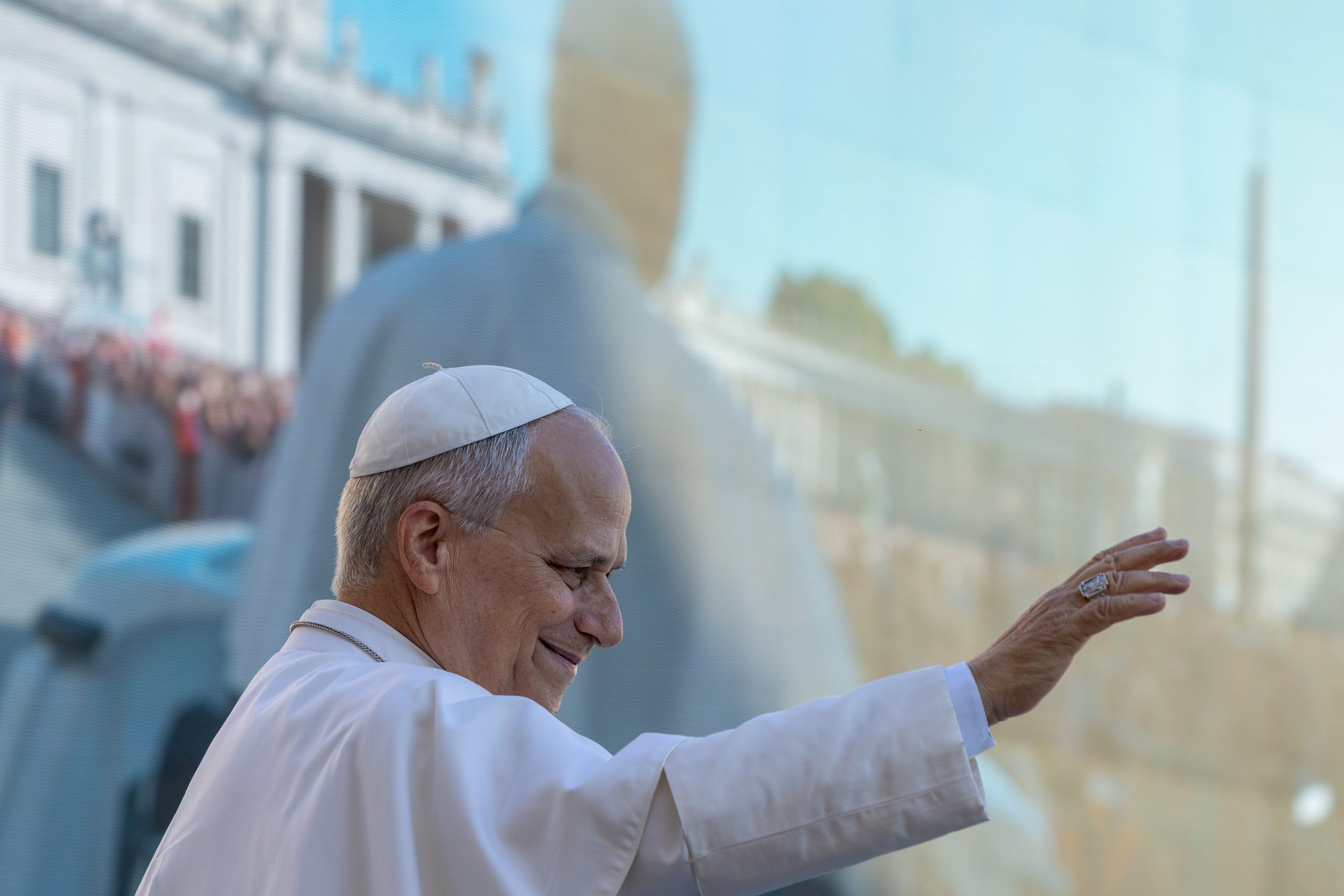
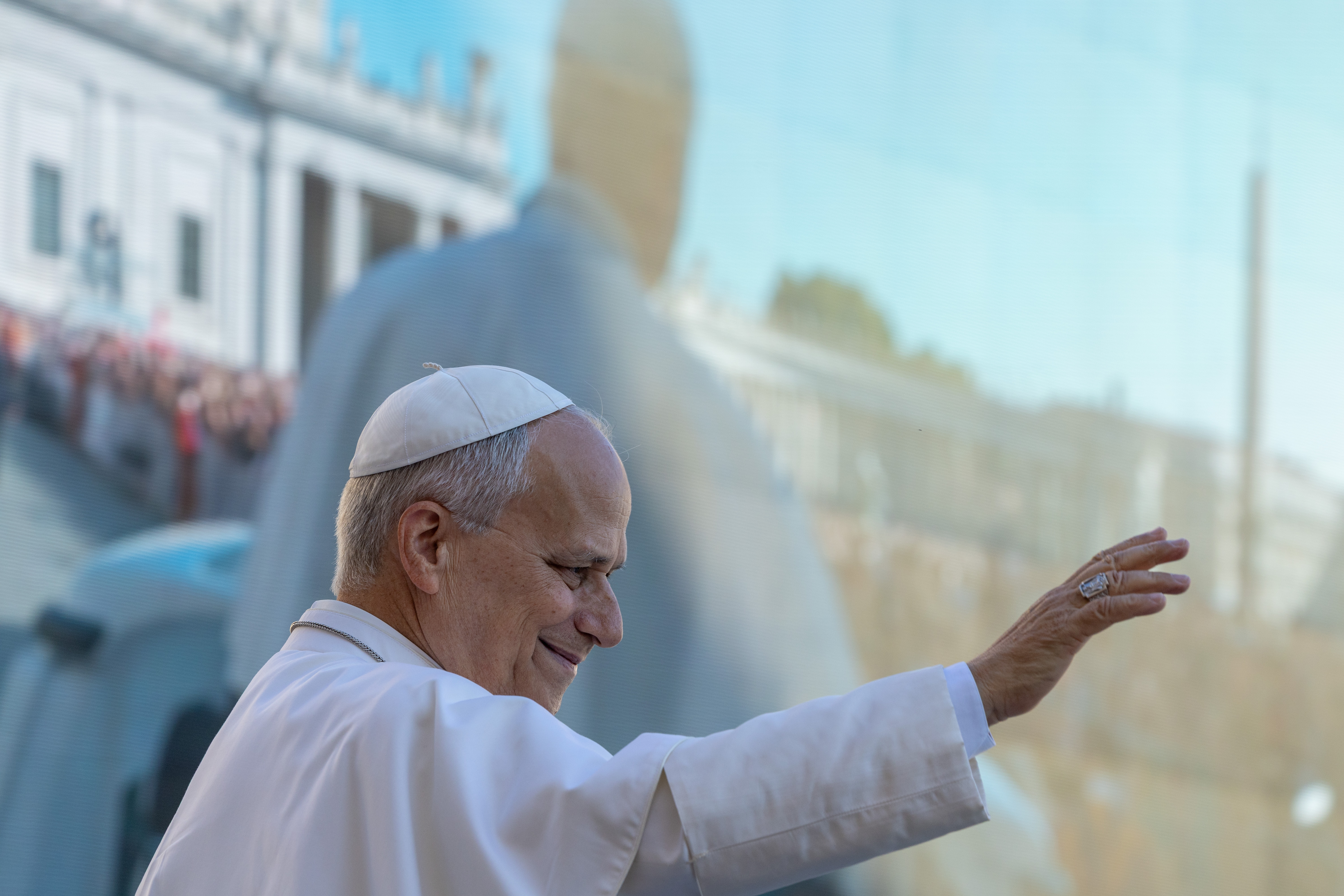
Bishops around the world ask for prayers for Pope Leo XIV’s health #Catholic Bishops from around the world asked for prayers for Pope Leo XIV after he announced on Sunday, Oct. 11, that he will undergo surgery to remove a nodule on one of his lungs in the coming days.In the United States, Archbishop Paul Coakley, president of the U.S. bishops’ conference, said the prelates would join “the faithful and all people of good will in praying for his good health.” He also prayed for those who will perform the operation: “May the hand of Pope Leo’s surgeons be guided by the divine physician, Jesus Christ.”Archbishop Ronald Hicks of New York joined the prayers as he finished a week-long pilgrimage on the Camino de Santiago in Spain. “I join with the bishops, priests, faithful, and all people of good will of the Archdiocese of New York in praying for our Holy Father, Pope Leo XIV, as he prepares for his surgery later this week,” he wrote. He also asked Jesus, “the divine physician,” to care for the pope and guide “the hands of his surgeons, nurses, and other health professionals.”Prayers from Uruguay, Argentina, and PeruCardinal Daniel Sturla, archbishop of Montevideo, also wrote about the news. Uruguay is one of the countries expecting Pope Leo XIV on his upcoming visit to Latin America. “Let us pray for his speedy recovery and continue with greater spirit the preparation for his visit to our land,” he wrote.In Peru, which also expects the pope later this year, the Archdiocese of Lima entrusted his health to the Lord of Miracles, a devotion that draws millions of Peruvians each year. “We ask the Lord of Miracles for his speedy recovery,” the archdiocese said on social media.The Peruvian bishops’ conference issued a message titled “United in prayer for the health of the Holy Father Leo XIV.” It noted the :serenity and humility” with which the pope shared the news and asked that his health be entrusted to the Lord of Miracles.“Lifting to God, Lord of life and source of all health, our supplications that he strengthen him and grant him the health that the fulfillment of his mission requires,” the Peruvian bishops said. They also urged communities, families, and the faithful to place the Holy Father under the maternal protection of the Blessed Virgin Mary, so that in the fullness of his strength he may continue his mission in service of the Church and all humanity, as a messenger of peace and hope and a witness of unity, fraternity, and encounter among all peoples.The Argentinian bishops said in a statement: “We ask the Lord to grant him strength and peace at this time, that the operation may go well, and that he may make a swift and full recovery.” Prayers from Spain The Spanish bishops’ conference also invited prayer for the pope. Its president, Archbishop Luis Argüello, asked “the whole Spanish Church — dioceses, institutes of consecrated life, communities and lay associations, all members of the People of God, and our fellow citizens — to pray for the health of our beloved Pope Leo XIV.”The conference’s secretary general, Bishop Francisco César García Magán, recalled the welcome Leo XIV received on his recent visit to Spain and said the faithful can now show him their closeness in another way: “Now we show it by uniting in prayer.”Instagram postThe conference’s secretary general, Bishop Francisco César García Magán, recalled the welcome Leo XIV received on his recent visit to Spain and said the faithful can now show him their closeness in another way: “Now we show it by uniting in prayer.”Prayers from Poland, Great Britain, MaltaArchbishop Tadeusz Wojda, the president of the Polish Bishops’ Conference, issued an appeal to the Polish people, asking them to “pray for the Holy Father, Pope Leo XIV, asking God for a successful operation and a speedy recovery.”Bishop John Keenan, on behalf of the Scottish bishops’ conference, said: “We invite Catholics across Scotland, and all people of goodwill, to join us in praying for Pope Leo, for the medical team caring for him, and for a successful operation and a full and speedy recovery.”Archbishop Richard Moth of Westminster and the president of the Catholic Bishops’ Conference of England and Wales, assured Leo of the prayers of the faithful.“We pray that following the procedure and a period of recovery, he will soon be restored to health,” Moth wrote.Archbishop Charles Scicluna, Archbishop of Malta and Adjunct Secretary of the Dicastery for the Doctrine of the Faith, wrote on X: “The Church in Malta is united in prayer for the Holy Father, wishing him well for the surgery he will be undergoing.” Leo XIV asks for prayerThe pope announced the operation after Sunday’s Angelus. Doctors found a nodule on one of his lungs and recommended removing it. In sharing the news, Leo asked the faithful to accompany him spiritually in the coming days: “I entrust myself to your prayer.”This story was first published by ACI Prensa, the Spanish-language sister service of EWTN News. It has been translated and adapted by EWTN News English.

Bishops around the world ask for prayers for Pope Leo XIV’s health #Catholic Bishops from around the world asked for prayers for Pope Leo XIV after he announced on Sunday, Oct. 11, that he will undergo surgery to remove a nodule on one of his lungs in the coming days.In the United States, Archbishop Paul Coakley, president of the U.S. bishops’ conference, said the prelates would join “the faithful and all people of good will in praying for his good health.” He also prayed for those who will perform the operation: “May the hand of Pope Leo’s surgeons be guided by the divine physician, Jesus Christ.”Archbishop Ronald Hicks of New York joined the prayers as he finished a week-long pilgrimage on the Camino de Santiago in Spain. “I join with the bishops, priests, faithful, and all people of good will of the Archdiocese of New York in praying for our Holy Father, Pope Leo XIV, as he prepares for his surgery later this week,” he wrote. He also asked Jesus, “the divine physician,” to care for the pope and guide “the hands of his surgeons, nurses, and other health professionals.”Prayers from Uruguay, Argentina, and PeruCardinal Daniel Sturla, archbishop of Montevideo, also wrote about the news. Uruguay is one of the countries expecting Pope Leo XIV on his upcoming visit to Latin America. “Let us pray for his speedy recovery and continue with greater spirit the preparation for his visit to our land,” he wrote.In Peru, which also expects the pope later this year, the Archdiocese of Lima entrusted his health to the Lord of Miracles, a devotion that draws millions of Peruvians each year. “We ask the Lord of Miracles for his speedy recovery,” the archdiocese said on social media.The Peruvian bishops’ conference issued a message titled “United in prayer for the health of the Holy Father Leo XIV.” It noted the :serenity and humility” with which the pope shared the news and asked that his health be entrusted to the Lord of Miracles.“Lifting to God, Lord of life and source of all health, our supplications that he strengthen him and grant him the health that the fulfillment of his mission requires,” the Peruvian bishops said. They also urged communities, families, and the faithful to place the Holy Father under the maternal protection of the Blessed Virgin Mary, so that in the fullness of his strength he may continue his mission in service of the Church and all humanity, as a messenger of peace and hope and a witness of unity, fraternity, and encounter among all peoples.The Argentinian bishops said in a statement: “We ask the Lord to grant him strength and peace at this time, that the operation may go well, and that he may make a swift and full recovery.” Prayers from Spain The Spanish bishops’ conference also invited prayer for the pope. Its president, Archbishop Luis Argüello, asked “the whole Spanish Church — dioceses, institutes of consecrated life, communities and lay associations, all members of the People of God, and our fellow citizens — to pray for the health of our beloved Pope Leo XIV.”The conference’s secretary general, Bishop Francisco César García Magán, recalled the welcome Leo XIV received on his recent visit to Spain and said the faithful can now show him their closeness in another way: “Now we show it by uniting in prayer.”Instagram postThe conference’s secretary general, Bishop Francisco César García Magán, recalled the welcome Leo XIV received on his recent visit to Spain and said the faithful can now show him their closeness in another way: “Now we show it by uniting in prayer.”Prayers from Poland, Great Britain, MaltaArchbishop Tadeusz Wojda, the president of the Polish Bishops’ Conference, issued an appeal to the Polish people, asking them to “pray for the Holy Father, Pope Leo XIV, asking God for a successful operation and a speedy recovery.”Bishop John Keenan, on behalf of the Scottish bishops’ conference, said: “We invite Catholics across Scotland, and all people of goodwill, to join us in praying for Pope Leo, for the medical team caring for him, and for a successful operation and a full and speedy recovery.”Archbishop Richard Moth of Westminster and the president of the Catholic Bishops’ Conference of England and Wales, assured Leo of the prayers of the faithful.“We pray that following the procedure and a period of recovery, he will soon be restored to health,” Moth wrote.Archbishop Charles Scicluna, Archbishop of Malta and Adjunct Secretary of the Dicastery for the Doctrine of the Faith, wrote on X: “The Church in Malta is united in prayer for the Holy Father, wishing him well for the surgery he will be undergoing.” Leo XIV asks for prayerThe pope announced the operation after Sunday’s Angelus. Doctors found a nodule on one of his lungs and recommended removing it. In sharing the news, Leo asked the faithful to accompany him spiritually in the coming days: “I entrust myself to your prayer.”This story was first published by ACI Prensa, the Spanish-language sister service of EWTN News. It has been translated and adapted by EWTN News English.

Prayers for the pope’s health have been pouring in from all over the world.

Read More
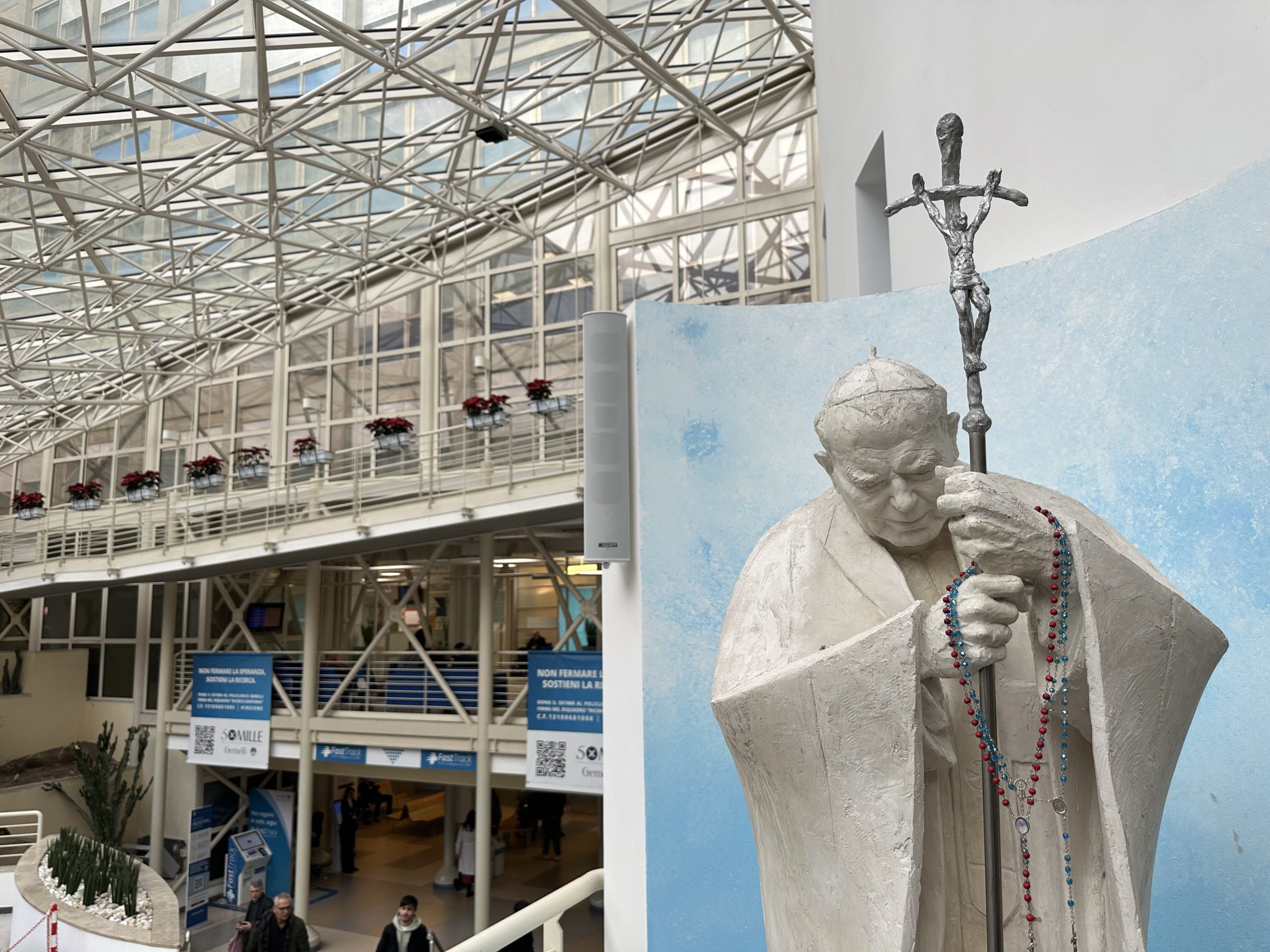
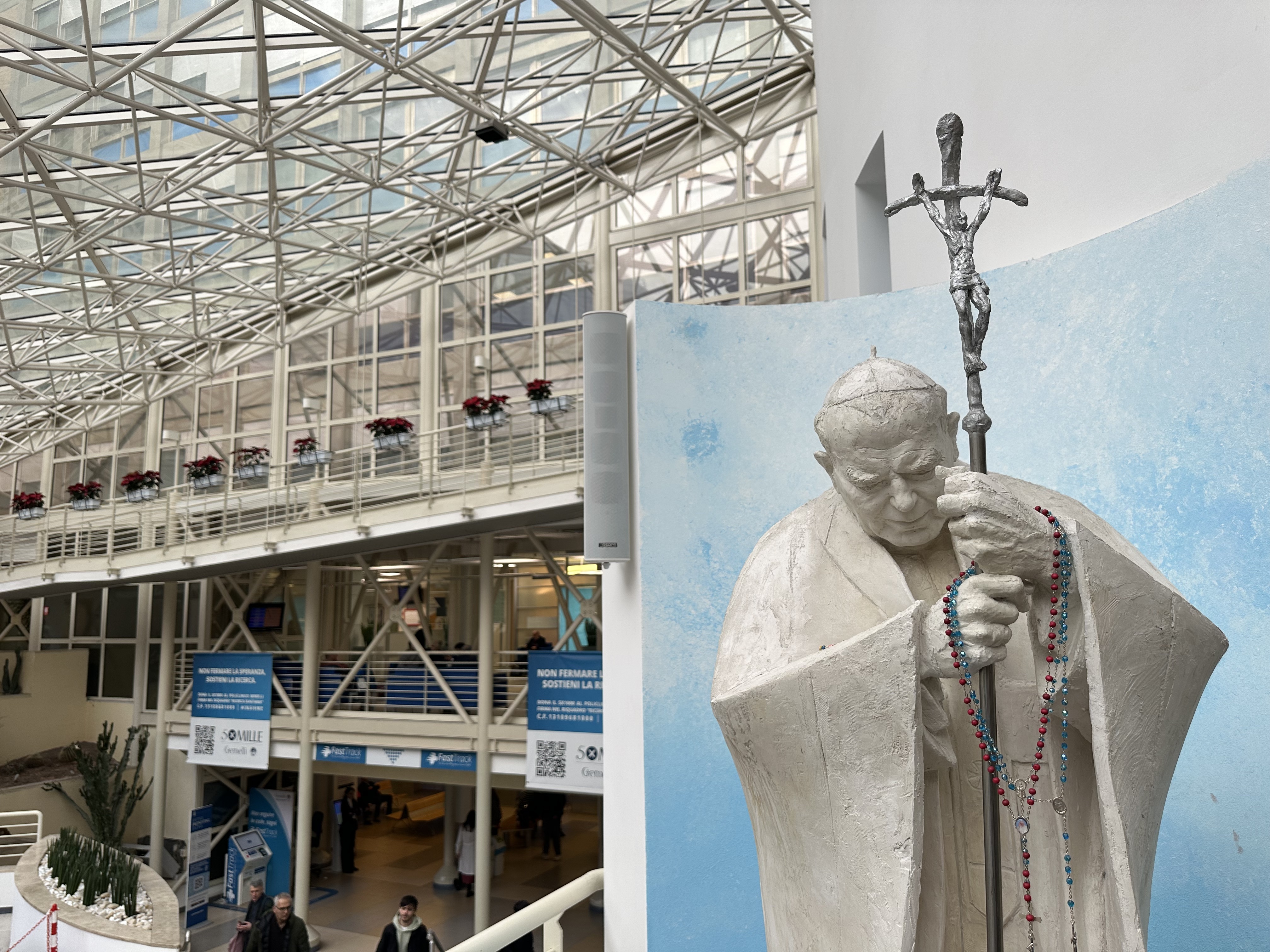
What we know about Pope Leo XIV’s health – #Catholic – The news that Pope Leo XIV will have surgery next week left many asking what a lung nodule is.He confirmed at the Angelus in St. Peter’s Square on Sunday that the lesion was caught early and is well localized. “The doctors consider it advisable to intervene. I have decided to have the operation to remove it, following their advice,” he said.Many are asking how nodules are found, how they are evaluated, and what leads doctors to recommend removing them.The condition, commonly called a “spot on the lung,” shows up on imaging as a white opacity against normal lung tissue and is generally up to 30 millimeters in diameter.Dr. Bruno Vincenzi, head of the oncology service at the Campus Bio-Medico University Hospital in Rome, told ACI Prensa, the sister service of EWTN News, that a nodule can be found because a patient has symptoms that lead to tests.“A persistent cough that has just appeared, expectoration — that is, producing phlegm with traces of blood — or chest pain can be reasons the patient undergoes studies,” he said.He added that these findings are now increasingly accidental. Patients may be scanned before an operation or a hospital stay, or as part of a screening program, especially if they are older or have been smokers.Asked why a doctor would recommend surgery, as in the pope’s case, Vincenzi said certain features on the images can raise concern. Spiculated margins — irregular or jagged — can suggest a more worrying lesion and make removal advisable. Well-defined margins, perhaps with calcifications inside, more often suggest a benign nodule.Dr. Elmer Huerta, a Peruvian oncologist based in the United States and the first Latin American president of the American Cancer Society, said the operation the pope is expected to have is usually done with minimally invasive techniques. “The old thoracotomies, which meant opening the chest, are no longer done. What is done now is minimally invasive robotic surgery, in which a half-centimeter opening is made between the ribs, the robot is introduced, and the operation is done with that,” he said.Huerta said it is not yet possible to say how long the pope will need to recover fully, because the specific features of the nodule, and therefore the exact extent of the surgery, are not public. Depending on what is found, doctors may remove a wedge of lung that includes the nodule, a segment, or a whole lobe. That will determine the recovery.On how soon the pope can resume his usual commitments, Huerta said it depends on the extent of the operation. A wedge removal is simpler, and he could fly in two or three weeks and make his planned trip to Latin America. Removing a lobe would be more complicated. The key is the nature of the nodule, which has not been made public.Huerta also stressed that most lung nodules are not cancerous. A 2022 study found that 95 percent are benign and only 5 percent are cancer. Cancerous nodules have certain features on X-rays, CT scans, and PET exams.Vincenzi said a histological analysis is needed to determine what a nodule is. When a nodule is removed because its features suggest a suspicious lesion, the pathologist’s final examination of the cells can give a clear indication of whether it is benign or malignant.Both experts declined to speculate on the pope’s case without precise clinical details. Vincenzi said it is better to stop at the diagnostic stage, because saying more risks creating needless reassurance or needless worry. Huerta said the same thing he tells his patients: go step by step.The hospitalization planned for next week will force the pope to cancel all commitments on those days, Vatican press office director Matteo Bruni told ACI Prensa. Among them is the closing Mass of an international meeting on the family, held for the tenth anniversary of Pope Francis’s apostolic exhortation Amoris Laetitia, which Leo XIV was to preside over on Wednesday with the presidents of episcopal conferences gathered at the Vatican.In principle, the surgery would not affect the trip to South America planned for November 6–17, judging by the pope’s own words at the Angelus. Greeting members of the Brotherhood of the Lord of Miracles in St. Peter’s Square, he said, “Thank you for your prayer for the pastoral visit I will make to Peru.”This story was first published by ACI Prensa, the Spanish-language sister service of EWTN News. It has been translated and adapted by EWTN News English.

What we know about Pope Leo XIV’s health – #Catholic – The news that Pope Leo XIV will have surgery next week left many asking what a lung nodule is.He confirmed at the Angelus in St. Peter’s Square on Sunday that the lesion was caught early and is well localized. “The doctors consider it advisable to intervene. I have decided to have the operation to remove it, following their advice,” he said.Many are asking how nodules are found, how they are evaluated, and what leads doctors to recommend removing them.The condition, commonly called a “spot on the lung,” shows up on imaging as a white opacity against normal lung tissue and is generally up to 30 millimeters in diameter.Dr. Bruno Vincenzi, head of the oncology service at the Campus Bio-Medico University Hospital in Rome, told ACI Prensa, the sister service of EWTN News, that a nodule can be found because a patient has symptoms that lead to tests.“A persistent cough that has just appeared, expectoration — that is, producing phlegm with traces of blood — or chest pain can be reasons the patient undergoes studies,” he said.He added that these findings are now increasingly accidental. Patients may be scanned before an operation or a hospital stay, or as part of a screening program, especially if they are older or have been smokers.Asked why a doctor would recommend surgery, as in the pope’s case, Vincenzi said certain features on the images can raise concern. Spiculated margins — irregular or jagged — can suggest a more worrying lesion and make removal advisable. Well-defined margins, perhaps with calcifications inside, more often suggest a benign nodule.Dr. Elmer Huerta, a Peruvian oncologist based in the United States and the first Latin American president of the American Cancer Society, said the operation the pope is expected to have is usually done with minimally invasive techniques. “The old thoracotomies, which meant opening the chest, are no longer done. What is done now is minimally invasive robotic surgery, in which a half-centimeter opening is made between the ribs, the robot is introduced, and the operation is done with that,” he said.Huerta said it is not yet possible to say how long the pope will need to recover fully, because the specific features of the nodule, and therefore the exact extent of the surgery, are not public. Depending on what is found, doctors may remove a wedge of lung that includes the nodule, a segment, or a whole lobe. That will determine the recovery.On how soon the pope can resume his usual commitments, Huerta said it depends on the extent of the operation. A wedge removal is simpler, and he could fly in two or three weeks and make his planned trip to Latin America. Removing a lobe would be more complicated. The key is the nature of the nodule, which has not been made public.Huerta also stressed that most lung nodules are not cancerous. A 2022 study found that 95 percent are benign and only 5 percent are cancer. Cancerous nodules have certain features on X-rays, CT scans, and PET exams.Vincenzi said a histological analysis is needed to determine what a nodule is. When a nodule is removed because its features suggest a suspicious lesion, the pathologist’s final examination of the cells can give a clear indication of whether it is benign or malignant.Both experts declined to speculate on the pope’s case without precise clinical details. Vincenzi said it is better to stop at the diagnostic stage, because saying more risks creating needless reassurance or needless worry. Huerta said the same thing he tells his patients: go step by step.The hospitalization planned for next week will force the pope to cancel all commitments on those days, Vatican press office director Matteo Bruni told ACI Prensa. Among them is the closing Mass of an international meeting on the family, held for the tenth anniversary of Pope Francis’s apostolic exhortation Amoris Laetitia, which Leo XIV was to preside over on Wednesday with the presidents of episcopal conferences gathered at the Vatican.In principle, the surgery would not affect the trip to South America planned for November 6–17, judging by the pope’s own words at the Angelus. Greeting members of the Brotherhood of the Lord of Miracles in St. Peter’s Square, he said, “Thank you for your prayer for the pastoral visit I will make to Peru.”This story was first published by ACI Prensa, the Spanish-language sister service of EWTN News. It has been translated and adapted by EWTN News English.

Doctors comment on the pontiff’s news about his upcoming lung surgery.

Read More
St. Therese parish rejoices honoring its ‘Little Flower’ patroness #Catholic – Bishop Kevin J. Sweeney visited St. Therese Parish in the Succasunna neighborhood of Roxbury Township, N.J., on Oct. 3 to celebrate Mass for the feast day of its patroness, St. Thérèse of Lisieux, which the universal Church traditionally observes on Oct. 1.
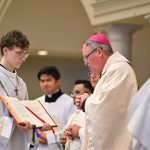
Father Richard D. Kilcomons, pastor of St. Therese, and Father Dulibber G. Gonzalez, and Father Vic Leviste, the parish’s parochial vicars, concelebrated the Mass with Bishop Sweeney. Deacon Joe Padron and Deacon Gregory F. Marchesi assisted with the liturgy.
Worshippers included St. Therese’s parishioners, students of the parish school and religious education program and their families.
St. Thérèse of Lisieux was a Carmelite nun called the “Little Flower,” who lived a cloistered life of obscurity in the convent of Lisieux, France. Her preference for hidden sacrifice converted souls. Her autobiography, The Story of a Soul, is read and loved worldwide. According to Franciscan Media, Thérèse Martin entered the convent at age 15 and died in 1897 at age 24.
BEACON PHOTOS | JOE GIGLI
 [See image gallery at beaconnj.org] 

Click here to subscribe to our weekly newsletter.

St. Therese parish rejoices honoring its ‘Little Flower’ patroness #Catholic –

Bishop Kevin J. Sweeney visited St. Therese Parish in the Succasunna neighborhood of Roxbury Township, N.J., on Oct. 3 to celebrate Mass for the feast day of its patroness, St. Thérèse of Lisieux, which the universal Church traditionally observes on Oct. 1.

Father Richard D. Kilcomons, pastor of St. Therese, and Father Dulibber G. Gonzalez, and Father Vic Leviste, the parish’s parochial vicars, concelebrated the Mass with Bishop Sweeney. Deacon Joe Padron and Deacon Gregory F. Marchesi assisted with the liturgy.

Worshippers included St. Therese’s parishioners, students of the parish school and religious education program and their families.

St. Thérèse of Lisieux was a Carmelite nun called the “Little Flower,” who lived a cloistered life of obscurity in the convent of Lisieux, France. Her preference for hidden sacrifice converted souls. Her autobiography, The Story of a Soul, is read and loved worldwide. According to Franciscan Media, Thérèse Martin entered the convent at age 15 and died in 1897 at age 24.

BEACON PHOTOS | JOE GIGLI

Click here to subscribe to our weekly newsletter.

– Bishop Kevin J. Sweeney visited St. Therese Parish in the Succasunna neighborhood of Roxbury Township, N.J., on Oct. 3 to celebrate Mass for the feast day of its patroness, St. Thérèse of Lisieux, which the universal Church traditionally observes on Oct. 1. Father Richard D. Kilcomons, pastor of St. Therese, and Father Dulibber G. Gonzalez, and Father Vic Leviste, the parish’s parochial vicars, concelebrated the Mass with Bishop Sweeney. Deacon Joe Padron and Deacon Gregory F. Marchesi assisted with the liturgy. Worshippers included St. Therese’s parishioners, students of the parish school and religious education program and their families. St. Thérèse

Read More

Twenty-one months after the deaths of the Apollo 1 crew in a fire during a test on the launchpad, the three men who had originally served as their backup crew — Walter Schirra Jr., Donn Eisele, and Walter Cunningham — flew on Apollo 7. The first manned American spaceflight since the accident, their mission wasContinue reading “Oct. 11, 1968: Apollo 7 launches”

The post Oct. 11, 1968: Apollo 7 launches appeared first on Astronomy Magazine.

Read More
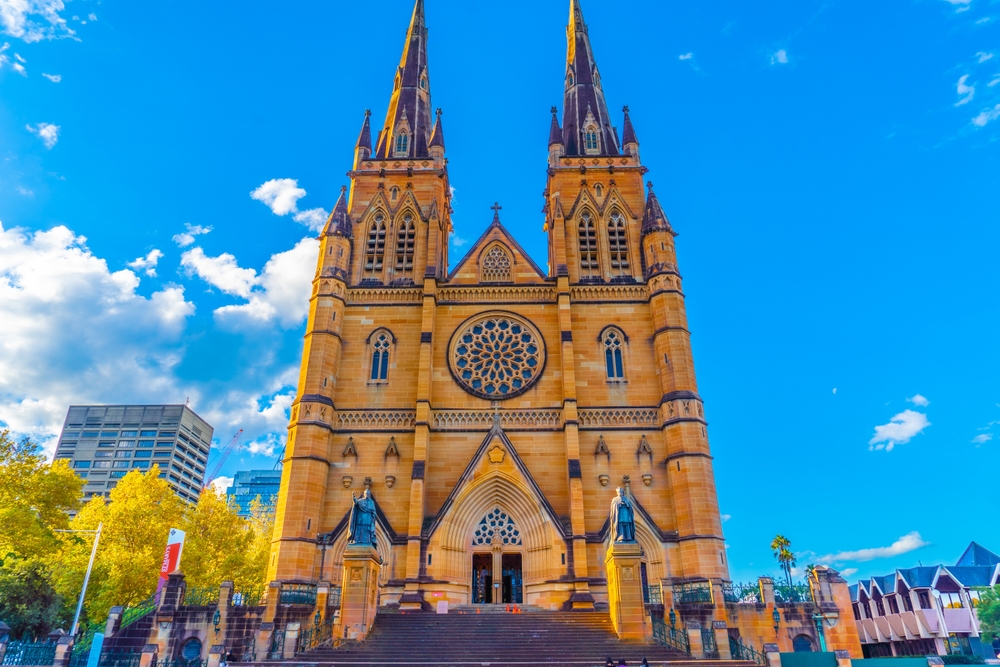
Many Australian Catholics who skip Mass still keep the faith, bishops’ study finds – #Catholic – Many Catholics in Australia who do not regularly go to Sunday Mass still pray, believe Jesus is the Son of God, and say their faith matters, according to a study released Oct. 7 by the countryʼs bishops.The report, "Absent from the Table: Catholics in Australia Who Do Not Regularly Attend Sunday Mass," was commissioned by the Australian Catholic Bishops’ Conference and carried out by its National Centre for Pastoral Research. Researchers surveyed 1,973 self-selected adult Catholics online in 2024 and interviewed 67 of them from March to July 2025.“Despite their irregular attendance, most participants remained deeply connected to their faith,” the executive summary states.Around two-thirds of respondents said faith was very important to them, 77% said Jesus is the Son of God, and 64% said they pray regularly. Just over half (55%) affirmed the real presence of Christ in the Eucharist, while 24% saw the elements as symbolic and 21% were unsure.In all, 74% of respondents attended Mass less than weekly: 19% monthly, 36% occasionally, and 19% not at all. The full report notes that the findings, based on a self-selected sample, “are not fully generalisable to all Catholics in Australia.”Why they stay awayThe researchers identified 14 reasons for missing Mass. The main ones were Mass not being a priority, a crisis of faith, family or household issues, liturgical issues, challenges with the parish priest or other clergy, and the misuse of power and authority in the Church. Respondents also cited abuse, particularly clergy sexual abuse, as a significant factor affecting trust.According to the bishops' most recent national count, in 2021, about 8.2% of Australiaʼs Catholics, or 417,000 people, went to church on a typical weekend.Bishop Greg Bennet of Sale, the conferenceʼs vice president and bishop-delegate for pastoral research, said the research is being entrusted to bishops to act on locally.“The hope is that each diocese will listen carefully to what people have shared and respond with pastoral initiatives shaped by their own communities and contexts,” he said in a statement. “We know there are many people who are open to re-engagement with the Church and we need to work harder to find ways of making those re-connections.”Bishop Michael Kennedy of Maitland-Newcastle, in a reflection published by his diocese, urged a different question: “Rather than simply asking why people are no longer coming to Mass, we should be asking what they are looking for, what their experiences of the Church have been and what we can do to help them feel they belong.”

Many Australian Catholics who skip Mass still keep the faith, bishops’ study finds – #Catholic – Many Catholics in Australia who do not regularly go to Sunday Mass still pray, believe Jesus is the Son of God, and say their faith matters, according to a study released Oct. 7 by the countryʼs bishops.The report, "Absent from the Table: Catholics in Australia Who Do Not Regularly Attend Sunday Mass," was commissioned by the Australian Catholic Bishops’ Conference and carried out by its National Centre for Pastoral Research. Researchers surveyed 1,973 self-selected adult Catholics online in 2024 and interviewed 67 of them from March to July 2025.“Despite their irregular attendance, most participants remained deeply connected to their faith,” the executive summary states.Around two-thirds of respondents said faith was very important to them, 77% said Jesus is the Son of God, and 64% said they pray regularly. Just over half (55%) affirmed the real presence of Christ in the Eucharist, while 24% saw the elements as symbolic and 21% were unsure.In all, 74% of respondents attended Mass less than weekly: 19% monthly, 36% occasionally, and 19% not at all. The full report notes that the findings, based on a self-selected sample, “are not fully generalisable to all Catholics in Australia.”Why they stay awayThe researchers identified 14 reasons for missing Mass. The main ones were Mass not being a priority, a crisis of faith, family or household issues, liturgical issues, challenges with the parish priest or other clergy, and the misuse of power and authority in the Church. Respondents also cited abuse, particularly clergy sexual abuse, as a significant factor affecting trust.According to the bishops' most recent national count, in 2021, about 8.2% of Australiaʼs Catholics, or 417,000 people, went to church on a typical weekend.Bishop Greg Bennet of Sale, the conferenceʼs vice president and bishop-delegate for pastoral research, said the research is being entrusted to bishops to act on locally.“The hope is that each diocese will listen carefully to what people have shared and respond with pastoral initiatives shaped by their own communities and contexts,” he said in a statement. “We know there are many people who are open to re-engagement with the Church and we need to work harder to find ways of making those re-connections.”Bishop Michael Kennedy of Maitland-Newcastle, in a reflection published by his diocese, urged a different question: “Rather than simply asking why people are no longer coming to Mass, we should be asking what they are looking for, what their experiences of the Church have been and what we can do to help them feel they belong.”

A survey of nearly 2,000 Australian Catholics found many still pray and value their faith, while priorities, faith crises, and problems with clergy keep them from Mass.
Read More