Intelligence

Pope Leo XIV: Universities must seek truth and form the whole person #Catholic MALABO, Equatorial Guinea — Pope Leo XIV on Tuesday said the inauguration of a new university campus in Equatorial Guinea is “an act of trust in human beings,” praising investment in the education of young people during the final stop of his Africa trip.Speaking at the opening of the Pope Leo XIV University Campus in Basupú, part of the National University of Equatorial Guinea (UNGE), the pontiff said the new institution represents more than new buildings.“This inauguration is an act of trust in human beings, an affirmation of the fact that it is worth the effort to continue wagering on the formation of new generations and on the task, so demanding and yet so noble, of seeking the truth and putting knowledge at the service of the common good,” Leo said.The new campus, in the northern part of Bioko Island, is the country’s largest academic facility. The government chose to dedicate it to the pope in conjunction with his visit. Founded in 1995, the National University of Equatorial Guinea was established to help form national leaders and align academic and professional training with the country’s development needs.Leo was welcomed by Rector Filiberto Ntutumu Nguema Nchama and the archbishop of Malabo, Archbishop Juan Nsue Edjang May. A bust of the pope was unveiled before he met with students and professors gathered in the square outside the main entrance.Students appealed to the pope for encouragement in becoming “a generation characterized by discipline, respect, responsibility, and commitment to the common good,” one aimed not only at personal success but also at contributing to the development of Equatorial Guinea.Faculty members, for their part, pledged themselves to academic excellence, innovation, and the integral formation of students. University officials also stressed that science and technology are powerful tools whose value depends on how they are used and that Christian moral tradition offers essential guidance in that task.In his address, Leo turned to an image deeply resonant in Equatorial Guinea: the ceiba, the country’s national tree.“For the people of Equatorial Guinea, the ceiba, the national tree, has a great symbolic meaning,” he said. “A tree puts forth deep roots and ascends slowly with patience and strength to the heights, embodying in itself a fruitfulness that does not exist for itself.”The pope said the tree offers “a parable of that which a university is called to be”: an institution rooted in serious study, living memory, and the persevering search for truth.Leo then drew on biblical imagery to reflect on the relationship between faith, reason, and knowledge. Referring to the tree of the knowledge of good and evil in Genesis, he said the biblical account is not a rejection of human intelligence.“It should be emphasized that this story is not about a condemnation of knowledge as such, as if faith was afraid of intelligence or looked with suspicion upon the desire for knowledge,” he said.Instead, he warned against knowledge detached from truth and goodness and reduced to self-interest or domination.“The problem, therefore, does not rest with knowledge but in its deviation towards an intelligence that no longer seeks to correspond to reality but rather to twist it for its own purposes,” he said.Leo said Christian tradition points to another tree — the cross — as the redemption, not the negation, of human intelligence.“Christian tradition contemplates another tree, that of the cross, not as a denial of human intelligence but as a sign of its redemption,” he said.“At the cross, human beings are invited to allow their desire for knowledge to be healed: to rediscover that truth is not fabricated, not manipulated nor possessed like a trophy but welcomed, sought with humility, and served with responsibility.”For that reason, he said, Christ is not an escape from intellectual effort.“From a Christian perspective, Christ does not appear as a religious escape in the face of intellectual endeavors, as if faith began where reason ended,” Leo said. “On the contrary, in him the profound harmony between truth, reason, and freedom are manifested.”The pope said the Church’s concern in education is that young people be formed integrally, “rather than giving the mere appearance of success.”He added that the university should be judged less by its size or number of graduates than by the quality of the people it forms for society.“Here on this campus, the ceiba of Equatorial Guinea is called to bear fruits of progress rooted in solidarity and of a knowledge that ennobles and develops the human being in an integral way,” he said. “It is called to offer the fruits of intelligence and uprightness, of competence and wisdom, of excellence and service.”“If generations of men and women are profoundly shaped in this place by truth and are capable of transforming their own existence into a gift for others, then the ceiba will remain an eloquent symbol rooted in the best things of this land, elevated by wisdom and abounding in fruits that pay tribute to Equatorial Guinea and enrich the entire human family.”Before the university event, the pope also made a brief visit to St. Elizabeth of Hungary Cathedral in Malabo, built in 1897.This story was first published by ACI Stampa, the Italian-language sister service of EWTN News. It has been translated and adapted by EWTN News English.

Pope Leo XIV: Universities must seek truth and form the whole person #Catholic MALABO, Equatorial Guinea — Pope Leo XIV on Tuesday said the inauguration of a new university campus in Equatorial Guinea is “an act of trust in human beings,” praising investment in the education of young people during the final stop of his Africa trip.Speaking at the opening of the Pope Leo XIV University Campus in Basupú, part of the National University of Equatorial Guinea (UNGE), the pontiff said the new institution represents more than new buildings.“This inauguration is an act of trust in human beings, an affirmation of the fact that it is worth the effort to continue wagering on the formation of new generations and on the task, so demanding and yet so noble, of seeking the truth and putting knowledge at the service of the common good,” Leo said.The new campus, in the northern part of Bioko Island, is the country’s largest academic facility. The government chose to dedicate it to the pope in conjunction with his visit. Founded in 1995, the National University of Equatorial Guinea was established to help form national leaders and align academic and professional training with the country’s development needs.Leo was welcomed by Rector Filiberto Ntutumu Nguema Nchama and the archbishop of Malabo, Archbishop Juan Nsue Edjang May. A bust of the pope was unveiled before he met with students and professors gathered in the square outside the main entrance.Students appealed to the pope for encouragement in becoming “a generation characterized by discipline, respect, responsibility, and commitment to the common good,” one aimed not only at personal success but also at contributing to the development of Equatorial Guinea.Faculty members, for their part, pledged themselves to academic excellence, innovation, and the integral formation of students. University officials also stressed that science and technology are powerful tools whose value depends on how they are used and that Christian moral tradition offers essential guidance in that task.In his address, Leo turned to an image deeply resonant in Equatorial Guinea: the ceiba, the country’s national tree.“For the people of Equatorial Guinea, the ceiba, the national tree, has a great symbolic meaning,” he said. “A tree puts forth deep roots and ascends slowly with patience and strength to the heights, embodying in itself a fruitfulness that does not exist for itself.”The pope said the tree offers “a parable of that which a university is called to be”: an institution rooted in serious study, living memory, and the persevering search for truth.Leo then drew on biblical imagery to reflect on the relationship between faith, reason, and knowledge. Referring to the tree of the knowledge of good and evil in Genesis, he said the biblical account is not a rejection of human intelligence.“It should be emphasized that this story is not about a condemnation of knowledge as such, as if faith was afraid of intelligence or looked with suspicion upon the desire for knowledge,” he said.Instead, he warned against knowledge detached from truth and goodness and reduced to self-interest or domination.“The problem, therefore, does not rest with knowledge but in its deviation towards an intelligence that no longer seeks to correspond to reality but rather to twist it for its own purposes,” he said.Leo said Christian tradition points to another tree — the cross — as the redemption, not the negation, of human intelligence.“Christian tradition contemplates another tree, that of the cross, not as a denial of human intelligence but as a sign of its redemption,” he said.“At the cross, human beings are invited to allow their desire for knowledge to be healed: to rediscover that truth is not fabricated, not manipulated nor possessed like a trophy but welcomed, sought with humility, and served with responsibility.”For that reason, he said, Christ is not an escape from intellectual effort.“From a Christian perspective, Christ does not appear as a religious escape in the face of intellectual endeavors, as if faith began where reason ended,” Leo said. “On the contrary, in him the profound harmony between truth, reason, and freedom are manifested.”The pope said the Church’s concern in education is that young people be formed integrally, “rather than giving the mere appearance of success.”He added that the university should be judged less by its size or number of graduates than by the quality of the people it forms for society.“Here on this campus, the ceiba of Equatorial Guinea is called to bear fruits of progress rooted in solidarity and of a knowledge that ennobles and develops the human being in an integral way,” he said. “It is called to offer the fruits of intelligence and uprightness, of competence and wisdom, of excellence and service.”“If generations of men and women are profoundly shaped in this place by truth and are capable of transforming their own existence into a gift for others, then the ceiba will remain an eloquent symbol rooted in the best things of this land, elevated by wisdom and abounding in fruits that pay tribute to Equatorial Guinea and enrich the entire human family.”Before the university event, the pope also made a brief visit to St. Elizabeth of Hungary Cathedral in Malabo, built in 1897.This story was first published by ACI Stampa, the Italian-language sister service of EWTN News. It has been translated and adapted by EWTN News English.

At the inauguration of a new campus named in his honor in Equatorial Guinea, the pope urged the education of young people in truth, responsibility, and service to the common good.

Read More
Minnesota bishop: Singer Gracie Abrams helps young people confront ‘gaping wounds in their hearts’ #Catholic Hereʼs a roundup of the latest Catholic education news in the U.S.Minnesota bishop cites Gracie Abrams in speech on educators’ role in healing woundsBishop Andrew Cozzens of Crookston shared a video performance of pop singer Gracie Abrams during his keynote speech at the National Catholic Educational Association convention.While discussing the role of educators in helping young people to heal from their wounds, Cozzens played a video of Abrams performing her song “Camden."“The poetry that she sings about expresses the depth of pain that she carries in her heart, and whatʼs even more clear is that it resonates with tens of thousands of people in the stadium all her same age,” Cozzens said during his April 7 keynote, according to UCA News. "Many people in the stadium also feel like singing.”In the song, an extended reflection on insecurity and personal struggles, Abrams sings, in part, “All of me, a wound to close / But I leave the whole thing open / I just wanted you to know / I was never good at coping.”“This is the height of popular culture,” he said. “This is what our young people are singing about, the gaping wounds in their hearts." Catholic educators must invite young people to encounter Christ in their wounds, rather than seeking value from social media, artificial intelligence, popular culture, or politics, he said.The National Catholic Educational Association convention took place April 7-9. Other highlights at the event included a live butter sculpture of Pope Leo XIV, and “Puppy Love” sessions sponsored by Safe Hands Rescue and Healing Hearts Rescue, according to the event schedule.Chicago Archdiocese says public school system abruptly cut off funding for students with disabilitiesMore than 800 students with disabilities attending Chicago Catholic schools will be affected after the city’s public school system suddenly suspended funding to social services before the end of the school year.The Chicago Archdiocese said in an April 10 statement that Chicago Public Schools (CPS) targeted only Catholic schools in terminating services for individuals with special needs under the Individuals with Disabilities Education Act (IDEA). The statement noted students with learning differences will lose access to math, reading, and writing tutoring, which will create “severe hardship for hundreds of students” who were relying on the services through the end of the year.“We are not aware of any other non-public school system or individual school, religious or secular, whose IDEA services have been terminated,” the archdiocese said. “It is not clear why Catholic schools are being treated differently, but Catholic school students have the right to be treated equally under the law.”Chicago Archbishop Cardinal Blase Cupich said the archdiocese "cannot allow this shocking and possibly discriminatory action by CPS to stand, not only given its affront to Catholics, but even more so since this injustice would disenfranchise the students we serve.” The archdiocese said efforts to reach CPS Superintendent Macquline King “have not yielded a response.”The archdiocese said the Chicago school system had verbally confirmed funding for the services would continue through the end of the school year “as recently as March 25" before informing the archdiocese during Holy Week that the services would be suspended. “While federal funding for these services was provided to CPS for the full school year, we were informed that the last day of services would be [April 10],” the archdiocese said.Georgia archdiocese launches virtual Catholic high schoolThe Archdiocese of Atlanta is starting a fully online Catholic high school program this fall in partnership with Catholic Education Services.The launch of Sacred Heart Virtual Academy comes amid increased demand among homeschooling families, according to an April 8 report from the Georgia Bulletin. Curriculum will be provided by Catholic Education Services, whose mission “is to partner with Catholic school leaders and provide services that extend the reach and impact of your school’s mission through a faith-centered, rigorously academic education with a flexible learning platform,” according to its website.“We knew that we were not filling the needs of a group of kids that were in our parishes,” Kim Shields, the archdiocesan associate superintendent of schools, said in the report. “This allows a child that doesn’t want to go to a brick-and-mortar school to have that opportunity.” The school will serve grades 9-12, according to its website, and is open to students outside of the archdiocese.“My hope is that it serves what we’re about — to provide programs for students to help them develop in all areas of their life,” Shields said. “The premise is that everything is centered around the mission of the Catholic Church.”

Minnesota bishop: Singer Gracie Abrams helps young people confront ‘gaping wounds in their hearts’ #Catholic Hereʼs a roundup of the latest Catholic education news in the U.S.Minnesota bishop cites Gracie Abrams in speech on educators’ role in healing woundsBishop Andrew Cozzens of Crookston shared a video performance of pop singer Gracie Abrams during his keynote speech at the National Catholic Educational Association convention.While discussing the role of educators in helping young people to heal from their wounds, Cozzens played a video of Abrams performing her song “Camden."“The poetry that she sings about expresses the depth of pain that she carries in her heart, and whatʼs even more clear is that it resonates with tens of thousands of people in the stadium all her same age,” Cozzens said during his April 7 keynote, according to UCA News. "Many people in the stadium also feel like singing.”In the song, an extended reflection on insecurity and personal struggles, Abrams sings, in part, “All of me, a wound to close / But I leave the whole thing open / I just wanted you to know / I was never good at coping.”“This is the height of popular culture,” he said. “This is what our young people are singing about, the gaping wounds in their hearts." Catholic educators must invite young people to encounter Christ in their wounds, rather than seeking value from social media, artificial intelligence, popular culture, or politics, he said.The National Catholic Educational Association convention took place April 7-9. Other highlights at the event included a live butter sculpture of Pope Leo XIV, and “Puppy Love” sessions sponsored by Safe Hands Rescue and Healing Hearts Rescue, according to the event schedule.Chicago Archdiocese says public school system abruptly cut off funding for students with disabilitiesMore than 800 students with disabilities attending Chicago Catholic schools will be affected after the city’s public school system suddenly suspended funding to social services before the end of the school year.The Chicago Archdiocese said in an April 10 statement that Chicago Public Schools (CPS) targeted only Catholic schools in terminating services for individuals with special needs under the Individuals with Disabilities Education Act (IDEA). The statement noted students with learning differences will lose access to math, reading, and writing tutoring, which will create “severe hardship for hundreds of students” who were relying on the services through the end of the year.“We are not aware of any other non-public school system or individual school, religious or secular, whose IDEA services have been terminated,” the archdiocese said. “It is not clear why Catholic schools are being treated differently, but Catholic school students have the right to be treated equally under the law.”Chicago Archbishop Cardinal Blase Cupich said the archdiocese "cannot allow this shocking and possibly discriminatory action by CPS to stand, not only given its affront to Catholics, but even more so since this injustice would disenfranchise the students we serve.” The archdiocese said efforts to reach CPS Superintendent Macquline King “have not yielded a response.”The archdiocese said the Chicago school system had verbally confirmed funding for the services would continue through the end of the school year “as recently as March 25" before informing the archdiocese during Holy Week that the services would be suspended. “While federal funding for these services was provided to CPS for the full school year, we were informed that the last day of services would be [April 10],” the archdiocese said.Georgia archdiocese launches virtual Catholic high schoolThe Archdiocese of Atlanta is starting a fully online Catholic high school program this fall in partnership with Catholic Education Services.The launch of Sacred Heart Virtual Academy comes amid increased demand among homeschooling families, according to an April 8 report from the Georgia Bulletin. Curriculum will be provided by Catholic Education Services, whose mission “is to partner with Catholic school leaders and provide services that extend the reach and impact of your school’s mission through a faith-centered, rigorously academic education with a flexible learning platform,” according to its website.“We knew that we were not filling the needs of a group of kids that were in our parishes,” Kim Shields, the archdiocesan associate superintendent of schools, said in the report. “This allows a child that doesn’t want to go to a brick-and-mortar school to have that opportunity.” The school will serve grades 9-12, according to its website, and is open to students outside of the archdiocese.“My hope is that it serves what we’re about — to provide programs for students to help them develop in all areas of their life,” Shields said. “The premise is that everything is centered around the mission of the Catholic Church.”

A roundup of the latest Catholic education news in the U.S.

Read More
Pope Leo names Father Andrea Ciucci chancellor of Pontifical Academy for Life #Catholic Pope Leo XIV on Friday appointed Father Andrea Ciucci chancellor of the Pontifical Academy for Life. The Italian priest has served as the academyʼs secretariat coordinator since 2016.Originally from Milan, the 59-year-old Ciucci has a doctorate in the philosophy of religion from the Pontifical University of Sant’Anselmo in Rome. After serving as a parish vicar in Milan, he worked at the former Pontifical Council for the Family from 2012–2016.He is also the general secretary of the RenAIssance Foundation, a Vatican institution that promotes an ethical perspective on artificial intelligence.Ciucci is a professor at the Pontifical Theological Institute John Paul II in Rome and he is a public speaker and writer on the topic of new technologies and their influence on young people and families.Last month, the president of the Pontifical Academy for Life, Renzo Pegoraro, received the title of “bishop” from Pope Leo for his role.Pegoraro was chancellor of the academy from 2011 until his appointment as president in May 2025.According to the academyʼs statutes, the chancellor “may represent the Pontifical Academy for Life on behalf of the president and collaborates with him in the direction and administration of the academy’s activities.”The Pontifical Academy for Life was founded in February 1994 by St. John Paul II. It is one of several academic and cultural institutions at the Vatican that bring together experts in their fields to discuss issues of relevance to the Church and the world.

Pope Leo names Father Andrea Ciucci chancellor of Pontifical Academy for Life #Catholic Pope Leo XIV on Friday appointed Father Andrea Ciucci chancellor of the Pontifical Academy for Life. The Italian priest has served as the academyʼs secretariat coordinator since 2016.Originally from Milan, the 59-year-old Ciucci has a doctorate in the philosophy of religion from the Pontifical University of Sant’Anselmo in Rome. After serving as a parish vicar in Milan, he worked at the former Pontifical Council for the Family from 2012–2016.He is also the general secretary of the RenAIssance Foundation, a Vatican institution that promotes an ethical perspective on artificial intelligence.Ciucci is a professor at the Pontifical Theological Institute John Paul II in Rome and he is a public speaker and writer on the topic of new technologies and their influence on young people and families.Last month, the president of the Pontifical Academy for Life, Renzo Pegoraro, received the title of “bishop” from Pope Leo for his role.Pegoraro was chancellor of the academy from 2011 until his appointment as president in May 2025.According to the academyʼs statutes, the chancellor “may represent the Pontifical Academy for Life on behalf of the president and collaborates with him in the direction and administration of the academy’s activities.”The Pontifical Academy for Life was founded in February 1994 by St. John Paul II. It is one of several academic and cultural institutions at the Vatican that bring together experts in their fields to discuss issues of relevance to the Church and the world.

The Italian priest has served as the academy’s secretariat coordinator since 2016.

Read More
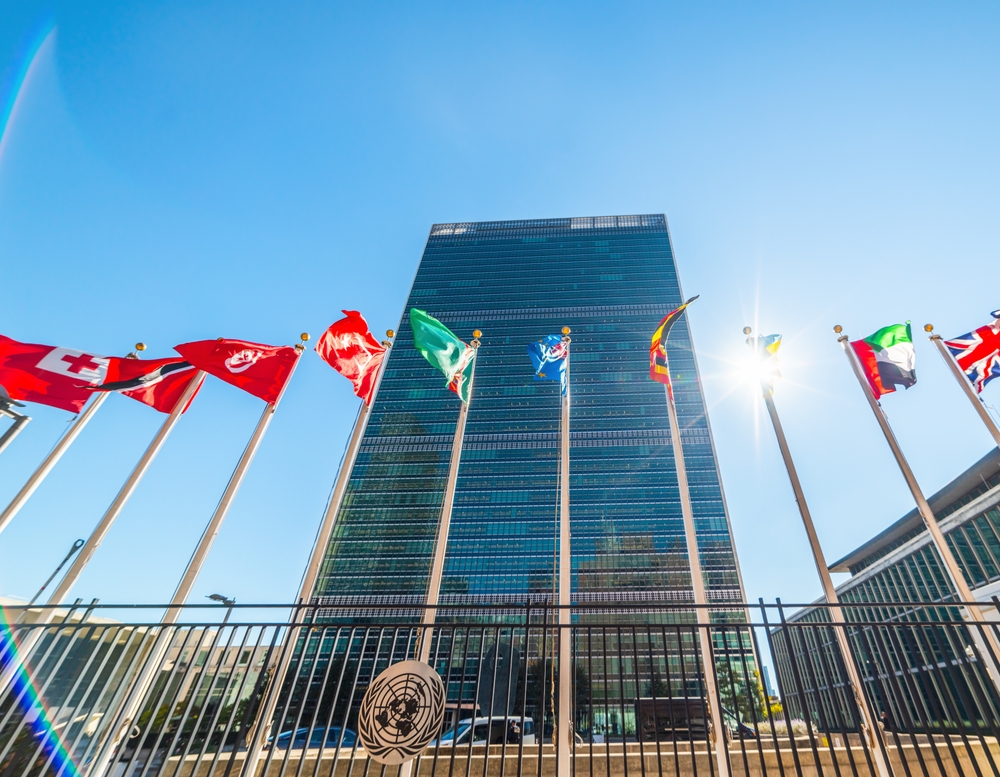
Archbishop Broglio: War should always be ‘a last resort’ #Catholic Archbishop for the Military Services, USA Timothy Broglio said this week that the ongoing U.S.-Iran war doesnʼt seem to be legitimate under a just war theory, with the prelate admitting that while military intelligence may have additional information unknown to the public, it was nevertheless “hard” to see how the war could be justified. The archbishop, who also served as the president of the U.S. Conference of Catholic Bishops from 2022 to 2025, made the remarks during an interview with Ed OʼKeefe on CBS Newsʼs “Face the Nation,” set to air on April 5. OʼKeefe during the interview highlighted Saint Augustineʼs theory of “just war” in which the ancient theologian pointed out that “the causes for which men undertake wars” must be grounded in both peace and necessity. The journalist asked if the Iran war could be justified under that doctrine. “I would think under the just war theory, it is not,” the archbishop said. “Because while there was a threat with nuclear arms, [the war is] compensating for a threat before [the threat itself] is actually realized.”“I would line myself up with Pope Leo, who has been urging for negotiation,” Broglio continued. “I realize also that you could say, well, with whom are you going to negotiate? And that is a problem.” “But in the meantime, lives are being lost, both there and also among troops,” he said. “So it is a concern.”On March 31 Pope Leo XIV appealed for world peace amid multiple conflicts throughout the Middle East, urging the faithful to pray “for the victims of war … that there may truly be a new, renewed peace, which can give new life to all.”Earlier, on Palm Sunday, the Holy Father spoke out more strongly against global conflict, arguing that God “does not listen to the prayers of those who wage war."In his interview on CBS, Broglio pointed to remarks in October of 1965 by then-Pope Paul VI, who in addressing the United Nations decried the “blood of millions” resulting from numerous global conflicts, telling the international body: “Never again war, never again war!” “Now, so many years later, weʼre still in this situation,” Broglio said. “So I think Pope Leo would definitely support saying that, you know, we have to find a situation where men and women can sit down and find avenues of peace.”“I think war is always a last resort,” the archbishop said during the interview. In January, amid overtures by the U.S. to potentially invade Greenland, Broglio in an interview with the BBC expressed concern that soldiers might be “put in a situation where they’re being ordered to do something that is morally questionable.”Speaking to CBS, the prelate acknowledged that a soldier in the military “has to obey [an order] unless itʼs clearly immoral.”“And then he would probably have to speak to his chaplain, to his chain of command,” the archbishop said. “The question might be, would generals or admirals have space to perhaps say, can we look at this a different way?” “But having spoken to some of them too, theyʼre also in the same dilemma,” he said. “So I guess my counsel would be to do as little harm as you can, and to try and preserve innocent lives.”

Archbishop Broglio: War should always be ‘a last resort’ #Catholic Archbishop for the Military Services, USA Timothy Broglio said this week that the ongoing U.S.-Iran war doesnʼt seem to be legitimate under a just war theory, with the prelate admitting that while military intelligence may have additional information unknown to the public, it was nevertheless “hard” to see how the war could be justified. The archbishop, who also served as the president of the U.S. Conference of Catholic Bishops from 2022 to 2025, made the remarks during an interview with Ed OʼKeefe on CBS Newsʼs “Face the Nation,” set to air on April 5. OʼKeefe during the interview highlighted Saint Augustineʼs theory of “just war” in which the ancient theologian pointed out that “the causes for which men undertake wars” must be grounded in both peace and necessity. The journalist asked if the Iran war could be justified under that doctrine. “I would think under the just war theory, it is not,” the archbishop said. “Because while there was a threat with nuclear arms, [the war is] compensating for a threat before [the threat itself] is actually realized.”“I would line myself up with Pope Leo, who has been urging for negotiation,” Broglio continued. “I realize also that you could say, well, with whom are you going to negotiate? And that is a problem.” “But in the meantime, lives are being lost, both there and also among troops,” he said. “So it is a concern.”On March 31 Pope Leo XIV appealed for world peace amid multiple conflicts throughout the Middle East, urging the faithful to pray “for the victims of war … that there may truly be a new, renewed peace, which can give new life to all.”Earlier, on Palm Sunday, the Holy Father spoke out more strongly against global conflict, arguing that God “does not listen to the prayers of those who wage war."In his interview on CBS, Broglio pointed to remarks in October of 1965 by then-Pope Paul VI, who in addressing the United Nations decried the “blood of millions” resulting from numerous global conflicts, telling the international body: “Never again war, never again war!” “Now, so many years later, weʼre still in this situation,” Broglio said. “So I think Pope Leo would definitely support saying that, you know, we have to find a situation where men and women can sit down and find avenues of peace.”“I think war is always a last resort,” the archbishop said during the interview. In January, amid overtures by the U.S. to potentially invade Greenland, Broglio in an interview with the BBC expressed concern that soldiers might be “put in a situation where they’re being ordered to do something that is morally questionable.”Speaking to CBS, the prelate acknowledged that a soldier in the military “has to obey [an order] unless itʼs clearly immoral.”“And then he would probably have to speak to his chaplain, to his chain of command,” the archbishop said. “The question might be, would generals or admirals have space to perhaps say, can we look at this a different way?” “But having spoken to some of them too, theyʼre also in the same dilemma,” he said. “So I guess my counsel would be to do as little harm as you can, and to try and preserve innocent lives.”

The archbishop for the Military Services, USA said it was “hard” to see how the ongoing war with Iran could be justified.

Read More
Nigerian archbishop to Trump: Give our nation intel and weapons to combat violence #Catholic Archbishop Ignatius Ayau Kaigama of Abuja, Nigeria, has requested intelligence assets and weaponry from U.S. President Donald Trump to combat violence in the country.The Nigerian prelate made his remarks during an informational briefing in Madrid, where the pontifical foundation Aid to the Church in Need (ACN) presented the campaign “May Persecution Not Have the Last Word: Heal Nigeria,” which aims to strengthen faith, heal the trauma caused by violence, and protect the persecuted.
 
 Ignatius Ayau Kaigama, archbishop of Abuja, Nigeria, at Aid to the Church in Need headquarters in Spain. | Credit: Nicolás de Cárdenas/ACI Prensa
 
 Kaigama noted that the U.S. president was “the first head of state to declare as a global leader, clearly and unequivocally, that Christians in Nigeria are being persecuted.”“We thank him,” noted the archbishop, who lamented that for years, only organizations like ACN had spoken out against the situation amid the silence of Western nations.“I was glad when I heard Donald Trump say, ‘We are going to go to Nigeria; we are going to put an end to Boko Haram’ … at Christmas, we received a gift — a bomb that fell on Nigerian soil — and, truth be told, I could not say whether it did any good,” the prelate commented.He explained that, initially, they welcomed Trump’s condemnation of the violence but in the long run it has proven counterproductive: “We thought he would come to strike at the root of the problem, utilizing intelligence, equipment, everything necessary to eradicate Boko Haram and allow us to live in peace. But a single bomb hasn’t accomplished much.” “On the contrary, these people are now more emboldened; they attack with regular frequency and are making things worse,” he said. “That incident, coupled with Donald Trump’s words, has greatly inflamed the passions of the Islamists in that territory. The number of attacks, the number of kidnappings carried out by Boko Haram and other groups, has been rising ever since.”
 
 The Catholic Church in Nigeria is under constant threat and attack from Islamic groups and other gangs. | Credit: ACN Spain
 
 “So we say to Donald Trump: Give us intelligence reports, give us weapons, collaborate with our government, and then find a way to eradicate all these military groups,” stated the prelate, who also sent a message to the leaders of other Western nations: “Stop ignoring what is happening in Africa, especially in Nigeria.”Deliberate Islamist effort to reduce Christian presence“Nigeria is bleeding,” Kaigama continued. “Nigeria is wounded. Nigeria is being destroyed by multiple factors. And we must ask God to help us heal Nigeria.”“There is a deliberate program by Islamists to reduce the Christian presence in this country,” he continued. “They are instilling fear into the laity who gather to celebrate Mass — bombarding them, shooting at them, threatening them, and preventing them from assembling.” He charged that “there is a deliberate strategy to thwart the growth of the Church, as well as the expansion of evangelization in Nigeria.”The archbishop warned that “if this continues, we will be in danger of losing our faith and also of being unable to remain strong enough to promote the faith and identity of our Church.”“If we are left alone, we will become sickened in mind and spirit. We are suffering,” he lamented.Heal NigeriaDuring the campaign launch, José María Garrido, the director of ACN Spain, described the dire situation facing Nigeria, where Boko Haram’s terrorism in the north is compounded by the criminal actions of extremist Fulani herdsmen groups and kidnapping gangs.From 2015 to 2025 alone, more than 200 priests were kidnapped across 70% of the country’s dioceses. Of these, 183 were released, 12 were murdered, and three others died as a result of the conditions of their captivity.
 
 From 2015 to 2025, more than 200 priests were kidnapped in Nigeria. | Credit: ACN Spain
 
 More than 80 communities have been attacked, and there are over 3 million internally displaced persons in the country due to the violence.To strengthen the faith of persecuted Christians, ACN Spain is fundraising for the construction of centers for psychological and spiritual assistance in the dioceses of Makurdi and Abuja.Furthermore, aid has been planned for the seminary in Kaduna — one of the dioceses hardest hit by kidnappings — to ensure that one of the universal Church’s greatest sources of vocations can carry on despite the prevailing fear and hardships.ACN Spain also seeks to provide support through various security projects, including the installation of alarm systems in parish centers and the provision of vehicles, enabling priests to minister to rural communities without the risk of being kidnapped.ACN Spain supports the persecuted Church in Nigeria through contributions that have steadily increased in recent years — exceeding 3 million euros (.48 million) in 2025 — and which the organization aims to sustain through its “Heal Nigeria” campaign.This story was first published by ACI Prensa, the Spanish-language sister service of EWTN News. It has been translated and adapted by EWTN News English.

Nigerian archbishop to Trump: Give our nation intel and weapons to combat violence #Catholic Archbishop Ignatius Ayau Kaigama of Abuja, Nigeria, has requested intelligence assets and weaponry from U.S. President Donald Trump to combat violence in the country.The Nigerian prelate made his remarks during an informational briefing in Madrid, where the pontifical foundation Aid to the Church in Need (ACN) presented the campaign “May Persecution Not Have the Last Word: Heal Nigeria,” which aims to strengthen faith, heal the trauma caused by violence, and protect the persecuted. Ignatius Ayau Kaigama, archbishop of Abuja, Nigeria, at Aid to the Church in Need headquarters in Spain. | Credit: Nicolás de Cárdenas/ACI Prensa Kaigama noted that the U.S. president was “the first head of state to declare as a global leader, clearly and unequivocally, that Christians in Nigeria are being persecuted.”“We thank him,” noted the archbishop, who lamented that for years, only organizations like ACN had spoken out against the situation amid the silence of Western nations.“I was glad when I heard Donald Trump say, ‘We are going to go to Nigeria; we are going to put an end to Boko Haram’ … at Christmas, we received a gift — a bomb that fell on Nigerian soil — and, truth be told, I could not say whether it did any good,” the prelate commented.He explained that, initially, they welcomed Trump’s condemnation of the violence but in the long run it has proven counterproductive: “We thought he would come to strike at the root of the problem, utilizing intelligence, equipment, everything necessary to eradicate Boko Haram and allow us to live in peace. But a single bomb hasn’t accomplished much.” “On the contrary, these people are now more emboldened; they attack with regular frequency and are making things worse,” he said. “That incident, coupled with Donald Trump’s words, has greatly inflamed the passions of the Islamists in that territory. The number of attacks, the number of kidnappings carried out by Boko Haram and other groups, has been rising ever since.” The Catholic Church in Nigeria is under constant threat and attack from Islamic groups and other gangs. | Credit: ACN Spain “So we say to Donald Trump: Give us intelligence reports, give us weapons, collaborate with our government, and then find a way to eradicate all these military groups,” stated the prelate, who also sent a message to the leaders of other Western nations: “Stop ignoring what is happening in Africa, especially in Nigeria.”Deliberate Islamist effort to reduce Christian presence“Nigeria is bleeding,” Kaigama continued. “Nigeria is wounded. Nigeria is being destroyed by multiple factors. And we must ask God to help us heal Nigeria.”“There is a deliberate program by Islamists to reduce the Christian presence in this country,” he continued. “They are instilling fear into the laity who gather to celebrate Mass — bombarding them, shooting at them, threatening them, and preventing them from assembling.” He charged that “there is a deliberate strategy to thwart the growth of the Church, as well as the expansion of evangelization in Nigeria.”The archbishop warned that “if this continues, we will be in danger of losing our faith and also of being unable to remain strong enough to promote the faith and identity of our Church.”“If we are left alone, we will become sickened in mind and spirit. We are suffering,” he lamented.Heal NigeriaDuring the campaign launch, José María Garrido, the director of ACN Spain, described the dire situation facing Nigeria, where Boko Haram’s terrorism in the north is compounded by the criminal actions of extremist Fulani herdsmen groups and kidnapping gangs.From 2015 to 2025 alone, more than 200 priests were kidnapped across 70% of the country’s dioceses. Of these, 183 were released, 12 were murdered, and three others died as a result of the conditions of their captivity. From 2015 to 2025, more than 200 priests were kidnapped in Nigeria. | Credit: ACN Spain More than 80 communities have been attacked, and there are over 3 million internally displaced persons in the country due to the violence.To strengthen the faith of persecuted Christians, ACN Spain is fundraising for the construction of centers for psychological and spiritual assistance in the dioceses of Makurdi and Abuja.Furthermore, aid has been planned for the seminary in Kaduna — one of the dioceses hardest hit by kidnappings — to ensure that one of the universal Church’s greatest sources of vocations can carry on despite the prevailing fear and hardships.ACN Spain also seeks to provide support through various security projects, including the installation of alarm systems in parish centers and the provision of vehicles, enabling priests to minister to rural communities without the risk of being kidnapped.ACN Spain supports the persecuted Church in Nigeria through contributions that have steadily increased in recent years — exceeding 3 million euros ($3.48 million) in 2025 — and which the organization aims to sustain through its “Heal Nigeria” campaign.This story was first published by ACI Prensa, the Spanish-language sister service of EWTN News. It has been translated and adapted by EWTN News English.

Archbishop Ignatius Ayau Kaigama appealed for U.S. assistance in combatting Islamic terrorism.

Read More
Mathematicians can become ‘signs of hope for the world,’ Pope Leo XIV says #Catholic In a message conveyed through Vatican Secretary of State Cardinal Pietro Parolin, Pope Leo XIV on Friday said that mathematicians can become “signs of hope for the world,” particularly in a context marked by rapid technological advancements and challenges facing humanity.The pope’s message was addressed to the Turkish mathematician and university professor Betül Tanbay, chair of the International Day of Mathematics, which was observed March 13. Tanbay had informed the pontiff of a webinar dedicated to the theme “Mathematics and Hope.” In response, the pope sent a letter extending his cordial greetings and best wishes to all participants in the initiative.In the text, Leo XIV invited reflection on the role that mathematics can play in the face of “the multiple challenges confronting the human family,” citing rapid technological development, with all its potential “for both good and evil.”The pontiff encouraged participants to consider how mathematicians can offer a positive witness to society. “A particularly fruitful area of ​​research is the use of algorithms, especially in the field of artificial intelligence,” he noted.However, the pope emphasized that work in these fields demands something more than technical competence. As he pointed out, this task requires “not only intellectual effort and ingenuity but also the integral growth of the whole person,” capable of taking into account the moral dimension of emerging technologies.Recalling his own experience as a mathematics and physics teacher, Leo XIV quoted words he addressed to students during the Jubilee of the World of Education, held on Oct. 30, 2025: “Possessing vast knowledge is not enough if we don’t know who we are or what the meaning of life is.”Along these lines, the pontiff expressed his hope that participants would be attentive “to the profound spiritual needs of the human heart” and seek ways to humanize the digital realm so that it may become an opportunity for fraternity and creativity.Likewise, he encouraged mathematicians to be “prophets of hope, truth, and goodness in the world.”The message concluded with a prayer from the pope for all participants in the International Day of Mathematics, upon whom he invoked “abundant divine blessings of wisdom, joy, and peace.”Pope Leo XIV’s mathematical backgroundRobert Francis Prevost, now Pope Leo XIV, graduated in 1977 from Villanova University in Pennsylvania, earning a bachelor of arts degree in mathematics alongside studies in philosophy. This preceded the beginning of his theological studies upon his formal entry into the Augustinian novitiate that same year.During his time at the Catholic Theological Union in Chicago, Prevost combined his religious formation with teaching: He taught mathematics part time at Mendel Catholic High School in Chicago and worked occasionally as a substitute physics teacher at St. Rita of Cascia High School.This story was first published by ACI Prensa, the Spanish-language sister service of EWTN News. It has been translated and adapted by EWTN News English.

Mathematicians can become ‘signs of hope for the world,’ Pope Leo XIV says #Catholic In a message conveyed through Vatican Secretary of State Cardinal Pietro Parolin, Pope Leo XIV on Friday said that mathematicians can become “signs of hope for the world,” particularly in a context marked by rapid technological advancements and challenges facing humanity.The pope’s message was addressed to the Turkish mathematician and university professor Betül Tanbay, chair of the International Day of Mathematics, which was observed March 13. Tanbay had informed the pontiff of a webinar dedicated to the theme “Mathematics and Hope.” In response, the pope sent a letter extending his cordial greetings and best wishes to all participants in the initiative.In the text, Leo XIV invited reflection on the role that mathematics can play in the face of “the multiple challenges confronting the human family,” citing rapid technological development, with all its potential “for both good and evil.”The pontiff encouraged participants to consider how mathematicians can offer a positive witness to society. “A particularly fruitful area of ​​research is the use of algorithms, especially in the field of artificial intelligence,” he noted.However, the pope emphasized that work in these fields demands something more than technical competence. As he pointed out, this task requires “not only intellectual effort and ingenuity but also the integral growth of the whole person,” capable of taking into account the moral dimension of emerging technologies.Recalling his own experience as a mathematics and physics teacher, Leo XIV quoted words he addressed to students during the Jubilee of the World of Education, held on Oct. 30, 2025: “Possessing vast knowledge is not enough if we don’t know who we are or what the meaning of life is.”Along these lines, the pontiff expressed his hope that participants would be attentive “to the profound spiritual needs of the human heart” and seek ways to humanize the digital realm so that it may become an opportunity for fraternity and creativity.Likewise, he encouraged mathematicians to be “prophets of hope, truth, and goodness in the world.”The message concluded with a prayer from the pope for all participants in the International Day of Mathematics, upon whom he invoked “abundant divine blessings of wisdom, joy, and peace.”Pope Leo XIV’s mathematical backgroundRobert Francis Prevost, now Pope Leo XIV, graduated in 1977 from Villanova University in Pennsylvania, earning a bachelor of arts degree in mathematics alongside studies in philosophy. This preceded the beginning of his theological studies upon his formal entry into the Augustinian novitiate that same year.During his time at the Catholic Theological Union in Chicago, Prevost combined his religious formation with teaching: He taught mathematics part time at Mendel Catholic High School in Chicago and worked occasionally as a substitute physics teacher at St. Rita of Cascia High School.This story was first published by ACI Prensa, the Spanish-language sister service of EWTN News. It has been translated and adapted by EWTN News English.

On the International Day of Mathematics, Pope Leo XIV sent a message inviting reflection on the role good mathematics can play in today’s world.

Read More