Day: April 21, 2026

Heavenly Father,
in glorifying Jesus
and sending us your Spirit,
You open the way to eternal life.
May my sharing in this Gift increase my love
and make my faith grow stronger.
Send Your Spirit to cleanse my life
so that the offering of myself to You at Mass
may be pleasing to You.
May my sharing in the Eucharist,
our Bread of Life,
bring me eternal life.

Read More
U.S. dioceses observe Child Abuse Prevention Month – #Catholic – Dioceses nationwide are observing National Child Abuse Prevention Month, and Cardinal Blase Cupich and Bishop Barry Knestout are urging renewed vigilance and commitment to the protection of children.In a video message on behalf of the U.S. Conference of Catholic Bishops (USCCB), Cupich reflected with gratitude on the bishops’ adoption of the 2002 “Charter for the Protection of Children and Young People,” while Knestout separately emphasized April as a time for prayer, education, and recommitment to the well‑being of the young.Instagram postCupich described the bishops’ enactment of the 2002 “Charter for the Protection of Children and Young People” in the video as “something important and that I’m really proud of.”“When I look back at the 50 years of being a priest and 27 years as a bishop, one of the things that I am so pleased happened during my time was a means by which the Church would come together in this country and protect and defend those who suffered abuse,” the Chicago archbishop said. “I was the chair of the Committee for the Protection of Children and Young People but also was involved in the 2002 moment in which, in Dallas, we enacted the charter,” Cupich said.“And then, of course, when we released the studies by the John Jay School of Criminal Justice, I was the chair of that committee,” he said.“So, I think that is an important contribution for the life of the Church that I really embrace as something important and that Iʼm proud of,” he said.Cupich was serving on the Ad Hoc Committee on Sexual Abuse in 2002 when the abuse crisis hit and was part of the group that helped draft the charter. The Ad Hoc Committee was established in 1993 by the then-National Conference of Catholic Bishops (NCCB) after the conference had been “dealing with the subject of sexual abuse by clergy since the mid-1980s.”The 2002 charter mandated the creation of a permanent USCCB Committee for the Protection of Children and Young People, which Cupich led from 2008 to 2011.A call for vigilance“In the protection of children and young people from abuse, it is important for all of us who work or minister to youth to remain vigilant in our efforts of protection and education,” Knestout, who serves as chair of the committee, told EWTN News.“This annual reminder to recommit and refocus our attention on the physical, intellectual, and spiritual well-being of the young is also an important reminder that, as we continue to walk with survivors in their healing, we are called to continual improvement,” he said.Knestout noted that each April, dioceses are called to observe National Child Abuse Prevention Month “by praying for victim survivors and their families.”
 
 Bishop Barry Knestout. | Credit: Photo courtesy of the Archdiocese of Washington
 
 “We do this in different ways, such as at Mass, or with a special rosary with these intentions,” he said. “Protecting children and youth is a vital part of the Church’s ongoing ministry throughout the year, but April provides us with an occasion for our diocesan safe environment office to share information about our child protection practices with the people of the diocese, ensuring that it remains a core value for our ministry.”The USCCB’s poster from the Secretariat of Child and Youth Protection for National Child Abuse Prevention Month 2026 includes messages such as “Every Child Matters — Make a Difference,” as well as “Let’s stand up for children!” and “Learn how we can all keep children safe.”

U.S. dioceses observe Child Abuse Prevention Month – #Catholic – Dioceses nationwide are observing National Child Abuse Prevention Month, and Cardinal Blase Cupich and Bishop Barry Knestout are urging renewed vigilance and commitment to the protection of children.In a video message on behalf of the U.S. Conference of Catholic Bishops (USCCB), Cupich reflected with gratitude on the bishops’ adoption of the 2002 “Charter for the Protection of Children and Young People,” while Knestout separately emphasized April as a time for prayer, education, and recommitment to the well‑being of the young.Instagram postCupich described the bishops’ enactment of the 2002 “Charter for the Protection of Children and Young People” in the video as “something important and that I’m really proud of.”“When I look back at the 50 years of being a priest and 27 years as a bishop, one of the things that I am so pleased happened during my time was a means by which the Church would come together in this country and protect and defend those who suffered abuse,” the Chicago archbishop said. “I was the chair of the Committee for the Protection of Children and Young People but also was involved in the 2002 moment in which, in Dallas, we enacted the charter,” Cupich said.“And then, of course, when we released the studies by the John Jay School of Criminal Justice, I was the chair of that committee,” he said.“So, I think that is an important contribution for the life of the Church that I really embrace as something important and that Iʼm proud of,” he said.Cupich was serving on the Ad Hoc Committee on Sexual Abuse in 2002 when the abuse crisis hit and was part of the group that helped draft the charter. The Ad Hoc Committee was established in 1993 by the then-National Conference of Catholic Bishops (NCCB) after the conference had been “dealing with the subject of sexual abuse by clergy since the mid-1980s.”The 2002 charter mandated the creation of a permanent USCCB Committee for the Protection of Children and Young People, which Cupich led from 2008 to 2011.A call for vigilance“In the protection of children and young people from abuse, it is important for all of us who work or minister to youth to remain vigilant in our efforts of protection and education,” Knestout, who serves as chair of the committee, told EWTN News.“This annual reminder to recommit and refocus our attention on the physical, intellectual, and spiritual well-being of the young is also an important reminder that, as we continue to walk with survivors in their healing, we are called to continual improvement,” he said.Knestout noted that each April, dioceses are called to observe National Child Abuse Prevention Month “by praying for victim survivors and their families.” Bishop Barry Knestout. | Credit: Photo courtesy of the Archdiocese of Washington “We do this in different ways, such as at Mass, or with a special rosary with these intentions,” he said. “Protecting children and youth is a vital part of the Church’s ongoing ministry throughout the year, but April provides us with an occasion for our diocesan safe environment office to share information about our child protection practices with the people of the diocese, ensuring that it remains a core value for our ministry.”The USCCB’s poster from the Secretariat of Child and Youth Protection for National Child Abuse Prevention Month 2026 includes messages such as “Every Child Matters — Make a Difference,” as well as “Let’s stand up for children!” and “Learn how we can all keep children safe.”

Bishop Barry Knestout of Richmond, Virginia, urged vigilance in child protection, and Cardinal Blase Cupich of Chicago posted a video message about the month’s observance on behalf of U.S. bishops.

Read More
Bishop urges ‘return to Christian values’ after shooting at Mexican pyramid – #Catholic – In the wake of a shooting on April 20 at the Teotihuacán archaeological site in Mexico, which resulted in two deaths and 13 injuries, Bishop Guillermo Francisco Escobar Galicia of Teotihuacán expressed his sorrow, called for prayers, and issued an urgent appeal to “reaffirm Christian values ​​within families.”“We deeply lament that this has occurred as a consequence of the loss of a sense of the meaning of life and the failure to recognize the other as a brother,” the bishop stated in a press release.According to a statement from the Security Cabinet, the body responsible for the countryʼs security strategy, “a man fired shots at the scene and subsequently took his own life.” “Regrettably, a Canadian woman lost her life, and as of now there are reports of several individuals who sustained injuries and are currently receiving medical attention. A firearm, a bladed weapon, and unspent ammunition were secured at the scene,” the statement said.According to the Security Cabinet, the 13 people injured, two of whom are minors aged 6 and 13, are foreign nationals: six from the United States, three from Colombia, one from Canada, one from Russia, one from the Netherlands, and one from Brazil. As of the latest report, “eight remain hospitalized.”The office of the attorney general of Mexico state identified Julio César Jasso Ramírez, a Mexican national, as the alleged assailant. Mexican President Claudia Sheinbaum stated April 20 on X that “what occurred today in Teotihuacán pains us deeply. I express my most sincere solidarity with those affected and their families. We are in contact with the Canadian Embassy.”“I have instructed the Security Cabinet to thoroughly investigate these events and provide all necessary support,” she stated.The federal attorney generalʼs office stated that it is carrying out “the necessary investigative steps to clarify what occurred, in coordination with the attorney generalʼs office of Mexico state.”Located approximately 25 miles northeast of Mexico City, the Teotihuacán archaeological site, which includes the Pyramids of the Sun and the Moon, is the second-most-visited site in Mexico after Chichén Itzá in Yucatán state. According to official figures from the Secretariat of Tourism, 1.8 million tourists visited Teotihuacán during 2025.Look to Jesus ChristIn his statement, Escobar called upon all Catholic faithful “to lift up our prayers for those who have lost their lives, as well as for all those who are going astray, that they may be profoundly reconciled with God and with others.”“Today, more than ever, we need to look to Jesus Christ, the way, the truth, and the life, to return to Christian values ​​within our families,” he said.“May Mary Most Holy accompany and soothe the pain of those suffering the loss of a loved one and of those who have gone through this bitter experience,” the prelate prayed.This story was first published by ACI Prensa, the Spanish-language sister service of EWTN News. It has been translated and adapted by EWTN News English.

Bishop urges ‘return to Christian values’ after shooting at Mexican pyramid – #Catholic – In the wake of a shooting on April 20 at the Teotihuacán archaeological site in Mexico, which resulted in two deaths and 13 injuries, Bishop Guillermo Francisco Escobar Galicia of Teotihuacán expressed his sorrow, called for prayers, and issued an urgent appeal to “reaffirm Christian values ​​within families.”“We deeply lament that this has occurred as a consequence of the loss of a sense of the meaning of life and the failure to recognize the other as a brother,” the bishop stated in a press release.According to a statement from the Security Cabinet, the body responsible for the countryʼs security strategy, “a man fired shots at the scene and subsequently took his own life.” “Regrettably, a Canadian woman lost her life, and as of now there are reports of several individuals who sustained injuries and are currently receiving medical attention. A firearm, a bladed weapon, and unspent ammunition were secured at the scene,” the statement said.According to the Security Cabinet, the 13 people injured, two of whom are minors aged 6 and 13, are foreign nationals: six from the United States, three from Colombia, one from Canada, one from Russia, one from the Netherlands, and one from Brazil. As of the latest report, “eight remain hospitalized.”The office of the attorney general of Mexico state identified Julio César Jasso Ramírez, a Mexican national, as the alleged assailant. Mexican President Claudia Sheinbaum stated April 20 on X that “what occurred today in Teotihuacán pains us deeply. I express my most sincere solidarity with those affected and their families. We are in contact with the Canadian Embassy.”“I have instructed the Security Cabinet to thoroughly investigate these events and provide all necessary support,” she stated.The federal attorney generalʼs office stated that it is carrying out “the necessary investigative steps to clarify what occurred, in coordination with the attorney generalʼs office of Mexico state.”Located approximately 25 miles northeast of Mexico City, the Teotihuacán archaeological site, which includes the Pyramids of the Sun and the Moon, is the second-most-visited site in Mexico after Chichén Itzá in Yucatán state. According to official figures from the Secretariat of Tourism, 1.8 million tourists visited Teotihuacán during 2025.Look to Jesus ChristIn his statement, Escobar called upon all Catholic faithful “to lift up our prayers for those who have lost their lives, as well as for all those who are going astray, that they may be profoundly reconciled with God and with others.”“Today, more than ever, we need to look to Jesus Christ, the way, the truth, and the life, to return to Christian values ​​within our families,” he said.“May Mary Most Holy accompany and soothe the pain of those suffering the loss of a loved one and of those who have gone through this bitter experience,” the prelate prayed.This story was first published by ACI Prensa, the Spanish-language sister service of EWTN News. It has been translated and adapted by EWTN News English.

In response to a shooting at a Mexican archeological site that left two dead and 13 injured, Bishop Guillermo Escobar urged people to look to Jesus Christ and return to Christian values.

Read More
PHOTOS: Pope Leo XIV visits Equatorial Guinea as Africa visit draws to a close – #Catholic – Pope Leo XIV met with civic leaders and cultural stewards in Equatorial Guinea on April 21, coming to the coastal African nation after traveling across much of the continent during his first papal visit there. The Holy Fatherʼs two-day stay in Equatorial Guinea will cap his visit to Africa, during which he has visited and toured Algeria, Cameroon, and Angola. During his first day in Equatorial Guinea, Leo met with President Teodoro Obiang Nguema Mbasogo along with civil leaders and the countryʼs diplomatic corps.He also visited with cultural leaders and with staff and patients at a psychiatric hospital in Malabo. Hereʼs a look at Leoʼs activities during his first day in Equatorial Guinea:
 
 Pope Leo XIV waves as he departs Angola at Quatro de Fevereiro International Airport on Tuesday, April 21, 2026. | Credit: Vatican Media


 Pope Leo XIV waves as he arrives in Equatorial Guinea on Tuesday, April 21, 2026. | Credit: Vatican Media


 Pope Leo XIV greets Equatorial Guinea President Teodoro Obiang Nguema Mbasogo upon his arrival in the country on Tuesday, April 21, 2026. | Credit: Vatican Media


 Pope Leo XIV is greeted as he arrives in Equatorial Guinea on Tuesday, April 21, 2026. | Credit: Vatican Media


 Pope Leo XIV waves to crowds after arriving in Equatorial Guinea on Tuesday, April 21, 2026. | Credit: Vatican Media


 Pope Leo XIV receives gifts during his meeting with Equatorial Guinea President Teodoro Obiang Nguema Mbasogo at the presidential palace in Malabo on April 21, 2026. | Credit: Vatican Media


 Pope Leo XIV and Equatorial Guinea President Teodoro Obiang Nguema Mbasogo speak at the country’s presidential palace on Tuesday, April 21, 2026. | Credit: Vatican Media


 Pope Leo XIV meets with Equatorial Guinea President Teodoro Obiang Nguema Mbasogo at the presidential palace in Malabo on April 21, 2026. | Credit: Vatican Media


 Pope Leo XIV greets crowds as he walks through Malabo in Equatorial Guinea on Tuesday, April 21, 2026. | Credit: Vatican Media


 Pope Leo XIV greets crowds as he walks through Malabo in Equatorial Guinea on Tuesday, April 21, 2026. | Credit: Vatican Media


 Pope Leo XIV speaks to civil leaders at Malabo, Equatorial Guinea, on Tuesday, April 21, 2026. | Credit: Vatican Media


 Pope Leo XIV prays at St. Elizabeth Cathedral in Malabo, Equatorial Guinea, on Tuesday, April 21, 2026. | Credit: Vatican Media


 Pope Leo XIV waves to the crowd during a meeting with the World of Culture at the León XIV Campus of the National University, Malabo, Equatorial Guinea, on Tuesday, April 21, 2026. | Credit: Vatican Media


 Pope Leo XIV speaks during a meeting with the World of Culture at the León XIV Campus of the National University in Malabo, Equatorial Guinea, on Tuesday, April 21, 2026. | Credit: Vatican Media


 Pope Leo XIV waves to crowds during a meeting with the World of Culture at the León XIV Campus of the National University in Malabo, Equatorial Guinea, on Tuesday, April 21, 2026. | Credit: Vatican Media


 Pope Leo XIV speaks at the Jean Pierre Olie Psychiatric Hospital in Malabo, Equatorial Guinea, on Tuesday, April 21, 2026. | Credit: Vatican Media


 Pope Leo XIV views a plaque underneath a statue in his honor during a meeting with the World of Culture at the León XIV Campus of the National University in Malabo, Equatorial Guinea, on Tuesday, April 21, 2026. | Credit: Vatican Media


 Pope Leo XIV greets crowds at the Jean Pierre Olie Psychiatric Hospital in Malabo, Equatorial Guinea, on Tuesday, April 21, 2026. | Credit: Vatican Media


 Pope Leo XIV greets an official at the Jean Pierre Olie Psychiatric Hospital in Malabo, Equatorial Guinea, on Tuesday, April 21, 2026. | Credit: Vatican Media

PHOTOS: Pope Leo XIV visits Equatorial Guinea as Africa visit draws to a close – #Catholic – Pope Leo XIV met with civic leaders and cultural stewards in Equatorial Guinea on April 21, coming to the coastal African nation after traveling across much of the continent during his first papal visit there. The Holy Fatherʼs two-day stay in Equatorial Guinea will cap his visit to Africa, during which he has visited and toured Algeria, Cameroon, and Angola. During his first day in Equatorial Guinea, Leo met with President Teodoro Obiang Nguema Mbasogo along with civil leaders and the countryʼs diplomatic corps.He also visited with cultural leaders and with staff and patients at a psychiatric hospital in Malabo. Hereʼs a look at Leoʼs activities during his first day in Equatorial Guinea: Pope Leo XIV waves as he departs Angola at Quatro de Fevereiro International Airport on Tuesday, April 21, 2026. | Credit: Vatican Media Pope Leo XIV waves as he arrives in Equatorial Guinea on Tuesday, April 21, 2026. | Credit: Vatican Media Pope Leo XIV greets Equatorial Guinea President Teodoro Obiang Nguema Mbasogo upon his arrival in the country on Tuesday, April 21, 2026. | Credit: Vatican Media Pope Leo XIV is greeted as he arrives in Equatorial Guinea on Tuesday, April 21, 2026. | Credit: Vatican Media Pope Leo XIV waves to crowds after arriving in Equatorial Guinea on Tuesday, April 21, 2026. | Credit: Vatican Media Pope Leo XIV receives gifts during his meeting with Equatorial Guinea President Teodoro Obiang Nguema Mbasogo at the presidential palace in Malabo on April 21, 2026. | Credit: Vatican Media Pope Leo XIV and Equatorial Guinea President Teodoro Obiang Nguema Mbasogo speak at the country’s presidential palace on Tuesday, April 21, 2026. | Credit: Vatican Media Pope Leo XIV meets with Equatorial Guinea President Teodoro Obiang Nguema Mbasogo at the presidential palace in Malabo on April 21, 2026. | Credit: Vatican Media Pope Leo XIV greets crowds as he walks through Malabo in Equatorial Guinea on Tuesday, April 21, 2026. | Credit: Vatican Media Pope Leo XIV greets crowds as he walks through Malabo in Equatorial Guinea on Tuesday, April 21, 2026. | Credit: Vatican Media Pope Leo XIV speaks to civil leaders at Malabo, Equatorial Guinea, on Tuesday, April 21, 2026. | Credit: Vatican Media Pope Leo XIV prays at St. Elizabeth Cathedral in Malabo, Equatorial Guinea, on Tuesday, April 21, 2026. | Credit: Vatican Media Pope Leo XIV waves to the crowd during a meeting with the World of Culture at the León XIV Campus of the National University, Malabo, Equatorial Guinea, on Tuesday, April 21, 2026. | Credit: Vatican Media Pope Leo XIV speaks during a meeting with the World of Culture at the León XIV Campus of the National University in Malabo, Equatorial Guinea, on Tuesday, April 21, 2026. | Credit: Vatican Media Pope Leo XIV waves to crowds during a meeting with the World of Culture at the León XIV Campus of the National University in Malabo, Equatorial Guinea, on Tuesday, April 21, 2026. | Credit: Vatican Media Pope Leo XIV speaks at the Jean Pierre Olie Psychiatric Hospital in Malabo, Equatorial Guinea, on Tuesday, April 21, 2026. | Credit: Vatican Media Pope Leo XIV views a plaque underneath a statue in his honor during a meeting with the World of Culture at the León XIV Campus of the National University in Malabo, Equatorial Guinea, on Tuesday, April 21, 2026. | Credit: Vatican Media Pope Leo XIV greets crowds at the Jean Pierre Olie Psychiatric Hospital in Malabo, Equatorial Guinea, on Tuesday, April 21, 2026. | Credit: Vatican Media Pope Leo XIV greets an official at the Jean Pierre Olie Psychiatric Hospital in Malabo, Equatorial Guinea, on Tuesday, April 21, 2026. | Credit: Vatican Media

The Holy Father has already visited Algeria, Cameroon, and Angola as part of his papal visit to the continent.

Read More
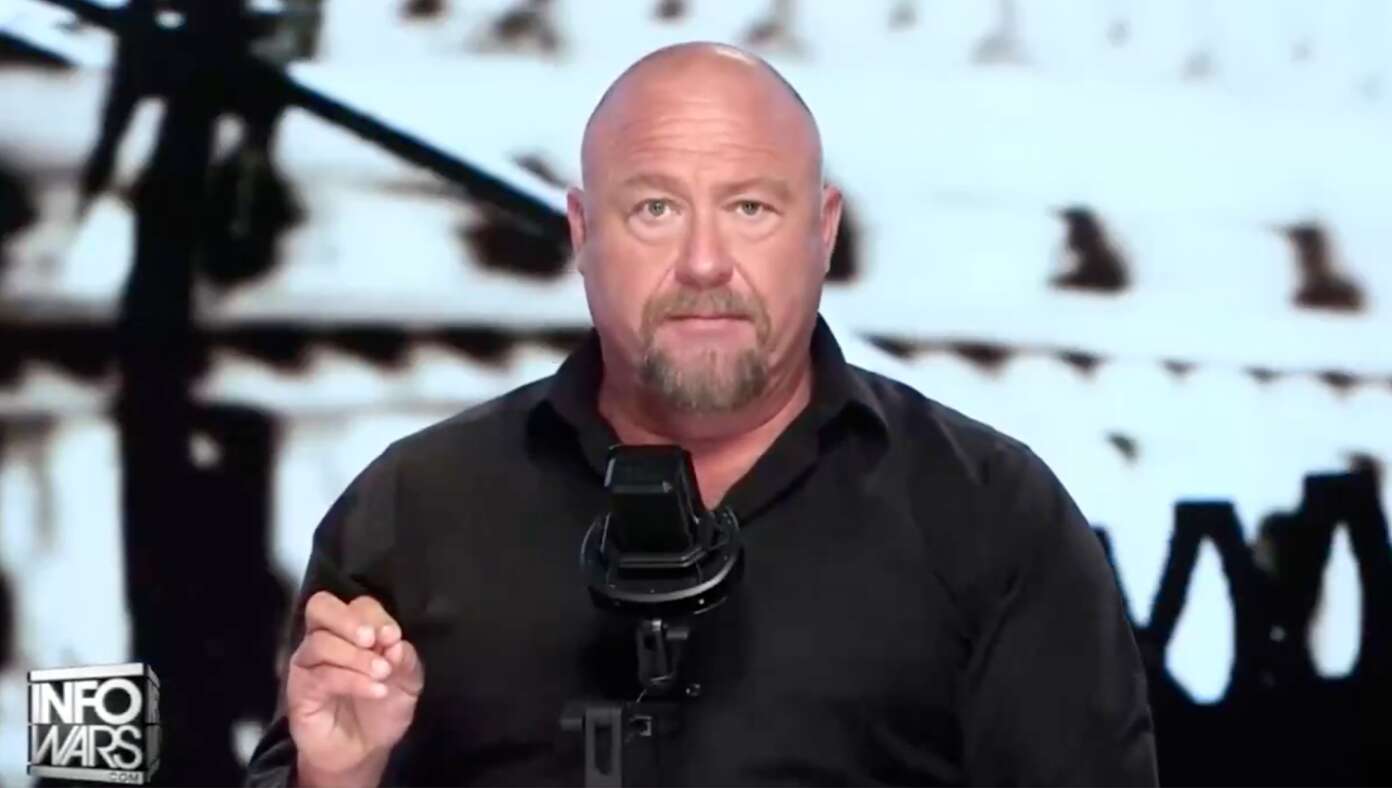
Alex Jones Worried People Will Start To Think Stories Reported By Infowars Are Fake #BabylonBee – AUSTIN, TX — Following an announcement that Infowars would soon be converted into a satirical news outlet, American media personality Alex Jones, known for his fringe conspiracy theories related to the Sandy Hook school shooting and homosexual frogs, expressed concern that people would start to think the stories reported by Infowars are fake.

AUSTIN, TX — Following an announcement that Infowars would soon be converted into a satirical news outlet, American media personality Alex Jones, known for his fringe conspiracy theories related to the Sandy Hook school shooting and homosexual frogs, expressed concern that people would start to think the stories reported by Infowars are fake.

Read More

March for Life in Warsaw commemorates 1,060 years of Christianity in Poland #Catholic Thousands of people gathered in Poland’s capital on April 19 for the National March for Life, a large public demonstration organized under the slogan “Faith and Fidelity 1966–2026,” commemorating the 1,060th anniversary of the Christianization of Poland. The event combined religious observance, civic participation, and pro-life advocacy, drawing families, clergy, activists, and public figures to central Warsaw. The day began with Mass celebrated in two of the cityʼs major churches. 
 
 Mass is celebrated at the Archcathedral Basilica of the Martyrdom of St. John the Baptist in Warsaw, Poland, on April 19, 2026. | Credit: Tomasz Daniluk/Ordo Iuris
 
 In the Archcathedral Basilica of St. John the Baptist, Bishop Piotr Jarecki presided over the liturgy, while Bishop Tomasz Sztajerwald celebrated Mass at the Cathedral of St. Michael the Archangel and St. Florian in Warsaw-Praga.Participants later gathered at Castle Square, where the march officially began. Organizers described the event as a public expression of support for life and family, rooted in Poland’s Christian tradition. Metropolitan Archbishop Adrian Galbas of Warsaw encouraged participation ahead of the event, framing it as a testimony to human dignity. “We want to testify that we are lovers of life. Bring your family along! Life triumphs over every death,” he declared.
 
 Church leaders join Poland’s President Karol Nawrocki and other dignitaries at the March for Life in Warsaw on April 19, 2026. | Credit: Tomasz Daniluk/Ordo lures
 
 March through Warsaw highlights pro-life messageThe procession moved through central Warsaw streets under the historic slogan marking Poland’s Christian heritage. As participants approached the Presidential Palace, Polish President Karol Nawrocki spoke, linking the march to broader social concerns.“I support initiatives that serve Poland, and this initiative certainly serves Poland,” he said. “It is also a response to the deep demographic crisis. Today, the answer to many Polish problems lies precisely in Polish families, in our identity, in remembering where we come from and where we are going.”Organizers said the march was intended not only as a demonstration of pro-life conviction but also as a broader reflection on national identity and social cohesion.A prominent symbol carried during the march was a copy of the icon of Our Lady of Częstochowa, which has been traveling internationally for 14 years as part of the From Ocean to Ocean pilgrimage in defense of life. The icon has traveled more than 220,000 kilometers (almost 137,000 miles) and visited 32 countries across five continents.
 
 Participants carry an icon of Our Lady of Częstochowa. | Credit: Tomasz Daniluk/Ordo Iuris
 
 Shifting abortion attitudes among younger PolesThe National March for Life is organized by the St. Benedict Foundation alongside dozens of pro-life groups from across Poland and takes place under the honorary patronage of the Polish Episcopal Conference.Patrycja Michońska-Dynek, director of the Press Center of the Archdiocese of Warsaw, told EWTN News that there are shifting public attitudes toward abortion in Poland, including growing societal acceptance and increased calls for liberalization, attributing these changes to secularization, cultural pressures, and differing interpretations of freedom.Michońska-Dynek also observed that while pro-life values remain important in Polish society, younger generations often approach the issue with more nuanced perspectives, particularly in complex or exceptional situations. Fostering a “culture of life” must include practical support for families, such as assistance for single mothers and couples in crisis, Michońska-Dynek said.
 
 Lidia, a participant at the National March for Life. | Credit: Tomasz Daniluk/Ordo Iuris
 
 Not a single-issue agendaLidia Sankowska-Grabczuk, one of the organizers of the National March for Life, told EWTN News that the pro-life movement in Poland extends beyond a single-issue focus on abortion.“In a nutshell, the pro-life movement is [often] the anti-abortion movement. In our view… it’s a bit different. We don’t reduce it to a single-issue agenda,” she said, warning that such a narrow framing “strips it of its true meaning.” While protecting unborn life remains central, she described it as part of a broader vision rooted in what she called “the public voice of Polish Christianity.”She outlined three core pillars underpinning the movement. The first is “respect for life,” encompassing not only the unborn but also solidarity with the elderly, families, and those in need. The second is the family as society’s foundation, grounded in the traditional understanding of marriage and its role in Poland’s social stability. The third pillar is “a state serving the common good,” reflecting a view of politics as service and a call for greater social solidarity.
 
 March for Life in Warsaw commemorates 1,060 years of Christianity in Poland. | Credit: Tomasz Daniluk/Ordo Iuris
 
 Sankowska-Grabczuk also discussed the importance of Poland’s historical and Christian identity in shaping the movement. She noted that recent marches have intentionally marked major national milestones, including the 1,000th anniversary of Poland’s first royal coronation in 2025.These commemorations, she said, highlight how the movement sees its mission as inseparable from Poland’s historical development, where Christianity has long informed both national identity and social values.Pro-life voices and public participationAmong international participants was Tonio Borg, president of the European Federation One of Us. He urged participants to remain steadfast in their convictions despite criticism or public pressure. “Do not be afraid of being slandered and ridiculed because you seek to protect life from the moment of conception,” he said, encouraging continued public engagement and advocacy. He also called on supporters to make their voices heard in the public sphere, stressing the importance of influencing lawmakers and demonstrating that “the unborn child is one of us.”
 
 Paula, a participant at the National March for Life in Poland. | Credit: Tomasz Daniluk/Ordo Iuris
 
 Marcin Perłowski, director of the Centre for Life and Family, said participants gathered at the march out of a shared conviction that “human life begins at conception” and must be defended. He stated that the National March for Life serves as a public demonstration of that belief, describing it as a stand “against all those who raise a hand against unborn children.”Pro-life activist Emilia Mędrzecka told EWTN News that her position is grounded in a belief in universal human dignity. “Children in the womb are as human as we are… they are more dependent and need time to grow,” she said while adding that the march reflected a strong presence of families, young people, and older generations united in support of life.
 
 Polish president Karol Nawrocki walks among participants at the National March for Life in Poland. | Credit: Tomasz Daniluk/Ordo Iuris
 
 While official attendance figures have not been released, estimates provided to EWTN News suggested more than 10,000 people participated, with organizers placing peak attendance between 25,000 and 30,000.

March for Life in Warsaw commemorates 1,060 years of Christianity in Poland #Catholic Thousands of people gathered in Poland’s capital on April 19 for the National March for Life, a large public demonstration organized under the slogan “Faith and Fidelity 1966–2026,” commemorating the 1,060th anniversary of the Christianization of Poland. The event combined religious observance, civic participation, and pro-life advocacy, drawing families, clergy, activists, and public figures to central Warsaw. The day began with Mass celebrated in two of the cityʼs major churches. Mass is celebrated at the Archcathedral Basilica of the Martyrdom of St. John the Baptist in Warsaw, Poland, on April 19, 2026. | Credit: Tomasz Daniluk/Ordo Iuris In the Archcathedral Basilica of St. John the Baptist, Bishop Piotr Jarecki presided over the liturgy, while Bishop Tomasz Sztajerwald celebrated Mass at the Cathedral of St. Michael the Archangel and St. Florian in Warsaw-Praga.Participants later gathered at Castle Square, where the march officially began. Organizers described the event as a public expression of support for life and family, rooted in Poland’s Christian tradition. Metropolitan Archbishop Adrian Galbas of Warsaw encouraged participation ahead of the event, framing it as a testimony to human dignity. “We want to testify that we are lovers of life. Bring your family along! Life triumphs over every death,” he declared. Church leaders join Poland’s President Karol Nawrocki and other dignitaries at the March for Life in Warsaw on April 19, 2026. | Credit: Tomasz Daniluk/Ordo lures March through Warsaw highlights pro-life messageThe procession moved through central Warsaw streets under the historic slogan marking Poland’s Christian heritage. As participants approached the Presidential Palace, Polish President Karol Nawrocki spoke, linking the march to broader social concerns.“I support initiatives that serve Poland, and this initiative certainly serves Poland,” he said. “It is also a response to the deep demographic crisis. Today, the answer to many Polish problems lies precisely in Polish families, in our identity, in remembering where we come from and where we are going.”Organizers said the march was intended not only as a demonstration of pro-life conviction but also as a broader reflection on national identity and social cohesion.A prominent symbol carried during the march was a copy of the icon of Our Lady of Częstochowa, which has been traveling internationally for 14 years as part of the From Ocean to Ocean pilgrimage in defense of life. The icon has traveled more than 220,000 kilometers (almost 137,000 miles) and visited 32 countries across five continents. Participants carry an icon of Our Lady of Częstochowa. | Credit: Tomasz Daniluk/Ordo Iuris Shifting abortion attitudes among younger PolesThe National March for Life is organized by the St. Benedict Foundation alongside dozens of pro-life groups from across Poland and takes place under the honorary patronage of the Polish Episcopal Conference.Patrycja Michońska-Dynek, director of the Press Center of the Archdiocese of Warsaw, told EWTN News that there are shifting public attitudes toward abortion in Poland, including growing societal acceptance and increased calls for liberalization, attributing these changes to secularization, cultural pressures, and differing interpretations of freedom.Michońska-Dynek also observed that while pro-life values remain important in Polish society, younger generations often approach the issue with more nuanced perspectives, particularly in complex or exceptional situations. Fostering a “culture of life” must include practical support for families, such as assistance for single mothers and couples in crisis, Michońska-Dynek said. Lidia, a participant at the National March for Life. | Credit: Tomasz Daniluk/Ordo Iuris Not a single-issue agendaLidia Sankowska-Grabczuk, one of the organizers of the National March for Life, told EWTN News that the pro-life movement in Poland extends beyond a single-issue focus on abortion.“In a nutshell, the pro-life movement is [often] the anti-abortion movement. In our view… it’s a bit different. We don’t reduce it to a single-issue agenda,” she said, warning that such a narrow framing “strips it of its true meaning.” While protecting unborn life remains central, she described it as part of a broader vision rooted in what she called “the public voice of Polish Christianity.”She outlined three core pillars underpinning the movement. The first is “respect for life,” encompassing not only the unborn but also solidarity with the elderly, families, and those in need. The second is the family as society’s foundation, grounded in the traditional understanding of marriage and its role in Poland’s social stability. The third pillar is “a state serving the common good,” reflecting a view of politics as service and a call for greater social solidarity. March for Life in Warsaw commemorates 1,060 years of Christianity in Poland. | Credit: Tomasz Daniluk/Ordo Iuris Sankowska-Grabczuk also discussed the importance of Poland’s historical and Christian identity in shaping the movement. She noted that recent marches have intentionally marked major national milestones, including the 1,000th anniversary of Poland’s first royal coronation in 2025.These commemorations, she said, highlight how the movement sees its mission as inseparable from Poland’s historical development, where Christianity has long informed both national identity and social values.Pro-life voices and public participationAmong international participants was Tonio Borg, president of the European Federation One of Us. He urged participants to remain steadfast in their convictions despite criticism or public pressure. “Do not be afraid of being slandered and ridiculed because you seek to protect life from the moment of conception,” he said, encouraging continued public engagement and advocacy. He also called on supporters to make their voices heard in the public sphere, stressing the importance of influencing lawmakers and demonstrating that “the unborn child is one of us.” Paula, a participant at the National March for Life in Poland. | Credit: Tomasz Daniluk/Ordo Iuris Marcin Perłowski, director of the Centre for Life and Family, said participants gathered at the march out of a shared conviction that “human life begins at conception” and must be defended. He stated that the National March for Life serves as a public demonstration of that belief, describing it as a stand “against all those who raise a hand against unborn children.”Pro-life activist Emilia Mędrzecka told EWTN News that her position is grounded in a belief in universal human dignity. “Children in the womb are as human as we are… they are more dependent and need time to grow,” she said while adding that the march reflected a strong presence of families, young people, and older generations united in support of life. Polish president Karol Nawrocki walks among participants at the National March for Life in Poland. | Credit: Tomasz Daniluk/Ordo Iuris While official attendance figures have not been released, estimates provided to EWTN News suggested more than 10,000 people participated, with organizers placing peak attendance between 25,000 and 30,000.

Recent marches in Poland have intentionally marked major national milestones, including the 1,000th anniversary of Poland’s first royal coronation in 2025.

Read More
Pope Leo XIV: Universities must seek truth and form the whole person #Catholic MALABO, Equatorial Guinea — Pope Leo XIV on Tuesday said the inauguration of a new university campus in Equatorial Guinea is “an act of trust in human beings,” praising investment in the education of young people during the final stop of his Africa trip.Speaking at the opening of the Pope Leo XIV University Campus in Basupú, part of the National University of Equatorial Guinea (UNGE), the pontiff said the new institution represents more than new buildings.“This inauguration is an act of trust in human beings, an affirmation of the fact that it is worth the effort to continue wagering on the formation of new generations and on the task, so demanding and yet so noble, of seeking the truth and putting knowledge at the service of the common good,” Leo said.The new campus, in the northern part of Bioko Island, is the country’s largest academic facility. The government chose to dedicate it to the pope in conjunction with his visit. Founded in 1995, the National University of Equatorial Guinea was established to help form national leaders and align academic and professional training with the country’s development needs.Leo was welcomed by Rector Filiberto Ntutumu Nguema Nchama and the archbishop of Malabo, Archbishop Juan Nsue Edjang May. A bust of the pope was unveiled before he met with students and professors gathered in the square outside the main entrance.Students appealed to the pope for encouragement in becoming “a generation characterized by discipline, respect, responsibility, and commitment to the common good,” one aimed not only at personal success but also at contributing to the development of Equatorial Guinea.Faculty members, for their part, pledged themselves to academic excellence, innovation, and the integral formation of students. University officials also stressed that science and technology are powerful tools whose value depends on how they are used and that Christian moral tradition offers essential guidance in that task.In his address, Leo turned to an image deeply resonant in Equatorial Guinea: the ceiba, the country’s national tree.“For the people of Equatorial Guinea, the ceiba, the national tree, has a great symbolic meaning,” he said. “A tree puts forth deep roots and ascends slowly with patience and strength to the heights, embodying in itself a fruitfulness that does not exist for itself.”The pope said the tree offers “a parable of that which a university is called to be”: an institution rooted in serious study, living memory, and the persevering search for truth.Leo then drew on biblical imagery to reflect on the relationship between faith, reason, and knowledge. Referring to the tree of the knowledge of good and evil in Genesis, he said the biblical account is not a rejection of human intelligence.“It should be emphasized that this story is not about a condemnation of knowledge as such, as if faith was afraid of intelligence or looked with suspicion upon the desire for knowledge,” he said.Instead, he warned against knowledge detached from truth and goodness and reduced to self-interest or domination.“The problem, therefore, does not rest with knowledge but in its deviation towards an intelligence that no longer seeks to correspond to reality but rather to twist it for its own purposes,” he said.Leo said Christian tradition points to another tree — the cross — as the redemption, not the negation, of human intelligence.“Christian tradition contemplates another tree, that of the cross, not as a denial of human intelligence but as a sign of its redemption,” he said.“At the cross, human beings are invited to allow their desire for knowledge to be healed: to rediscover that truth is not fabricated, not manipulated nor possessed like a trophy but welcomed, sought with humility, and served with responsibility.”For that reason, he said, Christ is not an escape from intellectual effort.“From a Christian perspective, Christ does not appear as a religious escape in the face of intellectual endeavors, as if faith began where reason ended,” Leo said. “On the contrary, in him the profound harmony between truth, reason, and freedom are manifested.”The pope said the Church’s concern in education is that young people be formed integrally, “rather than giving the mere appearance of success.”He added that the university should be judged less by its size or number of graduates than by the quality of the people it forms for society.“Here on this campus, the ceiba of Equatorial Guinea is called to bear fruits of progress rooted in solidarity and of a knowledge that ennobles and develops the human being in an integral way,” he said. “It is called to offer the fruits of intelligence and uprightness, of competence and wisdom, of excellence and service.”“If generations of men and women are profoundly shaped in this place by truth and are capable of transforming their own existence into a gift for others, then the ceiba will remain an eloquent symbol rooted in the best things of this land, elevated by wisdom and abounding in fruits that pay tribute to Equatorial Guinea and enrich the entire human family.”Before the university event, the pope also made a brief visit to St. Elizabeth of Hungary Cathedral in Malabo, built in 1897.This story was first published by ACI Stampa, the Italian-language sister service of EWTN News. It has been translated and adapted by EWTN News English.

Pope Leo XIV: Universities must seek truth and form the whole person #Catholic MALABO, Equatorial Guinea — Pope Leo XIV on Tuesday said the inauguration of a new university campus in Equatorial Guinea is “an act of trust in human beings,” praising investment in the education of young people during the final stop of his Africa trip.Speaking at the opening of the Pope Leo XIV University Campus in Basupú, part of the National University of Equatorial Guinea (UNGE), the pontiff said the new institution represents more than new buildings.“This inauguration is an act of trust in human beings, an affirmation of the fact that it is worth the effort to continue wagering on the formation of new generations and on the task, so demanding and yet so noble, of seeking the truth and putting knowledge at the service of the common good,” Leo said.The new campus, in the northern part of Bioko Island, is the country’s largest academic facility. The government chose to dedicate it to the pope in conjunction with his visit. Founded in 1995, the National University of Equatorial Guinea was established to help form national leaders and align academic and professional training with the country’s development needs.Leo was welcomed by Rector Filiberto Ntutumu Nguema Nchama and the archbishop of Malabo, Archbishop Juan Nsue Edjang May. A bust of the pope was unveiled before he met with students and professors gathered in the square outside the main entrance.Students appealed to the pope for encouragement in becoming “a generation characterized by discipline, respect, responsibility, and commitment to the common good,” one aimed not only at personal success but also at contributing to the development of Equatorial Guinea.Faculty members, for their part, pledged themselves to academic excellence, innovation, and the integral formation of students. University officials also stressed that science and technology are powerful tools whose value depends on how they are used and that Christian moral tradition offers essential guidance in that task.In his address, Leo turned to an image deeply resonant in Equatorial Guinea: the ceiba, the country’s national tree.“For the people of Equatorial Guinea, the ceiba, the national tree, has a great symbolic meaning,” he said. “A tree puts forth deep roots and ascends slowly with patience and strength to the heights, embodying in itself a fruitfulness that does not exist for itself.”The pope said the tree offers “a parable of that which a university is called to be”: an institution rooted in serious study, living memory, and the persevering search for truth.Leo then drew on biblical imagery to reflect on the relationship between faith, reason, and knowledge. Referring to the tree of the knowledge of good and evil in Genesis, he said the biblical account is not a rejection of human intelligence.“It should be emphasized that this story is not about a condemnation of knowledge as such, as if faith was afraid of intelligence or looked with suspicion upon the desire for knowledge,” he said.Instead, he warned against knowledge detached from truth and goodness and reduced to self-interest or domination.“The problem, therefore, does not rest with knowledge but in its deviation towards an intelligence that no longer seeks to correspond to reality but rather to twist it for its own purposes,” he said.Leo said Christian tradition points to another tree — the cross — as the redemption, not the negation, of human intelligence.“Christian tradition contemplates another tree, that of the cross, not as a denial of human intelligence but as a sign of its redemption,” he said.“At the cross, human beings are invited to allow their desire for knowledge to be healed: to rediscover that truth is not fabricated, not manipulated nor possessed like a trophy but welcomed, sought with humility, and served with responsibility.”For that reason, he said, Christ is not an escape from intellectual effort.“From a Christian perspective, Christ does not appear as a religious escape in the face of intellectual endeavors, as if faith began where reason ended,” Leo said. “On the contrary, in him the profound harmony between truth, reason, and freedom are manifested.”The pope said the Church’s concern in education is that young people be formed integrally, “rather than giving the mere appearance of success.”He added that the university should be judged less by its size or number of graduates than by the quality of the people it forms for society.“Here on this campus, the ceiba of Equatorial Guinea is called to bear fruits of progress rooted in solidarity and of a knowledge that ennobles and develops the human being in an integral way,” he said. “It is called to offer the fruits of intelligence and uprightness, of competence and wisdom, of excellence and service.”“If generations of men and women are profoundly shaped in this place by truth and are capable of transforming their own existence into a gift for others, then the ceiba will remain an eloquent symbol rooted in the best things of this land, elevated by wisdom and abounding in fruits that pay tribute to Equatorial Guinea and enrich the entire human family.”Before the university event, the pope also made a brief visit to St. Elizabeth of Hungary Cathedral in Malabo, built in 1897.This story was first published by ACI Stampa, the Italian-language sister service of EWTN News. It has been translated and adapted by EWTN News English.

At the inauguration of a new campus named in his honor in Equatorial Guinea, the pope urged the education of young people in truth, responsibility, and service to the common good.

Read More

Some people may think that the words astronomer and party-animal don’t go together. Nonetheless, for many astronomy enthusiasts, star parties are the social highlight of the observing season.  Star parties are informal gatherings of amateur astronomers that let them share the night sky and their telescopes with the public and other observers. They can rangeContinue reading “How to prepare for a star party”

The post How to prepare for a star party appeared first on Astronomy Magazine.

Read More