Kentucky

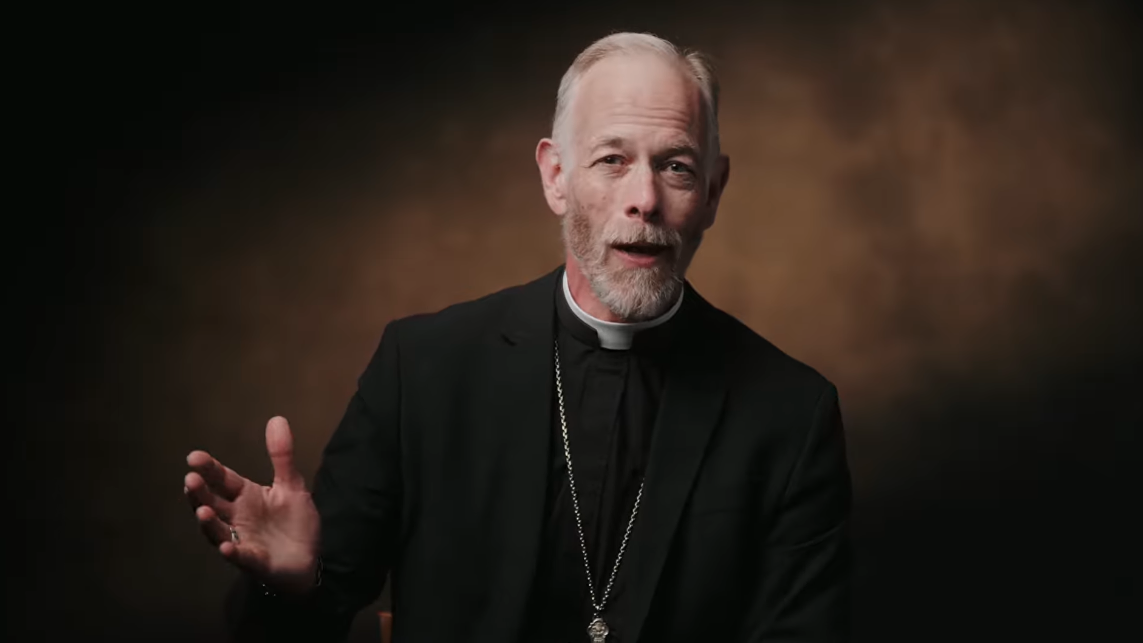
U.S. bishops urge Catholic voters: Start with your faith, discern your vote #Catholic Ahead of the contentious 2026 U.S. midterm elections, the U.S. bishops are urging Catholic voters to form their consciences in light of their faith and discern their vote informed by the teachings of the Church. In a video released by the U.S. Conference of Catholic Bishops (USCCB), Portland, Oregon, Archbishop Alexander Sample suggested Catholics should think of themselves as “disciples of Jesus first, Americans second … and, if you’re going to belong to a political party, that is third.” “Start with your relationship with Jesus. Start with your faith,” the archbishop said. “And then see how that shapes your view on social and political issues.” The archbishop’s video comes just days before the 2026 U.S. midterms, which could serve as a sharp referendum on U.S. President Donald Trump’s second term, particularly his administration’s launching of a war with Iran, which brought with it major increases in fuel costs and other prices. Multiple U.S. bishops have urged the faithful to pray ahead of the elections, including regarding major ballot initiatives involving abortion and other issues.In his Oct. 26 video, Sample — who serves as the chairman of the U.S. bishops’ religious liberty committee — noted that “none of the political parties” in the U.S. “embody all the Catholic social teaching.” “We don’t start with our party’s political platform,” he said. “We start with Catholic social teaching — the Catholic social doctrine of the Church, and all of those principles of Catholic social teaching.” Conscience ‘tells us to pursue the good’In a related video also released on Oct. 26, Baltimore Archbishop William Lori — who previously served as vice president of the USCCB — said the “importance of a properly formed conscience cannot be overstated.”The archbishop described conscience as “that part of us that tells us to pursue the good and to avoid evil,” a place where “God speaks to us and his word echoes in our hearts.” “It is vital that in this time when there is so much back-and-forth politically, when the news cycles never cease, when life is moving along rapidly — that in the exercise of our citizenship, we would slow down and engage in discernment.” The prelate pointed to St. Paul’s admonishment to “cling to what is good.” He described faithful citizenship as “an invitation to know what the Church teaches and then, when you’re faced with ballot issues or the question of for whom to vote, you’re equipped to engage in prayerful discernment.” He noted that the U.S. bishops issue messages about voting periodically. “[We] have a lot of faith in our people,” he said. The question of faithful citizenship was “never meant to be simply a list of dos and don’ts, or ‘vote this way or vote that way,’” Lori said. “It’s not a voter guide.” Rather, the principle “strives to present a beautiful vision of the United States as the best version of itself.” Archbishop Shelton Fabre of Louisville, Kentucky, meanwhile, in a separate video urged Catholics to keep the “desire to be the best disciple of Jesus Christ” at the center of all their decisions. “We participate in public life and in political life to advance the common good, and to also remind everyone in public life and in politics that the common good and the human dignity of each and every person are paramount,” he said.Some analysts are predicting a major Democratic victory in the 2026 midterms, particularly amid low approval ratings for Trump halfway through his second term.As of Oct. 29 the forecast and election-tracking outlet Decision Desk HQ was predicting likely Democratic victories in both the U.S. House and Senate, including an 80% probability of victory in the House.

U.S. bishops urge Catholic voters: Start with your faith, discern your vote #Catholic Ahead of the contentious 2026 U.S. midterm elections, the U.S. bishops are urging Catholic voters to form their consciences in light of their faith and discern their vote informed by the teachings of the Church. In a video released by the U.S. Conference of Catholic Bishops (USCCB), Portland, Oregon, Archbishop Alexander Sample suggested Catholics should think of themselves as “disciples of Jesus first, Americans second … and, if you’re going to belong to a political party, that is third.” “Start with your relationship with Jesus. Start with your faith,” the archbishop said. “And then see how that shapes your view on social and political issues.” The archbishop’s video comes just days before the 2026 U.S. midterms, which could serve as a sharp referendum on U.S. President Donald Trump’s second term, particularly his administration’s launching of a war with Iran, which brought with it major increases in fuel costs and other prices. Multiple U.S. bishops have urged the faithful to pray ahead of the elections, including regarding major ballot initiatives involving abortion and other issues.In his Oct. 26 video, Sample — who serves as the chairman of the U.S. bishops’ religious liberty committee — noted that “none of the political parties” in the U.S. “embody all the Catholic social teaching.” “We don’t start with our party’s political platform,” he said. “We start with Catholic social teaching — the Catholic social doctrine of the Church, and all of those principles of Catholic social teaching.” Conscience ‘tells us to pursue the good’In a related video also released on Oct. 26, Baltimore Archbishop William Lori — who previously served as vice president of the USCCB — said the “importance of a properly formed conscience cannot be overstated.”The archbishop described conscience as “that part of us that tells us to pursue the good and to avoid evil,” a place where “God speaks to us and his word echoes in our hearts.” “It is vital that in this time when there is so much back-and-forth politically, when the news cycles never cease, when life is moving along rapidly — that in the exercise of our citizenship, we would slow down and engage in discernment.” The prelate pointed to St. Paul’s admonishment to “cling to what is good.” He described faithful citizenship as “an invitation to know what the Church teaches and then, when you’re faced with ballot issues or the question of for whom to vote, you’re equipped to engage in prayerful discernment.” He noted that the U.S. bishops issue messages about voting periodically. “[We] have a lot of faith in our people,” he said. The question of faithful citizenship was “never meant to be simply a list of dos and don’ts, or ‘vote this way or vote that way,’” Lori said. “It’s not a voter guide.” Rather, the principle “strives to present a beautiful vision of the United States as the best version of itself.” Archbishop Shelton Fabre of Louisville, Kentucky, meanwhile, in a separate video urged Catholics to keep the “desire to be the best disciple of Jesus Christ” at the center of all their decisions. “We participate in public life and in political life to advance the common good, and to also remind everyone in public life and in politics that the common good and the human dignity of each and every person are paramount,” he said.Some analysts are predicting a major Democratic victory in the 2026 midterms, particularly amid low approval ratings for Trump halfway through his second term.As of Oct. 29 the forecast and election-tracking outlet Decision Desk HQ was predicting likely Democratic victories in both the U.S. House and Senate, including an 80% probability of victory in the House.

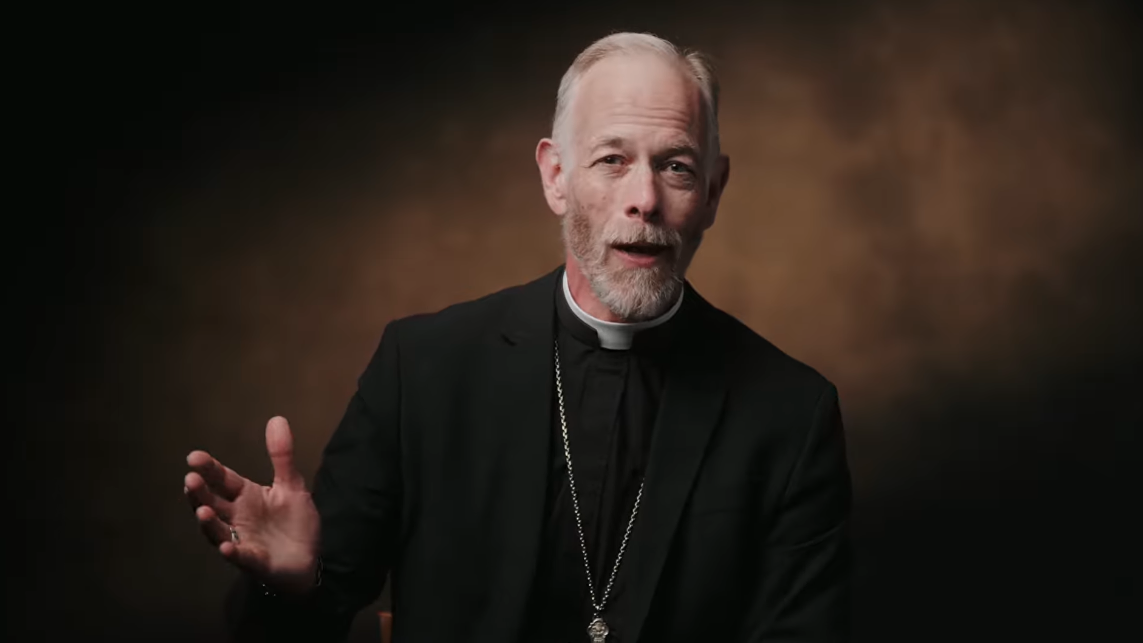
The videos come just days before the 2026 U.S. midterms, which could serve as a referendum on U.S. President Donald Trump’s second term.
Read More
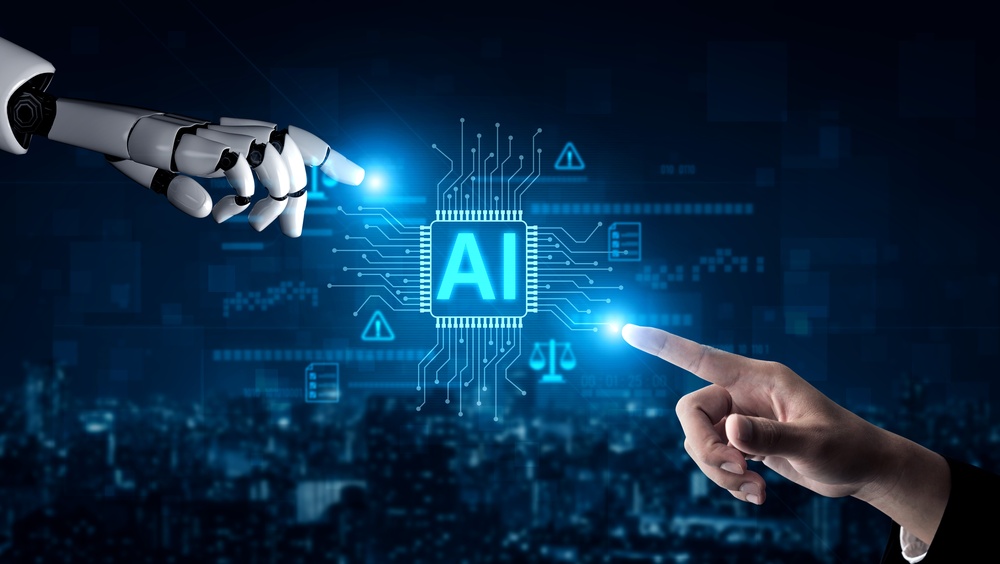
U.S. bishops name members of AI task force formed in response to encyclical #Catholic The U.S. Conference of Catholic Bishops’ (USCCB) Task Force on Preserving Human Dignity in the Age of Artificial Intelligence is composed of eight bishops and three academics who will serve as consultants, the USCCB announced Oct. 16.After meeting with AI experts and tech company executives in September, the U.S. bishops announced the creation of the task force as a response to Pope Leo XIV’s urging in his encyclical Magnifica Humanitas to “‘build forms of cooperation’ and cultivate a culture of shared responsibility” concerning the technology. Bishop Oscar Cantù of the Diocese of San José, California, leads the task force.Members include Cardinal Blase J. Cupich of Chicago; Archbishop Paul D. Etienne of Seattle; Archbishop Shelton J. Fabre of Louisville, Kentucky; Bishop Barry C. Knestout of Richmond, Virginia; Auxiliary Bishop James Massa of Brooklyn, New York; Bishop Michael F. Olson of Fort Worth, Texas; and Auxiliary Bishop Slawomir Szkredka of Los Angeles.Three academics will serve as consultants to the task force. They include Charles Camosy, professor of moral theology and ethics at The Catholic University of America; Kim Daniels, director of the Initiative on Catholic Social Thought and Public Life at Georgetown University; and Meghan Sullivan, professor of philosophy and director of the Institute for Ethics and the Common Good and Ethics Initiative at the University of Notre Dame.The group’s focus will be to promote “policies and practices that protect human dignity, religious liberty, democratic institutions, workers, families, and vulnerable populations,” according to the USCCB. “The Church enters the conversation on this issue as a teacher rather than a customer,” Olson told EWTN News. “It brings 2,000 years of reflection on human dignity, work, relationships, and truth to this conversation. We will listen carefully to Silicon Valley, but we will not outsource our understanding of the human person to it.”
 
 We will listen carefully to Silicon Valley, but we will not outsource our understanding of the human person to it.”
 
 Bishop Michael OlsonDiocese of Fort Worth, Texas
 
 
 The Fort Worth Diocese adopted AI policies before the release of Leo’s encyclical that binds both clergy and staff, Olson said. “AI must remain a tool in human hands. It can assist human judgment, but it must never replace it, least of all in the care of souls,” he said. “Nothing from the confessional or spiritual direction may ever be entered into an AI tool,” he said. “Homilies and pastoral counsel must come from a priest’s own prayer and discernment. And decisions about people, such as hiring, discipline, and who receives help, are made by people.”Olson expressed his concern about ways AI has hurt the elderly and people with disabilities through scams, children through “fake” relationships with chatbots, and students, who are “handing off the very work that forms their minds and critical thinking skills” to AI: “If a technology cannot be made safe for our most vulnerable, it is not ready for the market,” he said. Knestout said in an Oct. 19 statement that “AI is already having a profound impact on many aspects of our lives and will continue to develop in the coming years,” and it is Catholics’ “responsibility to protect the dignity of the human person as AI takes root and transforms life around us.”He said Pope Leo’s encyclical “will guide us as we navigate life with AI and face inevitable questions about what it means to be human, created in the image of God.”The U.S. bishops said in the Oct. 16 announcement that “the task force will emphasize that AI must serve human dignity and the common good” and “will maintain constructive and ongoing dialogues with the frontier labs, research organizations, academic centers and other stakeholders across the United States.”“Special attention will be given to helping Church leaders understand both the opportunities and risks posed by AI in areas such as education, communications, employment, healthcare, evangelization, governance, and the protection of children and vulnerable persons,” the bishops wrote.USCCB spokesperson Chieko Noguchi said in September that after their meetings with tech executives and experts, the bishops hoped “to identify ways the Church can contribute to the moral foundation of AI models and steps the companies can take to protect against misuse of their inventions and to guarantee human oversight of the technology.”

U.S. bishops name members of AI task force formed in response to encyclical #Catholic The U.S. Conference of Catholic Bishops’ (USCCB) Task Force on Preserving Human Dignity in the Age of Artificial Intelligence is composed of eight bishops and three academics who will serve as consultants, the USCCB announced Oct. 16.After meeting with AI experts and tech company executives in September, the U.S. bishops announced the creation of the task force as a response to Pope Leo XIV’s urging in his encyclical Magnifica Humanitas to “‘build forms of cooperation’ and cultivate a culture of shared responsibility” concerning the technology. Bishop Oscar Cantù of the Diocese of San José, California, leads the task force.Members include Cardinal Blase J. Cupich of Chicago; Archbishop Paul D. Etienne of Seattle; Archbishop Shelton J. Fabre of Louisville, Kentucky; Bishop Barry C. Knestout of Richmond, Virginia; Auxiliary Bishop James Massa of Brooklyn, New York; Bishop Michael F. Olson of Fort Worth, Texas; and Auxiliary Bishop Slawomir Szkredka of Los Angeles.Three academics will serve as consultants to the task force. They include Charles Camosy, professor of moral theology and ethics at The Catholic University of America; Kim Daniels, director of the Initiative on Catholic Social Thought and Public Life at Georgetown University; and Meghan Sullivan, professor of philosophy and director of the Institute for Ethics and the Common Good and Ethics Initiative at the University of Notre Dame.The group’s focus will be to promote “policies and practices that protect human dignity, religious liberty, democratic institutions, workers, families, and vulnerable populations,” according to the USCCB. “The Church enters the conversation on this issue as a teacher rather than a customer,” Olson told EWTN News. “It brings 2,000 years of reflection on human dignity, work, relationships, and truth to this conversation. We will listen carefully to Silicon Valley, but we will not outsource our understanding of the human person to it.” We will listen carefully to Silicon Valley, but we will not outsource our understanding of the human person to it.” Bishop Michael OlsonDiocese of Fort Worth, Texas The Fort Worth Diocese adopted AI policies before the release of Leo’s encyclical that binds both clergy and staff, Olson said. “AI must remain a tool in human hands. It can assist human judgment, but it must never replace it, least of all in the care of souls,” he said. “Nothing from the confessional or spiritual direction may ever be entered into an AI tool,” he said. “Homilies and pastoral counsel must come from a priest’s own prayer and discernment. And decisions about people, such as hiring, discipline, and who receives help, are made by people.”Olson expressed his concern about ways AI has hurt the elderly and people with disabilities through scams, children through “fake” relationships with chatbots, and students, who are “handing off the very work that forms their minds and critical thinking skills” to AI: “If a technology cannot be made safe for our most vulnerable, it is not ready for the market,” he said. Knestout said in an Oct. 19 statement that “AI is already having a profound impact on many aspects of our lives and will continue to develop in the coming years,” and it is Catholics’ “responsibility to protect the dignity of the human person as AI takes root and transforms life around us.”He said Pope Leo’s encyclical “will guide us as we navigate life with AI and face inevitable questions about what it means to be human, created in the image of God.”The U.S. bishops said in the Oct. 16 announcement that “the task force will emphasize that AI must serve human dignity and the common good” and “will maintain constructive and ongoing dialogues with the frontier labs, research organizations, academic centers and other stakeholders across the United States.”“Special attention will be given to helping Church leaders understand both the opportunities and risks posed by AI in areas such as education, communications, employment, healthcare, evangelization, governance, and the protection of children and vulnerable persons,” the bishops wrote.USCCB spokesperson Chieko Noguchi said in September that after their meetings with tech executives and experts, the bishops hoped “to identify ways the Church can contribute to the moral foundation of AI models and steps the companies can take to protect against misuse of their inventions and to guarantee human oversight of the technology.”

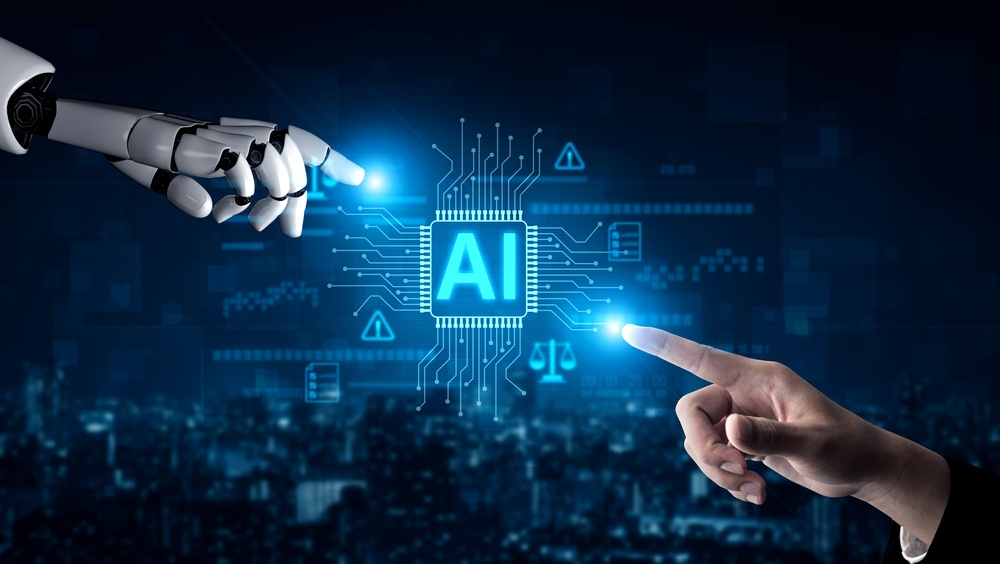
U.S. bishops formed the task force after meeting with AI experts and executives in September to identify how the Church could help shape the moral foundations of AI.
Read More