Day: October 29, 2026

Behyar Bakhshandeh from Carlsbad, California The emission nebula IC 1318, also known as the Gamma Cygni Nebula, glows roughly 5,300 light-years away in Cygnus — far beyond Sadr, the bright supergiant star it only appears to surround. The imager spent 24 hours exposing in the Hubble palette (Hα/OIII/SII) plus RGB for the stars, using aContinue reading “A stellar illusion”

The post A stellar illusion appeared first on Astronomy Magazine.

Read More
Bishop Kevin J. Sweeney’s Schedule: November, 2026 #Catholic – 


11/1
Sunday, 3 p.m. Silver and Gold Anniversary Mass – the Cathedral of St. John the Baptist, Paterson.


11/2
Monday, 9:30 a.m. Mass – All Saints Academy, Parsippany; 5 p.m. Tri County Annual Awards Dinner – honoring Bishop Sweeney.


11/3
Tuesday, 9:35 a.m. Mass – Delbarton School, Morristown.


11/5
Thursday, 6 p.m. Caritas Gala – The Meadow Wood, Randolph.


11/6
Friday, 6:30 p.m. Project Andrew – St. Padre Pio Parish, Paterson.


11/7
Saturday, 8 a.m. Mass for Life & Procession – St. Margaret of Scotland Parish, Morristown.


11/8
Sunday, 10 a.m. Confirmation – Sacred Heart Parish, Rockaway; 3 p.m. Mass – the Diocesan Youth Conference – St. Elizabeth University, Holy Family Chapel, Morristown; 4 p.m. St. James of the Marches Parish, Totowa, Centennial Dinner – The Grand, Totowa.


11/9
Monday, 1 p.m. Deans Meeting.


11/10
Tuesday, 1 p.m. Passaic Deanery Meeting – St. Joseph Parish, Passaic.


11/13
Friday, 8:30 a.m. Mass – St. Vincent Parish, Madison.


11/14–19
Saturday–Thursday USCCB General Assembly, Baltimore, MD.


11/20
Friday, 7 p.m. World Youth Day Pilgrims “Meet & Greet.”


11/22
Sunday, 10:45 p.m. Installation Mass for Father Mateusz Darlak – St. Cecilia Parish, Rockaway.


11/23
Monday, 1 p.m. Presbyteral Council; 6 p.m. Pride in Our Priests Dinner, The Hanover Manor, E. Hanover.


11/24
Tuesday, 9 a.m. Major Superiors Annual Meeting – St. Paul Inside the Walls, Madison.


11/26
Thursday, 9 a.m. Thanksgiving Day Mass – St. Mary Parish, Passaic.


11/29
Sunday, 1 p.m. Mass in Spanish – Our Lady of Good Counsel Parish, Pompton Plains.

Bishop Kevin J. Sweeney’s Schedule: November, 2026 #Catholic – 11/1 Sunday, 3 p.m. Silver and Gold Anniversary Mass – the Cathedral of St. John the Baptist, Paterson. 11/2 Monday, 9:30 a.m. Mass – All Saints Academy, Parsippany; 5 p.m. Tri County Annual Awards Dinner – honoring Bishop Sweeney. 11/3 Tuesday, 9:35 a.m. Mass – Delbarton School, Morristown. 11/5 Thursday, 6 p.m. Caritas Gala – The Meadow Wood, Randolph. 11/6 Friday, 6:30 p.m. Project Andrew – St. Padre Pio Parish, Paterson. 11/7 Saturday, 8 a.m. Mass for Life & Procession – St. Margaret of Scotland Parish, Morristown. 11/8 Sunday, 10 a.m. Confirmation – Sacred Heart Parish, Rockaway; 3 p.m. Mass – the Diocesan Youth Conference – St. Elizabeth University, Holy Family Chapel, Morristown; 4 p.m. St. James of the Marches Parish, Totowa, Centennial Dinner – The Grand, Totowa. 11/9 Monday, 1 p.m. Deans Meeting. 11/10 Tuesday, 1 p.m. Passaic Deanery Meeting – St. Joseph Parish, Passaic. 11/13 Friday, 8:30 a.m. Mass – St. Vincent Parish, Madison. 11/14–19 Saturday–Thursday USCCB General Assembly, Baltimore, MD. 11/20 Friday, 7 p.m. World Youth Day Pilgrims “Meet & Greet.” 11/22 Sunday, 10:45 p.m. Installation Mass for Father Mateusz Darlak – St. Cecilia Parish, Rockaway. 11/23 Monday, 1 p.m. Presbyteral Council; 6 p.m. Pride in Our Priests Dinner, The Hanover Manor, E. Hanover. 11/24 Tuesday, 9 a.m. Major Superiors Annual Meeting – St. Paul Inside the Walls, Madison. 11/26 Thursday, 9 a.m. Thanksgiving Day Mass – St. Mary Parish, Passaic. 11/29 Sunday, 1 p.m. Mass in Spanish – Our Lady of Good Counsel Parish, Pompton Plains.

Bishop Kevin J. Sweeney’s Schedule: November, 2026 #Catholic –

11/1 Sunday, 3 p.m. Silver and Gold Anniversary Mass – the Cathedral of St. John the Baptist, Paterson.
11/2 Monday, 9:30 a.m. Mass – All Saints Academy, Parsippany; 5 p.m. Tri County Annual Awards Dinner – honoring Bishop Sweeney.
11/3 Tuesday, 9:35 a.m. Mass – Delbarton School, Morristown.
11/5 Thursday, 6 p.m. Caritas Gala – The Meadow Wood, Randolph.
11/6 Friday, 6:30 p.m. Project Andrew – St. Padre Pio Parish, Paterson.
11/7 Saturday, 8 a.m. Mass for Life & Procession – St. Margaret of Scotland Parish, Morristown.
11/8 Sunday, 10 a.m. Confirmation – Sacred Heart Parish, Rockaway; 3 p.m. Mass – the Diocesan Youth Conference – St. Elizabeth University, Holy Family Chapel, Morristown; 4 p.m. St. James of the Marches Parish, Totowa, Centennial Dinner – The Grand, Totowa.
11/9 Monday, 1 p.m. Deans Meeting.
11/10 Tuesday, 1 p.m. Passaic Deanery Meeting – St. Joseph Parish, Passaic.
11/13 Friday, 8:30 a.m. Mass – St. Vincent Parish, Madison.
11/14–19 Saturday–Thursday USCCB General Assembly, Baltimore, MD.
11/20 Friday, 7 p.m. World Youth Day Pilgrims “Meet & Greet.”
11/22 Sunday, 10:45 p.m. Installation Mass for Father Mateusz Darlak – St. Cecilia Parish, Rockaway.
11/23 Monday, 1 p.m. Presbyteral Council; 6 p.m. Pride in Our Priests Dinner, The Hanover Manor, E. Hanover.
11/24 Tuesday, 9 a.m. Major Superiors Annual Meeting – St. Paul Inside the Walls, Madison.
11/26 Thursday, 9 a.m. Thanksgiving Day Mass – St. Mary Parish, Passaic.
11/29 Sunday, 1 p.m. Mass in Spanish – Our Lady of Good Counsel Parish, Pompton Plains.

– 11/1 Sunday, 3 p.m. Silver and Gold Anniversary Mass – the Cathedral of St. John the Baptist, Paterson. 11/2 Monday, 9:30 a.m. Mass – All Saints Academy, Parsippany; 5 p.m. Tri County Annual Awards Dinner – honoring Bishop Sweeney. 11/3 Tuesday, 9:35 a.m. Mass – Delbarton School, Morristown. 11/5 Thursday, 6 p.m. Caritas Gala – The Meadow Wood, Randolph. 11/6 Friday, 6:30 p.m. Project Andrew – St. Padre Pio Parish, Paterson. 11/7 Saturday, 8 a.m. Mass for Life & Procession – St. Margaret of Scotland Parish, Morristown. 11/8 Sunday, 10 a.m. Confirmation – Sacred Heart Parish, Rockaway; 3 p.m. Mass
Read More
Pro-life group protests Cardinal Cupich’s award to philanthropist, Planned Parenthood donor – #Catholic – Pro-life activists will publicly protest the Archdiocese of Chicago’s Rerum Novarum Banquet based on objections to an award recipient who has donated more than $1 million to organizations that promote abortion access, including Planned Parenthood.The archdiocese announced it will give the Nostra Aetate Award to the billionaire businessman and philanthropist Michael Sacks at the Oct. 29 banquet. He is CEO of the investment firm GCM Grosvenor, the president of Sacks Family Foundation, and a board member of the Obama Foundation.Sacks, through his foundation, has donated to philanthropic efforts related to education, arts, veterans, and other issues. His contributions also include $500,000 to Planned Parenthood of Illinois from 2020 to 2022 and $600,000 to the Prairie State Access Fund in 2026, which was created by Illinois Democratic Gov. JB Pritzker with the help of philanthropists to support the “reproductive health ecosystem” of the state and combat federal restrictions “on abortion and gender affirming care.”Cardinal Blase Cupich, the archbishop of Chicago, has not publicly referenced Sacks’ support for these organizations. Rather, in a statement, he described Sacks as a “well-respected leader in Chicago and in the Jewish community.”His statement explained the Nostra Aetate Award is named after the Second Vatican Council document of the same name, which was intended to build stronger relations with non-Christian religions, including Judaism.“Honoring a leader, shaped by his Jewish faith, for the gifts he brings to society through his leadership, generosity and talent, acknowledges this shared divine heritage, distinct from specific contemporary political or doctrinal disputes,” Cupich said in his statement.Cupich said the honor “recognizes [the personʼs] dignity” and role in the community “without implying an endorsement of every statement or stance” the person has. He said the recognition helps bring about “conditions necessary for principled dialogue” and that such dialogue “cannot occur if respect is contingent upon complete agreement on Church doctrine or political policy.”The primary purpose of the banquet is to raise money for seminarians.‘Scandalizing the faithful’Pushback against Cupich for his decision to give the award to Sacks has come from the Chicago-based Illinois Right to Life, which was founded in 1968 to “honor the dignity and sanctity of human life at all stages.”The pro-life group launched a petition “demanding [Cupich] withdraw his award to Planned Parenthood Financier Michael Sacks,” which has garnered nearly 4,000 signatures as of the day of the banquet.Illinois Right to Life President Mary Kate Zander told EWTN News that the archdiocese has not responded to the petition. Because Cupich stood by his plan to give Sacks the award, the group will hold a protest outside of the IBEW Local 134 in Chicago, where the banquet will be held."Weʼre concerned about the scandal that it creates,” Zander, who is Catholic, told EWTN News when asked about the primary motivation for the protest.In addition to concerns about the funding of organizations that promote abortion access, Illinois Right to Life has noted Sacks in 2013 signed a letter endorsing same-sex marriage and helped organize business leaders to advocate for it, according to local media reports. Equality Illinois, an LGBT advocacy group, gave Sacks its 2015 Equality Illinois Business Leadership Award in recognition of his role.Zander said Cupich is “leading people astray and is scandalizing the faithful” by honoring Sacks. She said “we’re also concerned with this man’s soul” and said the cardinal has a responsibility to “hold people accountable … on their public stances.”Illinois Right to Life alleged granting Sacks the award violates rules set by the U.S. Conference of Catholic Bishops (USCCB).The USCCB document “Catholics in Political Life” states: “The Catholic community and Catholic institutions should not honor those who act in defiance of our fundamental moral principles. They should not be given awards, honors or platforms which would suggest support for their actions.”The USCCB did not immediately reply to a request for comment on whether Cupich’s decision violates any USCCB rules. EWTN News also reached out to GCM Grosvenor to request a comment from Sacks but did not receive a response.Cupich doubles downIn his Oct. 26 statement about the Nostra Aetate Award, Cupich acknowledged his decision created backlash but did not mention any concerns related to Sacks’ position on abortion or same-sex marriage.Rather, Cupich said the archdiocese received criticism for its decision to “honor a person who does not hold to core beliefs of the Catholic Church, primary among them being the divinity of Jesus Christ” and said the backlash was about Sacks’ Jewish faith.“Refusing to honor or engage with Jews solely because they hold conflicting religious or political positions can risk mimicking historic patterns of antisemitism through exclusion and bigotry, which, frighteningly, is on the rise,” he said. “Nostra Aetate urges us to be proactive in separating personal and community respect from doctrinal agreement, ensuring that disagreement does not regress into hostility or social ostracization. This we cannot tolerate.”Nostra Aetate states that the Church “decries hatred, persecutions, displays of anti-Semitism, directed against Jews at any time and by anyone.” On the 60th anniversary of the document, Pope Leo XIV said “all of my predecessors have condemned antisemitism with clear words” since the Second Vatican Council, “and so I too confirm that the Church does not tolerate antisemitism and fights against it, on the basis of the Gospel itself.”Cupich’s statement does not name the critics he is referring to. The archdiocese did not immediately respond to an inquiry for clarification. Zander said Illinois Right to Life is “the only organization that has formally put out any kind of statement” about the award and their concern “has nothing to do with that.” She said Cupich’s statement “is confusing for people” who may infer that his decision to double down “is a response to antisemitism” and the disagreement is “an issue of this man not being Catholic.”“[Cupich is] distracting from the fact that this man is clearly a supporter of abortion at a very grand scale,” Zander said. “… He’s trying to distract from the fact that [he is also] a same-sex marriage supporter.”“The cardinal doesn’t want that to be the conversation,” she said. “He wants the conversation to be about that man’s faith background; his ethnic background.”None of the criticisms published by Illinois Right to Life comment on Sacks’ Jewish faith or ethnic identity.Last year, Illinois Right to Life launched a similar campaign against Cupich’s decision to give an award to Sen. Dick Durbin, D-Illinois, who consistently voted in favor of abortion access. Durbin, who is Catholic, declined the award amid the backlash, which included criticisms from other bishops.

Pro-life group protests Cardinal Cupich’s award to philanthropist, Planned Parenthood donor – #Catholic – Pro-life activists will publicly protest the Archdiocese of Chicago’s Rerum Novarum Banquet based on objections to an award recipient who has donated more than $1 million to organizations that promote abortion access, including Planned Parenthood.The archdiocese announced it will give the Nostra Aetate Award to the billionaire businessman and philanthropist Michael Sacks at the Oct. 29 banquet. He is CEO of the investment firm GCM Grosvenor, the president of Sacks Family Foundation, and a board member of the Obama Foundation.Sacks, through his foundation, has donated to philanthropic efforts related to education, arts, veterans, and other issues. His contributions also include $500,000 to Planned Parenthood of Illinois from 2020 to 2022 and $600,000 to the Prairie State Access Fund in 2026, which was created by Illinois Democratic Gov. JB Pritzker with the help of philanthropists to support the “reproductive health ecosystem” of the state and combat federal restrictions “on abortion and gender affirming care.”Cardinal Blase Cupich, the archbishop of Chicago, has not publicly referenced Sacks’ support for these organizations. Rather, in a statement, he described Sacks as a “well-respected leader in Chicago and in the Jewish community.”His statement explained the Nostra Aetate Award is named after the Second Vatican Council document of the same name, which was intended to build stronger relations with non-Christian religions, including Judaism.“Honoring a leader, shaped by his Jewish faith, for the gifts he brings to society through his leadership, generosity and talent, acknowledges this shared divine heritage, distinct from specific contemporary political or doctrinal disputes,” Cupich said in his statement.Cupich said the honor “recognizes [the personʼs] dignity” and role in the community “without implying an endorsement of every statement or stance” the person has. He said the recognition helps bring about “conditions necessary for principled dialogue” and that such dialogue “cannot occur if respect is contingent upon complete agreement on Church doctrine or political policy.”The primary purpose of the banquet is to raise money for seminarians.‘Scandalizing the faithful’Pushback against Cupich for his decision to give the award to Sacks has come from the Chicago-based Illinois Right to Life, which was founded in 1968 to “honor the dignity and sanctity of human life at all stages.”The pro-life group launched a petition “demanding [Cupich] withdraw his award to Planned Parenthood Financier Michael Sacks,” which has garnered nearly 4,000 signatures as of the day of the banquet.Illinois Right to Life President Mary Kate Zander told EWTN News that the archdiocese has not responded to the petition. Because Cupich stood by his plan to give Sacks the award, the group will hold a protest outside of the IBEW Local 134 in Chicago, where the banquet will be held."Weʼre concerned about the scandal that it creates,” Zander, who is Catholic, told EWTN News when asked about the primary motivation for the protest.In addition to concerns about the funding of organizations that promote abortion access, Illinois Right to Life has noted Sacks in 2013 signed a letter endorsing same-sex marriage and helped organize business leaders to advocate for it, according to local media reports. Equality Illinois, an LGBT advocacy group, gave Sacks its 2015 Equality Illinois Business Leadership Award in recognition of his role.Zander said Cupich is “leading people astray and is scandalizing the faithful” by honoring Sacks. She said “we’re also concerned with this man’s soul” and said the cardinal has a responsibility to “hold people accountable … on their public stances.”Illinois Right to Life alleged granting Sacks the award violates rules set by the U.S. Conference of Catholic Bishops (USCCB).The USCCB document “Catholics in Political Life” states: “The Catholic community and Catholic institutions should not honor those who act in defiance of our fundamental moral principles. They should not be given awards, honors or platforms which would suggest support for their actions.”The USCCB did not immediately reply to a request for comment on whether Cupich’s decision violates any USCCB rules. EWTN News also reached out to GCM Grosvenor to request a comment from Sacks but did not receive a response.Cupich doubles downIn his Oct. 26 statement about the Nostra Aetate Award, Cupich acknowledged his decision created backlash but did not mention any concerns related to Sacks’ position on abortion or same-sex marriage.Rather, Cupich said the archdiocese received criticism for its decision to “honor a person who does not hold to core beliefs of the Catholic Church, primary among them being the divinity of Jesus Christ” and said the backlash was about Sacks’ Jewish faith.“Refusing to honor or engage with Jews solely because they hold conflicting religious or political positions can risk mimicking historic patterns of antisemitism through exclusion and bigotry, which, frighteningly, is on the rise,” he said. “Nostra Aetate urges us to be proactive in separating personal and community respect from doctrinal agreement, ensuring that disagreement does not regress into hostility or social ostracization. This we cannot tolerate.”Nostra Aetate states that the Church “decries hatred, persecutions, displays of anti-Semitism, directed against Jews at any time and by anyone.” On the 60th anniversary of the document, Pope Leo XIV said “all of my predecessors have condemned antisemitism with clear words” since the Second Vatican Council, “and so I too confirm that the Church does not tolerate antisemitism and fights against it, on the basis of the Gospel itself.”Cupich’s statement does not name the critics he is referring to. The archdiocese did not immediately respond to an inquiry for clarification. Zander said Illinois Right to Life is “the only organization that has formally put out any kind of statement” about the award and their concern “has nothing to do with that.” She said Cupich’s statement “is confusing for people” who may infer that his decision to double down “is a response to antisemitism” and the disagreement is “an issue of this man not being Catholic.”“[Cupich is] distracting from the fact that this man is clearly a supporter of abortion at a very grand scale,” Zander said. “… He’s trying to distract from the fact that [he is also] a same-sex marriage supporter.”“The cardinal doesn’t want that to be the conversation,” she said. “He wants the conversation to be about that man’s faith background; his ethnic background.”None of the criticisms published by Illinois Right to Life comment on Sacks’ Jewish faith or ethnic identity.Last year, Illinois Right to Life launched a similar campaign against Cupich’s decision to give an award to Sen. Dick Durbin, D-Illinois, who consistently voted in favor of abortion access. Durbin, who is Catholic, declined the award amid the backlash, which included criticisms from other bishops.

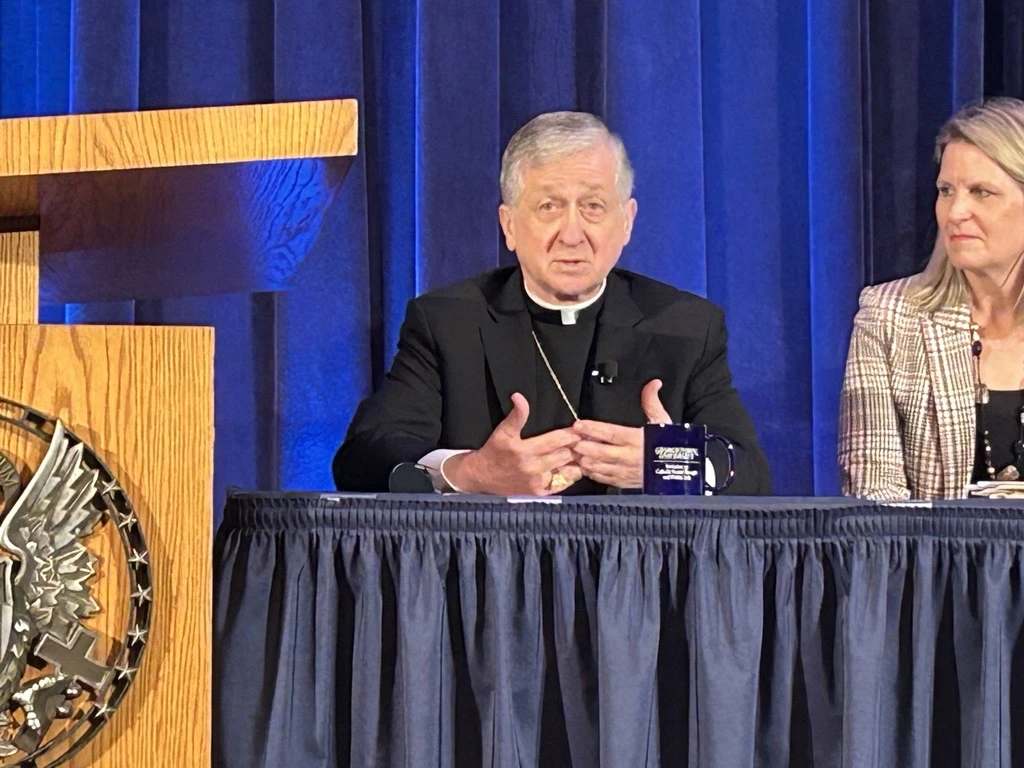
Cardinal Blase Cupich said the award is not an endorsement of every stance a person has, but Illinois Right to Life accused him of “scandalizing the faithful” at the Oct. 29 banquet.

Read More
Scholars criticize U.S. bishops for comparing proposed census rule to 18th century slave compromise – #Catholic – The U.S. bishops’ opposition to proposed rule changes affecting the 2030 census has provoked sharp criticism from U.S. historians and scholars, especially concerning the assertion that excluding noncitizens in the census count denies their personhood.According to the U.S. Census Bureau, the proposed rule changes would remove demographic questions about race, ethnicity, and sexual orientation, and would count for congressional apportionment only citizens and lawful permanent residents.The proposal says “illegal aliens (among others) should not be included in the apportionment count, as they are not true inhabitants, members of the body politic, or persons with a ‘usual residence’ in the United States.”In an Oct. 20 letter submitted to Department of Commerce Secretary Howard Lutnick, among other points, the U.S. Conference of Catholic Bishops’ general counsel argued that excluding noncitizens from the apportionment count "is effectively to deny they are ‘persons’.” They wrote that this “denial of personhood recalls the ‘overtly sinful and gravely unjust’ Three-fifths Compromise.”The Three-fifths Compromise was the political deal reached at the 1787 U.S. Constitutional Convention that held the nascent Union together. It set a formula for apportioning seats in the U.S. House of Representatives, which is determined by each state’s population: free persons, including free Black people, counted fully, and “all other persons” (the enslaved population) counted as three-fifths.Several legal scholars and other experts strongly disagreed with the bishops’ comparison.Historian Susan Hanssen of the University of Dallas told EWTN News she thinks the bishops’ reference to the Three-fifths Compromise is “an egregious mis-reading of American history.”“That compromise did not aim at the denial of the personhood of slaves,” she argued, pointing to the compromiseʼs text, which consistently calls both free and enslaved people “persons.” She said the compromise was intended to mitigate “the power of the slave-owning states in the national government, refusing to award them greater political weight based on subjugated populations without a voice or vote.”Hanssen said the Census Bureau’s aims regarding the proposed changes are similarly aimed at mitigating political power, arguing that the bureau is refusing “to grant political clout to states that allow a larger number of undocumented illegal workers to be used for labor without the protection of the law.”David Upham, a constitutional law scholar at the University of Dallas whose work focuses heavily on the 14th Amendment — which established citizenship rights, including the rights to due process and equal protection under the law, particularly for recently freed slaves — told EWTN News that the proposed rule changes do not mean noncitizens are not persons. He called the bishops’ interpretation of persons an “overstatement.” “If that’s the case, every human being not being counted in the census is not a person,” he said, noting that the principal purpose of the census is to count people in order to determine the allocation of political power in the U.S. House of Representatives, whose members are supposed to be selected by the citizens.“The question really is, besides bona fide citizens, what other human beings within the state’s border are counted as members of the people,” he said, and noted the president has the constitutional authority to address the question. “The executive branch has substantial authority to determine whether an individual who isn’t a citizen” should be counted in the census for the purpose of political representation, he said.“I think the danger the Trump administration is seeking to redress is that those states most enthusiastic about encouraging unlawful migrants will, as result of their disinterest in enforcing federal law, receive more votes in Congress and the electoral college,” he said.Harvard Law School constitutional law professor Adrian Vermeule also weighed in, writing on X: “The analogy to slavery is utterly absurd unless the USCCB believes that all distinctions based on citizenship are unjust.”“With all due respect, ‘personhood’ is not a magical trump card that overrides the basic principles of the republican form of government,” he wrote. “One cannot conclude from the bare fact of personhood that anyone and everyone has a right to be counted in the census, to vote, or to stand for office.”“Why exactly should noncitizens with no status be counted for the apportionment of seats in the representative body?” he asked. He suggested the bishops’ public comment “really should be withdrawn” and added that he hopes “cooler heads prevail.”Scholars at various major think tanks were also quick to take aim at the bishops’ personhood argument.Mike Fragoso, a scholar at the Ethics and Public Policy Center’s Constitution, the Courts, and the Culture program, called the bishops “unserious,” while Jay Richards, vice president of social and domestic policy and senior fellow at the Heritage Foundation, called the bishops’ position “absurd.” Andrew Arthur, a former immigration judge and fellow at the Center for Immigration Studies, told EWTN News that “our inherent recognition as persons — personhood — does not come from the governmentʼs census as to who is in the country.”“As Catholics, we believe that unborn children are people,” he continued, “but the bishops do not extend their logic to demand that the unborn be counted in the census notwithstanding the fact that a killing that results in the death of a pregnant mother is, in many places, considered to be two murders. Why not?”The proposed rule changes, published Sept. 10, are open to public comment until Nov. 2. The U.S. bishops did not respond to requests for comment on the backlash.

Scholars criticize U.S. bishops for comparing proposed census rule to 18th century slave compromise – #Catholic – The U.S. bishops’ opposition to proposed rule changes affecting the 2030 census has provoked sharp criticism from U.S. historians and scholars, especially concerning the assertion that excluding noncitizens in the census count denies their personhood.According to the U.S. Census Bureau, the proposed rule changes would remove demographic questions about race, ethnicity, and sexual orientation, and would count for congressional apportionment only citizens and lawful permanent residents.The proposal says “illegal aliens (among others) should not be included in the apportionment count, as they are not true inhabitants, members of the body politic, or persons with a ‘usual residence’ in the United States.”In an Oct. 20 letter submitted to Department of Commerce Secretary Howard Lutnick, among other points, the U.S. Conference of Catholic Bishops’ general counsel argued that excluding noncitizens from the apportionment count "is effectively to deny they are ‘persons’.” They wrote that this “denial of personhood recalls the ‘overtly sinful and gravely unjust’ Three-fifths Compromise.”The Three-fifths Compromise was the political deal reached at the 1787 U.S. Constitutional Convention that held the nascent Union together. It set a formula for apportioning seats in the U.S. House of Representatives, which is determined by each state’s population: free persons, including free Black people, counted fully, and “all other persons” (the enslaved population) counted as three-fifths.Several legal scholars and other experts strongly disagreed with the bishops’ comparison.Historian Susan Hanssen of the University of Dallas told EWTN News she thinks the bishops’ reference to the Three-fifths Compromise is “an egregious mis-reading of American history.”“That compromise did not aim at the denial of the personhood of slaves,” she argued, pointing to the compromiseʼs text, which consistently calls both free and enslaved people “persons.” She said the compromise was intended to mitigate “the power of the slave-owning states in the national government, refusing to award them greater political weight based on subjugated populations without a voice or vote.”Hanssen said the Census Bureau’s aims regarding the proposed changes are similarly aimed at mitigating political power, arguing that the bureau is refusing “to grant political clout to states that allow a larger number of undocumented illegal workers to be used for labor without the protection of the law.”David Upham, a constitutional law scholar at the University of Dallas whose work focuses heavily on the 14th Amendment — which established citizenship rights, including the rights to due process and equal protection under the law, particularly for recently freed slaves — told EWTN News that the proposed rule changes do not mean noncitizens are not persons. He called the bishops’ interpretation of persons an “overstatement.” “If that’s the case, every human being not being counted in the census is not a person,” he said, noting that the principal purpose of the census is to count people in order to determine the allocation of political power in the U.S. House of Representatives, whose members are supposed to be selected by the citizens.“The question really is, besides bona fide citizens, what other human beings within the state’s border are counted as members of the people,” he said, and noted the president has the constitutional authority to address the question. “The executive branch has substantial authority to determine whether an individual who isn’t a citizen” should be counted in the census for the purpose of political representation, he said.“I think the danger the Trump administration is seeking to redress is that those states most enthusiastic about encouraging unlawful migrants will, as result of their disinterest in enforcing federal law, receive more votes in Congress and the electoral college,” he said.Harvard Law School constitutional law professor Adrian Vermeule also weighed in, writing on X: “The analogy to slavery is utterly absurd unless the USCCB believes that all distinctions based on citizenship are unjust.”“With all due respect, ‘personhood’ is not a magical trump card that overrides the basic principles of the republican form of government,” he wrote. “One cannot conclude from the bare fact of personhood that anyone and everyone has a right to be counted in the census, to vote, or to stand for office.”“Why exactly should noncitizens with no status be counted for the apportionment of seats in the representative body?” he asked. He suggested the bishops’ public comment “really should be withdrawn” and added that he hopes “cooler heads prevail.”Scholars at various major think tanks were also quick to take aim at the bishops’ personhood argument.Mike Fragoso, a scholar at the Ethics and Public Policy Center’s Constitution, the Courts, and the Culture program, called the bishops “unserious,” while Jay Richards, vice president of social and domestic policy and senior fellow at the Heritage Foundation, called the bishops’ position “absurd.” Andrew Arthur, a former immigration judge and fellow at the Center for Immigration Studies, told EWTN News that “our inherent recognition as persons — personhood — does not come from the governmentʼs census as to who is in the country.”“As Catholics, we believe that unborn children are people,” he continued, “but the bishops do not extend their logic to demand that the unborn be counted in the census notwithstanding the fact that a killing that results in the death of a pregnant mother is, in many places, considered to be two murders. Why not?”The proposed rule changes, published Sept. 10, are open to public comment until Nov. 2. The U.S. bishops did not respond to requests for comment on the backlash.

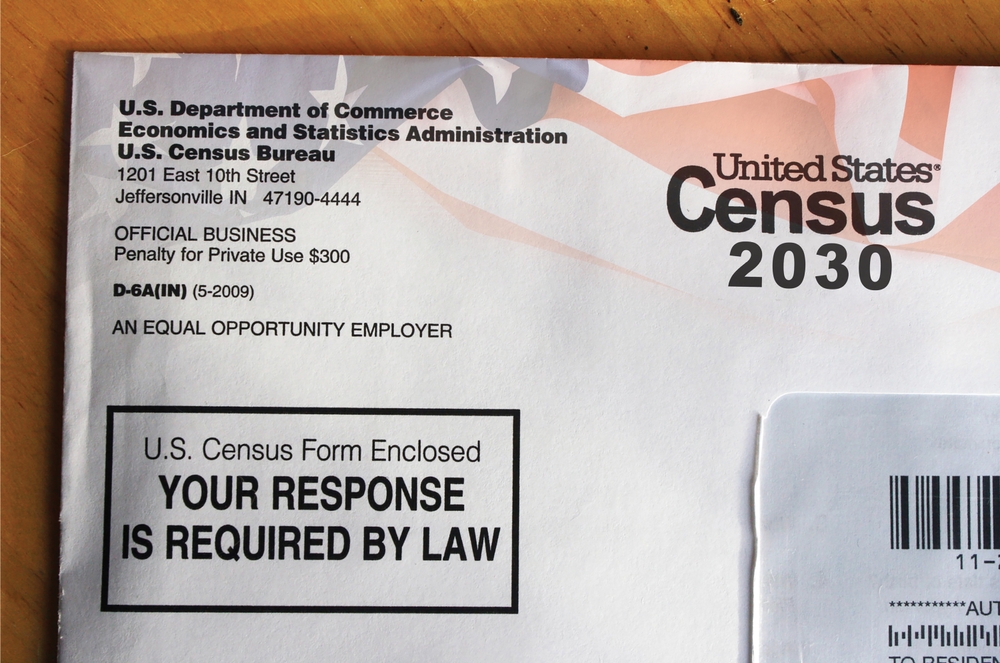
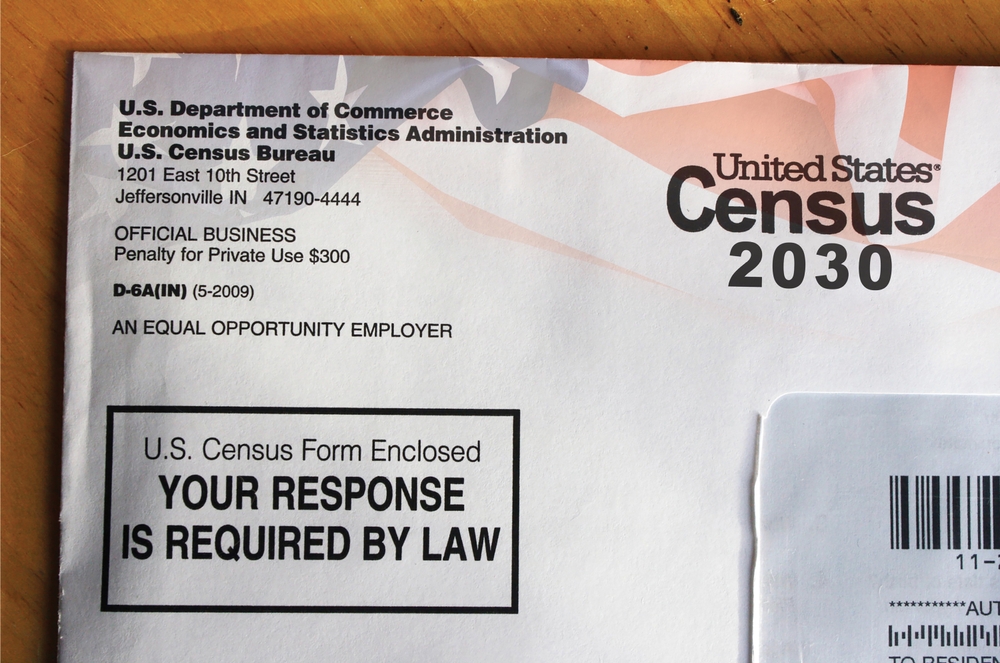
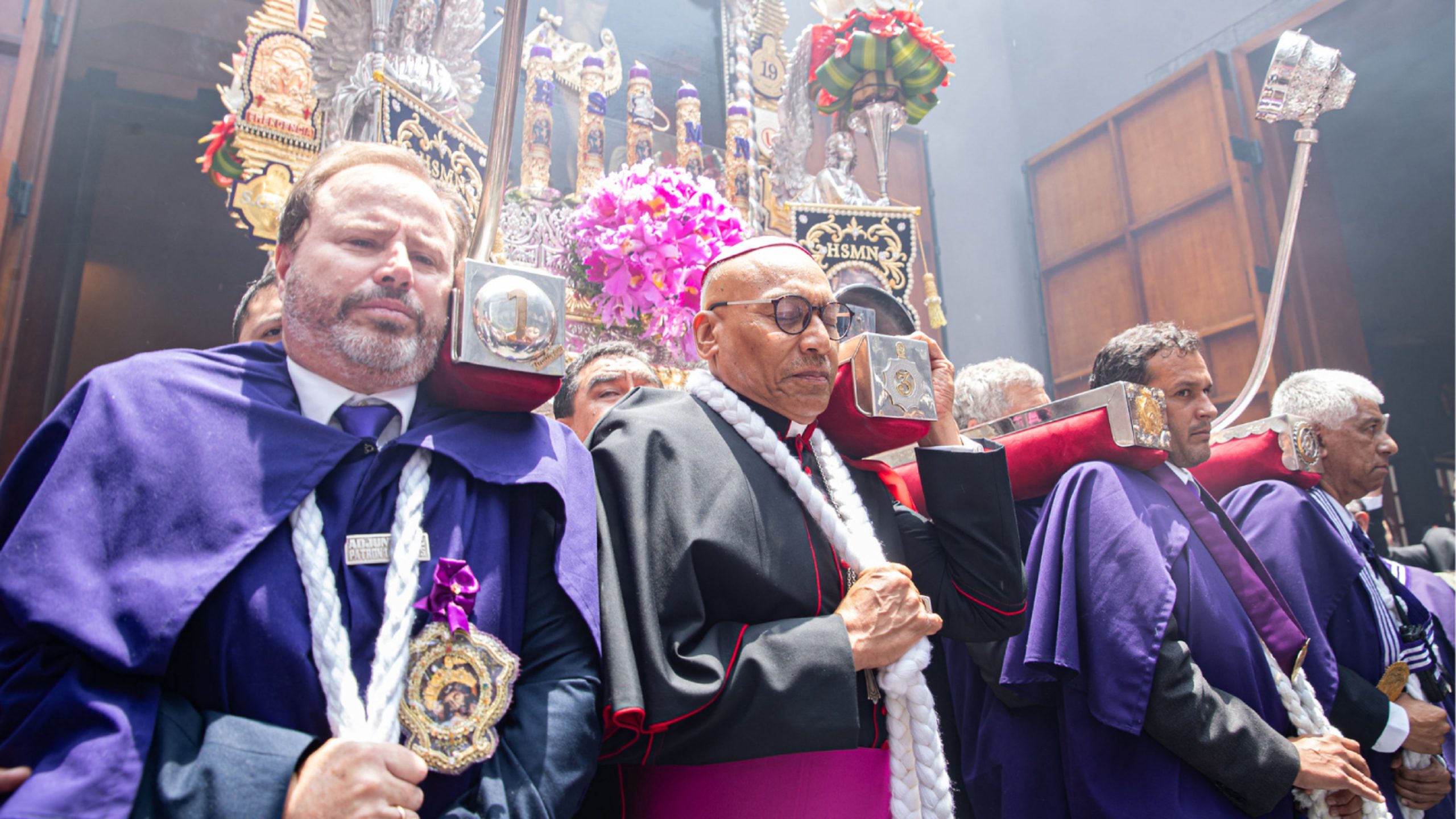
Many legal scholars and other experts strongly disagreed with the bishops’ claim that excluding noncitizens from the census means they are not persons.
Read More
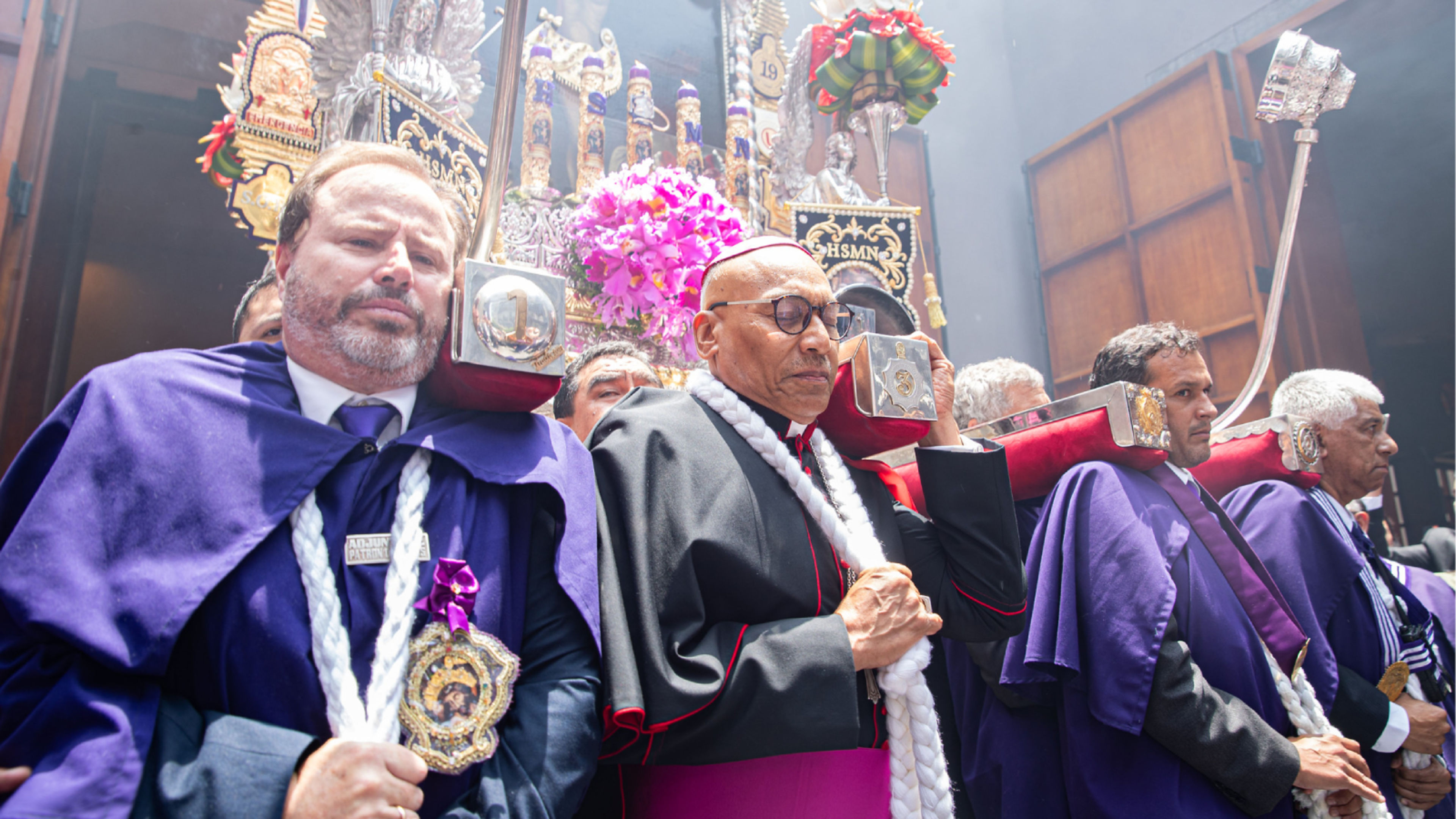
Lord of Miracles celebration in Peru: ‘It’s not enough to attend the procession,’ bishop exhorts – #Catholic – “It’s not enough to come to the procession; it‘s not enough to spend these festive days gathered around the image. What we must do is open our lives to the Lord, who is capable of transforming them,” Auxiliary Bishop Guillermo Elías of Lima, Peru, said during his homily at a well-attended Mass on Oct. 28, the central feast day of the Lord of the Miracles.The feast coincides with the second to the last procession of the “Cristo Moreno” (the dark-skinned Christ). The original image of the Lord of the Miracles was painted by an African slave on an adobe wall around 1651 and survived the massive earthquake of 1655, which was considered miraculous given the scale of destruction. Subsequently, additional miracles were associated with the image.Addressing the sea of ​​devotees gathered outside the Church of the Nazarenas in the historic center of Lima, where the sacred image of the Christ of Pachacamilla (another name for the image) is kept, the prelate posed a question that reached beyond the celebration itself: “Do you come for the miracles of the Lord, or for the Lord who is capable of performing the miracle of your salvation?”Drawing from the day’s Gospel, in which Jesus speaks with Nicodemus about God’s love and eternal life, Elías invited the faithful to look upon the Cristo Moreno with a faith that does not stop at the image itself nor come to an end when the processions conclude.“What is the foundation of your faith? Do you come for the miracles of the Lord or for the Lord who performs miracles?” he reiterated.A faith demonstrated through worksFor Elías, devotion must also be evident in how one treats others. During his homily, he recalled a statement by 20th-century Chilean St. Alberto Hurtado, which was cited by Pope Francis: “Not doing evil is good, but not doing good is evil.”The bishop warned that observing religious practices is not enough if they do not lead to love: “You can do many good things, follow so many precepts, so many good deeds, but if you lack love, it’s not enough,” he stated.He also addressed the violence in Lima and other parts of the country, lamenting that a person could lose his life during an assault or an attack on a bus, and noted that “a city like ours is in great need of our witness.”Faced with this reality, he encouraged the faithful not to remain indifferent. “Let us ask that we, too, may bring salvation by loving the vulnerable, those who have nothing, those who have lost hope, by offering them the very best of ourselves,” he urged.Preparing hearts for Pope Leo XIVElías also touched on the upcoming visit of Pope Leo XIV to Peru, recalling he motto of the trip, “Let us open our hearts,” and asked whether the Peruvian people are truly preparing themselves to receive the pontiff.The call to open your heart, he explained, is not limited to welcoming the pope; rather, it is an invitation to live out Christian values ​​in one’s personal, family, and community life.“Let us open our hearts to the values ​​of the kingdom — to peace, justice, and solidarity,” he stated.The second to the last procession of the image of the Lord of Miracles in 2026 made its way through the center of Lima, reaching Archbishop Loayza National Hospital. This story was first published by EWTN News Español, the Spanish-language sister service of EWTN News. It has been translated and adapted by EWTN News English.

Lord of Miracles celebration in Peru: ‘It’s not enough to attend the procession,’ bishop exhorts – #Catholic – “It’s not enough to come to the procession; it‘s not enough to spend these festive days gathered around the image. What we must do is open our lives to the Lord, who is capable of transforming them,” Auxiliary Bishop Guillermo Elías of Lima, Peru, said during his homily at a well-attended Mass on Oct. 28, the central feast day of the Lord of the Miracles.The feast coincides with the second to the last procession of the “Cristo Moreno” (the dark-skinned Christ). The original image of the Lord of the Miracles was painted by an African slave on an adobe wall around 1651 and survived the massive earthquake of 1655, which was considered miraculous given the scale of destruction. Subsequently, additional miracles were associated with the image.Addressing the sea of ​​devotees gathered outside the Church of the Nazarenas in the historic center of Lima, where the sacred image of the Christ of Pachacamilla (another name for the image) is kept, the prelate posed a question that reached beyond the celebration itself: “Do you come for the miracles of the Lord, or for the Lord who is capable of performing the miracle of your salvation?”Drawing from the day’s Gospel, in which Jesus speaks with Nicodemus about God’s love and eternal life, Elías invited the faithful to look upon the Cristo Moreno with a faith that does not stop at the image itself nor come to an end when the processions conclude.“What is the foundation of your faith? Do you come for the miracles of the Lord or for the Lord who performs miracles?” he reiterated.A faith demonstrated through worksFor Elías, devotion must also be evident in how one treats others. During his homily, he recalled a statement by 20th-century Chilean St. Alberto Hurtado, which was cited by Pope Francis: “Not doing evil is good, but not doing good is evil.”The bishop warned that observing religious practices is not enough if they do not lead to love: “You can do many good things, follow so many precepts, so many good deeds, but if you lack love, it’s not enough,” he stated.He also addressed the violence in Lima and other parts of the country, lamenting that a person could lose his life during an assault or an attack on a bus, and noted that “a city like ours is in great need of our witness.”Faced with this reality, he encouraged the faithful not to remain indifferent. “Let us ask that we, too, may bring salvation by loving the vulnerable, those who have nothing, those who have lost hope, by offering them the very best of ourselves,” he urged.Preparing hearts for Pope Leo XIVElías also touched on the upcoming visit of Pope Leo XIV to Peru, recalling he motto of the trip, “Let us open our hearts,” and asked whether the Peruvian people are truly preparing themselves to receive the pontiff.The call to open your heart, he explained, is not limited to welcoming the pope; rather, it is an invitation to live out Christian values ​​in one’s personal, family, and community life.“Let us open our hearts to the values ​​of the kingdom — to peace, justice, and solidarity,” he stated.The second to the last procession of the image of the Lord of Miracles in 2026 made its way through the center of Lima, reaching Archbishop Loayza National Hospital. This story was first published by EWTN News Español, the Spanish-language sister service of EWTN News. It has been translated and adapted by EWTN News English.

Bishop Guillermo Elías urged the faithful to live out a faith that goes beyond processions and translates into acts of love.

Read More
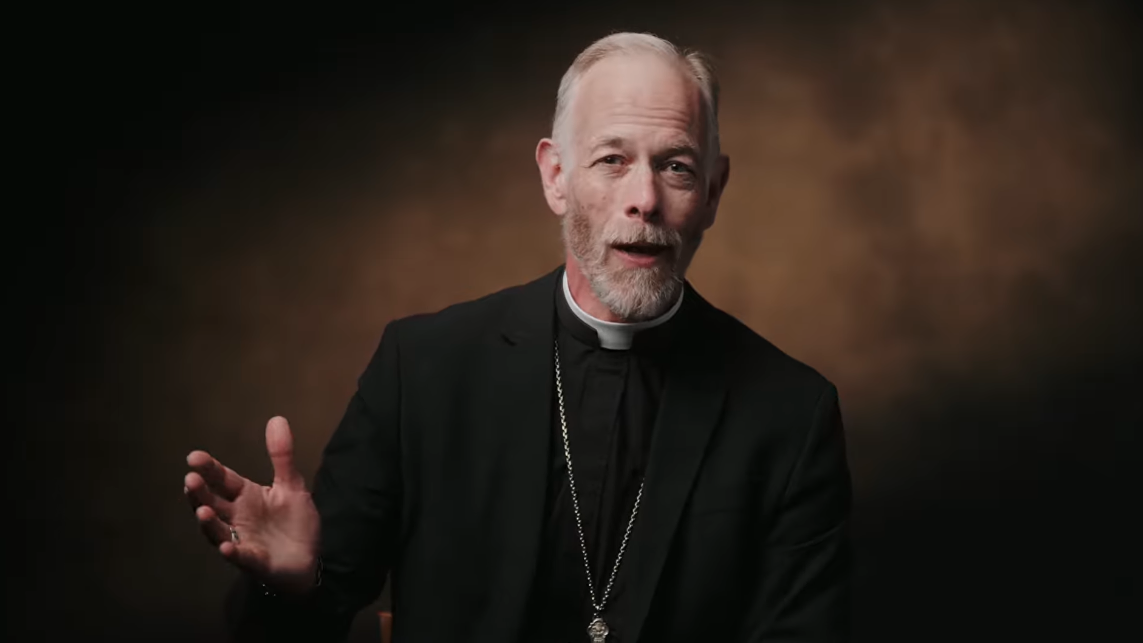
U.S. bishops urge Catholic voters: Start with your faith, discern your vote #Catholic Ahead of the contentious 2026 U.S. midterm elections, the U.S. bishops are urging Catholic voters to form their consciences in light of their faith and discern their vote informed by the teachings of the Church. In a video released by the U.S. Conference of Catholic Bishops (USCCB), Portland, Oregon, Archbishop Alexander Sample suggested Catholics should think of themselves as “disciples of Jesus first, Americans second … and, if you’re going to belong to a political party, that is third.” “Start with your relationship with Jesus. Start with your faith,” the archbishop said. “And then see how that shapes your view on social and political issues.” The archbishop’s video comes just days before the 2026 U.S. midterms, which could serve as a sharp referendum on U.S. President Donald Trump’s second term, particularly his administration’s launching of a war with Iran, which brought with it major increases in fuel costs and other prices. Multiple U.S. bishops have urged the faithful to pray ahead of the elections, including regarding major ballot initiatives involving abortion and other issues.In his Oct. 26 video, Sample — who serves as the chairman of the U.S. bishops’ religious liberty committee — noted that “none of the political parties” in the U.S. “embody all the Catholic social teaching.” “We don’t start with our party’s political platform,” he said. “We start with Catholic social teaching — the Catholic social doctrine of the Church, and all of those principles of Catholic social teaching.” Conscience ‘tells us to pursue the good’In a related video also released on Oct. 26, Baltimore Archbishop William Lori — who previously served as vice president of the USCCB — said the “importance of a properly formed conscience cannot be overstated.”The archbishop described conscience as “that part of us that tells us to pursue the good and to avoid evil,” a place where “God speaks to us and his word echoes in our hearts.” “It is vital that in this time when there is so much back-and-forth politically, when the news cycles never cease, when life is moving along rapidly — that in the exercise of our citizenship, we would slow down and engage in discernment.” The prelate pointed to St. Paul’s admonishment to “cling to what is good.” He described faithful citizenship as “an invitation to know what the Church teaches and then, when you’re faced with ballot issues or the question of for whom to vote, you’re equipped to engage in prayerful discernment.” He noted that the U.S. bishops issue messages about voting periodically. “[We] have a lot of faith in our people,” he said. The question of faithful citizenship was “never meant to be simply a list of dos and don’ts, or ‘vote this way or vote that way,’” Lori said. “It’s not a voter guide.” Rather, the principle “strives to present a beautiful vision of the United States as the best version of itself.” Archbishop Shelton Fabre of Louisville, Kentucky, meanwhile, in a separate video urged Catholics to keep the “desire to be the best disciple of Jesus Christ” at the center of all their decisions. “We participate in public life and in political life to advance the common good, and to also remind everyone in public life and in politics that the common good and the human dignity of each and every person are paramount,” he said.Some analysts are predicting a major Democratic victory in the 2026 midterms, particularly amid low approval ratings for Trump halfway through his second term.As of Oct. 29 the forecast and election-tracking outlet Decision Desk HQ was predicting likely Democratic victories in both the U.S. House and Senate, including an 80% probability of victory in the House.

U.S. bishops urge Catholic voters: Start with your faith, discern your vote #Catholic Ahead of the contentious 2026 U.S. midterm elections, the U.S. bishops are urging Catholic voters to form their consciences in light of their faith and discern their vote informed by the teachings of the Church. In a video released by the U.S. Conference of Catholic Bishops (USCCB), Portland, Oregon, Archbishop Alexander Sample suggested Catholics should think of themselves as “disciples of Jesus first, Americans second … and, if you’re going to belong to a political party, that is third.” “Start with your relationship with Jesus. Start with your faith,” the archbishop said. “And then see how that shapes your view on social and political issues.” The archbishop’s video comes just days before the 2026 U.S. midterms, which could serve as a sharp referendum on U.S. President Donald Trump’s second term, particularly his administration’s launching of a war with Iran, which brought with it major increases in fuel costs and other prices. Multiple U.S. bishops have urged the faithful to pray ahead of the elections, including regarding major ballot initiatives involving abortion and other issues.In his Oct. 26 video, Sample — who serves as the chairman of the U.S. bishops’ religious liberty committee — noted that “none of the political parties” in the U.S. “embody all the Catholic social teaching.” “We don’t start with our party’s political platform,” he said. “We start with Catholic social teaching — the Catholic social doctrine of the Church, and all of those principles of Catholic social teaching.” Conscience ‘tells us to pursue the good’In a related video also released on Oct. 26, Baltimore Archbishop William Lori — who previously served as vice president of the USCCB — said the “importance of a properly formed conscience cannot be overstated.”The archbishop described conscience as “that part of us that tells us to pursue the good and to avoid evil,” a place where “God speaks to us and his word echoes in our hearts.” “It is vital that in this time when there is so much back-and-forth politically, when the news cycles never cease, when life is moving along rapidly — that in the exercise of our citizenship, we would slow down and engage in discernment.” The prelate pointed to St. Paul’s admonishment to “cling to what is good.” He described faithful citizenship as “an invitation to know what the Church teaches and then, when you’re faced with ballot issues or the question of for whom to vote, you’re equipped to engage in prayerful discernment.” He noted that the U.S. bishops issue messages about voting periodically. “[We] have a lot of faith in our people,” he said. The question of faithful citizenship was “never meant to be simply a list of dos and don’ts, or ‘vote this way or vote that way,’” Lori said. “It’s not a voter guide.” Rather, the principle “strives to present a beautiful vision of the United States as the best version of itself.” Archbishop Shelton Fabre of Louisville, Kentucky, meanwhile, in a separate video urged Catholics to keep the “desire to be the best disciple of Jesus Christ” at the center of all their decisions. “We participate in public life and in political life to advance the common good, and to also remind everyone in public life and in politics that the common good and the human dignity of each and every person are paramount,” he said.Some analysts are predicting a major Democratic victory in the 2026 midterms, particularly amid low approval ratings for Trump halfway through his second term.As of Oct. 29 the forecast and election-tracking outlet Decision Desk HQ was predicting likely Democratic victories in both the U.S. House and Senate, including an 80% probability of victory in the House.

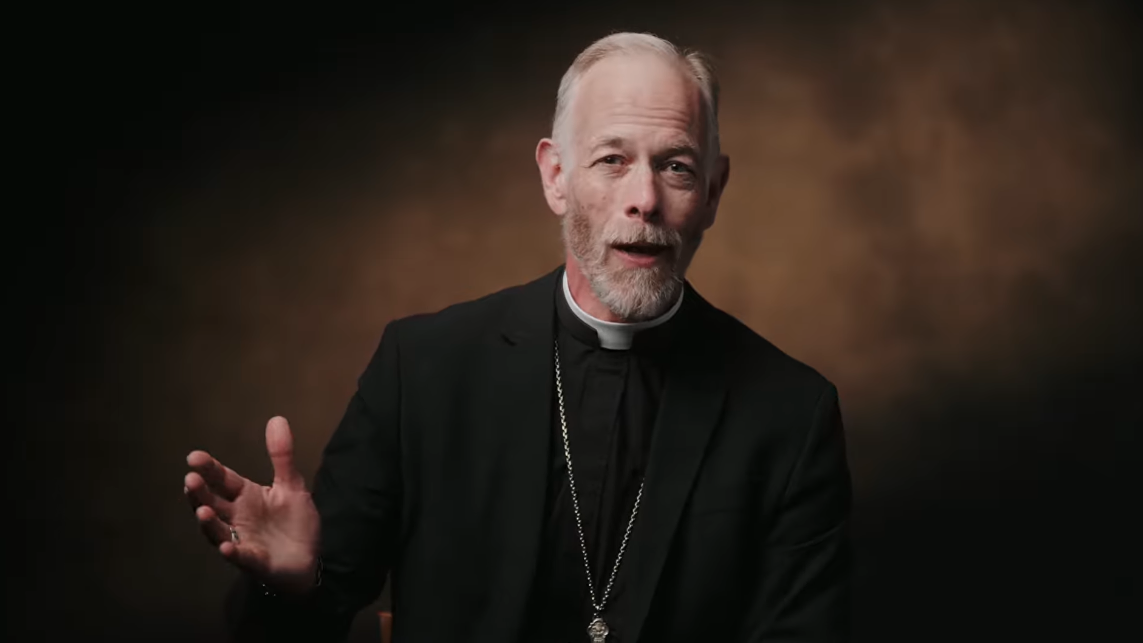
The videos come just days before the 2026 U.S. midterms, which could serve as a referendum on U.S. President Donald Trump’s second term.
Read More
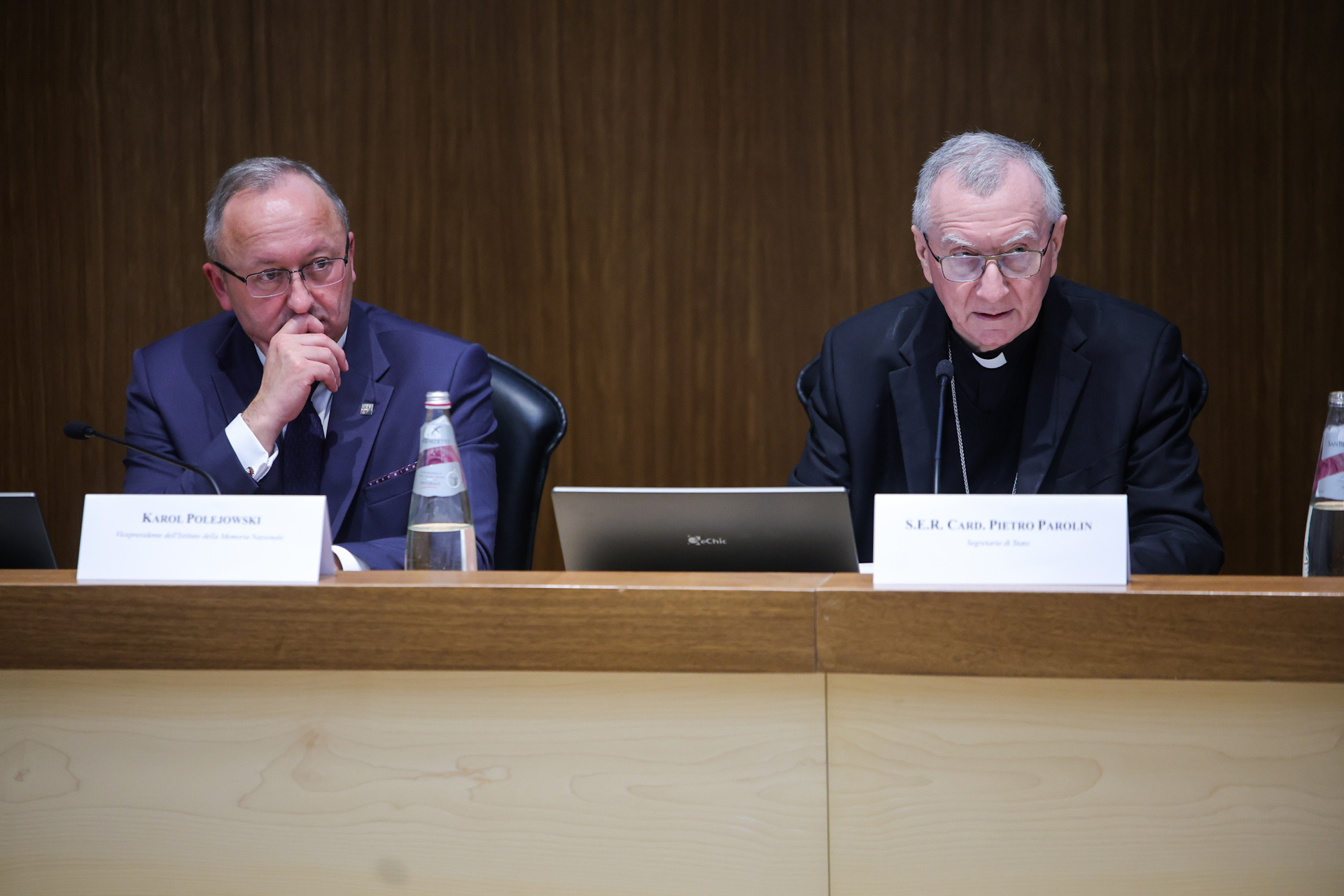
Rome conference asks whether the Church did enough to resist totalitarian regimes #Catholic A conference in Rome this week examined how the Church addressed totalitarian regimes in the 20th century. The conference “The Holy See in the Face of Totalitarian Systems in the 20th Century: New Perspectives and Research Directions” was held at the Pontifical Gregorian University in Rome from Oct. 28–29. Over the two days, scholars discussed how the Vatican responded to oppressive governments, particularly from the time of Pope Pius XII to the Second Vatican Council.The Institute of National Remembrance – Commission for the Prosecution of Crimes against the Polish Nation and the Pontifical Committee of Historical Sciences, which organized the event, also presented a new exhibit at the Gregorian on the 1966 celebrations of the 1,000th anniversary of the Baptism of Poland in 966.Totalitarianism: Temptation to be like GodAs reported by Vatican News, the conference opened with a keynote address from Vatican Secretary of State Cardinal Pietro Parolin, who warned nations against asserting themselves in the place of God.“[Totalitarianism] arises from the human temptation to want to ‘be like God,’ to control how humanity lives and thinks, and to impose one’s own ideological convictions on it,” Parolin said.
 
 Vatican Secretary of State Cardinal Pietro Parolin speaks at the conference “The Holy See in the Face of Totalitarian Systems in the 20th Century: New Perspectives and Research Directions,” at the Pontifical Gregorian University in Rome on Oct. 28, 2026. | Credit: Dariusz Skrzyniarz/Instytut Pamięci Narodowej
 
 He also criticized the tendency of countries to elevate the state and certain constructs in place of religion.“By elevating social class, race, or the state to the altar in God’s place, [totalitarian regimes] sacralized their ideological concepts and created political religions, with their own ‘liturgies,’ prophets, martyrs, and ethical norms,” Parolin added.
 
 A new exhibit commemorating the 1966 celebration of the Baptism of Poland in A.D. 966 was launched at the Pontifical Gregorian University in Rome on Oct. 28, 2026. | Credit: Ishmael Adibuah/EWTN News
 
 Pius XII’s Vatican and the Nazi regimeAmong the topics discussed at the conference was the Holy See’s stance under Venerable Pius XII toward Nazi Germany during the Second World War, including the Holocaust.Parolin maintained that Pius XII condemned wars in a way “that would not provoke even greater persecution” and that he displayed “a diplomacy of charity on an unprecedented scale.” Others at the conference described the Church’s stance during this period as “sustainable.”
 
 Pope Pius XII and Adolf Hitler. | Credit: Everett Historical/Shutterstock
 
 “I would say that the Church, and the Holy See in particular, did what it considered possible and sustainable during the periods we have discussed, just as it does today,” said Father Nicola Spinato, a theologian from Padua, Italy.“The Holy See and the Church are not simply political actors competing within the political arena. Their role is pastoral and ecclesial,” Spinato added.Vatican totalitarian resistance under Vatican II and John Paul IIDuring the conference, several participants presented on the influence of the Second Vatican Council on the Holy See’s vocal resistance to totalitarian regimes.Spinato presented on how the Church, through the council, formulated its opposition to racism and all forms of discrimination.“The confrontation with the totalitarianism and racism of the 20th century contributed to the development of the Church’s social teaching,” Spinato said.Others noted St. John Paul II’s influence on Vatican diplomacy, particularly in Poland and Latin America.
 
 The Church of Santo Spirito in Sassia has a side chapel dedicated to St. John Paul II. | Credit: Courtney Grogan/EWTN News
 
 “John Paul II actively intervened to end dictatorships and to promote the return to democracy. From April 1-6, 1987, he visited Chile — a trip that would change the country’s history,” Gianni La Bella, a member of the Pontifical Committee of Historical Sciences, said.“Following John Paul’s pilgrimages to Poland in 1983 and 1987, efforts began to overcome the crisis. His influence and laws guaranteeing religious freedom paved the way for Poland and the Holy See to restore full diplomatic relations on July 17, 1989,” Father Albert Warso, a professor at John Paul II Catholic University of Lublin, said.

Rome conference asks whether the Church did enough to resist totalitarian regimes #Catholic A conference in Rome this week examined how the Church addressed totalitarian regimes in the 20th century. The conference “The Holy See in the Face of Totalitarian Systems in the 20th Century: New Perspectives and Research Directions” was held at the Pontifical Gregorian University in Rome from Oct. 28–29. Over the two days, scholars discussed how the Vatican responded to oppressive governments, particularly from the time of Pope Pius XII to the Second Vatican Council.The Institute of National Remembrance – Commission for the Prosecution of Crimes against the Polish Nation and the Pontifical Committee of Historical Sciences, which organized the event, also presented a new exhibit at the Gregorian on the 1966 celebrations of the 1,000th anniversary of the Baptism of Poland in 966.Totalitarianism: Temptation to be like GodAs reported by Vatican News, the conference opened with a keynote address from Vatican Secretary of State Cardinal Pietro Parolin, who warned nations against asserting themselves in the place of God.“[Totalitarianism] arises from the human temptation to want to ‘be like God,’ to control how humanity lives and thinks, and to impose one’s own ideological convictions on it,” Parolin said. Vatican Secretary of State Cardinal Pietro Parolin speaks at the conference “The Holy See in the Face of Totalitarian Systems in the 20th Century: New Perspectives and Research Directions,” at the Pontifical Gregorian University in Rome on Oct. 28, 2026. | Credit: Dariusz Skrzyniarz/Instytut Pamięci Narodowej He also criticized the tendency of countries to elevate the state and certain constructs in place of religion.“By elevating social class, race, or the state to the altar in God’s place, [totalitarian regimes] sacralized their ideological concepts and created political religions, with their own ‘liturgies,’ prophets, martyrs, and ethical norms,” Parolin added. A new exhibit commemorating the 1966 celebration of the Baptism of Poland in A.D. 966 was launched at the Pontifical Gregorian University in Rome on Oct. 28, 2026. | Credit: Ishmael Adibuah/EWTN News Pius XII’s Vatican and the Nazi regimeAmong the topics discussed at the conference was the Holy See’s stance under Venerable Pius XII toward Nazi Germany during the Second World War, including the Holocaust.Parolin maintained that Pius XII condemned wars in a way “that would not provoke even greater persecution” and that he displayed “a diplomacy of charity on an unprecedented scale.” Others at the conference described the Church’s stance during this period as “sustainable.” Pope Pius XII and Adolf Hitler. | Credit: Everett Historical/Shutterstock “I would say that the Church, and the Holy See in particular, did what it considered possible and sustainable during the periods we have discussed, just as it does today,” said Father Nicola Spinato, a theologian from Padua, Italy.“The Holy See and the Church are not simply political actors competing within the political arena. Their role is pastoral and ecclesial,” Spinato added.Vatican totalitarian resistance under Vatican II and John Paul IIDuring the conference, several participants presented on the influence of the Second Vatican Council on the Holy See’s vocal resistance to totalitarian regimes.Spinato presented on how the Church, through the council, formulated its opposition to racism and all forms of discrimination.“The confrontation with the totalitarianism and racism of the 20th century contributed to the development of the Church’s social teaching,” Spinato said.Others noted St. John Paul II’s influence on Vatican diplomacy, particularly in Poland and Latin America. The Church of Santo Spirito in Sassia has a side chapel dedicated to St. John Paul II. | Credit: Courtney Grogan/EWTN News “John Paul II actively intervened to end dictatorships and to promote the return to democracy. From April 1-6, 1987, he visited Chile — a trip that would change the country’s history,” Gianni La Bella, a member of the Pontifical Committee of Historical Sciences, said.“Following John Paul’s pilgrimages to Poland in 1983 and 1987, efforts began to overcome the crisis. His influence and laws guaranteeing religious freedom paved the way for Poland and the Holy See to restore full diplomatic relations on July 17, 1989,” Father Albert Warso, a professor at John Paul II Catholic University of Lublin, said.

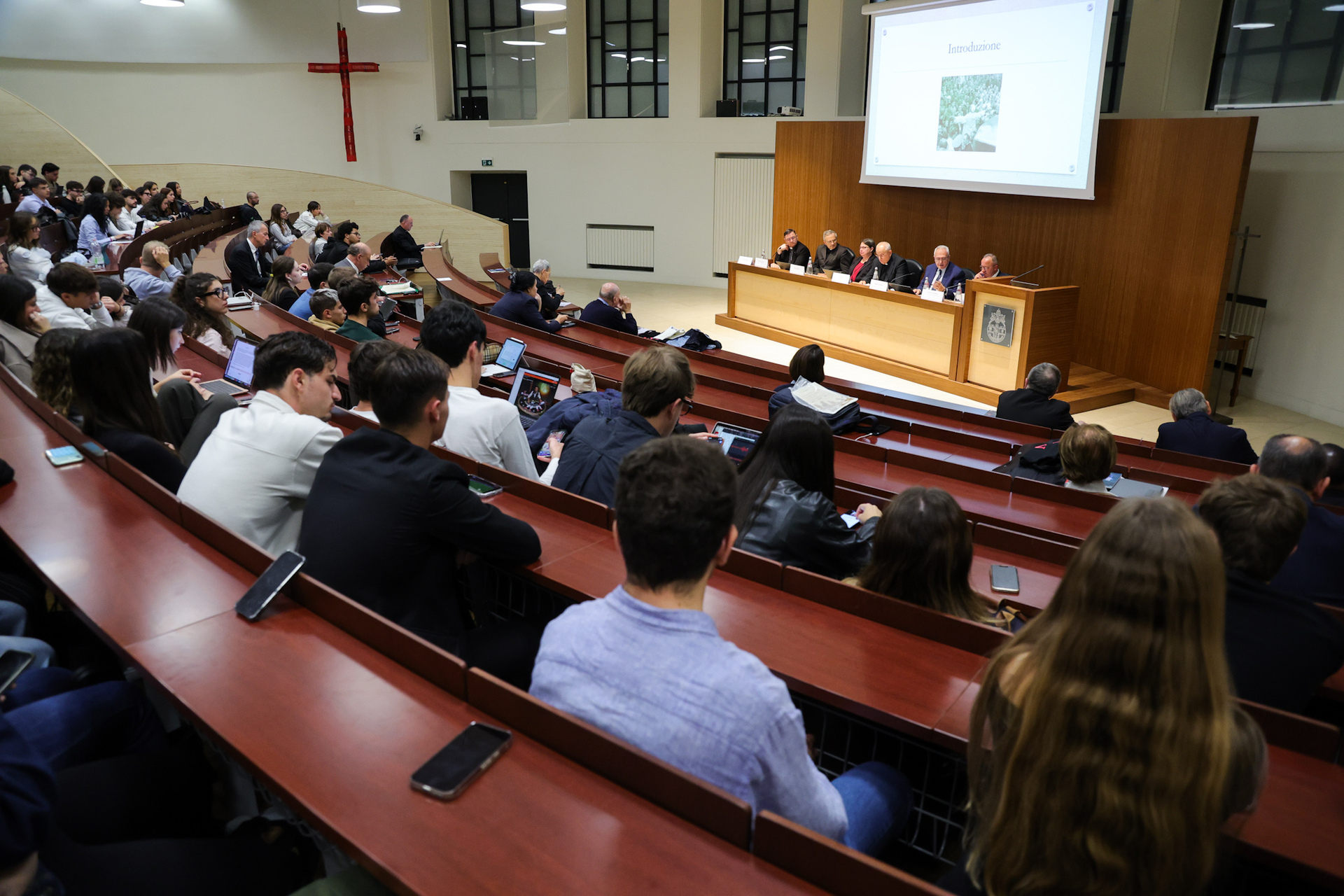
During the conference, Vatican Secretary of State Cardinal Pietro Parolin also warned nations against the temptation to “be like God.”
Read More
Beyond The Beacon podcast 121: Parishes bring hope, love to Guatemala with mission trip #Catholic – 
Members of the parish communities of Notre Dame of Mt. Carmel in Cedar Knolls (Hanover Township) and Resurrection Parish in Randolph join the podcast to discuss a joint mission trip to Guatemala. Bishop Kevin J. Sweeney and Communications Director Jai Agnish co-host. These mission trip organizers and participants discuss the joys and spiritual rewards of the experience.
Guests include:

Cristina Folan and her husband, Ken Folan. Christina Folan is the director of Communications & Evangelization for Notre Dame of Mt. Carmel, and the two help organize the mission trip for the parish along with Debbie White.
Father Yojan Garcia, pastor of Resurrection Parish, who also serves as director of the Office of Catechesis and Faith Formation for the Diocese of Paterson.
Eric Kalos and Tyler Kalos – a Father and son who are parishioners of Notre Dame of Mt. Carmel.
Terri Janosik, a parishioner at Resurrection Parish and co-coordinator of the mission trip for Resurrection Parish.

Listen or watch the episode here, or on any major podcast platform, or watch it on Bishop Sweeney’s YouTube channel.

Click here to subscribe to our weekly newsletter.

Beyond The Beacon podcast 121: Parishes bring hope, love to Guatemala with mission trip #Catholic –

Members of the parish communities of Notre Dame of Mt. Carmel in Cedar Knolls (Hanover Township) and Resurrection Parish in Randolph join the podcast to discuss a joint mission trip to Guatemala. Bishop Kevin J. Sweeney and Communications Director Jai Agnish co-host. These mission trip organizers and participants discuss the joys and spiritual rewards of the experience.

Guests include:

  • Cristina Folan and her husband, Ken Folan. Christina Folan is the director of Communications & Evangelization for Notre Dame of Mt. Carmel, and the two help organize the mission trip for the parish along with Debbie White.
  • Father Yojan Garcia, pastor of Resurrection Parish, who also serves as director of the Office of Catechesis and Faith Formation for the Diocese of Paterson.
  • Eric Kalos and Tyler Kalos – a Father and son who are parishioners of Notre Dame of Mt. Carmel.
  • Terri Janosik, a parishioner at Resurrection Parish and co-coordinator of the mission trip for Resurrection Parish.

Listen or watch the episode here, or on any major podcast platform, or watch it on Bishop Sweeney’s YouTube channel.


Click here to subscribe to our weekly newsletter.

– Members of the parish communities of Notre Dame of Mt. Carmel in Cedar Knolls (Hanover Township) and Resurrection Parish in Randolph join the podcast to discuss a joint mission trip to Guatemala. Bishop Kevin J. Sweeney and Communications Director Jai Agnish co-host. These mission trip organizers and participants discuss the joys and spiritual rewards of the experience. Guests include: Cristina Folan and her husband, Ken Folan. Christina Folan is the director of Communications & Evangelization for Notre Dame of Mt. Carmel, and the two help organize the mission trip for the parish along with Debbie White. Father Yojan Garcia, pastor
Read More
Undecided Catholic voters a dependable but swing voting bloc, report finds #Catholic – WASHINGTON (OSV News) — Undecided Catholic voters are a swing voting bloc, but reliably show up to the polls, a new report found.
The report, conducted by Untold Research on behalf of Network, a Catholic social justice lobby, found “Catholics are swing voters in the truest sense of the term.” It found that just 4% of respondents who described themselves as Catholics and as undecided, uncommitted voters in this election cycle did not vote at all in the past three presidential elections.
Laurie Carafone, Network’s executive director, told OSV News in an interview the group commissioned the report because “many voters, including Catholic voters, are undecided even close to the election, and we wanted just to have a better insight into what issues and factors motivate undecided Catholic voters.”
The report, released Oct. 28, filtered focus-group participants for those who identified as Catholics and said they were undecided in the upcoming elections. Most of the respondents resided in Michigan, they said, a battleground state with a key Senate race ranked as a toss-up by the nonpartisan Cook Political Report.

Click here to subscribe to our weekly newsletter.

Catholics are a reliable voting bloc in terms of casting a ballot, the Network report found, but “what they offer in terms of dependability to show up at the polls, they lack in predictability for whom they will pull the lever.”
Nearly three-quarters of respondents said they have voted for both former President Barack Obama and President Donald Trump, “and majorities of uncommitted, undecided Catholics, as a whole, supported both presidents, despite the candidates’ vastly different policy priorities and approaches to governing,” the report said.
Data showing these voters “crossing party lines to vote over the past two decades,” shows they are “open to solutions from both parties,” Carafone said.
The Network report came after a recent Pew Research Center survey found that among all Catholics, 42% said that if the election were held today, they would vote for the Democrat in their House district, 39% said the Republican, while another 19% said they were unsure or would select another party’s candidate. But it also found white Catholics and Hispanic Catholics divide sharply over which party’s candidates they plan to support in the midterms.
Among white Catholics, the Pew survey found, 50% said they would support the Republican candidate, and 32% said the Democrat, with another 18% unsure. Among Hispanic Catholics, 59% said they would support the Democrat, 19% said the Republican candidate, and 21% said they were unsure.
Polls of the general public have consistently found that voters in the 2026 midterm elections report being most motivated by economic or cost-of-living issues. The Network report found undecided Catholic voters are also concerned about these issues, with 80% describing economic issues as having an influence in their decision-making, followed by healthcare at 78% and issues affecting older adults at 77%.
Carafone said the report found “these undecided Catholic voters that were surveyed care deeply about the issues that are at the heart of Catholic social teaching: feeding our families, caring for our loved ones, decent jobs with fair wages, just to name a few.”
“These are issues that are affecting voters and their communities across the country in a very real way,” she said.
Undecided and uncommitted Catholic voters who attend Mass more frequently, she added, “do stand out from the others in this survey group.”
The report found that group “decides whom to vote for later, and they do report stronger religious influence on their views and on the issues that are weighing most, especially if it involves family and children’s issues, and they do lean more Republican and name immigration and race as important issues for them,” she said.
The midterm elections are scheduled for Nov. 3. Archbishop Paul S. Coakley of Oklahoma City, president of the U.S. Conference of Catholic Bishops, issued a statement Oct. 14 reminding the faithful that “for citizens in a representative democracy such as our own, participation in public life — including voting — is both a right and a responsibility.”
Kate Scanlon is a national reporter for OSV News covering Washington. Follow her on X @kgscanlon.

Undecided Catholic voters a dependable but swing voting bloc, report finds #Catholic – WASHINGTON (OSV News) — Undecided Catholic voters are a swing voting bloc, but reliably show up to the polls, a new report found. The report, conducted by Untold Research on behalf of Network, a Catholic social justice lobby, found “Catholics are swing voters in the truest sense of the term.” It found that just 4% of respondents who described themselves as Catholics and as undecided, uncommitted voters in this election cycle did not vote at all in the past three presidential elections. Laurie Carafone, Network’s executive director, told OSV News in an interview the group commissioned the report because “many voters, including Catholic voters, are undecided even close to the election, and we wanted just to have a better insight into what issues and factors motivate undecided Catholic voters.” The report, released Oct. 28, filtered focus-group participants for those who identified as Catholics and said they were undecided in the upcoming elections. Most of the respondents resided in Michigan, they said, a battleground state with a key Senate race ranked as a toss-up by the nonpartisan Cook Political Report. Click here to subscribe to our weekly newsletter. Catholics are a reliable voting bloc in terms of casting a ballot, the Network report found, but “what they offer in terms of dependability to show up at the polls, they lack in predictability for whom they will pull the lever.” Nearly three-quarters of respondents said they have voted for both former President Barack Obama and President Donald Trump, “and majorities of uncommitted, undecided Catholics, as a whole, supported both presidents, despite the candidates’ vastly different policy priorities and approaches to governing,” the report said. Data showing these voters “crossing party lines to vote over the past two decades,” shows they are “open to solutions from both parties,” Carafone said. The Network report came after a recent Pew Research Center survey found that among all Catholics, 42% said that if the election were held today, they would vote for the Democrat in their House district, 39% said the Republican, while another 19% said they were unsure or would select another party’s candidate. But it also found white Catholics and Hispanic Catholics divide sharply over which party’s candidates they plan to support in the midterms. Among white Catholics, the Pew survey found, 50% said they would support the Republican candidate, and 32% said the Democrat, with another 18% unsure. Among Hispanic Catholics, 59% said they would support the Democrat, 19% said the Republican candidate, and 21% said they were unsure. Polls of the general public have consistently found that voters in the 2026 midterm elections report being most motivated by economic or cost-of-living issues. The Network report found undecided Catholic voters are also concerned about these issues, with 80% describing economic issues as having an influence in their decision-making, followed by healthcare at 78% and issues affecting older adults at 77%. Carafone said the report found “these undecided Catholic voters that were surveyed care deeply about the issues that are at the heart of Catholic social teaching: feeding our families, caring for our loved ones, decent jobs with fair wages, just to name a few.” “These are issues that are affecting voters and their communities across the country in a very real way,” she said. Undecided and uncommitted Catholic voters who attend Mass more frequently, she added, “do stand out from the others in this survey group.” The report found that group “decides whom to vote for later, and they do report stronger religious influence on their views and on the issues that are weighing most, especially if it involves family and children’s issues, and they do lean more Republican and name immigration and race as important issues for them,” she said. The midterm elections are scheduled for Nov. 3. Archbishop Paul S. Coakley of Oklahoma City, president of the U.S. Conference of Catholic Bishops, issued a statement Oct. 14 reminding the faithful that “for citizens in a representative democracy such as our own, participation in public life — including voting — is both a right and a responsibility.” Kate Scanlon is a national reporter for OSV News covering Washington. Follow her on X @kgscanlon.

Undecided Catholic voters a dependable but swing voting bloc, report finds #Catholic –

WASHINGTON (OSV News) — Undecided Catholic voters are a swing voting bloc, but reliably show up to the polls, a new report found.

The report, conducted by Untold Research on behalf of Network, a Catholic social justice lobby, found “Catholics are swing voters in the truest sense of the term.” It found that just 4% of respondents who described themselves as Catholics and as undecided, uncommitted voters in this election cycle did not vote at all in the past three presidential elections.

Laurie Carafone, Network’s executive director, told OSV News in an interview the group commissioned the report because “many voters, including Catholic voters, are undecided even close to the election, and we wanted just to have a better insight into what issues and factors motivate undecided Catholic voters.”

The report, released Oct. 28, filtered focus-group participants for those who identified as Catholics and said they were undecided in the upcoming elections. Most of the respondents resided in Michigan, they said, a battleground state with a key Senate race ranked as a toss-up by the nonpartisan Cook Political Report.


Click here to subscribe to our weekly newsletter.

Catholics are a reliable voting bloc in terms of casting a ballot, the Network report found, but “what they offer in terms of dependability to show up at the polls, they lack in predictability for whom they will pull the lever.”

Nearly three-quarters of respondents said they have voted for both former President Barack Obama and President Donald Trump, “and majorities of uncommitted, undecided Catholics, as a whole, supported both presidents, despite the candidates’ vastly different policy priorities and approaches to governing,” the report said.

Data showing these voters “crossing party lines to vote over the past two decades,” shows they are “open to solutions from both parties,” Carafone said.

The Network report came after a recent Pew Research Center survey found that among all Catholics, 42% said that if the election were held today, they would vote for the Democrat in their House district, 39% said the Republican, while another 19% said they were unsure or would select another party’s candidate. But it also found white Catholics and Hispanic Catholics divide sharply over which party’s candidates they plan to support in the midterms.

Among white Catholics, the Pew survey found, 50% said they would support the Republican candidate, and 32% said the Democrat, with another 18% unsure. Among Hispanic Catholics, 59% said they would support the Democrat, 19% said the Republican candidate, and 21% said they were unsure.

Polls of the general public have consistently found that voters in the 2026 midterm elections report being most motivated by economic or cost-of-living issues. The Network report found undecided Catholic voters are also concerned about these issues, with 80% describing economic issues as having an influence in their decision-making, followed by healthcare at 78% and issues affecting older adults at 77%.

Carafone said the report found “these undecided Catholic voters that were surveyed care deeply about the issues that are at the heart of Catholic social teaching: feeding our families, caring for our loved ones, decent jobs with fair wages, just to name a few.”

“These are issues that are affecting voters and their communities across the country in a very real way,” she said.

Undecided and uncommitted Catholic voters who attend Mass more frequently, she added, “do stand out from the others in this survey group.”

The report found that group “decides whom to vote for later, and they do report stronger religious influence on their views and on the issues that are weighing most, especially if it involves family and children’s issues, and they do lean more Republican and name immigration and race as important issues for them,” she said.

The midterm elections are scheduled for Nov. 3. Archbishop Paul S. Coakley of Oklahoma City, president of the U.S. Conference of Catholic Bishops, issued a statement Oct. 14 reminding the faithful that “for citizens in a representative democracy such as our own, participation in public life — including voting — is both a right and a responsibility.”

Kate Scanlon is a national reporter for OSV News covering Washington. Follow her on X @kgscanlon.

– WASHINGTON (OSV News) — Undecided Catholic voters are a swing voting bloc, but reliably show up to the polls, a new report found. The report, conducted by Untold Research on behalf of Network, a Catholic social justice lobby, found “Catholics are swing voters in the truest sense of the term.” It found that just 4% of respondents who described themselves as Catholics and as undecided, uncommitted voters in this election cycle did not vote at all in the past three presidential elections. Laurie Carafone, Network’s executive director, told OSV News in an interview the group commissioned the report because “many
Read More
Election cycle will influence when pope heads to US, top Vatican diplomat says #Catholic – ROME (CNS) — The first U.S.-born pope is very much looking forward to eventually visiting his native country even as he prepares to head to Latin America — his seventh papal trip abroad after his election a year and a half ago, the Vatican foreign minister said.
“Obviously a visit to the United States is very likely, I would say, in the not-too-distant future,” said Archbishop Paul R. Gallagher, the Vatican’s secretary for relations with states and international organizations, at the foreign press club in Rome Oct. 27.
“Whether it’ll be ’27 or later, I really don’t know,” he said, since “one of the things that will influence it is eventually the American elections.”
Once the midterm elections are over this fall, then the window of opportunity might open in 2027, he said, adding that too late in the year will start being “the vigil of the presidential election, so that may affect an eventual decision on the date.”

Click here to subscribe to our weekly newsletter.

“But yes, there’s no doubt about it, the pope wants to go to the States; he very much is looking forward to that,” the British diplomat said during an hour-long conversation with reporters.
Pope Leo heads to Uruguay, Argentina and Peru Nov. 6-17, less than four weeks after he had lung cancer surgery that removed his lower right lobe. Doctors have said the pope’s recovery has been progressing well, no more cancer was detected and no further treatment was required.
Asked why the pope did not put off the trip, which will include multiple long flights and high altitudes, Archbishop Gallagher said, “He’s going on this trip very simply because he wants to go.”
“He was looking forward to it,” and given the positive clinical reports, “he feels he can go,” he said.
The archbishop said he, like the general public, was surprised when the pope announced in early October that doctors had found a nodule that then turned out to be cancerous.
When then 69-year-old Cardinal Robert F. Prevost was elected pontiff in 2025, he hit the ground running, the archbishop said. “I think there was a temptation to think, here we have Superman, the Super-Pope.”
“The fact that he has fallen ill, with, in many ways, one of the most common illnesses of our age, means that he is a poor mortal like the rest of us, and I think that that is going to change how we see him and possibly how he sees himself as well,” Archbishop Gallagher said, calling it “a bit of a game-changer” for this pontificate.
“But I don’t think it is going to be necessarily bringing things forward or accelerating things very much, at least not in the immediate future,” he said. “I think he will stick to his plan, and he will stick to revealing his plan” slowly, as he has done so far.
The journalist leading the conversation with the archbishop asked how the Roman Curia sees the U.S.-born pope and whether he is seen as “a no-nonsense American caped crusader with a math degree,” who is going to “fix all of the Vatican’s financial problems,” or whether he is too unfamiliar with the workings of Rome and the “curia will eventually eat him alive.”
Archbishop Gallagher said, “I think he is business-like in that way” and that “I’ve heard a number of people who are on the economic side of the Vatican’s finances saying it’s good to have a pope who can read a spreadsheet.”
“He is, in many ways, easier to work with at the human level,” he said, and the pope being an “English speaker makes some things easier.”
“I think Pope Leo really wants to get to grips with things,” and often asks follow-up questions, he said. “So, I don’t think the curia will eat him up. I think if there’s any indication of that, he will demonstrate that he too has an appetite.”
The Vatican foreign minister, who works closely with the pope and the Vatican’s Secretariat of State to keep the pope informed about global, regional and local events and then helps carry out the pope’s agenda, said he finds Pope Leo to be “extremely well informed.”
Every week, the archbishop meets with the pope to “go through my papers and mention things (and) nearly everything I say he knows already, which possibly is something I should examine my conscience about.”
“He obviously informs himself very well” during his very busy schedule, he said, and “I think he has a little bit of a natural touch for politics.”
One trait that distinguishes Pope Leo from his predecessors, said the archbishop, who has served under four popes since he joined the Vatican diplomatic service in 1984, “is that he always has this great serenity.”
“Even when he’s looking at the world scene, even when there are tensions or there are negative reactions to something that he has said or to what the Holy See has done, he’s really unfazed by all of that,” he said. “He’s only preaching the Gospel. He’s doing what he believes he has to do, in the way he believes he has to do, and he will go on in that way.”

Election cycle will influence when pope heads to US, top Vatican diplomat says #Catholic – ROME (CNS) — The first U.S.-born pope is very much looking forward to eventually visiting his native country even as he prepares to head to Latin America — his seventh papal trip abroad after his election a year and a half ago, the Vatican foreign minister said. “Obviously a visit to the United States is very likely, I would say, in the not-too-distant future,” said Archbishop Paul R. Gallagher, the Vatican’s secretary for relations with states and international organizations, at the foreign press club in Rome Oct. 27. “Whether it’ll be ’27 or later, I really don’t know,” he said, since “one of the things that will influence it is eventually the American elections.” Once the midterm elections are over this fall, then the window of opportunity might open in 2027, he said, adding that too late in the year will start being “the vigil of the presidential election, so that may affect an eventual decision on the date.” Click here to subscribe to our weekly newsletter. “But yes, there’s no doubt about it, the pope wants to go to the States; he very much is looking forward to that,” the British diplomat said during an hour-long conversation with reporters. Pope Leo heads to Uruguay, Argentina and Peru Nov. 6-17, less than four weeks after he had lung cancer surgery that removed his lower right lobe. Doctors have said the pope’s recovery has been progressing well, no more cancer was detected and no further treatment was required. Asked why the pope did not put off the trip, which will include multiple long flights and high altitudes, Archbishop Gallagher said, “He’s going on this trip very simply because he wants to go.” “He was looking forward to it,” and given the positive clinical reports, “he feels he can go,” he said. The archbishop said he, like the general public, was surprised when the pope announced in early October that doctors had found a nodule that then turned out to be cancerous. When then 69-year-old Cardinal Robert F. Prevost was elected pontiff in 2025, he hit the ground running, the archbishop said. “I think there was a temptation to think, here we have Superman, the Super-Pope.” “The fact that he has fallen ill, with, in many ways, one of the most common illnesses of our age, means that he is a poor mortal like the rest of us, and I think that that is going to change how we see him and possibly how he sees himself as well,” Archbishop Gallagher said, calling it “a bit of a game-changer” for this pontificate. “But I don’t think it is going to be necessarily bringing things forward or accelerating things very much, at least not in the immediate future,” he said. “I think he will stick to his plan, and he will stick to revealing his plan” slowly, as he has done so far. The journalist leading the conversation with the archbishop asked how the Roman Curia sees the U.S.-born pope and whether he is seen as “a no-nonsense American caped crusader with a math degree,” who is going to “fix all of the Vatican’s financial problems,” or whether he is too unfamiliar with the workings of Rome and the “curia will eventually eat him alive.” Archbishop Gallagher said, “I think he is business-like in that way” and that “I’ve heard a number of people who are on the economic side of the Vatican’s finances saying it’s good to have a pope who can read a spreadsheet.” “He is, in many ways, easier to work with at the human level,” he said, and the pope being an “English speaker makes some things easier.” “I think Pope Leo really wants to get to grips with things,” and often asks follow-up questions, he said. “So, I don’t think the curia will eat him up. I think if there’s any indication of that, he will demonstrate that he too has an appetite.” The Vatican foreign minister, who works closely with the pope and the Vatican’s Secretariat of State to keep the pope informed about global, regional and local events and then helps carry out the pope’s agenda, said he finds Pope Leo to be “extremely well informed.” Every week, the archbishop meets with the pope to “go through my papers and mention things (and) nearly everything I say he knows already, which possibly is something I should examine my conscience about.” “He obviously informs himself very well” during his very busy schedule, he said, and “I think he has a little bit of a natural touch for politics.” One trait that distinguishes Pope Leo from his predecessors, said the archbishop, who has served under four popes since he joined the Vatican diplomatic service in 1984, “is that he always has this great serenity.” “Even when he’s looking at the world scene, even when there are tensions or there are negative reactions to something that he has said or to what the Holy See has done, he’s really unfazed by all of that,” he said. “He’s only preaching the Gospel. He’s doing what he believes he has to do, in the way he believes he has to do, and he will go on in that way.”

Election cycle will influence when pope heads to US, top Vatican diplomat says #Catholic –

ROME (CNS) — The first U.S.-born pope is very much looking forward to eventually visiting his native country even as he prepares to head to Latin America — his seventh papal trip abroad after his election a year and a half ago, the Vatican foreign minister said.

“Obviously a visit to the United States is very likely, I would say, in the not-too-distant future,” said Archbishop Paul R. Gallagher, the Vatican’s secretary for relations with states and international organizations, at the foreign press club in Rome Oct. 27.

“Whether it’ll be ’27 or later, I really don’t know,” he said, since “one of the things that will influence it is eventually the American elections.”

Once the midterm elections are over this fall, then the window of opportunity might open in 2027, he said, adding that too late in the year will start being “the vigil of the presidential election, so that may affect an eventual decision on the date.”


Click here to subscribe to our weekly newsletter.

“But yes, there’s no doubt about it, the pope wants to go to the States; he very much is looking forward to that,” the British diplomat said during an hour-long conversation with reporters.

Pope Leo heads to Uruguay, Argentina and Peru Nov. 6-17, less than four weeks after he had lung cancer surgery that removed his lower right lobe. Doctors have said the pope’s recovery has been progressing well, no more cancer was detected and no further treatment was required.

Asked why the pope did not put off the trip, which will include multiple long flights and high altitudes, Archbishop Gallagher said, “He’s going on this trip very simply because he wants to go.”

“He was looking forward to it,” and given the positive clinical reports, “he feels he can go,” he said.

The archbishop said he, like the general public, was surprised when the pope announced in early October that doctors had found a nodule that then turned out to be cancerous.

When then 69-year-old Cardinal Robert F. Prevost was elected pontiff in 2025, he hit the ground running, the archbishop said. “I think there was a temptation to think, here we have Superman, the Super-Pope.”

“The fact that he has fallen ill, with, in many ways, one of the most common illnesses of our age, means that he is a poor mortal like the rest of us, and I think that that is going to change how we see him and possibly how he sees himself as well,” Archbishop Gallagher said, calling it “a bit of a game-changer” for this pontificate.

“But I don’t think it is going to be necessarily bringing things forward or accelerating things very much, at least not in the immediate future,” he said. “I think he will stick to his plan, and he will stick to revealing his plan” slowly, as he has done so far.

The journalist leading the conversation with the archbishop asked how the Roman Curia sees the U.S.-born pope and whether he is seen as “a no-nonsense American caped crusader with a math degree,” who is going to “fix all of the Vatican’s financial problems,” or whether he is too unfamiliar with the workings of Rome and the “curia will eventually eat him alive.”

Archbishop Gallagher said, “I think he is business-like in that way” and that “I’ve heard a number of people who are on the economic side of the Vatican’s finances saying it’s good to have a pope who can read a spreadsheet.”

“He is, in many ways, easier to work with at the human level,” he said, and the pope being an “English speaker makes some things easier.”

“I think Pope Leo really wants to get to grips with things,” and often asks follow-up questions, he said. “So, I don’t think the curia will eat him up. I think if there’s any indication of that, he will demonstrate that he too has an appetite.”

The Vatican foreign minister, who works closely with the pope and the Vatican’s Secretariat of State to keep the pope informed about global, regional and local events and then helps carry out the pope’s agenda, said he finds Pope Leo to be “extremely well informed.”

Every week, the archbishop meets with the pope to “go through my papers and mention things (and) nearly everything I say he knows already, which possibly is something I should examine my conscience about.”

“He obviously informs himself very well” during his very busy schedule, he said, and “I think he has a little bit of a natural touch for politics.”

One trait that distinguishes Pope Leo from his predecessors, said the archbishop, who has served under four popes since he joined the Vatican diplomatic service in 1984, “is that he always has this great serenity.”

“Even when he’s looking at the world scene, even when there are tensions or there are negative reactions to something that he has said or to what the Holy See has done, he’s really unfazed by all of that,” he said. “He’s only preaching the Gospel. He’s doing what he believes he has to do, in the way he believes he has to do, and he will go on in that way.”

– ROME (CNS) — The first U.S.-born pope is very much looking forward to eventually visiting his native country even as he prepares to head to Latin America — his seventh papal trip abroad after his election a year and a half ago, the Vatican foreign minister said. “Obviously a visit to the United States is very likely, I would say, in the not-too-distant future,” said Archbishop Paul R. Gallagher, the Vatican’s secretary for relations with states and international organizations, at the foreign press club in Rome Oct. 27. “Whether it’ll be ’27 or later, I really don’t know,” he said,
Read More
Spain and its Church in shock, grief after high-speed train collision leaves dozens dead #Catholic – TOLEDO, Spain (OSV News) — The Church in Spain expressed its sorrow and solidarity with the victims of an Oct. 28 train accident between Urda and Los Yébenes, near the historic town of Toledo, entrusting the deceased, the injured and their families to prayer.
Bishops, dioceses and religious congregations conveyed their condolences through social media and asked for comfort and strength for those affected after two high speed trains collided just before 9 a.m. near the ancient town that for centuries was the capital of Spain.
As of the early afternoon hours (EDT) of Oct. 28, 68 deaths have been reported, with hundreds injured, and the death toll expected to rise.
The Spanish bishops’ conference expressed its “condolences and closeness to the families of the victims” and said the bishops prayed “for the eternal rest of the deceased and for the recovery of the injured.”
The conference said the bishops joined “in the grief of those affected” and asked “for prayer in the celebrations of the Christian community for all the victims so that, under the intercession of the Virgin Mary, Comforter of the Afflicted and Queen of Peace, the Lord may grant the gift of life to the victims and hope to the families and those affected.”

Click here to subscribe to our weekly newsletter.

The bishops also prayed for “all those who work in emergency services, those who care for the injured and those who support the families of the victims.”
As the firefighters from the Alcázar de San Juan and Orgaz fire stations, Civil Protection from several surrounding towns, medical helicopters and mobile intensive care units were working at the scene, parish priests also rushed to assist the victims spiritually.
Parish facilities, Caritas at the service of victims
Father José Miguel Fernández, the parish priest of Urda, told Spanish Catholic media Alfa y Omega that the tragedy caught him at meetings in the offices of the Archdiocese of Toledo, where he immediately decided to come back to Urda.
He immediately contacted the town’s mayor and told the Spanish Catholic outlet that he has “offered the parish facilities for whatever is needed. Just as the parish Caritas organizations are available for anything necessary.”
Father Fernández, conveying the message to all the affected, said that “the first thing is to offer them encouragement and show them the support of the Church, the comfort of God.”
Toledo’s Archbishop Francisco Cerro of Toledo and Auxiliary Bishop César García Magán, secretary general of the bishops’ conference, said they “wish to express their deep concern and their closeness to all those affected.”
In a statement, the prelates entrusted “the victims and their families to the Lord.” They said they prayed “for those who have been injured and for all those who are experiencing moments of anguish and uncertainty as a result of this accident,” expressing their “recognition and gratitude to the emergency, health, and security services ,” and to all those “working to assist and care for those affected.”
The bishops also said that the archdiocesan branch of Caritas, and the parishes of Urda and Los Yébenes were at the service “to all those affected and their families to offer them the help, accompaniment, and support they may need in these difficult times.”
Spain in shock after third major accident in 2026
Spain was thrown into shock as news spread about the collision, which most likely was caused by a human error after electronic signaling went off and the train was allowed to proceed with a red signal in place.
In January when two high speed trains collided near Adamuz, more than 40 people died, and Spain was devastated to see another tragic accident days later when a train derailed near Barcelona.
The two trains that collided in the proximity of the old Spanish capital were carrying a total of 544 people on board and, according to The Guardian, were traveling in the same direction on the high-speed line from Madrid to Seville.
The king and queen of Spain said in a social media post that they “share in the grief of the families and loved ones of the deceased and send our best wishes to the injured and those affected.”
The royal household posted on X: “Our support also goes out to the emergency teams and all those working in the area to help in any way they can under these circumstances.”
Spain’s Prime Minister Pedro Sánchez said the country was “in mourning,” with Óscar Puente, the transport minister, pointing to a human error and “inexplicable” decision to order trains to go ahead full speed after a signalling failure.
Condolences from Church and state leaders
Bishop Ginés García Beltrán of Betafe expressed his sorrow and offered prayers for “the eternal rest of the deceased and the speedy recovery of the injured.” “May the Lord sustain and comfort those affected,” he added.
Archbishop José Ángel Saiz Meneses of Seville, where the trains were headed, summarized his message in three words: “Prayer, closeness, and support” for the victims and their families, he said.
Giorgia Meloni, the Italian prime minister, went on X to say: “In these very difficult hours, the Italian Government stands with Spain and the Spanish people.
“My thoughts — and those of our entire Government — are with the families of the victims, the injured, and all those working tirelessly in the rescue operations.”
Uruguay’s Foreign Ministry sent its “deepest condolences to the families of the victims, to the Government and the Spanish people,” with its Jordanian counterpart expressing “solidarity and full support with the government and people of Spain.”
Bishop José Ignacio Munilla of Orihuela-Alicante shared a prayer for the deceased: “Grant them, O Lord, eternal rest, and let perpetual light shine upon them. May their souls and the souls of all the faithful departed, through the mercy of God, rest in peace. Amen.”
A version of this story was published in Spanish Catholic media Alfa y Omega and was republished through a partnership with OSV News.

Spain and its Church in shock, grief after high-speed train collision leaves dozens dead #Catholic – TOLEDO, Spain (OSV News) — The Church in Spain expressed its sorrow and solidarity with the victims of an Oct. 28 train accident between Urda and Los Yébenes, near the historic town of Toledo, entrusting the deceased, the injured and their families to prayer. Bishops, dioceses and religious congregations conveyed their condolences through social media and asked for comfort and strength for those affected after two high speed trains collided just before 9 a.m. near the ancient town that for centuries was the capital of Spain. As of the early afternoon hours (EDT) of Oct. 28, 68 deaths have been reported, with hundreds injured, and the death toll expected to rise. The Spanish bishops’ conference expressed its “condolences and closeness to the families of the victims” and said the bishops prayed “for the eternal rest of the deceased and for the recovery of the injured.” The conference said the bishops joined “in the grief of those affected” and asked “for prayer in the celebrations of the Christian community for all the victims so that, under the intercession of the Virgin Mary, Comforter of the Afflicted and Queen of Peace, the Lord may grant the gift of life to the victims and hope to the families and those affected.” Click here to subscribe to our weekly newsletter. The bishops also prayed for “all those who work in emergency services, those who care for the injured and those who support the families of the victims.” As the firefighters from the Alcázar de San Juan and Orgaz fire stations, Civil Protection from several surrounding towns, medical helicopters and mobile intensive care units were working at the scene, parish priests also rushed to assist the victims spiritually. Parish facilities, Caritas at the service of victims Father José Miguel Fernández, the parish priest of Urda, told Spanish Catholic media Alfa y Omega that the tragedy caught him at meetings in the offices of the Archdiocese of Toledo, where he immediately decided to come back to Urda. He immediately contacted the town’s mayor and told the Spanish Catholic outlet that he has “offered the parish facilities for whatever is needed. Just as the parish Caritas organizations are available for anything necessary.” Father Fernández, conveying the message to all the affected, said that “the first thing is to offer them encouragement and show them the support of the Church, the comfort of God.” Toledo’s Archbishop Francisco Cerro of Toledo and Auxiliary Bishop César García Magán, secretary general of the bishops’ conference, said they “wish to express their deep concern and their closeness to all those affected.” In a statement, the prelates entrusted “the victims and their families to the Lord.” They said they prayed “for those who have been injured and for all those who are experiencing moments of anguish and uncertainty as a result of this accident,” expressing their “recognition and gratitude to the emergency, health, and security services ,” and to all those “working to assist and care for those affected.” The bishops also said that the archdiocesan branch of Caritas, and the parishes of Urda and Los Yébenes were at the service “to all those affected and their families to offer them the help, accompaniment, and support they may need in these difficult times.” Spain in shock after third major accident in 2026 Spain was thrown into shock as news spread about the collision, which most likely was caused by a human error after electronic signaling went off and the train was allowed to proceed with a red signal in place. In January when two high speed trains collided near Adamuz, more than 40 people died, and Spain was devastated to see another tragic accident days later when a train derailed near Barcelona. The two trains that collided in the proximity of the old Spanish capital were carrying a total of 544 people on board and, according to The Guardian, were traveling in the same direction on the high-speed line from Madrid to Seville. The king and queen of Spain said in a social media post that they “share in the grief of the families and loved ones of the deceased and send our best wishes to the injured and those affected.” The royal household posted on X: “Our support also goes out to the emergency teams and all those working in the area to help in any way they can under these circumstances.” Spain’s Prime Minister Pedro Sánchez said the country was “in mourning,” with Óscar Puente, the transport minister, pointing to a human error and “inexplicable” decision to order trains to go ahead full speed after a signalling failure. Condolences from Church and state leaders Bishop Ginés García Beltrán of Betafe expressed his sorrow and offered prayers for “the eternal rest of the deceased and the speedy recovery of the injured.” “May the Lord sustain and comfort those affected,” he added. Archbishop José Ángel Saiz Meneses of Seville, where the trains were headed, summarized his message in three words: “Prayer, closeness, and support” for the victims and their families, he said. Giorgia Meloni, the Italian prime minister, went on X to say: “In these very difficult hours, the Italian Government stands with Spain and the Spanish people. “My thoughts — and those of our entire Government — are with the families of the victims, the injured, and all those working tirelessly in the rescue operations.” Uruguay’s Foreign Ministry sent its “deepest condolences to the families of the victims, to the Government and the Spanish people,” with its Jordanian counterpart expressing “solidarity and full support with the government and people of Spain.” Bishop José Ignacio Munilla of Orihuela-Alicante shared a prayer for the deceased: “Grant them, O Lord, eternal rest, and let perpetual light shine upon them. May their souls and the souls of all the faithful departed, through the mercy of God, rest in peace. Amen.” A version of this story was published in Spanish Catholic media Alfa y Omega and was republished through a partnership with OSV News.

Spain and its Church in shock, grief after high-speed train collision leaves dozens dead #Catholic –

TOLEDO, Spain (OSV News) — The Church in Spain expressed its sorrow and solidarity with the victims of an Oct. 28 train accident between Urda and Los Yébenes, near the historic town of Toledo, entrusting the deceased, the injured and their families to prayer.

Bishops, dioceses and religious congregations conveyed their condolences through social media and asked for comfort and strength for those affected after two high speed trains collided just before 9 a.m. near the ancient town that for centuries was the capital of Spain.

As of the early afternoon hours (EDT) of Oct. 28, 68 deaths have been reported, with hundreds injured, and the death toll expected to rise.

The Spanish bishops’ conference expressed its “condolences and closeness to the families of the victims” and said the bishops prayed “for the eternal rest of the deceased and for the recovery of the injured.”

The conference said the bishops joined “in the grief of those affected” and asked “for prayer in the celebrations of the Christian community for all the victims so that, under the intercession of the Virgin Mary, Comforter of the Afflicted and Queen of Peace, the Lord may grant the gift of life to the victims and hope to the families and those affected.”


Click here to subscribe to our weekly newsletter.

The bishops also prayed for “all those who work in emergency services, those who care for the injured and those who support the families of the victims.”

As the firefighters from the Alcázar de San Juan and Orgaz fire stations, Civil Protection from several surrounding towns, medical helicopters and mobile intensive care units were working at the scene, parish priests also rushed to assist the victims spiritually.

Parish facilities, Caritas at the service of victims

Father José Miguel Fernández, the parish priest of Urda, told Spanish Catholic media Alfa y Omega that the tragedy caught him at meetings in the offices of the Archdiocese of Toledo, where he immediately decided to come back to Urda.

He immediately contacted the town’s mayor and told the Spanish Catholic outlet that he has “offered the parish facilities for whatever is needed. Just as the parish Caritas organizations are available for anything necessary.”

Father Fernández, conveying the message to all the affected, said that “the first thing is to offer them encouragement and show them the support of the Church, the comfort of God.”

Toledo’s Archbishop Francisco Cerro of Toledo and Auxiliary Bishop César García Magán, secretary general of the bishops’ conference, said they “wish to express their deep concern and their closeness to all those affected.”

In a statement, the prelates entrusted “the victims and their families to the Lord.” They said they prayed “for those who have been injured and for all those who are experiencing moments of anguish and uncertainty as a result of this accident,” expressing their “recognition and gratitude to the emergency, health, and security services ,” and to all those “working to assist and care for those affected.”

The bishops also said that the archdiocesan branch of Caritas, and the parishes of Urda and Los Yébenes were at the service “to all those affected and their families to offer them the help, accompaniment, and support they may need in these difficult times.”

Spain in shock after third major accident in 2026

Spain was thrown into shock as news spread about the collision, which most likely was caused by a human error after electronic signaling went off and the train was allowed to proceed with a red signal in place.

In January when two high speed trains collided near Adamuz, more than 40 people died, and Spain was devastated to see another tragic accident days later when a train derailed near Barcelona.

The two trains that collided in the proximity of the old Spanish capital were carrying a total of 544 people on board and, according to The Guardian, were traveling in the same direction on the high-speed line from Madrid to Seville.

The king and queen of Spain said in a social media post that they “share in the grief of the families and loved ones of the deceased and send our best wishes to the injured and those affected.”

The royal household posted on X: “Our support also goes out to the emergency teams and all those working in the area to help in any way they can under these circumstances.”

Spain’s Prime Minister Pedro Sánchez said the country was “in mourning,” with Óscar Puente, the transport minister, pointing to a human error and “inexplicable” decision to order trains to go ahead full speed after a signalling failure.

Condolences from Church and state leaders

Bishop Ginés García Beltrán of Betafe expressed his sorrow and offered prayers for “the eternal rest of the deceased and the speedy recovery of the injured.” “May the Lord sustain and comfort those affected,” he added.

Archbishop José Ángel Saiz Meneses of Seville, where the trains were headed, summarized his message in three words: “Prayer, closeness, and support” for the victims and their families, he said.

Giorgia Meloni, the Italian prime minister, went on X to say: “In these very difficult hours, the Italian Government stands with Spain and the Spanish people.

“My thoughts — and those of our entire Government — are with the families of the victims, the injured, and all those working tirelessly in the rescue operations.”

Uruguay’s Foreign Ministry sent its “deepest condolences to the families of the victims, to the Government and the Spanish people,” with its Jordanian counterpart expressing “solidarity and full support with the government and people of Spain.”

Bishop José Ignacio Munilla of Orihuela-Alicante shared a prayer for the deceased: “Grant them, O Lord, eternal rest, and let perpetual light shine upon them. May their souls and the souls of all the faithful departed, through the mercy of God, rest in peace. Amen.”

A version of this story was published in Spanish Catholic media Alfa y Omega and was republished through a partnership with OSV News.

– TOLEDO, Spain (OSV News) — The Church in Spain expressed its sorrow and solidarity with the victims of an Oct. 28 train accident between Urda and Los Yébenes, near the historic town of Toledo, entrusting the deceased, the injured and their families to prayer. Bishops, dioceses and religious congregations conveyed their condolences through social media and asked for comfort and strength for those affected after two high speed trains collided just before 9 a.m. near the ancient town that for centuries was the capital of Spain. As of the early afternoon hours (EDT) of Oct. 28, 68 deaths have been
Read More
Immigration restriction and the economic lessons of the Great Depression #Catholic – Another interesting lesson from our immigration and economic history comes to us from a causative factor of the Great Depression of 1929. Before 1922, the annual rate of migration was over 800,000. After the restrictive laws were passed, the annual rate of migration was diminished to about 300,000 people. Economic scholars now place the diminution of immigration as one of the causative factors of the Great Depression.
The collapse of the housing boom was attributed to a lack of arrivals of new immigrants to the United States seeking rental housing. Combined with those who had been in rentals but built or moved to new housing, the lack of rental seekers occasioned an almost total collapse of new construction.
Because of labor shortages, especially in agricultural, construction and manufacturing industries, salaries suddenly decreased, reducing the labor pool and workers’ pay. The lack of population growth meant that fewer people would be buying American goods. This also contributed to the depressed economic situation.
If we were to apply the lesson of history to today, as was reported in my monthly column of September, two major studies by the Wharton School of Business and the National Bureau of Economic Research show that there are severe labor market effects of the massive ICE enforcement.

Click here to subscribe to our weekly newsletter.

More recently, a study by the Brookings Institute made it very clear that across the 86 surge cities, with 52,000 arrests, the job losses were not confined to the aliens who were removed. Rather, almost four times that amount were lost in jobs held by American-born workers, or other permanent-resident workers.
What is not normally understood, however, is that the involvement of immigrant workers, and even undocumented workers, has an effect on other jobs that depend on these workers. The most affected industries have been construction, hospitality and food services because these industries depend on unskilled workers. But other industries associated with them, such as entertainment, were also affected.
The 2025 immigration deportation policy was sold to the American public as a means to open jobs for American workers. Unfortunately, the logic that one immigrant job eliminated could be replaced by a native-born worker has not been the case. People who are workers build the economy as they work and consume goods and services. With fewer people, there is less growth. This was the lesson our nation learned the hard way in the Great Depression, which was primarily caused by a collapse of the stock market, but the fragility of the economy had already been weakened by the lack of immigrant workers.
Therefore, in summary, the immigration restrictions of 1921 to 1924 caused a severe decline in population growth and a drastic reduction in the low-cost labor pool. This resulted in a housing market collapse because of reduced tenant demand, while at the same time, an agricultural crisis caused by a drought was occurring that inflated operational costs. This, in fact, shrank the consumer base, and the Great Depression was at hand.
Could it be that we are, in some ways, repeating some unfortunate history by reducing the number of immigrant workers who are already in the workforce, in the hope of creating new jobs? History has shown us that economies do not function according to those simplistic rules.
Regularization of our immigrant workforce would be a much better option to choose in light of our history.
Bishop Nicholas DiMarzio is the retired bishop of the Diocese of Brooklyn, New York. He writes the column “Walking With Migrants” for The Tablet and OSV News.

Immigration restriction and the economic lessons of the Great Depression #Catholic – Another interesting lesson from our immigration and economic history comes to us from a causative factor of the Great Depression of 1929. Before 1922, the annual rate of migration was over 800,000. After the restrictive laws were passed, the annual rate of migration was diminished to about 300,000 people. Economic scholars now place the diminution of immigration as one of the causative factors of the Great Depression. The collapse of the housing boom was attributed to a lack of arrivals of new immigrants to the United States seeking rental housing. Combined with those who had been in rentals but built or moved to new housing, the lack of rental seekers occasioned an almost total collapse of new construction. Because of labor shortages, especially in agricultural, construction and manufacturing industries, salaries suddenly decreased, reducing the labor pool and workers’ pay. The lack of population growth meant that fewer people would be buying American goods. This also contributed to the depressed economic situation. If we were to apply the lesson of history to today, as was reported in my monthly column of September, two major studies by the Wharton School of Business and the National Bureau of Economic Research show that there are severe labor market effects of the massive ICE enforcement. Click here to subscribe to our weekly newsletter. More recently, a study by the Brookings Institute made it very clear that across the 86 surge cities, with 52,000 arrests, the job losses were not confined to the aliens who were removed. Rather, almost four times that amount were lost in jobs held by American-born workers, or other permanent-resident workers. What is not normally understood, however, is that the involvement of immigrant workers, and even undocumented workers, has an effect on other jobs that depend on these workers. The most affected industries have been construction, hospitality and food services because these industries depend on unskilled workers. But other industries associated with them, such as entertainment, were also affected. The 2025 immigration deportation policy was sold to the American public as a means to open jobs for American workers. Unfortunately, the logic that one immigrant job eliminated could be replaced by a native-born worker has not been the case. People who are workers build the economy as they work and consume goods and services. With fewer people, there is less growth. This was the lesson our nation learned the hard way in the Great Depression, which was primarily caused by a collapse of the stock market, but the fragility of the economy had already been weakened by the lack of immigrant workers. Therefore, in summary, the immigration restrictions of 1921 to 1924 caused a severe decline in population growth and a drastic reduction in the low-cost labor pool. This resulted in a housing market collapse because of reduced tenant demand, while at the same time, an agricultural crisis caused by a drought was occurring that inflated operational costs. This, in fact, shrank the consumer base, and the Great Depression was at hand. Could it be that we are, in some ways, repeating some unfortunate history by reducing the number of immigrant workers who are already in the workforce, in the hope of creating new jobs? History has shown us that economies do not function according to those simplistic rules. Regularization of our immigrant workforce would be a much better option to choose in light of our history. Bishop Nicholas DiMarzio is the retired bishop of the Diocese of Brooklyn, New York. He writes the column “Walking With Migrants” for The Tablet and OSV News.

Immigration restriction and the economic lessons of the Great Depression #Catholic –

Another interesting lesson from our immigration and economic history comes to us from a causative factor of the Great Depression of 1929. Before 1922, the annual rate of migration was over 800,000. After the restrictive laws were passed, the annual rate of migration was diminished to about 300,000 people. Economic scholars now place the diminution of immigration as one of the causative factors of the Great Depression.

The collapse of the housing boom was attributed to a lack of arrivals of new immigrants to the United States seeking rental housing. Combined with those who had been in rentals but built or moved to new housing, the lack of rental seekers occasioned an almost total collapse of new construction.

Because of labor shortages, especially in agricultural, construction and manufacturing industries, salaries suddenly decreased, reducing the labor pool and workers’ pay. The lack of population growth meant that fewer people would be buying American goods. This also contributed to the depressed economic situation.

If we were to apply the lesson of history to today, as was reported in my monthly column of September, two major studies by the Wharton School of Business and the National Bureau of Economic Research show that there are severe labor market effects of the massive ICE enforcement.


Click here to subscribe to our weekly newsletter.

More recently, a study by the Brookings Institute made it very clear that across the 86 surge cities, with 52,000 arrests, the job losses were not confined to the aliens who were removed. Rather, almost four times that amount were lost in jobs held by American-born workers, or other permanent-resident workers.

What is not normally understood, however, is that the involvement of immigrant workers, and even undocumented workers, has an effect on other jobs that depend on these workers. The most affected industries have been construction, hospitality and food services because these industries depend on unskilled workers. But other industries associated with them, such as entertainment, were also affected.

The 2025 immigration deportation policy was sold to the American public as a means to open jobs for American workers. Unfortunately, the logic that one immigrant job eliminated could be replaced by a native-born worker has not been the case. People who are workers build the economy as they work and consume goods and services. With fewer people, there is less growth. This was the lesson our nation learned the hard way in the Great Depression, which was primarily caused by a collapse of the stock market, but the fragility of the economy had already been weakened by the lack of immigrant workers.

Therefore, in summary, the immigration restrictions of 1921 to 1924 caused a severe decline in population growth and a drastic reduction in the low-cost labor pool. This resulted in a housing market collapse because of reduced tenant demand, while at the same time, an agricultural crisis caused by a drought was occurring that inflated operational costs. This, in fact, shrank the consumer base, and the Great Depression was at hand.

Could it be that we are, in some ways, repeating some unfortunate history by reducing the number of immigrant workers who are already in the workforce, in the hope of creating new jobs? History has shown us that economies do not function according to those simplistic rules.
Regularization of our immigrant workforce would be a much better option to choose in light of our history.

Bishop Nicholas DiMarzio is the retired bishop of the Diocese of Brooklyn, New York. He writes the column “Walking With Migrants” for The Tablet and OSV News.

– Another interesting lesson from our immigration and economic history comes to us from a causative factor of the Great Depression of 1929. Before 1922, the annual rate of migration was over 800,000. After the restrictive laws were passed, the annual rate of migration was diminished to about 300,000 people. Economic scholars now place the diminution of immigration as one of the causative factors of the Great Depression. The collapse of the housing boom was attributed to a lack of arrivals of new immigrants to the United States seeking rental housing. Combined with those who had been in rentals but built
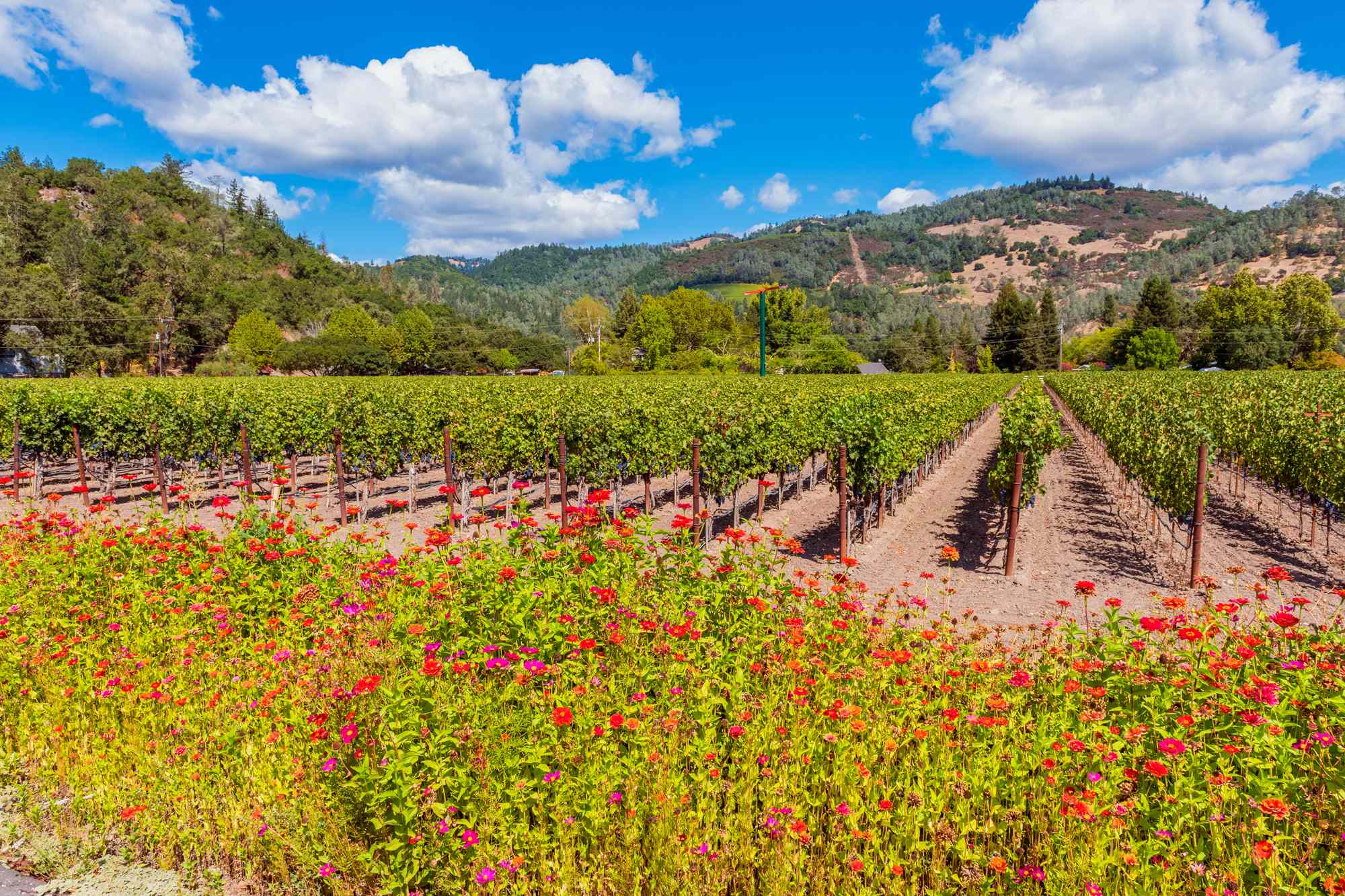
Read More
Successful Parsippany Pro-Life 5K shines under autumn sun #Catholic – Under autumn sunshine, runners, walkers, families and Catholic community leaders gathered on Oct. 25, at Central Park of Morris County in Parsippany, N.J., for the successful St. Cecilia’s LIFE Runners’ first professionally timed Thomas A. Haltigan Memorial Pro-Life 5K. The event celebrated life, faith, and family, highlighted by Bishop Kevin J. Sweeney’s participation.
“Giving thanks to God for the gift of this beautiful day, for the gift of life and family, we pray for all those in need, especially any mom or dad in need, and every family in need,” Bishop Sweeney told those assembled. “We pray for a greater respect for the dignity and value of every human life, from the moment of conception to the moment of natural death,” he said.
Before the race, Bishop Sweeney blessed the trophies and medals, the latter embossed with the image of Our Lady of Guadalupe and presented as a gift from St. Cecilia’s Faith Formation, with each medal placed around a participant as they crossed the finish line.

Click here to subscribe to our weekly newsletter.

The Bishop then led the large gathering in singing “God Bless America.”
Addressing the gathering were John Byrne, leader of St. Cecilia’s LIFE Runners, which hosted and led the event; Carol McGotty, chairperson of the St. John Paul II Respect Life Ministry, event beneficiary whose members helped organize the 5K; and Father Mateusz “Matt” Darlak, pastor of St. Cecilia’s Parish in Rockaway.
Also participating were Father Joseph “Joey” Mactal, parochial vicar at St. Cecilia’s, and Sister of Christian Charity Chiara Marie Stimpfle, a teacher at Divine Mercy Academy, also in Rockaway, who joined the runners.
The gathering also drew clergy, staff and supporters from the Paterson Diocese, N.J., and St. Paul Inside the Walls in Madison, N.J., including Father Pawel Tomczyk, diocesan vicar for evangelization, who ran the race; Alyssa Renovales, diocesan Respect Life coordinator; and Eniola Honsberger, diocesan director of the Office of Family Life.
Special guests included Timothy (Tim) O’Brien, son of the late Mike O’Brien, beloved coach of St. Cecilia’s LIFE Runners. Tim O’Brien helps lead the annual Coach Mike O’Brien Memorial St. Patrick’s Day 5K Run at Morris Catholic High School, scheduled for Sat., March 13, 2027.
Adding a meaningful family connection to the 5K was Elizabeth Haltigan McCormack, daughter of the late Thomas A. Haltigan, after whom the event is named.
“My dad understood that making a difference doesn’t always happen in giant leaps,” McCormack told the crowd. “Sometimes it happens one small step at a time, with faith, determination, and a whole lot of heart. I know he would be so proud to see all of you here today,” she said.
The First Place/Overall Male Winner was Freddy Garcia of St. Paul Inside the Walls, and the Overall Female Winner was Tuly Vu of St. Cecilia’s.
Watch the runners cross the finish line.
BEACON PHOTOS | JOE GIGLI

 [See image gallery at beaconnj.org]

Successful Parsippany Pro-Life 5K shines under autumn sun #Catholic – Under autumn sunshine, runners, walkers, families and Catholic community leaders gathered on Oct. 25, at Central Park of Morris County in Parsippany, N.J., for the successful St. Cecilia’s LIFE Runners’ first professionally timed Thomas A. Haltigan Memorial Pro-Life 5K. The event celebrated life, faith, and family, highlighted by Bishop Kevin J. Sweeney’s participation. “Giving thanks to God for the gift of this beautiful day, for the gift of life and family, we pray for all those in need, especially any mom or dad in need, and every family in need,” Bishop Sweeney told those assembled. “We pray for a greater respect for the dignity and value of every human life, from the moment of conception to the moment of natural death,” he said. Before the race, Bishop Sweeney blessed the trophies and medals, the latter embossed with the image of Our Lady of Guadalupe and presented as a gift from St. Cecilia’s Faith Formation, with each medal placed around a participant as they crossed the finish line. Click here to subscribe to our weekly newsletter. The Bishop then led the large gathering in singing “God Bless America.” Addressing the gathering were John Byrne, leader of St. Cecilia’s LIFE Runners, which hosted and led the event; Carol McGotty, chairperson of the St. John Paul II Respect Life Ministry, event beneficiary whose members helped organize the 5K; and Father Mateusz “Matt” Darlak, pastor of St. Cecilia’s Parish in Rockaway. Also participating were Father Joseph “Joey” Mactal, parochial vicar at St. Cecilia’s, and Sister of Christian Charity Chiara Marie Stimpfle, a teacher at Divine Mercy Academy, also in Rockaway, who joined the runners. The gathering also drew clergy, staff and supporters from the Paterson Diocese, N.J., and St. Paul Inside the Walls in Madison, N.J., including Father Pawel Tomczyk, diocesan vicar for evangelization, who ran the race; Alyssa Renovales, diocesan Respect Life coordinator; and Eniola Honsberger, diocesan director of the Office of Family Life. Special guests included Timothy (Tim) O’Brien, son of the late Mike O’Brien, beloved coach of St. Cecilia’s LIFE Runners. Tim O’Brien helps lead the annual Coach Mike O’Brien Memorial St. Patrick’s Day 5K Run at Morris Catholic High School, scheduled for Sat., March 13, 2027. Adding a meaningful family connection to the 5K was Elizabeth Haltigan McCormack, daughter of the late Thomas A. Haltigan, after whom the event is named. “My dad understood that making a difference doesn’t always happen in giant leaps,” McCormack told the crowd. “Sometimes it happens one small step at a time, with faith, determination, and a whole lot of heart. I know he would be so proud to see all of you here today,” she said. The First Place/Overall Male Winner was Freddy Garcia of St. Paul Inside the Walls, and the Overall Female Winner was Tuly Vu of St. Cecilia’s. Watch the runners cross the finish line. BEACON PHOTOS | JOE GIGLI [See image gallery at beaconnj.org]

Successful Parsippany Pro-Life 5K shines under autumn sun #Catholic –

Under autumn sunshine, runners, walkers, families and Catholic community leaders gathered on Oct. 25, at Central Park of Morris County in Parsippany, N.J., for the successful St. Cecilia’s LIFE Runners’ first professionally timed Thomas A. Haltigan Memorial Pro-Life 5K. The event celebrated life, faith, and family, highlighted by Bishop Kevin J. Sweeney’s participation.

“Giving thanks to God for the gift of this beautiful day, for the gift of life and family, we pray for all those in need, especially any mom or dad in need, and every family in need,” Bishop Sweeney told those assembled. “We pray for a greater respect for the dignity and value of every human life, from the moment of conception to the moment of natural death,” he said.

Before the race, Bishop Sweeney blessed the trophies and medals, the latter embossed with the image of Our Lady of Guadalupe and presented as a gift from St. Cecilia’s Faith Formation, with each medal placed around a participant as they crossed the finish line.


Click here to subscribe to our weekly newsletter.

The Bishop then led the large gathering in singing “God Bless America.”

Addressing the gathering were John Byrne, leader of St. Cecilia’s LIFE Runners, which hosted and led the event; Carol McGotty, chairperson of the St. John Paul II Respect Life Ministry, event beneficiary whose members helped organize the 5K; and Father Mateusz “Matt” Darlak, pastor of St. Cecilia’s Parish in Rockaway.

Also participating were Father Joseph “Joey” Mactal, parochial vicar at St. Cecilia’s, and Sister of Christian Charity Chiara Marie Stimpfle, a teacher at Divine Mercy Academy, also in Rockaway, who joined the runners.
The gathering also drew clergy, staff and supporters from the Paterson Diocese, N.J., and St. Paul Inside the Walls in Madison, N.J., including Father Pawel Tomczyk, diocesan vicar for evangelization, who ran the race; Alyssa Renovales, diocesan Respect Life coordinator; and Eniola Honsberger, diocesan director of the Office of Family Life.

Special guests included Timothy (Tim) O’Brien, son of the late Mike O’Brien, beloved coach of St. Cecilia’s LIFE Runners. Tim O’Brien helps lead the annual Coach Mike O’Brien Memorial St. Patrick’s Day 5K Run at Morris Catholic High School, scheduled for Sat., March 13, 2027.
Adding a meaningful family connection to the 5K was Elizabeth Haltigan McCormack, daughter of the late Thomas A. Haltigan, after whom the event is named.

“My dad understood that making a difference doesn’t always happen in giant leaps,” McCormack told the crowd. “Sometimes it happens one small step at a time, with faith, determination, and a whole lot of heart. I know he would be so proud to see all of you here today,” she said.

The First Place/Overall Male Winner was Freddy Garcia of St. Paul Inside the Walls, and the Overall Female Winner was Tuly Vu of St. Cecilia’s.

Watch the runners cross the finish line.

BEACON PHOTOS | JOE GIGLI

– Under autumn sunshine, runners, walkers, families and Catholic community leaders gathered on Oct. 25, at Central Park of Morris County in Parsippany, N.J., for the successful St. Cecilia’s LIFE Runners’ first professionally timed Thomas A. Haltigan Memorial Pro-Life 5K. The event celebrated life, faith, and family, highlighted by Bishop Kevin J. Sweeney’s participation. “Giving thanks to God for the gift of this beautiful day, for the gift of life and family, we pray for all those in need, especially any mom or dad in need, and every family in need,” Bishop Sweeney told those assembled. “We pray for a greater
Read More
El Congreso «Alma Sana, Corazón Libre» trae sanación y renovación #Catholic – Los días 24 y 25 de octubre, la Renovación Carismática Católica de la Diócesis de Paterson se reunió en el gimnasio de la Parroquia St. Gerard Majella, en Paterson, para su Congreso de Sanación y Liberación «Alma Sana, Corazón Libre».
 
El fin de semana incluyó momentos de alabanza, la Santa Misa, predicaciones y la exposición del Santísimo Sacramento. El padre Alexis Coffi presidió la Misa y predicó sobre el corazón como la puerta por la que Dios entra para transformar la vida. El hermano Osvaldo Fernández predicó y oró por los presentes. El padre Yasid Salas, director espiritual de la Renovación, habló de cómo el alma es liberada ante Jesús Eucaristía. La música estuvo a cargo de Los Hijos del Padre.
 
Varios jóvenes pidieron integrarse a la Renovación, y otras personas se acercaron para formar parte de un grupo de oración. Ciertamente, «el pueblo se fue con otro brillo: alegre, contento, liberado, sanado», dijo Teresa Amparo, coordinadora de la Renovación en la diócesis.
 

Para suscribirse a nuestro boletín electrónico semanal, haga click aquí.


El Congreso «Alma Sana, Corazón Libre» trae sanación y renovación #Catholic –

Los días 24 y 25 de octubre, la Renovación Carismática Católica de la Diócesis de Paterson se reunió en el gimnasio de la Parroquia St. Gerard Majella, en Paterson, para su Congreso de Sanación y Liberación «Alma Sana, Corazón Libre».
 
El fin de semana incluyó momentos de alabanza, la Santa Misa, predicaciones y la exposición del Santísimo Sacramento. El padre Alexis Coffi presidió la Misa y predicó sobre el corazón como la puerta por la que Dios entra para transformar la vida. El hermano Osvaldo Fernández predicó y oró por los presentes. El padre Yasid Salas, director espiritual de la Renovación, habló de cómo el alma es liberada ante Jesús Eucaristía. La música estuvo a cargo de Los Hijos del Padre.
 
Varios jóvenes pidieron integrarse a la Renovación, y otras personas se acercaron para formar parte de un grupo de oración. Ciertamente, «el pueblo se fue con otro brillo: alegre, contento, liberado, sanado», dijo Teresa Amparo, coordinadora de la Renovación en la diócesis.
 

Para suscribirse a nuestro boletín electrónico semanal, haga click aquí.


– Los días 24 y 25 de octubre, la Renovación Carismática Católica de la Diócesis de Paterson se reunió en el gimnasio de la Parroquia St. Gerard Majella, en Paterson, para su Congreso de Sanación y Liberación «Alma Sana, Corazón Libre».   El fin de semana incluyó momentos de alabanza, la Santa Misa, predicaciones y la exposición del Santísimo Sacramento. El padre Alexis Coffi presidió la Misa y predicó sobre el corazón como la puerta por la que Dios entra para transformar la vida. El hermano Osvaldo Fernández predicó y oró por los presentes. El padre Yasid Salas, director espiritual de

Read More