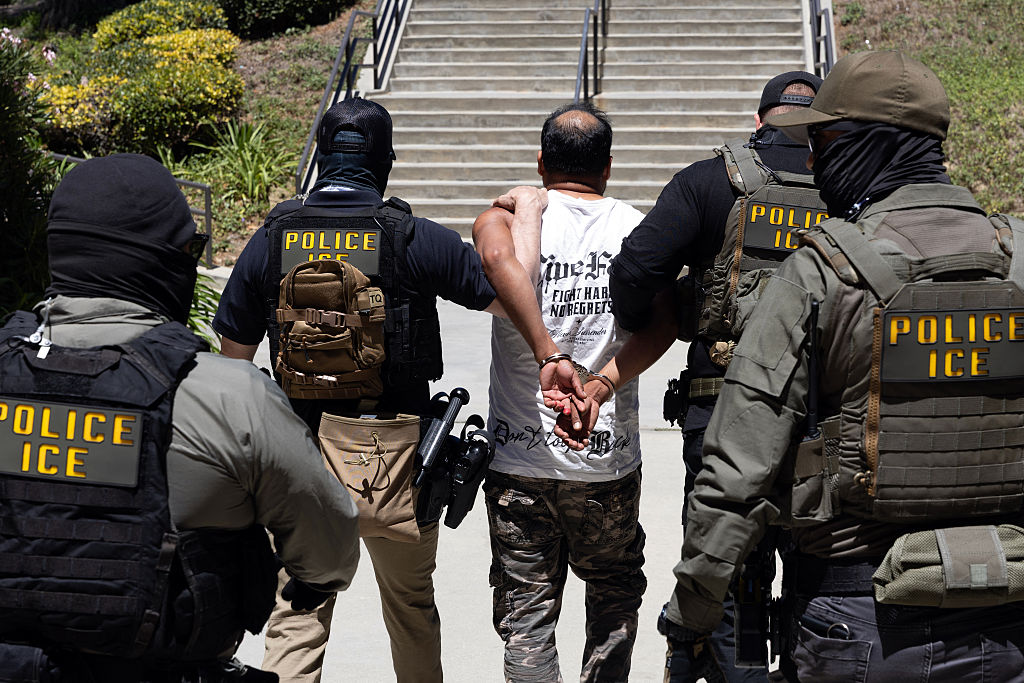

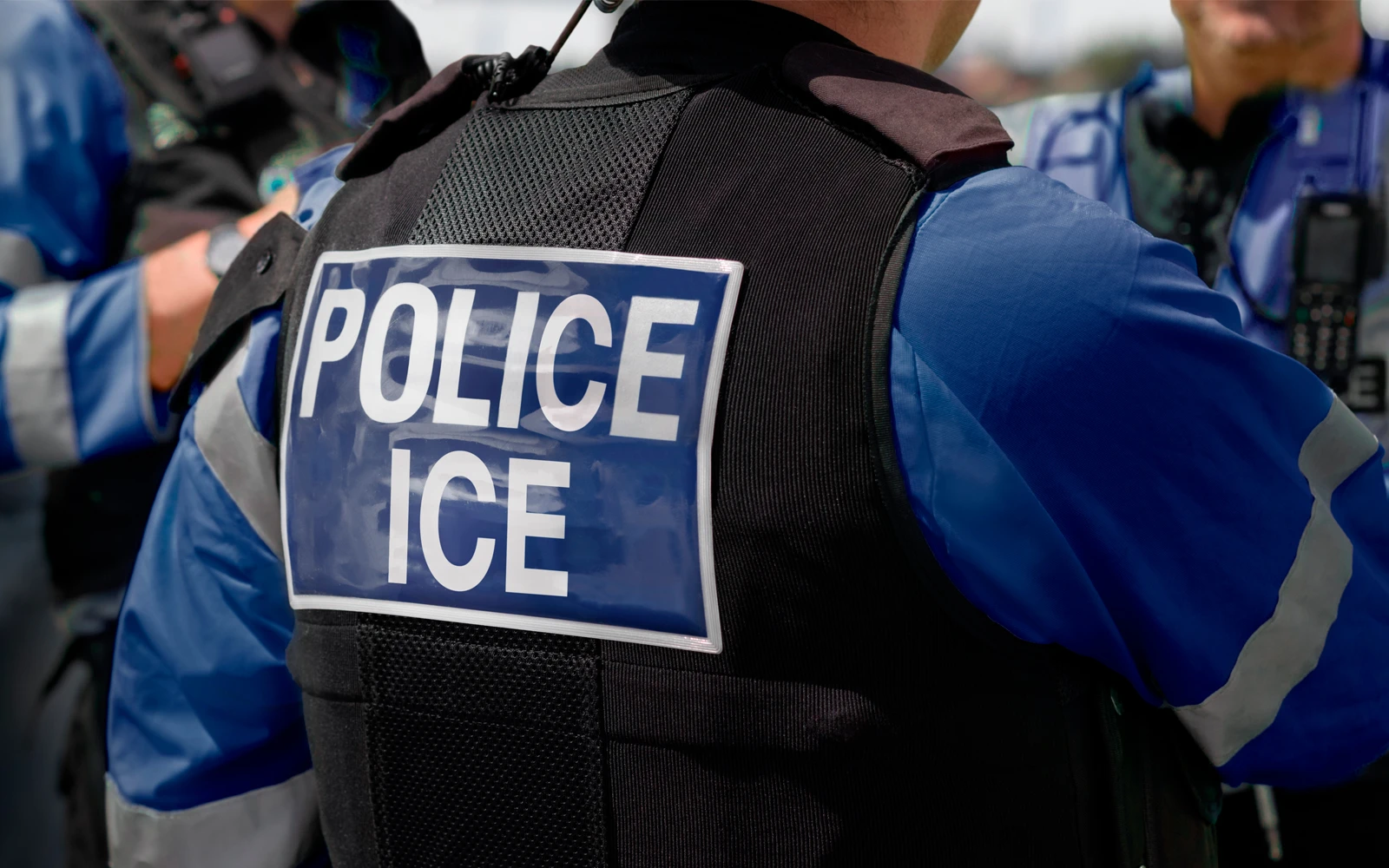
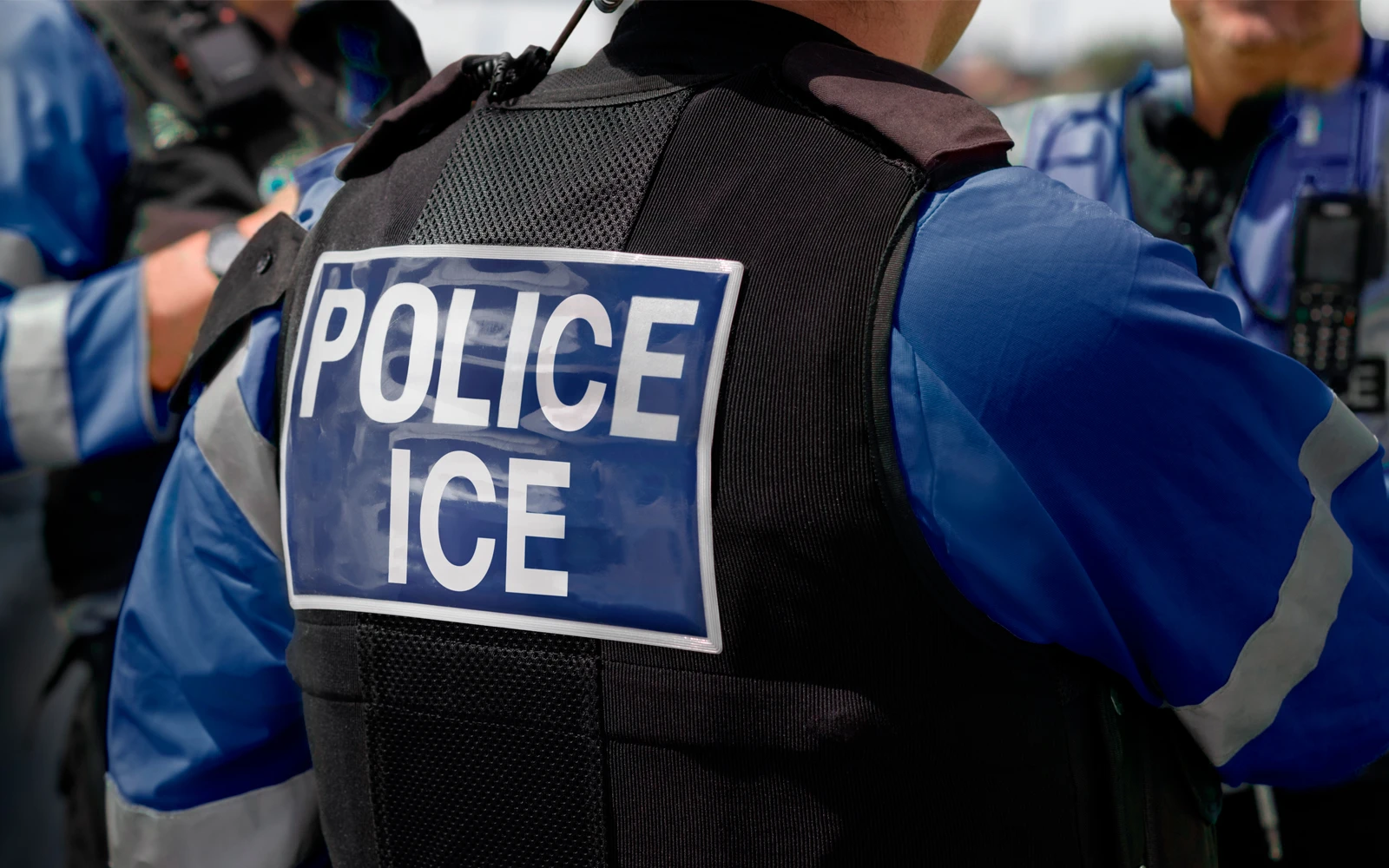
The Department of Homeland Security insisted ICE officers are “heroes,” enforcing the law.
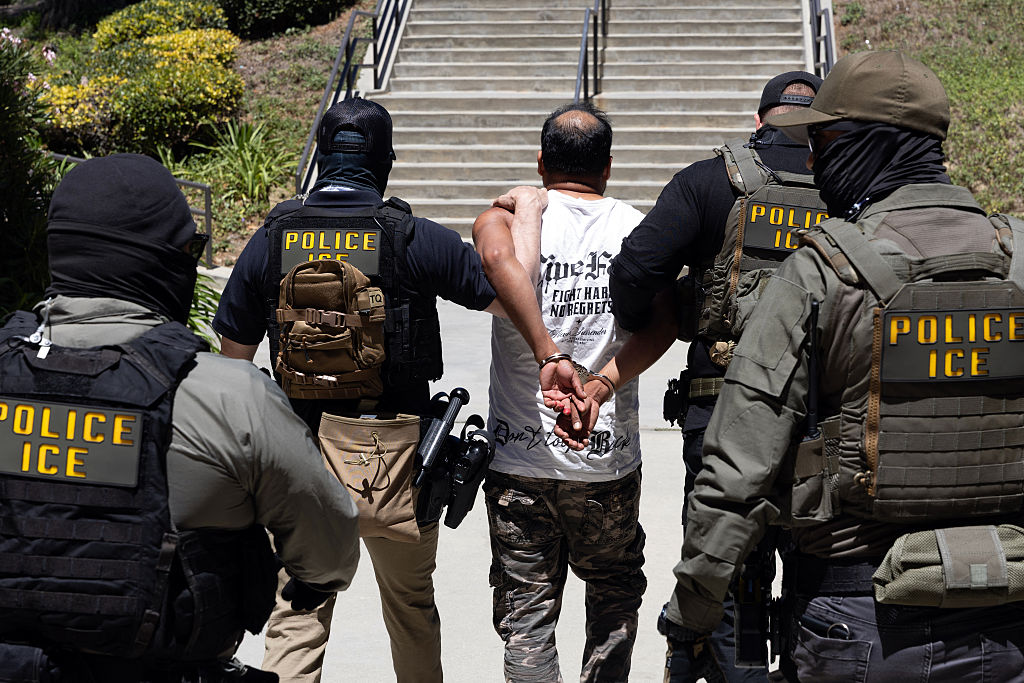
The Department of Homeland Security insisted ICE officers are “heroes,” enforcing the law.
Multiple religious objectors are suing the state over its newly instituted assisted suicide regime.
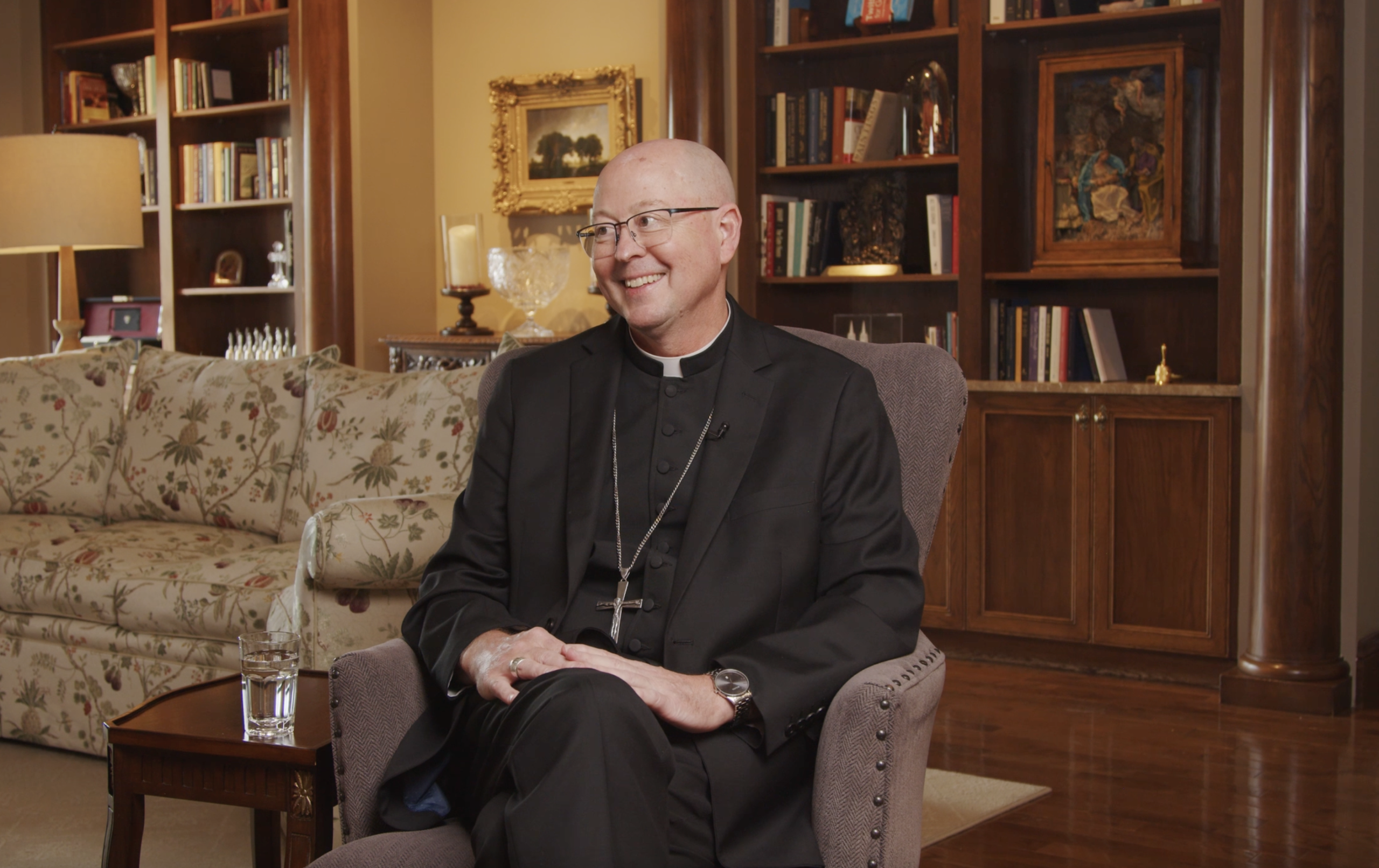
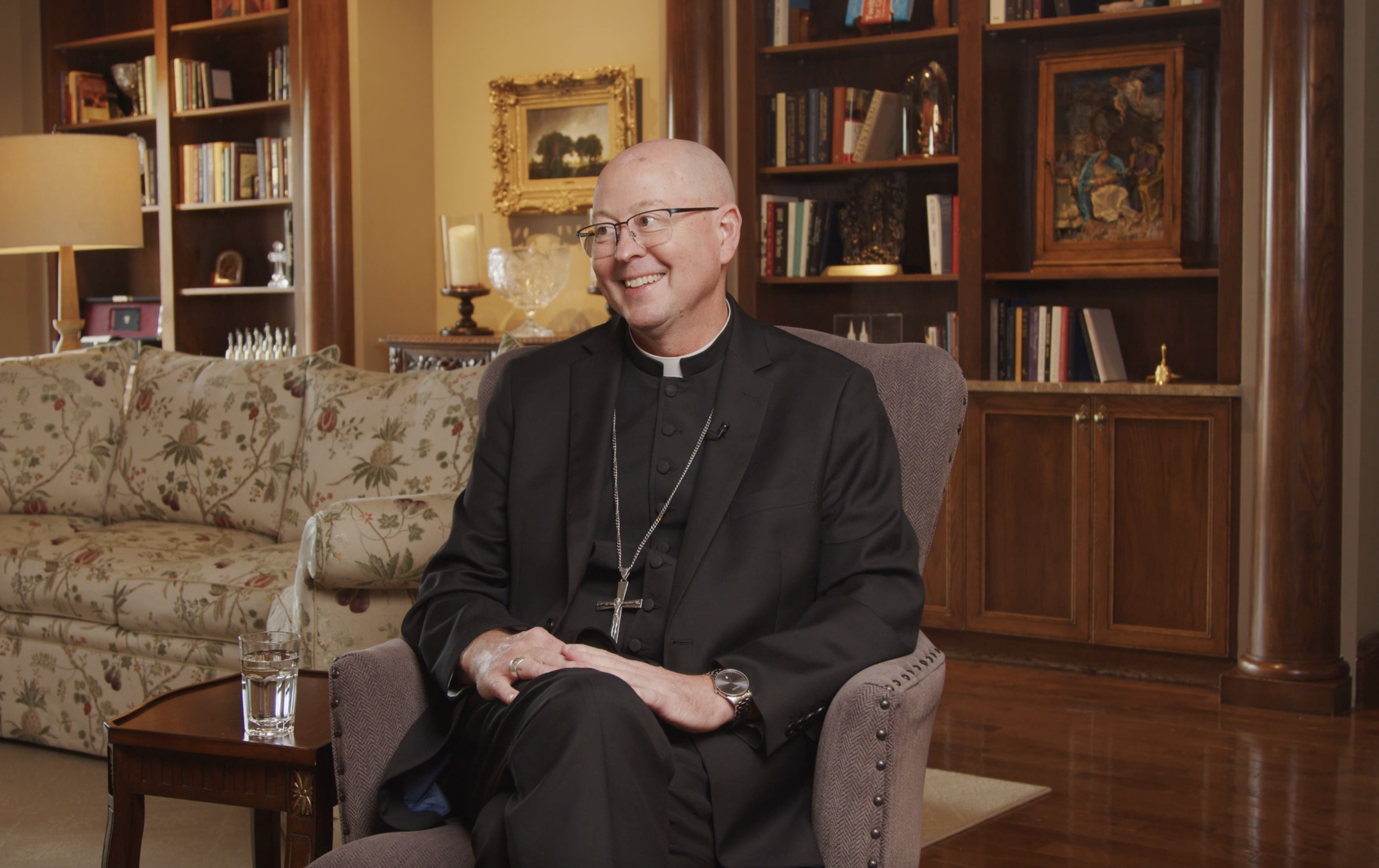
“This anniversary invites us to remember not only the founding of our nation but also the generations who have helped bring its ideals to life,” said the letter from Colorado Christian leaders.
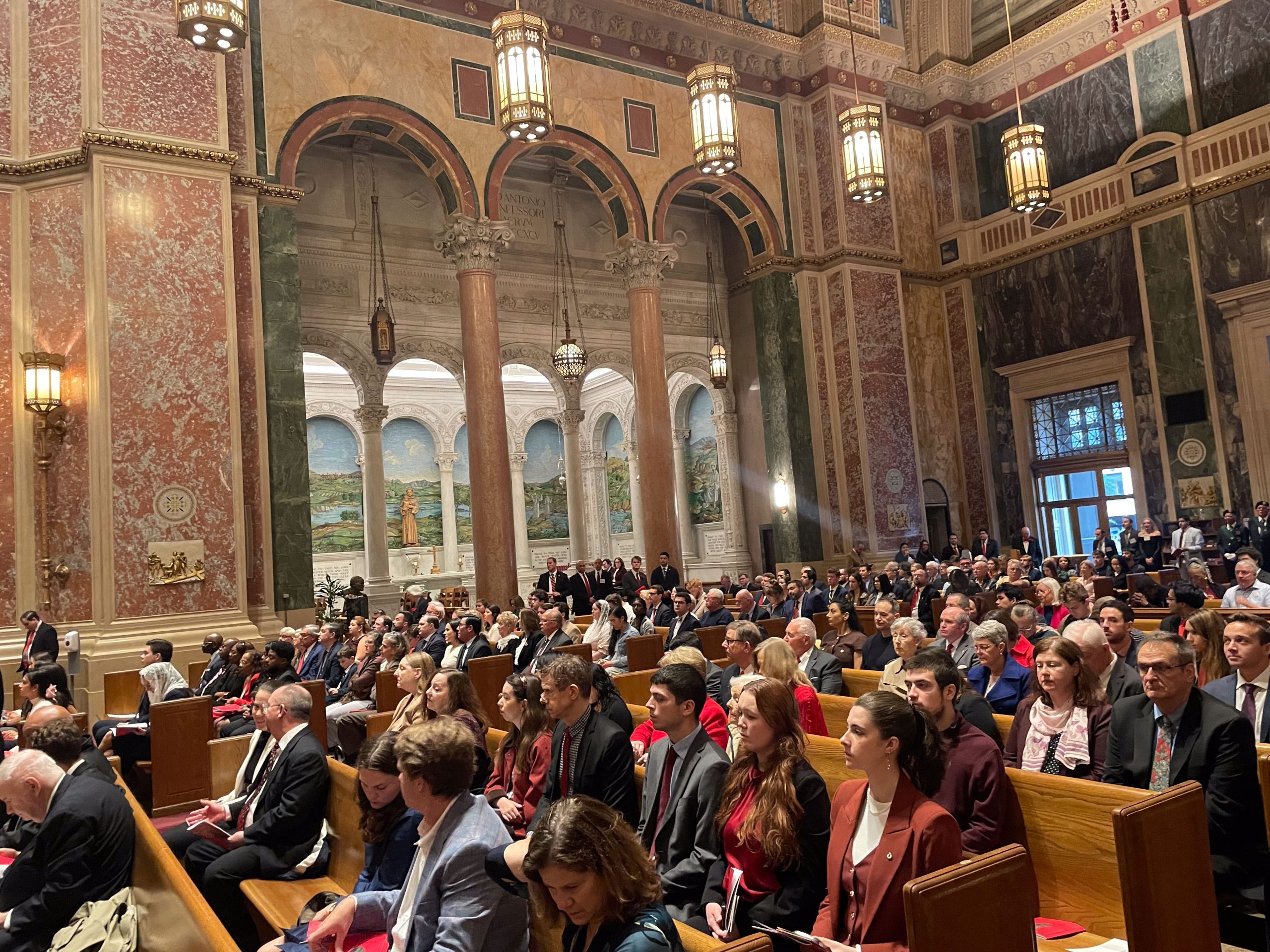
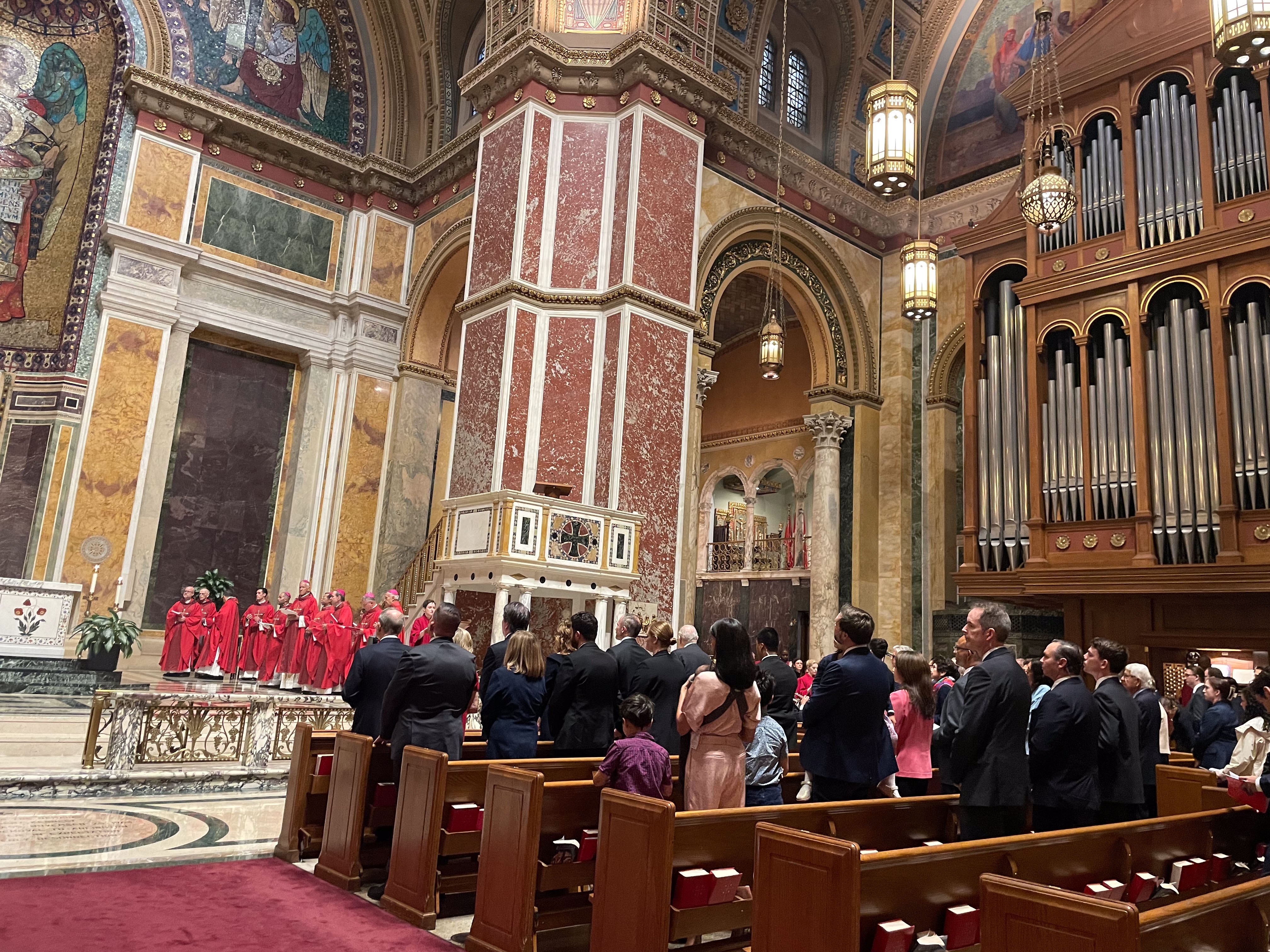
Washington Cardinal Robert McElroy was the principal celebrant of the Mass, and Archbishop Timothy Broglio of the Archdiocese for the Military Services, USA, offered the homily.
Pope Leo XIV titled this year’s observance of World Day of Migrants and Refugees “Even Just One of These Children,” citing Matthew 18:5: “Whoever welcomes one such child in my name welcomes me.”
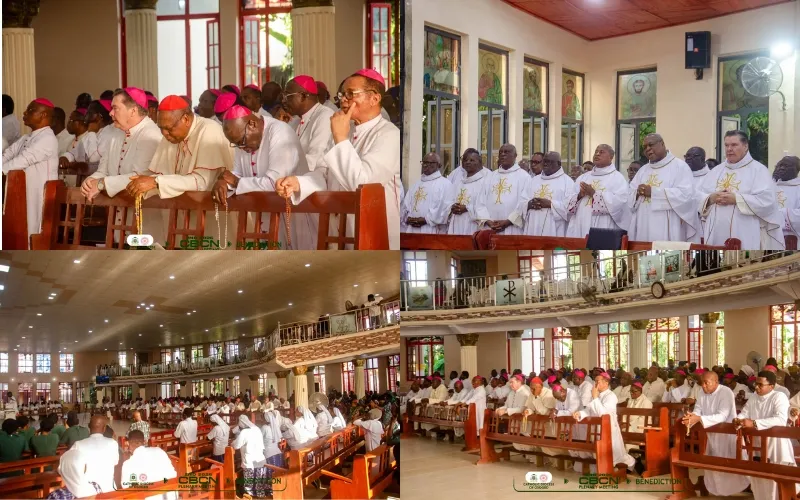
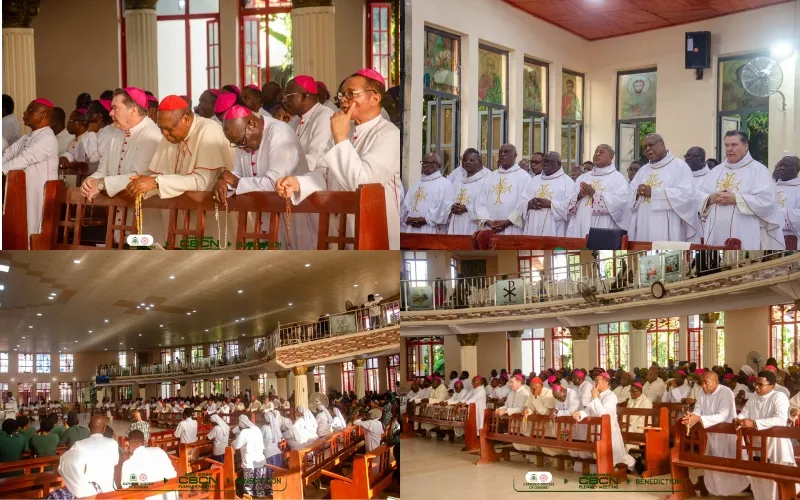
The Bishops’ Conference of Nigeria has called for prayer and fasting on December 8 for the success of the country’s general elections, calling on Nigerians to prepare spiritually for the polls.
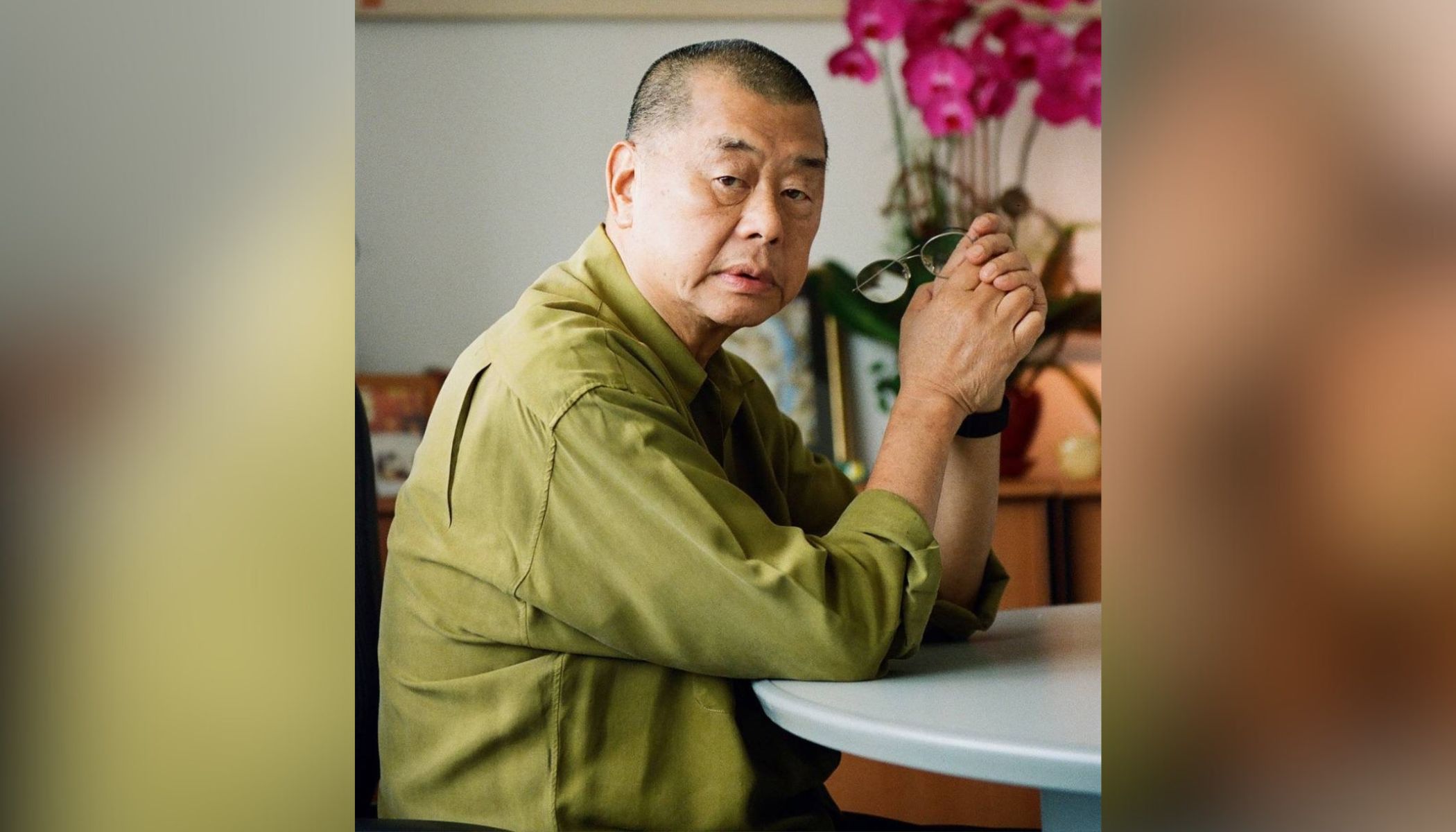
![U.S. religious freedom commission urges Trump to press for release of religious prisoners #Catholic The U.S. Commission on International Religious Freedom (USCIRF) urged President Donald Trump to push for the release of religious prisoners in China and for the end of religious persecution by the Chinese government.The commission called on Trump to continue his efforts for the release of the prisoners ahead of Chinese President Xi Jinping’s trip to the U.S. on Sept. 24.USCIRF called for the release of Catholic pro-democracy advocate Jimmy Lai, numerous Christian leaders, and others in prison for practicing their religious beliefs.“President Trump boldly demonstrated to President Xi during their meeting in Beijing earlier this year that the United States stands for religious freedom by calling for the release of freedom of religion or belief (FoRB) prisoners,” said Asif Mahmood, chair of USCIRF.“Speaking up again sends a clear and consistent signal that religious freedom for all is a priority for the United States and that it expects the CCP [Chinese Communist Party] to respect its population rather than persecute millions for practicing their faith,” he said.The commission highlighted that after a direct appeal by Trump, Chinese authorities previously freed former prisoner Pastor Ezra Jin of the Zion Church in July. He was permitted to relocate to the United States and reunite with his family.While Jin was released, eight other Zion Church leaders who were arrested alongside him remain detained.“In releasing Pastor Jin, President Xi showed that he has the power to release FoRB prisoners if he so desires—and indeed he has an obligation to do so under international law,” said Cece Heil, vice chair of USCIRF.USCIRF detailed the other leaders whose release the commission is urging and is asking Trump “to seize the opportunity during his upcoming summit with President Xi,” Heil said.They called on Trump to discuss religious leaders including “Gulshan Abbas, Ekpar Asat, Pastor Gao Quanfu and his wife Pang Yu, Jimmy Lai, the Panchen Lama Gedhun Choekyi Nyima and his family,” Heil said. The commission also asked Trump “to urge the Chinese government to provide a passport to U.S. Lawful Permanent Resident, Pastor John Cao and allow him to reunite with his family and seek urgent medical treatment in the United States,” Heil said.The appeal also precedes a planned hearing on Sept. 16 held by Rep. Chris Smith, R-New Jersey, to discuss the release of Lai. Jimmy Lai’s son, Sebastien Lai, will offer testimony regarding his father’s immediate release and to examine the broader implications of his continued imprisonment.In its 2026 annual report, USCIRF recommended that the U.S. Department of State redesignate China as a country of particular concern (CPC) for engaging “in systematic, ongoing, and egregious violations of religious freedom,” according to the commission.USCIRF urges special watchlist designation for Kyrgyz RepublicIn a September report, USCIRF also reaffirmed its call for the Kyrgyz Republic to be placed on the U.S. Department of State’s special watchlist.The brief was released to highlight “legal restrictions as well as recent violations that Kyrgyz officials have committed against independent Muslims and Christians from unregistered communities,” USCIRF reported. “The Kyrgyz government regularly violates freedom of religion or belief (FoRB) as laid out in its constitution as well as in international documents such as the International Covenant on Civil and Political Rights (ICCPR), to which it is a signatory,” the report said.USCIRF detailed that Kyrgyz officials apply a “vague label of extremism” to justify matters such as regularly raiding places of worship, issuing fines, seizing religious materials, imposing prison sentences, forcing individuals to renounce their beliefs, and engaging in physical abuse.In early 2025, the nation’s president, Sadyr Japarov, amended a restrictive religion law and approved other acts, which significantly tightened state control over religious groups. “Enforcement of these laws—which often occurs in conjunction with broadly framed anti-extremism statues under the Criminal Code—often involves targeting religious groups that the government considers ‘nontraditional,’ particularly independent Muslims and members of unregistered Christian groups,” the report said.The commissionʼs report noted that targeted Christian groups often face persecution “from harassment and fines to prison sentences and physical abuse,” according to the report.](https://unitedyam.com/wp-content/uploads/2026/09/u-s-religious-freedom-commission-urges-trump-to-press-for-release-of-religious-prisoners-catholic-the-u-s-commission-on-international-religious-freedom-uscirf-urged-president-donald-trump-to-push.jpg "U.S. religious freedom commission urges Trump to press for release of religious prisoners #Catholic The U.S. Commission on International Religious Freedom (USCIRF) urged President Donald Trump to push for the release of religious prisoners in China and for the end of religious persecution by the Chinese government.The commission called on Trump to continue his efforts for the release of the prisoners ahead of Chinese President Xi Jinping’s trip to the U.S. on Sept. 24.USCIRF called for the release of Catholic pro-democracy advocate Jimmy Lai, numerous Christian leaders, and others in prison for practicing their religious beliefs.“President Trump boldly demonstrated to President Xi during their meeting in Beijing earlier this year that the United States stands for religious freedom by calling for the release of freedom of religion or belief (FoRB) prisoners,” said Asif Mahmood, chair of USCIRF.“Speaking up again sends a clear and consistent signal that religious freedom for all is a priority for the United States and that it expects the CCP [Chinese Communist Party] to respect its population rather than persecute millions for practicing their faith,” he said.The commission highlighted that after a direct appeal by Trump, Chinese authorities previously freed former prisoner Pastor Ezra Jin of the Zion Church in July. He was permitted to relocate to the United States and reunite with his family.While Jin was released, eight other Zion Church leaders who were arrested alongside him remain detained.“In releasing Pastor Jin, President Xi showed that he has the power to release FoRB prisoners if he so desires—and indeed he has an obligation to do so under international law,” said Cece Heil, vice chair of USCIRF.USCIRF detailed the other leaders whose release the commission is urging and is asking Trump “to seize the opportunity during his upcoming summit with President Xi,” Heil said.They called on Trump to discuss religious leaders including “Gulshan Abbas, Ekpar Asat, Pastor Gao Quanfu and his wife Pang Yu, Jimmy Lai, the Panchen Lama Gedhun Choekyi Nyima and his family,” Heil said. The commission also asked Trump “to urge the Chinese government to provide a passport to U.S. Lawful Permanent Resident, Pastor John Cao and allow him to reunite with his family and seek urgent medical treatment in the United States,” Heil said.The appeal also precedes a planned hearing on Sept. 16 held by Rep. Chris Smith, R-New Jersey, to discuss the release of Lai. Jimmy Lai’s son, Sebastien Lai, will offer testimony regarding his father’s immediate release and to examine the broader implications of his continued imprisonment.In its 2026 annual report, USCIRF recommended that the U.S. Department of State redesignate China as a country of particular concern (CPC) for engaging “in systematic, ongoing, and egregious violations of religious freedom,” according to the commission.USCIRF urges special watchlist designation for Kyrgyz RepublicIn a September report, USCIRF also reaffirmed its call for the Kyrgyz Republic to be placed on the U.S. Department of State’s special watchlist.The brief was released to highlight “legal restrictions as well as recent violations that Kyrgyz officials have committed against independent Muslims and Christians from unregistered communities,” USCIRF reported. “The Kyrgyz government regularly violates freedom of religion or belief (FoRB) as laid out in its constitution as well as in international documents such as the International Covenant on Civil and Political Rights (ICCPR), to which it is a signatory,” the report said.USCIRF detailed that Kyrgyz officials apply a “vague label of extremism” to justify matters such as regularly raiding places of worship, issuing fines, seizing religious materials, imposing prison sentences, forcing individuals to renounce their beliefs, and engaging in physical abuse.In early 2025, the nation’s president, Sadyr Japarov, amended a restrictive religion law and approved other acts, which significantly tightened state control over religious groups. “Enforcement of these laws—which often occurs in conjunction with broadly framed anti-extremism statues under the Criminal Code—often involves targeting religious groups that the government considers ‘nontraditional,’ particularly independent Muslims and members of unregistered Christian groups,” the report said.The commissionʼs report noted that targeted Christian groups often face persecution “from harassment and fines to prison sentences and physical abuse,” according to the report.")
The U.S. Commission on International Religious Freedom made the plea ahead of Chinese President Xi Jinping’s Sept. 24 trip to Washington, D.C.
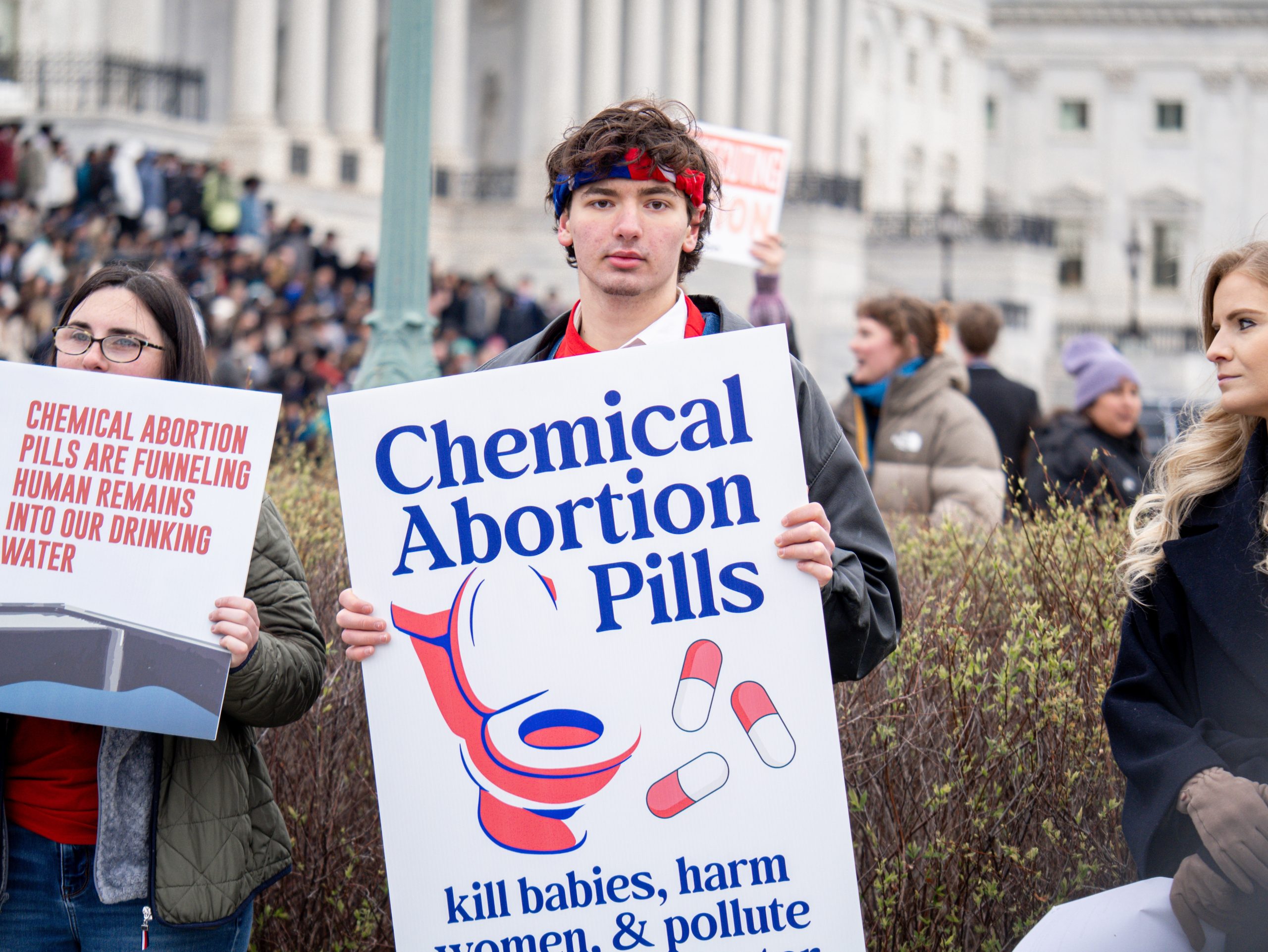
A recent study highlights that when women are coerced or pressured into abortion, they are at high risk for negative outcomes — but abortion prviidess rarely screen for abortion coercion.
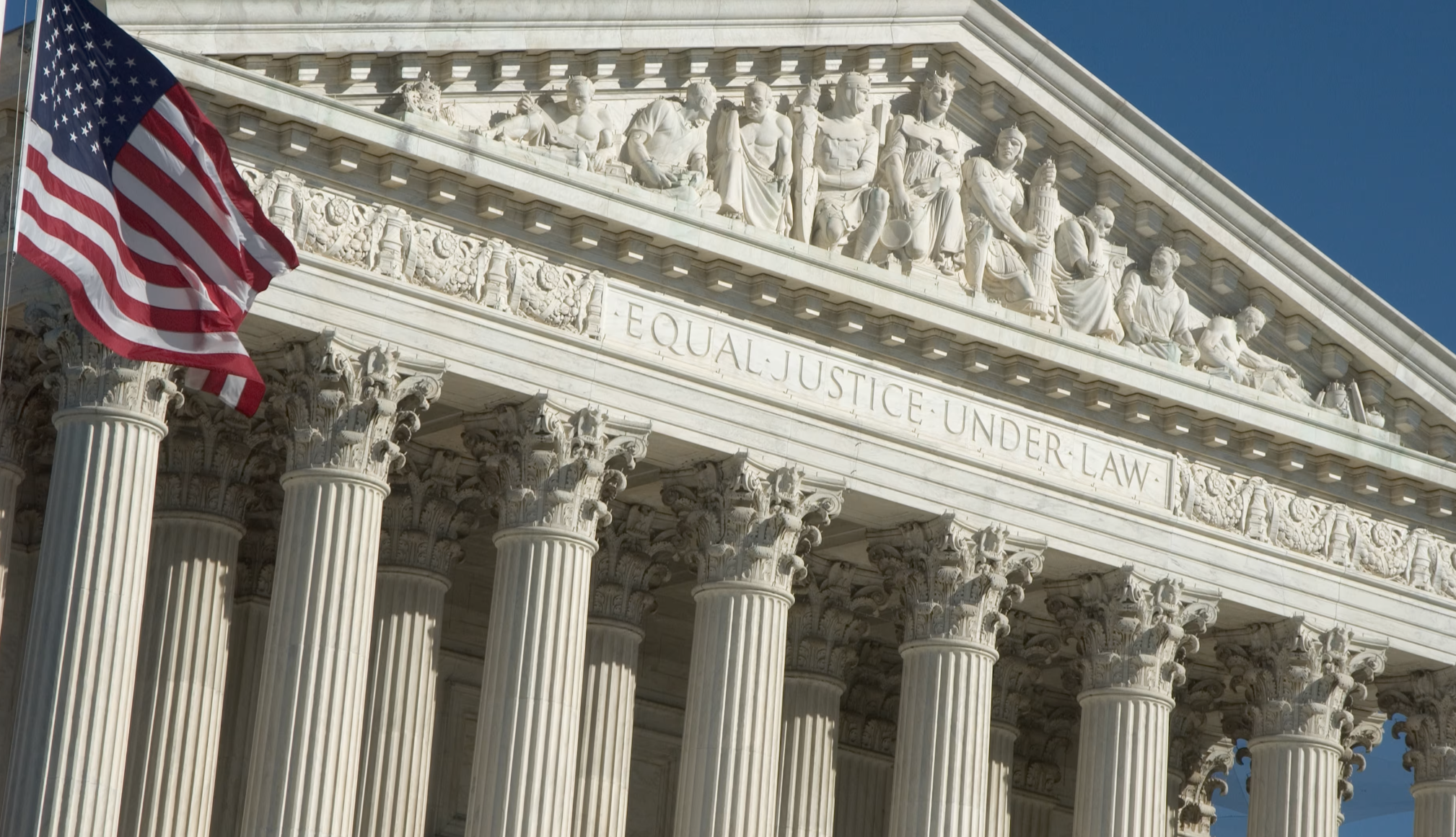
![Surrogate mother petitions Supreme Court to ensure lifesaving care for newborn #Catholic A surrogate mother filed an emergency appeal to the U.S. Supreme Court to ensure a newborn baby will have access to lifesaving treatment for a heart condition amid her concerns that the biological parents may not continue treatment.McKenna West, an Alaska nurse and surrogate mother, gave birth to the baby boy on Aug. 12. She is asking the U.S. Supreme Court to block a court order that recognized the boy’s biological parents as having full custody and being the authority in medical decisions.The unborn child was diagnosed with a treatable heart defect at about 20 weeks into pregnancy. His biological parents demanded West abort the child because of the defect and threatened her with financial penalties if she did not, according to the petition filed by West’s lawyers at Alliance Defending Freedom.West refused and fled to Texas because the state’s pro-life laws prohibit most abortions. The boy is receiving lifesaving medical treatment at this time due to a court order in Texas. However, the petition states the biological parents “refused to commit to authorizing any life-saving care” for as long as needed to treat the condition.“Since [West] is now completely excluded from the life of the medically fragile infant she brought into the world, much less from the ability to make critical health decisions that protect him, time is of the essence,” the petition states.The petition warns that without immediate Supreme Court action, “the child could be removed from the Texas hospital and taken to California for hospice — despite his treatable condition — around September 17, if not sooner.”“Relief is all the more warranted here, given that the stakes involve the child’s life,” the petition adds.](https://unitedyam.com/wp-content/uploads/2026/09/surrogate-mother-petitions-supreme-court-to-ensure-lifesaving-care-for-newborn-catholic-a-surrogate-mother-filed-an-emergency-appeal-to-the-u-s-supreme-court-to-ensure-a-newborn-baby-will-have-acces.png "Surrogate mother petitions Supreme Court to ensure lifesaving care for newborn #Catholic A surrogate mother filed an emergency appeal to the U.S. Supreme Court to ensure a newborn baby will have access to lifesaving treatment for a heart condition amid her concerns that the biological parents may not continue treatment.McKenna West, an Alaska nurse and surrogate mother, gave birth to the baby boy on Aug. 12. She is asking the U.S. Supreme Court to block a court order that recognized the boy’s biological parents as having full custody and being the authority in medical decisions.The unborn child was diagnosed with a treatable heart defect at about 20 weeks into pregnancy. His biological parents demanded West abort the child because of the defect and threatened her with financial penalties if she did not, according to the petition filed by West’s lawyers at Alliance Defending Freedom.West refused and fled to Texas because the state’s pro-life laws prohibit most abortions. The boy is receiving lifesaving medical treatment at this time due to a court order in Texas. However, the petition states the biological parents “refused to commit to authorizing any life-saving care” for as long as needed to treat the condition.“Since [West] is now completely excluded from the life of the medically fragile infant she brought into the world, much less from the ability to make critical health decisions that protect him, time is of the essence,” the petition states.The petition warns that without immediate Supreme Court action, “the child could be removed from the Texas hospital and taken to California for hospice — despite his treatable condition — around September 17, if not sooner.”“Relief is all the more warranted here, given that the stakes involve the child’s life,” the petition adds.")
The surrogate mother says the biological parents previously pressured her to abort the child and hold full medical authority under a lower‑court order, prompting her emergency appeal.

Chad Pecknold, a longtime professor at The Catholic University of America, has begun working for the government agency that oversees immigration enforcement.

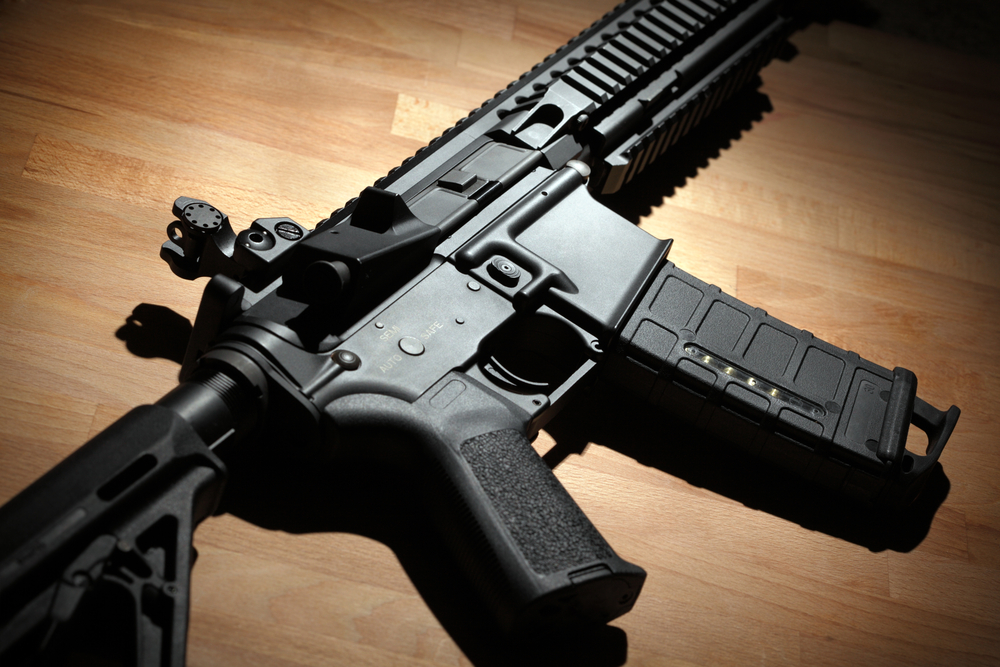
![U.S. bishops urge Supreme Court to allow communities to regulate firearms under Second Amendment #Catholic The U.S. Conference of Catholic Bishops is urging the U.S. Supreme Court to allow local communities to regulate firearm ownership, weighing in on a high-profile federal case that could significantly reshape the nation’s gun laws. The case before the high court, Viramontes v. Cook County, concerns a regulation enacted by Cook County, Illinois, banning more than 100 types of semiautomatic weapons, including the popular AR-15 platform.Two plaintiffs, Cutberto Viramontes and Christopher Khaya, sued to dispute the regulations under the Second and 14th amendments to the U.S. Constitution. The lawsuit argues that the Supreme Court should rule on the case “to guarantee fundamental Second Amendment rights and to address the confusion in the lower courts” regarding Supreme Court precedent.In their amicus brief regarding the legal dispute, the U.S. bishops urge the court to “[preserve] the traditional authority of political communities to regulate weapons.” The “autonomy of local authority” is a significant part of “America’s historical tradition of federalism,” the bishops write, comparing it to the long-standing Catholic principle of subsidiarity, which holds that the authority closest to a local need is best suited to tackle the issue. The principle of federalism does not allow for the wholesale redefinition of the Second Amendment, the bishops write. But, they argue, a “uniform constitutional standard need not require uniform firearm policy.” Guns have historically been regulated differently throughout the U.S. depending on the locality, the bishops say, and the U.S. Constitution “does not require every community to exercise … its authority to regulate weapons identically.” The prelates further argue that modern advances in weaponry mean firearms like AR-15s are “fundamentally dissimilar” from the standards of the 18th century; such weapons are “dangerous and unusual,” the bishops suggest, and are thus open to reasonable regulation. Though the issue was brought to trial due to the local regulation, the ultimate question before the Supreme Court is whether the Second Amendment “guarantee[s] the right to possess [the] AR-15 platform and similar semiautomatic rifles.” In the past 20 years the Supreme Court has significantly affirmed Second Amendment rights under the U.S. Constitution, including in the landmark 2008 case District of Columbia v. Heller, which upheld the right to own a firearm unconnected with service in a state militia. Those rights were broadly expanded in subsequent Supreme Court rulings such as 2010’s McDonald v. Chicago and the 2022 decision NYSRPA v. Bruen. The latter decision upheld a constitutional right to carry firearms for self-defense. In the 2024 decision United States v. Rahimi, on the other hand, the Supreme Court ruled that the Second Amendment does allow for individuals to be disarmed if they have been found to pose a credible threat to the physical safety of someone else.](https://unitedyam.com/wp-content/uploads/2026/09/u-s-bishops-urge-supreme-court-to-allow-communities-to-regulate-firearms-under-second-amendment-catholic-the-u-s-conference-of-catholic-bishops-is-urging-the-u-s-supreme-court-to-allow-local-commu.jpg "U.S. bishops urge Supreme Court to allow communities to regulate firearms under Second Amendment #Catholic The U.S. Conference of Catholic Bishops is urging the U.S. Supreme Court to allow local communities to regulate firearm ownership, weighing in on a high-profile federal case that could significantly reshape the nation’s gun laws. The case before the high court, Viramontes v. Cook County, concerns a regulation enacted by Cook County, Illinois, banning more than 100 types of semiautomatic weapons, including the popular AR-15 platform.Two plaintiffs, Cutberto Viramontes and Christopher Khaya, sued to dispute the regulations under the Second and 14th amendments to the U.S. Constitution. The lawsuit argues that the Supreme Court should rule on the case “to guarantee fundamental Second Amendment rights and to address the confusion in the lower courts” regarding Supreme Court precedent.In their amicus brief regarding the legal dispute, the U.S. bishops urge the court to “[preserve] the traditional authority of political communities to regulate weapons.” The “autonomy of local authority” is a significant part of “America’s historical tradition of federalism,” the bishops write, comparing it to the long-standing Catholic principle of subsidiarity, which holds that the authority closest to a local need is best suited to tackle the issue. The principle of federalism does not allow for the wholesale redefinition of the Second Amendment, the bishops write. But, they argue, a “uniform constitutional standard need not require uniform firearm policy.” Guns have historically been regulated differently throughout the U.S. depending on the locality, the bishops say, and the U.S. Constitution “does not require every community to exercise … its authority to regulate weapons identically.” The prelates further argue that modern advances in weaponry mean firearms like AR-15s are “fundamentally dissimilar” from the standards of the 18th century; such weapons are “dangerous and unusual,” the bishops suggest, and are thus open to reasonable regulation. Though the issue was brought to trial due to the local regulation, the ultimate question before the Supreme Court is whether the Second Amendment “guarantee[s] the right to possess [the] AR-15 platform and similar semiautomatic rifles.” In the past 20 years the Supreme Court has significantly affirmed Second Amendment rights under the U.S. Constitution, including in the landmark 2008 case District of Columbia v. Heller, which upheld the right to own a firearm unconnected with service in a state militia. Those rights were broadly expanded in subsequent Supreme Court rulings such as 2010’s McDonald v. Chicago and the 2022 decision NYSRPA v. Bruen. The latter decision upheld a constitutional right to carry firearms for self-defense. In the 2024 decision United States v. Rahimi, on the other hand, the Supreme Court ruled that the Second Amendment does allow for individuals to be disarmed if they have been found to pose a credible threat to the physical safety of someone else.")
The Supreme Court is set to consider whether or not Americans are permitted to possess AR-15 rifles and similar firearms.