newspapers

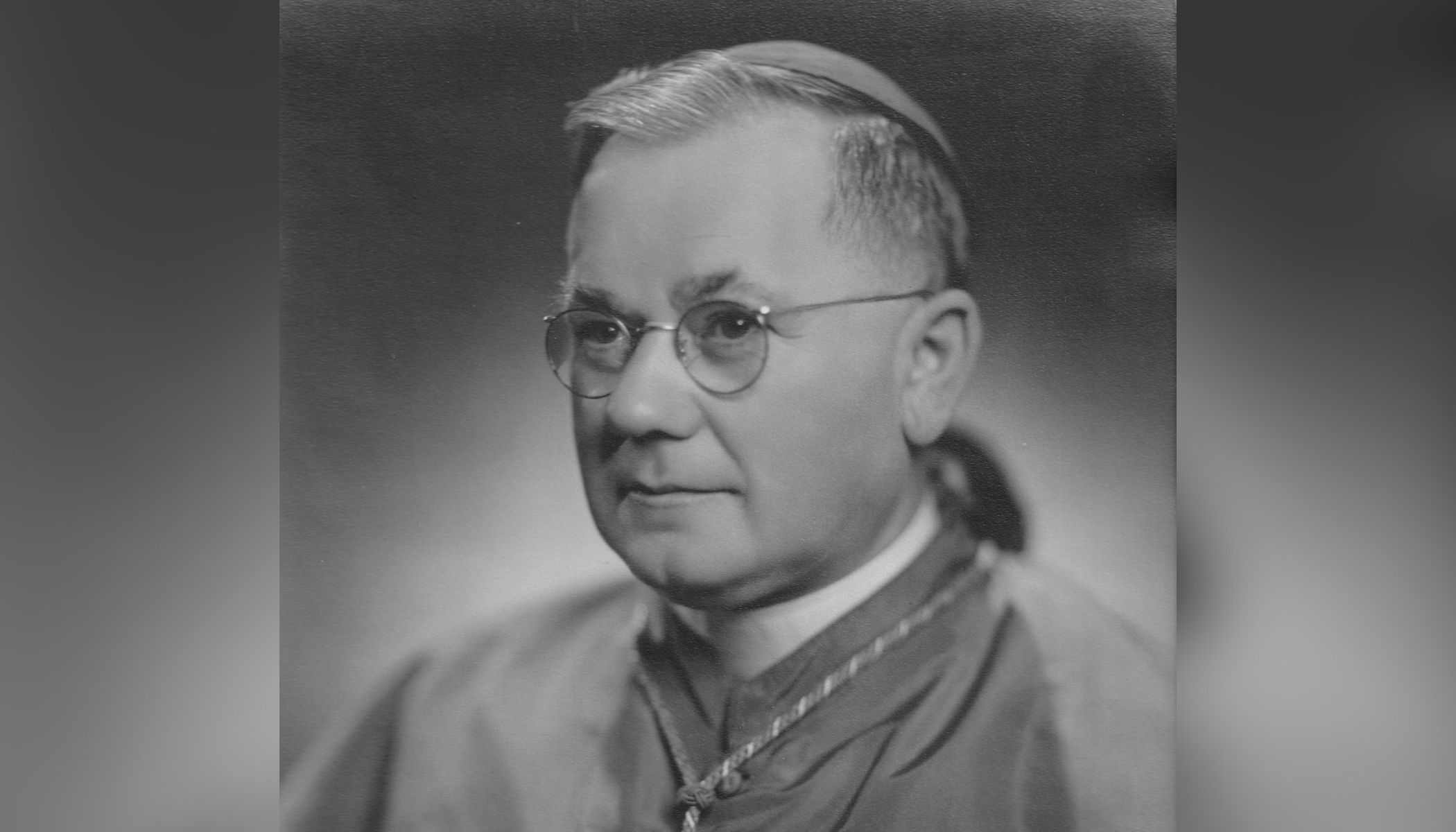
Czech court clears archbishop persecuted by communist regime #Catholic The district court in Olomouc, Czech Republic, has rehabilitated Josef Karel Matocha, the city’s former archbishop, recognizing his internment under the communist regime as unlawful more than six decades after his death.The court’s decision, based on the Judicial Rehabilitation Act, confirms that the prelate was a victim of unlawful deprivation of liberty in the 1950s by the communist regime in what was then Czechoslovakia. He was not formally convicted, yet he was forced to remain in the archbishop’s palace under surveillance by the State Security, and this was recognized as imprisonment.The current archbishop of Olomouc, Josef Nuzík, said he is “very happy that after so many years we have managed to complete this procedural step and achieve justice” in civil law as well.Matocha is “constantly present in our palace and in the hearts of believers,” and guests “are often moved when they realize that these beautiful spaces were his prison,” said Nuzík, who is also president of the Czech Bishops’ Conference.
 
 U.S. bishop joins Slovaks honoring blessed bishop tortured by communists
 
 The rehabilitation is an important sign “also for the entire society,” he added, one that shows “the heroism and suffering of people who did not let themselves be broken must not be forgotten.”Ladislav Müller filed the initial motion for rehabilitation at the request of Jan Kratochvil, director of the Museum of Czech, Slovak, and Ruthenian Exile of the 20th Century in Brno.Decades of isolationMatocha, who held doctorates in philosophy and theology, was appointed archbishop of Olomouc by Pope Pius XII in 1948. He was deeply dedicated in his pastoral visits, initiated the beatification process of Archbishop Antonín Stojan, and secretly ordained František Tomášek as a bishop, who later became a cardinal and archbishop of Prague, according to the Archdiocese of Olomouc.After his internment in 1950, he could not read newspapers or listen to the radio, and visits to the garden were permitted only sporadically. The isolation lasted until his death from a heart attack in 1961, which was also due to the denial of medical care. In 1999, then-Czech President Václav Havel posthumously awarded Matocha the first class of the Order of Tomáš Garrigue Masaryk for outstanding services to democracy and human rights.The press office of the Archdiocese of Olomouc told EWTN News that no special event regarding Matocha is planned at present, but it noted that a rehabilitation process is underway for Cardinal Štěpán Trochta. Trochta also suffered internment as the bishop of Litoměřice, but “we consider him ours,” the press office said, because he was born within the Archdiocese of Olomouc.A wider reckoningThe unjust treatment of two other churchmen by the communist regime in Czechoslovakia has recently been recognized. Cardinal Josef Beran, the former archbishop of Prague, who was interned in several locations, was rehabilitated in February, the District Court of Prague confirmed to EWTN News. In 2024, the regional court in Hradec Králové rehabilitated the priest Josef Toufar, who was illegally arrested and tortured to death.

Czech court clears archbishop persecuted by communist regime #Catholic The district court in Olomouc, Czech Republic, has rehabilitated Josef Karel Matocha, the city’s former archbishop, recognizing his internment under the communist regime as unlawful more than six decades after his death.The court’s decision, based on the Judicial Rehabilitation Act, confirms that the prelate was a victim of unlawful deprivation of liberty in the 1950s by the communist regime in what was then Czechoslovakia. He was not formally convicted, yet he was forced to remain in the archbishop’s palace under surveillance by the State Security, and this was recognized as imprisonment.The current archbishop of Olomouc, Josef Nuzík, said he is “very happy that after so many years we have managed to complete this procedural step and achieve justice” in civil law as well.Matocha is “constantly present in our palace and in the hearts of believers,” and guests “are often moved when they realize that these beautiful spaces were his prison,” said Nuzík, who is also president of the Czech Bishops’ Conference. U.S. bishop joins Slovaks honoring blessed bishop tortured by communists The rehabilitation is an important sign “also for the entire society,” he added, one that shows “the heroism and suffering of people who did not let themselves be broken must not be forgotten.”Ladislav Müller filed the initial motion for rehabilitation at the request of Jan Kratochvil, director of the Museum of Czech, Slovak, and Ruthenian Exile of the 20th Century in Brno.Decades of isolationMatocha, who held doctorates in philosophy and theology, was appointed archbishop of Olomouc by Pope Pius XII in 1948. He was deeply dedicated in his pastoral visits, initiated the beatification process of Archbishop Antonín Stojan, and secretly ordained František Tomášek as a bishop, who later became a cardinal and archbishop of Prague, according to the Archdiocese of Olomouc.After his internment in 1950, he could not read newspapers or listen to the radio, and visits to the garden were permitted only sporadically. The isolation lasted until his death from a heart attack in 1961, which was also due to the denial of medical care. In 1999, then-Czech President Václav Havel posthumously awarded Matocha the first class of the Order of Tomáš Garrigue Masaryk for outstanding services to democracy and human rights.The press office of the Archdiocese of Olomouc told EWTN News that no special event regarding Matocha is planned at present, but it noted that a rehabilitation process is underway for Cardinal Štěpán Trochta. Trochta also suffered internment as the bishop of Litoměřice, but “we consider him ours,” the press office said, because he was born within the Archdiocese of Olomouc.A wider reckoningThe unjust treatment of two other churchmen by the communist regime in Czechoslovakia has recently been recognized. Cardinal Josef Beran, the former archbishop of Prague, who was interned in several locations, was rehabilitated in February, the District Court of Prague confirmed to EWTN News. In 2024, the regional court in Hradec Králové rehabilitated the priest Josef Toufar, who was illegally arrested and tortured to death.

More than six decades after Archbishop Josef Karel Matocha died under communist internment, a Czech court has formally recognized his imprisonment as unlawful.
Read More
World’s oldest priest dies at 110 #Catholic In late February, Pope Leo XIV thanked Father Bruno Kant of the Diocese of Fulda in Germany for his “many years of faithful and devoted priestly service.” Kant, the oldest priest in the world at 110 years of age, passed away on the night of Friday, May 29. He had been a priest since 1950.In an article published on his dioceseʼs website, Bishop Michael Gerber of Fulda recalled that "just a few months ago" he had "the privilege of conveying Pope Leo XIVʼs blessing to Father Bruno Kant on the occasion of his 110th birthday.""My encounter with him left a deep impression on me. Even at his advanced age, he radiated the humility, kindness, and spiritual depth that characterized his entire priestly life. The Diocese of Fulda remembers his work and service with great gratitude," he added.Father Guido Pasanow of the parish in Eichenzell-Löschenrod, where Kant lived until his death, said that with the priest’s death, the parish “loses a person who was fundamental to it for many years.”“Even after retiring from active ministry, he remained a confidant, pastor, and spiritual guide deeply cherished by many parishioners. We are grateful for all that he contributed to our community,” he added.As reported by the Catholic news outlet katholisch in November 2025, Kant, born near Danzig in what is now Poland, had aspired to become a priest since the age of 9. He was able to begin his theological studies, but the Nazi regime thwarted his plans by conscripting him for forced labor and making him a soldier.Kant spent four years as a prisoner of war in Russia before reuniting with his family, who had fled to the West.He was finally ordained a priest in 1950. After decades of priestly service, he considerably curtailed his activities. He stopped driving at the age of 102, according to a report published on katholisch.de in November.“Over the last few years, he has refrained from celebrating holy Mass with the congregation on Wednesday evenings. However, he continued visiting the sick for as long as he was able. Now, that is no longer possible for him.”On that occasion, Kant said: “I expect to die every day. I am not far from it.” In his final years, he spent his days solving Sudokus, watching television, reading newspapers, and, of course, praying.“Praying keeps me young,” he said.This story was first published by CNA Deutsch, the German-language sister service of EWTN News. It has been translated and adapted by ACI Prensa/EWTN News English.

World’s oldest priest dies at 110 #Catholic In late February, Pope Leo XIV thanked Father Bruno Kant of the Diocese of Fulda in Germany for his “many years of faithful and devoted priestly service.” Kant, the oldest priest in the world at 110 years of age, passed away on the night of Friday, May 29. He had been a priest since 1950.In an article published on his dioceseʼs website, Bishop Michael Gerber of Fulda recalled that "just a few months ago" he had "the privilege of conveying Pope Leo XIVʼs blessing to Father Bruno Kant on the occasion of his 110th birthday.""My encounter with him left a deep impression on me. Even at his advanced age, he radiated the humility, kindness, and spiritual depth that characterized his entire priestly life. The Diocese of Fulda remembers his work and service with great gratitude," he added.Father Guido Pasanow of the parish in Eichenzell-Löschenrod, where Kant lived until his death, said that with the priest’s death, the parish “loses a person who was fundamental to it for many years.”“Even after retiring from active ministry, he remained a confidant, pastor, and spiritual guide deeply cherished by many parishioners. We are grateful for all that he contributed to our community,” he added.As reported by the Catholic news outlet katholisch in November 2025, Kant, born near Danzig in what is now Poland, had aspired to become a priest since the age of 9. He was able to begin his theological studies, but the Nazi regime thwarted his plans by conscripting him for forced labor and making him a soldier.Kant spent four years as a prisoner of war in Russia before reuniting with his family, who had fled to the West.He was finally ordained a priest in 1950. After decades of priestly service, he considerably curtailed his activities. He stopped driving at the age of 102, according to a report published on katholisch.de in November.“Over the last few years, he has refrained from celebrating holy Mass with the congregation on Wednesday evenings. However, he continued visiting the sick for as long as he was able. Now, that is no longer possible for him.”On that occasion, Kant said: “I expect to die every day. I am not far from it.” In his final years, he spent his days solving Sudokus, watching television, reading newspapers, and, of course, praying.“Praying keeps me young,” he said.This story was first published by CNA Deutsch, the German-language sister service of EWTN News. It has been translated and adapted by ACI Prensa/EWTN News English.

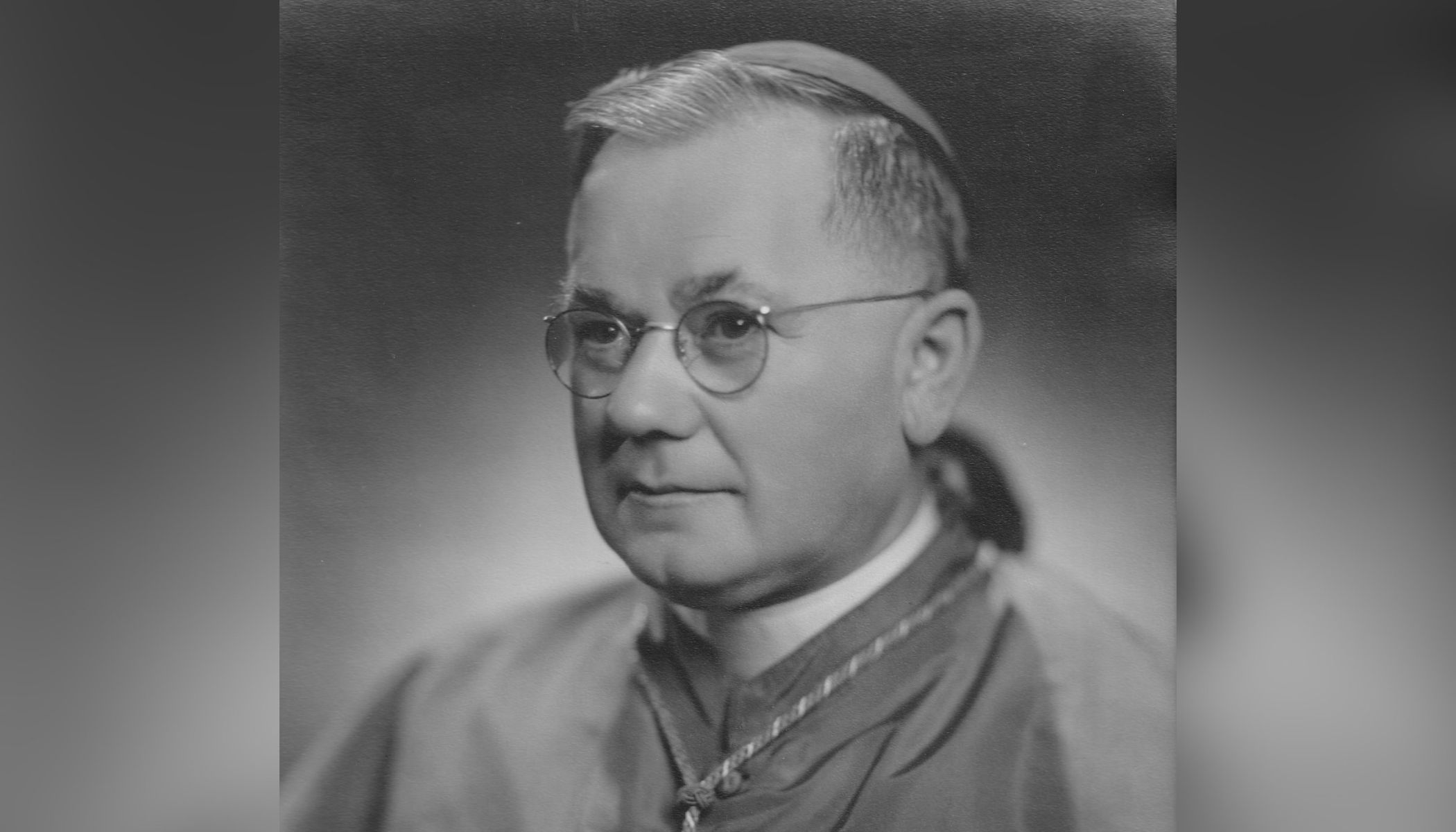
Ordained in 1950, Father Bruno Kant served the Diocese of Fulda in Germany for decades. After retiring from active ministry, he remained a confidant, pastor, and spiritual guide for many parishioners.

Read More