Day: June 15, 2026

Gospel and Word of the Day – 16 June 2026 – A reading from the First Book of Kings 21:17-29 After the death of Naboth the LORD said to Elijah the Tishbite: "Start down to meet Ahab, king of Israel, who rules in Samaria. He will be in the vineyard of Naboth, of which he has come to take possession. This is what you shall tell him, ‘The LORD says: After murdering, do you also take possession? For this, the LORD says: In the place where the dogs licked up the blood of Naboth, the dogs shall lick up your blood, too.’" Ahab said to Elijah, "Have you found me out, my enemy?" "Yes," he answered. "Because you have given yourself up to doing evil in the LORD’s sight, I am bringing evil upon you: I will destroy you and will cut off every male in Ahab’s line, whether slave or freeman, in Israel. I will make your house like that of Jeroboam, son of Nebat, and like that of Baasha, son of Ahijah, because of how you have provoked me by leading Israel into sin." (Against Jezebel, too, the LORD declared, "The dogs shall devour Jezebel in the district of Jezreel.") "When one of Ahab’s line dies in the city, dogs will devour him; when one of them dies in the field, the birds of the sky will devour him." Indeed, no one gave himself up to the doing of evil in the sight of the LORD as did Ahab, urged on by his wife Jezebel. He became completely abominable by following idols, just as the Amorites had done, whom the LORD drove out before the children of Israel. When Ahab heard these words, he tore his garments and put on sackcloth over his bare flesh. He fasted, slept in the sackcloth, and went about subdued. Then the LORD said to Elijah the Tishbite, "Have you seen that Ahab has humbled himself before me? Since he has humbled himself before me, I will not bring the evil in his time. I will bring the evil upon his house during the reign of his son."From the Gospel according to Matthew 5:43-38 Jesus said to his disciples: "You have heard that it was said, You shall love your neighbor and hate your enemy. But I say to you, love your enemies and pray for those who persecute you, that you may be children of your heavenly Father, for he makes his sun rise on the bad and the good, and causes rain to fall on the just and the unjust. For if you love those who love you, what recompense will you have? Do not the tax collectors do the same? And if you greet your brothers only, what is unusual about that? Do not the pagans do the same? So be perfect, just as your heavenly Father is perfect."“You, therefore, must be perfect, as your heavenly Father is perfect” (Mt 5:48). But who could become perfect? Our perfection is living humbly as children of God, doing his will in practice. St Cyprian wrote: “that the godly discipline might respond to God, the Father, that in the honour and praise of living, God may be glorified in man (De zelo et livore [On jealousy and envy], 15: CCL 3a, 83). How can we imitate Jesus? He said: “Love your enemies and pray for those who persecute you, so that you may be sons of your Father who is in Heaven” (Mt 5:44-45). Anyone who welcomes the Lord into his life and loves him with all his heart is capable of a new beginning. He succeeds in doing God’s will: to bring about a new form of existence enlivened by love and destined for eternity. (…) A medieval author wrote: “When the whole of man’s being is, so to speak, mingled with God’s love, the splendour of his soul is also reflected in his external aspect” (John Climacus, The Ladder of Divine Ascent, XXX: PG 88, 1157 B), in the totality of life. “Love is an excellent thing”, we read in the book the Imitation of Christ. “It makes every difficulty easy, and bears all wrongs with equanimity…. Love tends upward; it will not be held down by anything low… love is born of God and cannot rest except in God” (III, V, 3). (Pope Benedict XVI, Angelus, 20 February 2011)

A reading from the First Book of Kings
21:17-29

After the death of Naboth the LORD said to Elijah the Tishbite:
"Start down to meet Ahab, king of Israel,
who rules in Samaria.
He will be in the vineyard of Naboth,
of which he has come to take possession.
This is what you shall tell him,
‘The LORD says: After murdering, do you also take possession?
For this, the LORD says:
In the place where the dogs licked up the blood of Naboth,
the dogs shall lick up your blood, too.’"
Ahab said to Elijah, "Have you found me out, my enemy?"
"Yes," he answered.
"Because you have given yourself up to doing evil in the LORD’s sight,
I am bringing evil upon you: I will destroy you
and will cut off every male in Ahab’s line,
whether slave or freeman, in Israel.
I will make your house like that of Jeroboam, son of Nebat,
and like that of Baasha, son of Ahijah,
because of how you have provoked me by leading Israel into sin."
(Against Jezebel, too, the LORD declared,
"The dogs shall devour Jezebel in the district of Jezreel.")
"When one of Ahab’s line dies in the city,
dogs will devour him;
when one of them dies in the field,
the birds of the sky will devour him."
Indeed, no one gave himself up to the doing of evil
in the sight of the LORD as did Ahab,
urged on by his wife Jezebel.
He became completely abominable by following idols,
just as the Amorites had done,
whom the LORD drove out before the children of Israel.

When Ahab heard these words, he tore his garments
and put on sackcloth over his bare flesh.
He fasted, slept in the sackcloth, and went about subdued.
Then the LORD said to Elijah the Tishbite,
"Have you seen that Ahab has humbled himself before me?
Since he has humbled himself before me,
I will not bring the evil in his time.
I will bring the evil upon his house during the reign of his son."

From the Gospel according to Matthew
5:43-38

Jesus said to his disciples:
"You have heard that it was said,
You shall love your neighbor and hate your enemy.
But I say to you, love your enemies
and pray for those who persecute you,
that you may be children of your heavenly Father,
for he makes his sun rise on the bad and the good,
and causes rain to fall on the just and the unjust.
For if you love those who love you, what recompense will you have?
Do not the tax collectors do the same?
And if you greet your brothers only,
what is unusual about that?
Do not the pagans do the same?
So be perfect, just as your heavenly Father is perfect."

“You, therefore, must be perfect, as your heavenly Father is perfect” (Mt 5:48).

But who could become perfect? Our perfection is living humbly as children of God, doing his will in practice. St Cyprian wrote: “that the godly discipline might respond to God, the Father, that in the honour and praise of living, God may be glorified in man (De zelo et livore [On jealousy and envy], 15: CCL 3a, 83).

How can we imitate Jesus? He said: “Love your enemies and pray for those who persecute you, so that you may be sons of your Father who is in Heaven” (Mt 5:44-45). Anyone who welcomes the Lord into his life and loves him with all his heart is capable of a new beginning. He succeeds in doing God’s will: to bring about a new form of existence enlivened by love and destined for eternity. (…)

A medieval author wrote: “When the whole of man’s being is, so to speak, mingled with God’s love, the splendour of his soul is also reflected in his external aspect” (John Climacus, The Ladder of Divine Ascent, XXX: PG 88, 1157 B), in the totality of life. “Love is an excellent thing”, we read in the book the Imitation of Christ. “It makes every difficulty easy, and bears all wrongs with equanimity…. Love tends upward; it will not be held down by anything low… love is born of God and cannot rest except in God” (III, V, 3). (Pope Benedict XVI, Angelus, 20 February 2011)

Read More
More than academics: What families are really seeking in education today #Catholic – In conversations with parents today, one theme comes up again and again.
Yes, they care about academics. Yes, they want their children to succeed. But increasingly, families are asking a deeper question:
Who is helping my child become a saint?
It is a question that sits at the heart of Catholic education — and one that we encounter every day in both the school and parish communities we serve.
At a time when so much of the educational landscape is focused on outcomes that can be measured — test scores, rankings, college placements — Catholic education continues to hold fast to a broader vision: the formation of the whole child.
That formation is rooted in something very concrete: a relationship with Jesus Christ, who calls each of us to live with purpose, compassion, and integrity.
This formation is not abstract. It takes shape in daily habits, relationships, and experiences. It is present in classrooms where faith and reason are not separate, but integrated – where students are invited to see the world through the lens of the Gospel.  It is nurtured in parish life, where students encounter the rhythms of prayer, sacrament, and service and come to know not just about God, but God’s presence in their lives. It is strengthened in a community where families, educators, and clergy walk together with a shared purpose.

Click here to subscribe to our weekly newsletter.

For many families, this is what sets Catholic education apart.
They are not simply looking for the “best” school in a conventional sense. They are looking for a place where their children will be guided — not only intellectually, but morally and spiritually. A place where success is not defined solely by achievement, but by character. A place where their children are known, loved, and called to grow in the example of Christ.
This is especially true in the earliest years of education.
In early childhood, the foundation is laid not just for academic learning, but for identity, belonging, and confidence. Children begin to understand how they relate to others, how they navigate challenges, and how they see themselves in the world.
When that foundation is rooted in faith — and in the love and example of Jesus — it carries forward in powerful ways.
Students who experience this kind of formation are often marked by a sense of purpose that extends beyond themselves. They come to see their gifts not simply as tools for personal advancement, but as opportunities to serve others, just as Christ calls us to do.
This is the enduring promise of Catholic education.
It is not a rejection of academic excellence — far from it. Rather, it is a commitment to ensuring that excellence is grounded in something deeper. That knowledge is paired with wisdom. That achievement is accompanied by humility. That success is understood in the context of a life of faith.
In a world that can often feel uncertain and fragmented, this kind of formation matters.
It is why, even today, families continue to seek out Catholic schools — not only for what their children will learn, but for who they will become.
Leanne Gonzalez is principal of All Saints Academy and Father Nico Quintos is pastor of St. Ann Parish, both in Parsippany, N.J.
 

More than academics: What families are really seeking in education today #Catholic – In conversations with parents today, one theme comes up again and again. Yes, they care about academics. Yes, they want their children to succeed. But increasingly, families are asking a deeper question: Who is helping my child become a saint? It is a question that sits at the heart of Catholic education — and one that we encounter every day in both the school and parish communities we serve. At a time when so much of the educational landscape is focused on outcomes that can be measured — test scores, rankings, college placements — Catholic education continues to hold fast to a broader vision: the formation of the whole child. That formation is rooted in something very concrete: a relationship with Jesus Christ, who calls each of us to live with purpose, compassion, and integrity. This formation is not abstract. It takes shape in daily habits, relationships, and experiences. It is present in classrooms where faith and reason are not separate, but integrated – where students are invited to see the world through the lens of the Gospel.  It is nurtured in parish life, where students encounter the rhythms of prayer, sacrament, and service and come to know not just about God, but God’s presence in their lives. It is strengthened in a community where families, educators, and clergy walk together with a shared purpose. Click here to subscribe to our weekly newsletter. For many families, this is what sets Catholic education apart. They are not simply looking for the “best” school in a conventional sense. They are looking for a place where their children will be guided — not only intellectually, but morally and spiritually. A place where success is not defined solely by achievement, but by character. A place where their children are known, loved, and called to grow in the example of Christ. This is especially true in the earliest years of education. In early childhood, the foundation is laid not just for academic learning, but for identity, belonging, and confidence. Children begin to understand how they relate to others, how they navigate challenges, and how they see themselves in the world. When that foundation is rooted in faith — and in the love and example of Jesus — it carries forward in powerful ways. Students who experience this kind of formation are often marked by a sense of purpose that extends beyond themselves. They come to see their gifts not simply as tools for personal advancement, but as opportunities to serve others, just as Christ calls us to do. This is the enduring promise of Catholic education. It is not a rejection of academic excellence — far from it. Rather, it is a commitment to ensuring that excellence is grounded in something deeper. That knowledge is paired with wisdom. That achievement is accompanied by humility. That success is understood in the context of a life of faith. In a world that can often feel uncertain and fragmented, this kind of formation matters. It is why, even today, families continue to seek out Catholic schools — not only for what their children will learn, but for who they will become. Leanne Gonzalez is principal of All Saints Academy and Father Nico Quintos is pastor of St. Ann Parish, both in Parsippany, N.J.  

More than academics: What families are really seeking in education today #Catholic –

In conversations with parents today, one theme comes up again and again.

Yes, they care about academics. Yes, they want their children to succeed. But increasingly, families are asking a deeper question:

Who is helping my child become a saint?

It is a question that sits at the heart of Catholic education — and one that we encounter every day in both the school and parish communities we serve.

At a time when so much of the educational landscape is focused on outcomes that can be measured — test scores, rankings, college placements — Catholic education continues to hold fast to a broader vision: the formation of the whole child.

That formation is rooted in something very concrete: a relationship with Jesus Christ, who calls each of us to live with purpose, compassion, and integrity.

This formation is not abstract. It takes shape in daily habits, relationships, and experiences. It is present in classrooms where faith and reason are not separate, but integrated – where students are invited to see the world through the lens of the Gospel.  It is nurtured in parish life, where students encounter the rhythms of prayer, sacrament, and service and come to know not just about God, but God’s presence in their lives. It is strengthened in a community where families, educators, and clergy walk together with a shared purpose.


Click here to subscribe to our weekly newsletter.

For many families, this is what sets Catholic education apart.

They are not simply looking for the “best” school in a conventional sense. They are looking for a place where their children will be guided — not only intellectually, but morally and spiritually. A place where success is not defined solely by achievement, but by character. A place where their children are known, loved, and called to grow in the example of Christ.

This is especially true in the earliest years of education.

In early childhood, the foundation is laid not just for academic learning, but for identity, belonging, and confidence. Children begin to understand how they relate to others, how they navigate challenges, and how they see themselves in the world.

When that foundation is rooted in faith — and in the love and example of Jesus — it carries forward in powerful ways.

Students who experience this kind of formation are often marked by a sense of purpose that extends beyond themselves. They come to see their gifts not simply as tools for personal advancement, but as opportunities to serve others, just as Christ calls us to do.

This is the enduring promise of Catholic education.

It is not a rejection of academic excellence — far from it. Rather, it is a commitment to ensuring that excellence is grounded in something deeper. That knowledge is paired with wisdom. That achievement is accompanied by humility. That success is understood in the context of a life of faith.

In a world that can often feel uncertain and fragmented, this kind of formation matters.

It is why, even today, families continue to seek out Catholic schools — not only for what their children will learn, but for who they will become.

Leanne Gonzalez is principal of All Saints Academy and Father Nico Quintos is pastor of St. Ann Parish, both in Parsippany, N.J.


In conversations with parents today, one theme comes up again and again. Yes, they care about academics. Yes, they want their children to succeed. But increasingly, families are asking a deeper question: Who is helping my child become a saint? It is a question that sits at the heart of Catholic education — and one that we encounter every day in both the school and parish communities we serve. At a time when so much of the educational landscape is focused on outcomes that can be measured — test scores, rankings, college placements — Catholic education continues to hold fast

Read More
U.S. vice president, second lady share family Mass attendance practices – #Catholic – Vice President JD Vance and Second Lady Usha Vance discussed their family’s Mass attendance practices ahead of the release of Vance’s memoir, “Communion: Finding My Way Back to Faith,” which is available June 16.JD Vance is the second Catholic to serve as U.S. vice president, following President Joe Biden, who held the office from 2009 to 2017. Vance has discussed his Catholic faith and shared about his conversion but is not seen or reported by the media attending Mass in the Washington, D.C., area.Vance said in a June 14 interview with “CBS Sunday Morning” that Mass is sometimes said in his home or he attends small churches.Having priests come to celebrate Mass at home is “one of the rare privileges of this life,” Vance said. “I try not to do it too much” because “I try to … have a little bit more of a ritual to it,” he said. “So we do try to leave the house and actually go to church. And thatʼs important.”“But sometimes … you have a late day at work, or somethingʼs going on at the White House, or somethingʼs going on in the world and you say, ‘Could a priest just come by and say Mass at our house?’” Vance said.“It makes it very easy, but itʼs one of those creature comforts of being vice president I try not to use too much because I think it makes us a little lazy,” he said.“Itʼs a perk,” Usha Vance added. “But I think itʼs also important to say that itʼs sometimes a necessity, because a motorcade just shuts down streets.”“It means sometimes people canʼt get into Mass when they arrive,” she said. “It means that you have people trickling in after the start because theyʼre being put through magnetometers.”The second lady, who practices Hinduism, said they try to adjust the “timing of Mass and location” in order “to mitigate all of these discomforts for all the other people who are just trying to live their lives.” “We try to go to smaller churches and we try to get there exactly on time, because if we get there 10 minutes earlier,” security becomes “a nightmare for everybody else,” JD Vance said.“So you try to obviously take your kids to church, but you also try to do it in a way that doesnʼt inconvenience everybody. Thatʼs very important to us,” he said.Vance has attended some highly publicized liturgies. The vice president attended Pope Leo XIV’s inaugural Mass on May 18, 2025, in St. Peter’s Square. He led the U.S. delegation for the ceremony and was joined by Usha Vance and Secretary of State Marco Rubio.He also attended a private Mass celebrated by Franciscan monks at the Church of the Holy Sepulchre in Jerusalem during a three-day diplomatic trip to Israel in October 2025.Vance met with a group of bishops and went to confession prior to Mass, according to the White House press pool report.Memoir on Vance’s Catholic conversionVance’s memoir discusses why he left his faith and describes his conversion to Catholicism. The book has been published by HarperCollins Publishers, which also produced Vance’s 2016 bestselling book “Hillbilly Elegy: A Memoir of a Family and Culture in Crisis.” The book addresses the “story of how I regained my faith,” which “only happened because I had lost it to begin with,” Vance wrote in a HarperCollins press release. “The interesting question that hangs over this book, and over my mind, is why I ever strayed from the path. Why the Christian faith of my youth failed to properly take root.”In the “CBS Sunday Morning” interview, Vance explained some of what the book uncovers about finding his “home” in the Catholic Church.“I was raised in evangelical tradition that in a lot of ways I really loved,” he said.The evangelical faith offered an “incredible generosity of spirit” and an “incredible spirit of ‘welcomingness,’” Vance said. While he said he still tries to “apply” these aspects to his life, he “drift[ed] away from that faith.”“I donʼt think that I was properly rooted,” Vance said. “I started to see myself as too smart, maybe too high-minded. I was going to make decisions based on rationality and science and not on this religious mumbo jumbo.”Then, he said, “as I started to think to myself, ‘Maybe there is some real truth to these Christian ideas that I grew up with‘ … I was just incredibly attracted to the tradition of the church that I ultimately selected.”“Things are constantly changing. Social media is changing how we communicate with each other,” he said. “You go to one church and itʼs … one thing. You go to another church and itʼs something different.”Catholicism “felt rooted” and “if I went to a foreign country and I didnʼt understand the language, I kind of knew what was going on. And I liked that feeling of rootedness.”“Fundamentally, when I started thinking to myself, ‘Maybe I do believe that Jesus Christ is the Son of God. Maybe I do believe in the core tenets of the Christian faith.’ A lot of the people who [were] encouraging me on that journey … were Catholic, and they took me to Catholic churches, and I felt at home there, and eventually I converted,” Vance said.“God put a lot of people in my path who were very good Christians and ended up being Catholics. And thatʼs where … I found a home,” he said.

U.S. vice president, second lady share family Mass attendance practices – #Catholic – Vice President JD Vance and Second Lady Usha Vance discussed their family’s Mass attendance practices ahead of the release of Vance’s memoir, “Communion: Finding My Way Back to Faith,” which is available June 16.JD Vance is the second Catholic to serve as U.S. vice president, following President Joe Biden, who held the office from 2009 to 2017. Vance has discussed his Catholic faith and shared about his conversion but is not seen or reported by the media attending Mass in the Washington, D.C., area.Vance said in a June 14 interview with “CBS Sunday Morning” that Mass is sometimes said in his home or he attends small churches.Having priests come to celebrate Mass at home is “one of the rare privileges of this life,” Vance said. “I try not to do it too much” because “I try to … have a little bit more of a ritual to it,” he said. “So we do try to leave the house and actually go to church. And thatʼs important.”“But sometimes … you have a late day at work, or somethingʼs going on at the White House, or somethingʼs going on in the world and you say, ‘Could a priest just come by and say Mass at our house?’” Vance said.“It makes it very easy, but itʼs one of those creature comforts of being vice president I try not to use too much because I think it makes us a little lazy,” he said.“Itʼs a perk,” Usha Vance added. “But I think itʼs also important to say that itʼs sometimes a necessity, because a motorcade just shuts down streets.”“It means sometimes people canʼt get into Mass when they arrive,” she said. “It means that you have people trickling in after the start because theyʼre being put through magnetometers.”The second lady, who practices Hinduism, said they try to adjust the “timing of Mass and location” in order “to mitigate all of these discomforts for all the other people who are just trying to live their lives.” “We try to go to smaller churches and we try to get there exactly on time, because if we get there 10 minutes earlier,” security becomes “a nightmare for everybody else,” JD Vance said.“So you try to obviously take your kids to church, but you also try to do it in a way that doesnʼt inconvenience everybody. Thatʼs very important to us,” he said.Vance has attended some highly publicized liturgies. The vice president attended Pope Leo XIV’s inaugural Mass on May 18, 2025, in St. Peter’s Square. He led the U.S. delegation for the ceremony and was joined by Usha Vance and Secretary of State Marco Rubio.He also attended a private Mass celebrated by Franciscan monks at the Church of the Holy Sepulchre in Jerusalem during a three-day diplomatic trip to Israel in October 2025.Vance met with a group of bishops and went to confession prior to Mass, according to the White House press pool report.Memoir on Vance’s Catholic conversionVance’s memoir discusses why he left his faith and describes his conversion to Catholicism. The book has been published by HarperCollins Publishers, which also produced Vance’s 2016 bestselling book “Hillbilly Elegy: A Memoir of a Family and Culture in Crisis.” The book addresses the “story of how I regained my faith,” which “only happened because I had lost it to begin with,” Vance wrote in a HarperCollins press release. “The interesting question that hangs over this book, and over my mind, is why I ever strayed from the path. Why the Christian faith of my youth failed to properly take root.”In the “CBS Sunday Morning” interview, Vance explained some of what the book uncovers about finding his “home” in the Catholic Church.“I was raised in evangelical tradition that in a lot of ways I really loved,” he said.The evangelical faith offered an “incredible generosity of spirit” and an “incredible spirit of ‘welcomingness,’” Vance said. While he said he still tries to “apply” these aspects to his life, he “drift[ed] away from that faith.”“I donʼt think that I was properly rooted,” Vance said. “I started to see myself as too smart, maybe too high-minded. I was going to make decisions based on rationality and science and not on this religious mumbo jumbo.”Then, he said, “as I started to think to myself, ‘Maybe there is some real truth to these Christian ideas that I grew up with‘ … I was just incredibly attracted to the tradition of the church that I ultimately selected.”“Things are constantly changing. Social media is changing how we communicate with each other,” he said. “You go to one church and itʼs … one thing. You go to another church and itʼs something different.”Catholicism “felt rooted” and “if I went to a foreign country and I didnʼt understand the language, I kind of knew what was going on. And I liked that feeling of rootedness.”“Fundamentally, when I started thinking to myself, ‘Maybe I do believe that Jesus Christ is the Son of God. Maybe I do believe in the core tenets of the Christian faith.’ A lot of the people who [were] encouraging me on that journey … were Catholic, and they took me to Catholic churches, and I felt at home there, and eventually I converted,” Vance said.“God put a lot of people in my path who were very good Christians and ended up being Catholics. And thatʼs where … I found a home,” he said.

Having priests come to celebrate Mass at home is “one of the rare privileges of this life,” Vice President JD Vance said.

Read More
Pope receives Syro-Malankara delegation, calls for preservation of identity in diaspora – #Catholic – Pope Leo XIV received a delegation from the Syro-Malankara Church on June 15 on the occasion of its first convention for clergy and laity residing in Europe, urging them to preserve and promote their identity, particularly within the context of the diaspora in Europe and the United States.The origins of this Church lie in the Christian tradition of India, specifically in the state of Kerala, and trace back to the Christians evangelized by the Apostle Thomas in the first century.After greeting the bishops present and highlighting the spiritual renewal of this Church in preparation for the centenary of its reunion with the Catholic Church in 1930, he said the Syro-Malankara Church as “your Church has always been a beacon of evangelical energy and apostolic charity, bringing social justice, education, and integral human development to those on the margins of society.”In his address, the pope also noted that this Church began to grow rapidly beyond ethnic or linguistic boundaries, initially in the neighboring state of Tamil Nadu as the fruit of evangelization efforts begun in 1934.In this vein, he highlighted the need for “an urgent commitment” to preserving and promoting “the inestimable treasures incarnated by all the Eastern Churches,” especially within the growing diaspora.The pope underscored the presence of these faithful in the United States, just as Benedict XVI and Pope Francis had done.Along the same lines, he addressed in particular Bishop Kuriakose Mar Osthathios, whom he recently appointed as apostolic visitator for the Syro-Malankara faithful residing in Europe.His responsibility includes, according to the pontiff, “surveying the current state of pastoral care with a view to making proposals to the local bishops and to the Holy See for the spiritual good of the faithful.”He also recalled having asked the Dicastery for the Eastern Churches to help him “to evaluate the best ways to establish firm and enduring foundations” so that future generations of Syro-Malankara faithful may continue to deepen their friendship with the Lord Jesus through their own traditions, thereby contributing to the good of the entire Catholic Church.In this regard, he asked them to promote greater awareness about “the precious identity of the Syro-Malankara Church” and the “experience of its unique heritage.”Noting that the St. Thomas Christians of India, considered one of the oldest Christian communities in the world, have a “well-deserved reputation for devout families from which arise many vocations to the priesthood and religious life,” Leo XIV prayed that a steadfast faith “may continue to thrive in your homes and your hearts, particularly in those of the young.”This story was first published by ACI Prensa, the Spanish-language sister service of EWTN News. It has been translated and adapted by EWTN News English.

Pope receives Syro-Malankara delegation, calls for preservation of identity in diaspora – #Catholic – Pope Leo XIV received a delegation from the Syro-Malankara Church on June 15 on the occasion of its first convention for clergy and laity residing in Europe, urging them to preserve and promote their identity, particularly within the context of the diaspora in Europe and the United States.The origins of this Church lie in the Christian tradition of India, specifically in the state of Kerala, and trace back to the Christians evangelized by the Apostle Thomas in the first century.After greeting the bishops present and highlighting the spiritual renewal of this Church in preparation for the centenary of its reunion with the Catholic Church in 1930, he said the Syro-Malankara Church as “your Church has always been a beacon of evangelical energy and apostolic charity, bringing social justice, education, and integral human development to those on the margins of society.”In his address, the pope also noted that this Church began to grow rapidly beyond ethnic or linguistic boundaries, initially in the neighboring state of Tamil Nadu as the fruit of evangelization efforts begun in 1934.In this vein, he highlighted the need for “an urgent commitment” to preserving and promoting “the inestimable treasures incarnated by all the Eastern Churches,” especially within the growing diaspora.The pope underscored the presence of these faithful in the United States, just as Benedict XVI and Pope Francis had done.Along the same lines, he addressed in particular Bishop Kuriakose Mar Osthathios, whom he recently appointed as apostolic visitator for the Syro-Malankara faithful residing in Europe.His responsibility includes, according to the pontiff, “surveying the current state of pastoral care with a view to making proposals to the local bishops and to the Holy See for the spiritual good of the faithful.”He also recalled having asked the Dicastery for the Eastern Churches to help him “to evaluate the best ways to establish firm and enduring foundations” so that future generations of Syro-Malankara faithful may continue to deepen their friendship with the Lord Jesus through their own traditions, thereby contributing to the good of the entire Catholic Church.In this regard, he asked them to promote greater awareness about “the precious identity of the Syro-Malankara Church” and the “experience of its unique heritage.”Noting that the St. Thomas Christians of India, considered one of the oldest Christian communities in the world, have a “well-deserved reputation for devout families from which arise many vocations to the priesthood and religious life,” Leo XIV prayed that a steadfast faith “may continue to thrive in your homes and your hearts, particularly in those of the young.”This story was first published by ACI Prensa, the Spanish-language sister service of EWTN News. It has been translated and adapted by EWTN News English.

Pope Leo XIV addressed a delegation of the Syro-Malankara Catholic Church, encouraging them to preserve and promote “the inestimable treasures incarnated by all the Eastern Churches.”

Read More
Catholic-backed religious liberty lawsuit asks Supreme Court to address ‘finality’ rule – #Catholic – A long-running legal dispute against a city in Ohio has received the backing of the U.S. Catholic bishops as it seeks to both assert a religious liberty claim and challenge a long-standing U.S. rule over when a lawsuit can be brought before a court. Daniel Grand filed a lawsuit against the city of University Heights, Ohio, in September 2022 after the city blocked his efforts to convene a minyan, or Jewish prayer group, of about a dozen friends at his home. The city directed that he would have to acquire a special-use permit to host the group. “They said if I got the permit, I could have the prayer group,” he told EWTN News. “But halfway into this ordeal, I learned that if anybody qualifies for this permit, there is no residence allowed [where the permit is granted].” His family would have to move in the event the permit was granted, he said. The federal district court dismissed his case on the grounds of a legal concept known as “finality,” a rule that holds that a lawsuit can only be brought if a plaintiff has exhausted all other relevant options first. Jonathan Gross, an attorney who is representing Grand in the ongoing dispute,  said governments will sometimes use this rule in order to thwart a lawsuit attempt. “Certain jurisdictions recognize that the government controls everything and that if they want they can 'jerk you around’ and table your case indefinitely to prevent you from ever getting finality that allows you to sue,” he said. “If local government can do whatever they want with your application and make it so you never get a final decision, then you’re ultimately blocked from ever suing them, and they know that,” he said. The U.S. District Court for the Northern District of Ohio dismissed the case on finality grounds; the U.S. Court of Appeals for the 6th Circuit upheld that dismissal. Grand and his attorneys are asking the Supreme Court to review the case and rule on the finality question so that the religious liberty suit can proceed.“We obviously assert that Daniel was harmed,” Gross said. “But we didn’t even go to court because we didn’t get the final decision.”Decision would ‘open up the Hoover Dam’ for some lawsuitsGrand and his attorneys are hoping to resolve the finality question at the Supreme Court for the sake of both themselves and plaintiffs in other lawsuits. A favorable decision from the high court would “open up the Hoover Dam for everyone who wants to get into federal court but is being denied because you didn’t complete some sort of process,” Grand told EWTN News. Yet Grand himself is still focused on resolving the religious liberty dispute as well. Among other supporters, the lawsuit has received backing from the U.S. Conference of Catholic Bishops, which filed an amicus brief in appeals court arguing that Grandʼs religious liberty claims should be considered without being subject to “finality.” Religious plaintiffs have standing to sue “as soon as a credible threat arises,” the bishops said in their filing, arguing that court processes that play out over “months or years” due to finality rules serve as a “constitutional harm” in and of themselves. In his filing with the Supreme Court, Grand argued that the case is “a playbook for government-sponsored religious discrimination.” Speaking to EWTN News, Grand disputed the implicit contention that “10 Jews in a room makes it a synagogue.” He said his aim was simply to host a small group to speak to God. “It was on my heart to have a prayer gathering, and I thought nothing more than that,” he said.

Catholic-backed religious liberty lawsuit asks Supreme Court to address ‘finality’ rule – #Catholic – A long-running legal dispute against a city in Ohio has received the backing of the U.S. Catholic bishops as it seeks to both assert a religious liberty claim and challenge a long-standing U.S. rule over when a lawsuit can be brought before a court. Daniel Grand filed a lawsuit against the city of University Heights, Ohio, in September 2022 after the city blocked his efforts to convene a minyan, or Jewish prayer group, of about a dozen friends at his home. The city directed that he would have to acquire a special-use permit to host the group. “They said if I got the permit, I could have the prayer group,” he told EWTN News. “But halfway into this ordeal, I learned that if anybody qualifies for this permit, there is no residence allowed [where the permit is granted].” His family would have to move in the event the permit was granted, he said. The federal district court dismissed his case on the grounds of a legal concept known as “finality,” a rule that holds that a lawsuit can only be brought if a plaintiff has exhausted all other relevant options first. Jonathan Gross, an attorney who is representing Grand in the ongoing dispute,  said governments will sometimes use this rule in order to thwart a lawsuit attempt. “Certain jurisdictions recognize that the government controls everything and that if they want they can 'jerk you around’ and table your case indefinitely to prevent you from ever getting finality that allows you to sue,” he said. “If local government can do whatever they want with your application and make it so you never get a final decision, then you’re ultimately blocked from ever suing them, and they know that,” he said. The U.S. District Court for the Northern District of Ohio dismissed the case on finality grounds; the U.S. Court of Appeals for the 6th Circuit upheld that dismissal. Grand and his attorneys are asking the Supreme Court to review the case and rule on the finality question so that the religious liberty suit can proceed.“We obviously assert that Daniel was harmed,” Gross said. “But we didn’t even go to court because we didn’t get the final decision.”Decision would ‘open up the Hoover Dam’ for some lawsuitsGrand and his attorneys are hoping to resolve the finality question at the Supreme Court for the sake of both themselves and plaintiffs in other lawsuits. A favorable decision from the high court would “open up the Hoover Dam for everyone who wants to get into federal court but is being denied because you didn’t complete some sort of process,” Grand told EWTN News. Yet Grand himself is still focused on resolving the religious liberty dispute as well. Among other supporters, the lawsuit has received backing from the U.S. Conference of Catholic Bishops, which filed an amicus brief in appeals court arguing that Grandʼs religious liberty claims should be considered without being subject to “finality.” Religious plaintiffs have standing to sue “as soon as a credible threat arises,” the bishops said in their filing, arguing that court processes that play out over “months or years” due to finality rules serve as a “constitutional harm” in and of themselves. In his filing with the Supreme Court, Grand argued that the case is “a playbook for government-sponsored religious discrimination.” Speaking to EWTN News, Grand disputed the implicit contention that “10 Jews in a room makes it a synagogue.” He said his aim was simply to host a small group to speak to God. “It was on my heart to have a prayer gathering, and I thought nothing more than that,” he said.

The U.S. Catholic bishops have backed the lawsuit brought by Jewish resident Daniel Grand against the city of University Heights, Ohio, in a dispute over a planned prayer group.

Read More
Making history: St. Paul Inside the Walls honors archivist #Catholic - On June 6, Msgr. Raymond J. Kupke, Ph.D., a retired priest with 53 years actively serving the Paterson Diocese, N.J., and respected Church historian, delighted in receiving the 2026 Bishop Arthur J. Serratelli Evangelization Award from St. Paul Inside the Walls Catholic Center for Evangelization in Madison, N.J. Msgr. Kupke received the award for his fruitful years in the priesthood and evangelization.
That Friday evening, Bishop Kevin J. Sweeney presented Msgr. Kupke received the award during St. Paul’s Fifth Annual Garden Party, its largest annual fundraiser, which was held on the center’s front lawn. Msgr. Kupke has been the diocesan archivist since 1976 and is the co-host of “Coffee with Kupke,” a popular podcast that delves into the history of Catholicism in the Church of Paterson. He hosts the podcast with his friend, Father Paul Manning, diocesan vicar for evangelization and education.
Msgr. Kupke is an adjunct professor of Church history at Immaculate Conception Seminary School of Theology in South Orange, N.J. He has also taught many courses at St. Paul’s, notably helping form candidates for the permanent diaconate. He also authored the book, “Living Stones: A History of the Catholic Church in the Diocese of Paterson.”

Click here to subscribe to our weekly newsletter.

Over the years, Msgr. Kupke has held numerous pastoral assignments. Most recently, he served as pastor of St. Anthony Parish in Hawthorne, N.J., from 2011 until his retirement last year.
During the Garden Party, Father Manning also welcomed Father Pawel Tomczyk back to St. Paul’s. For years, Father Tomczyk has assisted St. Paul’s evangelization efforts.
Father Tomczyk, who has served as pastoral formation director and assistant moral theology professor at Immaculate Conception Seminary School of Theology, will assume Father Manning’s role as diocesan vicar for evangelization while living at St. Paul’s, effective July 1.
On that date, Father Manning will become pastor of St. Joseph Parish in Mendham, N.J., while continuing as vicar for education. Father Manning will celebrate his final Mass at St. Paul’s, the young adult Mass, on Sunday, June 21, at 11 a.m., followed by a reception.
Founded by Bishop Serratelli, St. Paul’s is a leader, catalyst, and model for the new evangelization. Through both traditional and innovative programs, the center has inspired people of all ages, beliefs, cultures, perspectives, and professions to fully experience the Catholic faith. The Garden Party celebrated St. Paul’s lasting impact and growth around the diocese and beyond.
The event’s attendees included staff from St. Paul’s, members of the Young Adult Ministry, benefactors, and friends and family of community members. The event included a dinner.
BEACON PHOTOS | JOE GIGLI
 [See image gallery at beaconnj.org]  

Making history: St. Paul Inside the Walls honors archivist #Catholic – On June 6, Msgr. Raymond J. Kupke, Ph.D., a retired priest with 53 years actively serving the Paterson Diocese, N.J., and respected Church historian, delighted in receiving the 2026 Bishop Arthur J. Serratelli Evangelization Award from St. Paul Inside the Walls Catholic Center for Evangelization in Madison, N.J. Msgr. Kupke received the award for his fruitful years in the priesthood and evangelization. That Friday evening, Bishop Kevin J. Sweeney presented Msgr. Kupke received the award during St. Paul’s Fifth Annual Garden Party, its largest annual fundraiser, which was held on the center’s front lawn. Msgr. Kupke has been the diocesan archivist since 1976 and is the co-host of “Coffee with Kupke,” a popular podcast that delves into the history of Catholicism in the Church of Paterson. He hosts the podcast with his friend, Father Paul Manning, diocesan vicar for evangelization and education. Msgr. Kupke is an adjunct professor of Church history at Immaculate Conception Seminary School of Theology in South Orange, N.J. He has also taught many courses at St. Paul’s, notably helping form candidates for the permanent diaconate. He also authored the book, “Living Stones: A History of the Catholic Church in the Diocese of Paterson.” Click here to subscribe to our weekly newsletter. Over the years, Msgr. Kupke has held numerous pastoral assignments. Most recently, he served as pastor of St. Anthony Parish in Hawthorne, N.J., from 2011 until his retirement last year. During the Garden Party, Father Manning also welcomed Father Pawel Tomczyk back to St. Paul’s. For years, Father Tomczyk has assisted St. Paul’s evangelization efforts. Father Tomczyk, who has served as pastoral formation director and assistant moral theology professor at Immaculate Conception Seminary School of Theology, will assume Father Manning’s role as diocesan vicar for evangelization while living at St. Paul’s, effective July 1. On that date, Father Manning will become pastor of St. Joseph Parish in Mendham, N.J., while continuing as vicar for education. Father Manning will celebrate his final Mass at St. Paul’s, the young adult Mass, on Sunday, June 21, at 11 a.m., followed by a reception. Founded by Bishop Serratelli, St. Paul’s is a leader, catalyst, and model for the new evangelization. Through both traditional and innovative programs, the center has inspired people of all ages, beliefs, cultures, perspectives, and professions to fully experience the Catholic faith. The Garden Party celebrated St. Paul’s lasting impact and growth around the diocese and beyond. The event’s attendees included staff from St. Paul’s, members of the Young Adult Ministry, benefactors, and friends and family of community members. The event included a dinner. BEACON PHOTOS | JOE GIGLI [See image gallery at beaconnj.org]  

Making history: St. Paul Inside the Walls honors archivist #Catholic –

On June 6, Msgr. Raymond J. Kupke, Ph.D., a retired priest with 53 years actively serving the Paterson Diocese, N.J., and respected Church historian, delighted in receiving the 2026 Bishop Arthur J. Serratelli Evangelization Award from St. Paul Inside the Walls Catholic Center for Evangelization in Madison, N.J. Msgr. Kupke received the award for his fruitful years in the priesthood and evangelization.

That Friday evening, Bishop Kevin J. Sweeney presented Msgr. Kupke received the award during St. Paul’s Fifth Annual Garden Party, its largest annual fundraiser, which was held on the center’s front lawn. Msgr. Kupke has been the diocesan archivist since 1976 and is the co-host of “Coffee with Kupke,” a popular podcast that delves into the history of Catholicism in the Church of Paterson. He hosts the podcast with his friend, Father Paul Manning, diocesan vicar for evangelization and education.

Msgr. Kupke is an adjunct professor of Church history at Immaculate Conception Seminary School of Theology in South Orange, N.J. He has also taught many courses at St. Paul’s, notably helping form candidates for the permanent diaconate. He also authored the book, “Living Stones: A History of the Catholic Church in the Diocese of Paterson.”


Click here to subscribe to our weekly newsletter.

Over the years, Msgr. Kupke has held numerous pastoral assignments. Most recently, he served as pastor of St. Anthony Parish in Hawthorne, N.J., from 2011 until his retirement last year.

During the Garden Party, Father Manning also welcomed Father Pawel Tomczyk back to St. Paul’s. For years, Father Tomczyk has assisted St. Paul’s evangelization efforts.

Father Tomczyk, who has served as pastoral formation director and assistant moral theology professor at Immaculate Conception Seminary School of Theology, will assume Father Manning’s role as diocesan vicar for evangelization while living at St. Paul’s, effective July 1.

On that date, Father Manning will become pastor of St. Joseph Parish in Mendham, N.J., while continuing as vicar for education. Father Manning will celebrate his final Mass at St. Paul’s, the young adult Mass, on Sunday, June 21, at 11 a.m., followed by a reception.

Founded by Bishop Serratelli, St. Paul’s is a leader, catalyst, and model for the new evangelization. Through both traditional and innovative programs, the center has inspired people of all ages, beliefs, cultures, perspectives, and professions to fully experience the Catholic faith. The Garden Party celebrated St. Paul’s lasting impact and growth around the diocese and beyond.

The event’s attendees included staff from St. Paul’s, members of the Young Adult Ministry, benefactors, and friends and family of community members. The event included a dinner.

BEACON PHOTOS | JOE GIGLI

On June 6, Msgr. Raymond J. Kupke, Ph.D., a retired priest with 53 years actively serving the Paterson Diocese, N.J., and respected Church historian, delighted in receiving the 2026 Bishop Arthur J. Serratelli Evangelization Award from St. Paul Inside the Walls Catholic Center for Evangelization in Madison, N.J. Msgr. Kupke received the award for his fruitful years in the priesthood and evangelization. That Friday evening, Bishop Kevin J. Sweeney presented Msgr. Kupke received the award during St. Paul’s Fifth Annual Garden Party, its largest annual fundraiser, which was held on the center’s front lawn. Msgr. Kupke has been the diocesan

Read More
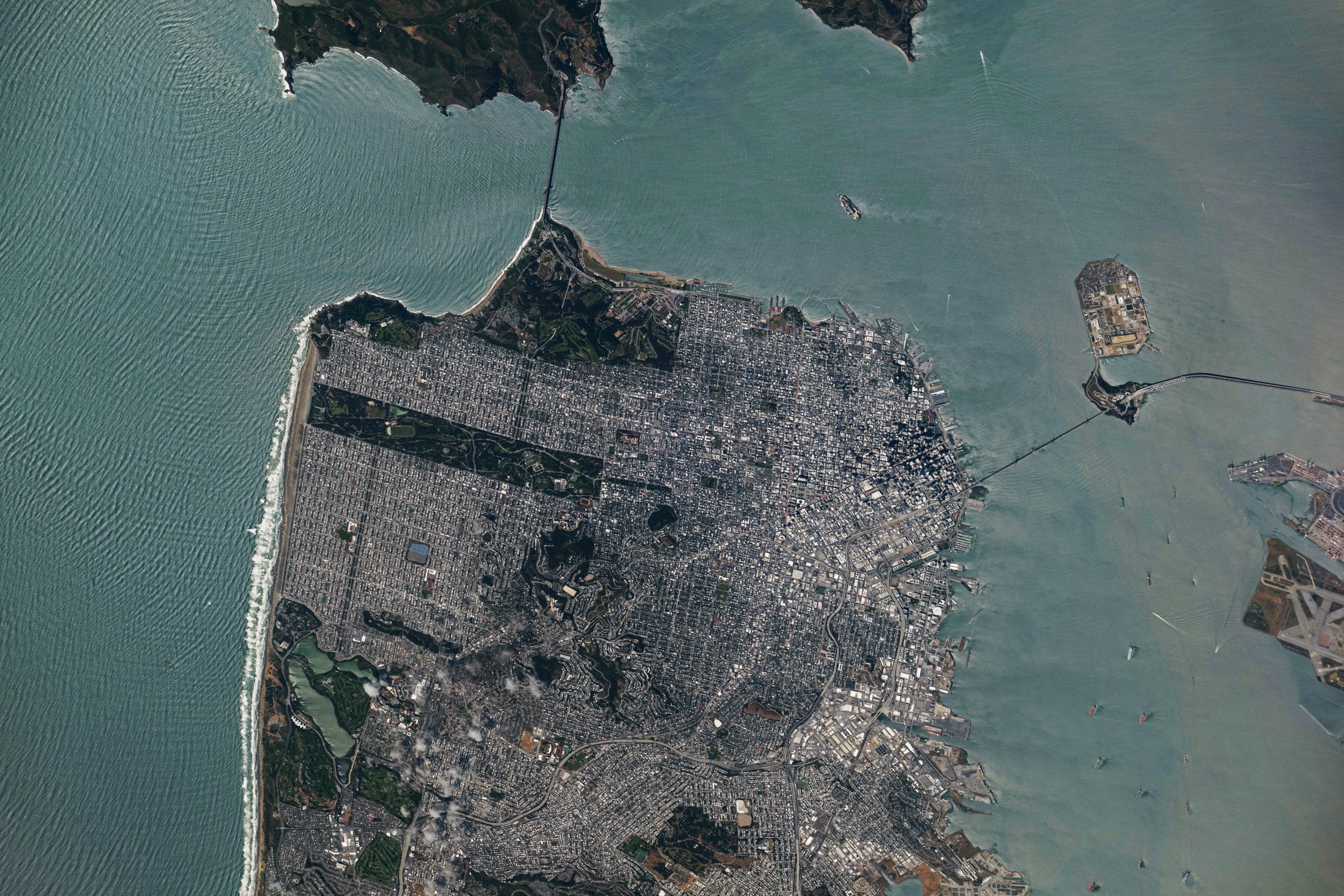
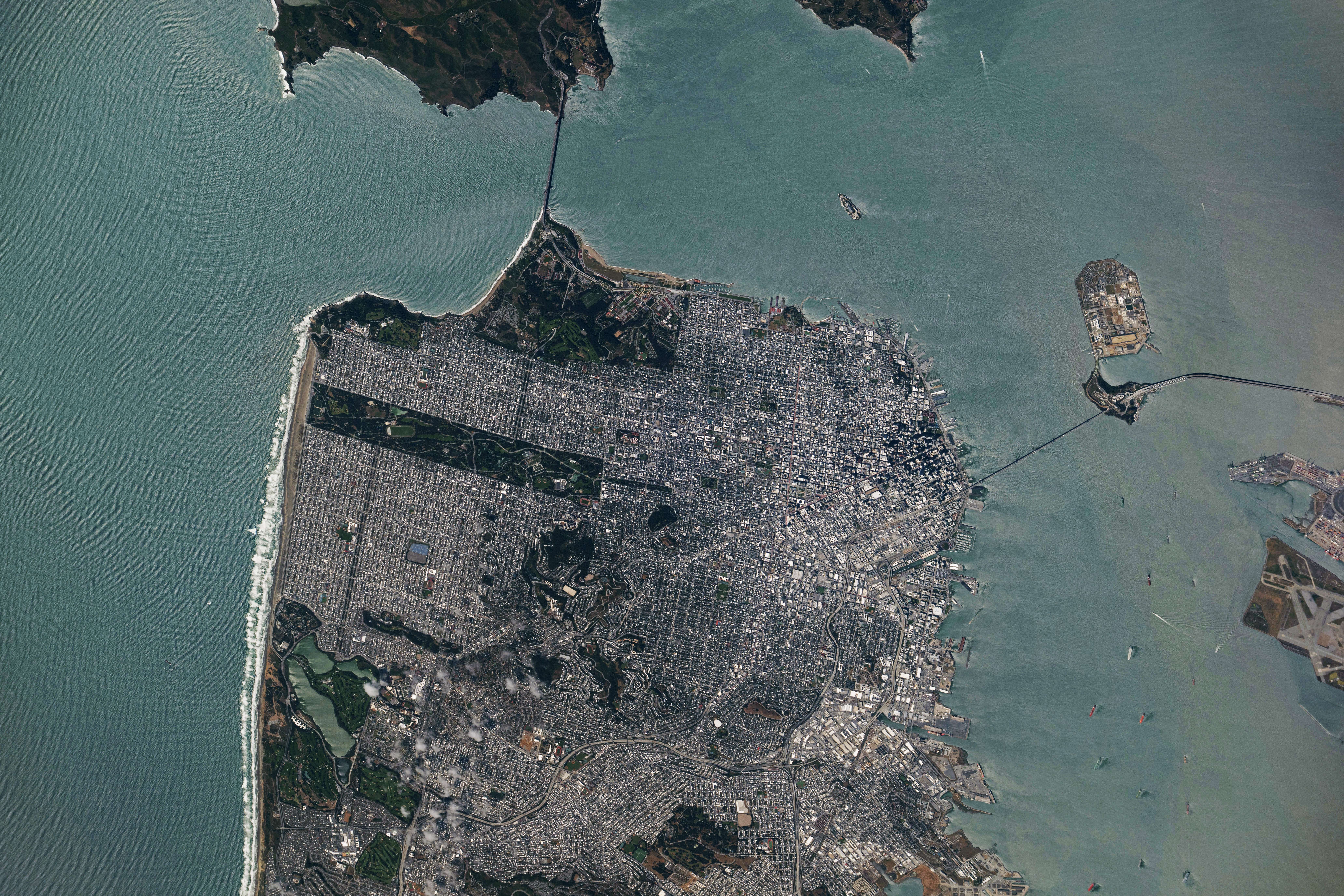
San Francisco’s Patchwork Streets – A period of unsettled weather brought scattered showers and thunderstorms to California’s Bay Area on May 27, 2026. That afternoon, a break in the clouds left downtown San Francisco and nearby communities beneath mostly cloud-free skies, allowing an astronaut aboard the International Space Station to take this photograph.

A period of unsettled weather brought scattered showers and thunderstorms to California’s Bay Area on May 27, 2026. That afternoon, a break in the clouds left downtown San Francisco and nearby communities beneath mostly cloud-free skies, allowing an astronaut aboard the International Space Station to take this photograph.

Read More
Morristown pastor thanks God for 10 years of priesthood #Catholic - Bishop Kevin J. Sweeney visited St. Margaret of Scotland Parish in Morristown, N.J., on June 6 to celebrate the 10th ordination anniversary of its pastor, Father Duberney Villamizar, during a Mass the bishop celebrated in the church. The pastor also serves as diocesan vicar for Hispanic Affairs — the first such position established in the diocese.
In his homily, Father Villamizar thanked God, the Blessed Mother, Bishop Sweeney, Bishop Emeritus Arthur J. Serratelli, the parishes he has served and all the people he met who supported him during his first 10 years of priesthood.

Click here to subscribe to our weekly newsletter.

Father Villamizar was born on July 16, 1990, in La Esmeralda, Arauquita-Arauca, Colombia, and studied in Colombia and the United States. He was ordained to the priesthood by Bishop Serratelli on May 28, 2016.
Since his priestly ordination, Father Villamizar has served as parochial vicar of St. Anthony of Padua Parish in Passaic, N.J., and then of Our Lady of the Valley and Holy Cross parishes in Wayne, N.J. He currently serves as pastor of St. Margaret’s.
BEACON PHOTOS | JOE GIGLI
 [See image gallery at beaconnj.org]  

Morristown pastor thanks God for 10 years of priesthood #Catholic –

Bishop Kevin J. Sweeney visited St. Margaret of Scotland Parish in Morristown, N.J., on June 6 to celebrate the 10th ordination anniversary of its pastor, Father Duberney Villamizar, during a Mass the bishop celebrated in the church. The pastor also serves as diocesan vicar for Hispanic Affairs — the first such position established in the diocese.

In his homily, Father Villamizar thanked God, the Blessed Mother, Bishop Sweeney, Bishop Emeritus Arthur J. Serratelli, the parishes he has served and all the people he met who supported him during his first 10 years of priesthood.


Click here to subscribe to our weekly newsletter.

Father Villamizar was born on July 16, 1990, in La Esmeralda, Arauquita-Arauca, Colombia, and studied in Colombia and the United States. He was ordained to the priesthood by Bishop Serratelli on May 28, 2016.

Since his priestly ordination, Father Villamizar has served as parochial vicar of St. Anthony of Padua Parish in Passaic, N.J., and then of Our Lady of the Valley and Holy Cross parishes in Wayne, N.J. He currently serves as pastor of St. Margaret’s.

BEACON PHOTOS | JOE GIGLI

Bishop Kevin J. Sweeney visited St. Margaret of Scotland Parish in Morristown, N.J., on June 6 to celebrate the 10th ordination anniversary of its pastor, Father Duberney Villamizar, during a Mass the bishop celebrated in the church. The pastor also serves as diocesan vicar for Hispanic Affairs — the first such position established in the diocese. In his homily, Father Villamizar thanked God, the Blessed Mother, Bishop Sweeney, Bishop Emeritus Arthur J. Serratelli, the parishes he has served and all the people he met who supported him during his first 10 years of priesthood. Click here to subscribe to our

Read More

Astronomers have created a comprehensive census of active galactic nuclei (AGN) — galaxies powered by a feeding central black hole. The new census, led by data pipeline developer Mugdha Polimera at the Center for Astrophysics | Harvard & Smithsonian, began while she was a graduate student at the University of North Carolina at Chapel Hill,Continue reading “Active black holes are more common than we thought”

The post Active black holes are more common than we thought appeared first on Astronomy Magazine.

Read More
Pope Leo XIV: Catholics and Jews must work together to fight antisemtism #Catholic Pope Leo XIV affirmed on June 15 the shared heritage of Jews and Catholics, emphasizing that they must be united against antisemitism and in serving those in need.In an address at the Vatican to representatives of the United Jewish Appeal-Federation of New York, the pontiff praised their organization as “an instrument of global Jewish philanthropy, providing essential humanitarian aid and social services to vulnerable populations.” He also drew parallels between their work and the Catholic Churchʼs commitment to human development.“These efforts reflect a clear recognition of human dignity and fraternity, resonating with the Church’s own commitment to integral human development and the call to love our neighbor,” Leo said in his remarks.The pope also reflected on the progress of Catholic-Jewish dialogue since the 1965 publication of Nostra Aetate, a declaration from the Second Vatican Council that condemned all forms of antisemitism. Reaffirming the Churchʼs stance against antisemitism, Leo emphasized the need for Catholics and Jews to work together to combat all forms of discrimination."[Nostra Aetate] affirmed, among other things, the truth that we belong to one human family,“ Leo said. ”Recognizing the inherent dignity of all men and women, Nostra Aetate took a firm stand against antisemitism and declared that the Church rejects all forms of discrimination or harassment because of race, color, condition of life, or religion. In a world still wounded by division and conflict, it called us to move beyond past misunderstandings toward collaboration for the common good."

Pope Leo XIV: Catholics and Jews must work together to fight antisemtism #Catholic Pope Leo XIV affirmed on June 15 the shared heritage of Jews and Catholics, emphasizing that they must be united against antisemitism and in serving those in need.In an address at the Vatican to representatives of the United Jewish Appeal-Federation of New York, the pontiff praised their organization as “an instrument of global Jewish philanthropy, providing essential humanitarian aid and social services to vulnerable populations.” He also drew parallels between their work and the Catholic Churchʼs commitment to human development.“These efforts reflect a clear recognition of human dignity and fraternity, resonating with the Church’s own commitment to integral human development and the call to love our neighbor,” Leo said in his remarks.The pope also reflected on the progress of Catholic-Jewish dialogue since the 1965 publication of Nostra Aetate, a declaration from the Second Vatican Council that condemned all forms of antisemitism. Reaffirming the Churchʼs stance against antisemitism, Leo emphasized the need for Catholics and Jews to work together to combat all forms of discrimination."[Nostra Aetate] affirmed, among other things, the truth that we belong to one human family,“ Leo said. ”Recognizing the inherent dignity of all men and women, Nostra Aetate took a firm stand against antisemitism and declared that the Church rejects all forms of discrimination or harassment because of race, color, condition of life, or religion. In a world still wounded by division and conflict, it called us to move beyond past misunderstandings toward collaboration for the common good."

The pontiff addressed representatives of the United Jewish Appeal-Federation of New York on June 15.

Read More
Czech court clears archbishop persecuted by communist regime #Catholic The district court in Olomouc, Czech Republic, has rehabilitated Josef Karel Matocha, the city’s former archbishop, recognizing his internment under the communist regime as unlawful more than six decades after his death.The court’s decision, based on the Judicial Rehabilitation Act, confirms that the prelate was a victim of unlawful deprivation of liberty in the 1950s by the communist regime in what was then Czechoslovakia. He was not formally convicted, yet he was forced to remain in the archbishop’s palace under surveillance by the State Security, and this was recognized as imprisonment.The current archbishop of Olomouc, Josef Nuzík, said he is “very happy that after so many years we have managed to complete this procedural step and achieve justice” in civil law as well.Matocha is “constantly present in our palace and in the hearts of believers,” and guests “are often moved when they realize that these beautiful spaces were his prison,” said Nuzík, who is also president of the Czech Bishops’ Conference.
 
 U.S. bishop joins Slovaks honoring blessed bishop tortured by communists
 
 The rehabilitation is an important sign “also for the entire society,” he added, one that shows “the heroism and suffering of people who did not let themselves be broken must not be forgotten.”Ladislav Müller filed the initial motion for rehabilitation at the request of Jan Kratochvil, director of the Museum of Czech, Slovak, and Ruthenian Exile of the 20th Century in Brno.Decades of isolationMatocha, who held doctorates in philosophy and theology, was appointed archbishop of Olomouc by Pope Pius XII in 1948. He was deeply dedicated in his pastoral visits, initiated the beatification process of Archbishop Antonín Stojan, and secretly ordained František Tomášek as a bishop, who later became a cardinal and archbishop of Prague, according to the Archdiocese of Olomouc.After his internment in 1950, he could not read newspapers or listen to the radio, and visits to the garden were permitted only sporadically. The isolation lasted until his death from a heart attack in 1961, which was also due to the denial of medical care. In 1999, then-Czech President Václav Havel posthumously awarded Matocha the first class of the Order of Tomáš Garrigue Masaryk for outstanding services to democracy and human rights.The press office of the Archdiocese of Olomouc told EWTN News that no special event regarding Matocha is planned at present, but it noted that a rehabilitation process is underway for Cardinal Štěpán Trochta. Trochta also suffered internment as the bishop of Litoměřice, but “we consider him ours,” the press office said, because he was born within the Archdiocese of Olomouc.A wider reckoningThe unjust treatment of two other churchmen by the communist regime in Czechoslovakia has recently been recognized. Cardinal Josef Beran, the former archbishop of Prague, who was interned in several locations, was rehabilitated in February, the District Court of Prague confirmed to EWTN News. In 2024, the regional court in Hradec Králové rehabilitated the priest Josef Toufar, who was illegally arrested and tortured to death.

Czech court clears archbishop persecuted by communist regime #Catholic The district court in Olomouc, Czech Republic, has rehabilitated Josef Karel Matocha, the city’s former archbishop, recognizing his internment under the communist regime as unlawful more than six decades after his death.The court’s decision, based on the Judicial Rehabilitation Act, confirms that the prelate was a victim of unlawful deprivation of liberty in the 1950s by the communist regime in what was then Czechoslovakia. He was not formally convicted, yet he was forced to remain in the archbishop’s palace under surveillance by the State Security, and this was recognized as imprisonment.The current archbishop of Olomouc, Josef Nuzík, said he is “very happy that after so many years we have managed to complete this procedural step and achieve justice” in civil law as well.Matocha is “constantly present in our palace and in the hearts of believers,” and guests “are often moved when they realize that these beautiful spaces were his prison,” said Nuzík, who is also president of the Czech Bishops’ Conference. U.S. bishop joins Slovaks honoring blessed bishop tortured by communists The rehabilitation is an important sign “also for the entire society,” he added, one that shows “the heroism and suffering of people who did not let themselves be broken must not be forgotten.”Ladislav Müller filed the initial motion for rehabilitation at the request of Jan Kratochvil, director of the Museum of Czech, Slovak, and Ruthenian Exile of the 20th Century in Brno.Decades of isolationMatocha, who held doctorates in philosophy and theology, was appointed archbishop of Olomouc by Pope Pius XII in 1948. He was deeply dedicated in his pastoral visits, initiated the beatification process of Archbishop Antonín Stojan, and secretly ordained František Tomášek as a bishop, who later became a cardinal and archbishop of Prague, according to the Archdiocese of Olomouc.After his internment in 1950, he could not read newspapers or listen to the radio, and visits to the garden were permitted only sporadically. The isolation lasted until his death from a heart attack in 1961, which was also due to the denial of medical care. In 1999, then-Czech President Václav Havel posthumously awarded Matocha the first class of the Order of Tomáš Garrigue Masaryk for outstanding services to democracy and human rights.The press office of the Archdiocese of Olomouc told EWTN News that no special event regarding Matocha is planned at present, but it noted that a rehabilitation process is underway for Cardinal Štěpán Trochta. Trochta also suffered internment as the bishop of Litoměřice, but “we consider him ours,” the press office said, because he was born within the Archdiocese of Olomouc.A wider reckoningThe unjust treatment of two other churchmen by the communist regime in Czechoslovakia has recently been recognized. Cardinal Josef Beran, the former archbishop of Prague, who was interned in several locations, was rehabilitated in February, the District Court of Prague confirmed to EWTN News. In 2024, the regional court in Hradec Králové rehabilitated the priest Josef Toufar, who was illegally arrested and tortured to death.

More than six decades after Archbishop Josef Karel Matocha died under communist internment, a Czech court has formally recognized his imprisonment as unlawful.

Read More