partners

Monsignor Vaccari cites rising humanitarian strain as Middle East violence intensifies #Catholic Monsignor Peter Vaccari reported rising humanitarian needs during a recent Middle East visit, describing disrupted daily life as conflicts intensified.Vaccari, president of Catholic Near East Welfare Association (CNEWA), a papal agency that delivers humanitarian aid, described the realities facing those living amid ongoing regional tensions in an interview with “EWTN News Nightly” anchor Veronica Dudo, an excerpt of which was broadcast on June 8. Vaccari said about a visit to Jerusalem: “The day began with the sound of large sirens. Loud sirens going off, letting us know that rockets, drones, and missiles were on their way.” The situation, he said, dramatically altered the day’s plans for residents and aid workers alike.Despite the challenges, Vaccari continued his journey throughout the region, emphasizing the importance of maintaining a visible Church presence among suffering communities.CNEWA maintains offices throughout the Middle East, including in Jerusalem, Amman, and Beirut. According to Vaccari, the organization’s local presence enables it to respond quickly to changing circumstances and coordinate assistance directly with Church leaders on the ground.“The work that we do is on the ground,” Vaccari said, noting that local staff and Church partners remain deeply connected to the communities they serve.Much of CNEWA’s work focuses on humanitarian relief in Gaza, the West Bank, Jordan, and Lebanon. The organization provides assistance ranging from food and clean water to medicine, medical equipment, and emergency relief for families displaced by conflict.Beyond material aid, CNEWA has increasingly emphasized psychosocial and emotional support programs. Vaccari said such healing initiatives have become especially important as communities continue to endure the trauma associated with war and displacement.“To whatever extent we can work to try to provide clean water, medicine, food, medical relief, medical equipment, weʼre trying to do that,” he said. “Psychosocial healing, which as you can well imagine under the circumstances right now, is [also] a very needed entity.”Founded by Pope Pius XI in 1926, CNEWA works on behalf of the Holy See to support Eastern Catholic Churches and provide humanitarian assistance throughout the Middle East, Northeast Africa, India, and Eastern Europe. The organization partners closely with local bishops, religious communities, and lay leaders to deliver aid where it is most needed.“We work with the local Church,” Vaccari said. “We’re working with local bishops, lay leadership, consecrated religious, and the nuncios.”The organization’s work is funded largely through donations from Catholics and other benefactors around the world.“Never, in a typical mission, do we work alone,” Vaccari said. He expressed gratitude for local partners and donors whose support makes the organization’s humanitarian and pastoral outreach possible.

Monsignor Vaccari cites rising humanitarian strain as Middle East violence intensifies #Catholic Monsignor Peter Vaccari reported rising humanitarian needs during a recent Middle East visit, describing disrupted daily life as conflicts intensified.Vaccari, president of Catholic Near East Welfare Association (CNEWA), a papal agency that delivers humanitarian aid, described the realities facing those living amid ongoing regional tensions in an interview with “EWTN News Nightly” anchor Veronica Dudo, an excerpt of which was broadcast on June 8. Vaccari said about a visit to Jerusalem: “The day began with the sound of large sirens. Loud sirens going off, letting us know that rockets, drones, and missiles were on their way.” The situation, he said, dramatically altered the day’s plans for residents and aid workers alike.Despite the challenges, Vaccari continued his journey throughout the region, emphasizing the importance of maintaining a visible Church presence among suffering communities.CNEWA maintains offices throughout the Middle East, including in Jerusalem, Amman, and Beirut. According to Vaccari, the organization’s local presence enables it to respond quickly to changing circumstances and coordinate assistance directly with Church leaders on the ground.“The work that we do is on the ground,” Vaccari said, noting that local staff and Church partners remain deeply connected to the communities they serve.Much of CNEWA’s work focuses on humanitarian relief in Gaza, the West Bank, Jordan, and Lebanon. The organization provides assistance ranging from food and clean water to medicine, medical equipment, and emergency relief for families displaced by conflict.Beyond material aid, CNEWA has increasingly emphasized psychosocial and emotional support programs. Vaccari said such healing initiatives have become especially important as communities continue to endure the trauma associated with war and displacement.“To whatever extent we can work to try to provide clean water, medicine, food, medical relief, medical equipment, weʼre trying to do that,” he said. “Psychosocial healing, which as you can well imagine under the circumstances right now, is [also] a very needed entity.”Founded by Pope Pius XI in 1926, CNEWA works on behalf of the Holy See to support Eastern Catholic Churches and provide humanitarian assistance throughout the Middle East, Northeast Africa, India, and Eastern Europe. The organization partners closely with local bishops, religious communities, and lay leaders to deliver aid where it is most needed.“We work with the local Church,” Vaccari said. “We’re working with local bishops, lay leadership, consecrated religious, and the nuncios.”The organization’s work is funded largely through donations from Catholics and other benefactors around the world.“Never, in a typical mission, do we work alone,” Vaccari said. He expressed gratitude for local partners and donors whose support makes the organization’s humanitarian and pastoral outreach possible.

Monsignor Peter Vaccari, president of Catholic Near East Welfare Association (CNEWA), a papal agency that delivers humanitarian aid, described situation in Jerusalem.

Read More
Vatican urges religious leaders not to be ‘complicit through silence or fear’ amid division #Catholic The Vatican has called on religious leaders around the world to take an active role in promoting peace and urged them not to become “complicit through silence or fear” in the face of those who fuel division and confrontation.The appeal is contained in the message “Buddhists and Christians for an ‘Unarmed and Disarming’ Peace,” signed by Cardinal George Jacob Koovakad, prefect of the Dicastery for Interreligious Dialogue, and Monsignor Indunil Janakaratne Kodithuwakku Kankanamalage, secretary of the dicastery, for the Buddhist feast of Vesak.In the message, addressed to the Buddhist community and published Monday, May 11, the Vatican said religious leaders “are called to be authentic partners in dialogue and true agents of reconciliation.”The text stressed that a passive attitude is not enough. Together with all believers, it said, “we are invited to become artisans of peace — not passive observers but courageous witnesses capable of fostering encounter, healing wounds, and rebuilding trust.”“As citizens and believers, we share a responsibility to promote peace, challenge injustice, and urge those in positions of authority not to inflame division but to pursue dialogue over confrontation,” the message said. “We must also guard against becoming complicit through silence or fear.”A peace born in the heartThe message, issued for Vesak — which commemorates the birth, enlightenment, and passing of the Buddha — reflected on the meaning of peace, defining it not merely as the absence of war but as “a gift that seeks to dwell within the human heart” and “a quiet yet powerful presence that enlightens and transforms.”The message cited Pope Leo XIV’s words for the 2026 World Day of Peace: “Peace exists; it wants to dwell within us. It has the gentle power to enlighten and expand our understanding; it resists and overcomes violence. Peace is a breath of the eternal: While to evil we cry out ‘Enough,’ to peace we whisper ‘Forever.’”Even when peace appears fragile, the Vatican message said, it “must be protected and nurtured.” It described this peace as “an unarmed and disarming peace that does not rely on force but flows from truth, compassion, and mutual trust.”Facing the world’s shadowsThe Vatican did not ignore the gravity of the current international context, marked by conflicts and growing tensions.“We cannot ignore the shadows weighing upon the world,” the message said. “Wars, violence, rising ethno-religious nationalism, and the manipulation of religion continue to wound our common humanity.”In response, the Vatican emphasized the irreplaceable role of religious traditions, which it said “can offer a vital contribution.”“Goodness is truly disarming,” the message said. “It breaks the cycle of suspicion and opens paths where none seemed possible.”Buddhism and Christianity convergeThe message highlighted the deep harmony between Buddhist and Christian teachings on peace.It recalled the Buddha’s teaching: “Hatred is never appeased by hatred; by non-hatred alone is hatred appeased. This is an eternal law.” It also cited Jesus’ command to “love your enemies and pray for those who persecute you” and his proclamation “Blessed are the peacemakers.”Both traditions, the document said, point toward “a peace that is lived — one that disarms hearts before it disarms hands.”A concrete, daily commitmentThe message concluded with a call to translate these principles into concrete action, noting that peace is “lived daily — in gestures of kindness, in patience, in the refusal of hatred and vengeance, and in the courage to hope.”Far from being a utopia, the Vatican said, “peace is not an illusion or a distant ideal; it is a real possibility already placed within our reach, waiting to be welcomed and shared.”With that spirit, the Vatican expressed hope that Buddhists and Christians may “increasingly become witnesses of this disarming peace — one that heals wounds, restores relationships, and opens new horizons for humanity.”“May your celebration of Vesak be filled with serenity and joy, and may it inspire all of us to walk together on this path,” the message concluded. “We wish you a blessed and fruitful celebration of Vesak!”This story was first published by ACI Prensa, the Spanish-language sister service of EWTN News. It has been translated and adapted by EWTN News English.

Vatican urges religious leaders not to be ‘complicit through silence or fear’ amid division #Catholic The Vatican has called on religious leaders around the world to take an active role in promoting peace and urged them not to become “complicit through silence or fear” in the face of those who fuel division and confrontation.The appeal is contained in the message “Buddhists and Christians for an ‘Unarmed and Disarming’ Peace,” signed by Cardinal George Jacob Koovakad, prefect of the Dicastery for Interreligious Dialogue, and Monsignor Indunil Janakaratne Kodithuwakku Kankanamalage, secretary of the dicastery, for the Buddhist feast of Vesak.In the message, addressed to the Buddhist community and published Monday, May 11, the Vatican said religious leaders “are called to be authentic partners in dialogue and true agents of reconciliation.”The text stressed that a passive attitude is not enough. Together with all believers, it said, “we are invited to become artisans of peace — not passive observers but courageous witnesses capable of fostering encounter, healing wounds, and rebuilding trust.”“As citizens and believers, we share a responsibility to promote peace, challenge injustice, and urge those in positions of authority not to inflame division but to pursue dialogue over confrontation,” the message said. “We must also guard against becoming complicit through silence or fear.”A peace born in the heartThe message, issued for Vesak — which commemorates the birth, enlightenment, and passing of the Buddha — reflected on the meaning of peace, defining it not merely as the absence of war but as “a gift that seeks to dwell within the human heart” and “a quiet yet powerful presence that enlightens and transforms.”The message cited Pope Leo XIV’s words for the 2026 World Day of Peace: “Peace exists; it wants to dwell within us. It has the gentle power to enlighten and expand our understanding; it resists and overcomes violence. Peace is a breath of the eternal: While to evil we cry out ‘Enough,’ to peace we whisper ‘Forever.’”Even when peace appears fragile, the Vatican message said, it “must be protected and nurtured.” It described this peace as “an unarmed and disarming peace that does not rely on force but flows from truth, compassion, and mutual trust.”Facing the world’s shadowsThe Vatican did not ignore the gravity of the current international context, marked by conflicts and growing tensions.“We cannot ignore the shadows weighing upon the world,” the message said. “Wars, violence, rising ethno-religious nationalism, and the manipulation of religion continue to wound our common humanity.”In response, the Vatican emphasized the irreplaceable role of religious traditions, which it said “can offer a vital contribution.”“Goodness is truly disarming,” the message said. “It breaks the cycle of suspicion and opens paths where none seemed possible.”Buddhism and Christianity convergeThe message highlighted the deep harmony between Buddhist and Christian teachings on peace.It recalled the Buddha’s teaching: “Hatred is never appeased by hatred; by non-hatred alone is hatred appeased. This is an eternal law.” It also cited Jesus’ command to “love your enemies and pray for those who persecute you” and his proclamation “Blessed are the peacemakers.”Both traditions, the document said, point toward “a peace that is lived — one that disarms hearts before it disarms hands.”A concrete, daily commitmentThe message concluded with a call to translate these principles into concrete action, noting that peace is “lived daily — in gestures of kindness, in patience, in the refusal of hatred and vengeance, and in the courage to hope.”Far from being a utopia, the Vatican said, “peace is not an illusion or a distant ideal; it is a real possibility already placed within our reach, waiting to be welcomed and shared.”With that spirit, the Vatican expressed hope that Buddhists and Christians may “increasingly become witnesses of this disarming peace — one that heals wounds, restores relationships, and opens new horizons for humanity.”“May your celebration of Vesak be filled with serenity and joy, and may it inspire all of us to walk together on this path,” the message concluded. “We wish you a blessed and fruitful celebration of Vesak!”This story was first published by ACI Prensa, the Spanish-language sister service of EWTN News. It has been translated and adapted by EWTN News English.

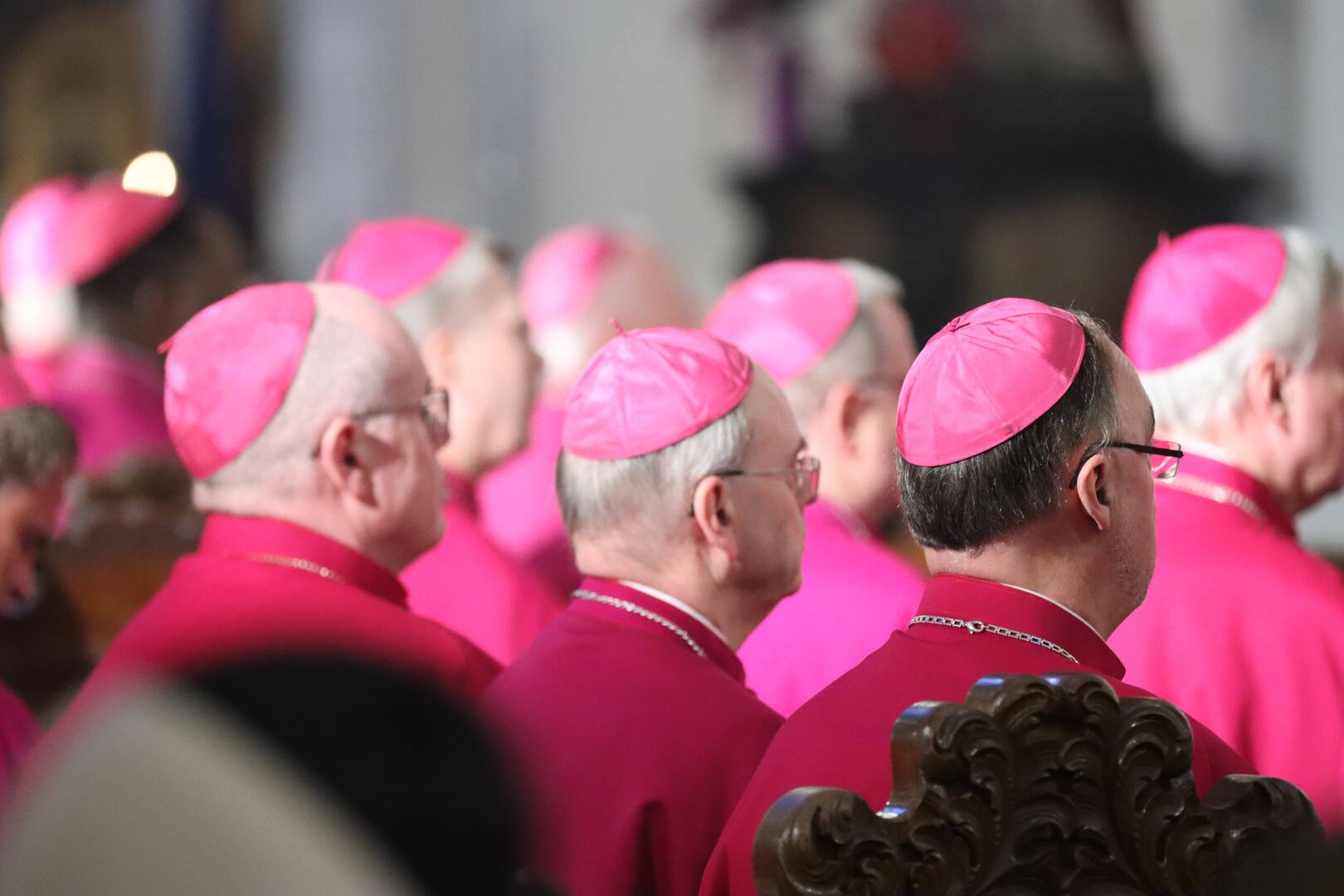
The Vatican’s message for Vesak calls Buddhists and Christians to promote an “unarmed and disarming” peace rooted in truth, compassion, and mutual trust.

Read More