![‘He died doing what he loved’: Memories of the Ecuadorian priest who died at the altar #Catholic “He died doing what he loved, the Eucharist” is how Father Pedro Calle remembered his fellow Redemptorist, Father Patricio Sánchez Molinari, who died Oct. 17 after a large crucifix broke loose from the sanctuary wall and fell on him during Mass.“It’s not so easy to process or come to terms with this situation, given the way it happened,” Calle shared in an interview with EWTN News Español, the Spanish-language sister service of EWTN News. “I could break down at any moment because of the pain I feel inside.”Calle lives in Quito, Ecuador, and manages the administrative needs of the Redemptorist congregation in the Andean-Caribbean Province, which comprises Venezuela, Colombia, and Ecuador. He is currently in Guayaquil serving also as the legal representative to handle matters related to Sánchez’s death. He is also taking part in the Oct. 19–27 novena for the repose of his soul.
Father Patricio Sánchez Molinari with some of the faithful at Our Lady of Perpetual Help Church. | Credit: Photo courtesy of Father Pedro Calle
“He died embracing the cross. The crucifix was not damaged, save for the part of the leg [of the corpus]. It is striking how he celebrated the Lord’s passover, and the Lord celebrated his passover with him… And Patricio died doing what he loved: the Eucharist,” the priest emphasized.He loved the Eucharist and the Blessed Virgin MaryCalle described Sánchez as a man “with a pure heart and a ready smile, a smile that created a sense of closeness. People were drawn to him because of his purity of heart, in which there was no trace of ill intent. He was always so very calm, patient, and tolerant.”“He very much loved the Blessed Sacrament. Wherever he went to any parish he would always emphasize this devotion. And he was always the first one there; he wouldn’t just expose the Blessed Sacrament for a while and then leave, he would stay to pray,” the priest recounted.Sánchez served in Loja, in southern Ecuador, and later in a mission area called Vinces. He also spent nine years at a parish in Manta, and finally about four years in Guayaquil, at Our Lady of Perpetual Help Church. He served as the pastor there, and it was in that church that he died.
Father Patricio Sánchez Molinari with some of the faithful. | Credit: Photo courtesy of Father Pedro Calle
“He also loved the Most Holy Virgin Mary. We can describe Patricio as someone who throughout his ministry everyone felt his closeness to them, absolutely everyone,” the Redemptorist priest highlighted.“He was always a very dedicated man, always spiritual and pastoral. He would say ‘yes’ to everyone. We could say, then, that he was a hardworking man, very self-sacrificing, very devoted,” he remarked.Calle further noted that “Patricio was a very simple person, very approachable and full of human warmth. That’s why his homilies were so simple.”“My enduring memory of Patricio,” he added, “is that he was a very welcoming person, always concerned with making sure one had something to eat or drink. He enjoyed going to the cinema and was an athletic person; he liked going for a walk and swimming.”‘A sign of grace’The priest shared that he never had a conversation with Sánchez about how he would have liked to be remembered, but he highlighted one aspect he has been reflecting on in recent days following the tragic death of his fellow priest.“Patricio’s death will become, or is already becoming, a sign of grace for Catholics and for humanity, given the fact that he was in the midst of broadcasting [the Mass] and that the tragedy unfolded in precisely this way, rather than any other. That was a message for everyone,” Calle remarked.
Father Patricio Sánchez Molinari with a group of the faithful. | Credit: Photo courtesy of Father Pedro Calle
The priest remarked, in closing, that he does not know where the story of this priest will ultimately lead but that it certainly will not leave anyone indifferent.“I don’t know if his mission is beginning now. I cannot offer any certainty or assurance; it is simply a personal perception, based on the context and the way he died.”‘One day, all of us here will also die’Sánchez was born on Nov. 6, 1973, in Cuenca, Ecuador. He made his profession in the Congregation of the Most Holy Redeemer (Redemptorists) on Aug. 15, 2000, the solemnity of the Assumption of the Blessed Virgin Mary. He was ordained a priest on Oct. 15, 2005.He was pastor at Our Lady of Perpetual Help Parish in south Guayaquil. He served as the superior of his religious community, where he lived alongside a fellow religious brother who had taken his perpetual vows.In his final homily, on the day of his death, he spoke about the importance of making time for God. “He must come first,” he said, adding: “Dear brothers and sisters, one day, all of us here will also die. Sometimes, the time we have spent on material things does not hold as much meaning as the time we dedicate to God, that quality time we give to God, to our brothers and sisters, to our wife, our husband, to our children, and to our families. That is time spent in the best possible way.”This story was first published by EWTN News Español, the Spanish-language sister service of EWTN News. It has been translated and adapted by EWTN News English.](https://unitedyam.com/wp-content/uploads/2026/10/he-died-doing-what-he-loved-memories-of-the-ecuadorian-priest-who-died-at-the-altar-catholic-he-died-doing-what-he-loved-the-eucharist-is-how-father-pedro-calle.jpg "‘He died doing what he loved’: Memories of the Ecuadorian priest who died at the altar #Catholic “He died doing what he loved, the Eucharist” is how Father Pedro Calle remembered his fellow Redemptorist, Father Patricio Sánchez Molinari, who died Oct. 17 after a large crucifix broke loose from the sanctuary wall and fell on him during Mass.“It’s not so easy to process or come to terms with this situation, given the way it happened,” Calle shared in an interview with EWTN News Español, the Spanish-language sister service of EWTN News. “I could break down at any moment because of the pain I feel inside.”Calle lives in Quito, Ecuador, and manages the administrative needs of the Redemptorist congregation in the Andean-Caribbean Province, which comprises Venezuela, Colombia, and Ecuador. He is currently in Guayaquil serving also as the legal representative to handle matters related to Sánchez’s death. He is also taking part in the Oct. 19–27 novena for the repose of his soul.
Father Patricio Sánchez Molinari with some of the faithful at Our Lady of Perpetual Help Church. | Credit: Photo courtesy of Father Pedro Calle
“He died embracing the cross. The crucifix was not damaged, save for the part of the leg [of the corpus]. It is striking how he celebrated the Lord’s passover, and the Lord celebrated his passover with him… And Patricio died doing what he loved: the Eucharist,” the priest emphasized.He loved the Eucharist and the Blessed Virgin MaryCalle described Sánchez as a man “with a pure heart and a ready smile, a smile that created a sense of closeness. People were drawn to him because of his purity of heart, in which there was no trace of ill intent. He was always so very calm, patient, and tolerant.”“He very much loved the Blessed Sacrament. Wherever he went to any parish he would always emphasize this devotion. And he was always the first one there; he wouldn’t just expose the Blessed Sacrament for a while and then leave, he would stay to pray,” the priest recounted.Sánchez served in Loja, in southern Ecuador, and later in a mission area called Vinces. He also spent nine years at a parish in Manta, and finally about four years in Guayaquil, at Our Lady of Perpetual Help Church. He served as the pastor there, and it was in that church that he died.
Father Patricio Sánchez Molinari with some of the faithful. | Credit: Photo courtesy of Father Pedro Calle
“He also loved the Most Holy Virgin Mary. We can describe Patricio as someone who throughout his ministry everyone felt his closeness to them, absolutely everyone,” the Redemptorist priest highlighted.“He was always a very dedicated man, always spiritual and pastoral. He would say ‘yes’ to everyone. We could say, then, that he was a hardworking man, very self-sacrificing, very devoted,” he remarked.Calle further noted that “Patricio was a very simple person, very approachable and full of human warmth. That’s why his homilies were so simple.”“My enduring memory of Patricio,” he added, “is that he was a very welcoming person, always concerned with making sure one had something to eat or drink. He enjoyed going to the cinema and was an athletic person; he liked going for a walk and swimming.”‘A sign of grace’The priest shared that he never had a conversation with Sánchez about how he would have liked to be remembered, but he highlighted one aspect he has been reflecting on in recent days following the tragic death of his fellow priest.“Patricio’s death will become, or is already becoming, a sign of grace for Catholics and for humanity, given the fact that he was in the midst of broadcasting [the Mass] and that the tragedy unfolded in precisely this way, rather than any other. That was a message for everyone,” Calle remarked.
Father Patricio Sánchez Molinari with a group of the faithful. | Credit: Photo courtesy of Father Pedro Calle
The priest remarked, in closing, that he does not know where the story of this priest will ultimately lead but that it certainly will not leave anyone indifferent.“I don’t know if his mission is beginning now. I cannot offer any certainty or assurance; it is simply a personal perception, based on the context and the way he died.”‘One day, all of us here will also die’Sánchez was born on Nov. 6, 1973, in Cuenca, Ecuador. He made his profession in the Congregation of the Most Holy Redeemer (Redemptorists) on Aug. 15, 2000, the solemnity of the Assumption of the Blessed Virgin Mary. He was ordained a priest on Oct. 15, 2005.He was pastor at Our Lady of Perpetual Help Parish in south Guayaquil. He served as the superior of his religious community, where he lived alongside a fellow religious brother who had taken his perpetual vows.In his final homily, on the day of his death, he spoke about the importance of making time for God. “He must come first,” he said, adding: “Dear brothers and sisters, one day, all of us here will also die. Sometimes, the time we have spent on material things does not hold as much meaning as the time we dedicate to God, that quality time we give to God, to our brothers and sisters, to our wife, our husband, to our children, and to our families. That is time spent in the best possible way.”This story was first published by EWTN News Español, the Spanish-language sister service of EWTN News. It has been translated and adapted by EWTN News English.")

The late Father Patricio Sánchez Molinari was described as a man “with a pure heart and a ready smile … he was always so very calm, patient, and tolerant.” asFather Patricio Sánchez
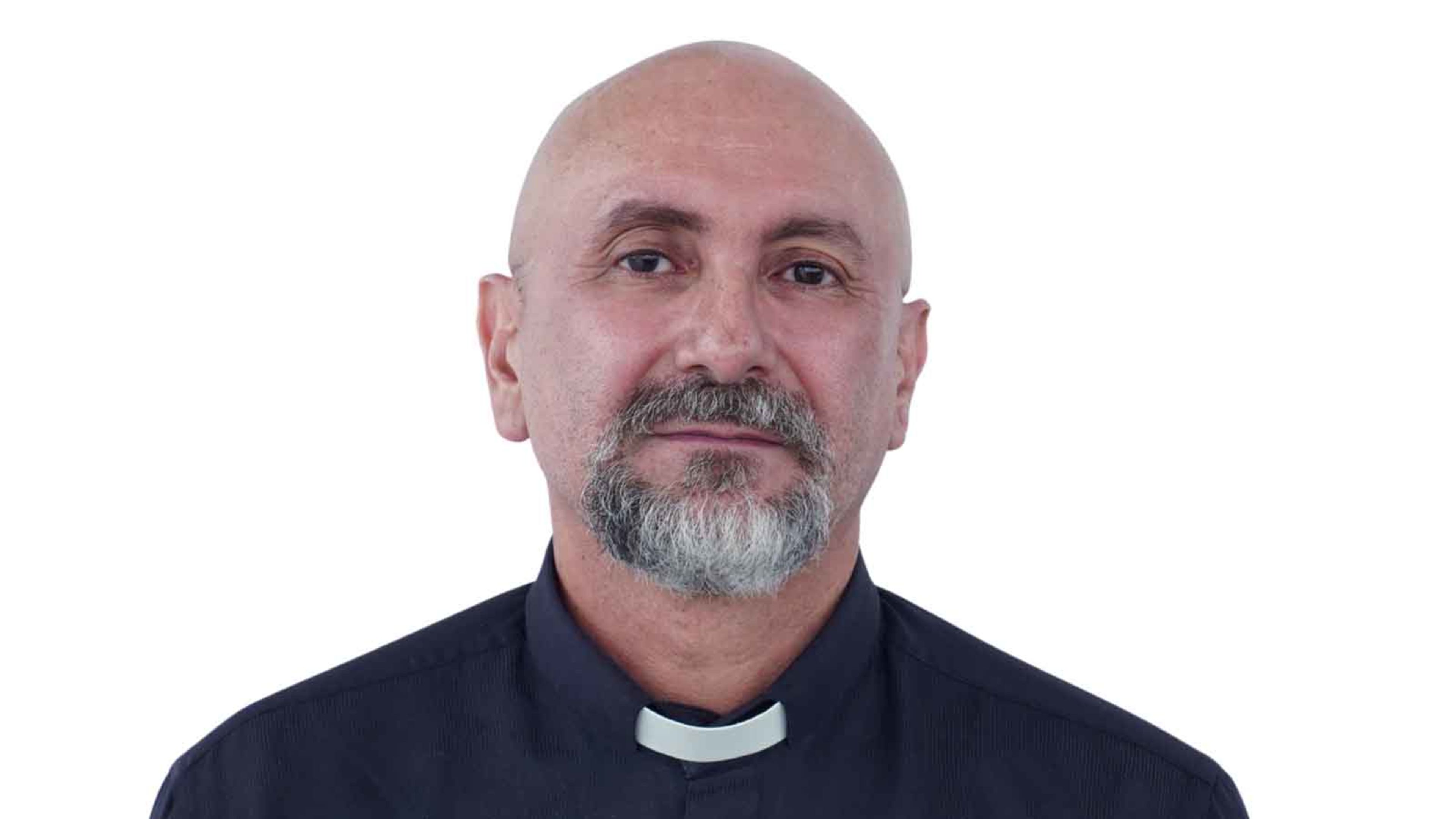
The late Father Patricio Sánchez Molinari was described as a man “with a pure heart and a ready smile … he was always so very calm, patient, and tolerant.” asFather Patricio Sánchez