Racism

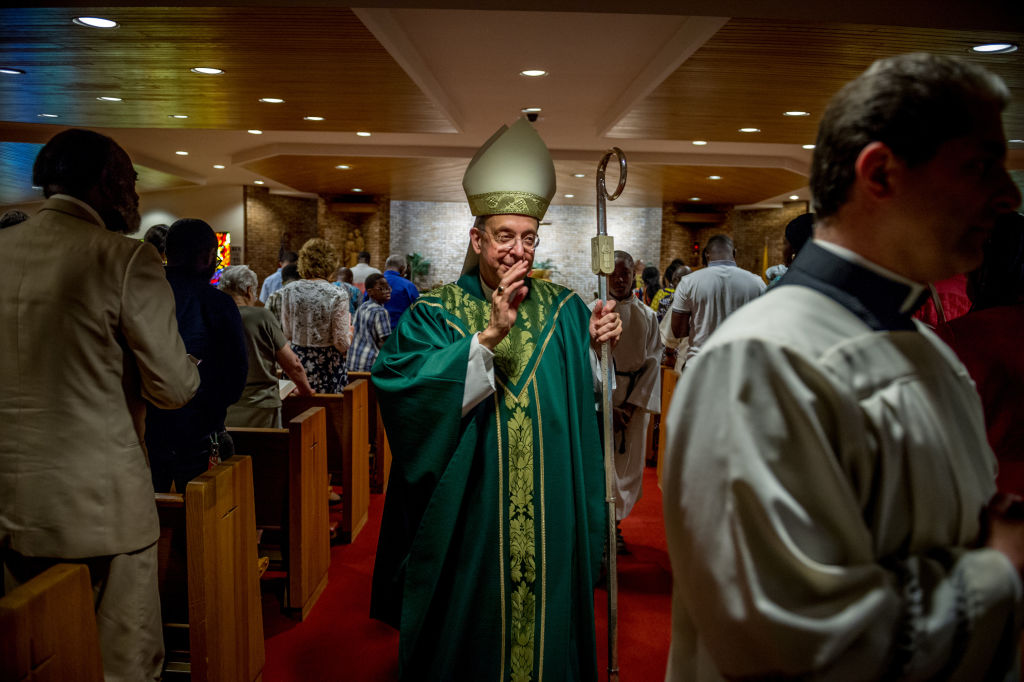
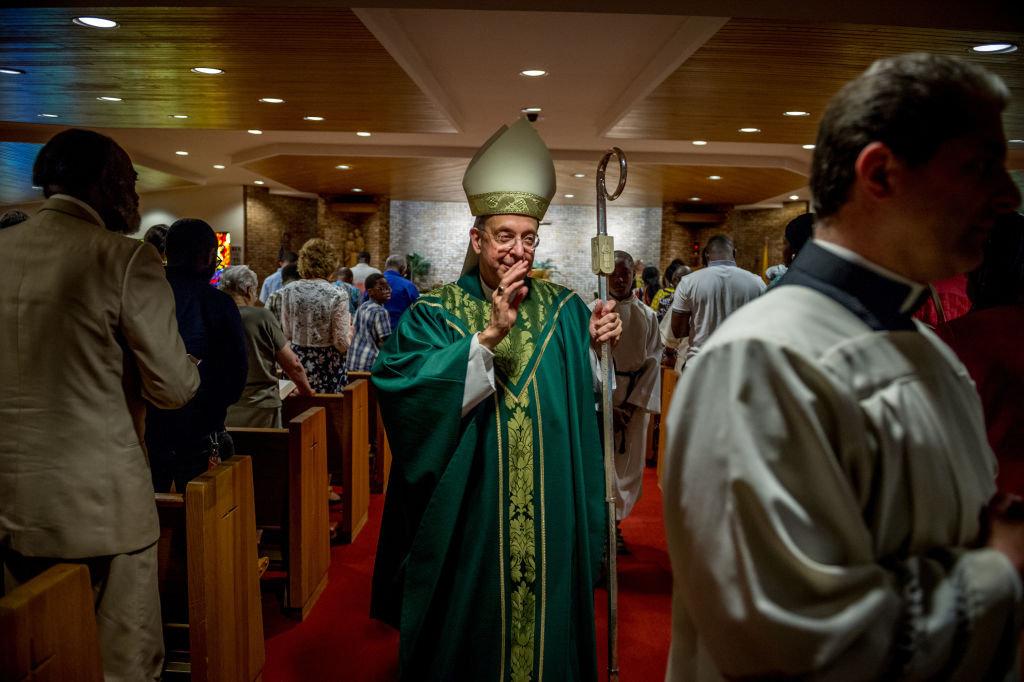
Archbishop Lori tells women religious: ‘The Church looks to you with hope’ #Catholic Baltimore Archbishop William Lori this week praised an assembly of women religious major superiors for their witness of “evangelical poverty,” with the prelate noting the outsized influence that women religious have had on American society over the past 250 years. “You and those who came before you have taught our children, tended to the sick, welcomed immigrants, accompanied the dying, consoled the brokenhearted, and proclaimed Christ where no one else was willing to go,” the archbishop told the major superiors on Sept. 18 in Florissant, Missouri.“For that, the Church gives thanks. But gratitude alone is not enough. The Church also looks to you with hope,” he said. The archbishop spoke at the 2026 National Assembly of the Council of Major Superiors of Women Religious, the theme of which was: “250 Years of Freedom: Daughters of the Church from One Generation to the Next.”The council comprises major superiors and vicars from 112 religious communities around the U.S. The group describes its national assembly as “the springboard for collaboration, participation, and dialogue among members” which “promotes unity among the major superiors that gives witness to the joy of religious life.”Addressing the gathering as the keynote speaker, Lori acknowledged the assembly’s recognition of the 250th anniversary of the founding of the United States. The U.S. has been instrumental in advancing religious freedom and human dignity across the world, the archbishop argued. He noted that most histories of the founding of the U.S. focus on the Founding Fathers such as George Washington, Thomas Jefferson and others. But “the American experiment would have looked very different” without the contributions of “thousands and thousands of women religious,” he said.“Who welcomed wave after wave of immigrants? Who cared for the victims of epidemics when others fled? Who taught generations of children not simply arithmetic and grammar, but honesty, sacrifice, discipline, and love of God?” he said. Women religious “changed the nation because they first allowed Christ to change them,” the archbishop said. He noted the “paradox” in which those who take vows of poverty “enriched countless communities” and those who “renounced worldly ambition” often “exercised the greatest influence upon society.” “The world struggles to understand this paradox,” Lori said. “The Gospel does not.” Women religious have historically both upheld the ideals of America while challenging it when it “falls short of the Gospel,” Lori said. He cited the witness of St. Frances Xavier Cabrini’s “evangelical poverty” as she carried out the founding of schools, hospitals and orphanages around the world. And he further pointed to the work of Servant of God Sister Mary Thea Bowman,  praising her for her “profoundly Catholic way” of confronting racism while evangelizing about the love of Christ. Urging the women religious to pursue “an ever-new embrace of the heart of your vocation,” Lori told the assembly: “The world needs women who have been seized by Christ.”“It needs women whose lives bear unmistakable witness to the truth that God is real, that holiness is possible, that sacrifice is fruitful, and that love poured out in communion with Christ can transform the world,” he said.

Archbishop Lori tells women religious: ‘The Church looks to you with hope’ #Catholic Baltimore Archbishop William Lori this week praised an assembly of women religious major superiors for their witness of “evangelical poverty,” with the prelate noting the outsized influence that women religious have had on American society over the past 250 years. “You and those who came before you have taught our children, tended to the sick, welcomed immigrants, accompanied the dying, consoled the brokenhearted, and proclaimed Christ where no one else was willing to go,” the archbishop told the major superiors on Sept. 18 in Florissant, Missouri.“For that, the Church gives thanks. But gratitude alone is not enough. The Church also looks to you with hope,” he said. The archbishop spoke at the 2026 National Assembly of the Council of Major Superiors of Women Religious, the theme of which was: “250 Years of Freedom: Daughters of the Church from One Generation to the Next.”The council comprises major superiors and vicars from 112 religious communities around the U.S. The group describes its national assembly as “the springboard for collaboration, participation, and dialogue among members” which “promotes unity among the major superiors that gives witness to the joy of religious life.”Addressing the gathering as the keynote speaker, Lori acknowledged the assembly’s recognition of the 250th anniversary of the founding of the United States. The U.S. has been instrumental in advancing religious freedom and human dignity across the world, the archbishop argued. He noted that most histories of the founding of the U.S. focus on the Founding Fathers such as George Washington, Thomas Jefferson and others. But “the American experiment would have looked very different” without the contributions of “thousands and thousands of women religious,” he said.“Who welcomed wave after wave of immigrants? Who cared for the victims of epidemics when others fled? Who taught generations of children not simply arithmetic and grammar, but honesty, sacrifice, discipline, and love of God?” he said. Women religious “changed the nation because they first allowed Christ to change them,” the archbishop said. He noted the “paradox” in which those who take vows of poverty “enriched countless communities” and those who “renounced worldly ambition” often “exercised the greatest influence upon society.” “The world struggles to understand this paradox,” Lori said. “The Gospel does not.” Women religious have historically both upheld the ideals of America while challenging it when it “falls short of the Gospel,” Lori said. He cited the witness of St. Frances Xavier Cabrini’s “evangelical poverty” as she carried out the founding of schools, hospitals and orphanages around the world. And he further pointed to the work of Servant of God Sister Mary Thea Bowman, praising her for her “profoundly Catholic way” of confronting racism while evangelizing about the love of Christ. Urging the women religious to pursue “an ever-new embrace of the heart of your vocation,” Lori told the assembly: “The world needs women who have been seized by Christ.”“It needs women whose lives bear unmistakable witness to the truth that God is real, that holiness is possible, that sacrifice is fruitful, and that love poured out in communion with Christ can transform the world,” he said.

The Baltimore archbishop gave the keynote address to the Council of Major Superiors of Women Religious meeting in Missouri.
Read More
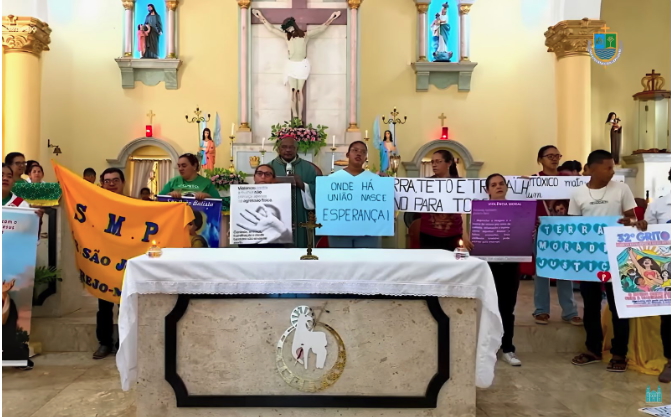
Controversial ‘Creed of the Ecclesial Base Communities’ included at Mass in Brazil #Catholic On Sept. 7, Bishop José Valdeci Santos Mendes of Brejo, Maranhão, Brazil, celebrated Mass as part of a national Cry of the Excluded event. During the Mass, the "Creed of the Ecclesial Base Communities” (known as CEBs, by their synonym in Portuguese) was read. This creed, developed in 2016, professes belief in “a God/Goddess present in the diverse experiences of the communities: a God who is close, a liberating and revolutionary God, a God who is a member of the CEBs, who works and struggles just as Jesus of Nazareth did.”Following the distribution of the Eucharist but before the final blessing, the bishop — who chairs the Episcopal Commission for Social-Transformative Action of the National Conference of Bishops of Brazil (CEPAST-CNBB, by its Portuguese acronym) — introduced the referenced creed. He called it a “supplication from the youth of Latin America, who stand before God asking him to come to meet us,” and entrusted the creed’s recitation to two young men.“We do not believe in a static, patriarchal, clerical, and hierarchical Church,” stated the text read by the young men at the Cathedral of Our Lady of the Conception. “We believe in an inclusive, intergenerational community with a voice of its own. We believe in this Church that struggles, ‘casting its lot with the poor of the earth’ in the face of a dominant capitalist system.”“We believe we are daughters and sons of a ‘Great Homeland’ free from racism and free from rules governing love — embracing all sexual diversity, women, youth, Indigenous peoples, Black people, minorities, and all those at the bottom of the social order.”The Creed of the Ecclesial Base Communities is part of a suggested liturgy outline for Masses, worship services, and public gatherings marking the 32nd Cry of the Excluded — a mobilization bringing together pastoral groups, Catholic organizations, and social movements, held annually on Brazil’s Independence Day. CEPAST has called upon dioceses, pastoral groups, and grassroots movements to strengthen this mobilization within their respective jurisdictions this year.In a message released in June regarding the 2026 elections, the CNBB (National Conference of Bishops of Brazil) stated that “the Catholic Church does not endorse candidates or political parties” but affirmed that the Church, “driven by the Gospel and the mission to proclaim it, promotes life and human dignity, and serves the building of the common good.”Elections, the CEB Creed, and prayersDuring the penitential rite, Mass participants asked for forgiveness for “times when we did not take the country’s destiny seriously during elections” and for failing to speak out against “candidacies backed by economic power that will harm the people and potentially even impose authoritarian regimes.”The other parts of the penitential rite address wars, people living on the streets, real estate speculation, housing movements, violence against women, and femicide.During the Prayers of the Faithful, an intention regarding the elections was also included: “For this election season, that we may have the discernment not to vote for anyone who seeks to jeopardize Brazil’s sovereignty or harbors plans for a coup. May we not vote for politicians and parties that wish to turn the public good into an object of profit. Sovereignty is not negotiable.” The assembly’s response was: “Deliver us, Lord, from all those who use politics to betray the Brazilian people!”CEPAST states it did not draft the liturgy guideCEPAST’s communications office told ACI Digital, the Portuguese-language sister service of EWTN News, that the CNBB commission did not participate in drafting the document. “The ‘Cry of the Excluded’ is a coalition formed by various organizations, and CEPAST did not participate in drafting the liturgy guide,” said Juce Rocha of the commission’s communications team.The National Coordination of the Cry of the Excluded includes among its participants Catholic pastoral groups, organizations, and social movements such as the Pastoral Land Commission (CPT), Caritas Brazil, the Workers' Pastoral, the Migrants' Pastoral Service, Base Ecclesial Communities (CEBs), the Landless Rural Workers' Movement (MST), the Movement of People Affected by Dams (MAB), the Central of Popular Movements (CMP), and the National Confederation of Education Workers (CNTE).The national map for this year’s “Cry” documented activities in all regions of the country. In Cachoeiro de Itapemirim, Espírito Santo, a march brought together the faithful, pastoral groups, and representatives of social movements, concluding at St. Peterʼs Cathedral, where Bishop Luiz Fernando Lisboa participated in the mobilization. In Santos, São Paulo, the “Cry” was part of the dioceseʼs official agenda and was attended by Bishop Joaquim Giovani Mol Guimarães.
 
 In Cachoeiro de Itapemirim, Brazil, a march brought together the faithful, pastoral groups, and representatives of social movements, concluding at St. Peter’s Cathedral. | Credit: Diocese of Cachoeiro de Itapemirim
 
 The same order of service was not followed at all Masses linked to the Cry. At the National Shrine of Aparecida in São Paulo, for instance, the Sept. 7 Mass was celebrated within the context of both the 39th Workers' Pilgrimage and the 32nd Cry of the Excluded. The Mass was celebrated by the archbishop of Aparecida, Mário Antonio da Silva; among the concelebrants was the bishop of the Prelature of Marajó, Pará, José Ionilton Lisboa de Oliveira, president of the Pastoral Land Commission.The Cry was mentioned during the Mass and the homily, but the program used in Brejo was not adopted for the celebration.The Cry of the Excluded first emerged during the evaluation of the second Brazilian Social Week — promoted by the CNBB in 1993 and 1994 — as a way to continue the reflections from that process. The initiative was also inspired by the 1995 Fraternity Campaign, which featured the theme “Fraternity and the Excluded” and the motto “Was it you, Lord?”The first edition took place on Sept. 7, 1995, in 170 locations. In 1996, the CNBB adopted the Cry during its general assembly as part of the Toward the New Millennium Project.Today, the mobilization is led by a National Coordination body comprising the CNBB’s Commission 8, Catholic pastoral groups and organizations, and various social movements and entities — including the CPT, Cáritas Brasileira, the Workers‘ Pastoral, the Migrants’ Pastoral Service, CEBs, the MST, MAB, CMP, and CNTE.According to the event’s organizers, the choice of Sept. 7 is intended to provide a “counterpoint” to the official Independence Day commemoration. The date has also been identified by the event’s organizers as a moment for “political awareness” and the struggle for a “new national and global order.”While the movement’s longtime theme is “Life Comes First!”, the slogan for 2026 is: “In defense of the land, peace, and housing, we raise our voices: Women alive and sovereignty!” National demands include ending the “6×1” (six days of work and one day off) work schedule, ensuring dignified housing, agrarian reform, quality public education, and the defense of the SUS (Unified Health System), as well as combating femicide, racism, and what is termed as “LGBTphobia.”The event’s website states that the choice of Sept. 7 seeks to offer a “counterpoint to the official history of Brazilʼs independence. Contrasting with the civic and military parades that have traditionally marked the day, it calls upon the people — especially the poor and the excluded — to step down from the grandstands, leave passive patriotism behind, and occupy public squares and streets in defense of their rights.”This story was first published by ACI Digital, the Portuguese-language sister service of EWTN News. It has been translated and adapted by EWTN News English.

Controversial ‘Creed of the Ecclesial Base Communities’ included at Mass in Brazil #Catholic On Sept. 7, Bishop José Valdeci Santos Mendes of Brejo, Maranhão, Brazil, celebrated Mass as part of a national Cry of the Excluded event. During the Mass, the "Creed of the Ecclesial Base Communities” (known as CEBs, by their synonym in Portuguese) was read. This creed, developed in 2016, professes belief in “a God/Goddess present in the diverse experiences of the communities: a God who is close, a liberating and revolutionary God, a God who is a member of the CEBs, who works and struggles just as Jesus of Nazareth did.”Following the distribution of the Eucharist but before the final blessing, the bishop — who chairs the Episcopal Commission for Social-Transformative Action of the National Conference of Bishops of Brazil (CEPAST-CNBB, by its Portuguese acronym) — introduced the referenced creed. He called it a “supplication from the youth of Latin America, who stand before God asking him to come to meet us,” and entrusted the creed’s recitation to two young men.“We do not believe in a static, patriarchal, clerical, and hierarchical Church,” stated the text read by the young men at the Cathedral of Our Lady of the Conception. “We believe in an inclusive, intergenerational community with a voice of its own. We believe in this Church that struggles, ‘casting its lot with the poor of the earth’ in the face of a dominant capitalist system.”“We believe we are daughters and sons of a ‘Great Homeland’ free from racism and free from rules governing love — embracing all sexual diversity, women, youth, Indigenous peoples, Black people, minorities, and all those at the bottom of the social order.”The Creed of the Ecclesial Base Communities is part of a suggested liturgy outline for Masses, worship services, and public gatherings marking the 32nd Cry of the Excluded — a mobilization bringing together pastoral groups, Catholic organizations, and social movements, held annually on Brazil’s Independence Day. CEPAST has called upon dioceses, pastoral groups, and grassroots movements to strengthen this mobilization within their respective jurisdictions this year.In a message released in June regarding the 2026 elections, the CNBB (National Conference of Bishops of Brazil) stated that “the Catholic Church does not endorse candidates or political parties” but affirmed that the Church, “driven by the Gospel and the mission to proclaim it, promotes life and human dignity, and serves the building of the common good.”Elections, the CEB Creed, and prayersDuring the penitential rite, Mass participants asked for forgiveness for “times when we did not take the country’s destiny seriously during elections” and for failing to speak out against “candidacies backed by economic power that will harm the people and potentially even impose authoritarian regimes.”The other parts of the penitential rite address wars, people living on the streets, real estate speculation, housing movements, violence against women, and femicide.During the Prayers of the Faithful, an intention regarding the elections was also included: “For this election season, that we may have the discernment not to vote for anyone who seeks to jeopardize Brazil’s sovereignty or harbors plans for a coup. May we not vote for politicians and parties that wish to turn the public good into an object of profit. Sovereignty is not negotiable.” The assembly’s response was: “Deliver us, Lord, from all those who use politics to betray the Brazilian people!”CEPAST states it did not draft the liturgy guideCEPAST’s communications office told ACI Digital, the Portuguese-language sister service of EWTN News, that the CNBB commission did not participate in drafting the document. “The ‘Cry of the Excluded’ is a coalition formed by various organizations, and CEPAST did not participate in drafting the liturgy guide,” said Juce Rocha of the commission’s communications team.The National Coordination of the Cry of the Excluded includes among its participants Catholic pastoral groups, organizations, and social movements such as the Pastoral Land Commission (CPT), Caritas Brazil, the Workers' Pastoral, the Migrants' Pastoral Service, Base Ecclesial Communities (CEBs), the Landless Rural Workers' Movement (MST), the Movement of People Affected by Dams (MAB), the Central of Popular Movements (CMP), and the National Confederation of Education Workers (CNTE).The national map for this year’s “Cry” documented activities in all regions of the country. In Cachoeiro de Itapemirim, Espírito Santo, a march brought together the faithful, pastoral groups, and representatives of social movements, concluding at St. Peterʼs Cathedral, where Bishop Luiz Fernando Lisboa participated in the mobilization. In Santos, São Paulo, the “Cry” was part of the dioceseʼs official agenda and was attended by Bishop Joaquim Giovani Mol Guimarães. In Cachoeiro de Itapemirim, Brazil, a march brought together the faithful, pastoral groups, and representatives of social movements, concluding at St. Peter’s Cathedral. | Credit: Diocese of Cachoeiro de Itapemirim The same order of service was not followed at all Masses linked to the Cry. At the National Shrine of Aparecida in São Paulo, for instance, the Sept. 7 Mass was celebrated within the context of both the 39th Workers' Pilgrimage and the 32nd Cry of the Excluded. The Mass was celebrated by the archbishop of Aparecida, Mário Antonio da Silva; among the concelebrants was the bishop of the Prelature of Marajó, Pará, José Ionilton Lisboa de Oliveira, president of the Pastoral Land Commission.The Cry was mentioned during the Mass and the homily, but the program used in Brejo was not adopted for the celebration.The Cry of the Excluded first emerged during the evaluation of the second Brazilian Social Week — promoted by the CNBB in 1993 and 1994 — as a way to continue the reflections from that process. The initiative was also inspired by the 1995 Fraternity Campaign, which featured the theme “Fraternity and the Excluded” and the motto “Was it you, Lord?”The first edition took place on Sept. 7, 1995, in 170 locations. In 1996, the CNBB adopted the Cry during its general assembly as part of the Toward the New Millennium Project.Today, the mobilization is led by a National Coordination body comprising the CNBB’s Commission 8, Catholic pastoral groups and organizations, and various social movements and entities — including the CPT, Cáritas Brasileira, the Workers‘ Pastoral, the Migrants’ Pastoral Service, CEBs, the MST, MAB, CMP, and CNTE.According to the event’s organizers, the choice of Sept. 7 is intended to provide a “counterpoint” to the official Independence Day commemoration. The date has also been identified by the event’s organizers as a moment for “political awareness” and the struggle for a “new national and global order.”While the movement’s longtime theme is “Life Comes First!”, the slogan for 2026 is: “In defense of the land, peace, and housing, we raise our voices: Women alive and sovereignty!” National demands include ending the “6×1” (six days of work and one day off) work schedule, ensuring dignified housing, agrarian reform, quality public education, and the defense of the SUS (Unified Health System), as well as combating femicide, racism, and what is termed as “LGBTphobia.”The event’s website states that the choice of Sept. 7 seeks to offer a “counterpoint to the official history of Brazilʼs independence. Contrasting with the civic and military parades that have traditionally marked the day, it calls upon the people — especially the poor and the excluded — to step down from the grandstands, leave passive patriotism behind, and occupy public squares and streets in defense of their rights.”This story was first published by ACI Digital, the Portuguese-language sister service of EWTN News. It has been translated and adapted by EWTN News English.

This past Sept. 7, the “Creed of the Ecclesial Base Communities” was included as part of a Mass marking Brazil’s annual “Cry of the Excluded” event.
Read More
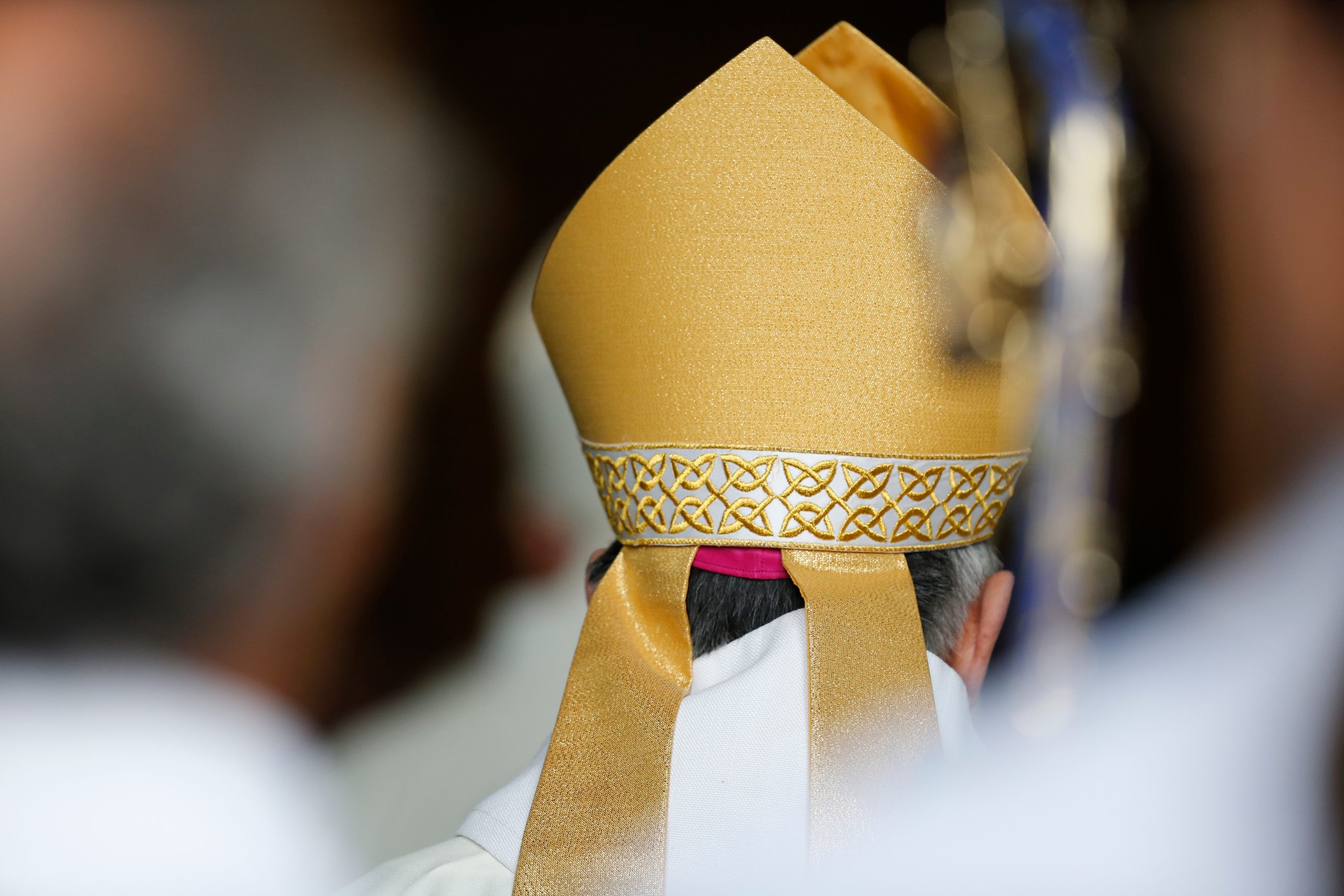
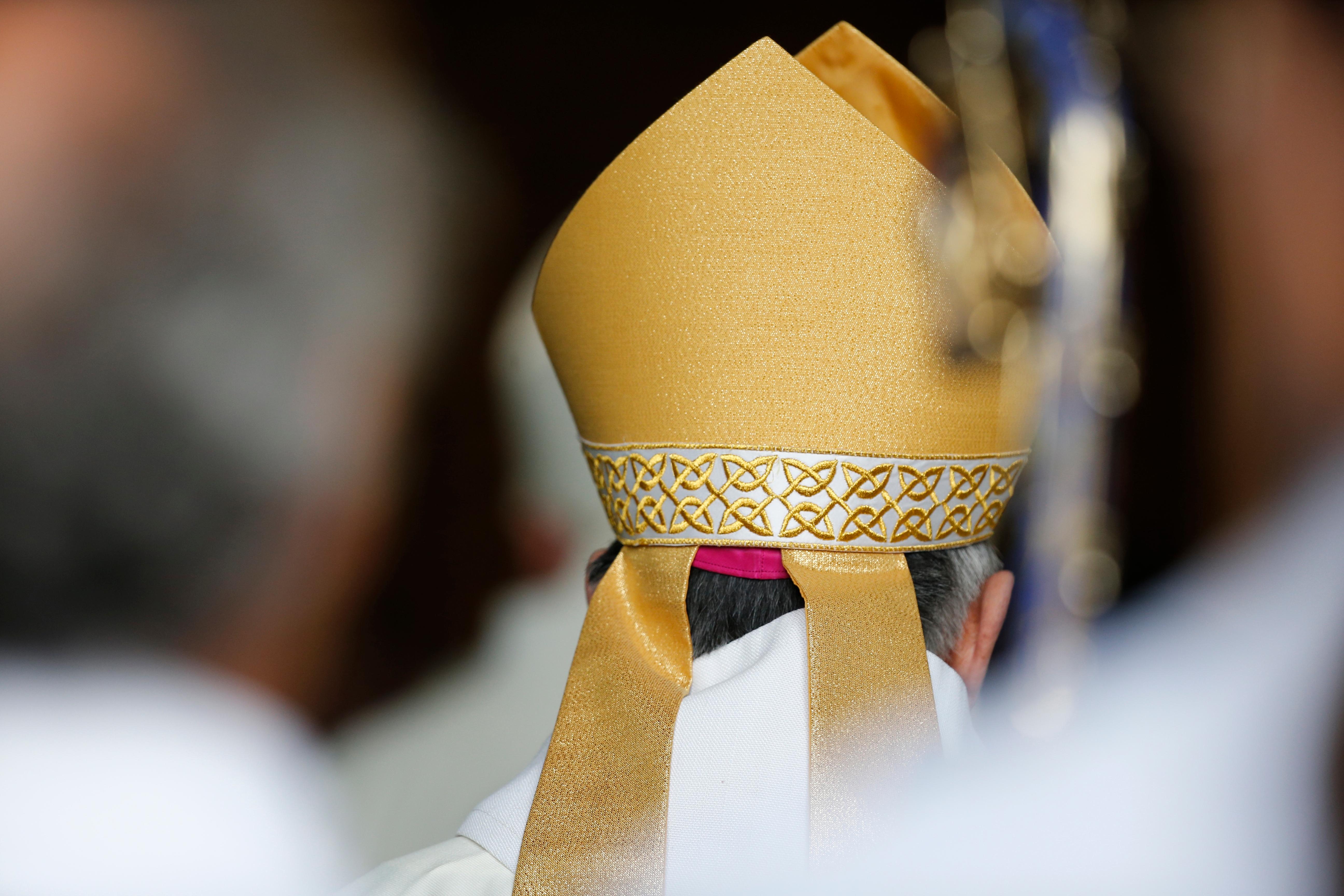
Abuse prevention, liturgy central to Vatican courses for new bishops #Catholic The Vatican is hosting its annual formation course for newly appointed bishops from Sept. 2-10, bringing together 147 prelates from five continents to strengthen ecclesial communion and provide practical tools for the exercise of episcopal ministry.The program has been a fixture of the Church calendar since 2000, when it was launched by St. John Paul II. Described by Vatican media as a condensed “master’s program” for new bishops, it is designed to foster the exchange of experiences among pastors from widely differing cultural, social, and ecclesial contexts while offering practical guidance for governing local churches.This year’s participants come from countries across Africa, Asia, Oceania, and Latin America, including Algeria, Bangladesh, Cameroon, Colombia, Côte d’Ivoire, Ethiopia, the Philippines, Ghana, Honduras, India, Indonesia, Kenya, Madagascar, Mali, Myanmar, Namibia, Papua New Guinea, Peru, the Central African Republic, Senegal, the Seychelles, the Solomon Islands, Sri Lanka, South Africa, Vietnam, Zimbabwe, Kyrgyzstan, and Thailand.Most of the world’s bishops fall under the jurisdiction of the Dicastery for Bishops, which oversees the creation of dioceses, episcopal appointments, and matters related to episcopal governance in the Latin Church. Bishops serving in missionary territories, however, are under the Dicastery for Evangelization, specifically its Section for First Evangelization and New Particular Churches.Of the 147 participants, 98 are following the program organized by the Dicastery for Bishops under the theme, “In Christ, Guardians of the Magnifica Humanitas in Times of Transformation.” The remaining 49 are participating in a course sponsored by the Dicastery for Evangelization titled, “Servants of Communion in the Church.”Both tracks combine lectures, liturgical celebrations, fraternal gatherings, and working sessions led by cardinals, archbishops, and senior officials of the Roman Curia.Instagram postLiturgy, mission, and safeguarding against abuseThe program addresses key issues facing the Church, including liturgy, evangelization, child protection, financial administration, transparency, priestly formation, synodality, interreligious dialogue, the growth of new sects, and the handling of clergy-related crises.The course organized by the Dicastery for Bishops includes presentations by Cardinal Claudio Gugerotti, prefect of the Dicastery for the Eastern Churches, who will reflect on episcopal ministry, and Archbishop Vittorio Viola, secretary of the Dicastery for Divine Worship and the Discipline of the Sacraments, who will discuss liturgical matters.On Sept. 4, Archbishop Luis Javier Argüello García, president of the Spanish Bishops’ Conference, will offer reflections on the bishop’s mission within the family and society.That afternoon, attention will turn to safeguarding minors, promoting a culture of prevention, and handling abuse cases, with a presentation by Archbishop Thibault Verny, president of the Pontifical Commission for the Protection of Minors.The day will conclude with a lecture by Cardinal Pietro Parolin, the Vatican secretary of state, on the Holy See’s role in a globalized world and its efforts to promote peace.On Sept. 5, Cardinal José Tolentino de Mendonça, prefect of the Dicastery for Culture and Education, will examine the cultural changes reshaping the contemporary world.Cardinal Angelo De Donatis, as head of the Church tribunal responsible for matters of conscience, will provide a detailed explanation of the norms, theology, and limits of the Church’s absolute seal of secrecy, particularly regarding sacramental confession.Tribalism, sects, and missionary challengesThe program for bishops from territories under the Dicastery for Evangelization is being held at the Pontifical Missionary College of St. Peter the Apostle.Formal activities began Sept. 3 with a session focused on missionary work and the services provided by the dicastery to churches in mission territories.Cardinal Luis Antonio Tagle is serving as host, while Archbishop Fortunatus Nwachukwu will address issues such as tribalism, caste discrimination, racism, and exclusionary regionalism in the contemporary Church.Topics scheduled for the opening days also include clergy discipline, consecrated life, administration of Church property, associations of the faithful, and other pastoral challenges unique to missionary churches.The Sept. 4 session will focus on faith and inculturation. Speakers include Cardinal George Jacob Koovakad, prefect of the Dicastery for Interreligious Dialogue, who will reflect on interreligious dialogue in the current context, and Archbishop Aurelio García Macías, undersecretary of the Dicastery for Divine Worship, who will discuss liturgical continuity and developments in territories of first evangelization.Cardinal Kurt Koch, prefect of the Dicastery for Promoting Christian Unity, will close the day with a presentation on sects and new religious movements.Episcopal governance and canon lawOn Sept. 5, participants will delve into legal aspects of episcopal governance. Archbishop Anthony Randazzo, prefect of the Dicastery for Legislative Texts, will discuss diocesan structures of communion and collaboration, as well as the operation of ecclesiastical tribunals.Archbishop John Joseph Kennedy, secretary of the disciplinary section of the Dicastery for the Doctrine of the Faith, will provide guidance on handling cases involving delicta graviora, the most serious crimes prosecuted within the Catholic Church.The day will also include reflections on pastoral accompaniment and the formation of lay faithful, led by Archbishop Dario Gervasi and Dr. Gabriella Gambino, secretary and undersecretary, respectively, of the Dicastery for Laity, Family and Life.Pilgrimage to Assisi and joint sessionsParticipants will have a free day on Sunday, with the opportunity to make a pilgrimage to Assisi during the Jubilee Year marking the 800th anniversary of the death of St. Francis.Activities will resume Sept. 7 at the Pontifical Urbaniana University with joint sessions bringing together participants from both programs. For the third consecutive year, this format is intended to foster fraternity and the exchange of experiences among bishops from very different pastoral realities.Among the topics to be discussed is Pope Leo XIV’s encyclical Magnifica Humanitas, which will be presented by Cardinal Michael Czerny, prefect emeritus of the Dicastery for Promoting Integral Human Development. Cardinal Mario Grech, secretary-general of the Synod of Bishops, and Cardinal Roberto Repole, archbishop of Turin, will offer reflections on synodal ecclesiology.On Sept. 8, the feast of the Nativity of the Blessed Virgin Mary, the newly appointed bishops will participate in a Mass at the Basilica of St. Mary Major, celebrated by Cardinal Baldassare Reina, vicar of the Diocese of Rome.During the final days of the course, sessions will focus on priestly formation, the relationship between local churches and the Holy See, and the Church’s responsibility to protect minors and vulnerable adults.Experts from the Institute of Anthropology at Rome’s Pontifical Gregorian University, including Archbishop Peter Beer and Jesuit Father Hans Zollner, one of the Church’s leading international voices on safeguarding, will participate in these discussions.The program will conclude Sept. 10 with Mass in St. Peter’s Basilica, followed by an audience with Pope Leo XIV. The papal meeting will bring to a close several days of formation, prayer, and fraternity in the Italian capital.This story was first published by ACI Prensa, the Spanish-language sister service of EWTN News. It has been translated and adapted by EWTN News English.

Abuse prevention, liturgy central to Vatican courses for new bishops #Catholic The Vatican is hosting its annual formation course for newly appointed bishops from Sept. 2-10, bringing together 147 prelates from five continents to strengthen ecclesial communion and provide practical tools for the exercise of episcopal ministry.The program has been a fixture of the Church calendar since 2000, when it was launched by St. John Paul II. Described by Vatican media as a condensed “master’s program” for new bishops, it is designed to foster the exchange of experiences among pastors from widely differing cultural, social, and ecclesial contexts while offering practical guidance for governing local churches.This year’s participants come from countries across Africa, Asia, Oceania, and Latin America, including Algeria, Bangladesh, Cameroon, Colombia, Côte d’Ivoire, Ethiopia, the Philippines, Ghana, Honduras, India, Indonesia, Kenya, Madagascar, Mali, Myanmar, Namibia, Papua New Guinea, Peru, the Central African Republic, Senegal, the Seychelles, the Solomon Islands, Sri Lanka, South Africa, Vietnam, Zimbabwe, Kyrgyzstan, and Thailand.Most of the world’s bishops fall under the jurisdiction of the Dicastery for Bishops, which oversees the creation of dioceses, episcopal appointments, and matters related to episcopal governance in the Latin Church. Bishops serving in missionary territories, however, are under the Dicastery for Evangelization, specifically its Section for First Evangelization and New Particular Churches.Of the 147 participants, 98 are following the program organized by the Dicastery for Bishops under the theme, “In Christ, Guardians of the Magnifica Humanitas in Times of Transformation.” The remaining 49 are participating in a course sponsored by the Dicastery for Evangelization titled, “Servants of Communion in the Church.”Both tracks combine lectures, liturgical celebrations, fraternal gatherings, and working sessions led by cardinals, archbishops, and senior officials of the Roman Curia.Instagram postLiturgy, mission, and safeguarding against abuseThe program addresses key issues facing the Church, including liturgy, evangelization, child protection, financial administration, transparency, priestly formation, synodality, interreligious dialogue, the growth of new sects, and the handling of clergy-related crises.The course organized by the Dicastery for Bishops includes presentations by Cardinal Claudio Gugerotti, prefect of the Dicastery for the Eastern Churches, who will reflect on episcopal ministry, and Archbishop Vittorio Viola, secretary of the Dicastery for Divine Worship and the Discipline of the Sacraments, who will discuss liturgical matters.On Sept. 4, Archbishop Luis Javier Argüello García, president of the Spanish Bishops’ Conference, will offer reflections on the bishop’s mission within the family and society.That afternoon, attention will turn to safeguarding minors, promoting a culture of prevention, and handling abuse cases, with a presentation by Archbishop Thibault Verny, president of the Pontifical Commission for the Protection of Minors.The day will conclude with a lecture by Cardinal Pietro Parolin, the Vatican secretary of state, on the Holy See’s role in a globalized world and its efforts to promote peace.On Sept. 5, Cardinal José Tolentino de Mendonça, prefect of the Dicastery for Culture and Education, will examine the cultural changes reshaping the contemporary world.Cardinal Angelo De Donatis, as head of the Church tribunal responsible for matters of conscience, will provide a detailed explanation of the norms, theology, and limits of the Church’s absolute seal of secrecy, particularly regarding sacramental confession.Tribalism, sects, and missionary challengesThe program for bishops from territories under the Dicastery for Evangelization is being held at the Pontifical Missionary College of St. Peter the Apostle.Formal activities began Sept. 3 with a session focused on missionary work and the services provided by the dicastery to churches in mission territories.Cardinal Luis Antonio Tagle is serving as host, while Archbishop Fortunatus Nwachukwu will address issues such as tribalism, caste discrimination, racism, and exclusionary regionalism in the contemporary Church.Topics scheduled for the opening days also include clergy discipline, consecrated life, administration of Church property, associations of the faithful, and other pastoral challenges unique to missionary churches.The Sept. 4 session will focus on faith and inculturation. Speakers include Cardinal George Jacob Koovakad, prefect of the Dicastery for Interreligious Dialogue, who will reflect on interreligious dialogue in the current context, and Archbishop Aurelio García Macías, undersecretary of the Dicastery for Divine Worship, who will discuss liturgical continuity and developments in territories of first evangelization.Cardinal Kurt Koch, prefect of the Dicastery for Promoting Christian Unity, will close the day with a presentation on sects and new religious movements.Episcopal governance and canon lawOn Sept. 5, participants will delve into legal aspects of episcopal governance. Archbishop Anthony Randazzo, prefect of the Dicastery for Legislative Texts, will discuss diocesan structures of communion and collaboration, as well as the operation of ecclesiastical tribunals.Archbishop John Joseph Kennedy, secretary of the disciplinary section of the Dicastery for the Doctrine of the Faith, will provide guidance on handling cases involving delicta graviora, the most serious crimes prosecuted within the Catholic Church.The day will also include reflections on pastoral accompaniment and the formation of lay faithful, led by Archbishop Dario Gervasi and Dr. Gabriella Gambino, secretary and undersecretary, respectively, of the Dicastery for Laity, Family and Life.Pilgrimage to Assisi and joint sessionsParticipants will have a free day on Sunday, with the opportunity to make a pilgrimage to Assisi during the Jubilee Year marking the 800th anniversary of the death of St. Francis.Activities will resume Sept. 7 at the Pontifical Urbaniana University with joint sessions bringing together participants from both programs. For the third consecutive year, this format is intended to foster fraternity and the exchange of experiences among bishops from very different pastoral realities.Among the topics to be discussed is Pope Leo XIV’s encyclical Magnifica Humanitas, which will be presented by Cardinal Michael Czerny, prefect emeritus of the Dicastery for Promoting Integral Human Development. Cardinal Mario Grech, secretary-general of the Synod of Bishops, and Cardinal Roberto Repole, archbishop of Turin, will offer reflections on synodal ecclesiology.On Sept. 8, the feast of the Nativity of the Blessed Virgin Mary, the newly appointed bishops will participate in a Mass at the Basilica of St. Mary Major, celebrated by Cardinal Baldassare Reina, vicar of the Diocese of Rome.During the final days of the course, sessions will focus on priestly formation, the relationship between local churches and the Holy See, and the Church’s responsibility to protect minors and vulnerable adults.Experts from the Institute of Anthropology at Rome’s Pontifical Gregorian University, including Archbishop Peter Beer and Jesuit Father Hans Zollner, one of the Church’s leading international voices on safeguarding, will participate in these discussions.The program will conclude Sept. 10 with Mass in St. Peter’s Basilica, followed by an audience with Pope Leo XIV. The papal meeting will bring to a close several days of formation, prayer, and fraternity in the Italian capital.This story was first published by ACI Prensa, the Spanish-language sister service of EWTN News. It has been translated and adapted by EWTN News English.

The program has been a fixture of the Church calendar since 2000, when it was launched by St. John Paul II.
Read More