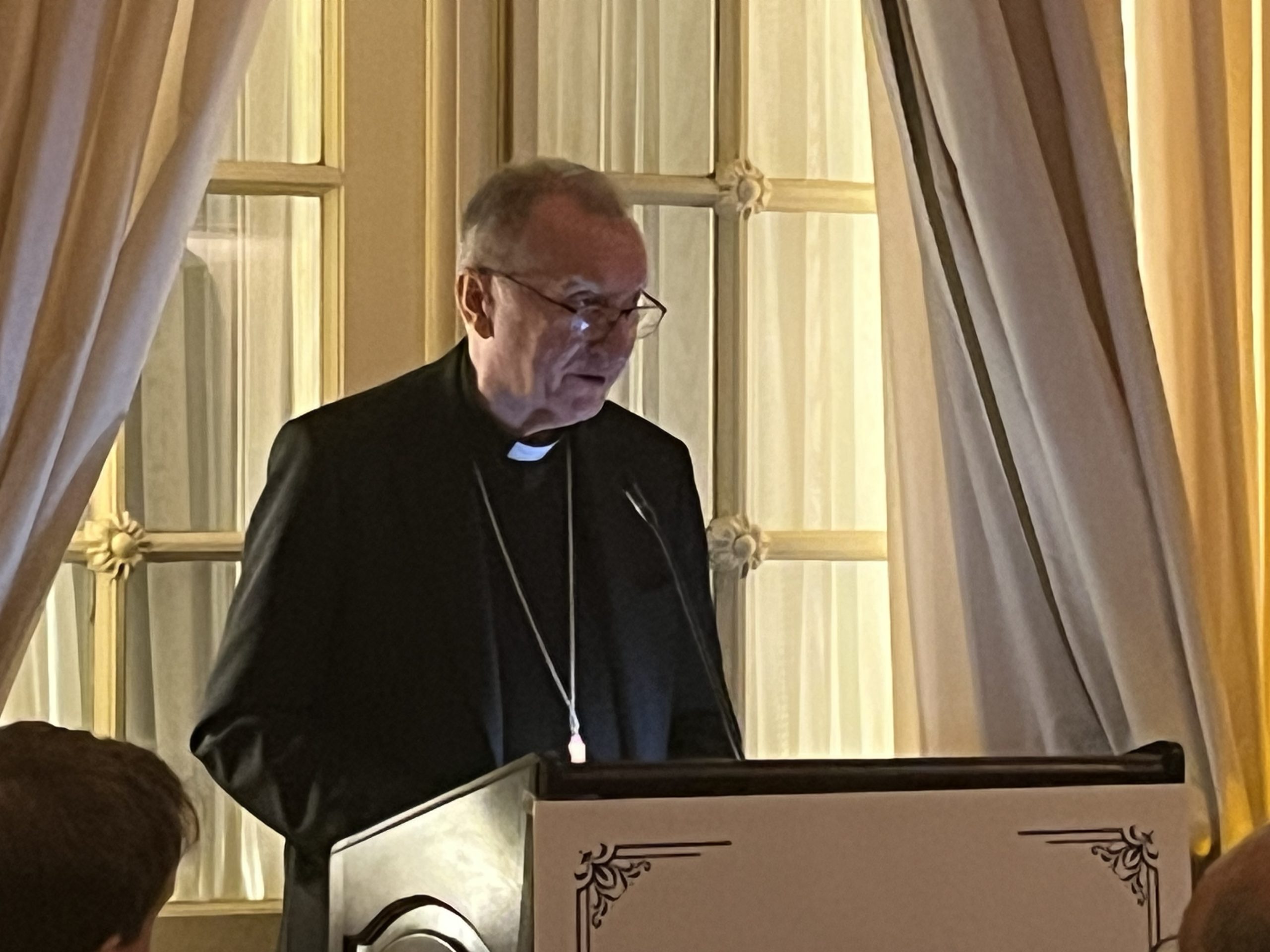

“In a world connected online and disconnected offline, be people of presence,” Cardinal Pietro Parolin said. “In a world asking whether we can remain human, answer with the witness of your lives.”
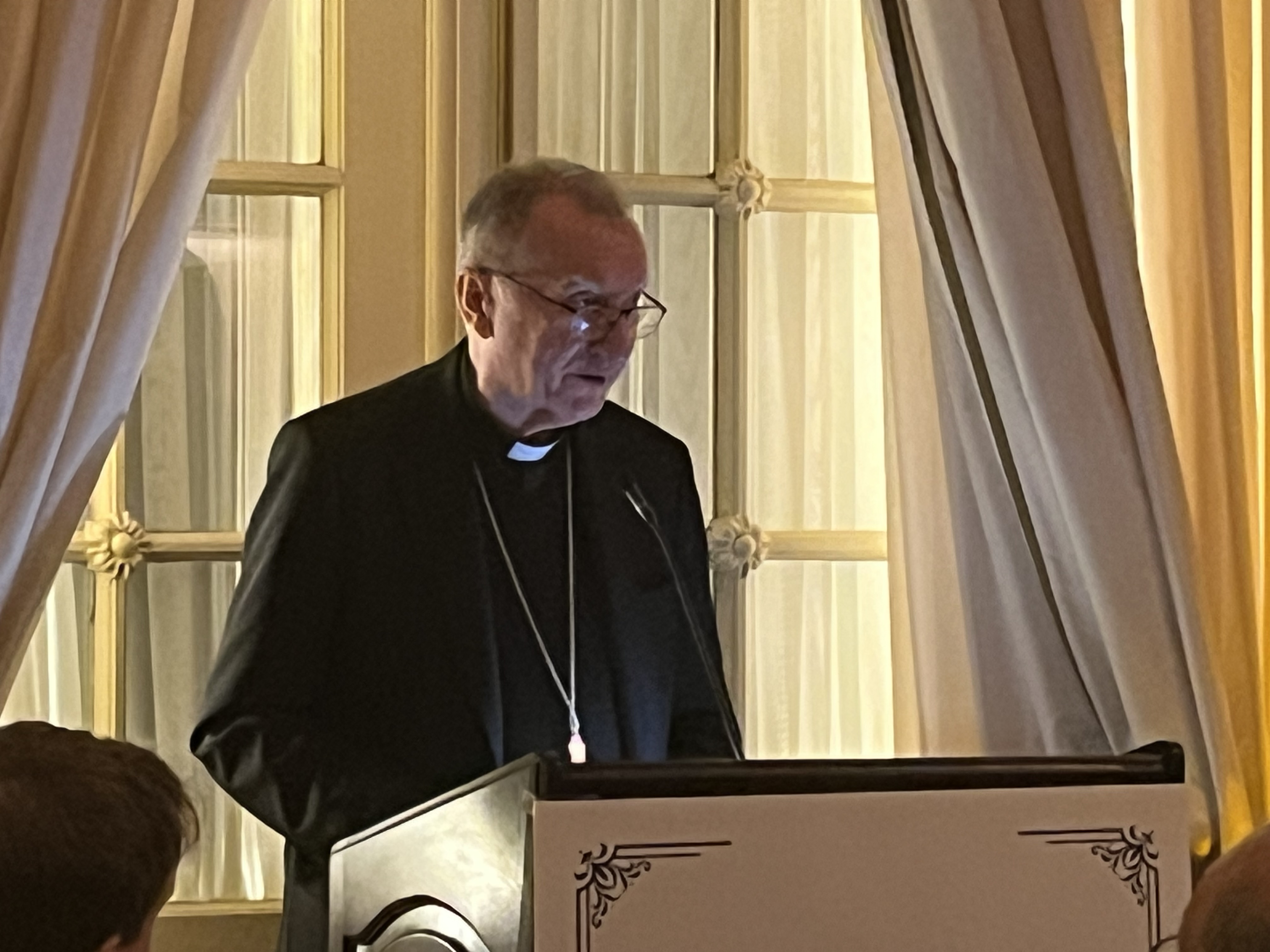
“In a world connected online and disconnected offline, be people of presence,” Cardinal Pietro Parolin said. “In a world asking whether we can remain human, answer with the witness of your lives.”
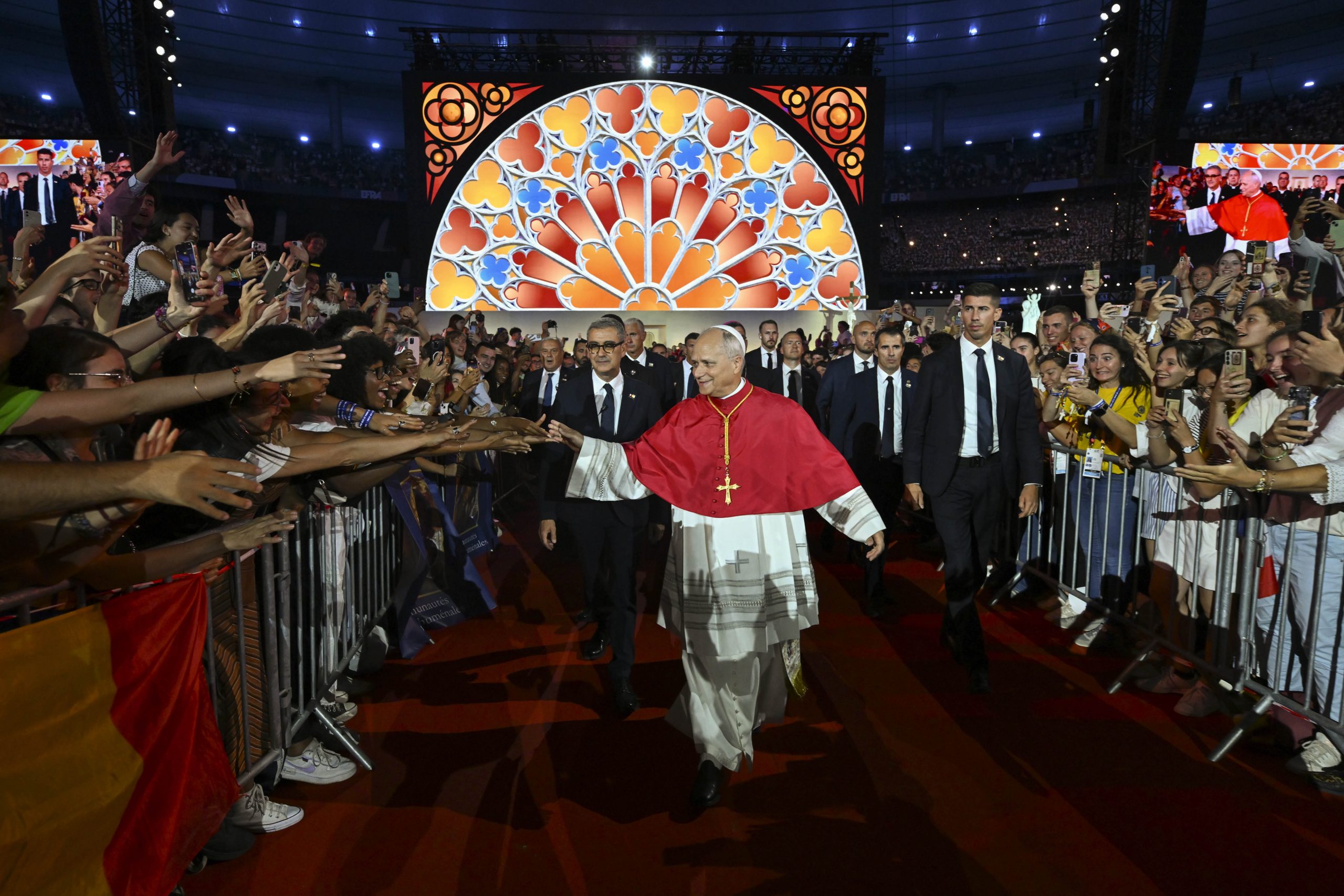
France’s Catholic culture and the energy of the country’s young people stole the show at a prayer vigil at the national stadium in Saint-Denis, France.


A recent study highlights that when women are coerced or pressured into abortion, they are at high risk for negative outcomes — but abortion prviidess rarely screen for abortion coercion.

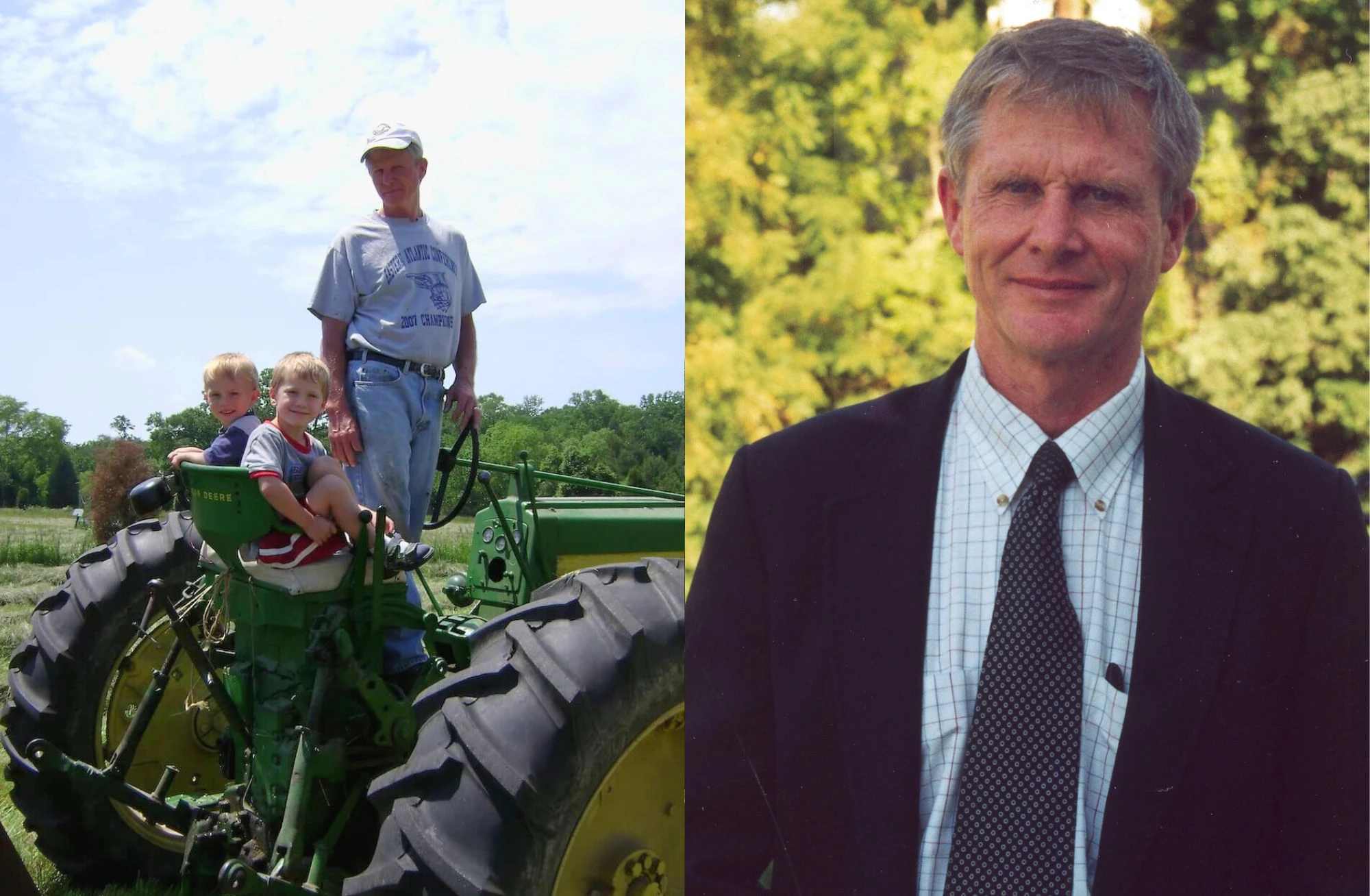
The sainthood cause for Tom Vander Woude, a Catholic father of seven who died saving his youngest son, moves to the information gathering stage.


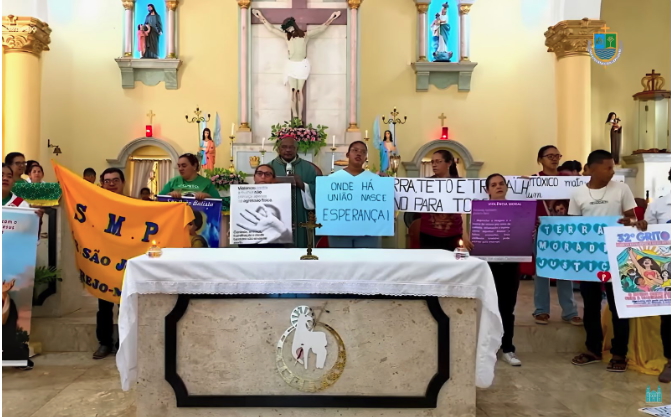
This past Sept. 7, the “Creed of the Ecclesial Base Communities” was included as part of a Mass marking Brazil’s annual “Cry of the Excluded” event.
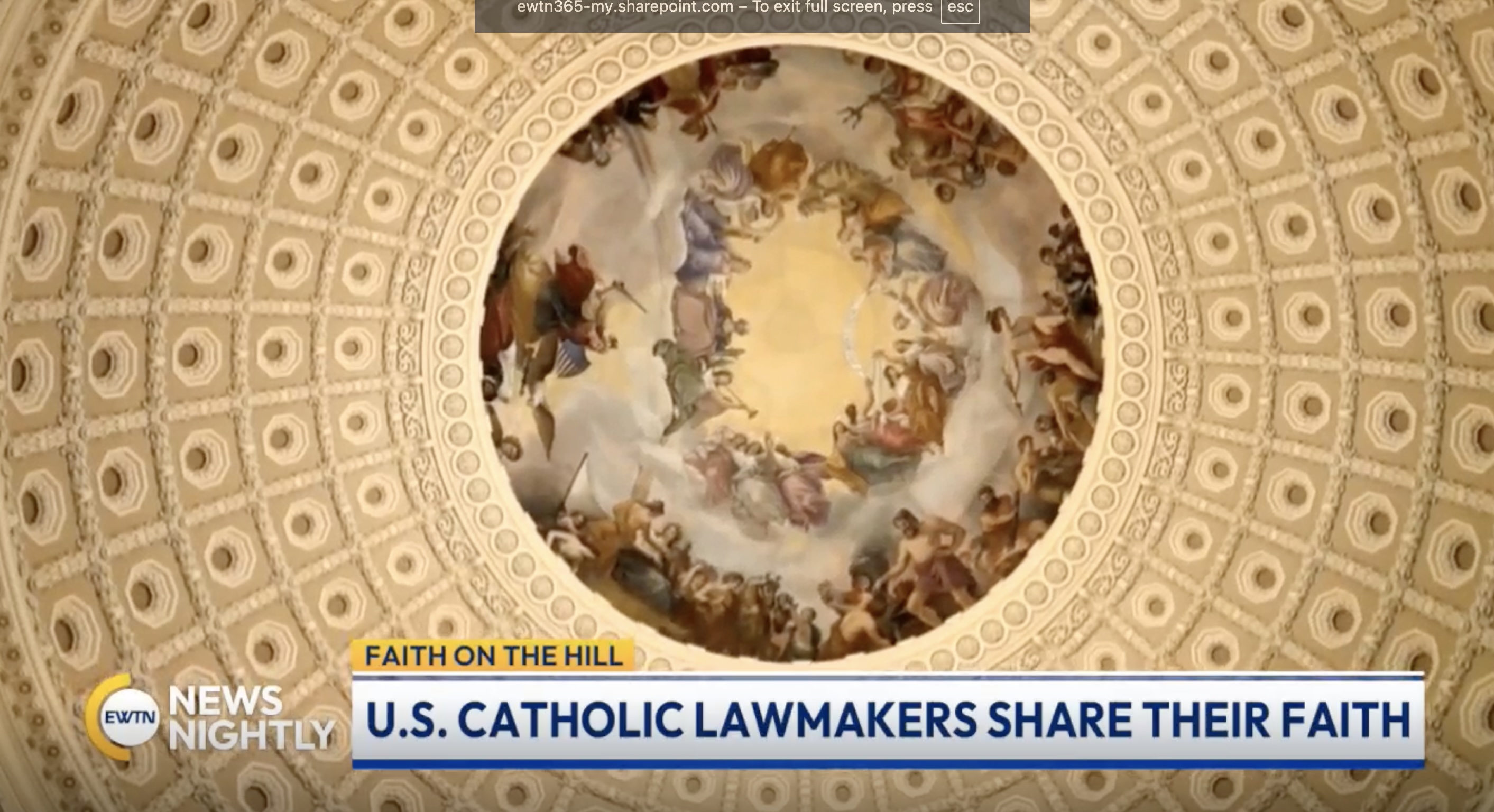
![Faith on the Hill: Catholic members of Congress share how faith shapes their lives and work #Catholic For many of the 150 Catholics serving in the 119th Congress, faith plays an important role in their lives and work.The current number of Catholic lawmakers on Capitol Hill is slightly higher than the previous Congress, with Catholics accounting for more than 28% of the members of the United States House of Representatives and Senate. Of the Catholic members, 126 serve in the House and 24 in the Senate, according to a report from the Pew Research Center.In this special report, EWTN News Capitol Hill correspondent Erik Rosales spoke with various Catholic members of Congress about their faith and how they live it in their work.Sen. Eric SchmittSen. Eric Schmitt, R-Missouri, grew up a cradle Catholic and said his parents instilled in him the importance of having a personal relationship with Christ at a young age.“I grew up in St. Louis, which is a very Catholic town and has been referred to as the Rome of the West because per capita, very Catholic,” Schmitt told Rosales.A “conversation back home, it might very easily start … ‘What parish are you at? or ‘What parish did you grow up in?’” Schmitt said.At 17, Schmitt went to a Jesuit retreat house that had a profound impact on him. Later, when his son was born with a rare genetic condition, Schmitt would often return to the Jesuits for prayer.It “was a seed that was planted … when I was confronted with this really kind of difficult situation. I went back there, and it was a profound experience,” he said. “I go back every year. Itʼs a … weekend silent retreat. And that keeps me very rooted.”When working busy days on the Hill, Schmitt said he looks to prayer.“Iʼll listen to a podcast by Bishop [Robert] Barron or Father Michael Schmitz,” he said. “I think technology now too has allowed a different avenue for people to … maintain their faith and grow their faith.”Even “if itʼs five or 10 minutes, it really does help me kind of start the day right,” Schmitt said.Rep. John RutherfordRep. John Rutherford, R-Florida, also spoke about leaning on his faith when working in a hectic position, often by attending Mass and saying the rosary.“In Ephesians 2:10, it says, ‘for we are all Godʼs workmanship, created in the image of Christ Jesus to do good work,’ which he prepared … in advance for us to do,’” Rutherford said. “So heʼs got work out there that heʼs prepared for me to do,” he continued.While Rutherford’s Catholic faith is incorporated into his day-to-day life, he shared that was not always the case. He grew up in the United Methodist Church, but at about 14 years old, “fell away from the church,” he said.After becoming a police officer in Jacksonville, Florida, Rutherford’s perspective on faith changed. Witnessing crimes made him question his own mortality.“So I went back to the Bible, and I read the Bible literally cover to cover, not once but twice,” he said.Rutherford returned to the Methodist Church, while his wife and kids attended Catholic Mass. After reading about the Methodist Churchʼs seven principles, he realized he didnʼt agree with them.“It was a long process, but I finally read a book by Pope John Paul II, ‘Crossing the Threshold of Hope,’ and that explained where the authority of the Church is,” Rutherford said. “And how itʼs passed down through the papacy.”After his research, and inspired by the true Church and presence of Jesus in the Eucharist, Rutherford entered the Catholic Church.Rep. Mark MessmerRep. Mark Messmer, R-Indiana, said he has spent his life putting God, family, and community first.It was during his time as a state legislator that a colleague invited Messmer and his wife to attend a Cursillo, a retreat focused on showing Christian laity how to become effective leaders and how to use the Gospel in daily life.“It ignited a passion and a love for Christ, and a love for the Eucharist that I always said I wanted. And then it gives you the tools [for] your prayer life, study life, and evangelization, how to live that out on a daily basis,” he said.Messmer said he stays grounded with daily Mass and his Friday morning prayer group. He and his family also all join together for a weekly group call to catch up and join for “spiritual reinforcement.”Rep. Stephanie BiceRep. Stephanie Bice, R-Oklahoma, converted to Catholicism in college after she started going to Mass with her now husband.Bice served six years in the Oklahoma Senate and later ran for U.S. Congress. She joined a number of women who have been elected over the past two cycles.“Not every woman believes that … you should be able to terminate pregnancies up to birth,” Bice said. “So you had a groundswell of women consider running for congressional seats and Senate seats,” she said.While serving on Capitol Hill, Bice said she turns to prayer and the comfort of the Blessed Mother.“I stumbled across a group of staffers that actually pray the rosary on fly-in days in the morning,” she explained. “I said, ‘Hey, can a member come?’ And they were delighted that I would even ask.”One highlight of her congressional career was meeting Pope Francis at the Vatican. The invitation came from Rep. James Langevin, a fellow Catholic and Democrat from Rhode Island.Pope Francis “looked at my husband and I after blessing us both, and he said: ‘Will you pray for me?’ And that was pretty profound,” Bice said.Rep. Robert Onder“Really, my Catholic faith has motivated me my whole life, my whole career, and really motivated in many ways the direction my life has taken,” Rep. Robert Onder, R-Missouri, said.Onder said his faith was present in his work trying to pass a religious liberty bill in the Missouri Senate and through his fight to protect the conscience rights of physicians who are forced to perform abortions.As a medical doctor, Onder detailed the present problem in some states and hospitals, which “want to force physicians to participate in abortions, participate in vitro fertilization or artificial contraception, and, of course, more recently, participate in euthanasia.”Onder said his political service has been motivated by love of God, family, and country. He said he stays rooted in faith by attending daily Mass. He said he also enjoys talking with other lawmakers about their love for Christ.“Speaker [Mike] Johnson is absolutely a brother in the Christian faith and a very, very strong believer,” Onder said. “It does give me a lot hope and a lot of encouragement to serve with other people who really take their faith seriously.”Rep. Riley MooreRep. Riley Moore, R-West Virginia, said his Catholic faith is “is the most important thing” in his life.“It forms me — every decision I make, everything that I do here on the Hill, it is central to my life. Iʼm always praying to be able to deepen my faith, be a strong family man, and then also my service.”“So itʼs my faith, my family, my service to my state, my country. But faith comes first.”“Canʼt always be easy to discern Godʼs will, particularly in a place that is more about individual will and not Godʼs will,” Moore said. “Iʼm trying to re-center myself towards that. Thatʼs that gravitational pull for me that Iʼm always trying to get back to.”Moore started as a Hill staffer on the House Foreign Affairs Committee, working under the late Rep. Henry Hyde, R-Illinois. One of his priorities is drawing attention to the persecution of Christians around the world, especially in Nigeria.While in Nigeria, “I met a woman who had had all five of her children murdered, murdered by Islamic terrorists,” Moore said. “I met another woman who had her two daughters and husband killed right in front of her, and then they killed her unborn child.”“As we know and weʼve heard many times, and itʼs so true that there is salvation through suffering. I think that … their suffering offers us salvation as well by doing something here,” he said.House Majority Whip Tom EmmerMajority Whip of the U.S. House of Representatives Tom Emmer discussed how his faith was largely inspired by his family, including his father, who attended daily Mass.“The example that they set is, I believe, why I am who I am,” said Emmer, R-Minnesota.Emmer also detailed the trials of his faith, including the loss of his sister Bridget, who died of breast cancer at 38 years old.Emmer said he was angry at the Lord and had doubts about Godʼs will because of his sisterʼs suffering. A conversation with Bridget during her chemotherapy treatment was a pivotal moment for him and his faith.“She looked at me and she said, ‘Tom, would I love to live forever? Absolutely. But Iʼm not going to,’” he explained. His sister added: “I have lived a good life. If God comes and calls me today, so be it.”Emmer said her words brought him away from his own anger with the Lord. Now his message to others is to put God first while living each moment to the fullest.](https://unitedyam.com/wp-content/uploads/2026/09/faith-on-the-hill-catholic-members-of-congress-share-how-faith-shapes-their-lives-and-work-catholic-for-many-of-the-150-catholics-serving-in-the-119th-congress-faith-plays-an-important-role-in-thei-scaled.jpg "Faith on the Hill: Catholic members of Congress share how faith shapes their lives and work #Catholic For many of the 150 Catholics serving in the 119th Congress, faith plays an important role in their lives and work.The current number of Catholic lawmakers on Capitol Hill is slightly higher than the previous Congress, with Catholics accounting for more than 28% of the members of the United States House of Representatives and Senate. Of the Catholic members, 126 serve in the House and 24 in the Senate, according to a report from the Pew Research Center.In this special report, EWTN News Capitol Hill correspondent Erik Rosales spoke with various Catholic members of Congress about their faith and how they live it in their work.Sen. Eric SchmittSen. Eric Schmitt, R-Missouri, grew up a cradle Catholic and said his parents instilled in him the importance of having a personal relationship with Christ at a young age.“I grew up in St. Louis, which is a very Catholic town and has been referred to as the Rome of the West because per capita, very Catholic,” Schmitt told Rosales.A “conversation back home, it might very easily start … ‘What parish are you at? or ‘What parish did you grow up in?’” Schmitt said.At 17, Schmitt went to a Jesuit retreat house that had a profound impact on him. Later, when his son was born with a rare genetic condition, Schmitt would often return to the Jesuits for prayer.It “was a seed that was planted … when I was confronted with this really kind of difficult situation. I went back there, and it was a profound experience,” he said. “I go back every year. Itʼs a … weekend silent retreat. And that keeps me very rooted.”When working busy days on the Hill, Schmitt said he looks to prayer.“Iʼll listen to a podcast by Bishop [Robert] Barron or Father Michael Schmitz,” he said. “I think technology now too has allowed a different avenue for people to … maintain their faith and grow their faith.”Even “if itʼs five or 10 minutes, it really does help me kind of start the day right,” Schmitt said.Rep. John RutherfordRep. John Rutherford, R-Florida, also spoke about leaning on his faith when working in a hectic position, often by attending Mass and saying the rosary.“In Ephesians 2:10, it says, ‘for we are all Godʼs workmanship, created in the image of Christ Jesus to do good work,’ which he prepared … in advance for us to do,’” Rutherford said. “So heʼs got work out there that heʼs prepared for me to do,” he continued.While Rutherford’s Catholic faith is incorporated into his day-to-day life, he shared that was not always the case. He grew up in the United Methodist Church, but at about 14 years old, “fell away from the church,” he said.After becoming a police officer in Jacksonville, Florida, Rutherford’s perspective on faith changed. Witnessing crimes made him question his own mortality.“So I went back to the Bible, and I read the Bible literally cover to cover, not once but twice,” he said.Rutherford returned to the Methodist Church, while his wife and kids attended Catholic Mass. After reading about the Methodist Churchʼs seven principles, he realized he didnʼt agree with them.“It was a long process, but I finally read a book by Pope John Paul II, ‘Crossing the Threshold of Hope,’ and that explained where the authority of the Church is,” Rutherford said. “And how itʼs passed down through the papacy.”After his research, and inspired by the true Church and presence of Jesus in the Eucharist, Rutherford entered the Catholic Church.Rep. Mark MessmerRep. Mark Messmer, R-Indiana, said he has spent his life putting God, family, and community first.It was during his time as a state legislator that a colleague invited Messmer and his wife to attend a Cursillo, a retreat focused on showing Christian laity how to become effective leaders and how to use the Gospel in daily life.“It ignited a passion and a love for Christ, and a love for the Eucharist that I always said I wanted. And then it gives you the tools [for] your prayer life, study life, and evangelization, how to live that out on a daily basis,” he said.Messmer said he stays grounded with daily Mass and his Friday morning prayer group. He and his family also all join together for a weekly group call to catch up and join for “spiritual reinforcement.”Rep. Stephanie BiceRep. Stephanie Bice, R-Oklahoma, converted to Catholicism in college after she started going to Mass with her now husband.Bice served six years in the Oklahoma Senate and later ran for U.S. Congress. She joined a number of women who have been elected over the past two cycles.“Not every woman believes that … you should be able to terminate pregnancies up to birth,” Bice said. “So you had a groundswell of women consider running for congressional seats and Senate seats,” she said.While serving on Capitol Hill, Bice said she turns to prayer and the comfort of the Blessed Mother.“I stumbled across a group of staffers that actually pray the rosary on fly-in days in the morning,” she explained. “I said, ‘Hey, can a member come?’ And they were delighted that I would even ask.”One highlight of her congressional career was meeting Pope Francis at the Vatican. The invitation came from Rep. James Langevin, a fellow Catholic and Democrat from Rhode Island.Pope Francis “looked at my husband and I after blessing us both, and he said: ‘Will you pray for me?’ And that was pretty profound,” Bice said.Rep. Robert Onder“Really, my Catholic faith has motivated me my whole life, my whole career, and really motivated in many ways the direction my life has taken,” Rep. Robert Onder, R-Missouri, said.Onder said his faith was present in his work trying to pass a religious liberty bill in the Missouri Senate and through his fight to protect the conscience rights of physicians who are forced to perform abortions.As a medical doctor, Onder detailed the present problem in some states and hospitals, which “want to force physicians to participate in abortions, participate in vitro fertilization or artificial contraception, and, of course, more recently, participate in euthanasia.”Onder said his political service has been motivated by love of God, family, and country. He said he stays rooted in faith by attending daily Mass. He said he also enjoys talking with other lawmakers about their love for Christ.“Speaker [Mike] Johnson is absolutely a brother in the Christian faith and a very, very strong believer,” Onder said. “It does give me a lot hope and a lot of encouragement to serve with other people who really take their faith seriously.”Rep. Riley MooreRep. Riley Moore, R-West Virginia, said his Catholic faith is “is the most important thing” in his life.“It forms me — every decision I make, everything that I do here on the Hill, it is central to my life. Iʼm always praying to be able to deepen my faith, be a strong family man, and then also my service.”“So itʼs my faith, my family, my service to my state, my country. But faith comes first.”“Canʼt always be easy to discern Godʼs will, particularly in a place that is more about individual will and not Godʼs will,” Moore said. “Iʼm trying to re-center myself towards that. Thatʼs that gravitational pull for me that Iʼm always trying to get back to.”Moore started as a Hill staffer on the House Foreign Affairs Committee, working under the late Rep. Henry Hyde, R-Illinois. One of his priorities is drawing attention to the persecution of Christians around the world, especially in Nigeria.While in Nigeria, “I met a woman who had had all five of her children murdered, murdered by Islamic terrorists,” Moore said. “I met another woman who had her two daughters and husband killed right in front of her, and then they killed her unborn child.”“As we know and weʼve heard many times, and itʼs so true that there is salvation through suffering. I think that … their suffering offers us salvation as well by doing something here,” he said.House Majority Whip Tom EmmerMajority Whip of the U.S. House of Representatives Tom Emmer discussed how his faith was largely inspired by his family, including his father, who attended daily Mass.“The example that they set is, I believe, why I am who I am,” said Emmer, R-Minnesota.Emmer also detailed the trials of his faith, including the loss of his sister Bridget, who died of breast cancer at 38 years old.Emmer said he was angry at the Lord and had doubts about Godʼs will because of his sisterʼs suffering. A conversation with Bridget during her chemotherapy treatment was a pivotal moment for him and his faith.“She looked at me and she said, ‘Tom, would I love to live forever? Absolutely. But Iʼm not going to,’” he explained. His sister added: “I have lived a good life. If God comes and calls me today, so be it.”Emmer said her words brought him away from his own anger with the Lord. Now his message to others is to put God first while living each moment to the fullest.")
EWTN News Capitol Hill correspondent Erik Rosales spoke with various Catholic lawmakers about how their faith intersects with their public service.
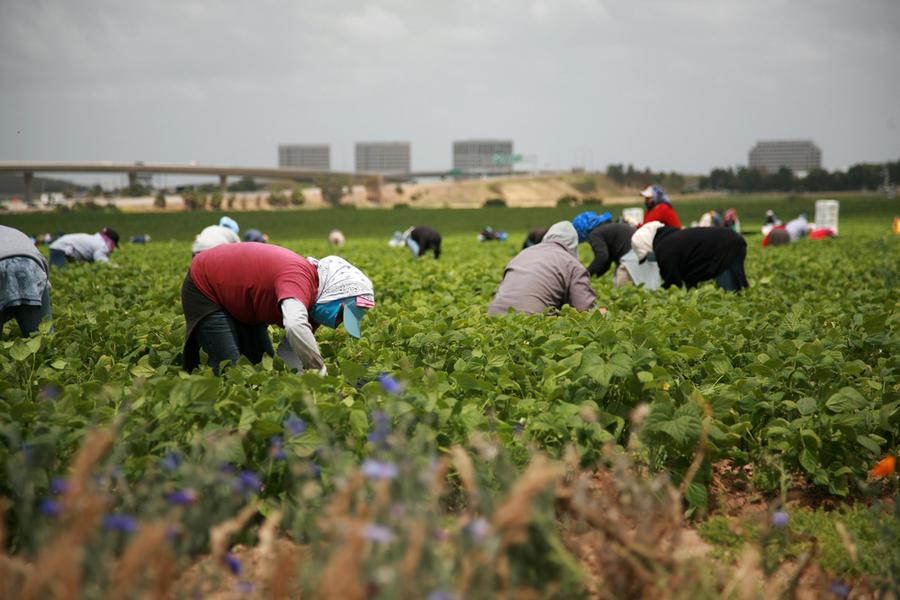
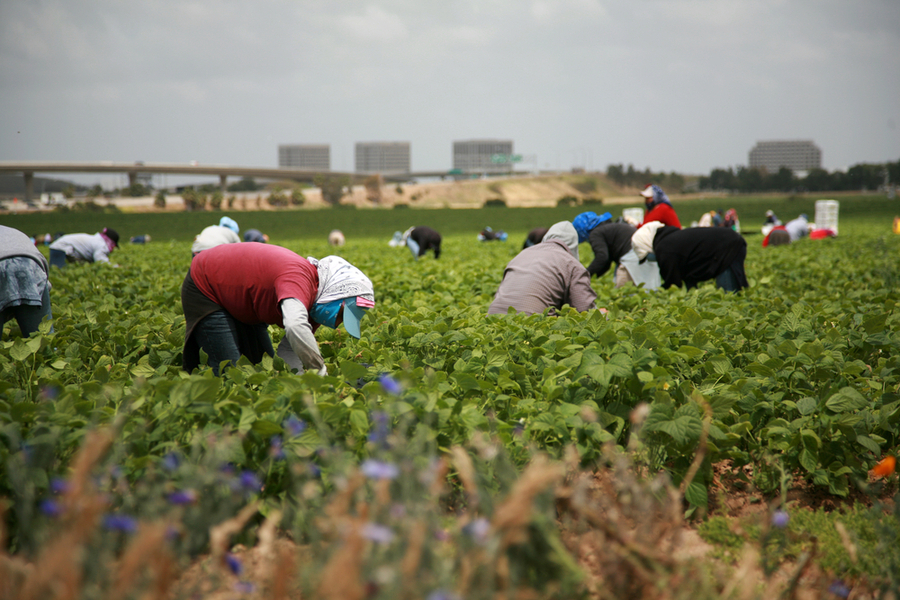
“All work, no matter what the work is, is essential,” said Father Sinclair Oubre, spiritual moderator of the Catholic Labor Network.
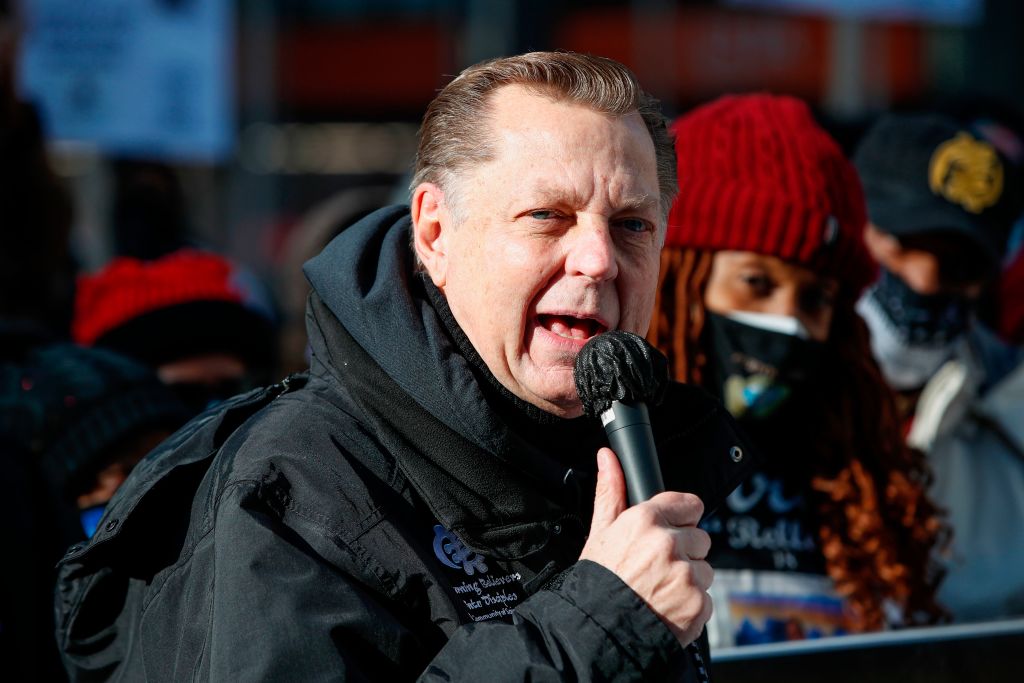
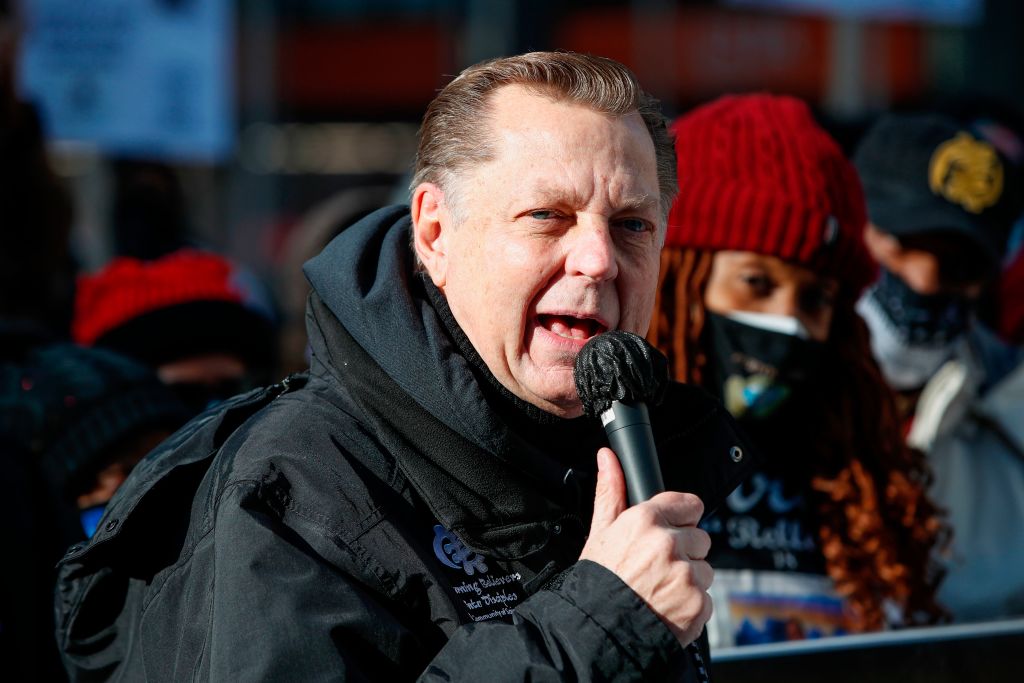
After reviewing a joint investigation, Cardinal Blase Cupich, archbishop of Chicago, has approved Father Michael Pfleger to return to ministry “effective immediately.”


![Advocates warn New Jersey law could criminalize prayer outside abortion clinics #Catholic New Jersey Gov. Mikie Sherrill on Aug. 20 signed a bill that criminalizes “interference” with “reproductive” or “gender-affirming” care, a law that opponents say has serious implications for freedom of speech.The law criminalizes inflicting “emotional harm” against those seeking or providing “reproductive health care services.” It also bans filming and sharing videos within 100 feet of an abortion clinic.Under the new law, an officer can “order the immediate dispersal of a gathering that substantially impedes access to or departure from an entrance or driveway to a reproductive or gender-affirming health care facility during the business hours of the facility.”The measure is a type of “bubble” law, which creates zones around abortion clinics where free speech is limited in “buffer zones.”Violations of the law could be punished by up to 18 months’ imprisonment and/or a $10,000 fine.New Jersey Right to Life Executive Director Marie Tasy criticized the law, describing its provisions as “inherently subjective” and the law itself as “a serious danger to free speech.”“Peaceful sidewalk counseling, prayer, holding signs, or simply offering help and alternatives outside a facility can easily be labeled ‘intimidation’ by someone who claims to feel threatened, leaving pro-life advocates open to criminal charges that are difficult to disprove and chilling constitutionally protected expression,” Tasy said.Catholic diocese leads campaign against abortion amendment referendumThe Diocese of Arlington, Virginia, is leading a campaign to oppose an amendment referendum that could create a right to abortion in the state constitution as well as another measure that would remove a same-sex marriage ban in the state.The campaign Catholics Vote No is opposing the ballot measure titled the “Virginia Right to Reproductive Freedom Amendment” as well as the “Virginia Remove Constitutional Same-Sex Marriage Ban Amendment.”Arlington Bishop Michael Burbidge describes the measures as “very serious legal threats to human life and marriage” in a video statement.“If written into Virginia’s Constitution, these unjust amendments would be extraordinarily difficult to reverse,” the campaign website states. The abortion amendment would “effectively” make Virginia “a sanctuary for abortion and commercial abortion businesses,” it states. “Basic health and safety standards that protect women from harm would be eliminated, parents would be pushed out of life-altering decisions involving their family and children, and unregulated abortions would be possible, performed even on healthy babies up to the moment of birth for any reason with no limits,” the campaign says.Live Action says it will keep referring to abortion as ‘killing’The pro-life group Live Action has said it will not stop calling abortion “killing” after a pro-abortion group threatened the organization with legal action.Live Action made the declaration in response to a cease-and-desist letter sent by the abortion-supporting legal group Amplify Legal. The dispute is over claims made by Live Action in multiple articles about abortion cases where the unborn baby had a serious life-threatening diagnosis.“Each of our clients has described the decision to end their wanted pregnancy as the most compassionate choice for their own health, future fertility, and family’s wellbeing,” the letter read, arguing that Live Action News “repeatedly [wrote] about our clients intentionally ‘killing’ their babies.”In its response Live Action said it would not follow the request to “delete years of reporting and commentary on the most contested moral and political question in American public life.”“We are fighting for a culture and legal system that respects every human life and refuses to treat the sick, disabled, or unborn as disposable,” said Live Action Founder and President Lila Rose in a statement. “Legal threats against our First Amendment right to speak will not change that mission.”Catholic dad Mark Houck continues pro-life work after federal legal battleCatholic father Mark Houck is joining CatholicVote’s development team as a gift officer, the group announced this week. Houck and his family are adjusting to life after their home in rural eastern Pennsylvania was raided by 20 armed federal agents in the early hours of Sept. 23, 2022. Houck was arrested in front of his family and interrogated for six hours. The incident led to nearly four years of legal battles, which concluded with the family earning a seven-figure settlement for damages.“I am still very much unpacking spiritually what happened to us — very profound and certainly God is revealing his ultimate plan for us through it all, CatholicVote being the latest direction he has taken us,” Houck told EWTN News. “We are so happy to be with an organization that shares our passion for our faith, the pro-life cause, and, of course, advocacy in the public square.”Houck’s role in the organization "will extend beyond that [of a gift officer],” CatholicVote spokeswoman Laurie Olsen told EWTN News. He will “have a voice in all our pro-life efforts,” she said.Houck, meanwhile, told EWTN News: “We measure success by one soul at a time.”“Save a soul, you save your own soul. It is that one soul that gets me going and up early to head into Philadelphia and serve the common good with sidewalk advocacy,” he said.Federal court strikes down Indiana abortion parental-consent lawThe U.S. Court of Appeals for the 7th Circuit ruled on Aug. 18 against an Indiana law that prevents doctors from providing abortion assistance to minors without parental consent.The 54-page ruling struck down a law that required parental consent to aid or assist a minor in obtaining an abortion. The ruling said that the parental-consent law violated the First Amendment.](https://unitedyam.com/wp-content/uploads/2026/08/advocates-warn-new-jersey-law-could-criminalize-prayer-outside-abortion-clinics-catholic-new-jersey-gov-mikie-sherrill-on-aug-20-signed-a-bill-that-criminalizes-interference-with.jpg "Advocates warn New Jersey law could criminalize prayer outside abortion clinics #Catholic New Jersey Gov. Mikie Sherrill on Aug. 20 signed a bill that criminalizes “interference” with “reproductive” or “gender-affirming” care, a law that opponents say has serious implications for freedom of speech.The law criminalizes inflicting “emotional harm” against those seeking or providing “reproductive health care services.” It also bans filming and sharing videos within 100 feet of an abortion clinic.Under the new law, an officer can “order the immediate dispersal of a gathering that substantially impedes access to or departure from an entrance or driveway to a reproductive or gender-affirming health care facility during the business hours of the facility.”The measure is a type of “bubble” law, which creates zones around abortion clinics where free speech is limited in “buffer zones.”Violations of the law could be punished by up to 18 months’ imprisonment and/or a $10,000 fine.New Jersey Right to Life Executive Director Marie Tasy criticized the law, describing its provisions as “inherently subjective” and the law itself as “a serious danger to free speech.”“Peaceful sidewalk counseling, prayer, holding signs, or simply offering help and alternatives outside a facility can easily be labeled ‘intimidation’ by someone who claims to feel threatened, leaving pro-life advocates open to criminal charges that are difficult to disprove and chilling constitutionally protected expression,” Tasy said.Catholic diocese leads campaign against abortion amendment referendumThe Diocese of Arlington, Virginia, is leading a campaign to oppose an amendment referendum that could create a right to abortion in the state constitution as well as another measure that would remove a same-sex marriage ban in the state.The campaign Catholics Vote No is opposing the ballot measure titled the “Virginia Right to Reproductive Freedom Amendment” as well as the “Virginia Remove Constitutional Same-Sex Marriage Ban Amendment.”Arlington Bishop Michael Burbidge describes the measures as “very serious legal threats to human life and marriage” in a video statement.“If written into Virginia’s Constitution, these unjust amendments would be extraordinarily difficult to reverse,” the campaign website states. The abortion amendment would “effectively” make Virginia “a sanctuary for abortion and commercial abortion businesses,” it states. “Basic health and safety standards that protect women from harm would be eliminated, parents would be pushed out of life-altering decisions involving their family and children, and unregulated abortions would be possible, performed even on healthy babies up to the moment of birth for any reason with no limits,” the campaign says.Live Action says it will keep referring to abortion as ‘killing’The pro-life group Live Action has said it will not stop calling abortion “killing” after a pro-abortion group threatened the organization with legal action.Live Action made the declaration in response to a cease-and-desist letter sent by the abortion-supporting legal group Amplify Legal. The dispute is over claims made by Live Action in multiple articles about abortion cases where the unborn baby had a serious life-threatening diagnosis.“Each of our clients has described the decision to end their wanted pregnancy as the most compassionate choice for their own health, future fertility, and family’s wellbeing,” the letter read, arguing that Live Action News “repeatedly [wrote] about our clients intentionally ‘killing’ their babies.”In its response Live Action said it would not follow the request to “delete years of reporting and commentary on the most contested moral and political question in American public life.”“We are fighting for a culture and legal system that respects every human life and refuses to treat the sick, disabled, or unborn as disposable,” said Live Action Founder and President Lila Rose in a statement. “Legal threats against our First Amendment right to speak will not change that mission.”Catholic dad Mark Houck continues pro-life work after federal legal battleCatholic father Mark Houck is joining CatholicVote’s development team as a gift officer, the group announced this week. Houck and his family are adjusting to life after their home in rural eastern Pennsylvania was raided by 20 armed federal agents in the early hours of Sept. 23, 2022. Houck was arrested in front of his family and interrogated for six hours. The incident led to nearly four years of legal battles, which concluded with the family earning a seven-figure settlement for damages.“I am still very much unpacking spiritually what happened to us — very profound and certainly God is revealing his ultimate plan for us through it all, CatholicVote being the latest direction he has taken us,” Houck told EWTN News. “We are so happy to be with an organization that shares our passion for our faith, the pro-life cause, and, of course, advocacy in the public square.”Houck’s role in the organization \"will extend beyond that [of a gift officer],” CatholicVote spokeswoman Laurie Olsen told EWTN News. He will “have a voice in all our pro-life efforts,” she said.Houck, meanwhile, told EWTN News: “We measure success by one soul at a time.”“Save a soul, you save your own soul. It is that one soul that gets me going and up early to head into Philadelphia and serve the common good with sidewalk advocacy,” he said.Federal court strikes down Indiana abortion parental-consent lawThe U.S. Court of Appeals for the 7th Circuit ruled on Aug. 18 against an Indiana law that prevents doctors from providing abortion assistance to minors without parental consent.The 54-page ruling struck down a law that required parental consent to aid or assist a minor in obtaining an abortion. The ruling said that the parental-consent law violated the First Amendment.")