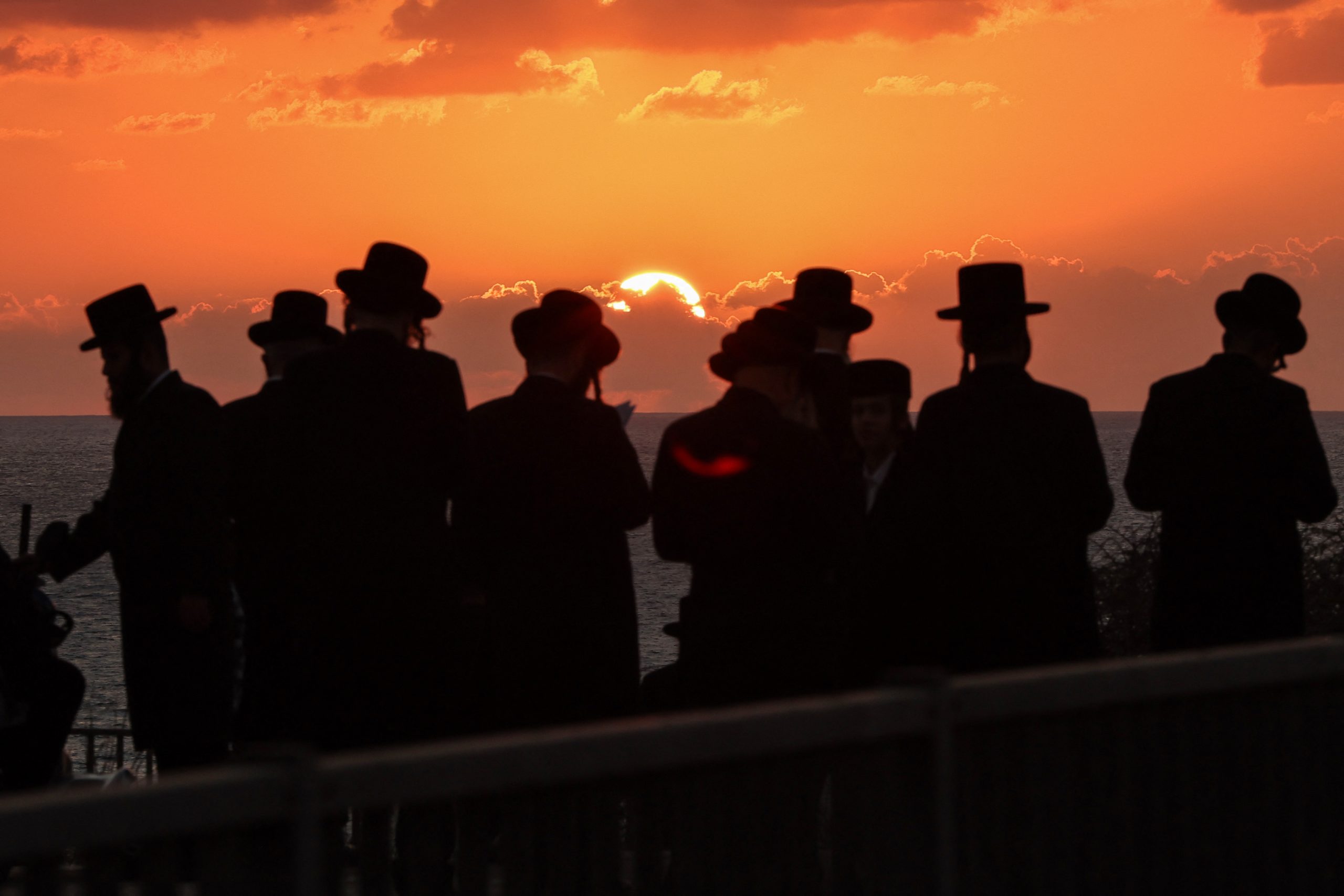

The holy day for Jews involves fasting and atonement and is held in late September or early October.
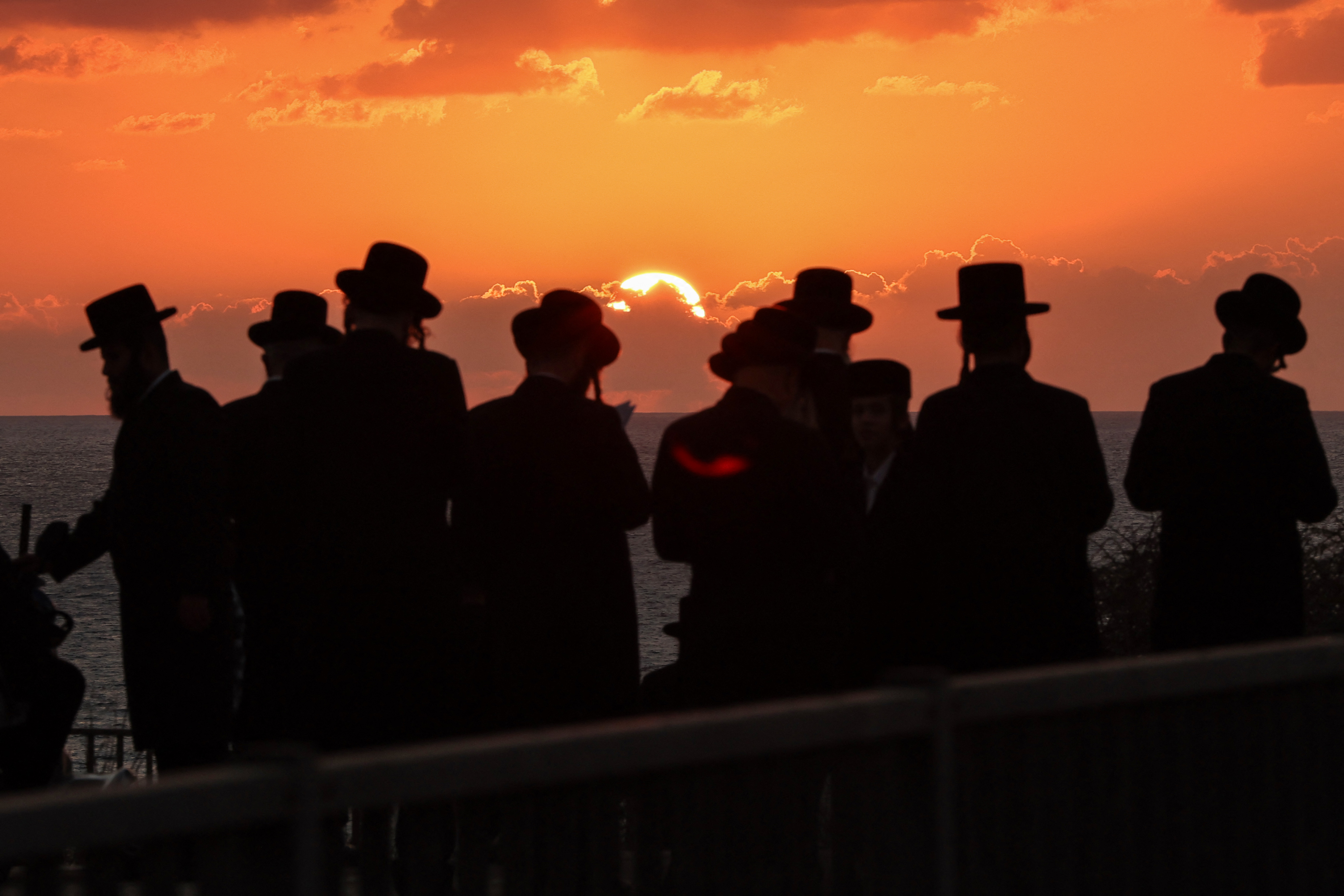
The holy day for Jews involves fasting and atonement and is held in late September or early October.
![Oregon officials back off ‘gender ideology mandate’ for mom seeking to adopt #Catholic Oregon officials have agreed they will not “categorically disqualify” a Christian woman from adopting or fostering children based on her religious beliefs about gender and human sexuality, which settles a three-and-a-half-year legal battle.The Oregon Department of Human Services (ODHS) agreed to a legal settlement with Jessica Bates, who was represented by Alliance Defending Freedom (ADF). It affirms the department will not consider her religious beliefs when evaluating her application for a certification to adopt children and will not attempt to regulate her speech about gender and sexuality.“Every child deserves a loving home, and children suffer when the government excludes people of faith from foster care because of the state’s own ideological crusade,” ADF Senior Counsel Johannes Widmalm-Delphonse said in a statement following the Sept. 9 settlement.“Oregon officials turned Jessica away just because of her common-sense belief that parents should help children become comfortable with who they are instead of pushing them down a path of confusion and medicalization,” he said. “We believe this settlement is a win-win that protects constitutional rights and puts children’s interests first.”In September 2022, the ODHS denied Bates’ application because she would not comply with a state policy that requires applicants to agree they will “respect, accept and support the … sexual orientation, gender identity [and] gender expression … of a child or young adult” who is placed in the home, which ADF has characterized as a “gender ideology mandate.”Bates sued ODHS in March 2023, arguing that the policy violated her First Amendment rights to free speech and the free exercise of religion. The lawsuit stated she told the certification officer she would love any child as her own but would not facilitate a child’s gender transition through hormone therapy, use pronouns inconsistent with a child’s biological sex, or encourage gender expression inconsistent with the child’s biological sex or same-sex attraction.A federal district court initially ruled in favor of ODHS in December 2023, but an appellate panel of judges ruled in July 2025 that ODHS likely violated her constitutional rights and blocked the department from enforcing the rules against her while the lawsuit continued.Legal settlementPer the legal agreement, ODHS will allow Bates to apply for a certification and will not consider her religious views in any way.It states ODHS will not deny the application “because of her religious beliefs that sexual activity should occur only within the confines of a marriage between one man and one woman, and a person should identify and seek to live consistent with his or her biological sex.”The settlement adds that this extends to her “desire to respectfully speak about, live out, parent, and make day-to-day caregiving decisions consistent with these sincerely held religious beliefs.”Under the agreement, ODHS also cannot require her to “agree to use prescribed words or language, including chosen pronouns, to express views about sexual orientation, gender identity, or gender expression inconsistent with her religious beliefs described above as a condition of certification.”“[The] ODHS may not enforce any per se standard, rule, or policy that precludes Bates from being considered for any particular placement, based in whole or in part based on her religious belief,” the settlement agreement states.It further prohibits ODHS from disqualifying Bates from consideration for any particular child placement based on her religious beliefs.Yet, the settlement does not prevent ODHS from “deciding a child’s placement based on its individualized consideration of the child’s needs and of a foster parent’s concerns or limitations (including where religiously motivated) on their ability or willingness to meet the child’s specific needs, including with regard to their sexual orientation, gender identity, and gender expression.”The Oregon attorney general’s office referred EWTN News to the Oregon Department of Human Services for comment. The department did not respond to a request for comment.](https://unitedyam.com/wp-content/uploads/2026/09/oregon-officials-back-off-gender-ideology-mandate-for-mom-seeking-to-adopt-catholic-oregon-officials-have-agreed-they-will-not-categorically-disqualify-a-christian.jpg "Oregon officials back off ‘gender ideology mandate’ for mom seeking to adopt #Catholic Oregon officials have agreed they will not “categorically disqualify” a Christian woman from adopting or fostering children based on her religious beliefs about gender and human sexuality, which settles a three-and-a-half-year legal battle.The Oregon Department of Human Services (ODHS) agreed to a legal settlement with Jessica Bates, who was represented by Alliance Defending Freedom (ADF). It affirms the department will not consider her religious beliefs when evaluating her application for a certification to adopt children and will not attempt to regulate her speech about gender and sexuality.“Every child deserves a loving home, and children suffer when the government excludes people of faith from foster care because of the state’s own ideological crusade,” ADF Senior Counsel Johannes Widmalm-Delphonse said in a statement following the Sept. 9 settlement.“Oregon officials turned Jessica away just because of her common-sense belief that parents should help children become comfortable with who they are instead of pushing them down a path of confusion and medicalization,” he said. “We believe this settlement is a win-win that protects constitutional rights and puts children’s interests first.”In September 2022, the ODHS denied Bates’ application because she would not comply with a state policy that requires applicants to agree they will “respect, accept and support the … sexual orientation, gender identity [and] gender expression … of a child or young adult” who is placed in the home, which ADF has characterized as a “gender ideology mandate.”Bates sued ODHS in March 2023, arguing that the policy violated her First Amendment rights to free speech and the free exercise of religion. The lawsuit stated she told the certification officer she would love any child as her own but would not facilitate a child’s gender transition through hormone therapy, use pronouns inconsistent with a child’s biological sex, or encourage gender expression inconsistent with the child’s biological sex or same-sex attraction.A federal district court initially ruled in favor of ODHS in December 2023, but an appellate panel of judges ruled in July 2025 that ODHS likely violated her constitutional rights and blocked the department from enforcing the rules against her while the lawsuit continued.Legal settlementPer the legal agreement, ODHS will allow Bates to apply for a certification and will not consider her religious views in any way.It states ODHS will not deny the application “because of her religious beliefs that sexual activity should occur only within the confines of a marriage between one man and one woman, and a person should identify and seek to live consistent with his or her biological sex.”The settlement adds that this extends to her “desire to respectfully speak about, live out, parent, and make day-to-day caregiving decisions consistent with these sincerely held religious beliefs.”Under the agreement, ODHS also cannot require her to “agree to use prescribed words or language, including chosen pronouns, to express views about sexual orientation, gender identity, or gender expression inconsistent with her religious beliefs described above as a condition of certification.”“[The] ODHS may not enforce any per se standard, rule, or policy that precludes Bates from being considered for any particular placement, based in whole or in part based on her religious belief,” the settlement agreement states.It further prohibits ODHS from disqualifying Bates from consideration for any particular child placement based on her religious beliefs.Yet, the settlement does not prevent ODHS from “deciding a child’s placement based on its individualized consideration of the child’s needs and of a foster parent’s concerns or limitations (including where religiously motivated) on their ability or willingness to meet the child’s specific needs, including with regard to their sexual orientation, gender identity, and gender expression.”The Oregon attorney general’s office referred EWTN News to the Oregon Department of Human Services for comment. The department did not respond to a request for comment.")
The legal settlement ensures that Jessica Bates’ religious views will not be a factor in determining whether she can adopt children.

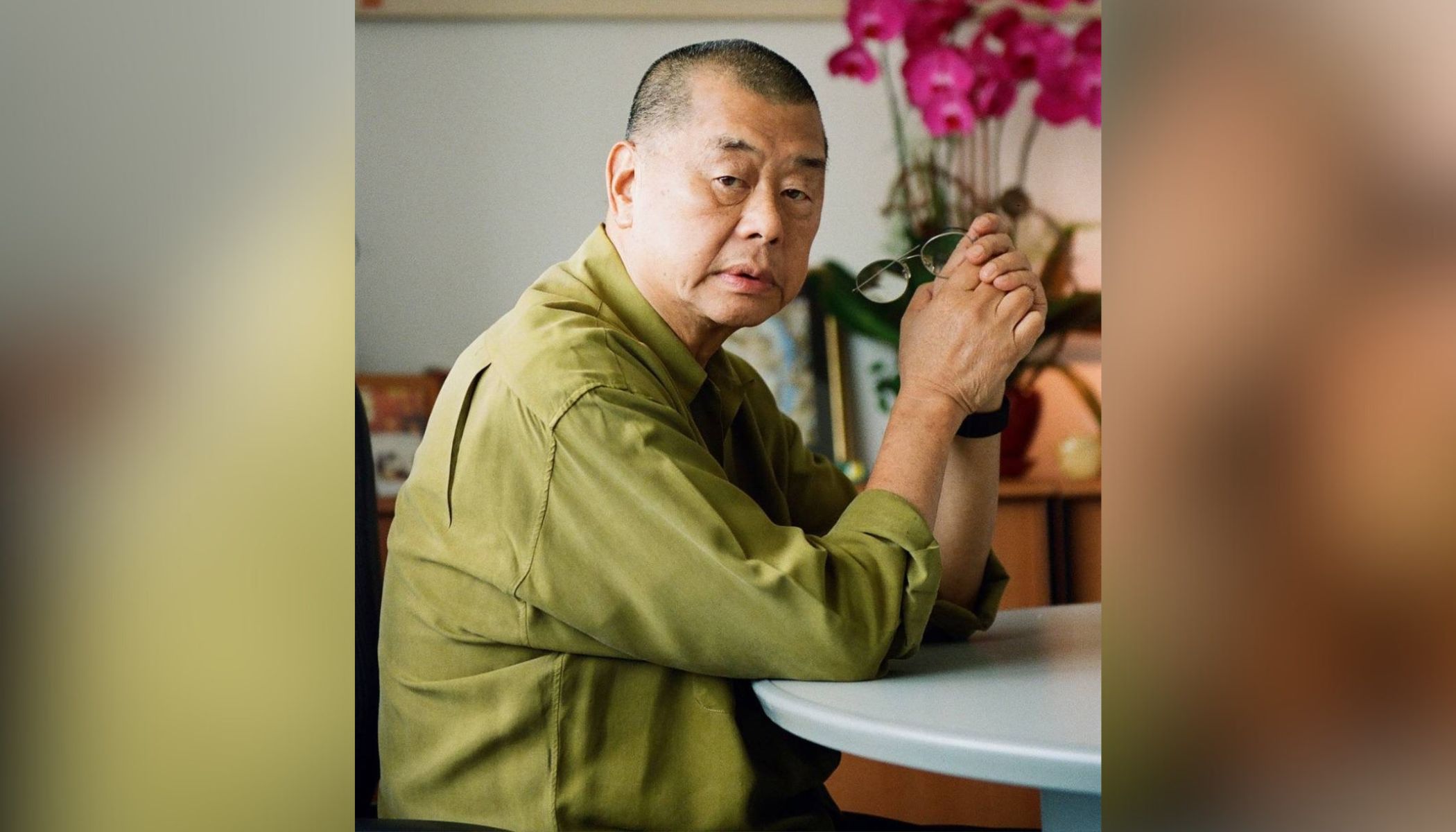
![U.S. religious freedom commission urges Trump to press for release of religious prisoners #Catholic The U.S. Commission on International Religious Freedom (USCIRF) urged President Donald Trump to push for the release of religious prisoners in China and for the end of religious persecution by the Chinese government.The commission called on Trump to continue his efforts for the release of the prisoners ahead of Chinese President Xi Jinping’s trip to the U.S. on Sept. 24.USCIRF called for the release of Catholic pro-democracy advocate Jimmy Lai, numerous Christian leaders, and others in prison for practicing their religious beliefs.“President Trump boldly demonstrated to President Xi during their meeting in Beijing earlier this year that the United States stands for religious freedom by calling for the release of freedom of religion or belief (FoRB) prisoners,” said Asif Mahmood, chair of USCIRF.“Speaking up again sends a clear and consistent signal that religious freedom for all is a priority for the United States and that it expects the CCP [Chinese Communist Party] to respect its population rather than persecute millions for practicing their faith,” he said.The commission highlighted that after a direct appeal by Trump, Chinese authorities previously freed former prisoner Pastor Ezra Jin of the Zion Church in July. He was permitted to relocate to the United States and reunite with his family.While Jin was released, eight other Zion Church leaders who were arrested alongside him remain detained.“In releasing Pastor Jin, President Xi showed that he has the power to release FoRB prisoners if he so desires—and indeed he has an obligation to do so under international law,” said Cece Heil, vice chair of USCIRF.USCIRF detailed the other leaders whose release the commission is urging and is asking Trump “to seize the opportunity during his upcoming summit with President Xi,” Heil said.They called on Trump to discuss religious leaders including “Gulshan Abbas, Ekpar Asat, Pastor Gao Quanfu and his wife Pang Yu, Jimmy Lai, the Panchen Lama Gedhun Choekyi Nyima and his family,” Heil said. The commission also asked Trump “to urge the Chinese government to provide a passport to U.S. Lawful Permanent Resident, Pastor John Cao and allow him to reunite with his family and seek urgent medical treatment in the United States,” Heil said.The appeal also precedes a planned hearing on Sept. 16 held by Rep. Chris Smith, R-New Jersey, to discuss the release of Lai. Jimmy Lai’s son, Sebastien Lai, will offer testimony regarding his father’s immediate release and to examine the broader implications of his continued imprisonment.In its 2026 annual report, USCIRF recommended that the U.S. Department of State redesignate China as a country of particular concern (CPC) for engaging “in systematic, ongoing, and egregious violations of religious freedom,” according to the commission.USCIRF urges special watchlist designation for Kyrgyz RepublicIn a September report, USCIRF also reaffirmed its call for the Kyrgyz Republic to be placed on the U.S. Department of State’s special watchlist.The brief was released to highlight “legal restrictions as well as recent violations that Kyrgyz officials have committed against independent Muslims and Christians from unregistered communities,” USCIRF reported. “The Kyrgyz government regularly violates freedom of religion or belief (FoRB) as laid out in its constitution as well as in international documents such as the International Covenant on Civil and Political Rights (ICCPR), to which it is a signatory,” the report said.USCIRF detailed that Kyrgyz officials apply a “vague label of extremism” to justify matters such as regularly raiding places of worship, issuing fines, seizing religious materials, imposing prison sentences, forcing individuals to renounce their beliefs, and engaging in physical abuse.In early 2025, the nation’s president, Sadyr Japarov, amended a restrictive religion law and approved other acts, which significantly tightened state control over religious groups. “Enforcement of these laws—which often occurs in conjunction with broadly framed anti-extremism statues under the Criminal Code—often involves targeting religious groups that the government considers ‘nontraditional,’ particularly independent Muslims and members of unregistered Christian groups,” the report said.The commissionʼs report noted that targeted Christian groups often face persecution “from harassment and fines to prison sentences and physical abuse,” according to the report.](https://unitedyam.com/wp-content/uploads/2026/09/u-s-religious-freedom-commission-urges-trump-to-press-for-release-of-religious-prisoners-catholic-the-u-s-commission-on-international-religious-freedom-uscirf-urged-president-donald-trump-to-push.jpg "U.S. religious freedom commission urges Trump to press for release of religious prisoners #Catholic The U.S. Commission on International Religious Freedom (USCIRF) urged President Donald Trump to push for the release of religious prisoners in China and for the end of religious persecution by the Chinese government.The commission called on Trump to continue his efforts for the release of the prisoners ahead of Chinese President Xi Jinping’s trip to the U.S. on Sept. 24.USCIRF called for the release of Catholic pro-democracy advocate Jimmy Lai, numerous Christian leaders, and others in prison for practicing their religious beliefs.“President Trump boldly demonstrated to President Xi during their meeting in Beijing earlier this year that the United States stands for religious freedom by calling for the release of freedom of religion or belief (FoRB) prisoners,” said Asif Mahmood, chair of USCIRF.“Speaking up again sends a clear and consistent signal that religious freedom for all is a priority for the United States and that it expects the CCP [Chinese Communist Party] to respect its population rather than persecute millions for practicing their faith,” he said.The commission highlighted that after a direct appeal by Trump, Chinese authorities previously freed former prisoner Pastor Ezra Jin of the Zion Church in July. He was permitted to relocate to the United States and reunite with his family.While Jin was released, eight other Zion Church leaders who were arrested alongside him remain detained.“In releasing Pastor Jin, President Xi showed that he has the power to release FoRB prisoners if he so desires—and indeed he has an obligation to do so under international law,” said Cece Heil, vice chair of USCIRF.USCIRF detailed the other leaders whose release the commission is urging and is asking Trump “to seize the opportunity during his upcoming summit with President Xi,” Heil said.They called on Trump to discuss religious leaders including “Gulshan Abbas, Ekpar Asat, Pastor Gao Quanfu and his wife Pang Yu, Jimmy Lai, the Panchen Lama Gedhun Choekyi Nyima and his family,” Heil said. The commission also asked Trump “to urge the Chinese government to provide a passport to U.S. Lawful Permanent Resident, Pastor John Cao and allow him to reunite with his family and seek urgent medical treatment in the United States,” Heil said.The appeal also precedes a planned hearing on Sept. 16 held by Rep. Chris Smith, R-New Jersey, to discuss the release of Lai. Jimmy Lai’s son, Sebastien Lai, will offer testimony regarding his father’s immediate release and to examine the broader implications of his continued imprisonment.In its 2026 annual report, USCIRF recommended that the U.S. Department of State redesignate China as a country of particular concern (CPC) for engaging “in systematic, ongoing, and egregious violations of religious freedom,” according to the commission.USCIRF urges special watchlist designation for Kyrgyz RepublicIn a September report, USCIRF also reaffirmed its call for the Kyrgyz Republic to be placed on the U.S. Department of State’s special watchlist.The brief was released to highlight “legal restrictions as well as recent violations that Kyrgyz officials have committed against independent Muslims and Christians from unregistered communities,” USCIRF reported. “The Kyrgyz government regularly violates freedom of religion or belief (FoRB) as laid out in its constitution as well as in international documents such as the International Covenant on Civil and Political Rights (ICCPR), to which it is a signatory,” the report said.USCIRF detailed that Kyrgyz officials apply a “vague label of extremism” to justify matters such as regularly raiding places of worship, issuing fines, seizing religious materials, imposing prison sentences, forcing individuals to renounce their beliefs, and engaging in physical abuse.In early 2025, the nation’s president, Sadyr Japarov, amended a restrictive religion law and approved other acts, which significantly tightened state control over religious groups. “Enforcement of these laws—which often occurs in conjunction with broadly framed anti-extremism statues under the Criminal Code—often involves targeting religious groups that the government considers ‘nontraditional,’ particularly independent Muslims and members of unregistered Christian groups,” the report said.The commissionʼs report noted that targeted Christian groups often face persecution “from harassment and fines to prison sentences and physical abuse,” according to the report.")
The U.S. Commission on International Religious Freedom made the plea ahead of Chinese President Xi Jinping’s Sept. 24 trip to Washington, D.C.
| Picture of the day |
|---|

|
|
Anna, with Max supporting his mother, decorates a sign for the Almabtrieb. Freiburger Alpe, Bavaria, Germany, September 2024.
|

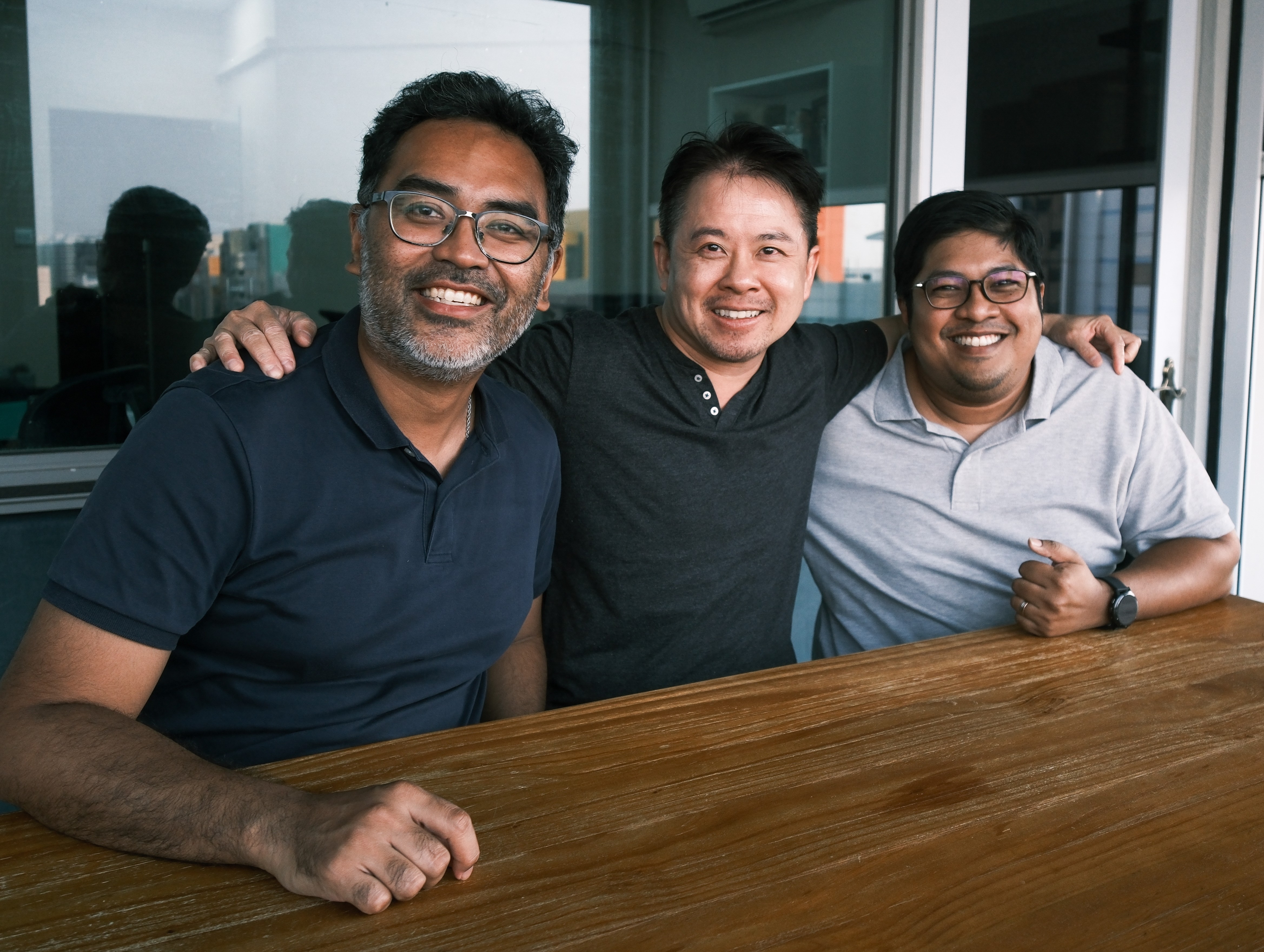
Director Benjamin Tanaka, executive producer Gabriel Patrick, and composer Ethan Hsu call the project “The Francis Chronicles.”
![Surrogate mother petitions Supreme Court to ensure lifesaving care for newborn #Catholic A surrogate mother filed an emergency appeal to the U.S. Supreme Court to ensure a newborn baby will have access to lifesaving treatment for a heart condition amid her concerns that the biological parents may not continue treatment.McKenna West, an Alaska nurse and surrogate mother, gave birth to the baby boy on Aug. 12. She is asking the U.S. Supreme Court to block a court order that recognized the boy’s biological parents as having full custody and being the authority in medical decisions.The unborn child was diagnosed with a treatable heart defect at about 20 weeks into pregnancy. His biological parents demanded West abort the child because of the defect and threatened her with financial penalties if she did not, according to the petition filed by West’s lawyers at Alliance Defending Freedom.West refused and fled to Texas because the state’s pro-life laws prohibit most abortions. The boy is receiving lifesaving medical treatment at this time due to a court order in Texas. However, the petition states the biological parents “refused to commit to authorizing any life-saving care” for as long as needed to treat the condition.“Since [West] is now completely excluded from the life of the medically fragile infant she brought into the world, much less from the ability to make critical health decisions that protect him, time is of the essence,” the petition states.The petition warns that without immediate Supreme Court action, “the child could be removed from the Texas hospital and taken to California for hospice — despite his treatable condition — around September 17, if not sooner.”“Relief is all the more warranted here, given that the stakes involve the child’s life,” the petition adds.](https://unitedyam.com/wp-content/uploads/2026/09/surrogate-mother-petitions-supreme-court-to-ensure-lifesaving-care-for-newborn-catholic-a-surrogate-mother-filed-an-emergency-appeal-to-the-u-s-supreme-court-to-ensure-a-newborn-baby-will-have-acces.png "Surrogate mother petitions Supreme Court to ensure lifesaving care for newborn #Catholic A surrogate mother filed an emergency appeal to the U.S. Supreme Court to ensure a newborn baby will have access to lifesaving treatment for a heart condition amid her concerns that the biological parents may not continue treatment.McKenna West, an Alaska nurse and surrogate mother, gave birth to the baby boy on Aug. 12. She is asking the U.S. Supreme Court to block a court order that recognized the boy’s biological parents as having full custody and being the authority in medical decisions.The unborn child was diagnosed with a treatable heart defect at about 20 weeks into pregnancy. His biological parents demanded West abort the child because of the defect and threatened her with financial penalties if she did not, according to the petition filed by West’s lawyers at Alliance Defending Freedom.West refused and fled to Texas because the state’s pro-life laws prohibit most abortions. The boy is receiving lifesaving medical treatment at this time due to a court order in Texas. However, the petition states the biological parents “refused to commit to authorizing any life-saving care” for as long as needed to treat the condition.“Since [West] is now completely excluded from the life of the medically fragile infant she brought into the world, much less from the ability to make critical health decisions that protect him, time is of the essence,” the petition states.The petition warns that without immediate Supreme Court action, “the child could be removed from the Texas hospital and taken to California for hospice — despite his treatable condition — around September 17, if not sooner.”“Relief is all the more warranted here, given that the stakes involve the child’s life,” the petition adds.")
The surrogate mother says the biological parents previously pressured her to abort the child and hold full medical authority under a lower‑court order, prompting her emergency appeal.
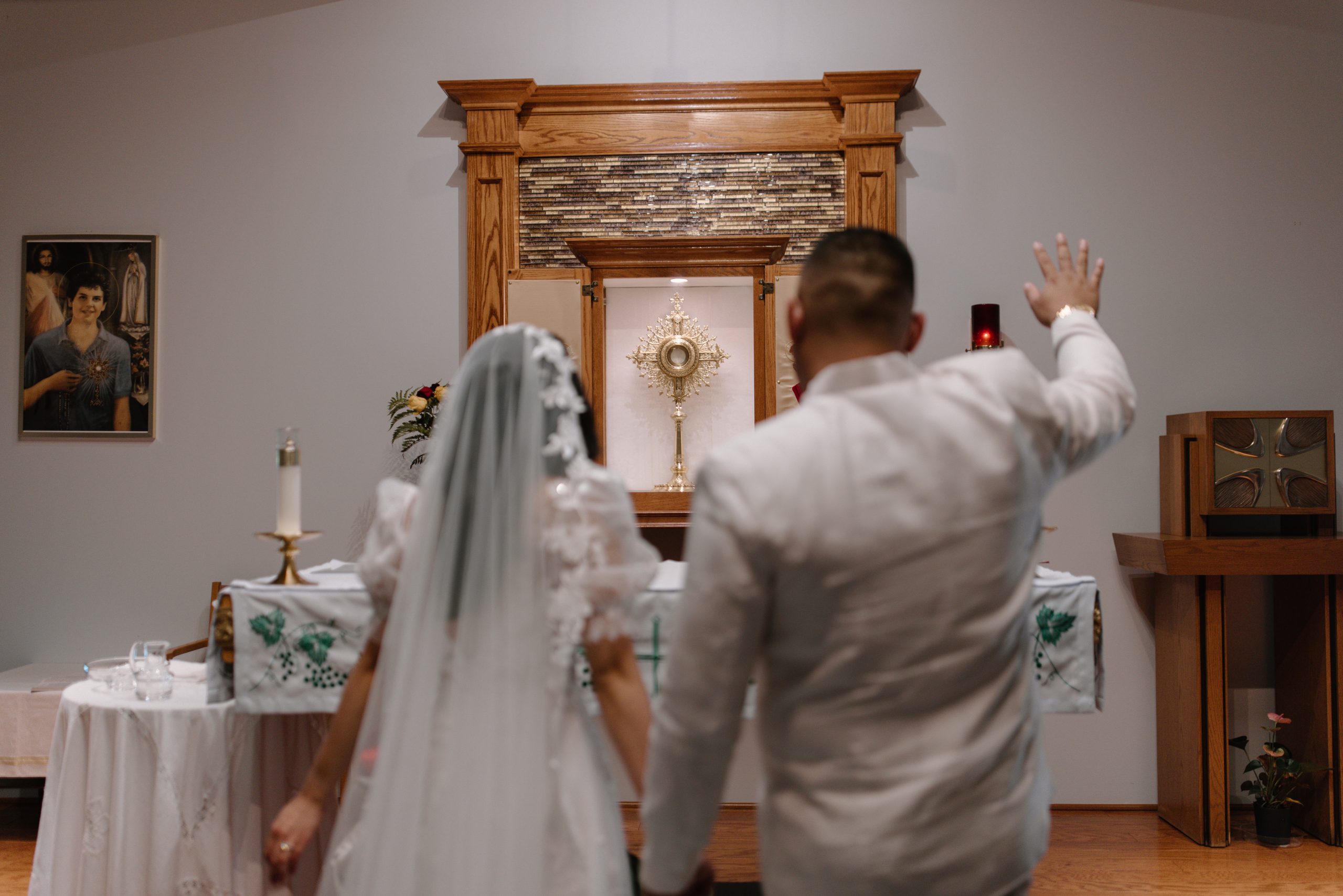
“Catholic and Christian couples don’t just have to register for their home goods,” but can “also register for sacred arts, sacred jewelry, beautiful wall mounts, and icons,” James Reichert said.

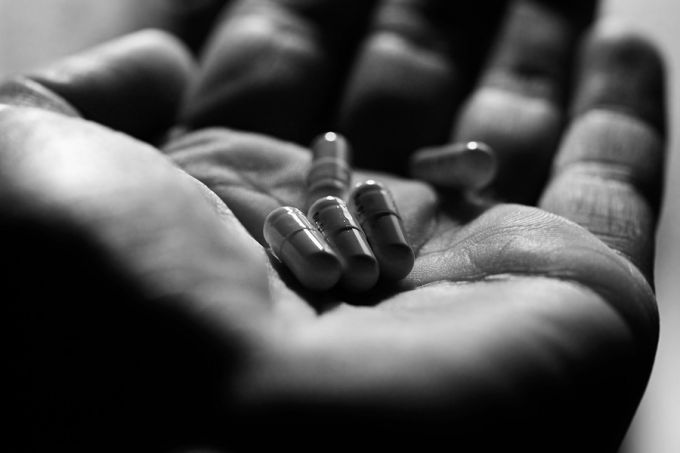
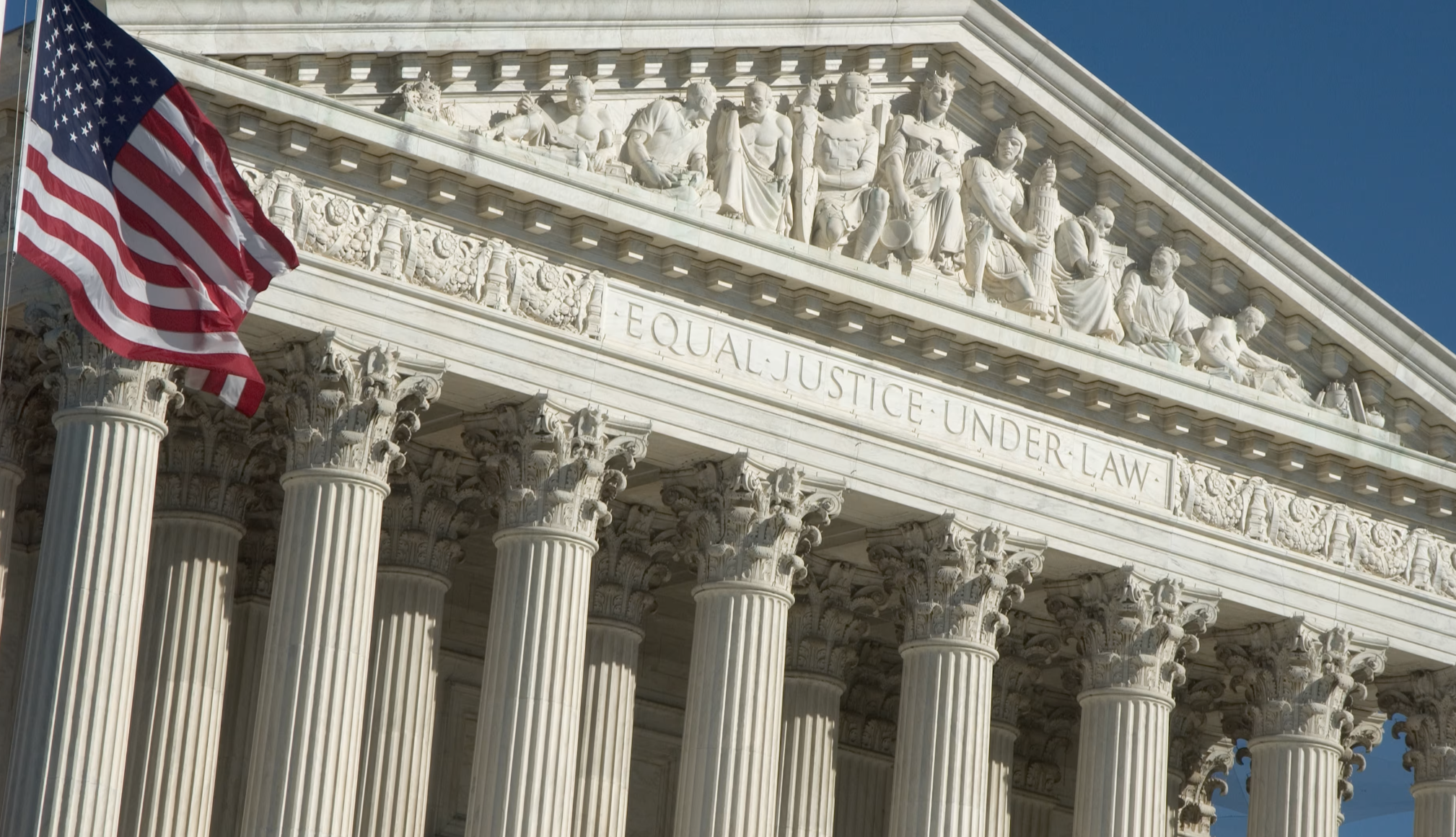
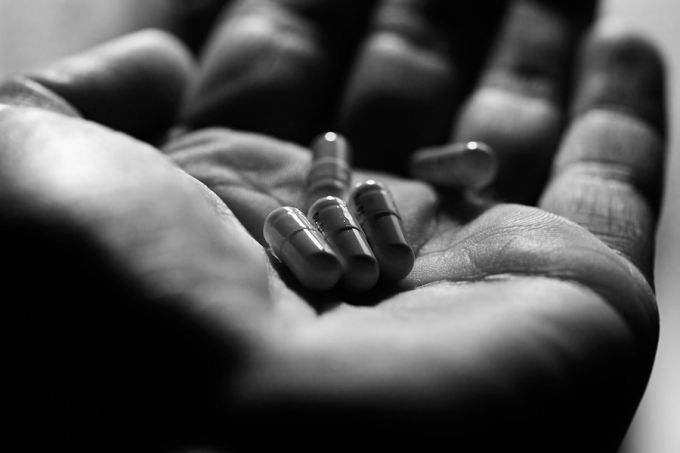
A federal judge has delayed a lawsuit over the abortion pill mifepristone, disappointing pro-lifers who are asking the U.S. Food and Drug Administration to protect women and unborn children.


Deep Space Station 15 (DSS-15), one of the 112-foot (34-meter) antennas at the Goldstone Deep Space Communications Complex near Barstow, California, looks skyward, with the stars of the Milky Way overhead, in September 2025.
Read More

Researchers from NASA’s Jet Propulsion Laboratory in Southern California monitor a research drone in the Dumont Dunes area of the Mojave Desert in September 2025 as part of a test campaign to develop navigation software to guide future rotorcraft on Mars.
Read More