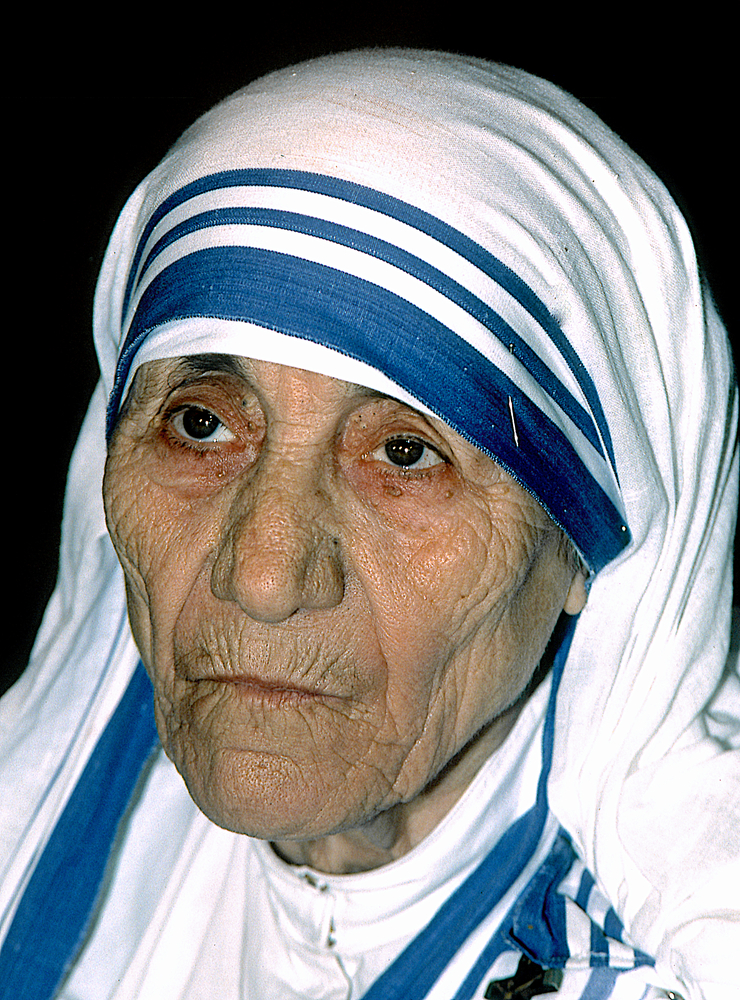
simplicity

New York City street renamed for religious sister’s decades of service #Catholic A New York City street acquired a new name this past weekend honoring a Catholic sister’s decades of dedication to the East Harlem community.On Saturday, April 25, more than 100 people gathered to celebrate the newly named street — Sister Susanne Lachapelle Way — named for the life and legacy of Lachapelle and her contributions as a registered nurse, advocate, and Little Sister of the Assumption (LSA).“With a heart rooted in justice, she dedicated herself to serving the vulnerable through home visits, healthcare, and tireless advocacy, both locally and globally,” Rosario Jimenez, director for LSA Family in Mission, told EWTN News.The event and street naming flowed from Lachapelleʼs work with Little Sisters of the Assumption Family Health Service, a community-based nonprofit based in East Harlem. Founded by the Little Sisters, the organization offers numerous programs to help vulnerable families and children meet their basic needs.
 
 Crowd celebrates the unveiling of the Sister Susanne Lachapelle Way street sign in East Harlem, New York, on April 25, 2026. | Credit: Photo courtesy of Alysa Jette and Grace Ayres-Doyle
 
 The group has been in the city for almost 70 years and Lachapelle “really helped to set the trajectory for the organization,” Ray Lopez, chief program officer of LSA Family Health Service, told EWTN News.She was “a foundational visionary staff person and a leader who really, to this day, has a very profound impact on many of us who are on the staff and worked shoulder to shoulder with her, learning from her,” he said.“Since her passing, weʼve all … redoubled our efforts to find a way to keep LSAʼs original mission and vision going in this current environment,” Lopez said. “We really wanted to find ways to keep her name out there and the legacy going.”The street is on the southeast corner of East 115th Street and First Avenue. "Itʼs almost the exact midpoint of where Sister Susanne Lachapelle lived in the Little Sisters of the Assumption brownstone and where the LSA Family Health Service … center is located,” Lopez said.“She walked there every day for at least two decades,” he said. “We thought it was the appropriate place.”Sister Susanne and the Little Sisters: ‘Unsung heroes’Lachapelle entered the LSA order in 1962 and took the religious name Sister Susanne Mary of the Sacred Heart. She made her final vows in 1971.
 
 Sister Susanne Lachapelle. | Credit: Photo courtesy of LSA Family in Mission
 
 In her 60 years of religious life, she served in numerous areas and worked with many ministries. But for 45 years she made the community of East Harlem her home, helping to spearhead the LSA Family Health Service’s programs.As a nurse, Lachapelle conducted home visits, which “was a foundational program of LSA Family Health Service,” Lopez said. “All of the programs grew out of those interactions, those early interactions of nurses going into the homes to treat the sick and poor and really seeing conditions firsthand, sitting with families at their kitchen table, hearing their stories.”“Sister Susanne and the rest of the leadership created other programs to really provide wraparound services for families,” he said. "The Little Sisters set up a food pantry and a thrift store just to make sure that people had the very basics.”“From there, the services were about connecting people with public benefits, providing support around education, education enrichment, education navigation. A lot of … programs focused on maternal child health and early childhood development.”Along with her support for health and families, Lachapelle also had a passion for protecting the environment through her commitment to Pope Francis' Laudato Si', a call to protect our common home.
 
 Sister Susanne Lachapelle. | Credit: Photo courtesy of LSA Family in Mission
 
 Lachapelle decided to initiate “an environmental health component to the work that the Little Sisters were doing,” Lynn Tiede, a volunteer for LSA Health Service who worked with Lachapelle, told EWTN News.“She worked with the families and saw problems like asthma and other debilitating health things, she realized that … itʼs mold, itʼs the air quality, itʼs these other things that are really at the root of these health problems.”“Everybody was just so inspired … to see her traipsing into rough, rough buildings and just without any hesitation,” Tiede said. “If you went into a home and people were dealing with asthma, you … send in the environmental health team and then they try to work to get the building management to actually address those things.”With the success of her work, she even collaborated with the human rights group and nongovernmental organization Vivat International, where she helped bring voices and environmental issues to the United Nations, but she always remained “very, very humble,” Tiede said.Due to her humility “there were a few people who were against [the street-naming] when we proposed it, because they thought she would hate it — because she was so humble,” Tiede said.
 
 Sister Susanne Lachapelle Way in East Harlem, New York. | Credit: Photo courtesy of LSA Family in Mission
 
 Ultimately they chose to honor Lachapelle and the Little Sisters because they are “unsung heroes — these quiet heroes,” Tiede said.The process to get the street renamed began in 2024 and it was found to be an easier process than expected, as the city council was eager to acknowledge Lachapelle and the Little Sisters.Sister Susanne’s lasting impactAt the street naming celebration organizers “were expecting around 80 participants, but I think it was maybe 150 or a little bit more,” Jimenez said. “There were community members, families that she served, youth that she served, … volunteers, and of course, our board members and benefactors.”It honored her “simplicity and the way that she used to be a leader,” which was “was grounded in integrity, purpose, love,” Jimenez said. “Having a street named after her will honor all of that.”Reflecting on the event, Lopez said: “[It] feels like a dream because so many people came that worked with her in the past.”Despite having to move the event inside to avoid the cold and rain, the crowd of people stayed to celebrate. It “was crowded with people, and our center lobby was filled completely,” Lopez said. “It was just a very festive atmosphere.”He added: “It was really moving to have so many people there from so long ago that still feel it in their hearts, [how] the work here in East Harlem impacted their careers, impacted their lives, and that itʼs still a very significant thing for them,” he said.

New York City street renamed for religious sister’s decades of service #Catholic A New York City street acquired a new name this past weekend honoring a Catholic sister’s decades of dedication to the East Harlem community.On Saturday, April 25, more than 100 people gathered to celebrate the newly named street — Sister Susanne Lachapelle Way — named for the life and legacy of Lachapelle and her contributions as a registered nurse, advocate, and Little Sister of the Assumption (LSA).“With a heart rooted in justice, she dedicated herself to serving the vulnerable through home visits, healthcare, and tireless advocacy, both locally and globally,” Rosario Jimenez, director for LSA Family in Mission, told EWTN News.The event and street naming flowed from Lachapelleʼs work with Little Sisters of the Assumption Family Health Service, a community-based nonprofit based in East Harlem. Founded by the Little Sisters, the organization offers numerous programs to help vulnerable families and children meet their basic needs. Crowd celebrates the unveiling of the Sister Susanne Lachapelle Way street sign in East Harlem, New York, on April 25, 2026. | Credit: Photo courtesy of Alysa Jette and Grace Ayres-Doyle The group has been in the city for almost 70 years and Lachapelle “really helped to set the trajectory for the organization,” Ray Lopez, chief program officer of LSA Family Health Service, told EWTN News.She was “a foundational visionary staff person and a leader who really, to this day, has a very profound impact on many of us who are on the staff and worked shoulder to shoulder with her, learning from her,” he said.“Since her passing, weʼve all … redoubled our efforts to find a way to keep LSAʼs original mission and vision going in this current environment,” Lopez said. “We really wanted to find ways to keep her name out there and the legacy going.”The street is on the southeast corner of East 115th Street and First Avenue. "Itʼs almost the exact midpoint of where Sister Susanne Lachapelle lived in the Little Sisters of the Assumption brownstone and where the LSA Family Health Service … center is located,” Lopez said.“She walked there every day for at least two decades,” he said. “We thought it was the appropriate place.”Sister Susanne and the Little Sisters: ‘Unsung heroes’Lachapelle entered the LSA order in 1962 and took the religious name Sister Susanne Mary of the Sacred Heart. She made her final vows in 1971. Sister Susanne Lachapelle. | Credit: Photo courtesy of LSA Family in Mission In her 60 years of religious life, she served in numerous areas and worked with many ministries. But for 45 years she made the community of East Harlem her home, helping to spearhead the LSA Family Health Service’s programs.As a nurse, Lachapelle conducted home visits, which “was a foundational program of LSA Family Health Service,” Lopez said. “All of the programs grew out of those interactions, those early interactions of nurses going into the homes to treat the sick and poor and really seeing conditions firsthand, sitting with families at their kitchen table, hearing their stories.”“Sister Susanne and the rest of the leadership created other programs to really provide wraparound services for families,” he said. "The Little Sisters set up a food pantry and a thrift store just to make sure that people had the very basics.”“From there, the services were about connecting people with public benefits, providing support around education, education enrichment, education navigation. A lot of … programs focused on maternal child health and early childhood development.”Along with her support for health and families, Lachapelle also had a passion for protecting the environment through her commitment to Pope Francis' Laudato Si', a call to protect our common home. Sister Susanne Lachapelle. | Credit: Photo courtesy of LSA Family in Mission Lachapelle decided to initiate “an environmental health component to the work that the Little Sisters were doing,” Lynn Tiede, a volunteer for LSA Health Service who worked with Lachapelle, told EWTN News.“She worked with the families and saw problems like asthma and other debilitating health things, she realized that … itʼs mold, itʼs the air quality, itʼs these other things that are really at the root of these health problems.”“Everybody was just so inspired … to see her traipsing into rough, rough buildings and just without any hesitation,” Tiede said. “If you went into a home and people were dealing with asthma, you … send in the environmental health team and then they try to work to get the building management to actually address those things.”With the success of her work, she even collaborated with the human rights group and nongovernmental organization Vivat International, where she helped bring voices and environmental issues to the United Nations, but she always remained “very, very humble,” Tiede said.Due to her humility “there were a few people who were against [the street-naming] when we proposed it, because they thought she would hate it — because she was so humble,” Tiede said. Sister Susanne Lachapelle Way in East Harlem, New York. | Credit: Photo courtesy of LSA Family in Mission Ultimately they chose to honor Lachapelle and the Little Sisters because they are “unsung heroes — these quiet heroes,” Tiede said.The process to get the street renamed began in 2024 and it was found to be an easier process than expected, as the city council was eager to acknowledge Lachapelle and the Little Sisters.Sister Susanne’s lasting impactAt the street naming celebration organizers “were expecting around 80 participants, but I think it was maybe 150 or a little bit more,” Jimenez said. “There were community members, families that she served, youth that she served, … volunteers, and of course, our board members and benefactors.”It honored her “simplicity and the way that she used to be a leader,” which was “was grounded in integrity, purpose, love,” Jimenez said. “Having a street named after her will honor all of that.”Reflecting on the event, Lopez said: “[It] feels like a dream because so many people came that worked with her in the past.”Despite having to move the event inside to avoid the cold and rain, the crowd of people stayed to celebrate. It “was crowded with people, and our center lobby was filled completely,” Lopez said. “It was just a very festive atmosphere.”He added: “It was really moving to have so many people there from so long ago that still feel it in their hearts, [how] the work here in East Harlem impacted their careers, impacted their lives, and that itʼs still a very significant thing for them,” he said.

For 45 years, Sister Susanne Lachapelle made the community of East Harlem her home, helping to spearhead the LSA Family Health Service’s programs to help the most vulnerable.

Read More
Pope Leo XIV in Algeria: ‘I am here among you as a pilgrim of peace’ #Catholic ALGIERS, Algeria — Pope Leo XIV on Monday presented himself to Algeria’s diplomatic corps and civil society as “a pilgrim of peace,” urging a more just international order, warning against exclusion and inequality, and praising those who refuse to be “blinded by power or wealth.”Peace remained the central theme of the pope’s first day in Algeria, following his earlier stop at the Martyrs’ Memorial, where he delivered an appeal for peace and reconciliation.Speaking in French at the Djamaa el Djazair Conference Center, Leo recalled his previous visits to Algeria in 2001 and 2013 to Annaba, the ancient see of St. Augustine, whose spiritual legacy has long shaped the Augustinian order to which the pope belongs.“I am here among you as a pilgrim of peace, eager to meet the noble Algerian people,” the pope said. “We are brothers and sisters, for we have the same Father in heaven.”Leo said the “profound religious sense of the Algerian people” fosters “a culture of encounter and reconciliation,” adding that his visit also seeks to be a sign of that spirit.“In a world full of conflicts and misunderstandings, let us meet and strive for mutual understanding, recognizing that we are one family!” he said. “Today, the simplicity of this awareness is the key to opening many doors that are closed.”Addressing an audience of about 1,400 people from civil society and the diplomatic corps, the pope praised the resilience of the Algerian people, saying they had never been defeated by their trials because of their spirit of solidarity, hospitality, and community.“They are the truly strong ones, to whom the future belongs: those who do not allow themselves to be blinded by power or wealth, and those who refuse to sacrifice the dignity of their fellow citizens for the sake of personal or collective gain,” he said.Leo also highlighted the Algerian understanding of hospitality and almsgiving, reflected in the word “sadaka,” which he noted can also mean justice.“The one who accumulates wealth and remains indifferent to others is unjust,” the pope said, calling this vision of justice both “simple and radical” because it recognizes the image of God in others. “Indeed, a religion without mercy and a society without solidarity are a scandal in God’s eyes.”At the same time, he warned that many societies that consider themselves advanced are falling ever deeper into inequality and exclusion, while “people and organizations that dominate others destroy the world.” He said Africa knows this reality well and suggested that Algeria’s historical experience gives it a critical perspective on global power balances.“If you are able to engage in dialogue regarding the concerns of all and show solidarity with the sufferings of so many countries near and far, then you will be able to contribute to both envisioning and bringing about greater justice among peoples,” Leo said.He added that this task is especially urgent “in the face of continuous violations of international law and neocolonial tendencies.”Drawing on the teaching of Benedict XVI and Pope Francis, Leo called on Algeria’s authorities not to fear a broader social participation by those on the margins.“I therefore urge those of you who hold positions of authority in this country not to fear this outlook but to promote a vibrant, dynamic, and free civil society, in which young people in particular are recognized as capable of helping to broaden the horizon of hope for all,” he said.“The true strength of a nation lies in the cooperation of everyone in pursuing the common good,” he continued. “Authorities are called not to dominate but to serve the people and foster their development.”The pope also pointed to Algeria’s unique role as “a bridge between North and South, and between East and West,” describing the Mediterranean and the Sahara as geographical and spiritual crossroads rich with human and cultural meaning.“Woe to us if we turn them into graveyards where hope also dies!” he said. “Let us multiply oases of peace; let us denounce and remove the causes of despair; and let us oppose those who profit from the misfortune of others!”“For illicit are the gains of those who exploit human life, whose dignity is inviolable,” he added.Leo then broadened his reflection to the place of religion in modern society, noting that Algeria, like much of the world, experiences tensions between religious sensibility and modern life. He warned against both fundamentalism and secularization when they distort the true sense of God and human dignity.“Religious symbols and words can become, on the one hand, blasphemous languages of violence and oppression, or on the other, empty signs in the immense marketplace of consumption that does not satisfy us,” he said.Still, the pope insisted that such polarization should not lead to despair.“We must educate people in critical thinking and freedom, in listening and dialogue, and in the trust that leads us to recognize in those who are different fellow travelers and not threats,” he said. “We must work toward the healing of memory and reconciliation among former adversaries.”In his introduction, Algerian President Abdelmadjid Tebboune called Leo’s presence the first visit of a pope to Algeria and said it gave the occasion “a unique resonance.” He invoked both St. Augustine and Emir Abdelkader as enduring models at a time of accelerating change and weakening moral values.Tebboune also praised the pope’s moral authority and his support for social justice while reaffirming Algeria’s commitment to working with the Holy Father to promote dialogue, coexistence, and cooperation over division and conflict.This story was first published by ACI Stampa, the Italian-language sister service of EWTN News. It has been translated and adapted by EWTN News English.

Pope Leo XIV in Algeria: ‘I am here among you as a pilgrim of peace’ #Catholic ALGIERS, Algeria — Pope Leo XIV on Monday presented himself to Algeria’s diplomatic corps and civil society as “a pilgrim of peace,” urging a more just international order, warning against exclusion and inequality, and praising those who refuse to be “blinded by power or wealth.”Peace remained the central theme of the pope’s first day in Algeria, following his earlier stop at the Martyrs’ Memorial, where he delivered an appeal for peace and reconciliation.Speaking in French at the Djamaa el Djazair Conference Center, Leo recalled his previous visits to Algeria in 2001 and 2013 to Annaba, the ancient see of St. Augustine, whose spiritual legacy has long shaped the Augustinian order to which the pope belongs.“I am here among you as a pilgrim of peace, eager to meet the noble Algerian people,” the pope said. “We are brothers and sisters, for we have the same Father in heaven.”Leo said the “profound religious sense of the Algerian people” fosters “a culture of encounter and reconciliation,” adding that his visit also seeks to be a sign of that spirit.“In a world full of conflicts and misunderstandings, let us meet and strive for mutual understanding, recognizing that we are one family!” he said. “Today, the simplicity of this awareness is the key to opening many doors that are closed.”Addressing an audience of about 1,400 people from civil society and the diplomatic corps, the pope praised the resilience of the Algerian people, saying they had never been defeated by their trials because of their spirit of solidarity, hospitality, and community.“They are the truly strong ones, to whom the future belongs: those who do not allow themselves to be blinded by power or wealth, and those who refuse to sacrifice the dignity of their fellow citizens for the sake of personal or collective gain,” he said.Leo also highlighted the Algerian understanding of hospitality and almsgiving, reflected in the word “sadaka,” which he noted can also mean justice.“The one who accumulates wealth and remains indifferent to others is unjust,” the pope said, calling this vision of justice both “simple and radical” because it recognizes the image of God in others. “Indeed, a religion without mercy and a society without solidarity are a scandal in God’s eyes.”At the same time, he warned that many societies that consider themselves advanced are falling ever deeper into inequality and exclusion, while “people and organizations that dominate others destroy the world.” He said Africa knows this reality well and suggested that Algeria’s historical experience gives it a critical perspective on global power balances.“If you are able to engage in dialogue regarding the concerns of all and show solidarity with the sufferings of so many countries near and far, then you will be able to contribute to both envisioning and bringing about greater justice among peoples,” Leo said.He added that this task is especially urgent “in the face of continuous violations of international law and neocolonial tendencies.”Drawing on the teaching of Benedict XVI and Pope Francis, Leo called on Algeria’s authorities not to fear a broader social participation by those on the margins.“I therefore urge those of you who hold positions of authority in this country not to fear this outlook but to promote a vibrant, dynamic, and free civil society, in which young people in particular are recognized as capable of helping to broaden the horizon of hope for all,” he said.“The true strength of a nation lies in the cooperation of everyone in pursuing the common good,” he continued. “Authorities are called not to dominate but to serve the people and foster their development.”The pope also pointed to Algeria’s unique role as “a bridge between North and South, and between East and West,” describing the Mediterranean and the Sahara as geographical and spiritual crossroads rich with human and cultural meaning.“Woe to us if we turn them into graveyards where hope also dies!” he said. “Let us multiply oases of peace; let us denounce and remove the causes of despair; and let us oppose those who profit from the misfortune of others!”“For illicit are the gains of those who exploit human life, whose dignity is inviolable,” he added.Leo then broadened his reflection to the place of religion in modern society, noting that Algeria, like much of the world, experiences tensions between religious sensibility and modern life. He warned against both fundamentalism and secularization when they distort the true sense of God and human dignity.“Religious symbols and words can become, on the one hand, blasphemous languages of violence and oppression, or on the other, empty signs in the immense marketplace of consumption that does not satisfy us,” he said.Still, the pope insisted that such polarization should not lead to despair.“We must educate people in critical thinking and freedom, in listening and dialogue, and in the trust that leads us to recognize in those who are different fellow travelers and not threats,” he said. “We must work toward the healing of memory and reconciliation among former adversaries.”In his introduction, Algerian President Abdelmadjid Tebboune called Leo’s presence the first visit of a pope to Algeria and said it gave the occasion “a unique resonance.” He invoked both St. Augustine and Emir Abdelkader as enduring models at a time of accelerating change and weakening moral values.Tebboune also praised the pope’s moral authority and his support for social justice while reaffirming Algeria’s commitment to working with the Holy Father to promote dialogue, coexistence, and cooperation over division and conflict.This story was first published by ACI Stampa, the Italian-language sister service of EWTN News. It has been translated and adapted by EWTN News English.

The pontiff called for a world order that does not exclude the vulnerable and urged leaders to serve the common good.

Read More