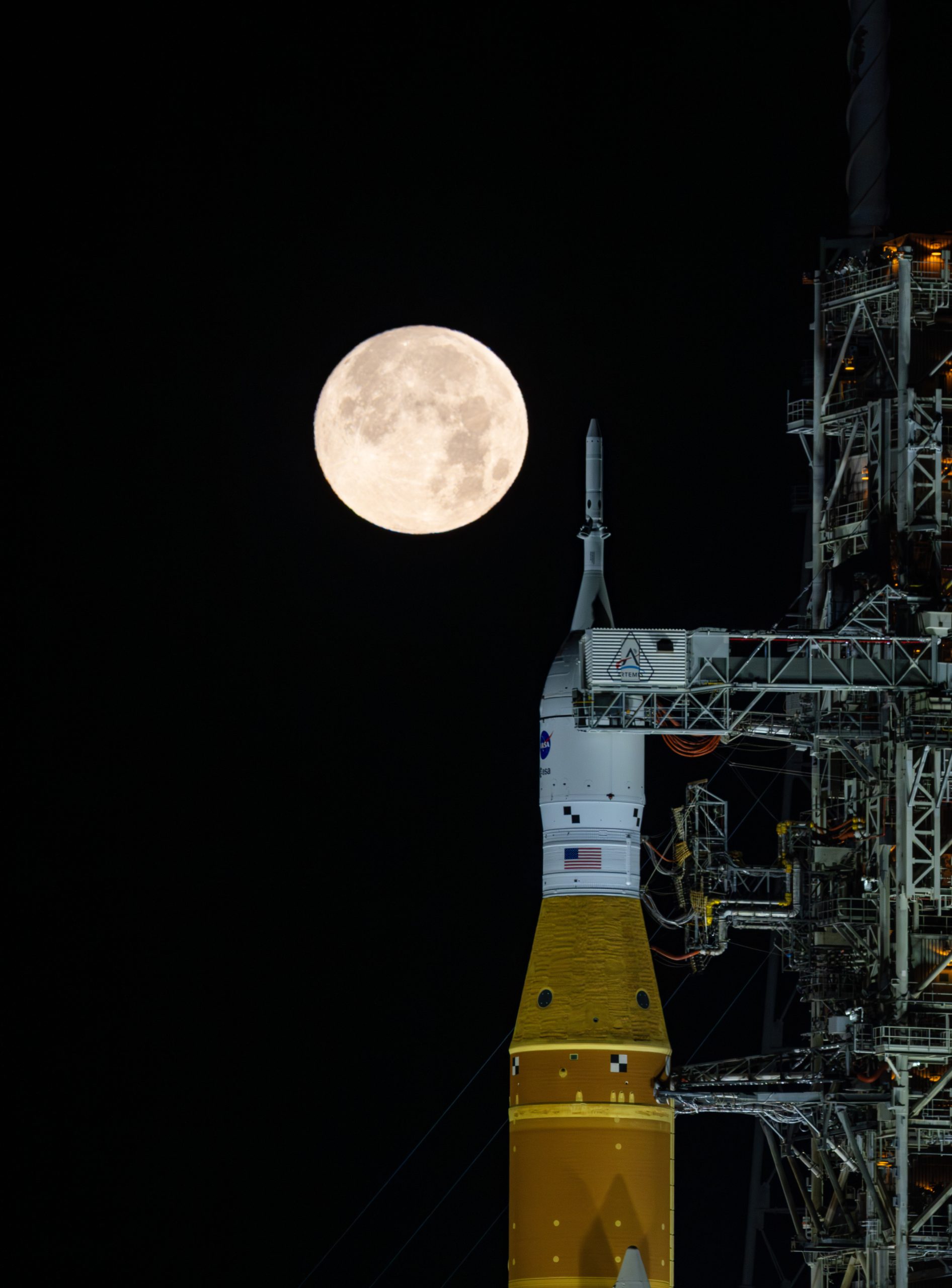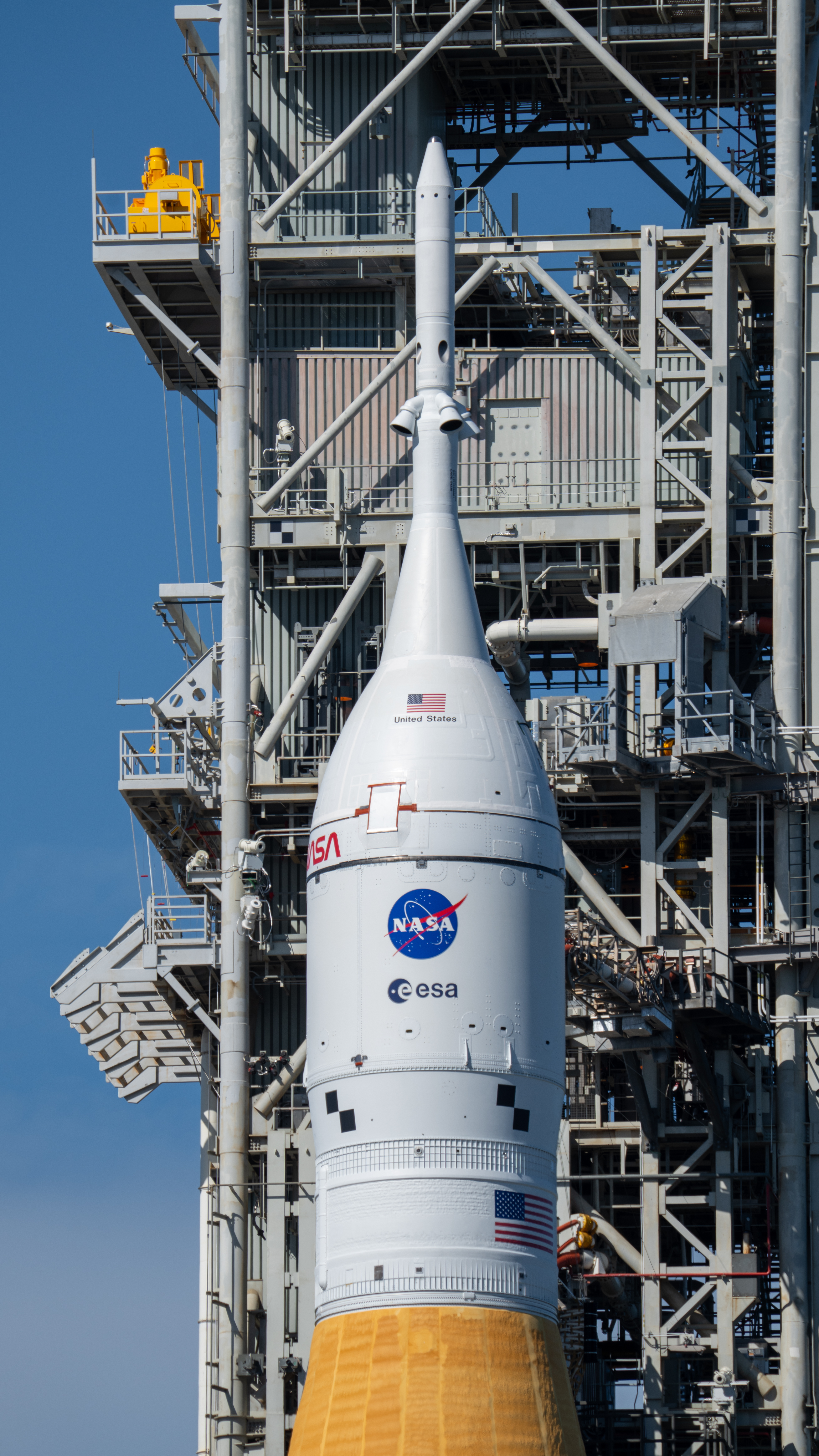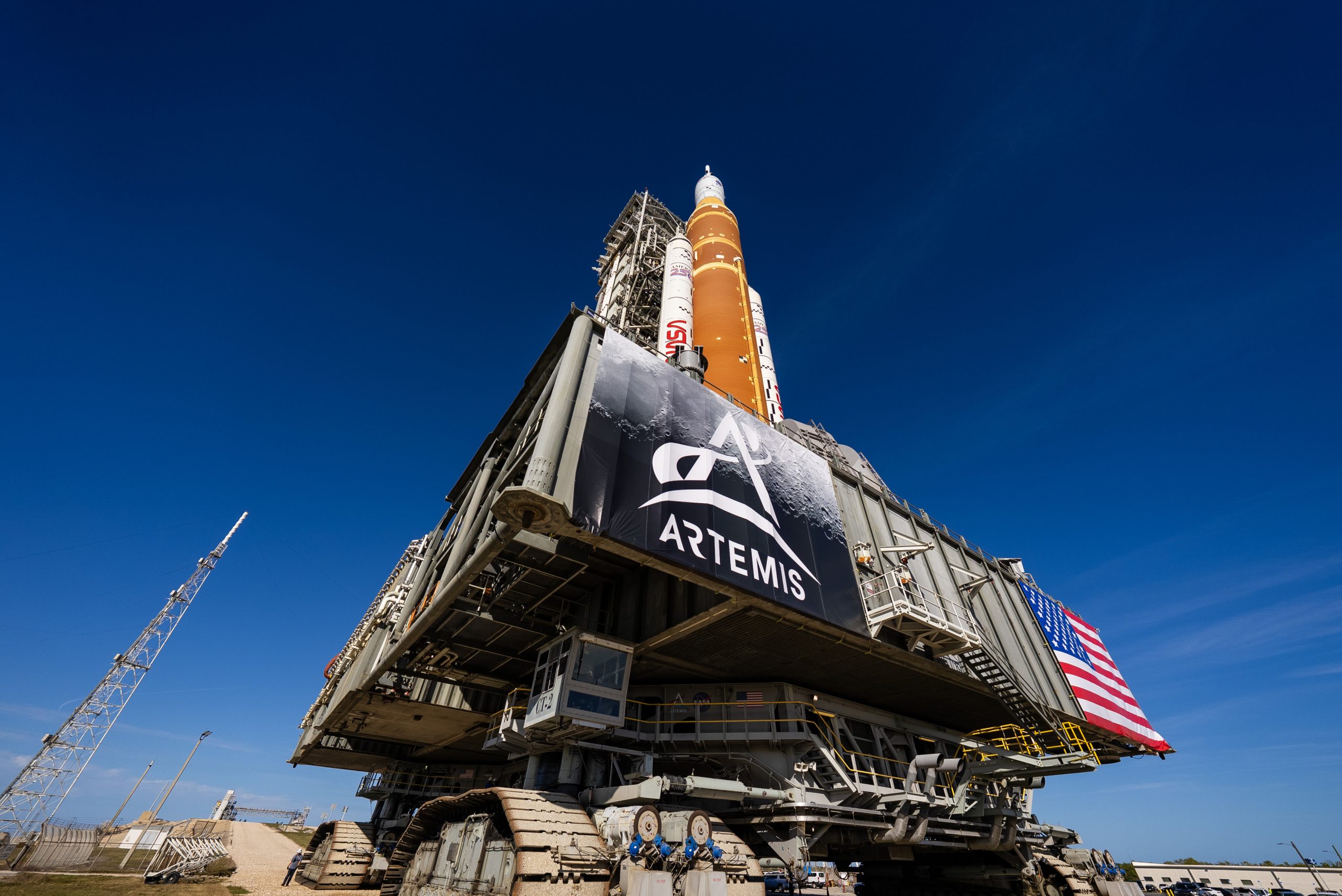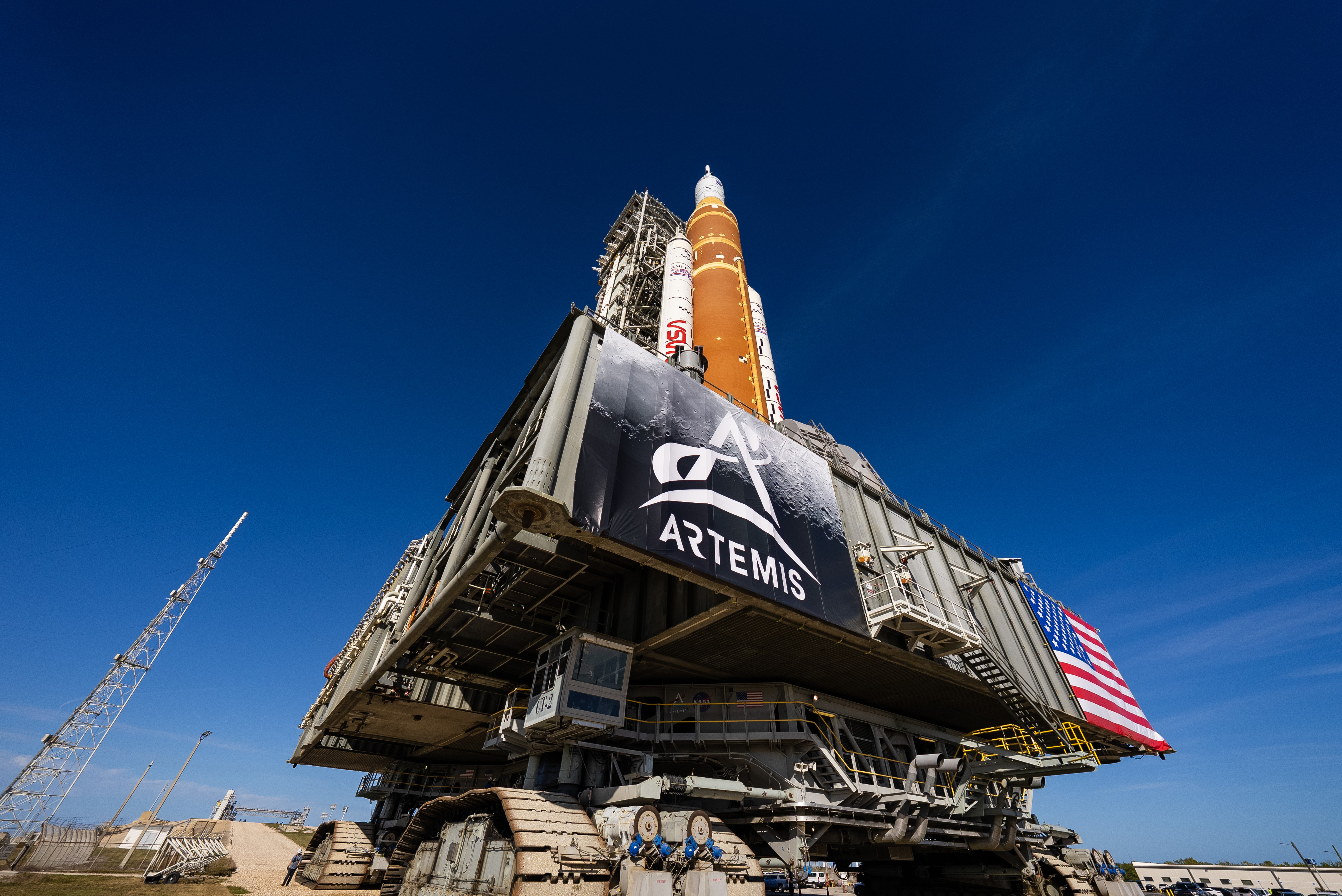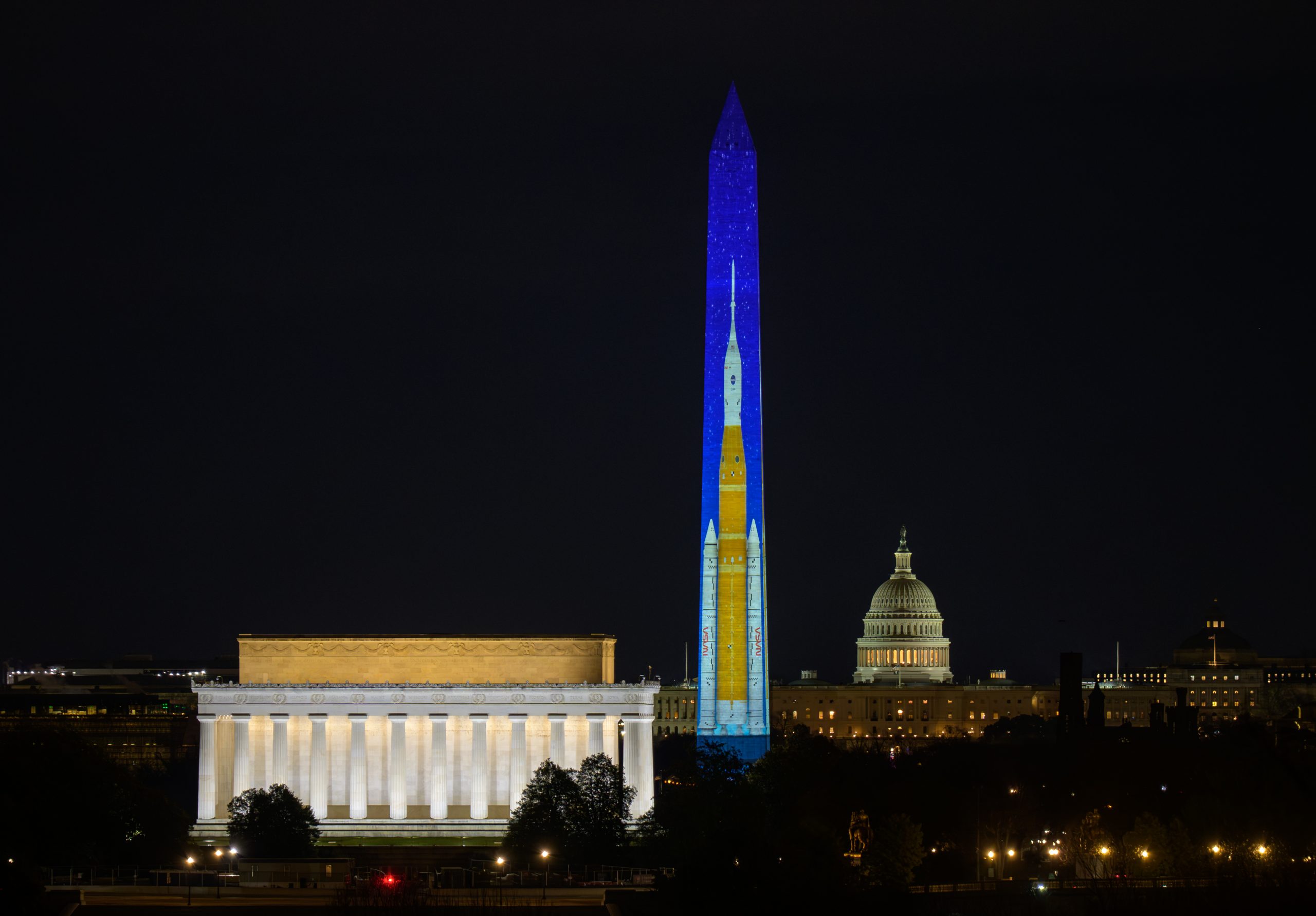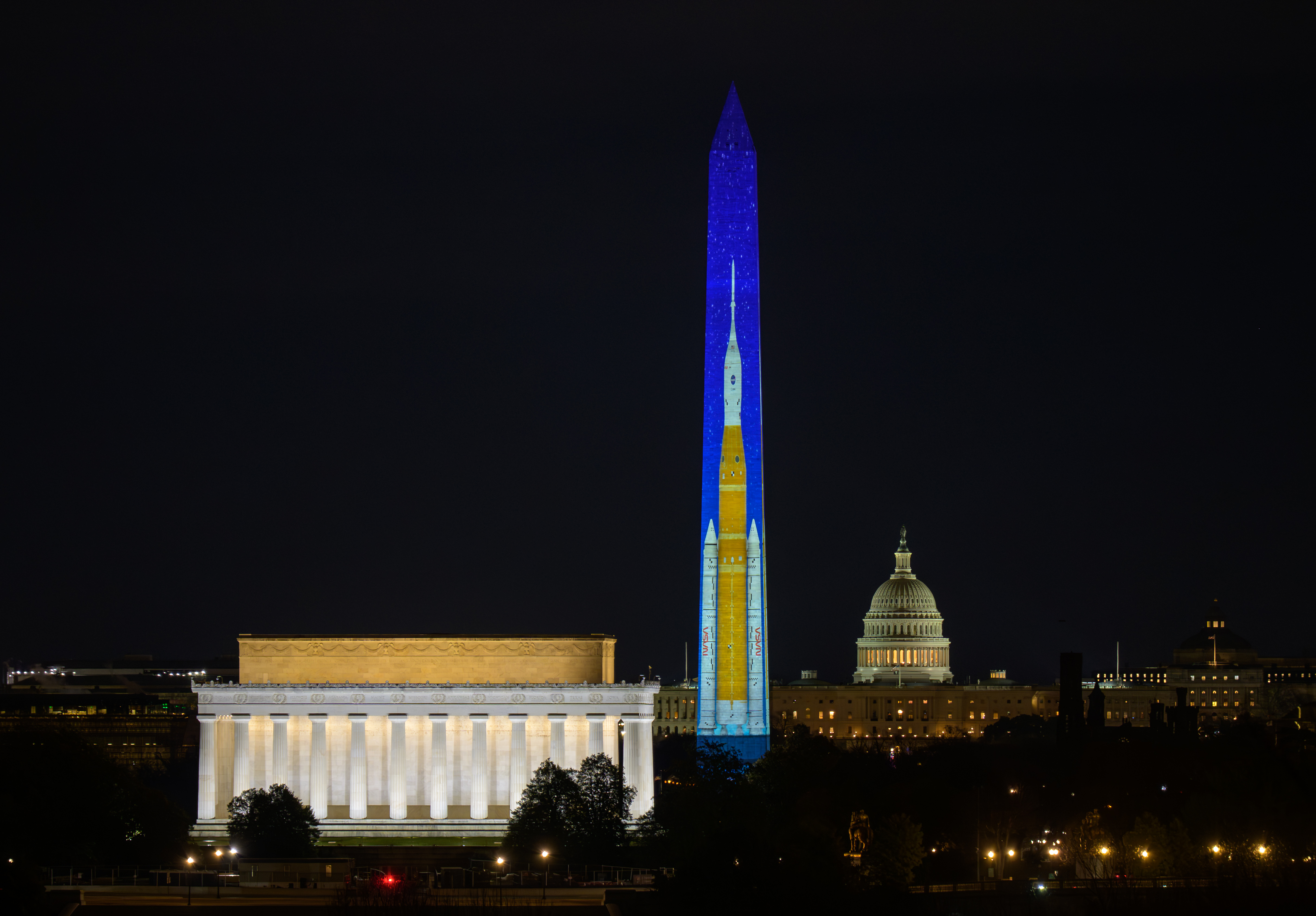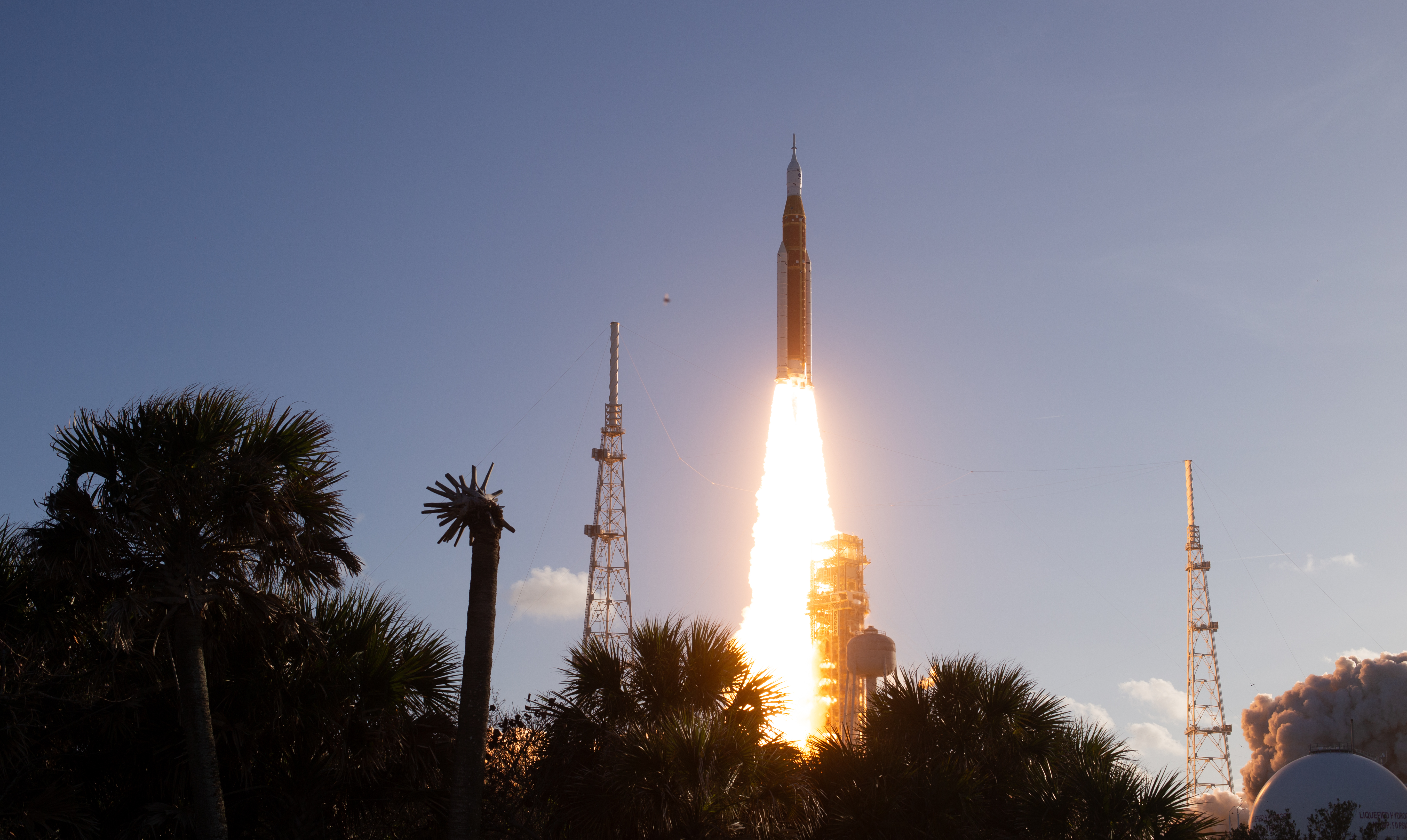

Images depicting NASA’s Space Launch System (SLS) rocket are projected onto the Washington Monument as part of an event to kick off the nation’s 250th birthday year, Wednesday, Dec. 31, 2025, in Washington.
Read More

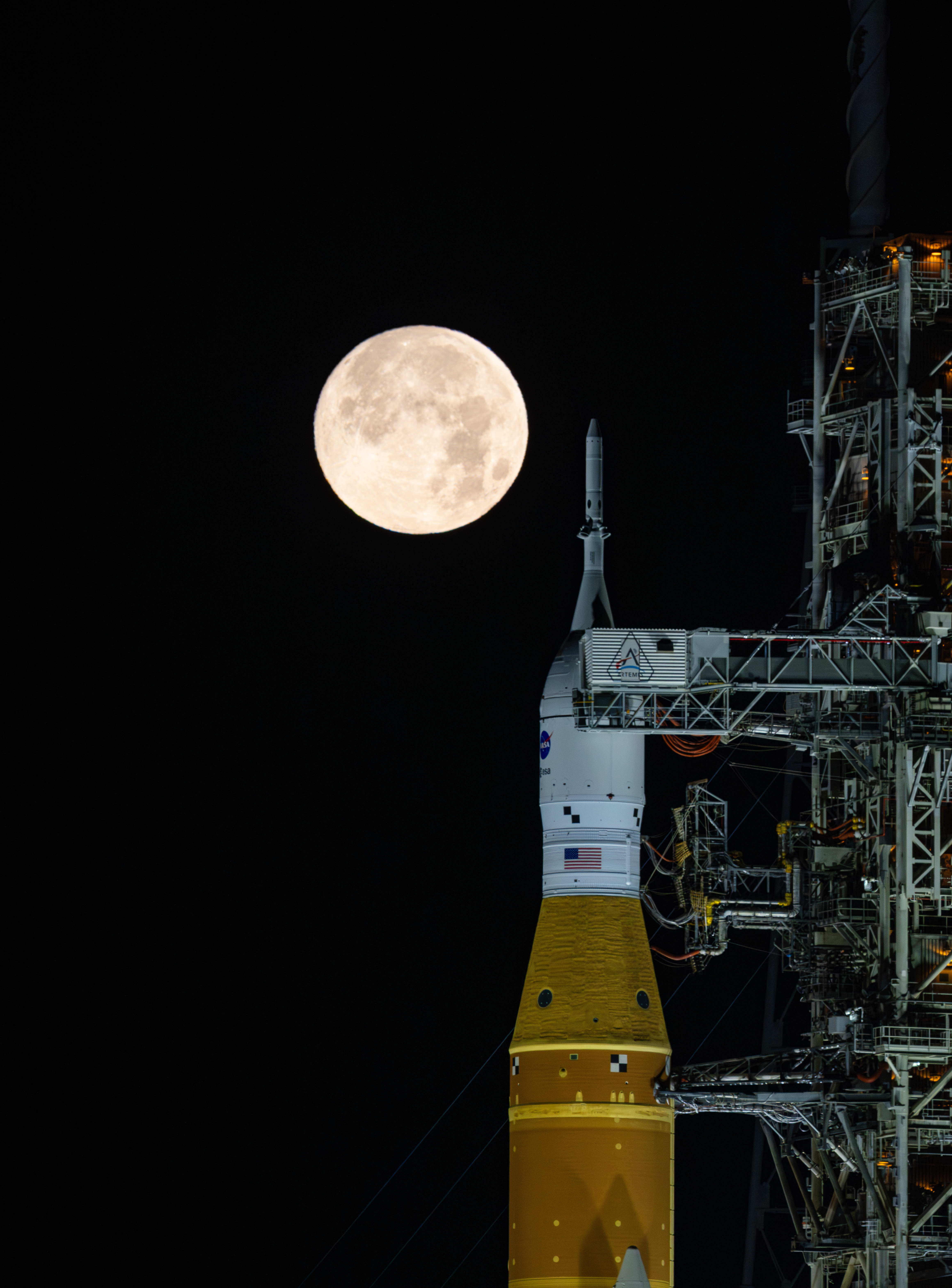
Images depicting NASA’s Space Launch System (SLS) rocket are projected onto the Washington Monument as part of an event to kick off the nation’s 250th birthday year, Wednesday, Dec. 31, 2025, in Washington.
Read More

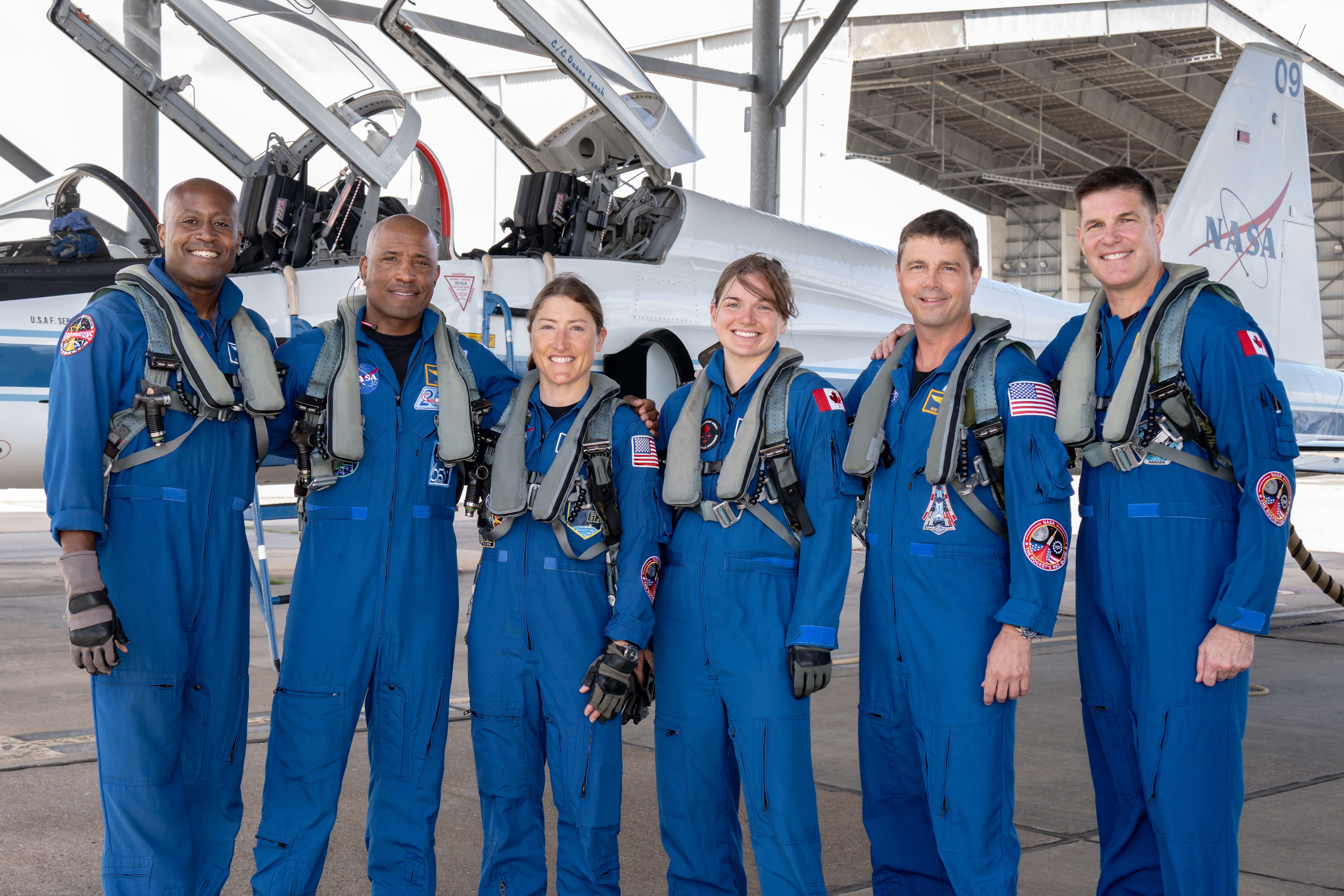
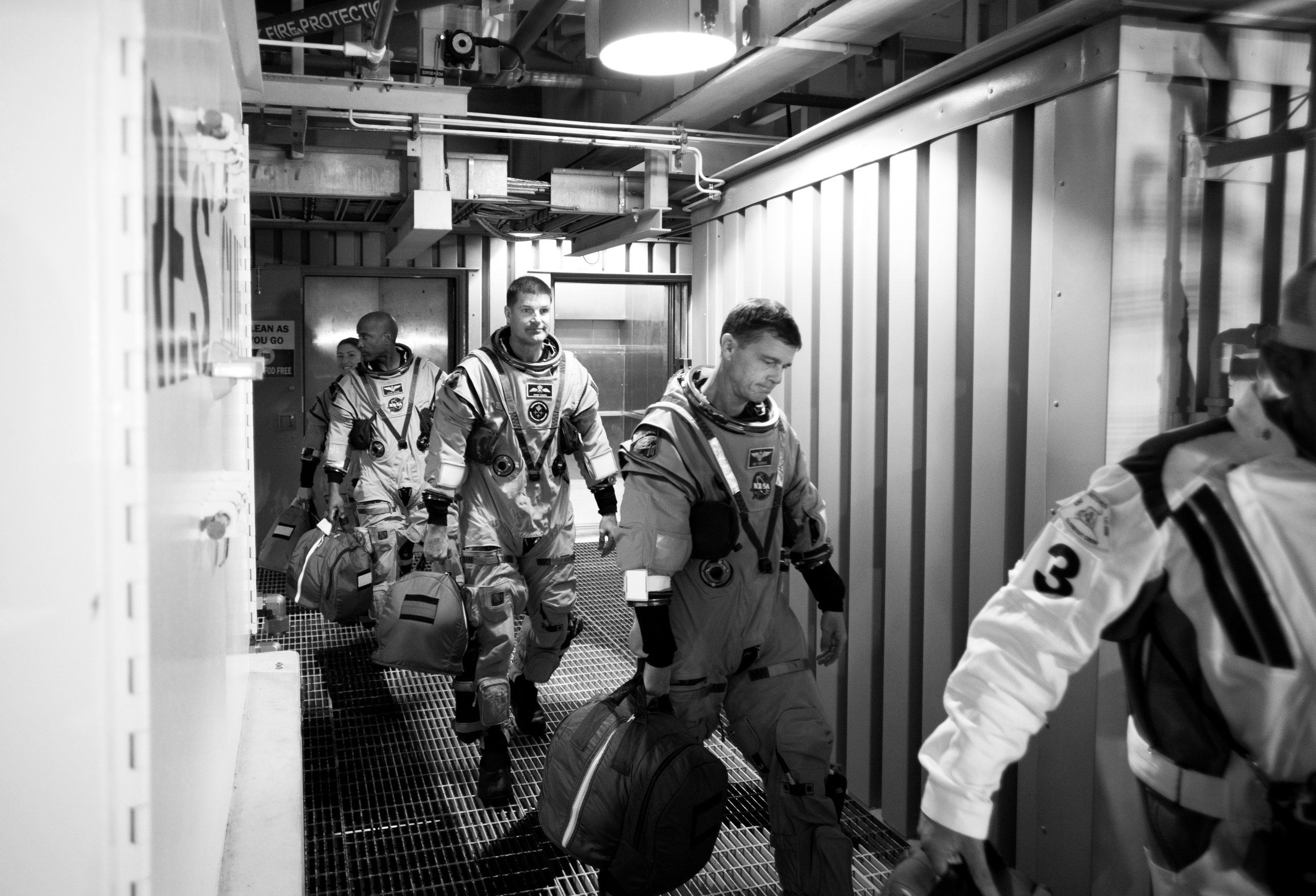
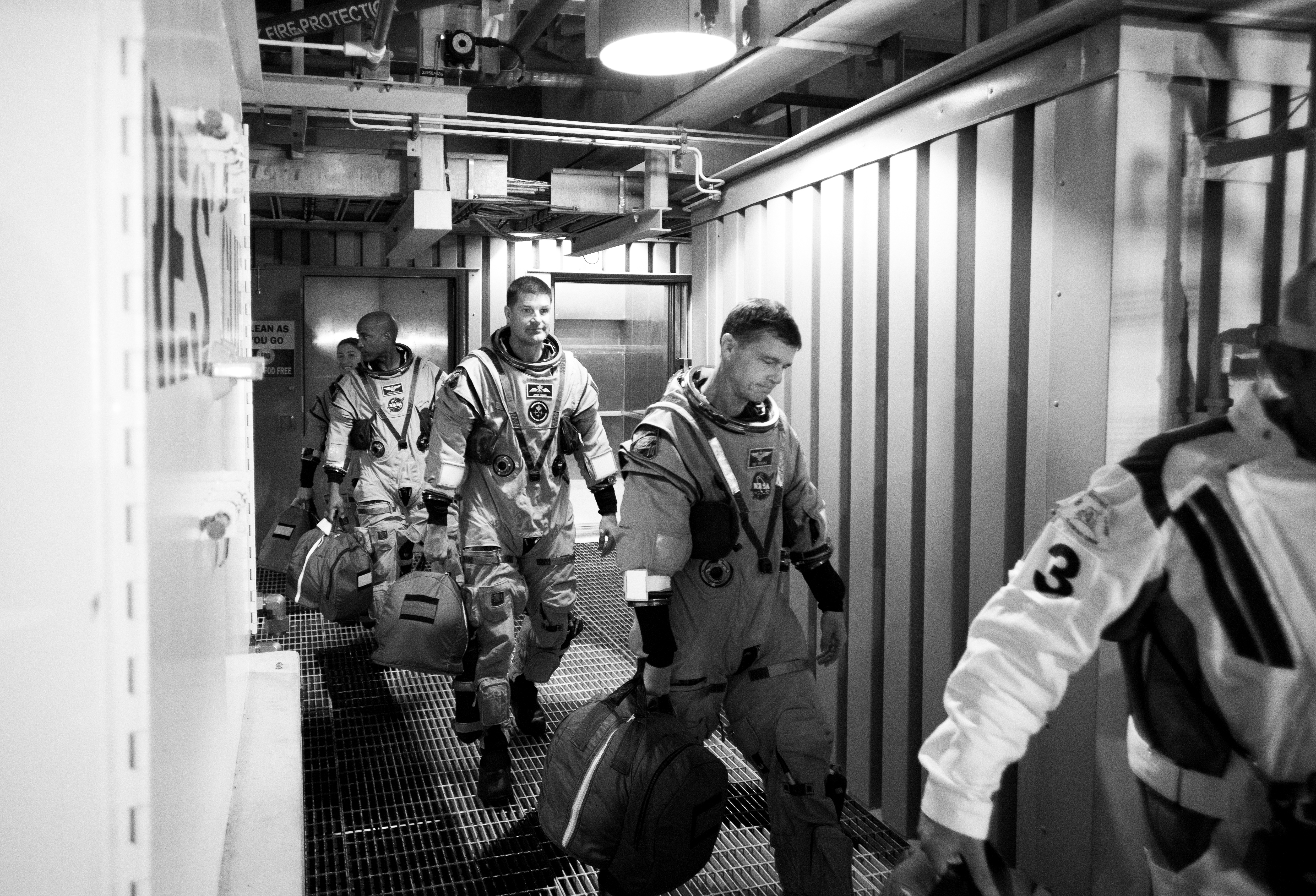
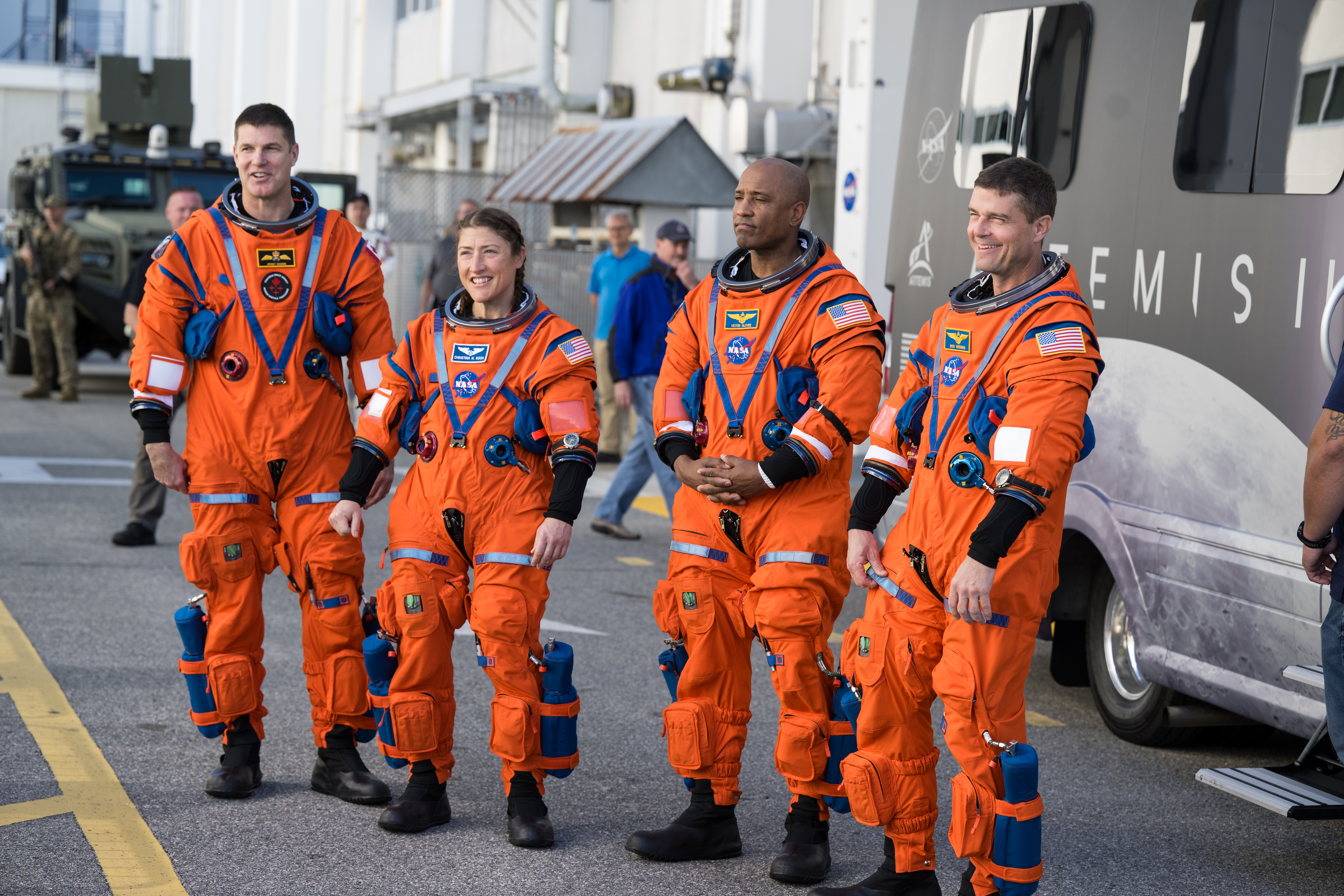
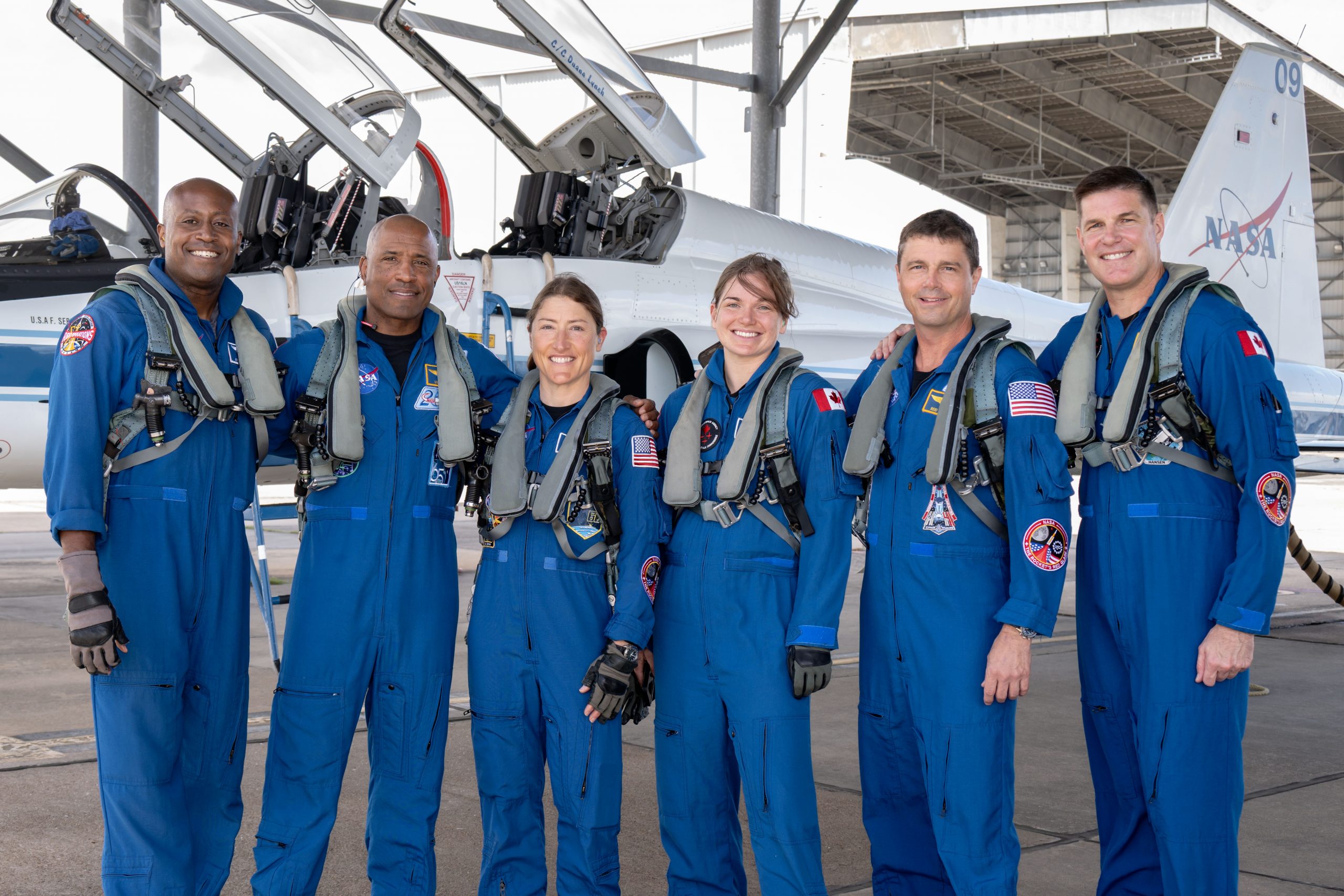
Artemis II crewmembers (left to right) NASA astronauts Christina Koch, mission specialist; and Victor Glover, pilot; CSA (Canadian Space Agency) astronaut Jeremy Hansen, mission specialist; and NASA astronaut Reid Wiseman, commander are led to the crew access arm as they prepare to board their Orion spacecraft atop NASA’s Space Launch System rocket during the Artemis II countdown demonstration test on Dec. 20, 2025.
Read More

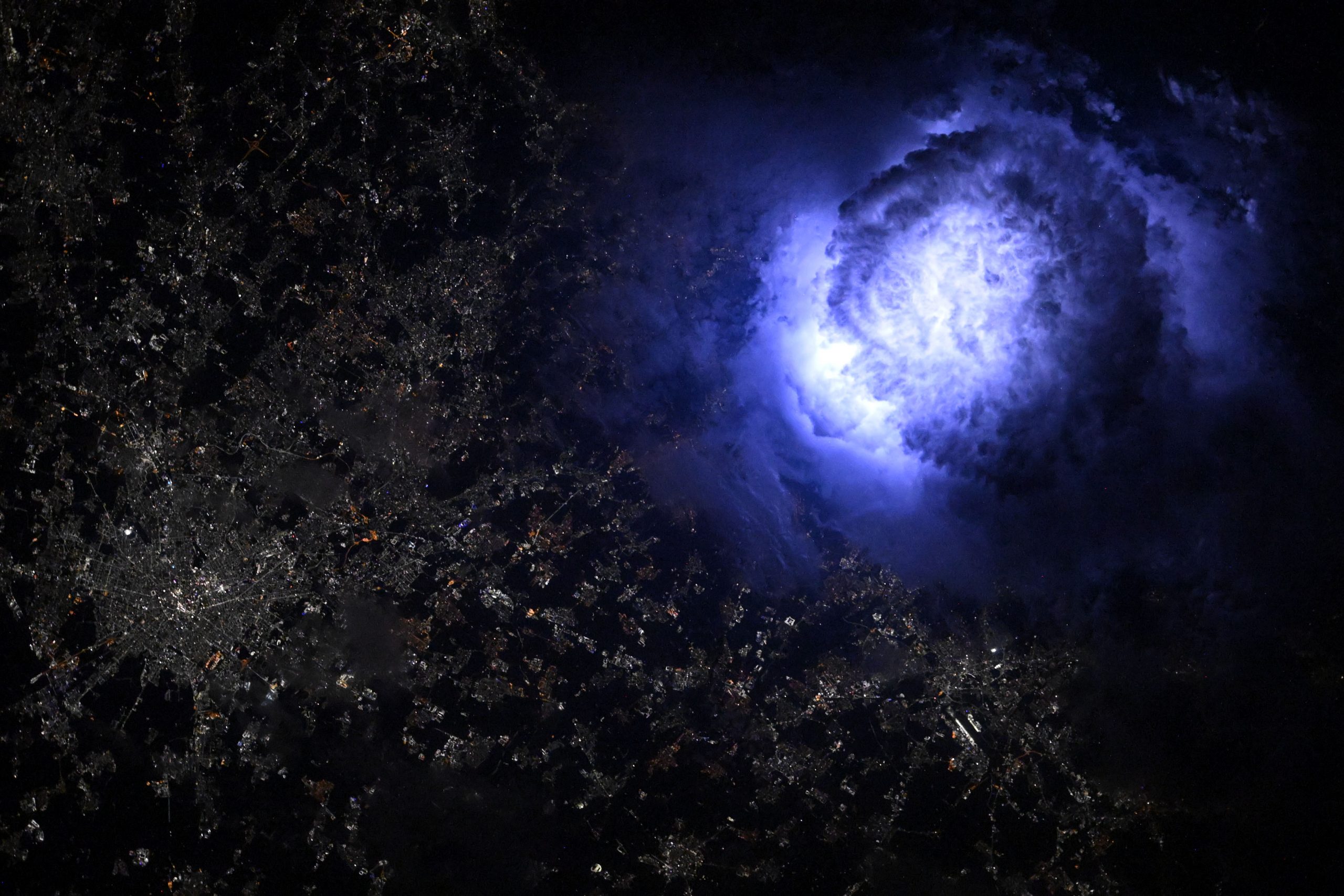
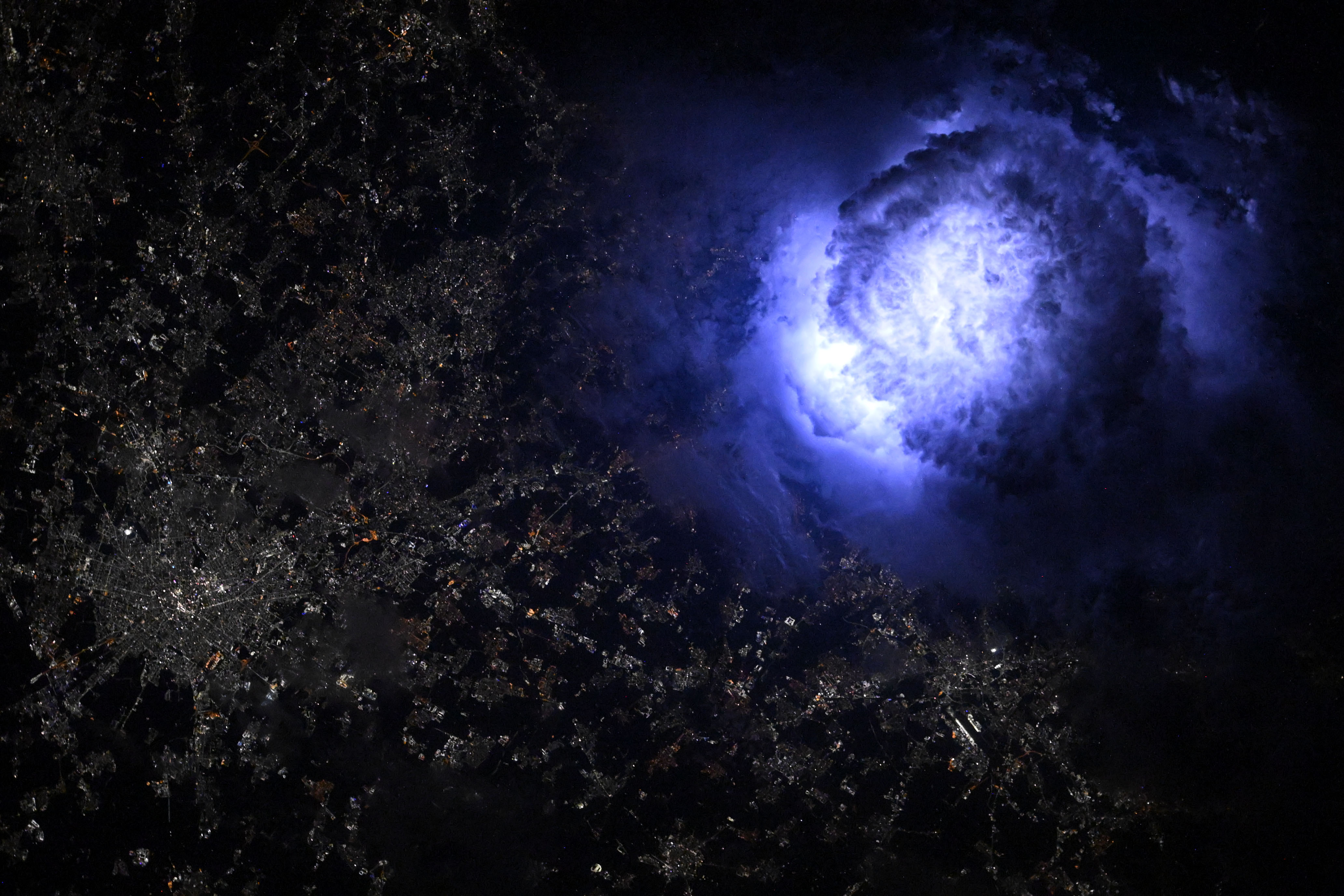
NASA astronaut Nichole Ayers captured this image of lightning while orbiting aboard the International Space Station more than 250 miles above Milan, Italy.
Read More

Jan 7, 2026 / 06:00 am (CNA).
Hundreds of young women filled a ballroom on Jan. 4 at the 2026 SEEK Conference in Denver to hear Sister Virginia Joy Cotter, SV, discuss how to follow God’s call and determine one’s vocation.
“When we think about vocation, it’s ultimately a call to love and be loved,” Sister Virginia Joy said during her talk, titled “The Adventure of the Yes: Following God’s Call.”
“Growing up, or even now, you’re probably asked, ‘What are you going to do when you grow up? What’s your major? What do you want to do with your life?’” she said. “I would guess no one has probably asked you, ‘What are you going to do with your love? How do you plan to make a gift of yourself?’ But these are the questions that sit behind a vocation.”
“For some, the word vocation might be completely foreign to you. For others, maybe it provokes a stream of emotions from wonder to anticipation to anxiety. Whatever it means to you, it’s good to take stock of where it sits with you right now and open your heart to whatever God wants to give you this morning.”
Sister Virginia Joy shared that “ultimately, our vocation is not a problem to be fixed or a riddle to be solved … Vocation is deeply relational, personal, and distinct. It comes from the Latin ‘vocare,’ meaning to call, to name, to summon. There’s one who calls and there’s one who responds. It’s a relationship between each individual and God.”
Here are seven ways a person can discern his or her vocation based on Sister Virginia Joy’s talk:
Sister Virginia Joy shared that the questions behind one’s vocation are fundamentally about “what are you going to do with your love” and how you are called to “make a gift of yourself,” not merely what career or role you will have.
She emphasized that the prerequisite for hearing God’s call is first receiving his love, since vocation flows from a relationship.
“When I think about a vocational call, I think of two things: First, God is the one who calls, and it is always a call of love. Second, we are the ones to respond to that call and to love in return. So first, the prerequisite to hearing God’s call is receiving his love,” Sister Virginia Joy said.
God makes himself known in prayer, especially when a person speaks from the heart — expressing longing, confusion, loneliness, or desire for meaning.
Sister Virginia Joy highlighted that “God is looking for a place to break in and make himself known. I trust you’ve experienced it here at SEEK. It’s real. He’s real. And he is in pursuit of your heart. He knows you and he desires that you come to know him. This happens in prayer.”
“But prayer can be challenging because we’re used to instant gratification. We want to see results. And yet relationships, they’re not about results,” she added. “Relationships take time, patience, and trust. Sometimes I think we settle or we allow ourselves to get distracted because real love means facing our weakness and searching for the Lord in times of loneliness, doubt, and even pain.”

Sister Virginia Joy emphasized that living in grace and regularly receiving the sacraments helps ensure that a person does not miss God’s call and gains the strength to respond in his time.
She shared with those gathered that she has always found herself making life decisions after “a good confession — decisions to move across the country, decisions to become a missionary, decisions to accept a particular job or begin or end a dating relationship.”
“I know there can be a lot of fear about somehow missing what God is calling me to,” Sister Virginia Joy said. “And I just want to crush that fear because the truth is if you’re staying close to the sacraments, if you’re living in grace, you will not miss what God is calling you to. And because of the grace of the sacraments, you will have the strength to respond in God’s time.”
Sister Virginia Joy stressed that holiness and vocation are lived now, through everyday acts of love, even before one enters marriage, religious life, or another permanent state.
She asked those gathered: “Where are we called to love?”
“It’s not a complicated question. All the love happens right where God has you — with family, friends, roommates. We are each given so many opportunities to love every day. You might not be in your definitive vocation right now or five years from now, but your call to love is now. Your call to make a gift of yourself is now,” she said.
Especially for women, discerning vocation involves recognizing the “uniquely feminine” capacity for receptivity, generosity, spiritual maternity, and leading others to God, Sister Virginia Joy explained.
“As women, we possess a unique capacity for love … Written into our very makeup by design, we as women have space for another, room for another. And the physical capacity — we’ve heard this over the days — the physical capacity to receive and carry life sheds a much deeper reality within the heart of each woman,” she said. “Our bodies and souls are intimately connected and together they tell us something — that our love is receptive, sensitive, generous, maternal.”
A key sign of vocation is interior freedom and unity of heart, where fear gives way to peace and clarity about where, as Sister Virginia Joy said, one is called “to make a gift of oneself in a total way.”
She shared that while discerning her own vocation her heart was divided — seeing the beauty in both married life and religious life. It wasn’t until she asked in prayer, “What do you want, Lord?” while on retreat with the Sisters of Life that she heard him say, “You. You. All of you for myself.”
“And in an instant, my heart was undivided,” she recalled. “I knew where I was being called to give my love and my life, and I felt more free than I ever had.”
“Your love story is going to be perfectly unique to you,” Sister Virginia Joy added. “God has been preparing something far beyond your expectations and he desires your freedom to respond with an undivided heart. Whether it be marriage, religious life, lay life, there is no doubt he wants you and your unique love. God loves you.”
Read More

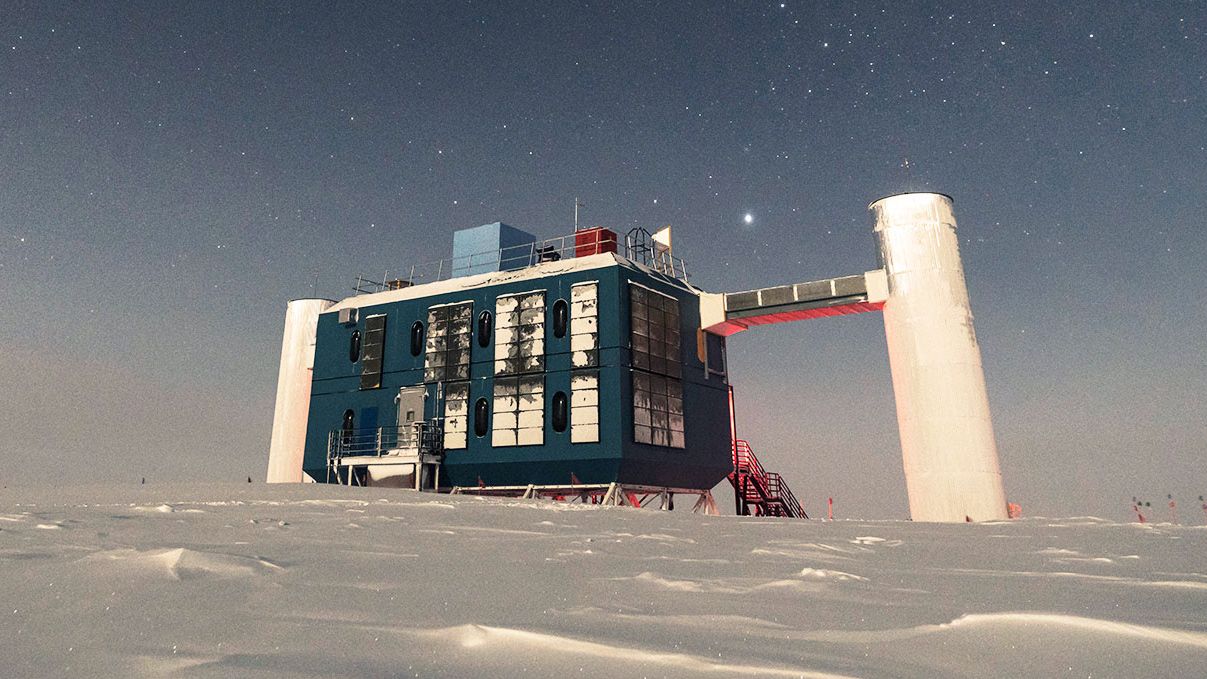
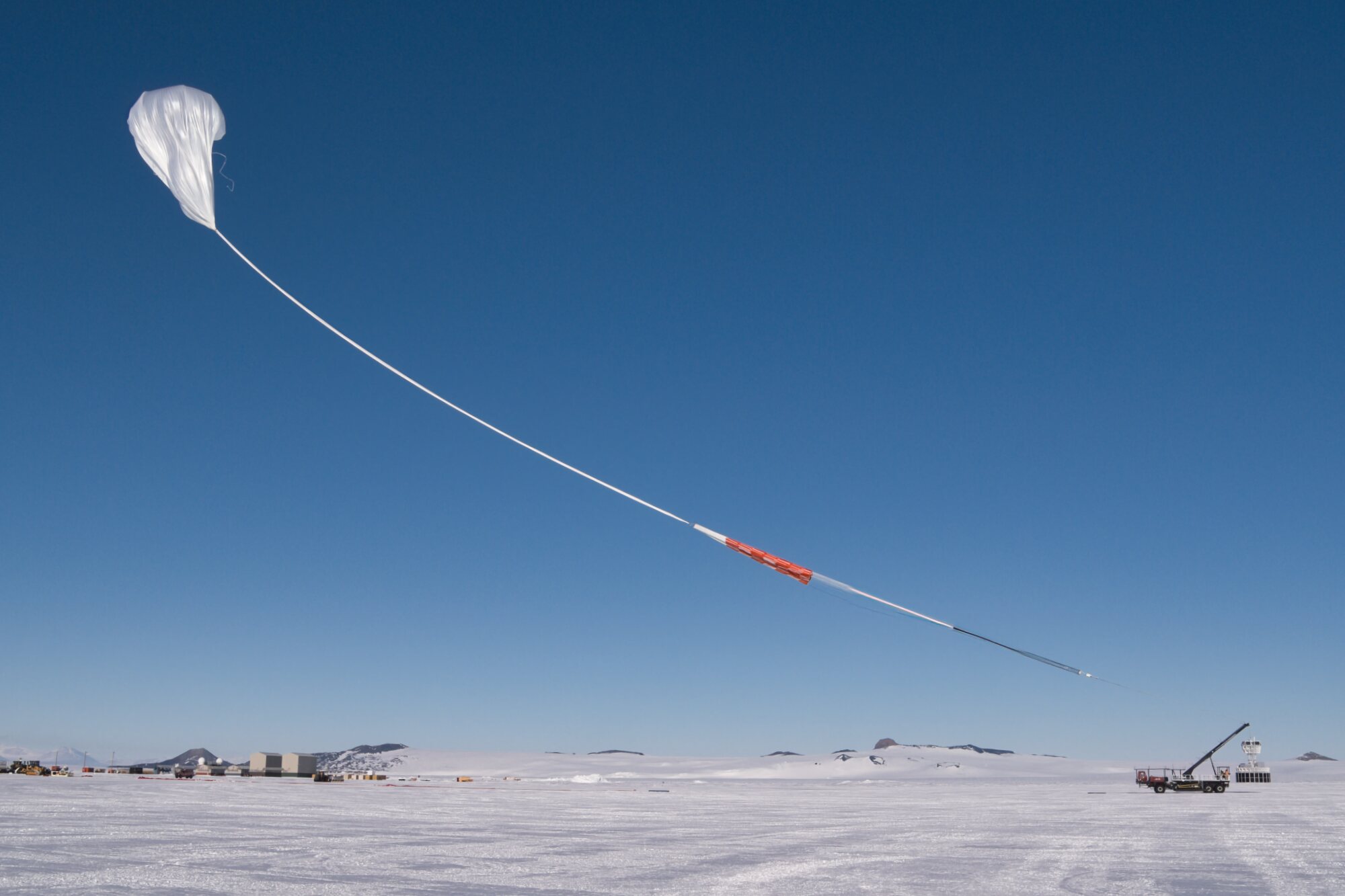
A scientific balloon starts its ascent into the air as it prepares to launch carrying NASA’s Payload for Ultrahigh Energy Observations (PUEO) mission. The mission lifted off from Antarctica at 5:56 a.m. NZST, Saturday, Dec. 20 (11:56 a.m., Friday, Dec. 19 in U.S. Eastern Time). The PUEO mission is designed to detect radio signals created when highly energetic particles called neutrinos from space hit the ice.
Read More

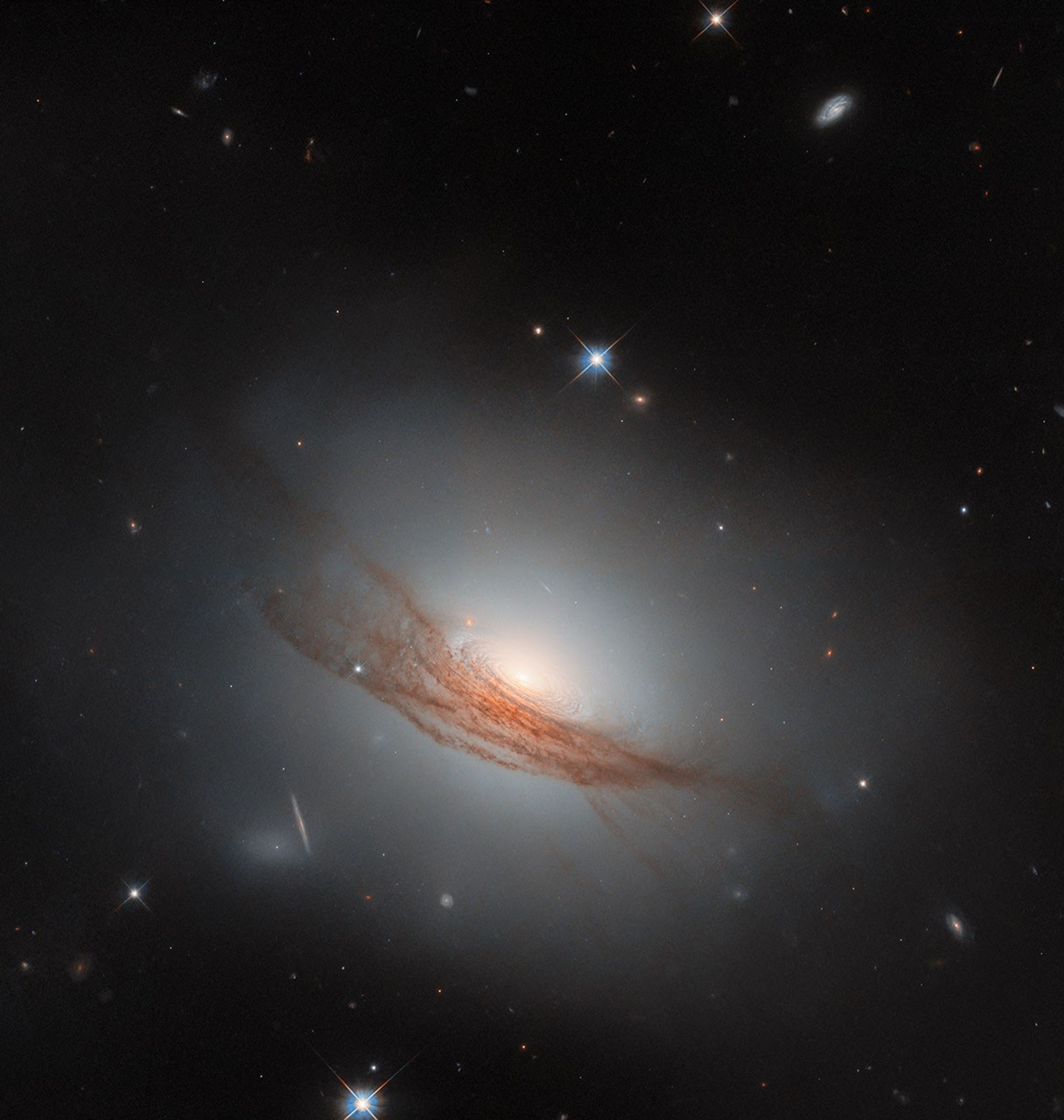
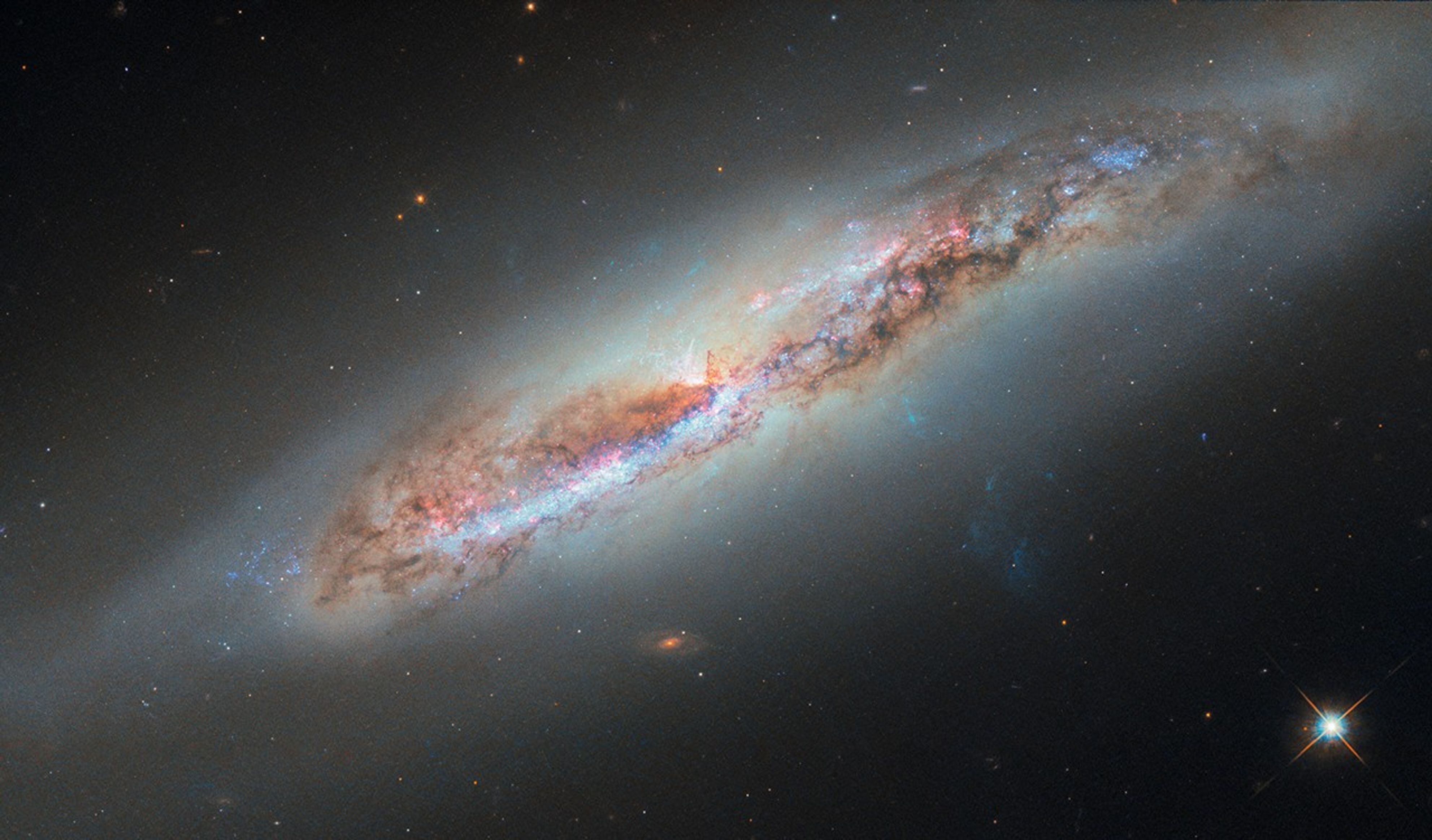
This NASA/ESA Hubble Space Telescope image features the galaxy NGC 4388, a member of the Virgo galaxy cluster.
Read More

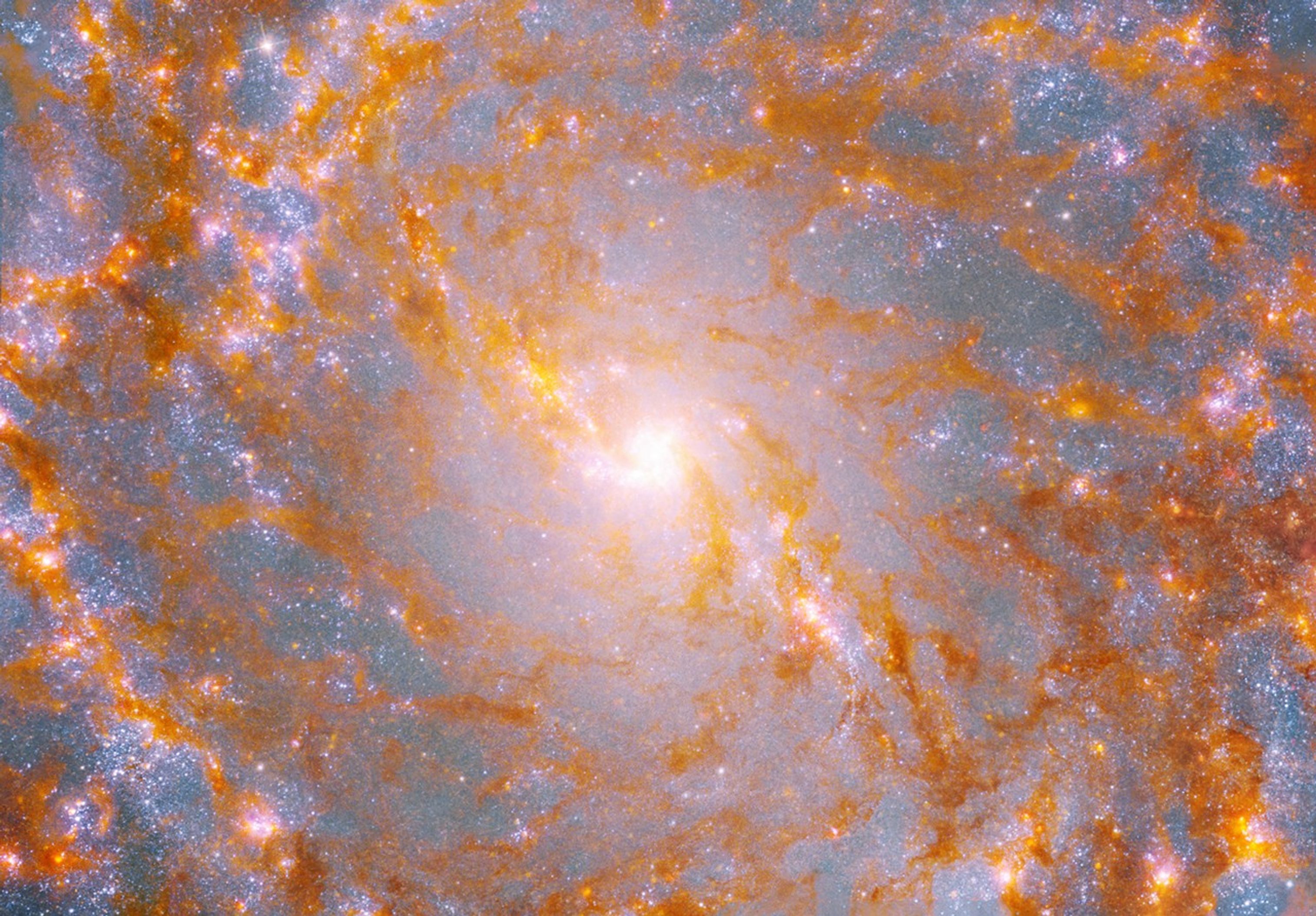
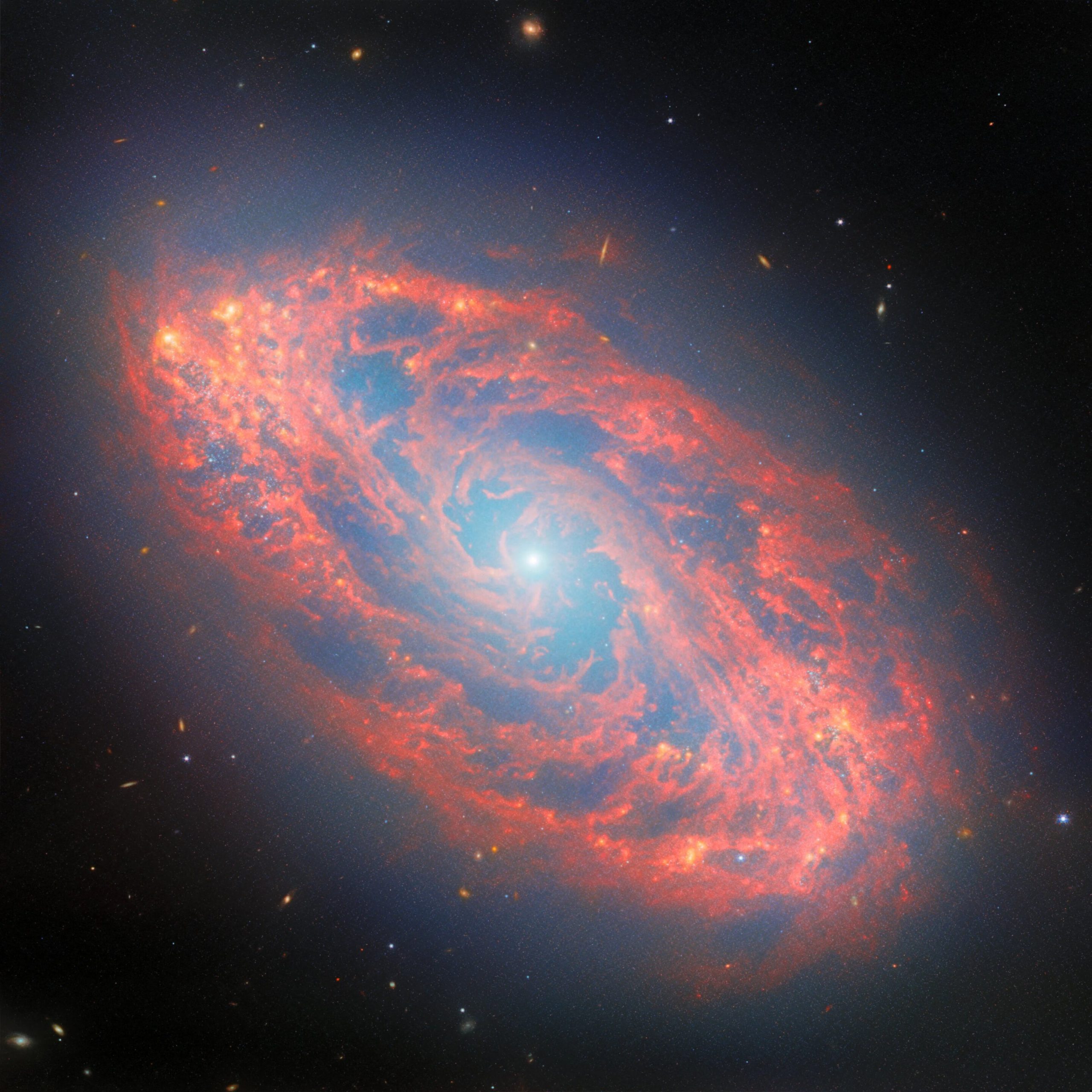
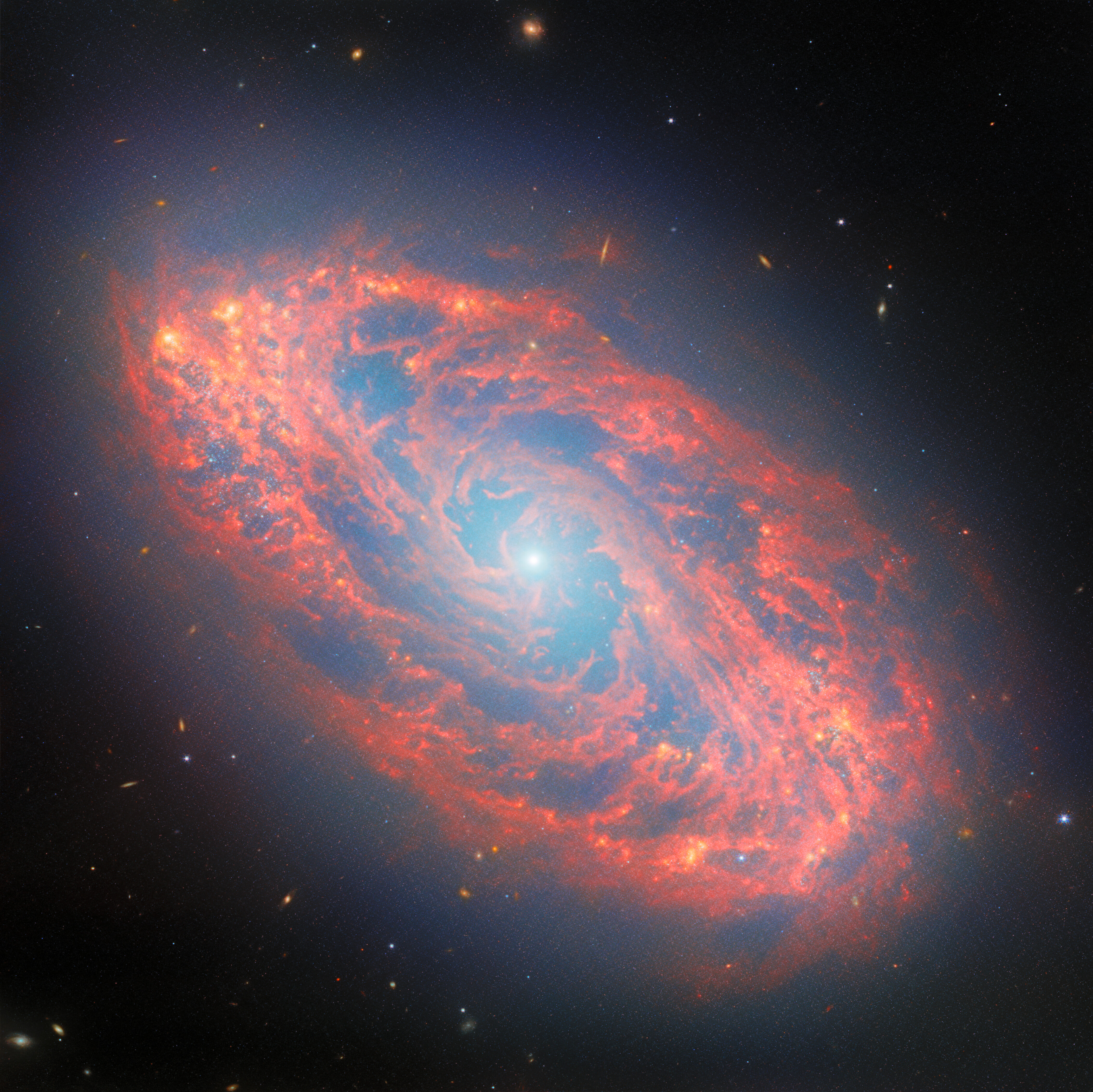
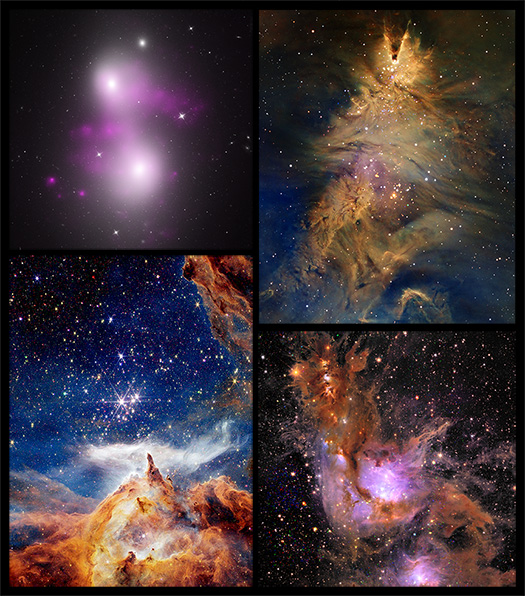
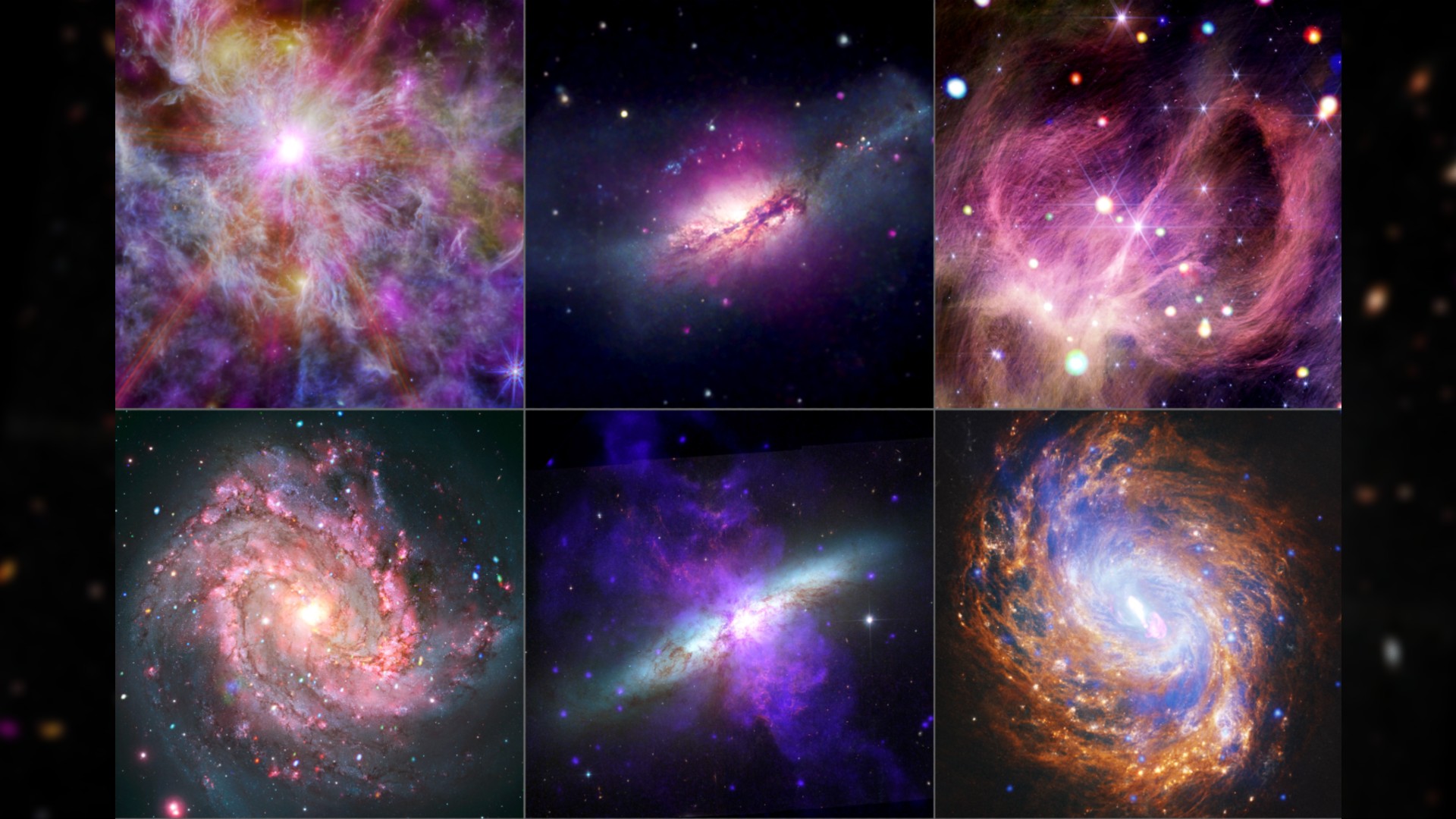
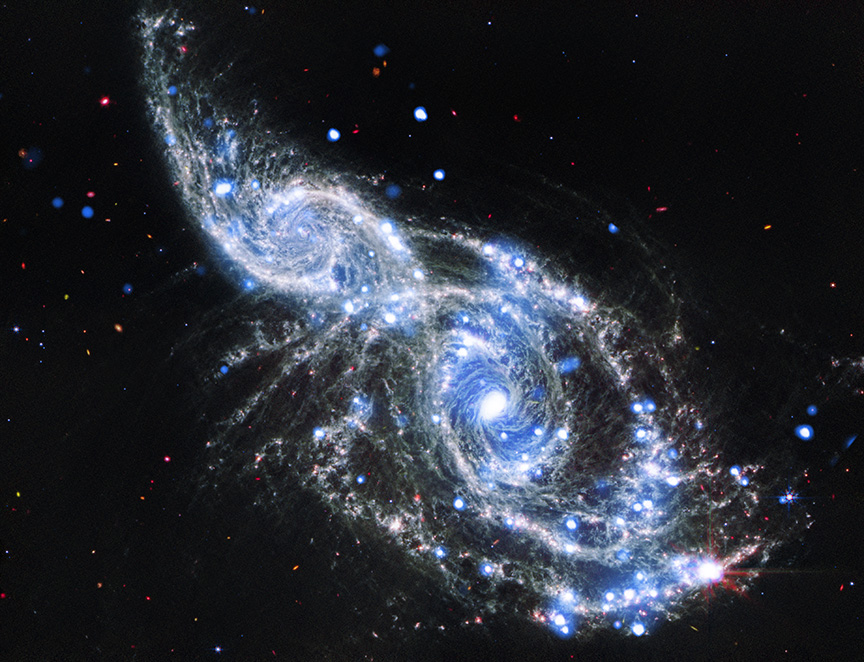
Data from NASA’s James Webb Space Telescope and Chandra X-ray Observatory come together in this eye-catching photo of colliding spiral galaxies released on Dec. 1, 2025.
Read More

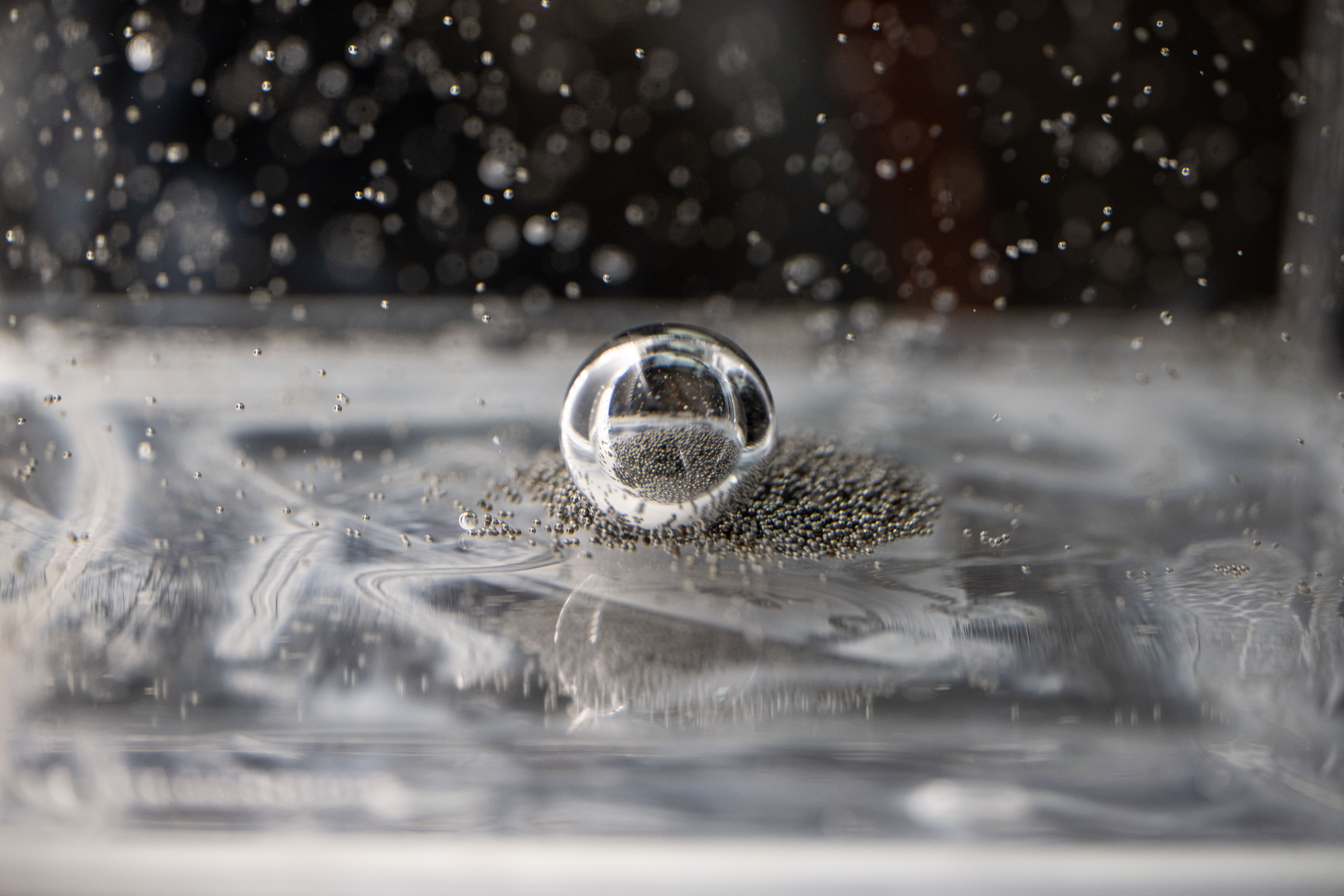
Tiny ball bearings surround a larger central bearing during the Fluid Particles experiment, conducted inside the Microgravity Science Glovebox (MSG) aboard the International Space Station’s Destiny laboratory module.
Read More

NASA engineer Guy Naylor poses for a photograph wearing a custom Santa Claus suit on the 19th level of High Bay 4 inside the Vehicle Assembly Building with NASA’s integrated Moon rocket behind him at the agency’s Kennedy Space Center in Florida on Thursday, Dec. 11, 2025.
Read More

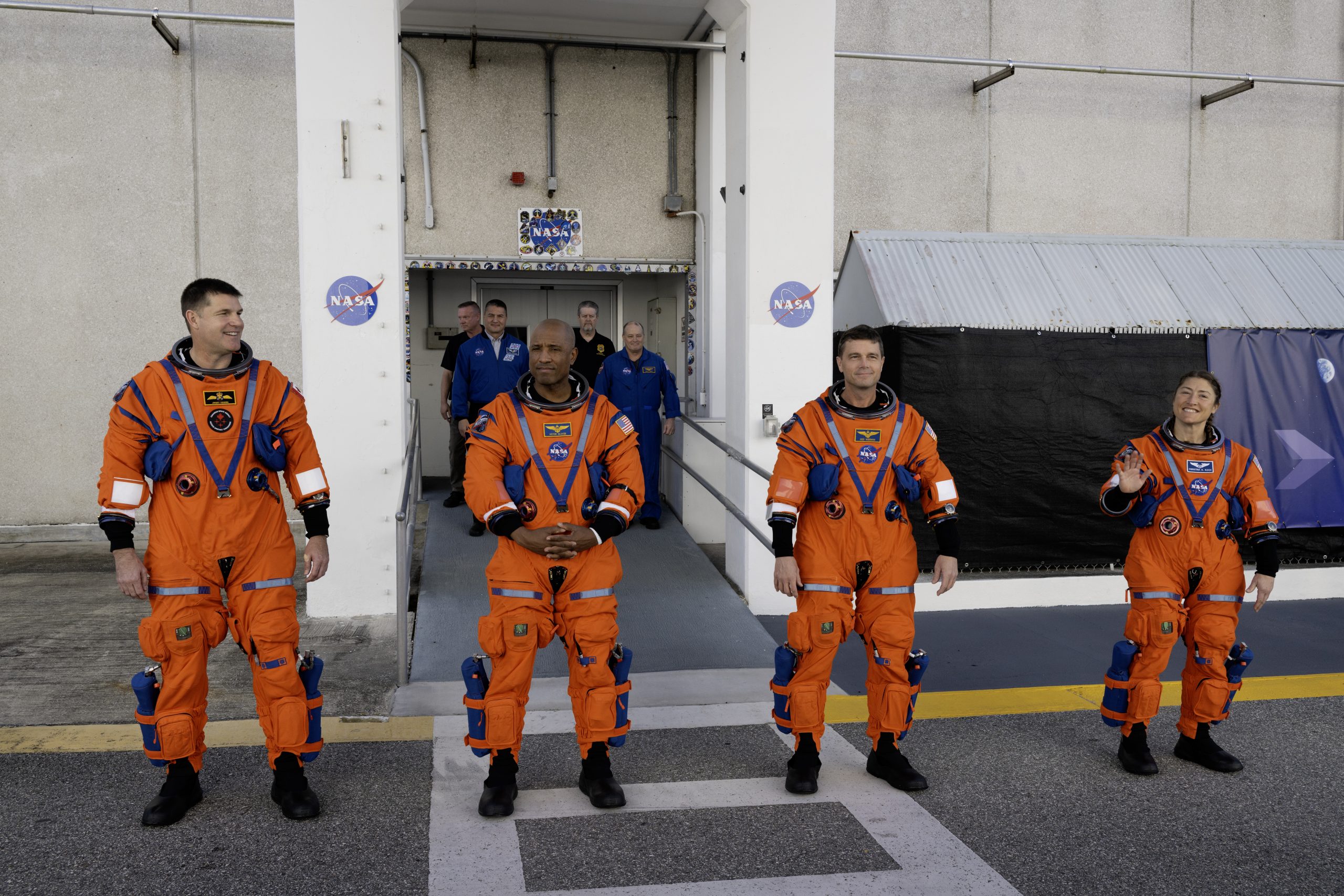
From left to right, CSA (Canadian Space Agency) astronaut Jeremy Hansen and NASA astronauts Christina Koch, Victor Glover, and Reid Wiseman are seen as they depart the Neil A. Armstrong Operations and Checkout Building to board their Orion spacecraft atop NASA’s Space Launch System rocket inside the Vehicle Assembly Building as part of the Artemis II countdown demonstration test, Saturday, Dec. 20, 2025, at NASA’s Kennedy Space Center in Florida.
Read More
CNA Staff, Dec 20, 2025 / 07:00 am (CNA).
In an era when artificial contraception often dominates public discussions on family planning, the Catholic Church continues to champion natural family planning (NFP).
Far from merely another birth control technique, NFP invites couples to cooperate with God’s plan for married love, which “is a ‘great mystery,’ a sign of the love between Christ and his Church (Eph 5:32),” according to the U.S. Conference of Catholic Bishops (USCCB).
NFP — also known as a fertility awareness-based method (FABM) — relies on observing and measuring a woman’s natural signs of fertility, such as basal body temperature, cervical mucus, and hormone levels, in order to identify fertile and infertile phases of her menstrual cycle.
Unlike chemical or mechanical contraceptives, which suppress or block fertility, NFP respects the woman’s body and its natural rhythms and allows spouses to achieve or postpone pregnancy, after mutual discernment, through informed abstinence during fertile windows.
Most importantly, NFP honors the sacredness of the unitive and procreative aspects of the conjugal act, which the Church teaches must always be a total gift of self between the spouses and open to the gift of new human life.
“Suppressing fertility by using contraception denies part of the inherent meaning of married sexuality and does harm to the couple’s unity,” according to the USCCB. “The total giving of oneself, body and soul, to one’s beloved is no time to say: ‘I give you everything I am — except…’ The Church’s teaching is not only about observing a rule but about preserving that total, mutual gift of two persons in its integrity.”
In his 1968 encyclical Humanae Vitae, St. Paul VI affirmed that couples may space births for serious reasons, using natural methods that honor the “inseparable connection between the unitive and procreative meanings” of the marital act.
The USCCB explains that “NFP is not a contraceptive, it does nothing to suppress or block conception.”
“On the surface, there may seem to be little difference (between NFP and contraception),” according to the bishops. “But the end result is not the only thing that matters, and the way we get to that result may make an enormous moral difference. Some ways respect God’s gifts to us while others do not.”
The bishops continue: “When couples use contraception, either physical or chemical, they suppress their fertility, asserting that they alone have ultimate control over this power to create a new human life. With NFP, spouses respect God’s design for life and love. They may choose to refrain from sexual union during the woman’s fertile time, doing nothing to destroy the love-giving or life-giving meaning that is present. This is the difference between choosing to falsify the full marital language of the body and choosing at certain times not to speak that language.”
The practice of NFP traces its modern roots to the mid-20th century, evolving from early, relatively unreliable calendar-based methods in the 1930s to the smartphone app-based approaches of today.
Common methods include the Billings Ovulation Method, which tracks cervical mucus changes, and sympto-thermal methods, which combine the charting of mucus observations, temperature shifts, and cervical changes. The Marquette Model uses “several different biomarker devices to detect urinary biomarkers (estrogen, LH, and progesterone),” according to its website.
Per USCCB data, NFP, with perfect use, yields 88% to 100% effectiveness in avoiding pregnancy, with imperfect use at 70% to 98%. For couples trying to achieve pregnancy, it typically occurs in about one year for approximately 85% of couples not using NFP, and within three to six months for those who are.
Pope Francis praised the Billings method in 2023 as “a valuable tool” for “responsible management of procreative choices,” urging a “new revolution in our way of thinking” to value the body’s “great book of nature.” He noted its simplicity amid a “contraceptive culture,” promoting tenderness between the spouses and an authentic freedom.
Beyond efficacy at planning, preventing, or postponing pregnancy in a morally licit way, couples who use NFP acknowledge that it can be difficult but say it builds intimacy and improves communication as well as self-mastery, transforming what can be otherwise difficult times of periodic abstinence into opportunities for deeper intimacy.
Jessica Vanderhyde, a nurse and mother of seven who is using the Marquette method because she and her husband do not feel ready to welcome another child, told CNA that while NFP can be frustrating because of the periods of abstinence it requires, it also “leads to a lot more closeness in the marriage.”
“If it’s been a long period of abstinence, we try to come up with other ways to be close. I need to make sure I’m more affectionate with him because sexual intimacy is one of the primary ways he feels I love him. If that can’t happen, I have to be conscious of that,” she said.
“We have become good at taking each other’s feelings and needs into consideration. I work at providing what he needs as much as I can.”
Vanderhyde also noted how charting symptoms can bring the couple closer as it allows the husband to really appreciate his wife’s body as well as her needs.
“The husband should be involved in the tracking of it,” she continued, “so that he fully participates in the process and doesn’t feel like he’s at the whims of his wife’s moods.”
She said it can also reveal underlying health issues like infertility or hormonal imbalances, which artificial forms of birth control can mask.
Read More

CNA Staff, Dec 20, 2025 / 06:00 am (CNA).
Fifteen years ago, Vicente Del Real felt called to create a way to reach out to young Hispanic Catholics in the U.S. and provide them with a space to encounter God and use their gifts and talents for the Church. He went on to found Iskali, a nonprofit based in Chicago that promotes the leadership and holistic development of Latino youth, helping them flourish spiritually, personally, academically, and socially.
Inspired by Our Lady of Guadalupe’s role in the Americas as “the star of the new evangelization,” Iskali works to form, empower, and equip young Latinos to become transformative leaders and to invigorate the Catholic Church.
The name “Iskali” comes from the Nahuatl, or Aztec, language symbolizing growth, resurgence, and new beginnings. This was also the language Our Lady of Guadalupe spoke when she appeared to Juan Diego. Despite Juan Diego being from the Chichimeca people, and not an Aztec, the two groups of people shared the same language.
Del Real told CNA in an interview that he felt the need to “respond to the urgent need to walk with young Hispanics as they navigate the questions of life, the struggles of life, and to be able to provide to them what the Church has to say and has to offer.”
He added that “at the heart of Iskali is the work of evangelization.” This is done through providing young Latinos with an “adequate formation so they can understand the faith,” which will hopefully lead them to have a “personal encounter with God.”

Iskali is founded on four pillars: faith and community, mentorship and scholarship, sports and wellness, and service to the poor.
The pillar of faith and community involves members coming together each week for fellowship. Anywhere from five to 600 young adults gather to spend time getting to know one another and learning more about God and the Catholic faith.
Through Iskali’s mentorship program, individuals are matched with a Latino professional who serves as a mentor and helps them with professional development. Iskali also provides scholarships for young people to attend colleges and trade schools, and works with parishes to set up a variety of sports leagues to help young people build relationships, provide another form of faith formation, and stay active.
Additionally, once a month, Iskali communities serve those most in need — the homeless, people in hospitals, nursing homes, and immigrant families who have been affected by detentions or deportations.

Several recent studies show that the Latino population is the fastest-growing demographic in the Catholic Church. Del Real said he believes this is because “Latino young people are very attentive to the faith.”
“They have seen their faith lived in their families, our home, with their grandmas, with their mothers. Faith is kind of embedded in our culture,” he added.
In response to this growth being seen among Latinos in parishes, Iskali is launching a missionary program where a full-time missionary will be assigned to a parish that has a Hispanic population of over 50% to work in Hispanic ministry.
“We are very, very excited … this is the first missionary program that helps to serve the Latino Church in the U.S., and we hope that this missionary program will bear the fruits of vocations to marriage, vocation to priesthood in the Hispanic community,” Del Real shared.
Del Real said he also hopes that those who are a part of Iskali leave the formation knowing that they “are beloved, know that God is seeking intimacy with you, and know that he wants you to flourish as a person.”
“We always say that we hope the people flourish,” he said. “God is a God of love and he wants to see us flourish. If we are a flower in his garden, he wants us to bloom.”
Read More

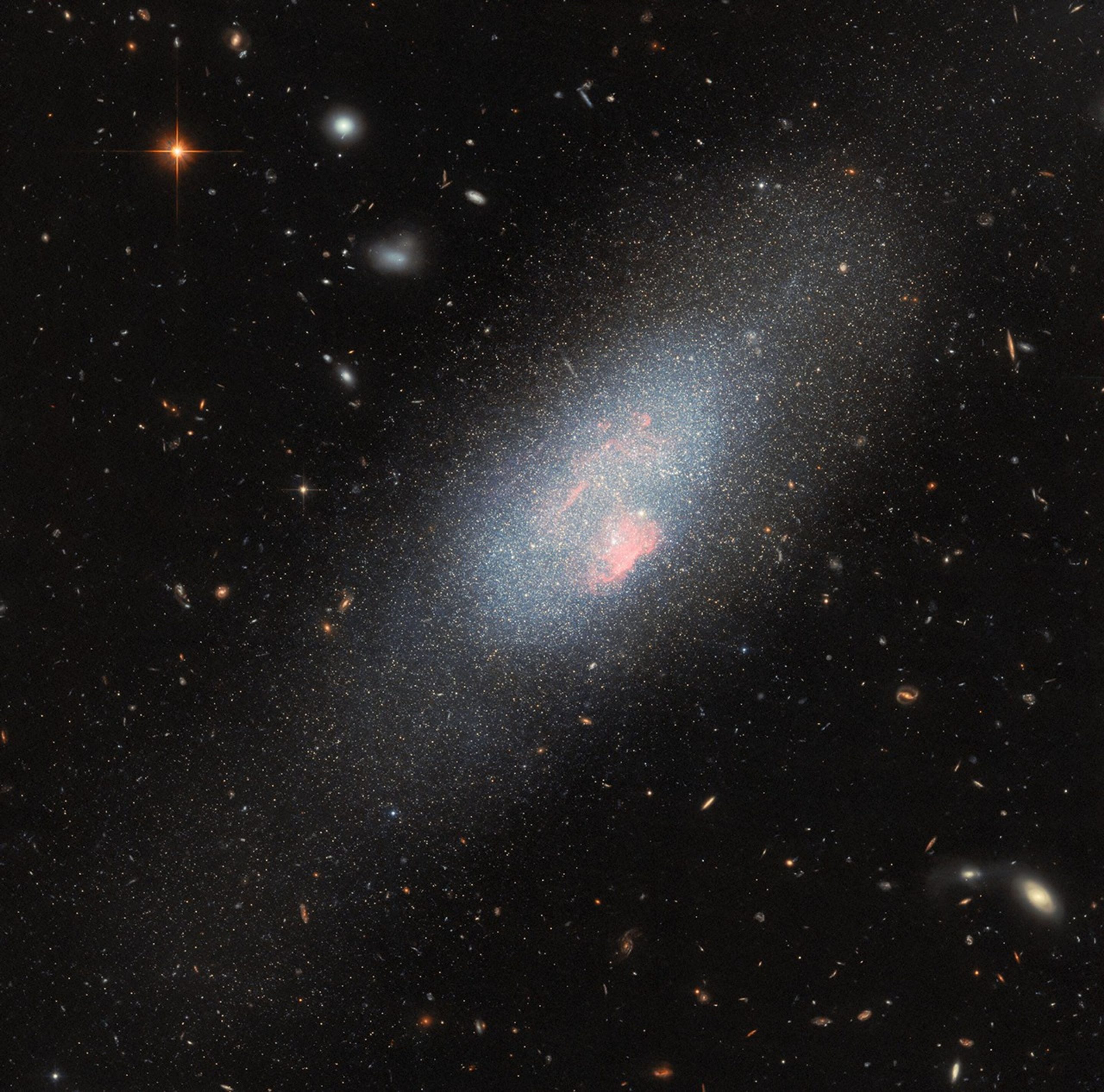
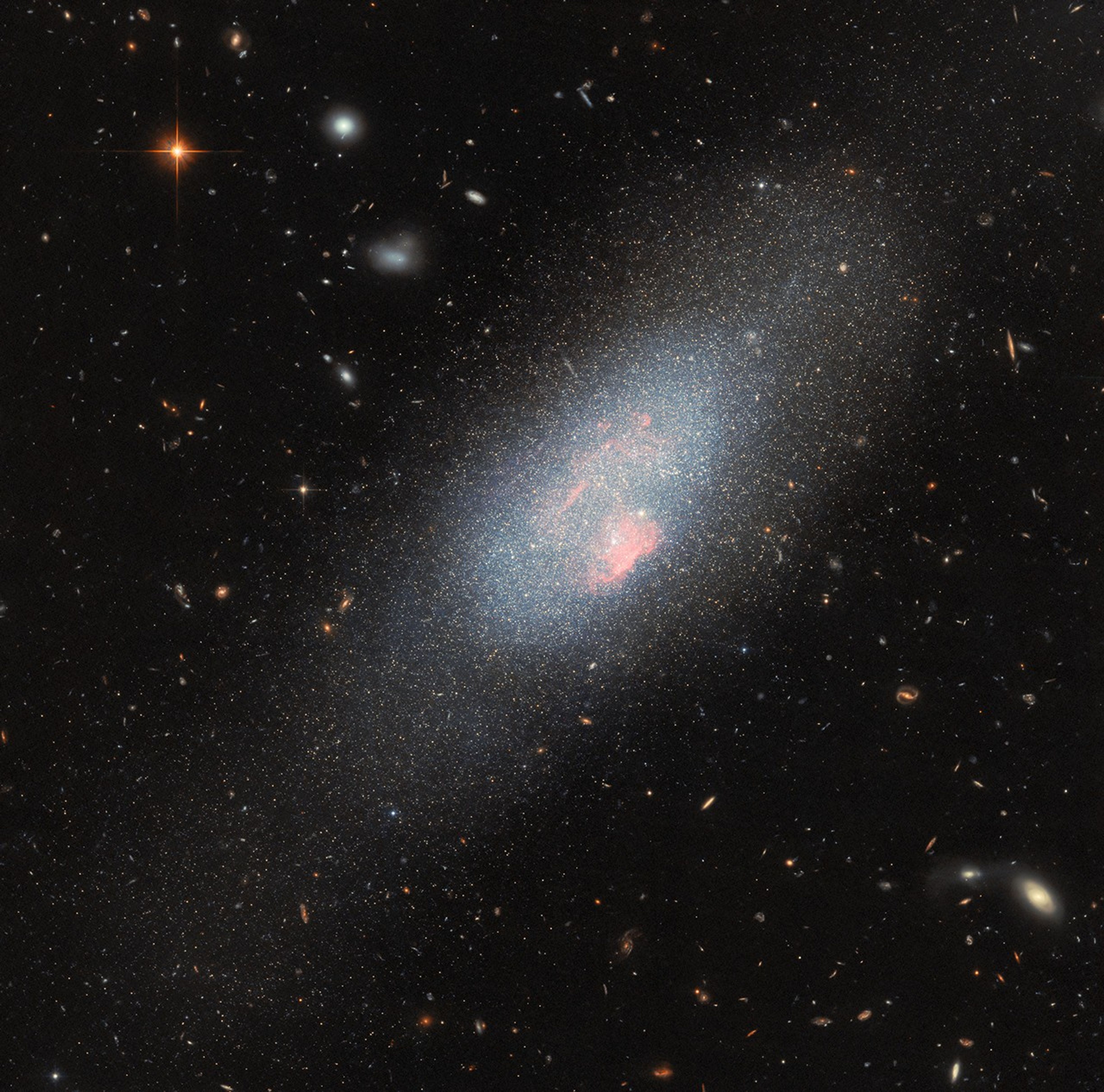
This NASA/ESA Hubble Space Telescope image features the blue dwarf galaxy Markarian 178 (Mrk 178) against a backdrop of distant galaxies in all shapes and sizes. Some of these distant galaxies even shine through the diffuse edges of Mrk 178.
Read More

CNA Staff, Dec 17, 2025 / 08:00 am (CNA).
When a pregnant woman at an abortion facility heard distant carolers singing “Silent Night,” she got up and left.
The mother, back in 2003, decided to keep her baby after a pro-life group’s first Christmas caroling event outside a Chicago abortion clinic struck her heart.
“The memories of Christmases past stirred in her and she decided she couldn’t go through with the abortion and kept her child,” said Matthew Yonke, a spokesman for the Pro-Life Action League, the group that coordinates these events.
She would be the first of many women who chose life after hearing carols. Now, the tradition extends across the nation — and babies continue to be saved.
As Christmas Day approaches, nearly 100 caroling groups across the U.S. are gathering at various abortion facilities to sing.
Through the nationwide “Peace in the Womb” caroling effort, the group hopes “to bring the Christmas message of peace and joy to the darkness of abortion clinics,” according to a press release shared with CNA.
It’s a “simple call for an end to the violence of abortion,” according to Yonke.
“At the time of Christmas, the whole world tries to put aside differences and pursue peace, so we’re asking folks to make a connection to the womb, which should be a place of peace, but which is turned into a place of violent unrest in every abortion,” Yonke continued.

The carolers had already packed up after singing their final song outside an abortion site when a couple approached the remaining pro-lifers in Downers Grove, Illinois, on Dec. 13.
The couple, Yonke said, “told the sidewalk counselors still there that they had decided to keep their baby after hearing our carols.”
“Stories like this go all the way back to the first year,” Yonke said. “We’re thrilled when God can use these beloved songs that touch the hearts of even non-Christians to do his work in the world.”
This was one of two rescue stories so far this December that the league heard about, according to Yonke.
“Please don’t kill your baby at Christmas,” one caroler called out to a young woman in the back seat of a car that was driving into an abortion clinic.

It was a Saturday in Milwaukee, and a group of carolers had gathered to sing outside the abortion clinic on St. Paul Avenue.
The car drove into the abortion center parking lot. But minutes later, the car turned around with the young woman still in the back seat — she never even entered the abortion clinic.
Pro-Life Action League invites local pro-lifers to work with them to organize their own caroling groups.
On Sunday, Dec. 14, one such caroling group sang outside an abortion facility in Renton, Washington.
“This was a fantastic event and I think every Catholic church should do this in their community,” said local pro-life activist Richard Bray, who organized the caroling with the Respect Life Ministry at a local Catholic parish, St. Stephen the Martyr.
While every event organized with the league has a “Peace in the Womb” banner, Renton’s organizer would have something special — a handmade manger.
An 88-year-old parishioner at St. Stephen’s built an empty manger that the carolers brought to the event, according to Bray.

The empty manger not only symbolizes that Christ is coming at Christmas — but it also represents how a crib is empty after an abortion, according to Bray.
“It’s particularly sad to think of someone getting an abortion during the Christmas season,” Bray told CNA. “So we gather to sing carols and remind abortion-bound mothers and our community that the salvation of the world came through an unplanned pregnancy.”
Read More

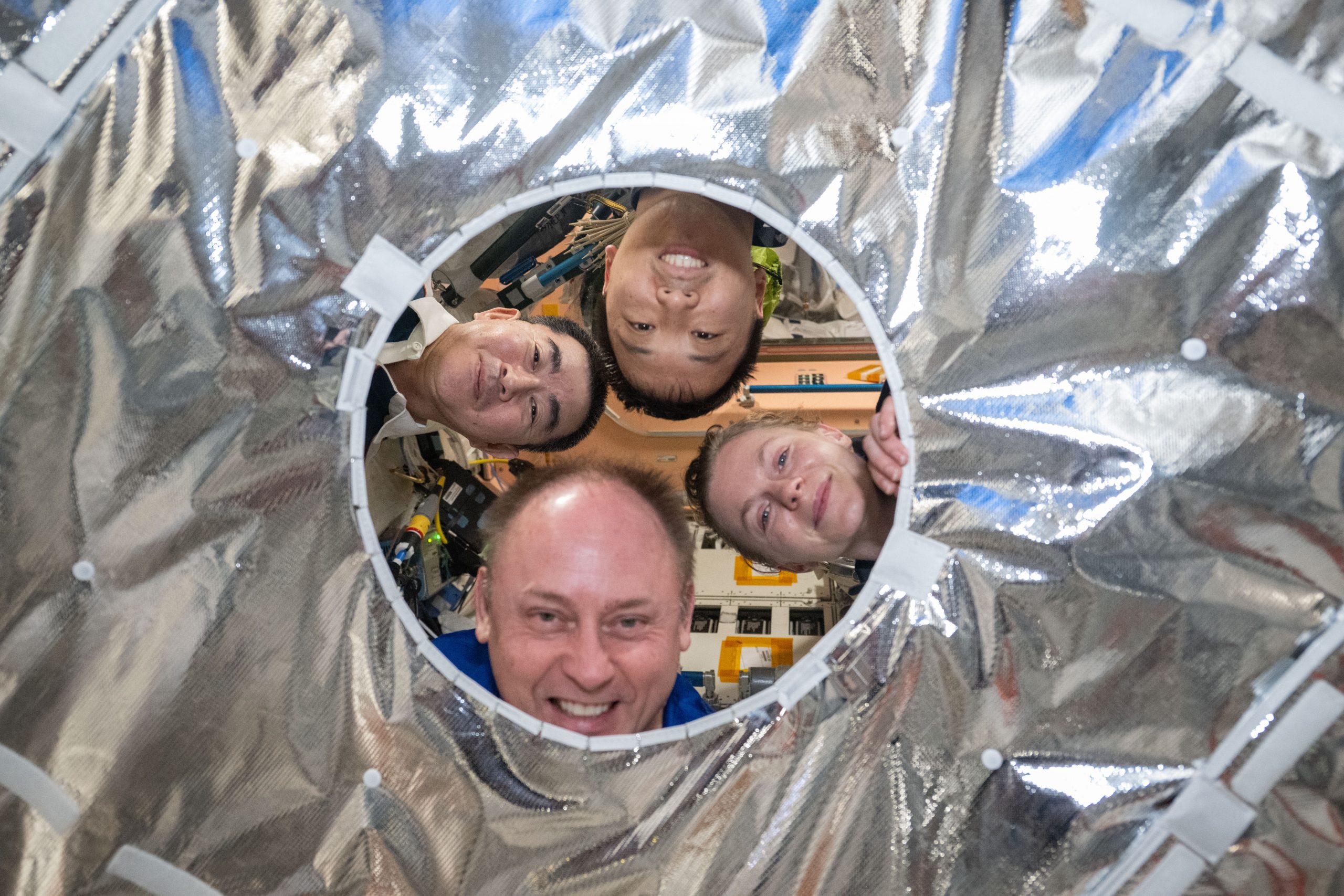
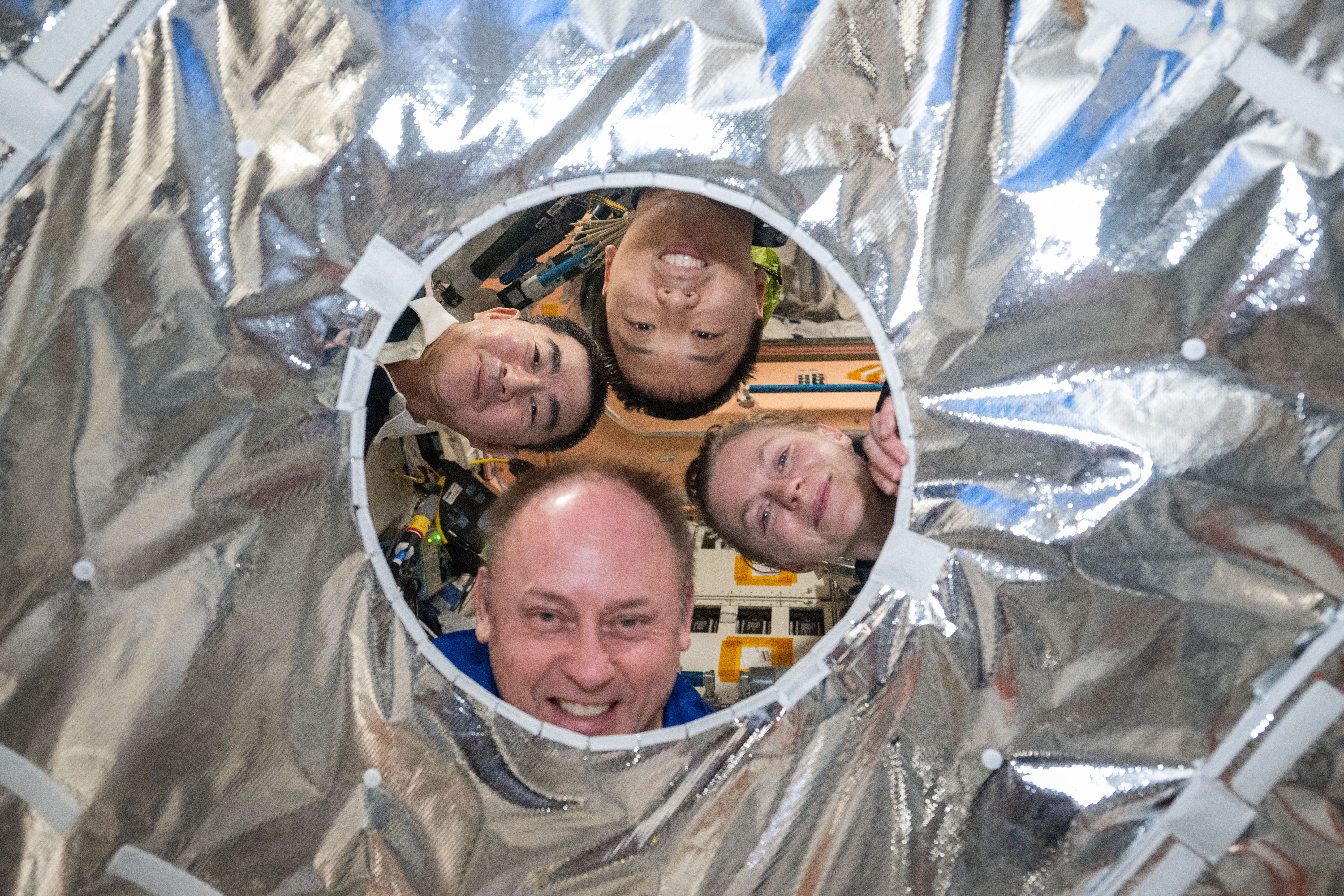
Clockwise from left, JAXA (Japan Aerospace Exploration Agency) astronaut Kimiya Yui and NASA astronauts Jonny Kim, Zena Cardman, and Mike Fincke pose for a playful portrait through a circular opening in a hatch thermal cover aboard the International Space Station on Sept. 18, 2025.
Read More

The Calabash Nebula, pictured here — which has the technical name OH 231.8+04.2 — is a spectacular example of the death of a low-mass star like the Sun. This image taken by the NASA/ESA Hubble Space Telescope shows the star going through a rapid transformation from a red giant to a planetary nebula, during which it blows its outer layers of gas and dust out into the surrounding space. The recently ejected material is spat out in opposite directions with immense speed — the gas shown in yellow is moving close to a million kilometres an hour. Astronomers rarely capture a star in this phase of its evolution because it occurs within the blink of an eye — in astronomical terms. Over the next thousand years the nebula is expected to evolve into a fully fledged planetary nebula. The nebula is also known as the Rotten Egg Nebula because it contains a lot of sulphur, an element that, when combined with other elements, smells like a rotten egg — but luckily, it resides over 5000 light-years away in the constellation of Puppis (The Poop deck).
Read More

NASA’s James Webb Space Telescope took a look at the Sagittarius B2 molecular cloud, the most massive, and active star-forming region in our galaxy, located only a few hundred light years from our central supermassive black hole.
Read More

Over the course of several hours, technicians meticulously connected the inner and outer segments of NASA’s Nancy Grace Roman Space Telescope.
Read More


The waxing gibbous Moon rises above Earth’s blue atmosphere in this photograph taken from the International Space Station as it orbited 263 miles above a cloudy Atlantic Ocean off the coast of Quebec, Canada.
Read More


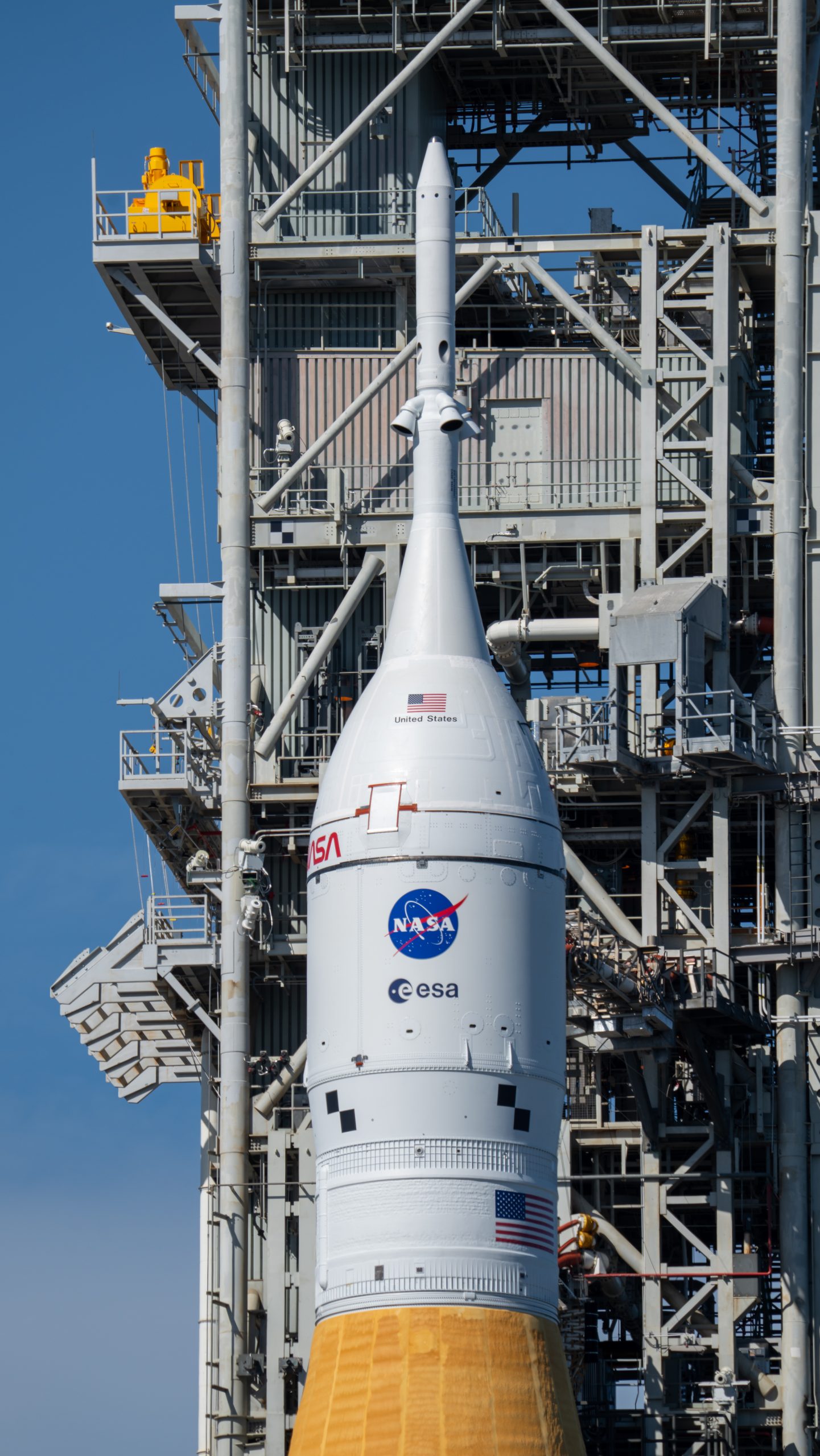
NASA’s Artemis II Orion spacecraft with its launch abort system is stacked atop the agency’s SLS (Space Launch System) rocket in High Bay 3 of the Vehicle Assembly Building at NASA’s Kennedy Space Center in Florida on Monday, Oct. 20, 2025. The spacecraft will carry NASA astronauts Reid Wiseman, Victor Glover, Christina Koch, and CSA (Canadian Space Agency) astronaut Jeremy Hansen on a 10-day mission around the Moon and back in early 2026.
Read More

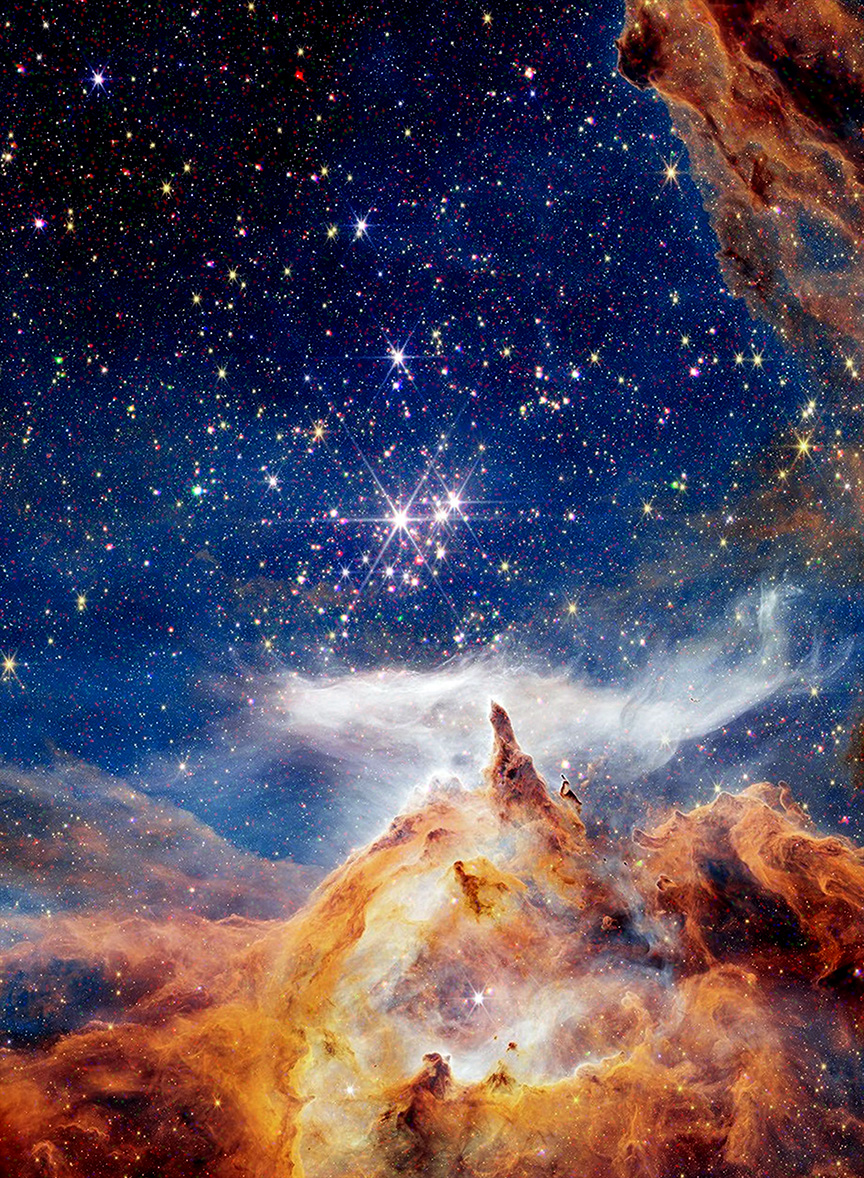
Using its Near-InfraRed Camera (NIRCam), NASA’s James Webb Space Telescope has revealed never-before-seen details in the picturesque Red Spider Nebula with a rich backdrop of thousands of stars.
Read More

This NASA/ESA Hubble Space Telescope image features a galaxy, NGC 2775, that’s hard to categorize.
Read More

This image shows two massive galaxy clusters. The vast number of galaxies and foreground stars in the image were captured by NASA’s James Webb Space Telescope in near-infrared light. Glowing, hot X-rays captured by NASA’s Chandra X-ray Observatory appear in pink. The blue represents the dark matter, which was precisely mapped by researchers with Webb’s detailed imaging.
Read More

The 57.7-foot-long Canadarm2 robotic arm extends from a data grapple fixture on the International Space Station’s Harmony module in this July 23, 2025, image.
Read More


This stunning Earth image taken from the International Space Station looks at a large lake in eastern Kazakhstan with golden sunglint: Lake Balkhash. It is one of the largest lakes in Asia and is the 15th largest lake in the world.
Read More

A SpaceX Falcon 9 rocket carrying NASA’s IMAP (Interstellar Mapping and Acceleration Probe), the agency’s Carruthers Geocorona Observatory, and National Oceanic and Atmospheric Administration’s (NOAA) Space Weather Follow On–Lagrange 1 (SWFO-L1) spacecraft lifts off from Launch Complex 39A at NASA’s Kennedy Space Center in Florida at 7:30 a.m. EDT Wednesday, Sept. 24, 2025. The missions will each focus on different effects of the solar wind — the continuous stream of particles emitted by the Sun — and space weather — the changing conditions in space driven by the Sun — from their origins at the Sun to their farthest reaches billions of miles away at the edge of our solar system.
Read More

NASA astronaut Nick Hague watches as Robert Schmidle Pitts Aerobatics perform, Friday, Sept. 12, 2025, during the Joint Base Andrews Air Show at Joint Base Andrews in Prince George’s County, Maryland. Hague spent 171 days aboard the International Space Station as part of Expedition 72.
Read MoreIn this infrared photograph, the Optical Communications Telescope Laboratory at JPL’s Table Mountain Facility near Wrightwood, California, beams its eight-laser beacon to the Deep Space Optical Communications flight laser transceiver aboard NASA’s Psyche spacecraft.
Read More

The Milky Way appears above Earth’s bright atmospheric glow in this photograph from the International Space Station as it soared 261 miles above southern Iran at approximately 12:54 a.m. local time on Aug. 23, 2025.
Read More

NASA astronaut Zena Cardman processes bone cell samples inside the Kibo laboratory module’s Life Science Glovebox on Aug. 28, 2025.
Read More

The Sun blew out a coronal mass ejection along with part of a solar filament over a three-hour period on Feb. 24, 2015. While some of the strands fell back into the Sun, a substantial part raced into space in a bright cloud of particles (as observed by the NASA-ESA Solar and Heliospheric Observatory spacecraft). Because this occurred way over near the edge of the Sun, it was unlikely to have any effect on Earth.
Read More
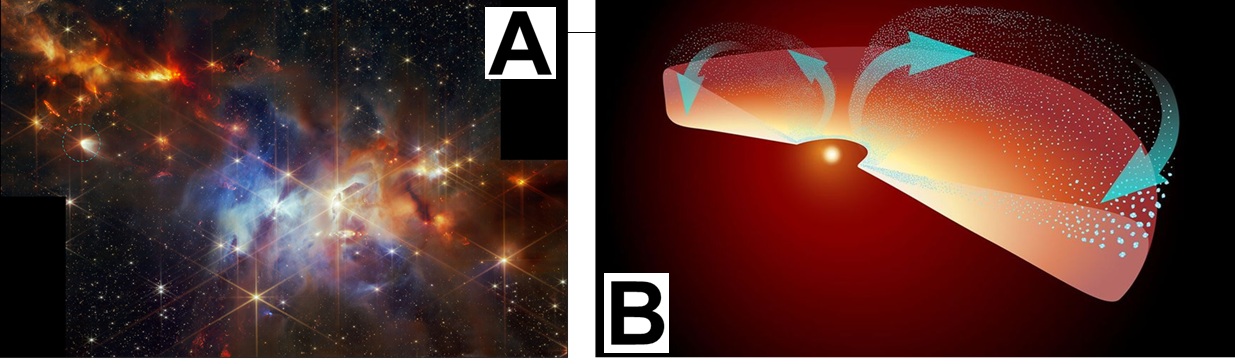
NASA’s James Webb Space Telescope captured newborn stars forming in clouds of dust and gas (colored golden and orange in this image) in a star-forming region called Pismis 24.
Read More

Dinner is served aboard the International Space Station! One tray features shrimp cocktail on whole grain wheat crackers, while the other holds sushi made with seaweed, Spam, tuna, and rice.
Read More

From left to right, NASA astronauts Victor Glover, Artemis II pilot; Reid Wiseman, Artemis II commander; CSA (Canadian Space Agency) astronaut Jeremy Hansen, Artemis II mission specialist, and NASA astronaut Christina Koch, Artemis II mission specialist, suit up and walk out of the Neil A. Armstrong Operations and Checkout Building at NASA’s Kennedy Space Center in Florida on Monday, Aug. 11, 2025. During a two-day operation, the Artemis II team practiced night-run demonstrations of different launch day scenarios for the Artemis II test flight.
Read More

NASA astronaut and Expedition 68 Flight Engineer Frank Rubio is pictured inside the cupola, the International Space Station’s “window to the world,” as the orbiting lab flew 263 miles above southeastern England on Oct. 1, 2022.
Read More

Orion Mission Evaluation Room (MER) team member works during an Artemis II mission simulation on Aug. 19, 2025, from the new Orion MER inside the Mission Control Center at NASA’s Johnson Space Center in Houston.
Read More

NASA astronauts Jonny Kim and Zena Cardman, both Expedition 73 Flight Engineers, pose for a portrait inside the International Space Station’s Unity module during a break in weekend housecleaning and maintenance activities. Kim and Cardman are both part of NASA Astronaut Group 22 selected in June 2017 with 12 other astronauts, including two Canadian Space Agency astronauts, and affectionately nicknamed “The Turtles.”
Read More

This long-exposure photograph, taken over 31 minutes from a window inside the International Space Station’s Kibo laboratory module, captures the graceful arcs of star trails.
Read More

NASA astronaut Zena Cardman poses for a portrait in a photography studio at NASA’s Johnson Space Center in Houston, Texas.
Read More

NASA astronauts Christina Koch, Artemis II mission specialist, and Victor Glover, Artemis II pilot, walk on the crew access arm of the mobile launcher in the Vehicle Assembly Building at NASA’s Kennedy Space Center in Florida on Tuesday, Aug. 12, 2025.
Read More


California’s San Francisco Bay Area surrounded by the cities of San Francisco, Oakland, and San Jose, and their suburbs, is pictured from the International Space Station as it orbited 260 miles above the Golden State on Aug. 3, 2025.
Read More

Viking 1 was launched by a Titan-Centaur rocket from Complex 41 at Cape Canaveral Air Force Station at 5:22 p.m. EDT on Aug. 20, 1975, to begin a half-billion mile, 11-month journey through space to explore Mars. The 4-ton spacecraft went into orbit around the red planet in mid-1976 and landed on Mars on July 20, 1976.
Read More

The Moon’s light is refracted by Earth’s atmosphere, giving it a spheroid shape in this April 13, 2025, photograph from the International Space Station as it orbited into a sunset 264 miles above the border between Bolivia and Brazil in South America.
Read More

Eleven International Space Station crew members gather inside the International Space Station’s Unity module for a portrait on Aug. 3, 2025.
Read More

An alligator moves through a brackish waterway at NASA’s Kennedy Space Center in Florida. The center shares space with the Merritt Island National Wildlife Refuge. More than 330 native and migratory bird species, 25 mammals, 117 fishes and 65 amphibians and reptiles call NASA Kennedy and the wildlife refuge home.
Read More