teacher

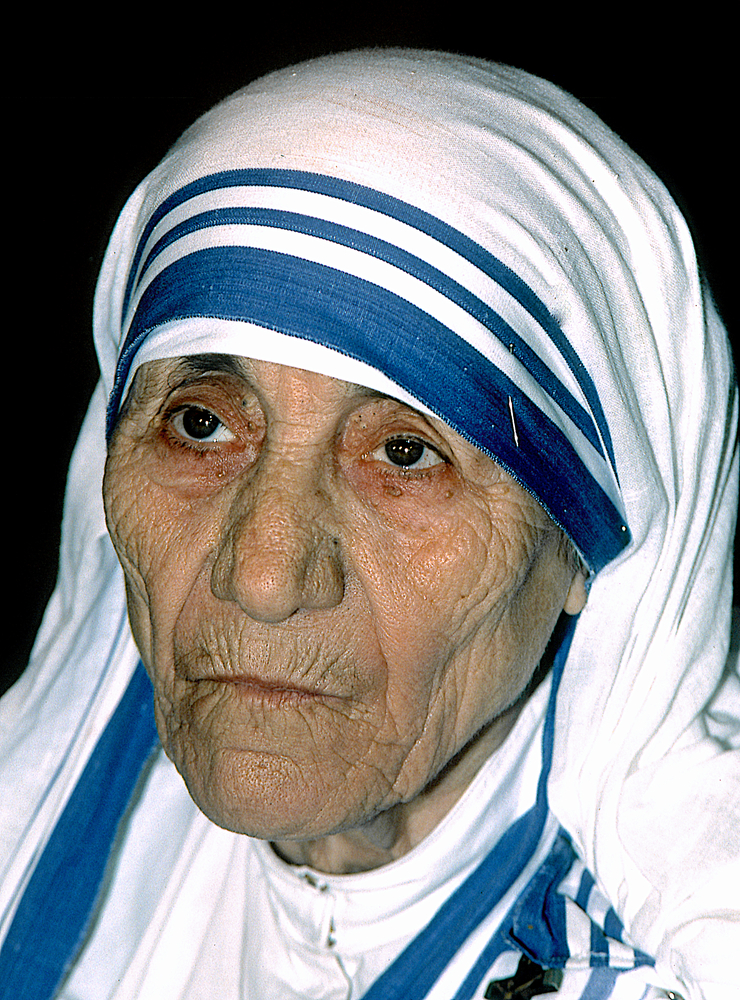
10 lesser-known facts about St. Teresa of Calcutta, 10 years after canonization #Catholic On Sept. 5, Catholics around the world celebrate the feast of St. Teresa of Calcutta, popularly known as Mother Teresa, and this year marks 10 years since she was declared a saint by the Catholic Church. The beloved religious sister was known globally for her work among the poorest of poor in India and for founding the Missionaries of Charity.Yet behind the familiar image of the saint there are aspects of her life that may not be as well-known — from her childhood in the Balkans and years as a teacher to her surprising friendships and spiritual struggles.Here are 10 lesser-known facts about the life of St. Teresa of Calcutta as we celebrate her 10 years as a canonized saint:1. She wasn’t born in IndiaMother Teresa was born Anjezë (Agnes) Gonxhe Bojaxhiu in 1910 in Skopje, which was then part of the Ottoman Empire and is now the capital of North Macedonia. She came from an ethnic Albanian family and was the youngest of five children — two of whom died in infancy.2. She entered religious life at 18At age 12, she felt called to serve the poor and at 18, left home to join the Institute of the Blessed Virgin Mary, known as the Sisters of Loreto, an Irish order of nuns, with the intention to serve in India. She would never again live with her immediate family.3. She chose the name Teresa after St. Thérèse of LisieuxUpon her arrival at Rathfarnham Abbey in Ireland, she took the name Teresa after St. Thérèse of Lisieux, a 19th-century French nun known as the “Little Flower” who was known for her simplicity and doing things in her “Little Way.”4. She was a teacher before she served the poorBefore beginning her work among the poor, Mother Teresa taught in India for nearly two decades. She arrived in Calcutta, India. on Jan. 6, 1929, and after making her first vows in 1931, she was assigned to the Loretto Entally community and taught at St. Mary’s Bengali Medium School for girls. In 1937, Teresa made her final vows as a Loreto nun and then reassumed her duties at the school. In 1944 she became principal of the school.5. She experienced a ‘call within a call’On Sept. 10, 1946, Mother Teresa experienced what she would refer to as the “call within a call.” Over the following weeks and months, she would receive inspiration from God asking her to establish a religious community that would serve the poorest of the poor.6. She didn’t immediately start the religious orderIn August of 1948, Teresa left the Loreto convent and went to a short medical training with the Medical Mission Sisters in Patna. In December of the same year, she returned to Calcutta and stayed temporarily with the Little Sisters of the Poor. During this time, she worked in the slums tending to the sick and dying. On Oct. 7, 1950, the congregation of the Missionaries of Charity was officially established.7. She founded branches for men and priests, tooIn order to serve the various physical and spiritual needs of the sick, Teresa founded the Missionaries of Charity Brothers in 1963 and in 1984 the Missionaries of Charity Fathers. She also created groups for lay people including Co-Workers of Mother Teresa and the Sick and Suffering Co-Workers, which were groups of people who shared her spirit of prayer, simplicity, and love for those most in need.8. She received the Nobel Peace Prize — and rejected the traditional banquetWhen Mother Teresa received the Nobel Peace Prize in 1979, she asked that the money that would have been spent on the customary banquet instead be given to the poor. She also used her Nobel platform to speak about the dignity of human life and the need for the protection of the unborn.9. She experienced profound spiritual darknessOne of the most surprising aspects of Mother Teresa’s life is that she endured decades of what she described as profound interior darkness. Despite being a woman of deep prayer, her private letters revealed that she sometimes felt distant from God even as she continued serving him.10. Her congregation spread around the worldToday the Missionaries of Charity have 754 homes in 138 countries around the world and a little over 5,000 nuns serving the poorest of the poor.

10 lesser-known facts about St. Teresa of Calcutta, 10 years after canonization #Catholic On Sept. 5, Catholics around the world celebrate the feast of St. Teresa of Calcutta, popularly known as Mother Teresa, and this year marks 10 years since she was declared a saint by the Catholic Church. The beloved religious sister was known globally for her work among the poorest of poor in India and for founding the Missionaries of Charity.Yet behind the familiar image of the saint there are aspects of her life that may not be as well-known — from her childhood in the Balkans and years as a teacher to her surprising friendships and spiritual struggles.Here are 10 lesser-known facts about the life of St. Teresa of Calcutta as we celebrate her 10 years as a canonized saint:1. She wasn’t born in IndiaMother Teresa was born Anjezë (Agnes) Gonxhe Bojaxhiu in 1910 in Skopje, which was then part of the Ottoman Empire and is now the capital of North Macedonia. She came from an ethnic Albanian family and was the youngest of five children — two of whom died in infancy.2. She entered religious life at 18At age 12, she felt called to serve the poor and at 18, left home to join the Institute of the Blessed Virgin Mary, known as the Sisters of Loreto, an Irish order of nuns, with the intention to serve in India. She would never again live with her immediate family.3. She chose the name Teresa after St. Thérèse of LisieuxUpon her arrival at Rathfarnham Abbey in Ireland, she took the name Teresa after St. Thérèse of Lisieux, a 19th-century French nun known as the “Little Flower” who was known for her simplicity and doing things in her “Little Way.”4. She was a teacher before she served the poorBefore beginning her work among the poor, Mother Teresa taught in India for nearly two decades. She arrived in Calcutta, India. on Jan. 6, 1929, and after making her first vows in 1931, she was assigned to the Loretto Entally community and taught at St. Mary’s Bengali Medium School for girls. In 1937, Teresa made her final vows as a Loreto nun and then reassumed her duties at the school. In 1944 she became principal of the school.5. She experienced a ‘call within a call’On Sept. 10, 1946, Mother Teresa experienced what she would refer to as the “call within a call.” Over the following weeks and months, she would receive inspiration from God asking her to establish a religious community that would serve the poorest of the poor.6. She didn’t immediately start the religious orderIn August of 1948, Teresa left the Loreto convent and went to a short medical training with the Medical Mission Sisters in Patna. In December of the same year, she returned to Calcutta and stayed temporarily with the Little Sisters of the Poor. During this time, she worked in the slums tending to the sick and dying. On Oct. 7, 1950, the congregation of the Missionaries of Charity was officially established.7. She founded branches for men and priests, tooIn order to serve the various physical and spiritual needs of the sick, Teresa founded the Missionaries of Charity Brothers in 1963 and in 1984 the Missionaries of Charity Fathers. She also created groups for lay people including Co-Workers of Mother Teresa and the Sick and Suffering Co-Workers, which were groups of people who shared her spirit of prayer, simplicity, and love for those most in need.8. She received the Nobel Peace Prize — and rejected the traditional banquetWhen Mother Teresa received the Nobel Peace Prize in 1979, she asked that the money that would have been spent on the customary banquet instead be given to the poor. She also used her Nobel platform to speak about the dignity of human life and the need for the protection of the unborn.9. She experienced profound spiritual darknessOne of the most surprising aspects of Mother Teresa’s life is that she endured decades of what she described as profound interior darkness. Despite being a woman of deep prayer, her private letters revealed that she sometimes felt distant from God even as she continued serving him.10. Her congregation spread around the worldToday the Missionaries of Charity have 754 homes in 138 countries around the world and a little over 5,000 nuns serving the poorest of the poor.

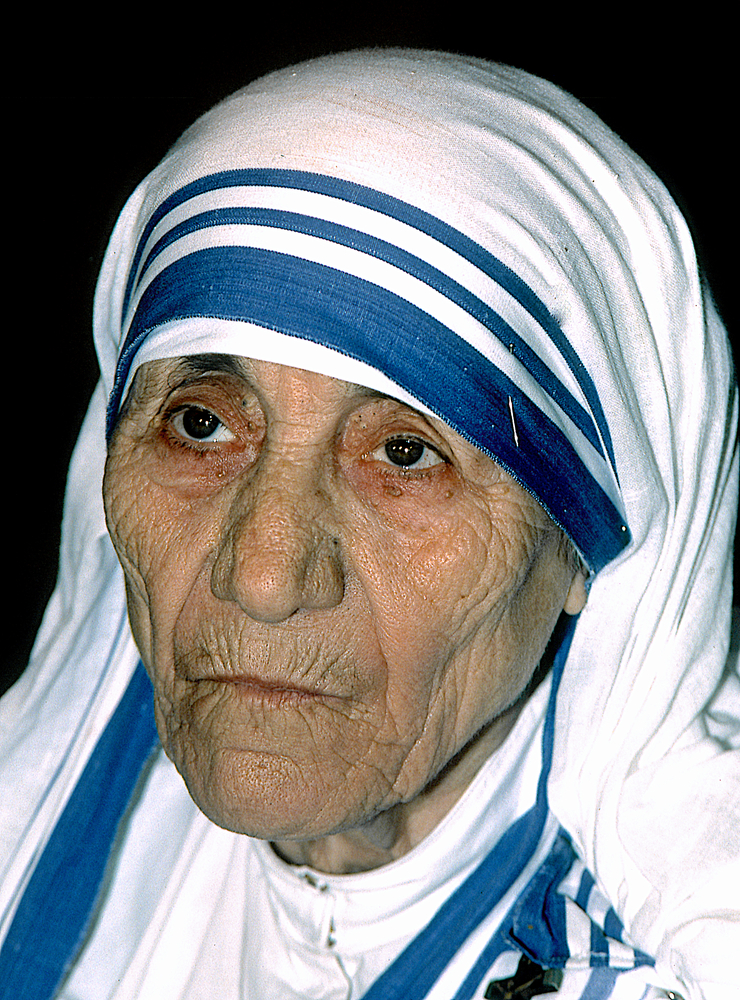
Sept. 5 marks the feast of Mother Teresa and the 10th anniversary of her canonization.

Read More
People ‘thirsting for Christ’ at procession in Brazil, bishop says #Catholic About 50,000 faithful took part in the closing procession for the novena to Our Lady of Glory in Brazil on Aug. 15. The local bishop, Flávio Giovenale, said the large turnout reflects the faith of the people, who are “thirsting for Christ.”“This multitude is saying: We want spirituality, we want Jesus, and we love Our Lady because she leads us to Jesus,” the bishop told the website Juruá 24 Horas.“Our Lady is like a mother who takes us to school; the teacher — the master — is Jesus, and Our Lady leads us to him,” he said.The devotees walked about two miles in a procession lasting nearly two hours. Holding candles, they followed the image of Our Lady, praying and giving thanks.“We came to give thanks for the harvest and for our family’s health. Being here among so many people sharing the same purpose is something indescribable,” farmer Renilson Fox said to news website G1.“We spend the whole year waiting for this moment,” veterinarian Douglas Vasconcelos told G1. He said that for him, this “is a day to renew our faith and give thanks for so many graces received.”Mary is our ‘prototype’“Today, we celebrate Our Lady of Glory, who is already there [in glory], a gift from God,” Giovenale said during the Mass at the Cruzeiro do Sul cathedral prior to the procession. The bishop recalled Jesus’s words: “I am going to the Father’s glory, and after I prepare a place, I will return and take you with me.”“We say that at the end of time, we will all rise again and be reunited in body and soul to live in heaven, body and soul. But for Our Lady, Jesus chose to make an exception, a gift. In his freedom, he said: ‘Our Lady was the first to say yes to me; she will also be the first to rise again,’” he explained.The bishop recalled that the Dormition of Mary, although not found in the Bible, has been a tradition “since the early years” of Christianity. It says “that Our Lady fell asleep in the Lord and Jesus came and took her, body and soul.”“She is there in heaven, body and soul, as the first Christian, the first to say ‘Here am I, the servant of the Lord,’ and the first to rise again, body and soul. She is, as it were, our prototype,” he said.In his homily, Giovenale said that before attaining glory, Mary served, and Christians must follow her example to reach the kingdom of heaven.“We’re going to walk in procession, why? Because Mary — after receiving the angel’s announcement that she would be the Mother of the Savior, and after saying, ‘I am the servant of the Lord’ — what did she do? She went to serve Elizabeth,” he said.“To serve, to be Christians, to be a faithful people, we can’t afford to slack off. Jesus promised us happiness, not ease. It requires effort; it requires saying, ‘I want to serve,’ just as Mary did,” he said.The bishop recalled that it was Jesus who said, “I came into the world not to be served, but to serve.” “Mary was the one who, in so many ways, anticipated this, because she is the first to be faithful to Jesus,” he added.Giovenale cited the theme of this year’s novena to Our Lady of Glory: “Our Lady of Glory, Mother of the Faithful People.” “If we want to be faithful to Jesus, faithful to God, we must imitate Mary — to journey forth and go serve others,” he said.This story was first published by ACI Digital, the Portuguese-language sister service of EWTN News. It has been translated and adapted by EWTN News English.

People ‘thirsting for Christ’ at procession in Brazil, bishop says #Catholic About 50,000 faithful took part in the closing procession for the novena to Our Lady of Glory in Brazil on Aug. 15. The local bishop, Flávio Giovenale, said the large turnout reflects the faith of the people, who are “thirsting for Christ.”“This multitude is saying: We want spirituality, we want Jesus, and we love Our Lady because she leads us to Jesus,” the bishop told the website Juruá 24 Horas.“Our Lady is like a mother who takes us to school; the teacher — the master — is Jesus, and Our Lady leads us to him,” he said.The devotees walked about two miles in a procession lasting nearly two hours. Holding candles, they followed the image of Our Lady, praying and giving thanks.“We came to give thanks for the harvest and for our family’s health. Being here among so many people sharing the same purpose is something indescribable,” farmer Renilson Fox said to news website G1.“We spend the whole year waiting for this moment,” veterinarian Douglas Vasconcelos told G1. He said that for him, this “is a day to renew our faith and give thanks for so many graces received.”Mary is our ‘prototype’“Today, we celebrate Our Lady of Glory, who is already there [in glory], a gift from God,” Giovenale said during the Mass at the Cruzeiro do Sul cathedral prior to the procession. The bishop recalled Jesus’s words: “I am going to the Father’s glory, and after I prepare a place, I will return and take you with me.”“We say that at the end of time, we will all rise again and be reunited in body and soul to live in heaven, body and soul. But for Our Lady, Jesus chose to make an exception, a gift. In his freedom, he said: ‘Our Lady was the first to say yes to me; she will also be the first to rise again,’” he explained.The bishop recalled that the Dormition of Mary, although not found in the Bible, has been a tradition “since the early years” of Christianity. It says “that Our Lady fell asleep in the Lord and Jesus came and took her, body and soul.”“She is there in heaven, body and soul, as the first Christian, the first to say ‘Here am I, the servant of the Lord,’ and the first to rise again, body and soul. She is, as it were, our prototype,” he said.In his homily, Giovenale said that before attaining glory, Mary served, and Christians must follow her example to reach the kingdom of heaven.“We’re going to walk in procession, why? Because Mary — after receiving the angel’s announcement that she would be the Mother of the Savior, and after saying, ‘I am the servant of the Lord’ — what did she do? She went to serve Elizabeth,” he said.“To serve, to be Christians, to be a faithful people, we can’t afford to slack off. Jesus promised us happiness, not ease. It requires effort; it requires saying, ‘I want to serve,’ just as Mary did,” he said.The bishop recalled that it was Jesus who said, “I came into the world not to be served, but to serve.” “Mary was the one who, in so many ways, anticipated this, because she is the first to be faithful to Jesus,” he added.Giovenale cited the theme of this year’s novena to Our Lady of Glory: “Our Lady of Glory, Mother of the Faithful People.” “If we want to be faithful to Jesus, faithful to God, we must imitate Mary — to journey forth and go serve others,” he said.This story was first published by ACI Digital, the Portuguese-language sister service of EWTN News. It has been translated and adapted by EWTN News English.

In his homily, Bishop Flávio Giovenale held up Mary as the faithful disciple who, like her son, served others.

Read More