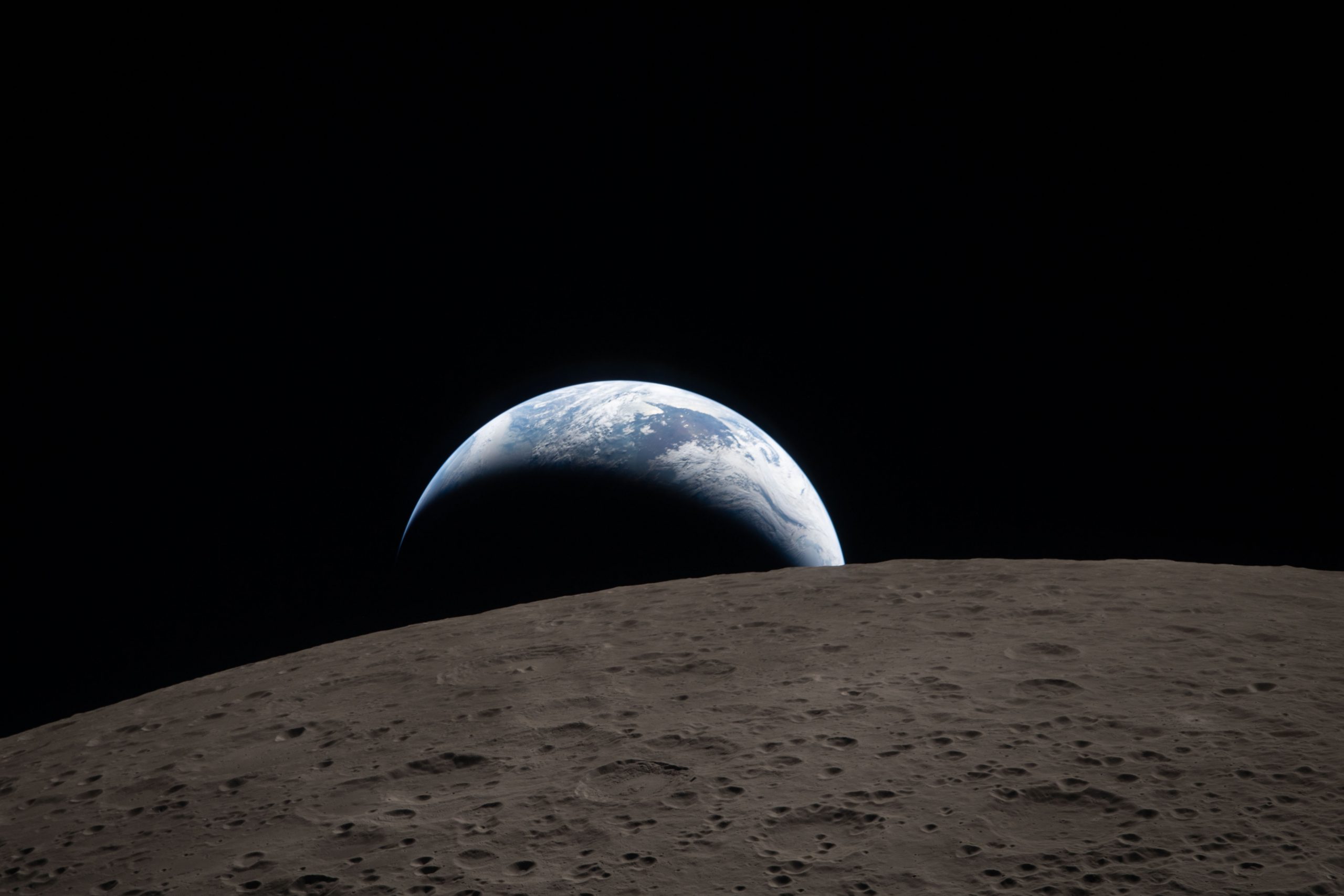
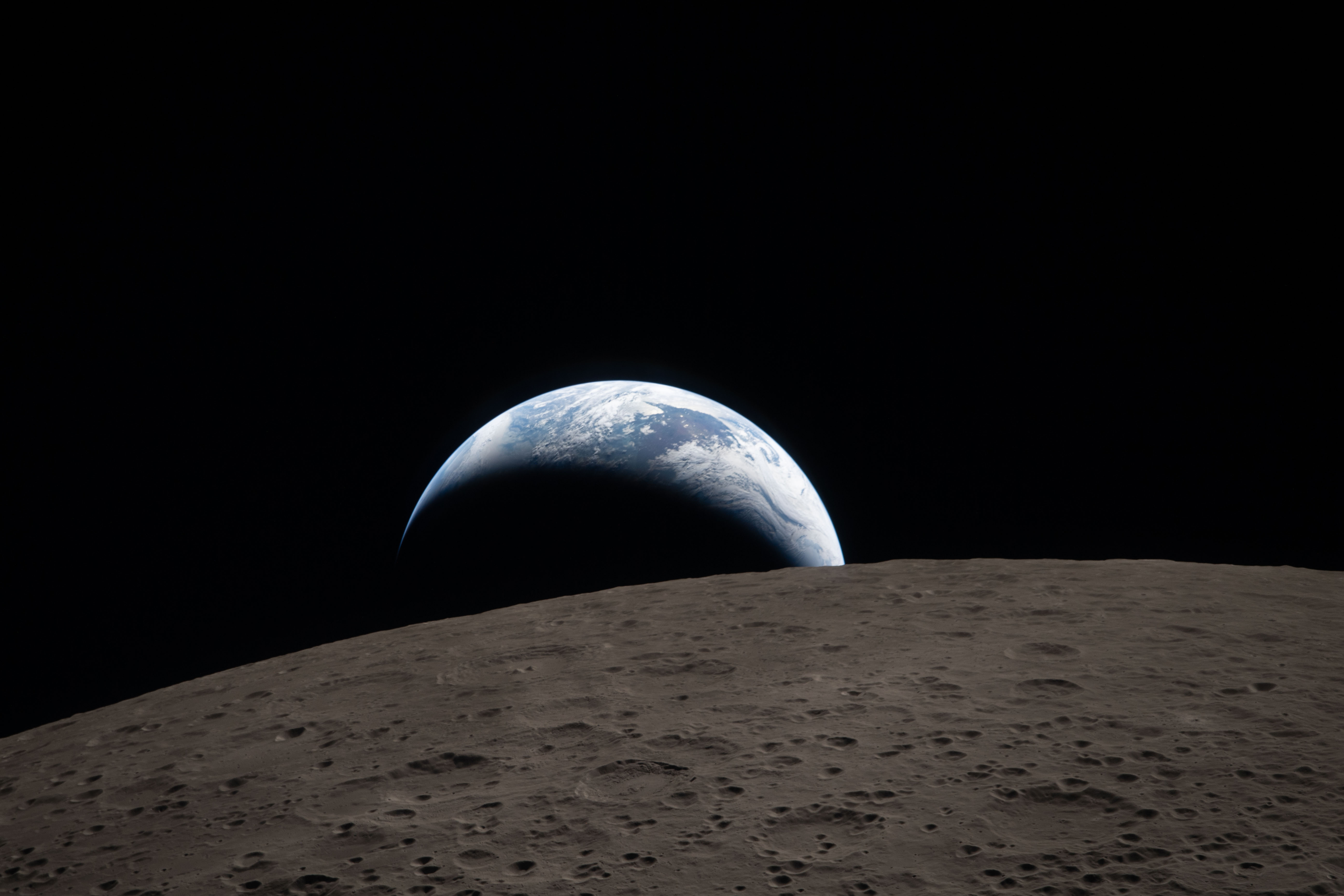
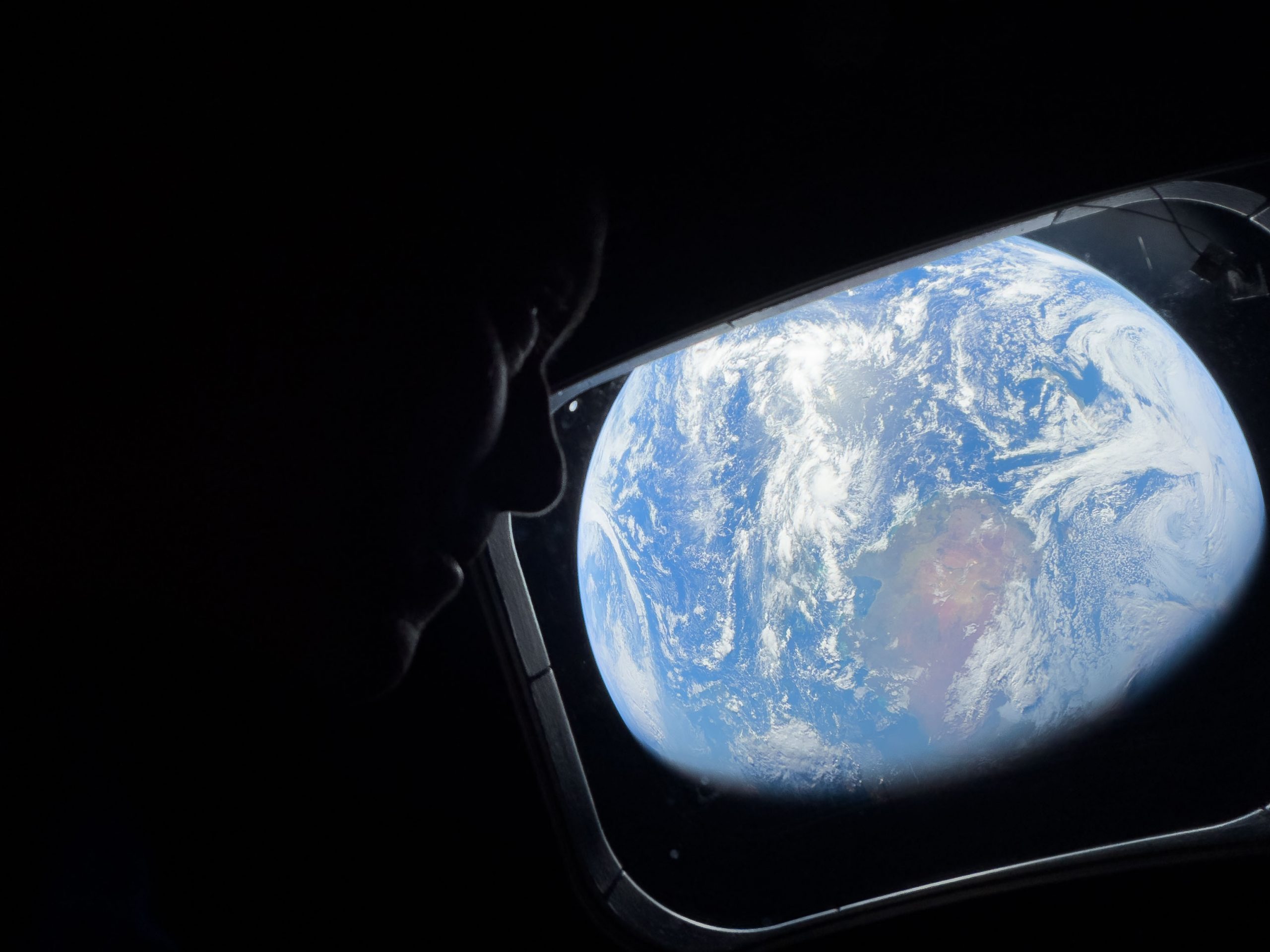
This image, released in celebration of Earth Day, shows the terminator – the line between night and day – on Earth. The Artemis II astronauts captured this view on April 2, 2026, during their journey to the Moon.
Read More

This image, released in celebration of Earth Day, shows the terminator – the line between night and day – on Earth. The Artemis II astronauts captured this view on April 2, 2026, during their journey to the Moon.
Read More
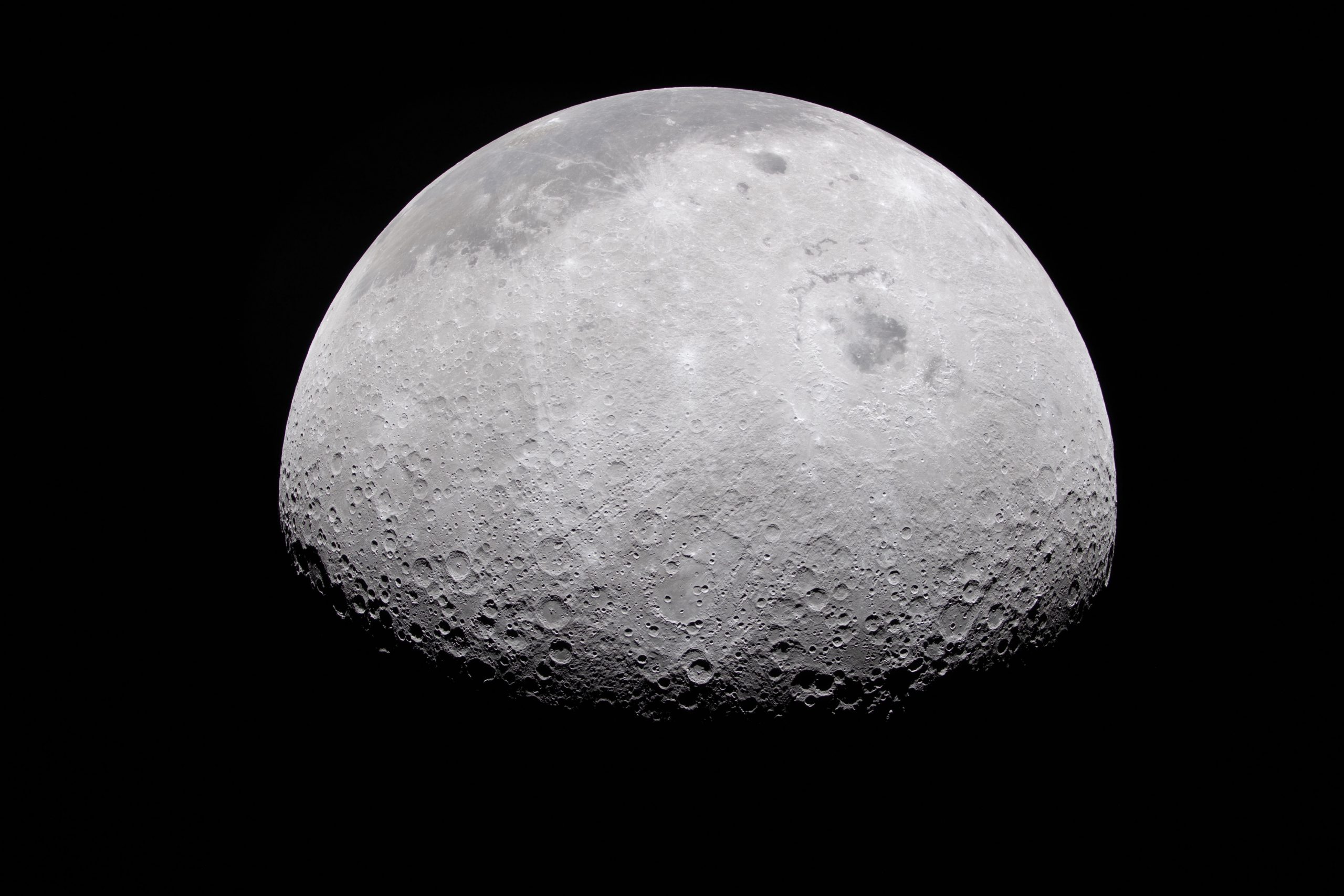
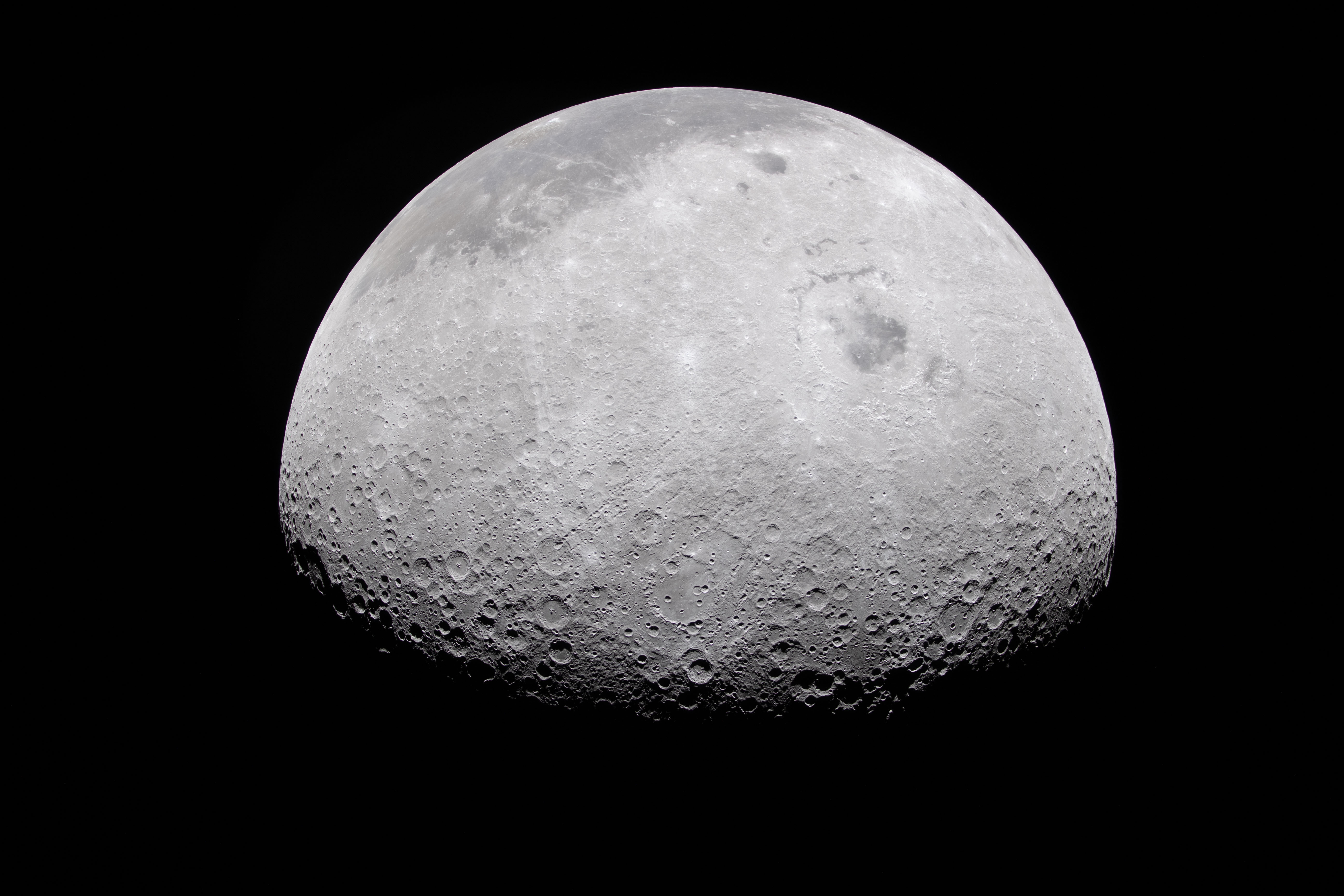
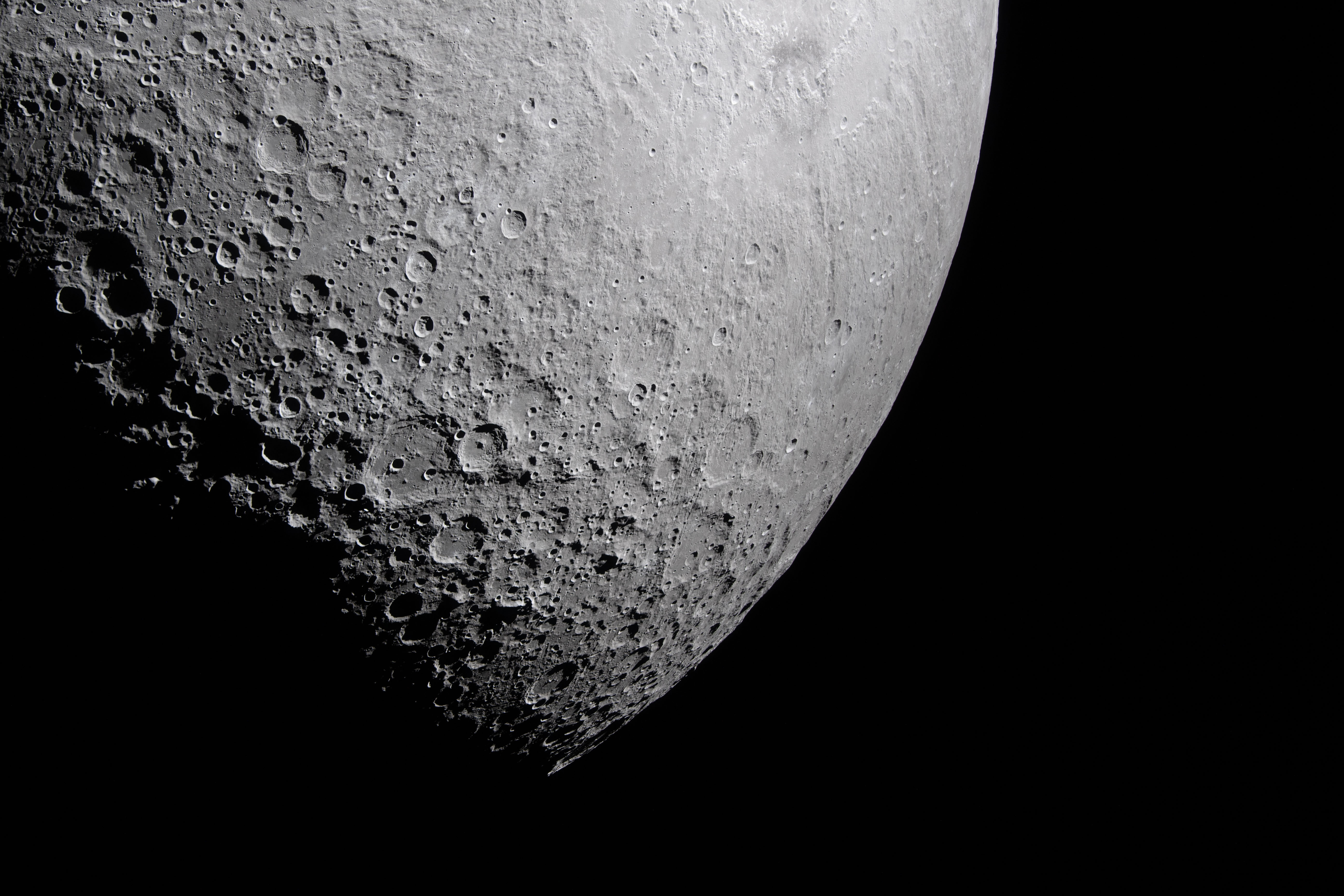
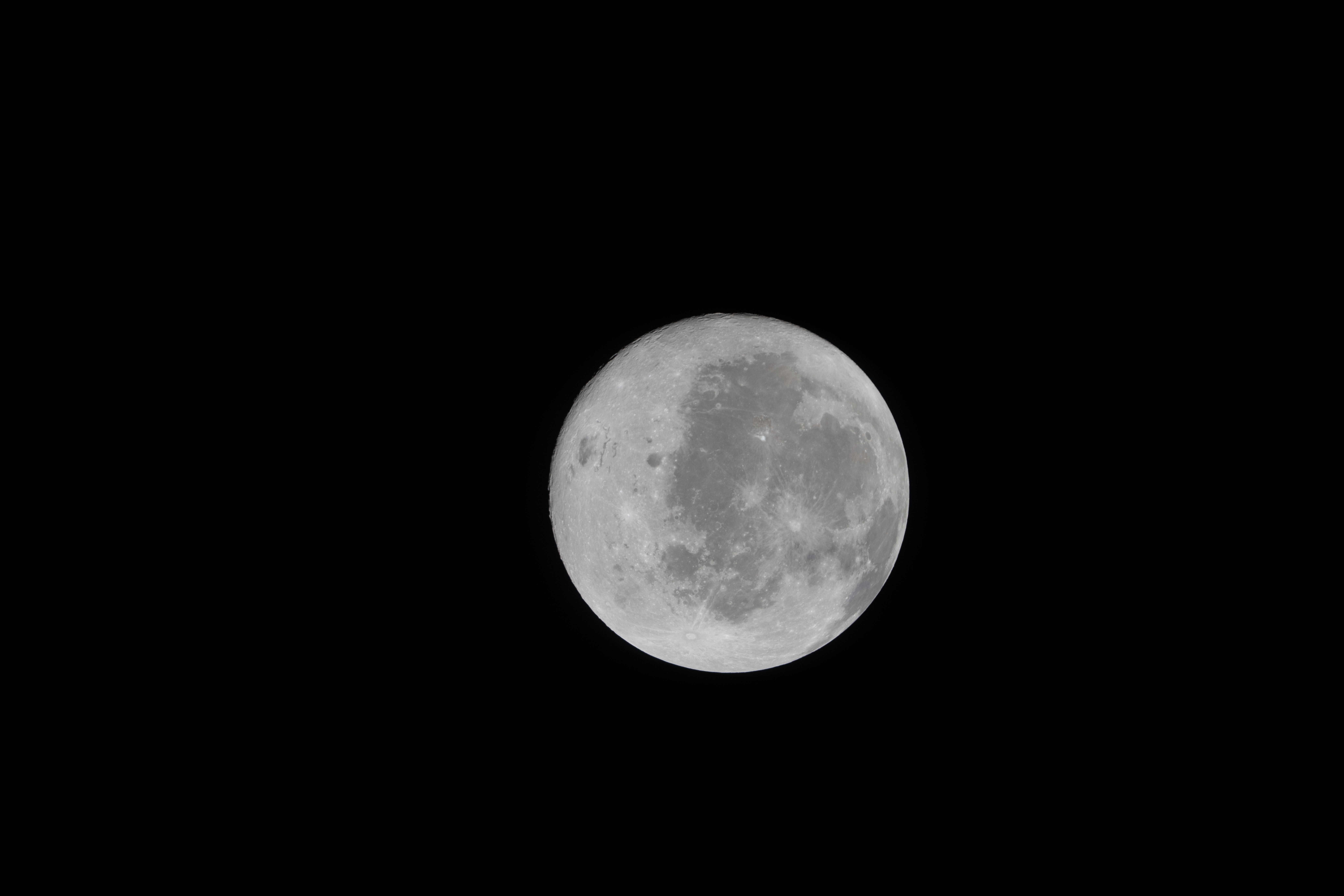
A portion of the Moon’s far side is seen along the terminator—the boundary between lunar day and night—where low-angle sunlight casts long shadows across the surface.
Read More

NASA’s Artemis II crew shared brief remarks with friends, family, and colleagues after they landed at Ellington Airport near NASA’s Johnson Space Center in Houston on Saturday, April 11, 2026, after a nearly 10-day journey around the Moon and back to Earth.
Read More

NASA’s Orion spacecraft with Artemis II crewmembers NASA astronauts Reid Wiseman, commander; Victor Glover, pilot; Christina Koch, mission specialist; and CSA (Canadian Space Agency) astronaut Jeremy Hansen, mission specialist aboard is seen under parachutes as it lands in the Pacific Ocean off the coast of California, Friday, April 10, 2026. NASA’s Artemis II mission took Wiseman, Glover, Koch, and Hansen on a 10-day journey around the Moon and back to Earth. Following a splashdown at 7:07 p.m. EDT, NASA, U.S. Navy, and U.S. Air Force teams are working to bring the crewmembers and Orion spacecraft aboard USS John P. Murtha.
Read More
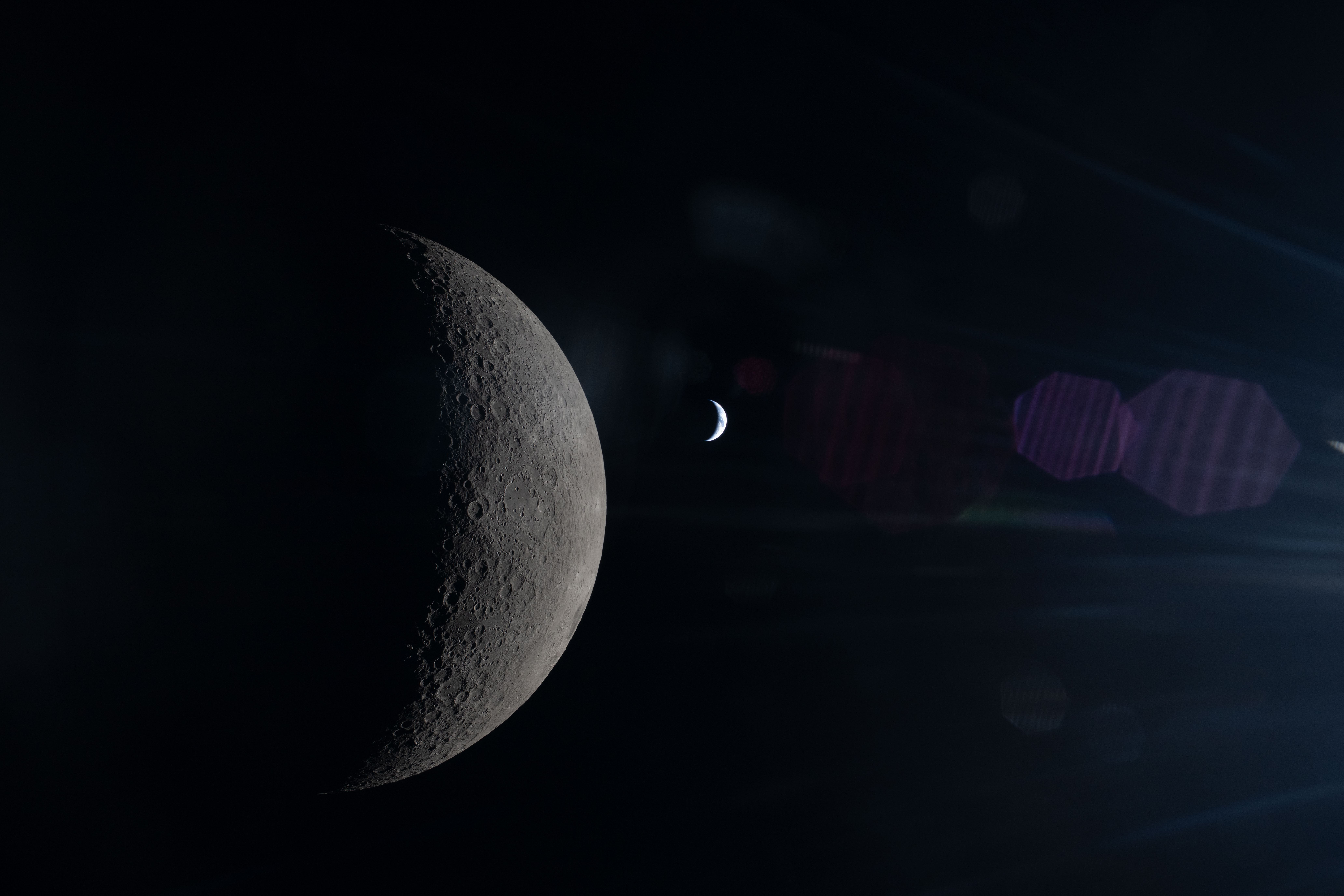
Seen during the Artemis II mission, the Moon and Earth align in the same frame, each partially illuminated by the Sun.
Read More
The Moon, seen here backlit by the Sun during a solar eclipse on April 6, 2026, is photographed by one of the cameras on the Orion spacecraft’s solar array wings. Orion is visible in the foreground on the left.
Read More

Earthset captured through the Orion spacecraft window at 6:41 p.m. EDT, April 6, 2026, during the Artemis II crew’s flyby of the Moon.
Read More
A view of the near side of the Moon, the side we always see from Earth, as seen from the Orion spacecraft.
Read More

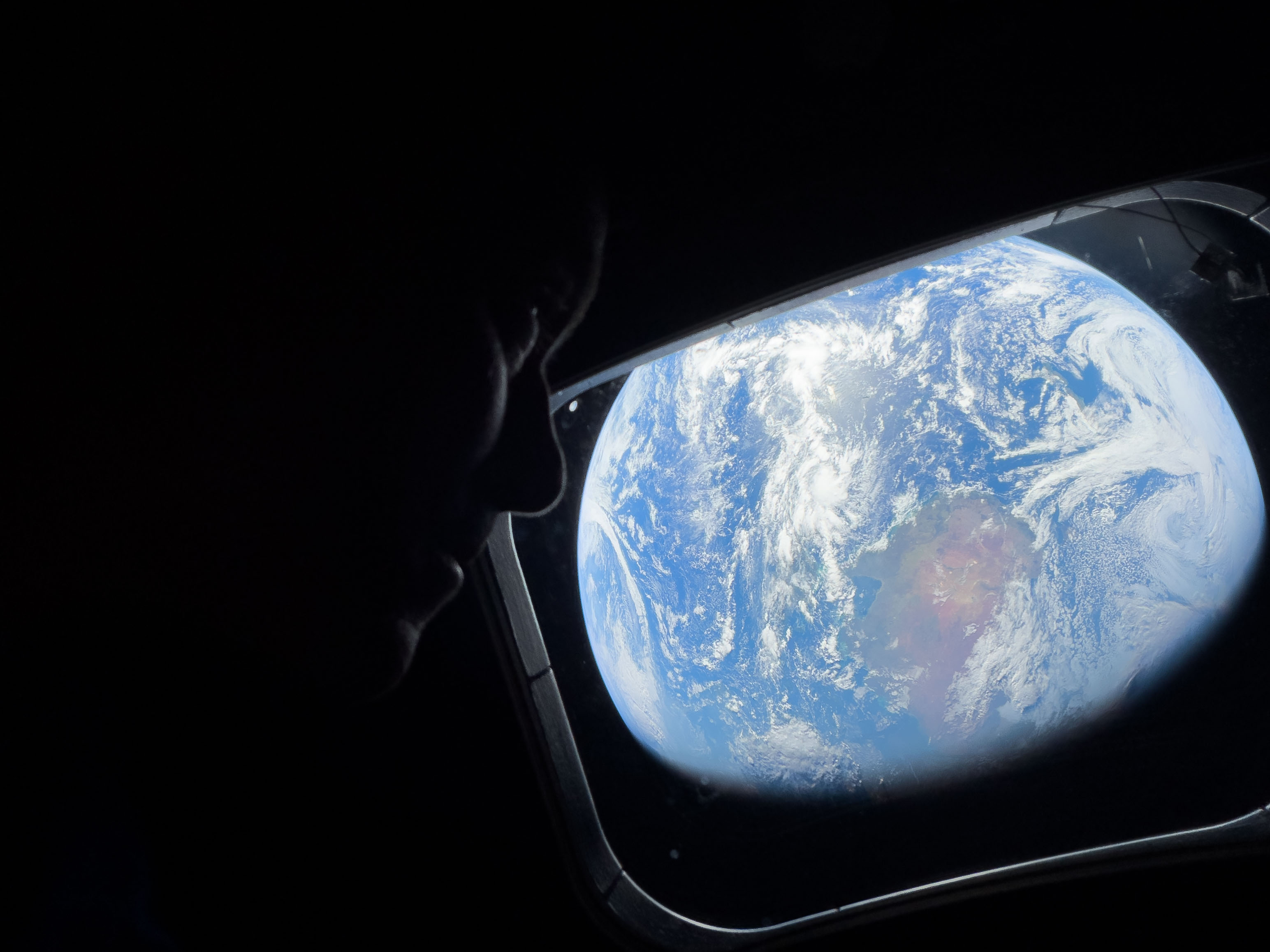
NASA astronaut and Artemis II Commander Reid Wiseman peers out of one of the Orion spacecraft’s main cabin windows on April 4, 2026, looking back at Earth, as the crew travels towards the Moon.
Read More
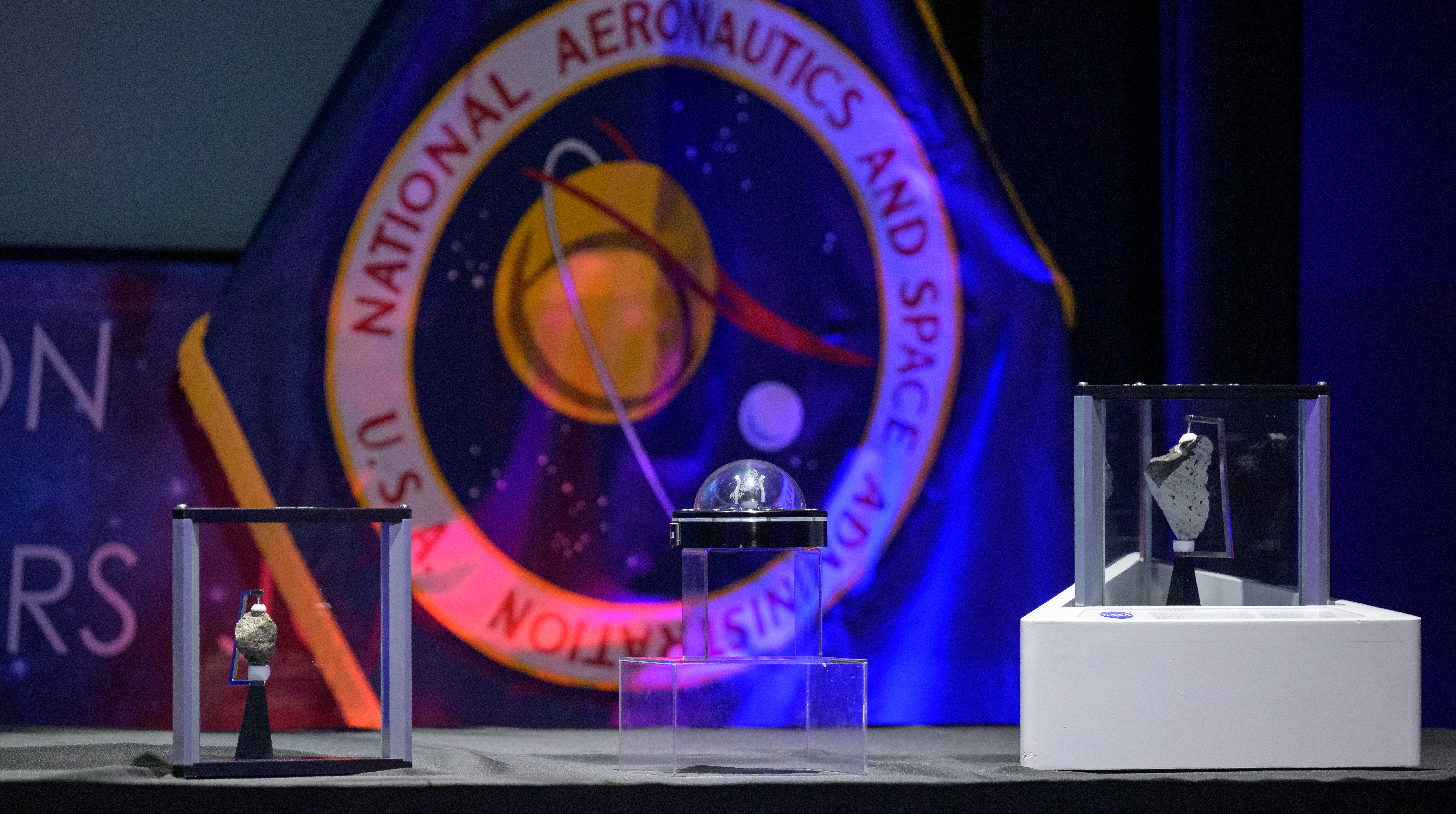
Moon rocks are seen during a March 24, 2026, event where NASA is outlining how the agency is executing the National Space Policy and accelerating preparations for America’s return to the surface of the Moon by 2028.
Read More
In a decisive vote, Scottish members of Parliament have rejected the Assisted Dying for Terminally Ill Adults (Scotland) Bill, a victory the bishops in Scotland are praising.


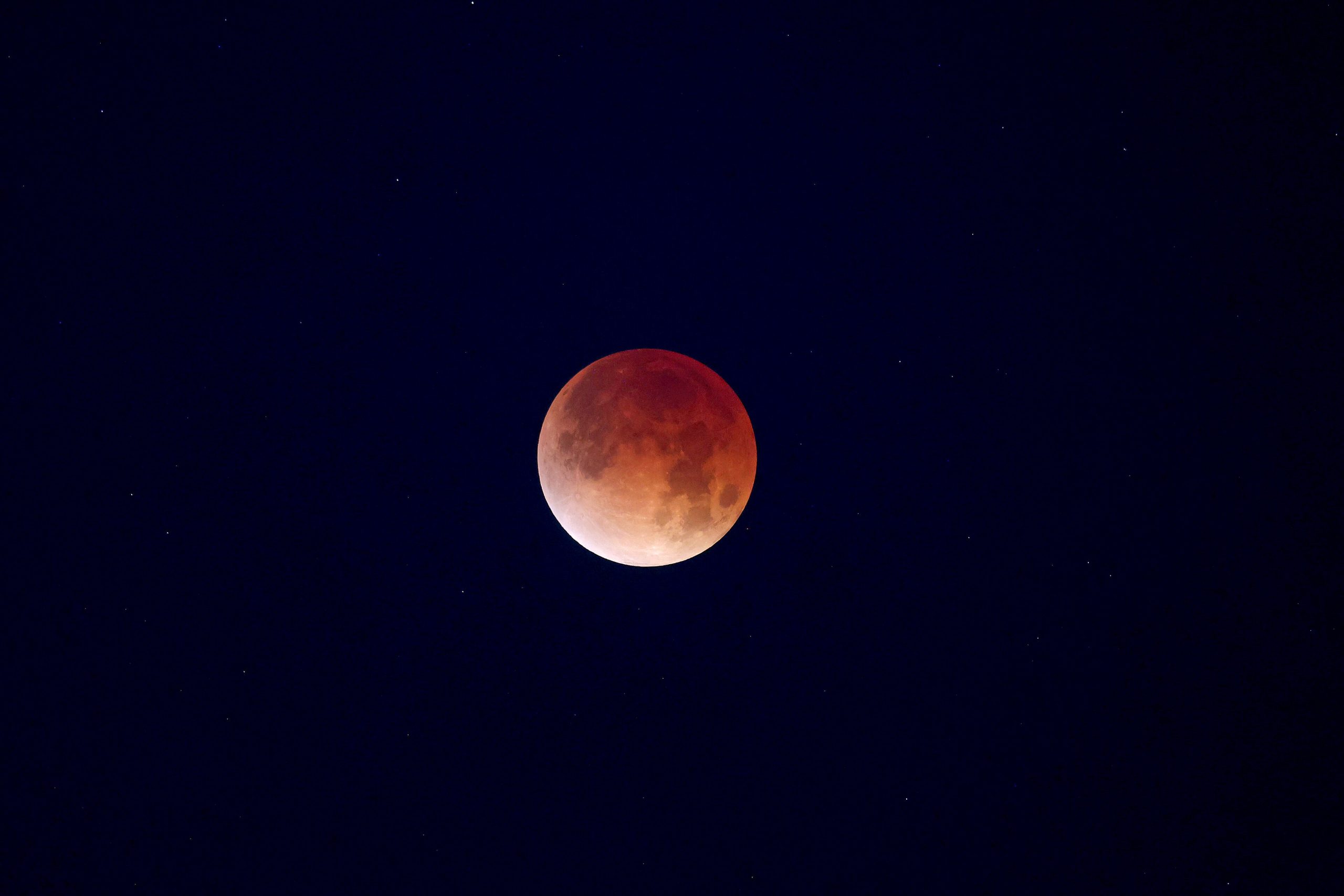
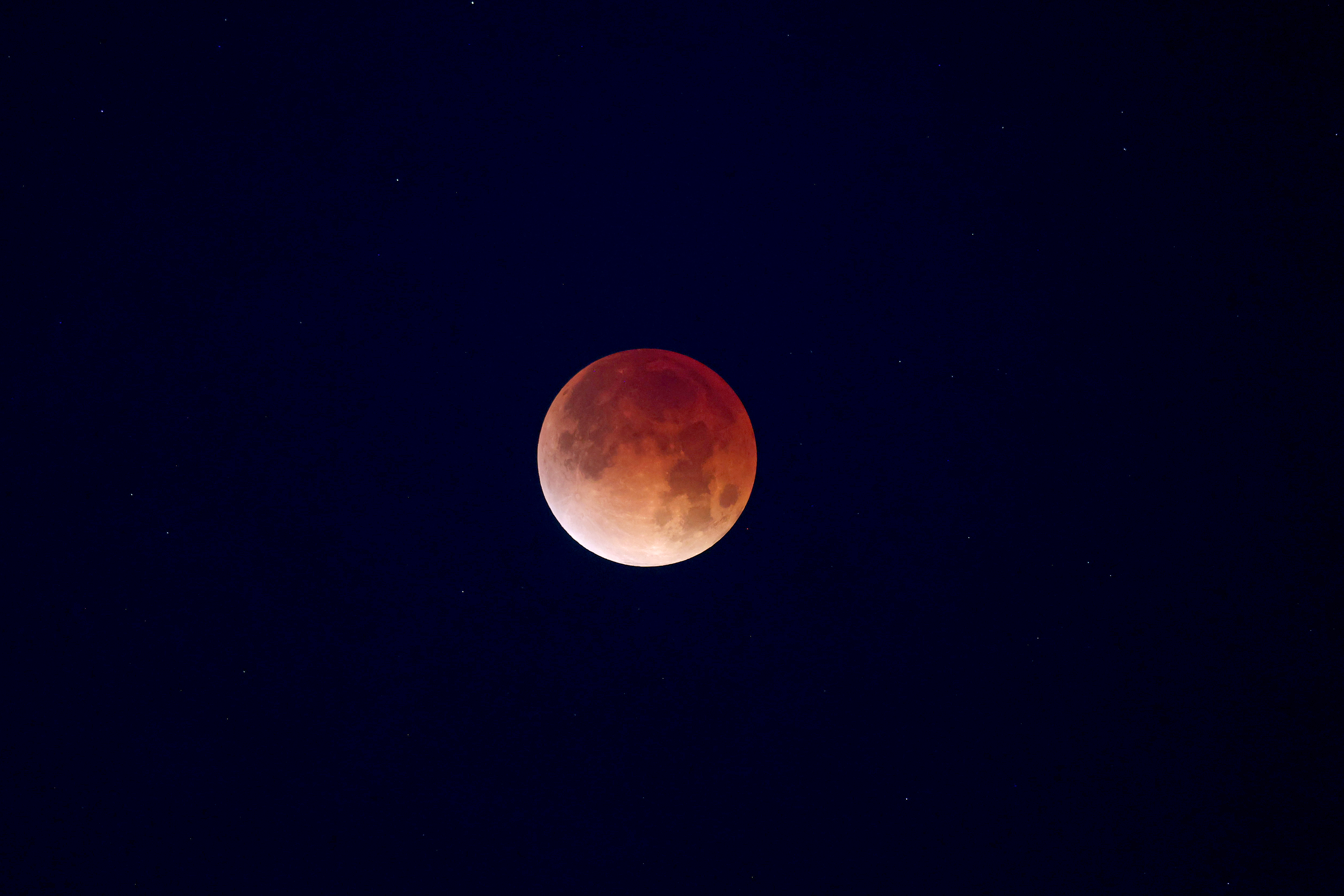
A total lunar eclipse rises over New Orleans, home of NASA’s Michoud Assembly Facility, in the early morning hours of Tuesday, March 3. A lunar eclipse occurs when Earth passes directly between the Sun and Moon, casting a huge shadow across the Moon’s surface. The Moon appears dark red or orange as the Sun’s light filters through Earth’s atmosphere.
Read More
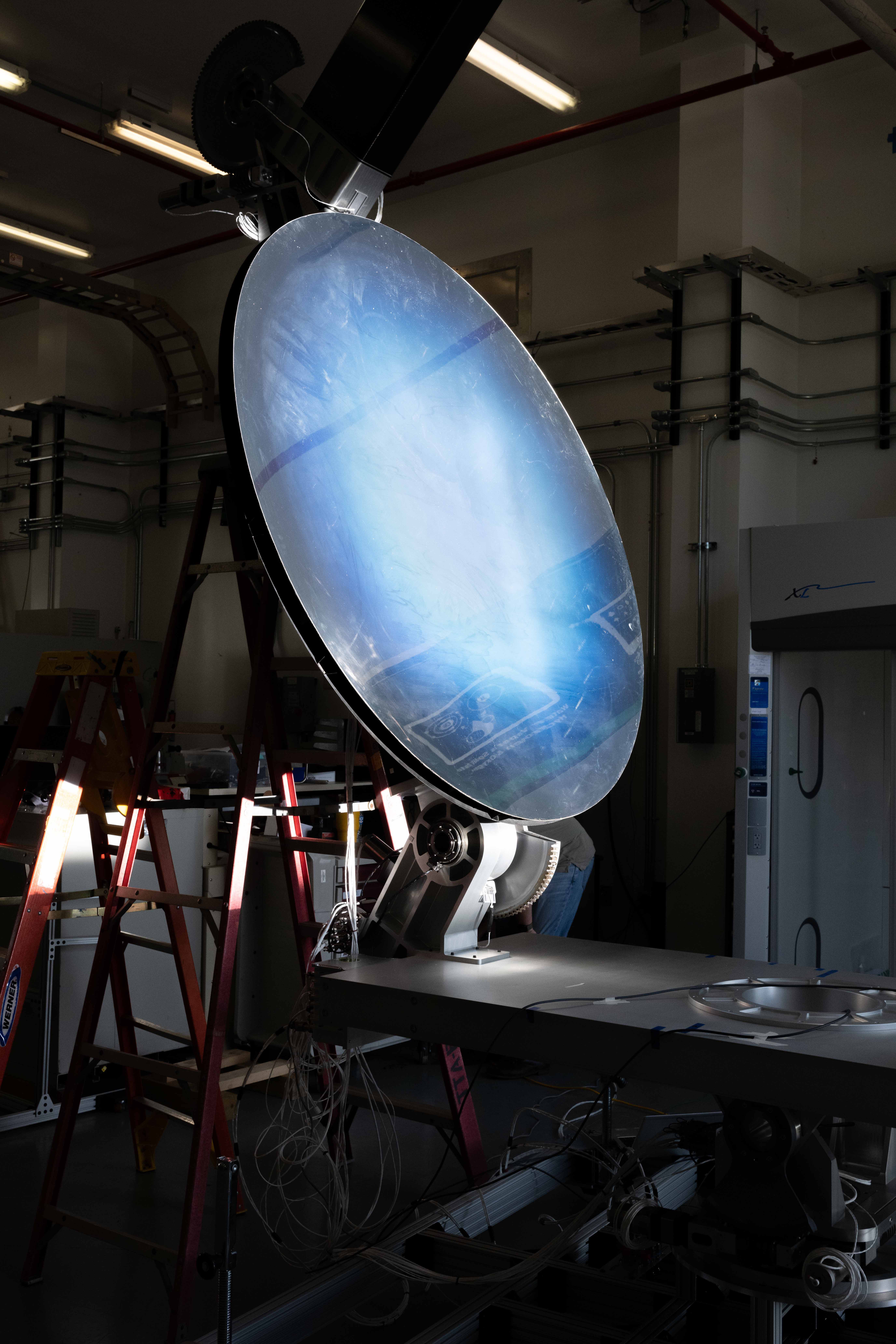
The Carbothermal Reduction Demonstration (CaRD) project aims to demonstrate the carbothermal reduction of lunar regolith to produce oxygen on the Moon’s South Pole. For this test, the team integrated the solar concentrator, mirrors, and software and confirmed the production of carbon monoxide.
Read More

NASA’s Artemis II Orion spacecraft with its launch abort system is stacked atop the agency’s SLS (Space Launch System) rocket in High Bay 3 of the Vehicle Assembly Building at NASA’s Kennedy Space Center in Florida on Monday, Oct. 20, 2025. The spacecraft will carry NASA astronauts Reid Wiseman, Victor Glover, Christina Koch, and CSA (Canadian Space Agency) astronaut Jeremy Hansen on a 10-day mission around the Moon and back in early 2026.
Read More

The Moon’s light is refracted by Earth’s atmosphere, giving it a spheroid shape in this April 13, 2025, photograph from the International Space Station as it orbited into a sunset 264 miles above the border between Bolivia and Brazil in South America.
Read More
NASA’s Exploration Ground Systems’ Program Manager Shawn Quinn captured this image of the Hadley–Apennine region of the moon including the Apollo 15 landing site (very near the edge of the shadow of one of the lunar mountains in the area).
Read More