![Apostolic nuncio calls for ‘moral voice’ in AI development #Catholic Archbishop Gabriele Giordano Caccia, apostolic nuncio to the United States, discussed the need for a “moral voice” in artificial intelligence (AI) development during a panel discussion hosted by Georgetown University on Sept. 9.The panel, titled “AI, Catholic Social Teaching, and Pope Leoʼs Invitation to Dialogue with the World,” examined Pope Leo XIV’s encyclical Magnifica Humanitas and its call for a shared human effort to develop technology that serves the common good rather than harms it.Speakers noted that the Holy Father’s encyclical stopped short of prescribing specific policy ideas for addressing the moral and ethical concerns, but the nuncio said “there is the perception that we need a moral voice” on the subject.“A moral voice is what?” he said. “Not everything which is possible to be done should be done. Not everything that technology offers should be taken. This is a moral choice.”Caccia stressed that decisions affecting human lives should not be handed over to AI, citing distinctions between AI algorithms and the human conscience, as the Holy Father discussed in Magnifica Humanitas.Leo drew a distinction between artificial intelligence and human intelligence in the encyclical, focusing on how each approaches moral questions. The pope wrote that he rejected ideas of “artificial moral agents” and the notion that a machine can “distinguish between right and wrong with greater consistency than a human being.”“Moral judgment cannot be reduced to calculation, for it involves conscience, personal responsibility and the recognition of the other as a person,” Leo wrote. “Therefore, it is not permissible to entrust lethal or otherwise irreversible decisions to artificial systems.”Caccia said during the panel discussion that, as a society, “we have to keep the value of the human relationship.”“The problem is that [if] life and death is decided by a machine, not by the human being, who is accountable?” he said. “So these are very important, important questions. But I am confident, as I said, that together we can face this situation and find a way.”The nuncio said he has similar concerns about the use of AI in other types of decision-making that impacts humans.“I hear very troubling accounts of algorithms that can block access to healthcare, employment, and security on the basis of data tainted by prejudice and injustice,” he said. “And Iʼve heard the silence of those who have no voice. When decisions are made, decisions [are] likely to generate new forms of exclusion and suffering.”Quoting the encyclical, Caccia affirmed the pope’s call that AI “needs to be disarmed.”
Archbishop Gabriele Caccia, the Holy See’s permanent observer to the United Nations in New York, speaks on Aug. 29, 2025, the International Day Against Nuclear Tests. | Credit: Holy See Mission to the United Nations
“The word is strong, I know, but deliberately chosen because this moment needs words capable of attracting attention, awakening consciences, and indicating paths forward for humanity,” he said. “This is more or less a framework in which we can go on with the conversation.”Speaking to EWTN News after the panel, Caccia said the pope’s call to address moral concerns of AI is not just a call to Church leadership but to every Catholic.“There is, of course, the voice of the bishops,” he said. “But there is also the voice of Catholic people who are in the business or are engineers who are in the economy, who are in the field. So itʼs not just for those who have pastoral responsibility, but for the bigger community.”Pope’s impact on AI discussionSeveral panelists discussed the importance of Magnifica Humanitas in providing a type of moral guidance on AI development that focuses on the common good of humanity.Jasmine Sun, a journalist who writes about AI and Silicon Valley, said she “was actually surprised by how much folks I knew in Silicon Valley, in the AI industry did pay attention to Magnifica Humanitas.”“It was a lot more engagement, I think, than I expected,” she said. “And once again, I think itʼs because there is this sense that the profit motive that has driven Silicon Valley, that continues to drive Silicon Valley, is not enough.”Molly Kinder, CEO of the Breakwater Initiative, said the Church provides “wisdom and moral leadership” and believes its broad focus on humanity is why people listened.“Iʼm struck that in the opening pages of the Bible, there is a discussion of Adam and Eve being put on Earth to till the land as our fundamental reason for existing,” she said. “And it feels to me sometimes when Iʼm in Silicon Valley … they almost talk about almost a new Garden of Eden that AI is going to bring about, that maybe our purpose is not to work, or maybe itʼs leisure or a check and a hobby.”Caccia too said he was “positively surprised” by the reaction to the encyclical, saying “it seems that there was a need to do something about this.”“It didnʼt pretend to have the answers,” he said, “but he put questions, common questions that we have to tackle together to decide where we want to go.”](https://unitedyam.com/wp-content/uploads/2026/09/apostolic-nuncio-calls-for-moral-voice-in-ai-development-catholic-archbishop-gabriele-giordano-caccia-apostolic-nuncio-to-the-united-states-discussed-the-need-for-a-moral.jpg "Apostolic nuncio calls for ‘moral voice’ in AI development #Catholic Archbishop Gabriele Giordano Caccia, apostolic nuncio to the United States, discussed the need for a “moral voice” in artificial intelligence (AI) development during a panel discussion hosted by Georgetown University on Sept. 9.The panel, titled “AI, Catholic Social Teaching, and Pope Leoʼs Invitation to Dialogue with the World,” examined Pope Leo XIV’s encyclical Magnifica Humanitas and its call for a shared human effort to develop technology that serves the common good rather than harms it.Speakers noted that the Holy Father’s encyclical stopped short of prescribing specific policy ideas for addressing the moral and ethical concerns, but the nuncio said “there is the perception that we need a moral voice” on the subject.“A moral voice is what?” he said. “Not everything which is possible to be done should be done. Not everything that technology offers should be taken. This is a moral choice.”Caccia stressed that decisions affecting human lives should not be handed over to AI, citing distinctions between AI algorithms and the human conscience, as the Holy Father discussed in Magnifica Humanitas.Leo drew a distinction between artificial intelligence and human intelligence in the encyclical, focusing on how each approaches moral questions. The pope wrote that he rejected ideas of “artificial moral agents” and the notion that a machine can “distinguish between right and wrong with greater consistency than a human being.”“Moral judgment cannot be reduced to calculation, for it involves conscience, personal responsibility and the recognition of the other as a person,” Leo wrote. “Therefore, it is not permissible to entrust lethal or otherwise irreversible decisions to artificial systems.”Caccia said during the panel discussion that, as a society, “we have to keep the value of the human relationship.”“The problem is that [if] life and death is decided by a machine, not by the human being, who is accountable?” he said. “So these are very important, important questions. But I am confident, as I said, that together we can face this situation and find a way.”The nuncio said he has similar concerns about the use of AI in other types of decision-making that impacts humans.“I hear very troubling accounts of algorithms that can block access to healthcare, employment, and security on the basis of data tainted by prejudice and injustice,” he said. “And Iʼve heard the silence of those who have no voice. When decisions are made, decisions [are] likely to generate new forms of exclusion and suffering.”Quoting the encyclical, Caccia affirmed the pope’s call that AI “needs to be disarmed.”
Archbishop Gabriele Caccia, the Holy See’s permanent observer to the United Nations in New York, speaks on Aug. 29, 2025, the International Day Against Nuclear Tests. | Credit: Holy See Mission to the United Nations
“The word is strong, I know, but deliberately chosen because this moment needs words capable of attracting attention, awakening consciences, and indicating paths forward for humanity,” he said. “This is more or less a framework in which we can go on with the conversation.”Speaking to EWTN News after the panel, Caccia said the pope’s call to address moral concerns of AI is not just a call to Church leadership but to every Catholic.“There is, of course, the voice of the bishops,” he said. “But there is also the voice of Catholic people who are in the business or are engineers who are in the economy, who are in the field. So itʼs not just for those who have pastoral responsibility, but for the bigger community.”Pope’s impact on AI discussionSeveral panelists discussed the importance of Magnifica Humanitas in providing a type of moral guidance on AI development that focuses on the common good of humanity.Jasmine Sun, a journalist who writes about AI and Silicon Valley, said she “was actually surprised by how much folks I knew in Silicon Valley, in the AI industry did pay attention to Magnifica Humanitas.”“It was a lot more engagement, I think, than I expected,” she said. “And once again, I think itʼs because there is this sense that the profit motive that has driven Silicon Valley, that continues to drive Silicon Valley, is not enough.”Molly Kinder, CEO of the Breakwater Initiative, said the Church provides “wisdom and moral leadership” and believes its broad focus on humanity is why people listened.“Iʼm struck that in the opening pages of the Bible, there is a discussion of Adam and Eve being put on Earth to till the land as our fundamental reason for existing,” she said. “And it feels to me sometimes when Iʼm in Silicon Valley … they almost talk about almost a new Garden of Eden that AI is going to bring about, that maybe our purpose is not to work, or maybe itʼs leisure or a check and a hobby.”Caccia too said he was “positively surprised” by the reaction to the encyclical, saying “it seems that there was a need to do something about this.”“It didnʼt pretend to have the answers,” he said, “but he put questions, common questions that we have to tackle together to decide where we want to go.”")

Speakers at a Georgetown University event said Magnifica Humanitas offers moral guidance without policy steps, and the nuncio noted rising concern that debates over AI need a moral voice.

Speakers at a Georgetown University event said Magnifica Humanitas offers moral guidance without policy steps, and the nuncio noted rising concern that debates over AI need a moral voice.
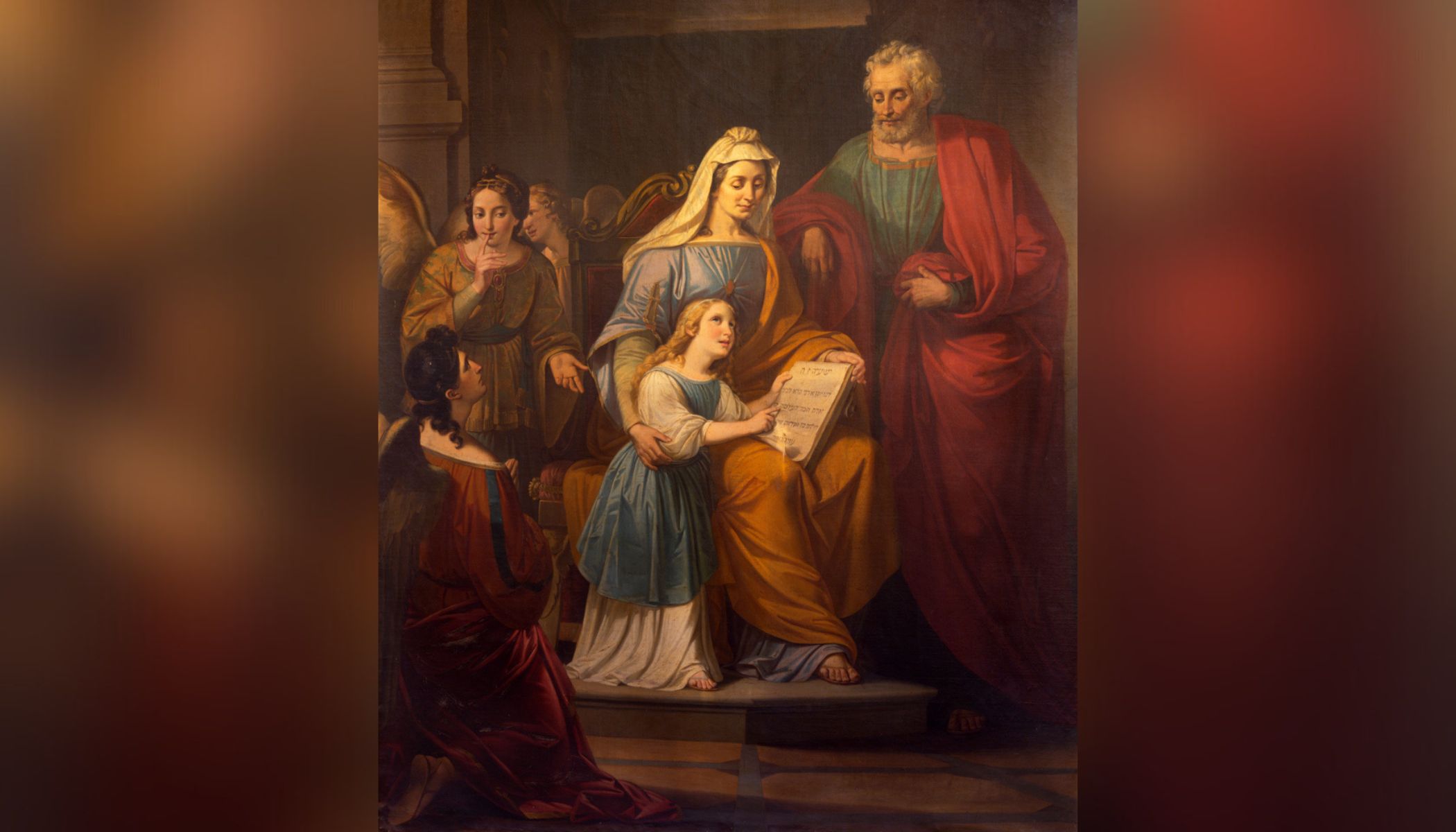
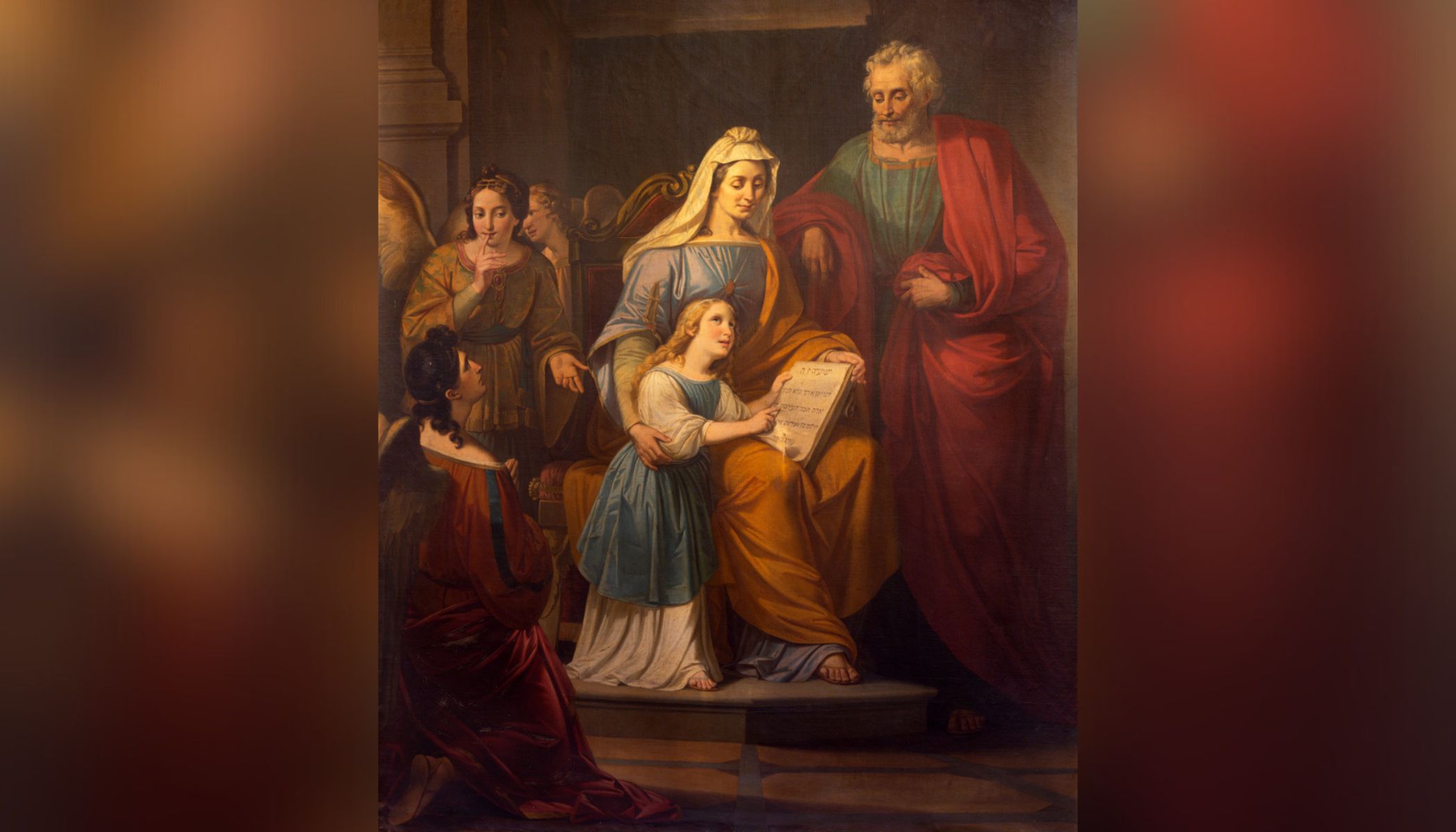
The Catholic Church celebrates the birth of the Blessed Virgin Mary on Sept. 8, nine months after the Dec. 8 celebration of her immaculate conception.
![Church in Nepal helping flood victims find hope, apostolic administrator says #Catholic Father Silas Bogati, apostolic administrator of the apostolic vicariate of Nepal, said the Catholic Church, a small minority of about 10,000 faithful in the Asian nation, is committed to aiding those affected by the recent major flooding.According to authorities, the number of dead from last week’s flood exceeds 1,000, while more than 4,000 people remain missing across both countries, CNN reported.“By being there, providing relief now and, later, contributing to reconstruction, we give hope. Our presence among those who are suffering will give them hope,” the priest said in an interview with the pontifical foundation Aid to the Church in Need (ACN).Bogati explained that in Nepal, “the Catholic Church has 13 parishes and 10,000 Catholics, but it has always worked for the Nepali population irrespective of their religion, and we will continue to do so as they suffer in this hour of need.”Caritas Nepal has set up community kitchens and dispatched food supplies for 300 affected families to last for 15 days. Given the forecast of additional rainfall and the fact that many people are still sleeping outdoors, the organization said there is a need for tarpaulins, blankets, and sleeping mats.After noting that “no Catholic churches or chapels have been destroyed,” the Nepalese priest recalled that “the Holy Father, Pope Leo, was the first to pray and to show his sympathy and closeness to the victims of these flash floods. In the same way, we are receiving prayers and support from the Catholic Church around the world.”Leo XIV has encouraged prayers for those affected and for rescue teams, and has urged the international community to provide aid in a spirit of solidarity.Bogati described the affected area of Rasuwa, located on Nepalʼs border with Tibet. He said an important trade route with Tibet runs through the region, as well as the city of Syabrubesi, “one of the main departure points for tourists traveling toward the Langtang Valley.”One of this concerns is that “members of one of the Catholic communities [who] go down to Syabrubesi to work … may have been swept away by the waters. We do not have any figures yet.”“All these hotels and settlements were swept away. There has been a high death toll in this area, and the river continued downstream, wreaking havoc across five districts. The flood has caused enormous devastation, as a huge mass of water surged downstream, destroying everything in its path. Some communities are still cut off, and search and rescue operations are proving difficult,” he recounted.The apostolic administrator asked for prayers for all the victims and those affected by the tragedy, and expressed gratitude for ACN’s closeness and solidarity.This story was first published by ACI Prensa, the Spanish-language sister service of EWTN News. It has been translated and adapted by EWTN News English.](https://unitedyam.com/wp-content/uploads/2026/09/church-in-nepal-helping-flood-victims-find-hope-apostolic-administrator-says-catholic-father-silas-bogati-apostolic-administrator-of-the-apostolic-vicariate-of-nepal-said-the-catholic-church-a-sm.jpg "Church in Nepal helping flood victims find hope, apostolic administrator says #Catholic Father Silas Bogati, apostolic administrator of the apostolic vicariate of Nepal, said the Catholic Church, a small minority of about 10,000 faithful in the Asian nation, is committed to aiding those affected by the recent major flooding.According to authorities, the number of dead from last week’s flood exceeds 1,000, while more than 4,000 people remain missing across both countries, CNN reported.“By being there, providing relief now and, later, contributing to reconstruction, we give hope. Our presence among those who are suffering will give them hope,” the priest said in an interview with the pontifical foundation Aid to the Church in Need (ACN).Bogati explained that in Nepal, “the Catholic Church has 13 parishes and 10,000 Catholics, but it has always worked for the Nepali population irrespective of their religion, and we will continue to do so as they suffer in this hour of need.”Caritas Nepal has set up community kitchens and dispatched food supplies for 300 affected families to last for 15 days. Given the forecast of additional rainfall and the fact that many people are still sleeping outdoors, the organization said there is a need for tarpaulins, blankets, and sleeping mats.After noting that “no Catholic churches or chapels have been destroyed,” the Nepalese priest recalled that “the Holy Father, Pope Leo, was the first to pray and to show his sympathy and closeness to the victims of these flash floods. In the same way, we are receiving prayers and support from the Catholic Church around the world.”Leo XIV has encouraged prayers for those affected and for rescue teams, and has urged the international community to provide aid in a spirit of solidarity.Bogati described the affected area of Rasuwa, located on Nepalʼs border with Tibet. He said an important trade route with Tibet runs through the region, as well as the city of Syabrubesi, “one of the main departure points for tourists traveling toward the Langtang Valley.”One of this concerns is that “members of one of the Catholic communities [who] go down to Syabrubesi to work … may have been swept away by the waters. We do not have any figures yet.”“All these hotels and settlements were swept away. There has been a high death toll in this area, and the river continued downstream, wreaking havoc across five districts. The flood has caused enormous devastation, as a huge mass of water surged downstream, destroying everything in its path. Some communities are still cut off, and search and rescue operations are proving difficult,” he recounted.The apostolic administrator asked for prayers for all the victims and those affected by the tragedy, and expressed gratitude for ACN’s closeness and solidarity.This story was first published by ACI Prensa, the Spanish-language sister service of EWTN News. It has been translated and adapted by EWTN News English.")
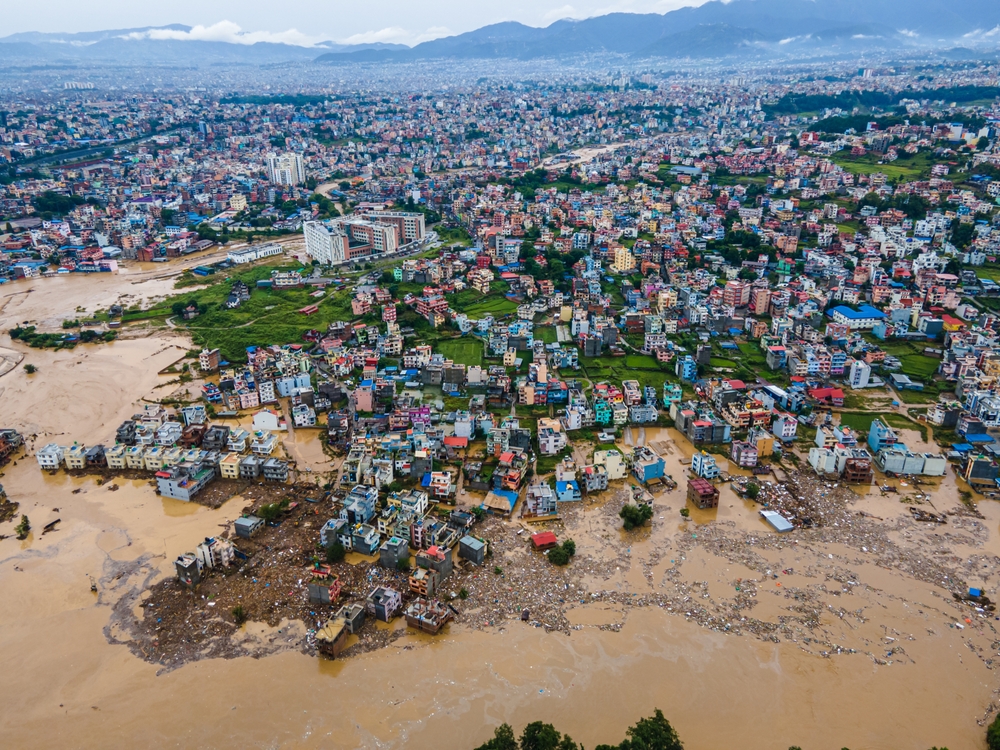
Although a small minority in Nepal, the Catholic Church through Caritas is providing what aid it can to help to those affected by the major flooding.
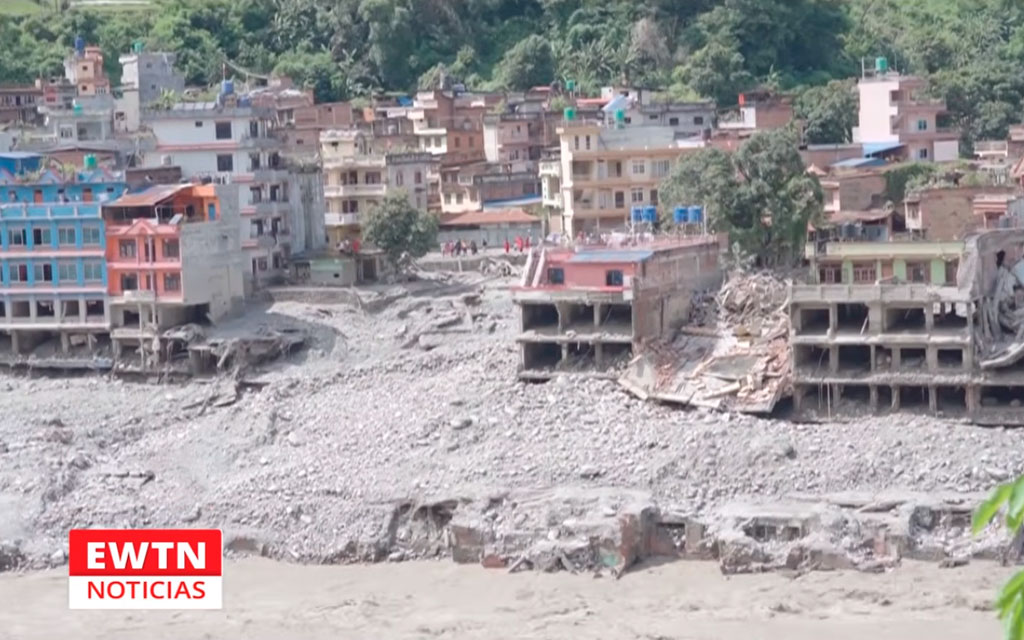
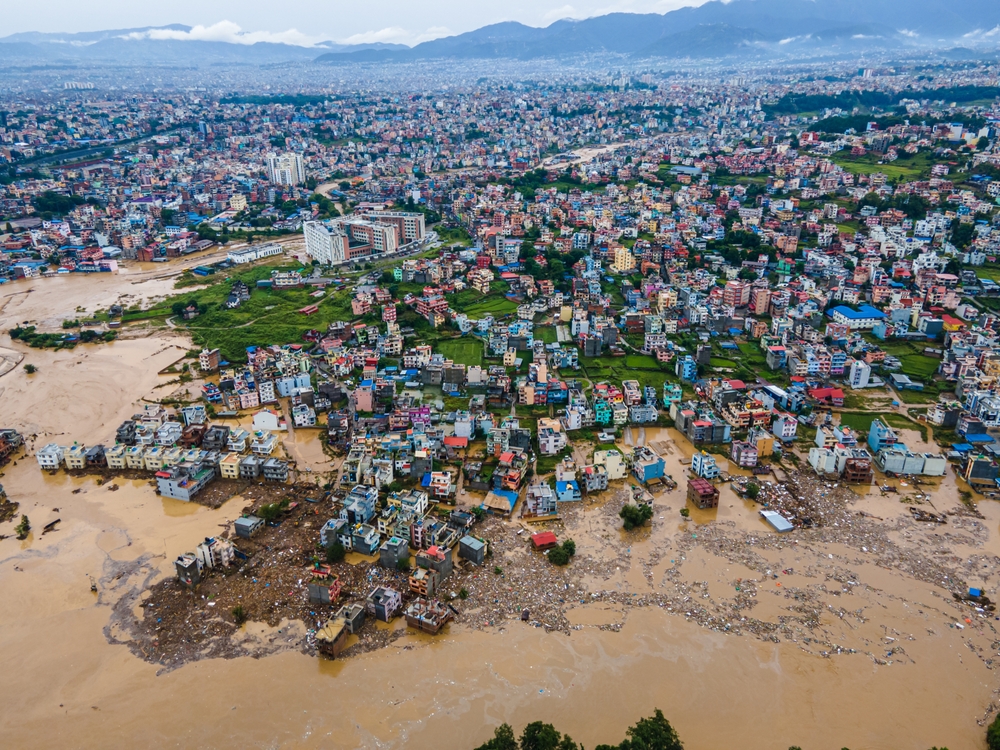
Caritas Nepal has begun distributing relief and operating community kitchens as authorities warn of a second flood following the deadliest natural disaster in Nepal’s recorded history.
| Picture of the day |
|---|

|
|
Zagedan Valley with the mountain cirque and high-altitude lakes formed by ancient glacial erosion. Zagedan Ridge, Karachay-Cherkessia, Caucasus Mountains.
|
| Picture of the day |
|---|

|
|
View of Buiba Valley in Ergaki Range. Metamorphic schists and granites of ancient glaciation in mountain tundra. Western Sayan Mountains, Krasnoyarsk Krai, Russia.
|

| Picture of the day |
|---|
.jpg)
|
|
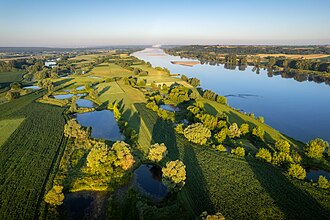
Haigerloch, Germany: view of Haigerloch Castle and the castle church with the surrounding valley.
|
| Picture of the day |
|---|
.jpg)
|
|
Key Monastery in the northern Indian state of Himachal Pradesh. It is located at an elevation of 4,166 m (13,668 ft) on a hill rising above the Spiti valley, where it is the largest monastery and houses hundreds of monks. It is said to have been founded in the 11th century and belongs to the Gelugpa school of Indo-Tibetan Buddhism. This view shows the monastery in winter, overlooking the snow-covered Spiti river valley with the Himalayas in the background.
|
| Picture of the day |
|---|

|
|
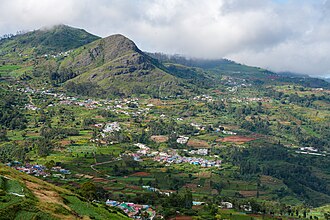
Villages of Hullathy Gram Panchayat in a steep arid valley in the north face of the Nilgiri Mountains. Villagers have created a vibrant agrarian economy, largely vegetables and tea, using terraces and irrigation. Tamil Nadu, India.
|
| Picture of the day |
|---|
_juvenile_hopping_Esk_Valley.jpg)
|
|
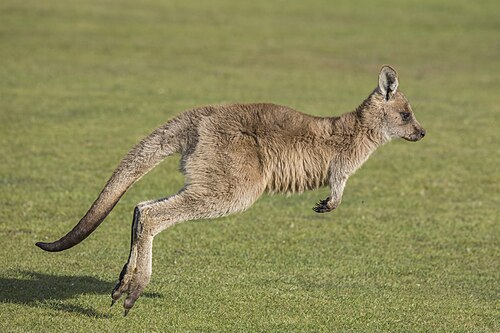
Forester kangaroo (Macropus giganteus tasmaniensis) juvenile, Upper Esk Valley, Dorset, Tasmania, Australia
|
| Picture of the day |
|---|

|
|
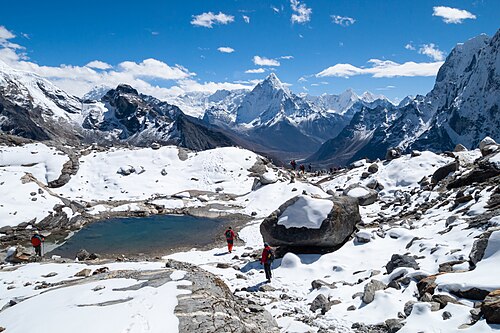
Mountaineers descending into Chola Valley, 5,200 metres (17,100 ft) a. s. l., in good weather conditions, with a panoramic view over snow-capped Himalayan peaks to the south of the Great Himalayan Range in Mahalangur Himal, Nepal, Himalayas. Today is International Mountain Day.
|


The atmospheric glow blankets southern Europe and the northwestern Mediterranean coast, outlined by city lights. At left, the Po Valley urban corridor in Italy shines with the metropolitan areas of Milan and Turin and their surrounding suburbs.
Read More
| Picture of the day |
|---|

|
|
View on Val Montanaia (Montanaia Valley), with the Cima Both (2,437 m) on the left and the “Campanile” (2,173 m) in the middle; both are peaks of the Spalti di Toro group, in the Friulian Dolomites Natural Park, Friuli-Venezia Giulia, Italy.
|

| Picture of the day |
|---|
.jpg)
|
|
Panoramic view of the west bank of Nigeen Lake in Srinagar, India, with the distant Middle Himalayan Pir Panjal mountain range in the background. The city, situated on the banks of the Jhelum river and several lakes in the Himalayan Kashmir Valley, is the summer capital of Jammu and Kashmir and the northernmost million-plus city of India.
|

Psalms 23:4
Even though I walk through the valley of the shadow of death, I will fear no evil, for you are with me; your rod and your staff comfort me.
He hath converted my soul. He hath led me on the paths of justice, for his own name’s sake. For though I should walk in the midst of the shadow of death, I will fear no evils, for thou art with me. Thy rod and thy staff, they have comforted me. Thou hast prepared a table before me against them that afflict me. Thou hast anointed my head with oil; and my chalice which inebreateth me, how goodly

The Lord is my shepherd; I shall not want. He makes me to lie down in green pastures: he leads me beside the still waters.
He restores my soul: he leads me in the paths of righteousness for his name’s sake.
Yea, though I walk through the valley of the shadow of death, I will fear no evil: for thou art with me; thy rod and thy staff they comfort me.
