Day: April 3, 2026

Gospel and Word of the Day – 04 April 2026 – Today’s Readings are taken from the Office of Readings from the Liturgy of the Hours A reading from the Letter to the Hebrews Heb 4, 1-16 Therefore, while the promise of entering his rest still stands, let us fear lest any of you should seem to have failed to reach it.  For good news came to us just as to them, but the message they heard did not benefit them, because they were not united by faith with those who listened. For we who have believed enter that rest, as he has said, “As I swore in my wrath, ‘They shall not enter my rest,’ ” although his works were finished from the foundation of the world. For he has somewhere spoken of the seventh day in this way: “And God rested on the seventh day from all his works.” And again in this passage he said, “They shall not enter my rest.” Since therefore it remains for some to enter it, and those who formerly received the good news failed to enter because of disobedience, again he appoints a certain day, “Today,” saying through David so long afterward, in the words already quoted, “Today, if you hear his voice, do not harden your hearts.” For if Joshua had given them rest, God would not have spoken of another day later on. So then, there remains a Sabbath rest for the people of God, 10 for whoever has entered God’s rest has also rested from his works as God did from his. Let us therefore strive to enter that rest, so that no one may fall by the same sort of disobedience. For the word of God is living and active, sharper than any two-edged sword, piercing to the division of soul and of spirit, of joints and of marrow, and discerning the thoughts and intentions of the heart.  And no creature is hidden from his sight, but all are naked and exposed to the eyes of him to whom we must give account. Since then we have a great high priest who has passed through the heavens, Jesus, the Son of God, let us hold fast our confession. 15 For we do not have a high priest who is unable to sympathize with our weaknesses, but one who in every respect has been tempted as we are, yet without sin. Let us then with confidence draw near to the throne of grace, that we may receive mercy and find grace to help in time of need.From the Gospel according to Matthew 27:60-66 And laid it in his own new tomb, which he had hewn out in the rock: and he rolled a great stone to the door of the sepulchre, and departed. And there was Mary Magdalene, and the other Mary, sitting over against the sepulchre. Now the next day, that followed the day of the preparation, the chief priests and Pharisees came together unto Pilate,Saying, Sir, we remember that that deceiver said, while he was yet alive, After three days I will rise again.Command therefore that the sepulchre be made sure until the third day, lest his disciples come by night, and steal him away, and say unto the people, He is risen from the dead: so the last error shall be worse than the first.Pilate said unto them, Ye have a watch: go your way, make it as sure as ye can.So they went, and made the sepulchre sure, sealing the stone, and setting a watch.In the tomb, Jesus, the living Word of the Father, is silent. But it is precisely in that silence that the new life begins to ferment. Like a seed in the ground, like the darkness before dawn. God is not afraid of the passing time, because he is also the God of waiting. Thus, even our “useless” time, that of pauses, emptiness, barren moments, can become the womb of resurrection. Every silence that is welcomed can be the premise of a new Word. Every suspended time can become a time of grace, if we offer it to God. Jesus, buried in the ground, is the meek face of a God who does not occupy all space. He is the God who lets things be done, who waits, who withdraws to leave us freedom. He is the God who trusts, even when everything seems to be over. And we, on that suspended Sabbath, learn that we do not have to be in a hurry to rise again; first we must stay and welcome the silence, let ourselves be embraced by limitation. At times we seek quick answers, immediate solutions. But God works in depth, in the slow time of trust. The Sabbath of the burial thus becomes the womb from which the strength of an invincible light, that of Easter, can spring forth. (Pope Leo XIV – General Audience, 17 September 2025)  

Today’s Readings are taken from the Office of Readings from the Liturgy of the Hours

A reading from the Letter to the Hebrews
Heb 4, 1-16

Therefore, while the promise of entering his rest still stands, let us fear lest any of you should seem to have failed to reach it.  For good news came to us just as to them, but the message they heard did not benefit them, because they were not united by faith with those who listened. For we who have believed enter that rest, as he has said,

“As I swore in my wrath,
‘They shall not enter my rest,’ ”

although his works were finished from the foundation of the world. For he has somewhere spoken of the seventh day in this way: “And God rested on the seventh day from all his works.” And again in this passage he said,

“They shall not enter my rest.”

Since therefore it remains for some to enter it, and those who formerly received the good news failed to enter because of disobedience, again he appoints a certain day, “Today,” saying through David so long afterward, in the words already quoted,

“Today, if you hear his voice,
do not harden your hearts.”

For if Joshua had given them rest, God would not have spoken of another day later on. So then, there remains a Sabbath rest for the people of God, 10 for whoever has entered God’s rest has also rested from his works as God did from his.

Let us therefore strive to enter that rest, so that no one may fall by the same sort of disobedience. For the word of God is living and active, sharper than any two-edged sword, piercing to the division of soul and of spirit, of joints and of marrow, and discerning the thoughts and intentions of the heart.  And no creature is hidden from his sight, but all are naked and exposed to the eyes of him to whom we must give account.

Since then we have a great high priest who has passed through the heavens, Jesus, the Son of God, let us hold fast our confession. 15 For we do not have a high priest who is unable to sympathize with our weaknesses, but one who in every respect has been tempted as we are, yet without sin. Let us then with confidence draw near to the throne of grace, that we may receive mercy and find grace to help in time of need.

From the Gospel according to Matthew
27:60-66

And laid it in his own new tomb, which he had hewn out in the rock: and he rolled a great stone to the door of the sepulchre, and departed. And there was Mary Magdalene, and the other Mary, sitting over against the sepulchre. Now the next day, that followed the day of the preparation, the chief priests and Pharisees came together unto Pilate,Saying, Sir, we remember that that deceiver said, while he was yet alive, After three days I will rise again.Command therefore that the sepulchre be made sure until the third day, lest his disciples come by night, and steal him away, and say unto the people, He is risen from the dead: so the last error shall be worse than the first.Pilate said unto them, Ye have a watch: go your way, make it as sure as ye can.So they went, and made the sepulchre sure, sealing the stone, and setting a watch.

In the tomb, Jesus, the living Word of the Father, is silent. But it is precisely in that silence that the new life begins to ferment. Like a seed in the ground, like the darkness before dawn. God is not afraid of the passing time, because he is also the God of waiting. Thus, even our “useless” time, that of pauses, emptiness, barren moments, can become the womb of resurrection. Every silence that is welcomed can be the premise of a new Word. Every suspended time can become a time of grace, if we offer it to God. Jesus, buried in the ground, is the meek face of a God who does not occupy all space. He is the God who lets things be done, who waits, who withdraws to leave us freedom. He is the God who trusts, even when everything seems to be over. And we, on that suspended Sabbath, learn that we do not have to be in a hurry to rise again; first we must stay and welcome the silence, let ourselves be embraced by limitation. At times we seek quick answers, immediate solutions. But God works in depth, in the slow time of trust. The Sabbath of the burial thus becomes the womb from which the strength of an invincible light, that of Easter, can spring forth. (Pope Leo XIV – General Audience, 17 September 2025)

Read More
At the Colosseum, Pope Leo XIV urges the faithful to ‘live our lives as a journey’ in Christ’s love – #Catholic – Pope Leo XIV urged the faithful to “live our lives as a journey” and prayed for the Church to “follow in the footprints” of Christ as he walked the Via Crucis on April 3.The pope personally carried the cross through every station of the Good Friday Way of the Cross at the Colosseum, the first time in four years the figure of the Supreme Pontiff has been present at the amphitheater. Due to health concerns, Pope Francis last participated in person at the Colosseum in 2022, appearing via video after that. Leo told media earlier in the week that the event “will be an important sign, given what the pope represents: a spiritual leader in today’s world — a voice to proclaim that Christ still suffers.” "And I, too, carry all of this suffering in my prayers,” the pope said. The Via Crucis meditations for 2026 were written by Father Francesco Patton, the former Custos of the Holy Land. The reflections noted that “every authority must answer before God for the manner in which it exercises the power it has received,” including “the power to initiate a war or to end it” and “the power to trample upon human dignity or to safeguard it.” “Each one of us, too, is called to answer for the power we exercise in our daily lives,” the meditations said. At the conclusion of the Way of the Cross, the pope quoted Saint Francis of Assisi in praying that God would “give us miserable ones the grace to do for you alone what we know you want us to do and always to desire what pleases you.”“Inwardly cleansed, interiorly enlightened and inflamed by the fire of the Holy Spirit, may we be able to follow in the footprints of your beloved Son, our Lord Jesus Christ,” the pope prayed. This story was originally published by ACI Stampa, EWTN News' Italian-language partner agency. It has been translated and adapted by EWTN News English.

At the Colosseum, Pope Leo XIV urges the faithful to ‘live our lives as a journey’ in Christ’s love – #Catholic – Pope Leo XIV urged the faithful to “live our lives as a journey” and prayed for the Church to “follow in the footprints” of Christ as he walked the Via Crucis on April 3.The pope personally carried the cross through every station of the Good Friday Way of the Cross at the Colosseum, the first time in four years the figure of the Supreme Pontiff has been present at the amphitheater. Due to health concerns, Pope Francis last participated in person at the Colosseum in 2022, appearing via video after that. Leo told media earlier in the week that the event “will be an important sign, given what the pope represents: a spiritual leader in today’s world — a voice to proclaim that Christ still suffers.” "And I, too, carry all of this suffering in my prayers,” the pope said. The Via Crucis meditations for 2026 were written by Father Francesco Patton, the former Custos of the Holy Land. The reflections noted that “every authority must answer before God for the manner in which it exercises the power it has received,” including “the power to initiate a war or to end it” and “the power to trample upon human dignity or to safeguard it.” “Each one of us, too, is called to answer for the power we exercise in our daily lives,” the meditations said. At the conclusion of the Way of the Cross, the pope quoted Saint Francis of Assisi in praying that God would “give us miserable ones the grace to do for you alone what we know you want us to do and always to desire what pleases you.”“Inwardly cleansed, interiorly enlightened and inflamed by the fire of the Holy Spirit, may we be able to follow in the footprints of your beloved Son, our Lord Jesus Christ,” the pope prayed. This story was originally published by ACI Stampa, EWTN News' Italian-language partner agency. It has been translated and adapted by EWTN News English.

The Holy Father carried the cross at the Roman amphitheater on Good Friday, the first time a pope has done so in several years.

Read More
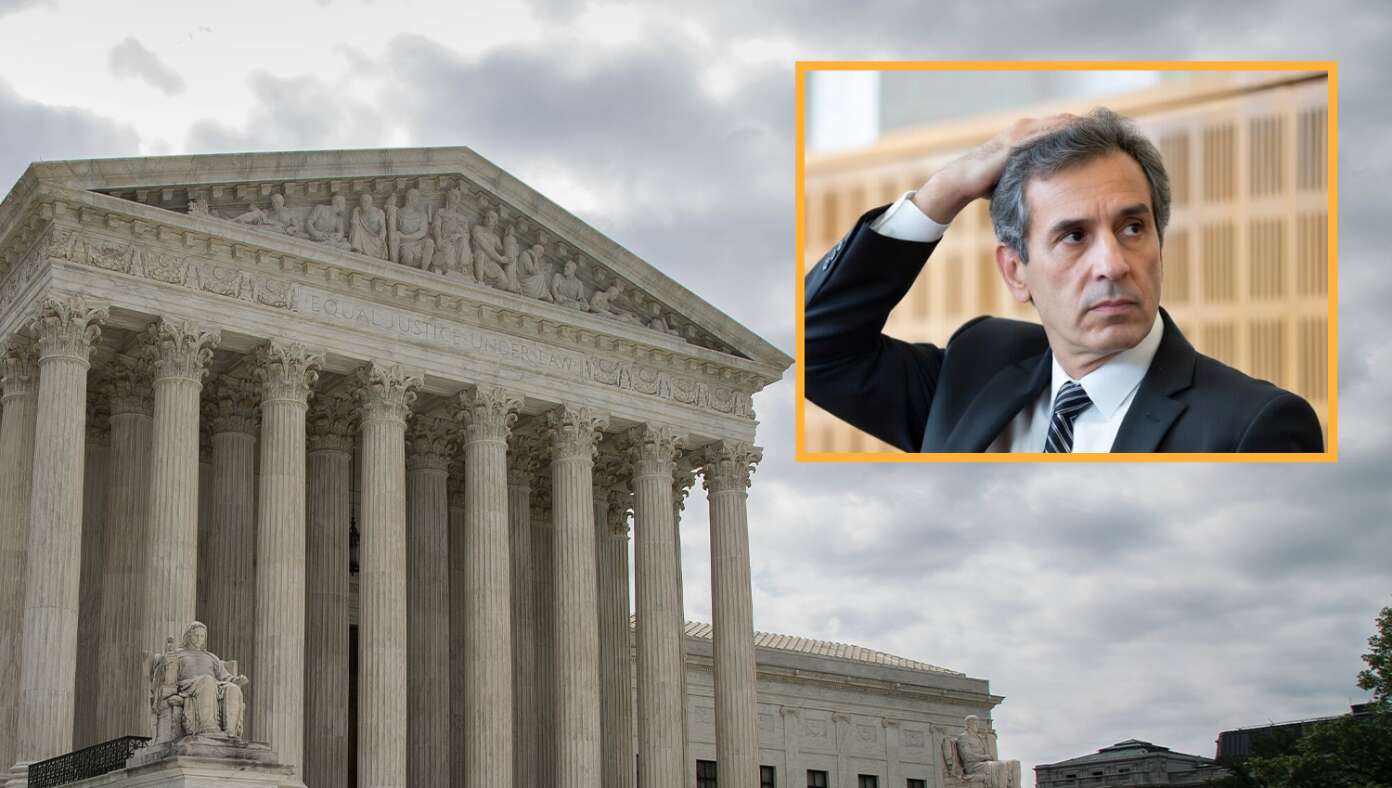
Supreme Court Denounces New ABS System That Says Whether They Decided A Case Wrong #BabylonBee – WASHINGTON, D.C. — Similar to the reaction of umpires to Major League Baseball’s adoption of its new "Automated Ball-Strike System" to challenge calls, the United States Supreme Court has denounced the new "Automated Bench Scrutiny" system implemented to determine whether they decided a case wrong.

WASHINGTON, D.C. — Similar to the reaction of umpires to Major League Baseball’s adoption of its new "Automated Ball-Strike System" to challenge calls, the United States Supreme Court has denounced the new "Automated Bench Scrutiny" system implemented to determine whether they decided a case wrong.

Read More
Picture of the day


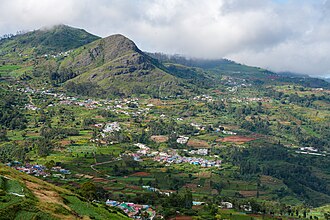
Villages of Hullathy Gram Panchayat in a steep arid valley in the north face of the Nilgiri Mountains. Villagers have created a vibrant agrarian economy, largely vegetables and tea, using terraces and irrigation. Tamil Nadu, India.
 #ImageOfTheDay
Picture of the day
Villages of Hullathy Gram Panchayat in a steep arid valley in the north face of the Nilgiri Mountains. Villagers have created a vibrant agrarian economy, largely vegetables and tea, using terraces and irrigation. Tamil Nadu, India.
Read More
Pope Leo XIV celebrates Good Friday of the Lord’s Passion in St. Peter’s Basilica - #Catholic - VATICAN — Pope Leo XIV presided over the Celebration of the Lord’s Passion in St. Peter’s Basilica on Good Friday during which the preacher of the papal household exhorted Christians to “approach the Lord’s cross without fear.”The liturgy began with the pope lying prostrate before the cross and then unfolded in three parts: the Liturgy of the Word, veneration of the cross, and Holy Communion.There was no opening antiphon; the solemn liturgy began with silent prayer, the unifying thread through the entire celebration.After the proclamation of the Gospel of John’s account of Christ’s passion, the papal preacher, Father Roberto Pasolini, OFMCap, delivered a homily.
 
 Pope Leo XIV lies prostrate before the altar in St. Peter’s Basilica during the Liturgy of the Lord’s Passion, Friday, April 3, 2026. | Credit: Daniel Ibáñez/EWTN News
 
 ‘The greatest act of love’“In a time like ours, still torn apart by hatred and violence, when even the name of God is invoked to justify wars and deadly decisions, we Christians are called to approach the Lord’s Cross without fear — indeed, with full trust — knowing that it is a throne upon which one sits and learns to reign with him by placing one’s life at the service of others,” Pasolini said.“If we can hold fast to the profession of this faith, then our days too will be able to give voice to the songs of both joy and suffering, that mysterious score of the Cross in which the notes of the greatest love can be clearly recognized,” he continued.The preacher recalled that the day’s liturgy invites Catholics to contemplate the Passion: “Yet the Cross of Christ risks remaining incomprehensible if we look at it only as an isolated fact, as a sudden event. In reality, it is the highest point of a journey, the fulfillment of an entire life in which Jesus learned to listen to and welcome the voice of the Father, allowing himself to be guided day by day all the way to the greatest act of love.”“Jesus is the man of sorrows who knows suffering well — no violence, no resort to force, no temptation to destroy everything and start over from scratch. We know how difficult it is to embrace such a mission. We are tempted to use aggression and violence, thinking that without them nothing can ever be resolved. But only meekness is the true strength for confronting the darkness of evil,” he continued.
 
 Father Roberto Pasolini preaches during the Liturgy of the Lord’s Passion in St. Peter’s Basilica, Friday, April 3, 2026. | Credit: Daniel Ibáñez/EWTN News
 
 Example of the Servant SongsIn his homily, Pasolini referred to the Servant Songs, four poetic texts found in the Book of the Prophet Isaiah (42, 49, 50, 52–53), which describe a mysterious figure — the “Servant”— who fulfills God’s will through vicarious suffering.“To understand this journey during the days of Holy Week, the liturgy has had us listen to the so‑called Songs of the Servant of the Lord. These are poetic texts in which the prophet Isaiah sketched the figure of a mysterious servant through whom God would be able to save the world from evil and sin. Christian tradition has recognized in these songs a striking and dramatic foreshadowing,” Pasolini explained.“In the third song, a new surprise emerges: The servant wants to help, but people respond with anger and violence,” Pasolini said. “Those who live in darkness do not always welcome the light, because the light also exposes what we would prefer to keep hidden — our wounds, our ambiguities.”“In the fourth song, something deeply unsettling occurs: The violence inflicted on the servant is so intense that it disfigures his face. He has no appearance or beauty, yet the servant has learned not to return the evil he has received,” the preacher said.The servant "does not resign himself to this logic [of violence]; he absorbs everything without retaliating. For this reason, he bore the sin of many,” the priest explained.For the papal preacher, the Lord Jesus “did not merely listen to these songs; he lived them intensely, with complete trust in the Father.”“We see it constantly in wars, in divisions, in wounds: evil keeps circulating because it always finds someone willing to pass it on. Jesus broke this chain by accepting what happened to him. In the Passion, he recognized the score of the songs of love and service that the Father had entrusted to him. In this way, he learned the most difficult obedience — the obedience of loving the other,” Pasolini continued.“The voice of God no longer guides us — not because it has disappeared, but because it has become just one voice among many, the others promising security and well‑being,” he said.“What is missing is a word, a song capable of guiding our steps toward a more just world,” he added. “And yet, if we look closely, we can glimpse a silent crowd of people who choose a different voice — a voice that does not shout, that does not impose itself by force, a quiet and persistent song that invites us to love and never return evil for evil. They do not perform extraordinary deeds, but each day they try to make their lives serve not only themselves, but others as well.”
 
 Pope Leo XIV prays in St. Peter’s Basilica during the Liturgy of the Lord’s Passion, Friday, April 3, 2026. | Credit: Daniel Ibáñez/EWTN News
 
 ‘Lay down the weapons’Referencing the act of venerating the cross, Pasolini encouraged those present to use the opportunity to “lay down the weapons” they are holding.“They may not seem as dangerous as those wielded by the powerful of this world. Yet they, too, are instruments of death, because they are enough to weaken, wound, and drain meaning and love from our daily relationships,” he said.“Salvation will not drop down from above, nor can it be guaranteed by political, economic, or military decisions. The world is constantly being saved by those who are willing to embrace the Songs of the Servant of the Lord as the shape of their own lives,” the preacher encouraged. “This is what the Lord Jesus did. He took the Father’s will seriously, accepting it as a score to be carried out to the end, with loud cries and tears.”“Tonight we too are handed the score of the cross. We can freely accept it if we acknowledge that there is no difficulty that cannot be faced, no guilty party we must point to, no enemy who can prevent us from loving and serving.""There is only ourselves — who, by choosing not to return evil, by remaining patient in trials, by believing in good even when darkness seems to swallow everything, can become day by day those servants the Lord needs to bring salvation into the world,” he said.This story was originally published by ACI Stampa, EWTN News' Italian-language partner agency. It has been translated and adapted by EWTN News English.

Pope Leo XIV celebrates Good Friday of the Lord’s Passion in St. Peter’s Basilica – #Catholic – VATICAN — Pope Leo XIV presided over the Celebration of the Lord’s Passion in St. Peter’s Basilica on Good Friday during which the preacher of the papal household exhorted Christians to “approach the Lord’s cross without fear.”The liturgy began with the pope lying prostrate before the cross and then unfolded in three parts: the Liturgy of the Word, veneration of the cross, and Holy Communion.There was no opening antiphon; the solemn liturgy began with silent prayer, the unifying thread through the entire celebration.After the proclamation of the Gospel of John’s account of Christ’s passion, the papal preacher, Father Roberto Pasolini, OFMCap, delivered a homily. Pope Leo XIV lies prostrate before the altar in St. Peter’s Basilica during the Liturgy of the Lord’s Passion, Friday, April 3, 2026. | Credit: Daniel Ibáñez/EWTN News ‘The greatest act of love’“In a time like ours, still torn apart by hatred and violence, when even the name of God is invoked to justify wars and deadly decisions, we Christians are called to approach the Lord’s Cross without fear — indeed, with full trust — knowing that it is a throne upon which one sits and learns to reign with him by placing one’s life at the service of others,” Pasolini said.“If we can hold fast to the profession of this faith, then our days too will be able to give voice to the songs of both joy and suffering, that mysterious score of the Cross in which the notes of the greatest love can be clearly recognized,” he continued.The preacher recalled that the day’s liturgy invites Catholics to contemplate the Passion: “Yet the Cross of Christ risks remaining incomprehensible if we look at it only as an isolated fact, as a sudden event. In reality, it is the highest point of a journey, the fulfillment of an entire life in which Jesus learned to listen to and welcome the voice of the Father, allowing himself to be guided day by day all the way to the greatest act of love.”“Jesus is the man of sorrows who knows suffering well — no violence, no resort to force, no temptation to destroy everything and start over from scratch. We know how difficult it is to embrace such a mission. We are tempted to use aggression and violence, thinking that without them nothing can ever be resolved. But only meekness is the true strength for confronting the darkness of evil,” he continued. Father Roberto Pasolini preaches during the Liturgy of the Lord’s Passion in St. Peter’s Basilica, Friday, April 3, 2026. | Credit: Daniel Ibáñez/EWTN News Example of the Servant SongsIn his homily, Pasolini referred to the Servant Songs, four poetic texts found in the Book of the Prophet Isaiah (42, 49, 50, 52–53), which describe a mysterious figure — the “Servant”— who fulfills God’s will through vicarious suffering.“To understand this journey during the days of Holy Week, the liturgy has had us listen to the so‑called Songs of the Servant of the Lord. These are poetic texts in which the prophet Isaiah sketched the figure of a mysterious servant through whom God would be able to save the world from evil and sin. Christian tradition has recognized in these songs a striking and dramatic foreshadowing,” Pasolini explained.“In the third song, a new surprise emerges: The servant wants to help, but people respond with anger and violence,” Pasolini said. “Those who live in darkness do not always welcome the light, because the light also exposes what we would prefer to keep hidden — our wounds, our ambiguities.”“In the fourth song, something deeply unsettling occurs: The violence inflicted on the servant is so intense that it disfigures his face. He has no appearance or beauty, yet the servant has learned not to return the evil he has received,” the preacher said.The servant "does not resign himself to this logic [of violence]; he absorbs everything without retaliating. For this reason, he bore the sin of many,” the priest explained.For the papal preacher, the Lord Jesus “did not merely listen to these songs; he lived them intensely, with complete trust in the Father.”“We see it constantly in wars, in divisions, in wounds: evil keeps circulating because it always finds someone willing to pass it on. Jesus broke this chain by accepting what happened to him. In the Passion, he recognized the score of the songs of love and service that the Father had entrusted to him. In this way, he learned the most difficult obedience — the obedience of loving the other,” Pasolini continued.“The voice of God no longer guides us — not because it has disappeared, but because it has become just one voice among many, the others promising security and well‑being,” he said.“What is missing is a word, a song capable of guiding our steps toward a more just world,” he added. “And yet, if we look closely, we can glimpse a silent crowd of people who choose a different voice — a voice that does not shout, that does not impose itself by force, a quiet and persistent song that invites us to love and never return evil for evil. They do not perform extraordinary deeds, but each day they try to make their lives serve not only themselves, but others as well.” Pope Leo XIV prays in St. Peter’s Basilica during the Liturgy of the Lord’s Passion, Friday, April 3, 2026. | Credit: Daniel Ibáñez/EWTN News ‘Lay down the weapons’Referencing the act of venerating the cross, Pasolini encouraged those present to use the opportunity to “lay down the weapons” they are holding.“They may not seem as dangerous as those wielded by the powerful of this world. Yet they, too, are instruments of death, because they are enough to weaken, wound, and drain meaning and love from our daily relationships,” he said.“Salvation will not drop down from above, nor can it be guaranteed by political, economic, or military decisions. The world is constantly being saved by those who are willing to embrace the Songs of the Servant of the Lord as the shape of their own lives,” the preacher encouraged. “This is what the Lord Jesus did. He took the Father’s will seriously, accepting it as a score to be carried out to the end, with loud cries and tears.”“Tonight we too are handed the score of the cross. We can freely accept it if we acknowledge that there is no difficulty that cannot be faced, no guilty party we must point to, no enemy who can prevent us from loving and serving.""There is only ourselves — who, by choosing not to return evil, by remaining patient in trials, by believing in good even when darkness seems to swallow everything, can become day by day those servants the Lord needs to bring salvation into the world,” he said.This story was originally published by ACI Stampa, EWTN News' Italian-language partner agency. It has been translated and adapted by EWTN News English.

After the proclamation of the Gospel of John’s account of Christ’s passion, the papal preacher, Father Roberto Pasolini, OFMCap, delivered a homily.

Read More
Bishop shares Christ’s love at Morris County Correctional Facility #Catholic - Kevin J. Sweeney brought Christ’s peace and love to a group of inmates in Morris County Correctional Facility in Morristown, N.J., who joined him for a Holy Thursday Mass he celebrated at the facility a day earlier on Wednesday, Dec. 1.
Father Owen Moran, pastor of St. Vincent Martyr Parish in Madison, N.J., Father Alex Nevitt, administrator of St. Bonaventure Parish in Paterson, N.J., and Father Philip-Michael Tangorra, pastor of Our Lady Queen of Peace Parish in Branchville, N.J., concelebrated the Mass with Bishop Sweeney.

Click here to subscribe to our weekly newsletter.

Bishop Sweeney washed the feet of five inmates to symbolize the service and charity of Christ, who came “not to be served, but to serve” during the Holy Thursday Mass, held in one of the jail’s housing pods. Morris County Sheriff James Gannon, correctional facility staff, liturgical musicians, and personnel of Paterson Diocese in New Jersey were also part of the liturgy.
Father Moran, Father Nevitt, and Father Tangorra take turns celebrating weekly Mass in the jail and provide opportunities for confession as part of the New Jersey Area’s Prison Ministry Team of the Knights of Malta. The priests are chaplains of the Order, which sponsors the ministry to the jail. Bible study is also available for male inmates.
Bishop Sweeney’s visit included a breakfast hosted by the correctional facility staff and Gannon. The staff enjoyed the opportunity to meet and talk with the bishop and spend time with the Order’s Prison Ministry team.
BEACON PHOTOS | JOE GIGLI
 [See image gallery at beaconnj.org]  

Bishop shares Christ’s love at Morris County Correctional Facility #Catholic – Kevin J. Sweeney brought Christ’s peace and love to a group of inmates in Morris County Correctional Facility in Morristown, N.J., who joined him for a Holy Thursday Mass he celebrated at the facility a day earlier on Wednesday, Dec. 1. Father Owen Moran, pastor of St. Vincent Martyr Parish in Madison, N.J., Father Alex Nevitt, administrator of St. Bonaventure Parish in Paterson, N.J., and Father Philip-Michael Tangorra, pastor of Our Lady Queen of Peace Parish in Branchville, N.J., concelebrated the Mass with Bishop Sweeney. Click here to subscribe to our weekly newsletter. Bishop Sweeney washed the feet of five inmates to symbolize the service and charity of Christ, who came “not to be served, but to serve” during the Holy Thursday Mass, held in one of the jail’s housing pods. Morris County Sheriff James Gannon, correctional facility staff, liturgical musicians, and personnel of Paterson Diocese in New Jersey were also part of the liturgy. Father Moran, Father Nevitt, and Father Tangorra take turns celebrating weekly Mass in the jail and provide opportunities for confession as part of the New Jersey Area’s Prison Ministry Team of the Knights of Malta. The priests are chaplains of the Order, which sponsors the ministry to the jail. Bible study is also available for male inmates. Bishop Sweeney’s visit included a breakfast hosted by the correctional facility staff and Gannon. The staff enjoyed the opportunity to meet and talk with the bishop and spend time with the Order’s Prison Ministry team. BEACON PHOTOS | JOE GIGLI [See image gallery at beaconnj.org]  

Bishop shares Christ’s love at Morris County Correctional Facility #Catholic –

Kevin J. Sweeney brought Christ’s peace and love to a group of inmates in Morris County Correctional Facility in Morristown, N.J., who joined him for a Holy Thursday Mass he celebrated at the facility a day earlier on Wednesday, Dec. 1.

Father Owen Moran, pastor of St. Vincent Martyr Parish in Madison, N.J., Father Alex Nevitt, administrator of St. Bonaventure Parish in Paterson, N.J., and Father Philip-Michael Tangorra, pastor of Our Lady Queen of Peace Parish in Branchville, N.J., concelebrated the Mass with Bishop Sweeney.


Click here to subscribe to our weekly newsletter.

Bishop Sweeney washed the feet of five inmates to symbolize the service and charity of Christ, who came “not to be served, but to serve” during the Holy Thursday Mass, held in one of the jail’s housing pods. Morris County Sheriff James Gannon, correctional facility staff, liturgical musicians, and personnel of Paterson Diocese in New Jersey were also part of the liturgy.

Father Moran, Father Nevitt, and Father Tangorra take turns celebrating weekly Mass in the jail and provide opportunities for confession as part of the New Jersey Area’s Prison Ministry Team of the Knights of Malta. The priests are chaplains of the Order, which sponsors the ministry to the jail. Bible study is also available for male inmates.

Bishop Sweeney’s visit included a breakfast hosted by the correctional facility staff and Gannon. The staff enjoyed the opportunity to meet and talk with the bishop and spend time with the Order’s Prison Ministry team.

BEACON PHOTOS | JOE GIGLI

Kevin J. Sweeney brought Christ’s peace and love to a group of inmates in Morris County Correctional Facility in Morristown, N.J., who joined him for a Holy Thursday Mass he celebrated at the facility a day earlier on Wednesday, Dec. 1. Father Owen Moran, pastor of St. Vincent Martyr Parish in Madison, N.J., Father Alex Nevitt, administrator of St. Bonaventure Parish in Paterson, N.J., and Father Philip-Michael Tangorra, pastor of Our Lady Queen of Peace Parish in Branchville, N.J., concelebrated the Mass with Bishop Sweeney. Click here to subscribe to our weekly newsletter. Bishop Sweeney washed the feet of five

Read More
Holy Thursday in Paterson: Bishop embodies Christ’s servant love #Catholic - On behalf of the Paterson Diocese in New Jersey, Bishop Kevin J. Sweeney prayerfully asked Jesus, “Help us to know you, in your body, blood, soul, and divinity, in the Eucharist” while presiding over a bilingual Mass of the Lord’s Supper on April 2, Holy Thursday evening, at the Cathedral of St. John the Baptist in Paterson, N.J.
The Mass commemorates the institution of the sacraments of the Eucharist and Holy Orders by Jesus Christ. Just as Jesus washed the feet of his disciples at the Last Supper, Bishop Sweeney washed the feet of select faithful to symbolize the service and charity of Christ, who came “not to be served, but to serve.” By example of washing his disciples’ feet, Jesus demonstrated how Christians are to love one another through humble service.

Click here to subscribe to our weekly newsletter.

During his homily in English and Spanish, Bishop Sweeney asked Christ, “Help us to love as you love, help us to watch one another’s feet. Help us to be with Mary when we share in the mystery of the cross and to know that you have conquered sin and death.” He then added, “How happy and blessed are we to be called, to be here at the supper of the Lamb.”
Msgr. Geno Sylva, the cathedral’s rector and diocesan vicar for special projects, concelebrated the Mass with Bishop Sweeney. Father Jared Brogan, director of the diocesan Worship Office, was the master of ceremonies.
The Mass was followed by an outdoor procession with the Blessed Sacrament to the gym, where adoration was held until midnight.
BEACON PHOTOS | JOE GIGLI
 [See image gallery at beaconnj.org]  

Holy Thursday in Paterson: Bishop embodies Christ’s servant love #Catholic – On behalf of the Paterson Diocese in New Jersey, Bishop Kevin J. Sweeney prayerfully asked Jesus, “Help us to know you, in your body, blood, soul, and divinity, in the Eucharist” while presiding over a bilingual Mass of the Lord’s Supper on April 2, Holy Thursday evening, at the Cathedral of St. John the Baptist in Paterson, N.J. The Mass commemorates the institution of the sacraments of the Eucharist and Holy Orders by Jesus Christ. Just as Jesus washed the feet of his disciples at the Last Supper, Bishop Sweeney washed the feet of select faithful to symbolize the service and charity of Christ, who came “not to be served, but to serve.” By example of washing his disciples’ feet, Jesus demonstrated how Christians are to love one another through humble service. Click here to subscribe to our weekly newsletter. During his homily in English and Spanish, Bishop Sweeney asked Christ, “Help us to love as you love, help us to watch one another’s feet. Help us to be with Mary when we share in the mystery of the cross and to know that you have conquered sin and death.” He then added, “How happy and blessed are we to be called, to be here at the supper of the Lamb.” Msgr. Geno Sylva, the cathedral’s rector and diocesan vicar for special projects, concelebrated the Mass with Bishop Sweeney. Father Jared Brogan, director of the diocesan Worship Office, was the master of ceremonies. The Mass was followed by an outdoor procession with the Blessed Sacrament to the gym, where adoration was held until midnight. BEACON PHOTOS | JOE GIGLI [See image gallery at beaconnj.org]  

Holy Thursday in Paterson: Bishop embodies Christ’s servant love #Catholic –

On behalf of the Paterson Diocese in New Jersey, Bishop Kevin J. Sweeney prayerfully asked Jesus, “Help us to know you, in your body, blood, soul, and divinity, in the Eucharist” while presiding over a bilingual Mass of the Lord’s Supper on April 2, Holy Thursday evening, at the Cathedral of St. John the Baptist in Paterson, N.J.

The Mass commemorates the institution of the sacraments of the Eucharist and Holy Orders by Jesus Christ. Just as Jesus washed the feet of his disciples at the Last Supper, Bishop Sweeney washed the feet of select faithful to symbolize the service and charity of Christ, who came “not to be served, but to serve.” By example of washing his disciples’ feet, Jesus demonstrated how Christians are to love one another through humble service.


Click here to subscribe to our weekly newsletter.

During his homily in English and Spanish, Bishop Sweeney asked Christ, “Help us to love as you love, help us to watch one another’s feet. Help us to be with Mary when we share in the mystery of the cross and to know that you have conquered sin and death.” He then added, “How happy and blessed are we to be called, to be here at the supper of the Lamb.”
Msgr. Geno Sylva, the cathedral’s rector and diocesan vicar for special projects, concelebrated the Mass with Bishop Sweeney. Father Jared Brogan, director of the diocesan Worship Office, was the master of ceremonies.
The Mass was followed by an outdoor procession with the Blessed Sacrament to the gym, where adoration was held until midnight.

BEACON PHOTOS | JOE GIGLI

On behalf of the Paterson Diocese in New Jersey, Bishop Kevin J. Sweeney prayerfully asked Jesus, “Help us to know you, in your body, blood, soul, and divinity, in the Eucharist” while presiding over a bilingual Mass of the Lord’s Supper on April 2, Holy Thursday evening, at the Cathedral of St. John the Baptist in Paterson, N.J. The Mass commemorates the institution of the sacraments of the Eucharist and Holy Orders by Jesus Christ. Just as Jesus washed the feet of his disciples at the Last Supper, Bishop Sweeney washed the feet of select faithful to symbolize the service

Read More
Hundreds of adults to be baptized in Paris at Easter as part of national surge #Catholic The Catholic revival that Paris has been experiencing over the past five years continues unabated, even amid the city’s long-running status as a symbol of European secularization.On the night of the Easter Vigil, April 4, more than 700 adults across the French capital will be received into the Catholic Church as part of a sudden nationwide surge.Across France, more than 13,000 adults will be baptized this Easter, according to data released by the French Bishops’ Conference — an increase of 28% compared with 2025.The “boom” in adult baptisms in France is a relatively recent phenomenon. It has intensified over the past decade, with a marked acceleration following the COVID-19 pandemic, reaching record levels since 2024.Within this national picture, Paris stands out as a beating heart of such renewal. According to figures provided by the archdiocese, 788 adult catechumens will be baptized in the city during the Easter Vigil, a 17% increase from the previous year.These baptisms will take place across 94 parishes and several communities, mobilizing more than 1,000 accompanying members, mostly laypeople. The age distribution is characterized by a predominance of younger people, with nearly one-third under the age of 25, about half between the ages of 26 and 40, and 1 in 5 over the age of 40, with candidates ranging in age from 18 to 73.Women remain the majority among catechumens, accounting for 58% in Paris, a proportion consistent with national patterns.The list of Parisian parishes with particularly high numbers of catechumens reveals a landscape that cuts across ecclesial sensibilities and social geographies. Parishes where the Traditional Latin Mass is regularly celebrated such as Saint-Roch in the 1st arrondissement or Saint-Eugène Sainte-Cécile (9th) stand alongside parishes in more working-class or mixed neighborhoods, including Notre-Dame de Clignancourt (18th), Notre-Dame de la Gare (13th), or Saint-Ambroise (11th). Many of these communities, often led by young and dynamic clergy, have become vibrant centers of parish life.Robin, a 30-year-old catechumen preparing to be baptized at Saint-Ambroise this Saturday, embodies this trend. Raised in a nonbelieving family with no religious background, he began his spiritual journey through a gradual process of questioning the purpose of life. “In a world where everything moves so fast, where we lose sight of what matters, the Church has done me a world of good,” he told EWTN News. “It has helped me put the ‘why’ back at the center of everything.”His path has been shaped by a growing desire for silence and contemplation as well as a yearning for beauty. “I would go to churches to find a moment of calm, where time would stop,” he explained. “I was looking for a place where you can listen to yourself and reflect on what you want to do with your life.” “What moves me deeply,” he added, “is the beauty that surrounds my church — its architecture, its music… that’s where I feel something powerful.”Like many catechumens, Robin described an experience of welcome that proved decisive. At an early stage in his journey, he met a young parish priest who, despite a busy schedule, took the time to speak with him. “We talked for an hour. It was incredibly reassuring,” he recalled. He was then introduced to a group of parishioners who accompanied him throughout his catechumenate, forming what he describes as a “deep bond of humanity.”This communal dimension appears to be a key factor in the current surge. While the French model of catechumenate has traditionally been more individual, the growing number of candidates is prompting parishes to rethink their approach, often favoring group dynamics that foster a sense of belonging from the outset.Many catechumens come from families with little or no Christian background, reflecting a broader shift from cultural Catholicism toward a more deliberate, conviction-based faith. On a national level, the number of catechumens identifying as having no religious tradition now represent a proportion comparable with those from Christian backgrounds.The scale of the phenomenon is now prompting serious reflection among French Church leaders. In response to the steady increase in adult baptisms, the eight dioceses of the Île-de-France region, together with the Diocese for the Armed Forces, have convened a provincial council set to open on May 31 at Notre-Dame Cathedral.Under the theme “Catechumens and Neophytes: New Perspectives for the Life of Our Church,” the council will seek to discern how local structures and pastoral practices should adapt to this unexpected growth.

Hundreds of adults to be baptized in Paris at Easter as part of national surge #Catholic The Catholic revival that Paris has been experiencing over the past five years continues unabated, even amid the city’s long-running status as a symbol of European secularization.On the night of the Easter Vigil, April 4, more than 700 adults across the French capital will be received into the Catholic Church as part of a sudden nationwide surge.Across France, more than 13,000 adults will be baptized this Easter, according to data released by the French Bishops’ Conference — an increase of 28% compared with 2025.The “boom” in adult baptisms in France is a relatively recent phenomenon. It has intensified over the past decade, with a marked acceleration following the COVID-19 pandemic, reaching record levels since 2024.Within this national picture, Paris stands out as a beating heart of such renewal. According to figures provided by the archdiocese, 788 adult catechumens will be baptized in the city during the Easter Vigil, a 17% increase from the previous year.These baptisms will take place across 94 parishes and several communities, mobilizing more than 1,000 accompanying members, mostly laypeople. The age distribution is characterized by a predominance of younger people, with nearly one-third under the age of 25, about half between the ages of 26 and 40, and 1 in 5 over the age of 40, with candidates ranging in age from 18 to 73.Women remain the majority among catechumens, accounting for 58% in Paris, a proportion consistent with national patterns.The list of Parisian parishes with particularly high numbers of catechumens reveals a landscape that cuts across ecclesial sensibilities and social geographies. Parishes where the Traditional Latin Mass is regularly celebrated such as Saint-Roch in the 1st arrondissement or Saint-Eugène Sainte-Cécile (9th) stand alongside parishes in more working-class or mixed neighborhoods, including Notre-Dame de Clignancourt (18th), Notre-Dame de la Gare (13th), or Saint-Ambroise (11th). Many of these communities, often led by young and dynamic clergy, have become vibrant centers of parish life.Robin, a 30-year-old catechumen preparing to be baptized at Saint-Ambroise this Saturday, embodies this trend. Raised in a nonbelieving family with no religious background, he began his spiritual journey through a gradual process of questioning the purpose of life. “In a world where everything moves so fast, where we lose sight of what matters, the Church has done me a world of good,” he told EWTN News. “It has helped me put the ‘why’ back at the center of everything.”His path has been shaped by a growing desire for silence and contemplation as well as a yearning for beauty. “I would go to churches to find a moment of calm, where time would stop,” he explained. “I was looking for a place where you can listen to yourself and reflect on what you want to do with your life.” “What moves me deeply,” he added, “is the beauty that surrounds my church — its architecture, its music… that’s where I feel something powerful.”Like many catechumens, Robin described an experience of welcome that proved decisive. At an early stage in his journey, he met a young parish priest who, despite a busy schedule, took the time to speak with him. “We talked for an hour. It was incredibly reassuring,” he recalled. He was then introduced to a group of parishioners who accompanied him throughout his catechumenate, forming what he describes as a “deep bond of humanity.”This communal dimension appears to be a key factor in the current surge. While the French model of catechumenate has traditionally been more individual, the growing number of candidates is prompting parishes to rethink their approach, often favoring group dynamics that foster a sense of belonging from the outset.Many catechumens come from families with little or no Christian background, reflecting a broader shift from cultural Catholicism toward a more deliberate, conviction-based faith. On a national level, the number of catechumens identifying as having no religious tradition now represent a proportion comparable with those from Christian backgrounds.The scale of the phenomenon is now prompting serious reflection among French Church leaders. In response to the steady increase in adult baptisms, the eight dioceses of the Île-de-France region, together with the Diocese for the Armed Forces, have convened a provincial council set to open on May 31 at Notre-Dame Cathedral.Under the theme “Catechumens and Neophytes: New Perspectives for the Life of Our Church,” the council will seek to discern how local structures and pastoral practices should adapt to this unexpected growth.

Across France, more than 13,000 adults will be baptized this Easter, according to data released by the French Bishops’ Conference — an increase of 28% compared with 2025. 

Read More
Release date for Season 6 of ‘The Chosen’ announced #Catholic Prime Video and 5&2 Studios announced April 3 that the sixth season of “The Chosen” will be released in the U.S. and internationally exclusively on Prime Video on Nov. 15.Season 6 of “The Chosen” will include six episodes, the first three of which will debut on Nov. 15, followed by the release of a weekly episode through Dec. 6.The season finale will be a stand-alone theatrical release in spring 2027.The highly anticipated sixth season will portray the 24 hours of Good Friday — culminating in Christ’s crucifixion.“Everyone knows the basics of this part of the story, but not everyone knows the ‘why’ of the crucifixion and the extraordinary events of these 24 hours,” Dallas Jenkins, creator, writer, and director of “The Chosen,” said in a press release. “We realized this not only deserved a season of television but a stand-alone full-length theatrical event as well. We wrote and filmed all of it with this in mind.”The show’s star, actor Jonathan Roumie, has spoken about his experience portraying Jesus’ passion and crucifixion.“For the first few months afterwards going to Mass — and even thinking about it now — I just get weepy. I get emotional. It’s hard. It’s left an indelible impression on me — mentally and emotionally sharing even just a percentage, a micron of a percentage, of the Lord’s passion; playing it and reenacting it has left me absolutely humbled and moved,” he told EWTN News at ChosenCon on Feb. 20.The show’s cast spent three weeks filming the crucifixion in Matera, Italy, in June 2025. In a press conference held at the Vatican at the end of that time, Jenkins called the three weeks “the most challenging and difficult we had in filming,” requiring him to surrender everything to Christ.Abe Bueno-Jallad, the actor who portrays Big James, or James the Great, told EWTN News that during filming, he had “never seen the cast so focused.”He added that the actors were “all there for each other … Everybody is carrying such a heavy burden this season as an actor.”“There’s just been incredible stuff happening on set. I’ve come back to set on days that I don’t work just to watch and I’ve seen stuff that gives me goosebumps,” he shared.In 2025, Amazon MGM Studios and 5&2 Studios signed a deal that made Prime Video the exclusive U.S. streaming partner for “The Chosen.” The deal also provides streaming rights to 5&2 Studios’ future projects including “The Chosen in the Wild with Bear Grylls,” “The Chosen Adventures,” and “Joseph of Egypt.”

Release date for Season 6 of ‘The Chosen’ announced #Catholic Prime Video and 5&2 Studios announced April 3 that the sixth season of “The Chosen” will be released in the U.S. and internationally exclusively on Prime Video on Nov. 15.Season 6 of “The Chosen” will include six episodes, the first three of which will debut on Nov. 15, followed by the release of a weekly episode through Dec. 6.The season finale will be a stand-alone theatrical release in spring 2027.The highly anticipated sixth season will portray the 24 hours of Good Friday — culminating in Christ’s crucifixion.“Everyone knows the basics of this part of the story, but not everyone knows the ‘why’ of the crucifixion and the extraordinary events of these 24 hours,” Dallas Jenkins, creator, writer, and director of “The Chosen,” said in a press release. “We realized this not only deserved a season of television but a stand-alone full-length theatrical event as well. We wrote and filmed all of it with this in mind.”The show’s star, actor Jonathan Roumie, has spoken about his experience portraying Jesus’ passion and crucifixion.“For the first few months afterwards going to Mass — and even thinking about it now — I just get weepy. I get emotional. It’s hard. It’s left an indelible impression on me — mentally and emotionally sharing even just a percentage, a micron of a percentage, of the Lord’s passion; playing it and reenacting it has left me absolutely humbled and moved,” he told EWTN News at ChosenCon on Feb. 20.The show’s cast spent three weeks filming the crucifixion in Matera, Italy, in June 2025. In a press conference held at the Vatican at the end of that time, Jenkins called the three weeks “the most challenging and difficult we had in filming,” requiring him to surrender everything to Christ.Abe Bueno-Jallad, the actor who portrays Big James, or James the Great, told EWTN News that during filming, he had “never seen the cast so focused.”He added that the actors were “all there for each other … Everybody is carrying such a heavy burden this season as an actor.”“There’s just been incredible stuff happening on set. I’ve come back to set on days that I don’t work just to watch and I’ve seen stuff that gives me goosebumps,” he shared.In 2025, Amazon MGM Studios and 5&2 Studios signed a deal that made Prime Video the exclusive U.S. streaming partner for “The Chosen.” The deal also provides streaming rights to 5&2 Studios’ future projects including “The Chosen in the Wild with Bear Grylls,” “The Chosen Adventures,” and “Joseph of Egypt.”

The highly anticipated sixth season will portray the 24 hours of Good Friday — culminating in Christ’s crucifixion.

Read More
Zoom series to give young men look at priesthood #Catholic – “Five Conversations about the Priesthood,” a new Zoom series, will give young men ages 15–20 discerning their vocations insight into the priesthood and Catholic faith through live testimony from a priest in pastoral ministry.
This inaugural five-part series will be held on Zoom on consecutive Sundays from April 12 to May 10, at 7:30 p.m. Father Charles Lana, vocation director of the Paterson Diocese in New Jersey, will lead five 30-minute videoconferencing sessions about various aspects of parish priesthood. He will cover the following topics: Priestly Identity, The Eucharist in the Priest’s Life, The Sacrament of Penance, Preaching, and Parish Priesthood.
Father Lana will start each session with a 10- to 15-minute talk on the featured topic. Young participants are warmly invited to join the conversation, share their thoughts, and ask the priest questions. Ordained in 2019, Father Lana has served in parish and diocesan ministries. Guest priests or seminarians may join the sessions to offer different perspectives on priestly life, making each session an engaging experience for all involved.

Click here to subscribe to our weekly newsletter.

“This series is an opportunity for young men who might have a calling to begin discerning a vocation to the priesthood. Many of them may have little knowledge of the priesthood and Church tradition,” Father Lana said. “The series is designed to help these men begin to understand the priesthood through the experiences of a priest and conversations,” Lana said. “This could lead these men to deeper discernment and greater involvement in vocations-awareness activities,” he said.
The series is based on “Five Conversations about the Priesthood,” a booklet by Father Michael Pratt, and will cover the following topics:
• Priestly Identity (April 12), focusing on the priest’s purpose and identity.
• The Eucharist in the Priest’s Life (April 19), highlighting the Eucharist as central to the priesthood.
• The Sacrament of Penance (April 26), exploring the priest’s role in reconciliation.
• Preaching (May 3), examining the priest’s role as a preacher, a teacher, and proclaimer of the Gospel. It will offer practical suggestions for preparing a homily — including the goal of keeping it simple, sincere, succinct, and substantial — and for delivering it.
• Parish Priesthood (May 10), inviting participating young men to gain an authentic understanding of the daily spiritual and pastoral life of a priest.
To explore upcoming Vocation Office activities, visit https://patersonvocations.org. You are also invited to attend the office’s monthly First Saturday Day of Discernment for young adults, college-age or older, continuing Saturday, May 2, at 10 a.m. at St. Bernard of Clairvaux Church in Wharton, N.J.
To register for “Five Conversations about the Priesthood,” email vocations@patersondiocese.org.

Zoom series to give young men look at priesthood #Catholic – “Five Conversations about the Priesthood,” a new Zoom series, will give young men ages 15–20 discerning their vocations insight into the priesthood and Catholic faith through live testimony from a priest in pastoral ministry. This inaugural five-part series will be held on Zoom on consecutive Sundays from April 12 to May 10, at 7:30 p.m. Father Charles Lana, vocation director of the Paterson Diocese in New Jersey, will lead five 30-minute videoconferencing sessions about various aspects of parish priesthood. He will cover the following topics: Priestly Identity, The Eucharist in the Priest’s Life, The Sacrament of Penance, Preaching, and Parish Priesthood. Father Lana will start each session with a 10- to 15-minute talk on the featured topic. Young participants are warmly invited to join the conversation, share their thoughts, and ask the priest questions. Ordained in 2019, Father Lana has served in parish and diocesan ministries. Guest priests or seminarians may join the sessions to offer different perspectives on priestly life, making each session an engaging experience for all involved. Click here to subscribe to our weekly newsletter. “This series is an opportunity for young men who might have a calling to begin discerning a vocation to the priesthood. Many of them may have little knowledge of the priesthood and Church tradition,” Father Lana said. “The series is designed to help these men begin to understand the priesthood through the experiences of a priest and conversations,” Lana said. “This could lead these men to deeper discernment and greater involvement in vocations-awareness activities,” he said. The series is based on “Five Conversations about the Priesthood,” a booklet by Father Michael Pratt, and will cover the following topics: • Priestly Identity (April 12), focusing on the priest’s purpose and identity. • The Eucharist in the Priest’s Life (April 19), highlighting the Eucharist as central to the priesthood. • The Sacrament of Penance (April 26), exploring the priest’s role in reconciliation. • Preaching (May 3), examining the priest’s role as a preacher, a teacher, and proclaimer of the Gospel. It will offer practical suggestions for preparing a homily — including the goal of keeping it simple, sincere, succinct, and substantial — and for delivering it. • Parish Priesthood (May 10), inviting participating young men to gain an authentic understanding of the daily spiritual and pastoral life of a priest. To explore upcoming Vocation Office activities, visit https://patersonvocations.org. You are also invited to attend the office’s monthly First Saturday Day of Discernment for young adults, college-age or older, continuing Saturday, May 2, at 10 a.m. at St. Bernard of Clairvaux Church in Wharton, N.J. To register for “Five Conversations about the Priesthood,” email vocations@patersondiocese.org.

Zoom series to give young men look at priesthood #Catholic –

“Five Conversations about the Priesthood,” a new Zoom series, will give young men ages 15–20 discerning their vocations insight into the priesthood and Catholic faith through live testimony from a priest in pastoral ministry.

This inaugural five-part series will be held on Zoom on consecutive Sundays from April 12 to May 10, at 7:30 p.m. Father Charles Lana, vocation director of the Paterson Diocese in New Jersey, will lead five 30-minute videoconferencing sessions about various aspects of parish priesthood. He will cover the following topics: Priestly Identity, The Eucharist in the Priest’s Life, The Sacrament of Penance, Preaching, and Parish Priesthood.

Father Lana will start each session with a 10- to 15-minute talk on the featured topic. Young participants are warmly invited to join the conversation, share their thoughts, and ask the priest questions. Ordained in 2019, Father Lana has served in parish and diocesan ministries. Guest priests or seminarians may join the sessions to offer different perspectives on priestly life, making each session an engaging experience for all involved.


Click here to subscribe to our weekly newsletter.

“This series is an opportunity for young men who might have a calling to begin discerning a vocation to the priesthood. Many of them may have little knowledge of the priesthood and Church tradition,” Father Lana said. “The series is designed to help these men begin to understand the priesthood through the experiences of a priest and conversations,” Lana said. “This could lead these men to deeper discernment and greater involvement in vocations-awareness activities,” he said.

The series is based on “Five Conversations about the Priesthood,” a booklet by Father Michael Pratt, and will cover the following topics:

• Priestly Identity (April 12), focusing on the priest’s purpose and identity.

• The Eucharist in the Priest’s Life (April 19), highlighting the Eucharist as central to the priesthood.

• The Sacrament of Penance (April 26), exploring the priest’s role in reconciliation.

• Preaching (May 3), examining the priest’s role as a preacher, a teacher, and proclaimer of the Gospel. It will offer practical suggestions for preparing a homily — including the goal of keeping it simple, sincere, succinct, and substantial — and for delivering it.

• Parish Priesthood (May 10), inviting participating young men to gain an authentic understanding of the daily spiritual and pastoral life of a priest.

To explore upcoming Vocation Office activities, visit https://patersonvocations.org. You are also invited to attend the office’s monthly First Saturday Day of Discernment for young adults, college-age or older, continuing Saturday, May 2, at 10 a.m. at St. Bernard of Clairvaux Church in Wharton, N.J.

To register for “Five Conversations about the Priesthood,” email vocations@patersondiocese.org.

“Five Conversations about the Priesthood,” a new Zoom series, will give young men ages 15–20 discerning their vocations insight into the priesthood and Catholic faith through live testimony from a priest in pastoral ministry. This inaugural five-part series will be held on Zoom on consecutive Sundays from April 12 to May 10, at 7:30 p.m. Father Charles Lana, vocation director of the Paterson Diocese in New Jersey, will lead five 30-minute videoconferencing sessions about various aspects of parish priesthood. He will cover the following topics: Priestly Identity, The Eucharist in the Priest’s Life, The Sacrament of Penance, Preaching, and Parish

Read More

Vikas Chander from New Delhi, India The Vela supernova remnant in the constellation Vela the Sails was created by the explosive death of a massive star roughly 11,000 years ago. This two-panel mosaic spans roughly 8° of sky, with intricate filaments of shocked gas on display. The photographer used a 6-inch f/3.3 scope to takeContinue reading “Explosion in the Sails”

The post Explosion in the Sails appeared first on Astronomy Magazine.

Read More
5 ways to solemnly celebrate Good Friday – #Catholic – Good Friday is considered for many one of the holiest days of the liturgical year. Part of the Triduum, Good Friday is the day the Church turns its attention to the cross on Calvary. It is the somber day Jesus Christ was crucified.Catholic churches everywhere can be seen with a bare altar and with the door of the empty tabernacle open. As the Church mourns, Catholics are also called to solemnly observe this holy day.Here are some ways you can solemnly celebrate Good Friday:1. Attend the celebration of the Lord’s passion at your local parishMass is not celebrated on Good Friday. However, Catholic churches will offer a service celebrating the Lord’s passion with holy Communion and veneration of the cross. These services are normally held at 3 p.m. because that is the time Jesus died on the cross.2. Participate in the Stations of the CrossIn addition to offering a service celebrating the Lord’s passion, many parishes will also have Stations of the Cross later in the evening. This is a wonderful opportunity to meditate on the events that took place on Good Friday, which led to Jesus’ passion and crucifixion.3. FastThroughout Lent, Catholics are encouraged to fast on all Fridays. On Good Friday, strive to observe the obligatory full day of fasting by consuming no more than one full meal and two smaller meals that do not equal the one larger meal. In addition to fasting from food, you can also fast from social media, television, or radio in order to spend more time meditating on the significance of the day.4. Read the Lord’s passion in the BibleIf you’re unable to attend a celebration of the Lord’s passion or Stations of the Cross, try to find time to spend in Scripture. Jesus’ crucifixion can be found in Mark 15, Luke 23, John 18, and Matthew 27.5. Spend time in prayerSpending time with the Lord in prayer is a great way to solemnly celebrate Good Friday. You can simply spend time speaking with Jesus or sit in silence as you allow yourself to be in his presence. Other prayers you can include are the Litany of the Passion and the Seven Sorrows of Mary. You can also pray the sorrowful mysteries of the rosary. Or, you can begin the Divine Mercy Novena, which starts today.This story was first published on April 7, 2023, and has been updated.

5 ways to solemnly celebrate Good Friday – #Catholic – Good Friday is considered for many one of the holiest days of the liturgical year. Part of the Triduum, Good Friday is the day the Church turns its attention to the cross on Calvary. It is the somber day Jesus Christ was crucified.Catholic churches everywhere can be seen with a bare altar and with the door of the empty tabernacle open. As the Church mourns, Catholics are also called to solemnly observe this holy day.Here are some ways you can solemnly celebrate Good Friday:1. Attend the celebration of the Lord’s passion at your local parishMass is not celebrated on Good Friday. However, Catholic churches will offer a service celebrating the Lord’s passion with holy Communion and veneration of the cross. These services are normally held at 3 p.m. because that is the time Jesus died on the cross.2. Participate in the Stations of the CrossIn addition to offering a service celebrating the Lord’s passion, many parishes will also have Stations of the Cross later in the evening. This is a wonderful opportunity to meditate on the events that took place on Good Friday, which led to Jesus’ passion and crucifixion.3. FastThroughout Lent, Catholics are encouraged to fast on all Fridays. On Good Friday, strive to observe the obligatory full day of fasting by consuming no more than one full meal and two smaller meals that do not equal the one larger meal. In addition to fasting from food, you can also fast from social media, television, or radio in order to spend more time meditating on the significance of the day.4. Read the Lord’s passion in the BibleIf you’re unable to attend a celebration of the Lord’s passion or Stations of the Cross, try to find time to spend in Scripture. Jesus’ crucifixion can be found in Mark 15, Luke 23, John 18, and Matthew 27.5. Spend time in prayerSpending time with the Lord in prayer is a great way to solemnly celebrate Good Friday. You can simply spend time speaking with Jesus or sit in silence as you allow yourself to be in his presence. Other prayers you can include are the Litany of the Passion and the Seven Sorrows of Mary. You can also pray the sorrowful mysteries of the rosary. Or, you can begin the Divine Mercy Novena, which starts today.This story was first published on April 7, 2023, and has been updated.

As the Church mourns, Catholics are also called to solemnly observe this holy day.

Read More