Vice

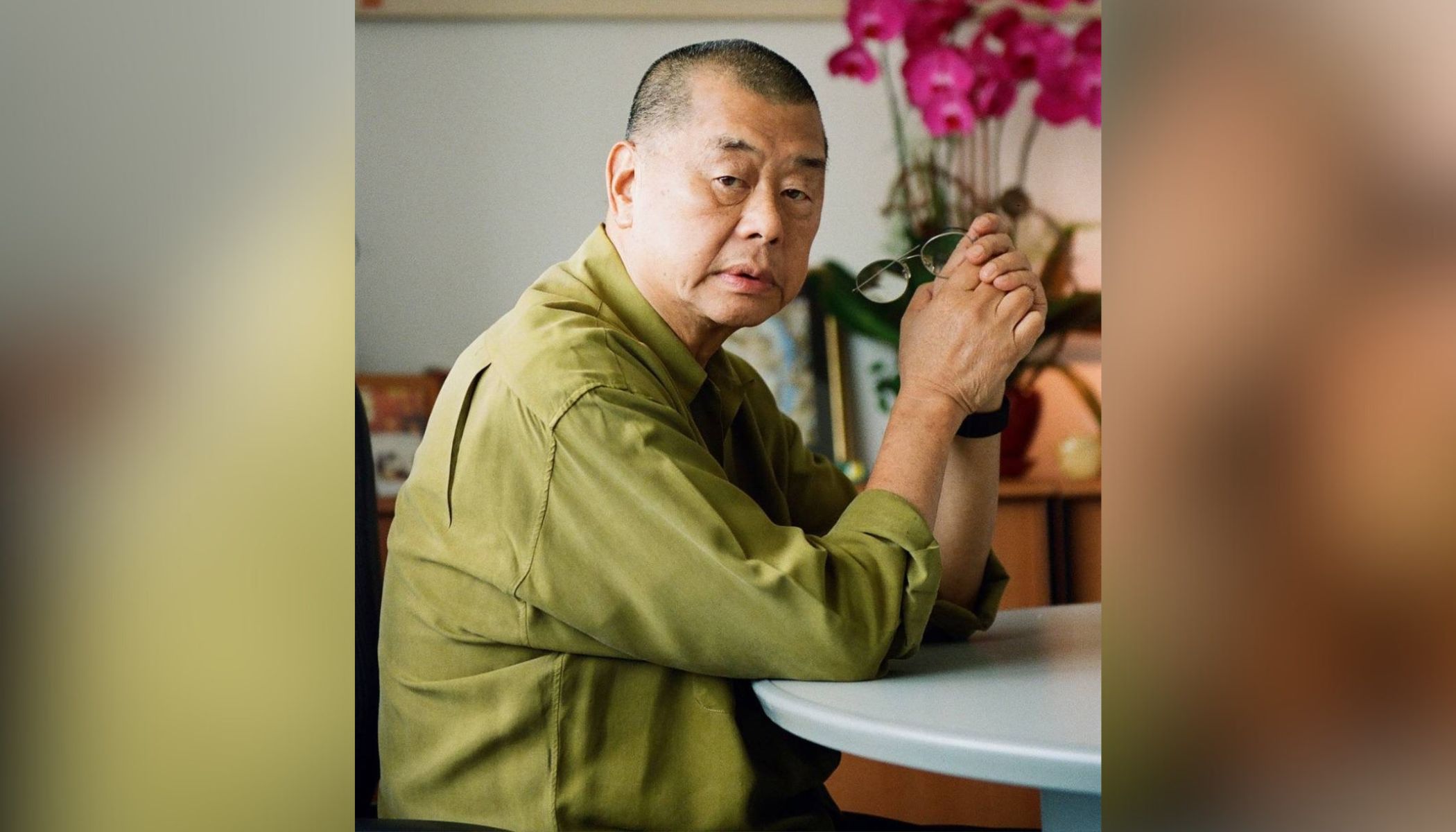
U.S. religious freedom commission urges Trump to press for release of religious prisoners #Catholic The U.S. Commission on International Religious Freedom (USCIRF) urged President Donald Trump to push for the release of religious prisoners in China and for the end of religious persecution by the Chinese government.The commission called on Trump to continue his efforts for the release of the prisoners ahead of Chinese President Xi Jinping’s trip to the U.S. on Sept. 24.USCIRF called for the release of Catholic pro-democracy advocate Jimmy Lai, numerous Christian leaders, and others in prison for practicing their religious beliefs.“President Trump boldly demonstrated to President Xi during their meeting in Beijing earlier this year that the United States stands for religious freedom by calling for the release of freedom of religion or belief (FoRB) prisoners,” said Asif Mahmood, chair of USCIRF.“Speaking up again sends a clear and consistent signal that religious freedom for all is a priority for the United States and that it expects the CCP [Chinese Communist Party] to respect its population rather than persecute millions for practicing their faith,” he said.The commission highlighted that after a direct appeal by Trump, Chinese authorities previously freed former prisoner Pastor Ezra Jin of the Zion Church in July. He was permitted to relocate to the United States and reunite with his family.While Jin was released, eight other Zion Church leaders who were arrested alongside him remain detained.“In releasing Pastor Jin, President Xi showed that he has the power to release FoRB prisoners if he so desires—and indeed he has an obligation to do so under international law,” said Cece Heil, vice chair of USCIRF.USCIRF detailed the other leaders whose release the commission is urging and is asking Trump “to seize the opportunity during his upcoming summit with President Xi,” Heil said.They called on Trump to discuss religious leaders including “Gulshan Abbas, Ekpar Asat, Pastor Gao Quanfu and his wife Pang Yu, Jimmy Lai, the Panchen Lama Gedhun Choekyi Nyima and his family,” Heil said. The commission also asked Trump “to urge the Chinese government to provide a passport to U.S. Lawful Permanent Resident, Pastor John Cao and allow him to reunite with his family and seek urgent medical treatment in the United States,” Heil said.The appeal also precedes a planned hearing on Sept. 16 held by Rep. Chris Smith, R-New Jersey, to discuss the release of Lai. Jimmy Lai’s son, Sebastien Lai, will offer testimony regarding his father’s immediate release and to examine the broader implications of his continued imprisonment.In its 2026 annual report, USCIRF recommended that the U.S. Department of State redesignate China as a country of particular concern (CPC) for engaging “in systematic, ongoing, and egregious violations of religious freedom,” according to the commission.USCIRF urges special watchlist designation for Kyrgyz RepublicIn a September report, USCIRF also reaffirmed its call for the Kyrgyz Republic to be placed on the U.S. Department of State’s special watchlist.The brief was released to highlight “legal restrictions as well as recent violations that Kyrgyz officials have committed against independent Muslims and Christians from unregistered communities,” USCIRF reported. “The Kyrgyz government regularly violates freedom of religion or belief (FoRB) as laid out in its constitution as well as in international documents such as the International Covenant on Civil and Political Rights (ICCPR), to which it is a signatory,” the report said.USCIRF detailed that Kyrgyz officials apply a “vague label of extremism” to justify matters such as regularly raiding places of worship, issuing fines, seizing religious materials, imposing prison sentences, forcing individuals to renounce their beliefs, and engaging in physical abuse.In early 2025, the nation’s president, Sadyr Japarov, amended a restrictive  religion law and approved other acts, which significantly tightened state control over religious groups. “Enforcement of these laws—which often occurs in conjunction with broadly framed anti-extremism statues under the Criminal Code—often involves targeting religious groups that the government considers ‘nontraditional,’ particularly independent Muslims and members of unregistered Christian groups,” the report said.The commissionʼs report noted that targeted Christian groups often face persecution “from harassment and fines to prison sentences and physical abuse,” according to the report.

U.S. religious freedom commission urges Trump to press for release of religious prisoners #Catholic The U.S. Commission on International Religious Freedom (USCIRF) urged President Donald Trump to push for the release of religious prisoners in China and for the end of religious persecution by the Chinese government.The commission called on Trump to continue his efforts for the release of the prisoners ahead of Chinese President Xi Jinping’s trip to the U.S. on Sept. 24.USCIRF called for the release of Catholic pro-democracy advocate Jimmy Lai, numerous Christian leaders, and others in prison for practicing their religious beliefs.“President Trump boldly demonstrated to President Xi during their meeting in Beijing earlier this year that the United States stands for religious freedom by calling for the release of freedom of religion or belief (FoRB) prisoners,” said Asif Mahmood, chair of USCIRF.“Speaking up again sends a clear and consistent signal that religious freedom for all is a priority for the United States and that it expects the CCP [Chinese Communist Party] to respect its population rather than persecute millions for practicing their faith,” he said.The commission highlighted that after a direct appeal by Trump, Chinese authorities previously freed former prisoner Pastor Ezra Jin of the Zion Church in July. He was permitted to relocate to the United States and reunite with his family.While Jin was released, eight other Zion Church leaders who were arrested alongside him remain detained.“In releasing Pastor Jin, President Xi showed that he has the power to release FoRB prisoners if he so desires—and indeed he has an obligation to do so under international law,” said Cece Heil, vice chair of USCIRF.USCIRF detailed the other leaders whose release the commission is urging and is asking Trump “to seize the opportunity during his upcoming summit with President Xi,” Heil said.They called on Trump to discuss religious leaders including “Gulshan Abbas, Ekpar Asat, Pastor Gao Quanfu and his wife Pang Yu, Jimmy Lai, the Panchen Lama Gedhun Choekyi Nyima and his family,” Heil said. The commission also asked Trump “to urge the Chinese government to provide a passport to U.S. Lawful Permanent Resident, Pastor John Cao and allow him to reunite with his family and seek urgent medical treatment in the United States,” Heil said.The appeal also precedes a planned hearing on Sept. 16 held by Rep. Chris Smith, R-New Jersey, to discuss the release of Lai. Jimmy Lai’s son, Sebastien Lai, will offer testimony regarding his father’s immediate release and to examine the broader implications of his continued imprisonment.In its 2026 annual report, USCIRF recommended that the U.S. Department of State redesignate China as a country of particular concern (CPC) for engaging “in systematic, ongoing, and egregious violations of religious freedom,” according to the commission.USCIRF urges special watchlist designation for Kyrgyz RepublicIn a September report, USCIRF also reaffirmed its call for the Kyrgyz Republic to be placed on the U.S. Department of State’s special watchlist.The brief was released to highlight “legal restrictions as well as recent violations that Kyrgyz officials have committed against independent Muslims and Christians from unregistered communities,” USCIRF reported. “The Kyrgyz government regularly violates freedom of religion or belief (FoRB) as laid out in its constitution as well as in international documents such as the International Covenant on Civil and Political Rights (ICCPR), to which it is a signatory,” the report said.USCIRF detailed that Kyrgyz officials apply a “vague label of extremism” to justify matters such as regularly raiding places of worship, issuing fines, seizing religious materials, imposing prison sentences, forcing individuals to renounce their beliefs, and engaging in physical abuse.In early 2025, the nation’s president, Sadyr Japarov, amended a restrictive  religion law and approved other acts, which significantly tightened state control over religious groups. “Enforcement of these laws—which often occurs in conjunction with broadly framed anti-extremism statues under the Criminal Code—often involves targeting religious groups that the government considers ‘nontraditional,’ particularly independent Muslims and members of unregistered Christian groups,” the report said.The commissionʼs report noted that targeted Christian groups often face persecution “from harassment and fines to prison sentences and physical abuse,” according to the report.

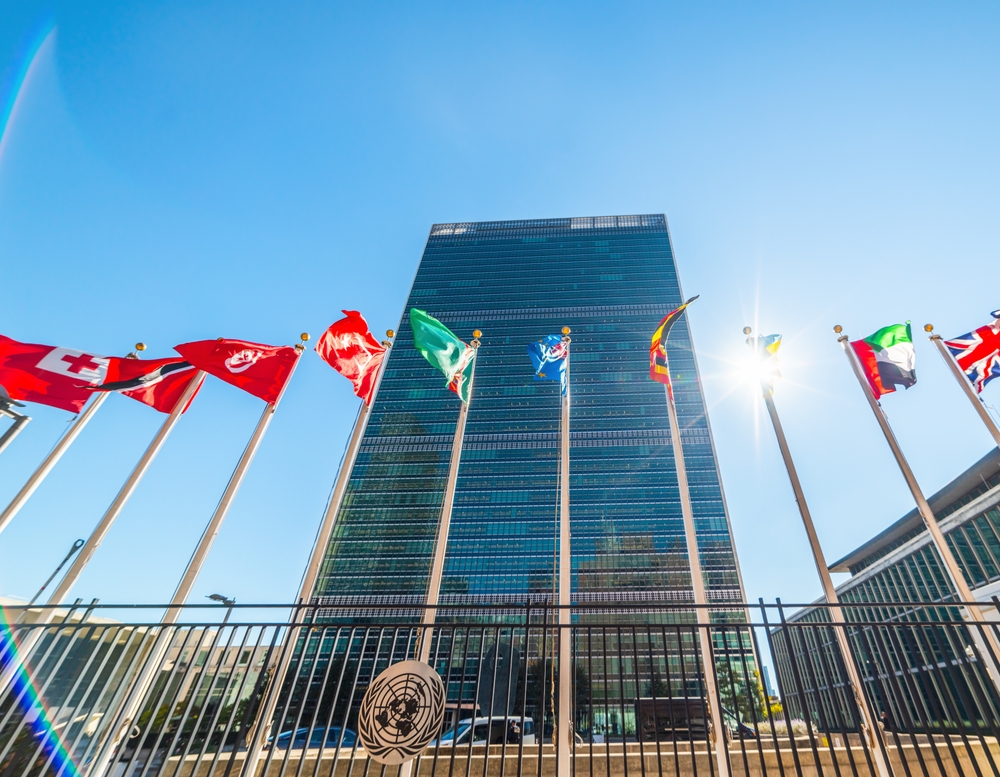
The U.S. Commission on International Religious Freedom made the plea ahead of Chinese President Xi Jinping’s Sept. 24 trip to Washington, D.C.
Read More
Catholic theologian takes job in Trump’s Department of Homeland Security #Catholic A prominent Catholic theologian who has previously defended the Trump administration’s immigration policies on theological grounds has joined the Department of Homeland Security, the agency confirmed.Chad Pecknold, who has taught theology at The Catholic University of America (Catholic University) since 2008, is now the principal director of public outreach for the department’s Office of Public Engagement.In a statement provided to the National Catholic Register, the sister news partner of EWTN News, Pecknold said he was “excited” to confirm he had taken the position.“It is truly an honor to serve my country in this capacity,” he added.The Department of Homeland Security was established in 2003 in response to the Sept. 11, 2001, attacks and is responsible for protecting the United States against terrorist attacks and other threats to its security. The department also serves as the enforcement arm of U.S. immigration policy, overseeing both U.S. Immigration and Customs Enforcement (ICE) and U.S. Citizenship and Immigration Services (USCIS).According to Pecknold’s LinkedIn page, he is “on leave for public service” from Catholic University. His profile also describes his new position as focused on “cultural outreach” and indicates that he began the role in August.The Catholic theologian’s appointment to the department comes amid ongoing clashes between the U.S. bishops and the Trump administration over immigration enforcement.The Trump administration has prioritized curbing illegal immigration, including carrying out a mass deportation campaign, securing the border, and making legal immigration and asylum claims more selective and difficult.In response, the U.S. Conference of Catholic Bishops took the rare step of issuing a joint statement in November 2025, expressing opposition to “the indiscriminate mass deportation of people” and calling for an end to “dehumanizing rhetoric and violence” against both immigrants and law enforcement.”Shortly after, Pope Leo XIV commented on immigration enforcement in the U.S., urging those involved “to look for ways of treating people humanely, treating people with the dignity that they have,” while following legal protocols.Views on immigrationOn the issue of immigration, Pecknold has consistently argued that defending the country’s borders is not in contradiction with Catholic teaching. Rather, he argues, it is necessary to achieve the common good.The Catechism of the Catholic Church, he told EWTN News in 2023, “teaches that nations have the right to borders and self-definition, so there is no sense in which Catholic teaching supports the progressive goal of ‘open borders.’”“There is a ‘duty of care’ which is owed to those fleeing from danger,” he said, “but citizenship is not owed to anyone who can make it across a national border, and illegal entry or asylum cannot be taken as a debt of citizenship.”In a recent essay for The American Mind, Pecknold took issue with the U.S. bishops’ amicus brief submitted to the Supreme Court in defense of birthright citizenship for the children of undocumented migrants.In the article, Pecknold argues that in asserting that every child has a “natural right” to citizenship, the bishops are committing a “logical fallacy.” They are confusing, he writes, “conventional rights — how a nation determines who is and is not eligible for citizenship — with natural rights, which come from God and which inhere in human beings as such.”Pecknold has also endorsed a February statement released by a Christian think tank in Hungary that contends that “mass deportations may be a legitimate response to mass migration.”And in April 2024, amid Catholic criticism of a Texas state law that gave local authorities authorization to make immigration-related arrests, Pecknold cited St. Thomas Aquinas’ theology as a basis for immigration restrictions, noting that Aquinas distinguished showing hospitality to wayfarers from offering permanent resettlement.“Every human being having dignity does not immediately and obviously supersede the sovereignty of nations,” Pecknold told EWTN News at the time. “Statesmen have a sacred duty to safeguard the political common good of their country, and this will sometimes mean restricting who can legally enter and remain in their countries.”Postliberal theologianThe Catholic University professor is part of what some refer to as the “postliberal” movement, which contends that American politics have been overly focused on individual liberty at the expense of the common good. Pecknold co-founded the Substack “Postliberal Order” with Notre Dame political science professor Patrick Deneen and Harvard constitutional law scholar Adrian Vermeule.Pecknold is also known to be close to Vice President JD Vance, a Catholic convert and self-described postliberal. The background image of the professor’s X social media profile is a photo of Pecknold with Deneen and Vance.Pecknold is the author of several books that examine cultural and political questions through the lens of St. Augustine’s philosophy and theology, including “Transforming Postliberal Theology” (2005), “The Promise of Scriptural Reasoning” (2006), “Time, Liturgy, and the Politics of Redemption” (2008), and “Christianity and Politics” (2010). In a roundtable published in the Register in 2023, Pecknold argued that Catholics have a duty to engage in politics.“Catholics who are well-formed by the laws of the heavenly city must pray and work for the peace of our very troubled country — for even the nations are restless until they rest in God. Catholics have a duty to intercede, to cure, and to govern,” Pecknold said.It is not clear what Pecknold’s duties will be as director of public outreach at the federal department. The agency did not respond to a request for an explanation of his new role in time for publication, and Pecknold did not respond to a request for an interview.This story was first published by the National Catholic Register, the sister partner of EWTN News, and has been adapted by EWTN News.

Catholic theologian takes job in Trump’s Department of Homeland Security #Catholic A prominent Catholic theologian who has previously defended the Trump administration’s immigration policies on theological grounds has joined the Department of Homeland Security, the agency confirmed.Chad Pecknold, who has taught theology at The Catholic University of America (Catholic University) since 2008, is now the principal director of public outreach for the department’s Office of Public Engagement.In a statement provided to the National Catholic Register, the sister news partner of EWTN News, Pecknold said he was “excited” to confirm he had taken the position.“It is truly an honor to serve my country in this capacity,” he added.The Department of Homeland Security was established in 2003 in response to the Sept. 11, 2001, attacks and is responsible for protecting the United States against terrorist attacks and other threats to its security. The department also serves as the enforcement arm of U.S. immigration policy, overseeing both U.S. Immigration and Customs Enforcement (ICE) and U.S. Citizenship and Immigration Services (USCIS).According to Pecknold’s LinkedIn page, he is “on leave for public service” from Catholic University. His profile also describes his new position as focused on “cultural outreach” and indicates that he began the role in August.The Catholic theologian’s appointment to the department comes amid ongoing clashes between the U.S. bishops and the Trump administration over immigration enforcement.The Trump administration has prioritized curbing illegal immigration, including carrying out a mass deportation campaign, securing the border, and making legal immigration and asylum claims more selective and difficult.In response, the U.S. Conference of Catholic Bishops took the rare step of issuing a joint statement in November 2025, expressing opposition to “the indiscriminate mass deportation of people” and calling for an end to “dehumanizing rhetoric and violence” against both immigrants and law enforcement.”Shortly after, Pope Leo XIV commented on immigration enforcement in the U.S., urging those involved “to look for ways of treating people humanely, treating people with the dignity that they have,” while following legal protocols.Views on immigrationOn the issue of immigration, Pecknold has consistently argued that defending the country’s borders is not in contradiction with Catholic teaching. Rather, he argues, it is necessary to achieve the common good.The Catechism of the Catholic Church, he told EWTN News in 2023, “teaches that nations have the right to borders and self-definition, so there is no sense in which Catholic teaching supports the progressive goal of ‘open borders.’”“There is a ‘duty of care’ which is owed to those fleeing from danger,” he said, “but citizenship is not owed to anyone who can make it across a national border, and illegal entry or asylum cannot be taken as a debt of citizenship.”In a recent essay for The American Mind, Pecknold took issue with the U.S. bishops’ amicus brief submitted to the Supreme Court in defense of birthright citizenship for the children of undocumented migrants.In the article, Pecknold argues that in asserting that every child has a “natural right” to citizenship, the bishops are committing a “logical fallacy.” They are confusing, he writes, “conventional rights — how a nation determines who is and is not eligible for citizenship — with natural rights, which come from God and which inhere in human beings as such.”Pecknold has also endorsed a February statement released by a Christian think tank in Hungary that contends that “mass deportations may be a legitimate response to mass migration.”And in April 2024, amid Catholic criticism of a Texas state law that gave local authorities authorization to make immigration-related arrests, Pecknold cited St. Thomas Aquinas’ theology as a basis for immigration restrictions, noting that Aquinas distinguished showing hospitality to wayfarers from offering permanent resettlement.“Every human being having dignity does not immediately and obviously supersede the sovereignty of nations,” Pecknold told EWTN News at the time. “Statesmen have a sacred duty to safeguard the political common good of their country, and this will sometimes mean restricting who can legally enter and remain in their countries.”Postliberal theologianThe Catholic University professor is part of what some refer to as the “postliberal” movement, which contends that American politics have been overly focused on individual liberty at the expense of the common good. Pecknold co-founded the Substack “Postliberal Order” with Notre Dame political science professor Patrick Deneen and Harvard constitutional law scholar Adrian Vermeule.Pecknold is also known to be close to Vice President JD Vance, a Catholic convert and self-described postliberal. The background image of the professor’s X social media profile is a photo of Pecknold with Deneen and Vance.Pecknold is the author of several books that examine cultural and political questions through the lens of St. Augustine’s philosophy and theology, including “Transforming Postliberal Theology” (2005), “The Promise of Scriptural Reasoning” (2006), “Time, Liturgy, and the Politics of Redemption” (2008), and “Christianity and Politics” (2010). In a roundtable published in the Register in 2023, Pecknold argued that Catholics have a duty to engage in politics.“Catholics who are well-formed by the laws of the heavenly city must pray and work for the peace of our very troubled country — for even the nations are restless until they rest in God. Catholics have a duty to intercede, to cure, and to govern,” Pecknold said.It is not clear what Pecknold’s duties will be as director of public outreach at the federal department. The agency did not respond to a request for an explanation of his new role in time for publication, and Pecknold did not respond to a request for an interview.This story was first published by the National Catholic Register, the sister partner of EWTN News, and has been adapted by EWTN News.

Chad Pecknold, a longtime professor at The Catholic University of America, has begun working for the government agency that oversees immigration enforcement.

Read More
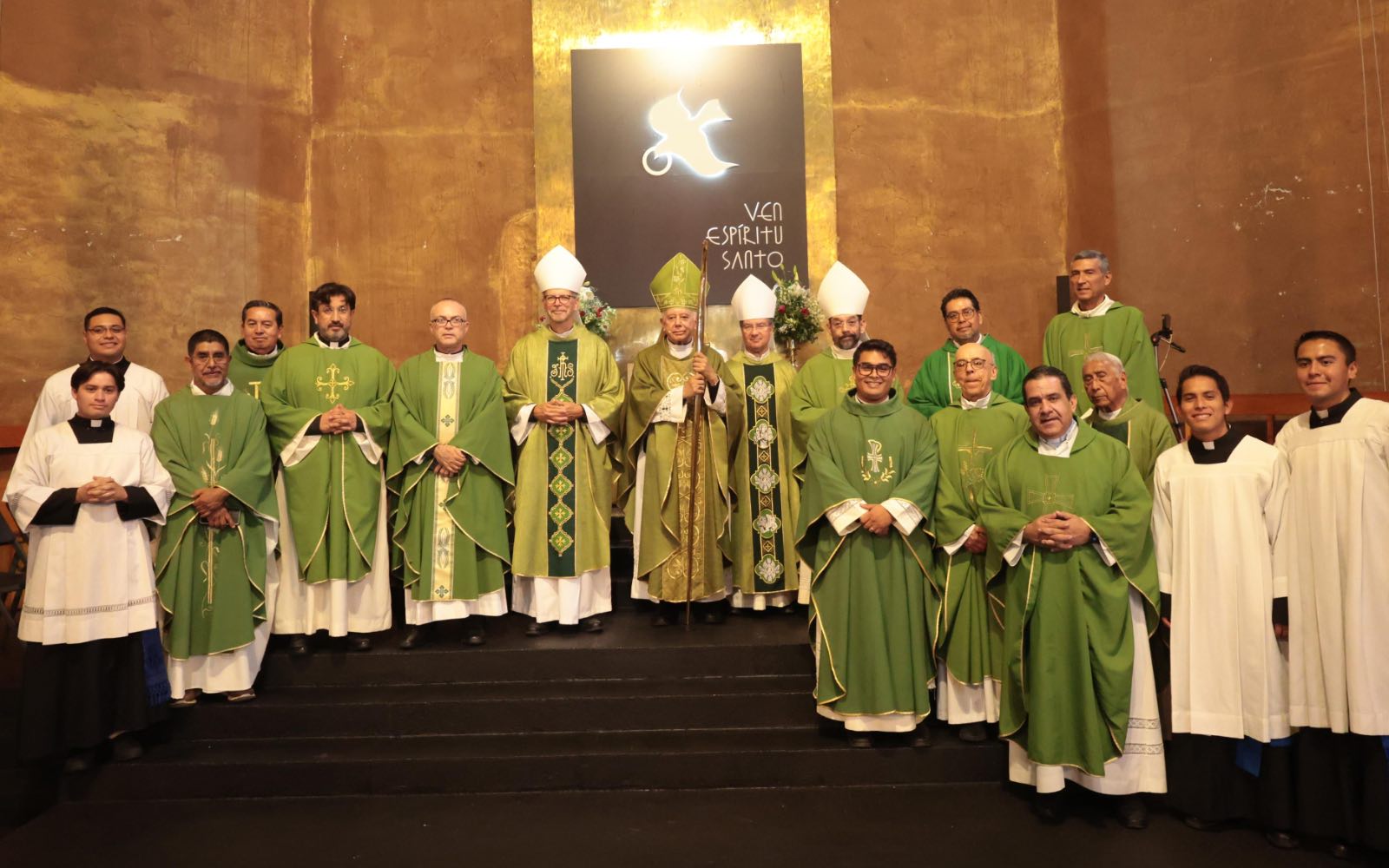
Bishops from Mexico, U.S., Canada see urgent need to speak ‘with one voice’ #Catholic “It is increasingly urgent that the Catholic Church in the Americas speak with one voice,” stated Bishop Daniel Flores of Brownsville, Texas, vice president of the United States Conference of Catholic Bishops (USCCB), following the Mass celebrated Aug. 30 at the cathedral in Cuernavaca, Mexico, which marked the beginning of a meeting among Mexican, U.S., and Canadian bishops.Bishop Ramón Castro Castro of Cuernavaca, president of the Mexican Bishops’ Conference (CEM, by its Spanish acronym) was the main celebrant of the Mass. Concelebrating alongside various priests, along with Flores, were Bishop Oscar Cantú of San José, California, chairman of the USCCB Subcommittee on Hispanic/Latino Affairs; and Bishop Pierre Goudreault of Sainte-Anne-de-la-Pocatière, president of the Canadian Conference of Catholic Bishops.
 
 Bishop Daniel Flores of Brownsville, Texas, addresses the congregation at the conclusion of the Mass at Cuernavaca Cathedral on Aug. 30, 2026. | Credit: Photo courtesy of the Diocese of Cuernavaca
 
 In a brief message, Flores expressed gratitude for “Bishop Ramón’s inspiration in inviting us to this gathering to strengthen this ecclesial communion.”“In the times we are living through, it will become increasingly important — indeed, urgent — for the Catholic Church in the Americas to speak with one voice, defending the honor of Our Lord and the dignity of the human person — especially the poor and immigrants, who often have nowhere to lay their heads, just like the Lord Jesus himself,” he said.“We need to preach together and united as one Church, under the guidance of our Holy Father, Pope Leo, and in communion with all the bishops of the world,” he added.3 distinct countries ‘but one and the same faith’In his homily, Castro highlighted that this meeting of leaders from North American episcopal conferences is “the first of its kind in our history.”“We are three distinct countries. We are three Churches with different histories and realities, yet we share one and the same faith, one baptism, one Eucharist, and one mission,” the Mexican prelate affirmed.Regarding the role of bishops, Castro emphasized that “before being leaders, we are disciples,” and “before having responsibilities, we are men called by the Lord.”“Perhaps this can be the profound spirit of this gathering of the Church in North America: for all of us to place ourselves once again behind Jesus.”
 
 Bishop Ramón Castro Castro of Cuernavaca, Mexico, right, and Bishop Pierre Goudreault of Sainte-Anne-de-la-Pocatière, Canada, pray during the consecration at the Cuernavaca Cathedral on Aug. 30, 2026. | Credit: Photo courtesy of the Diocese of Cuernavaca
 
 ‘Enormous challenges’The president of the CEM emphasized that “our peoples face enormous challenges, particularly Mexico,” and pointed to issues such as “violence, demagoguery, corruption, loneliness, secularization, individualism, materialism, polarization, wounded families, and young people seeking reasons for hope.”He further noted that “perhaps one of the most common themes among the three of us as countries and conferences is migration.”“Over the coming days, we will have the opportunity to share our perspectives on these realities, not in a spirit of judgment or confrontation but rather out of the pastoral responsibility that falls to us as shepherds,” the bishop of Cuernavaca said.
 
 The faithful attend Mass at the Cuernavaca Cathedral on Aug. 30, 2026. | Credit: Photo courtesy of the Diocese of Cuernavaca
 
 “We want to better understand the lives of our people. To what end? To be able to serve them better,” he stated.Castro emphasized that “migration must not be reduced to statistics, public policies, or economic obligations,” because “behind every migrant there is a face, a story, a family, a hope, and, unfortunately, often many wounds.”“The Church must view these people as brothers and sisters whose dignity must be recognized and protected,” he said.The Mexican bishop also expressed his wish “that from Cuernavaca we might send a simple yet powerful sign to our churches, churches on pilgrimage in Canada, the United States, and Mexico.”This story was first published by ACI Prensa, the Spanish-language sister service of EWTN News. It has been translated and adapted by EWTN News English.

Bishops from Mexico, U.S., Canada see urgent need to speak ‘with one voice’ #Catholic “It is increasingly urgent that the Catholic Church in the Americas speak with one voice,” stated Bishop Daniel Flores of Brownsville, Texas, vice president of the United States Conference of Catholic Bishops (USCCB), following the Mass celebrated Aug. 30 at the cathedral in Cuernavaca, Mexico, which marked the beginning of a meeting among Mexican, U.S., and Canadian bishops.Bishop Ramón Castro Castro of Cuernavaca, president of the Mexican Bishops’ Conference (CEM, by its Spanish acronym) was the main celebrant of the Mass. Concelebrating alongside various priests, along with Flores, were Bishop Oscar Cantú of San José, California, chairman of the USCCB Subcommittee on Hispanic/Latino Affairs; and Bishop Pierre Goudreault of Sainte-Anne-de-la-Pocatière, president of the Canadian Conference of Catholic Bishops. Bishop Daniel Flores of Brownsville, Texas, addresses the congregation at the conclusion of the Mass at Cuernavaca Cathedral on Aug. 30, 2026. | Credit: Photo courtesy of the Diocese of Cuernavaca In a brief message, Flores expressed gratitude for “Bishop Ramón’s inspiration in inviting us to this gathering to strengthen this ecclesial communion.”“In the times we are living through, it will become increasingly important — indeed, urgent — for the Catholic Church in the Americas to speak with one voice, defending the honor of Our Lord and the dignity of the human person — especially the poor and immigrants, who often have nowhere to lay their heads, just like the Lord Jesus himself,” he said.“We need to preach together and united as one Church, under the guidance of our Holy Father, Pope Leo, and in communion with all the bishops of the world,” he added.3 distinct countries ‘but one and the same faith’In his homily, Castro highlighted that this meeting of leaders from North American episcopal conferences is “the first of its kind in our history.”“We are three distinct countries. We are three Churches with different histories and realities, yet we share one and the same faith, one baptism, one Eucharist, and one mission,” the Mexican prelate affirmed.Regarding the role of bishops, Castro emphasized that “before being leaders, we are disciples,” and “before having responsibilities, we are men called by the Lord.”“Perhaps this can be the profound spirit of this gathering of the Church in North America: for all of us to place ourselves once again behind Jesus.” Bishop Ramón Castro Castro of Cuernavaca, Mexico, right, and Bishop Pierre Goudreault of Sainte-Anne-de-la-Pocatière, Canada, pray during the consecration at the Cuernavaca Cathedral on Aug. 30, 2026. | Credit: Photo courtesy of the Diocese of Cuernavaca ‘Enormous challenges’The president of the CEM emphasized that “our peoples face enormous challenges, particularly Mexico,” and pointed to issues such as “violence, demagoguery, corruption, loneliness, secularization, individualism, materialism, polarization, wounded families, and young people seeking reasons for hope.”He further noted that “perhaps one of the most common themes among the three of us as countries and conferences is migration.”“Over the coming days, we will have the opportunity to share our perspectives on these realities, not in a spirit of judgment or confrontation but rather out of the pastoral responsibility that falls to us as shepherds,” the bishop of Cuernavaca said. The faithful attend Mass at the Cuernavaca Cathedral on Aug. 30, 2026. | Credit: Photo courtesy of the Diocese of Cuernavaca “We want to better understand the lives of our people. To what end? To be able to serve them better,” he stated.Castro emphasized that “migration must not be reduced to statistics, public policies, or economic obligations,” because “behind every migrant there is a face, a story, a family, a hope, and, unfortunately, often many wounds.”“The Church must view these people as brothers and sisters whose dignity must be recognized and protected,” he said.The Mexican bishop also expressed his wish “that from Cuernavaca we might send a simple yet powerful sign to our churches, churches on pilgrimage in Canada, the United States, and Mexico.”This story was first published by ACI Prensa, the Spanish-language sister service of EWTN News. It has been translated and adapted by EWTN News English.

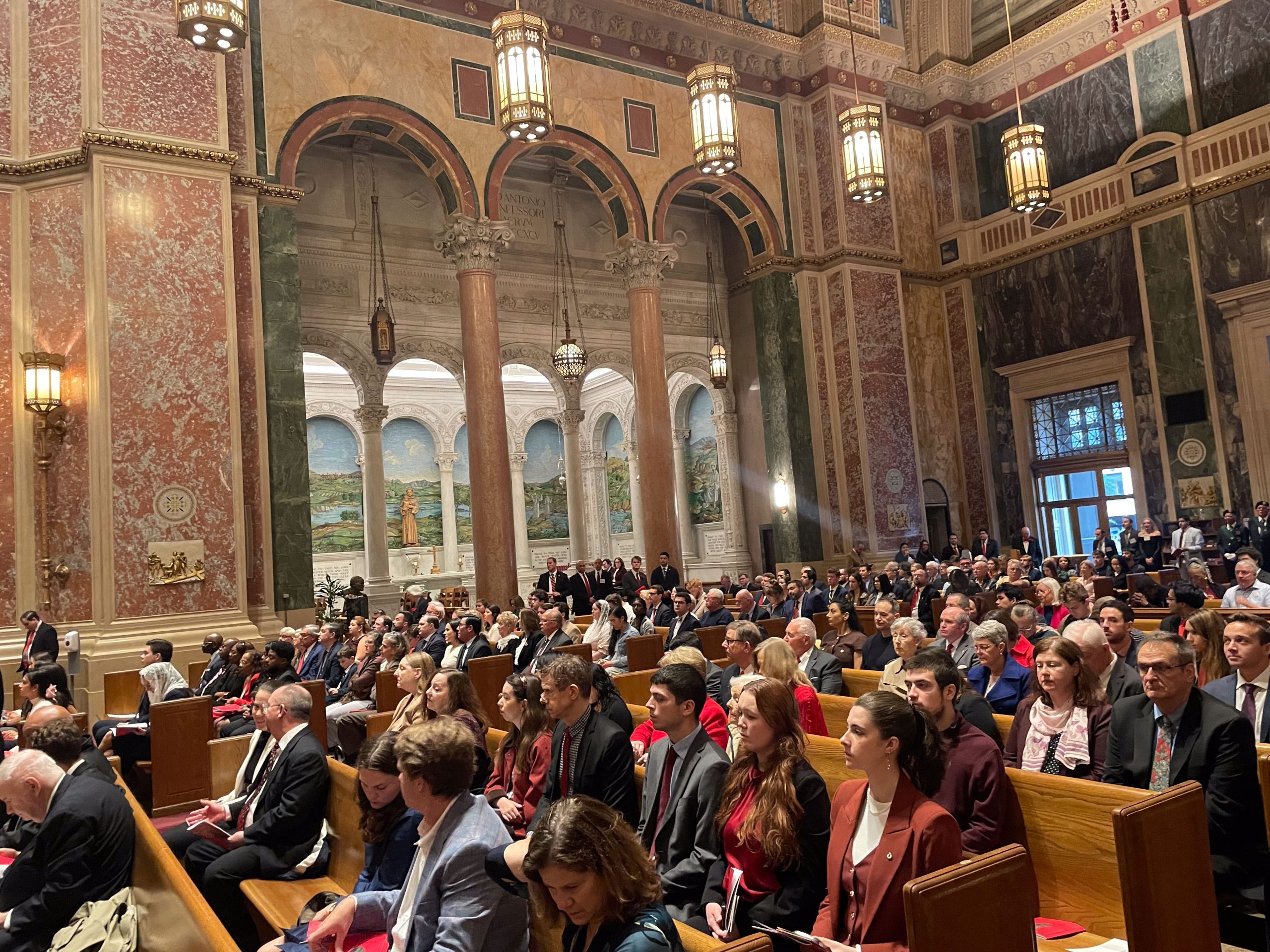
The bishops discussed the pastoral challenges facing the Church in North America as a whole and concelebrated a Mass on Aug. 30 in the Cuernavaca, Mexico, cathedral.
Read More
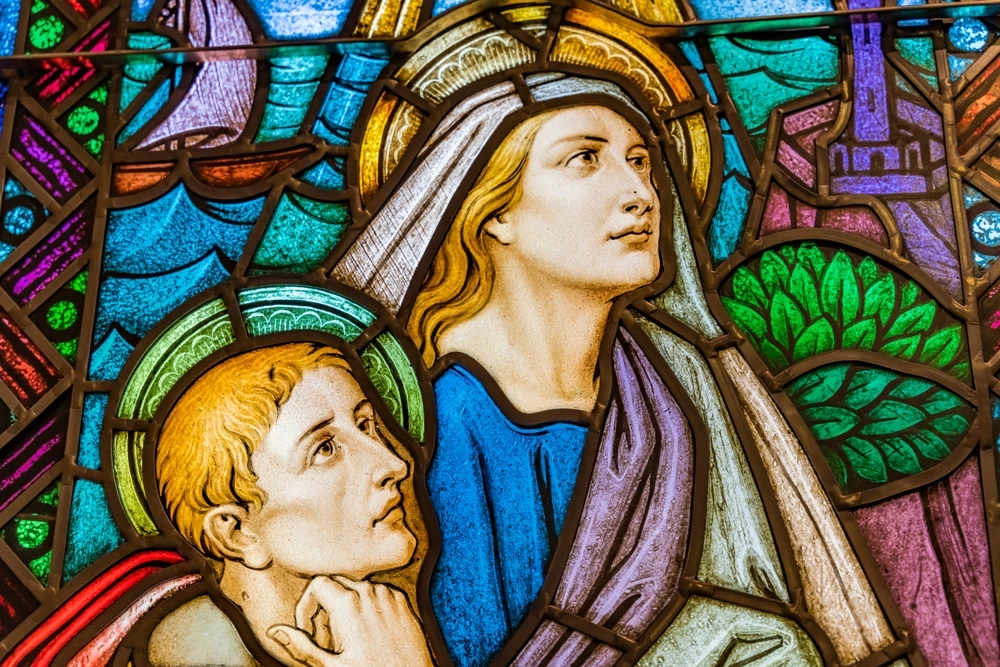
Augustinian priests: St. Monica had ‘great interior strength’ #Catholic Since the fourth century, Christians have revered St. Monica, the mother of Church Father St. Augustine, as a woman of unwavering faith in God.In an interview with EWTN News reporter Valentina Di Donato, two Augustinian priests living in Rome explained why the woman they refer to as their “grandmother” continues to be a source of hope and inspiration, especially for Catholic wives and mothers.Augustinian Father Angelo Di Berardino, who has worked and lived at the Augustinian International College of Santa Monica in Rome for 50 years, said St. Monica had a great interior strength that influenced all members of her family.“Respecting her husband, she was able to convert him,” Di Berardino told EWTN News. “Then, she was a strong woman to educate her three children, especially Augustine.”“I think she was so strong in her life, in her prayer, that she had a great influence on the great theologian Augustine,” he added.According to Augustinian Father Edward Daleng Daniang, vice regent of the Prefecture of the Pontifical Household and former general counsellor and procurator general of the Order of St. Augustine, St. Monica is the saint to turn to for spouses who feel alone in their desire to create a Christian family home.“St. Monica did not have it easy with her husband Patrick,” he said. “She tried to win him with her love, with her patience and endurance and tolerance and, above all, bringing her husband to God through prayer.”Describing the ancient saint as a “living example” of a mother who does not give up on her children, Daniang said those struggling with their children can have hope that their prayers, and tears, are never wasted.“St. Monica was struggling with her son St. Augustine who wandered away from home,” he said. “He left Monica, his mother, to come to Italy in those days and Monica did not give up.”“He left the faith which she tried to transmit to him but she did not give up,” he emphasized.Following her son to Italy, Daniang said her main intention of leaving Africa was not to bring her son back home but to lead her son to Jesus Christ for the salvation of his soul.“St. Monica stands as someone who led her husband to God, to Christ, and also brought her son St. Augustine to Christ,” he said.“That’s bringing the unity of family together,” he added.This story was first published on Aug. 27, 2025, and has been updated.

Augustinian priests: St. Monica had ‘great interior strength’ #Catholic Since the fourth century, Christians have revered St. Monica, the mother of Church Father St. Augustine, as a woman of unwavering faith in God.In an interview with EWTN News reporter Valentina Di Donato, two Augustinian priests living in Rome explained why the woman they refer to as their “grandmother” continues to be a source of hope and inspiration, especially for Catholic wives and mothers.Augustinian Father Angelo Di Berardino, who has worked and lived at the Augustinian International College of Santa Monica in Rome for 50 years, said St. Monica had a great interior strength that influenced all members of her family.“Respecting her husband, she was able to convert him,” Di Berardino told EWTN News. “Then, she was a strong woman to educate her three children, especially Augustine.”“I think she was so strong in her life, in her prayer, that she had a great influence on the great theologian Augustine,” he added.According to Augustinian Father Edward Daleng Daniang, vice regent of the Prefecture of the Pontifical Household and former general counsellor and procurator general of the Order of St. Augustine, St. Monica is the saint to turn to for spouses who feel alone in their desire to create a Christian family home.“St. Monica did not have it easy with her husband Patrick,” he said. “She tried to win him with her love, with her patience and endurance and tolerance and, above all, bringing her husband to God through prayer.”Describing the ancient saint as a “living example” of a mother who does not give up on her children, Daniang said those struggling with their children can have hope that their prayers, and tears, are never wasted.“St. Monica was struggling with her son St. Augustine who wandered away from home,” he said. “He left Monica, his mother, to come to Italy in those days and Monica did not give up.”“He left the faith which she tried to transmit to him but she did not give up,” he emphasized.Following her son to Italy, Daniang said her main intention of leaving Africa was not to bring her son back home but to lead her son to Jesus Christ for the salvation of his soul.“St. Monica stands as someone who led her husband to God, to Christ, and also brought her son St. Augustine to Christ,” he said.“That’s bringing the unity of family together,” he added.This story was first published on Aug. 27, 2025, and has been updated.

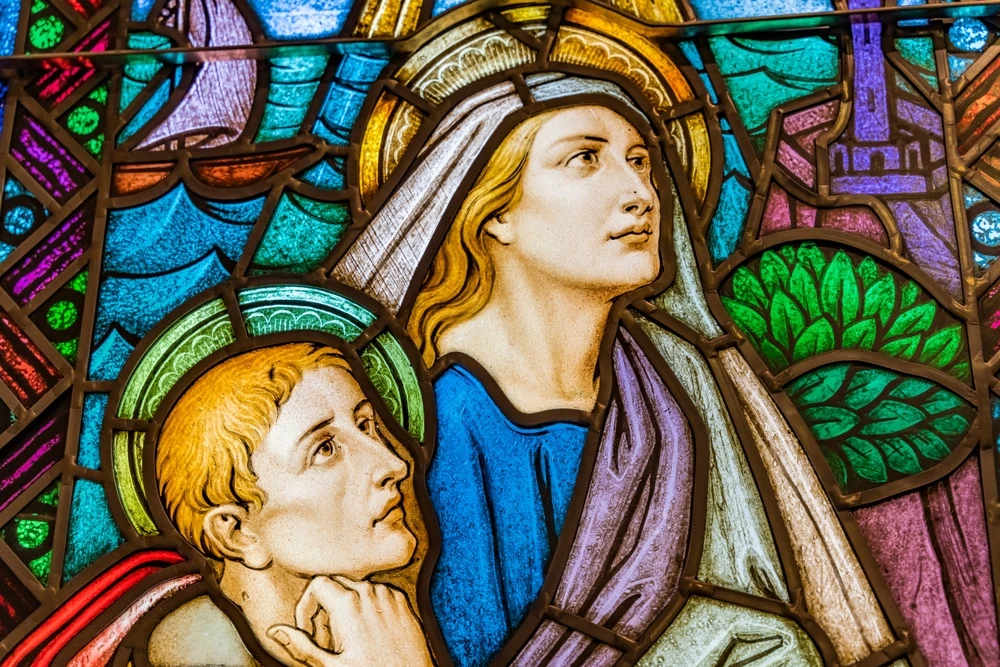
Two Augustinian priests living in Rome explain why the woman they refer to as their “grandmother” continues to be a source of hope and inspiration.
Read More