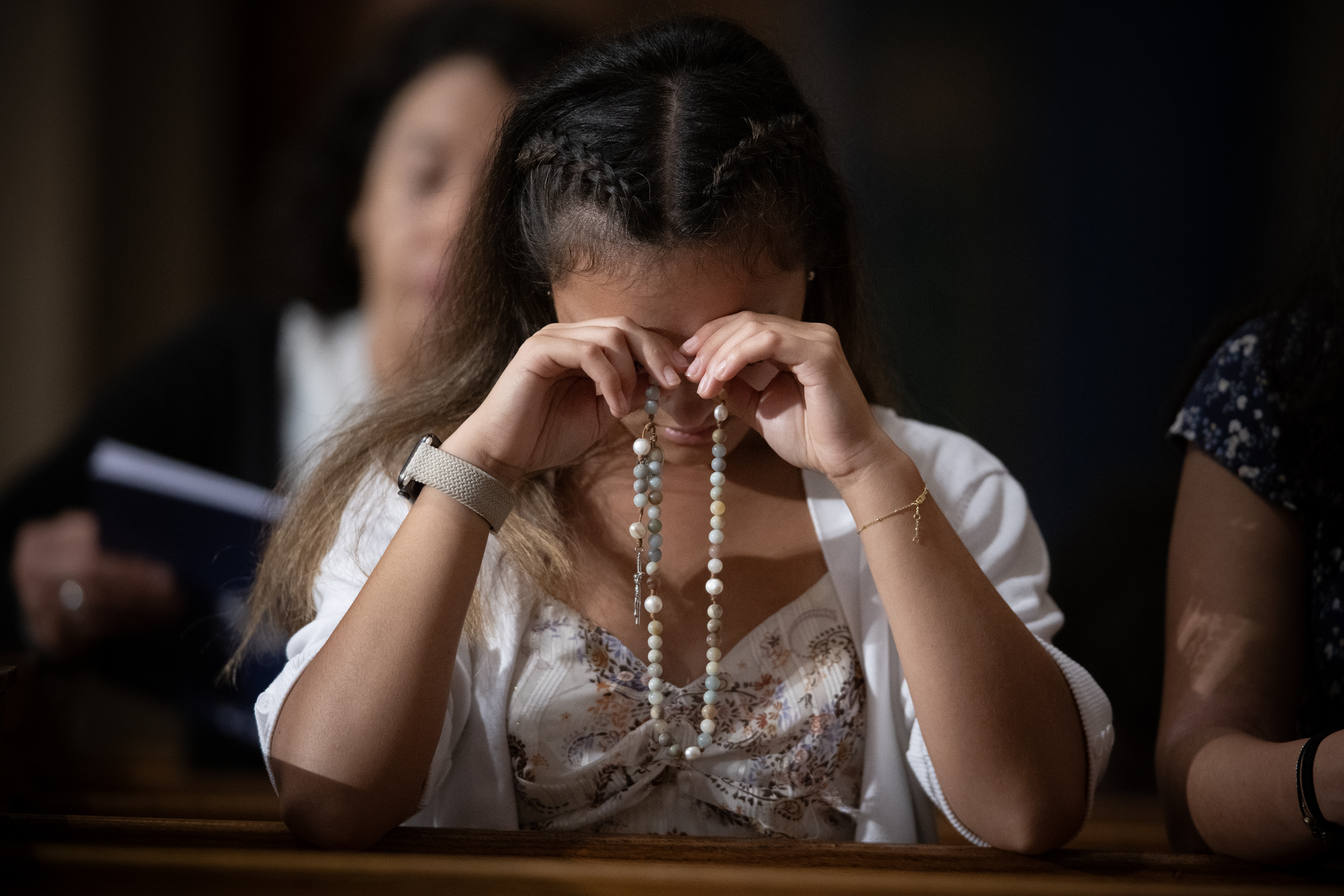
worship

Seminarians medal at Cincinnati’s Flying Pig Marathon #Catholic On Sunday, May 5, 21 men in formation for the priesthood at Mount St. Mary’s Seminary and School of Theology in Cincinnati participated in the 28th annual Flying Pig Marathon. The men of the Mount held their own among the approximately 45,000 other racers. Emerson Wells, studying for the Archdiocese of Louisville, placed second overall with a personal best marathon time of 2:23:52, averaging 5 minutes, 30 seconds per mile for the entire 26.2 mile race. It’s a time that would have won him first place nine out of the last 10 years of the race. The seminarian-led Verso l’Alto Track Club team won first place in the 4-person relay, clocking a finish time of 2:30:39 and outstripping the second place relay team by nearly 20 minutes. Seminarian Chatham Anderson, studying for the Diocese of Columbus, started the team off, followed by Nick Merk, then Kevin Bonfield, and finally Cincinnati seminarian David Adamitis brought the team over the finish line. These five men each donned the Verso l’Alto Track Club jersey, signalling to all who passed by that they ran for a reason. St. Pier Giorgio Frassati, canonized by Pope Leo XIV on Sept. 7, 2025, made the Italian phrase Verso l’Alto known around the world. It translates to “To the heights.” The Verso l’Alto Track Club, open to all local Catholic men (with a qualifying 5k time of 18 minutes) combines the pursuit of excellence in running and virtuous brotherhood — all ordered toward the glorification of GodWells, a lifelong runner, said this was the most systematic training he’s used to prepare for a marathon thus far.“I had a few weeks where I got up to 80 miles a week, which was workable, but it was definitely tough with the schedule and I had to use my breaks to take advantage of that,” he said.
 
 The seminarian-led Verso l’Alto Track Club team won 1st place in the Marathon 4-man Relay with a time of 2:30:39 on May 5, 2026 in Cincinnati. | Photo courtesy of Chatham Anderson, Nick Merk, Kevin Bonfield and David Adamitis
 
 The seminarians stick to a strict schedule of prayer, worship, instruction, and study each day. Wells trained with a goal of running the race in 2 hours, 25 minutes or less. “I knew I had to really focus on the hills if I was going to be successful.”In conjunction with his rigorous training, Wells had a few other tools to keep him going toward his goal.“There was a group of sisters from the Children of Mary that came down to my home parish in Louisville. One of them — Sister Imelda Joy — told me that she and two of her other sisters were going to be making perpetual vows soon.”On May 3, to be exact, the same day as the Flying Pig Marathon.“When she told me that, I was like, full stop. Thatʼs what Iʼm going to be offering this race for.”At moments when the race became tough, Wells remembered those sisters and asked for our Lady’s intercession for them.Wells’ devotion to Mary is made visible by the brown scapular he wore during the race. “I wear the scapular every day; itʼs part of my devotional life.” The scapular didn’t stay in place as he ran through the streets of Cincinnati and Northern Kentucky. “I actually like having it on during runs because you can kind of see itʼll fly around quite a bit, and I’m reminded that Mary is the way and sheʼs the perfect exemplar of what it means to be truly devoted to God and contemplation,” Wells said.The men of the Verso l’Alto Track Club share a common goal: physical excellence ordered toward spiritual growth.“You can be excellent in a given activity and excellent in your faith. Theyʼre not exclusive to each other, but actually mutually affirming,” Adamitis said. “I think that thereʼs a real good among Christians to have ambitious goals according to their talents and to ask the Lord for enlightenment about what their abilities are and how they can use those abilities to glorify His name to bring others into His kingdom.”The message as these men ran “to the heights” was clear: the pursuit of excellence is the pursuit of God.“When we strive to have perfection in those areas of physical health and strength, it should really encourage us to have greater care for what matters the most, and thatʼs our soul and our union with God,” said Adamitis.Both Wells and Adamitis plan to continue running. Through the Verso l’Alto Track Club, they aim to amplify their mission throughout Cincinnati, Northern Kentucky, and the Archdiocese at large.Catholic high school students and adults are invited to compete in the club’s summer cross country challenge on Aug. 7, 2026. Adamitis explained the main motivation is to bring Catholic high school students together so that they can have a sense of a greater community. “So that these high school students can see, ‘As I get older and I eventually graduate high school, I can still pursue running at a high level and stay Catholic.’ Thereʼs an element of excellence to both of those things that continue beyond high school.” “Our athletic pursuits are ultimately ordered for the glorification of God,” Adamitis said. “Cincinnati is a wonderful running city, and we can shift the idea to where itʼs not just running, but itʼs running for the glorification of God.”This article was originally published by The Catholic Telegraph, of the Archdiocese of Cincinnati, and is reprinted here, with adaptations, with permission.

Seminarians medal at Cincinnati’s Flying Pig Marathon #Catholic On Sunday, May 5, 21 men in formation for the priesthood at Mount St. Mary’s Seminary and School of Theology in Cincinnati participated in the 28th annual Flying Pig Marathon. The men of the Mount held their own among the approximately 45,000 other racers. Emerson Wells, studying for the Archdiocese of Louisville, placed second overall with a personal best marathon time of 2:23:52, averaging 5 minutes, 30 seconds per mile for the entire 26.2 mile race. It’s a time that would have won him first place nine out of the last 10 years of the race. The seminarian-led Verso l’Alto Track Club team won first place in the 4-person relay, clocking a finish time of 2:30:39 and outstripping the second place relay team by nearly 20 minutes. Seminarian Chatham Anderson, studying for the Diocese of Columbus, started the team off, followed by Nick Merk, then Kevin Bonfield, and finally Cincinnati seminarian David Adamitis brought the team over the finish line. These five men each donned the Verso l’Alto Track Club jersey, signalling to all who passed by that they ran for a reason. St. Pier Giorgio Frassati, canonized by Pope Leo XIV on Sept. 7, 2025, made the Italian phrase Verso l’Alto known around the world. It translates to “To the heights.” The Verso l’Alto Track Club, open to all local Catholic men (with a qualifying 5k time of 18 minutes) combines the pursuit of excellence in running and virtuous brotherhood — all ordered toward the glorification of GodWells, a lifelong runner, said this was the most systematic training he’s used to prepare for a marathon thus far.“I had a few weeks where I got up to 80 miles a week, which was workable, but it was definitely tough with the schedule and I had to use my breaks to take advantage of that,” he said. The seminarian-led Verso l’Alto Track Club team won 1st place in the Marathon 4-man Relay with a time of 2:30:39 on May 5, 2026 in Cincinnati. | Photo courtesy of Chatham Anderson, Nick Merk, Kevin Bonfield and David Adamitis The seminarians stick to a strict schedule of prayer, worship, instruction, and study each day. Wells trained with a goal of running the race in 2 hours, 25 minutes or less. “I knew I had to really focus on the hills if I was going to be successful.”In conjunction with his rigorous training, Wells had a few other tools to keep him going toward his goal.“There was a group of sisters from the Children of Mary that came down to my home parish in Louisville. One of them — Sister Imelda Joy — told me that she and two of her other sisters were going to be making perpetual vows soon.”On May 3, to be exact, the same day as the Flying Pig Marathon.“When she told me that, I was like, full stop. Thatʼs what Iʼm going to be offering this race for.”At moments when the race became tough, Wells remembered those sisters and asked for our Lady’s intercession for them.Wells’ devotion to Mary is made visible by the brown scapular he wore during the race. “I wear the scapular every day; itʼs part of my devotional life.” The scapular didn’t stay in place as he ran through the streets of Cincinnati and Northern Kentucky. “I actually like having it on during runs because you can kind of see itʼll fly around quite a bit, and I’m reminded that Mary is the way and sheʼs the perfect exemplar of what it means to be truly devoted to God and contemplation,” Wells said.The men of the Verso l’Alto Track Club share a common goal: physical excellence ordered toward spiritual growth.“You can be excellent in a given activity and excellent in your faith. Theyʼre not exclusive to each other, but actually mutually affirming,” Adamitis said. “I think that thereʼs a real good among Christians to have ambitious goals according to their talents and to ask the Lord for enlightenment about what their abilities are and how they can use those abilities to glorify His name to bring others into His kingdom.”The message as these men ran “to the heights” was clear: the pursuit of excellence is the pursuit of God.“When we strive to have perfection in those areas of physical health and strength, it should really encourage us to have greater care for what matters the most, and thatʼs our soul and our union with God,” said Adamitis.Both Wells and Adamitis plan to continue running. Through the Verso l’Alto Track Club, they aim to amplify their mission throughout Cincinnati, Northern Kentucky, and the Archdiocese at large.Catholic high school students and adults are invited to compete in the club’s summer cross country challenge on Aug. 7, 2026. Adamitis explained the main motivation is to bring Catholic high school students together so that they can have a sense of a greater community. “So that these high school students can see, ‘As I get older and I eventually graduate high school, I can still pursue running at a high level and stay Catholic.’ Thereʼs an element of excellence to both of those things that continue beyond high school.” “Our athletic pursuits are ultimately ordered for the glorification of God,” Adamitis said. “Cincinnati is a wonderful running city, and we can shift the idea to where itʼs not just running, but itʼs running for the glorification of God.”This article was originally published by The Catholic Telegraph, of the Archdiocese of Cincinnati, and is reprinted here, with adaptations, with permission.

On May 5, 21 men in formation for the priesthood at Mount St. Mary’s Seminary and School of Theology in Cincinnati participated in the 28th annual Flying Pig Marathon.

Read More
German Catholic congress approves bondage group’s booth #Catholic An ecumenical working group promoting “consensual BDSM culture” will again exhibit at Germanyʼs Catholic Congress in Würzburg this week after organizers said its guidelines pose “no contradiction with the Catechism.”BDSM is an acronym that stands for “bondage and discipline, dominance and submission, sadism and masochism.”“The Ecumenical Working Group BDSM and Christianity has been represented on the Kirchenmeile at several Catholic Congresses now,” Cosima Jagow-Duda, head of press and marketing at the Catholic Congress, told CNA Deutsch, the German-language sister service of EWTN News, in response to an inquiry.“All organizations with an explicitly Christian reference have this right in principle, provided they are not unconstitutional or hostile to specific groups.” The groupʼs guidelines, she added, contain “no contradiction with the Catechism.”The working group was founded in 1999, according to its own website. It also exhibited at the previous Catholic Congress in Erfurt in 2024.Organized by the Central Committee of German Catholics (ZdK), the German Catholic Congress (Katholikentag) is a biennial gathering led by laypeople and representing the countryʼs main umbrella organization for lay Catholic associations. The 104th edition is taking place from May 13 to 17 in Würzburg under the motto “Have Courage, Stand Up!” Around 20,000 people are expected to attend the event, which features approximately 900 events across 50 venues.The approved booth is listed in the official program as stand number MW-R-07 on the Kirchenmeile — a German term meaning “Church Mile” — an exhibitor area where approximately 300 organizations present themselves to attendees.‘Out of the taboo corner’On its website, the working group describes itself as “Christians from various denominations who deal with eroticism and sexuality, particularly in the area of sadomasochistic sexual preferences.”Its published guidelines open with a “preamble on the relationship with God,” affirm belief in “the love and salvation through Jesus Christ,” and state that the group “accepts and lives the diverse and consensual BDSM culture.” The group has also said it wants to take the topic “out of the taboo corner.”Jagow-Duda told CNA Deutsch that applications for the Kirchenmeile “follow clear rules and guidelines” and that the organizers do not admit, for example, “right-wing extremist or anti-democratic groups.”The printed program book states, on page 58, that “a diversity of opinions that encourages and enriches discourse on the cohesion of society is expressly desired,” with limits “where discriminatory, racist, or antisemitic convictions are represented, expressions of group-related misanthropy, or an ideological distance from the free democratic constitutional order are to be expected.”“This concerns a booth where Christians are entering into conversation about their faith,” Jagow-Duda said.Other groups presenting on the Kirchenmeile whose positions stand in tension with Catholic teaching on sexuality include the Network of Catholic Lesbians, the LGBT initiative #OutInChurch, and the Ecumenical Working Group Homosexuals and Church.The official program also lists a “Queer worship service” on May 16 under the title “Life is colorful — diversity in the Church?!” and a Bible workshop titled “Reading the Bible queerly. Why G*D is a fan of diversity.”Pro-life panels rejected, association still presentThe eventʼs panel program, meanwhile, turned down three proposals on surrogacy, abortion, and end-of-life care from the countryʼs largest lay pro-life association, citing limited slots, even as the association maintains its own booth at the congress.The proposals were submitted by the Action for the Right to Life for All (ALfA) in cooperation with the Association of Catholic German Teachers (VkdL).The proposals' titles, according to the Catholic weekly Die Tagespost, were “Life Without a Child? Is Surrogacy the Solution on the Way to a Wished-For Child?”, “Taboo Topic Abortion — ‘I didnʼt want to abort, I had to,’” and “My Death and My Dignity — Autonomy and Human Dignity at the End of Life.”Britta Baas, a spokeswoman for the ZdK, told Die Tagespost that the rejections were made on “capacity grounds.” Two-thirds of all applications had to be turned down because only 40 panel slots were available, she said.The Catholic Congress leadership had set up a so-called “topic convention” before the nationwide call for proposals opened, which pre-selected the 40 panel themes. About three times as many applications were submitted as there were slots, Baas said, and “the panel working group commissioned by the Catholic Congress leadership then had to make a selection.”According to Die Tagespost, ALfA and VkdL had already secured several speakers for the proposed panels, including psychiatrist Christian Spaemann, surgeon and medical ethicist Kai Witzel, and the jurist Felix Böllmann of Alliance Defending Freedom International.The Catholic Congress will, however, host one panel on assisted suicide, titled “Quo Vadis Assisted Suicide? General Regulations and Individual Wishes,” with Social Democratic Party (SPD) parliamentarian Lars Castellucci and the president of the German Caritas Association, Eva Maria Welskop-Deffaa, among the discussants.ALfA itself will be present at the Catholic Congress with a booth on the Kirchenmeile, located in the “Social Cohesion” theme area. In parallel to the official program, the association is holding its own events in cooperation with the VkdL and Die Tagespost, including a lecture on end-of-life autonomy by Witzel, a presentation on international surrogacy by ALfA national chair Cornelia Kaminski, and a panel discussion with Bishop Rudolf Voderholzer of Regensburg on the relationship between the Catholic Church and the German pro-life movement.“The commitment to the protection of human life belongs at the heart of the Church,” Kaminski said in a May 8 statement. “The Catholic Congress is therefore an important place to enter into conversation with people, to present our work, and to make clear how many areas there are in which the right to life and human dignity are under threat — and how needed Church members are who commit themselves to this cause.”Catholic teaching on sexualityThe Catechism of the Catholic Church teaches that sexual pleasure “is morally disordered when sought for itself, isolated from its procreative and unitive purposes” (No. 2351).Chastity, the Catechism teaches, “involves the integrity of the person and the integrality of the gift” and is realized in “the complete and lifelong mutual gift of a man and a woman” (No. 2337). It requires what the Catechism calls “an apprenticeship in self-mastery which is a training in human freedom” (No. 2339).Consent does not, in Catholic moral theology, automatically change the moral character of an act.

German Catholic congress approves bondage group’s booth #Catholic An ecumenical working group promoting “consensual BDSM culture” will again exhibit at Germanyʼs Catholic Congress in Würzburg this week after organizers said its guidelines pose “no contradiction with the Catechism.”BDSM is an acronym that stands for “bondage and discipline, dominance and submission, sadism and masochism.”“The Ecumenical Working Group BDSM and Christianity has been represented on the Kirchenmeile at several Catholic Congresses now,” Cosima Jagow-Duda, head of press and marketing at the Catholic Congress, told CNA Deutsch, the German-language sister service of EWTN News, in response to an inquiry.“All organizations with an explicitly Christian reference have this right in principle, provided they are not unconstitutional or hostile to specific groups.” The groupʼs guidelines, she added, contain “no contradiction with the Catechism.”The working group was founded in 1999, according to its own website. It also exhibited at the previous Catholic Congress in Erfurt in 2024.Organized by the Central Committee of German Catholics (ZdK), the German Catholic Congress (Katholikentag) is a biennial gathering led by laypeople and representing the countryʼs main umbrella organization for lay Catholic associations. The 104th edition is taking place from May 13 to 17 in Würzburg under the motto “Have Courage, Stand Up!” Around 20,000 people are expected to attend the event, which features approximately 900 events across 50 venues.The approved booth is listed in the official program as stand number MW-R-07 on the Kirchenmeile — a German term meaning “Church Mile” — an exhibitor area where approximately 300 organizations present themselves to attendees.‘Out of the taboo corner’On its website, the working group describes itself as “Christians from various denominations who deal with eroticism and sexuality, particularly in the area of sadomasochistic sexual preferences.”Its published guidelines open with a “preamble on the relationship with God,” affirm belief in “the love and salvation through Jesus Christ,” and state that the group “accepts and lives the diverse and consensual BDSM culture.” The group has also said it wants to take the topic “out of the taboo corner.”Jagow-Duda told CNA Deutsch that applications for the Kirchenmeile “follow clear rules and guidelines” and that the organizers do not admit, for example, “right-wing extremist or anti-democratic groups.”The printed program book states, on page 58, that “a diversity of opinions that encourages and enriches discourse on the cohesion of society is expressly desired,” with limits “where discriminatory, racist, or antisemitic convictions are represented, expressions of group-related misanthropy, or an ideological distance from the free democratic constitutional order are to be expected.”“This concerns a booth where Christians are entering into conversation about their faith,” Jagow-Duda said.Other groups presenting on the Kirchenmeile whose positions stand in tension with Catholic teaching on sexuality include the Network of Catholic Lesbians, the LGBT initiative #OutInChurch, and the Ecumenical Working Group Homosexuals and Church.The official program also lists a “Queer worship service” on May 16 under the title “Life is colorful — diversity in the Church?!” and a Bible workshop titled “Reading the Bible queerly. Why G*D is a fan of diversity.”Pro-life panels rejected, association still presentThe eventʼs panel program, meanwhile, turned down three proposals on surrogacy, abortion, and end-of-life care from the countryʼs largest lay pro-life association, citing limited slots, even as the association maintains its own booth at the congress.The proposals were submitted by the Action for the Right to Life for All (ALfA) in cooperation with the Association of Catholic German Teachers (VkdL).The proposals' titles, according to the Catholic weekly Die Tagespost, were “Life Without a Child? Is Surrogacy the Solution on the Way to a Wished-For Child?”, “Taboo Topic Abortion — ‘I didnʼt want to abort, I had to,’” and “My Death and My Dignity — Autonomy and Human Dignity at the End of Life.”Britta Baas, a spokeswoman for the ZdK, told Die Tagespost that the rejections were made on “capacity grounds.” Two-thirds of all applications had to be turned down because only 40 panel slots were available, she said.The Catholic Congress leadership had set up a so-called “topic convention” before the nationwide call for proposals opened, which pre-selected the 40 panel themes. About three times as many applications were submitted as there were slots, Baas said, and “the panel working group commissioned by the Catholic Congress leadership then had to make a selection.”According to Die Tagespost, ALfA and VkdL had already secured several speakers for the proposed panels, including psychiatrist Christian Spaemann, surgeon and medical ethicist Kai Witzel, and the jurist Felix Böllmann of Alliance Defending Freedom International.The Catholic Congress will, however, host one panel on assisted suicide, titled “Quo Vadis Assisted Suicide? General Regulations and Individual Wishes,” with Social Democratic Party (SPD) parliamentarian Lars Castellucci and the president of the German Caritas Association, Eva Maria Welskop-Deffaa, among the discussants.ALfA itself will be present at the Catholic Congress with a booth on the Kirchenmeile, located in the “Social Cohesion” theme area. In parallel to the official program, the association is holding its own events in cooperation with the VkdL and Die Tagespost, including a lecture on end-of-life autonomy by Witzel, a presentation on international surrogacy by ALfA national chair Cornelia Kaminski, and a panel discussion with Bishop Rudolf Voderholzer of Regensburg on the relationship between the Catholic Church and the German pro-life movement.“The commitment to the protection of human life belongs at the heart of the Church,” Kaminski said in a May 8 statement. “The Catholic Congress is therefore an important place to enter into conversation with people, to present our work, and to make clear how many areas there are in which the right to life and human dignity are under threat — and how needed Church members are who commit themselves to this cause.”Catholic teaching on sexualityThe Catechism of the Catholic Church teaches that sexual pleasure “is morally disordered when sought for itself, isolated from its procreative and unitive purposes” (No. 2351).Chastity, the Catechism teaches, “involves the integrity of the person and the integrality of the gift” and is realized in “the complete and lifelong mutual gift of a man and a woman” (No. 2337). It requires what the Catechism calls “an apprenticeship in self-mastery which is a training in human freedom” (No. 2339).Consent does not, in Catholic moral theology, automatically change the moral character of an act.

Organizers of the Würzburg congress told EWTN News the group’s guidelines contain ‘no contradiction with the Catechism.’

Read More
Outrage grows over alleged bulldozing of Catholic monastery and school in Lebanon #Catholic In southern Lebanon, the village of Yaroun has drawn widespread attention after images and video circulated showing the demolition, allegedly by Israeli forces, of a monastery and Catholic school belonging to the Salvatorian Sisters.Yarounʼs mayor, Adib Ajaka, rejected claims by the Israeli army that it did not know the buildings were religious places, and the Council of Melkite Greek Catholic Bishops in Lebanon urged the Lebanese government and the United Nations “to protect the property of civilians and religious institutions, citing in particular the village of Yaroun,” according to the Associated Press.Speaking to ACI MENA, the Arabic-language sister service of EWTN News, Ajaka clarified that some media outlets have been recirculating images of a destroyed church as if they were from the latest incident, but the church itself had already been targeted multiple times since 2024. He stressed that the most recent incident concerns the demolition of the monastery and the school.Responding to the Israeli army’s claim that “there were no indications that it was a religious building,” Ajaqa rejected the statement as unconvincing, noting that the site was clearly identifiable, bearing a cross and a statue of the Virgin Mary. He also pointed out that the church had been targeted previously and that footage from 2024 showed the deliberate destruction of a statue of St. George.
 
 Adib Ajaka, mayor of the village of Yaroun, is pictured with the apostolic nuncio to Lebanon, Archbishop Paolo Borgia. | Credit: Photo courtesy of Adib Ajaka
 
 Ajaka said images published by Israel showing the diocese and a nearby clinic were used to suggest that the monastery had not been destroyed, but in reality they referred to a separate building housing a clinic run by the Order of Malta. He suggested that the presence of the organization’s flag may have contributed to it being spared so far. According to Ajaka, the bulldozing operations took place after the ceasefire came into effect. At first, residents did not grasp the scale of what was happening, as they remained in contact with nearby towns such as Rmeish and Ain Ebel, where no strikes or shelling had been reported from Yaroun. This created the impression that the village had not been directly targeted. It later became clear, however, that what had taken place was not bombardment but the widespread bulldozing of homes.Yaroun is home to about 60 Melkite Catholic families — all of whom fled at the outbreak of the war in 2024. Seventeen families returned during the initial ceasefire period, but many others were unable to do so due to the destruction of their homes. Today, residents remain unable to return, scattered between rented accommodations, monasteries, and relatives’ homes, while some have relocated to nearby Christian villages in the south.Ajaka noted that assistance to residents has so far been limited, emphasizing that the most urgent need is direct financial support to help cover rent. At the same time, he expressed gratitude for the support provided by the Vatican and for the continued efforts of the apostolic nuncio through regular visits and follow-up on the situation of displaced families.
 
 The historic stone presented to Pope Leo XIV during his visit to Lebanon in December 2025. | Credit: Rumi Al-Haber/ACI MENA
 
 He also recalled that during the pope’s visit to Lebanon in December 2025, a historic stone from the village church dating back to 1872, engraved with an image of St. George, was presented to him in the hope of drawing attention to Yaroun and its people.Today, the fate of this stone remains unknown, as the church has been destroyed and residents are unable to return to see what remains. Ajaka stressed that the destroyed homes of the Catholic families there are over a century old and are purely civilian properties.Church vandalism across LebanonThe alleged demolitions in Yaroun come amid recent and varied incidents of church vandalism in Lebanon, with multiple places of worship targeted and their contents deliberately damaged. Among them, the Church of Mar Shalita in Qobeiyat was stormed and vandalized. And in Ajaltoun, the Church of Our Lady was targeted, with intruders stealing items, destroying furniture, and leaving bullets scattered on the floor.Taken together, these incidents reflect a broader climate in which Lebanese Christians increasingly feel under pressure, facing different forms of intimidation and attack from multiple actors.This story was first published by ACI MENA, the Arabic-language sister service of EWTN News, and has been adapted by EWTN News English.

Outrage grows over alleged bulldozing of Catholic monastery and school in Lebanon #Catholic In southern Lebanon, the village of Yaroun has drawn widespread attention after images and video circulated showing the demolition, allegedly by Israeli forces, of a monastery and Catholic school belonging to the Salvatorian Sisters.Yarounʼs mayor, Adib Ajaka, rejected claims by the Israeli army that it did not know the buildings were religious places, and the Council of Melkite Greek Catholic Bishops in Lebanon urged the Lebanese government and the United Nations “to protect the property of civilians and religious institutions, citing in particular the village of Yaroun,” according to the Associated Press.Speaking to ACI MENA, the Arabic-language sister service of EWTN News, Ajaka clarified that some media outlets have been recirculating images of a destroyed church as if they were from the latest incident, but the church itself had already been targeted multiple times since 2024. He stressed that the most recent incident concerns the demolition of the monastery and the school.Responding to the Israeli army’s claim that “there were no indications that it was a religious building,” Ajaqa rejected the statement as unconvincing, noting that the site was clearly identifiable, bearing a cross and a statue of the Virgin Mary. He also pointed out that the church had been targeted previously and that footage from 2024 showed the deliberate destruction of a statue of St. George. Adib Ajaka, mayor of the village of Yaroun, is pictured with the apostolic nuncio to Lebanon, Archbishop Paolo Borgia. | Credit: Photo courtesy of Adib Ajaka Ajaka said images published by Israel showing the diocese and a nearby clinic were used to suggest that the monastery had not been destroyed, but in reality they referred to a separate building housing a clinic run by the Order of Malta. He suggested that the presence of the organization’s flag may have contributed to it being spared so far. According to Ajaka, the bulldozing operations took place after the ceasefire came into effect. At first, residents did not grasp the scale of what was happening, as they remained in contact with nearby towns such as Rmeish and Ain Ebel, where no strikes or shelling had been reported from Yaroun. This created the impression that the village had not been directly targeted. It later became clear, however, that what had taken place was not bombardment but the widespread bulldozing of homes.Yaroun is home to about 60 Melkite Catholic families — all of whom fled at the outbreak of the war in 2024. Seventeen families returned during the initial ceasefire period, but many others were unable to do so due to the destruction of their homes. Today, residents remain unable to return, scattered between rented accommodations, monasteries, and relatives’ homes, while some have relocated to nearby Christian villages in the south.Ajaka noted that assistance to residents has so far been limited, emphasizing that the most urgent need is direct financial support to help cover rent. At the same time, he expressed gratitude for the support provided by the Vatican and for the continued efforts of the apostolic nuncio through regular visits and follow-up on the situation of displaced families. The historic stone presented to Pope Leo XIV during his visit to Lebanon in December 2025. | Credit: Rumi Al-Haber/ACI MENA He also recalled that during the pope’s visit to Lebanon in December 2025, a historic stone from the village church dating back to 1872, engraved with an image of St. George, was presented to him in the hope of drawing attention to Yaroun and its people.Today, the fate of this stone remains unknown, as the church has been destroyed and residents are unable to return to see what remains. Ajaka stressed that the destroyed homes of the Catholic families there are over a century old and are purely civilian properties.Church vandalism across LebanonThe alleged demolitions in Yaroun come amid recent and varied incidents of church vandalism in Lebanon, with multiple places of worship targeted and their contents deliberately damaged. Among them, the Church of Mar Shalita in Qobeiyat was stormed and vandalized. And in Ajaltoun, the Church of Our Lady was targeted, with intruders stealing items, destroying furniture, and leaving bullets scattered on the floor.Taken together, these incidents reflect a broader climate in which Lebanese Christians increasingly feel under pressure, facing different forms of intimidation and attack from multiple actors.This story was first published by ACI MENA, the Arabic-language sister service of EWTN News, and has been adapted by EWTN News English.

The mayor of Yaroun, a village in southern Lebanon, and the Melkite Greek Catholic bishops have reacted to the alleged demolition of a monastery and school by Israeli forces.

Read More
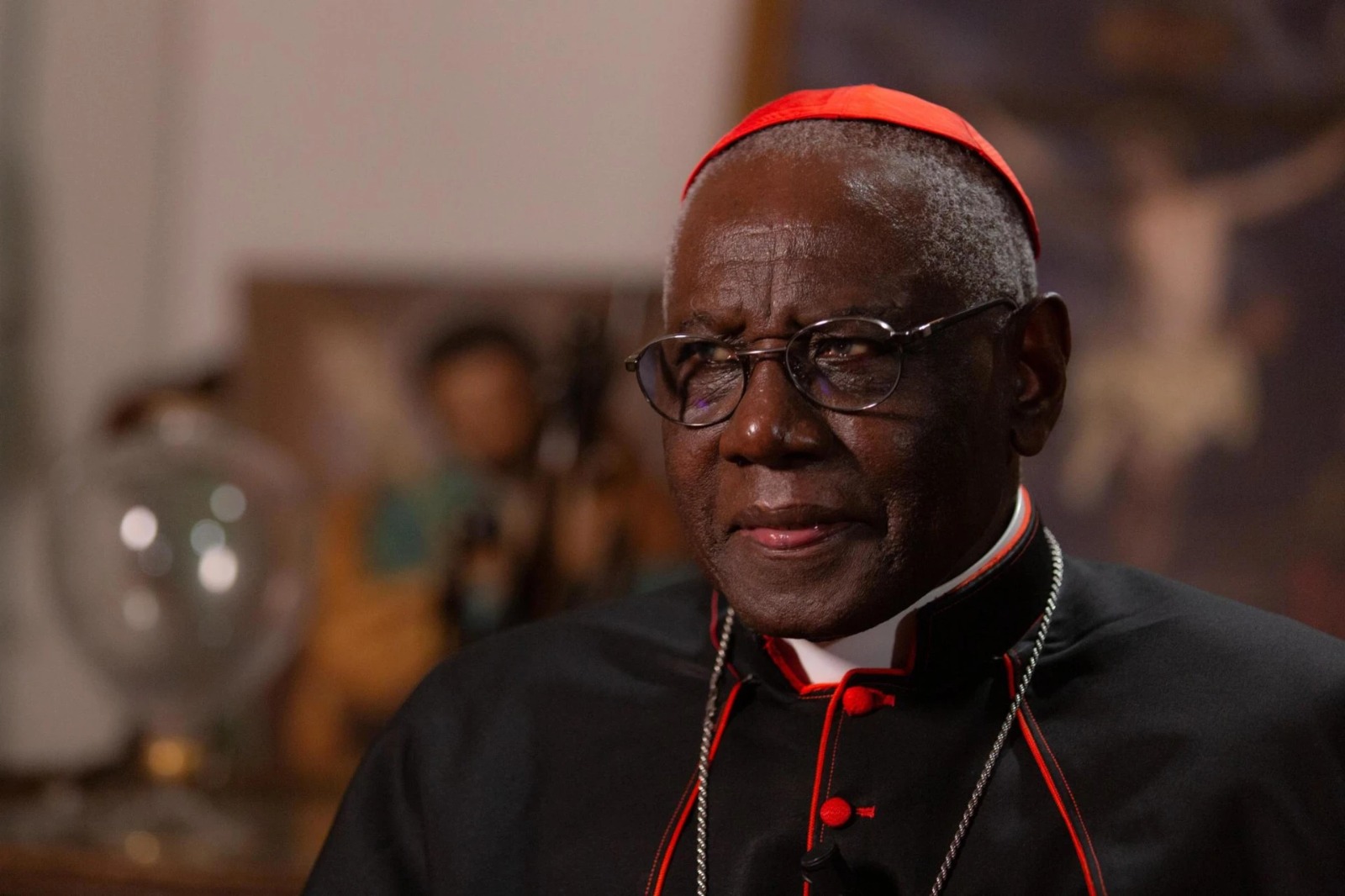
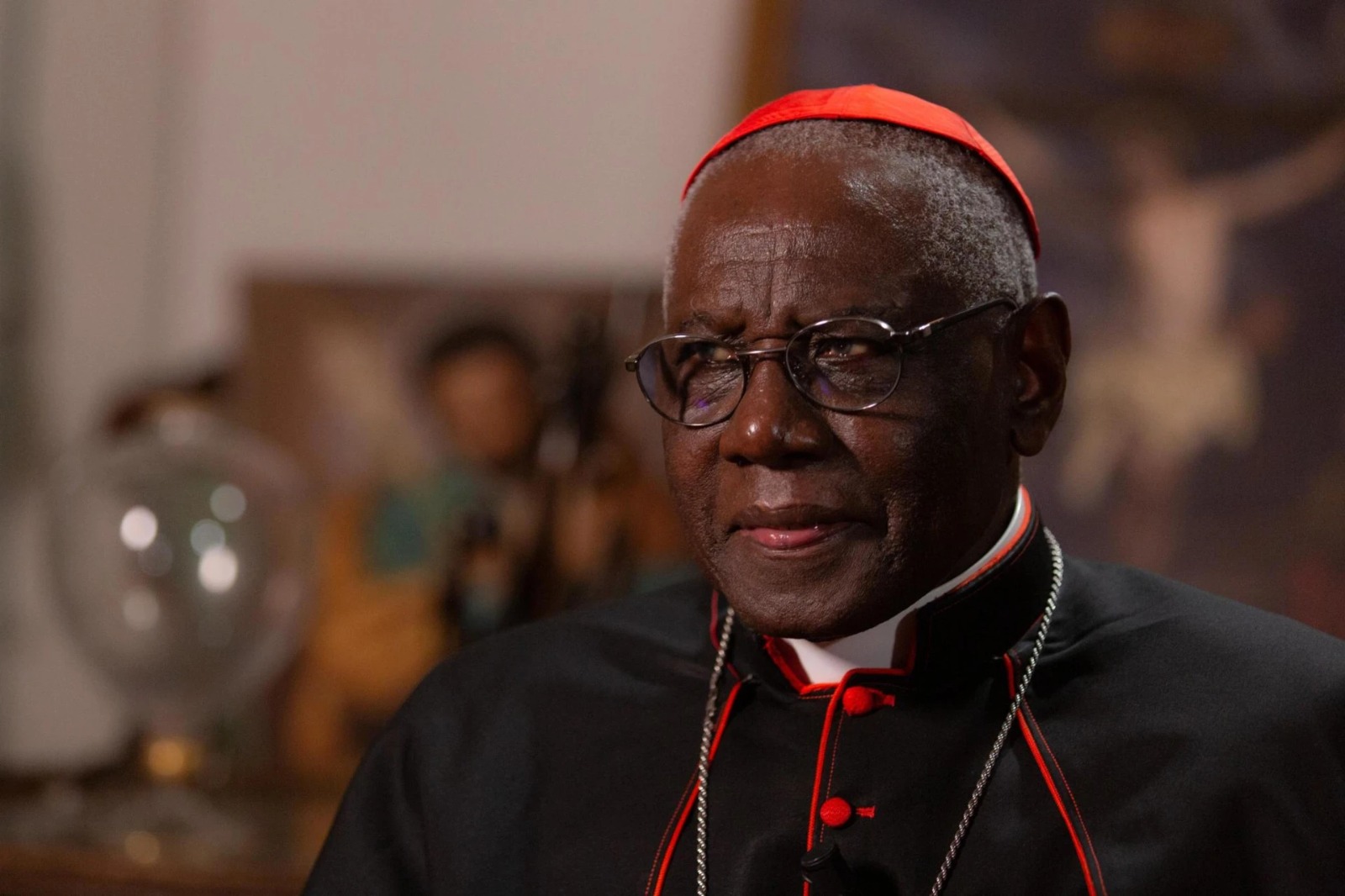
Official delegation announced for Pope Leo XIV’s upcoming visit to Equatorial Guinea #Catholic EBEBIYÍN, Equatorial Guinea — Preparations for the planned apostolic visit of Pope Leo XIV to Equatorial Guinea have gained momentum, with Church authorities unveiling details of the high-level delegation expected to accompany the Holy Father during his visit scheduled for April 21–23.The announcement was made by Father Cristino Ela Engonga, secretary-general of the Episcopal Conference of Equatorial Guinea (CEGE) and general coordinator of the Church commission for the papal visit, during a strategic meeting that was held on March 28 at the bishop’s house in Bata Diocese.The meeting brought together members of various subcommissions from the dioceses of Bata, Ebibeyín, Evinayong, and Mongomo to assess ongoing preparations and receive updates from the Holy See regarding the historic visit, which will mark Pope Leo XIV’s first trip to Africa.According to Engonga, nearly 50 Vatican officials are expected to accompany the pontiff, including five cardinals. Among them is Cardinal Robert Sarah, prefect emeritus of the Dicastery for Divine Worship and the Discipline of the Sacraments.The pope is expected to visit key cities, including Malabo, Mongomo, and Bata, accompanied by senior Vatican officials such as Secretary of State Cardinal Pietro Parolin and Cardinal Luis Antonio Tagle, pro-prefect of the Dicastery for Evangelization.Other prominent members of the papal entourage include Cardinal George Jacob Koovakad, prefect of the Dicastery for Interreligious Dialogue, and Cardinal Peter Kodwo Appiah Turkson, chancellor of the Pontifical Academy of Social Sciences.They will be joined by 42 additional Vatican officials, including Monsignor José Nahúm Jairo Salas, who is responsible for coordinating papal international travels, as well as leading Vatican communicators such as Paolo Ruffini and Matteo Bruni.Beyond the papal entourage, the meeting also highlighted the participation of special guests, including Cardinal Fridolin Ambongo, president of the Symposium of Episcopal Conferences of Africa and Madagascar (SECAM), as well as Archbishop Luis Javier Argüello García, president of the Spanish Episcopal Conference (CEE).Engonga further said that more than 40 Catholic bishops from six central African countries have expressed their intention to attend the event.During the meeting, participants also received a report from the masters of ceremonies of CEGE, Fathers Julio Enrique Meheme and Diosdado Márquez Sabadell, who recently traveled to Rome to prepare the liturgical celebrations the pope will preside over.The Holy Father is expected to arrive in Malabo on Tuesday, April 21, the final leg of his four-nation African trip. Following the official welcome ceremony, he will meet the president of Equatorial Guinea and address political leaders, civil society representatives, and the diplomatic corps.In the afternoon, the pope will engage with academics and artists during a meeting with representatives of the world of culture at the León XIV Campus of the National University. A pastoral visit to patients and staff at the Jean Pierre Olie Psychiatric Hospital is also scheduled for this day.On Wednesday, April 22, the pope will travel to Mongomo to celebrate Mass at the Basilica of the Immaculate Conception before visiting the Pope Francis Technology School.Later in the day, the Holy Father will continue to Bata, where he is scheduled to visit a prison; pray at a memorial dedicated to victims of the March 7, 2021, explosion; and meet young people and families at Bata Stadium.The apostolic journey to Africa is to conclude on Thursday, April 23, with a final Mass celebrated by the pope at Malabo Stadium.Following the farewell ceremony at Malabo International Airport, the Holy Father will depart for Rome, arriving later that evening at Rome’s Fiumicino International Airport.This story was first published by ACI Africa, the sister service of EWTN News in Africa, and has been adapted by EWTN News.

Official delegation announced for Pope Leo XIV’s upcoming visit to Equatorial Guinea #Catholic EBEBIYÍN, Equatorial Guinea — Preparations for the planned apostolic visit of Pope Leo XIV to Equatorial Guinea have gained momentum, with Church authorities unveiling details of the high-level delegation expected to accompany the Holy Father during his visit scheduled for April 21–23.The announcement was made by Father Cristino Ela Engonga, secretary-general of the Episcopal Conference of Equatorial Guinea (CEGE) and general coordinator of the Church commission for the papal visit, during a strategic meeting that was held on March 28 at the bishop’s house in Bata Diocese.The meeting brought together members of various subcommissions from the dioceses of Bata, Ebibeyín, Evinayong, and Mongomo to assess ongoing preparations and receive updates from the Holy See regarding the historic visit, which will mark Pope Leo XIV’s first trip to Africa.According to Engonga, nearly 50 Vatican officials are expected to accompany the pontiff, including five cardinals. Among them is Cardinal Robert Sarah, prefect emeritus of the Dicastery for Divine Worship and the Discipline of the Sacraments.The pope is expected to visit key cities, including Malabo, Mongomo, and Bata, accompanied by senior Vatican officials such as Secretary of State Cardinal Pietro Parolin and Cardinal Luis Antonio Tagle, pro-prefect of the Dicastery for Evangelization.Other prominent members of the papal entourage include Cardinal George Jacob Koovakad, prefect of the Dicastery for Interreligious Dialogue, and Cardinal Peter Kodwo Appiah Turkson, chancellor of the Pontifical Academy of Social Sciences.They will be joined by 42 additional Vatican officials, including Monsignor José Nahúm Jairo Salas, who is responsible for coordinating papal international travels, as well as leading Vatican communicators such as Paolo Ruffini and Matteo Bruni.Beyond the papal entourage, the meeting also highlighted the participation of special guests, including Cardinal Fridolin Ambongo, president of the Symposium of Episcopal Conferences of Africa and Madagascar (SECAM), as well as Archbishop Luis Javier Argüello García, president of the Spanish Episcopal Conference (CEE).Engonga further said that more than 40 Catholic bishops from six central African countries have expressed their intention to attend the event.During the meeting, participants also received a report from the masters of ceremonies of CEGE, Fathers Julio Enrique Meheme and Diosdado Márquez Sabadell, who recently traveled to Rome to prepare the liturgical celebrations the pope will preside over.The Holy Father is expected to arrive in Malabo on Tuesday, April 21, the final leg of his four-nation African trip. Following the official welcome ceremony, he will meet the president of Equatorial Guinea and address political leaders, civil society representatives, and the diplomatic corps.In the afternoon, the pope will engage with academics and artists during a meeting with representatives of the world of culture at the León XIV Campus of the National University. A pastoral visit to patients and staff at the Jean Pierre Olie Psychiatric Hospital is also scheduled for this day.On Wednesday, April 22, the pope will travel to Mongomo to celebrate Mass at the Basilica of the Immaculate Conception before visiting the Pope Francis Technology School.Later in the day, the Holy Father will continue to Bata, where he is scheduled to visit a prison; pray at a memorial dedicated to victims of the March 7, 2021, explosion; and meet young people and families at Bata Stadium.The apostolic journey to Africa is to conclude on Thursday, April 23, with a final Mass celebrated by the pope at Malabo Stadium.Following the farewell ceremony at Malabo International Airport, the Holy Father will depart for Rome, arriving later that evening at Rome’s Fiumicino International Airport.This story was first published by ACI Africa, the sister service of EWTN News in Africa, and has been adapted by EWTN News.

Church authorities unveiled details of the official delegation expected to accompany the Holy Father during his visit scheduled for April 21–23.

Read More
Picture of the day


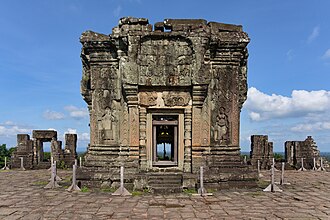
Phnom Bakheng is a Hindu temple dedicated to Shiva in Siem Reap Province, Cambodia. It was built at the end of the 9th century, during the reign of King Yasovarman (889–910). Today is Mahashivaratri, a Hindu festival dedicated to the worship of Shiva.
 #ImageOfTheDay
Picture of the day
Phnom Bakheng is a Hindu temple dedicated to Shiva in Siem Reap Province, Cambodia. It was built at the end of the 9th century, during the reign of King Yasovarman (889–910). Today is Mahashivaratri, a Hindu festival dedicated to the worship of Shiva.
Read More
Picture of the day


Shrine dedicated to Shiva situated at the shore of the Gangabal Lake, a high altitude glacial lake in the Indian Himalayas. The lake is situated at the foot of Mount Haramukh in Jammu and Kashmir, and is called Gangabal meaning ‘place of Ganga’ in Kashmiri language. It is considered sacred in Hinduism as an abode of Shiva and used by Kashmiri Hindus to immerse the ashes of their dead after cremation. It has been described as a place of pilgrimage in several ancient Hindu texts and an annual Hindu pilgrimage to the lake starts from a nearby 8th century Shiva temple. This picture was taken in the month of Shravan, the fifth month of the Hindu calendar, which is dedicated to the worship of Shiva.
 #ImageOfTheDay
Picture of the day
Shrine dedicated to Shiva situated at the shore of the Gangabal Lake, a high altitude glacial lake in the Indian Himalayas. The lake is situated at the foot of Mount Haramukh in Jammu and Kashmir, and is called Gangabal meaning ‘place of Ganga’ in Kashmiri language. It is considered sacred in Hinduism as an abode of Shiva and used by Kashmiri Hindus to immerse the ashes of their dead after cremation. It has been described as a place of pilgrimage in several ancient Hindu texts and an annual Hindu pilgrimage to the lake starts from a nearby 8th century Shiva temple. This picture was taken in the month of Shravan, the fifth month of the Hindu calendar, which is dedicated to the worship of Shiva.
Read More