Day: July 5, 2026

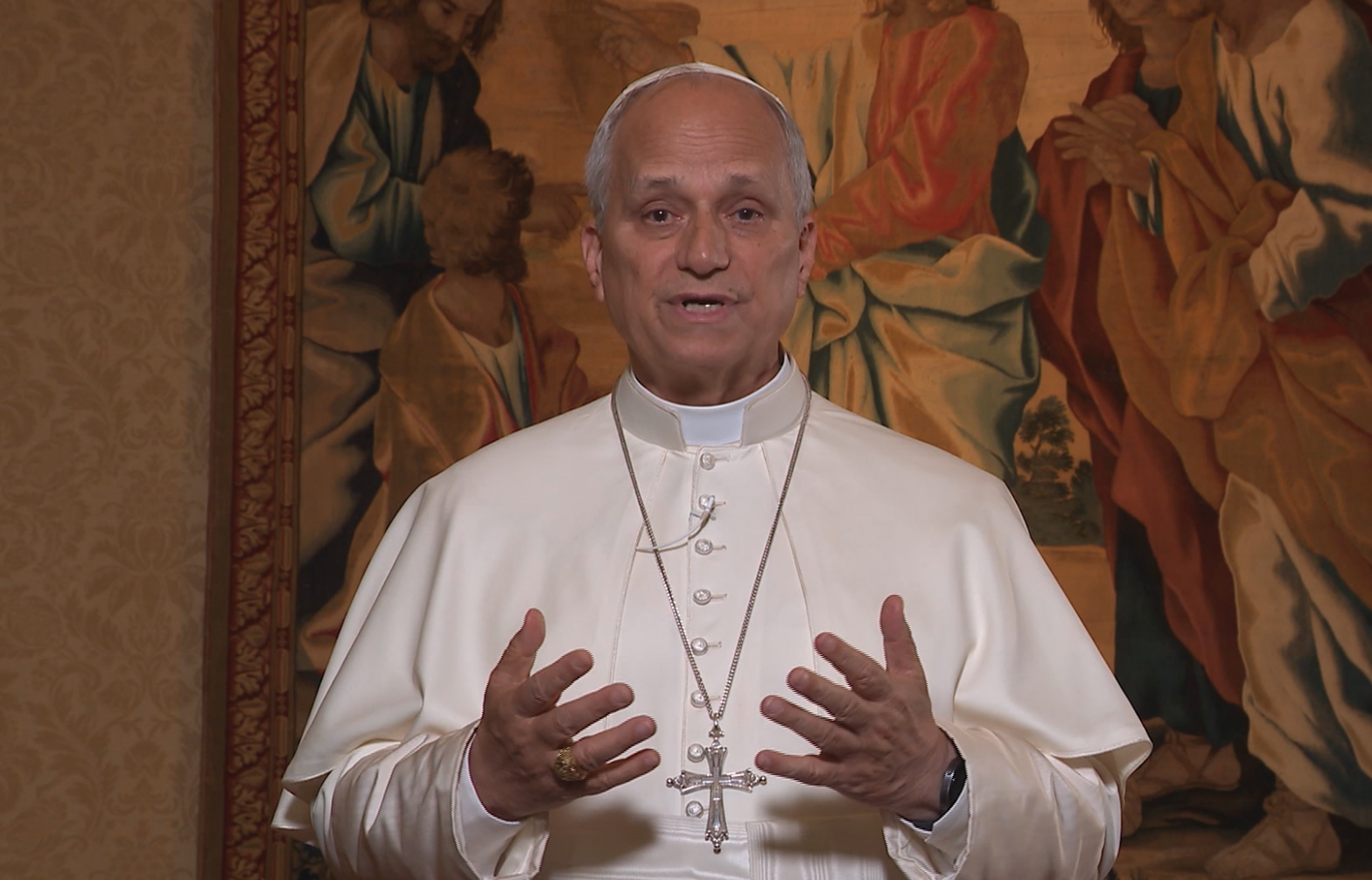
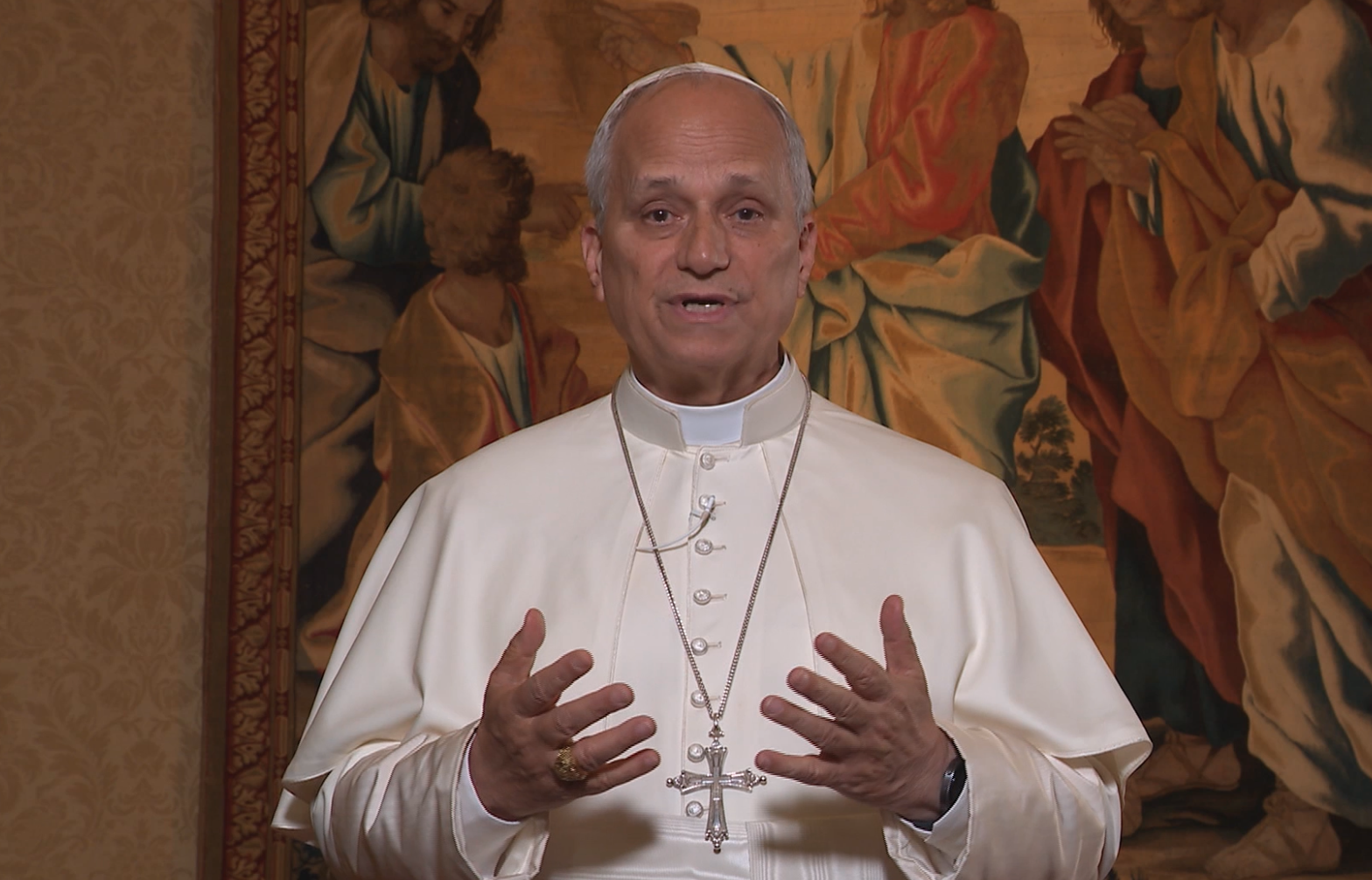
Pope Leo XIV praises U.S. Eucharistic pilgrims, highlights country’s ‘strong Eucharistic heritage’ #Catholic Pope Leo XIV on July 5 praised Eucharistic pilgrims in the U.S. for walking thousands of miles with Christ as part of a “great legacy of faith” amid the country’s 250th anniversary celebrations. The pilgrimage, which carried the theme “One Nation, Under God,” began in St. Augustine, Florida in May and went as far north as Portland, Maine, before turning south and finishing in Philadelphia.In a video message played at the concluding Mass at the Cathedral Basilica of Saints Peter and Paul, Leo XIV —  the first pope in Catholic Church history from the United States — said the pilgrimage, which traced a route through the original 13 colonies that rebelled against England in 1776, was “particularly appropriate” to commemorate the country’s 250th anniversary of its founding.The U.S., the pope said, “has been imbued with a sense of faith that recognizes God’s sovereignty even before its formal establishment.” The Holy Father cited a Mass of Thanksgiving held in 1583 in Saint Augustine, Florida, by Spanish explorers. “This historical event, accompanied by many others, attests to the strong, though largely unknown, Eucharistic heritage of the United States of America,” the pope said. “This heritage, far from being forgotten, must continue to serve as a source of both renewal and unity.”That history, the pope told the pilgrims, “has continued to bear fruit by leading new generations of American Catholics to Jesus Christ.” He also cited the examples of U.S. martyrs and U.S.-born saints, including St. Kateri Tekakwitha, St. Elizabeth Ann Seton, and St. Katharine Drexel.“The intense apostolic activity of these holy men and women, and others like them, would not have been possible without the strength they drew daily from moments of silent prayer before the tabernacle,” he said. The pope said the Eucharistic pilgrimage helps “carry on this great legacy of faith.” The Eucharist is “an invaluable gift,” he said, one that the Church in the U.S. will use to “find strength to carry on her charitable service to the wider society.” Leo urged the pilgrims to “place your lives under God’s loving providence as you return to your homes.” He also urged them to “cultivate a strong Eucharistic life among your families, friends, and communities.”After the U.S. pilgrimage began on Pentecost in St. Augustine — the site of the 1583 Thanksgiving Mass referenced by Pope Leo XIV — it worked its way up the Eastern Seaboard, stopping at multiple U.S. dioceses and holy sites.The route drew thousands of pilgrims in locations including Williamsburg, Virginia, Baltimore, and Boston. On June 6 the pilgrimage passed through the streets of Washington, D.C.Along the way the pilgrimage gave recognition to uniquely American aspects of Catholicism, such as the Georgia Martyrs, who are scheduled for beatification on Oct. 31.

Pope Leo XIV praises U.S. Eucharistic pilgrims, highlights country’s ‘strong Eucharistic heritage’ #Catholic Pope Leo XIV on July 5 praised Eucharistic pilgrims in the U.S. for walking thousands of miles with Christ as part of a “great legacy of faith” amid the country’s 250th anniversary celebrations. The pilgrimage, which carried the theme “One Nation, Under God,” began in St. Augustine, Florida in May and went as far north as Portland, Maine, before turning south and finishing in Philadelphia.In a video message played at the concluding Mass at the Cathedral Basilica of Saints Peter and Paul, Leo XIV —  the first pope in Catholic Church history from the United States — said the pilgrimage, which traced a route through the original 13 colonies that rebelled against England in 1776, was “particularly appropriate” to commemorate the country’s 250th anniversary of its founding.The U.S., the pope said, “has been imbued with a sense of faith that recognizes God’s sovereignty even before its formal establishment.” The Holy Father cited a Mass of Thanksgiving held in 1583 in Saint Augustine, Florida, by Spanish explorers. “This historical event, accompanied by many others, attests to the strong, though largely unknown, Eucharistic heritage of the United States of America,” the pope said. “This heritage, far from being forgotten, must continue to serve as a source of both renewal and unity.”That history, the pope told the pilgrims, “has continued to bear fruit by leading new generations of American Catholics to Jesus Christ.” He also cited the examples of U.S. martyrs and U.S.-born saints, including St. Kateri Tekakwitha, St. Elizabeth Ann Seton, and St. Katharine Drexel.“The intense apostolic activity of these holy men and women, and others like them, would not have been possible without the strength they drew daily from moments of silent prayer before the tabernacle,” he said. The pope said the Eucharistic pilgrimage helps “carry on this great legacy of faith.” The Eucharist is “an invaluable gift,” he said, one that the Church in the U.S. will use to “find strength to carry on her charitable service to the wider society.” Leo urged the pilgrims to “place your lives under God’s loving providence as you return to your homes.” He also urged them to “cultivate a strong Eucharistic life among your families, friends, and communities.”After the U.S. pilgrimage began on Pentecost in St. Augustine — the site of the 1583 Thanksgiving Mass referenced by Pope Leo XIV — it worked its way up the Eastern Seaboard, stopping at multiple U.S. dioceses and holy sites.The route drew thousands of pilgrims in locations including Williamsburg, Virginia, Baltimore, and Boston. On June 6 the pilgrimage passed through the streets of Washington, D.C.Along the way the pilgrimage gave recognition to uniquely American aspects of Catholicism, such as the Georgia Martyrs, who are scheduled for beatification on Oct. 31.

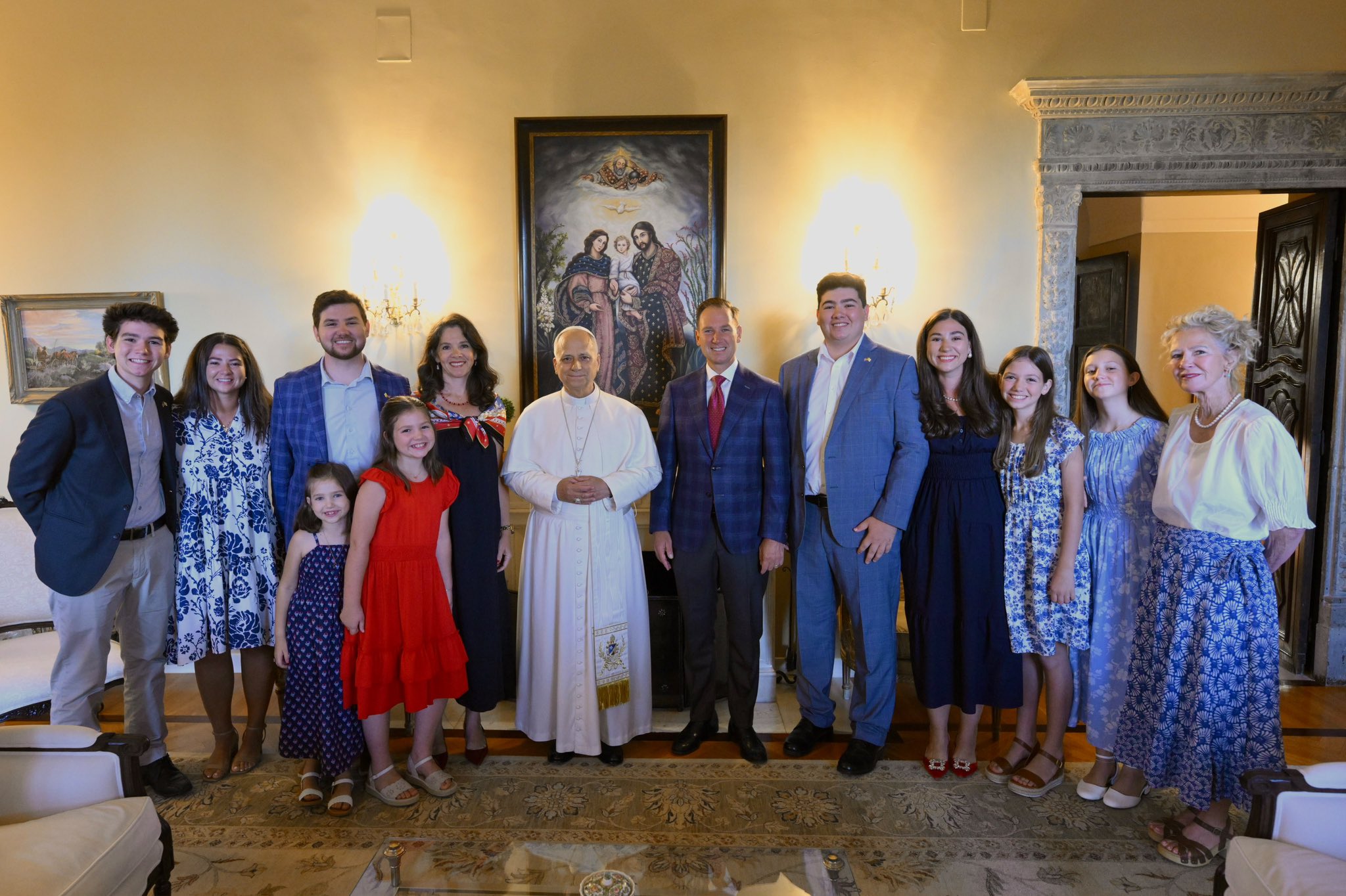
The Holy Father addressed pilgrims at the close of the 2026 National Eucharistic Pilgrimage, which concluded in Philadelphia on July 5.
Read More
New TV series spotlights Church’s response to addiction crisis #Catholic – On Saturday, July 11, Shalom World TV, a global Catholic network, will release “Unshackled,” a first-of-its-kind 12-episode TV series aimed at promoting hope and healing for people suffering from various addictions — and those who love and treat them — by showcasing stories of addiction and recovery through video-on-demand.
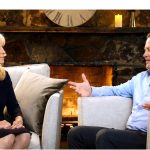
More than a year in production, “Unshackled” gives people with an addiction, addiction specialists, and spiritual leaders a platform to tell their stories. The series also highlights how the Catholic Church has stepped up to respond to the addiction crisis — and how the faithful can get involved. The show was taped last summer at the Shrine of St. Joseph in the Stirling neighborhood of Long Hill Township, N.J., in the Paterson Diocese.
The 12 episodes will be released on the streaming platform at https://shalomworld.org for viewers to watch as they wish. In September, the 30-minute episodes will begin airing individually on the TV network.

Click here to subscribe to our weekly newsletter.

Keaton Douglas, founder and executive director of the iTHIRST initiative, an acronym for “The Healing Initiative: Recovery, Spirituality and Twelve Steps,” hosted and helped develop the program. She founded iTHIRST in the Paterson Diocese of New Jersey.
iTHIRST equips the body of Christ — clergy, religious, and laity — to understand and minister to people who are addicted. It is a ministry of the Missionary Servants of the Most Holy Trinity at the Shrine. People can be addicted to many things, including drugs, alcohol, pornography, gambling, sex, or electronic devices.
“‘Unshackled’ gives a global reach to stories that offer people who are addicted hope for healing in three critical ways: in mind, body — and also spiritual, which is the particular goal of iTHIRST,” said Douglas of St. Thomas the Apostle Parish in Sandyston, N.J. “The series shows that the Church has a role to play in the healing of people who are addicted — having unnatural compulsions that keep us from God, others, and ourselves. There are so many resources. We want people to be aware of them,” she said.
iTHIRST partners with Seton Hall University to offer this Spiritual Companionship training year-round through the school’s Division of Continuing Education and Professional Studies. More than 1,400 certified iTHIRST Spiritual Companions now minister in 13 nations, including seven African countries, where the program is bringing faith and recovery to traditionally under-resourced communities.
One guest on “Unshackled” is James Manieri of New Jersey, who climbed out of a 15-year drug addiction with treatment. Today, he is a nationally certified peer recovery specialist.
“I was rescued by prayer and determination. I’m grateful to be alive. Today, I have the opportunity to help rescue people who need to be rescued because I’ve been rescued,” Manieri said.
BeaconNJ.org will publish the dates and times when individual episodes of “Unshackled” will air in the fall of 2026 on the ShalomWorld TV network, as they become available.
 

New TV series spotlights Church’s response to addiction crisis #Catholic – On Saturday, July 11, Shalom World TV, a global Catholic network, will release “Unshackled,” a first-of-its-kind 12-episode TV series aimed at promoting hope and healing for people suffering from various addictions — and those who love and treat them — by showcasing stories of addiction and recovery through video-on-demand. More than a year in production, “Unshackled” gives people with an addiction, addiction specialists, and spiritual leaders a platform to tell their stories. The series also highlights how the Catholic Church has stepped up to respond to the addiction crisis — and how the faithful can get involved. The show was taped last summer at the Shrine of St. Joseph in the Stirling neighborhood of Long Hill Township, N.J., in the Paterson Diocese. The 12 episodes will be released on the streaming platform at https://shalomworld.org for viewers to watch as they wish. In September, the 30-minute episodes will begin airing individually on the TV network. Click here to subscribe to our weekly newsletter. Keaton Douglas, founder and executive director of the iTHIRST initiative, an acronym for “The Healing Initiative: Recovery, Spirituality and Twelve Steps,” hosted and helped develop the program. She founded iTHIRST in the Paterson Diocese of New Jersey. iTHIRST equips the body of Christ — clergy, religious, and laity — to understand and minister to people who are addicted. It is a ministry of the Missionary Servants of the Most Holy Trinity at the Shrine. People can be addicted to many things, including drugs, alcohol, pornography, gambling, sex, or electronic devices. “‘Unshackled’ gives a global reach to stories that offer people who are addicted hope for healing in three critical ways: in mind, body — and also spiritual, which is the particular goal of iTHIRST,” said Douglas of St. Thomas the Apostle Parish in Sandyston, N.J. “The series shows that the Church has a role to play in the healing of people who are addicted — having unnatural compulsions that keep us from God, others, and ourselves. There are so many resources. We want people to be aware of them,” she said. iTHIRST partners with Seton Hall University to offer this Spiritual Companionship training year-round through the school’s Division of Continuing Education and Professional Studies. More than 1,400 certified iTHIRST Spiritual Companions now minister in 13 nations, including seven African countries, where the program is bringing faith and recovery to traditionally under-resourced communities. One guest on “Unshackled” is James Manieri of New Jersey, who climbed out of a 15-year drug addiction with treatment. Today, he is a nationally certified peer recovery specialist. “I was rescued by prayer and determination. I’m grateful to be alive. Today, I have the opportunity to help rescue people who need to be rescued because I’ve been rescued,” Manieri said. BeaconNJ.org will publish the dates and times when individual episodes of “Unshackled” will air in the fall of 2026 on the ShalomWorld TV network, as they become available.  

New TV series spotlights Church’s response to addiction crisis #Catholic –

On Saturday, July 11, Shalom World TV, a global Catholic network, will release “Unshackled,” a first-of-its-kind 12-episode TV series aimed at promoting hope and healing for people suffering from various addictions — and those who love and treat them — by showcasing stories of addiction and recovery through video-on-demand.

More than a year in production, “Unshackled” gives people with an addiction, addiction specialists, and spiritual leaders a platform to tell their stories. The series also highlights how the Catholic Church has stepped up to respond to the addiction crisis — and how the faithful can get involved. The show was taped last summer at the Shrine of St. Joseph in the Stirling neighborhood of Long Hill Township, N.J., in the Paterson Diocese.

The 12 episodes will be released on the streaming platform at https://shalomworld.org for viewers to watch as they wish. In September, the 30-minute episodes will begin airing individually on the TV network.


Click here to subscribe to our weekly newsletter.

Keaton Douglas, founder and executive director of the iTHIRST initiative, an acronym for “The Healing Initiative: Recovery, Spirituality and Twelve Steps,” hosted and helped develop the program. She founded iTHIRST in the Paterson Diocese of New Jersey.

iTHIRST equips the body of Christ — clergy, religious, and laity — to understand and minister to people who are addicted. It is a ministry of the Missionary Servants of the Most Holy Trinity at the Shrine. People can be addicted to many things, including drugs, alcohol, pornography, gambling, sex, or electronic devices.

“‘Unshackled’ gives a global reach to stories that offer people who are addicted hope for healing in three critical ways: in mind, body — and also spiritual, which is the particular goal of iTHIRST,” said Douglas of St. Thomas the Apostle Parish in Sandyston, N.J. “The series shows that the Church has a role to play in the healing of people who are addicted — having unnatural compulsions that keep us from God, others, and ourselves. There are so many resources. We want people to be aware of them,” she said.

iTHIRST partners with Seton Hall University to offer this Spiritual Companionship training year-round through the school’s Division of Continuing Education and Professional Studies. More than 1,400 certified iTHIRST Spiritual Companions now minister in 13 nations, including seven African countries, where the program is bringing faith and recovery to traditionally under-resourced communities.

One guest on “Unshackled” is James Manieri of New Jersey, who climbed out of a 15-year drug addiction with treatment. Today, he is a nationally certified peer recovery specialist.

“I was rescued by prayer and determination. I’m grateful to be alive. Today, I have the opportunity to help rescue people who need to be rescued because I’ve been rescued,” Manieri said.

BeaconNJ.org will publish the dates and times when individual episodes of “Unshackled” will air in the fall of 2026 on the ShalomWorld TV network, as they become available.


On Saturday, July 11, Shalom World TV, a global Catholic network, will release “Unshackled,” a first-of-its-kind 12-episode TV series aimed at promoting hope and healing for people suffering from various addictions — and those who love and treat them — by showcasing stories of addiction and recovery through video-on-demand. More than a year in production, “Unshackled” gives people with an addiction, addiction specialists, and spiritual leaders a platform to tell their stories. The series also highlights how the Catholic Church has stepped up to respond to the addiction crisis — and how the faithful can get involved. The show was
Read More
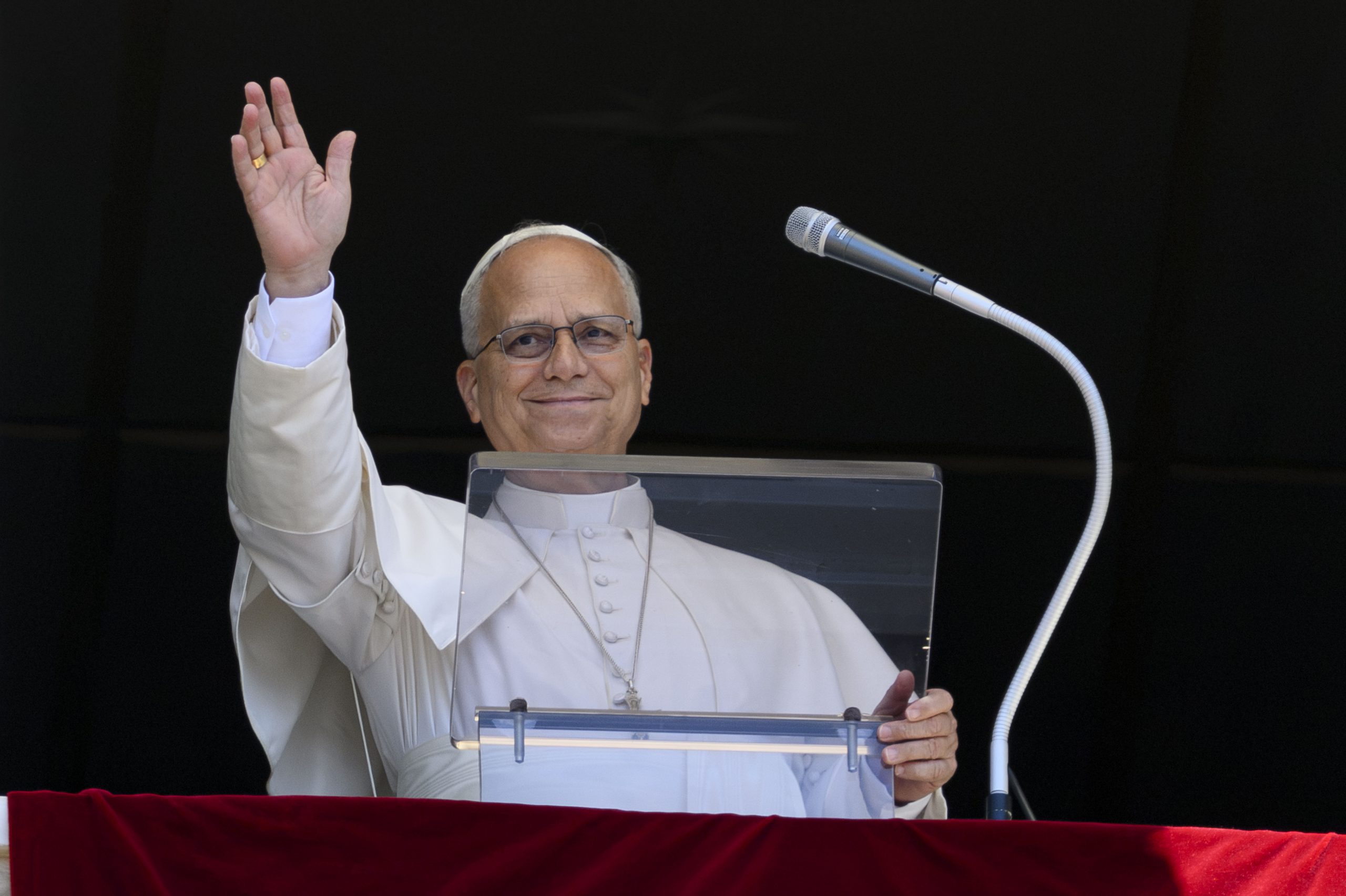
Pope Leo XIV says Christ is hope amid the scourge of war – #Catholic – VATICAN CITY — Pope Leo XIV on Sunday said Christ remains the Church’s hope amid war, slavery, sin, and the wounds of history, urging Christians to learn from Jesus a “school of freedom” rooted in the cross.Speaking at the July 5 Angelus in a sunny and hot St. Peter’s Square, the pope reflected on the day’s Gospel, Matthew 11:25–30, in which Jesus praises the Father, “Lord of heaven and earth.”“The Son of God made man reveals his love by including all creatures in this act of thanksgiving,” Pope Leo XIV said.The pope said the Gospel reveals God’s preference for the humble and the small.“The simplicity of such a spontaneous and joyful gesture reflects God’s way of acting: he delights in revealing himself ‘to infants,’ while remaining hidden ‘from the wise and the intelligent,’” he said.Those who are “filled” with their own ideas, the pope said, fail to recognize Christ.“Human wisdom thus becomes arrogance, and doctrine degenerates into pride,” he said. “By contrast, God’s true wisdom is revealed in the humility of the Incarnation, and his teaching is addressed above all to those who struggle: ‘Come to me, all you that are weary and are carrying heavy burdens,’ says the Lord.”Pope Leo XIV said going to Jesus “means responding to his love and sharing in his life, even to the cross.”“How can the weight of the cross be ‘easy’ and ‘light’?” the pope asked. “For one reason alone: because the Lord himself carries it with us, never leaving us alone in what burdens us.”The pope said Christ takes upon himself “humanity wounded by evil in order to heal and care for it.”“For this reason, our journey of following Christ is not an asceticism that mortifies,” he continued. “Rather, it is a school of freedom that takes seriously the drama of history and continually sheds light on its meaning, especially in its darkest moments.”“Indeed, only in the cross of Jesus is evil overcome; only in his passion does our mortal weariness find consolation and redemption,” he said.The pope then pointed to Christ as the answer to the world’s deepest suffering.“In slavery, Christ is liberation. Amid the scourge of war, Christ is hope. In the hour of sin, Christ is forgiveness,” Pope Leo XIV said. “This is true wisdom and the path that we wish to walk together, united as disciples in his name.”After the Angelus, the pope recalled the July 2 beatification of Father Francis Xavier Tru’o’ng Bǚu Diêp at the Shrine of Tac Say in Vietnam. The Vietnamese diocesan priest was killed in 1946 in hatred of the faith.“Amid oppression and violence, he defended the rights of the people and did not abandon his parishioners,” the pope said. “May his intercession and prayers strengthen all those who proclaim the Gospel in situations of persecution today.”Pope Leo XIV also greeted pilgrims from Brazil and the Choir of the University of Mérida in Venezuela, and renewed his prayers for the Venezuelan people.“I continue to remember in my prayers the victims of the earthquake and all the Venezuelan people,” he said. “May the Lord sustain them in this time of great hardship.”The Angelus came shortly before the Prefecture of the Papal Household announced that Pope Leo XIV would transfer Sunday afternoon to the Apostolic Palace of Castel Gandolfo for a period of rest until Monday, July 27.During that period, all general, private, and special audiences will be suspended. General audiences will resume Wednesday, Aug. 5.The Prefecture of the Papal Household also said the Sunday Angelus prayers during July will be prayed in Piazza della Libertà in Castel Gandolfo.This story was first published by ACI Stampa, the Italian-language sister service of EWTN News. It has been translated and adapted by EWTN News English.

Pope Leo XIV says Christ is hope amid the scourge of war – #Catholic – VATICAN CITY — Pope Leo XIV on Sunday said Christ remains the Church’s hope amid war, slavery, sin, and the wounds of history, urging Christians to learn from Jesus a “school of freedom” rooted in the cross.Speaking at the July 5 Angelus in a sunny and hot St. Peter’s Square, the pope reflected on the day’s Gospel, Matthew 11:25–30, in which Jesus praises the Father, “Lord of heaven and earth.”“The Son of God made man reveals his love by including all creatures in this act of thanksgiving,” Pope Leo XIV said.The pope said the Gospel reveals God’s preference for the humble and the small.“The simplicity of such a spontaneous and joyful gesture reflects God’s way of acting: he delights in revealing himself ‘to infants,’ while remaining hidden ‘from the wise and the intelligent,’” he said.Those who are “filled” with their own ideas, the pope said, fail to recognize Christ.“Human wisdom thus becomes arrogance, and doctrine degenerates into pride,” he said. “By contrast, God’s true wisdom is revealed in the humility of the Incarnation, and his teaching is addressed above all to those who struggle: ‘Come to me, all you that are weary and are carrying heavy burdens,’ says the Lord.”Pope Leo XIV said going to Jesus “means responding to his love and sharing in his life, even to the cross.”“How can the weight of the cross be ‘easy’ and ‘light’?” the pope asked. “For one reason alone: because the Lord himself carries it with us, never leaving us alone in what burdens us.”The pope said Christ takes upon himself “humanity wounded by evil in order to heal and care for it.”“For this reason, our journey of following Christ is not an asceticism that mortifies,” he continued. “Rather, it is a school of freedom that takes seriously the drama of history and continually sheds light on its meaning, especially in its darkest moments.”“Indeed, only in the cross of Jesus is evil overcome; only in his passion does our mortal weariness find consolation and redemption,” he said.The pope then pointed to Christ as the answer to the world’s deepest suffering.“In slavery, Christ is liberation. Amid the scourge of war, Christ is hope. In the hour of sin, Christ is forgiveness,” Pope Leo XIV said. “This is true wisdom and the path that we wish to walk together, united as disciples in his name.”After the Angelus, the pope recalled the July 2 beatification of Father Francis Xavier Tru’o’ng Bǚu Diêp at the Shrine of Tac Say in Vietnam. The Vietnamese diocesan priest was killed in 1946 in hatred of the faith.“Amid oppression and violence, he defended the rights of the people and did not abandon his parishioners,” the pope said. “May his intercession and prayers strengthen all those who proclaim the Gospel in situations of persecution today.”Pope Leo XIV also greeted pilgrims from Brazil and the Choir of the University of Mérida in Venezuela, and renewed his prayers for the Venezuelan people.“I continue to remember in my prayers the victims of the earthquake and all the Venezuelan people,” he said. “May the Lord sustain them in this time of great hardship.”The Angelus came shortly before the Prefecture of the Papal Household announced that Pope Leo XIV would transfer Sunday afternoon to the Apostolic Palace of Castel Gandolfo for a period of rest until Monday, July 27.During that period, all general, private, and special audiences will be suspended. General audiences will resume Wednesday, Aug. 5.The Prefecture of the Papal Household also said the Sunday Angelus prayers during July will be prayed in Piazza della Libertà in Castel Gandolfo.This story was first published by ACI Stampa, the Italian-language sister service of EWTN News. It has been translated and adapted by EWTN News English.

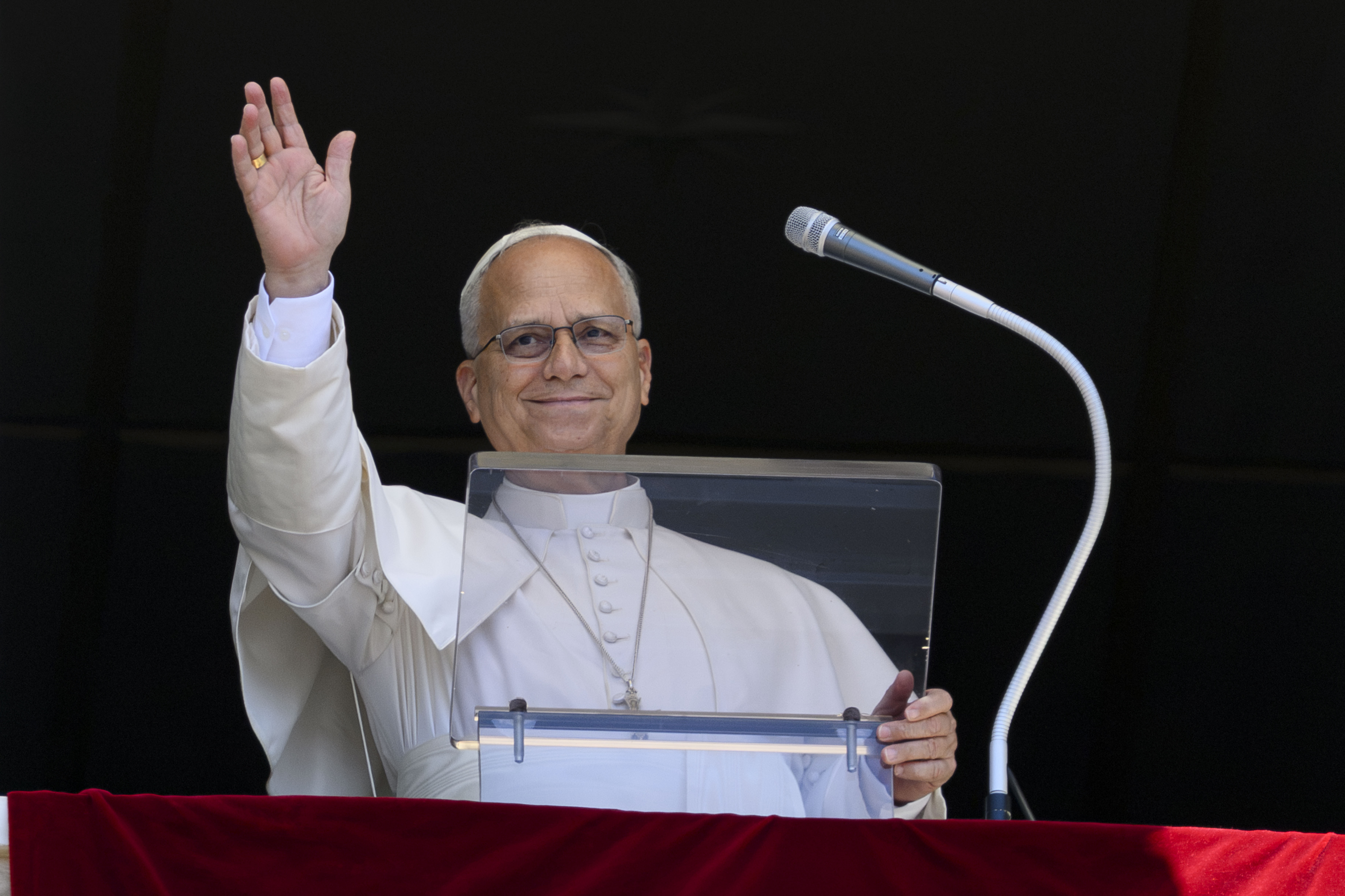
The pontiff prayed the Angelus in St. Peter’s Square before traveling to Castel Gandolfo for three weeks of vacation.
Read More
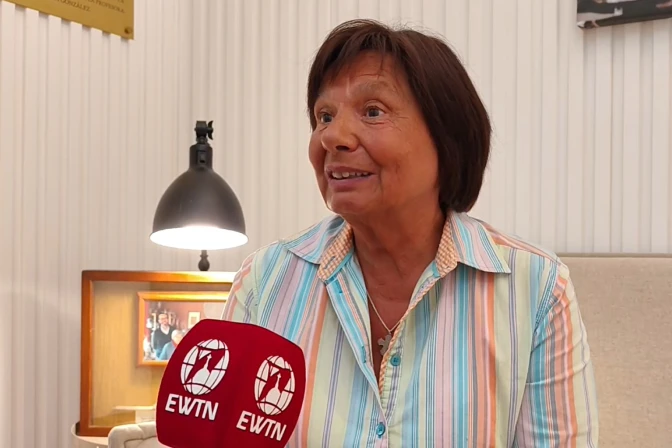
‘Thanks to John Paul II, my father always kept hope alive,’ Jérôme Lejeune’s daughter says – #Catholic – On June 22, Pope Leo XIV received members of the Lejeune Foundation in an audience marking the centenary of the birth of Jérôme Lejeune, the physician who discovered the cause of Down syndrome. He maintained a close relationship with St. John Paul II, who appointed him the first president of the Pontifical Academy for Life in 1994.Karin Lejeune, his daughter, told ACI Prensa, the Spanish-language sister service of EWTN News, that her father’s friendship with the Polish pontiff was key to maintaining hope during the most difficult moments of his life.“It’s important to know that my father went through a real Calvary after the [French] abortion law was passed. He was ostracized by society and, I dare say, by the Church in France; the scientific community, and the entire French ‘political correctness’ establishment,” she said.“They even withdrew research funding for his laboratory. So, it was a truly difficult time. And thanks to that friendship, I believe he held on, that he always kept hope alive,” she added.“These two men shared a common desire to serve the poorest, those whom my father called the most disadvantaged in terms of intellect, namely, children with intellectual disabilities,” Karin noted.The friendship was marked by the assassination attempt on the Holy Father in St. Peterʼs Square on May 13, 1981, just hours after the two men had lunched together at the Vatican.“They spent two hours talking about respect for life, about support precisely for those poor, the disadvantaged. And at the end of those two hours, the pope said: ‘Now I have to go down to St. Peterʼs Square.’ So my parents took a taxi to go to the airport and, when they got off the plane, the taxi driver who was taking them to our house on Galande Street told them: ‘They have murdered the pope, he has died,’” Karin recounted.At home, everyone wept as they waited anxiously, Jérôme Lejeune among them.“We were all crying. My father was pale. We kept watching television for a while, clinging to the faint hope that he would undergo surgery. And at that moment, my father said, ‘I wish it were me,’" Karin recalled of the tragic moment.That same afternoon, her father fell ill after giving a lecture. “We used to tell Dad: ‘That’s actually what empathy is — suffering with … In fact, love and friendship are just that: suffering alongside the person who is suffering.’”‘What I remember most is his gaze’Jérôme Lejeune, a father of five, passed away from cancer in April 1994 at the age of 67. His cause for canonization was opened in 2007, with the diocesan phase concluding in 2012. In January 2024, Pope Francis approved the decree recognizing his heroic virtues and declared him venerable.Karin described her father beyond his persona as a scientist and one of the pioneers of modern genetics, internationally recognized with numerous honorary doctorates: “He was a very tender, very understanding father, and above all, he always looked at us with an extraordinary gaze. And when I picture him today, what I remember most is his look. It was always a kind gaze.”When he was interrupted, she recalled, “he was always available. I never heard him say, ‘Wait, Karin, Iʼm writing a letter.’ No, he would drop everything, push it all aside instantly, whatever he was doing, to be at our disposal.”Together with his Danish-born wife, Birthe, they created a home characterized by its welcoming atmosphere: “At home, the door was always open; you could arrive with 10 friends or come back, I donʼt know, from a lecture or a pilgrimage. We would go home to get something to drink. In fact, we didnʼt go to a bar. The ‘bar’ for all our friends was at 31 Rue Galande in the French capitalʼs Fifth Arrondissement.”This story was first published by ACI Prensa, the Spanish-language sister service of EWTN News. It has been translated and adapted by EWTN News English.

‘Thanks to John Paul II, my father always kept hope alive,’ Jérôme Lejeune’s daughter says – #Catholic – On June 22, Pope Leo XIV received members of the Lejeune Foundation in an audience marking the centenary of the birth of Jérôme Lejeune, the physician who discovered the cause of Down syndrome. He maintained a close relationship with St. John Paul II, who appointed him the first president of the Pontifical Academy for Life in 1994.Karin Lejeune, his daughter, told ACI Prensa, the Spanish-language sister service of EWTN News, that her father’s friendship with the Polish pontiff was key to maintaining hope during the most difficult moments of his life.“It’s important to know that my father went through a real Calvary after the [French] abortion law was passed. He was ostracized by society and, I dare say, by the Church in France; the scientific community, and the entire French ‘political correctness’ establishment,” she said.“They even withdrew research funding for his laboratory. So, it was a truly difficult time. And thanks to that friendship, I believe he held on, that he always kept hope alive,” she added.“These two men shared a common desire to serve the poorest, those whom my father called the most disadvantaged in terms of intellect, namely, children with intellectual disabilities,” Karin noted.The friendship was marked by the assassination attempt on the Holy Father in St. Peterʼs Square on May 13, 1981, just hours after the two men had lunched together at the Vatican.“They spent two hours talking about respect for life, about support precisely for those poor, the disadvantaged. And at the end of those two hours, the pope said: ‘Now I have to go down to St. Peterʼs Square.’ So my parents took a taxi to go to the airport and, when they got off the plane, the taxi driver who was taking them to our house on Galande Street told them: ‘They have murdered the pope, he has died,’” Karin recounted.At home, everyone wept as they waited anxiously, Jérôme Lejeune among them.“We were all crying. My father was pale. We kept watching television for a while, clinging to the faint hope that he would undergo surgery. And at that moment, my father said, ‘I wish it were me,’" Karin recalled of the tragic moment.That same afternoon, her father fell ill after giving a lecture. “We used to tell Dad: ‘That’s actually what empathy is — suffering with … In fact, love and friendship are just that: suffering alongside the person who is suffering.’”‘What I remember most is his gaze’Jérôme Lejeune, a father of five, passed away from cancer in April 1994 at the age of 67. His cause for canonization was opened in 2007, with the diocesan phase concluding in 2012. In January 2024, Pope Francis approved the decree recognizing his heroic virtues and declared him venerable.Karin described her father beyond his persona as a scientist and one of the pioneers of modern genetics, internationally recognized with numerous honorary doctorates: “He was a very tender, very understanding father, and above all, he always looked at us with an extraordinary gaze. And when I picture him today, what I remember most is his look. It was always a kind gaze.”When he was interrupted, she recalled, “he was always available. I never heard him say, ‘Wait, Karin, Iʼm writing a letter.’ No, he would drop everything, push it all aside instantly, whatever he was doing, to be at our disposal.”Together with his Danish-born wife, Birthe, they created a home characterized by its welcoming atmosphere: “At home, the door was always open; you could arrive with 10 friends or come back, I donʼt know, from a lecture or a pilgrimage. We would go home to get something to drink. In fact, we didnʼt go to a bar. The ‘bar’ for all our friends was at 31 Rue Galande in the French capitalʼs Fifth Arrondissement.”This story was first published by ACI Prensa, the Spanish-language sister service of EWTN News. It has been translated and adapted by EWTN News English.

Lejeune and John Paul II were united in friendship and in defending the right to life, especially of those with intellectual disabilities.
Read More