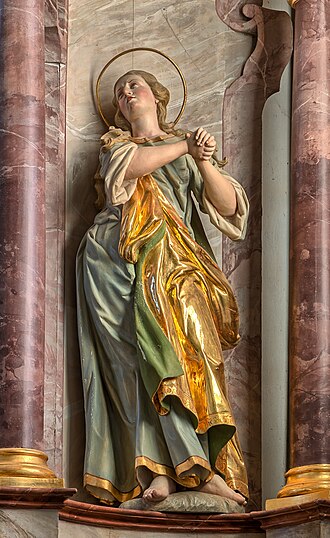
Day: July 30, 2026

Gospel and Word of the Day – 31 July 2026 – A reading from the Book of Jeremiah 26:1-9 In the beginning of the reign of Jehoiakim, son of Josiah, king of Judah, this message came from the LORD:   Thus says the LORD: Stand in the court of the house of the LORD and speak to the people of all the cities of Judah who come to worship in the house of the LORD; whatever I command you, tell them, and omit nothing. Perhaps they will listen and turn back,  each from his evil way, so that I may repent of the evil I have planned to inflict upon them for their evil deeds. Say to them:  Thus says the LORD:  If you disobey me, not living according to the law I placed before you and not listening to the words of my servants the prophets, whom I send you constantly though you do not obey them, I will treat this house like Shiloh, and make this the city to which all the nations of the earth shall refer when cursing another.Now the priests, the prophets, and all the people heard Jeremiah speak these words in the house of the LORD. When Jeremiah finished speaking all that the LORD bade him speak to all the people, the priests and prophets laid hold of him, crying, “You must be put to death!  Why do you prophesy in the name of the LORD: ‘This house shall be like Shiloh,’ and ‘This city shall be desolate and deserted’?” And all the people gathered about Jeremiah in the house of the LORD.From the Gospel according to Matthew 13:54-58 Jesus came to his native place and taught the people in their synagogue. They were astonished and said, “Where did this man get such wisdom and mighty deeds? Is he not the carpenter’s son? Is not his mother named Mary and his brothers James, Joseph, Simon, and Judas? Are not his sisters all with us? Where did this man get all this?” And they took offense at him. But Jesus said to them, “A prophet is not without honor except in his native place and in his own house.” And he did not work many mighty deeds there because of their lack of faith.In today’s liturgy, the Gospel recounts Jesus’ first sermon in his home town, Nazareth. The outcome is bitter: instead of receiving approval, Jesus finds incomprehension and even hostility. His fellow villagers wanted miracles and prodigious signs rather than a word of truth. The Lord does not perform them and they reject him, because they say they already knew him as a child: he is Joseph’s son, and so on. Jesus therefore utters a phrase that has become proverbial: “No prophet is acceptable in his own country”. These words reveal that Jesus’ failure was not entirely unexpected. He knew his people, he knew the heart of his people, he knew the risk he was running. He took rejection into account. And, so, we may ask ourselves: but if it was like this, if he foresaw a failure, why did he go to his home town all the same? Why do good to people who are not willing to accept you? It is a question that we too often ask ourselves. But it is a question that helps us understand God better. Faced with our closures, he does not withdraw: he does not put brakes on his love. Faced with our closures, he goes forward. We see a reflection of this in parents who are aware of the ingratitude of their children, but do not stop loving them and doing good to them, because of this. God is the same, but at a much higher level. And today he invites us too to believe in good, to leave no stone unturned in doing good. (Pope Francis, Angelus, 30 January 2022)

A reading from the Book of Jeremiah
26:1-9

In the beginning of the reign of Jehoiakim,
son of Josiah, king of Judah,
this message came from the LORD:  
Thus says the LORD:
Stand in the court of the house of the LORD
and speak to the people of all the cities of Judah
who come to worship in the house of the LORD;
whatever I command you, tell them, and omit nothing.
Perhaps they will listen and turn back, 
each from his evil way,
so that I may repent of the evil I have planned to inflict upon them
for their evil deeds.
Say to them:  Thus says the LORD: 
If you disobey me,
not living according to the law I placed before you
and not listening to the words of my servants the prophets,
whom I send you constantly though you do not obey them,
I will treat this house like Shiloh,
and make this the city to which all the nations of the earth
shall refer when cursing another.Now the priests, the prophets, and all the people
heard Jeremiah speak these words in the house of the LORD.
When Jeremiah finished speaking
all that the LORD bade him speak to all the people,
the priests and prophets laid hold of him, crying,
“You must be put to death! 
Why do you prophesy in the name of the LORD:
‘This house shall be like Shiloh,’ and
‘This city shall be desolate and deserted’?”
And all the people gathered about Jeremiah in the house of the LORD.

From the Gospel according to Matthew
13:54-58

Jesus came to his native place and taught the people in their synagogue.
They were astonished and said,
“Where did this man get such wisdom and mighty deeds?
Is he not the carpenter’s son?
Is not his mother named Mary
and his brothers James, Joseph, Simon, and Judas?
Are not his sisters all with us?
Where did this man get all this?”
And they took offense at him.
But Jesus said to them,
“A prophet is not without honor except in his native place
and in his own house.”
And he did not work many mighty deeds there
because of their lack of faith.

In today’s liturgy, the Gospel recounts Jesus’ first sermon in his home town, Nazareth. The outcome is bitter: instead of receiving approval, Jesus finds incomprehension and even hostility. His fellow villagers wanted miracles and prodigious signs rather than a word of truth. The Lord does not perform them and they reject him, because they say they already knew him as a child: he is Joseph’s son, and so on. Jesus therefore utters a phrase that has become proverbial: “No prophet is acceptable in his own country”. These words reveal that Jesus’ failure was not entirely unexpected. He knew his people, he knew the heart of his people, he knew the risk he was running. He took rejection into account. And, so, we may ask ourselves: but if it was like this, if he foresaw a failure, why did he go to his home town all the same? Why do good to people who are not willing to accept you? It is a question that we too often ask ourselves. But it is a question that helps us understand God better. Faced with our closures, he does not withdraw: he does not put brakes on his love. Faced with our closures, he goes forward. We see a reflection of this in parents who are aware of the ingratitude of their children, but do not stop loving them and doing good to them, because of this. God is the same, but at a much higher level. And today he invites us too to believe in good, to leave no stone unturned in doing good. (Pope Francis, Angelus, 30 January 2022)

Read More
Israeli strike damages Christian-run hospital in Gaza, Catholic aid group says #Catholic Israeli airstrikes on an apartment building adjacent to the Al-Ahli Arab Hospital in Gaza City damaged the hospital on the evening of July 29, blowing out windows and doors, and frightening patients and medical staff, according to a report by the Catholic Near East Welfare Association (CNEWA).“The repeated explosions create confusion among medical staff and place additional psychological pressure on patients,” Mousa Ayad, manager at Al-Ahli Arab Hospital, told CNEWA’s Diaa Ostaz.Ayad told CNEWA he could not rule out another airstrike: “This is war, and no one knows where the next danger will be. But given the hospital’s humanitarian and medical role, we do not believe that the hospital is the intended target.”According to CNEWA, Mahmoud Basal, spokesman for Gaza’s Civil Defense, said emergency response crews were not able to immediately reach the struck building, which is beside the hospital and a shelter for displaced people, because responders feared a second strike.“The fire burned for more than 15 minutes before our crews could move in,” he said, according to CNEWA. “We continue to work with severe shortages of firefighting vehicles, water tankers and fuel, making every emergency response more difficult.”CNEWA reported that, according to Gaza’s Ministry of Health, nearly 1,200 Palestinians have been killed and another 3,900 injured since the ceasefire took effect in October 2025.Ayad told CNEWA that despite the ceasefire, Gaza’s health sector is still in dire circumstances.“The situation has not improved significantly. Hospitals continue to face shortages of medical supplies, equipment and essential consumables,” he said. “Thousands of patients remain on waiting lists for surgery, while many others still need to travel outside Gaza for specialized treatment.”Last year, he told CNEWA that the hospital was operating at 350% capacity and a total evacuation would be “a major humanitarian challenge.”This is not the first time the hospital has been struck.On Oct. 17, 2023, an airstrike on the hospital killed 500 people and injured many others. More than 5,000 people were sheltering at the hospital at the time, reported Joseph Hazboun, regional director for CNEWA’s Jerusalem office.Then, in June 2025 airstrikes, six people, including four journalists, were killed and 30 others were injured.Three months later, Israel Defense Forces killed one person and injured several others after it launched a missile that landed in the hospital’s courtyard, according to CNEWA.The Catholic aid group has long supported Al-Ahli Arab Hospital, and since January 2025, it has partnered with the hospital to provide urgent medical services.Pope Pius XI founded CNEWA in 1926 as “an instrument of love and a sign of hope for those in need scattered throughout the historic but unstable lands of the ancient Eastern churches — the Middle East, Northeast Africa, India and Eastern Europe,” according to the group’s website.

Israeli strike damages Christian-run hospital in Gaza, Catholic aid group says #Catholic Israeli airstrikes on an apartment building adjacent to the Al-Ahli Arab Hospital in Gaza City damaged the hospital on the evening of July 29, blowing out windows and doors, and frightening patients and medical staff, according to a report by the Catholic Near East Welfare Association (CNEWA).“The repeated explosions create confusion among medical staff and place additional psychological pressure on patients,” Mousa Ayad, manager at Al-Ahli Arab Hospital, told CNEWA’s Diaa Ostaz.Ayad told CNEWA he could not rule out another airstrike: “This is war, and no one knows where the next danger will be. But given the hospital’s humanitarian and medical role, we do not believe that the hospital is the intended target.”According to CNEWA, Mahmoud Basal, spokesman for Gaza’s Civil Defense, said emergency response crews were not able to immediately reach the struck building, which is beside the hospital and a shelter for displaced people, because responders feared a second strike.“The fire burned for more than 15 minutes before our crews could move in,” he said, according to CNEWA. “We continue to work with severe shortages of firefighting vehicles, water tankers and fuel, making every emergency response more difficult.”CNEWA reported that, according to Gaza’s Ministry of Health, nearly 1,200 Palestinians have been killed and another 3,900 injured since the ceasefire took effect in October 2025.Ayad told CNEWA that despite the ceasefire, Gaza’s health sector is still in dire circumstances.“The situation has not improved significantly. Hospitals continue to face shortages of medical supplies, equipment and essential consumables,” he said. “Thousands of patients remain on waiting lists for surgery, while many others still need to travel outside Gaza for specialized treatment.”Last year, he told CNEWA that the hospital was operating at 350% capacity and a total evacuation would be “a major humanitarian challenge.”This is not the first time the hospital has been struck.On Oct. 17, 2023, an airstrike on the hospital killed 500 people and injured many others. More than 5,000 people were sheltering at the hospital at the time, reported Joseph Hazboun, regional director for CNEWA’s Jerusalem office.Then, in June 2025 airstrikes, six people, including four journalists, were killed and 30 others were injured.Three months later, Israel Defense Forces killed one person and injured several others after it launched a missile that landed in the hospital’s courtyard, according to CNEWA.The Catholic aid group has long supported Al-Ahli Arab Hospital, and since January 2025, it has partnered with the hospital to provide urgent medical services.Pope Pius XI founded CNEWA in 1926 as “an instrument of love and a sign of hope for those in need scattered throughout the historic but unstable lands of the ancient Eastern churches — the Middle East, Northeast Africa, India and Eastern Europe,” according to the group’s website.

The Catholic Near East Welfare Association (CNEWA) reported emergency response crews were not able to immediately reach the struck building because responders feared a second strike.

Read More
Church in Venezuela to ‘remain at the side of the suffering’ following earthquakes #Catholic One month after the devastating earthquakes in Venezuela, the Catholic Church is focused on “remaining at the side of the suffering,” according to Father Ricardo Guillén, episcopal vicar for pastoral ministry of the Archdiocese of Caracas.In an interview with the archdiocesan press office, the priest explained how “physical presence, active listening, and organized charity” have been the cornerstones of the Church’s response to the tragedy, which claimed the lives of thousands of people and severely affected tens of thousands more.“Our immediate priority was to be present where the suffering was most acute; we showed up and shared close up with the vulnerability of our people,” he said.From the very first hours following the earthquakes, he continued, the Church understood that this accompaniment “could not take place from a distance” but rather “required being physically present in the places of greatest uncertainty to support those who had lost everything.”“For this reason, we deployed directly to the areas most critical to the emergency,” he added. Consecrated personnel and lay volunteers assessed the scale of the disaster, offering special support to people at the morgues “to embrace and share in the families’ painful silence” and bringing the comfort of the sacraments.“In each of those places, our mission was simply to be present, to listen, and not to leave anyone alone,” Guillén added.‘God never abandons us’After highlighting “the profound vocation of service and solidarity,” which he said especially characterizes the new generations of Venezuelans and which enabled the enormous logistical response to the emergency, the episcopal vicar noted that it is precisely “in closeness and compassion” that God’s presence is revealed amid so much pain.Beyond providing material aid, the Catholic Church’s “fundamental mission” was to “be a living presence of the Lord and sustain the faith where suffering was the greatest,” regardless of the difficulties posed by the earthquakes. Thus, the Church “had to take to the streets,” transforming plazas, parks, and sports fields into “open-air altars” for religious services and encouraging the most popular devotions in Caracas and La Guaira.“One of the most moving services was accompanying people in their grief,” he said. “We priests were present in morgues, hospitals, and cemeteries in Caracas and La Guaira, supporting those who were suffering, often offering nothing more than a hug, weeping with those who wept, praying together, or maintaining a respectful silence in the face of such immense pain.”“Bringing grace and comfort to places where suffering reigned was living proof that God never abandons us,” he added.What are lessons the earthquakes taught the Church?Guillén emphasized that “the earthquake left deep scars, but it also revealed the immense spiritual and solidarity reserves of our people.”“Far from plunging us into despair, this tragedy becomes an urgent call to make fraternity a permanent way of life, oriented toward the common good and the recognition of every person’s dignity,” he said.He remarked that “true consolation requires neither explanations nor grand speeches,” but rather manifests itself “in quiet presence, in an outstretched hand, in attentive listening that takes in the pain, and in respectful silence that helps heal the wounds of the soul.”The earthquakes “leave us with profound lessons” for the Church in Venezuela and have confronted the entire country with “the urgent need to organize ourselves better in the face of contingencies of this magnitude,” he said. In that sense, he continued, Cáritas must strengthen itself and become “a true network of solidarity capable of reaching even the most remote areas” of Venezuela. “Ultimately, this time confirms for us that the faith lived out is authenticated through charity and tangible dedication to the most vulnerable,” Guillén said.“For this reason, the Church in Caracas reaffirms its unwavering commitment to continue accompanying those affected. We are not pulling out now that the immediate phase of the emergency has ended; we will be there for the long road of rebuilding society and the integral healing of our people’s lives,” he pledged.This story was first published by ACI Prensa, the Spanish-language sister service of EWTN News. It has been translated and adapted by EWTN News English.

Church in Venezuela to ‘remain at the side of the suffering’ following earthquakes #Catholic One month after the devastating earthquakes in Venezuela, the Catholic Church is focused on “remaining at the side of the suffering,” according to Father Ricardo Guillén, episcopal vicar for pastoral ministry of the Archdiocese of Caracas.In an interview with the archdiocesan press office, the priest explained how “physical presence, active listening, and organized charity” have been the cornerstones of the Church’s response to the tragedy, which claimed the lives of thousands of people and severely affected tens of thousands more.“Our immediate priority was to be present where the suffering was most acute; we showed up and shared close up with the vulnerability of our people,” he said.From the very first hours following the earthquakes, he continued, the Church understood that this accompaniment “could not take place from a distance” but rather “required being physically present in the places of greatest uncertainty to support those who had lost everything.”“For this reason, we deployed directly to the areas most critical to the emergency,” he added. Consecrated personnel and lay volunteers assessed the scale of the disaster, offering special support to people at the morgues “to embrace and share in the families’ painful silence” and bringing the comfort of the sacraments.“In each of those places, our mission was simply to be present, to listen, and not to leave anyone alone,” Guillén added.‘God never abandons us’After highlighting “the profound vocation of service and solidarity,” which he said especially characterizes the new generations of Venezuelans and which enabled the enormous logistical response to the emergency, the episcopal vicar noted that it is precisely “in closeness and compassion” that God’s presence is revealed amid so much pain.Beyond providing material aid, the Catholic Church’s “fundamental mission” was to “be a living presence of the Lord and sustain the faith where suffering was the greatest,” regardless of the difficulties posed by the earthquakes. Thus, the Church “had to take to the streets,” transforming plazas, parks, and sports fields into “open-air altars” for religious services and encouraging the most popular devotions in Caracas and La Guaira.“One of the most moving services was accompanying people in their grief,” he said. “We priests were present in morgues, hospitals, and cemeteries in Caracas and La Guaira, supporting those who were suffering, often offering nothing more than a hug, weeping with those who wept, praying together, or maintaining a respectful silence in the face of such immense pain.”“Bringing grace and comfort to places where suffering reigned was living proof that God never abandons us,” he added.What are lessons the earthquakes taught the Church?Guillén emphasized that “the earthquake left deep scars, but it also revealed the immense spiritual and solidarity reserves of our people.”“Far from plunging us into despair, this tragedy becomes an urgent call to make fraternity a permanent way of life, oriented toward the common good and the recognition of every person’s dignity,” he said.He remarked that “true consolation requires neither explanations nor grand speeches,” but rather manifests itself “in quiet presence, in an outstretched hand, in attentive listening that takes in the pain, and in respectful silence that helps heal the wounds of the soul.”The earthquakes “leave us with profound lessons” for the Church in Venezuela and have confronted the entire country with “the urgent need to organize ourselves better in the face of contingencies of this magnitude,” he said. In that sense, he continued, Cáritas must strengthen itself and become “a true network of solidarity capable of reaching even the most remote areas” of Venezuela. “Ultimately, this time confirms for us that the faith lived out is authenticated through charity and tangible dedication to the most vulnerable,” Guillén said.“For this reason, the Church in Caracas reaffirms its unwavering commitment to continue accompanying those affected. We are not pulling out now that the immediate phase of the emergency has ended; we will be there for the long road of rebuilding society and the integral healing of our people’s lives,” he pledged.This story was first published by ACI Prensa, the Spanish-language sister service of EWTN News. It has been translated and adapted by EWTN News English.

While the Church’s response to the earthquakes in Venezuela certainly involved material aid, a major part was simply being present to minister to survivors, offering consolation and the sacraments.

Read More
Beyond The Beacon podcast 115: Opportunities of faith during triennial pilgrimage to Washington, D.C. #Catholic – 

This October, Bishop Kevin J. Sweeney will lead a Marian pilgrimage to the Basilica of the National Shrine of the Immaculate Conception in Washington, D.C. On this episode, Bishop Sweeney and co-host Communications Director Jai Agnish are joined by Father Michael Rodak, diocesan pilgrimage director and pastor of St. Jude the Apostle Parish in Hardyston, to discuss this triennial event hosted by the Diocese of Paterson. In this episode, Father Rodak also interviews Bobby Duke, curator of the Museum of the Bible, a visit offered for the two-day trip option.
Participants can choose a one-day pilgrimage to the basilica on Saturday, Oct. 17, featuring a catechesis on prayer in English and Spanish, recitation of the Divine Mercy Chaplet, Mass with Bishop Sweeney and concelebrating priests, and an opportunity to receive reconciliation. Pilgrims can also choose a two-day trip from Friday, Oct. 16, to Saturday, Oct. 17, which includes a visit to the Museum of the Bible and a banquet dinner with Bishop Sweeney on Oct. 16 before visiting the basilica the next day for the pilgrimage.
Listen to the episode here, or on any major podcast platform, or watch it on Bishop Sweeney’s YouTube channel.

Click here to subscribe to our weekly newsletter.

Beyond The Beacon podcast 115: Opportunities of faith during triennial pilgrimage to Washington, D.C. #Catholic –

This October, Bishop Kevin J. Sweeney will lead a Marian pilgrimage to the Basilica of the National Shrine of the Immaculate Conception in Washington, D.C. On this episode, Bishop Sweeney and co-host Communications Director Jai Agnish are joined by Father Michael Rodak, diocesan pilgrimage director and pastor of St. Jude the Apostle Parish in Hardyston, to discuss this triennial event hosted by the Diocese of Paterson. In this episode, Father Rodak also interviews Bobby Duke, curator of the Museum of the Bible, a visit offered for the two-day trip option.

Participants can choose a one-day pilgrimage to the basilica on Saturday, Oct. 17, featuring a catechesis on prayer in English and Spanish, recitation of the Divine Mercy Chaplet, Mass with Bishop Sweeney and concelebrating priests, and an opportunity to receive reconciliation. Pilgrims can also choose a two-day trip from Friday, Oct. 16, to Saturday, Oct. 17, which includes a visit to the Museum of the Bible and a banquet dinner with Bishop Sweeney on Oct. 16 before visiting the basilica the next day for the pilgrimage.

Listen to the episode here, or on any major podcast platform, or watch it on Bishop Sweeney’s YouTube channel.


Click here to subscribe to our weekly newsletter.

This October, Bishop Kevin J. Sweeney will lead a Marian pilgrimage to the Basilica of the National Shrine of the Immaculate Conception in Washington, D.C. On this episode, Bishop Sweeney and co-host Communications Director Jai Agnish are joined by Father Michael Rodak, diocesan pilgrimage director and pastor of St. Jude the Apostle Parish in Hardyston, to discuss this triennial event hosted by the Diocese of Paterson. In this episode, Father Rodak also interviews Bobby Duke, curator of the Museum of the Bible, a visit offered for the two-day trip option. Participants can choose a one-day pilgrimage to the basilica on

Read More
Ukrainian ambassador says papal visit would give major boost to peace – #Catholic – A potential visit by Pope Leo XIV to Ukraine could make a significant contribution to international efforts to end the war and achieve a lasting peace, Ukraine’s ambassador to the Holy See said.“We are absolutely sure that his possible visit would be a great input into the process of reaching peace there,” Ambassador Andrii Yurash said in an interview with “EWTN Noticias,” the Spanish-language broadcast edition of EWTN News.He said the presence on Ukrainian soil of “probably the most respectable spiritual leader of the world,” carrying “a message of peace” and “a message of justice,” would be “the greatest input into this process.”Yurash spoke after Archbishop Paul Richard Gallagher, the Holy See’s secretary for relations with states and international organizations, said the Vatican was seriously considering the possibility of a papal visit to Ukraine.Gallagher spent six days in the country last week. On July 20, he met in Kyiv with Ukrainian President Volodymyr Zelenskyy, who thanked the Holy See for its continued support for Ukraine amid the war with Russia.“We continuously express our wish to have His Holiness as quick as possible in Ukraine,” Yurash said.The diplomat said expectations among the Ukrainian population for a papal visit were extremely high.“The pope is the most wanted foreign representative in Ukraine,” he said, adding that Ukrainians would like to receive and embrace him and “listen to his messages expressed directly on the Ukrainian land.”Yurash said he was confident the pope understood those expectations.“I hope he is thinking very seriously about that, and I hope he is looking for some really appropriate moment when it can be realized,” he said.Repeated invitationsPope Leo XIV has received several official invitations to visit Ukraine.Yurash said the invitations had been extended at every level since Zelenskyy first met the pope on the day of his inauguration. The Ukrainian president and the pontiff have since held two other meetings, according to the ambassador.The latest invitation came on Good Friday, when Zelenskyy formally asked Pope Leo XIV to make an apostolic visit to the country.During the conversation, the pope expressed his closeness to Ukrainians suffering because of the war and emphasized the urgent need to guarantee humanitarian assistance. He also expressed his hope for an end to hostilities and a just and lasting peace with Russia.Gallagher’s visit was preceded by a second mission to Ukraine by Cardinal Matteo Maria Zuppi, the pope’s special envoy.The archbishop of Bologna recently completed a four-day visit to Lviv and Kyiv, during which he emphasized the exchange of prisoners, the return of Ukrainian children taken to Russia, and the delivery of humanitarian aid.Yurash said the missions demonstrated the Holy See’s commitment to Ukraine.“I think the message is very obvious,” he said.“The message is that His Holiness understands realities of the war in Ukraine, and in this way of sending two very high representatives of the Holy See, he is trying to show that he is supporting Ukraine in general and any attempts to reach, to achieve just peace for Ukraine, as he expressed many, many times,” Yurash said. “So I think the message is absolutely clear.”Ukraine is not aloneThe ambassador also highlighted the moral and spiritual support that he said the Holy See continues to offer Ukraine.“The Holy See shows that Ukraine is not alone, that the Holy See is trying to do everything possible to support spiritually Ukrainian people, to give some hope, to inspire people to be strong,” he said.Yurash said that support was also rooted in the defense of international law and Ukraine’s territorial integrity.“The value of international law is recognized by everybody, and the Holy See always repeatedly speaks that the Holy See supports territorial integrity of Ukraine,” he said.“The Holy See, the whole civilized world, is against the violation of international law,” Yurash continued. “And in this spiritual, Church way, the Holy See expressed one more time this very concrete message for us.”This story was first published by ACI Prensa, the Spanish-language sister service of EWTN News. It has been translated and adapted by EWTN News English.

Ukrainian ambassador says papal visit would give major boost to peace – #Catholic – A potential visit by Pope Leo XIV to Ukraine could make a significant contribution to international efforts to end the war and achieve a lasting peace, Ukraine’s ambassador to the Holy See said.“We are absolutely sure that his possible visit would be a great input into the process of reaching peace there,” Ambassador Andrii Yurash said in an interview with “EWTN Noticias,” the Spanish-language broadcast edition of EWTN News.He said the presence on Ukrainian soil of “probably the most respectable spiritual leader of the world,” carrying “a message of peace” and “a message of justice,” would be “the greatest input into this process.”Yurash spoke after Archbishop Paul Richard Gallagher, the Holy See’s secretary for relations with states and international organizations, said the Vatican was seriously considering the possibility of a papal visit to Ukraine.Gallagher spent six days in the country last week. On July 20, he met in Kyiv with Ukrainian President Volodymyr Zelenskyy, who thanked the Holy See for its continued support for Ukraine amid the war with Russia.“We continuously express our wish to have His Holiness as quick as possible in Ukraine,” Yurash said.The diplomat said expectations among the Ukrainian population for a papal visit were extremely high.“The pope is the most wanted foreign representative in Ukraine,” he said, adding that Ukrainians would like to receive and embrace him and “listen to his messages expressed directly on the Ukrainian land.”Yurash said he was confident the pope understood those expectations.“I hope he is thinking very seriously about that, and I hope he is looking for some really appropriate moment when it can be realized,” he said.Repeated invitationsPope Leo XIV has received several official invitations to visit Ukraine.Yurash said the invitations had been extended at every level since Zelenskyy first met the pope on the day of his inauguration. The Ukrainian president and the pontiff have since held two other meetings, according to the ambassador.The latest invitation came on Good Friday, when Zelenskyy formally asked Pope Leo XIV to make an apostolic visit to the country.During the conversation, the pope expressed his closeness to Ukrainians suffering because of the war and emphasized the urgent need to guarantee humanitarian assistance. He also expressed his hope for an end to hostilities and a just and lasting peace with Russia.Gallagher’s visit was preceded by a second mission to Ukraine by Cardinal Matteo Maria Zuppi, the pope’s special envoy.The archbishop of Bologna recently completed a four-day visit to Lviv and Kyiv, during which he emphasized the exchange of prisoners, the return of Ukrainian children taken to Russia, and the delivery of humanitarian aid.Yurash said the missions demonstrated the Holy See’s commitment to Ukraine.“I think the message is very obvious,” he said.“The message is that His Holiness understands realities of the war in Ukraine, and in this way of sending two very high representatives of the Holy See, he is trying to show that he is supporting Ukraine in general and any attempts to reach, to achieve just peace for Ukraine, as he expressed many, many times,” Yurash said. “So I think the message is absolutely clear.”Ukraine is not aloneThe ambassador also highlighted the moral and spiritual support that he said the Holy See continues to offer Ukraine.“The Holy See shows that Ukraine is not alone, that the Holy See is trying to do everything possible to support spiritually Ukrainian people, to give some hope, to inspire people to be strong,” he said.Yurash said that support was also rooted in the defense of international law and Ukraine’s territorial integrity.“The value of international law is recognized by everybody, and the Holy See always repeatedly speaks that the Holy See supports territorial integrity of Ukraine,” he said.“The Holy See, the whole civilized world, is against the violation of international law,” Yurash continued. “And in this spiritual, Church way, the Holy See expressed one more time this very concrete message for us.”This story was first published by ACI Prensa, the Spanish-language sister service of EWTN News. It has been translated and adapted by EWTN News English.

Andrii Yurash said a visit by Pope Leo XIV would bring a message of peace and justice, while recent Vatican missions show that Ukraine is not alone.

Read More
Catholics in Haiti help the underserved as country prepares for elections – #Catholic – Despite the unchecked violence of criminal gangs and the political crisis that has been roiling Haiti for several years, a Catholic community there has set to work addressing the needs of an underserved area.“Just two days ago, we began work to extend the village water system by about one kilometer down into the valley,” said Father Massimo Miraglio, explaining to the Fides agency the details of a project destined to “make a tangible difference” in the daily lives of the small community of Pourcine Pic Makaya.The project aims to bring spring water to “two new distribution points,” which will make it possible to "serve three additional hamlets near the plateau where Pourcine is located,” the Camillian missionary explained.“For many families, this will mean a real improvement in everyday life: Children and young people, who are usually responsible for carrying water for their households, will have much shorter distances to walk and a far lighter burden,” he added.The community hired several local residents for the aqueduct expansion project. The work is expected to be completed in a few weeks. With improved water quality, the Catholic community will help “prevent many diseases linked to the use of contaminated water,” Miraglio said.“Healthcare remains one of Haitiʼs most fragile sectors. A significant sign of hope came on July 14 with the inauguration of the new St. Camillus Hospital in Jérémie, created to provide essential healthcare services to the local population,” the priest stated.These initiatives unfold amid a nation still locked in a profound crisis. While media coverage centers on gang violence, political instability, and migration, deeper humanitarian emergencies, such as internal displacement, hunger, and the growing vulnerability of women and children, persist unresolved.Date set for first presidential election in a decadeOn July 27, Haitiʼs electoral council set the date for the first presidential and legislative elections in a decade. The schedule sets the first round for Dec. 13, while the runoff will take place on Feb. 21, 2027.The final results will be announced on March 7, 2027. Additionally, the electoral council specified that citizens will also be able to vote on constitutional changes and elect other local representatives. Initially, the first round of elections was scheduled for this August but was postponed due to security concerns.The last elections in the Caribbean nation were held in 2016 and were marred by controversy. Following that process, Jovenel Moïse became president, holding office until his assassination in 2021.Since then, Haiti has spiraled into political chaos and violence, particularly in the capital, Port-au-Prince, where armed gangs operate with free rein and control much of the territory.This story was first published by ACI Prensa, the Spanish-language sister service of EWTN News. It has been translated and adapted by EWTN News English.

Catholics in Haiti help the underserved as country prepares for elections – #Catholic – Despite the unchecked violence of criminal gangs and the political crisis that has been roiling Haiti for several years, a Catholic community there has set to work addressing the needs of an underserved area.“Just two days ago, we began work to extend the village water system by about one kilometer down into the valley,” said Father Massimo Miraglio, explaining to the Fides agency the details of a project destined to “make a tangible difference” in the daily lives of the small community of Pourcine Pic Makaya.The project aims to bring spring water to “two new distribution points,” which will make it possible to "serve three additional hamlets near the plateau where Pourcine is located,” the Camillian missionary explained.“For many families, this will mean a real improvement in everyday life: Children and young people, who are usually responsible for carrying water for their households, will have much shorter distances to walk and a far lighter burden,” he added.The community hired several local residents for the aqueduct expansion project. The work is expected to be completed in a few weeks. With improved water quality, the Catholic community will help “prevent many diseases linked to the use of contaminated water,” Miraglio said.“Healthcare remains one of Haitiʼs most fragile sectors. A significant sign of hope came on July 14 with the inauguration of the new St. Camillus Hospital in Jérémie, created to provide essential healthcare services to the local population,” the priest stated.These initiatives unfold amid a nation still locked in a profound crisis. While media coverage centers on gang violence, political instability, and migration, deeper humanitarian emergencies, such as internal displacement, hunger, and the growing vulnerability of women and children, persist unresolved.Date set for first presidential election in a decadeOn July 27, Haitiʼs electoral council set the date for the first presidential and legislative elections in a decade. The schedule sets the first round for Dec. 13, while the runoff will take place on Feb. 21, 2027.The final results will be announced on March 7, 2027. Additionally, the electoral council specified that citizens will also be able to vote on constitutional changes and elect other local representatives. Initially, the first round of elections was scheduled for this August but was postponed due to security concerns.The last elections in the Caribbean nation were held in 2016 and were marred by controversy. Following that process, Jovenel Moïse became president, holding office until his assassination in 2021.Since then, Haiti has spiraled into political chaos and violence, particularly in the capital, Port-au-Prince, where armed gangs operate with free rein and control much of the territory.This story was first published by ACI Prensa, the Spanish-language sister service of EWTN News. It has been translated and adapted by EWTN News English.

A Catholic community is quietly working on a water project that will improve the health and daily lives of many as the first presidential elections in a decade have been announced.

Read More
Official Seoul World Youth Day song to be released Aug. 3 – #Catholic – With roughly one year to go before World Youth Day (WYD) in Seoul, South Korea, in 2027, organizers have announced the launch dates for its official theme song. In a July 30 press release, the local organizing committee announced the start of the event’s implementation phase, continuing preparations for services to welcome pilgrims.Pope Leo XIV will also attend the global event, to be held Aug. 3–8, 2027. His attendance will continue the trend of a regular papal presence at WYD since St. John Paul II established it in 1985. WYD 2027 will be the first WYD to be celebrated in a non-Christian country and only the second in Asia.Theme song and tree-planting campaign to launch Aug. 3On Aug. 3, the WYD 2027 countdown will begin, and its official theme song will premiere on its official YouTube channel. The song, “Confidite, Ego Vici Mundum” (“Take Courage! I Have Overcome the World,” in Latin), was the winning composition from 434 submissions and was written by Korean composer Francis Jiyoon Kim.
 
 Pilgrims hold the WYD Seoul 2027 flag at the Presidente Nicolau Lobato International Airport (DIL) in Dili, Timor-Leste, on Aug. 23, 2025. | Credit: WYD Seoul 2027 Local Organizing Committee.
 
 That same day, the Breath of Life Global Tree-Planting Campaign will launch, inspired by Pope Francis’ encyclical Laudato Si’. The campaign will encourage young people to practice ecological stewardship in line with the vision laid out in that encyclical.The registration window for WYD 2027 will open in the latter half of 2026, offering pilgrims accommodation, meals, transportation, and insurance services. Volunteers will also be able to register at that time.WYD 2027: A celebration of Korean hospitalityIn the press release, Archbishop Peter Soon-taick Chung of Seoul, president of the local organizing committee, expressed hope that the hundreds of thousands of pilgrims expected in Seoul will experience the hospitality of the South Korean people.“We will do everything possible to make WYD Seoul 2027 a celebration of hope and a witness to the hospitality and solidarity of Korea and Seoul,” Chung said in the release.“Over the past three years, we have concentrated on laying the foundations for the event. The year ahead will be the time to complete our preparations and welcome young people from every part of the world.”

Official Seoul World Youth Day song to be released Aug. 3 – #Catholic – With roughly one year to go before World Youth Day (WYD) in Seoul, South Korea, in 2027, organizers have announced the launch dates for its official theme song. In a July 30 press release, the local organizing committee announced the start of the event’s implementation phase, continuing preparations for services to welcome pilgrims.Pope Leo XIV will also attend the global event, to be held Aug. 3–8, 2027. His attendance will continue the trend of a regular papal presence at WYD since St. John Paul II established it in 1985. WYD 2027 will be the first WYD to be celebrated in a non-Christian country and only the second in Asia.Theme song and tree-planting campaign to launch Aug. 3On Aug. 3, the WYD 2027 countdown will begin, and its official theme song will premiere on its official YouTube channel. The song, “Confidite, Ego Vici Mundum” (“Take Courage! I Have Overcome the World,” in Latin), was the winning composition from 434 submissions and was written by Korean composer Francis Jiyoon Kim. Pilgrims hold the WYD Seoul 2027 flag at the Presidente Nicolau Lobato International Airport (DIL) in Dili, Timor-Leste, on Aug. 23, 2025. | Credit: WYD Seoul 2027 Local Organizing Committee. That same day, the Breath of Life Global Tree-Planting Campaign will launch, inspired by Pope Francis’ encyclical Laudato Si’. The campaign will encourage young people to practice ecological stewardship in line with the vision laid out in that encyclical.The registration window for WYD 2027 will open in the latter half of 2026, offering pilgrims accommodation, meals, transportation, and insurance services. Volunteers will also be able to register at that time.WYD 2027: A celebration of Korean hospitalityIn the press release, Archbishop Peter Soon-taick Chung of Seoul, president of the local organizing committee, expressed hope that the hundreds of thousands of pilgrims expected in Seoul will experience the hospitality of the South Korean people.“We will do everything possible to make WYD Seoul 2027 a celebration of hope and a witness to the hospitality and solidarity of Korea and Seoul,” Chung said in the release.“Over the past three years, we have concentrated on laying the foundations for the event. The year ahead will be the time to complete our preparations and welcome young people from every part of the world.”

Pope Leo XIV is expected to attend the event, which will run from Aug. 3–8, 2027, and to join thousands of young pilgrims.

Read More
Pope Leo on his ancestry, and how he’s a ‘pope who happens to be American’ #Catholic – (OSV News) — Pope Leo XIV spoke with Tom Llamas of NBC News July 29 about being the first American pope, his diverse ancestry and whether he might be coming to the U.S. soon.
“You are the first American pope. It’s something you don’t speak about often,” Llamas noted, asking, “How important is being American to you, and what do you love about America”
“First of all, just to clarify, I think of myself more as the pope who happens to be American,” Pope Leo responded, “not to belittle what it means to be American. I was born in the United States, my family is still in the United States. I have great love for America. But I understand my mission, having a very important dimension, which is precisely being pastor of a universal Church and having a voice and opportunity to speak to people throughout the world. So, I will put things in that order.”
“And yet, at the same time,” he added, “I will acknowledge that for myself as well as the people of the United States, judging by the response that we’ve seen since May 8 of last year, that there is great significance in being the first American pope.”
Speaking to Llamas at a July 29 Concert for Peace at Castel Gandolfo outside Rome, which featured Andrea Bocelli and an interfaith choir of 200 children from conflict-affected regions around the world, Pope Leo said he loves “so many things” about America: “What America stands for, the sense of freedom, the sense of opportunity, the sense of having invited, for generations, people from around the world to be part of America.”

Click here to subscribe to our weekly newsletter.

Discussing his ancestry, he noted that, “I come from a family that — my grandparents were immigrants. On my mother’s side, we have people who were both slaves and slave owners. There’s a history of, if you will, growing up in the kind of experience that helps me to recognize, myself, one of the greatest wealths of the United States. And I continue to hold the principles that have been a part of being American for so many years. That will continue.”
Llamas asked if Americans can expect a papal visit soon.
“They will see me there,” Pope Leo replied, “by coincidence, today we were looking at the calendar for the next couple of years. Nothing is set in stone yet, but I certainly hope to be there soon.”
Julio Vaqueiro, anchor of Noticias Telemundo, also spoke with Pope Leo following the pope’s concert.
Pope Leo told Vaqueiro that the concert “featuring children from various countries, of different races, perhaps from different traditions — all singing together to beautiful music,” offered “a beauty that I believe was an invitation to all of us to look beyond, to see the beauty that can be created or in which we can share when we set aside certain differences and recognize the richness of being one — of all being created in the image of God.”

Pope Leo on his ancestry, and how he’s a ‘pope who happens to be American’ #Catholic – (OSV News) — Pope Leo XIV spoke with Tom Llamas of NBC News July 29 about being the first American pope, his diverse ancestry and whether he might be coming to the U.S. soon. “You are the first American pope. It’s something you don’t speak about often,” Llamas noted, asking, “How important is being American to you, and what do you love about America” “First of all, just to clarify, I think of myself more as the pope who happens to be American,” Pope Leo responded, “not to belittle what it means to be American. I was born in the United States, my family is still in the United States. I have great love for America. But I understand my mission, having a very important dimension, which is precisely being pastor of a universal Church and having a voice and opportunity to speak to people throughout the world. So, I will put things in that order.” “And yet, at the same time,” he added, “I will acknowledge that for myself as well as the people of the United States, judging by the response that we’ve seen since May 8 of last year, that there is great significance in being the first American pope.” Speaking to Llamas at a July 29 Concert for Peace at Castel Gandolfo outside Rome, which featured Andrea Bocelli and an interfaith choir of 200 children from conflict-affected regions around the world, Pope Leo said he loves “so many things” about America: “What America stands for, the sense of freedom, the sense of opportunity, the sense of having invited, for generations, people from around the world to be part of America.” Click here to subscribe to our weekly newsletter. Discussing his ancestry, he noted that, “I come from a family that — my grandparents were immigrants. On my mother’s side, we have people who were both slaves and slave owners. There’s a history of, if you will, growing up in the kind of experience that helps me to recognize, myself, one of the greatest wealths of the United States. And I continue to hold the principles that have been a part of being American for so many years. That will continue.” Llamas asked if Americans can expect a papal visit soon. “They will see me there,” Pope Leo replied, “by coincidence, today we were looking at the calendar for the next couple of years. Nothing is set in stone yet, but I certainly hope to be there soon.” Julio Vaqueiro, anchor of Noticias Telemundo, also spoke with Pope Leo following the pope’s concert. Pope Leo told Vaqueiro that the concert “featuring children from various countries, of different races, perhaps from different traditions — all singing together to beautiful music,” offered “a beauty that I believe was an invitation to all of us to look beyond, to see the beauty that can be created or in which we can share when we set aside certain differences and recognize the richness of being one — of all being created in the image of God.”

Pope Leo on his ancestry, and how he’s a ‘pope who happens to be American’ #Catholic –

(OSV News) — Pope Leo XIV spoke with Tom Llamas of NBC News July 29 about being the first American pope, his diverse ancestry and whether he might be coming to the U.S. soon.

“You are the first American pope. It’s something you don’t speak about often,” Llamas noted, asking, “How important is being American to you, and what do you love about America”

“First of all, just to clarify, I think of myself more as the pope who happens to be American,” Pope Leo responded, “not to belittle what it means to be American. I was born in the United States, my family is still in the United States. I have great love for America. But I understand my mission, having a very important dimension, which is precisely being pastor of a universal Church and having a voice and opportunity to speak to people throughout the world. So, I will put things in that order.”

“And yet, at the same time,” he added, “I will acknowledge that for myself as well as the people of the United States, judging by the response that we’ve seen since May 8 of last year, that there is great significance in being the first American pope.”

Speaking to Llamas at a July 29 Concert for Peace at Castel Gandolfo outside Rome, which featured Andrea Bocelli and an interfaith choir of 200 children from conflict-affected regions around the world, Pope Leo said he loves “so many things” about America: “What America stands for, the sense of freedom, the sense of opportunity, the sense of having invited, for generations, people from around the world to be part of America.”


Click here to subscribe to our weekly newsletter.

Discussing his ancestry, he noted that, “I come from a family that — my grandparents were immigrants. On my mother’s side, we have people who were both slaves and slave owners. There’s a history of, if you will, growing up in the kind of experience that helps me to recognize, myself, one of the greatest wealths of the United States. And I continue to hold the principles that have been a part of being American for so many years. That will continue.”

Llamas asked if Americans can expect a papal visit soon.

“They will see me there,” Pope Leo replied, “by coincidence, today we were looking at the calendar for the next couple of years. Nothing is set in stone yet, but I certainly hope to be there soon.”

Julio Vaqueiro, anchor of Noticias Telemundo, also spoke with Pope Leo following the pope’s concert.

Pope Leo told Vaqueiro that the concert “featuring children from various countries, of different races, perhaps from different traditions — all singing together to beautiful music,” offered “a beauty that I believe was an invitation to all of us to look beyond, to see the beauty that can be created or in which we can share when we set aside certain differences and recognize the richness of being one — of all being created in the image of God.”

(OSV News) — Pope Leo XIV spoke with Tom Llamas of NBC News July 29 about being the first American pope, his diverse ancestry and whether he might be coming to the U.S. soon. “You are the first American pope. It’s something you don’t speak about often,” Llamas noted, asking, “How important is being American to you, and what do you love about America” “First of all, just to clarify, I think of myself more as the pope who happens to be American,” Pope Leo responded, “not to belittle what it means to be American. I was born in the

Read More
Urban planning must address homelessness to promote human dignity, Vatican’s UN mission says #Catholic – (Vatican News) — Homelessness must be addressed to create sustainable cities that enable every person to flourish and contribute to the common good, the Holy See’s Permanent Observer Mission to the United Nations said July 28.
“The persistence of homelessness should trouble the conscience of the international community,” the mission said in a message issued for the United Nations’ 2026 high-level meeting on the world body’s New Urban Agenda.
“Everybody deserves a place to call home, where they can build relationships, nurture family life, and participate fully in their community,” the message said. “Housing should therefore be viewed not just as a commodity or financial asset, but as a cornerstone of society at the service of the common good.”
The New Urban Agenda is a global roadmap for sustainable inclusive, and resilient urban development, according to the United Nations. Approved at the U.N. Habitat III conference in Quito, Ecuador, on Oct. 20, 2016, and endorsed by the U.N. General Assembly, it provides guiding principles for managing cities through 2036. The high-level meeting celebrated the 10th anniversary of the agenda’s adoption.
“When cities are shaped by solidarity, inclusion and care for those most in need, they become more than mere places of residence and of work; they become places of encounter, fraternity and hope,” the Holy See mission said in its message.

Click here to subscribe to our weekly newsletter.

It quoted Pope Leo XIV’s encyclical “Magnifica Humanitas,” on safeguarding the human person in the time of artificial intelligence, to underline how “development is truly human when it places people at the center.”
“This principle should guide the implementation of the New Urban Agenda in the decade ahead,” the Holy See mission emphasized.
“Not having a home means more than just lacking shelter; it means being deprived of security, stability, privacy, and a sense of belonging,” it explained in its message. “Homelessness undermines the ability to exercise many fundamental human rights and often traps individuals and families in cycles of exclusion and poverty.”
Homelessness is an “affront to human dignity,” it said.
The Holy See mission encouraged cities and countries to invest more “in affordable and adequate housing, as well as integrated social services,” and address the root causes of homelessness, such “as poverty, unemployment, drug addiction, mental health issues, family breakdown, displacement and conflict.”
This must be done through “meaningful participation of local communities, civil society, faith-based organizations” and those who have experienced homelessness themselves, it said.
The mission also noted the importance of pushing for housing policies that promote an integrated approach that takes into consideration the “strong links between education, employment, housing and health.” “This will also help to prevent exclusion and segregation,” it pointed out.
The Holy See mission also emphasized the importance of “renewed international solidarity” through international cooperation, technology transfer, capacity building and adequate financing, especially to help least developed countries that struggle with rapid urbanization.
“Urban development cannot be measured solely by the height of its buildings or the strength of its economy,” the mission said, “but above all by its ability to enable every person to flourish by participating fully in society and contributing to the common good.”
Every city is a community of people, each endowed with its God given-dignity, it said. “The true measure of a sustainable city lies in how it treats all its members, and, consequently, in its capacity to address multiple forms of poverty, persistent inequalities and environmental degradation.”
Isabella H. de Carvalho writes for Vatican News. This story was originally published by Vatican News and distributed through a partnership with OSV News.
 

Urban planning must address homelessness to promote human dignity, Vatican’s UN mission says #Catholic – (Vatican News) — Homelessness must be addressed to create sustainable cities that enable every person to flourish and contribute to the common good, the Holy See’s Permanent Observer Mission to the United Nations said July 28. “The persistence of homelessness should trouble the conscience of the international community,” the mission said in a message issued for the United Nations’ 2026 high-level meeting on the world body’s New Urban Agenda. “Everybody deserves a place to call home, where they can build relationships, nurture family life, and participate fully in their community,” the message said. “Housing should therefore be viewed not just as a commodity or financial asset, but as a cornerstone of society at the service of the common good.” The New Urban Agenda is a global roadmap for sustainable inclusive, and resilient urban development, according to the United Nations. Approved at the U.N. Habitat III conference in Quito, Ecuador, on Oct. 20, 2016, and endorsed by the U.N. General Assembly, it provides guiding principles for managing cities through 2036. The high-level meeting celebrated the 10th anniversary of the agenda’s adoption. “When cities are shaped by solidarity, inclusion and care for those most in need, they become more than mere places of residence and of work; they become places of encounter, fraternity and hope,” the Holy See mission said in its message. Click here to subscribe to our weekly newsletter. It quoted Pope Leo XIV’s encyclical “Magnifica Humanitas,” on safeguarding the human person in the time of artificial intelligence, to underline how “development is truly human when it places people at the center.” “This principle should guide the implementation of the New Urban Agenda in the decade ahead,” the Holy See mission emphasized. “Not having a home means more than just lacking shelter; it means being deprived of security, stability, privacy, and a sense of belonging,” it explained in its message. “Homelessness undermines the ability to exercise many fundamental human rights and often traps individuals and families in cycles of exclusion and poverty.” Homelessness is an “affront to human dignity,” it said. The Holy See mission encouraged cities and countries to invest more “in affordable and adequate housing, as well as integrated social services,” and address the root causes of homelessness, such “as poverty, unemployment, drug addiction, mental health issues, family breakdown, displacement and conflict.” This must be done through “meaningful participation of local communities, civil society, faith-based organizations” and those who have experienced homelessness themselves, it said. The mission also noted the importance of pushing for housing policies that promote an integrated approach that takes into consideration the “strong links between education, employment, housing and health.” “This will also help to prevent exclusion and segregation,” it pointed out. The Holy See mission also emphasized the importance of “renewed international solidarity” through international cooperation, technology transfer, capacity building and adequate financing, especially to help least developed countries that struggle with rapid urbanization. “Urban development cannot be measured solely by the height of its buildings or the strength of its economy,” the mission said, “but above all by its ability to enable every person to flourish by participating fully in society and contributing to the common good.” Every city is a community of people, each endowed with its God given-dignity, it said. “The true measure of a sustainable city lies in how it treats all its members, and, consequently, in its capacity to address multiple forms of poverty, persistent inequalities and environmental degradation.” Isabella H. de Carvalho writes for Vatican News. This story was originally published by Vatican News and distributed through a partnership with OSV News.  

Urban planning must address homelessness to promote human dignity, Vatican’s UN mission says #Catholic –

(Vatican News) — Homelessness must be addressed to create sustainable cities that enable every person to flourish and contribute to the common good, the Holy See’s Permanent Observer Mission to the United Nations said July 28.

“The persistence of homelessness should trouble the conscience of the international community,” the mission said in a message issued for the United Nations’ 2026 high-level meeting on the world body’s New Urban Agenda.

“Everybody deserves a place to call home, where they can build relationships, nurture family life, and participate fully in their community,” the message said. “Housing should therefore be viewed not just as a commodity or financial asset, but as a cornerstone of society at the service of the common good.”

The New Urban Agenda is a global roadmap for sustainable inclusive, and resilient urban development, according to the United Nations. Approved at the U.N. Habitat III conference in Quito, Ecuador, on Oct. 20, 2016, and endorsed by the U.N. General Assembly, it provides guiding principles for managing cities through 2036. The high-level meeting celebrated the 10th anniversary of the agenda’s adoption.

“When cities are shaped by solidarity, inclusion and care for those most in need, they become more than mere places of residence and of work; they become places of encounter, fraternity and hope,” the Holy See mission said in its message.


Click here to subscribe to our weekly newsletter.

It quoted Pope Leo XIV’s encyclical “Magnifica Humanitas,” on safeguarding the human person in the time of artificial intelligence, to underline how “development is truly human when it places people at the center.”

“This principle should guide the implementation of the New Urban Agenda in the decade ahead,” the Holy See mission emphasized.

“Not having a home means more than just lacking shelter; it means being deprived of security, stability, privacy, and a sense of belonging,” it explained in its message. “Homelessness undermines the ability to exercise many fundamental human rights and often traps individuals and families in cycles of exclusion and poverty.”

Homelessness is an “affront to human dignity,” it said.

The Holy See mission encouraged cities and countries to invest more “in affordable and adequate housing, as well as integrated social services,” and address the root causes of homelessness, such “as poverty, unemployment, drug addiction, mental health issues, family breakdown, displacement and conflict.”

This must be done through “meaningful participation of local communities, civil society, faith-based organizations” and those who have experienced homelessness themselves, it said.

The mission also noted the importance of pushing for housing policies that promote an integrated approach that takes into consideration the “strong links between education, employment, housing and health.” “This will also help to prevent exclusion and segregation,” it pointed out.

The Holy See mission also emphasized the importance of “renewed international solidarity” through international cooperation, technology transfer, capacity building and adequate financing, especially to help least developed countries that struggle with rapid urbanization.

“Urban development cannot be measured solely by the height of its buildings or the strength of its economy,” the mission said, “but above all by its ability to enable every person to flourish by participating fully in society and contributing to the common good.”

Every city is a community of people, each endowed with its God given-dignity, it said. “The true measure of a sustainable city lies in how it treats all its members, and, consequently, in its capacity to address multiple forms of poverty, persistent inequalities and environmental degradation.”

Isabella H. de Carvalho writes for Vatican News. This story was originally published by Vatican News and distributed through a partnership with OSV News.


(Vatican News) — Homelessness must be addressed to create sustainable cities that enable every person to flourish and contribute to the common good, the Holy See’s Permanent Observer Mission to the United Nations said July 28. “The persistence of homelessness should trouble the conscience of the international community,” the mission said in a message issued for the United Nations’ 2026 high-level meeting on the world body’s New Urban Agenda. “Everybody deserves a place to call home, where they can build relationships, nurture family life, and participate fully in their community,” the message said. “Housing should therefore be viewed not just

Read More
Wildfires in Spain force Augustinian nuns to evacuate monastery #Catholic – (OSV News) — Wildfires burning through central Spain forced a community of Augustinian nuns to evacuate their monastery as flames threatened the region.
In a statement published July 27, the sisters of the Monastery of the Conversion in Sotillo de la Adrada said they were evacuated July 25 and “had no choice but to leave the monastery.”
The community said they were offered shelter at the Augustinian convent of Saint Ildefonso in Talavera, located roughly 26 miles south of their monastery.
“We are here, sharing as sisters, awaiting a grace that will allow us to return home,” the statement read. “We especially ask for prayers for all the volunteers and security forces who are tirelessly working to extinguish the fires.”
Wildfires across Spain and France have forced hundreds of thousands of people to evacuate. Firefighters face an uphill battle in combatting the flames as extreme heatwaves in both countries have made it difficult to extinguish the fires.
In an interview with the Spanish newspaper El País, Fernando Grande-Marlaska, Spain’s interior minister, said taming the wildfire would be crucial before a major heatwave was forecasted to last until Aug. 2.

Click here to subscribe to our weekly newsletter.

“We have to stay positive; we have control of the emergency. We do have to acknowledge that we are moving slowly because the weather conditions are not helping us at all,” Grande-Marlaska told El País.
Over 120,000 acres of land in the province of Ávila alone have been burned and destroyed, making it the largest and most aggressive wildfire in Spain’s recorded history, El País reported.
The Diocese of Ávila said July 26 it was cooperating with authorities to coordinate relief efforts and made the diocesan seminary and retreat house available to accommodate evacuees.
“The parish priests of the affected areas were evacuated along with their parishioners to designated shelters and remain with their neighbors,” the diocese said. “Other priests in the area remain with the families of the affected villages, offering them support and making this difficult time more bearable.”
In an interview with the Spanish Catholic weekly Alfa y Omega, Mother Prado González, superior of the Monastery of the Conversion, said the decision to evacuate was made in cooperation with police and military authorities.
“We wanted a small group of us to stay behind, but ultimately they evacuated all of us,” she said. “The situation was very complicated, and the flames had been approaching for days.”
While praising the orderly evacuation of the monastery and surrounding villages, Mother González said she and her sisters felt “tremendous grief” not just for leaving their home “but for everything that is happening.”
“Seeing that natural heritage destroyed — such a beautiful creation — causes immense pain. It is an ecological tragedy, a human tragedy and a social tragedy,” the superior told Alfa y Omega.
Expressing her gratitude to the sisters of the Convent of Saint Ildefonso for receiving them, Mother González said she and her community were “experiencing true communion with the sisters and feel very supported.”
“Above all, we are praying a lot for all the people who are still working there to control the fire, and for our neighbors who are going through a very hard time,” she said.
Junno Arocho Esteves is an international correspondent for OSV News. Follow him on X @jae_journalist.
 

Wildfires in Spain force Augustinian nuns to evacuate monastery #Catholic – (OSV News) — Wildfires burning through central Spain forced a community of Augustinian nuns to evacuate their monastery as flames threatened the region. In a statement published July 27, the sisters of the Monastery of the Conversion in Sotillo de la Adrada said they were evacuated July 25 and “had no choice but to leave the monastery.” The community said they were offered shelter at the Augustinian convent of Saint Ildefonso in Talavera, located roughly 26 miles south of their monastery. “We are here, sharing as sisters, awaiting a grace that will allow us to return home,” the statement read. “We especially ask for prayers for all the volunteers and security forces who are tirelessly working to extinguish the fires.” Wildfires across Spain and France have forced hundreds of thousands of people to evacuate. Firefighters face an uphill battle in combatting the flames as extreme heatwaves in both countries have made it difficult to extinguish the fires. In an interview with the Spanish newspaper El País, Fernando Grande-Marlaska, Spain’s interior minister, said taming the wildfire would be crucial before a major heatwave was forecasted to last until Aug. 2. Click here to subscribe to our weekly newsletter. “We have to stay positive; we have control of the emergency. We do have to acknowledge that we are moving slowly because the weather conditions are not helping us at all,” Grande-Marlaska told El País. Over 120,000 acres of land in the province of Ávila alone have been burned and destroyed, making it the largest and most aggressive wildfire in Spain’s recorded history, El País reported. The Diocese of Ávila said July 26 it was cooperating with authorities to coordinate relief efforts and made the diocesan seminary and retreat house available to accommodate evacuees. “The parish priests of the affected areas were evacuated along with their parishioners to designated shelters and remain with their neighbors,” the diocese said. “Other priests in the area remain with the families of the affected villages, offering them support and making this difficult time more bearable.” In an interview with the Spanish Catholic weekly Alfa y Omega, Mother Prado González, superior of the Monastery of the Conversion, said the decision to evacuate was made in cooperation with police and military authorities. “We wanted a small group of us to stay behind, but ultimately they evacuated all of us,” she said. “The situation was very complicated, and the flames had been approaching for days.” While praising the orderly evacuation of the monastery and surrounding villages, Mother González said she and her sisters felt “tremendous grief” not just for leaving their home “but for everything that is happening.” “Seeing that natural heritage destroyed — such a beautiful creation — causes immense pain. It is an ecological tragedy, a human tragedy and a social tragedy,” the superior told Alfa y Omega. Expressing her gratitude to the sisters of the Convent of Saint Ildefonso for receiving them, Mother González said she and her community were “experiencing true communion with the sisters and feel very supported.” “Above all, we are praying a lot for all the people who are still working there to control the fire, and for our neighbors who are going through a very hard time,” she said. Junno Arocho Esteves is an international correspondent for OSV News. Follow him on X @jae_journalist.  

Wildfires in Spain force Augustinian nuns to evacuate monastery #Catholic –

(OSV News) — Wildfires burning through central Spain forced a community of Augustinian nuns to evacuate their monastery as flames threatened the region.

In a statement published July 27, the sisters of the Monastery of the Conversion in Sotillo de la Adrada said they were evacuated July 25 and “had no choice but to leave the monastery.”

The community said they were offered shelter at the Augustinian convent of Saint Ildefonso in Talavera, located roughly 26 miles south of their monastery.

“We are here, sharing as sisters, awaiting a grace that will allow us to return home,” the statement read. “We especially ask for prayers for all the volunteers and security forces who are tirelessly working to extinguish the fires.”

Wildfires across Spain and France have forced hundreds of thousands of people to evacuate. Firefighters face an uphill battle in combatting the flames as extreme heatwaves in both countries have made it difficult to extinguish the fires.

In an interview with the Spanish newspaper El País, Fernando Grande-Marlaska, Spain’s interior minister, said taming the wildfire would be crucial before a major heatwave was forecasted to last until Aug. 2.


Click here to subscribe to our weekly newsletter.

“We have to stay positive; we have control of the emergency. We do have to acknowledge that we are moving slowly because the weather conditions are not helping us at all,” Grande-Marlaska told El País.

Over 120,000 acres of land in the province of Ávila alone have been burned and destroyed, making it the largest and most aggressive wildfire in Spain’s recorded history, El País reported.

The Diocese of Ávila said July 26 it was cooperating with authorities to coordinate relief efforts and made the diocesan seminary and retreat house available to accommodate evacuees.

“The parish priests of the affected areas were evacuated along with their parishioners to designated shelters and remain with their neighbors,” the diocese said. “Other priests in the area remain with the families of the affected villages, offering them support and making this difficult time more bearable.”

In an interview with the Spanish Catholic weekly Alfa y Omega, Mother Prado González, superior of the Monastery of the Conversion, said the decision to evacuate was made in cooperation with police and military authorities.

“We wanted a small group of us to stay behind, but ultimately they evacuated all of us,” she said. “The situation was very complicated, and the flames had been approaching for days.”

While praising the orderly evacuation of the monastery and surrounding villages, Mother González said she and her sisters felt “tremendous grief” not just for leaving their home “but for everything that is happening.”

“Seeing that natural heritage destroyed — such a beautiful creation — causes immense pain. It is an ecological tragedy, a human tragedy and a social tragedy,” the superior told Alfa y Omega.

Expressing her gratitude to the sisters of the Convent of Saint Ildefonso for receiving them, Mother González said she and her community were “experiencing true communion with the sisters and feel very supported.”

“Above all, we are praying a lot for all the people who are still working there to control the fire, and for our neighbors who are going through a very hard time,” she said.

Junno Arocho Esteves is an international correspondent for OSV News. Follow him on X @jae_journalist.


(OSV News) — Wildfires burning through central Spain forced a community of Augustinian nuns to evacuate their monastery as flames threatened the region. In a statement published July 27, the sisters of the Monastery of the Conversion in Sotillo de la Adrada said they were evacuated July 25 and “had no choice but to leave the monastery.” The community said they were offered shelter at the Augustinian convent of Saint Ildefonso in Talavera, located roughly 26 miles south of their monastery. “We are here, sharing as sisters, awaiting a grace that will allow us to return home,” the statement read.

Read More
Ignatian retreat campus in the Caribbean serves as hub for medical missions #Catholic – SANTIAGO DE LOS CABALLEROS, Dominican Republic (OSV News) — When Benedictine Father James Raber asked last year if he could bring three or four student volunteers along to an annual medical mission in the Caribbean he got a nice surprise.
“I thought it would be great if I could bring several Belmont Abbey (College) students here as part of a mission trip — and they offered me a dozen spots,” said Father Raber, chaplain at Belmont Abbey College in North Carolina.
“And one thing I absolutely love to do is see the students interact with the patients,” he added.
The priest and his students joined up with a larger U.S, medical volunteer delegation last year operating out of the expansive campus of the Institute for Latin American Concern, or ILAC, in Santiago de los Caballeros.
A four-decades old Catholic-affiliated retreat-style property founded in the 1970s by two Jesuit missionaries originally from Cuba, teams of volunteer medical specialists, surgeons, dentists and support staff integrate with local Mission ILAC staff and medical volunteers in their care for hundreds of patients in the context of Ignatian spirituality.

Click here to subscribe to our weekly newsletter.

“It is a wonderful thing to be able to work with people who help with the mission: I am saying Mass for them, leading ecumenical reflections and hearing confessions often in the evening when there is some down time,” Father Raber told OSV News, adding that he enjoys being a priestly presence in the pediatric clinics and interacting with young families who have registered months in advance to see a medic.
“There are also people who are going to be going under for surgery who need anointing of the sick and that is offered as well,” the priest said.
Although the Belmont Abbey delegation only stayed less than a week, Mission ILAC operates year-round as a global gathering point for international medical volunteers and as a resource for often neglected rural northern reaches of the Dominican Republic and its proximity to Haiti’s border.
There are remote mountain villages with communities of Haitians living there without documents and other rural villages throughout the northwestern Dominican Republic. Consequently, Mission ILAC center coordinates medical outreach to those places where no governmental or private organization reaches.
Over the years, volunteer medics and students from Ivy League and other U.S. institutions have utilized the ILAC campus for Spanish-language courses, medical training and enrichment programs, including most notably Jesuit-run Creighton University, which earlier this year opened a 3,000-square-foot, high-tech classroom and communal space.
The Creighton facility will reportedly increase opportunities for its student engagement in research, economic development and environmental sustainability across the Dominican Republic’s communities where Creighton has health partnerships.
Student doctors, nurses and medics on overseas medical mission experiences often work alongside world-class medical professionals and are rewarded with hands-on experiences, cross-cultural patient interaction and career changing inspiration.
Katherine Calvet, a Florida resident and one of the Belmont Abbey College students who has made several mission trips to Santiago de los Caballeros, said ILAC helped her focus her educational decisions early on while still a freshman at Belmont.
“I thought it would be an opportunity to serve the people of the Dominican Republic and share my passion for helping others,” said Calvet, who is now an undergraduate at Florida State University.
Her trips to ILAC were in concert with the Miami-based Cuban Association of the Order of Malta, which makes twice annual ILAC missions providing outpatient surgeries, pediatrics, family medicine, cardiology, dentistry and more.
“I fell in love with medicine very quickly within the first two hours of working with one of the doctors and I definitely have passion for medicine now,” Calvet told OSV News. “In triage we saw very high blood pressures and very high blood glucose levels.”
One of the senior doctors helping staff the Malta-sponsored mission in 2025 was Dr. Grant Phillips, associate director of a residency program at Altoona Family Physicians Residency Program at University of Pittsburgh Medical Center.
“I’ve been coming here for about 10 or 15 years,” said Phillips, who participated in an end-of-day ecumenical debriefing at ILAC’s on-site chapel following a long day. He also trains student volunteers during his consultations.
“I have a lot of gratitude both to the patients — because they carry the burden of the disease — and the people who brought me down here and allowed me to get fulfillment by helping the people here. This is a life changing experience.”
Some of the medics will venture into the nearby mountain communities.
Mission ILAC maintains a network of community leader “cooperadores de salud” (“cooperators of health”), composed of men and women from their own rural communities who promote better healthcare access along with improvement of agricultural techniques as a way of maintaining rural community wellness and reducing mass migration to the cities.
It is now estimated that four-fifths of the Dominican population now live in one of several urban centers, creating a strain on infrastructure. Many others have left the country altogether in recent decades.
Making her 31st trip to ILAC with the Order of Malta was Dr. Jane Cohen, a primary care physician at Mount Sinai Medical Center in Miami Beach and a veteran volunteer at ILAC who said she comes at her own expense.
“I have met people from all over the U.S. and all over the world who have improved my life and taught me things I couldn’t have learned elsewhere,” Cohen said.
Cohen makes a point of attending ILAC ecumenical sessions where she shares her experiences with colleagues. She expressed gratitude to her husband back home who allows her to take vacation time and even go off the grid into the village communities.
“I decided I wanted to go out into the campos three hours by car up a rickety mountain pathway to see people who either couldn’t get to us or needed our help there and they were so welcoming,” she said.
There were 56 people in that particular community and the medical team saw about half of them as patients. On a second day they stopped at two communities of Haitians, living there without documents.
“I was trying to teach some of the medical students to see the ‘progression of disease’” and not overreach for solutions, she said, noting that many patients in the U.S. are shuffled off to the emergency room or sent out for time-consuming testing.
“For years I was coming here speaking to other internal medicine doctors like myself who realized that our services are better rendered in the office preventing people from getting admitted to the hospital,” Cohen added.
Tom Tracy, who writes for OSV News from Florida, traveled to the Dominican Republic last year with the Cuban Association of the Order of Malta. For more information on Mission ILAC, go to ilac.org.

Ignatian retreat campus in the Caribbean serves as hub for medical missions #Catholic – SANTIAGO DE LOS CABALLEROS, Dominican Republic (OSV News) — When Benedictine Father James Raber asked last year if he could bring three or four student volunteers along to an annual medical mission in the Caribbean he got a nice surprise. “I thought it would be great if I could bring several Belmont Abbey (College) students here as part of a mission trip — and they offered me a dozen spots,” said Father Raber, chaplain at Belmont Abbey College in North Carolina. “And one thing I absolutely love to do is see the students interact with the patients,” he added. The priest and his students joined up with a larger U.S, medical volunteer delegation last year operating out of the expansive campus of the Institute for Latin American Concern, or ILAC, in Santiago de los Caballeros. A four-decades old Catholic-affiliated retreat-style property founded in the 1970s by two Jesuit missionaries originally from Cuba, teams of volunteer medical specialists, surgeons, dentists and support staff integrate with local Mission ILAC staff and medical volunteers in their care for hundreds of patients in the context of Ignatian spirituality. Click here to subscribe to our weekly newsletter. “It is a wonderful thing to be able to work with people who help with the mission: I am saying Mass for them, leading ecumenical reflections and hearing confessions often in the evening when there is some down time,” Father Raber told OSV News, adding that he enjoys being a priestly presence in the pediatric clinics and interacting with young families who have registered months in advance to see a medic. “There are also people who are going to be going under for surgery who need anointing of the sick and that is offered as well,” the priest said. Although the Belmont Abbey delegation only stayed less than a week, Mission ILAC operates year-round as a global gathering point for international medical volunteers and as a resource for often neglected rural northern reaches of the Dominican Republic and its proximity to Haiti’s border. There are remote mountain villages with communities of Haitians living there without documents and other rural villages throughout the northwestern Dominican Republic. Consequently, Mission ILAC center coordinates medical outreach to those places where no governmental or private organization reaches. Over the years, volunteer medics and students from Ivy League and other U.S. institutions have utilized the ILAC campus for Spanish-language courses, medical training and enrichment programs, including most notably Jesuit-run Creighton University, which earlier this year opened a 3,000-square-foot, high-tech classroom and communal space. The Creighton facility will reportedly increase opportunities for its student engagement in research, economic development and environmental sustainability across the Dominican Republic’s communities where Creighton has health partnerships. Student doctors, nurses and medics on overseas medical mission experiences often work alongside world-class medical professionals and are rewarded with hands-on experiences, cross-cultural patient interaction and career changing inspiration. Katherine Calvet, a Florida resident and one of the Belmont Abbey College students who has made several mission trips to Santiago de los Caballeros, said ILAC helped her focus her educational decisions early on while still a freshman at Belmont. “I thought it would be an opportunity to serve the people of the Dominican Republic and share my passion for helping others,” said Calvet, who is now an undergraduate at Florida State University. Her trips to ILAC were in concert with the Miami-based Cuban Association of the Order of Malta, which makes twice annual ILAC missions providing outpatient surgeries, pediatrics, family medicine, cardiology, dentistry and more. “I fell in love with medicine very quickly within the first two hours of working with one of the doctors and I definitely have passion for medicine now,” Calvet told OSV News. “In triage we saw very high blood pressures and very high blood glucose levels.” One of the senior doctors helping staff the Malta-sponsored mission in 2025 was Dr. Grant Phillips, associate director of a residency program at Altoona Family Physicians Residency Program at University of Pittsburgh Medical Center. “I’ve been coming here for about 10 or 15 years,” said Phillips, who participated in an end-of-day ecumenical debriefing at ILAC’s on-site chapel following a long day. He also trains student volunteers during his consultations. “I have a lot of gratitude both to the patients — because they carry the burden of the disease — and the people who brought me down here and allowed me to get fulfillment by helping the people here. This is a life changing experience.” Some of the medics will venture into the nearby mountain communities. Mission ILAC maintains a network of community leader “cooperadores de salud” (“cooperators of health”), composed of men and women from their own rural communities who promote better healthcare access along with improvement of agricultural techniques as a way of maintaining rural community wellness and reducing mass migration to the cities. It is now estimated that four-fifths of the Dominican population now live in one of several urban centers, creating a strain on infrastructure. Many others have left the country altogether in recent decades. Making her 31st trip to ILAC with the Order of Malta was Dr. Jane Cohen, a primary care physician at Mount Sinai Medical Center in Miami Beach and a veteran volunteer at ILAC who said she comes at her own expense. “I have met people from all over the U.S. and all over the world who have improved my life and taught me things I couldn’t have learned elsewhere,” Cohen said. Cohen makes a point of attending ILAC ecumenical sessions where she shares her experiences with colleagues. She expressed gratitude to her husband back home who allows her to take vacation time and even go off the grid into the village communities. “I decided I wanted to go out into the campos three hours by car up a rickety mountain pathway to see people who either couldn’t get to us or needed our help there and they were so welcoming,” she said. There were 56 people in that particular community and the medical team saw about half of them as patients. On a second day they stopped at two communities of Haitians, living there without documents. “I was trying to teach some of the medical students to see the ‘progression of disease’” and not overreach for solutions, she said, noting that many patients in the U.S. are shuffled off to the emergency room or sent out for time-consuming testing. “For years I was coming here speaking to other internal medicine doctors like myself who realized that our services are better rendered in the office preventing people from getting admitted to the hospital,” Cohen added. Tom Tracy, who writes for OSV News from Florida, traveled to the Dominican Republic last year with the Cuban Association of the Order of Malta. For more information on Mission ILAC, go to ilac.org.

Ignatian retreat campus in the Caribbean serves as hub for medical missions #Catholic –

SANTIAGO DE LOS CABALLEROS, Dominican Republic (OSV News) — When Benedictine Father James Raber asked last year if he could bring three or four student volunteers along to an annual medical mission in the Caribbean he got a nice surprise.

“I thought it would be great if I could bring several Belmont Abbey (College) students here as part of a mission trip — and they offered me a dozen spots,” said Father Raber, chaplain at Belmont Abbey College in North Carolina.

“And one thing I absolutely love to do is see the students interact with the patients,” he added.

The priest and his students joined up with a larger U.S, medical volunteer delegation last year operating out of the expansive campus of the Institute for Latin American Concern, or ILAC, in Santiago de los Caballeros.

A four-decades old Catholic-affiliated retreat-style property founded in the 1970s by two Jesuit missionaries originally from Cuba, teams of volunteer medical specialists, surgeons, dentists and support staff integrate with local Mission ILAC staff and medical volunteers in their care for hundreds of patients in the context of Ignatian spirituality.


Click here to subscribe to our weekly newsletter.

“It is a wonderful thing to be able to work with people who help with the mission: I am saying Mass for them, leading ecumenical reflections and hearing confessions often in the evening when there is some down time,” Father Raber told OSV News, adding that he enjoys being a priestly presence in the pediatric clinics and interacting with young families who have registered months in advance to see a medic.

“There are also people who are going to be going under for surgery who need anointing of the sick and that is offered as well,” the priest said.

Although the Belmont Abbey delegation only stayed less than a week, Mission ILAC operates year-round as a global gathering point for international medical volunteers and as a resource for often neglected rural northern reaches of the Dominican Republic and its proximity to Haiti’s border.

There are remote mountain villages with communities of Haitians living there without documents and other rural villages throughout the northwestern Dominican Republic. Consequently, Mission ILAC center coordinates medical outreach to those places where no governmental or private organization reaches.

Over the years, volunteer medics and students from Ivy League and other U.S. institutions have utilized the ILAC campus for Spanish-language courses, medical training and enrichment programs, including most notably Jesuit-run Creighton University, which earlier this year opened a 3,000-square-foot, high-tech classroom and communal space.

The Creighton facility will reportedly increase opportunities for its student engagement in research, economic development and environmental sustainability across the Dominican Republic’s communities where Creighton has health partnerships.

Student doctors, nurses and medics on overseas medical mission experiences often work alongside world-class medical professionals and are rewarded with hands-on experiences, cross-cultural patient interaction and career changing inspiration.

Katherine Calvet, a Florida resident and one of the Belmont Abbey College students who has made several mission trips to Santiago de los Caballeros, said ILAC helped her focus her educational decisions early on while still a freshman at Belmont.

“I thought it would be an opportunity to serve the people of the Dominican Republic and share my passion for helping others,” said Calvet, who is now an undergraduate at Florida State University.

Her trips to ILAC were in concert with the Miami-based Cuban Association of the Order of Malta, which makes twice annual ILAC missions providing outpatient surgeries, pediatrics, family medicine, cardiology, dentistry and more.

“I fell in love with medicine very quickly within the first two hours of working with one of the doctors and I definitely have passion for medicine now,” Calvet told OSV News. “In triage we saw very high blood pressures and very high blood glucose levels.”

One of the senior doctors helping staff the Malta-sponsored mission in 2025 was Dr. Grant Phillips, associate director of a residency program at Altoona Family Physicians Residency Program at University of Pittsburgh Medical Center.

“I’ve been coming here for about 10 or 15 years,” said Phillips, who participated in an end-of-day ecumenical debriefing at ILAC’s on-site chapel following a long day. He also trains student volunteers during his consultations.

“I have a lot of gratitude both to the patients — because they carry the burden of the disease — and the people who brought me down here and allowed me to get fulfillment by helping the people here. This is a life changing experience.”

Some of the medics will venture into the nearby mountain communities.

Mission ILAC maintains a network of community leader “cooperadores de salud” (“cooperators of health”), composed of men and women from their own rural communities who promote better healthcare access along with improvement of agricultural techniques as a way of maintaining rural community wellness and reducing mass migration to the cities.

It is now estimated that four-fifths of the Dominican population now live in one of several urban centers, creating a strain on infrastructure. Many others have left the country altogether in recent decades.

Making her 31st trip to ILAC with the Order of Malta was Dr. Jane Cohen, a primary care physician at Mount Sinai Medical Center in Miami Beach and a veteran volunteer at ILAC who said she comes at her own expense.

“I have met people from all over the U.S. and all over the world who have improved my life and taught me things I couldn’t have learned elsewhere,” Cohen said.

Cohen makes a point of attending ILAC ecumenical sessions where she shares her experiences with colleagues. She expressed gratitude to her husband back home who allows her to take vacation time and even go off the grid into the village communities.

“I decided I wanted to go out into the campos three hours by car up a rickety mountain pathway to see people who either couldn’t get to us or needed our help there and they were so welcoming,” she said.

There were 56 people in that particular community and the medical team saw about half of them as patients. On a second day they stopped at two communities of Haitians, living there without documents.

“I was trying to teach some of the medical students to see the ‘progression of disease’” and not overreach for solutions, she said, noting that many patients in the U.S. are shuffled off to the emergency room or sent out for time-consuming testing.

“For years I was coming here speaking to other internal medicine doctors like myself who realized that our services are better rendered in the office preventing people from getting admitted to the hospital,” Cohen added.

Tom Tracy, who writes for OSV News from Florida, traveled to the Dominican Republic last year with the Cuban Association of the Order of Malta. For more information on Mission ILAC, go to ilac.org.

SANTIAGO DE LOS CABALLEROS, Dominican Republic (OSV News) — When Benedictine Father James Raber asked last year if he could bring three or four student volunteers along to an annual medical mission in the Caribbean he got a nice surprise. “I thought it would be great if I could bring several Belmont Abbey (College) students here as part of a mission trip — and they offered me a dozen spots,” said Father Raber, chaplain at Belmont Abbey College in North Carolina. “And one thing I absolutely love to do is see the students interact with the patients,” he added. The

Read More
Organización católica atraviesa dificultades ante la interrupción de fondos federales para representar a menores no acompañados #Catholic – (OSV News) — Un ministerio de asistencia legal de la Diócesis de El Paso, Texas, que atiende a decenas de miles de personas, ha agotado sus reservas tras siete meses sin recibir pagos del gobierno federal por su programa de representación de niños inmigrantes no acompañados.
“Se han agotado por completo debido a la situación actual”, declaró Melissa López el 20 de julio. Ella es la directora ejecutiva de Estrella del Paso, anteriormente conocida como Diocesan Migrant and Refugee Services (DMRS), una organización que presta servicios legales en el oeste de Texas y Nuevo México a clientes provenientes principalmente de América Latina.
DMRS surgió de una colaboración entre la Diócesis de El Paso y la Conferencia de Obispos Católicos de los Estados Unidos (USCCB, por sus siglas en inglés) en respuesta al programa de amnistía de 1986 para personas que se encontraban en el país sin autorización. La agencia pasó a trabajar bajo subcontrato gubernamental para brindar representación legal a menores no acompañados, cumpliendo así con un mandato del Congreso. Los pagos solían ser muy regulares, señaló López. La organización se constituyó como una entidad sin fines de lucro independiente en 1990 y adoptó el nombre de Estrella del Paso en 2023.
En marzo de 2025, Estrella del Paso y otras organizaciones que brindan servicios legales a niños migrantes no acompañados demandaron a los Departamentos de Salud y Servicios Humanos e Interior, así como a la Oficina de Reasentamiento de Refugiados, debido a la retirada de fondos para este servicio. Un juez federal emitió una orden judicial temporal que obligó a los departamentos a seguir pagando por los servicios; en el caso de Estrella del Paso, la deuda acumulada hasta la fecha asciende a aproximadamente 900.000 dólares. Esa cifra aumentará después de finales de julio, señaló López.

Para suscribirse a nuestro boletín electrónico semanal, haga click aquí.

La jueza de distrito de EE.UU. Araceli Martínez-Olguín ordenó a los demandantes, el 16 de julio, reunirse con el gobierno federal para llegar a un acuerdo sobre los montos impagos antes de la próxima audiencia, que estaba programada para el 23 de julio.
Más allá del dinero adeudado, se desconoce qué sucederá con la continuidad del contrato con el gobierno. López indicó que el contrato debe renovarse a finales de julio, pero la situación actual hace que el futuro de sus servicios sea aún más incierto. Por este motivo, declaró a OSV News, el equipo de Estrella del Paso tomó la decisión el 17 de julio de no aceptar más casos de niños no acompañados. No obstante, continuarán trabajando en los varios cientos de casos que ya tienen a su cargo.
Al preguntársele si la organización tendría que cerrar sus puertas, López –empleada de la entidad desde hace 19 años– respondió: “Si depende de mí, no. Pero, ciertamente, sería ingenuo por nuestra parte no contemplar esa posibilidad”.
“Nos encontramos en una situación muy precaria en la que corremos el riesgo de incumplir nuestras obligaciones”, afirmó. “Si no podemos pagar a nuestro personal, no habrá nadie para prestar los servicios. Esa es nuestra obligación más importante: los salarios y las prestaciones. Pero también tenemos obligaciones con el arrendador y debemos cubrir nuestros… gastos operativos”.
Si bien hasta hace poco la oficina ayudaba a unos 6.500 menores al año –evaluando si requerían representación legal y proporcionándosela en caso necesario–, también presta asistencia a personas inmersas en procesos de deportación, refugiados que solicitan asilo y migrantes que huyen de la violencia doméstica, entre otros servicios.
Sin embargo, López señaló que el año pasado el gobierno recortó subvenciones por valor de más de 2 millones de dólares destinadas a otros dos programas para menores no acompañados: el servicio de asistencia en los tribunales de inmigración y el programa de orientación sobre el sistema legal.
Los clientes menores de edad de la organización son principalmente adolescentes, indicó.
“Considero que a los niños se les debe tratar con un cuidado y una atención especiales. Y, además, hay que tener en cuenta que estamos hablando de niños que han sufrido traumas”, afirmó López.
El obispo Mark J. Seitz, de El Paso y presidente de la junta directiva de Estrella del Paso, comentó que le han preguntado por qué los padres permiten que sus hijos viajen solos a este país, realizando a menudo peligrosos cruces fronterizos.
“La respuesta que doy es que lo hacen porque los aman profundamente. La gente debe entender que es un sacrificio enorme, un acto de amor, dejar partir a quienes más amas en el mundo”, explicó a OSV News.
“Pero lo permiten” debido a lo que podría suceder si se quedan, señaló. “Porque dicen: ‘Mi hijo probablemente morirá’. O, al menos, si es una niña, será víctima de violación y abusos; si es un niño, será reclutado por pandillas, obligado a matar y a sufrir las consecuencias de ese estilo de vida”, afirmó.
El obispo Seitz también señaló como factores adicionales que impulsan la llegada de niños no acompañados a Estados Unidos son la pobreza extrema y el hecho de que los menores cruzan la frontera con la intención de encontrar trabajo para ayudar a sus familias.
El obispo dijo: “Todo inmigrante que cruce debe ser evaluado. Y se debe determinar si tienen una razón por la cual regresar sería peligroso para ellos, o cuáles son las circunstancias”.
“De eso es de lo que deberían tratar estos procedimientos judiciales. No estamos en contra de los procedimientos judiciales. Estamos en contra de los procedimientos que no dan a los niños la oportunidad de exponer su caso, que no les permiten el debido proceso conforme a nuestras leyes”, explicó el obispo Seitz.
La directora de comunicaciones de Estrella del Paso dijo a OSV News que, “por extrema precaución”, los clientes de la organización no hablan con los medios de comunicación y se muestran reticentes incluso cuando se les ofrece el anonimato.
Bajo las actuales medidas severas de inmigración del presidente Donald Trump, este temor no solo afecta a los migrantes. Incluso los donantes se muestran cautelosos, señaló López, quien comentó que ha estado realizando una campaña de recaudación de fondos este verano.
Aun así, señaló que en el último mes han surgido donantes “increíblemente valientes”.
Asimismo, a Lopez le reconforta la dedicación del personal, a pesar de que hay puestos vacantes y existe la amenaza de posibles despidos.
“Su principal pregunta es: ‘¿Qué pasará con mis clientes? ¿Qué pasará con los niños… si no estamos aquí?’”, comentó. “Creo que lo más extraordinario de toda esta situación es que, a pesar de que esto podría tener consecuencias muy reales para nuestro equipo y sus vidas personales, siguen totalmente centrados en las personas a las que atendemos”.
Simone Orendain es corresponsal de OSV News. Escribe desde Chicago.
 

Organización católica atraviesa dificultades ante la interrupción de fondos federales para representar a menores no acompañados #Catholic – (OSV News) — Un ministerio de asistencia legal de la Diócesis de El Paso, Texas, que atiende a decenas de miles de personas, ha agotado sus reservas tras siete meses sin recibir pagos del gobierno federal por su programa de representación de niños inmigrantes no acompañados. “Se han agotado por completo debido a la situación actual”, declaró Melissa López el 20 de julio. Ella es la directora ejecutiva de Estrella del Paso, anteriormente conocida como Diocesan Migrant and Refugee Services (DMRS), una organización que presta servicios legales en el oeste de Texas y Nuevo México a clientes provenientes principalmente de América Latina. DMRS surgió de una colaboración entre la Diócesis de El Paso y la Conferencia de Obispos Católicos de los Estados Unidos (USCCB, por sus siglas en inglés) en respuesta al programa de amnistía de 1986 para personas que se encontraban en el país sin autorización. La agencia pasó a trabajar bajo subcontrato gubernamental para brindar representación legal a menores no acompañados, cumpliendo así con un mandato del Congreso. Los pagos solían ser muy regulares, señaló López. La organización se constituyó como una entidad sin fines de lucro independiente en 1990 y adoptó el nombre de Estrella del Paso en 2023. En marzo de 2025, Estrella del Paso y otras organizaciones que brindan servicios legales a niños migrantes no acompañados demandaron a los Departamentos de Salud y Servicios Humanos e Interior, así como a la Oficina de Reasentamiento de Refugiados, debido a la retirada de fondos para este servicio. Un juez federal emitió una orden judicial temporal que obligó a los departamentos a seguir pagando por los servicios; en el caso de Estrella del Paso, la deuda acumulada hasta la fecha asciende a aproximadamente 900.000 dólares. Esa cifra aumentará después de finales de julio, señaló López. Para suscribirse a nuestro boletín electrónico semanal, haga click aquí. La jueza de distrito de EE.UU. Araceli Martínez-Olguín ordenó a los demandantes, el 16 de julio, reunirse con el gobierno federal para llegar a un acuerdo sobre los montos impagos antes de la próxima audiencia, que estaba programada para el 23 de julio. Más allá del dinero adeudado, se desconoce qué sucederá con la continuidad del contrato con el gobierno. López indicó que el contrato debe renovarse a finales de julio, pero la situación actual hace que el futuro de sus servicios sea aún más incierto. Por este motivo, declaró a OSV News, el equipo de Estrella del Paso tomó la decisión el 17 de julio de no aceptar más casos de niños no acompañados. No obstante, continuarán trabajando en los varios cientos de casos que ya tienen a su cargo. Al preguntársele si la organización tendría que cerrar sus puertas, López –empleada de la entidad desde hace 19 años– respondió: “Si depende de mí, no. Pero, ciertamente, sería ingenuo por nuestra parte no contemplar esa posibilidad”. “Nos encontramos en una situación muy precaria en la que corremos el riesgo de incumplir nuestras obligaciones”, afirmó. “Si no podemos pagar a nuestro personal, no habrá nadie para prestar los servicios. Esa es nuestra obligación más importante: los salarios y las prestaciones. Pero también tenemos obligaciones con el arrendador y debemos cubrir nuestros… gastos operativos”. Si bien hasta hace poco la oficina ayudaba a unos 6.500 menores al año –evaluando si requerían representación legal y proporcionándosela en caso necesario–, también presta asistencia a personas inmersas en procesos de deportación, refugiados que solicitan asilo y migrantes que huyen de la violencia doméstica, entre otros servicios. Sin embargo, López señaló que el año pasado el gobierno recortó subvenciones por valor de más de 2 millones de dólares destinadas a otros dos programas para menores no acompañados: el servicio de asistencia en los tribunales de inmigración y el programa de orientación sobre el sistema legal. Los clientes menores de edad de la organización son principalmente adolescentes, indicó. “Considero que a los niños se les debe tratar con un cuidado y una atención especiales. Y, además, hay que tener en cuenta que estamos hablando de niños que han sufrido traumas”, afirmó López. El obispo Mark J. Seitz, de El Paso y presidente de la junta directiva de Estrella del Paso, comentó que le han preguntado por qué los padres permiten que sus hijos viajen solos a este país, realizando a menudo peligrosos cruces fronterizos. “La respuesta que doy es que lo hacen porque los aman profundamente. La gente debe entender que es un sacrificio enorme, un acto de amor, dejar partir a quienes más amas en el mundo”, explicó a OSV News. “Pero lo permiten” debido a lo que podría suceder si se quedan, señaló. “Porque dicen: ‘Mi hijo probablemente morirá’. O, al menos, si es una niña, será víctima de violación y abusos; si es un niño, será reclutado por pandillas, obligado a matar y a sufrir las consecuencias de ese estilo de vida”, afirmó. El obispo Seitz también señaló como factores adicionales que impulsan la llegada de niños no acompañados a Estados Unidos son la pobreza extrema y el hecho de que los menores cruzan la frontera con la intención de encontrar trabajo para ayudar a sus familias. El obispo dijo: “Todo inmigrante que cruce debe ser evaluado. Y se debe determinar si tienen una razón por la cual regresar sería peligroso para ellos, o cuáles son las circunstancias”. “De eso es de lo que deberían tratar estos procedimientos judiciales. No estamos en contra de los procedimientos judiciales. Estamos en contra de los procedimientos que no dan a los niños la oportunidad de exponer su caso, que no les permiten el debido proceso conforme a nuestras leyes”, explicó el obispo Seitz. La directora de comunicaciones de Estrella del Paso dijo a OSV News que, “por extrema precaución”, los clientes de la organización no hablan con los medios de comunicación y se muestran reticentes incluso cuando se les ofrece el anonimato. Bajo las actuales medidas severas de inmigración del presidente Donald Trump, este temor no solo afecta a los migrantes. Incluso los donantes se muestran cautelosos, señaló López, quien comentó que ha estado realizando una campaña de recaudación de fondos este verano. Aun así, señaló que en el último mes han surgido donantes “increíblemente valientes”. Asimismo, a Lopez le reconforta la dedicación del personal, a pesar de que hay puestos vacantes y existe la amenaza de posibles despidos. “Su principal pregunta es: ‘¿Qué pasará con mis clientes? ¿Qué pasará con los niños… si no estamos aquí?’”, comentó. “Creo que lo más extraordinario de toda esta situación es que, a pesar de que esto podría tener consecuencias muy reales para nuestro equipo y sus vidas personales, siguen totalmente centrados en las personas a las que atendemos”. Simone Orendain es corresponsal de OSV News. Escribe desde Chicago.  

Organización católica atraviesa dificultades ante la interrupción de fondos federales para representar a menores no acompañados #Catholic –

(OSV News) — Un ministerio de asistencia legal de la Diócesis de El Paso, Texas, que atiende a decenas de miles de personas, ha agotado sus reservas tras siete meses sin recibir pagos del gobierno federal por su programa de representación de niños inmigrantes no acompañados.

“Se han agotado por completo debido a la situación actual”, declaró Melissa López el 20 de julio. Ella es la directora ejecutiva de Estrella del Paso, anteriormente conocida como Diocesan Migrant and Refugee Services (DMRS), una organización que presta servicios legales en el oeste de Texas y Nuevo México a clientes provenientes principalmente de América Latina.

DMRS surgió de una colaboración entre la Diócesis de El Paso y la Conferencia de Obispos Católicos de los Estados Unidos (USCCB, por sus siglas en inglés) en respuesta al programa de amnistía de 1986 para personas que se encontraban en el país sin autorización. La agencia pasó a trabajar bajo subcontrato gubernamental para brindar representación legal a menores no acompañados, cumpliendo así con un mandato del Congreso. Los pagos solían ser muy regulares, señaló López. La organización se constituyó como una entidad sin fines de lucro independiente en 1990 y adoptó el nombre de Estrella del Paso en 2023.

En marzo de 2025, Estrella del Paso y otras organizaciones que brindan servicios legales a niños migrantes no acompañados demandaron a los Departamentos de Salud y Servicios Humanos e Interior, así como a la Oficina de Reasentamiento de Refugiados, debido a la retirada de fondos para este servicio. Un juez federal emitió una orden judicial temporal que obligó a los departamentos a seguir pagando por los servicios; en el caso de Estrella del Paso, la deuda acumulada hasta la fecha asciende a aproximadamente 900.000 dólares. Esa cifra aumentará después de finales de julio, señaló López.


Para suscribirse a nuestro boletín electrónico semanal, haga click aquí.

La jueza de distrito de EE.UU. Araceli Martínez-Olguín ordenó a los demandantes, el 16 de julio, reunirse con el gobierno federal para llegar a un acuerdo sobre los montos impagos antes de la próxima audiencia, que estaba programada para el 23 de julio.

Más allá del dinero adeudado, se desconoce qué sucederá con la continuidad del contrato con el gobierno. López indicó que el contrato debe renovarse a finales de julio, pero la situación actual hace que el futuro de sus servicios sea aún más incierto. Por este motivo, declaró a OSV News, el equipo de Estrella del Paso tomó la decisión el 17 de julio de no aceptar más casos de niños no acompañados. No obstante, continuarán trabajando en los varios cientos de casos que ya tienen a su cargo.

Al preguntársele si la organización tendría que cerrar sus puertas, López –empleada de la entidad desde hace 19 años– respondió: “Si depende de mí, no. Pero, ciertamente, sería ingenuo por nuestra parte no contemplar esa posibilidad”.

“Nos encontramos en una situación muy precaria en la que corremos el riesgo de incumplir nuestras obligaciones”, afirmó. “Si no podemos pagar a nuestro personal, no habrá nadie para prestar los servicios. Esa es nuestra obligación más importante: los salarios y las prestaciones. Pero también tenemos obligaciones con el arrendador y debemos cubrir nuestros… gastos operativos”.

Si bien hasta hace poco la oficina ayudaba a unos 6.500 menores al año –evaluando si requerían representación legal y proporcionándosela en caso necesario–, también presta asistencia a personas inmersas en procesos de deportación, refugiados que solicitan asilo y migrantes que huyen de la violencia doméstica, entre otros servicios.

Sin embargo, López señaló que el año pasado el gobierno recortó subvenciones por valor de más de 2 millones de dólares destinadas a otros dos programas para menores no acompañados: el servicio de asistencia en los tribunales de inmigración y el programa de orientación sobre el sistema legal.

Los clientes menores de edad de la organización son principalmente adolescentes, indicó.

“Considero que a los niños se les debe tratar con un cuidado y una atención especiales. Y, además, hay que tener en cuenta que estamos hablando de niños que han sufrido traumas”, afirmó López.

El obispo Mark J. Seitz, de El Paso y presidente de la junta directiva de Estrella del Paso, comentó que le han preguntado por qué los padres permiten que sus hijos viajen solos a este país, realizando a menudo peligrosos cruces fronterizos.

“La respuesta que doy es que lo hacen porque los aman profundamente. La gente debe entender que es un sacrificio enorme, un acto de amor, dejar partir a quienes más amas en el mundo”, explicó a OSV News.

“Pero lo permiten” debido a lo que podría suceder si se quedan, señaló. “Porque dicen: ‘Mi hijo probablemente morirá’. O, al menos, si es una niña, será víctima de violación y abusos; si es un niño, será reclutado por pandillas, obligado a matar y a sufrir las consecuencias de ese estilo de vida”, afirmó.

El obispo Seitz también señaló como factores adicionales que impulsan la llegada de niños no acompañados a Estados Unidos son la pobreza extrema y el hecho de que los menores cruzan la frontera con la intención de encontrar trabajo para ayudar a sus familias.

El obispo dijo: “Todo inmigrante que cruce debe ser evaluado. Y se debe determinar si tienen una razón por la cual regresar sería peligroso para ellos, o cuáles son las circunstancias”.

“De eso es de lo que deberían tratar estos procedimientos judiciales. No estamos en contra de los procedimientos judiciales. Estamos en contra de los procedimientos que no dan a los niños la oportunidad de exponer su caso, que no les permiten el debido proceso conforme a nuestras leyes”, explicó el obispo Seitz.

La directora de comunicaciones de Estrella del Paso dijo a OSV News que, “por extrema precaución”, los clientes de la organización no hablan con los medios de comunicación y se muestran reticentes incluso cuando se les ofrece el anonimato.

Bajo las actuales medidas severas de inmigración del presidente Donald Trump, este temor no solo afecta a los migrantes. Incluso los donantes se muestran cautelosos, señaló López, quien comentó que ha estado realizando una campaña de recaudación de fondos este verano.

Aun así, señaló que en el último mes han surgido donantes “increíblemente valientes”.

Asimismo, a Lopez le reconforta la dedicación del personal, a pesar de que hay puestos vacantes y existe la amenaza de posibles despidos.

“Su principal pregunta es: ‘¿Qué pasará con mis clientes? ¿Qué pasará con los niños… si no estamos aquí?’”, comentó. “Creo que lo más extraordinario de toda esta situación es que, a pesar de que esto podría tener consecuencias muy reales para nuestro equipo y sus vidas personales, siguen totalmente centrados en las personas a las que atendemos”.

Simone Orendain es corresponsal de OSV News. Escribe desde Chicago.


(OSV News) — Un ministerio de asistencia legal de la Diócesis de El Paso, Texas, que atiende a decenas de miles de personas, ha agotado sus reservas tras siete meses sin recibir pagos del gobierno federal por su programa de representación de niños inmigrantes no acompañados. “Se han agotado por completo debido a la situación actual”, declaró Melissa López el 20 de julio. Ella es la directora ejecutiva de Estrella del Paso, anteriormente conocida como Diocesan Migrant and Refugee Services (DMRS), una organización que presta servicios legales en el oeste de Texas y Nuevo México a clientes provenientes principalmente de

Read More
El mensaje del Papa León a la juventud: Jesús no quiere que sean ‘jóvenes de sillón’ #Catholic – ROMA (OSV News) — El Papa León XIV instó a los jóvenes a no ser “jóvenes de sillón” en un mensaje en video del 25 de julio, añadiendo que la Iglesia necesita su energía misionera y su “rebeldía santa”.
“Jesús no los quiere ‘jóvenes de sillón’, adormecidos o instalados en la comodidad del ‘siempre se ha hecho así’”, dijo el Papa León, citando la frase en español que el Papa Francisco utilizó durante su discurso en la Jornada Mundial de la Juventud de 2016 en Cracovia.
En un mensaje de video en español dirigido a los jóvenes de la Prelatura de Chota y Cutervo, Perú, con motivo de la celebración de su II Jornada Diocesana de la Juventud, el Papa los animó a que “sientan el llamado a ser misioneros en sus colegios, en sus universidades, en sus calles y en sus campos”.
La Iglesia “necesita de su rebeldía santa, de su energía limpia, de sus ganas de transformar las realidades de dolor en espacios de esperanza”, afirmó el Papa. “Sirvan con alegría, especialmente a los más olvidados, porque ahí es donde se encuentra el rostro sufriente de Jesús”.

Para suscribirse a nuestro boletín electrónico semanal, haga click aquí.

Este fue uno de los tres mensajes de video que el Santo Padre envió durante el fin de semana a encuentros de jóvenes en todo el mundo.
En un mensaje de video del 26 de julio para el ‘Festival Halleluya’ en Fortaleza, Brasil, el Papa León XIV señaló el ejemplo de San Carlo Acutis, animando a los jóvenes a no perder jamás el “vigor misionero indispensable para transformar este mundo, que necesita tan desesperadamente el Evangelio”.
“En nuestros días, aún son muchas las personas que necesitan saber que es Jesús quien responde a sus deseos más profundos, revelando a la humanidad la verdad sobre sí misma”, dijo en portugués. “¡Proclamen, pues, con valentía que una vida sin Cristo es una vida sin gracia! Él es el Camino, la Verdad y la Vida; es Él quien da sentido a la existencia y a todas las cosas”.
“Dejémonos inspirar por el ejemplo de San Carlos Acutis: él nos muestra cómo mantener siempre a Cristo en el centro, incluso al utilizar la tecnología”, dijo el Papa León a los jóvenes brasileños, según la traducción oficial del Vaticano.
El Santo Padre también los exhortó a usar las redes sociales y la inteligencia artificial “con moderación y disciplina”, y advirtiendo que estas herramientas pueden arrastrar a las personas a “un mundo irreal, en el que lo efímero, las meras apariencias y el engaño terminan por ocupar el lugar de los verdaderos valores y de lo que realmente importa”.
El Papa reconoció que el entusiasmo que se siente en una festividad como el ‘Festival Halleluya’ puede desvanecerse con el tiempo, y dijo que para mantenerlo es necesario permanecer en la presencia de Dios a través de la oración, con “constancia, perseverancia y la firme certeza de que el Padre Celestial nunca nos abandona”.
Citando al Papa Benedicto XVI, añadió: “¡No tengan, pues, miedo de Cristo! Él no quita nada, lo da todo”.
En un tercer mensaje en video, dirigido a los jóvenes reunidos en Lamego, Portugal, para la segunda Jornada Nacional de la Juventud “Rejoice” (Alégrate), el Papa León reflexionó sobre sus recientes encuentros con jóvenes católicos –desde el Jubileo de los Jóvenes en Roma hasta una vigilia juvenil durante su viaje apostólico a España– y expresó su entusiasmo ante la Jornada Mundial de la Juventud que se celebrará en Seúl, Corea del Sur, en agosto de 2027.
“Siempre es especial estar con los jóvenes, ¡porque el entusiasmo de su fe es contagioso!”, dijo el Papa.
El Papa León animó a los jóvenes a “aprovechar lo que les inquieta para –en momentos de oración y silencio, en diálogo con Dios– preguntarle: Señor, ¿qué quieres que haga en la Iglesia y en el mundo? ¿Cuál es mi vocación? ¿Me llamas a formar una familia a través del matrimonio? ¿O me llama a la vida sacerdotal? ¿O a la vida religiosa’”.
“¡No tengan miedo de la inquietud que llevan dentro! Aprovechen ese impulso para acercarse aún más a Cristo y para dar testimonio de los valores del Evangelio”, dijo el Papa.
Courtney Mares es editora de temas del Vaticano para OSV News. Sígala en X en @catholicourtney.
 

El mensaje del Papa León a la juventud: Jesús no quiere que sean ‘jóvenes de sillón’ #Catholic – ROMA (OSV News) — El Papa León XIV instó a los jóvenes a no ser “jóvenes de sillón” en un mensaje en video del 25 de julio, añadiendo que la Iglesia necesita su energía misionera y su “rebeldía santa”. “Jesús no los quiere ‘jóvenes de sillón’, adormecidos o instalados en la comodidad del ‘siempre se ha hecho así’”, dijo el Papa León, citando la frase en español que el Papa Francisco utilizó durante su discurso en la Jornada Mundial de la Juventud de 2016 en Cracovia. En un mensaje de video en español dirigido a los jóvenes de la Prelatura de Chota y Cutervo, Perú, con motivo de la celebración de su II Jornada Diocesana de la Juventud, el Papa los animó a que “sientan el llamado a ser misioneros en sus colegios, en sus universidades, en sus calles y en sus campos”. La Iglesia “necesita de su rebeldía santa, de su energía limpia, de sus ganas de transformar las realidades de dolor en espacios de esperanza”, afirmó el Papa. “Sirvan con alegría, especialmente a los más olvidados, porque ahí es donde se encuentra el rostro sufriente de Jesús”. Para suscribirse a nuestro boletín electrónico semanal, haga click aquí. Este fue uno de los tres mensajes de video que el Santo Padre envió durante el fin de semana a encuentros de jóvenes en todo el mundo. En un mensaje de video del 26 de julio para el ‘Festival Halleluya’ en Fortaleza, Brasil, el Papa León XIV señaló el ejemplo de San Carlo Acutis, animando a los jóvenes a no perder jamás el “vigor misionero indispensable para transformar este mundo, que necesita tan desesperadamente el Evangelio”. “En nuestros días, aún son muchas las personas que necesitan saber que es Jesús quien responde a sus deseos más profundos, revelando a la humanidad la verdad sobre sí misma”, dijo en portugués. “¡Proclamen, pues, con valentía que una vida sin Cristo es una vida sin gracia! Él es el Camino, la Verdad y la Vida; es Él quien da sentido a la existencia y a todas las cosas”. “Dejémonos inspirar por el ejemplo de San Carlos Acutis: él nos muestra cómo mantener siempre a Cristo en el centro, incluso al utilizar la tecnología”, dijo el Papa León a los jóvenes brasileños, según la traducción oficial del Vaticano. El Santo Padre también los exhortó a usar las redes sociales y la inteligencia artificial “con moderación y disciplina”, y advirtiendo que estas herramientas pueden arrastrar a las personas a “un mundo irreal, en el que lo efímero, las meras apariencias y el engaño terminan por ocupar el lugar de los verdaderos valores y de lo que realmente importa”. El Papa reconoció que el entusiasmo que se siente en una festividad como el ‘Festival Halleluya’ puede desvanecerse con el tiempo, y dijo que para mantenerlo es necesario permanecer en la presencia de Dios a través de la oración, con “constancia, perseverancia y la firme certeza de que el Padre Celestial nunca nos abandona”. Citando al Papa Benedicto XVI, añadió: “¡No tengan, pues, miedo de Cristo! Él no quita nada, lo da todo”. En un tercer mensaje en video, dirigido a los jóvenes reunidos en Lamego, Portugal, para la segunda Jornada Nacional de la Juventud “Rejoice” (Alégrate), el Papa León reflexionó sobre sus recientes encuentros con jóvenes católicos –desde el Jubileo de los Jóvenes en Roma hasta una vigilia juvenil durante su viaje apostólico a España– y expresó su entusiasmo ante la Jornada Mundial de la Juventud que se celebrará en Seúl, Corea del Sur, en agosto de 2027. “Siempre es especial estar con los jóvenes, ¡porque el entusiasmo de su fe es contagioso!”, dijo el Papa. El Papa León animó a los jóvenes a “aprovechar lo que les inquieta para –en momentos de oración y silencio, en diálogo con Dios– preguntarle: Señor, ¿qué quieres que haga en la Iglesia y en el mundo? ¿Cuál es mi vocación? ¿Me llamas a formar una familia a través del matrimonio? ¿O me llama a la vida sacerdotal? ¿O a la vida religiosa’”. “¡No tengan miedo de la inquietud que llevan dentro! Aprovechen ese impulso para acercarse aún más a Cristo y para dar testimonio de los valores del Evangelio”, dijo el Papa. Courtney Mares es editora de temas del Vaticano para OSV News. Sígala en X en @catholicourtney.  

El mensaje del Papa León a la juventud: Jesús no quiere que sean ‘jóvenes de sillón’ #Catholic –

ROMA (OSV News) — El Papa León XIV instó a los jóvenes a no ser “jóvenes de sillón” en un mensaje en video del 25 de julio, añadiendo que la Iglesia necesita su energía misionera y su “rebeldía santa”.

“Jesús no los quiere ‘jóvenes de sillón’, adormecidos o instalados en la comodidad del ‘siempre se ha hecho así’”, dijo el Papa León, citando la frase en español que el Papa Francisco utilizó durante su discurso en la Jornada Mundial de la Juventud de 2016 en Cracovia.

En un mensaje de video en español dirigido a los jóvenes de la Prelatura de Chota y Cutervo, Perú, con motivo de la celebración de su II Jornada Diocesana de la Juventud, el Papa los animó a que “sientan el llamado a ser misioneros en sus colegios, en sus universidades, en sus calles y en sus campos”.

La Iglesia “necesita de su rebeldía santa, de su energía limpia, de sus ganas de transformar las realidades de dolor en espacios de esperanza”, afirmó el Papa. “Sirvan con alegría, especialmente a los más olvidados, porque ahí es donde se encuentra el rostro sufriente de Jesús”.


Para suscribirse a nuestro boletín electrónico semanal, haga click aquí.

Este fue uno de los tres mensajes de video que el Santo Padre envió durante el fin de semana a encuentros de jóvenes en todo el mundo.

En un mensaje de video del 26 de julio para el ‘Festival Halleluya’ en Fortaleza, Brasil, el Papa León XIV señaló el ejemplo de San Carlo Acutis, animando a los jóvenes a no perder jamás el “vigor misionero indispensable para transformar este mundo, que necesita tan desesperadamente el Evangelio”.

“En nuestros días, aún son muchas las personas que necesitan saber que es Jesús quien responde a sus deseos más profundos, revelando a la humanidad la verdad sobre sí misma”, dijo en portugués. “¡Proclamen, pues, con valentía que una vida sin Cristo es una vida sin gracia! Él es el Camino, la Verdad y la Vida; es Él quien da sentido a la existencia y a todas las cosas”.

“Dejémonos inspirar por el ejemplo de San Carlos Acutis: él nos muestra cómo mantener siempre a Cristo en el centro, incluso al utilizar la tecnología”, dijo el Papa León a los jóvenes brasileños, según la traducción oficial del Vaticano.

El Santo Padre también los exhortó a usar las redes sociales y la inteligencia artificial “con moderación y disciplina”, y advirtiendo que estas herramientas pueden arrastrar a las personas a “un mundo irreal, en el que lo efímero, las meras apariencias y el engaño terminan por ocupar el lugar de los verdaderos valores y de lo que realmente importa”.

El Papa reconoció que el entusiasmo que se siente en una festividad como el ‘Festival Halleluya’ puede desvanecerse con el tiempo, y dijo que para mantenerlo es necesario permanecer en la presencia de Dios a través de la oración, con “constancia, perseverancia y la firme certeza de que el Padre Celestial nunca nos abandona”.

Citando al Papa Benedicto XVI, añadió: “¡No tengan, pues, miedo de Cristo! Él no quita nada, lo da todo”.

En un tercer mensaje en video, dirigido a los jóvenes reunidos en Lamego, Portugal, para la segunda Jornada Nacional de la Juventud “Rejoice” (Alégrate), el Papa León reflexionó sobre sus recientes encuentros con jóvenes católicos –desde el Jubileo de los Jóvenes en Roma hasta una vigilia juvenil durante su viaje apostólico a España– y expresó su entusiasmo ante la Jornada Mundial de la Juventud que se celebrará en Seúl, Corea del Sur, en agosto de 2027.

“Siempre es especial estar con los jóvenes, ¡porque el entusiasmo de su fe es contagioso!”, dijo el Papa.

El Papa León animó a los jóvenes a “aprovechar lo que les inquieta para –en momentos de oración y silencio, en diálogo con Dios– preguntarle: Señor, ¿qué quieres que haga en la Iglesia y en el mundo? ¿Cuál es mi vocación? ¿Me llamas a formar una familia a través del matrimonio? ¿O me llama a la vida sacerdotal? ¿O a la vida religiosa’”.

“¡No tengan miedo de la inquietud que llevan dentro! Aprovechen ese impulso para acercarse aún más a Cristo y para dar testimonio de los valores del Evangelio”, dijo el Papa.

Courtney Mares es editora de temas del Vaticano para OSV News. Sígala en X en @catholicourtney.


ROMA (OSV News) — El Papa León XIV instó a los jóvenes a no ser “jóvenes de sillón” en un mensaje en video del 25 de julio, añadiendo que la Iglesia necesita su energía misionera y su “rebeldía santa”. “Jesús no los quiere ‘jóvenes de sillón’, adormecidos o instalados en la comodidad del ‘siempre se ha hecho así’”, dijo el Papa León, citando la frase en español que el Papa Francisco utilizó durante su discurso en la Jornada Mundial de la Juventud de 2016 en Cracovia. En un mensaje de video en español dirigido a los jóvenes de la Prelatura

Read More
Pope Leo XIV: I still have a great love for America – #Catholic – Leo XIV, the first pope born in the United States, has emphasized his continued love for his native country, even as head of the global Catholic Church.The pontiff made these remarks in an interview with Tom Llamas of NBC News on July 29 at Castel Gandolfo. The interview followed the “Canticle of Peace” music prayer service for peace at the Borgo Laudato Si’, part of the Pontifical Gardens at Castel Gandolfo, featuring music by the renowned Italian tenor Andrea Bocelli.Leo, in discussing his love for America, clarified that his identity is now of a universal pastor.“I have great love for America,” Leo told NBC News. “But I understand my mission as having a very important dimension, which is precisely being pastor of a universal church.”“I think of myself more as the Pope who happens to be American.”The pope also acknowledged the historic significance of being the first U.S.-born Bishop of Rome.“I will acknowledge that for myself, as well as for the people of the United States… that there is great significance in being the first American Pope,” Leo said.He also outlined his favorite aspects of the U.S., including a sense of freedom and opportunity for generations of migrants, including his ancestors, some of whom were enslaved.“We have people who were both slaves and slave owners.”“I come from a family [where] my grandparents were immigrants on my motherʼs side,” the pope said. “There’s a history, if you will, of growing up in the kind of experience that helps me recognize myself, one of the greatest wealths of the United States.”Addressing the likelihood of a future visit to the U.S., Leo explained that the Vatican was considering the timing of such a visit.“Today we were looking at the calendar for the next couple of years. Nothing is set in stone yet, but I certainly hope to be there soon,” Leo said.The pontiff briefly returned to Castel Gandolfo on July 29 for the “Canticle of Peace” after recently concluding his vacation there from July 5-27 and returning to the Vatican.

Pope Leo XIV: I still have a great love for America – #Catholic – Leo XIV, the first pope born in the United States, has emphasized his continued love for his native country, even as head of the global Catholic Church.The pontiff made these remarks in an interview with Tom Llamas of NBC News on July 29 at Castel Gandolfo. The interview followed the “Canticle of Peace” music prayer service for peace at the Borgo Laudato Si’, part of the Pontifical Gardens at Castel Gandolfo, featuring music by the renowned Italian tenor Andrea Bocelli.Leo, in discussing his love for America, clarified that his identity is now of a universal pastor.“I have great love for America,” Leo told NBC News. “But I understand my mission as having a very important dimension, which is precisely being pastor of a universal church.”“I think of myself more as the Pope who happens to be American.”The pope also acknowledged the historic significance of being the first U.S.-born Bishop of Rome.“I will acknowledge that for myself, as well as for the people of the United States… that there is great significance in being the first American Pope,” Leo said.He also outlined his favorite aspects of the U.S., including a sense of freedom and opportunity for generations of migrants, including his ancestors, some of whom were enslaved.“We have people who were both slaves and slave owners.”“I come from a family [where] my grandparents were immigrants on my motherʼs side,” the pope said. “There’s a history, if you will, of growing up in the kind of experience that helps me recognize myself, one of the greatest wealths of the United States.”Addressing the likelihood of a future visit to the U.S., Leo explained that the Vatican was considering the timing of such a visit.“Today we were looking at the calendar for the next couple of years. Nothing is set in stone yet, but I certainly hope to be there soon,” Leo said.The pontiff briefly returned to Castel Gandolfo on July 29 for the “Canticle of Peace” after recently concluding his vacation there from July 5-27 and returning to the Vatican.

The U.S.-born pontiff expressed affection for his homeland in an interview with NBC News on July 29.

Read More