Day: September 4, 2026

Picture of the day
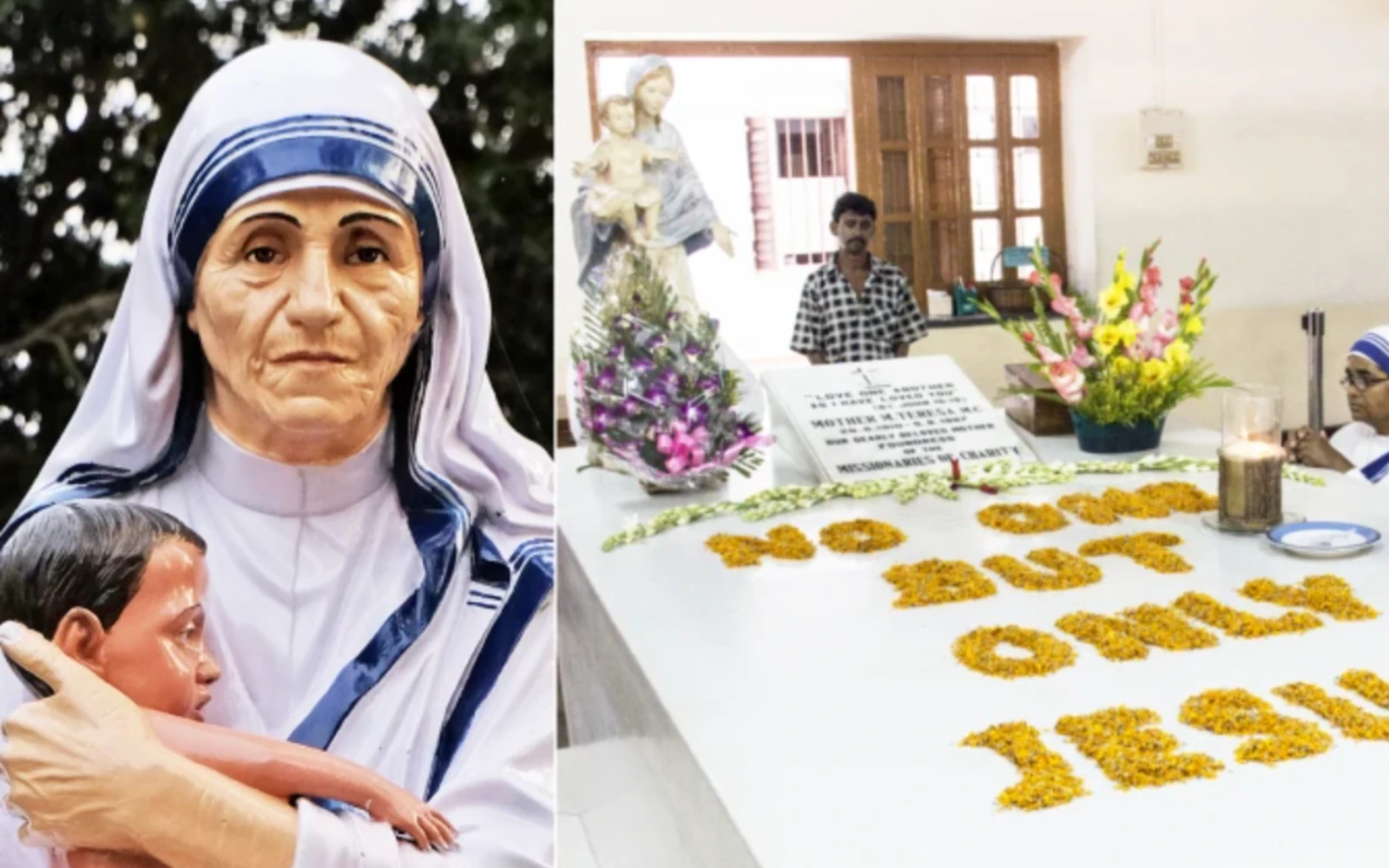
Lake Coldai, an alpine lake beneath the Dolomites near village Alleghe, Italy. Today is World Lake Day, designated by the United Nations to raise awareness about the importance of lakes and to promote their sustainable management.
Read More

Gospel and Word of the Day – 05 September 2026 – A reading from the First Letter of St. Paul to Corinthians 4:6b-15 Brothers and sisters: Learn from myself and Apollos not to go beyond what is written, so that none of you will be inflated with pride in favor of one person over against another. Who confers distinction upon you? What do you possess that you have not received? But if you have received it, why are you boasting as if you did not receive it? You are already satisfied; you have already grown rich; you have become kings without us! Indeed, I wish that you had become kings, so that we also might become kings with you. For as I see it, God has exhibited us Apostles as the last of all, like people sentenced to death, since we have become a spectacle to the world, to angels and men alike. We are fools on Christ?s account, but you are wise in Christ; we are weak, but you are strong; you are held in honor, but we in disrepute. To this very hour we go hungry and thirsty, we are poorly clad and roughly treated, we wander about homeless and we toil, working with our own hands. When ridiculed, we bless; when persecuted, we endure; when slandered, we respond gently. We have become like the world?s rubbish, the scum of all, to this very moment. I am writing you this not to shame you, but to admonish you as my beloved children. Even if you should have countless guides to Christ, yet you do not have many fathers, for I became your father in Christ Jesus through the Gospel.From the Gospel according to Luke 6:1-5 While Jesus was going through a field of grain on a sabbath, his disciples were picking the heads of grain, rubbing them in their hands, and eating them. Some Pharisees said, ?Why are you doing what is unlawful on the sabbath?? Jesus said to them in reply, ?Have you not read what David did when he and those who were with him were hungry? How he went into the house of God, took the bread of offering, which only the priests could lawfully eat, ate of it, and shared it with his companions?? Then he said to them, ?The Son of Man is lord of the sabbath.?This way of life, clinging to the law, distanced them from love and justice. They upheld the law, neglecting justice. They upheld the law, neglecting love. They were narrow-minded men, so attached to the law ? to the letter of the law, not to the law itself, for the law is love ? but to the letter of the law, which always shut the doors to hope, love and salvation (?) This is the path that Jesus teaches us, totally opposed to that of the doctors of the law. And this path, from love to justice, leads to God. Instead, the other path, of clinging solely to the law, to the letter of the law, leads to narrow-mindedness, to selfishness. The path from love to knowledge and discernment, to complete fulfilment, leads to holiness, to salvation, to an encounter with Jesus. This path, on the other hand, leads to selfishness, to the pride of feeling righteous, to that so-called ?holiness? of appearances, doesn?t it? (?) Jesus draws near: this closeness is precisely the proof that we are on the right path. For it is precisely the path that God has chosen to save us: closeness. He drew near to us; He became man. God who became man like one of us, and we who must become like others, like those in need, like those who need our help. (Pope Francis, Homily of 31 October 2014)

A reading from the First Letter of St. Paul to Corinthians
4:6b-15

Brothers and sisters:
Learn from myself and Apollos not to go beyond what is written,
so that none of you will be inflated with pride
in favor of one person over against another.
Who confers distinction upon you?
What do you possess that you have not received?
But if you have received it,
why are you boasting as if you did not receive it?
You are already satisfied; you have already grown rich;
you have become kings without us!
Indeed, I wish that you had become kings,
so that we also might become kings with you.

For as I see it, God has exhibited us Apostles as the last of all,
like people sentenced to death,
since we have become a spectacle to the world,
to angels and men alike.
We are fools on Christ?s account, but you are wise in Christ;
we are weak, but you are strong;
you are held in honor, but we in disrepute.
To this very hour we go hungry and thirsty,
we are poorly clad and roughly treated,
we wander about homeless and we toil, working with our own hands.
When ridiculed, we bless; when persecuted, we endure;
when slandered, we respond gently.
We have become like the world?s rubbish, the scum of all,
to this very moment.

I am writing you this not to shame you,
but to admonish you as my beloved children.
Even if you should have countless guides to Christ,
yet you do not have many fathers,
for I became your father in Christ Jesus through the Gospel.

From the Gospel according to Luke
6:1-5

While Jesus was going through a field of grain on a sabbath,
his disciples were picking the heads of grain,
rubbing them in their hands, and eating them.
Some Pharisees said,
?Why are you doing what is unlawful on the sabbath??
Jesus said to them in reply,
?Have you not read what David did
when he and those who were with him were hungry?
How he went into the house of God, took the bread of offering,
which only the priests could lawfully eat,
ate of it, and shared it with his companions??
Then he said to them, ?The Son of Man is lord of the sabbath.?

This way of life, clinging to the law, distanced them from love and justice. They upheld the law, neglecting justice. They upheld the law, neglecting love. They were narrow-minded men, so attached to the law ? to the letter of the law, not to the law itself, for the law is love ? but to the letter of the law, which always shut the doors to hope, love and salvation (?) This is the path that Jesus teaches us, totally opposed to that of the doctors of the law. And this path, from love to justice, leads to God. Instead, the other path, of clinging solely to the law, to the letter of the law, leads to narrow-mindedness, to selfishness. The path from love to knowledge and discernment, to complete fulfilment, leads to holiness, to salvation, to an encounter with Jesus. This path, on the other hand, leads to selfishness, to the pride of feeling righteous, to that so-called ?holiness? of appearances, doesn?t it? (?) Jesus draws near: this closeness is precisely the proof that we are on the right path. For it is precisely the path that God has chosen to save us: closeness. He drew near to us; He became man. God who became man like one of us, and we who must become like others, like those in need, like those who need our help. (Pope Francis, Homily of 31 October 2014)

Read More

U.S. bishops offer pre-midterms guidance on faithful citizenship #Catholic The U.S. Conference of Catholic Bishops (USCCB) published a guide for dioceses that outlines how they can train priests to better assist members of their congregation to be “faithful citizens.”It comes about two months before the midterm elections, which will decide control of the U.S. Senate and House of Representatives. It does not instruct people how to vote, but does note principles of Catholic teaching that should be considered when making that decision.Faithful citizenship, the guide explains, embraces “the fullness of the Church’s teachings and is a way of living the Gospel in attending to specific duties in the public square, which sit alongside a wide array of other duties.” It emphasizes that faith must come before politics.The guide, titled “Outlines for Clergy Formation on Faithful Citizenship,” offers sample outlines for clergy formation sessions, which includes the options of a a 3-5 hour session and a concise 1-hour session.It was developed following internal dialogue among bishops after some had requested a guide on the subject. It focuses on Catholic Social Teaching, how it applies to modern politics in the U.S. and how to help priests communicate those teachings to their congregations.“We are supposed to be agents of transformation of society according to the principles of the Gospel and the profound dignity and the life of every human person,” Archbishop Alexander Sample of the Archdiocese of Portland said in a video message that the USCCB provided to dioceses to accompany the guide.“The church and the laity,” he said, “we need to have a seat at the table to help form a society where every individualʼs dignity is recognized and everybodyʼs right to life is recognized.”The document includes five guiding principles of Catholic Social Teaching, which derive from Pope Leo XIV’s encyclical Magnifica Humanitas.First, it points to the common good, noting the obligation for every person “to act in a manner that serves the whole of society” and be “a neighbor to all.” It cites the Second Vatican Council’s definition of the term: “the sum of those conditions of social life which allow social groups and their individual members relatively thorough and ready access to their own fulfillment.”Second, it points to the Universal Destination of Goods. It notes that God “created the world and entrusted it to the care of humanity.” It pointed to Pope Leo XIII’s teachings in Rerum Novarum, which defends the right to private property, but not one that is absolute. The right is “subordinate to the duty to ensure that all can live in dignity,” it explains.It points to subsidiarity, which is the principle that “issues should be addressed at as local a level as possible.” It notes “natural justice forbids a government from intruding on the dignity of the family.”The fourth principle is solidarity, which it explains “puts into practice our Lord’s vast definition of neighbor given in the Parable of the Good Samaritan.”Fifth, the guide states, is social justice. It states the term is often “incorrectly perceived as ‘woke,’” but stems from the cardinal virtues. It cites Pope Leo XIV, who explained it as “looking beyond one-on-one relationships … to the structural elements that lead to injustice in society.”Bishop Daniel Flores of the Diocese of Brownsville, Texas, said in the video message that Catholics are “called to be faithful, faithful citizens, faithful people in the building up of a society and a community that is somehow reflective of the very things that God Himself has shown us in Christ.”“And the rest is in Godʼs hands,” he said. “I think as Catholics, our first role in political life and in social life is to give an authentic witness that we that we carry within ourselves, the person of Christ and all that that implies.”The guide refers to faithful citizenship as “a way of life, not merely something exercised when marking a ballot.”“Although it addresses specific moral issues — abortion, racial equality, economic inequities, criminal justice, euthanasia, family life, immigration, participation in the political process, war and peace, and many more — faithful citizenship fundamentally is a way of seeing the world in the light of the Gospel and allowing Gospel truth to point the way to prudential judgements and concrete decisions,” it explains.

U.S. bishops offer pre-midterms guidance on faithful citizenship #Catholic The U.S. Conference of Catholic Bishops (USCCB) published a guide for dioceses that outlines how they can train priests to better assist members of their congregation to be “faithful citizens.”It comes about two months before the midterm elections, which will decide control of the U.S. Senate and House of Representatives. It does not instruct people how to vote, but does note principles of Catholic teaching that should be considered when making that decision.Faithful citizenship, the guide explains, embraces “the fullness of the Church’s teachings and is a way of living the Gospel in attending to specific duties in the public square, which sit alongside a wide array of other duties.” It emphasizes that faith must come before politics.The guide, titled “Outlines for Clergy Formation on Faithful Citizenship,” offers sample outlines for clergy formation sessions, which includes the options of a a 3-5 hour session and a concise 1-hour session.It was developed following internal dialogue among bishops after some had requested a guide on the subject. It focuses on Catholic Social Teaching, how it applies to modern politics in the U.S. and how to help priests communicate those teachings to their congregations.“We are supposed to be agents of transformation of society according to the principles of the Gospel and the profound dignity and the life of every human person,” Archbishop Alexander Sample of the Archdiocese of Portland said in a video message that the USCCB provided to dioceses to accompany the guide.“The church and the laity,” he said, “we need to have a seat at the table to help form a society where every individualʼs dignity is recognized and everybodyʼs right to life is recognized.”The document includes five guiding principles of Catholic Social Teaching, which derive from Pope Leo XIV’s encyclical Magnifica Humanitas.First, it points to the common good, noting the obligation for every person “to act in a manner that serves the whole of society” and be “a neighbor to all.” It cites the Second Vatican Council’s definition of the term: “the sum of those conditions of social life which allow social groups and their individual members relatively thorough and ready access to their own fulfillment.”Second, it points to the Universal Destination of Goods. It notes that God “created the world and entrusted it to the care of humanity.” It pointed to Pope Leo XIII’s teachings in Rerum Novarum, which defends the right to private property, but not one that is absolute. The right is “subordinate to the duty to ensure that all can live in dignity,” it explains.It points to subsidiarity, which is the principle that “issues should be addressed at as local a level as possible.” It notes “natural justice forbids a government from intruding on the dignity of the family.”The fourth principle is solidarity, which it explains “puts into practice our Lord’s vast definition of neighbor given in the Parable of the Good Samaritan.”Fifth, the guide states, is social justice. It states the term is often “incorrectly perceived as ‘woke,’” but stems from the cardinal virtues. It cites Pope Leo XIV, who explained it as “looking beyond one-on-one relationships … to the structural elements that lead to injustice in society.”Bishop Daniel Flores of the Diocese of Brownsville, Texas, said in the video message that Catholics are “called to be faithful, faithful citizens, faithful people in the building up of a society and a community that is somehow reflective of the very things that God Himself has shown us in Christ.”“And the rest is in Godʼs hands,” he said. “I think as Catholics, our first role in political life and in social life is to give an authentic witness that we that we carry within ourselves, the person of Christ and all that that implies.”The guide refers to faithful citizenship as “a way of life, not merely something exercised when marking a ballot.”“Although it addresses specific moral issues — abortion, racial equality, economic inequities, criminal justice, euthanasia, family life, immigration, participation in the political process, war and peace, and many more — faithful citizenship fundamentally is a way of seeing the world in the light of the Gospel and allowing Gospel truth to point the way to prudential judgements and concrete decisions,” it explains.

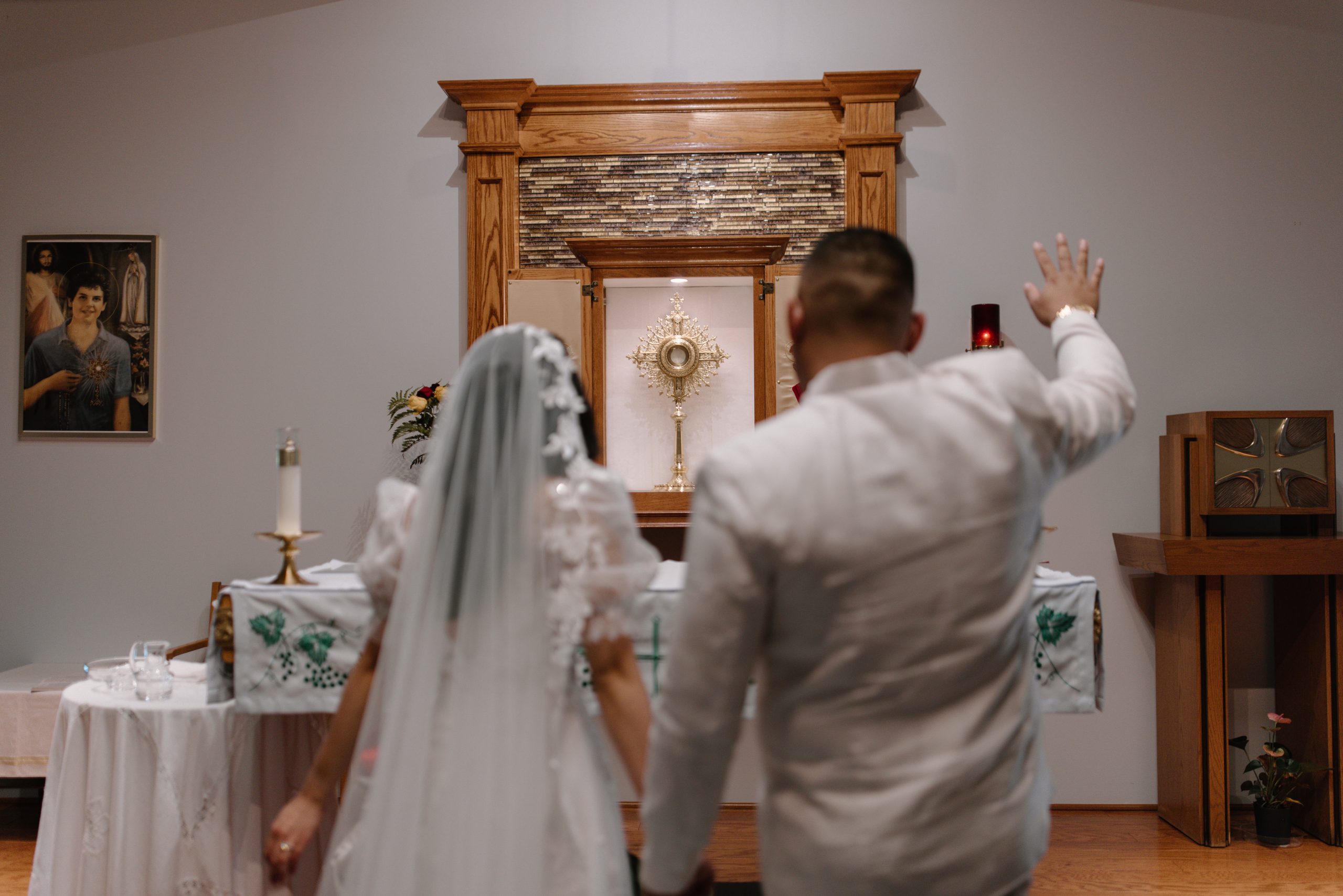
The guide is meant to assist in priestly formation on Catholic Social Teaching, so they can better communicate those teachings to their congregations.

Read More
Cana launches wedding registry storefront, partnering with Catholic businesses #Catholic Cana has launched its own registry storefront, partnering with brands for traditional wedding gifts and also working with Catholic businesses to offer couples everything from Catholic jewelry to sacred home decor.The storefront launched on Sept. 4, putting “Catholic vendors front and center,” Cana founders told EWTN News.Cana is a faith-focused wedding-planning platform designed for Catholic and Christian couples to build their websites. The Cana site helps engaged couples manage registries, guest lists, RSVPs, and it connects users with a diverse range of vendors.It is intended to help couples plan a beautiful, reverent, and personalized wedding, the founders said. It is free of charge to the thousands of couples who use it.Bringing Christ and ‘intentionality’ to wedding registries “Up until this point, Cana essentially was just an affiliate partner for pretty much any online retailer. The most popular provider was Amazon, but also Target, Crate & Barrel, and Williams-Sonoma,” James Reichert, co-founder of Cana, told EWTN News.“Then couples could take an individual link from a Catholic retailer and add that item to their registry. But we were essentially an affiliate partner for the big retailers,” he said.Cana didnʼt want to be “a Catholic version” of the secular wedding websites, but rather “we wanted to be something truly, radically different,” Reichert said. “So we built our own registry storefront.”The storefront puts “our Catholic vendors front and center,” Gabe Gessler, co-founder of Cana, added.“We’ve partnered with big brands. Couples can add ultra high quality kitchenware and bedding items and they can create a full scale wedding registry through the service,” Reichert said.Reichert said they also partnered with “incredible Catholic retailers: West Coast Catholic, The Little Catholic, The Catholic Company…,House of Joppa, and Darling & Divine.”“For the first time, Catholic and Christian couples donʼt just have to register for their home goods, all the cookware, dinnerware, bedding things, that they would typically do on a regular wedding registry,” he said.Now, “they can also register for sacred arts, sacred jewelry, beautiful wall mounts, and icons from all of these incredible brands that have been trusted for decades,” Reichert said. Cana is hoping to be a “central point for all those different brands on one beautiful wedding registry experience,” he said.“So many of our brides, they desire intentionality,” Gessler said. “They desire an intentional experience that points them towards the person that matters the most, which is Jesus Christ.”To give couples a better experience, Cana is “placing forward, front and center, really high quality, what we truly believe are world-class companies, that are able to meet this intersection of commerce and the faith all in one,” Gessler said.“We believe itʼs going to bless our partners more,” he said.“Really what we want to do is help create this ecosystem where a Catholic bride doesnʼt need to go scour the internet for all these different partners, or these different registries. But actually she can just have it all in one place,” Gessler said.“Then also she can come and support these incredible Catholic businesses,” Gessler said.CanaLaunched in September 2025, “Cana really exists to help couples focus on Christ from their engagement to eternity,” Reichert said. “Our biggest desire is to just help create holy couples and holy marriages.”“Weʼve now been around for a year,” Gessler said. “Weʼve had more than 8,000 brides join Cana.”“Itʼs not just a registry experience. Itʼs a digital wedding planning experience that is totally holistic and centered around Christ and the sacrament of marriage rather than just …the excitement of the day,” Gessler said.“When you get married to your spouse … itʼs an opportunity to enter into this new stage of your life and to place Christ at the center of it,” he said.“We are praying for every single couple who uses us every day,” Reichert said. “To any couple who has the courage to use us to plan their wedding, we genuinely are so grateful for every single one.”

Cana launches wedding registry storefront, partnering with Catholic businesses #Catholic Cana has launched its own registry storefront, partnering with brands for traditional wedding gifts and also working with Catholic businesses to offer couples everything from Catholic jewelry to sacred home decor.The storefront launched on Sept. 4, putting “Catholic vendors front and center,” Cana founders told EWTN News.Cana is a faith-focused wedding-planning platform designed for Catholic and Christian couples to build their websites. The Cana site helps engaged couples manage registries, guest lists, RSVPs, and it connects users with a diverse range of vendors.It is intended to help couples plan a beautiful, reverent, and personalized wedding, the founders said. It is free of charge to the thousands of couples who use it.Bringing Christ and ‘intentionality’ to wedding registries “Up until this point, Cana essentially was just an affiliate partner for pretty much any online retailer. The most popular provider was Amazon, but also Target, Crate & Barrel, and Williams-Sonoma,” James Reichert, co-founder of Cana, told EWTN News.“Then couples could take an individual link from a Catholic retailer and add that item to their registry. But we were essentially an affiliate partner for the big retailers,” he said.Cana didnʼt want to be “a Catholic version” of the secular wedding websites, but rather “we wanted to be something truly, radically different,” Reichert said. “So we built our own registry storefront.”The storefront puts “our Catholic vendors front and center,” Gabe Gessler, co-founder of Cana, added.“We’ve partnered with big brands. Couples can add ultra high quality kitchenware and bedding items and they can create a full scale wedding registry through the service,” Reichert said.Reichert said they also partnered with “incredible Catholic retailers: West Coast Catholic, The Little Catholic, The Catholic Company…,House of Joppa, and Darling & Divine.”“For the first time, Catholic and Christian couples donʼt just have to register for their home goods, all the cookware, dinnerware, bedding things, that they would typically do on a regular wedding registry,” he said.Now, “they can also register for sacred arts, sacred jewelry, beautiful wall mounts, and icons from all of these incredible brands that have been trusted for decades,” Reichert said. Cana is hoping to be a “central point for all those different brands on one beautiful wedding registry experience,” he said.“So many of our brides, they desire intentionality,” Gessler said. “They desire an intentional experience that points them towards the person that matters the most, which is Jesus Christ.”To give couples a better experience, Cana is “placing forward, front and center, really high quality, what we truly believe are world-class companies, that are able to meet this intersection of commerce and the faith all in one,” Gessler said.“We believe itʼs going to bless our partners more,” he said.“Really what we want to do is help create this ecosystem where a Catholic bride doesnʼt need to go scour the internet for all these different partners, or these different registries. But actually she can just have it all in one place,” Gessler said.“Then also she can come and support these incredible Catholic businesses,” Gessler said.CanaLaunched in September 2025, “Cana really exists to help couples focus on Christ from their engagement to eternity,” Reichert said. “Our biggest desire is to just help create holy couples and holy marriages.”“Weʼve now been around for a year,” Gessler said. “Weʼve had more than 8,000 brides join Cana.”“Itʼs not just a registry experience. Itʼs a digital wedding planning experience that is totally holistic and centered around Christ and the sacrament of marriage rather than just …the excitement of the day,” Gessler said.“When you get married to your spouse … itʼs an opportunity to enter into this new stage of your life and to place Christ at the center of it,” he said.“We are praying for every single couple who uses us every day,” Reichert said. “To any couple who has the courage to use us to plan their wedding, we genuinely are so grateful for every single one.”

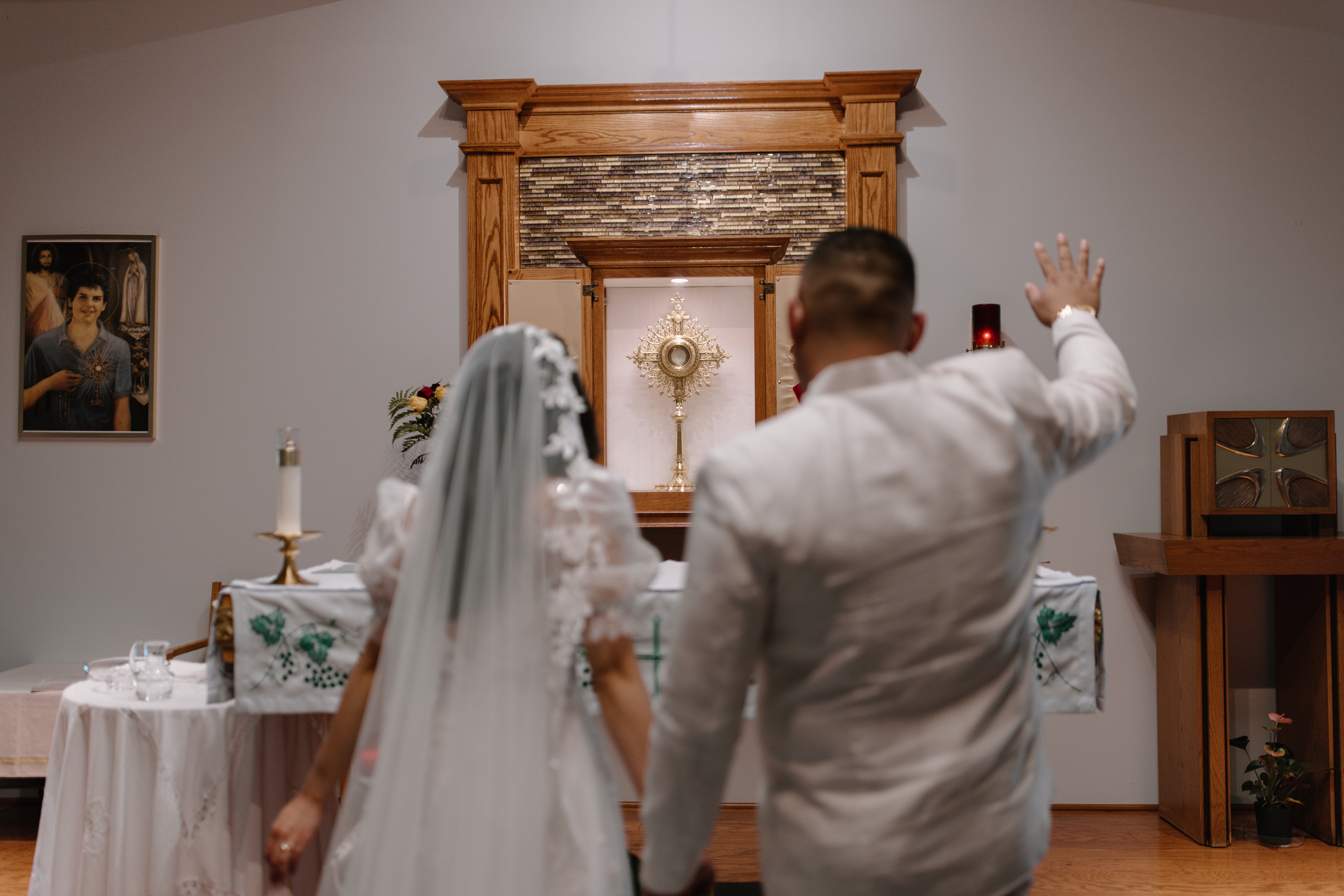
“Catholic and Christian couples don’t just have to register for their home goods,” but can “also register for sacred arts, sacred jewelry, beautiful wall mounts, and icons,” James Reichert said.

Read More
Scottish Catholic bishop: Scotland ‘must stand with both mother and child’ – #Catholic – Scottish Catholic bishop: Scotland ‘must stand with both mother and child’President of the Bishops’ Conference of Scotland John Keenan is urging the Scottish government to reform the country’s expansive abortion law, calling on the government to reject efforts to expand the abortion regime there.While the government doesn’t plan to change abortion law from 2026-2027, it intends to follow through with recommendations made by a pro-abortion advisory group and to fund late-stage abortion.“Every unborn child is a unique human life deserving of protection, and every mother should be supported in ways that uphold her dignity and the dignity of her child,” Keenan said in a statement. “I therefore make a direct appeal to all elected representatives who recognize the inherent dignity of every human life, to reject any further liberalization of abortion provisions in Scotland and to oppose measures that would remove essential safeguards or further weaken protection for unborn children.”The advisory group “excluded prolife voices and … adopted a principle of ‘non-regression’ on abortion provision,” the bishop said, arguing that the group “lacks both legitimacy and credibility.”“It has made radical recommendations to the Scottish Government which, if implemented, would effectively permit abortion up to birth for any reason and remove the current requirement for two doctors to approve abortions up to 24 weeks.”“It is astonishing that the report also recommends that future legislation should make no reference to sex-selective abortion, paving the way for unborn babies to be aborted simply because they are deemed to be the wrong sex,” he said.“The establishment of later-stage abortion provision in Scotland, alongside proposals to weaken existing legal safeguards, raises grave moral and social questions,” he said.Canada doctors’ group voices support for infant euthanasiaThe Quebec College of Physicians recently voiced support for euthanasia of newborn babies in some circumstances.“The CMQ reiterates that medical assistance in dying may be an appropriate treatment for babies suffering from extreme pain that cannot be relieved and who have severe malformations or serious polysymptomatic syndromes that destroy any prospect of survival,” the group said in a statement to the Daily Mail.“The CMQ believes that parents should have the opportunity to obtain this care for their infant under these well-defined circumstances,” the group continued.Kentucky brings lawsuit against abortion nonprofitThe state of Kentucky has filed a civil lawsuit against an “activist organization” over its advertisements for abortion pills. Mayday Health, a pro-abortion nonprofit, recently advertised abortion-inducing drugs via a banner flown by plane over the Kentucky State Fair.Attorney General Russell Coleman in a post on X said: “It appears abortion activists are flying over Louisville advertising illegal drugs. They are breaking the law.”“Since January, our Office has been investigating mail order abortion pills,” Coleman said. “We will not tolerate this illegal danger.”Coleman’s office announced a civil suit against Mayday Health on Sept. 3, arguing that the “out of state activists” were breaking Kentucky law.

Scottish Catholic bishop: Scotland ‘must stand with both mother and child’ – #Catholic – Scottish Catholic bishop: Scotland ‘must stand with both mother and child’President of the Bishops’ Conference of Scotland John Keenan is urging the Scottish government to reform the country’s expansive abortion law, calling on the government to reject efforts to expand the abortion regime there.While the government doesn’t plan to change abortion law from 2026-2027, it intends to follow through with recommendations made by a pro-abortion advisory group and to fund late-stage abortion.“Every unborn child is a unique human life deserving of protection, and every mother should be supported in ways that uphold her dignity and the dignity of her child,” Keenan said in a statement. “I therefore make a direct appeal to all elected representatives who recognize the inherent dignity of every human life, to reject any further liberalization of abortion provisions in Scotland and to oppose measures that would remove essential safeguards or further weaken protection for unborn children.”The advisory group “excluded prolife voices and … adopted a principle of ‘non-regression’ on abortion provision,” the bishop said, arguing that the group “lacks both legitimacy and credibility.”“It has made radical recommendations to the Scottish Government which, if implemented, would effectively permit abortion up to birth for any reason and remove the current requirement for two doctors to approve abortions up to 24 weeks.”“It is astonishing that the report also recommends that future legislation should make no reference to sex-selective abortion, paving the way for unborn babies to be aborted simply because they are deemed to be the wrong sex,” he said.“The establishment of later-stage abortion provision in Scotland, alongside proposals to weaken existing legal safeguards, raises grave moral and social questions,” he said.Canada doctors’ group voices support for infant euthanasiaThe Quebec College of Physicians recently voiced support for euthanasia of newborn babies in some circumstances.“The CMQ reiterates that medical assistance in dying may be an appropriate treatment for babies suffering from extreme pain that cannot be relieved and who have severe malformations or serious polysymptomatic syndromes that destroy any prospect of survival,” the group said in a statement to the Daily Mail.“The CMQ believes that parents should have the opportunity to obtain this care for their infant under these well-defined circumstances,” the group continued.Kentucky brings lawsuit against abortion nonprofitThe state of Kentucky has filed a civil lawsuit against an “activist organization” over its advertisements for abortion pills. Mayday Health, a pro-abortion nonprofit, recently advertised abortion-inducing drugs via a banner flown by plane over the Kentucky State Fair.Attorney General Russell Coleman in a post on X said: “It appears abortion activists are flying over Louisville advertising illegal drugs. They are breaking the law.”“Since January, our Office has been investigating mail order abortion pills,” Coleman said. “We will not tolerate this illegal danger.”Coleman’s office announced a civil suit against Mayday Health on Sept. 3, arguing that the “out of state activists” were breaking Kentucky law.

Here is a roundup of recent pro-life and abortion-related news.

Read More
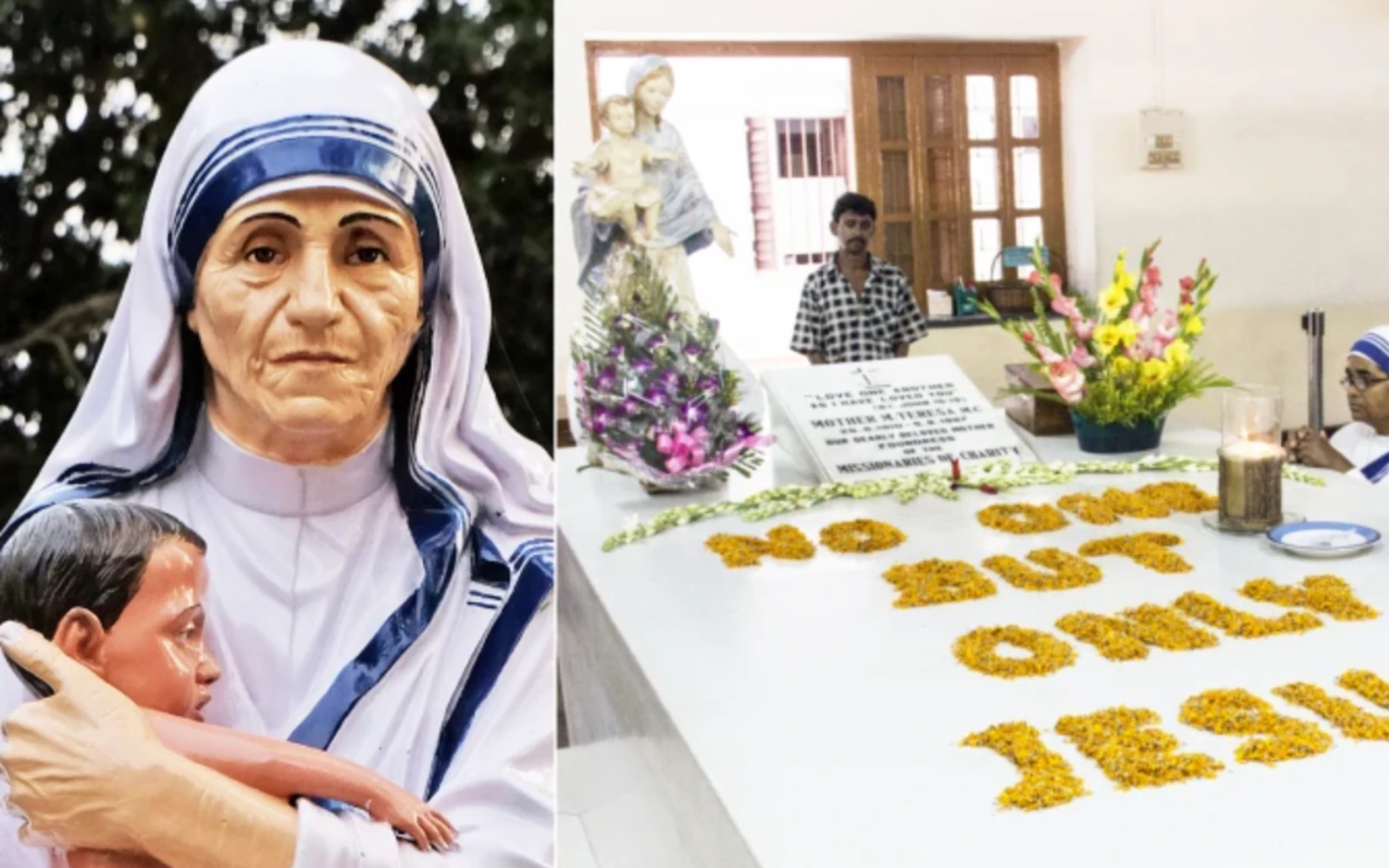
Prayer platform marks St. Teresa’s canonization anniversary by taking petitions to her tomb – #Catholic – Sept. 4 marks the 10th anniversary of the canonization of St. Teresa of Calcutta, an occasion the prayer platform Hozana is commemorating by taking prayer intentions from people around the world to her tomb.The platform will collect the intentions and deliver them to the Motherhouse of the Missionaries of Charity in Calcutta (Kolkata), India, where the saintʼs remains are laid to rest.As Sharael Sánchez, head of Hozana’s Spanish-language division, explained to ACI Prensa, the Spanish-language sister service of EWTN News, the initiative is being carried out in collaboration with the Missionaries of Charity and is seeking to enable “those who cannot travel to Kolkata to entrust what they carry in their hearts to that place.”The response to this initiative has been significant. Last year alone, more than 700 intentions were submitted, written in English, Spanish, French, and Portuguese.“How many hearts, from so many different places, will have commended themselves to St. Teresa in this way?” wondered Sánchez, who hopes that even more people will send in their petitions this year.As Sánchez noted, the tomb of St. Teresa of Calcutta has become “a place of prayer and pilgrimage for the faithful from various countries.” Inscribed on the tombstone are words from Christ that encapsulate the heart of her mission: “Love one another as I have loved you.”A life dedicated to poorest of poorSt. Teresa of Calcutta was born Anjezë Gonxhe Bojaxhiu in 1910 and is of Albanian origin. She entered religious life and later moved to India, where she dedicated her life to serving the poor, the sick, orphans, and the dying.In 1950, she founded the Missionaries of Charity, a congregation that expanded its presence to numerous countries over the years. Her work and the witness of her service to the most needy earned her international recognition, and in 1979, she received the Nobel Peace Prize.St. Teresa died on Sept 5, 1997, which is the day the Church celebrates her liturgical memorial. Her remains were laid to rest at the motherhouse of the Missionaries of Charity, the very place where Hozana now seeks to deliver the prayers of those from various countries who wish to entrust their intentions to the saint.Pope Francis canonized her on Sept. 4, 2016, during a Mass celebrated in St. Peterʼs Square in Rome.This story was first published by ACI Prensa, the Spanish-language sister service of EWTN News. It has been translated and adapted by EWTN News English.

Prayer platform marks St. Teresa’s canonization anniversary by taking petitions to her tomb – #Catholic – Sept. 4 marks the 10th anniversary of the canonization of St. Teresa of Calcutta, an occasion the prayer platform Hozana is commemorating by taking prayer intentions from people around the world to her tomb.The platform will collect the intentions and deliver them to the Motherhouse of the Missionaries of Charity in Calcutta (Kolkata), India, where the saintʼs remains are laid to rest.As Sharael Sánchez, head of Hozana’s Spanish-language division, explained to ACI Prensa, the Spanish-language sister service of EWTN News, the initiative is being carried out in collaboration with the Missionaries of Charity and is seeking to enable “those who cannot travel to Kolkata to entrust what they carry in their hearts to that place.”The response to this initiative has been significant. Last year alone, more than 700 intentions were submitted, written in English, Spanish, French, and Portuguese.“How many hearts, from so many different places, will have commended themselves to St. Teresa in this way?” wondered Sánchez, who hopes that even more people will send in their petitions this year.As Sánchez noted, the tomb of St. Teresa of Calcutta has become “a place of prayer and pilgrimage for the faithful from various countries.” Inscribed on the tombstone are words from Christ that encapsulate the heart of her mission: “Love one another as I have loved you.”A life dedicated to poorest of poorSt. Teresa of Calcutta was born Anjezë Gonxhe Bojaxhiu in 1910 and is of Albanian origin. She entered religious life and later moved to India, where she dedicated her life to serving the poor, the sick, orphans, and the dying.In 1950, she founded the Missionaries of Charity, a congregation that expanded its presence to numerous countries over the years. Her work and the witness of her service to the most needy earned her international recognition, and in 1979, she received the Nobel Peace Prize.St. Teresa died on Sept 5, 1997, which is the day the Church celebrates her liturgical memorial. Her remains were laid to rest at the motherhouse of the Missionaries of Charity, the very place where Hozana now seeks to deliver the prayers of those from various countries who wish to entrust their intentions to the saint.Pope Francis canonized her on Sept. 4, 2016, during a Mass celebrated in St. Peterʼs Square in Rome.This story was first published by ACI Prensa, the Spanish-language sister service of EWTN News. It has been translated and adapted by EWTN News English.

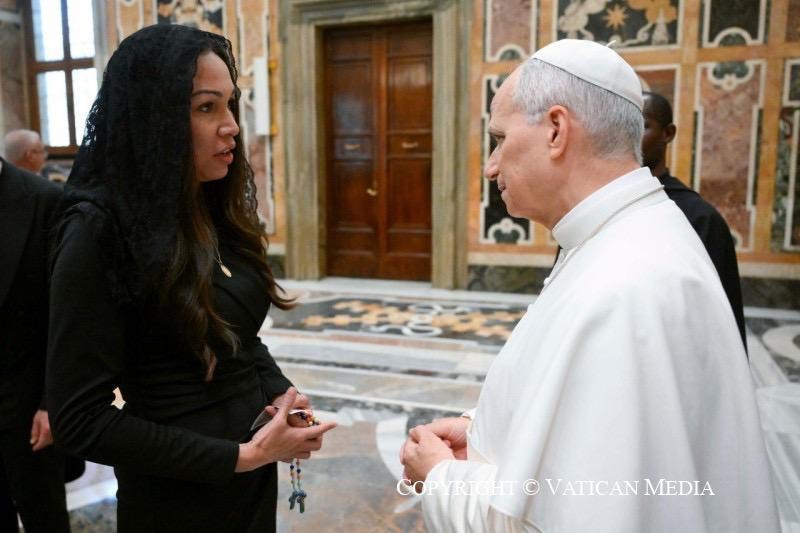
In collaboration with the Missionaries of Charity, the prayer social network Hozana has created a way to have petitions placed on St. Teresa’s tomb in India.
Read More
Nashville schools offer AI safety talk for Catholic families – #Catholic – The Diocese of Nashville’s Catholic Schools Office is raising awareness among Tennessee Catholic families about how to protect their children from risks posed by AI.The Sept. 17 talk, titled “Catholic Family’s Guide to AI Safety,” will be given by Megan Garcia, a Catholic mother whose son took his own life while using an AI chatbot. Garcia’s talk will center on the “growing dangers of AI, chatbot risks, and protecting children at home.” “After the heartbreaking loss of her 14-year-old son, Sewell Setzer III, following an intense relationship with an AI companion chatbot, Garcia transformed her grief into a mission to protect other children and families,” the diocese said in a Sept. 2 press release.
 
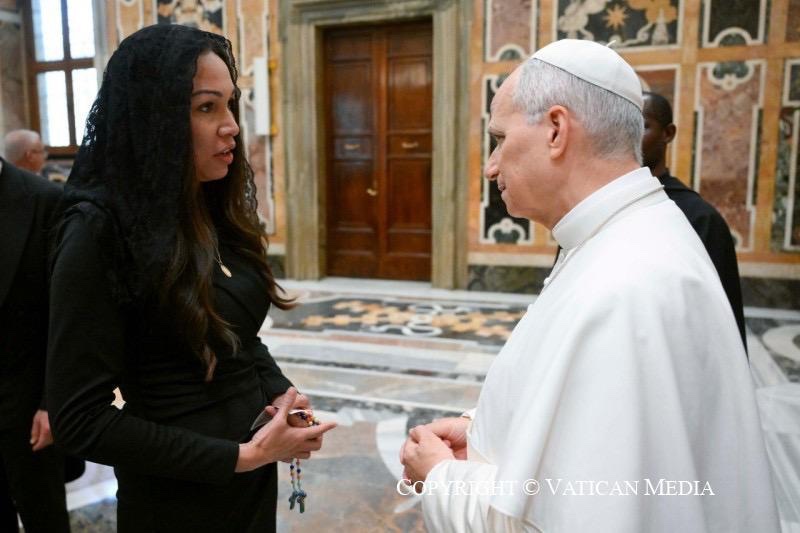
 Sewell Setzer III, a 14‑year‑old Florida student whose death followed his involvement with an AI companion chatbot, is set to be remembered during a diocesan presentation on digital safety Sept. 17, 2026 at Christ the King School in Nashville, Tennessee. | Credit: Photo courtesy of Megan Garcia
 
 Garcia is an attorney and child safety advocate and serves as chair of the Blessed Mother Mary Foundation. She met with Pope Leo XIV in November 2025 during an audience with participants in a conference on child dignity and AI ethics.DePaul University partners with Vatican Laudato si’ Center for Higher EducationDePaul University has announced it will serve as the Chicago-based partner for the Vatican’s Laudato si’ Center for Higher Education.The university will also launch the DePaul Institute for a Sustainable Future “to drive the collaboration, expanding a shared commitment to advancing integral ecology and human development,” according to a Sept. 2 press release from the university. “As a Catholic, Vincentian university, DePaul recognizes that caring for our common home is inseparable from caring for one another,“ Robert L. Manuel, president of DePaul University, said. ”The health of our planet directly affects the well-being of people and communities around the world, particularly those most vulnerable to a changing environment.”The university will collaborate with more than 60 research and higher education institutions across 35 countries through its participation in the Global Alliance for Laudato si’, according to the release.National Catholic Bioethics Center launches master’s degree with Catholic University of AmericaThe National Catholic Bioethics Center has announced its partnership with the Catholic University of America for a master’s degree in moral theology and ethics.Starting with the 2026-2027 academic year, “students who complete the NCBC’s National Catholic Certification Program in Health Care Ethics can transfer six credits toward CUA’s master’s degree in moral theology/ethics,” according to an Aug. 24 press release from the bioethics center.“This is a great opportunity for our students to further their graduate education with a trusted, faithful institution of higher education following completion of our Certification Program,” Joe Zalot, director of education at the NCBC, said in the release. “CUA is now the sixth academic partner to which our students can transfer credits.” Graduates of Catholic colleges more prepared for AI, national study findsA study carried out on behalf of the Center for Catholic Studies at St. Mary’s University in San Antonio, Texas, has found that graduates of Catholic colleges report higher levels of preparedness in dealing with AI than graduates of secular institutions.The findings came as part of the Center’s third Holistic Impact Report, carried out in partnership with YouGov, according to a Sept. 3 press release from the university.About 44% of Catholic college graduates said they use AI at least daily, compared with 36% of secular college graduates, while 33% said their college moderately or better prepared them to use AI, compared with 23% of secular graduates, according to the study. Catholic college graduates were also slightly more likely to use AI at all and more likely to view it as beneficial to society, with 36% expecting significant or transformative benefits compared with 28% of secular graduates.“After three studies, we are seeing a remarkably consistent picture of what Catholic higher education contributes to graduates’ lives,” Jason King, Beirne chair and director of the Center for Catholic Studies at St. Mary’s University, said in the release. “The findings on AI are particularly interesting because the greater confidence graduates of Catholic colleges express in engaging this new technology is accompanied by a stronger sense of meaning and purpose in their lives and work.”

Nashville schools offer AI safety talk for Catholic families – #Catholic – The Diocese of Nashville’s Catholic Schools Office is raising awareness among Tennessee Catholic families about how to protect their children from risks posed by AI.The Sept. 17 talk, titled “Catholic Family’s Guide to AI Safety,” will be given by Megan Garcia, a Catholic mother whose son took his own life while using an AI chatbot. Garcia’s talk will center on the “growing dangers of AI, chatbot risks, and protecting children at home.” “After the heartbreaking loss of her 14-year-old son, Sewell Setzer III, following an intense relationship with an AI companion chatbot, Garcia transformed her grief into a mission to protect other children and families,” the diocese said in a Sept. 2 press release. Sewell Setzer III, a 14‑year‑old Florida student whose death followed his involvement with an AI companion chatbot, is set to be remembered during a diocesan presentation on digital safety Sept. 17, 2026 at Christ the King School in Nashville, Tennessee. | Credit: Photo courtesy of Megan Garcia Garcia is an attorney and child safety advocate and serves as chair of the Blessed Mother Mary Foundation. She met with Pope Leo XIV in November 2025 during an audience with participants in a conference on child dignity and AI ethics.DePaul University partners with Vatican Laudato si’ Center for Higher EducationDePaul University has announced it will serve as the Chicago-based partner for the Vatican’s Laudato si’ Center for Higher Education.The university will also launch the DePaul Institute for a Sustainable Future “to drive the collaboration, expanding a shared commitment to advancing integral ecology and human development,” according to a Sept. 2 press release from the university. “As a Catholic, Vincentian university, DePaul recognizes that caring for our common home is inseparable from caring for one another,“ Robert L. Manuel, president of DePaul University, said. ”The health of our planet directly affects the well-being of people and communities around the world, particularly those most vulnerable to a changing environment.”The university will collaborate with more than 60 research and higher education institutions across 35 countries through its participation in the Global Alliance for Laudato si’, according to the release.National Catholic Bioethics Center launches master’s degree with Catholic University of AmericaThe National Catholic Bioethics Center has announced its partnership with the Catholic University of America for a master’s degree in moral theology and ethics.Starting with the 2026-2027 academic year, “students who complete the NCBC’s National Catholic Certification Program in Health Care Ethics can transfer six credits toward CUA’s master’s degree in moral theology/ethics,” according to an Aug. 24 press release from the bioethics center.“This is a great opportunity for our students to further their graduate education with a trusted, faithful institution of higher education following completion of our Certification Program,” Joe Zalot, director of education at the NCBC, said in the release. “CUA is now the sixth academic partner to which our students can transfer credits.” Graduates of Catholic colleges more prepared for AI, national study findsA study carried out on behalf of the Center for Catholic Studies at St. Mary’s University in San Antonio, Texas, has found that graduates of Catholic colleges report higher levels of preparedness in dealing with AI than graduates of secular institutions.The findings came as part of the Center’s third Holistic Impact Report, carried out in partnership with YouGov, according to a Sept. 3 press release from the university.About 44% of Catholic college graduates said they use AI at least daily, compared with 36% of secular college graduates, while 33% said their college moderately or better prepared them to use AI, compared with 23% of secular graduates, according to the study. Catholic college graduates were also slightly more likely to use AI at all and more likely to view it as beneficial to society, with 36% expecting significant or transformative benefits compared with 28% of secular graduates.“After three studies, we are seeing a remarkably consistent picture of what Catholic higher education contributes to graduates’ lives,” Jason King, Beirne chair and director of the Center for Catholic Studies at St. Mary’s University, said in the release. “The findings on AI are particularly interesting because the greater confidence graduates of Catholic colleges express in engaging this new technology is accompanied by a stronger sense of meaning and purpose in their lives and work.”

“A Catholic Family’s Guide to AI Safety,” DePaul University partners with the Vatican on sustainability, and more in this week’s education roundup.
Read More
Bishop celebrates Jubilee Year of St. Francis with Mass #Catholic – Dominick Cortellessa said it was a moving experience. He wasn’t alone in that feeling as his church honored its namesake on a landmark feast day.
Bishop Kevin J. Sweeney joined about 10 seminarians and pews filled with pilgrims at St. Francis of Assisi Church in the Haskell neighborhood of Wanaque, N.J., on Aug. 29 to celebrate the Year of St. Francis. They gathered for a Mass to mark 800 years since the Transitus of St. Francis — when he died and went to God.
“It was a very warm, wonderful feeling that God was with us,” said Cortellessa, a 20-year parishioner of St. Francis who is a lector and extraordinary minister of the Eucharist.
The Mass came at a near-center of the Jubilee Year of St. Francis, which Pope Leo XIV declared in a decree on Jan. 10. It honors one of the most well-known saints, one who lived in 11th- and 12th-century Italy. He dedicated his life to under-resourced people, to protecting and promoting God’s creation, and to starting the Franciscan spirituality that has spawned countless religious orders. The late Pope Francis chose his papal name partly because of St. Francis of Assisi, along with St. Francis Xavier.
“My sisters and brothers, thank you for your ‘yes’ for being here today,” Bishop Sweeney said to the pilgrims who came to the Mass that Saturday.

Click here to subscribe to our weekly newsletter.

Pope Leo XIV’s decree allows Catholics to receive plenary indulgences if they make a pilgrimage to parishes connected to St. Francis of Assisi. Indulgences offer special pardons from temporal punishment after Catholics experience the Sacrament of Confession.
St. Francis of Assisi in Wanaque is one of five parishes in the diocese that Bishop Sweeney declared on April 29 as locations where people can receive plenary indulgences. The others are St. Anthony of Padua Parish in Butler, N.J., St. Clare Parish in Clifton, N.J., St. John Kanty Parish in the Athenia neighborhood of Clifton, and St. Mary’s Parish in Pompton Lakes, N.J.
“I’m so grateful, Father Greg [Golba, the pastor of St. Francis], for this opportunity. I am grateful the seminarians are here. What a blessing to be here together today to celebrate this Mass in honor of our patron,” Bishop Sweeney said at the Mass at St. Francis.
Bishop Sweeney offered the decree of Pope Leo XIV during his homily, illuminating St. Francis’ life and encouraging those in attendance to mirror his saintly path.
“‘Hold fast to the memory of our father and brother Francis, for the praise and glory of him who made him great among us, and glorified him in the sight of the angels. Pray for him as he once asked us, and pray to him that God may make us sharers with him of his holy grace,’” Bishop Sweeney said, quoting Brother Elias, an early follower of St. Francis, in a letter to the Franciscan Order of Friars Minor, which St. Francis started.
Bishop Sweeney also cited the Gospel reading of the day from St. Matthew, relating St. Francis’s simplicity to how Jesus gives wisdom.
“Jesus gives thanks to the Father because he is revealed, not to the wise and the learned but to the simple, the truths of the kingdom of heaven, and perhaps no one better than St. Francis,” Bishop Sweeney said.
After the Mass, Father Golba said, “We were so happy having our bishop. We knew from the beginning that it would be something special for us, because we’re the one parish in the diocese with that title of saint with our patron.”
Father Golba said the Mass was a powerful reminder of St. Francis’ life calling, one he personally encountered on his pilgrimage to experience St. Francis’ life. He saw similarities between his time in St. Francis’ holy places and the Mass the bishop celebrated with him.
“Years ago as a young priest, I went to Assisi. When I was in the Basilica of Saint Francis, it was a similar experience,” he said. “This time, the beating of my heart was stronger, like I was in Assisi.”
Bishop Sweeney urged the pilgrims in attendance to live lives that emulate the compassion and dedication to the Lord that St. Francis’s life showcased.
“Spend time in prayer, pious meditation, and raise prayers to God so that following the example of St. Francis, feelings of Christian charity towards their neighbors and authentic vows of harmony and peace, among all peoples, may spring forth in their hearts, in our hearts,” said Bishop Sweeney, quoting Pope Leo XIV.
Bishop Sweeney will return to St. Francis of Assisi Parish on Oct. 4 for Confirmations and a further celebration of the Jubilee Year of St. Francis.
Click here for a list of Masses and confessions at pilgrimage sites in the Diocese of Paterson for the Year of St. Francis.
BEACON PHOTOS | MATTHEW GIGLI
 [See image gallery at beaconnj.org]  

Bishop celebrates Jubilee Year of St. Francis with Mass #Catholic – Dominick Cortellessa said it was a moving experience. He wasn’t alone in that feeling as his church honored its namesake on a landmark feast day. Bishop Kevin J. Sweeney joined about 10 seminarians and pews filled with pilgrims at St. Francis of Assisi Church in the Haskell neighborhood of Wanaque, N.J., on Aug. 29 to celebrate the Year of St. Francis. They gathered for a Mass to mark 800 years since the Transitus of St. Francis — when he died and went to God. “It was a very warm, wonderful feeling that God was with us,” said Cortellessa, a 20-year parishioner of St. Francis who is a lector and extraordinary minister of the Eucharist. The Mass came at a near-center of the Jubilee Year of St. Francis, which Pope Leo XIV declared in a decree on Jan. 10. It honors one of the most well-known saints, one who lived in 11th- and 12th-century Italy. He dedicated his life to under-resourced people, to protecting and promoting God’s creation, and to starting the Franciscan spirituality that has spawned countless religious orders. The late Pope Francis chose his papal name partly because of St. Francis of Assisi, along with St. Francis Xavier. “My sisters and brothers, thank you for your ‘yes’ for being here today,” Bishop Sweeney said to the pilgrims who came to the Mass that Saturday. Click here to subscribe to our weekly newsletter. Pope Leo XIV’s decree allows Catholics to receive plenary indulgences if they make a pilgrimage to parishes connected to St. Francis of Assisi. Indulgences offer special pardons from temporal punishment after Catholics experience the Sacrament of Confession. St. Francis of Assisi in Wanaque is one of five parishes in the diocese that Bishop Sweeney declared on April 29 as locations where people can receive plenary indulgences. The others are St. Anthony of Padua Parish in Butler, N.J., St. Clare Parish in Clifton, N.J., St. John Kanty Parish in the Athenia neighborhood of Clifton, and St. Mary’s Parish in Pompton Lakes, N.J. “I’m so grateful, Father Greg [Golba, the pastor of St. Francis], for this opportunity. I am grateful the seminarians are here. What a blessing to be here together today to celebrate this Mass in honor of our patron,” Bishop Sweeney said at the Mass at St. Francis. Bishop Sweeney offered the decree of Pope Leo XIV during his homily, illuminating St. Francis’ life and encouraging those in attendance to mirror his saintly path. “‘Hold fast to the memory of our father and brother Francis, for the praise and glory of him who made him great among us, and glorified him in the sight of the angels. Pray for him as he once asked us, and pray to him that God may make us sharers with him of his holy grace,’” Bishop Sweeney said, quoting Brother Elias, an early follower of St. Francis, in a letter to the Franciscan Order of Friars Minor, which St. Francis started. Bishop Sweeney also cited the Gospel reading of the day from St. Matthew, relating St. Francis’s simplicity to how Jesus gives wisdom. “Jesus gives thanks to the Father because he is revealed, not to the wise and the learned but to the simple, the truths of the kingdom of heaven, and perhaps no one better than St. Francis,” Bishop Sweeney said. After the Mass, Father Golba said, “We were so happy having our bishop. We knew from the beginning that it would be something special for us, because we’re the one parish in the diocese with that title of saint with our patron.” Father Golba said the Mass was a powerful reminder of St. Francis’ life calling, one he personally encountered on his pilgrimage to experience St. Francis’ life. He saw similarities between his time in St. Francis’ holy places and the Mass the bishop celebrated with him. “Years ago as a young priest, I went to Assisi. When I was in the Basilica of Saint Francis, it was a similar experience,” he said. “This time, the beating of my heart was stronger, like I was in Assisi.” Bishop Sweeney urged the pilgrims in attendance to live lives that emulate the compassion and dedication to the Lord that St. Francis’s life showcased. “Spend time in prayer, pious meditation, and raise prayers to God so that following the example of St. Francis, feelings of Christian charity towards their neighbors and authentic vows of harmony and peace, among all peoples, may spring forth in their hearts, in our hearts,” said Bishop Sweeney, quoting Pope Leo XIV. Bishop Sweeney will return to St. Francis of Assisi Parish on Oct. 4 for Confirmations and a further celebration of the Jubilee Year of St. Francis. Click here for a list of Masses and confessions at pilgrimage sites in the Diocese of Paterson for the Year of St. Francis. BEACON PHOTOS | MATTHEW GIGLI [See image gallery at beaconnj.org]  

Bishop celebrates Jubilee Year of St. Francis with Mass #Catholic –

Dominick Cortellessa said it was a moving experience. He wasn’t alone in that feeling as his church honored its namesake on a landmark feast day.

Bishop Kevin J. Sweeney joined about 10 seminarians and pews filled with pilgrims at St. Francis of Assisi Church in the Haskell neighborhood of Wanaque, N.J., on Aug. 29 to celebrate the Year of St. Francis. They gathered for a Mass to mark 800 years since the Transitus of St. Francis — when he died and went to God.

“It was a very warm, wonderful feeling that God was with us,” said Cortellessa, a 20-year parishioner of St. Francis who is a lector and extraordinary minister of the Eucharist.

The Mass came at a near-center of the Jubilee Year of St. Francis, which Pope Leo XIV declared in a decree on Jan. 10. It honors one of the most well-known saints, one who lived in 11th- and 12th-century Italy. He dedicated his life to under-resourced people, to protecting and promoting God’s creation, and to starting the Franciscan spirituality that has spawned countless religious orders. The late Pope Francis chose his papal name partly because of St. Francis of Assisi, along with St. Francis Xavier.
“My sisters and brothers, thank you for your ‘yes’ for being here today,” Bishop Sweeney said to the pilgrims who came to the Mass that Saturday.


Click here to subscribe to our weekly newsletter.

Pope Leo XIV’s decree allows Catholics to receive plenary indulgences if they make a pilgrimage to parishes connected to St. Francis of Assisi. Indulgences offer special pardons from temporal punishment after Catholics experience the Sacrament of Confession.
St. Francis of Assisi in Wanaque is one of five parishes in the diocese that Bishop Sweeney declared on April 29 as locations where people can receive plenary indulgences. The others are St. Anthony of Padua Parish in Butler, N.J., St. Clare Parish in Clifton, N.J., St. John Kanty Parish in the Athenia neighborhood of Clifton, and St. Mary’s Parish in Pompton Lakes, N.J.
“I’m so grateful, Father Greg [Golba, the pastor of St. Francis], for this opportunity. I am grateful the seminarians are here. What a blessing to be here together today to celebrate this Mass in honor of our patron,” Bishop Sweeney said at the Mass at St. Francis.

Bishop Sweeney offered the decree of Pope Leo XIV during his homily, illuminating St. Francis’ life and encouraging those in attendance to mirror his saintly path.

“‘Hold fast to the memory of our father and brother Francis, for the praise and glory of him who made him great among us, and glorified him in the sight of the angels. Pray for him as he once asked us, and pray to him that God may make us sharers with him of his holy grace,’” Bishop Sweeney said, quoting Brother Elias, an early follower of St. Francis, in a letter to the Franciscan Order of Friars Minor, which St. Francis started.

Bishop Sweeney also cited the Gospel reading of the day from St. Matthew, relating St. Francis’s simplicity to how Jesus gives wisdom.

“Jesus gives thanks to the Father because he is revealed, not to the wise and the learned but to the simple, the truths of the kingdom of heaven, and perhaps no one better than St. Francis,” Bishop Sweeney said.

After the Mass, Father Golba said, “We were so happy having our bishop. We knew from the beginning that it would be something special for us, because we’re the one parish in the diocese with that title of saint with our patron.”

Father Golba said the Mass was a powerful reminder of St. Francis’ life calling, one he personally encountered on his pilgrimage to experience St. Francis’ life. He saw similarities between his time in St. Francis’ holy places and the Mass the bishop celebrated with him.

“Years ago as a young priest, I went to Assisi. When I was in the Basilica of Saint Francis, it was a similar experience,” he said. “This time, the beating of my heart was stronger, like I was in Assisi.”
Bishop Sweeney urged the pilgrims in attendance to live lives that emulate the compassion and dedication to the Lord that St. Francis’s life showcased.

“Spend time in prayer, pious meditation, and raise prayers to God so that following the example of St. Francis, feelings of Christian charity towards their neighbors and authentic vows of harmony and peace, among all peoples, may spring forth in their hearts, in our hearts,” said Bishop Sweeney, quoting Pope Leo XIV.

Bishop Sweeney will return to St. Francis of Assisi Parish on Oct. 4 for Confirmations and a further celebration of the Jubilee Year of St. Francis.

Click here for a list of Masses and confessions at pilgrimage sites in the Diocese of Paterson for the Year of St. Francis.

BEACON PHOTOS | MATTHEW GIGLI

– Dominick Cortellessa said it was a moving experience. He wasn’t alone in that feeling as his church honored its namesake on a landmark feast day. Bishop Kevin J. Sweeney joined about 10 seminarians and pews filled with pilgrims at St. Francis of Assisi Church in the Haskell neighborhood of Wanaque, N.J., on Aug. 29 to celebrate the Year of St. Francis. They gathered for a Mass to mark 800 years since the Transitus of St. Francis — when he died and went to God. “It was a very warm, wonderful feeling that God was with us,” said Cortellessa, a 20-year

Read More

Mark Johnston from Scottsdale, Arizona On Aug. 21, 2026, an unusually long-lasting M-class flare erupted from a sunspot group near the Sun’s west limb. As the flare’s stretched magnetic field lines reconnected and relaxed, they filled with hot plasma that cooled and drained along the loops, producing the glowing arcade seen here in Hydrogen-alpha (Hα)Continue reading “The aftermath of a solar flare”

The post The aftermath of a solar flare appeared first on Astronomy Magazine.

Read More

Igniting Roman’s Journey – Now on a three-month, million-mile journey to its final orbit, NASA’s Nancy Grace Roman Space Telescope will soon reveal the universe’s darkest secrets. The mission launched at 7:26 a.m. EDT on Aug. 30 aboard a SpaceX Falcon Heavy rocket from Launch Complex 39A at the agency’s Kennedy Space Center in Florida.

Now on a three-month, million-mile journey to its final orbit, NASA’s Nancy Grace Roman Space Telescope will soon reveal the universe’s darkest secrets. The mission launched at 7:26 a.m. EDT on Aug. 30 aboard a SpaceX Falcon Heavy rocket from Launch Complex 39A at the agency’s Kennedy Space Center in Florida.

Read More