Day: September 6, 2026

Behold me, my beloved Jesus,
weighed down under the burden of my trials and sufferings,
I cast myself at Your feet,
that You may renew my strength and my courage,
while I rest here in Your Presence.
Permit me to lay down my cross in Your Sacred Heart,
for only Your infinite goodness can sustain me;
only Your love can help me bear my cross;
only Your powerful hand can lighten its weight.
O Divine King, Jesus,
whose heart is so compassionate to the afflicted,
I wish to live …

Read More

Gospel and Word of the Day – 07 September 2026 – A reading from the First Letter of St. Paul to Corinthians 5:1-8 Brothers and sisters: It is widely reported that there is immorality among you, and immorality of a kind not found even among pagans– a man living with his father’s wife. And you are inflated with pride. Should you not rather have been sorrowful? The one who did this deed should be expelled from your midst. I, for my part, although absent in body but present in spirit, have already, as if present, pronounced judgment on the one who has committed this deed, in the name of our Lord Jesus: when you have gathered together and I am with you in spirit with the power of the Lord Jesus, you are to deliver this man to Satan for the destruction of his flesh, so that his spirit may be saved on the day of the Lord. Your boasting is not appropriate.  Do you not know that a little yeast leavens all the dough? Clear out the old yeast, so that you may become a fresh batch of dough, inasmuch as you are unleavened. For our Paschal Lamb, Christ, has been sacrificed. Therefore, let us celebrate the feast, not with the old yeast, the yeast of malice and wickedness, but with the unleavened bread of sincerity and truth.From the Gospel according to Luke 6:6-11 On a certain sabbath Jesus went into the synagogue and taught, and there was a man there whose right hand was withered. The scribes and the Pharisees watched him closely to see if he would cure on the sabbath so that they might discover a reason to accuse him. But he realized their intentions and said to the man with the withered hand, "Come up and stand before us." And he rose and stood there. Then Jesus said to them, "I ask you, is it lawful to do good on the sabbath rather than to do evil, to save life rather than to destroy it?" Looking around at them all, he then said to him, "Stretch out your hand." He did so and his hand was restored. But they became enraged and discussed together what they might do to Jesus.In the Gospels, many pages tell of Jesus’ encounters with the sick and of his commitment to healing them. He presents himself publicly as one who fights against illness and who has come to heal mankind of every evil: evils of the spirit and evils of the body. (…) When a father or mother, or even just friends brought a sick person for him to touch and heal, he never let time be an issue; healing came before the law, even one as sacred as resting on the Sabbath (cf. Mk 3:1-6). The doctors of the law reproached Jesus because he healed on the Sabbath, he did good on the Sabbath. But the love of Jesus was in giving health, doing good: this always takes priority! (…) This is the glory of God! This is the Church’s task! To help the sick, not to get lost in gossip, always help, comfort, relieve, be close to the sick; this is the task. (Pope Francis, General Audience, 10 June 2015)

A reading from the First Letter of St. Paul to Corinthians
5:1-8

Brothers and sisters:
It is widely reported that there is immorality among you,
and immorality of a kind not found even among pagans–
a man living with his father’s wife.
And you are inflated with pride.
Should you not rather have been sorrowful?
The one who did this deed should be expelled from your midst.
I, for my part, although absent in body but present in spirit,
have already, as if present,
pronounced judgment on the one who has committed this deed,
in the name of our Lord Jesus:
when you have gathered together and I am with you in spirit
with the power of the Lord Jesus,
you are to deliver this man to Satan
for the destruction of his flesh,
so that his spirit may be saved on the day of the Lord.

Your boasting is not appropriate. 
Do you not know that a little yeast leavens all the dough?
Clear out the old yeast, so that you may become a fresh batch of dough,
inasmuch as you are unleavened.
For our Paschal Lamb, Christ, has been sacrificed.
Therefore, let us celebrate the feast,
not with the old yeast, the yeast of malice and wickedness,
but with the unleavened bread of sincerity and truth.

From the Gospel according to Luke
6:6-11

On a certain sabbath Jesus went into the synagogue and taught,
and there was a man there whose right hand was withered.
The scribes and the Pharisees watched him closely
to see if he would cure on the sabbath
so that they might discover a reason to accuse him.
But he realized their intentions
and said to the man with the withered hand,
"Come up and stand before us."
And he rose and stood there.
Then Jesus said to them,
"I ask you, is it lawful to do good on the sabbath
rather than to do evil,
to save life rather than to destroy it?"
Looking around at them all, he then said to him,
"Stretch out your hand."
He did so and his hand was restored.
But they became enraged
and discussed together what they might do to Jesus.

In the Gospels, many pages tell of Jesus’ encounters with the sick and of his commitment to healing them. He presents himself publicly as one who fights against illness and who has come to heal mankind of every evil: evils of the spirit and evils of the body. (…) When a father or mother, or even just friends brought a sick person for him to touch and heal, he never let time be an issue; healing came before the law, even one as sacred as resting on the Sabbath (cf. Mk 3:1-6). The doctors of the law reproached Jesus because he healed on the Sabbath, he did good on the Sabbath. But the love of Jesus was in giving health, doing good: this always takes priority! (…) This is the glory of God! This is the Church’s task! To help the sick, not to get lost in gossip, always help, comfort, relieve, be close to the sick; this is the task. (Pope Francis, General Audience, 10 June 2015)

Read More
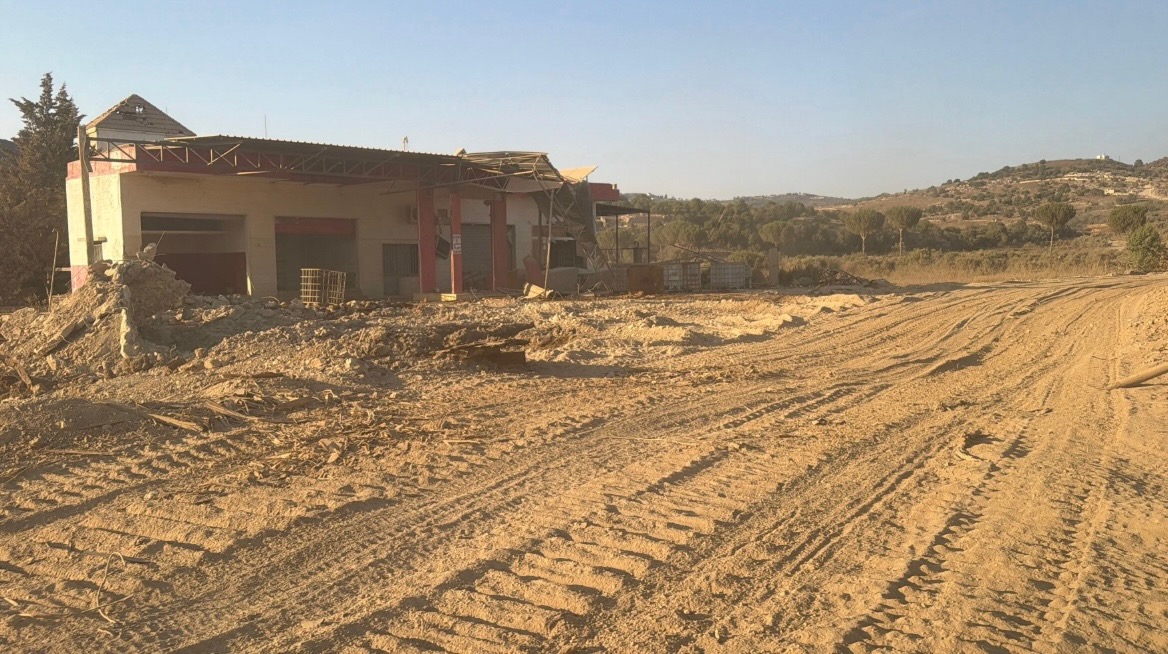
The dangerous journey home for Christian communities in southern Lebanon – #Catholic – Along Lebanon’s southern border with Israel, three Christian villages have found themselves caught on the front line of a war they neither chose nor supported. Ain Ebel, Rmeich and Debl, known locally as the “Delta of Resilience”, are the last inhabited Christian towns in Lebanon’s border region. Since fighting between Israel and Hezbollah escalated into a full-scale war in 2024, residents have endured deaths, destruction and growing isolation from the rest of the country.Today, even returning home has become a grueling journey. With the usual roads damaged or inaccessible, residents must travel in organized convoys through military checkpoints and Israeli-occupied territory, an ordeal some have come to call “road to Calvary.”Convoys travel to the villages almost daily, usually accompanied by Caritas and the United Nations Interim Force in Lebanon (UNIFIL). Carrying humanitarian assistance, they usually include approximately 30 cars and trucks. Yet a journey that once took around two hours from Beirut can now last 12 hours or more.The day begins at approximately 5 a.m., and the convoy may not reach the villages until after 6 p.m. One of the first stops is a Lebanese Army checkpoint, where residents are required to remain inside their vehicles for hours. Meanwhile, the sound of airstrikes and the sight of their impact on the surrounding hills heighten the fear and tension.The convoy then enters roads running through Israeli-occupied territory, where Israeli flags line the route. At Naqoura, residents can see the Mediterranean Sea, which they are no longer permitted to access, before another period of waiting begins. This can last for hours, with passengers prohibited from leaving their vehicles, even in the summer heat.
 
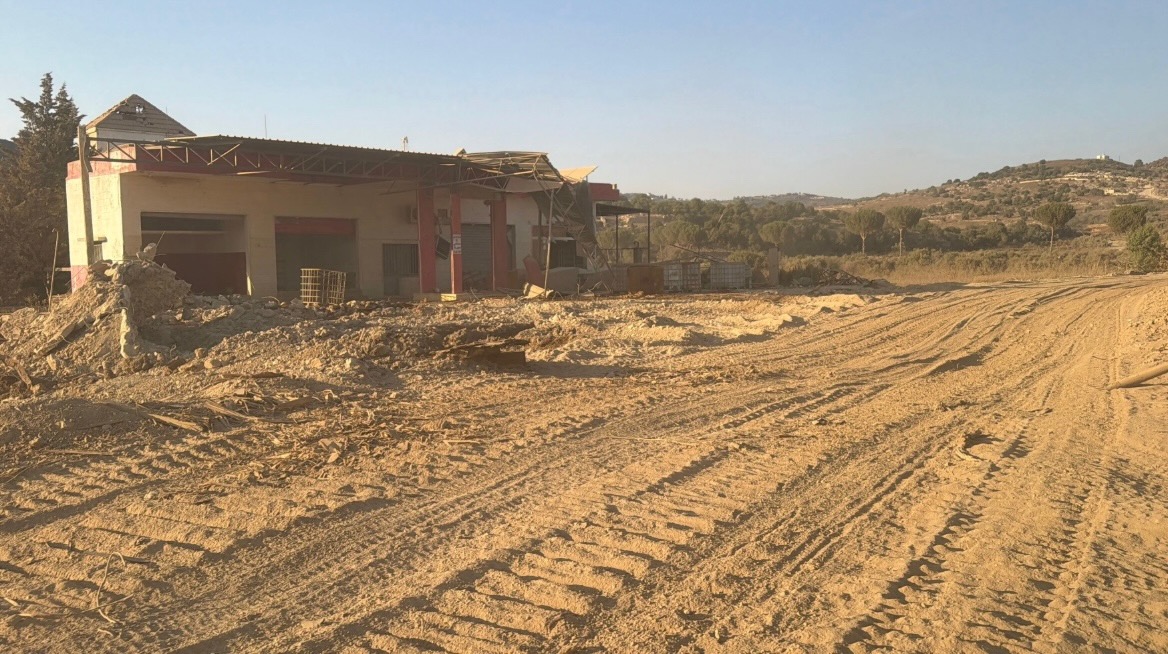
 Vehicles making the journey back to the Christian villages of southern Lebanon. | Credit: Romy Haber/ACI MENA
 
 Just feet away, Israeli soldiers can be seen inside buildings they have taken over, while Israeli military vehicles pass alongside the convoy. Many residents describe the experience as humiliating: They are in their own country, yet must wait for permission from a foreign military to reach their homes. As the hours pass, one question remains: Will the convoy be permitted to proceed, or will they be forced to return to Beirut after an entire day of waiting?If permission is finally granted, the last stage of the journey begins. Residents travel along severely damaged roads, past destroyed houses and through routes that require vehicles capable of navigating the difficult terrain, before finally reaching their villages.Many of those making the journey are elderly or ill and had been forced to travel to Beirut for medical treatment. Some underwent surgery only days earlier yet must spend long hours inside a vehicle under the sun, sometimes without enough water or access to a bathroom.Others travel to the capital for life’s most basic necessities. Pregnant women go to Beirut to give birth and then make the difficult return journey with their newborn babies, while parents travel to enroll their children in universities. The convoys often transport livestock, including pigs and cattle, some of which have died after being kept for hours in the intense heat.Maroun Louka, a father who was waiting in a convoy with his wife and children after a medical emergency forced the family to travel to Beirut, told ACI MENA the hardship begins even before the journey itself, with the registration of names and the wait for approval.“We are suffering greatly,” he said. “Sometimes we wait an entire week to receive approval and be able to return to our village.”“My uncle and my cousin were killed. Our homes were damaged, as were my brothers’ homes,” Louka continued. “I cannot even reach my olive press or my house. Life is extremely harsh and difficult.”Asked why he was determined to return, Louka said his family had no alternative. “Our parents and grandparents are deeply rooted in this village. They spent their lives here, and some were killed and buried here. Can we, today, simply come and abandon it? No. Leaving it would be extremely difficult.”While the journey reveals the harsh realities of war and occupation, it also reflects the faith, strength and resilience of those who continue to live in these villages.Father Najib al-Amil, a priest in Rmeish, told ACI MENA that the Church has played a central role in helping residents remain on their land.“Through our homilies, we encouraged the people and led them in prayer,” he said. “Every day, we prayed the rosary and held Eucharistic adoration.”The priests also encouraged parish groups to remain active by visiting the sick, checking on families and assisting the poor and others in need.Asked how the Vatican has supported the community, Father al-Amil pointed to the presence of Archbishop Paolo Borgia, the apostolic nuncio to Lebanon, whom he calls “the saintly nuncio.”“Despite the danger, the strikes and the shelling, he continued to come,” the priest said. “He insisted on reaching us here, sitting with the people, speaking with them and celebrating Mass with us.”The resilience of these communities is also sustained by Catholic organizations providing the material assistance families need to remain in their homes.Father Samir Ghaoui, president of Caritas Lebanon, said there had been a clear decision by the Maronite Church and the wider Catholic Church to stand beside these Christian villages, and ensure that their essential needs were met.“Since the beginning of the war, we have not abandoned them. Our decision was that we would stand beside every Christian household that chose to remain in its home and on its land. We will try to provide everything they need,” Father Ghaoui said. “They have the right to live with dignity in their own homes and with their families.”He expressed hope that residents would one day be able to support themselves once again through their own work.“But as long as there is war and as long as there is need, we at Caritas, in the name of the Church, will remain beside them,” he said. “Whatever the difficulties, we will continue finding a way to reach them.”This story was first published by ACI MENA, the Arabic-language sister service of EWTN News. It has been translated and adapted by EWTN News English.

The dangerous journey home for Christian communities in southern Lebanon – #Catholic – Along Lebanon’s southern border with Israel, three Christian villages have found themselves caught on the front line of a war they neither chose nor supported. Ain Ebel, Rmeich and Debl, known locally as the “Delta of Resilience”, are the last inhabited Christian towns in Lebanon’s border region. Since fighting between Israel and Hezbollah escalated into a full-scale war in 2024, residents have endured deaths, destruction and growing isolation from the rest of the country.Today, even returning home has become a grueling journey. With the usual roads damaged or inaccessible, residents must travel in organized convoys through military checkpoints and Israeli-occupied territory, an ordeal some have come to call “road to Calvary.”Convoys travel to the villages almost daily, usually accompanied by Caritas and the United Nations Interim Force in Lebanon (UNIFIL). Carrying humanitarian assistance, they usually include approximately 30 cars and trucks. Yet a journey that once took around two hours from Beirut can now last 12 hours or more.The day begins at approximately 5 a.m., and the convoy may not reach the villages until after 6 p.m. One of the first stops is a Lebanese Army checkpoint, where residents are required to remain inside their vehicles for hours. Meanwhile, the sound of airstrikes and the sight of their impact on the surrounding hills heighten the fear and tension.The convoy then enters roads running through Israeli-occupied territory, where Israeli flags line the route. At Naqoura, residents can see the Mediterranean Sea, which they are no longer permitted to access, before another period of waiting begins. This can last for hours, with passengers prohibited from leaving their vehicles, even in the summer heat. Vehicles making the journey back to the Christian villages of southern Lebanon. | Credit: Romy Haber/ACI MENA Just feet away, Israeli soldiers can be seen inside buildings they have taken over, while Israeli military vehicles pass alongside the convoy. Many residents describe the experience as humiliating: They are in their own country, yet must wait for permission from a foreign military to reach their homes. As the hours pass, one question remains: Will the convoy be permitted to proceed, or will they be forced to return to Beirut after an entire day of waiting?If permission is finally granted, the last stage of the journey begins. Residents travel along severely damaged roads, past destroyed houses and through routes that require vehicles capable of navigating the difficult terrain, before finally reaching their villages.Many of those making the journey are elderly or ill and had been forced to travel to Beirut for medical treatment. Some underwent surgery only days earlier yet must spend long hours inside a vehicle under the sun, sometimes without enough water or access to a bathroom.Others travel to the capital for life’s most basic necessities. Pregnant women go to Beirut to give birth and then make the difficult return journey with their newborn babies, while parents travel to enroll their children in universities. The convoys often transport livestock, including pigs and cattle, some of which have died after being kept for hours in the intense heat.Maroun Louka, a father who was waiting in a convoy with his wife and children after a medical emergency forced the family to travel to Beirut, told ACI MENA the hardship begins even before the journey itself, with the registration of names and the wait for approval.“We are suffering greatly,” he said. “Sometimes we wait an entire week to receive approval and be able to return to our village.”“My uncle and my cousin were killed. Our homes were damaged, as were my brothers’ homes,” Louka continued. “I cannot even reach my olive press or my house. Life is extremely harsh and difficult.”Asked why he was determined to return, Louka said his family had no alternative. “Our parents and grandparents are deeply rooted in this village. They spent their lives here, and some were killed and buried here. Can we, today, simply come and abandon it? No. Leaving it would be extremely difficult.”While the journey reveals the harsh realities of war and occupation, it also reflects the faith, strength and resilience of those who continue to live in these villages.Father Najib al-Amil, a priest in Rmeish, told ACI MENA that the Church has played a central role in helping residents remain on their land.“Through our homilies, we encouraged the people and led them in prayer,” he said. “Every day, we prayed the rosary and held Eucharistic adoration.”The priests also encouraged parish groups to remain active by visiting the sick, checking on families and assisting the poor and others in need.Asked how the Vatican has supported the community, Father al-Amil pointed to the presence of Archbishop Paolo Borgia, the apostolic nuncio to Lebanon, whom he calls “the saintly nuncio.”“Despite the danger, the strikes and the shelling, he continued to come,” the priest said. “He insisted on reaching us here, sitting with the people, speaking with them and celebrating Mass with us.”The resilience of these communities is also sustained by Catholic organizations providing the material assistance families need to remain in their homes.Father Samir Ghaoui, president of Caritas Lebanon, said there had been a clear decision by the Maronite Church and the wider Catholic Church to stand beside these Christian villages, and ensure that their essential needs were met.“Since the beginning of the war, we have not abandoned them. Our decision was that we would stand beside every Christian household that chose to remain in its home and on its land. We will try to provide everything they need,” Father Ghaoui said. “They have the right to live with dignity in their own homes and with their families.”He expressed hope that residents would one day be able to support themselves once again through their own work.“But as long as there is war and as long as there is need, we at Caritas, in the name of the Church, will remain beside them,” he said. “Whatever the difficulties, we will continue finding a way to reach them.”This story was first published by ACI MENA, the Arabic-language sister service of EWTN News. It has been translated and adapted by EWTN News English.

With the usual roads damaged or inaccessible, residents must travel in organized convoys through military checkpoints and Israeli-occupied territory, an ordeal some call “road to Calvary.”
Read More

The fall of 1618 was a standout when it came to notable comets, boasting three visible to the naked eye. In late August, C/1618 Q1 appeared, first spotted in the skies over Hungary. Johannes Kepler observed the comet throughout the month of September, spotting it from Linz, Austria, through a small telescope on Sept. 6.Continue reading “Sept. 6, 1618: The first comet seen through a telescope”

The post Sept. 6, 1618: The first comet seen through a telescope appeared first on Astronomy Magazine.

Read More
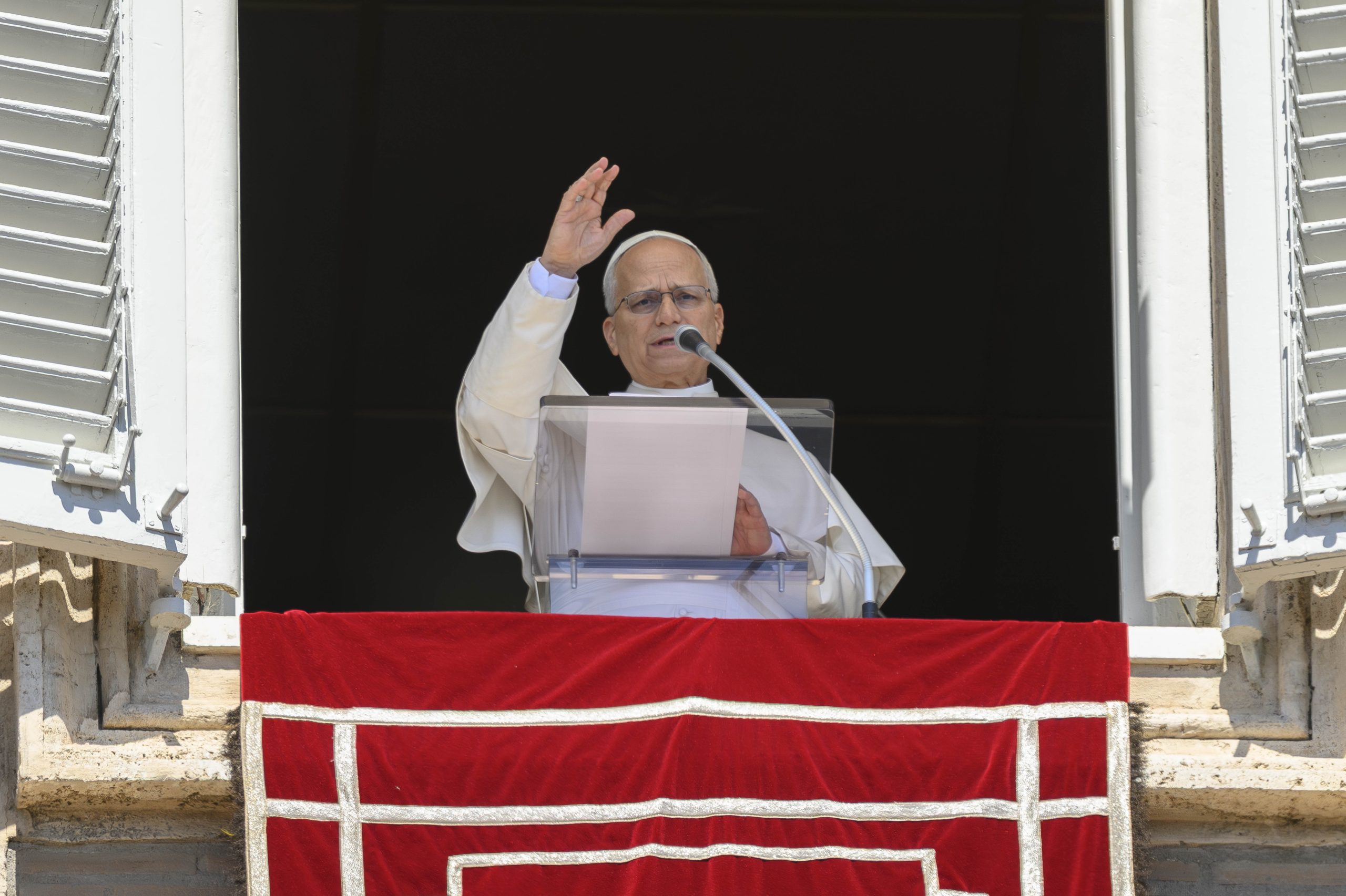
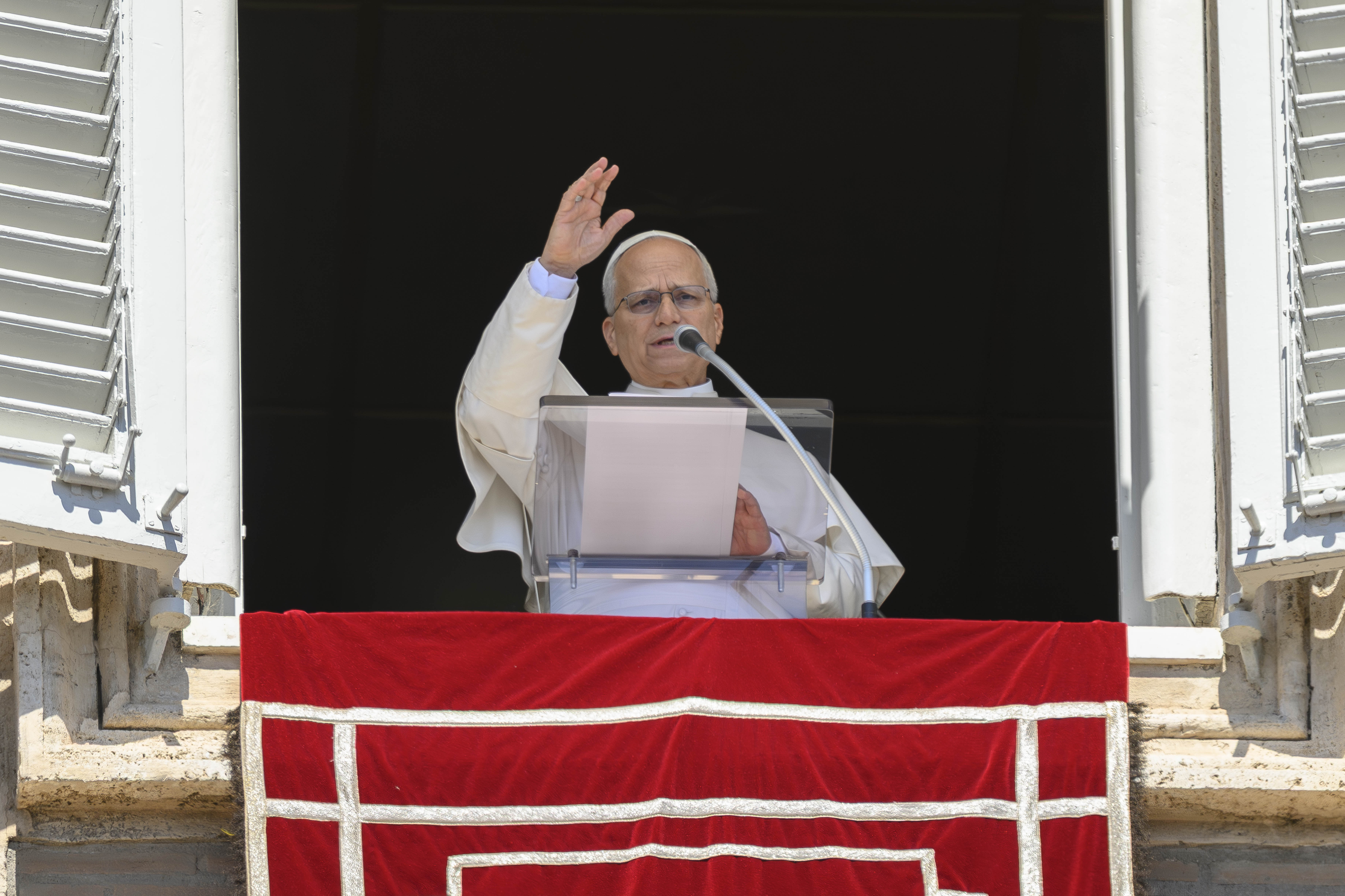
Pope Leo XIV calls for peace in Ukraine after Russian attacks – #Catholic – Pope Leo XIV on Sunday deplored the latest Russian attacks on Ukraine and voiced hopes for peace amid U.S.-led efforts to end the war.“With a sorrowful heart, I have followed the news of the latest violent attacks that have recently struck several cities and civilian infrastructures in Ukraine, causing the deaths of innocent people,” the pope told pilgrims in St. Peter’s Square at the Vatican, following the recitation of the Angelus.Russia has intensified its missile and drone campaign against Ukraine in recent days, with attacks killing dozens in Kyiv and nearby areas and disrupting electricity for hundreds of thousands of people in the Odesa region.Leo said he hoped that “the efforts undertaken in these days to resume negotiations will bear concrete fruit and open space for diplomacy.”The pope spoke on the same day that U.S. envoys Steve Witkoff and Jared Kushner arrived in Kyiv, having met in Moscow with Vladimir Putin on Saturday, Sept. 5.Earlier, in his catechesis before leading pilgrims in the Marian prayer, Pope Leo reflected on the day’s Gospel reading (Matthew 18:15-20), in which Jesus instructs his disciples in fraternal correction.“This is a delicate art, too often forgotten, that calls for frankness and a gradual approach. Speaking honestly with one another — first face to face, then, if necessary, with two or three others, and finally, when required, with the whole community — means facing reality and transforming problems and conflicts into opportunities for growth. Complaining and speaking ill of others are easier, but they accomplish nothing and leave many situations paralyzed,” the pope said.The pope also said that praying together, as Jesus encourages in the Gospel passage, builds unity among Christians.“Without faith, each person might feel alone and become suspicious of others, seeing them as strangers and enemies. By grace, however, we are brothers and sisters who can live in harmony: meeting one another, forgiving one another and listening to one another in the Lord,” Leo said.

Pope Leo XIV calls for peace in Ukraine after Russian attacks – #Catholic – Pope Leo XIV on Sunday deplored the latest Russian attacks on Ukraine and voiced hopes for peace amid U.S.-led efforts to end the war.“With a sorrowful heart, I have followed the news of the latest violent attacks that have recently struck several cities and civilian infrastructures in Ukraine, causing the deaths of innocent people,” the pope told pilgrims in St. Peter’s Square at the Vatican, following the recitation of the Angelus.Russia has intensified its missile and drone campaign against Ukraine in recent days, with attacks killing dozens in Kyiv and nearby areas and disrupting electricity for hundreds of thousands of people in the Odesa region.Leo said he hoped that “the efforts undertaken in these days to resume negotiations will bear concrete fruit and open space for diplomacy.”The pope spoke on the same day that U.S. envoys Steve Witkoff and Jared Kushner arrived in Kyiv, having met in Moscow with Vladimir Putin on Saturday, Sept. 5.Earlier, in his catechesis before leading pilgrims in the Marian prayer, Pope Leo reflected on the day’s Gospel reading (Matthew 18:15-20), in which Jesus instructs his disciples in fraternal correction.“This is a delicate art, too often forgotten, that calls for frankness and a gradual approach. Speaking honestly with one another — first face to face, then, if necessary, with two or three others, and finally, when required, with the whole community — means facing reality and transforming problems and conflicts into opportunities for growth. Complaining and speaking ill of others are easier, but they accomplish nothing and leave many situations paralyzed,” the pope said.The pope also said that praying together, as Jesus encourages in the Gospel passage, builds unity among Christians.“Without faith, each person might feel alone and become suspicious of others, seeing them as strangers and enemies. By grace, however, we are brothers and sisters who can live in harmony: meeting one another, forgiving one another and listening to one another in the Lord,” Leo said.

The pontiff also reflected on the importance of fraternal correction among members of the Church.
Read More
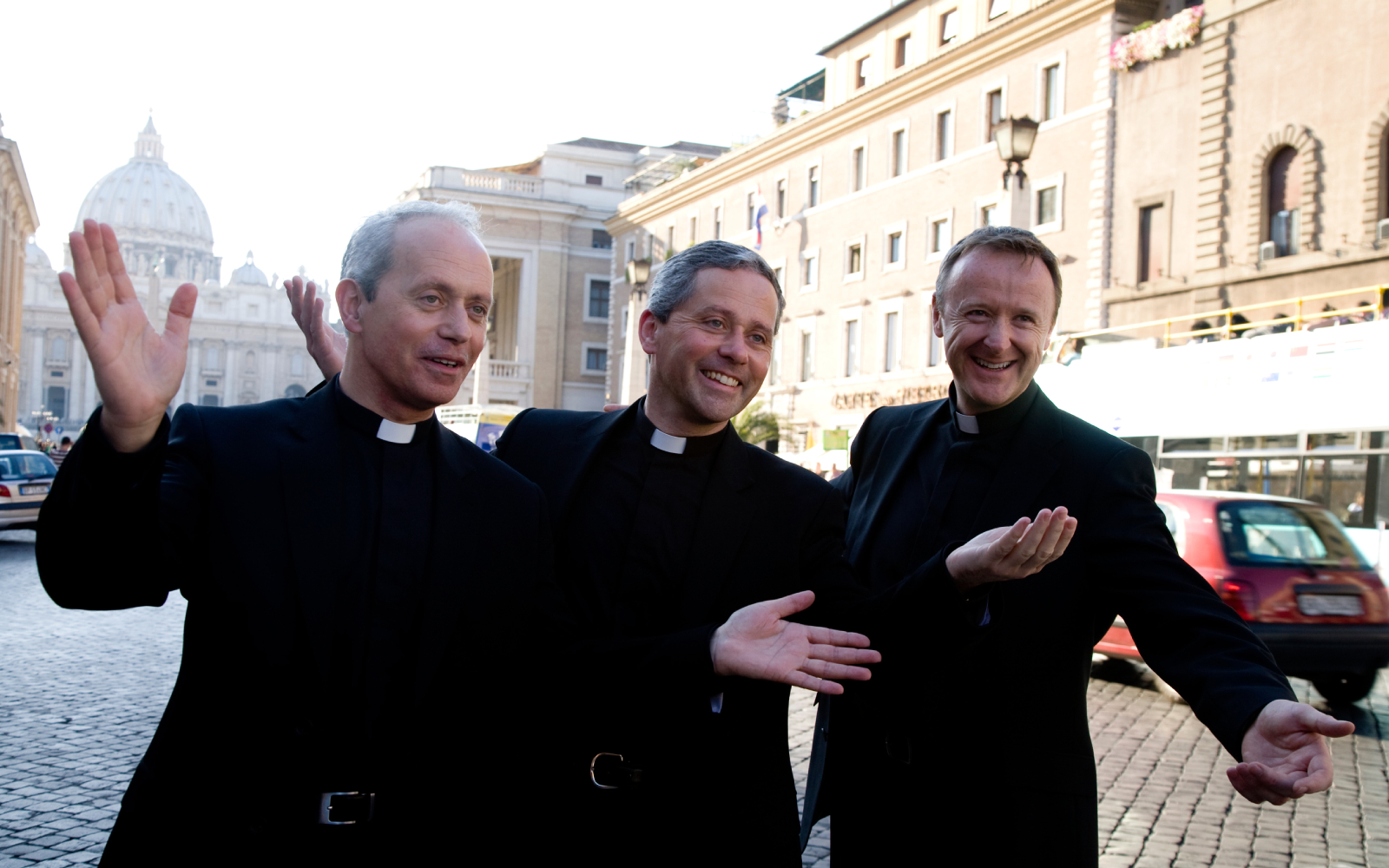
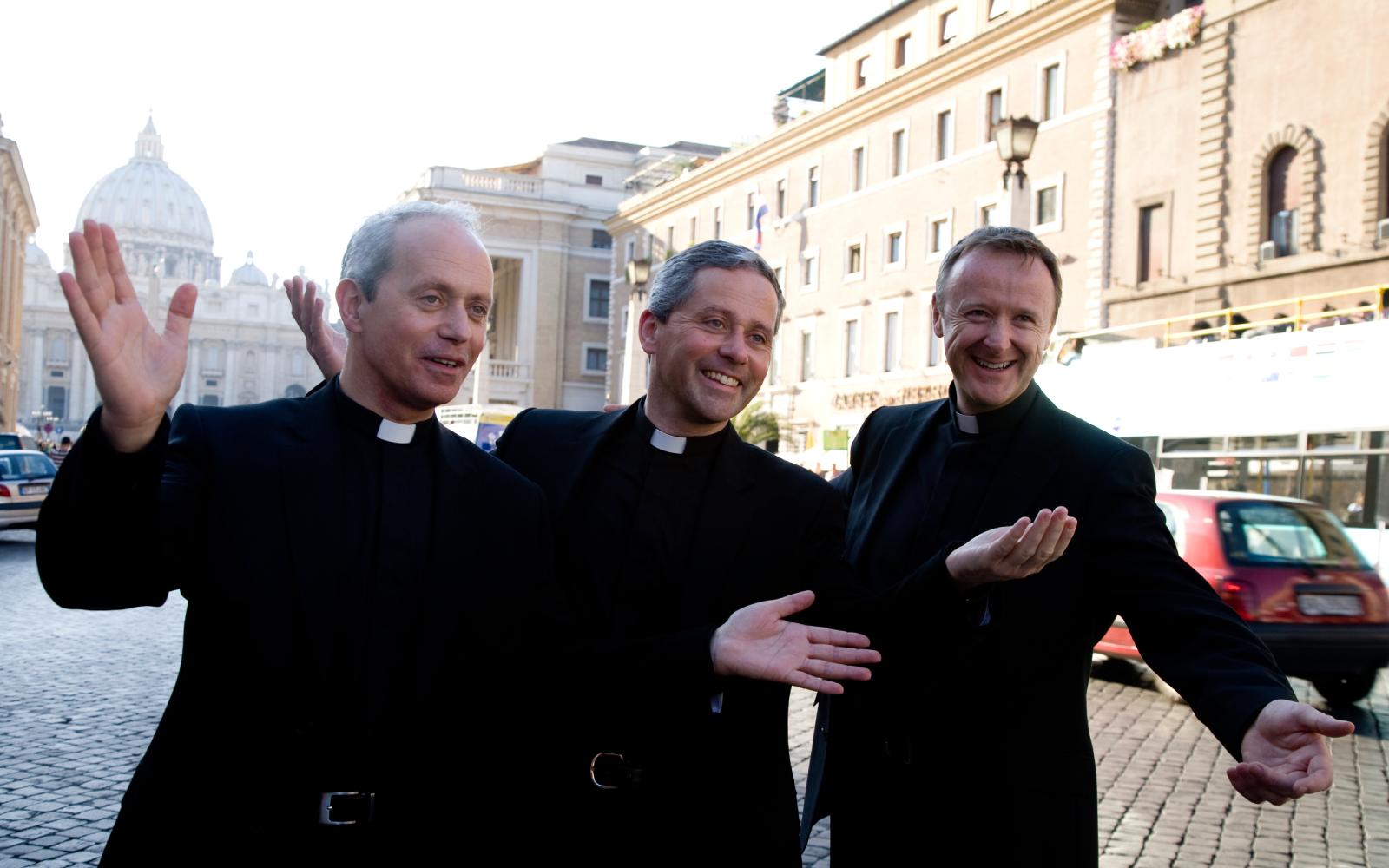
The Priests: The Irish trio bringing sacred music to the world – #Catholic – Nearly two decades after becoming an international musical phenomenon, the Irish group The Priests continues to bring sacred music to stages around the world as a form of evangelization.For Father David Delargy, one of the three Irish priests who make up the group, singing does not mean setting aside his ministry, but rather living it out in a different way.“For me, I don’t leave my priesthood behind me or to the side when I’m performing or singing on the stage. My priesthood is there, and I am ministering through the means of sacred music for those who, if you like, are the congregation rather than the audience,” he explained to EWTN News.The Priests consists of priests Father Martin OʼHagan, Father Eugene OʼHagan, and Delargy, who began singing together as students at a boarding school in Northern Ireland during the 1970s and later continued to do so while studying in Rome.Their story took an unexpected turn in 2008, when a Sony representative heard them singing together and proposed that they record an album.“One of the Sony record labels, one of the leaders there, had an idea for recording an album that might involve some priests. So, they sent out a scout. When they heard the three of us singing together, they realized we had been singing together since our boyhood days. And they thought, ‘These guys, they can sound quite nice together. Let’s make an album with them,’” Delargy recounted.“So, we signed a contract with them on the steps of Westminster Cathedral and went on to make four albums together, beginning in 2008 with ‘The Priests,’” he added.The first album exceeded expectations, selling nearly two million copies worldwide.The Priests have also released the albums “Harmony” (2009), “Noël” (2010), and “Alleluia” (2016), as well as the compilation “Then Sings My Soul: The Best of The Priests” (2012).For Delargy, music has never been separate from his priesthood.“In some profound ways, music moves people, evokes emotions, feelings and thoughts that otherwise might not have been there. So, I think God will use …our poor little voices and instruments, he will use all that to his own kind purposes and ends,” he stated.A musical pilgrimage to RomeAlmost 20 years after that unexpected success, The Priests returned to Rome to mark the centenary of the Pontifical Irish College, the institution where the three men studied.“We are all former students of the Irish College and we’ve been in our diocese of Down and Connor for 35 years, each of us, and we’ve all got great love for the college and I think given the fact that the college is celebrating 100 years this year, it’s a momentous occasion for the college,” Delargy related.The celebration included a musical pilgrimage to some of Romeʼs historic churches accompanied by other priests and the faithful who had traveled from Ireland.‘Sacred music in its essence is prayer’Delargy believes music allows for the expression of things that words do not always manage to convey.“Music can express praise, it can express peace, it can express prayer for those who are full of joy, but it can also journey with those who are experiencing difficulty,” he noted.“So, sacred music in its essence is prayer. I have to go back to St. Augustine, who said when you sing, you pray twice,” he observed.The priest also believes that music can serve as a gateway to Catholicism.“Sometimes the music, sacred music I’m talking about in particular, will be for many people their only point of contact specifically with the Christian faith. And so the Lord will use all these various means to draw us to himself,” he said.This story was first published by ACI Prensa, the Spanish-language sister service of EWTN News. It has been translated and adapted by EWTN News English.

The Priests: The Irish trio bringing sacred music to the world – #Catholic – Nearly two decades after becoming an international musical phenomenon, the Irish group The Priests continues to bring sacred music to stages around the world as a form of evangelization.For Father David Delargy, one of the three Irish priests who make up the group, singing does not mean setting aside his ministry, but rather living it out in a different way.“For me, I don’t leave my priesthood behind me or to the side when I’m performing or singing on the stage. My priesthood is there, and I am ministering through the means of sacred music for those who, if you like, are the congregation rather than the audience,” he explained to EWTN News.The Priests consists of priests Father Martin OʼHagan, Father Eugene OʼHagan, and Delargy, who began singing together as students at a boarding school in Northern Ireland during the 1970s and later continued to do so while studying in Rome.Their story took an unexpected turn in 2008, when a Sony representative heard them singing together and proposed that they record an album.“One of the Sony record labels, one of the leaders there, had an idea for recording an album that might involve some priests. So, they sent out a scout. When they heard the three of us singing together, they realized we had been singing together since our boyhood days. And they thought, ‘These guys, they can sound quite nice together. Let’s make an album with them,’” Delargy recounted.“So, we signed a contract with them on the steps of Westminster Cathedral and went on to make four albums together, beginning in 2008 with ‘The Priests,’” he added.The first album exceeded expectations, selling nearly two million copies worldwide.The Priests have also released the albums “Harmony” (2009), “Noël” (2010), and “Alleluia” (2016), as well as the compilation “Then Sings My Soul: The Best of The Priests” (2012).For Delargy, music has never been separate from his priesthood.“In some profound ways, music moves people, evokes emotions, feelings and thoughts that otherwise might not have been there. So, I think God will use …our poor little voices and instruments, he will use all that to his own kind purposes and ends,” he stated.A musical pilgrimage to RomeAlmost 20 years after that unexpected success, The Priests returned to Rome to mark the centenary of the Pontifical Irish College, the institution where the three men studied.“We are all former students of the Irish College and we’ve been in our diocese of Down and Connor for 35 years, each of us, and we’ve all got great love for the college and I think given the fact that the college is celebrating 100 years this year, it’s a momentous occasion for the college,” Delargy related.The celebration included a musical pilgrimage to some of Romeʼs historic churches accompanied by other priests and the faithful who had traveled from Ireland.‘Sacred music in its essence is prayer’Delargy believes music allows for the expression of things that words do not always manage to convey.“Music can express praise, it can express peace, it can express prayer for those who are full of joy, but it can also journey with those who are experiencing difficulty,” he noted.“So, sacred music in its essence is prayer. I have to go back to St. Augustine, who said when you sing, you pray twice,” he observed.The priest also believes that music can serve as a gateway to Catholicism.“Sometimes the music, sacred music I’m talking about in particular, will be for many people their only point of contact specifically with the Christian faith. And so the Lord will use all these various means to draw us to himself,” he said.This story was first published by ACI Prensa, the Spanish-language sister service of EWTN News. It has been translated and adapted by EWTN News English.

From singing together as students at a boarding school in the 1970s to being discovered by Sony in 2008 and making four albums, the priests have always sought to evangelize through sacred music.
Read More
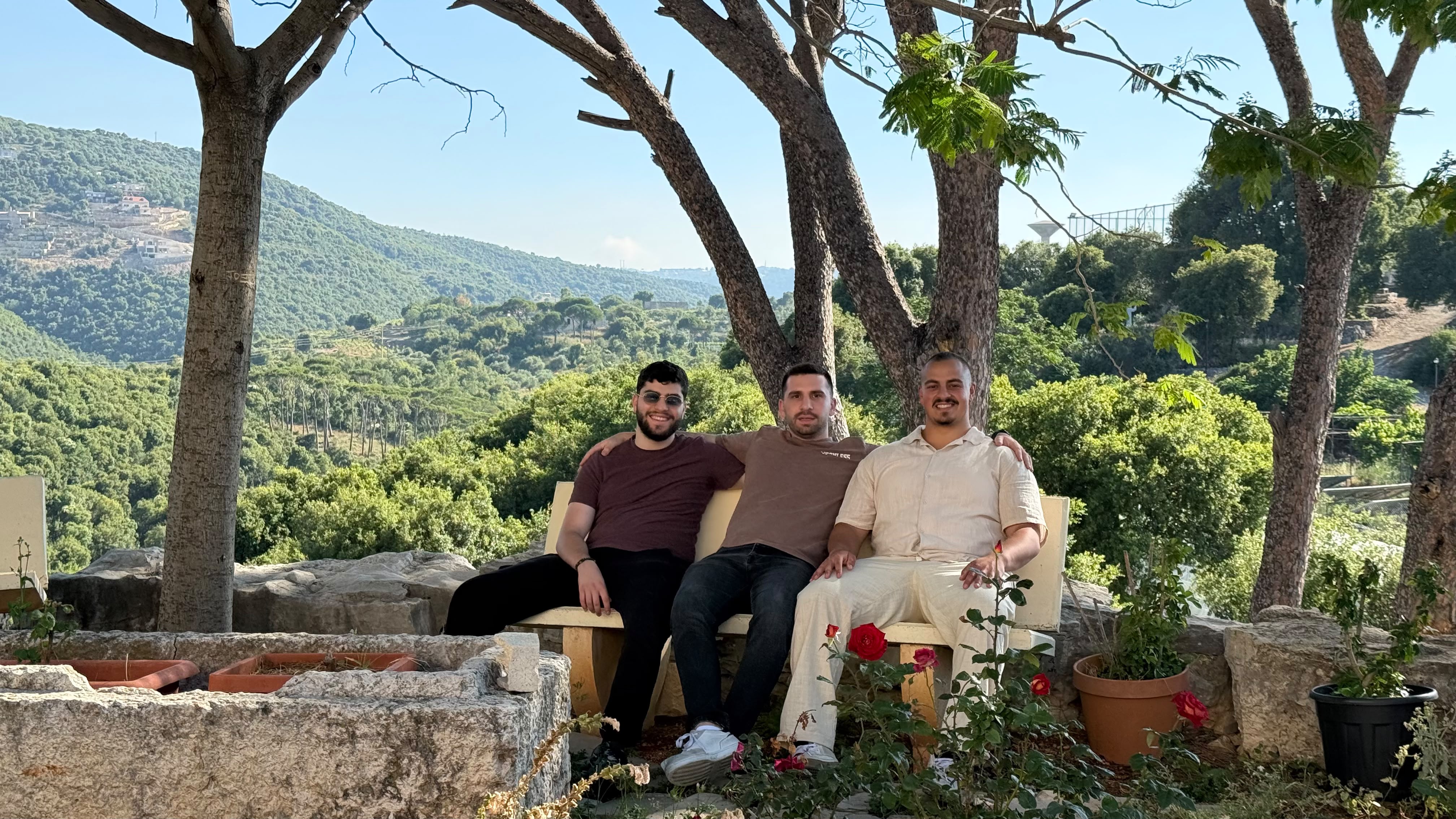
3 young Lebanese men turn small Bible study into largest in the Middle East #Catholic A year ago, three young Lebanese men started a small Bible study group in their parish hall. Today, it has grown into what organizers describe as the largest Bible study initiative in the Middle East, with more than 3,000 people taking part in the gatherings.Each session follows a simple but carefully structured program. It begins with approximately 40 minutes devoted to explaining and exploring a passage from the Bible, followed by approximately 15 minutes of spiritual reflection. Participants then move on to an interactive segment featuring games and questions about the Bible or other topics related to the Christian faith, such as Marian apparitions. The gatherings are free and held under the supervision of Catholic priests.Behind each session, however, lies an extensive preparation process. Jimmy Chaaya, one of the initiative’s founders, explained that he seeks to vary the topics from week to week and studies the selected passage with a hermit.His research includes examining the original Greek words in Scripture, their meanings, and the cultural context in which they were used alongside the Church Fathers’ interpretations of the text. He also consults Jewish writings, geography books, papal homilies, and other sources. Once his research is complete, Chaaya submits the material to several priests for review and approval before presenting it to participants.
 
 More than 3,000 people now attend a Bible study in Lebanon, believed to be the largest in the Middle East, which was started by three young adults. | Credit: Charbel El Hajj
 
 Initially, the Bible study gatherings took place on Mondays. As attendance grew, the team added a second session on Tuesdays and is now preparing to introduce a Wednesday gathering as well. Chaaya said the team hopes to expand beyond its current location in the town of Antelias.To that end, the organizers are training people to lead similar gatherings in other parts of Lebanon while their long-term vision extends beyond the country’s borders. Charbel El Hage, another founder, said the team hopes to bring the initiative to other countries, particularly in the Middle East, where he sees considerable potential for such efforts to grow.El Hage noted that the initiative has benefited from the support of the Maronite Archdiocese of Antelias from the outset as well as broad support within the Church. This backing, he said, has helped the project develop smoothly.Attendance is not limited to Catholics. According to Chaaya, Christians from various churches and denominations — including Orthodox Christians and Protestants — have joined the gatherings, alongside people from other religious backgrounds, including Muslims. He added that a number of participants are currently preparing to receive the sacrament of baptism.
 
 More than 3,000 people now attend a Bible study in Lebanon, believed to be the largest in the Middle East, which was started by three young adults. | Credit: Charbel El Hajj
 
 Although the initiative is aimed primarily at young people, team member Majd Samia stressed that there are no strict age limits. “Everyone needs Jesus,” he said, which is why the gatherings are open to all. For Samia, the strong turnout reflects young people’s thirst to hear the word of God and explore it more deeply. This story was first published by ACI MENA, the Arabic-language sister service of EWTN News. It has been translated and adapted by EWTN News English.

3 young Lebanese men turn small Bible study into largest in the Middle East #Catholic A year ago, three young Lebanese men started a small Bible study group in their parish hall. Today, it has grown into what organizers describe as the largest Bible study initiative in the Middle East, with more than 3,000 people taking part in the gatherings.Each session follows a simple but carefully structured program. It begins with approximately 40 minutes devoted to explaining and exploring a passage from the Bible, followed by approximately 15 minutes of spiritual reflection. Participants then move on to an interactive segment featuring games and questions about the Bible or other topics related to the Christian faith, such as Marian apparitions. The gatherings are free and held under the supervision of Catholic priests.Behind each session, however, lies an extensive preparation process. Jimmy Chaaya, one of the initiative’s founders, explained that he seeks to vary the topics from week to week and studies the selected passage with a hermit.His research includes examining the original Greek words in Scripture, their meanings, and the cultural context in which they were used alongside the Church Fathers’ interpretations of the text. He also consults Jewish writings, geography books, papal homilies, and other sources. Once his research is complete, Chaaya submits the material to several priests for review and approval before presenting it to participants. More than 3,000 people now attend a Bible study in Lebanon, believed to be the largest in the Middle East, which was started by three young adults. | Credit: Charbel El Hajj Initially, the Bible study gatherings took place on Mondays. As attendance grew, the team added a second session on Tuesdays and is now preparing to introduce a Wednesday gathering as well. Chaaya said the team hopes to expand beyond its current location in the town of Antelias.To that end, the organizers are training people to lead similar gatherings in other parts of Lebanon while their long-term vision extends beyond the country’s borders. Charbel El Hage, another founder, said the team hopes to bring the initiative to other countries, particularly in the Middle East, where he sees considerable potential for such efforts to grow.El Hage noted that the initiative has benefited from the support of the Maronite Archdiocese of Antelias from the outset as well as broad support within the Church. This backing, he said, has helped the project develop smoothly.Attendance is not limited to Catholics. According to Chaaya, Christians from various churches and denominations — including Orthodox Christians and Protestants — have joined the gatherings, alongside people from other religious backgrounds, including Muslims. He added that a number of participants are currently preparing to receive the sacrament of baptism. More than 3,000 people now attend a Bible study in Lebanon, believed to be the largest in the Middle East, which was started by three young adults. | Credit: Charbel El Hajj Although the initiative is aimed primarily at young people, team member Majd Samia stressed that there are no strict age limits. “Everyone needs Jesus,” he said, which is why the gatherings are open to all. For Samia, the strong turnout reflects young people’s thirst to hear the word of God and explore it more deeply. This story was first published by ACI MENA, the Arabic-language sister service of EWTN News. It has been translated and adapted by EWTN News English.

More than 3,000 people have joined a growing Catholic Bible study initiative in Lebanon as organizers launch more days and times throughout the country and beyond.
Read More
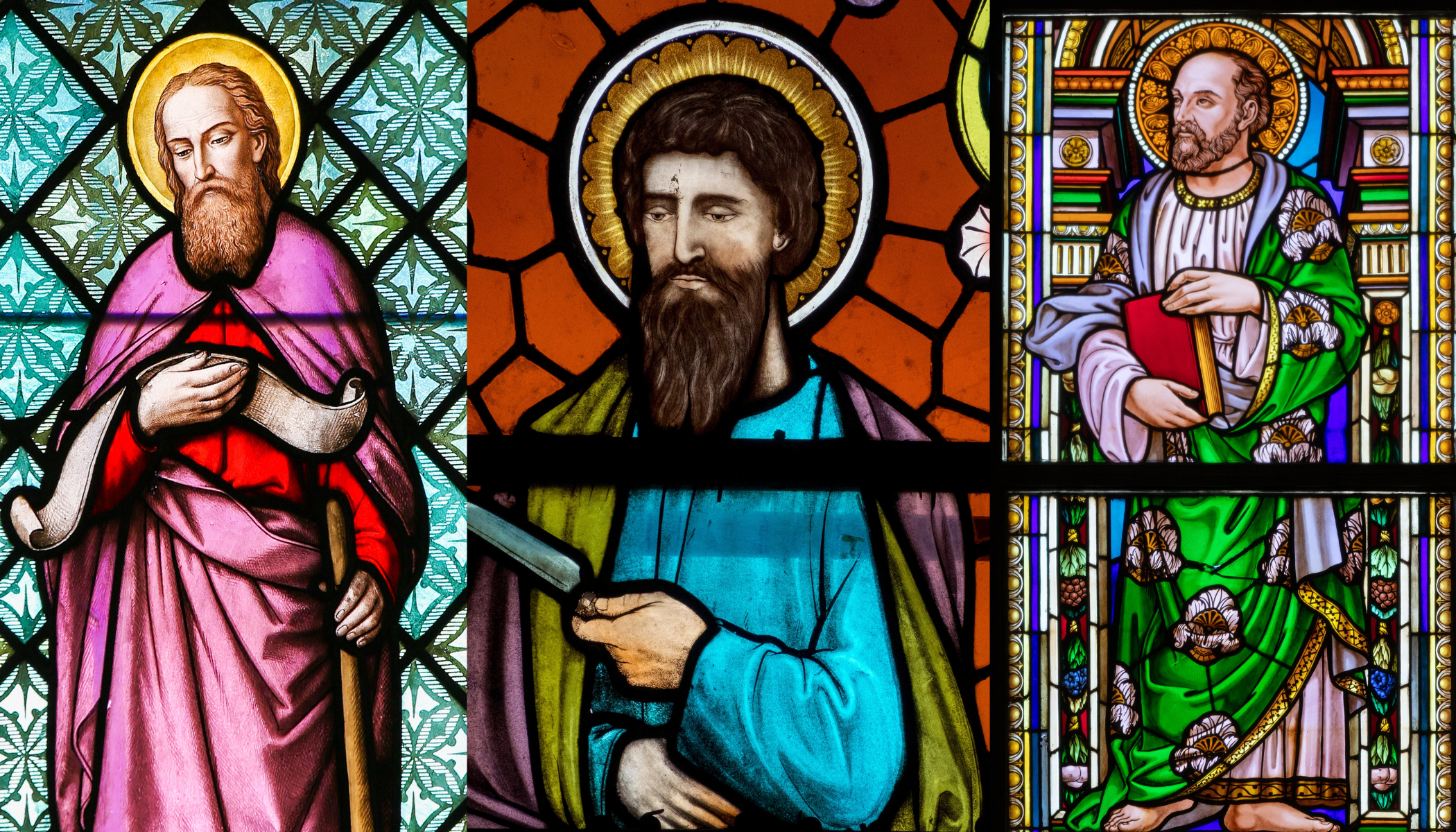
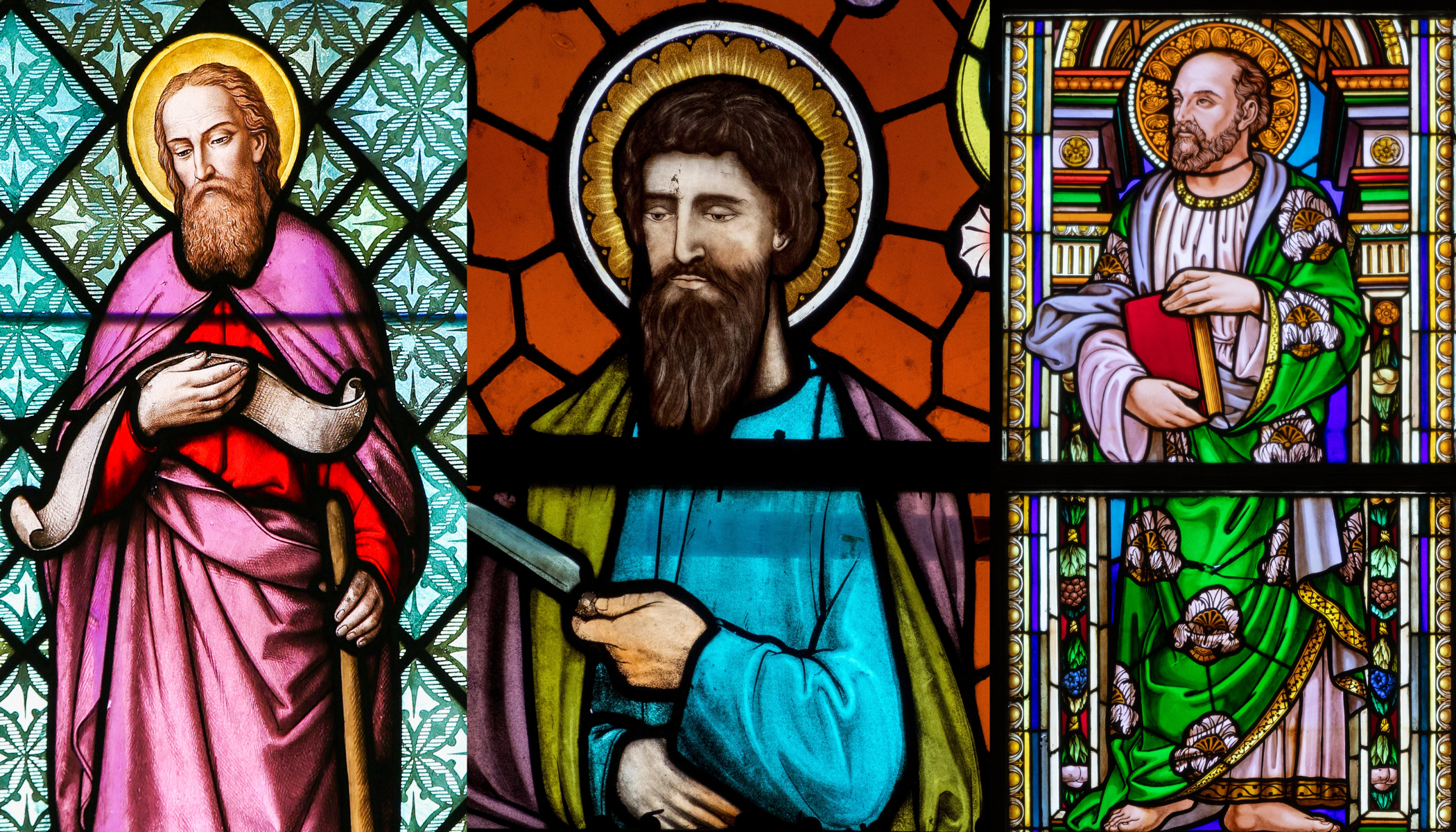
7 lesser-known apostles and where Catholics can encounter them today – #Catholic – When Christians think of Jesus’ Twelve Apostles, they might immediately think of Peter, John, and Matthew. But what about some of the lesser-known followers he chose?While Scripture gives us a significant amount of information about the lives of some apostles, not many details are known about others. Despite this, the Church has continued to remember and honor these apostles through the centuries, with churches, shrines, relics, and pilgrimage sites dedicated to them around the world.Here are seven lesser-known apostles — and places where Catholics can still encounter their lives and legacy today.St. James the GreaterJames the Greater was the son of Zebedee and the brother of St. John the Apostle. He worked as a fisherman in the Sea of Galilee alongside his brother and father.James and John were among the first disciples Jesus called. According to the Gospel of Matthew, Chapter 4, the brothers were mending their fishing nets when Jesus called them, and they immediately left their father and their fishing boat to follow him.In Mark Chapter 3, Jesus gave the brothers the name “Boanerges,” an Aramaic nickname meaning “sons of thunder.”James was one of the three apostles — along with Peter and John — who witnessed several particularly important moments in Jesus' ministry. He was present at the raising of Jairus' daughter, the Transfiguration, and Jesus' agony in the Garden of Gethsemane.After the resurrection and ascension of Jesus, James became the first of the Twelve Apostles to be martyred. In Chapter 12 of the Acts of the Apostles, it states that King Herod Agrippa I had him put to death “with the sword,” which is understood to mean that he was beheaded.Today, St. James the Greater is honored through the famous Camino de Santiago — or Way of St. James — which is a network of walking trails that pass through several European countries and ends in Spain at the Cathedral of Santiago de Compostela. The cathedral is a major pilgrimage site and is home to St. James’ relics.St. James the LesserJames the Lesser was the son of Alphaeus and appears in the lists of the Twelve Apostles in the Gospels and Acts, but Scripture provides almost no information about his life or ministry.In 2006, Pope Benedict XVI did a catechesis series on some of the lesser-known apostles, including James the Lesser. In his catechesis on James the Lesser, he explained that his title, “the Lesser,” was used to distinguish him from James the son of Zebedee, also known as James the Greater. It does not mean that he was less important.The Holy Father also discussed the fact that James the son of Alphaeus has traditionally been identified by some with another prominent James in the early Church, but the identification remains disputed.Today, the remains of James the Lesser — alongside those of the apostle Philip — are housed in the Basilica of the Twelve Holy Apostles in Rome.St. PhilipPhilip was from Bethsaida, the same town as Peter and Andrew, and appears the most in the Gospel of John.After Jesus called Philip, he went to Nathanael and told him that he had found the one about whom Moses and the prophets had written. When Nathanael questioned whether anything good could come from Nazareth, Philip gave him a simple invitation: “Come and see.”Philip also appears in the account of the multiplication of the loaves. Jesus asked Philip where they could buy bread for the large crowd, to which Philip replied that not even 200 denarii would be enough to buy bread for all those gathered.Later, at the Last Supper, Philip asked Jesus to show the disciples the Father. Jesus responded by teaching Philip about his relationship with the Father.In Pope Benedict XVI’s catechesis on Philip, he said: “According to certain later accounts (Acts of Philip and others), our Apostle is said to have evangelized first Greece and then Frisia, where he is supposed to have died, in Hierapolis, by a torture described variously as crucifixion or stoning.”Today, Philip’s remains are housed — alongside those of the apostle James the Lesser — in the Basilica of the Twelve Holy Apostles in Rome.St. BartholomewBartholomew appears in the New Testament lists of the Twelve, but the Gospel narratives never tell a story about someone named “Bartholomew.”Catholic tradition has long identified him with Nathanael, whom Philip brings to Jesus in the Gospel of John. Pope Benedict XVI described this as a traditional identification, while acknowledging that the New Testament itself does not explicitly make the connection.After initially questioning whether anything good could come from Nazareth, he professed his faith in Jesus after meeting him, calling him “the Son of God” and “the King of Israel.”In the Gospel of John, Jesus tells Nathanael: "Before Philip called you, when you were under the fig tree, I saw you.” While we don’t know what happened under the fig tree, it can be assumed that it was a “decisive moment in Nathanael’s life,” Benedict XVI explained.The Basilica of St. Bartholomew on Tiber Island in Rome is dedicated to this apostle, as well as the Basilica of St. Bartholomew the Apostle in Benevento, Italy, which houses the saint’s relics.St. Jude ThaddeusSt. Jude is sometimes confusing because he appears under different names in the New Testament.Matthew and Mark call him Thaddeus, while Luke identifies him as Judas, son of James. Catholic tradition identifies these names with the same apostle and distinguishes him from Judas Iscariot by calling him Jude or Jude Thaddeus.During the Last Supper, he asks Jesus why he will reveal himself to the disciples and not to the world. Jesus responds by speaking about those who love him and keep his word.A Letter of Jude is also included in the New Testament. It traditionally bears the name of Jude Thaddeus, although questions about its authorship have been discussed by scholars. Pope Benedict XVI emphasized that the letter calls Christians to preserve their faith while remaining rooted in Godʼs mercy.Jude is thought to have been martyred in Beirut around 65 A.D.Despite very little being known about him, St. Jude is an important intercessor for Catholics around the world as the patron saint of impossible causes.An experience Jude had while in the city of Edessa is said to be the reason why he is associated with impossible situations. According to the ancient Church historian Eusebius, while Jesus was still alive, the ruler Abgar V of Edessa was afflicted with an incurable and painful disease. He heard of the miracles of Jesus and wrote him a letter requesting a visit. Jesus responded that he would send one of his disciples.After Jesus’ ascension into heaven, Jude went to evangelize near the city of Edessa and went to visit Abgar. Jude laid his hands on the sick ruler, and he was reportedly instantly healed.Many people choose to carry or wear the image of St. Jude on a medal for comfort and as a reminder to call on him in times of need.A major relic of St. Jude the Apostle has also traveled beyond its usual home in Rome. In 2023, a piece of the apostleʼs forearm bone began a nine-month tour across the United States, visiting churches, schools, and other locations so Catholics could venerate the relic and ask for the apostleʼs intercession. The relic had never before left Italy for such a tour. It is typically kept at the Church of San Salvatore in Lauro in Rome.St. Simon the ZealotSimon is one of the least-known members of the Twelve. The Gospels identify him as “the Zealot.” Matthew and Mark use the term “Cananaean,” while Luke uses “Zealot.” Pope Benedict XVI explained that the two descriptions convey the idea of zeal or ardor.It is sometimes assumed that Simon belonged to the political movement known as the Zealots. However, Scripture does not establish this. His title could simply indicate that he was zealous in his religious devotion.According to tradition, Simon the Zealot — alongside St. Jude — preached in Persia or Syria and was martyred.While no major basilica is named after him, his relics can be found in St. Peter’s Basilica beneath the Altar of St. Joseph alongside St. Jude Thaddeus.St. MatthiasMatthias was not one of the original Twelve chosen during Jesus' earthly ministry. Instead, he was selected by the early Church after Judas Iscariotʼs death.According to Acts 1, Peter explained that Judas' replacement needed to be someone who had accompanied Jesus and the Apostles throughout Christʼs earthly ministry and could therefore serve as a witness to the Resurrection.Two men were proposed: Joseph Barsabbas, also called Justus, and Matthias. After the community prayed, they cast lots, and Matthias was chosen.That is essentially all Scripture tells us about Matthias. Pope Benedict XVI emphasized that he was among Jesus' disciples from the beginning and was therefore able to serve as a witness to the Resurrection.St. Matthias’ Abbey in Trier, Germany, holds the tomb of St. Matthias, making it the only burial place of an apostle in Germany and north of the Alps.

7 lesser-known apostles and where Catholics can encounter them today – #Catholic – When Christians think of Jesus’ Twelve Apostles, they might immediately think of Peter, John, and Matthew. But what about some of the lesser-known followers he chose?While Scripture gives us a significant amount of information about the lives of some apostles, not many details are known about others. Despite this, the Church has continued to remember and honor these apostles through the centuries, with churches, shrines, relics, and pilgrimage sites dedicated to them around the world.Here are seven lesser-known apostles — and places where Catholics can still encounter their lives and legacy today.St. James the GreaterJames the Greater was the son of Zebedee and the brother of St. John the Apostle. He worked as a fisherman in the Sea of Galilee alongside his brother and father.James and John were among the first disciples Jesus called. According to the Gospel of Matthew, Chapter 4, the brothers were mending their fishing nets when Jesus called them, and they immediately left their father and their fishing boat to follow him.In Mark Chapter 3, Jesus gave the brothers the name “Boanerges,” an Aramaic nickname meaning “sons of thunder.”James was one of the three apostles — along with Peter and John — who witnessed several particularly important moments in Jesus' ministry. He was present at the raising of Jairus' daughter, the Transfiguration, and Jesus' agony in the Garden of Gethsemane.After the resurrection and ascension of Jesus, James became the first of the Twelve Apostles to be martyred. In Chapter 12 of the Acts of the Apostles, it states that King Herod Agrippa I had him put to death “with the sword,” which is understood to mean that he was beheaded.Today, St. James the Greater is honored through the famous Camino de Santiago — or Way of St. James — which is a network of walking trails that pass through several European countries and ends in Spain at the Cathedral of Santiago de Compostela. The cathedral is a major pilgrimage site and is home to St. James’ relics.St. James the LesserJames the Lesser was the son of Alphaeus and appears in the lists of the Twelve Apostles in the Gospels and Acts, but Scripture provides almost no information about his life or ministry.In 2006, Pope Benedict XVI did a catechesis series on some of the lesser-known apostles, including James the Lesser. In his catechesis on James the Lesser, he explained that his title, “the Lesser,” was used to distinguish him from James the son of Zebedee, also known as James the Greater. It does not mean that he was less important.The Holy Father also discussed the fact that James the son of Alphaeus has traditionally been identified by some with another prominent James in the early Church, but the identification remains disputed.Today, the remains of James the Lesser — alongside those of the apostle Philip — are housed in the Basilica of the Twelve Holy Apostles in Rome.St. PhilipPhilip was from Bethsaida, the same town as Peter and Andrew, and appears the most in the Gospel of John.After Jesus called Philip, he went to Nathanael and told him that he had found the one about whom Moses and the prophets had written. When Nathanael questioned whether anything good could come from Nazareth, Philip gave him a simple invitation: “Come and see.”Philip also appears in the account of the multiplication of the loaves. Jesus asked Philip where they could buy bread for the large crowd, to which Philip replied that not even 200 denarii would be enough to buy bread for all those gathered.Later, at the Last Supper, Philip asked Jesus to show the disciples the Father. Jesus responded by teaching Philip about his relationship with the Father.In Pope Benedict XVI’s catechesis on Philip, he said: “According to certain later accounts (Acts of Philip and others), our Apostle is said to have evangelized first Greece and then Frisia, where he is supposed to have died, in Hierapolis, by a torture described variously as crucifixion or stoning.”Today, Philip’s remains are housed — alongside those of the apostle James the Lesser — in the Basilica of the Twelve Holy Apostles in Rome.St. BartholomewBartholomew appears in the New Testament lists of the Twelve, but the Gospel narratives never tell a story about someone named “Bartholomew.”Catholic tradition has long identified him with Nathanael, whom Philip brings to Jesus in the Gospel of John. Pope Benedict XVI described this as a traditional identification, while acknowledging that the New Testament itself does not explicitly make the connection.After initially questioning whether anything good could come from Nazareth, he professed his faith in Jesus after meeting him, calling him “the Son of God” and “the King of Israel.”In the Gospel of John, Jesus tells Nathanael: "Before Philip called you, when you were under the fig tree, I saw you.” While we don’t know what happened under the fig tree, it can be assumed that it was a “decisive moment in Nathanael’s life,” Benedict XVI explained.The Basilica of St. Bartholomew on Tiber Island in Rome is dedicated to this apostle, as well as the Basilica of St. Bartholomew the Apostle in Benevento, Italy, which houses the saint’s relics.St. Jude ThaddeusSt. Jude is sometimes confusing because he appears under different names in the New Testament.Matthew and Mark call him Thaddeus, while Luke identifies him as Judas, son of James. Catholic tradition identifies these names with the same apostle and distinguishes him from Judas Iscariot by calling him Jude or Jude Thaddeus.During the Last Supper, he asks Jesus why he will reveal himself to the disciples and not to the world. Jesus responds by speaking about those who love him and keep his word.A Letter of Jude is also included in the New Testament. It traditionally bears the name of Jude Thaddeus, although questions about its authorship have been discussed by scholars. Pope Benedict XVI emphasized that the letter calls Christians to preserve their faith while remaining rooted in Godʼs mercy.Jude is thought to have been martyred in Beirut around 65 A.D.Despite very little being known about him, St. Jude is an important intercessor for Catholics around the world as the patron saint of impossible causes.An experience Jude had while in the city of Edessa is said to be the reason why he is associated with impossible situations. According to the ancient Church historian Eusebius, while Jesus was still alive, the ruler Abgar V of Edessa was afflicted with an incurable and painful disease. He heard of the miracles of Jesus and wrote him a letter requesting a visit. Jesus responded that he would send one of his disciples.After Jesus’ ascension into heaven, Jude went to evangelize near the city of Edessa and went to visit Abgar. Jude laid his hands on the sick ruler, and he was reportedly instantly healed.Many people choose to carry or wear the image of St. Jude on a medal for comfort and as a reminder to call on him in times of need.A major relic of St. Jude the Apostle has also traveled beyond its usual home in Rome. In 2023, a piece of the apostleʼs forearm bone began a nine-month tour across the United States, visiting churches, schools, and other locations so Catholics could venerate the relic and ask for the apostleʼs intercession. The relic had never before left Italy for such a tour. It is typically kept at the Church of San Salvatore in Lauro in Rome.St. Simon the ZealotSimon is one of the least-known members of the Twelve. The Gospels identify him as “the Zealot.” Matthew and Mark use the term “Cananaean,” while Luke uses “Zealot.” Pope Benedict XVI explained that the two descriptions convey the idea of zeal or ardor.It is sometimes assumed that Simon belonged to the political movement known as the Zealots. However, Scripture does not establish this. His title could simply indicate that he was zealous in his religious devotion.According to tradition, Simon the Zealot — alongside St. Jude — preached in Persia or Syria and was martyred.While no major basilica is named after him, his relics can be found in St. Peter’s Basilica beneath the Altar of St. Joseph alongside St. Jude Thaddeus.St. MatthiasMatthias was not one of the original Twelve chosen during Jesus' earthly ministry. Instead, he was selected by the early Church after Judas Iscariotʼs death.According to Acts 1, Peter explained that Judas' replacement needed to be someone who had accompanied Jesus and the Apostles throughout Christʼs earthly ministry and could therefore serve as a witness to the Resurrection.Two men were proposed: Joseph Barsabbas, also called Justus, and Matthias. After the community prayed, they cast lots, and Matthias was chosen.That is essentially all Scripture tells us about Matthias. Pope Benedict XVI emphasized that he was among Jesus' disciples from the beginning and was therefore able to serve as a witness to the Resurrection.St. Matthias’ Abbey in Trier, Germany, holds the tomb of St. Matthias, making it the only burial place of an apostle in Germany and north of the Alps.

Not many details are known about some of Jesus’ closest followers — here are some of their names and where their relics and tombs can be found today.
Read More