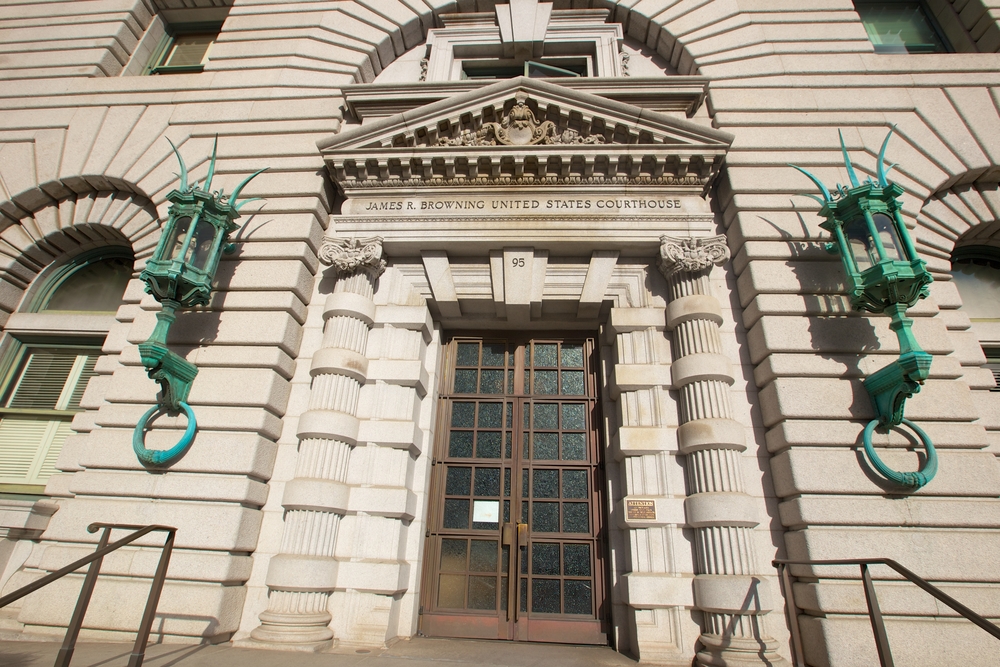

Dozens of organizations urged the court to protect parental rights and religious freedom as the state law remains blocked.
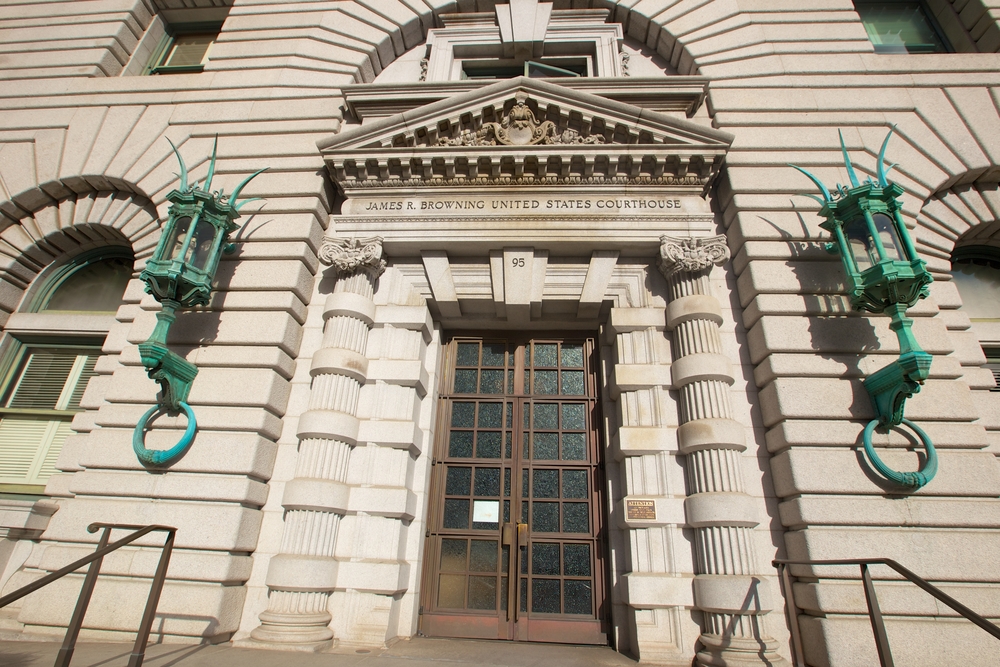
Dozens of organizations urged the court to protect parental rights and religious freedom as the state law remains blocked.
Rocket launches this week On Thursday, Sept. 10 at 5:00 a.m. EST, a Long March 2D rocket is set to lift off from Jiuquan Satellite Launch Center in northern China’s Gobi Desert carrying an undisclosed payload, according to tracking from Next Spaceflight. The rocket is operated by the state-owned space contractor China Aerospace Science andContinue reading “SpaceX closes out SES’s O3b mPower constellation”
The post SpaceX closes out SES’s O3b mPower constellation appeared first on Astronomy Magazine.
Read MoreA reading from the First Letter of St. Paul to Corinthians
7:25-31
Brothers and sisters:
In regard to virgins, I have no commandment from the Lord,
but I give my opinion as one who by the Lord’s mercy is trustworthy.
So this is what I think best because of the present distress:
that it is a good thing for a person to remain as he is.
Are you bound to a wife? Do not seek a separation.
Are you free of a wife? Then do not look for a wife.
If you marry, however, you do not sin,
nor does an unmarried woman sin if she marries;
but such people will experience affliction in their earthly life,
and I would like to spare you that.
I tell you, brothers, the time is running out.
From now on, let those having wives act as not having them,
those weeping as not weeping,
those rejoicing as not rejoicing,
those buying as not owning,
those using the world as not using it fully.
For the world in its present form is passing away.
From the Gospel according to Luke
6:20-26
Raising his eyes toward his disciples Jesus said:
“Blessed are you who are poor,
for the Kingdom of God is yours.
Blessed are you who are now hungry,
for you will be satisfied.
Blessed are you who are now weeping,
for you will laugh.
Blessed are you when people hate you,
and when they exclude and insult you,
and denounce your name as evil
on account of the Son of Man.
Rejoice and leap for joy on that day!
Behold, your reward will be great in heaven.
For their ancestors treated the prophets
in the same way.
But woe to you who are rich,
for you have received your consolation.
But woe to you who are filled now,
for you will be hungry.
Woe to you who laugh now,
for you will grieve and weep.
Woe to you when all speak well of you,
for their ancestors treated the false
prophets in this way.”
On the mountain, Christ gives his disciples the new law, no longer written on stone. It is a law that renews our lives and makes them good, even when the world seems to have failed us and is full of misery. Only God can truly call the poor and afflicted blessed (cf. vv. 3-4), because he is the highest good who gives himself to all with infinite love. Only God can satisfy those who seek peace and justice (cf. vv. 6.9), because he is the just judge of the world and the author of eternal peace. Only in God do the meek, the merciful and the pure of heart find joy (vv. 5.7-8), because he is the fulfilment of their expectations. In persecution, God is the source of redemption; in falsehood, he is the anchor of truth. Therefore, Jesus proclaims: “Rejoice and be glad!” (…) In this way, Jesus illuminates the meaning of history. It is no longer written by conquerors, but rather by God, who is able to accomplish it by saving the oppressed. (…) The Beatitudes become for us a measure of happiness, leading us to ask whether we consider it an achievement to be bought or a gift to be shared; whether we place it in objects that are consumed or in relationships that accompany us. It is in fact because of Christ (cf. Mt 5:11) and thanks to him that the bitterness of trials is transformed into the joy of the redeemed. Jesus does not speak of a distant consolation, but of a constant grace that always sustains us, especially in times of affliction. (Pope Leo XIV, Angelus, 1st February 2026)
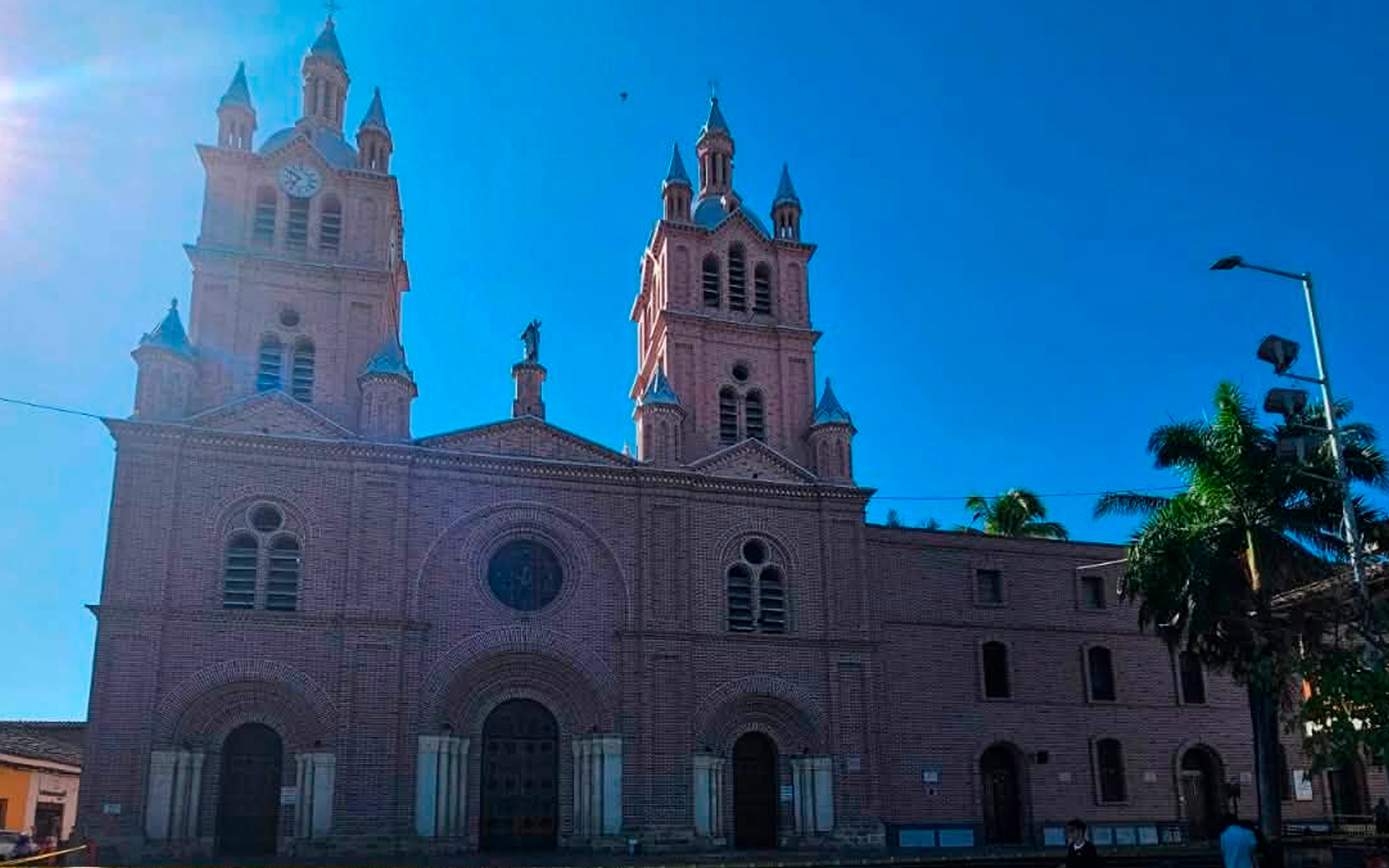
Read More![Colombian government to help finance restoration of earthquake-damaged basilica – #Catholic – Colombian President Abelardo de la Espriella announced an initial disbursement of 1.2 billion pesos (0,000) to restore the Minor Basilica of the Lord of Miracles, which was damaged by the Aug. 10 earthquake.The basilica, located in the city of Buga in the Valle del Cauca department (administrative district), sustained damage to its dome. As a safety precaution, Masses inside the church have been suspended and are currently being held in the town’s central square.In addition, as the basilica has the legal designation of an asset of cultural interest, any restoration work must be supervised by the Ministry of Culture.During his Sept. 5 visit to Valle del Cauca, De la Espriella expressed the governmentʼs commitment to “protecting the spiritual symbols of the Colombian people.”
Colombian President Abelardo de la Espriella announces the government’s plan to partially fund the repair of the Minor Basilica of the Lord of Miracles, which was damaged in the Aug. 10, 2026, earthquake. | Credit: Screenshot/Presidency of the Republic, Colombia
“We already have 1.2 billion pesos [approximately 0,000] to repair our Basilica of the Lord of Miracles, and we are working with the private sector to secure another 5 billion [.6 million] to rebuild and repair the basilica so that Masses can be held there,” he announced Sept. 5.Referring to the image of Christ crucified in the church, which depicts the Savior with dark-colored skin, the president stated the state-funded repairs are intended to “honor our beloved [Black Christ],” as the Lord of Miracles of Buga is also known, “and to defend that symbol of faith and spirituality that means so much to us Colombians.”The announcement comes just days before the feast of the Lord of Miracles in Buga, celebrated on Sept. 14, which draws thousands of pilgrims.In a Facebook video, Father Alcides de Jesús Orozco, rector of the basilica, explained that although the basilica is closed, the part of the church where the image of Christ is enthroned suffered no damage and the faithful may enter there.This story was first published by ACI Prensa, the Spanish-language sister service of EWTN News. It has been translated and adapted by EWTN News English.](https://unitedyam.com/wp-content/uploads/2026/09/colombian-government-to-help-finance-restoration-of-earthquake-damaged-basilica-catholic-colombian-president-abelardo-de-la-espriella-announced-an-initial-disbursement-of-1-2-billion-pesos-320.jpg "Colombian government to help finance restoration of earthquake-damaged basilica – #Catholic – Colombian President Abelardo de la Espriella announced an initial disbursement of 1.2 billion pesos (0,000) to restore the Minor Basilica of the Lord of Miracles, which was damaged by the Aug. 10 earthquake.The basilica, located in the city of Buga in the Valle del Cauca department (administrative district), sustained damage to its dome. As a safety precaution, Masses inside the church have been suspended and are currently being held in the town’s central square.In addition, as the basilica has the legal designation of an asset of cultural interest, any restoration work must be supervised by the Ministry of Culture.During his Sept. 5 visit to Valle del Cauca, De la Espriella expressed the governmentʼs commitment to “protecting the spiritual symbols of the Colombian people.”
Colombian President Abelardo de la Espriella announces the government’s plan to partially fund the repair of the Minor Basilica of the Lord of Miracles, which was damaged in the Aug. 10, 2026, earthquake. | Credit: Screenshot/Presidency of the Republic, Colombia
“We already have 1.2 billion pesos [approximately 0,000] to repair our Basilica of the Lord of Miracles, and we are working with the private sector to secure another 5 billion [.6 million] to rebuild and repair the basilica so that Masses can be held there,” he announced Sept. 5.Referring to the image of Christ crucified in the church, which depicts the Savior with dark-colored skin, the president stated the state-funded repairs are intended to “honor our beloved [Black Christ],” as the Lord of Miracles of Buga is also known, “and to defend that symbol of faith and spirituality that means so much to us Colombians.”The announcement comes just days before the feast of the Lord of Miracles in Buga, celebrated on Sept. 14, which draws thousands of pilgrims.In a Facebook video, Father Alcides de Jesús Orozco, rector of the basilica, explained that although the basilica is closed, the part of the church where the image of Christ is enthroned suffered no damage and the faithful may enter there.This story was first published by ACI Prensa, the Spanish-language sister service of EWTN News. It has been translated and adapted by EWTN News English.")
The government has pledged to help finance repairs to the church, a part of Colombia’s cultural heritage and a popular pilgrimage site.
Seton Hall University welcomes academically strong Class of 2023 #Catholic – 
Seton Hall University in South Orange, N.J. recently welcomed about 1,560 first-year students to campus, representing 42 states and 17 countries. The Class of 2030 was selected from a pool of 28,070 applicants, roughly 2,300 more than the year prior — one of many signs of growing interest in a Seton Hall education.
That growth has come with increased selectivity. Seton Hall’s admission rate has fallen from 79 percent in 2023 to 67.5 percent in 2026, a decline of nearly 12 percent in three years. At the same time, the academic profile of incoming students remains strong, continuing a broader trend of gains over the past decade.
“Seton Hall is proud to welcome the Class of 2030, an accomplished and diverse group of students who bring tremendous talent, ambition and greater purpose to our community,” said Kathleen (Katie) McCarthy, MBA, ’17, Seton Hall’s vice president for enrollment management. “We look forward to seeing all they will accomplish in the years ahead.”
Among the 33 percent of incoming students who submitted standardized test scores, the average SAT score was 1323, and the average ACT score was 29. The average high school GPA for the incoming class is 3.68, up from 3.55 in 2016.
The Class of 2030 also reflects Seton Hall’s longstanding role as a university of opportunity, bringing together students from a broad range of backgrounds and experiences. More than 40 percent of incoming first-year students are the first in their families to attend college, and 41 percent are Pell Grant-eligible.
The class reflects the communities Seton Hall serves, with 62 percent of incoming students identifying as students of color and 61 percent identifying as female. These varied perspectives and experiences strengthen classroom discussions, campus life, and the university community.
Founded in 1856, Seton Hall, which is located in the Newark Archdiocese, N.J., remains grounded in its Catholic mission and its commitment to being a home for the mind, heart, and spirit. Guided by the Catholic Intellectual Tradition and our patroness and intercessor, St. Elizabeth Ann Seton, the university welcomes students of all faiths and backgrounds into a community that encourages intellectual growth, service to others, and the pursuit of greater purpose.
– Seton Hall University in South Orange, N.J. recently welcomed about 1,560 first-year students to campus, representing 42 states and 17 countries. The Class of 2030 was selected from a pool of 28,070 applicants, roughly 2,300 more than the year prior — one of many signs of growing interest in a Seton Hall education. That growth has come with increased selectivity. Seton Hall’s admission rate has fallen from 79 percent in 2023 to 67.5 percent in 2026, a decline of nearly 12 percent in three years. At the same time, the academic profile of incoming students remains strong, continuing a broader
Holy Spirit’s 70-year legacy of academic and spiritual growth #Catholic – 
Holy Spirit School in Pequannock, N.J., is filled with anticipation as it begins its 70th school year! The school is thrilled to welcome its new staff, families, and students into the Holy Spirit family for the 2026–2027 school year.
Each new school year brings opportunities for academic and spiritual growth, service to others, and living out the faith within the school community and beyond. Holy Spirit’s administration is proud to lead the school community as it continues to live by the school motto, “Inspiring Minds, Igniting Faith and Shaping the Future.”
Virtue formation will remain an important focus throughout the year. Each month, Holy Spirit students will explore a different virtue and discover how they can grow closer to Jesus. Through the school community’s words, actions, and service to others, it strives to put its faith into practice and model Christ’s love.
In Holy Spirit’s classrooms, students are engaged in meaningful learning experiences across the curriculum. Whether experimenting in our Science Lab, tackling challenges in STREAM, completing novel studies in language arts, solving problems in math, creating projects in social studies, or producing masterpieces in art, students work collaboratively, ask thoughtful questions, and think critically. Instilling a lifelong love of learning remains a priority in every classroom.
Beyond the classroom, Holy Spirit’s students have many opportunities to explore their interests, develop leadership skills, build friendships, and serve others. Students can participate in Student Government, National Junior Honor Society, CYO basketball, cheerleading, performing arts, TREP$, and many other activities throughout the year. Holy Spirit looks forward to seeing its students take on leadership roles and plan meaningful service projects that bring the entire school community together.
As Holy Spirit celebrates this special year, it looks forward to its annual Legacy Gala, honoring Rod Donnelly of Donnelly Construction and Father Peter VB Wells, pastor of Our Lady of the Valley Parish in Wayne, N.J. The event will be held at The Brownstone in Paterson, N.J., on Friday, Nov. 20 and will celebrate and support Catholic education. The school invites alums from the past 70 years to join in celebrating this remarkable milestone, along with all who have helped shape Holy Spirit School’s history.
Most importantly, Holy Spirit remains devoted to faith formation, which is woven throughout every aspect of the school day. Led by Father Cesar Jaramillo, pastor of Holy Spirit Parish, and Filippini Sister Marie Antonelli, the school’s principal, students witness firsthand their dedication to their vocations.
Holy Spirit’s school community is touched by the spirit of St. Lucy Filippini, foundress of the Religious Teachers Filippini, who lead the school. The school celebrates Masses weekly, with class Masses and adoration held each Tuesday.
As the school begins its 70th year, it is excited to embark on a year together filled with learning, love, faith, and fun.
Holy Spirit is grateful for the generations of families, educators, students, alums, and supporters who have made the school what it is today, and it looks forward to continuing this legacy.
– Holy Spirit School in Pequannock, N.J., is filled with anticipation as it begins its 70th school year! The school is thrilled to welcome its new staff, families, and students into the Holy Spirit family for the 2026–2027 school year. Each new school year brings opportunities for academic and spiritual growth, service to others, and living out the faith within the school community and beyond. Holy Spirit’s administration is proud to lead the school community as it continues to live by the school motto, “Inspiring Minds, Igniting Faith and Shaping the Future.” Virtue formation will remain an important focus throughout the
Dioceses issuing dispensation decrees cover a combined Catholic population of about 3.5 million people.
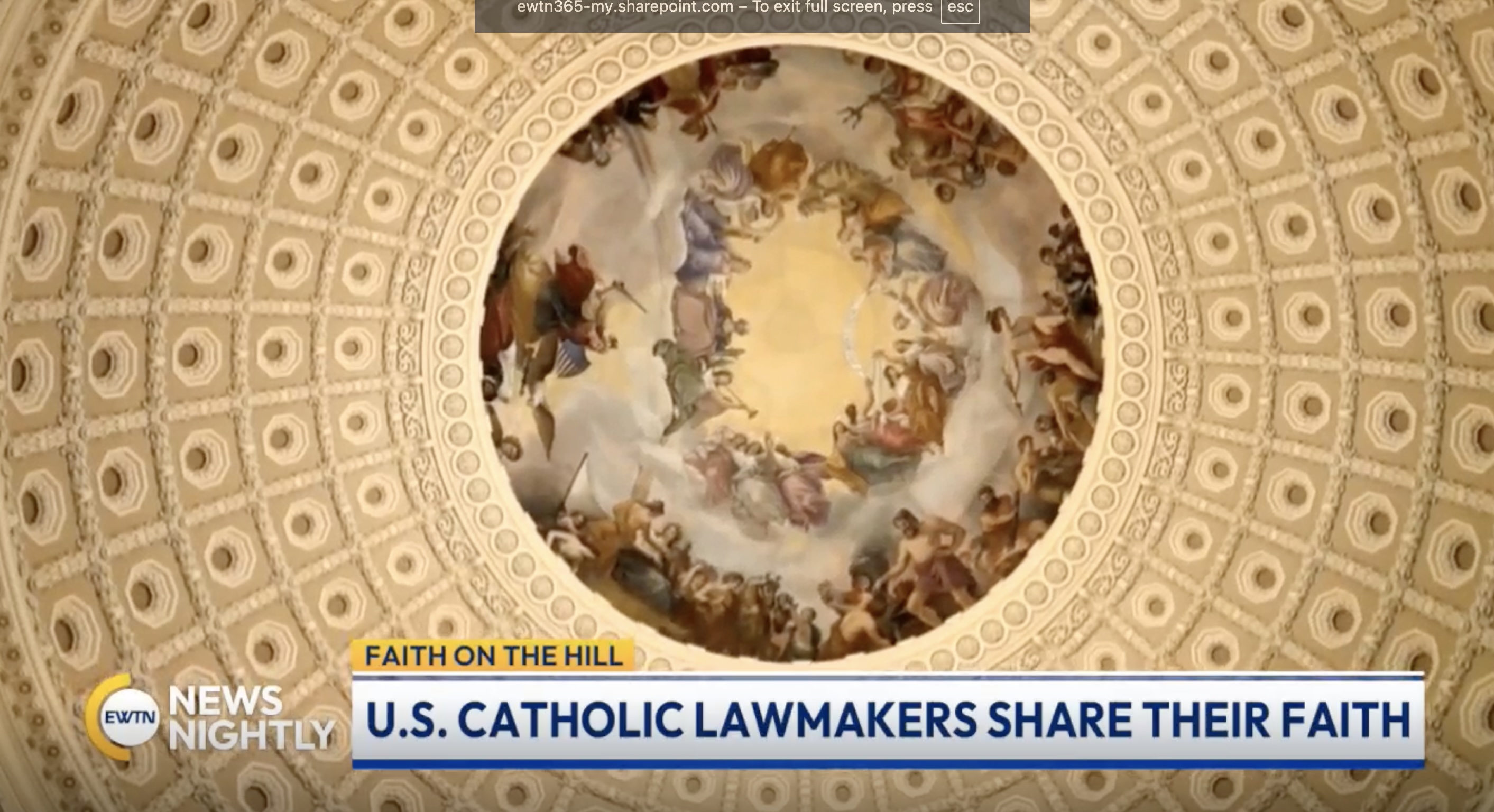
![Faith on the Hill: Catholic members of Congress share how faith shapes their lives and work #Catholic For many of the 150 Catholics serving in the 119th Congress, faith plays an important role in their lives and work.The current number of Catholic lawmakers on Capitol Hill is slightly higher than the previous Congress, with Catholics accounting for more than 28% of the members of the United States House of Representatives and Senate. Of the Catholic members, 126 serve in the House and 24 in the Senate, according to a report from the Pew Research Center.In this special report, EWTN News Capitol Hill correspondent Erik Rosales spoke with various Catholic members of Congress about their faith and how they live it in their work.Sen. Eric SchmittSen. Eric Schmitt, R-Missouri, grew up a cradle Catholic and said his parents instilled in him the importance of having a personal relationship with Christ at a young age.“I grew up in St. Louis, which is a very Catholic town and has been referred to as the Rome of the West because per capita, very Catholic,” Schmitt told Rosales.A “conversation back home, it might very easily start … ‘What parish are you at? or ‘What parish did you grow up in?’” Schmitt said.At 17, Schmitt went to a Jesuit retreat house that had a profound impact on him. Later, when his son was born with a rare genetic condition, Schmitt would often return to the Jesuits for prayer.It “was a seed that was planted … when I was confronted with this really kind of difficult situation. I went back there, and it was a profound experience,” he said. “I go back every year. Itʼs a … weekend silent retreat. And that keeps me very rooted.”When working busy days on the Hill, Schmitt said he looks to prayer.“Iʼll listen to a podcast by Bishop [Robert] Barron or Father Michael Schmitz,” he said. “I think technology now too has allowed a different avenue for people to … maintain their faith and grow their faith.”Even “if itʼs five or 10 minutes, it really does help me kind of start the day right,” Schmitt said.Rep. John RutherfordRep. John Rutherford, R-Florida, also spoke about leaning on his faith when working in a hectic position, often by attending Mass and saying the rosary.“In Ephesians 2:10, it says, ‘for we are all Godʼs workmanship, created in the image of Christ Jesus to do good work,’ which he prepared … in advance for us to do,’” Rutherford said. “So heʼs got work out there that heʼs prepared for me to do,” he continued.While Rutherford’s Catholic faith is incorporated into his day-to-day life, he shared that was not always the case. He grew up in the United Methodist Church, but at about 14 years old, “fell away from the church,” he said.After becoming a police officer in Jacksonville, Florida, Rutherford’s perspective on faith changed. Witnessing crimes made him question his own mortality.“So I went back to the Bible, and I read the Bible literally cover to cover, not once but twice,” he said.Rutherford returned to the Methodist Church, while his wife and kids attended Catholic Mass. After reading about the Methodist Churchʼs seven principles, he realized he didnʼt agree with them.“It was a long process, but I finally read a book by Pope John Paul II, ‘Crossing the Threshold of Hope,’ and that explained where the authority of the Church is,” Rutherford said. “And how itʼs passed down through the papacy.”After his research, and inspired by the true Church and presence of Jesus in the Eucharist, Rutherford entered the Catholic Church.Rep. Mark MessmerRep. Mark Messmer, R-Indiana, said he has spent his life putting God, family, and community first.It was during his time as a state legislator that a colleague invited Messmer and his wife to attend a Cursillo, a retreat focused on showing Christian laity how to become effective leaders and how to use the Gospel in daily life.“It ignited a passion and a love for Christ, and a love for the Eucharist that I always said I wanted. And then it gives you the tools [for] your prayer life, study life, and evangelization, how to live that out on a daily basis,” he said.Messmer said he stays grounded with daily Mass and his Friday morning prayer group. He and his family also all join together for a weekly group call to catch up and join for “spiritual reinforcement.”Rep. Stephanie BiceRep. Stephanie Bice, R-Oklahoma, converted to Catholicism in college after she started going to Mass with her now husband.Bice served six years in the Oklahoma Senate and later ran for U.S. Congress. She joined a number of women who have been elected over the past two cycles.“Not every woman believes that … you should be able to terminate pregnancies up to birth,” Bice said. “So you had a groundswell of women consider running for congressional seats and Senate seats,” she said.While serving on Capitol Hill, Bice said she turns to prayer and the comfort of the Blessed Mother.“I stumbled across a group of staffers that actually pray the rosary on fly-in days in the morning,” she explained. “I said, ‘Hey, can a member come?’ And they were delighted that I would even ask.”One highlight of her congressional career was meeting Pope Francis at the Vatican. The invitation came from Rep. James Langevin, a fellow Catholic and Democrat from Rhode Island.Pope Francis “looked at my husband and I after blessing us both, and he said: ‘Will you pray for me?’ And that was pretty profound,” Bice said.Rep. Robert Onder“Really, my Catholic faith has motivated me my whole life, my whole career, and really motivated in many ways the direction my life has taken,” Rep. Robert Onder, R-Missouri, said.Onder said his faith was present in his work trying to pass a religious liberty bill in the Missouri Senate and through his fight to protect the conscience rights of physicians who are forced to perform abortions.As a medical doctor, Onder detailed the present problem in some states and hospitals, which “want to force physicians to participate in abortions, participate in vitro fertilization or artificial contraception, and, of course, more recently, participate in euthanasia.”Onder said his political service has been motivated by love of God, family, and country. He said he stays rooted in faith by attending daily Mass. He said he also enjoys talking with other lawmakers about their love for Christ.“Speaker [Mike] Johnson is absolutely a brother in the Christian faith and a very, very strong believer,” Onder said. “It does give me a lot hope and a lot of encouragement to serve with other people who really take their faith seriously.”Rep. Riley MooreRep. Riley Moore, R-West Virginia, said his Catholic faith is “is the most important thing” in his life.“It forms me — every decision I make, everything that I do here on the Hill, it is central to my life. Iʼm always praying to be able to deepen my faith, be a strong family man, and then also my service.”“So itʼs my faith, my family, my service to my state, my country. But faith comes first.”“Canʼt always be easy to discern Godʼs will, particularly in a place that is more about individual will and not Godʼs will,” Moore said. “Iʼm trying to re-center myself towards that. Thatʼs that gravitational pull for me that Iʼm always trying to get back to.”Moore started as a Hill staffer on the House Foreign Affairs Committee, working under the late Rep. Henry Hyde, R-Illinois. One of his priorities is drawing attention to the persecution of Christians around the world, especially in Nigeria.While in Nigeria, “I met a woman who had had all five of her children murdered, murdered by Islamic terrorists,” Moore said. “I met another woman who had her two daughters and husband killed right in front of her, and then they killed her unborn child.”“As we know and weʼve heard many times, and itʼs so true that there is salvation through suffering. I think that … their suffering offers us salvation as well by doing something here,” he said.House Majority Whip Tom EmmerMajority Whip of the U.S. House of Representatives Tom Emmer discussed how his faith was largely inspired by his family, including his father, who attended daily Mass.“The example that they set is, I believe, why I am who I am,” said Emmer, R-Minnesota.Emmer also detailed the trials of his faith, including the loss of his sister Bridget, who died of breast cancer at 38 years old.Emmer said he was angry at the Lord and had doubts about Godʼs will because of his sisterʼs suffering. A conversation with Bridget during her chemotherapy treatment was a pivotal moment for him and his faith.“She looked at me and she said, ‘Tom, would I love to live forever? Absolutely. But Iʼm not going to,’” he explained. His sister added: “I have lived a good life. If God comes and calls me today, so be it.”Emmer said her words brought him away from his own anger with the Lord. Now his message to others is to put God first while living each moment to the fullest.](https://unitedyam.com/wp-content/uploads/2026/09/faith-on-the-hill-catholic-members-of-congress-share-how-faith-shapes-their-lives-and-work-catholic-for-many-of-the-150-catholics-serving-in-the-119th-congress-faith-plays-an-important-role-in-thei-scaled.jpg "Faith on the Hill: Catholic members of Congress share how faith shapes their lives and work #Catholic For many of the 150 Catholics serving in the 119th Congress, faith plays an important role in their lives and work.The current number of Catholic lawmakers on Capitol Hill is slightly higher than the previous Congress, with Catholics accounting for more than 28% of the members of the United States House of Representatives and Senate. Of the Catholic members, 126 serve in the House and 24 in the Senate, according to a report from the Pew Research Center.In this special report, EWTN News Capitol Hill correspondent Erik Rosales spoke with various Catholic members of Congress about their faith and how they live it in their work.Sen. Eric SchmittSen. Eric Schmitt, R-Missouri, grew up a cradle Catholic and said his parents instilled in him the importance of having a personal relationship with Christ at a young age.“I grew up in St. Louis, which is a very Catholic town and has been referred to as the Rome of the West because per capita, very Catholic,” Schmitt told Rosales.A “conversation back home, it might very easily start … ‘What parish are you at? or ‘What parish did you grow up in?’” Schmitt said.At 17, Schmitt went to a Jesuit retreat house that had a profound impact on him. Later, when his son was born with a rare genetic condition, Schmitt would often return to the Jesuits for prayer.It “was a seed that was planted … when I was confronted with this really kind of difficult situation. I went back there, and it was a profound experience,” he said. “I go back every year. Itʼs a … weekend silent retreat. And that keeps me very rooted.”When working busy days on the Hill, Schmitt said he looks to prayer.“Iʼll listen to a podcast by Bishop [Robert] Barron or Father Michael Schmitz,” he said. “I think technology now too has allowed a different avenue for people to … maintain their faith and grow their faith.”Even “if itʼs five or 10 minutes, it really does help me kind of start the day right,” Schmitt said.Rep. John RutherfordRep. John Rutherford, R-Florida, also spoke about leaning on his faith when working in a hectic position, often by attending Mass and saying the rosary.“In Ephesians 2:10, it says, ‘for we are all Godʼs workmanship, created in the image of Christ Jesus to do good work,’ which he prepared … in advance for us to do,’” Rutherford said. “So heʼs got work out there that heʼs prepared for me to do,” he continued.While Rutherford’s Catholic faith is incorporated into his day-to-day life, he shared that was not always the case. He grew up in the United Methodist Church, but at about 14 years old, “fell away from the church,” he said.After becoming a police officer in Jacksonville, Florida, Rutherford’s perspective on faith changed. Witnessing crimes made him question his own mortality.“So I went back to the Bible, and I read the Bible literally cover to cover, not once but twice,” he said.Rutherford returned to the Methodist Church, while his wife and kids attended Catholic Mass. After reading about the Methodist Churchʼs seven principles, he realized he didnʼt agree with them.“It was a long process, but I finally read a book by Pope John Paul II, ‘Crossing the Threshold of Hope,’ and that explained where the authority of the Church is,” Rutherford said. “And how itʼs passed down through the papacy.”After his research, and inspired by the true Church and presence of Jesus in the Eucharist, Rutherford entered the Catholic Church.Rep. Mark MessmerRep. Mark Messmer, R-Indiana, said he has spent his life putting God, family, and community first.It was during his time as a state legislator that a colleague invited Messmer and his wife to attend a Cursillo, a retreat focused on showing Christian laity how to become effective leaders and how to use the Gospel in daily life.“It ignited a passion and a love for Christ, and a love for the Eucharist that I always said I wanted. And then it gives you the tools [for] your prayer life, study life, and evangelization, how to live that out on a daily basis,” he said.Messmer said he stays grounded with daily Mass and his Friday morning prayer group. He and his family also all join together for a weekly group call to catch up and join for “spiritual reinforcement.”Rep. Stephanie BiceRep. Stephanie Bice, R-Oklahoma, converted to Catholicism in college after she started going to Mass with her now husband.Bice served six years in the Oklahoma Senate and later ran for U.S. Congress. She joined a number of women who have been elected over the past two cycles.“Not every woman believes that … you should be able to terminate pregnancies up to birth,” Bice said. “So you had a groundswell of women consider running for congressional seats and Senate seats,” she said.While serving on Capitol Hill, Bice said she turns to prayer and the comfort of the Blessed Mother.“I stumbled across a group of staffers that actually pray the rosary on fly-in days in the morning,” she explained. “I said, ‘Hey, can a member come?’ And they were delighted that I would even ask.”One highlight of her congressional career was meeting Pope Francis at the Vatican. The invitation came from Rep. James Langevin, a fellow Catholic and Democrat from Rhode Island.Pope Francis “looked at my husband and I after blessing us both, and he said: ‘Will you pray for me?’ And that was pretty profound,” Bice said.Rep. Robert Onder“Really, my Catholic faith has motivated me my whole life, my whole career, and really motivated in many ways the direction my life has taken,” Rep. Robert Onder, R-Missouri, said.Onder said his faith was present in his work trying to pass a religious liberty bill in the Missouri Senate and through his fight to protect the conscience rights of physicians who are forced to perform abortions.As a medical doctor, Onder detailed the present problem in some states and hospitals, which “want to force physicians to participate in abortions, participate in vitro fertilization or artificial contraception, and, of course, more recently, participate in euthanasia.”Onder said his political service has been motivated by love of God, family, and country. He said he stays rooted in faith by attending daily Mass. He said he also enjoys talking with other lawmakers about their love for Christ.“Speaker [Mike] Johnson is absolutely a brother in the Christian faith and a very, very strong believer,” Onder said. “It does give me a lot hope and a lot of encouragement to serve with other people who really take their faith seriously.”Rep. Riley MooreRep. Riley Moore, R-West Virginia, said his Catholic faith is “is the most important thing” in his life.“It forms me — every decision I make, everything that I do here on the Hill, it is central to my life. Iʼm always praying to be able to deepen my faith, be a strong family man, and then also my service.”“So itʼs my faith, my family, my service to my state, my country. But faith comes first.”“Canʼt always be easy to discern Godʼs will, particularly in a place that is more about individual will and not Godʼs will,” Moore said. “Iʼm trying to re-center myself towards that. Thatʼs that gravitational pull for me that Iʼm always trying to get back to.”Moore started as a Hill staffer on the House Foreign Affairs Committee, working under the late Rep. Henry Hyde, R-Illinois. One of his priorities is drawing attention to the persecution of Christians around the world, especially in Nigeria.While in Nigeria, “I met a woman who had had all five of her children murdered, murdered by Islamic terrorists,” Moore said. “I met another woman who had her two daughters and husband killed right in front of her, and then they killed her unborn child.”“As we know and weʼve heard many times, and itʼs so true that there is salvation through suffering. I think that … their suffering offers us salvation as well by doing something here,” he said.House Majority Whip Tom EmmerMajority Whip of the U.S. House of Representatives Tom Emmer discussed how his faith was largely inspired by his family, including his father, who attended daily Mass.“The example that they set is, I believe, why I am who I am,” said Emmer, R-Minnesota.Emmer also detailed the trials of his faith, including the loss of his sister Bridget, who died of breast cancer at 38 years old.Emmer said he was angry at the Lord and had doubts about Godʼs will because of his sisterʼs suffering. A conversation with Bridget during her chemotherapy treatment was a pivotal moment for him and his faith.“She looked at me and she said, ‘Tom, would I love to live forever? Absolutely. But Iʼm not going to,’” he explained. His sister added: “I have lived a good life. If God comes and calls me today, so be it.”Emmer said her words brought him away from his own anger with the Lord. Now his message to others is to put God first while living each moment to the fullest.")
EWTN News Capitol Hill correspondent Erik Rosales spoke with various Catholic lawmakers about how their faith intersects with their public service.

N44 is a complex nebula filled with glowing hydrogen gas, dark lanes of dust, massive stars, and many populations of stars of different ages. One of its most distinctive features, however, is the dark, starry gap called a “superbubble,” visible in this Hubble Space Telescope image in the upper central region.
Read More
DePaul celebrates 70 years of excellence with new principal #Catholic – 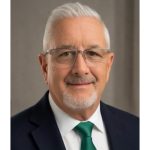
For 70 years, DePaul Catholic High School in Wayne, N.J. has been a place where faith, family, community, tradition, and excellence come together to shape generations of young people. Since 1956, our school has remained committed to developing students who strive for excellence in the classroom, on the stage, on the athletic fields, and through service to others.
For this historic 2026-7 academic year, DePaul Catholic welcomes Stephen D. Trivino as its new principal and looks forward to the leadership, experience, and vision he brings to our Spartan community.
For seven decades, DePaul Catholic has carried forward a proud legacy built on faith, perseverance, community, and achievement. The school’s traditions unite generations of students, families, faculty, staff, and alums, creating a Spartan community that extends far beyond graduation.
As DePaul Catholic celebrates this milestone, the school invites its alums, families, and friends to return to campus throughout the school year. Together, DePaul Catholic will honor the accomplishments, traditions, and cherished memories that have shaped the school while looking confidently toward the future.
The spirit of DePaul Catholic lives in every Spartan who carries our mission and values into the world.
With a distinguished background in Catholic education, Trivino has served as a science teacher, coach, and school administrator. He has dedicated his career to helping students and educators reach their full potential.
Most recently, Trivino served as vice principal of teacher development and dean of student affairs at St. Joseph Regional High School in Montvale, N.J. There, he helped cultivate a culture centered on faith, academic excellence, respect, and continuous growth.
As principal of DePaul, Trivino is committed to strengthening the DePaul Catholic community, investing in faculty development, encouraging innovative approaches to teaching and learning, and ensuring that our Catholic identity remains at the heart of the student experience.
Inspired by the examples of St. Vincent de Paul and St. Elizabeth Ann Seton, Trivino’s vision reflects a commitment to faith, service, character, and excellence.
– For 70 years, DePaul Catholic High School in Wayne, N.J. has been a place where faith, family, community, tradition, and excellence come together to shape generations of young people. Since 1956, our school has remained committed to developing students who strive for excellence in the classroom, on the stage, on the athletic fields, and through service to others. For this historic 2026-7 academic year, DePaul Catholic welcomes Stephen D. Trivino as its new principal and looks forward to the leadership, experience, and vision he brings to our Spartan community. For seven decades, DePaul Catholic has carried forward a proud legacy
Assumption College for Sisters students unite for orientation, Mass #Catholic – 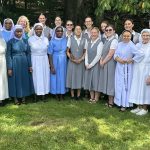
Students of Assumption College for Sisters (ACS), Denville, N.J., gathered on Aug. 24 for orientation and the Mass of the Holy Spirit.
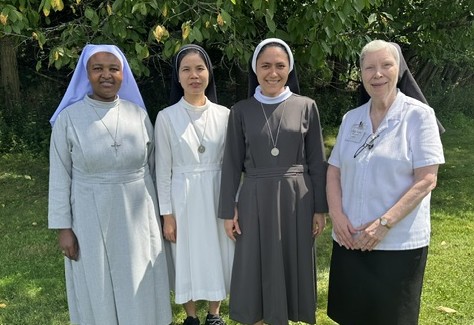
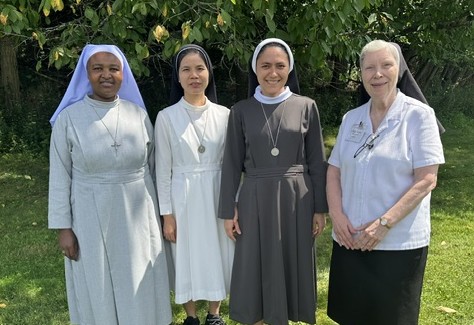
Below, ASC welcomes three sisters participating in the college’s sponsorship program for international sisters to their first year of studies. From left: Sister Mercy Mwangi, SMIC (Kenya); Sister Maria Tatiana, SMIC (Brazil); and Sister Maria Rita Tran, SMIC (Vietnam); with Sister of Charity Marie Pauline Demek, ACS president.
Guided by the motto, “Teach a sister, touch the world,” ACS, an accredited college sponsored by the Sisters of Christian Charity, educates religious sisters called to consecrated life from the Diocese of Paterson, N.J., and around the world.
– Students of Assumption College for Sisters (ACS), Denville, N.J., gathered on Aug. 24 for orientation and the Mass of the Holy Spirit. Below, ASC welcomes three sisters participating in the college’s sponsorship program for international sisters to their first year of studies. From left: Sister Mercy Mwangi, SMIC (Kenya); Sister Maria Tatiana, SMIC (Brazil); and Sister Maria Rita Tran, SMIC (Vietnam); with Sister of Charity Marie Pauline Demek, ACS president. Guided by the motto, “Teach a sister, touch the world,” ACS, an accredited college sponsored by the Sisters of Christian Charity, educates religious sisters called to consecrated life from the

Plumas County has pristine lakes, scenic hikes, mountain views, and plenty of small-town charm.
:max_bytes(150000):strip_icc():format(jpeg)/TAL-header-indian-valley-plumas-county-california-CALILOSTSIERRA1125-f0f4da658e8f4743a5dd7d9880d7c7ea.jpg)
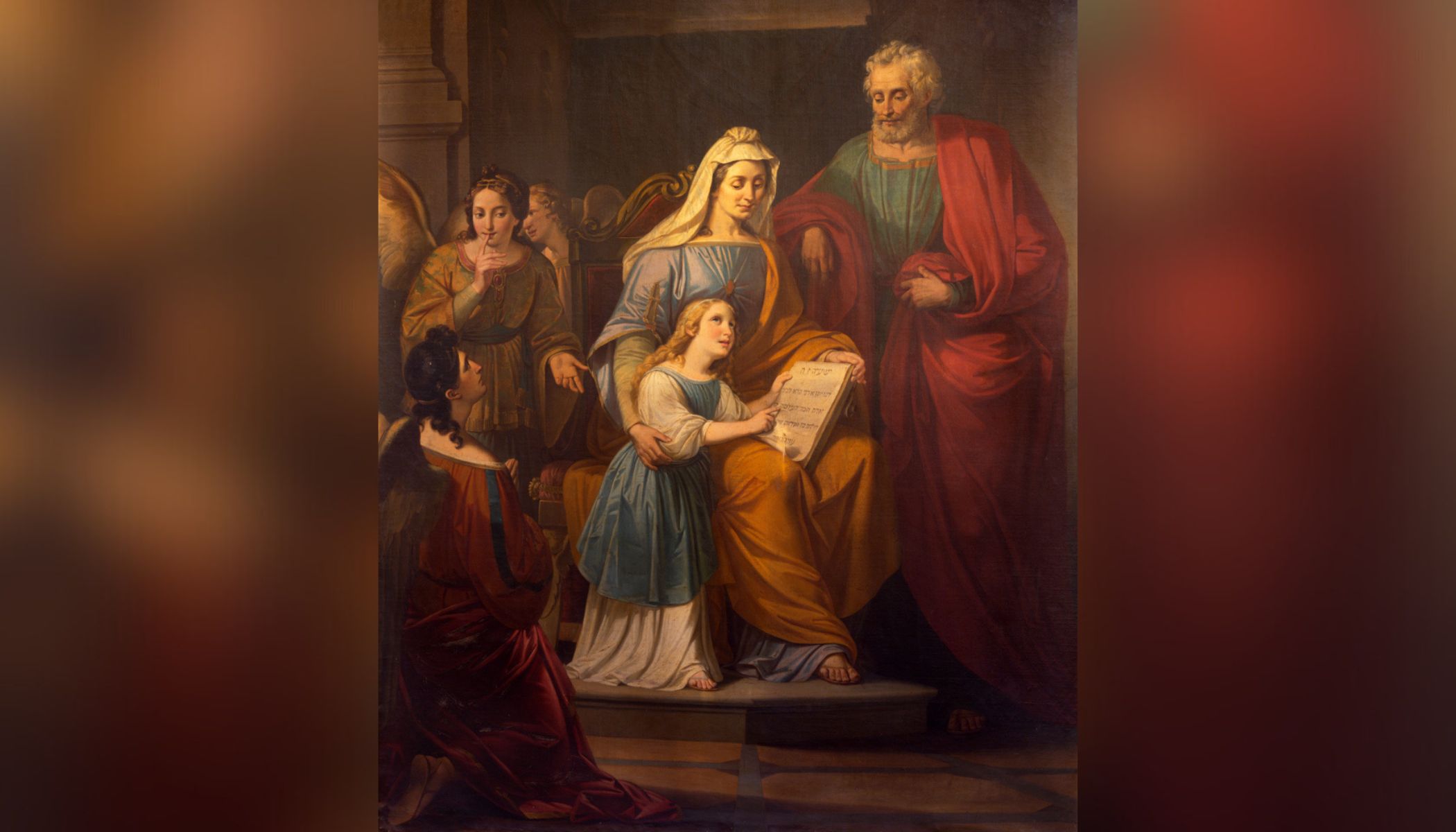
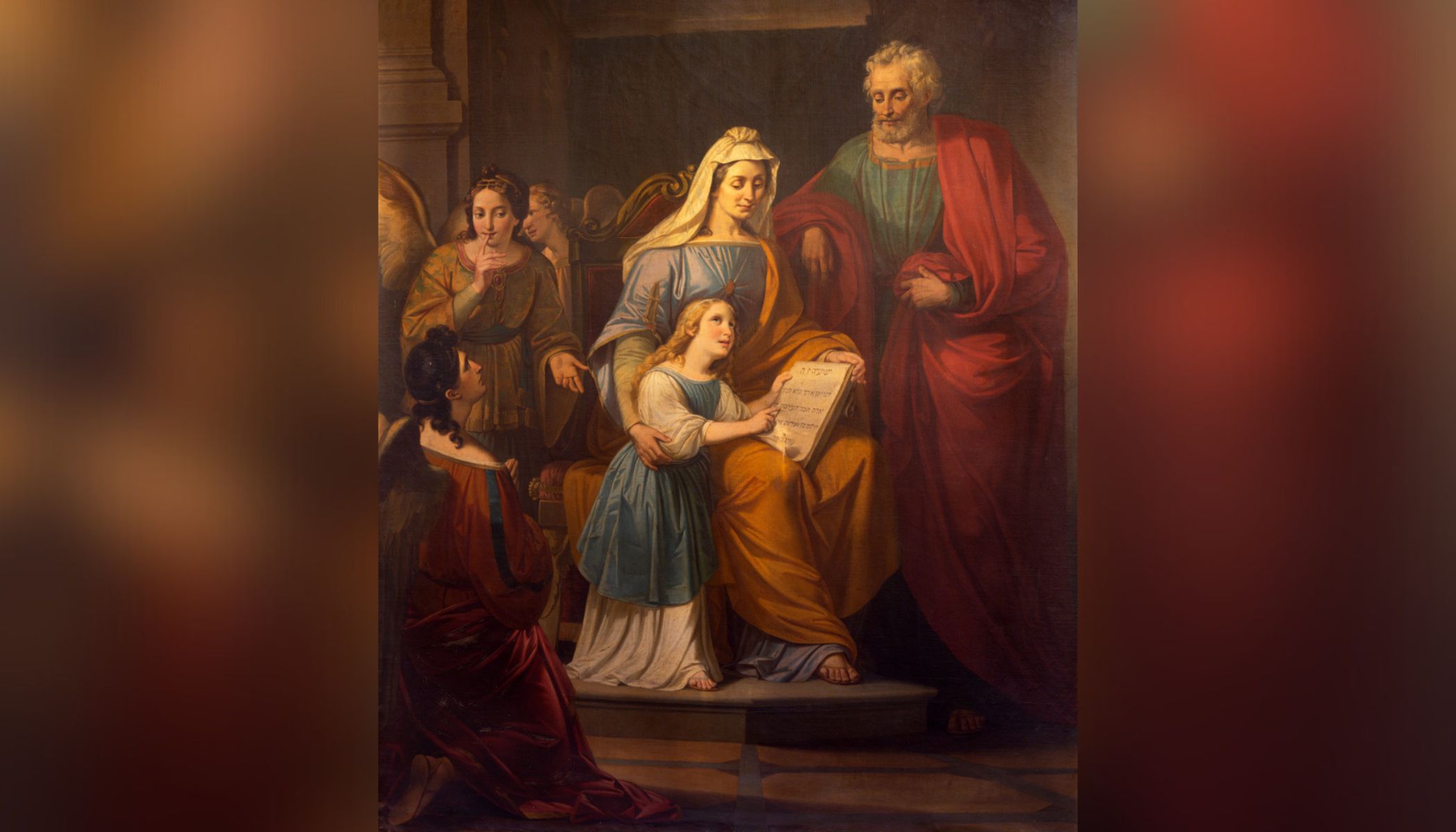
The Catholic Church celebrates the birth of the Blessed Virgin Mary on Sept. 8, nine months after the Dec. 8 celebration of her immaculate conception.