

A joint NASA-ESA mission, the Ulysses solar probe launched Oct. 6, 1990, from the Space Shuttle Discovery. The mission was tasked with studying the solar wind, mapping the heliosphere, and becoming the first craft to study and chart the solar poles in detail. Equipped with a magnetometer, ion composition gauge, and instruments to measure radioContinue reading “Sept. 13, 1994: Ulysses at the Sun’s south pole”
The post Sept. 13, 1994: Ulysses at the Sun’s south pole appeared first on Astronomy Magazine.
Read More![Practice of ember days bearing fruit for missionary religious community – #Catholic – The General Chapter of the Clerical Branch of the Society of Our Lady of the Most Holy Trinity (SOLT) is embracing the traditional practice of ember days as a spiritual means of fostering and growing vocations.Ember days — the Christian periods of prayer, fasting, and thanksgiving — take place for three days over the four seasons each year. The next ember days will be Sept. 16, 18, and 19.“The Church, although it doesnʼt require it, still encourages it,” Father Dave Brokke, SOLT priest and vocations director, told EWTN News.“Even in terms of the [United States Conference of Catholic Bishops] document on fasting,” he explained. “It encourages people to do the ember days, and you can find different canons about it still today.”The document clarifies that “Vigils and Ember Days, as most now know, no longer oblige to fast and abstinence.” “However, the liturgical renewal and the deeper appreciation of the joy of the holy days of the Christian year will, we hope, result in a renewed appreciation as to why our forefathers spoke of ‘a fast before a feast,’” the bishops wrote.While the prayer is not required, the SOLT chapter voted on the addition of ember days to create a more intentional way of asking God for vocations. It passed in 2023 and over the past three years, the community has seen almost as many men enter into formation as it had in the previous 10 years.Ember daysThe phrase “ember days” is an alteration of the Latin phrase “quatuor tempora,” meaning “four seasons.” Ember days are documented as being celebrated as early as the fifth century and are among the oldest traditions of the Church’s liturgical calendar.Their original purpose was to thank God for the gifts of nature, notably the crops used to make bread and wine for the Eucharist.“Jesus said: ‘Ask the master of the harvest to send laborers into the vineyard.’”“With the master of the harvest, thereʼs this understanding that we have the need to ask Our Lord for help in providing the grain and the wheat and the grapes,” Brokke said.In total, there are 12 ember days throughout the liturgical year.“From an early time in the Church,” it was established that the ember days “would be a Wednesday, Friday, and Saturday.”The “penitential days” were “Wednesday, because that was the day that Judas betrayed Jesus, Friday because of the Passion, and then Saturday because Our Lord was in the tomb.”“The way that I remember it is ‘Lenty, Penty, Crucy, and Lucy,’” Brokke said.“Lenty” is to indicate the full Wednesday, Friday, and Saturday of ember days that follow Ash Wednesday in the springtime, and “Penty” is the ember days after Pentecost in summer. The “Crucy” ember days then follow the Exaltation of the Holy Cross in fall, and “Lucy” is for the days after the memorial of St. Lucy in winter.“They correspond to the time of both the sowing of the seeds and the reaping of the harvest of the wheat and the grape. So even then it is connected to the elements that is used for the Eucharist,” he said. The Church would “fast and pray not only for a good harvest but also for vocations, for laborers in the vineyard to the priesthood, and they would often ordain men on the Saturdays of ember days,” Brokke said. SOLT witnesses ‘lots of good fruit’Brokke and the General Chapter of the Clerical Branch of the SOLT began looking into embers days as a way of “community fasting and praying for vocations,” Brokke said.“We do have a prayer that we say every day for vocations,” which “started from the very foundation of our community,” Brokke said.SOLT is “a community of priests, brothers, sisters, and members who work together to show the relationship of Our Lady with the most Holy Trinity,” Brokke said. The community reflects how “the Father, and the Son, and the Holy Spirit are distinct, but not separate. Theyʼre united.”“Similarly, the vocations are distinct, but theyʼre not separate. So we strive to live with a united will of charity and our service to areas of deep need,” Brokke said.“We go where a bishop has identified his deepest need and serve as missionaries in the world, trying to bring that communion of the Most Holy Trinity in imitation of Our Lady, who leads us into those relationships because she was mother of the Son and daughter of the Father, spouse of the spirit.”For more vocations, SOLT wanted to add another act “specifically geared towards vocations,” in addition to its daily prayer.“I mentioned the ember days,” which would “dedicate at least 12 days a year to fasting and praying and to be more intentional with it,” he said. “When we started discussing it, we didnʼt focus so much on the agricultural aspect but the vocational aspect.” When the idea of incorporating the days of prayer was under discussion, Brokke looked up some of the prayers for ember days.“We discovered that the prayer that we have prayed every day from our foundation of the community is actually one of the ember day prayers for vocations,” he said.Shortly after the community began the traditional prayer, vocation numbers began to rise.
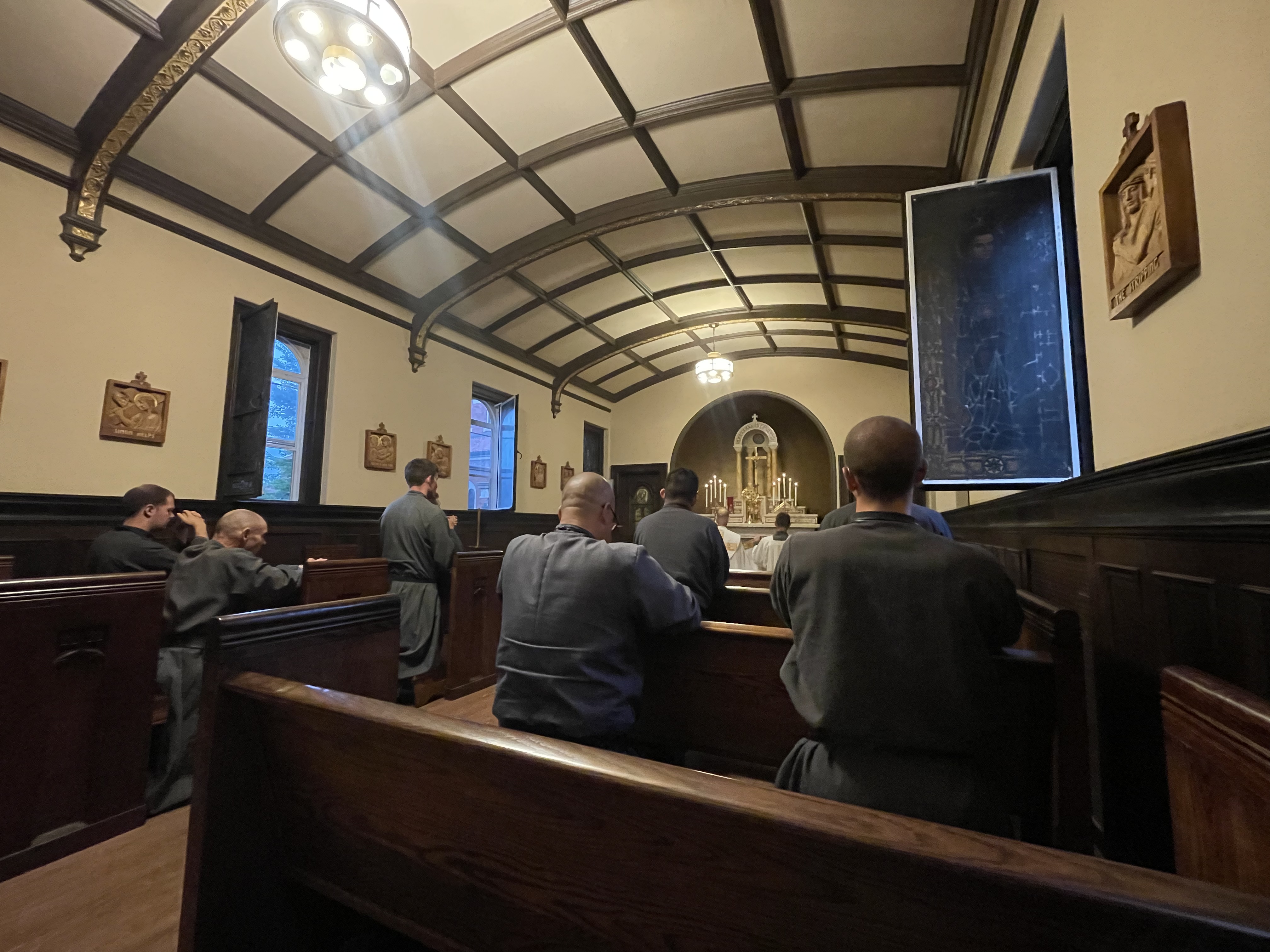
A group of novices with the Society of Our Lady of the Most Holy Trinity. | Credit: Photo courtesy of Father Dave Brokke/Society of Our Lady of the Most Holy Trinity
“The first September doing ember days … one guy showed up from a mission in Honduras at our mission in Belize and expressed his interest in the community. He is now a novice with our community.”“On the Saturday of that first ember days, we had 27 men from Franciscan University show up for the priestly discernment program to learn more about our community. The man who led that is now an aspirant with our community.” “The year that we started, we had seven men in formation. And in three years, we now have 18 men in formation,” Brokke said. Before, “we were maybe averaging one or two to enter a year. In that very first year we had nine men.”“Weʼve seen lots of good fruit,” he said. “I know thereʼs a mystical body of Christ and weʼre all connected. The Lord is going to use it, like heʼll use everything, and nothing goes to waste.”
A group of aspirants with the Society of Our Lady of the Most Holy Trinity. | Credit: Photo courtesy of Father Dave Brokke/Society of Our Lady of the Most Holy Trinity](https://unitedyam.com/wp-content/uploads/2026/09/practice-of-ember-days-bearing-fruit-for-missionary-religious-community-catholic-the-general-chapter-of-the-clerical-branch-of-the-society-of-our-lady-of-the-most-holy-trinity-solt-is-embracing-scaled.jpg "Practice of ember days bearing fruit for missionary religious community – #Catholic – The General Chapter of the Clerical Branch of the Society of Our Lady of the Most Holy Trinity (SOLT) is embracing the traditional practice of ember days as a spiritual means of fostering and growing vocations.Ember days — the Christian periods of prayer, fasting, and thanksgiving — take place for three days over the four seasons each year. The next ember days will be Sept. 16, 18, and 19.“The Church, although it doesnʼt require it, still encourages it,” Father Dave Brokke, SOLT priest and vocations director, told EWTN News.“Even in terms of the [United States Conference of Catholic Bishops] document on fasting,” he explained. “It encourages people to do the ember days, and you can find different canons about it still today.”The document clarifies that “Vigils and Ember Days, as most now know, no longer oblige to fast and abstinence.” “However, the liturgical renewal and the deeper appreciation of the joy of the holy days of the Christian year will, we hope, result in a renewed appreciation as to why our forefathers spoke of ‘a fast before a feast,’” the bishops wrote.While the prayer is not required, the SOLT chapter voted on the addition of ember days to create a more intentional way of asking God for vocations. It passed in 2023 and over the past three years, the community has seen almost as many men enter into formation as it had in the previous 10 years.Ember daysThe phrase “ember days” is an alteration of the Latin phrase “quatuor tempora,” meaning “four seasons.” Ember days are documented as being celebrated as early as the fifth century and are among the oldest traditions of the Church’s liturgical calendar.Their original purpose was to thank God for the gifts of nature, notably the crops used to make bread and wine for the Eucharist.“Jesus said: ‘Ask the master of the harvest to send laborers into the vineyard.’”“With the master of the harvest, thereʼs this understanding that we have the need to ask Our Lord for help in providing the grain and the wheat and the grapes,” Brokke said.In total, there are 12 ember days throughout the liturgical year.“From an early time in the Church,” it was established that the ember days “would be a Wednesday, Friday, and Saturday.”The “penitential days” were “Wednesday, because that was the day that Judas betrayed Jesus, Friday because of the Passion, and then Saturday because Our Lord was in the tomb.”“The way that I remember it is ‘Lenty, Penty, Crucy, and Lucy,’” Brokke said.“Lenty” is to indicate the full Wednesday, Friday, and Saturday of ember days that follow Ash Wednesday in the springtime, and “Penty” is the ember days after Pentecost in summer. The “Crucy” ember days then follow the Exaltation of the Holy Cross in fall, and “Lucy” is for the days after the memorial of St. Lucy in winter.“They correspond to the time of both the sowing of the seeds and the reaping of the harvest of the wheat and the grape. So even then it is connected to the elements that is used for the Eucharist,” he said. The Church would “fast and pray not only for a good harvest but also for vocations, for laborers in the vineyard to the priesthood, and they would often ordain men on the Saturdays of ember days,” Brokke said. SOLT witnesses ‘lots of good fruit’Brokke and the General Chapter of the Clerical Branch of the SOLT began looking into embers days as a way of “community fasting and praying for vocations,” Brokke said.“We do have a prayer that we say every day for vocations,” which “started from the very foundation of our community,” Brokke said.SOLT is “a community of priests, brothers, sisters, and members who work together to show the relationship of Our Lady with the most Holy Trinity,” Brokke said. The community reflects how “the Father, and the Son, and the Holy Spirit are distinct, but not separate. Theyʼre united.”“Similarly, the vocations are distinct, but theyʼre not separate. So we strive to live with a united will of charity and our service to areas of deep need,” Brokke said.“We go where a bishop has identified his deepest need and serve as missionaries in the world, trying to bring that communion of the Most Holy Trinity in imitation of Our Lady, who leads us into those relationships because she was mother of the Son and daughter of the Father, spouse of the spirit.”For more vocations, SOLT wanted to add another act “specifically geared towards vocations,” in addition to its daily prayer.“I mentioned the ember days,” which would “dedicate at least 12 days a year to fasting and praying and to be more intentional with it,” he said. “When we started discussing it, we didnʼt focus so much on the agricultural aspect but the vocational aspect.” When the idea of incorporating the days of prayer was under discussion, Brokke looked up some of the prayers for ember days.“We discovered that the prayer that we have prayed every day from our foundation of the community is actually one of the ember day prayers for vocations,” he said.Shortly after the community began the traditional prayer, vocation numbers began to rise.
A group of novices with the Society of Our Lady of the Most Holy Trinity. | Credit: Photo courtesy of Father Dave Brokke/Society of Our Lady of the Most Holy Trinity
“The first September doing ember days … one guy showed up from a mission in Honduras at our mission in Belize and expressed his interest in the community. He is now a novice with our community.”“On the Saturday of that first ember days, we had 27 men from Franciscan University show up for the priestly discernment program to learn more about our community. The man who led that is now an aspirant with our community.” “The year that we started, we had seven men in formation. And in three years, we now have 18 men in formation,” Brokke said. Before, “we were maybe averaging one or two to enter a year. In that very first year we had nine men.”“Weʼve seen lots of good fruit,” he said. “I know thereʼs a mystical body of Christ and weʼre all connected. The Lord is going to use it, like heʼll use everything, and nothing goes to waste.”
A group of aspirants with the Society of Our Lady of the Most Holy Trinity. | Credit: Photo courtesy of Father Dave Brokke/Society of Our Lady of the Most Holy Trinity")
Father Dave Brokke, with the Society of Our Lady of the Most Holy Trinity (SOLT), says embracing the traditional practice of ember days has become a way of fostering vocations.
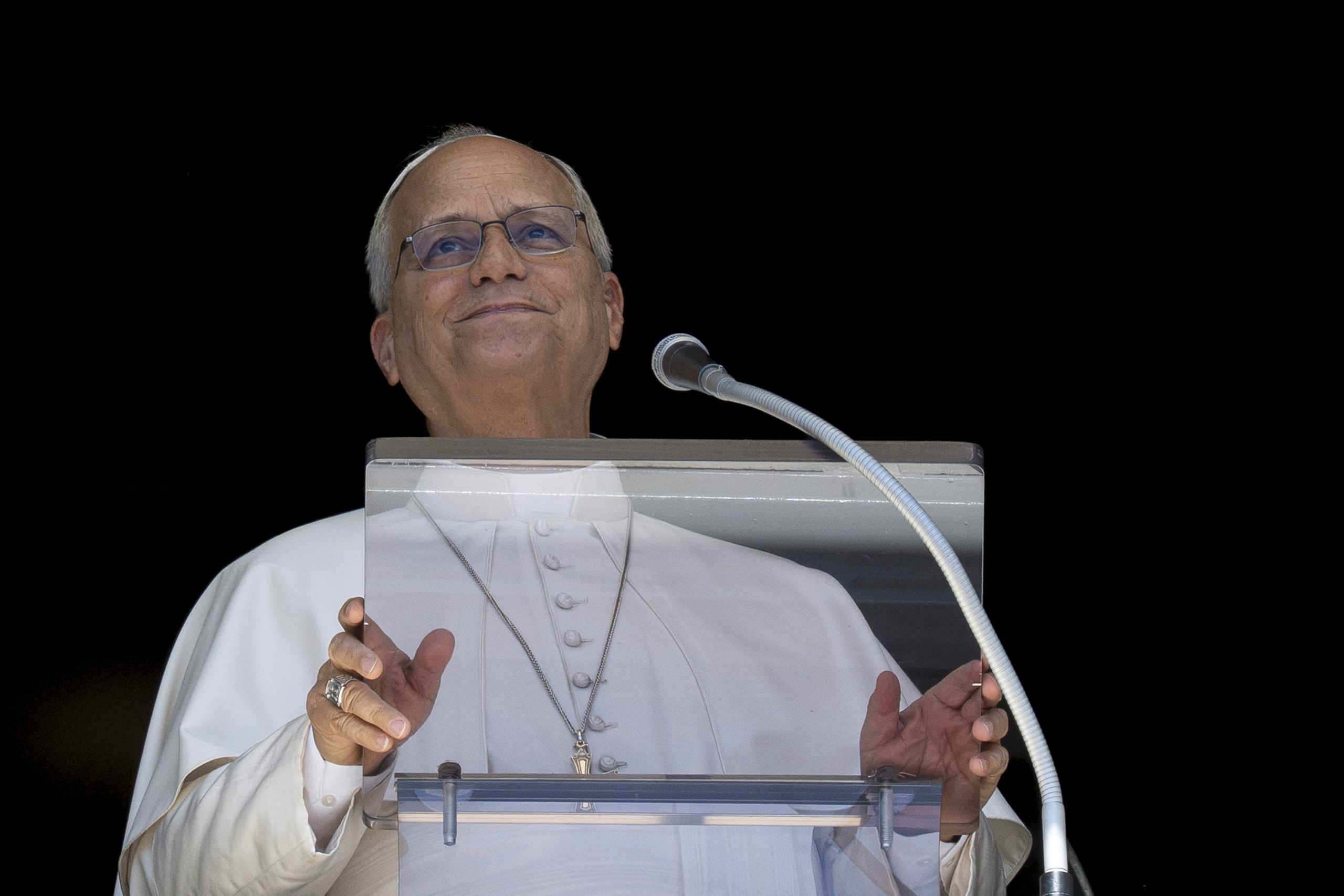
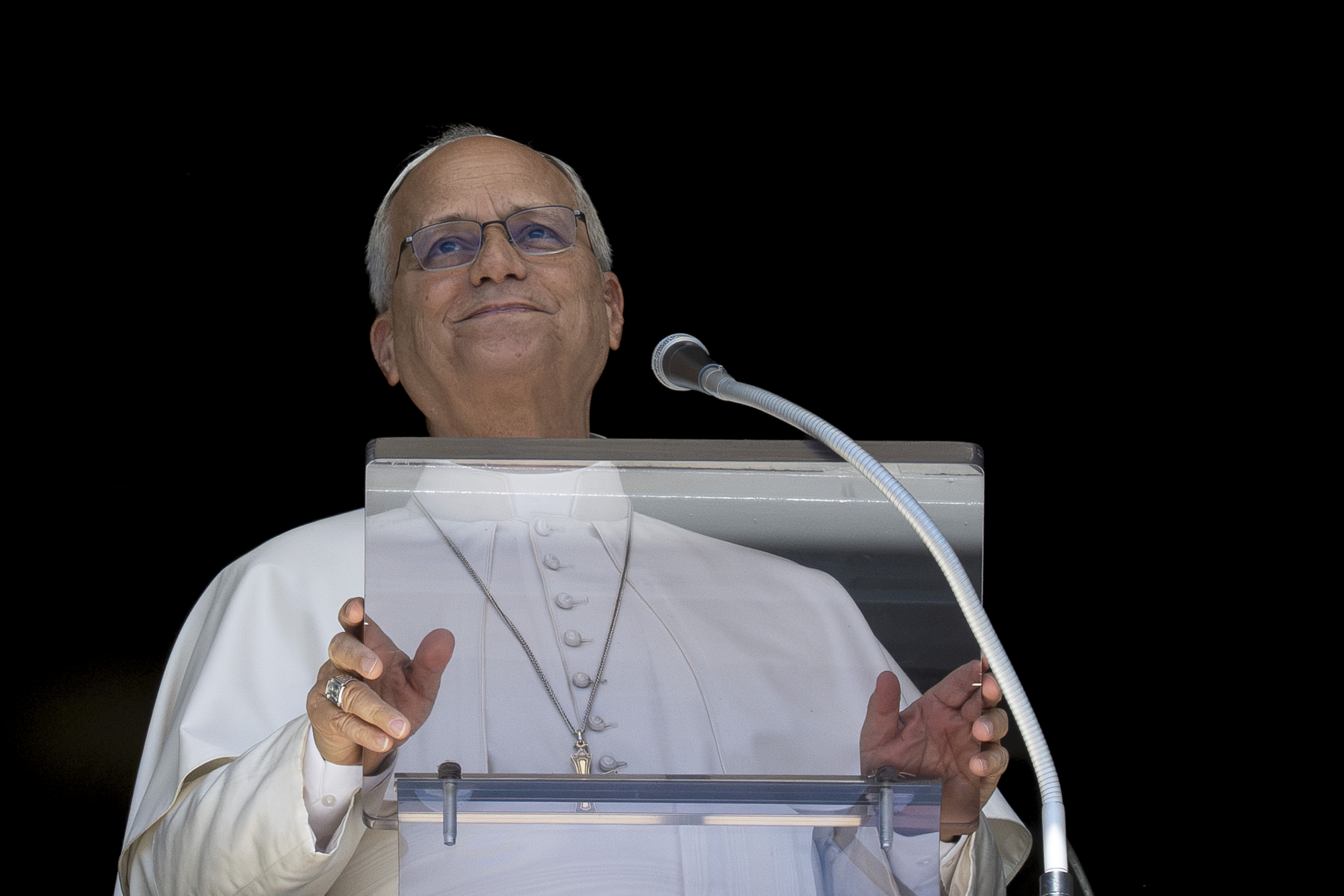
The pontiff marked the 25th anniversary of the Sept. 11 terrorist attacks with prayers for the dead and those still bearing its wounds, while his Angelus reflection stressed that forgiveness is indispensable for peace.
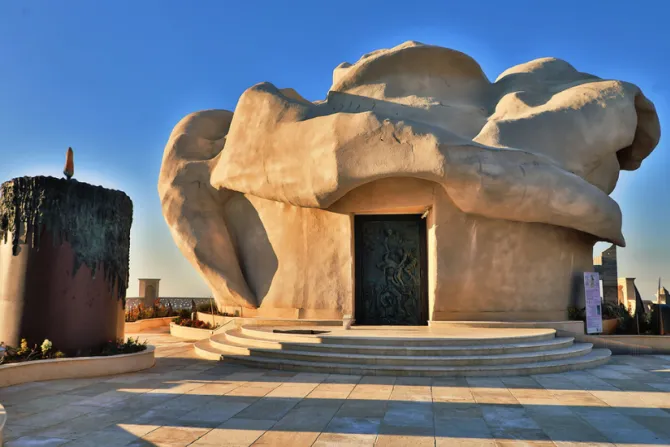
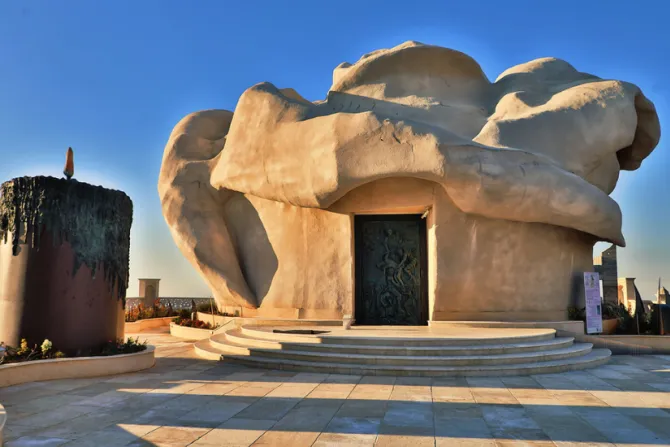
Across Lebanon are lesser-known shrines and monasteries that offer visitors opportunities for prayer, quiet reflection, and a deeper encounter with Lebanon’s rich Christian heritage.
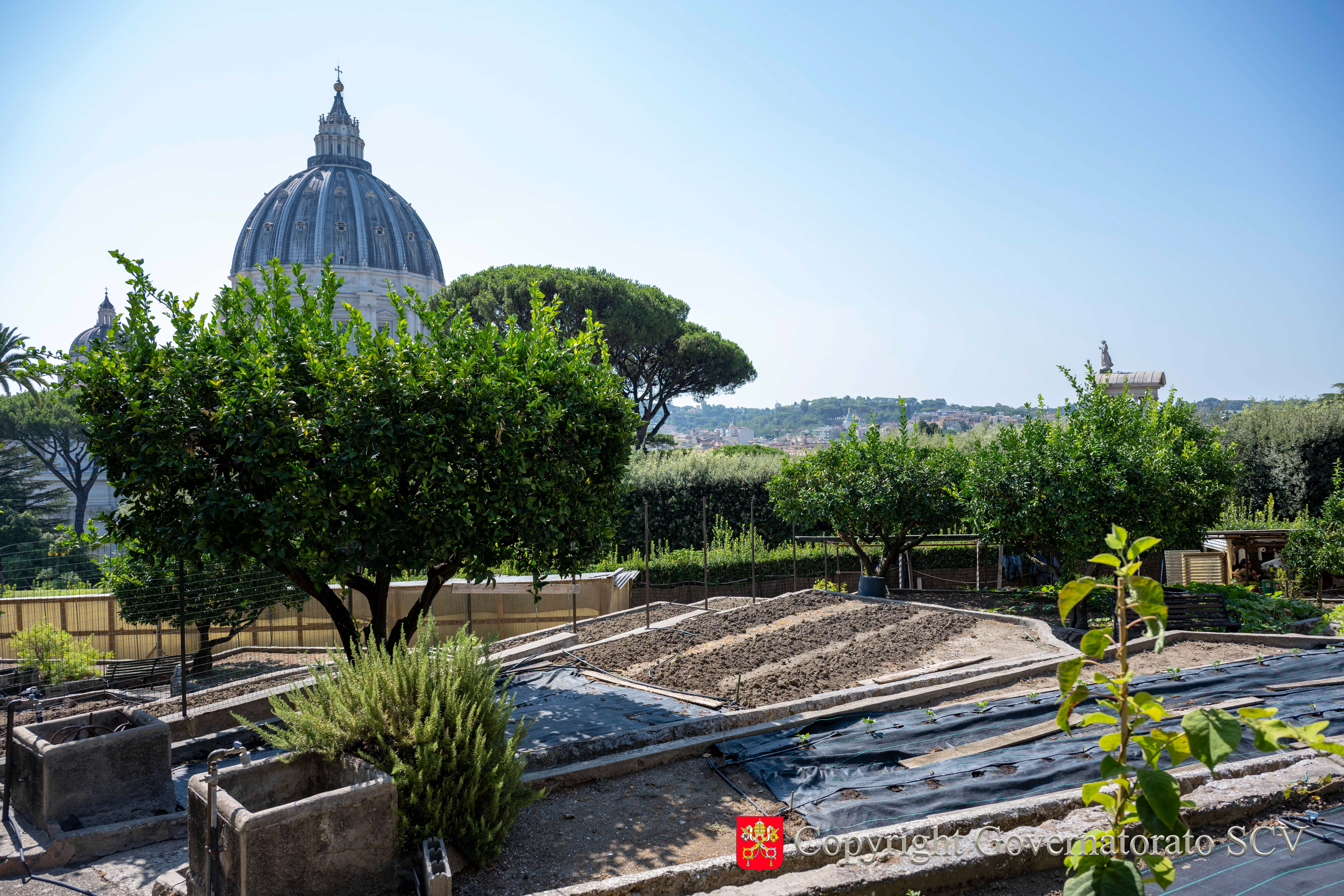
![Vatican vegetable garden goes 100% organic #Catholic A vegetable garden and orchard inside the Vatican walls, which historically provided food for the pope’s household, is now cultivated using exclusively organic farming techniques.The private garden covers almost a tenth of an acre of cultivable land inside the Mater Ecclesiae Monastery property, where Pope Benedict XVI lived during his retirement and now reside cloistered Benedictine nuns from the Abbey of St. Scholastica in Victoria, Argentina.Sometimes known as “the pope’s garden,” the vegetable plot “has always been a defining feature of the Vatican Gardens because, in fact, the Vatican Gardens were originally created primarily for that purpose — to provide sustenance for the [Apostolic] Palace,” Stefano Giampaolo, a forestry expert and head of the Gardens and Environment Service of the Vatican, told EWTN News.Giampaolo explained that now the plot is more accurately understood as the vegetable garden of the Vatican Gardens — an area that covers roughly half of Vatican City at 57 acres.
Mater Ecclesiae Monastery, built inside Vatican City in the 1990s to house nuns who support the ministry of the pope through prayer, has an adjoining vegetable garden and orchard. | Credit: Hannah Brockhaus/EWTN News
The Benedictine nuns at Mater Ecclesiae Monastery, who pray for the pope, eat the fruit and vegetables grown in the garden and use them to make jams and other food preserves. The excess produce is given to a Vatican soup kitchen run by the Missionaries of Charity.The move to biological farming techniques has been underway for several years, partly in response to Pope Francis’ 2015 encyclical Laudato Si’, Giampaolo said.The challenges of organicAccording to Gilberto Bianchi, the gardener responsible for the orchard and vegetable patch since 2008, the Vatican has a “desire to respect nature” in how it cares for the plants and trees on its land.But it’s far from easy.“Clearly, running a completely organic vegetable garden presents challenges, partly because insects are aggressive, and we use natural predators in the soil to control them,” Bianchi said. “No chemical fertilizers or insecticides are used.”He added that soil drainage and water conservation are also challenges.“This type of soil drains very well, so to conserve water, we add coconut fiber to retain moisture. And it’s watered with a drip irrigation system specifically to target the plants and avoid wasting water,” he said.Part of an organic agriculture also means respecting the seasons, he said. “Right now, the winter crops are being planted, while the summer crops are being harvested.”
The fresh produce grown in the vegetable garden and orchard in Vatican City feeds the Benedictine nuns living in the Mater Ecclesiae Monastery and supports the nearby Missionaries of Charity-run soup kitchen. | Credit: Governorate of Vatican City State
The end-of-summer harvest includes tomatoes, eggplants, green beans, zucchini, cucumbers, and peppers, while the fall and winter crop has broccoli, spinach, lettuce, and pumpkins.According to Vatican Media, the garden also includes garlic, basil, and a Peruvian variety of chili peppers known for its intensity. Kiwi plants were also added recently at the request of the Argentinian nuns.Next to the garden is a small orchard of around 15 citrus trees, some of which are 150 years old.“At this time, we’re planting savoy cabbage,” Bianchi said. “In short, whatever is in season. … So whatever is planted is because nature dictates it at that moment. The plants are grown from seed. We don’t use lab-grown plants.”A historic collection of gardensBianchi, who has worked for more than three decades in the Vatican Gardens, “is the one with the most expertise in this field, and he is now passing that knowledge on to a new gardener,” Giampaolo said.The expert gardener is part of a team of around 35 gardeners and administrators who oversee the Vatican’s green spaces and provide the flower arrangements for papal ceremonies.
Stefano Giampaolo, left, head of the Gardens and Environment Service of Vatican City, and expert gardener Gilberto Bianchi, right, the main caretaker of the orchard and vegetable garden commonly known as “the pope’s garden,” share their expertise with EWTN News in the Vatican Gardens on Sept. 9, 2026. | Credit: Hannah Brockhaus/EWTN News
“People expect to see a single garden, but in reality, as the name suggests, they are the Vatican Gardens — a collection of gardens,” Giampaolo said.The Gardens date to the mid-13th century, when Pope Nicolas III moved the papal residence from the Lateran Palace to the Vatican, had the city state’s walls built, and ordered the creation of a lawn, orchard, and “viridarium” — a Roman-style garden with flowerbeds and a fountain.Today, Giampaolo said, “there are countless different species, both trees and flowers. This is because, over time, the gardens have been enriched by donations and the search for specific botanical material, to the point of becoming a true botanical garden.”“Visitors are often struck by the diversity of the spaces — so many different gardens contained within this small area.”Ultimately, he said, the gardeners hope to one day eliminate all synthetic fertilizers and pesticides from their care of the entire Vatican territory.“It’s a process — the transformation of all the Gardens into organic ones,” he said.](https://unitedyam.com/wp-content/uploads/2026/09/vatican-vegetable-garden-goes-100-organic-catholic-a-vegetable-garden-and-orchard-inside-the-vatican-walls-which-historically-provided-food-for-the-popes-household-is-now-cultivated-using-scaled.jpg "Vatican vegetable garden goes 100% organic #Catholic A vegetable garden and orchard inside the Vatican walls, which historically provided food for the pope’s household, is now cultivated using exclusively organic farming techniques.The private garden covers almost a tenth of an acre of cultivable land inside the Mater Ecclesiae Monastery property, where Pope Benedict XVI lived during his retirement and now reside cloistered Benedictine nuns from the Abbey of St. Scholastica in Victoria, Argentina.Sometimes known as “the pope’s garden,” the vegetable plot “has always been a defining feature of the Vatican Gardens because, in fact, the Vatican Gardens were originally created primarily for that purpose — to provide sustenance for the [Apostolic] Palace,” Stefano Giampaolo, a forestry expert and head of the Gardens and Environment Service of the Vatican, told EWTN News.Giampaolo explained that now the plot is more accurately understood as the vegetable garden of the Vatican Gardens — an area that covers roughly half of Vatican City at 57 acres.
Mater Ecclesiae Monastery, built inside Vatican City in the 1990s to house nuns who support the ministry of the pope through prayer, has an adjoining vegetable garden and orchard. | Credit: Hannah Brockhaus/EWTN News
The Benedictine nuns at Mater Ecclesiae Monastery, who pray for the pope, eat the fruit and vegetables grown in the garden and use them to make jams and other food preserves. The excess produce is given to a Vatican soup kitchen run by the Missionaries of Charity.The move to biological farming techniques has been underway for several years, partly in response to Pope Francis’ 2015 encyclical Laudato Si’, Giampaolo said.The challenges of organicAccording to Gilberto Bianchi, the gardener responsible for the orchard and vegetable patch since 2008, the Vatican has a “desire to respect nature” in how it cares for the plants and trees on its land.But it’s far from easy.“Clearly, running a completely organic vegetable garden presents challenges, partly because insects are aggressive, and we use natural predators in the soil to control them,” Bianchi said. “No chemical fertilizers or insecticides are used.”He added that soil drainage and water conservation are also challenges.“This type of soil drains very well, so to conserve water, we add coconut fiber to retain moisture. And it’s watered with a drip irrigation system specifically to target the plants and avoid wasting water,” he said.Part of an organic agriculture also means respecting the seasons, he said. “Right now, the winter crops are being planted, while the summer crops are being harvested.”
The fresh produce grown in the vegetable garden and orchard in Vatican City feeds the Benedictine nuns living in the Mater Ecclesiae Monastery and supports the nearby Missionaries of Charity-run soup kitchen. | Credit: Governorate of Vatican City State
The end-of-summer harvest includes tomatoes, eggplants, green beans, zucchini, cucumbers, and peppers, while the fall and winter crop has broccoli, spinach, lettuce, and pumpkins.According to Vatican Media, the garden also includes garlic, basil, and a Peruvian variety of chili peppers known for its intensity. Kiwi plants were also added recently at the request of the Argentinian nuns.Next to the garden is a small orchard of around 15 citrus trees, some of which are 150 years old.“At this time, we’re planting savoy cabbage,” Bianchi said. “In short, whatever is in season. … So whatever is planted is because nature dictates it at that moment. The plants are grown from seed. We don’t use lab-grown plants.”A historic collection of gardensBianchi, who has worked for more than three decades in the Vatican Gardens, “is the one with the most expertise in this field, and he is now passing that knowledge on to a new gardener,” Giampaolo said.The expert gardener is part of a team of around 35 gardeners and administrators who oversee the Vatican’s green spaces and provide the flower arrangements for papal ceremonies.
Stefano Giampaolo, left, head of the Gardens and Environment Service of Vatican City, and expert gardener Gilberto Bianchi, right, the main caretaker of the orchard and vegetable garden commonly known as “the pope’s garden,” share their expertise with EWTN News in the Vatican Gardens on Sept. 9, 2026. | Credit: Hannah Brockhaus/EWTN News
“People expect to see a single garden, but in reality, as the name suggests, they are the Vatican Gardens — a collection of gardens,” Giampaolo said.The Gardens date to the mid-13th century, when Pope Nicolas III moved the papal residence from the Lateran Palace to the Vatican, had the city state’s walls built, and ordered the creation of a lawn, orchard, and “viridarium” — a Roman-style garden with flowerbeds and a fountain.Today, Giampaolo said, “there are countless different species, both trees and flowers. This is because, over time, the gardens have been enriched by donations and the search for specific botanical material, to the point of becoming a true botanical garden.”“Visitors are often struck by the diversity of the spaces — so many different gardens contained within this small area.”Ultimately, he said, the gardeners hope to one day eliminate all synthetic fertilizers and pesticides from their care of the entire Vatican territory.“It’s a process — the transformation of all the Gardens into organic ones,” he said.")
The move to biological farming techniques has been underway for several years in response to Pope Francis’ 2015 encyclical Laudato Si’.