Day: September 14, 2026

Study: Doctors don’t screen for abortion coercion — and it hurts women #Catholic A recent study found that women who are pressured to undergo unwanted abortions are at highest risk of negative outcomes and harm from abortion.The study, published in the Journal of the Alliance for Hippocratic Medicine (JAHM), found that physicians rarely screen for coercion and pressure to abort, even though it is the highest predictive risk factor for negative outcomes.The authors, David C. Reardon, Dr. Martha W. Shuping, and Dr. Patricia K. Giebink, called the failure to screen for this “medical negligence.”“Women considering abortions should be evaluated for risk factors predictive of negative outcomes,” the study read. “The failure to screen for these risk factors is medical negligence. Screening and informing women of their personal risk factors as required by ethical and legal standards may lead to consideration of alternatives to abortion by women who consider the risks unacceptable.”Michael New, a senior associate scholar at the Charlotte Lozier Institute, a pro-life group that does abortion-related research, said it was a “methodologically strong study,” noting that 1,000 women were surveyed, 226 of whom had an abortion in the past.“Pro-lifers and the medical community should learn several important lessons from this study,” New told EWTN News. “First, coerced abortions are not uncommon. Secondly, … this study adds to a body of research that finds that a substantial percentage of abortions are unwanted or are inconsistent with the values of the woman seeking the abortion.”“Third, even though supporters of legal abortion claim that women obtaining abortions report low levels of mental health problems, they should acknowledge that mental health risks are substantially higher among the subset of women who are emotionally conflicted or who would prefer not to have the abortion,” he continued.Father Tadeusz Pacholczyk, a senior ethicist at The National Catholic Bioethics Center, urged physicians “to provide full disclosure of the risks and side effects to their patients.”“The long list of bad mental, emotional, and health effects that regularly arise in the wake of an induced abortion should give pause to anyone seeking, or counseling, abortion, especially when it comes to medical professionals who themselves need to be fully informed regarding the seriousness of these risks,” Pacholczyk told EWTN News.“I think it’s fair to say that a key duty of the physician or healthcare professional, in seeking to ‘do no harm,’ would be to try to dissuade their patients from acting on any desire to procure a direct abortion,” he continued. “And a candid discussion about the broad range of potential bad outcomes from the procedure provides an excellent starting point for dialoguing with their patients in a moment of crisis.”Pacholczyk urged medical professionals to have references for pre-abortion counseling for women considering abortion.“While medical professionals may not be able themselves to provide all the support a young woman requires when confronted with an unexpected pregnancy, they should be able to recommend or refer the woman to obtain additional helpful pre-abortion counseling so she can ponder, and bring to the surface, her own motives and fears, and by doing so, hopefully strengthen her to steer clear of the pseudo-remedy of abortion and instead address her situation with a heightened awareness of the care, accompaniment, and support coming from those around her,” Pacholczyk said. Though difficult to enforce, legislation to require medical professionals to screen for coercion may enable victims of coercion to sue abortion clinics, if put into effect, according to New.“It is unsurprising that physicians performing abortions rarely screen for coercion,” New said. “Many abortion are done in high-volume clinics where abortion doctors spend very little time with women seeking abortions.”Kelsey Pritchard, a spokeswoman for Susan B. Anthony Pro-Life America, said the abortion industry doesn’t prioritize women.“The abortion industry prioritizes profit — not women’s well-being, informed consent, or health, the overwhelming evidence shows,” Pritchard said.“Previous peer-reviewed research by Charlotte Lozier Institute scholars indicates most women who’ve had abortions would have preferred not to if they had more support, with nearly a quarter describing their abortions as unwanted or coerced,” Pritchard continued.She voiced concerns about the ease of abortion coercion due to mail-order abortion.“Since Democrats made it as easy as ordering an Amazon package for anyone anywhere to buy and ship dangerous abortion drugs, even to states with pro-life laws, this hidden epidemic has gone from bad to worse, with alarming cases of women assaulted and poisoned across the country,” Pritchard said.“Women pressured, coerced, or forced to abort go on to report higher levels of mental health and quality-of-life difficulties, which they all too often endure silently as they can face significant hurdles to coming forward,” Pritchard said.“The loudest pro-abortion voices refuse to acknowledge the truth behind their narrative of ‘freedom’ and ‘choice,’” Pritchard said.

Study: Doctors don’t screen for abortion coercion — and it hurts women #Catholic A recent study found that women who are pressured to undergo unwanted abortions are at highest risk of negative outcomes and harm from abortion.The study, published in the Journal of the Alliance for Hippocratic Medicine (JAHM), found that physicians rarely screen for coercion and pressure to abort, even though it is the highest predictive risk factor for negative outcomes.The authors, David C. Reardon, Dr. Martha W. Shuping, and Dr. Patricia K. Giebink, called the failure to screen for this “medical negligence.”“Women considering abortions should be evaluated for risk factors predictive of negative outcomes,” the study read. “The failure to screen for these risk factors is medical negligence. Screening and informing women of their personal risk factors as required by ethical and legal standards may lead to consideration of alternatives to abortion by women who consider the risks unacceptable.”Michael New, a senior associate scholar at the Charlotte Lozier Institute, a pro-life group that does abortion-related research, said it was a “methodologically strong study,” noting that 1,000 women were surveyed, 226 of whom had an abortion in the past.“Pro-lifers and the medical community should learn several important lessons from this study,” New told EWTN News. “First, coerced abortions are not uncommon. Secondly, … this study adds to a body of research that finds that a substantial percentage of abortions are unwanted or are inconsistent with the values of the woman seeking the abortion.”“Third, even though supporters of legal abortion claim that women obtaining abortions report low levels of mental health problems, they should acknowledge that mental health risks are substantially higher among the subset of women who are emotionally conflicted or who would prefer not to have the abortion,” he continued.Father Tadeusz Pacholczyk, a senior ethicist at The National Catholic Bioethics Center, urged physicians “to provide full disclosure of the risks and side effects to their patients.”“The long list of bad mental, emotional, and health effects that regularly arise in the wake of an induced abortion should give pause to anyone seeking, or counseling, abortion, especially when it comes to medical professionals who themselves need to be fully informed regarding the seriousness of these risks,” Pacholczyk told EWTN News.“I think it’s fair to say that a key duty of the physician or healthcare professional, in seeking to ‘do no harm,’ would be to try to dissuade their patients from acting on any desire to procure a direct abortion,” he continued. “And a candid discussion about the broad range of potential bad outcomes from the procedure provides an excellent starting point for dialoguing with their patients in a moment of crisis.”Pacholczyk urged medical professionals to have references for pre-abortion counseling for women considering abortion.“While medical professionals may not be able themselves to provide all the support a young woman requires when confronted with an unexpected pregnancy, they should be able to recommend or refer the woman to obtain additional helpful pre-abortion counseling so she can ponder, and bring to the surface, her own motives and fears, and by doing so, hopefully strengthen her to steer clear of the pseudo-remedy of abortion and instead address her situation with a heightened awareness of the care, accompaniment, and support coming from those around her,” Pacholczyk said. Though difficult to enforce, legislation to require medical professionals to screen for coercion may enable victims of coercion to sue abortion clinics, if put into effect, according to New.“It is unsurprising that physicians performing abortions rarely screen for coercion,” New said. “Many abortion are done in high-volume clinics where abortion doctors spend very little time with women seeking abortions.”Kelsey Pritchard, a spokeswoman for Susan B. Anthony Pro-Life America, said the abortion industry doesn’t prioritize women.“The abortion industry prioritizes profit — not women’s well-being, informed consent, or health, the overwhelming evidence shows,” Pritchard said.“Previous peer-reviewed research by Charlotte Lozier Institute scholars indicates most women who’ve had abortions would have preferred not to if they had more support, with nearly a quarter describing their abortions as unwanted or coerced,” Pritchard continued.She voiced concerns about the ease of abortion coercion due to mail-order abortion.“Since Democrats made it as easy as ordering an Amazon package for anyone anywhere to buy and ship dangerous abortion drugs, even to states with pro-life laws, this hidden epidemic has gone from bad to worse, with alarming cases of women assaulted and poisoned across the country,” Pritchard said.“Women pressured, coerced, or forced to abort go on to report higher levels of mental health and quality-of-life difficulties, which they all too often endure silently as they can face significant hurdles to coming forward,” Pritchard said.“The loudest pro-abortion voices refuse to acknowledge the truth behind their narrative of ‘freedom’ and ‘choice,’” Pritchard said.

A recent study highlights that when women are coerced or pressured into abortion, they are at high risk for negative outcomes — but abortion prviidess rarely screen for abortion coercion.

Read More
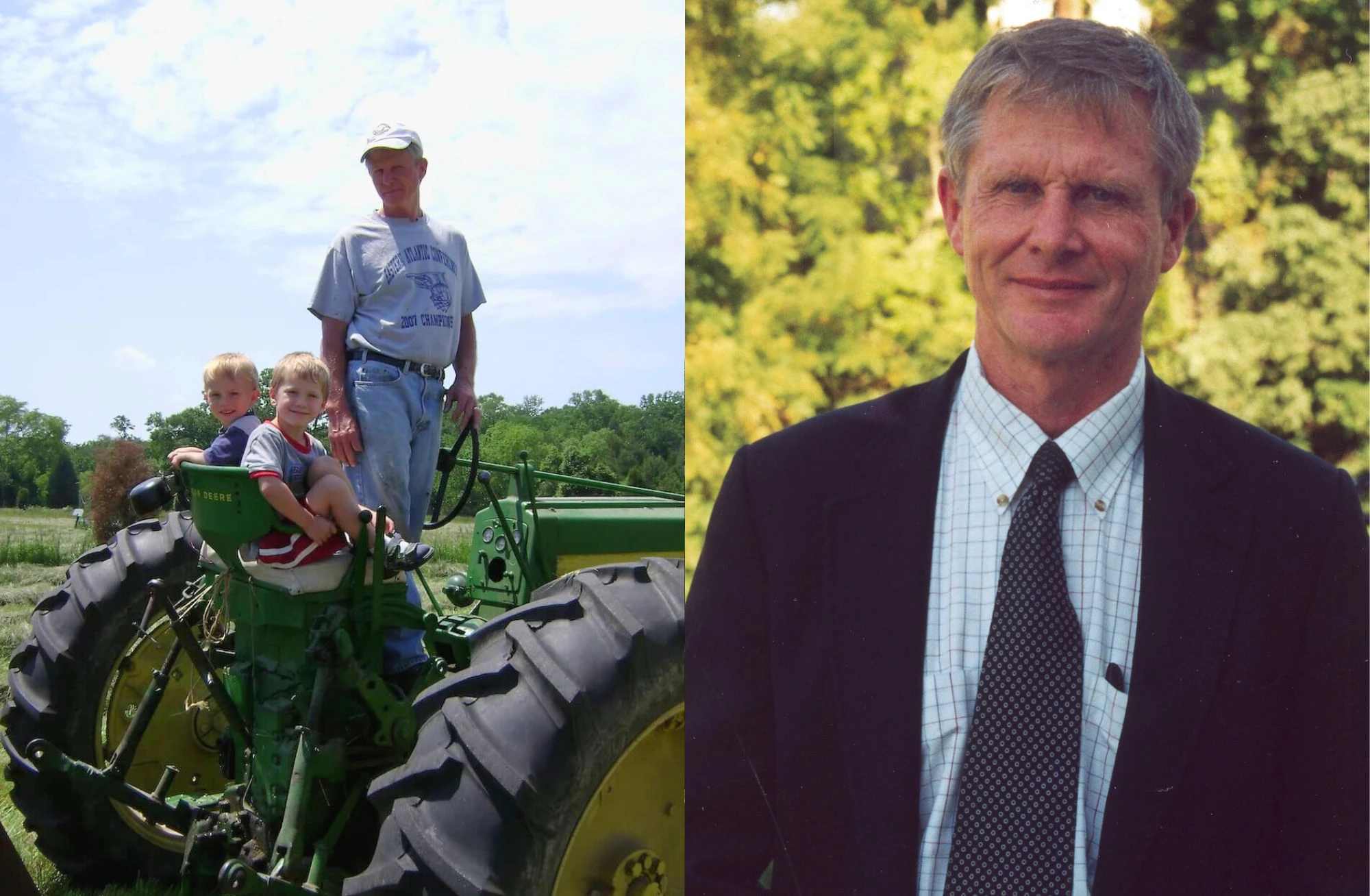
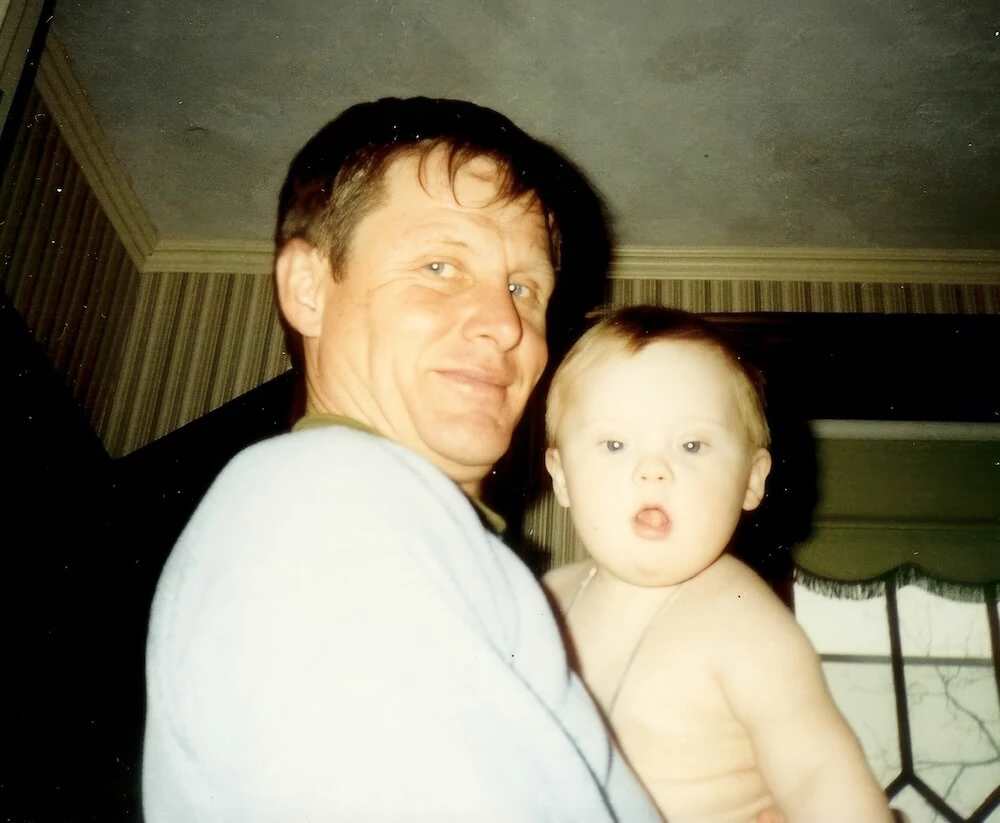
Sainthood cause for Virginia farmer who saved his son moves forward #Catholic The sainthood cause of Tom Vander Woude is moving forward, according to his home diocese of Arlington, Virginia. Vander Woude, a father of seven sons, died saving the life of his youngest son, Joseph, who has Down syndrome.The diocese will begin gathering information — a key initial stage in the Catholic Church’s process of determining sainthood.When Joseph, a teenager at the time, fell into a septic tank, Tom climbed into the tank with him, pushing him up toward the surface, away from the toxic fumes, saving his son’s life. Tom, 66, died on Sept. 8, 2008, in the accident, leaving behind his wife and seven sons. His legacy didn’t end there, however. Because of his self-sacrificial act, a group of Catholics, formally called the Tom Vander Woude Guild, began to advocate for his cause.“His final act of self-sacrificial love was widely regarded as the culmination of a Christian life marked by faith, charity, humility, fortitude, and generous service to others,” read Arlington Bishop Michael Burbidge’s edict, also signed by Monsignor Paul deLadurantaye, the chancellor of the diocese.After receiving a formal petition from the cause’s postulator, Waldery Hilgeman, the diocese is asking for all information that could affect the cause to be brought forward. The bishop is also collecting any writings by Vander Woude and any documents about him.“We see in the life and death of Thomas Vander Woude a sincere response to the Christian call to sainthood,” Burbidge said. “As heroic as were the circumstances of Thomas Vander Woude’s death, this husband and father showed in a profound way that sanctity is to be sought first and foremost through personal faithfulness in daily life and to a consistent and sincere yes to God in the circumstances of one’s vocation and responsibilities.”Burbidge spoke about the cause in a podcast on Sept. 10, describing Vander Woude as “a holy, faithful, selfless, sacrificial man who serves as an inspiration for us.”“That’s what saints do,” he continued. “They show us that we, who are ordinary and flawed, can live heroic and holy lives."“When you move forward in this cause, itʼs not just because of that one heroic event, but also the day-to-day faithfulness as a husband, as a father, as a citizen, as a man of God,” Burbidge said.
 
 Tom Vander Woude with two of his grandchildren, Michael and Bobby Vander Woude (from left to right). The Diocese of Arlington, Virginia, is investigating Tom Vander Woude’s cause for sainthood almost two decades after he died saving his son. | Credit: Photo courtesy of the Tom Vander Woude Guild
 
 Chris Vander Woude, a son of Tom Vander Woude who is advocating for his cause, expressed his excitement at the progress.“I am grateful to the Diocese of Arlington and Bishop Burbidge for taking this step in the investigative process; it is truly exciting and incredibly humbling at the same time,” Chris Vander Woude told EWTN News.“Not a day goes by without missing Dad, but witnessing how his story continues to inspire so many is a consolation,” he said. “I think his commitment to his daily vocation as a husband and father, culminating in his sacrifice for my brother, resonates with all sorts of people — especially parents. We continue to pray that Godʼs will be done in this process.”

Sainthood cause for Virginia farmer who saved his son moves forward #Catholic The sainthood cause of Tom Vander Woude is moving forward, according to his home diocese of Arlington, Virginia. Vander Woude, a father of seven sons, died saving the life of his youngest son, Joseph, who has Down syndrome.The diocese will begin gathering information — a key initial stage in the Catholic Church’s process of determining sainthood.When Joseph, a teenager at the time, fell into a septic tank, Tom climbed into the tank with him, pushing him up toward the surface, away from the toxic fumes, saving his son’s life. Tom, 66, died on Sept. 8, 2008, in the accident, leaving behind his wife and seven sons. His legacy didn’t end there, however. Because of his self-sacrificial act, a group of Catholics, formally called the Tom Vander Woude Guild, began to advocate for his cause.“His final act of self-sacrificial love was widely regarded as the culmination of a Christian life marked by faith, charity, humility, fortitude, and generous service to others,” read Arlington Bishop Michael Burbidge’s edict, also signed by Monsignor Paul deLadurantaye, the chancellor of the diocese.After receiving a formal petition from the cause’s postulator, Waldery Hilgeman, the diocese is asking for all information that could affect the cause to be brought forward. The bishop is also collecting any writings by Vander Woude and any documents about him.“We see in the life and death of Thomas Vander Woude a sincere response to the Christian call to sainthood,” Burbidge said. “As heroic as were the circumstances of Thomas Vander Woude’s death, this husband and father showed in a profound way that sanctity is to be sought first and foremost through personal faithfulness in daily life and to a consistent and sincere yes to God in the circumstances of one’s vocation and responsibilities.”Burbidge spoke about the cause in a podcast on Sept. 10, describing Vander Woude as “a holy, faithful, selfless, sacrificial man who serves as an inspiration for us.”“That’s what saints do,” he continued. “They show us that we, who are ordinary and flawed, can live heroic and holy lives."“When you move forward in this cause, itʼs not just because of that one heroic event, but also the day-to-day faithfulness as a husband, as a father, as a citizen, as a man of God,” Burbidge said. Tom Vander Woude with two of his grandchildren, Michael and Bobby Vander Woude (from left to right). The Diocese of Arlington, Virginia, is investigating Tom Vander Woude’s cause for sainthood almost two decades after he died saving his son. | Credit: Photo courtesy of the Tom Vander Woude Guild Chris Vander Woude, a son of Tom Vander Woude who is advocating for his cause, expressed his excitement at the progress.“I am grateful to the Diocese of Arlington and Bishop Burbidge for taking this step in the investigative process; it is truly exciting and incredibly humbling at the same time,” Chris Vander Woude told EWTN News.“Not a day goes by without missing Dad, but witnessing how his story continues to inspire so many is a consolation,” he said. “I think his commitment to his daily vocation as a husband and father, culminating in his sacrifice for my brother, resonates with all sorts of people — especially parents. We continue to pray that Godʼs will be done in this process.”

The sainthood cause for Tom Vander Woude, a Catholic father of seven who died saving his youngest son, moves to the information gathering stage.
Read More

Gospel and Word of the Day – 15 September 2026 – A reading from the First Letter of St. Paul to Corinthians 12:12-14, 27-31a Brothers and sisters: As a body is one though it has many parts, and all the parts of the body, though many, are one body, so also Christ. For in one Spirit we were all baptized into one Body, whether Jews or Greeks, slaves or free persons, and we were all given to drink of one Spirit. Now the body is not a single part, but many. Now you are Christ’s Body, and individually parts of it. Some people God has designated in the Church to be, first, Apostles; second, prophets; third, teachers; then, mighty deeds; then gifts of healing, assistance, administration, and varieties of tongues. Are all Apostles?  Are all prophets?  Are all teachers? Do all work mighty deeds?  Do all have gifts of healing? Do all speak in tongues?  Do all interpret? Strive eagerly for the greatest spiritual gifts.From the Gospel according to John 19:25-27 Standing by the cross of Jesus were his mother and his mother’s sister, Mary the wife of Clopas, and Mary Magdalene. When Jesus saw his mother and the disciple there whom he loved he said to his mother, “Woman, behold, your son.” Then he said to the disciple, “Behold, your mother.” And from that hour the disciple took her into his home.John, the only one of the Twelve present at Calvary, saw and testified that beneath the cross stood Jesus’ mother together with the other women (cf. Jn 19:25). And he heard with his own ears the last words of the Master, among which were these: “Woman, here is your son!” and then, turning to him, “Here is your mother!” (Jn 19:26-27). Mary’s motherhood through the mystery of the Cross took an unimaginable leap: the mother of Jesus became the new Eve, the source of new and eternal life for every person who comes into the world. (…) The fruitfulness of the Church is the same fruitfulness as Mary’s; it is realized in the lives of her members to the extent that they relive, “in miniature,” what the Mother lived, namely, they love according to the love of Jesus. All the fruitfulness of the Church and of the Holy See depends on the Cross of Christ. Otherwise, it is only appearance, if not worse. A great contemporary theologian wrote: “If the Church is the tree that grew from the tiny mustard seed of the cross, this tree is destined to produce mustard seeds in turn, and therefore fruits that repeat the shape of the cross, because it is precisely to the cross that they owe their existence” (H.U. von Balthasar, Cordula ovverosia il caso serio, Brescia 1969, 45-46). (Pope Leo XIV, Homily, 9 June 2025)

A reading from the First Letter of St. Paul to Corinthians
12:12-14, 27-31a

Brothers and sisters:
As a body is one though it has many parts,
and all the parts of the body, though many, are one body,
so also Christ.
For in one Spirit we were all baptized into one Body,
whether Jews or Greeks, slaves or free persons,
and we were all given to drink of one Spirit.

Now the body is not a single part, but many.

Now you are Christ’s Body, and individually parts of it.
Some people God has designated in the Church
to be, first, Apostles; second, prophets; third, teachers;
then, mighty deeds;
then gifts of healing, assistance, administration,
and varieties of tongues.
Are all Apostles?  Are all prophets?  Are all teachers?
Do all work mighty deeds?  Do all have gifts of healing?
Do all speak in tongues?  Do all interpret?
Strive eagerly for the greatest spiritual gifts.

From the Gospel according to John
19:25-27

Standing by the cross of Jesus were his mother
and his mother’s sister, Mary the wife of Clopas,
and Mary Magdalene.
When Jesus saw his mother and the disciple there whom he loved
he said to his mother, “Woman, behold, your son.”
Then he said to the disciple,
“Behold, your mother.”
And from that hour the disciple took her into his home.

John, the only one of the Twelve present at Calvary, saw and testified that beneath the cross stood Jesus’ mother together with the other women (cf. Jn 19:25). And he heard with his own ears the last words of the Master, among which were these: “Woman, here is your son!” and then, turning to him, “Here is your mother!” (Jn 19:26-27). Mary’s motherhood through the mystery of the Cross took an unimaginable leap: the mother of Jesus became the new Eve, the source of new and eternal life for every person who comes into the world. (…) The fruitfulness of the Church is the same fruitfulness as Mary’s; it is realized in the lives of her members to the extent that they relive, “in miniature,” what the Mother lived, namely, they love according to the love of Jesus. All the fruitfulness of the Church and of the Holy See depends on the Cross of Christ. Otherwise, it is only appearance, if not worse. A great contemporary theologian wrote: “If the Church is the tree that grew from the tiny mustard seed of the cross, this tree is destined to produce mustard seeds in turn, and therefore fruits that repeat the shape of the cross, because it is precisely to the cross that they owe their existence” (H.U. von Balthasar, Cordula ovverosia il caso serio, Brescia 1969, 45-46). (Pope Leo XIV, Homily, 9 June 2025)

Read More

Report flags weak funding and low completion in natural family planning programs – #Catholic – A report by the United States Conference of Catholic Bishops (USCCB) found diocesan natural family planning (NFP) programs across the country are experiencing continued low course completion among couples.In January 2025, 196 dioceses were invited to take part in the annual Diocesan Natural Family Planning Ministry National 2025 Profile Report by the USCCB. Of the dioceses, 61 completed the questionnaire.Similarly to past years, there is a wide gap between the numbers of couples who enroll in an introductory NFP education program and those who follow up with a full course.The report found that a total of 18,211 individuals received some information or instruction on NFP across dioceses in 2025. In comparison, there were only 7,518 individuals who attended a full course in NFP.The report noted that further research must be done among dioceses to understand the disparities and adjust NFP efforts to combat them.It is important to strengthen NFP programs for many reasons but especially for the overall health of women, according to Dr. Annevay Conlee, vice president of the Women’s Health Service Line at OSF HealthCare, an integrated health system founded by the Sisters of the Third Order of St. Francis.“When looking at the overall health of the couple, but also the woman in particular, fertility awareness-based methods (FABMs) are better than artificial contraceptive methods when looking at the wellness aspect and monitoring health, recognizing abnormalities, and being able to help in a restorative way sustain and support health,” Conlee told EWTN News.“It does not cause the side effects and long-term potential consequences that contraception does,” she said.To best ensure that couples continue the NFP learning process, Conlee suggested dioceses and other NFP providers ensure that they offer different types of options to “fit the needs and time commitment of the couple,” she said. Also, they should be “making sure that there is awareness of not only the ability to achieve and avoid pregnancy with this but also monitor health and wellness,” she said.Report reveals few employees and low budgetThe 2025 report also found that employment for NFP programs differs among dioceses.Of the 2025 respondents, 30% reported they rely on paid part-time staff and volunteers, and 16% have a full-time paid NFP coordinator. Most instructors are volunteers (58%) who do not receive any stipend, while some are volunteers who do receive a stipend (16%) to cover expenses.Steve Mattern, senior vice president of mission services at OSF HealthCare, noted high levels of volunteers may contribute to some of the low numbers.“It seems like volunteers staff much of the demands of this work and while some … pre-marriage work does involve expectation of education and training, many dioceses do not expect this nor have the ability to serve it if they did expect it,” Mattern said.“Still, there are some wonderful things happening where the next generations of Catholics are stepping up to give witness talks, to help give orientation, and to support education,” he said.Along with employees, the survey also found that limited funding continues to be a significant issue for NFP programs. Of dioceses surveyed, 68% budgeted less than ,000 for NFP programs.Most diocesan NFP programs rely on indirect funding from other sources including donations from parishes, grants from local Knights of Columbus councils, a fee for course instruction, and follow-up fees, according to the report.Next steps for the Church“We hear anecdotally in healthcare that fewer couples are coming to seek marriage in the Catholic Church,” Mattern said.As “more people are living together and may be seeking marriage outside the Church when they do marry,” there is more of a question around what “needs to be in the required marriage prep pathway,” he said.“Should the couple go through a course of their choosing within a range of offered methodologies for NFP, and should the diocese offer a coupon or resource for them to do this?”“This has been tried and it does work; many do go on to take a course offering,” he said. “However, other dioceses may seek to do a very basic course … and may not really get to NFP or may make only a brief mention of it.”“It seems like a strong and effective communication approach and partnership across both the diocese and the Catholic healthcare ministry, and its professionals can bring a stronger approach for life and for the good of these couples and their family life,” Mattern said.Overall, “people still need basic awareness of what the fertility awareness-based methodologies offer and provide and so this work is ongoing and invites our creativity, hope, and imagination,” he said. While discussion around NFP is usually in regard to pregnancy, “it is so much more important to start forming our minds and hearts when we are young and in the context of our families,” Sister M. Mikela Meidl, FSGM, president of OSF HealthCare, said.“Learning about modesty, purity, and the beauty of our bodies as we grow and develop helps create an openness to understand ourselves long before we marry,” she said.“Supporting and helping parents to hold these conversations without embarrassment and full of confidence and attentive listening will go a long way in making people desire what is true and good,” she said.

Report flags weak funding and low completion in natural family planning programs – #Catholic – A report by the United States Conference of Catholic Bishops (USCCB) found diocesan natural family planning (NFP) programs across the country are experiencing continued low course completion among couples.In January 2025, 196 dioceses were invited to take part in the annual Diocesan Natural Family Planning Ministry National 2025 Profile Report by the USCCB. Of the dioceses, 61 completed the questionnaire.Similarly to past years, there is a wide gap between the numbers of couples who enroll in an introductory NFP education program and those who follow up with a full course.The report found that a total of 18,211 individuals received some information or instruction on NFP across dioceses in 2025. In comparison, there were only 7,518 individuals who attended a full course in NFP.The report noted that further research must be done among dioceses to understand the disparities and adjust NFP efforts to combat them.It is important to strengthen NFP programs for many reasons but especially for the overall health of women, according to Dr. Annevay Conlee, vice president of the Women’s Health Service Line at OSF HealthCare, an integrated health system founded by the Sisters of the Third Order of St. Francis.“When looking at the overall health of the couple, but also the woman in particular, fertility awareness-based methods (FABMs) are better than artificial contraceptive methods when looking at the wellness aspect and monitoring health, recognizing abnormalities, and being able to help in a restorative way sustain and support health,” Conlee told EWTN News.“It does not cause the side effects and long-term potential consequences that contraception does,” she said.To best ensure that couples continue the NFP learning process, Conlee suggested dioceses and other NFP providers ensure that they offer different types of options to “fit the needs and time commitment of the couple,” she said. Also, they should be “making sure that there is awareness of not only the ability to achieve and avoid pregnancy with this but also monitor health and wellness,” she said.Report reveals few employees and low budgetThe 2025 report also found that employment for NFP programs differs among dioceses.Of the 2025 respondents, 30% reported they rely on paid part-time staff and volunteers, and 16% have a full-time paid NFP coordinator. Most instructors are volunteers (58%) who do not receive any stipend, while some are volunteers who do receive a stipend (16%) to cover expenses.Steve Mattern, senior vice president of mission services at OSF HealthCare, noted high levels of volunteers may contribute to some of the low numbers.“It seems like volunteers staff much of the demands of this work and while some … pre-marriage work does involve expectation of education and training, many dioceses do not expect this nor have the ability to serve it if they did expect it,” Mattern said.“Still, there are some wonderful things happening where the next generations of Catholics are stepping up to give witness talks, to help give orientation, and to support education,” he said.Along with employees, the survey also found that limited funding continues to be a significant issue for NFP programs. Of dioceses surveyed, 68% budgeted less than $5,000 for NFP programs.Most diocesan NFP programs rely on indirect funding from other sources including donations from parishes, grants from local Knights of Columbus councils, a fee for course instruction, and follow-up fees, according to the report.Next steps for the Church“We hear anecdotally in healthcare that fewer couples are coming to seek marriage in the Catholic Church,” Mattern said.As “more people are living together and may be seeking marriage outside the Church when they do marry,” there is more of a question around what “needs to be in the required marriage prep pathway,” he said.“Should the couple go through a course of their choosing within a range of offered methodologies for NFP, and should the diocese offer a coupon or resource for them to do this?”“This has been tried and it does work; many do go on to take a course offering,” he said. “However, other dioceses may seek to do a very basic course … and may not really get to NFP or may make only a brief mention of it.”“It seems like a strong and effective communication approach and partnership across both the diocese and the Catholic healthcare ministry, and its professionals can bring a stronger approach for life and for the good of these couples and their family life,” Mattern said.Overall, “people still need basic awareness of what the fertility awareness-based methodologies offer and provide and so this work is ongoing and invites our creativity, hope, and imagination,” he said. While discussion around NFP is usually in regard to pregnancy, “it is so much more important to start forming our minds and hearts when we are young and in the context of our families,” Sister M. Mikela Meidl, FSGM, president of OSF HealthCare, said.“Learning about modesty, purity, and the beauty of our bodies as we grow and develop helps create an openness to understand ourselves long before we marry,” she said.“Supporting and helping parents to hold these conversations without embarrassment and full of confidence and attentive listening will go a long way in making people desire what is true and good,” she said.

The report found that a total of 18,211 individuals received some instruction on natural family planning across dioceses in 2025, but there were only 7,518 individuals who attended a full course.

Read More

Rocket launches this week On Monday, Sept. 14 at 9:21 p.m. EST, Avio — a publicly traded Italian aerospace company headquartered near Rome — is set to launch a Vega C rocket from the Guiana Space Centre in French Guiana, carrying two Earth-observation satellites for the European Space Agency (ESA). The first, Sentinel-3C, is theContinue reading “Europe launches two Earth-observation satellites amidst a busy week for China”

The post Europe launches two Earth-observation satellites amidst a busy week for China appeared first on Astronomy Magazine.

Read More
Looking forward to the Beatification of Archbishop Fulton J. Sheen #Catholic – “It is also providential that this year, on 24 September, in Saint Louis Missouri, a renowned National Director of the Pontifical Mission Societies in the United States of America, the Venerable Fulton J. Sheen, will be beatified. Archbishop Sheen was a light of faith, hope, and love that shone through the radio and television media for decades. I myself am a witness of his evangelization when I was growing up. His broadcasts touched millions with the hope of the Gospel and his initiatives and efforts resulted in enormous spiritual and material aid to the Churches in areas of first evangelization. May our new Blessed be an example for all of the National and Diocesan Directors of the Pontifical Mission Societies throughout the world.” 
– Address of Pope Leo XIV to Participants in the General Assembly of the Pontifical Mission Societies
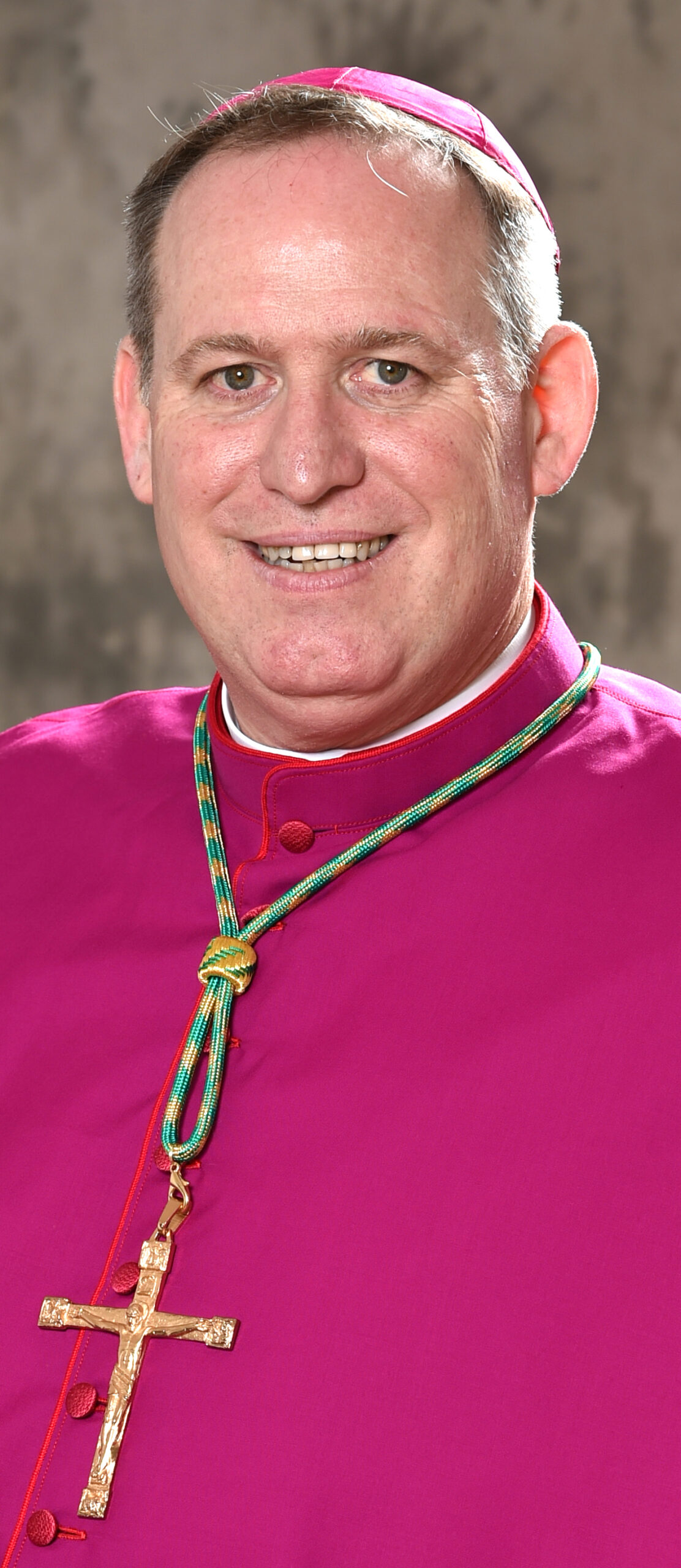
I hope that you have already heard about the upcoming (on Thursday, Sept. 24) beatification of Archbishop Fulton J. Sheen. I had been planning to write about this important moment for our Church and especially for the Church in the United States. It is exciting to know that that a bishop who preached and visited our Diocese of Paterson more than several times will soon be beatified. Then, on this past Friday, I received a notification from the USCCB that Bishop John O. Barres, the bishop of the Diocese of Rockville Centre had just published (on Sept. 8) a Pastoral Letter on The Beatification of Archbishop Fulton J. Sheen and the Mission of the Catholic Church in the 21st Century. In the Introduction Bishop Barres writes the following:
“… the beatification is a moment of grace that invites each of us to contemplate anew the life and sanctity of Archbishop Sheen. It also serves as a providential summons to rediscover enduring truths that his teaching so powerfully illuminated, especially the missionary nature of the Church and the beauty of the Catholic priesthood.” The Beatification of Archbishop Fulton J. Sheen
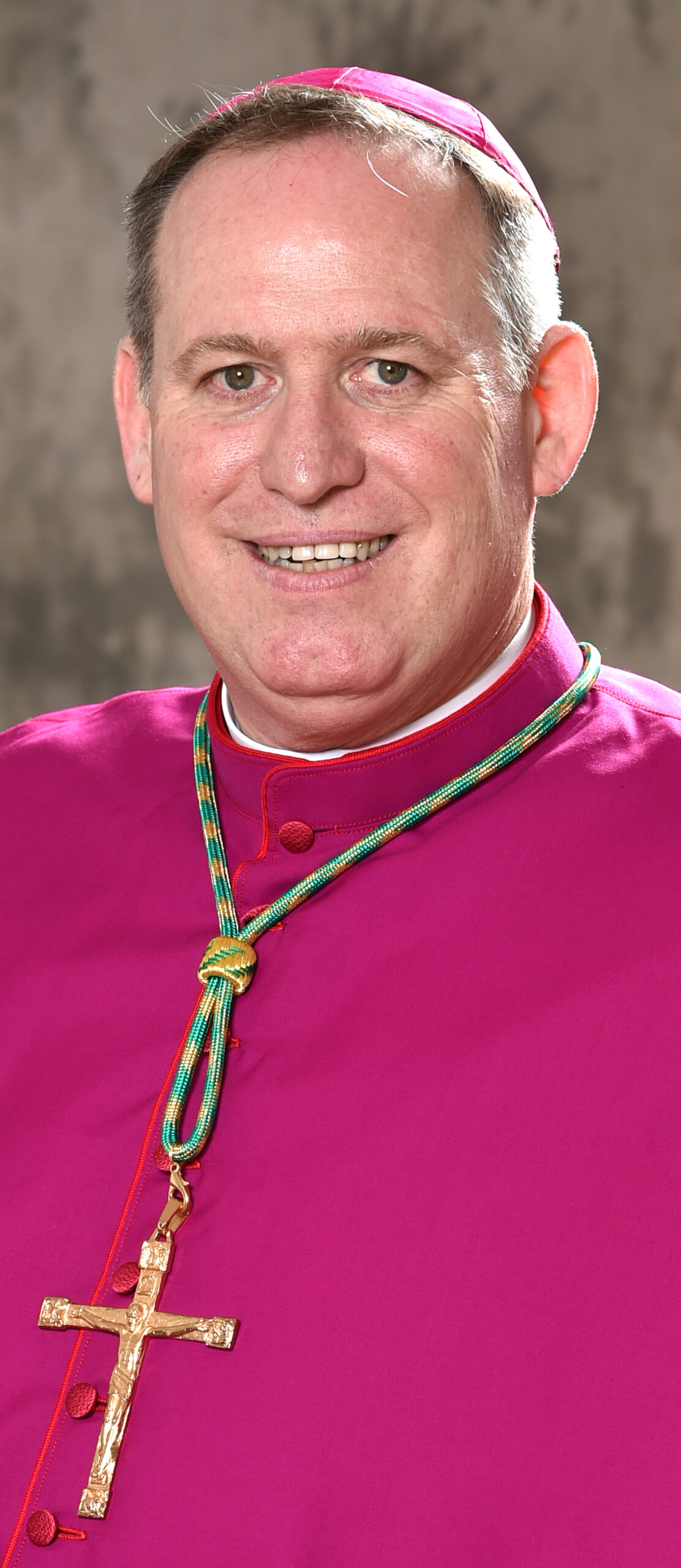

BISHOP KEVIN J. SWEENEY

I will share a few thoughts, personal reflections and recommendations, but my strongest recommendation is that you read Bishop Barres’ beautifully written and inspiring Pastoral Letter. Bishop Barres insightfully summarizes the life, teaching, and contributions of Archbishop Sheen. He also invites the reader to reflect on the current relevancy of Archbishop Sheen’s promotion of “the missionary nature of the Church” and the opportunity for a “Renewal of 21st Century Contemplative Catholic Missiology.” Finally, Bishop Barres offers a wonderful reminder of Archbishop Sheen’s teaching on the meaning of a vocation to Priesthood and his love for and dedication to the Real Presence of Jesus in the Eucharist.
I had heard about Archbishop Sheen as I was growing up, but he was “before my time.” In an excellent biography, available on the website of the Catholic University of America, where Archbishop (then Msgr.) Sheen was a faculty member from 1927-1950, we learn:
By the time Monsignor Sheen left Catholic University in 1950 to become the national director of the Society for the Propagation of the Faith, he was already one of the most well-known Catholics of his time. The next chapter of his mission would catapult him to unprecedented fame and influence.
He was consecrated a bishop on June 11, 1951. In the Fall of that year, he began his famous television series, Life is Worth Living. It was a tremendous success, eventually reaching an estimated 30 million viewers each week, which would make it the most widely viewed religious series in the history of television. He won an Emmy Award for Most Outstanding Television Personality, was featured on the cover of Time Magazine, and became one of the most influential Catholics of the 20th century. Biography of Fulton J. Sheen
Archbishop Sheen once wrote, “Any book which inspires us to lead a better life is a good book.” The “book” of his life has inspired many evangelists. In our own diocese, I know that Bishop Sheen was an inspiration to the young Arthur Serratelli, our Bishop Emeritus. Bishop Serratelli, having watched Bishop Sheen’s Life is Worth Living television program as a boy growing up in Newark, would go on to be a gifted professor of Sacred Scripture and untiring herald of the gospel through his inspired homilies, talks, and numerous books.
I would say that I was “introduced” to Archbishop Sheen by Bishop Robert Barron through his Word on Fire apostolate and hearing him personally recounting how he had been “introduced” to Archbishop Sheen by the seminarians he taught and formed during his years as a faculty member and the Rector of Mundelein Seminary in Chicago. You can hear Bishop Barron recount this experience and articulate the reasons he calls Archbishop Sheen the “patron saint of evangelizing through the media” on a recent interview he did with EWTN. 
Father Mike Schmitz is another popular and very effective “media evangelist” of our time. I am a “fan” of Father Mike’s The Bible in a Year podcast and his Sunday homilies (available on the Hallow app). He has a (12 minute) reflection, available on YouTube, with the title “Fulton Sheen Changed my Life.”
One of the experiences Father Mike describes is listening (on cassette tapes) to a retreat given to priests (in Ireland) by Archbishop Sheen. I had a similar experience in the Spring of 2020, during my first visits to Paterson, after I was named a bishop, but before being ordained and installed. Someone had given me a set of CDs with recordings of a priests’ retreat given by Archbishop Sheen. It was a blessing and, I believe, providential to be able to listen to Archbishop Sheen’s talks and reflections on numerous trips between Brooklyn and the Diocese of Paterson as part of my “transition.”
There is one talk given by Archbishop Sheen that I have listened to (and recommended) on many occasions. It is his (45 minute) talk on the “Holy Hour of (Eucharistic) Adoration,” which is available on YouTube.
I first recall recommending that talk when our diocese had a “Year of the Eucharist” and the USCCB introduced a Three-Year “Eucharistic Revival,” announced in 2021 and beginning in 2022. Bishop Barres, Bishop Barron, Father Mike Schmitz, and almost anyone who is familiar with and has listened to Archbishop Sheen know of his commitment to a daily Eucharistic Holy Hour. Whether or not you have previously listened to Archbishop Sheen speak about the importance of Eucharistic Adoration, I hope you will take the time to listen (again).
I will conclude by, again, encouraging you to read Bishop Barres’ Pastoral Letter, which concludes with a prayerful request:
“Through Archbishop Sheen’s intercession, may our priests be renewed in holiness, our seminarians strengthened in fidelity, and many generous hearts opened to the call of Christ. Finally, may the soon-to-be Blessed Fulton J. Sheen intercede for a new and creative Pentecost in Catholic missionary communications and for a fresh outpouring of the Holy Spirit upon the entire Church. May his witness help us proclaim the ancient Faith with renewed confidence, imagination, clarity, and love. Above all, may he teach us again that holiness and mission are inseparable.” The Beatification of Archbishop Fulton J. Sheen

Click here to subscribe to our weekly newsletter.


Looking forward to the Beatification of Archbishop Fulton J. Sheen #Catholic – “It is also providential that this year, on 24 September, in Saint Louis Missouri, a renowned National Director of the Pontifical Mission Societies in the United States of America, the Venerable Fulton J. Sheen, will be beatified. Archbishop Sheen was a light of faith, hope, and love that shone through the radio and television media for decades. I myself am a witness of his evangelization when I was growing up. His broadcasts touched millions with the hope of the Gospel and his initiatives and efforts resulted in enormous spiritual and material aid to the Churches in areas of first evangelization. May our new Blessed be an example for all of the National and Diocesan Directors of the Pontifical Mission Societies throughout the world.” – Address of Pope Leo XIV to Participants in the General Assembly of the Pontifical Mission Societies I hope that you have already heard about the upcoming (on Thursday, Sept. 24) beatification of Archbishop Fulton J. Sheen. I had been planning to write about this important moment for our Church and especially for the Church in the United States. It is exciting to know that that a bishop who preached and visited our Diocese of Paterson more than several times will soon be beatified. Then, on this past Friday, I received a notification from the USCCB that Bishop John O. Barres, the bishop of the Diocese of Rockville Centre had just published (on Sept. 8) a Pastoral Letter on The Beatification of Archbishop Fulton J. Sheen and the Mission of the Catholic Church in the 21st Century. In the Introduction Bishop Barres writes the following: “… the beatification is a moment of grace that invites each of us to contemplate anew the life and sanctity of Archbishop Sheen. It also serves as a providential summons to rediscover enduring truths that his teaching so powerfully illuminated, especially the missionary nature of the Church and the beauty of the Catholic priesthood.” The Beatification of Archbishop Fulton J. Sheen BISHOP KEVIN J. SWEENEY I will share a few thoughts, personal reflections and recommendations, but my strongest recommendation is that you read Bishop Barres’ beautifully written and inspiring Pastoral Letter. Bishop Barres insightfully summarizes the life, teaching, and contributions of Archbishop Sheen. He also invites the reader to reflect on the current relevancy of Archbishop Sheen’s promotion of “the missionary nature of the Church” and the opportunity for a “Renewal of 21st Century Contemplative Catholic Missiology.” Finally, Bishop Barres offers a wonderful reminder of Archbishop Sheen’s teaching on the meaning of a vocation to Priesthood and his love for and dedication to the Real Presence of Jesus in the Eucharist. I had heard about Archbishop Sheen as I was growing up, but he was “before my time.” In an excellent biography, available on the website of the Catholic University of America, where Archbishop (then Msgr.) Sheen was a faculty member from 1927-1950, we learn: By the time Monsignor Sheen left Catholic University in 1950 to become the national director of the Society for the Propagation of the Faith, he was already one of the most well-known Catholics of his time. The next chapter of his mission would catapult him to unprecedented fame and influence. He was consecrated a bishop on June 11, 1951. In the Fall of that year, he began his famous television series, Life is Worth Living. It was a tremendous success, eventually reaching an estimated 30 million viewers each week, which would make it the most widely viewed religious series in the history of television. He won an Emmy Award for Most Outstanding Television Personality, was featured on the cover of Time Magazine, and became one of the most influential Catholics of the 20th century. Biography of Fulton J. Sheen Archbishop Sheen once wrote, “Any book which inspires us to lead a better life is a good book.” The “book” of his life has inspired many evangelists. In our own diocese, I know that Bishop Sheen was an inspiration to the young Arthur Serratelli, our Bishop Emeritus. Bishop Serratelli, having watched Bishop Sheen’s Life is Worth Living television program as a boy growing up in Newark, would go on to be a gifted professor of Sacred Scripture and untiring herald of the gospel through his inspired homilies, talks, and numerous books. I would say that I was “introduced” to Archbishop Sheen by Bishop Robert Barron through his Word on Fire apostolate and hearing him personally recounting how he had been “introduced” to Archbishop Sheen by the seminarians he taught and formed during his years as a faculty member and the Rector of Mundelein Seminary in Chicago. You can hear Bishop Barron recount this experience and articulate the reasons he calls Archbishop Sheen the “patron saint of evangelizing through the media” on a recent interview he did with EWTN.  Father Mike Schmitz is another popular and very effective “media evangelist” of our time. I am a “fan” of Father Mike’s The Bible in a Year podcast and his Sunday homilies (available on the Hallow app). He has a (12 minute) reflection, available on YouTube, with the title “Fulton Sheen Changed my Life.” One of the experiences Father Mike describes is listening (on cassette tapes) to a retreat given to priests (in Ireland) by Archbishop Sheen. I had a similar experience in the Spring of 2020, during my first visits to Paterson, after I was named a bishop, but before being ordained and installed. Someone had given me a set of CDs with recordings of a priests’ retreat given by Archbishop Sheen. It was a blessing and, I believe, providential to be able to listen to Archbishop Sheen’s talks and reflections on numerous trips between Brooklyn and the Diocese of Paterson as part of my “transition.” There is one talk given by Archbishop Sheen that I have listened to (and recommended) on many occasions. It is his (45 minute) talk on the “Holy Hour of (Eucharistic) Adoration,” which is available on YouTube. I first recall recommending that talk when our diocese had a “Year of the Eucharist” and the USCCB introduced a Three-Year “Eucharistic Revival,” announced in 2021 and beginning in 2022. Bishop Barres, Bishop Barron, Father Mike Schmitz, and almost anyone who is familiar with and has listened to Archbishop Sheen know of his commitment to a daily Eucharistic Holy Hour. Whether or not you have previously listened to Archbishop Sheen speak about the importance of Eucharistic Adoration, I hope you will take the time to listen (again). I will conclude by, again, encouraging you to read Bishop Barres’ Pastoral Letter, which concludes with a prayerful request: “Through Archbishop Sheen’s intercession, may our priests be renewed in holiness, our seminarians strengthened in fidelity, and many generous hearts opened to the call of Christ. Finally, may the soon-to-be Blessed Fulton J. Sheen intercede for a new and creative Pentecost in Catholic missionary communications and for a fresh outpouring of the Holy Spirit upon the entire Church. May his witness help us proclaim the ancient Faith with renewed confidence, imagination, clarity, and love. Above all, may he teach us again that holiness and mission are inseparable.” The Beatification of Archbishop Fulton J. Sheen Click here to subscribe to our weekly newsletter.  

Looking forward to the Beatification of Archbishop Fulton J. Sheen #Catholic –

“It is also providential that this year, on 24 September, in Saint Louis Missouri, a renowned National Director of the Pontifical Mission Societies in the United States of America, the Venerable Fulton J. Sheen, will be beatified. Archbishop Sheen was a light of faith, hope, and love that shone through the radio and television media for decades. I myself am a witness of his evangelization when I was growing up. His broadcasts touched millions with the hope of the Gospel and his initiatives and efforts resulted in enormous spiritual and material aid to the Churches in areas of first evangelization. May our new Blessed be an example for all of the National and Diocesan Directors of the Pontifical Mission Societies throughout the world.”

– Address of Pope Leo XIV to Participants in the General Assembly of the Pontifical Mission Societies

I hope that you have already heard about the upcoming (on Thursday, Sept. 24) beatification of Archbishop Fulton J. Sheen. I had been planning to write about this important moment for our Church and especially for the Church in the United States. It is exciting to know that that a bishop who preached and visited our Diocese of Paterson more than several times will soon be beatified. Then, on this past Friday, I received a notification from the USCCB that Bishop John O. Barres, the bishop of the Diocese of Rockville Centre had just published (on Sept. 8) a Pastoral Letter on The Beatification of Archbishop Fulton J. Sheen and the Mission of the Catholic Church in the 21st Century. In the Introduction Bishop Barres writes the following:

“… the beatification is a moment of grace that invites each of us to contemplate anew the life and sanctity of Archbishop Sheen. It also serves as a providential summons to rediscover enduring truths that his teaching so powerfully illuminated, especially the missionary nature of the Church and the beauty of the Catholic priesthood.” The Beatification of Archbishop Fulton J. Sheen

BISHOP KEVIN J. SWEENEY

I will share a few thoughts, personal reflections and recommendations, but my strongest recommendation is that you read Bishop Barres’ beautifully written and inspiring Pastoral Letter. Bishop Barres insightfully summarizes the life, teaching, and contributions of Archbishop Sheen. He also invites the reader to reflect on the current relevancy of Archbishop Sheen’s promotion of “the missionary nature of the Church” and the opportunity for a “Renewal of 21st Century Contemplative Catholic Missiology.” Finally, Bishop Barres offers a wonderful reminder of Archbishop Sheen’s teaching on the meaning of a vocation to Priesthood and his love for and dedication to the Real Presence of Jesus in the Eucharist.

I had heard about Archbishop Sheen as I was growing up, but he was “before my time.” In an excellent biography, available on the website of the Catholic University of America, where Archbishop (then Msgr.) Sheen was a faculty member from 1927-1950, we learn:

By the time Monsignor Sheen left Catholic University in 1950 to become the national director of the Society for the Propagation of the Faith, he was already one of the most well-known Catholics of his time. The next chapter of his mission would catapult him to unprecedented fame and influence.

He was consecrated a bishop on June 11, 1951. In the Fall of that year, he began his famous television series, Life is Worth Living. It was a tremendous success, eventually reaching an estimated 30 million viewers each week, which would make it the most widely viewed religious series in the history of television. He won an Emmy Award for Most Outstanding Television Personality, was featured on the cover of Time Magazine, and became one of the most influential Catholics of the 20th century. Biography of Fulton J. Sheen

Archbishop Sheen once wrote, “Any book which inspires us to lead a better life is a good book.” The “book” of his life has inspired many evangelists. In our own diocese, I know that Bishop Sheen was an inspiration to the young Arthur Serratelli, our Bishop Emeritus. Bishop Serratelli, having watched Bishop Sheen’s Life is Worth Living television program as a boy growing up in Newark, would go on to be a gifted professor of Sacred Scripture and untiring herald of the gospel through his inspired homilies, talks, and numerous books.

I would say that I was “introduced” to Archbishop Sheen by Bishop Robert Barron through his Word on Fire apostolate and hearing him personally recounting how he had been “introduced” to Archbishop Sheen by the seminarians he taught and formed during his years as a faculty member and the Rector of Mundelein Seminary in Chicago. You can hear Bishop Barron recount this experience and articulate the reasons he calls Archbishop Sheen the “patron saint of evangelizing through the media” on a recent interview he did with EWTN. 

Father Mike Schmitz is another popular and very effective “media evangelist” of our time. I am a “fan” of Father Mike’s The Bible in a Year podcast and his Sunday homilies (available on the Hallow app). He has a (12 minute) reflection, available on YouTube, with the title “Fulton Sheen Changed my Life.”

One of the experiences Father Mike describes is listening (on cassette tapes) to a retreat given to priests (in Ireland) by Archbishop Sheen. I had a similar experience in the Spring of 2020, during my first visits to Paterson, after I was named a bishop, but before being ordained and installed. Someone had given me a set of CDs with recordings of a priests’ retreat given by Archbishop Sheen. It was a blessing and, I believe, providential to be able to listen to Archbishop Sheen’s talks and reflections on numerous trips between Brooklyn and the Diocese of Paterson as part of my “transition.”

There is one talk given by Archbishop Sheen that I have listened to (and recommended) on many occasions. It is his (45 minute) talk on the “Holy Hour of (Eucharistic) Adoration,” which is available on YouTube.

I first recall recommending that talk when our diocese had a “Year of the Eucharist” and the USCCB introduced a Three-Year “Eucharistic Revival,” announced in 2021 and beginning in 2022. Bishop Barres, Bishop Barron, Father Mike Schmitz, and almost anyone who is familiar with and has listened to Archbishop Sheen know of his commitment to a daily Eucharistic Holy Hour. Whether or not you have previously listened to Archbishop Sheen speak about the importance of Eucharistic Adoration, I hope you will take the time to listen (again).

I will conclude by, again, encouraging you to read Bishop Barres’ Pastoral Letter, which concludes with a prayerful request:

“Through Archbishop Sheen’s intercession, may our priests be renewed in holiness, our seminarians strengthened in fidelity, and many generous hearts opened to the call of Christ. Finally, may the soon-to-be Blessed Fulton J. Sheen intercede for a new and creative Pentecost in Catholic missionary communications and for a fresh outpouring of the Holy Spirit upon the entire Church. May his witness help us proclaim the ancient Faith with renewed confidence, imagination, clarity, and love. Above all, may he teach us again that holiness and mission are inseparable.” The Beatification of Archbishop Fulton J. Sheen


Click here to subscribe to our weekly newsletter.


– “It is also providential that this year, on 24 September, in Saint Louis Missouri, a renowned National Director of the Pontifical Mission Societies in the United States of America, the Venerable Fulton J. Sheen, will be beatified. Archbishop Sheen was a light of faith, hope, and love that shone through the radio and television media for decades. I myself am a witness of his evangelization when I was growing up. His broadcasts touched millions with the hope of the Gospel and his initiatives and efforts resulted in enormous spiritual and material aid to the Churches in areas of first evangelization. May our
Read More
Nearly 700 young Christians gather in Iraq for Baghdeda Youth Festival – #Catholic – The sixth Baghdeda Youth Festival concluded Saturday, Sept. 12, with a large faith procession that brought together nearly 700 young men and women, led by Bishop Benedictus Younan Hanno of the Syriac Catholic Diocese of Mosul and its dependencies, along with former diocesan bishops Yohanna Boutros Moshe and Georges al-Qass Moussa, priests, religious men and women, and thousands of faithful.The procession, which organizers called the “Hosanna Procession,” began at the Cathedral of the Immaculate Conception in Baghdeda, also widely known as Qaraqosh — a predominantly Christian town on Iraq’s Nineveh Plains. Participants followed the traditional Palm Sunday procession route toward St. John Church.
 
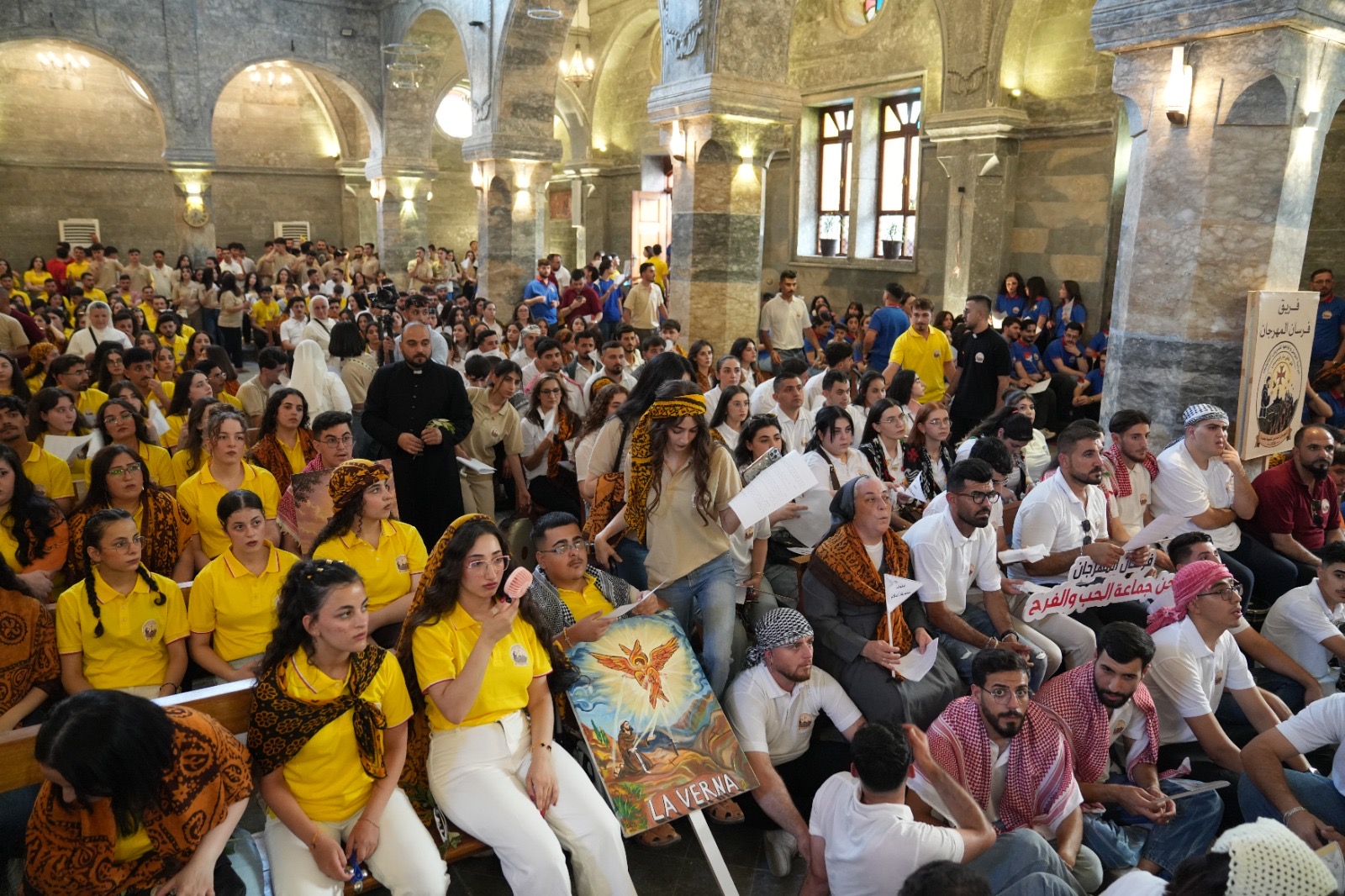
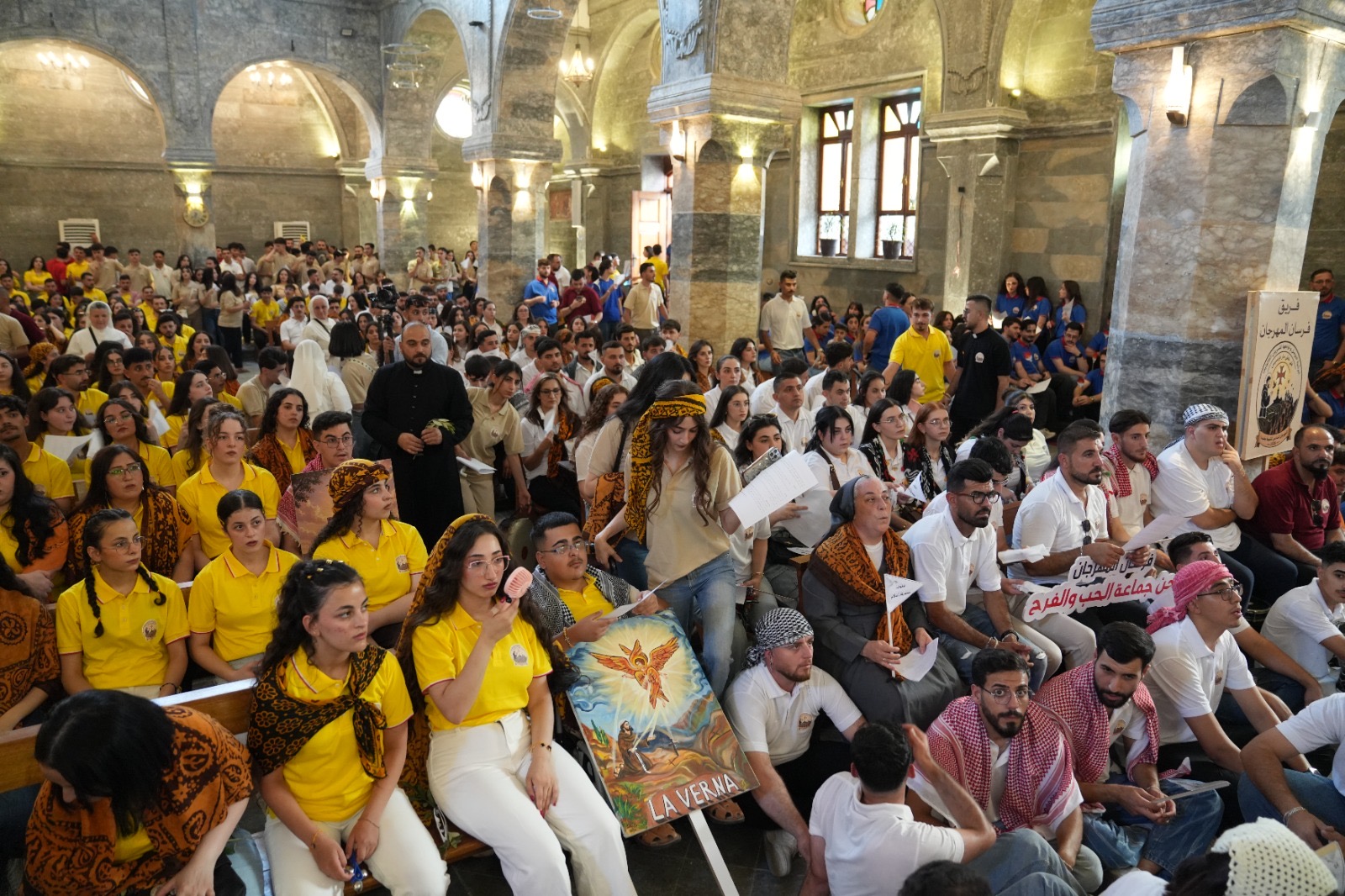
 The sixth Baghdeda Youth Festival concluded Saturday, Sept. 12, 2026, with a large faith procession that brought together nearly 700 young men and women, led by Bishop Benedictus Younan Hanno of the Syriac Catholic Diocese of Mosul and its dependencies, along with former diocesan bishops Yohanna Boutros Moshe and Georges al-Qass Moussa, priests, religious men and women, and thousands of faithful. | Credit: Ragheed Nenwaya/ACI MENA
 
 Along the way, young people and other faithful prayed, sang hymns, and chanted while carrying olive branches as a symbol of peace. The procession concluded with the “Service of the Cross — Teshmeshta,” a prayer service from the Syriac tradition, followed by the lighting of the festival torch.Before setting out from the cathedral, participants attended a spiritual conference titled “St. Francis: A Living Model for Our Young People in Living Hope,” presented by Dominican Father Nuwairan Nasser. He encouraged the young people to follow the example of St. Francis of Assisi, seeking to embody his spiritual values in their daily lives and to live more deeply the meaning of the festival’s theme.‘In the footsteps of St. Francis’The festival began Thursday under the theme “In the Footsteps of St. Francis.” The opening program included a spiritual reflection by Hanno titled “Leave Everything That Makes You Lose Yourself.”The bishop stressed the importance of understanding Christian freedom as a free response of obedience to God rather than as freedom without accountability or responsibility. His reflection drew on the festival’s theme and the life of St. Francis.Participants then divided into groups for pilgrimages and prayer at several churches in Baghdeda, including St. Ephrem the Syriac Church, Sts. Behnam and Sarah Church, St. James the Mutilated Church, St. John the Baptist Church, and St. Joseph Church.
 
 Bishop Benedictus Younan Hanno of the Syriac Catholic Diocese of Mosul and its dependencies hosted and led the sixth Baghdeda Youth Festival in northern Iraq on Sept. 12, 2026. | Credit: Ragheed Nenwaya/ACI MENA
 
 Mosul welcomes Baghdeda’s young ChristiansThe festival’s second day included visits to restored churches belonging to the diocese in Mosul, a city where the Christian community suffered severe persecution and displacement during the occupation of the Islamic State group.The young people began at St. Thomas Church and continued to the Church of the Immaculate Conception, both in Mosul’s Old City, before concluding at Our Lady of the Annunciation Church on the city’s eastern side.
 
 The sixth Baghdeda Youth Festival concluded Saturday, Sept. 12, 2026, with a large faith procession that brought together nearly 700 young men and women, led by Bishop Benedictus Younan Hanno of the Syriac Catholic Diocese of Mosul and its dependencies, along with former diocesan bishops Yohanna Boutros Moshe and Georges al-Qass Moussa, priests, religious men and women, and thousands of faithful. | Credit: Ragheed Nenwaya/ACI MENA
 
 Residents greeted the crowds of young Christians and welcomed what organizers described as “the renewed Christian presence in the community’s historic homeland.”The day also featured a spiritual conference titled “Forgive So That You May Be Free,” presented by Chorbishop Emmanuel Kallo, the bishop’s special vicar and official responsible for the Syriac Catholic churches in Mosul.Kallo reflected on the Christian understanding of forgiveness and explained how forgiving others can help free a person from the burden and pain caused by wrongdoing.The young people also participated in Eucharistic adoration at Our Lady of the Annunciation Church.This story was first published by ACI MENA, the Arabic-language sister service of EWTN News. It has been translated and adapted by EWTN News English.

Nearly 700 young Christians gather in Iraq for Baghdeda Youth Festival – #Catholic – The sixth Baghdeda Youth Festival concluded Saturday, Sept. 12, with a large faith procession that brought together nearly 700 young men and women, led by Bishop Benedictus Younan Hanno of the Syriac Catholic Diocese of Mosul and its dependencies, along with former diocesan bishops Yohanna Boutros Moshe and Georges al-Qass Moussa, priests, religious men and women, and thousands of faithful.The procession, which organizers called the “Hosanna Procession,” began at the Cathedral of the Immaculate Conception in Baghdeda, also widely known as Qaraqosh — a predominantly Christian town on Iraq’s Nineveh Plains. Participants followed the traditional Palm Sunday procession route toward St. John Church. The sixth Baghdeda Youth Festival concluded Saturday, Sept. 12, 2026, with a large faith procession that brought together nearly 700 young men and women, led by Bishop Benedictus Younan Hanno of the Syriac Catholic Diocese of Mosul and its dependencies, along with former diocesan bishops Yohanna Boutros Moshe and Georges al-Qass Moussa, priests, religious men and women, and thousands of faithful. | Credit: Ragheed Nenwaya/ACI MENA Along the way, young people and other faithful prayed, sang hymns, and chanted while carrying olive branches as a symbol of peace. The procession concluded with the “Service of the Cross — Teshmeshta,” a prayer service from the Syriac tradition, followed by the lighting of the festival torch.Before setting out from the cathedral, participants attended a spiritual conference titled “St. Francis: A Living Model for Our Young People in Living Hope,” presented by Dominican Father Nuwairan Nasser. He encouraged the young people to follow the example of St. Francis of Assisi, seeking to embody his spiritual values in their daily lives and to live more deeply the meaning of the festival’s theme.‘In the footsteps of St. Francis’The festival began Thursday under the theme “In the Footsteps of St. Francis.” The opening program included a spiritual reflection by Hanno titled “Leave Everything That Makes You Lose Yourself.”The bishop stressed the importance of understanding Christian freedom as a free response of obedience to God rather than as freedom without accountability or responsibility. His reflection drew on the festival’s theme and the life of St. Francis.Participants then divided into groups for pilgrimages and prayer at several churches in Baghdeda, including St. Ephrem the Syriac Church, Sts. Behnam and Sarah Church, St. James the Mutilated Church, St. John the Baptist Church, and St. Joseph Church. Bishop Benedictus Younan Hanno of the Syriac Catholic Diocese of Mosul and its dependencies hosted and led the sixth Baghdeda Youth Festival in northern Iraq on Sept. 12, 2026. | Credit: Ragheed Nenwaya/ACI MENA Mosul welcomes Baghdeda’s young ChristiansThe festival’s second day included visits to restored churches belonging to the diocese in Mosul, a city where the Christian community suffered severe persecution and displacement during the occupation of the Islamic State group.The young people began at St. Thomas Church and continued to the Church of the Immaculate Conception, both in Mosul’s Old City, before concluding at Our Lady of the Annunciation Church on the city’s eastern side. The sixth Baghdeda Youth Festival concluded Saturday, Sept. 12, 2026, with a large faith procession that brought together nearly 700 young men and women, led by Bishop Benedictus Younan Hanno of the Syriac Catholic Diocese of Mosul and its dependencies, along with former diocesan bishops Yohanna Boutros Moshe and Georges al-Qass Moussa, priests, religious men and women, and thousands of faithful. | Credit: Ragheed Nenwaya/ACI MENA Residents greeted the crowds of young Christians and welcomed what organizers described as “the renewed Christian presence in the community’s historic homeland.”The day also featured a spiritual conference titled “Forgive So That You May Be Free,” presented by Chorbishop Emmanuel Kallo, the bishop’s special vicar and official responsible for the Syriac Catholic churches in Mosul.Kallo reflected on the Christian understanding of forgiveness and explained how forgiving others can help free a person from the burden and pain caused by wrongdoing.The young people also participated in Eucharistic adoration at Our Lady of the Annunciation Church.This story was first published by ACI MENA, the Arabic-language sister service of EWTN News. It has been translated and adapted by EWTN News English.

The young people came together to pray and hear talks under the theme “In the Footsteps of St. Francis.”

Read More
UN asked to recognize surrogate motherhood as a new form of slavery – #Catholic – The Casablanca group of experts and the French nongovernmental organization Juristes Pour l’Enfance (Legal Professionals for Children) have asked the United Nations to officially recognize surrogacy as “a new form of slavery involving women and children.”The request was submitted to the U.N. special rapporteur on contemporary forms of slavery and human trafficking, Katarina Schwarz, to mark the centennial of the 1926 Slavery Convention and the upcoming Human Rights Council session dedicated to the occasion, “the agenda of which includes, among other issues, new forms of slavery.”The request is based on the argument that surrogacy reduces the child in utero to an object of disposal, which corresponds to the definition of slavery set forth in the 1926 Geneva Convention, namely, the exercise of the attributes of the right of ownership.In the case of the woman carrying the baby, her body is subjected to the will of third parties, which includes control over her diet and medical care as well as, potentially, embryo reduction or abortion, the statement explains.The Casablanca Declaration experts and Juristes Pour l’Enfance point out that "at the international level, several United Nations bodies have already characterized surrogacy as the sale of children, including the Special Rapporteur on the sale of children in 2018 and the Committee on the Rights of the Child in 2019."Furthermore, in her July 2025 report, the special rapporteur on violence against women and girls called for the eradication of all forms of surrogacy and the adoption of a binding international instrument to abolish this practice. Finally, a June 22 joint statement by states calls for a moratorium with a view to the universal abolition of surrogacy.In their statement, the Casablanca Group of Experts and Juristes Pour l’Enfance also called on Schwarz to urge states to put an end to this practice within their territories and to commit to its universal abolition.The Catholic Church also condemns the practice of surrogacy.In his 2024 address to the diplomatic corps accredited to the Holy See, Pope Francis described the practice of so-called surrogacy as "deplorable," noting that it is "a grave violation of the dignity of the woman and the child, based on the exploitation of situations of the mother’s material needs. A child is always a gift and never the basis of a commercial contract.”The Holy Father urged the international community “to prohibit this practice universally,” as “human life must be preserved and defended” at every stage of its existence.This story was first published by ACI Prensa, the Spanish-language sister service of EWTN News. It has been translated and adapted by EWTN News English.

UN asked to recognize surrogate motherhood as a new form of slavery – #Catholic – The Casablanca group of experts and the French nongovernmental organization Juristes Pour l’Enfance (Legal Professionals for Children) have asked the United Nations to officially recognize surrogacy as “a new form of slavery involving women and children.”The request was submitted to the U.N. special rapporteur on contemporary forms of slavery and human trafficking, Katarina Schwarz, to mark the centennial of the 1926 Slavery Convention and the upcoming Human Rights Council session dedicated to the occasion, “the agenda of which includes, among other issues, new forms of slavery.”The request is based on the argument that surrogacy reduces the child in utero to an object of disposal, which corresponds to the definition of slavery set forth in the 1926 Geneva Convention, namely, the exercise of the attributes of the right of ownership.In the case of the woman carrying the baby, her body is subjected to the will of third parties, which includes control over her diet and medical care as well as, potentially, embryo reduction or abortion, the statement explains.The Casablanca Declaration experts and Juristes Pour l’Enfance point out that "at the international level, several United Nations bodies have already characterized surrogacy as the sale of children, including the Special Rapporteur on the sale of children in 2018 and the Committee on the Rights of the Child in 2019."Furthermore, in her July 2025 report, the special rapporteur on violence against women and girls called for the eradication of all forms of surrogacy and the adoption of a binding international instrument to abolish this practice. Finally, a June 22 joint statement by states calls for a moratorium with a view to the universal abolition of surrogacy.In their statement, the Casablanca Group of Experts and Juristes Pour l’Enfance also called on Schwarz to urge states to put an end to this practice within their territories and to commit to its universal abolition.The Catholic Church also condemns the practice of surrogacy.In his 2024 address to the diplomatic corps accredited to the Holy See, Pope Francis described the practice of so-called surrogacy as "deplorable," noting that it is "a grave violation of the dignity of the woman and the child, based on the exploitation of situations of the mother’s material needs. A child is always a gift and never the basis of a commercial contract.”The Holy Father urged the international community “to prohibit this practice universally,” as “human life must be preserved and defended” at every stage of its existence.This story was first published by ACI Prensa, the Spanish-language sister service of EWTN News. It has been translated and adapted by EWTN News English.

The request makes the case that surrogacy fits the definition laid out in the 1926 Slavery Convention that the practice entails the rights of ownership of a person.


Read More