Day: September 15, 2026

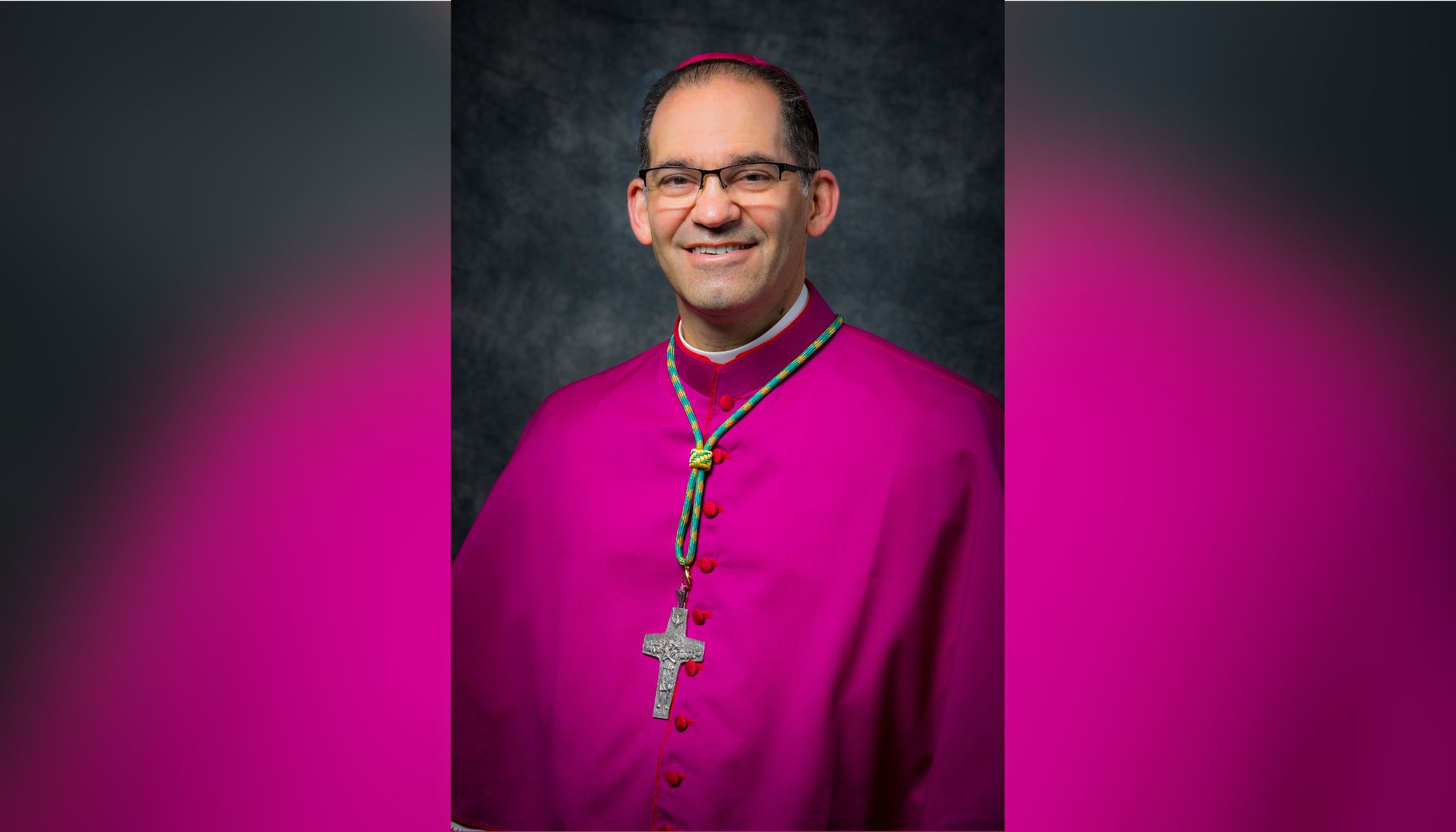
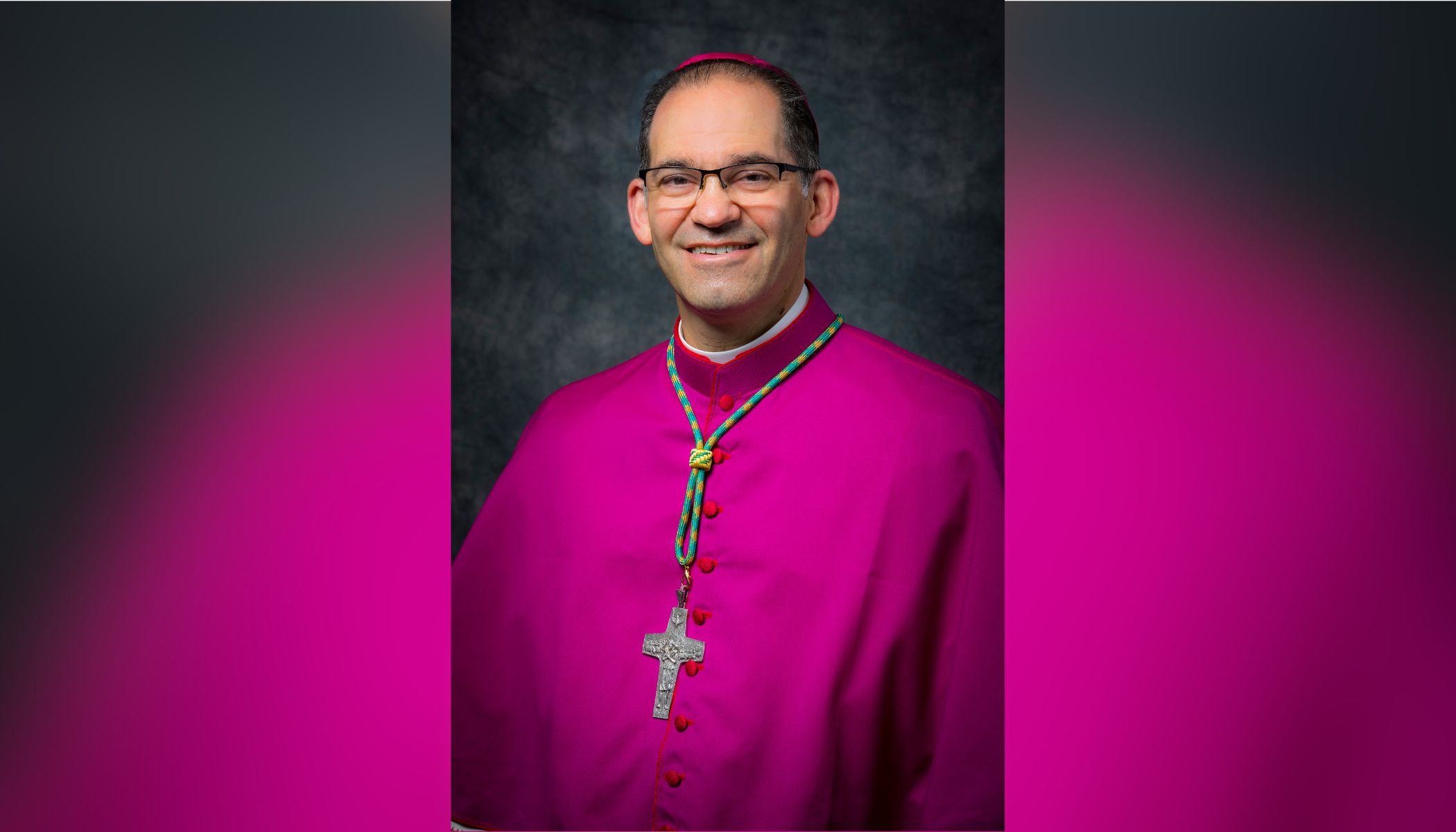
Pope Leo XIV names Bishop Michael Saporito to lead Diocese of Metuchen #Catholic – VATICAN CITY (OSV News) — Pope Leo XIV has appointed Auxiliary Bishop Michael A. Saporito of Newark, New Jersey, as the new bishop of Metuchen, New Jersey, the Vatican announced Sept. 15.
Bishop Saporito, 64, succeeds Metuchen’s former Bishop James F. Checchio, whom Pope Leo named archbishop of New Orleans earlier this year. The Diocese of Metuchen has been without a bishop since November 2025, when Archbishop Checchio was installed as coadjutor of the New Orleans Archdiocese.
“I am deeply grateful and humbled that Pope Leo XIV has called me to serve as the Bishop of Metuchen,” Bishop Saporito said in a statement following the announcement. “While it is not easy to leave the people and places that have formed and sustained me, I welcome this new mission with trust in the Holy Spirit.”
Born in Newark in 1962, Bishop Saporito has served as an auxiliary bishop in his home archdiocese since 2020, assisting Cardinal Joseph W. Tobin in overseeing the archdiocese, which is home to 1.3 million Catholics.

Click here to subscribe to our weekly newsletter.

Throughout his ministry, Bishop Saporito has had a focus on the new evangelization, serving on the Archdiocese of Newark’s Evangelization Commission and as a board member of Christlife, an evangelization apostolate based in the Archdiocese of Baltimore. In Newark, he led the pastoral initiative “We Are His Witnesses” and served on the archdiocesan synod team.
He earned a bachelor’s degree in accounting from Rutgers University Newark and worked as an accountant for three years before entering the archdiocesan seminary in 1987. He was ordained a priest in 1992 by then-Archbishop Theodore E. McCarrick.
As the sixth bishop of Metuchen, Bishop Saporito will lead a diocese of about 1.5 million people, of whom more than 670,000 are Catholic. The New Jersey diocese encompasses Hunterdon, Middlesex, Somerset and Warren counties, and is served by 192 priests, 196 deacons, and 193 men and women religious.
“I look forward to meeting the priests, deacons, religious and lay faithful of the Diocese, walking with them as we seek to follow Jesus Christ and bear witness to the hope of the Gospel,” Bishop Saporito said.
The Vatican also announced the resignation of Bishop Francis I. Malone of Shreveport, Louisiana. Bishop Malone, 76, submitted his resignation to the pope last year at the age of 75, as required by canon law. Bishop Robert W. Marshall of Alexandria, Louisiana, will serve as the apostolic administrator of the Diocese of Shreveport until the appointment and installation of a new bishop.
Courtney Mares is Vatican editor for OSV News. Follow her on X @catholicourtney.
 

Pope Leo XIV names Bishop Michael Saporito to lead Diocese of Metuchen #Catholic – VATICAN CITY (OSV News) — Pope Leo XIV has appointed Auxiliary Bishop Michael A. Saporito of Newark, New Jersey, as the new bishop of Metuchen, New Jersey, the Vatican announced Sept. 15. Bishop Saporito, 64, succeeds Metuchen’s former Bishop James F. Checchio, whom Pope Leo named archbishop of New Orleans earlier this year. The Diocese of Metuchen has been without a bishop since November 2025, when Archbishop Checchio was installed as coadjutor of the New Orleans Archdiocese. “I am deeply grateful and humbled that Pope Leo XIV has called me to serve as the Bishop of Metuchen,” Bishop Saporito said in a statement following the announcement. “While it is not easy to leave the people and places that have formed and sustained me, I welcome this new mission with trust in the Holy Spirit.” Born in Newark in 1962, Bishop Saporito has served as an auxiliary bishop in his home archdiocese since 2020, assisting Cardinal Joseph W. Tobin in overseeing the archdiocese, which is home to 1.3 million Catholics. Click here to subscribe to our weekly newsletter. Throughout his ministry, Bishop Saporito has had a focus on the new evangelization, serving on the Archdiocese of Newark’s Evangelization Commission and as a board member of Christlife, an evangelization apostolate based in the Archdiocese of Baltimore. In Newark, he led the pastoral initiative “We Are His Witnesses” and served on the archdiocesan synod team. He earned a bachelor’s degree in accounting from Rutgers University Newark and worked as an accountant for three years before entering the archdiocesan seminary in 1987. He was ordained a priest in 1992 by then-Archbishop Theodore E. McCarrick. As the sixth bishop of Metuchen, Bishop Saporito will lead a diocese of about 1.5 million people, of whom more than 670,000 are Catholic. The New Jersey diocese encompasses Hunterdon, Middlesex, Somerset and Warren counties, and is served by 192 priests, 196 deacons, and 193 men and women religious. “I look forward to meeting the priests, deacons, religious and lay faithful of the Diocese, walking with them as we seek to follow Jesus Christ and bear witness to the hope of the Gospel,” Bishop Saporito said. The Vatican also announced the resignation of Bishop Francis I. Malone of Shreveport, Louisiana. Bishop Malone, 76, submitted his resignation to the pope last year at the age of 75, as required by canon law. Bishop Robert W. Marshall of Alexandria, Louisiana, will serve as the apostolic administrator of the Diocese of Shreveport until the appointment and installation of a new bishop. Courtney Mares is Vatican editor for OSV News. Follow her on X @catholicourtney.  

Pope Leo XIV names Bishop Michael Saporito to lead Diocese of Metuchen #Catholic –

VATICAN CITY (OSV News) — Pope Leo XIV has appointed Auxiliary Bishop Michael A. Saporito of Newark, New Jersey, as the new bishop of Metuchen, New Jersey, the Vatican announced Sept. 15.

Bishop Saporito, 64, succeeds Metuchen’s former Bishop James F. Checchio, whom Pope Leo named archbishop of New Orleans earlier this year. The Diocese of Metuchen has been without a bishop since November 2025, when Archbishop Checchio was installed as coadjutor of the New Orleans Archdiocese.

“I am deeply grateful and humbled that Pope Leo XIV has called me to serve as the Bishop of Metuchen,” Bishop Saporito said in a statement following the announcement. “While it is not easy to leave the people and places that have formed and sustained me, I welcome this new mission with trust in the Holy Spirit.”

Born in Newark in 1962, Bishop Saporito has served as an auxiliary bishop in his home archdiocese since 2020, assisting Cardinal Joseph W. Tobin in overseeing the archdiocese, which is home to 1.3 million Catholics.


Click here to subscribe to our weekly newsletter.

Throughout his ministry, Bishop Saporito has had a focus on the new evangelization, serving on the Archdiocese of Newark’s Evangelization Commission and as a board member of Christlife, an evangelization apostolate based in the Archdiocese of Baltimore. In Newark, he led the pastoral initiative “We Are His Witnesses” and served on the archdiocesan synod team.

He earned a bachelor’s degree in accounting from Rutgers University Newark and worked as an accountant for three years before entering the archdiocesan seminary in 1987. He was ordained a priest in 1992 by then-Archbishop Theodore E. McCarrick.

As the sixth bishop of Metuchen, Bishop Saporito will lead a diocese of about 1.5 million people, of whom more than 670,000 are Catholic. The New Jersey diocese encompasses Hunterdon, Middlesex, Somerset and Warren counties, and is served by 192 priests, 196 deacons, and 193 men and women religious.

“I look forward to meeting the priests, deacons, religious and lay faithful of the Diocese, walking with them as we seek to follow Jesus Christ and bear witness to the hope of the Gospel,” Bishop Saporito said.

The Vatican also announced the resignation of Bishop Francis I. Malone of Shreveport, Louisiana. Bishop Malone, 76, submitted his resignation to the pope last year at the age of 75, as required by canon law. Bishop Robert W. Marshall of Alexandria, Louisiana, will serve as the apostolic administrator of the Diocese of Shreveport until the appointment and installation of a new bishop.

Courtney Mares is Vatican editor for OSV News. Follow her on X @catholicourtney.


– VATICAN CITY (OSV News) — Pope Leo XIV has appointed Auxiliary Bishop Michael A. Saporito of Newark, New Jersey, as the new bishop of Metuchen, New Jersey, the Vatican announced Sept. 15. Bishop Saporito, 64, succeeds Metuchen’s former Bishop James F. Checchio, whom Pope Leo named archbishop of New Orleans earlier this year. The Diocese of Metuchen has been without a bishop since November 2025, when Archbishop Checchio was installed as coadjutor of the New Orleans Archdiocese. “I am deeply grateful and humbled that Pope Leo XIV has called me to serve as the Bishop of Metuchen,” Bishop Saporito said

Read More

Gospel and Word of the Day – 16 September 2026 – A reading from the First Letter of St. Paul to Corinthians 12:31-13:13 Brothers and sisters: Strive eagerly for the greatest spiritual gifts. But I shall show you a still more excellent way. If I speak in human and angelic tongues but do not have love, I am a resounding gong or a clashing cymbal. And if I have the gift of prophecy and comprehend all mysteries and all knowledge; if I have all faith so as to move mountains, but do not have love, I am nothing. If I give away everything I own, and if I hand my body over so that I may boast but do not have love, I gain nothing. Love is patient, love is kind. It is not jealous, love is not pompous, it is not inflated, it is not rude, it does not seek its own interests, it is not quick-tempered, it does not brood over injury, it does not rejoice over wrongdoing but rejoices with the truth. It bears all things, believes all things, hopes all things, endures all things. Love never fails. If there are prophecies, they will be brought to nothing; if tongues, they will cease; if knowledge, it will be brought to nothing. For we know partially and we prophesy partially, but when the perfect comes, the partial will pass away. When I was a child, I used to talk as a child, think as a child, reason as a child; when I became a man, I put aside childish things. At present we see indistinctly, as in a mirror, but then face to face. At present I know partially; then I shall know fully, as I am fully known. So faith, hope, love remain, these three; but the greatest of these is love.From the Gospel according to Luke 7:31-35 Jesus said to the crowds: “To what shall I compare the people of this generation? What are they like? They are like children who sit in the marketplace and call to one another, ‘We played the flute for you, but you did not dance. We sang a dirge, but you did not weep.’ For John the Baptist came neither eating food nor drinking wine, and you said, ‘He is possessed by a demon.’ The Son of Man came eating and drinking and you said, ‘Look, he is a glutton and a drunkard, a friend of tax collectors and sinners.’ But wisdom is vindicated by all her children.”It is indeed the ruling class that closes the door on the way in which God wishes to save us. And so we can understand Jesus’s heated exchanges with the ruling class of his time: they argue with Him, put Him to the test, set traps for Him to see if He will fall, because they are resisting being saved. Jesus says to them: “But I don’t understand you! You are like those children: we played the flute for you and you did not dance; we sang a dirge for you and you did not weep. But what do you want?”; ‘We want things our way: we want to achieve salvation in our own way!”. There is always this refusal to accept God’s way. (…) They do not believe in mercy and forgiveness; they believe in sacrifices. “I want mercy, not sacrifices”. They believe in having everything in its place, neatly arranged, everything clear. This is the tragedy of resistance to salvation. We too, each one of us has this tragedy within. But it will do us good to ask ourselves: (…) “Do I believe that Jesus is the master who teaches us salvation, or do I go about hiring gurus to teach me something else? A safer path, or do I take refuge under the roof of rules and the many commandments made by men? And so, I feel safe, and with this – it is rather harsh to say this – sense of security, do I buy my salvation, which Jesus gives freely through God’s generosity?” It would do us good today to ask ourselves these questions. And the last one: “Am I resisting Jesus’ salvation?” (Pope Francis, Homily of 3 October 2014)

A reading from the First Letter of St. Paul to Corinthians
12:31-13:13

Brothers and sisters:
Strive eagerly for the greatest spiritual gifts.

But I shall show you a still more excellent way.

If I speak in human and angelic tongues
but do not have love,
I am a resounding gong or a clashing cymbal.
And if I have the gift of prophecy
and comprehend all mysteries and all knowledge;
if I have all faith so as to move mountains,
but do not have love, I am nothing.
If I give away everything I own,
and if I hand my body over so that I may boast
but do not have love, I gain nothing.

Love is patient, love is kind.
It is not jealous, love is not pompous,
it is not inflated, it is not rude,
it does not seek its own interests,
it is not quick-tempered, it does not brood over injury,
it does not rejoice over wrongdoing
but rejoices with the truth.
It bears all things, believes all things,
hopes all things, endures all things.

Love never fails.
If there are prophecies, they will be brought to nothing;
if tongues, they will cease;
if knowledge, it will be brought to nothing.
For we know partially and we prophesy partially,
but when the perfect comes, the partial will pass away.
When I was a child, I used to talk as a child,
think as a child, reason as a child;
when I became a man, I put aside childish things.
At present we see indistinctly, as in a mirror,
but then face to face.
At present I know partially;
then I shall know fully, as I am fully known.
So faith, hope, love remain, these three;
but the greatest of these is love.

From the Gospel according to Luke
7:31-35

Jesus said to the crowds:
“To what shall I compare the people of this generation?
What are they like?
They are like children who sit in the marketplace and call to one another,

‘We played the flute for you, but you did not dance.
We sang a dirge, but you did not weep.’

For John the Baptist came neither eating food nor drinking wine,
and you said, ‘He is possessed by a demon.’
The Son of Man came eating and drinking and you said,
‘Look, he is a glutton and a drunkard,
a friend of tax collectors and sinners.’
But wisdom is vindicated by all her children.”

It is indeed the ruling class that closes the door on the way in which God wishes to save us. And so we can understand Jesus’s heated exchanges with the ruling class of his time: they argue with Him, put Him to the test, set traps for Him to see if He will fall, because they are resisting being saved. Jesus says to them: “But I don’t understand you! You are like those children: we played the flute for you and you did not dance; we sang a dirge for you and you did not weep. But what do you want?”; ‘We want things our way: we want to achieve salvation in our own way!”. There is always this refusal to accept God’s way. (…) They do not believe in mercy and forgiveness; they believe in sacrifices. “I want mercy, not sacrifices”. They believe in having everything in its place, neatly arranged, everything clear. This is the tragedy of resistance to salvation. We too, each one of us has this tragedy within. But it will do us good to ask ourselves: (…) “Do I believe that Jesus is the master who teaches us salvation, or do I go about hiring gurus to teach me something else? A safer path, or do I take refuge under the roof of rules and the many commandments made by men? And so, I feel safe, and with this – it is rather harsh to say this – sense of security, do I buy my salvation, which Jesus gives freely through God’s generosity?” It would do us good today to ask ourselves these questions. And the last one: “Am I resisting Jesus’ salvation?” (Pope Francis, Homily of 3 October 2014)

Read More

In a groundbreaking announcement, the U.S. Space Force stated publicly on Monday, Sept. 14, that it currently has on-orbit weapons in space. Department of the Air Force Secretary Troy Meink’s keynote address at the 2026 Air and Space Cyber Conference focused on plans to modernize the Air Force against AI-powered weapons and capabilities wielded byContinue reading “U.S. confirms it has weapons in orbit”

The post U.S. confirms it has weapons in orbit appeared first on Astronomy Magazine.

Read More
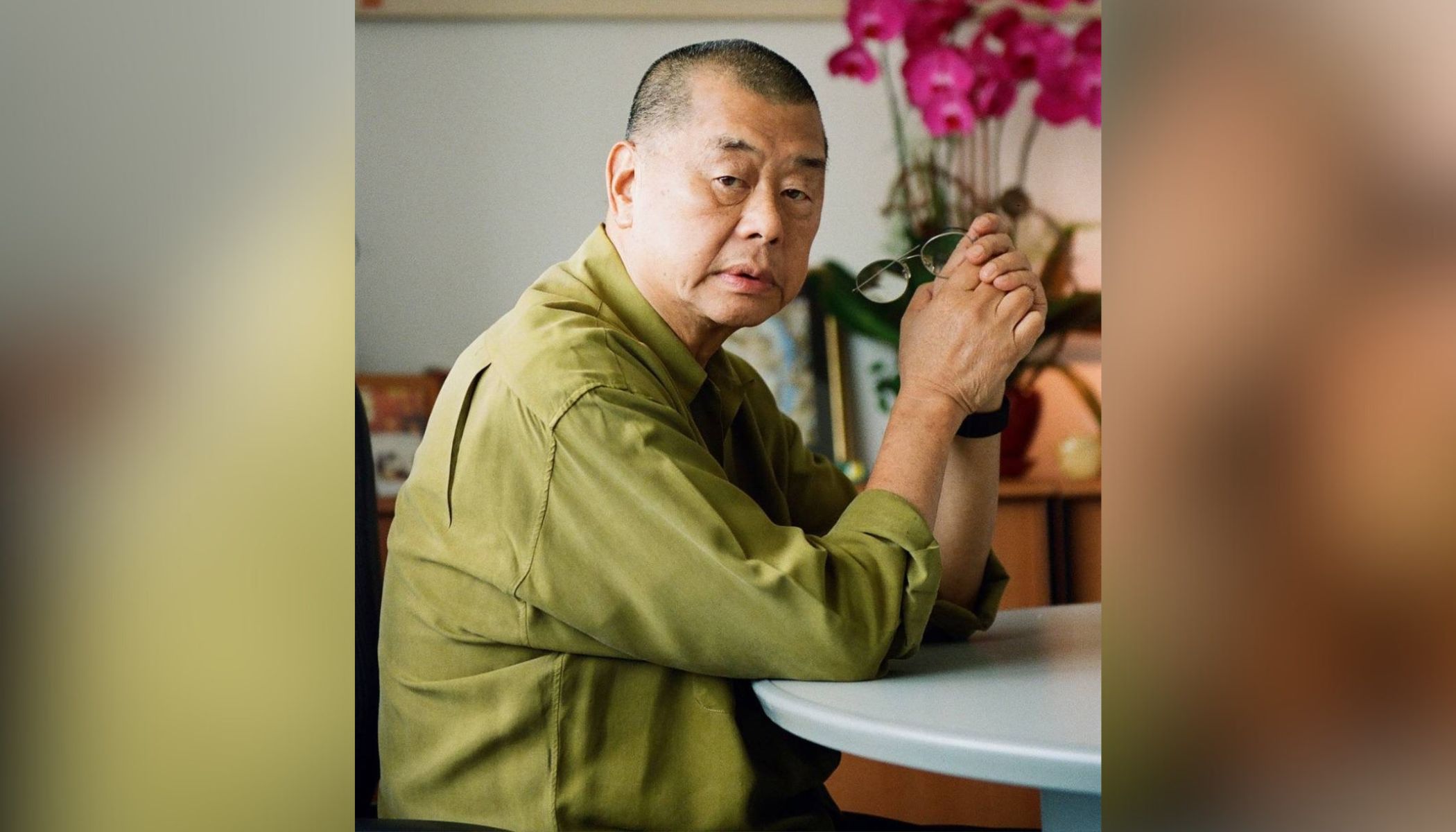
U.S. religious freedom commission urges Trump to press for release of religious prisoners #Catholic The U.S. Commission on International Religious Freedom (USCIRF) urged President Donald Trump to push for the release of religious prisoners in China and for the end of religious persecution by the Chinese government.The commission called on Trump to continue his efforts for the release of the prisoners ahead of Chinese President Xi Jinping’s trip to the U.S. on Sept. 24.USCIRF called for the release of Catholic pro-democracy advocate Jimmy Lai, numerous Christian leaders, and others in prison for practicing their religious beliefs.“President Trump boldly demonstrated to President Xi during their meeting in Beijing earlier this year that the United States stands for religious freedom by calling for the release of freedom of religion or belief (FoRB) prisoners,” said Asif Mahmood, chair of USCIRF.“Speaking up again sends a clear and consistent signal that religious freedom for all is a priority for the United States and that it expects the CCP [Chinese Communist Party] to respect its population rather than persecute millions for practicing their faith,” he said.The commission highlighted that after a direct appeal by Trump, Chinese authorities previously freed former prisoner Pastor Ezra Jin of the Zion Church in July. He was permitted to relocate to the United States and reunite with his family.While Jin was released, eight other Zion Church leaders who were arrested alongside him remain detained.“In releasing Pastor Jin, President Xi showed that he has the power to release FoRB prisoners if he so desires—and indeed he has an obligation to do so under international law,” said Cece Heil, vice chair of USCIRF.USCIRF detailed the other leaders whose release the commission is urging and is asking Trump “to seize the opportunity during his upcoming summit with President Xi,” Heil said.They called on Trump to discuss religious leaders including “Gulshan Abbas, Ekpar Asat, Pastor Gao Quanfu and his wife Pang Yu, Jimmy Lai, the Panchen Lama Gedhun Choekyi Nyima and his family,” Heil said. The commission also asked Trump “to urge the Chinese government to provide a passport to U.S. Lawful Permanent Resident, Pastor John Cao and allow him to reunite with his family and seek urgent medical treatment in the United States,” Heil said.The appeal also precedes a planned hearing on Sept. 16 held by Rep. Chris Smith, R-New Jersey, to discuss the release of Lai. Jimmy Lai’s son, Sebastien Lai, will offer testimony regarding his father’s immediate release and to examine the broader implications of his continued imprisonment.In its 2026 annual report, USCIRF recommended that the U.S. Department of State redesignate China as a country of particular concern (CPC) for engaging “in systematic, ongoing, and egregious violations of religious freedom,” according to the commission.USCIRF urges special watchlist designation for Kyrgyz RepublicIn a September report, USCIRF also reaffirmed its call for the Kyrgyz Republic to be placed on the U.S. Department of State’s special watchlist.The brief was released to highlight “legal restrictions as well as recent violations that Kyrgyz officials have committed against independent Muslims and Christians from unregistered communities,” USCIRF reported. “The Kyrgyz government regularly violates freedom of religion or belief (FoRB) as laid out in its constitution as well as in international documents such as the International Covenant on Civil and Political Rights (ICCPR), to which it is a signatory,” the report said.USCIRF detailed that Kyrgyz officials apply a “vague label of extremism” to justify matters such as regularly raiding places of worship, issuing fines, seizing religious materials, imposing prison sentences, forcing individuals to renounce their beliefs, and engaging in physical abuse.In early 2025, the nation’s president, Sadyr Japarov, amended a restrictive  religion law and approved other acts, which significantly tightened state control over religious groups. “Enforcement of these laws—which often occurs in conjunction with broadly framed anti-extremism statues under the Criminal Code—often involves targeting religious groups that the government considers ‘nontraditional,’ particularly independent Muslims and members of unregistered Christian groups,” the report said.The commissionʼs report noted that targeted Christian groups often face persecution “from harassment and fines to prison sentences and physical abuse,” according to the report.

U.S. religious freedom commission urges Trump to press for release of religious prisoners #Catholic The U.S. Commission on International Religious Freedom (USCIRF) urged President Donald Trump to push for the release of religious prisoners in China and for the end of religious persecution by the Chinese government.The commission called on Trump to continue his efforts for the release of the prisoners ahead of Chinese President Xi Jinping’s trip to the U.S. on Sept. 24.USCIRF called for the release of Catholic pro-democracy advocate Jimmy Lai, numerous Christian leaders, and others in prison for practicing their religious beliefs.“President Trump boldly demonstrated to President Xi during their meeting in Beijing earlier this year that the United States stands for religious freedom by calling for the release of freedom of religion or belief (FoRB) prisoners,” said Asif Mahmood, chair of USCIRF.“Speaking up again sends a clear and consistent signal that religious freedom for all is a priority for the United States and that it expects the CCP [Chinese Communist Party] to respect its population rather than persecute millions for practicing their faith,” he said.The commission highlighted that after a direct appeal by Trump, Chinese authorities previously freed former prisoner Pastor Ezra Jin of the Zion Church in July. He was permitted to relocate to the United States and reunite with his family.While Jin was released, eight other Zion Church leaders who were arrested alongside him remain detained.“In releasing Pastor Jin, President Xi showed that he has the power to release FoRB prisoners if he so desires—and indeed he has an obligation to do so under international law,” said Cece Heil, vice chair of USCIRF.USCIRF detailed the other leaders whose release the commission is urging and is asking Trump “to seize the opportunity during his upcoming summit with President Xi,” Heil said.They called on Trump to discuss religious leaders including “Gulshan Abbas, Ekpar Asat, Pastor Gao Quanfu and his wife Pang Yu, Jimmy Lai, the Panchen Lama Gedhun Choekyi Nyima and his family,” Heil said. The commission also asked Trump “to urge the Chinese government to provide a passport to U.S. Lawful Permanent Resident, Pastor John Cao and allow him to reunite with his family and seek urgent medical treatment in the United States,” Heil said.The appeal also precedes a planned hearing on Sept. 16 held by Rep. Chris Smith, R-New Jersey, to discuss the release of Lai. Jimmy Lai’s son, Sebastien Lai, will offer testimony regarding his father’s immediate release and to examine the broader implications of his continued imprisonment.In its 2026 annual report, USCIRF recommended that the U.S. Department of State redesignate China as a country of particular concern (CPC) for engaging “in systematic, ongoing, and egregious violations of religious freedom,” according to the commission.USCIRF urges special watchlist designation for Kyrgyz RepublicIn a September report, USCIRF also reaffirmed its call for the Kyrgyz Republic to be placed on the U.S. Department of State’s special watchlist.The brief was released to highlight “legal restrictions as well as recent violations that Kyrgyz officials have committed against independent Muslims and Christians from unregistered communities,” USCIRF reported. “The Kyrgyz government regularly violates freedom of religion or belief (FoRB) as laid out in its constitution as well as in international documents such as the International Covenant on Civil and Political Rights (ICCPR), to which it is a signatory,” the report said.USCIRF detailed that Kyrgyz officials apply a “vague label of extremism” to justify matters such as regularly raiding places of worship, issuing fines, seizing religious materials, imposing prison sentences, forcing individuals to renounce their beliefs, and engaging in physical abuse.In early 2025, the nation’s president, Sadyr Japarov, amended a restrictive  religion law and approved other acts, which significantly tightened state control over religious groups. “Enforcement of these laws—which often occurs in conjunction with broadly framed anti-extremism statues under the Criminal Code—often involves targeting religious groups that the government considers ‘nontraditional,’ particularly independent Muslims and members of unregistered Christian groups,” the report said.The commissionʼs report noted that targeted Christian groups often face persecution “from harassment and fines to prison sentences and physical abuse,” according to the report.

The U.S. Commission on International Religious Freedom made the plea ahead of Chinese President Xi Jinping’s Sept. 24 trip to Washington, D.C.

Read More
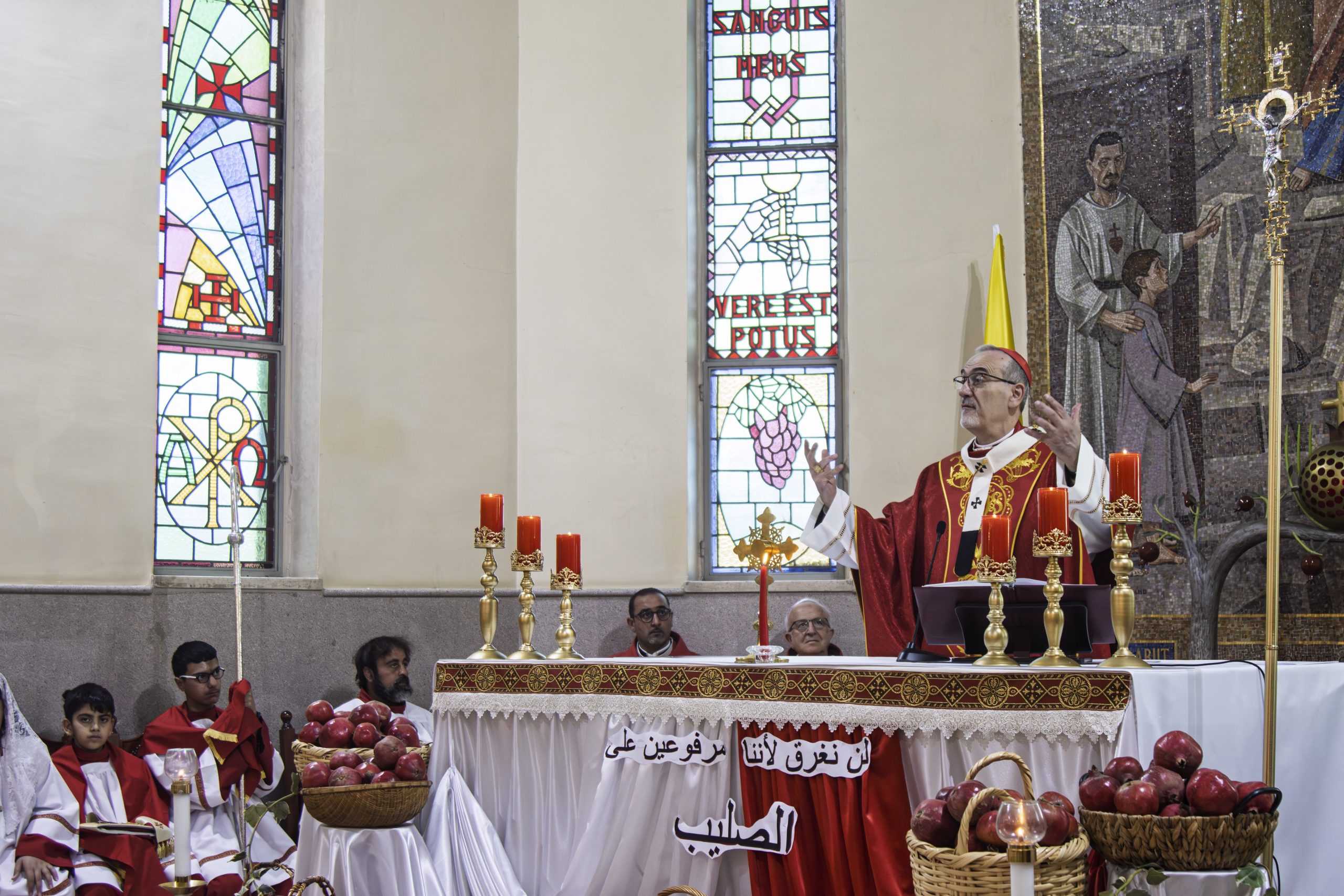
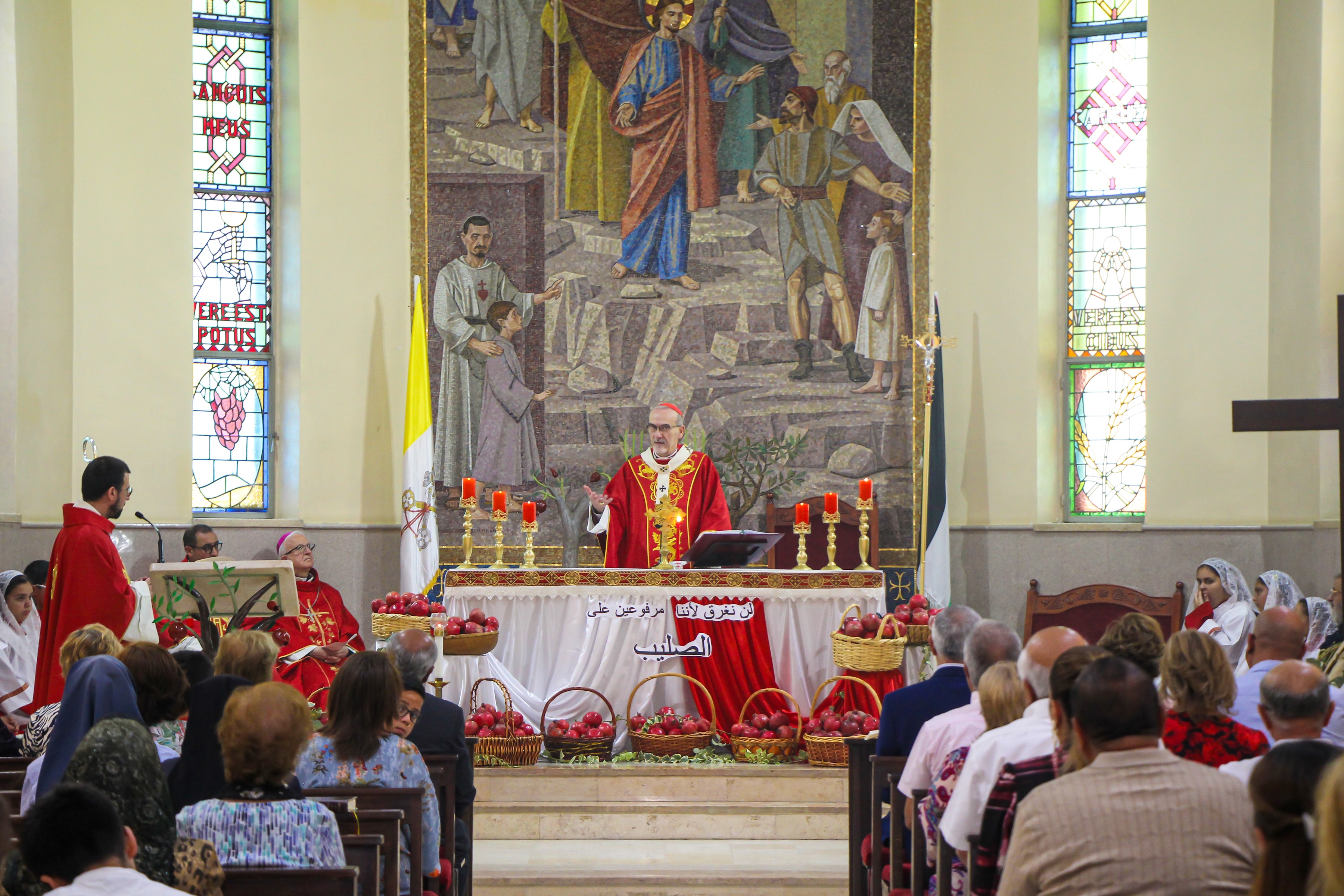
Cardinal Pizzaballa calls Christians in the Holy Land to make the cross a way of life #Catholic Cardinal Pierbattista Pizzaballa, the Latin patriarch of Jerusalem, said the cross is not a sign of defeat or death but an expression of God’s love and the victory of life, urging Christians in the Holy Land to make it a way of life rooted in love and self-giving.
 
 Cardinal Pierbattista Pizzaballa presides over Mass on the eve of the feast of the Exaltation of the Holy Cross at Christ the Redeemer Church in Taybeh, West Bank, Sept. 13, 2026. | Credit: Emad Diab/ACI MENA
 
 Pizzaballa made the remarks while presiding over a Mass on the eve of the feast of the Exaltation of the Holy Cross at Christ the Redeemer Church in Taybeh, a predominantly Christian town in the West Bank.Bishop William Shomali, patriarchal vicar; Father Davide Meli; and Father Bashar Fawadleh, the parish priest, concelebrated the Mass.“The cross is our victory, and it is the victory of love,” Pizzaballa said. He added that Christ “chose to enter into the suffering of the cross out of love for us.” The patriarch stressed that Christians are “people of the cross” and that the sign defining their identity should be reflected in the way they live and in their relationships within their families, parishes, and wider communities.“We are called to live according to the logic of the cross,” he said.Pizzaballa noted that Christians do not need to seek out suffering, because they are already surrounded by suffering in many forms. Yet, he said, such experiences can become an opening for God’s presence in their lives.Fawadleh welcomed Pizzaballa to the celebration, telling him: “Your presence today is more than simply taking part in our feast; it is a sign of communion, consolation, and hope.”
 
 Cardinal Pierbattista Pizzaballa lights the flame at the historic St. George Church, locally known as Al-Khader, Sept. 13, 2026, at Christ the Redeemer Church in Taybeh, West Bank. | Credit: Emad Diab/ACI MENA
 
 The celebration took place as Taybeh continues to face the repercussions of attacks by Israeli settlers, restrictions on movement and access to essential services (Palestinians living in the West Bank require Israeli permits to enter Jerusalem), declining employment opportunities, and continued emigration — all pressures that have placed additional strain on the town’s residents.Following the Mass, the faithful joined a candlelight procession through the streets of Taybeh to the historic St. George Church, known locally as Al-Khader. There, prayers were offered and pomegranates were blessed and distributed to participants before the traditional feast day flame was lit.This story was first published by ACI MENA, the Arabic-language sister service of EWTN News. It has been translated and adapted by EWTN News English.

Cardinal Pizzaballa calls Christians in the Holy Land to make the cross a way of life #Catholic Cardinal Pierbattista Pizzaballa, the Latin patriarch of Jerusalem, said the cross is not a sign of defeat or death but an expression of God’s love and the victory of life, urging Christians in the Holy Land to make it a way of life rooted in love and self-giving. Cardinal Pierbattista Pizzaballa presides over Mass on the eve of the feast of the Exaltation of the Holy Cross at Christ the Redeemer Church in Taybeh, West Bank, Sept. 13, 2026. | Credit: Emad Diab/ACI MENA Pizzaballa made the remarks while presiding over a Mass on the eve of the feast of the Exaltation of the Holy Cross at Christ the Redeemer Church in Taybeh, a predominantly Christian town in the West Bank.Bishop William Shomali, patriarchal vicar; Father Davide Meli; and Father Bashar Fawadleh, the parish priest, concelebrated the Mass.“The cross is our victory, and it is the victory of love,” Pizzaballa said. He added that Christ “chose to enter into the suffering of the cross out of love for us.” The patriarch stressed that Christians are “people of the cross” and that the sign defining their identity should be reflected in the way they live and in their relationships within their families, parishes, and wider communities.“We are called to live according to the logic of the cross,” he said.Pizzaballa noted that Christians do not need to seek out suffering, because they are already surrounded by suffering in many forms. Yet, he said, such experiences can become an opening for God’s presence in their lives.Fawadleh welcomed Pizzaballa to the celebration, telling him: “Your presence today is more than simply taking part in our feast; it is a sign of communion, consolation, and hope.” Cardinal Pierbattista Pizzaballa lights the flame at the historic St. George Church, locally known as Al-Khader, Sept. 13, 2026, at Christ the Redeemer Church in Taybeh, West Bank. | Credit: Emad Diab/ACI MENA The celebration took place as Taybeh continues to face the repercussions of attacks by Israeli settlers, restrictions on movement and access to essential services (Palestinians living in the West Bank require Israeli permits to enter Jerusalem), declining employment opportunities, and continued emigration — all pressures that have placed additional strain on the town’s residents.Following the Mass, the faithful joined a candlelight procession through the streets of Taybeh to the historic St. George Church, known locally as Al-Khader. There, prayers were offered and pomegranates were blessed and distributed to participants before the traditional feast day flame was lit.This story was first published by ACI MENA, the Arabic-language sister service of EWTN News. It has been translated and adapted by EWTN News English.

The Latin patrarch presided over Mass on the eve of the feast of the Exaltation of the Holy Cross in Taybeh, calling on Christians to live the “logic of the cross” through love and self-giving.

Read More
New religious to diocese build bonds at annual gathering #Catholic – On Sept. 4, 75 religious newly assigned to the Paterson Diocese, N.J., priests, seminarians and discerners gathered for an evening of prayer, fraternity, recreation, and relaxation during the annual gathering at Mary Help of Christians Academy in North Haledon, N.J.
Bishop Kevin J. Sweeney commenced the event with adoration and vespers in St. Joseph’s Chapel of Mary Help, run by the Salesian Sisters of St. John Bosco. He gave a moving reflection.
Together, they ate a meal, prepared by the Knights of Columbus, in the school cafeteria. Members of the various participating religious communities mingled at the tables to get to know one another. All the new religious men and women serving the diocese also had the opportunity to introduce themselves. The religious also had the opportunity to meet Bishop Sweeney and build relationships with attending seminarians — future priests of the diocese.
That sense of fraternity continued as many of the participants headed to the school gym to play competitive volleyball.
BEACON PHOTOS | JOE GIGLI
 [See image gallery at beaconnj.org]  


Click here to subscribe to our weekly newsletter.

New religious to diocese build bonds at annual gathering #Catholic –

On Sept. 4, 75 religious newly assigned to the Paterson Diocese, N.J., priests, seminarians and discerners gathered for an evening of prayer, fraternity, recreation, and relaxation during the annual gathering at Mary Help of Christians Academy in North Haledon, N.J.

Bishop Kevin J. Sweeney commenced the event with adoration and vespers in St. Joseph’s Chapel of Mary Help, run by the Salesian Sisters of St. John Bosco. He gave a moving reflection.

Together, they ate a meal, prepared by the Knights of Columbus, in the school cafeteria. Members of the various participating religious communities mingled at the tables to get to know one another. All the new religious men and women serving the diocese also had the opportunity to introduce themselves. The religious also had the opportunity to meet Bishop Sweeney and build relationships with attending seminarians — future priests of the diocese.

That sense of fraternity continued as many of the participants headed to the school gym to play competitive volleyball.

BEACON PHOTOS | JOE GIGLI

Click here to subscribe to our weekly newsletter.

– On Sept. 4, 75 religious newly assigned to the Paterson Diocese, N.J., priests, seminarians and discerners gathered for an evening of prayer, fraternity, recreation, and relaxation during the annual gathering at Mary Help of Christians Academy in North Haledon, N.J. Bishop Kevin J. Sweeney commenced the event with adoration and vespers in St. Joseph’s Chapel of Mary Help, run by the Salesian Sisters of St. John Bosco. He gave a moving reflection. Together, they ate a meal, prepared by the Knights of Columbus, in the school cafeteria. Members of the various participating religious communities mingled at the tables to get

Read More
Trump asks Cissie Lynch, granddaughter of Billy Graham, to be religious freedom ambassador – #Catholic – Cissie Graham Lynch, the granddaughter of famed late Southern Baptist evangelist Billy Graham, said this week that President Donald Trump asked her to take up a key religious freedom position in his administration. Lynch, whose father, Franklin Graham, leads the Billy Graham Evangelistic Association, revealed the news on X on Sept. 15, saying Trump had asked her to serve as U.S. ambassador-at-large for international religious freedom.The role helps lead the U.S. Commission on International Religious Freedom. Lynch on X said it would be “a great honor and privilege” to serve in the role. “If confirmed by the Senate, please pray that I would serve with excellence and make the most of every opportunity to protect our most precious and fundamental right—and one that far too many people around the world still live without—freedom of religion,” she wrote. TweetLynch has remained active in the religious advocacy and aid networks started by her grandfather and continue to be run by her family. She has served as an adviser to the Billy Graham Evangelistic Association and at Samaritan’s Purse, an international Christian aid organization also led by Franklin Graham. On Sept. 15 Franklin Graham said his daughter is “uniquely” qualified for the role, the duties of which include promoting religious freedom abroad and advising the U.S. government when that right is violated internationally. The government says the religious freedom ambassador serves as “a principal adviser to the president and the principal adviser to the secretary of state regarding matters affecting religious freedom abroad.” The ambassador‑at‑large also has served as a nonvoting member of the U.S. Commission on International Religious Freedom, which has three vacancies yet to be appointed by the president.Franklin Graham said his daughter has “traveled the world and been a student of this issue for many years” and has “a broad worldview and knowledge of the issues facing religious freedom today.”“I couldn’t be more proud of her, and I ask you to pray that God would give her wisdom and strength,” Graham wrote.

Trump asks Cissie Lynch, granddaughter of Billy Graham, to be religious freedom ambassador – #Catholic – Cissie Graham Lynch, the granddaughter of famed late Southern Baptist evangelist Billy Graham, said this week that President Donald Trump asked her to take up a key religious freedom position in his administration. Lynch, whose father, Franklin Graham, leads the Billy Graham Evangelistic Association, revealed the news on X on Sept. 15, saying Trump had asked her to serve as U.S. ambassador-at-large for international religious freedom.The role helps lead the U.S. Commission on International Religious Freedom. Lynch on X said it would be “a great honor and privilege” to serve in the role. “If confirmed by the Senate, please pray that I would serve with excellence and make the most of every opportunity to protect our most precious and fundamental right—and one that far too many people around the world still live without—freedom of religion,” she wrote. TweetLynch has remained active in the religious advocacy and aid networks started by her grandfather and continue to be run by her family. She has served as an adviser to the Billy Graham Evangelistic Association and at Samaritan’s Purse, an international Christian aid organization also led by Franklin Graham. On Sept. 15 Franklin Graham said his daughter is “uniquely” qualified for the role, the duties of which include promoting religious freedom abroad and advising the U.S. government when that right is violated internationally. The government says the religious freedom ambassador serves as “a principal adviser to the president and the principal adviser to the secretary of state regarding matters affecting religious freedom abroad.” The ambassador‑at‑large also has served as a nonvoting member of the U.S. Commission on International Religious Freedom, which has three vacancies yet to be appointed by the president.Franklin Graham said his daughter has “traveled the world and been a student of this issue for many years” and has “a broad worldview and knowledge of the issues facing religious freedom today.”“I couldn’t be more proud of her, and I ask you to pray that God would give her wisdom and strength,” Graham wrote.

The author and radio host said it would be a “great honor and privilege” to serve if she is confirmed by the U.S. Senate.

Read More
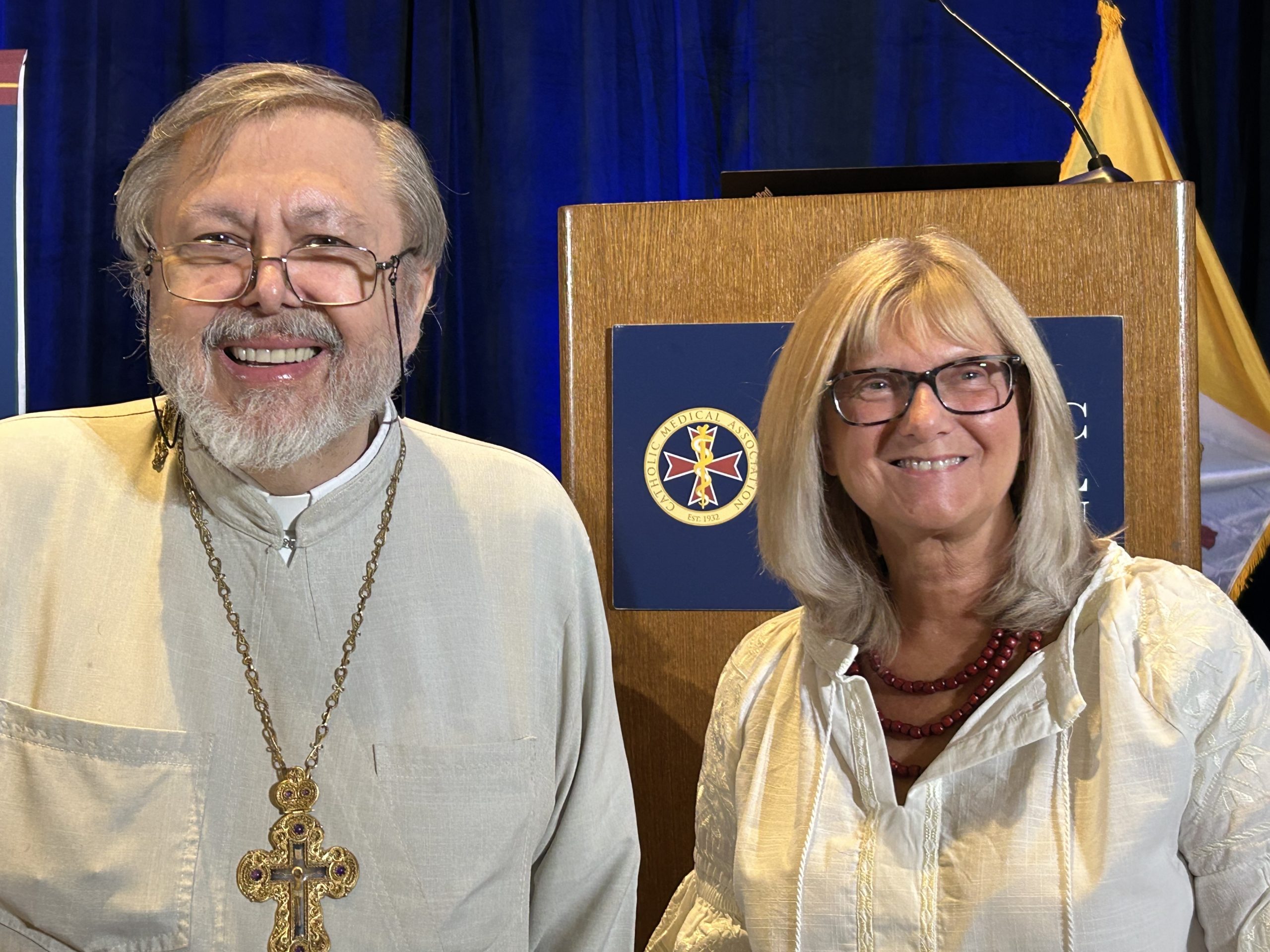
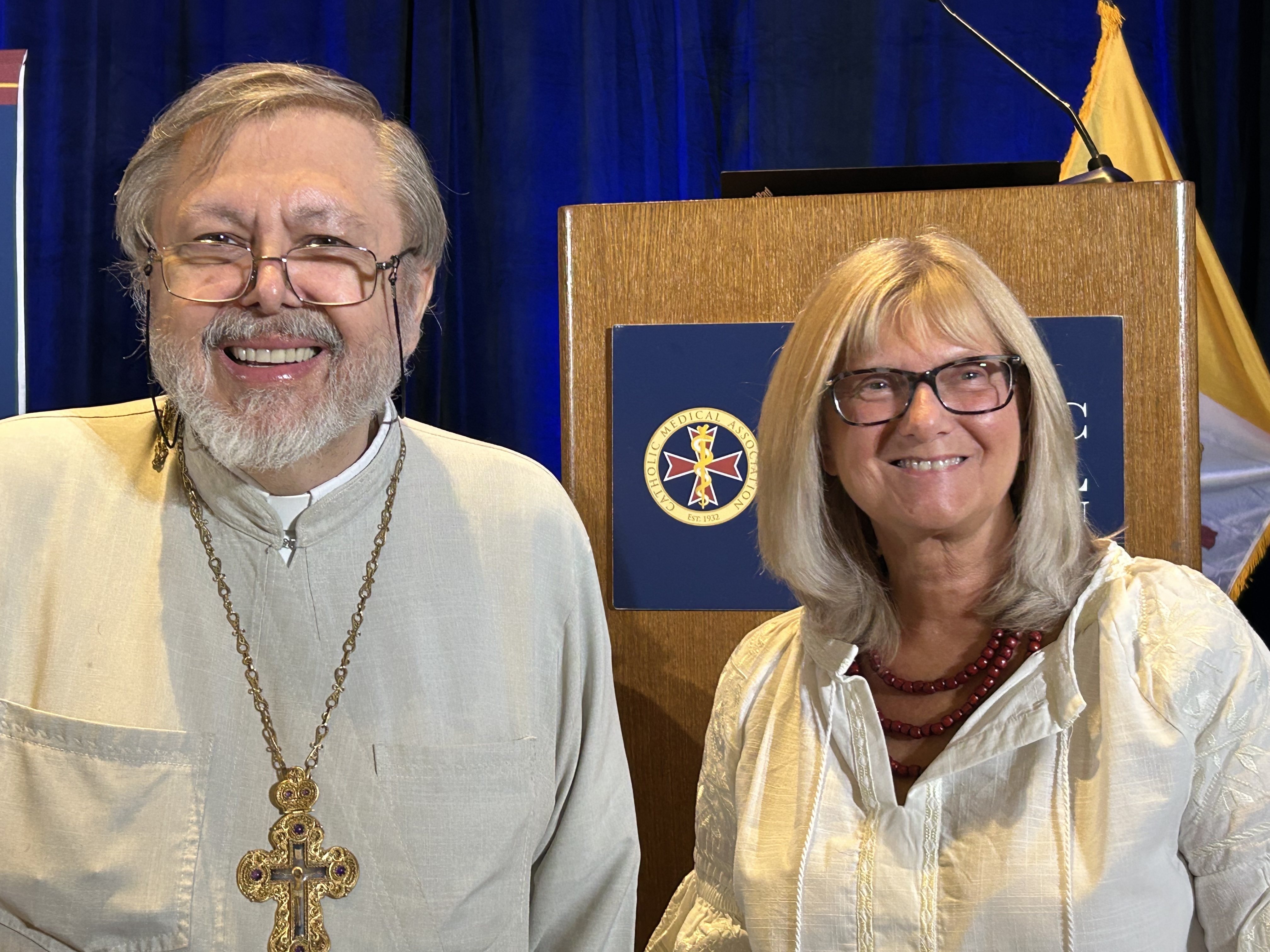
Catholic doctors say both Eastern and Western spirituality are required to heal the whole person – #Catholic – PHOENIX — For the first time in its nearly 100-year history, the Catholic Medical Association is focusing on how the Eastern Catholic Church’s emphasis on mystery, united with the Western Church’s emphasis on reason, can give a more comprehensive view of human identity and help Western medicine promote human flourishing.The group’s 95th annual educational conference, held in Phoenix Sept. 10–12, emphasized the early Church Fathers, whose influence was strongest in the East, in order to “promote a more comprehensive view and more respect for the mysteries of human health and disease,” said conference chair Dr. Mary Keen-Kirchoff.“We’re embodied spirits, not just physical bodies,” she said at the opening. Healing, she added, “is a return to humanity’s original creation in the image and likeness of God.”The conference theme was “Mysteries and Miracles: Restoring the Practice of Medicine to Heal the Whole Person.” Setting the tone, Father Andriy Chirovsky, a theologian and priest of the Ukrainian Greco-Catholic Church, an Eastern Catholic Church in full communion with Rome, and psychiatrist Dr. Donna C. Dobrowolsky shared the first plenary.They moved between theology and clinical practice, saying they hoped to help medical professionals recover a holistic understanding of “the whole person, because thatʼs who all of us care about.” Theology without clinical reality stays abstract, they said; clinical work without a complete Christian anthropology becomes fragmented.“If the human person is misunderstood, then healing will also be misunderstood and therefore less effective,” Chirovsky said. “Healing requires a true anthropology.”He quoted Pope Leo XIV’s encyclical Magnifica Humanitas, in which the pontiff wrote: “We Christians lift our eyes to the Incarnate God, knowing that it is ‘only the mystery of the Word made flesh that the mystery of humanity truly becomes clear.’”Why the East, and why now?Chirovsky cited St. John Paul II’s 1995 encyclical Ut Unum Sint (That They May Be One), in which the pope, referring to the Eastern and Western Catholic churches, wrote that “the Church must breathe with her two lungs!”Dobrowolsky noted that what the West calls sacraments, the East calls mysteries: rites “not fully comprehensible by human reason, but revealed by God.”Chirovsky said Eastern spirituality and practice “preserve certain habits of thought that are especially needed at this moment in history.”He was not arguing against the West, he said. Any strength can become distorted when it loses its complement. The East offers “a needed medicine for some of the pathologies of modern culture,” especially the idea that a person is the center of the universe, “self-defining,” and “the ground of truth.”“We require revelation to understand our own selves,” he said.“If the person is not self-explaining,” Dobrowolsky said, medicine has to be careful because lab values and symptom clusters aren’t enough to explain a person. They’re important, but they don’t tell us everything about who a human person is.”The Catholic Church needs both the East and the West in the same way a healthy person must think with both hemispheres of the brain, the priest said, quoting neuroscientist Iain McGilchrist’s book “The Master and His Emissary: The Divided Brain and the Making of the Western World.”In his book, McGilchrist notes that the left side of the brain is analytical and narrow, while the right side focuses more on the big picture, and pathology results when the two sides don’t work together and one side dominates.Chirovsky compared modern medicine’s laser focus on the analytical and quantifiable, using hyperspecialization in the medical field as an example, to a pathology with too much dependence on the left brain.“The analytic mode is powerful, but when it dominates unchecked, the person becomes legible as data but less visible as mystery and as a person,” he said.“Any practice of medicine that loses sight of the whole person as revealed in the incarnate Son of God is going to run into lots of trouble,” he added. “Modern medicine is doing exactly that.”Dobrowolsky agreed, adding that “in medicine, that imbalance isn’t theoretical, we see it every day.”Seeing the human being as mystery does not mean the person is unintelligible, she said. “We’re saying this human person is not exhausted by reductionist accounts. And that the deepest truth of the human person is disclosed in relation to Christ.”“If a person is reduced to a collection of functions, risks, and measurable outputs, their care becomes reduced as well,” she continued, saying that while practitioners may “retain technical brilliance … the patient may begin to disappear beneath the technique.”Indeed, the conference’s breakout sessions touched upon the necessity for a Christian anthropology informed by a Church “breathing with both lungs," with talks titled “Healing Is Not the Same as Curing: Patristic Anthropology and the Limits of Modern Medicine,” “The Neglected Soul: Ancient Monastic Teachings on Depression in the Modern World,” and “Psychedelics, AI, Spirituality, and More: Ancient Wisdom for Reenchanting Medicine.”“My prayer before the conference was that all attendees receive abundant graces of understanding and hope for the future,” Keen-Kirchoff told EWTN News. “I am so grateful that the Holy Spirit was so present … and trust that attendees are more in tune with who we are in Christ and who we are to become in Christ.”
 
 Bishop James Conley, center, receives the 2026 Evangelium Vitae award. He stands with Mario Dickerson, CMA executive director, left, and Dr. Mary Keen-Kirchoff, CMA conference chair, on Sept. 10, 2026. | Credit: Photo courtesy of Catholic Medical Association
 
 Bishop James D. Conley of the Diocese of Lincoln, Nebraska, won the CMA’s annual Evangelium Vitae award for his pastoral efforts surrounding mental health. In May 2024, Conley published a pastoral letter titled “A Future with Hope,” concerning the Catholic response to mental health struggles. The honor sits close to the conference’s theme: care that views the person as a whole, in the mystery of body and spirit.

Catholic doctors say both Eastern and Western spirituality are required to heal the whole person – #Catholic – PHOENIX — For the first time in its nearly 100-year history, the Catholic Medical Association is focusing on how the Eastern Catholic Church’s emphasis on mystery, united with the Western Church’s emphasis on reason, can give a more comprehensive view of human identity and help Western medicine promote human flourishing.The group’s 95th annual educational conference, held in Phoenix Sept. 10–12, emphasized the early Church Fathers, whose influence was strongest in the East, in order to “promote a more comprehensive view and more respect for the mysteries of human health and disease,” said conference chair Dr. Mary Keen-Kirchoff.“We’re embodied spirits, not just physical bodies,” she said at the opening. Healing, she added, “is a return to humanity’s original creation in the image and likeness of God.”The conference theme was “Mysteries and Miracles: Restoring the Practice of Medicine to Heal the Whole Person.” Setting the tone, Father Andriy Chirovsky, a theologian and priest of the Ukrainian Greco-Catholic Church, an Eastern Catholic Church in full communion with Rome, and psychiatrist Dr. Donna C. Dobrowolsky shared the first plenary.They moved between theology and clinical practice, saying they hoped to help medical professionals recover a holistic understanding of “the whole person, because thatʼs who all of us care about.” Theology without clinical reality stays abstract, they said; clinical work without a complete Christian anthropology becomes fragmented.“If the human person is misunderstood, then healing will also be misunderstood and therefore less effective,” Chirovsky said. “Healing requires a true anthropology.”He quoted Pope Leo XIV’s encyclical Magnifica Humanitas, in which the pontiff wrote: “We Christians lift our eyes to the Incarnate God, knowing that it is ‘only the mystery of the Word made flesh that the mystery of humanity truly becomes clear.’”Why the East, and why now?Chirovsky cited St. John Paul II’s 1995 encyclical Ut Unum Sint (That They May Be One), in which the pope, referring to the Eastern and Western Catholic churches, wrote that “the Church must breathe with her two lungs!”Dobrowolsky noted that what the West calls sacraments, the East calls mysteries: rites “not fully comprehensible by human reason, but revealed by God.”Chirovsky said Eastern spirituality and practice “preserve certain habits of thought that are especially needed at this moment in history.”He was not arguing against the West, he said. Any strength can become distorted when it loses its complement. The East offers “a needed medicine for some of the pathologies of modern culture,” especially the idea that a person is the center of the universe, “self-defining,” and “the ground of truth.”“We require revelation to understand our own selves,” he said.“If the person is not self-explaining,” Dobrowolsky said, medicine has to be careful because lab values and symptom clusters aren’t enough to explain a person. They’re important, but they don’t tell us everything about who a human person is.”The Catholic Church needs both the East and the West in the same way a healthy person must think with both hemispheres of the brain, the priest said, quoting neuroscientist Iain McGilchrist’s book “The Master and His Emissary: The Divided Brain and the Making of the Western World.”In his book, McGilchrist notes that the left side of the brain is analytical and narrow, while the right side focuses more on the big picture, and pathology results when the two sides don’t work together and one side dominates.Chirovsky compared modern medicine’s laser focus on the analytical and quantifiable, using hyperspecialization in the medical field as an example, to a pathology with too much dependence on the left brain.“The analytic mode is powerful, but when it dominates unchecked, the person becomes legible as data but less visible as mystery and as a person,” he said.“Any practice of medicine that loses sight of the whole person as revealed in the incarnate Son of God is going to run into lots of trouble,” he added. “Modern medicine is doing exactly that.”Dobrowolsky agreed, adding that “in medicine, that imbalance isn’t theoretical, we see it every day.”Seeing the human being as mystery does not mean the person is unintelligible, she said. “We’re saying this human person is not exhausted by reductionist accounts. And that the deepest truth of the human person is disclosed in relation to Christ.”“If a person is reduced to a collection of functions, risks, and measurable outputs, their care becomes reduced as well,” she continued, saying that while practitioners may “retain technical brilliance … the patient may begin to disappear beneath the technique.”Indeed, the conference’s breakout sessions touched upon the necessity for a Christian anthropology informed by a Church “breathing with both lungs," with talks titled “Healing Is Not the Same as Curing: Patristic Anthropology and the Limits of Modern Medicine,” “The Neglected Soul: Ancient Monastic Teachings on Depression in the Modern World,” and “Psychedelics, AI, Spirituality, and More: Ancient Wisdom for Reenchanting Medicine.”“My prayer before the conference was that all attendees receive abundant graces of understanding and hope for the future,” Keen-Kirchoff told EWTN News. “I am so grateful that the Holy Spirit was so present … and trust that attendees are more in tune with who we are in Christ and who we are to become in Christ.” Bishop James Conley, center, receives the 2026 Evangelium Vitae award. He stands with Mario Dickerson, CMA executive director, left, and Dr. Mary Keen-Kirchoff, CMA conference chair, on Sept. 10, 2026. | Credit: Photo courtesy of Catholic Medical Association Bishop James D. Conley of the Diocese of Lincoln, Nebraska, won the CMA’s annual Evangelium Vitae award for his pastoral efforts surrounding mental health. In May 2024, Conley published a pastoral letter titled “A Future with Hope,” concerning the Catholic response to mental health struggles. The honor sits close to the conference’s theme: care that views the person as a whole, in the mystery of body and spirit.

The Catholic Medical Association at its 95th annual educational conference held in Phoenix Sept. 10–12 focused on how the Eastern Catholic Church can help Western medicine promote human flourishing.

Read More
Pope Leo XIV names Newark auxiliary bishop to lead Diocese of Metuchen, New Jersey – #Catholic – Pope Leo XIV has appointed Newark, New Jersey, auxiliary bishop Michael Saporito as the new bishop of the Diocese of Metuchen, New Jersey.The Vatican announced his appointment on Sept. 15, ending a nearly one-year wait for a new bishop of the diocese. The diocese was previously led by then-Bishop James Checchio from 2016 to 2025, after he served as rector of the Pontifical North American College in Rome. Checchio became the archbishop of New Orleans in 2026 after a brief period as its coadjutor archbishop.The pope has also accepted the resignation of Bishop Francis Malone of Shreveport, Louisiana. Malone, 76, has led the diocese since 2019. Bishops are required to submit their resignations to the pope at the age of 75.According to the Vatican announcement, Saporito was born in Newark on May 3, 1962. He was ordained a priest for the Archdiocese of Newark on May 30, 1992.He also earned an accounting degree from Rutgers University and studied at Immaculate Conception Seminary School of Theology in South Orange, New Jersey, for several years before his ordination.After his ordination, Saporito served as a parish priest at several parish churches throughout the archdiocese: St. Peter the Apostle in River Edge (1994–1999), Our Lady of Visitation in Paramus (1999–2001), St. Elizabeth in Wyckoff (2001–2004), St. Joseph in Maplewood (2004–2011), and St. Helen in Westfield (2011–2020).In February 2020, Pope Francis appointed Saporito as an auxiliary bishop of Newark. He received his episcopal consecration on June 30 of the same year from Cardinal Joseph Tobin, CSsR, who has served as archbishop of Newark since 2016.

Pope Leo XIV names Newark auxiliary bishop to lead Diocese of Metuchen, New Jersey – #Catholic – Pope Leo XIV has appointed Newark, New Jersey, auxiliary bishop Michael Saporito as the new bishop of the Diocese of Metuchen, New Jersey.The Vatican announced his appointment on Sept. 15, ending a nearly one-year wait for a new bishop of the diocese. The diocese was previously led by then-Bishop James Checchio from 2016 to 2025, after he served as rector of the Pontifical North American College in Rome. Checchio became the archbishop of New Orleans in 2026 after a brief period as its coadjutor archbishop.The pope has also accepted the resignation of Bishop Francis Malone of Shreveport, Louisiana. Malone, 76, has led the diocese since 2019. Bishops are required to submit their resignations to the pope at the age of 75.According to the Vatican announcement, Saporito was born in Newark on May 3, 1962. He was ordained a priest for the Archdiocese of Newark on May 30, 1992.He also earned an accounting degree from Rutgers University and studied at Immaculate Conception Seminary School of Theology in South Orange, New Jersey, for several years before his ordination.After his ordination, Saporito served as a parish priest at several parish churches throughout the archdiocese: St. Peter the Apostle in River Edge (1994–1999), Our Lady of Visitation in Paramus (1999–2001), St. Elizabeth in Wyckoff (2001–2004), St. Joseph in Maplewood (2004–2011), and St. Helen in Westfield (2011–2020).In February 2020, Pope Francis appointed Saporito as an auxiliary bishop of Newark. He received his episcopal consecration on June 30 of the same year from Cardinal Joseph Tobin, CSsR, who has served as archbishop of Newark since 2016.

The pontiff also accepted the resignation of Bishop Francis Malone, 76, of Shreveport, Louisiana.

Read More