Day: September 17, 2026

Gospel and Word of the Day – 18 September 2026 – A reading from the First Letter of St. Paul to Corinthians  15:12-20 Brothers and sisters: If Christ is preached as raised from the dead, how can some among you say there is no resurrection of the dead? If there is no resurrection of the dead, then neither has Christ been raised. And if Christ has not been raised, then empty too is our preaching; empty, too, your faith. Then we are also false witnesses to God, because we testified against God that he raised Christ, whom he did not raise if in fact the dead are not raised. For if the dead are not raised, neither has Christ been raised, and if Christ has not been raised, your faith is vain; you are still in your sins. Then those who have fallen asleep in Christ have perished. If for this life only we have hoped in Christ, we are the most pitiable people of all. But now Christ has been raised from the dead, the firstfruits of those who have fallen asleep.From the Gospel according to Luke 8:1-3 Jesus journeyed from one town and village to another, preaching and proclaiming the good news of the Kingdom of God. Accompanying him were the Twelve and some women who had been cured of evil spirits and infirmities, Mary, called Magdalene, from whom seven demons had gone out, Joanna, the wife of Herod’s steward Chuza, Susanna, and many others who provided for them out of their resources.Jesus (…) certainly chose from among his disciples 12 men as Fathers of the new Israel and appointed them "to be with him, and to be sent out to preach". This fact is obvious; but, in addition to the Twelve, pillars of the Church and fathers of the new People of God, many women were also chosen to number among the disciples. (…) In the first place, we think spontaneously of the Virgin Mary, who with her faith and maternal labours collaborated in a unique way in our Redemption. (…) Then there are various women with roles of responsibility who gravitated in their different capacities around the figure of Jesus. The women who followed Jesus to assist him with their own means, some of whose names Luke has passed down to us, are an eloquent example: Mary of Magdala, Joanna, Susanna and "many others" (cf. Lk 8: 2-3). (…) Nor was the female presence in the sphere of the primitive Church in any way secondary. (…) Without the generous contribution of many women, the history of Christianity would have developed very differently. This is why (…) the Church gives thanks for each and every woman. (Pope Benedict XVI, General Audience, 14 February 2007)

A reading from the First Letter of St. Paul to Corinthians 
15:12-20

Brothers and sisters:
If Christ is preached as raised from the dead,
how can some among you say there is no resurrection of the dead?
If there is no resurrection of the dead,
then neither has Christ been raised.
And if Christ has not been raised, then empty too is our preaching;
empty, too, your faith.
Then we are also false witnesses to God,
because we testified against God that he raised Christ,
whom he did not raise if in fact the dead are not raised.
For if the dead are not raised, neither has Christ been raised,
and if Christ has not been raised, your faith is vain;
you are still in your sins.
Then those who have fallen asleep in Christ have perished.
If for this life only we have hoped in Christ,
we are the most pitiable people of all.

But now Christ has been raised from the dead,
the firstfruits of those who have fallen asleep.

From the Gospel according to Luke
8:1-3

Jesus journeyed from one town and village to another,
preaching and proclaiming the good news of the Kingdom of God.
Accompanying him were the Twelve
and some women who had been cured of evil spirits and infirmities,
Mary, called Magdalene, from whom seven demons had gone out,
Joanna, the wife of Herod’s steward Chuza,
Susanna, and many others
who provided for them out of their resources.

Jesus (…) certainly chose from among his disciples 12 men as Fathers of the new Israel and appointed them "to be with him, and to be sent out to preach". This fact is obvious; but, in addition to the Twelve, pillars of the Church and fathers of the new People of God, many women were also chosen to number among the disciples. (…) In the first place, we think spontaneously of the Virgin Mary, who with her faith and maternal labours collaborated in a unique way in our Redemption. (…) Then there are various women with roles of responsibility who gravitated in their different capacities around the figure of Jesus. The women who followed Jesus to assist him with their own means, some of whose names Luke has passed down to us, are an eloquent example: Mary of Magdala, Joanna, Susanna and "many others" (cf. Lk 8: 2-3). (…) Nor was the female presence in the sphere of the primitive Church in any way secondary. (…) Without the generous contribution of many women, the history of Christianity would have developed very differently. This is why (…) the Church gives thanks for each and every woman. (Pope Benedict XVI, General Audience, 14 February 2007)

Read More
Oregon officials back off ‘gender ideology mandate’ for mom seeking to adopt #Catholic Oregon officials have agreed they will not “categorically disqualify” a Christian woman from adopting or fostering children based on her religious beliefs about gender and human sexuality, which settles a three-and-a-half-year legal battle.The Oregon Department of Human Services (ODHS) agreed to a legal settlement with Jessica Bates, who was represented by Alliance Defending Freedom (ADF). It affirms the department will not consider her religious beliefs when evaluating her application for a certification to adopt children and will not attempt to regulate her speech about gender and sexuality.“Every child deserves a loving home, and children suffer when the government excludes people of faith from foster care because of the state’s own ideological crusade,” ADF Senior Counsel Johannes Widmalm-Delphonse said in a statement following the Sept. 9 settlement.“Oregon officials turned Jessica away just because of her common-sense belief that parents should help children become comfortable with who they are instead of pushing them down a path of confusion and medicalization,” he said. “We believe this settlement is a win-win that protects constitutional rights and puts children’s interests first.”In September 2022, the ODHS denied Bates’ application because she would not comply with a state policy that requires applicants to agree they will “respect, accept and support the … sexual orientation, gender identity [and] gender expression … of a child or young adult” who is placed in the home, which ADF has characterized as a “gender ideology mandate.”Bates sued ODHS in March 2023, arguing that the policy violated her First Amendment rights to free speech and the free exercise of religion. The lawsuit stated she told the certification officer she would love any child as her own but would not facilitate a child’s gender transition through hormone therapy, use pronouns inconsistent with a child’s biological sex, or encourage gender expression inconsistent with the child’s biological sex or same-sex attraction.A federal district court initially ruled in favor of ODHS in December 2023, but an appellate panel of judges ruled in July 2025 that ODHS likely violated her constitutional rights and blocked the department from enforcing the rules against her while the lawsuit continued.Legal settlementPer the legal agreement, ODHS will allow Bates to apply for a certification and will not consider her religious views in any way.It states ODHS will not deny the application “because of her religious beliefs that sexual activity should occur only within the confines of a marriage between one man and one woman, and a person should identify and seek to live consistent with his or her biological sex.”The settlement adds that this extends to her “desire to respectfully speak about, live out, parent, and make day-to-day caregiving decisions consistent with these sincerely held religious beliefs.”Under the agreement, ODHS also cannot require her to “agree to use prescribed words or language, including chosen pronouns, to express views about sexual orientation, gender identity, or gender expression inconsistent with her religious beliefs described above as a condition of certification.”“[The] ODHS may not enforce any per se standard, rule, or policy that precludes Bates from being considered for any particular placement, based in whole or in part based on her religious belief,” the settlement agreement states.It further prohibits ODHS from disqualifying Bates from consideration for any particular child placement based on her religious beliefs.Yet, the settlement does not prevent ODHS from “deciding a child’s placement based on its individualized consideration of the child’s needs and of a foster parent’s concerns or limitations (including where religiously motivated) on their ability or willingness to meet the child’s specific needs, including with regard to their sexual orientation, gender identity, and gender expression.”The Oregon attorney general’s office referred EWTN News to the Oregon Department of Human Services for comment. The department did not respond to a request for comment.

Oregon officials back off ‘gender ideology mandate’ for mom seeking to adopt #Catholic Oregon officials have agreed they will not “categorically disqualify” a Christian woman from adopting or fostering children based on her religious beliefs about gender and human sexuality, which settles a three-and-a-half-year legal battle.The Oregon Department of Human Services (ODHS) agreed to a legal settlement with Jessica Bates, who was represented by Alliance Defending Freedom (ADF). It affirms the department will not consider her religious beliefs when evaluating her application for a certification to adopt children and will not attempt to regulate her speech about gender and sexuality.“Every child deserves a loving home, and children suffer when the government excludes people of faith from foster care because of the state’s own ideological crusade,” ADF Senior Counsel Johannes Widmalm-Delphonse said in a statement following the Sept. 9 settlement.“Oregon officials turned Jessica away just because of her common-sense belief that parents should help children become comfortable with who they are instead of pushing them down a path of confusion and medicalization,” he said. “We believe this settlement is a win-win that protects constitutional rights and puts children’s interests first.”In September 2022, the ODHS denied Bates’ application because she would not comply with a state policy that requires applicants to agree they will “respect, accept and support the … sexual orientation, gender identity [and] gender expression … of a child or young adult” who is placed in the home, which ADF has characterized as a “gender ideology mandate.”Bates sued ODHS in March 2023, arguing that the policy violated her First Amendment rights to free speech and the free exercise of religion. The lawsuit stated she told the certification officer she would love any child as her own but would not facilitate a child’s gender transition through hormone therapy, use pronouns inconsistent with a child’s biological sex, or encourage gender expression inconsistent with the child’s biological sex or same-sex attraction.A federal district court initially ruled in favor of ODHS in December 2023, but an appellate panel of judges ruled in July 2025 that ODHS likely violated her constitutional rights and blocked the department from enforcing the rules against her while the lawsuit continued.Legal settlementPer the legal agreement, ODHS will allow Bates to apply for a certification and will not consider her religious views in any way.It states ODHS will not deny the application “because of her religious beliefs that sexual activity should occur only within the confines of a marriage between one man and one woman, and a person should identify and seek to live consistent with his or her biological sex.”The settlement adds that this extends to her “desire to respectfully speak about, live out, parent, and make day-to-day caregiving decisions consistent with these sincerely held religious beliefs.”Under the agreement, ODHS also cannot require her to “agree to use prescribed words or language, including chosen pronouns, to express views about sexual orientation, gender identity, or gender expression inconsistent with her religious beliefs described above as a condition of certification.”“[The] ODHS may not enforce any per se standard, rule, or policy that precludes Bates from being considered for any particular placement, based in whole or in part based on her religious belief,” the settlement agreement states.It further prohibits ODHS from disqualifying Bates from consideration for any particular child placement based on her religious beliefs.Yet, the settlement does not prevent ODHS from “deciding a child’s placement based on its individualized consideration of the child’s needs and of a foster parent’s concerns or limitations (including where religiously motivated) on their ability or willingness to meet the child’s specific needs, including with regard to their sexual orientation, gender identity, and gender expression.”The Oregon attorney general’s office referred EWTN News to the Oregon Department of Human Services for comment. The department did not respond to a request for comment.

The legal settlement ensures that Jessica Bates’ religious views will not be a factor in determining whether she can adopt children.

Read More
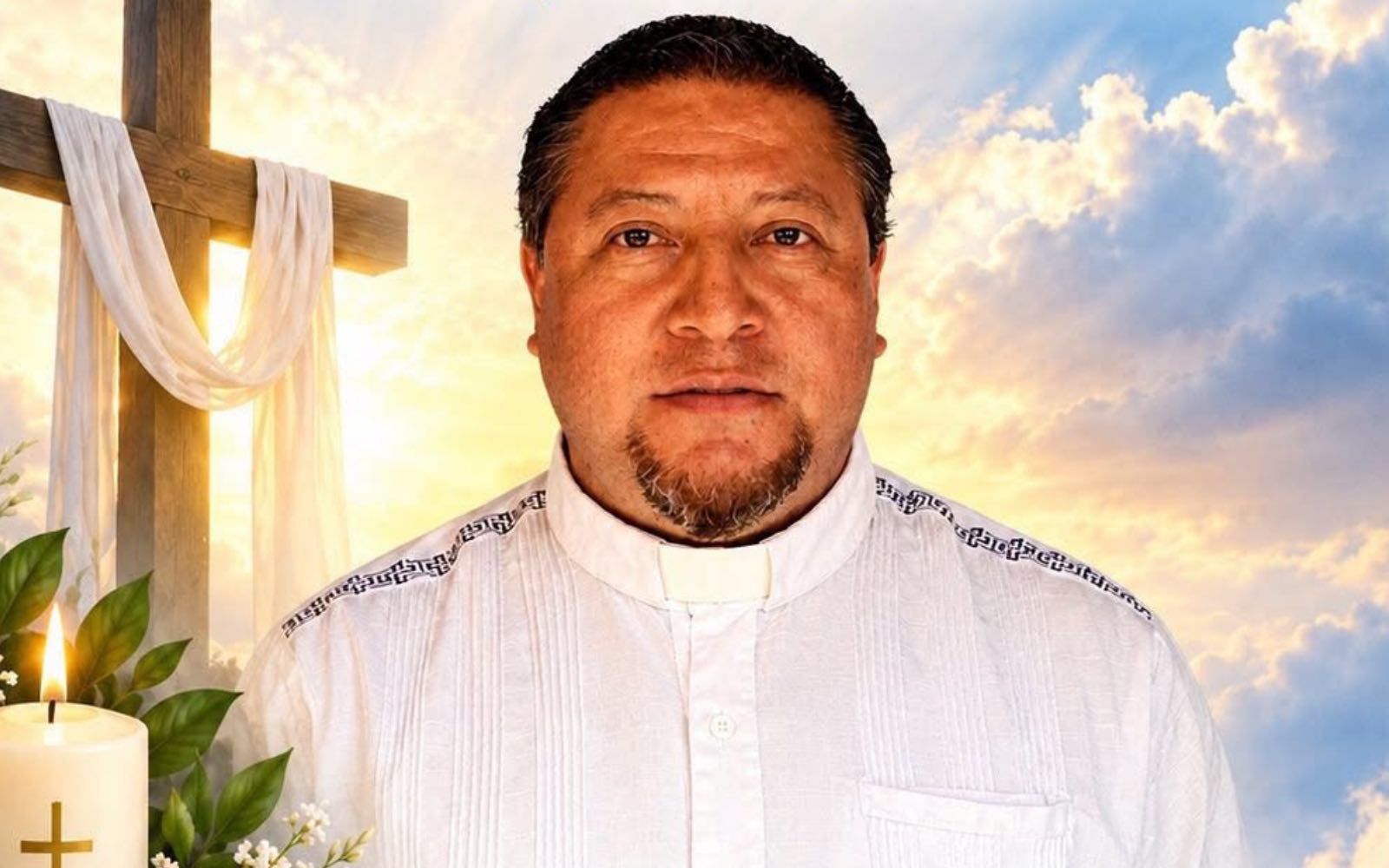
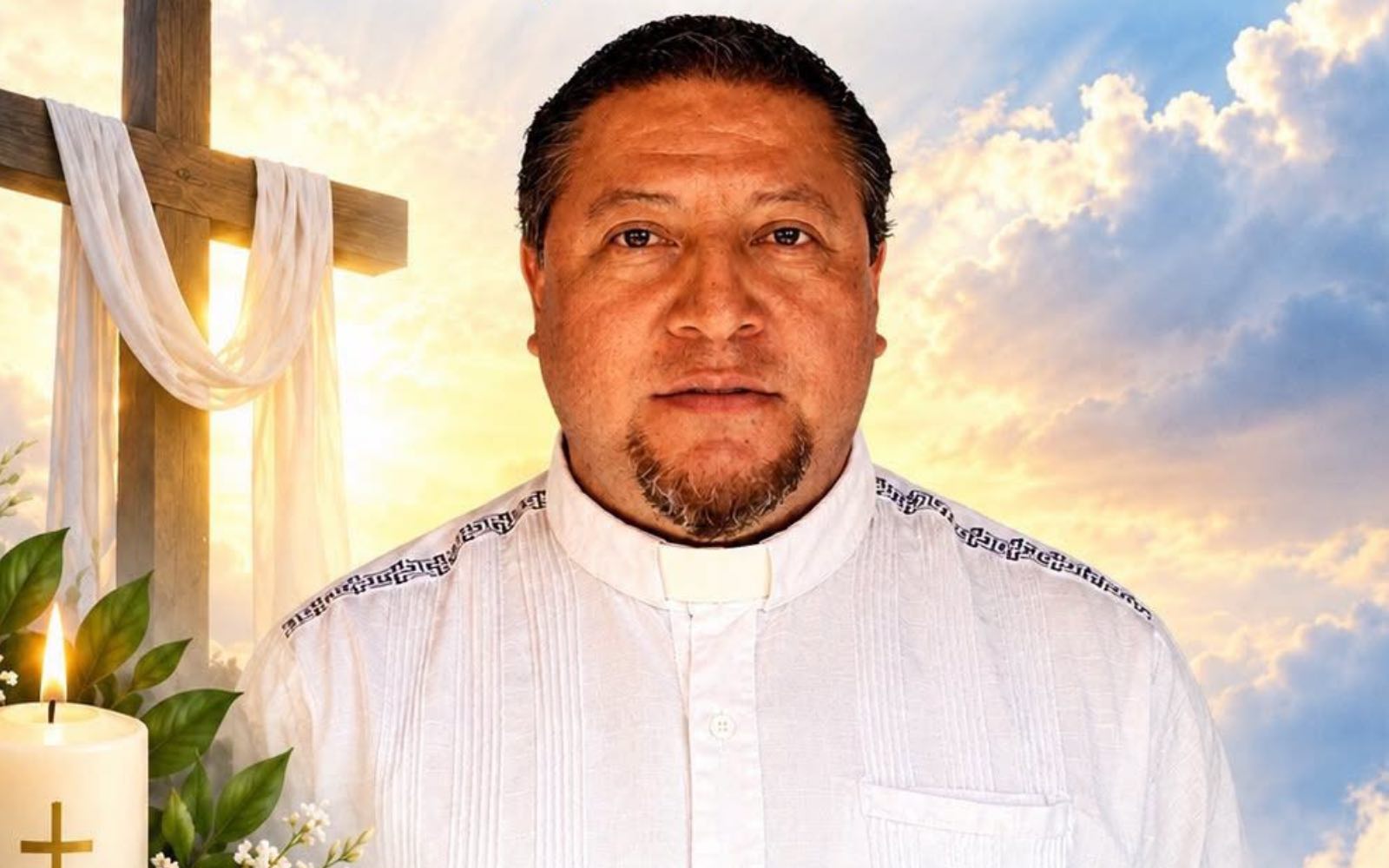
Mexican bishops demand ‘thorough investigation’ of priest’s murder #Catholic Mexico’s bishops are demanding that authorities conduct “a thorough investigation” to clarify the circumstances surrounding the murder of Father Román de la Cruz Hernández, pastor of Santa Cruz in Huejutla, Hidalgo state.In a Sept. 16 statement, the Mexican Bishops’ Conference (CEM, by its Spanish acronym) expressed its indignation and sadness over the crime as well as its solidarity with the Diocese of Huejutla, Hidalgo, to which De la Cruz belongedAccording to the bishops' conference, the priest’s murder took place on Sept. 15. The newspaper El Universal reported that the body of De la Cruz was found with gunshot wounds along a stretch of the Tolago-Tetlapaya highway in the Lolotla district of Hidalgo.“We stand in fraternal solidarity with José Hiraís Acosta Beltrán, bishop of Huejutla, his priests, consecrated religious, and the entire people of God of this local Church,” the CEM stated while “calling upon the relevant authorities to conduct a thorough investigation to clarify the facts and ensure that justice is served swiftly.”The Mexican bishops also prayed “for the eternal rest of Father Román,” asking God “to grant strength and comfort to his family, friends, parishioners, and all those who shared in his ministry and his life.”The CEM statement joins that of Acosta, who urged against speculating about the crime “to allow the relevant authorities to conduct the investigation and report on the tragedy.”At the same time, the bishop of Huejutla denounced “the alarming situation of violence going on in our country.”The prelate asked the faithful to work to build “a culture of peace and reconciliation, seeking the eradication of violence, and not to lose respect for the life of any person.”“Let us allow God, in his infinite goodness, to help us root out from the human heart every destructive sentiment of resentment, vengeance, and hatred that threatens the most precious gift he has bestowed upon us: life,” he emphasized.According to the Catholic Multimedia Center, 28 incidents of violence against Church members, including the murders of four priests, have been recorded during Claudia Sheinbaum’s term as president of Mexico so far.This story was first published by ACI Prensa, the Spanish-language sister service of EWTN News. It has been translated and adapted by EWTN News English.

Mexican bishops demand ‘thorough investigation’ of priest’s murder #Catholic Mexico’s bishops are demanding that authorities conduct “a thorough investigation” to clarify the circumstances surrounding the murder of Father Román de la Cruz Hernández, pastor of Santa Cruz in Huejutla, Hidalgo state.In a Sept. 16 statement, the Mexican Bishops’ Conference (CEM, by its Spanish acronym) expressed its indignation and sadness over the crime as well as its solidarity with the Diocese of Huejutla, Hidalgo, to which De la Cruz belongedAccording to the bishops' conference, the priest’s murder took place on Sept. 15. The newspaper El Universal reported that the body of De la Cruz was found with gunshot wounds along a stretch of the Tolago-Tetlapaya highway in the Lolotla district of Hidalgo.“We stand in fraternal solidarity with José Hiraís Acosta Beltrán, bishop of Huejutla, his priests, consecrated religious, and the entire people of God of this local Church,” the CEM stated while “calling upon the relevant authorities to conduct a thorough investigation to clarify the facts and ensure that justice is served swiftly.”The Mexican bishops also prayed “for the eternal rest of Father Román,” asking God “to grant strength and comfort to his family, friends, parishioners, and all those who shared in his ministry and his life.”The CEM statement joins that of Acosta, who urged against speculating about the crime “to allow the relevant authorities to conduct the investigation and report on the tragedy.”At the same time, the bishop of Huejutla denounced “the alarming situation of violence going on in our country.”The prelate asked the faithful to work to build “a culture of peace and reconciliation, seeking the eradication of violence, and not to lose respect for the life of any person.”“Let us allow God, in his infinite goodness, to help us root out from the human heart every destructive sentiment of resentment, vengeance, and hatred that threatens the most precious gift he has bestowed upon us: life,” he emphasized.According to the Catholic Multimedia Center, 28 incidents of violence against Church members, including the murders of four priests, have been recorded during Claudia Sheinbaum’s term as president of Mexico so far.This story was first published by ACI Prensa, the Spanish-language sister service of EWTN News. It has been translated and adapted by EWTN News English.

The priest was found dead with gunshot wounds along a stretch of highway. The local bishop urged people not to speculate about the crime and denounced the ongoing violence in the country.

Read More
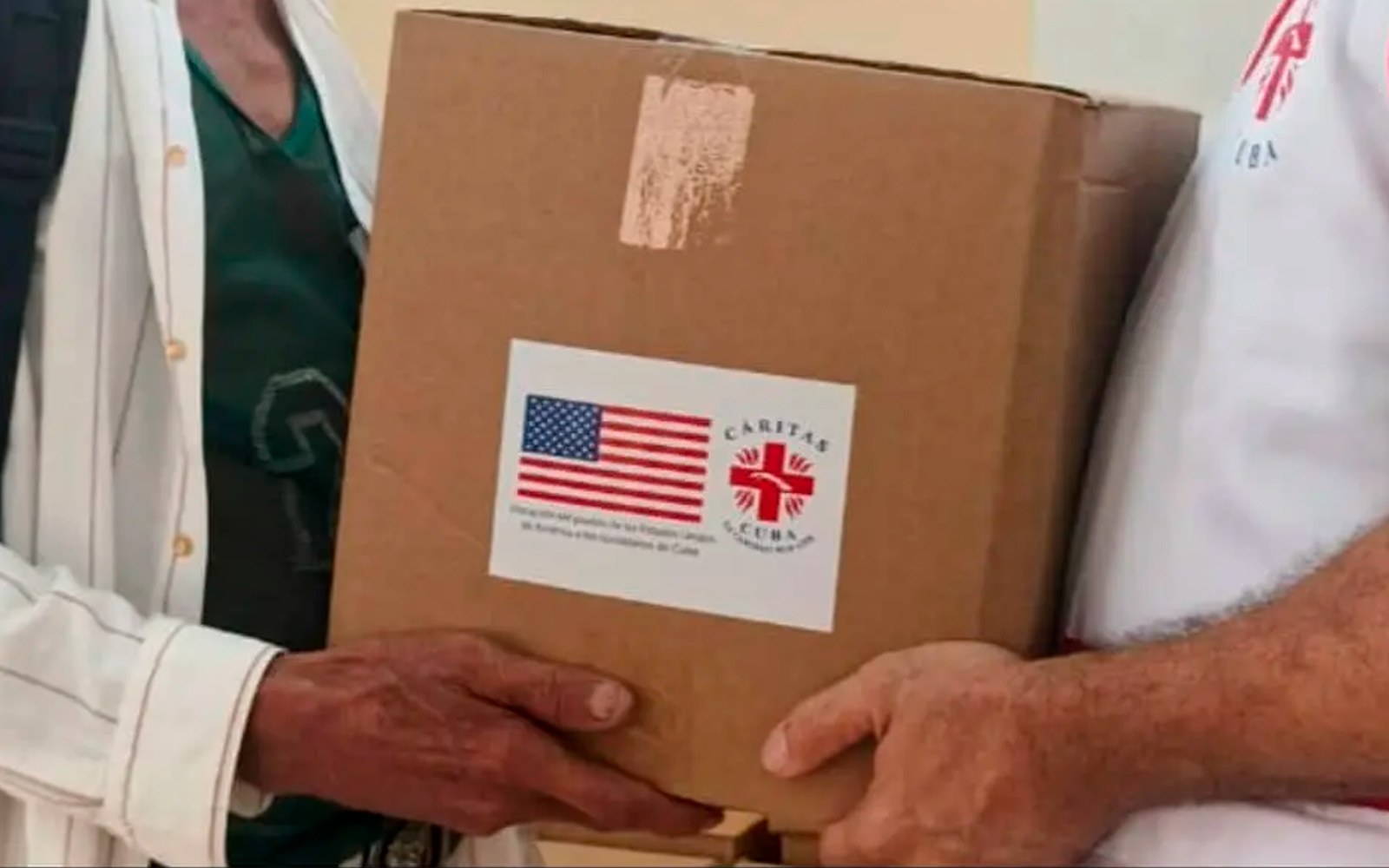
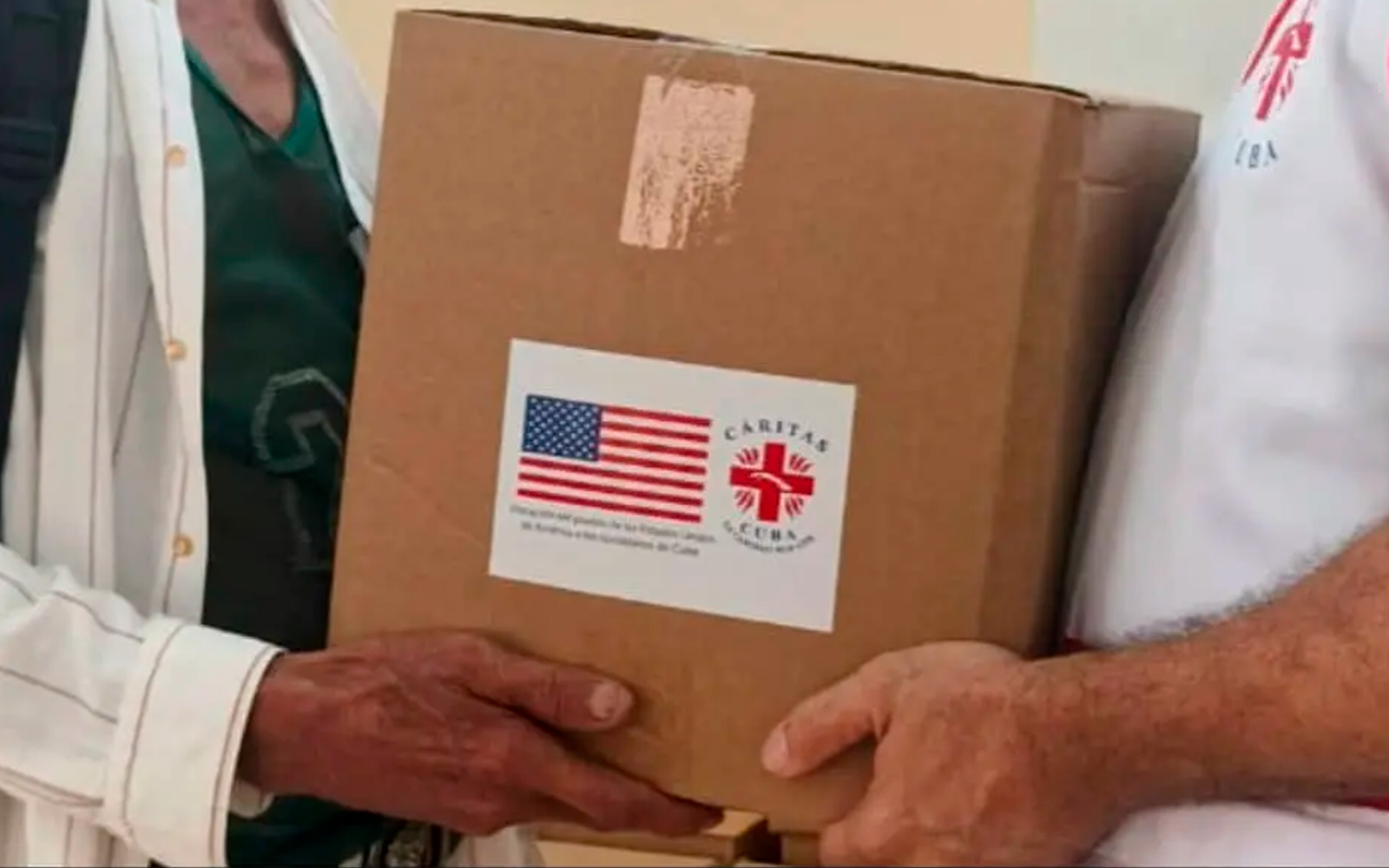
Caritas Cuba to receive more humanitarian aid from U.S. in coming weeks – #Catholic – The U.S. Embassy in Cuba announced that more humanitarian aid will arrive in the coming weeks for distribution by Caritas to the most vulnerable people in five of the countryʼs provinces.The embassy made the announcement following a meeting between U.S. Chargé dʼAffaires Mike Hammer and the director of Caritas Cuba, Carmen María Nodal Martínez.In a post on X, the embassy stated that the additional aid will be directed to the provinces of Camagüey, Ciego de Ávila, Cienfuegos, Matanzas, and Pinar del Rio.Collaboration between the U.S. government and the Catholic Church in Cuba began in November 2025, when the bishops announced they had received an offer of  million in aid for those affected by Hurricane Melissa.This initial humanitarian assistance began arriving in January 2026, and since then, the United States has made further offers of aid, which have been distributed by Caritas Cuba without the involvement of the Cuban communist regime.On Feb. 5, the U.S. State Department announced a new shipment of humanitarian aid worth  million, “following the successful collaboration” with the Catholic Church in Cuba in distributing the initial  million in aid.On May 13, the State Department announced its intention to provide 0 million in humanitarian assistance to Cuba,  million of which would be distributed through Caritas.The first shipment of this aid package arrived in late July.This story was first published by ACI Prensa, the Spanish-language sister service of EWTN News. It has been translated and adapted by EWTN News English.

Caritas Cuba to receive more humanitarian aid from U.S. in coming weeks – #Catholic – The U.S. Embassy in Cuba announced that more humanitarian aid will arrive in the coming weeks for distribution by Caritas to the most vulnerable people in five of the countryʼs provinces.The embassy made the announcement following a meeting between U.S. Chargé dʼAffaires Mike Hammer and the director of Caritas Cuba, Carmen María Nodal Martínez.In a post on X, the embassy stated that the additional aid will be directed to the provinces of Camagüey, Ciego de Ávila, Cienfuegos, Matanzas, and Pinar del Rio.Collaboration between the U.S. government and the Catholic Church in Cuba began in November 2025, when the bishops announced they had received an offer of $3 million in aid for those affected by Hurricane Melissa.This initial humanitarian assistance began arriving in January 2026, and since then, the United States has made further offers of aid, which have been distributed by Caritas Cuba without the involvement of the Cuban communist regime.On Feb. 5, the U.S. State Department announced a new shipment of humanitarian aid worth $6 million, “following the successful collaboration” with the Catholic Church in Cuba in distributing the initial $3 million in aid.On May 13, the State Department announced its intention to provide $100 million in humanitarian assistance to Cuba, $60 million of which would be distributed through Caritas.The first shipment of this aid package arrived in late July.This story was first published by ACI Prensa, the Spanish-language sister service of EWTN News. It has been translated and adapted by EWTN News English.

The U.S. government has been sending and continues to send millions of dollars of humanitarian aid to be distributed by Caritas Cuba, thus bypassing the communist regime.

Read More
Beyond The Beacon podcast 118 – A life devoted to prayer: Inside a Carmelite monastery #Catholic – 

What does it mean to step away from the world and embrace a life of prayer, silence, and community? In this episode, we explore the quiet world of cloistered Carmelite life and the women who choose to dedicate themselves to God within the walls of a monastery.
Bishop Kevin J. Sweeney of the Diocese of Paterson leads the thoughtful conversation about vocation, sacrifice, contemplation, and a way of life that remains largely unseen—but deeply spiritual.
The episode is recorded with the Discalced Carmelites of the Most Blessed Virgin Mary of Mount Carmel at their monastery in Morristown, N.J.
Joining Bishop Sweeney for interviews are Mother Therese Katulski, prioress of the Morristown and Malta monasteries; Sister Theresa Lee, F.M.A., chancellor and delegate for religious; Marcy Funk, a monastery volunteer; and Father Brendan Murray, who celebrates Masses with the sisters at their monastery in Morristown.
Listen to the episode here, or on any major podcast platform, or watch it on Bishop Sweeney’s YouTube channel.

Click here to subscribe to our weekly newsletter.


Beyond The Beacon podcast 118 – A life devoted to prayer: Inside a Carmelite monastery #Catholic –

What does it mean to step away from the world and embrace a life of prayer, silence, and community? In this episode, we explore the quiet world of cloistered Carmelite life and the women who choose to dedicate themselves to God within the walls of a monastery.

Bishop Kevin J. Sweeney of the Diocese of Paterson leads the thoughtful conversation about vocation, sacrifice, contemplation, and a way of life that remains largely unseen—but deeply spiritual.

The episode is recorded with the Discalced Carmelites of the Most Blessed Virgin Mary of Mount Carmel at their monastery in Morristown, N.J.

Joining Bishop Sweeney for interviews are Mother Therese Katulski, prioress of the Morristown and Malta monasteries; Sister Theresa Lee, F.M.A., chancellor and delegate for religious; Marcy Funk, a monastery volunteer; and Father Brendan Murray, who celebrates Masses with the sisters at their monastery in Morristown.

Listen to the episode here, or on any major podcast platform, or watch it on Bishop Sweeney’s YouTube channel.


Click here to subscribe to our weekly newsletter.


– What does it mean to step away from the world and embrace a life of prayer, silence, and community? In this episode, we explore the quiet world of cloistered Carmelite life and the women who choose to dedicate themselves to God within the walls of a monastery. Bishop Kevin J. Sweeney of the Diocese of Paterson leads the thoughtful conversation about vocation, sacrifice, contemplation, and a way of life that remains largely unseen—but deeply spiritual. The episode is recorded with the Discalced Carmelites of the Most Blessed Virgin Mary of Mount Carmel at their monastery in Morristown, N.J. Joining Bishop

Read More
Postpartum depression: New e-book offers hope and healing for Catholic mothers – #Catholic – In response to growing national attention surrounding maternal mental health, Catholic psychologist and popular EWTN Radio host Gregory Popcak has released a free e-book designed to offer clinical guidance and spiritual support to women suffering from postpartum depression (PPD).Popcak told the National Catholic Register, the sister partner of EWTN News, why he felt compelled to add a Catholic voice to this headline-making conversation.“I created it because Catholics aren’t immune from either physical or emotional illness, and, as Catholics, we have a unique, holistic perspective on healing that encourages us to use the medical, psychological, relational, and spiritual tools available to us to promote our healing and well-being."Popcak emphasized the need for a faithful voice in a conversation that affects approximately 1 in 7 new mothers.“As much as we might like to think otherwise, people of faith are just as affected by mental-health problems as anybody else,” Popcak emphasized.“Research really does show that faith plays a protective element … but we are still afflicted with these things. Being able to respond to this in a way that is reflective of our Catholic faith and the Catholic view of the person I thought was important.”Breaking the stigma of guiltA central focus of the e-book is addressing the unique layer of spiritual guilt that Catholic mothers often experience when struggling with mental health post-childbirth.Popcak explained that many Catholic mothers internalize their symptoms as a personal or spiritual failing, incorrectly believing their distress signals a lack of gratitude for their child or a weak prayer life.“These feelings are not the mom,” Popcak said during an interview on EWTN Radio. “They are the illness attacking your feelings. … You’re not failing any more than you would be failing if you had the flu. You didn’t make yourself get postpartum depression either. It’s your body’s reaction to the normal crash of hormones that occurs after birth, plus a lot of other factors.”The book opens with an urgent disclaimer encouraging mothers experiencing severe crisis or self-harm thoughts to seek immediate medical intervention, reminding them that “these feelings are not you; they are the illness talking.”Distinguishing ‘baby blues’ from clinical needsDuring the broadcast, Popcak outlined the critical differences between common short-term mood shifts — often referred to as the “baby blues” — and clinical postpartum depression or psychosis. While the “baby blues” typically peak around day five post-delivery and resolve within two weeks, symptoms lasting longer require professional medical evaluation.Popcak advocated for routine screening at OB-GYN and pediatric visits, comparing mental health checkups to baseline physical assessments.“When we go to the doctor, even if we’re not feeling lightheaded, they take our blood pressure,” Popcak noted. “A postpartum depression screening tool takes about four minutes to complete. … It should be just as standard as getting your blood pressure taken.”He also emphasized that treatment should address both physical and psychological dimensions, recommending psychological counseling alongside medical treatments like SSRIs (common prescription medications for depression and anxiety) to help mothers develop coping strategies and process underlying stressors.Self-sacrifice vs. self-destructionAddressing spiritual questions surrounding maternal sacrifice, Popcak distinguished between healthy, Christlike self-giving and harmful self-neglect.“There is a difference between self-sacrifice and self-destruction,” Popcak warned, urging husbands and extended family to step up support for new mothers. “God gives us our body to work for the good of others. In a sense, it’s a tool, but it can only do the job it was created to do if we take care of it. … It’s not irresponsible or selfish or self-indulgent for the carpenter to sharpen his saw.”The new e-book is available as a free public service download for mothers, families, and pastoral care providers. This story was first published by the National Catholic Register, the sister partner of EWTN News, and has been adapted by EWTN News.

Postpartum depression: New e-book offers hope and healing for Catholic mothers – #Catholic – In response to growing national attention surrounding maternal mental health, Catholic psychologist and popular EWTN Radio host Gregory Popcak has released a free e-book designed to offer clinical guidance and spiritual support to women suffering from postpartum depression (PPD).Popcak told the National Catholic Register, the sister partner of EWTN News, why he felt compelled to add a Catholic voice to this headline-making conversation.“I created it because Catholics aren’t immune from either physical or emotional illness, and, as Catholics, we have a unique, holistic perspective on healing that encourages us to use the medical, psychological, relational, and spiritual tools available to us to promote our healing and well-being."Popcak emphasized the need for a faithful voice in a conversation that affects approximately 1 in 7 new mothers.“As much as we might like to think otherwise, people of faith are just as affected by mental-health problems as anybody else,” Popcak emphasized.“Research really does show that faith plays a protective element … but we are still afflicted with these things. Being able to respond to this in a way that is reflective of our Catholic faith and the Catholic view of the person I thought was important.”Breaking the stigma of guiltA central focus of the e-book is addressing the unique layer of spiritual guilt that Catholic mothers often experience when struggling with mental health post-childbirth.Popcak explained that many Catholic mothers internalize their symptoms as a personal or spiritual failing, incorrectly believing their distress signals a lack of gratitude for their child or a weak prayer life.“These feelings are not the mom,” Popcak said during an interview on EWTN Radio. “They are the illness attacking your feelings. … You’re not failing any more than you would be failing if you had the flu. You didn’t make yourself get postpartum depression either. It’s your body’s reaction to the normal crash of hormones that occurs after birth, plus a lot of other factors.”The book opens with an urgent disclaimer encouraging mothers experiencing severe crisis or self-harm thoughts to seek immediate medical intervention, reminding them that “these feelings are not you; they are the illness talking.”Distinguishing ‘baby blues’ from clinical needsDuring the broadcast, Popcak outlined the critical differences between common short-term mood shifts — often referred to as the “baby blues” — and clinical postpartum depression or psychosis. While the “baby blues” typically peak around day five post-delivery and resolve within two weeks, symptoms lasting longer require professional medical evaluation.Popcak advocated for routine screening at OB-GYN and pediatric visits, comparing mental health checkups to baseline physical assessments.“When we go to the doctor, even if we’re not feeling lightheaded, they take our blood pressure,” Popcak noted. “A postpartum depression screening tool takes about four minutes to complete. … It should be just as standard as getting your blood pressure taken.”He also emphasized that treatment should address both physical and psychological dimensions, recommending psychological counseling alongside medical treatments like SSRIs (common prescription medications for depression and anxiety) to help mothers develop coping strategies and process underlying stressors.Self-sacrifice vs. self-destructionAddressing spiritual questions surrounding maternal sacrifice, Popcak distinguished between healthy, Christlike self-giving and harmful self-neglect.“There is a difference between self-sacrifice and self-destruction,” Popcak warned, urging husbands and extended family to step up support for new mothers. “God gives us our body to work for the good of others. In a sense, it’s a tool, but it can only do the job it was created to do if we take care of it. … It’s not irresponsible or selfish or self-indulgent for the carpenter to sharpen his saw.”The new e-book is available as a free public service download for mothers, families, and pastoral care providers. This story was first published by the National Catholic Register, the sister partner of EWTN News, and has been adapted by EWTN News.

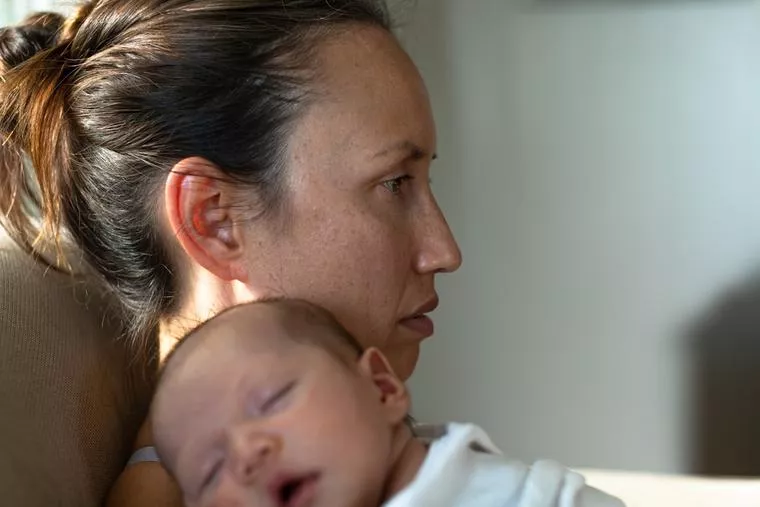
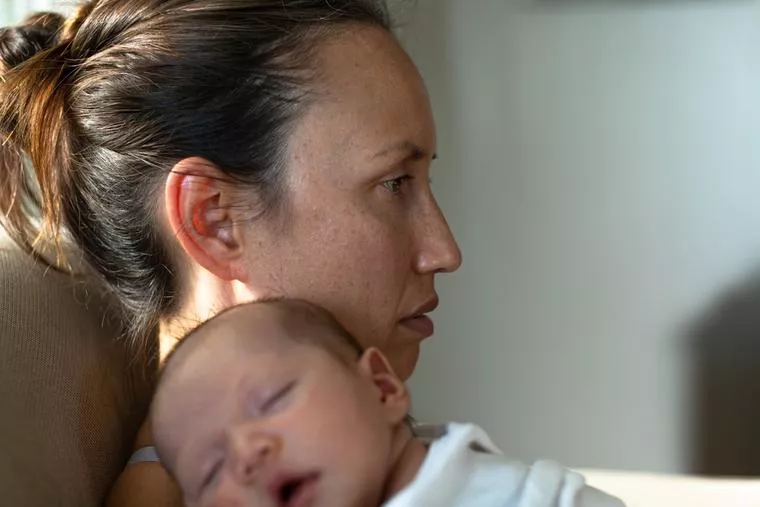
Dr. Gregory Popcak addresses the unique layer of spiritual guilt that Catholic mothers often experience when struggling with mental health post-childbirth.

Read More
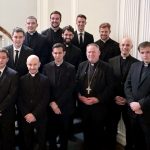
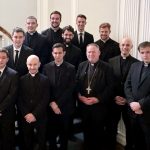
Seminaristas hispanos comparten su historia vocacional #Catholic – La Diócesis de Paterson celebró recientemente su primer Seminarian Media Day, una jornada en la que los seminaristas se pusieron frente a las cámaras para compartir un poco de sus vidas, su formación y su vocación.
La iniciativa nació de la Oficina de Vocaciones como una nueva manera de acercarse a los jóvenes que pueden estar preguntándose si Dios los llama al sacerdocio.
Al explicar la importancia de utilizar también los medios digitales para acompañar el discernimiento vocacional, el Padre Charles Lana, director de Vocaciones, señaló que “muchos jóvenes que están explorando una vocación primero buscan en línea información e inspiración”. Después, añadió, lo que encuentran puede llevarlos a conversar con sacerdotes, seminaristas y otras personas de la Iglesia.
Por eso, durante el Media Day fueron los propios seminaristas quienes ayudaron a crear contenido para promover las vocaciones. Para el Padre Lana, sus historias tienen un valor especial porque ellos mismos son testigos de lo que significa responder al llamado de Dios. Estas son tres de esas historias.

Para suscribirse a nuestro boletín electrónico semanal, haga click aquí.

Diácono Carlos: un llamado desde la infancia
Dcn.Carlos Vargas nació en Barranquilla, Colombia, y su historia vocacional comenzó mucho antes de entrar al seminario.
Creció en una familia de fe. Recuerda especialmente a su abuela paterna, con quien iba a Misa todos los domingos y rezaba el rosario. Desde los siete años comenzó a sentir el deseo de ser sacerdote y sirvió en su parroquia como monaguillo.
Inició su formación en Colombia, donde estuvo un año en el seminario. Después continuó su camino en Estados Unidos. Primero estudió inglés y en 2022 se graduó de St. Andrew’s College Seminary. Actualmente estudia Teología en Immaculate Conception Seminary, en Seton Hall.
Una de sus clases favoritas es Cristología porque, dice, le permite conocer más profundamente la identidad de Jesús. Ciertamente su formación no ocurre solamente en las aulas. Carlos disfruta especialmente el trabajo pastoral en hospitales y parroquias, donde puede encontrarse directamente con las personas. Cuando habla de por qué quiere ser sacerdote, su respuesta es sencilla: quiere servir.
David: la pregunta después de la secundaria
La historia de David Marín Urquía es diferente. Nació en Estados Unidos y durante años estuvo vinculado a la Iglesia de Santa Margarita de Escocia, Morristown, donde creció en la fe.
Al graduarse de la secundaria (High School) en 2023 comenzó a preguntarse más seriamente por su vocación. Un profesor de Teología lo ayudó a encontrar un director espiritual, y esas conversaciones le permitieron hablar sobre su vida espiritual y, sobre todo, llevar la pregunta por su vocación a la oración.
La Virgen María también ha estado presente en ese camino. Desde pequeño, David rezaba el rosario con su familia y le pedía a María que lo ayudara a descubrir su vocación.
Buscando dar otros pasos, preguntó al entonces director de Vocaciones, el Padre Edward Rama, si había algún evento en el que pudiera participar. Así llegó a una peregrinación al santuario de los Mártires Norteamericanos, en Nueva York.
Después vinieron los retiros, la Misa diaria, la Adoración Eucarística, la lectura de las Sagradas Escrituras y de las vidas de los santos. También fueron importantes su servicio como monaguillo y lector, y el acompañamiento que recibió del Padre Sebastián Muñoz y del grupo Ágape de St. Margaret.
En medio de ese proceso fue descubriendo con mayor claridad su deseo de ser sacerdote. David siente una atracción especial hacia los sacramentos y considera un privilegio poder algún día celebrarlos y llevarlos a las personas.
Jairo: paz ante el Santísimo
Jairo Andrés Jaramillo Bernal también nació en Colombia, en San Alberto, departamento del Cesar. En su historia vocacional, dos experiencias han sido especialmente importantes: la fe que recibió de su abuela y el tiempo que pasó ante el Santísimo Sacramento.
Fue su abuela quien le enseñó a rezar el rosario y lo ayudó a conocer mejor la fe católica y el significado de la Eucaristía. Aunque el llamado al sacerdocio estuvo presente desde su infancia, comenzó a hacerse más claro durante su servicio militar en la Armada Nacional de Colombia.
Jairo recuerda que en aquel tiempo sentía un vacío interior. Comenzó entonces a pasar tiempo ante el Santísimo Sacramento y allí encontraba paz y tranquilidad. Poco a poco nació en él un deseo más profundo de conocer a Jesús y servirlo.
Después del servicio militar conoció al Padre Wilfrey Arenas y comenzó a conversar con él sobre su vocación. En 2017 ingresó al Seminario Nacional Cristo Sacerdote, en Colombia, y al año siguiente llegó a Estados Unidos para continuar su formación. Este otoño comienza su segundo año de Teología.
El servicio también ha sido importante para entender su vocación. Las misiones humanitarias, la ayuda a familias necesitadas, la evangelización y el trabajo en las comunidades le fueron mostrando que encontraba alegría cuando servía a los demás. Sus dos tíos sacerdotes también lo han acompañado y aconsejado durante su camino. De ellos admira especialmente la confianza que ofrecen a las personas y su disposición para estar presentes cuando alguien los necesita.
Para Jairo, allí está también la razón por la que quiere ser sacerdote: ha descubierto que su verdadera alegría y el sentido de su vida están en servir a los demás y acercarse más a Jesucristo.
Caminos distintos, un mismo llamado
Las historias de Carlos, David y Jairo muestran caminos distintos. Carlos comenzó a sentir el llamado siendo apenas un niño en Colombia. David empezó a discernirlo con mayor intensidad después de terminar la secundaria en Estados Unidos. Para Jairo, un momento decisivo llegó durante su servicio militar, cuando comenzó a pasar más tiempo ante el Santísimo. En los tres aparecen elementos muy sencillos: la familia, la oración, el servicio, buenos sacerdotes y otras personas que los ayudaron a discernir.
El Seminarian Media Day busca precisamente que historias como estas lleguen a otros jóvenes.
Al hablar sobre la formación de los seminaristas para la evangelización en el mundo actual, el Padre Lana explicó que “los futuros sacerdotes necesitan ser capaces de comunicar las verdades de la fe no solamente desde el púlpito, sino también a través de los medios modernos de comunicación que las personas utilizan todos los días”.
Este mes de septiembre, la Oficina de Vocaciones lanza una cuenta de Instagram dedicada a las vocaciones. El Padre Lana invitó a los fieles a seguirla, compartir su contenido y, especialmente, rezar por los seminaristas.
Quizá alguno de esos jóvenes llegue a hacerse la misma pregunta que Dcn.Carlos, David y Jairo se hicieron alguna vez: ¿Dios me estará llamando a mí?
 

Seminaristas hispanos comparten su historia vocacional #Catholic – La Diócesis de Paterson celebró recientemente su primer Seminarian Media Day, una jornada en la que los seminaristas se pusieron frente a las cámaras para compartir un poco de sus vidas, su formación y su vocación. La iniciativa nació de la Oficina de Vocaciones como una nueva manera de acercarse a los jóvenes que pueden estar preguntándose si Dios los llama al sacerdocio. Al explicar la importancia de utilizar también los medios digitales para acompañar el discernimiento vocacional, el Padre Charles Lana, director de Vocaciones, señaló que “muchos jóvenes que están explorando una vocación primero buscan en línea información e inspiración”. Después, añadió, lo que encuentran puede llevarlos a conversar con sacerdotes, seminaristas y otras personas de la Iglesia. Por eso, durante el Media Day fueron los propios seminaristas quienes ayudaron a crear contenido para promover las vocaciones. Para el Padre Lana, sus historias tienen un valor especial porque ellos mismos son testigos de lo que significa responder al llamado de Dios. Estas son tres de esas historias. Para suscribirse a nuestro boletín electrónico semanal, haga click aquí. Diácono Carlos: un llamado desde la infancia Dcn.Carlos Vargas nació en Barranquilla, Colombia, y su historia vocacional comenzó mucho antes de entrar al seminario. Creció en una familia de fe. Recuerda especialmente a su abuela paterna, con quien iba a Misa todos los domingos y rezaba el rosario. Desde los siete años comenzó a sentir el deseo de ser sacerdote y sirvió en su parroquia como monaguillo. Inició su formación en Colombia, donde estuvo un año en el seminario. Después continuó su camino en Estados Unidos. Primero estudió inglés y en 2022 se graduó de St. Andrew’s College Seminary. Actualmente estudia Teología en Immaculate Conception Seminary, en Seton Hall. Una de sus clases favoritas es Cristología porque, dice, le permite conocer más profundamente la identidad de Jesús. Ciertamente su formación no ocurre solamente en las aulas. Carlos disfruta especialmente el trabajo pastoral en hospitales y parroquias, donde puede encontrarse directamente con las personas. Cuando habla de por qué quiere ser sacerdote, su respuesta es sencilla: quiere servir. David: la pregunta después de la secundaria La historia de David Marín Urquía es diferente. Nació en Estados Unidos y durante años estuvo vinculado a la Iglesia de Santa Margarita de Escocia, Morristown, donde creció en la fe. Al graduarse de la secundaria (High School) en 2023 comenzó a preguntarse más seriamente por su vocación. Un profesor de Teología lo ayudó a encontrar un director espiritual, y esas conversaciones le permitieron hablar sobre su vida espiritual y, sobre todo, llevar la pregunta por su vocación a la oración. La Virgen María también ha estado presente en ese camino. Desde pequeño, David rezaba el rosario con su familia y le pedía a María que lo ayudara a descubrir su vocación. Buscando dar otros pasos, preguntó al entonces director de Vocaciones, el Padre Edward Rama, si había algún evento en el que pudiera participar. Así llegó a una peregrinación al santuario de los Mártires Norteamericanos, en Nueva York. Después vinieron los retiros, la Misa diaria, la Adoración Eucarística, la lectura de las Sagradas Escrituras y de las vidas de los santos. También fueron importantes su servicio como monaguillo y lector, y el acompañamiento que recibió del Padre Sebastián Muñoz y del grupo Ágape de St. Margaret. En medio de ese proceso fue descubriendo con mayor claridad su deseo de ser sacerdote. David siente una atracción especial hacia los sacramentos y considera un privilegio poder algún día celebrarlos y llevarlos a las personas. Jairo: paz ante el Santísimo Jairo Andrés Jaramillo Bernal también nació en Colombia, en San Alberto, departamento del Cesar. En su historia vocacional, dos experiencias han sido especialmente importantes: la fe que recibió de su abuela y el tiempo que pasó ante el Santísimo Sacramento. Fue su abuela quien le enseñó a rezar el rosario y lo ayudó a conocer mejor la fe católica y el significado de la Eucaristía. Aunque el llamado al sacerdocio estuvo presente desde su infancia, comenzó a hacerse más claro durante su servicio militar en la Armada Nacional de Colombia. Jairo recuerda que en aquel tiempo sentía un vacío interior. Comenzó entonces a pasar tiempo ante el Santísimo Sacramento y allí encontraba paz y tranquilidad. Poco a poco nació en él un deseo más profundo de conocer a Jesús y servirlo. Después del servicio militar conoció al Padre Wilfrey Arenas y comenzó a conversar con él sobre su vocación. En 2017 ingresó al Seminario Nacional Cristo Sacerdote, en Colombia, y al año siguiente llegó a Estados Unidos para continuar su formación. Este otoño comienza su segundo año de Teología. El servicio también ha sido importante para entender su vocación. Las misiones humanitarias, la ayuda a familias necesitadas, la evangelización y el trabajo en las comunidades le fueron mostrando que encontraba alegría cuando servía a los demás. Sus dos tíos sacerdotes también lo han acompañado y aconsejado durante su camino. De ellos admira especialmente la confianza que ofrecen a las personas y su disposición para estar presentes cuando alguien los necesita. Para Jairo, allí está también la razón por la que quiere ser sacerdote: ha descubierto que su verdadera alegría y el sentido de su vida están en servir a los demás y acercarse más a Jesucristo. Caminos distintos, un mismo llamado Las historias de Carlos, David y Jairo muestran caminos distintos. Carlos comenzó a sentir el llamado siendo apenas un niño en Colombia. David empezó a discernirlo con mayor intensidad después de terminar la secundaria en Estados Unidos. Para Jairo, un momento decisivo llegó durante su servicio militar, cuando comenzó a pasar más tiempo ante el Santísimo. En los tres aparecen elementos muy sencillos: la familia, la oración, el servicio, buenos sacerdotes y otras personas que los ayudaron a discernir. El Seminarian Media Day busca precisamente que historias como estas lleguen a otros jóvenes. Al hablar sobre la formación de los seminaristas para la evangelización en el mundo actual, el Padre Lana explicó que “los futuros sacerdotes necesitan ser capaces de comunicar las verdades de la fe no solamente desde el púlpito, sino también a través de los medios modernos de comunicación que las personas utilizan todos los días”. Este mes de septiembre, la Oficina de Vocaciones lanza una cuenta de Instagram dedicada a las vocaciones. El Padre Lana invitó a los fieles a seguirla, compartir su contenido y, especialmente, rezar por los seminaristas. Quizá alguno de esos jóvenes llegue a hacerse la misma pregunta que Dcn.Carlos, David y Jairo se hicieron alguna vez: ¿Dios me estará llamando a mí?  

Seminaristas hispanos comparten su historia vocacional #Catholic –

La Diócesis de Paterson celebró recientemente su primer Seminarian Media Day, una jornada en la que los seminaristas se pusieron frente a las cámaras para compartir un poco de sus vidas, su formación y su vocación.

La iniciativa nació de la Oficina de Vocaciones como una nueva manera de acercarse a los jóvenes que pueden estar preguntándose si Dios los llama al sacerdocio.

Al explicar la importancia de utilizar también los medios digitales para acompañar el discernimiento vocacional, el Padre Charles Lana, director de Vocaciones, señaló que “muchos jóvenes que están explorando una vocación primero buscan en línea información e inspiración”. Después, añadió, lo que encuentran puede llevarlos a conversar con sacerdotes, seminaristas y otras personas de la Iglesia.

Por eso, durante el Media Day fueron los propios seminaristas quienes ayudaron a crear contenido para promover las vocaciones. Para el Padre Lana, sus historias tienen un valor especial porque ellos mismos son testigos de lo que significa responder al llamado de Dios. Estas son tres de esas historias.


Para suscribirse a nuestro boletín electrónico semanal, haga click aquí.

Diácono Carlos: un llamado desde la infancia

Dcn.Carlos Vargas nació en Barranquilla, Colombia, y su historia vocacional comenzó mucho antes de entrar al seminario.

Creció en una familia de fe. Recuerda especialmente a su abuela paterna, con quien iba a Misa todos los domingos y rezaba el rosario. Desde los siete años comenzó a sentir el deseo de ser sacerdote y sirvió en su parroquia como monaguillo.

Inició su formación en Colombia, donde estuvo un año en el seminario. Después continuó su camino en Estados Unidos. Primero estudió inglés y en 2022 se graduó de St. Andrew’s College Seminary. Actualmente estudia Teología en Immaculate Conception Seminary, en Seton Hall.

Una de sus clases favoritas es Cristología porque, dice, le permite conocer más profundamente la identidad de Jesús. Ciertamente su formación no ocurre solamente en las aulas. Carlos disfruta especialmente el trabajo pastoral en hospitales y parroquias, donde puede encontrarse directamente con las personas. Cuando habla de por qué quiere ser sacerdote, su respuesta es sencilla: quiere servir.

David: la pregunta después de la secundaria

La historia de David Marín Urquía es diferente. Nació en Estados Unidos y durante años estuvo vinculado a la Iglesia de Santa Margarita de Escocia, Morristown, donde creció en la fe.

Al graduarse de la secundaria (High School) en 2023 comenzó a preguntarse más seriamente por su vocación. Un profesor de Teología lo ayudó a encontrar un director espiritual, y esas conversaciones le permitieron hablar sobre su vida espiritual y, sobre todo, llevar la pregunta por su vocación a la oración.

La Virgen María también ha estado presente en ese camino. Desde pequeño, David rezaba el rosario con su familia y le pedía a María que lo ayudara a descubrir su vocación.

Buscando dar otros pasos, preguntó al entonces director de Vocaciones, el Padre Edward Rama, si había algún evento en el que pudiera participar. Así llegó a una peregrinación al santuario de los Mártires Norteamericanos, en Nueva York.

Después vinieron los retiros, la Misa diaria, la Adoración Eucarística, la lectura de las Sagradas Escrituras y de las vidas de los santos. También fueron importantes su servicio como monaguillo y lector, y el acompañamiento que recibió del Padre Sebastián Muñoz y del grupo Ágape de St. Margaret.

En medio de ese proceso fue descubriendo con mayor claridad su deseo de ser sacerdote. David siente una atracción especial hacia los sacramentos y considera un privilegio poder algún día celebrarlos y llevarlos a las personas.

Jairo: paz ante el Santísimo

Jairo Andrés Jaramillo Bernal también nació en Colombia, en San Alberto, departamento del Cesar. En su historia vocacional, dos experiencias han sido especialmente importantes: la fe que recibió de su abuela y el tiempo que pasó ante el Santísimo Sacramento.

Fue su abuela quien le enseñó a rezar el rosario y lo ayudó a conocer mejor la fe católica y el significado de la Eucaristía. Aunque el llamado al sacerdocio estuvo presente desde su infancia, comenzó a hacerse más claro durante su servicio militar en la Armada Nacional de Colombia.

Jairo recuerda que en aquel tiempo sentía un vacío interior. Comenzó entonces a pasar tiempo ante el Santísimo Sacramento y allí encontraba paz y tranquilidad. Poco a poco nació en él un deseo más profundo de conocer a Jesús y servirlo.

Después del servicio militar conoció al Padre Wilfrey Arenas y comenzó a conversar con él sobre su vocación. En 2017 ingresó al Seminario Nacional Cristo Sacerdote, en Colombia, y al año siguiente llegó a Estados Unidos para continuar su formación. Este otoño comienza su segundo año de Teología.

El servicio también ha sido importante para entender su vocación. Las misiones humanitarias, la ayuda a familias necesitadas, la evangelización y el trabajo en las comunidades le fueron mostrando que encontraba alegría cuando servía a los demás. Sus dos tíos sacerdotes también lo han acompañado y aconsejado durante su camino. De ellos admira especialmente la confianza que ofrecen a las personas y su disposición para estar presentes cuando alguien los necesita.

Para Jairo, allí está también la razón por la que quiere ser sacerdote: ha descubierto que su verdadera alegría y el sentido de su vida están en servir a los demás y acercarse más a Jesucristo.

Caminos distintos, un mismo llamado

Las historias de Carlos, David y Jairo muestran caminos distintos. Carlos comenzó a sentir el llamado siendo apenas un niño en Colombia. David empezó a discernirlo con mayor intensidad después de terminar la secundaria en Estados Unidos. Para Jairo, un momento decisivo llegó durante su servicio militar, cuando comenzó a pasar más tiempo ante el Santísimo. En los tres aparecen elementos muy sencillos: la familia, la oración, el servicio, buenos sacerdotes y otras personas que los ayudaron a discernir.

El Seminarian Media Day busca precisamente que historias como estas lleguen a otros jóvenes.

Al hablar sobre la formación de los seminaristas para la evangelización en el mundo actual, el Padre Lana explicó que “los futuros sacerdotes necesitan ser capaces de comunicar las verdades de la fe no solamente desde el púlpito, sino también a través de los medios modernos de comunicación que las personas utilizan todos los días”.

Este mes de septiembre, la Oficina de Vocaciones lanza una cuenta de Instagram dedicada a las vocaciones. El Padre Lana invitó a los fieles a seguirla, compartir su contenido y, especialmente, rezar por los seminaristas.

Quizá alguno de esos jóvenes llegue a hacerse la misma pregunta que Dcn.Carlos, David y Jairo se hicieron alguna vez: ¿Dios me estará llamando a mí?


– La Diócesis de Paterson celebró recientemente su primer Seminarian Media Day, una jornada en la que los seminaristas se pusieron frente a las cámaras para compartir un poco de sus vidas, su formación y su vocación. La iniciativa nació de la Oficina de Vocaciones como una nueva manera de acercarse a los jóvenes que pueden estar preguntándose si Dios los llama al sacerdocio. Al explicar la importancia de utilizar también los medios digitales para acompañar el discernimiento vocacional, el Padre Charles Lana, director de Vocaciones, señaló que “muchos jóvenes que están explorando una vocación primero buscan en línea información e

Read More
Inspired by the zeal of the venerable Fulton Sheen, a man who lived life to the fullest #Catholic – I wonder where I’ve been all this time, as I didn’t know Archbishop Fulton Sheen until relatively recently. It wasn’t until I arrived in Chicago in 2019 that his name began to ring a bell.
One evening, while browsing YouTube for material for my parish ministry, I came across a video from the 1950s in which an eloquent and lively bishop shared words of wisdom on the meaning of our existence. It was the now Venerable Fulton John Sheen in one of the episodes of his well known TV show “Life Is Worth Living.” I was immediately captivated.
Hearing Fulton Sheen for the first time, I felt a sense of nostalgia that wasn’t my own; nostalgia for something great that I hadn’t experienced at the time, but which I realized had been a watershed moment for the American Church in the last century. A man of substance, filled with God, spoke with courage and enthusiasm about the Triune God on national television, wearing the vestments of a consecrated Catholic bishop with pride and joy. Brilliant! I got goosebumps straight away!
His work, like all of God’s work, endures to this day, spreading throughout the world. For example, I was certainly familiar with the missionary rosary and had indeed prayed it with the very same intention with which Sheen had conceived it in 1951.

Click here to subscribe to our weekly newsletter.

I came across words attributed to the Chilean writer Isabel Allende that really struck a chord with me: I am not afraid of death; I am afraid of a lack of passion, of not having lived with sufficient intensity. St. Irenaeus of Lyon had already alluded to this in the second century of Christianity when he stated: “The glory of God is man fully alive, and true life for man is the vision of God.”
For me, Fulton Sheen is the epitome of a human being who embodies these statements. He was a man overflowing with divine grace and wisdom, capable of affirming through his testimony — despite his many trials and tribulations — that life is worth living, cherishing and sharing in every second that is granted to us.
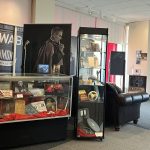
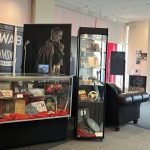
In May 2024, I fulfilled a goal I had set myself before leaving Chicago: to visit the Archbishop Fulton J. Sheen Museum, located at the Diocese of Peoria’s Spalding Pastoral Center. After all, it couldn’t be true that, living in the same state where my dear Fulton Sheen was born and lived, I wouldn’t go to see it.
I prepared briefly for my visit there by reading a heart-warming memoir written by Joan Sheen Cunningham (one of the bishop’s nieces) entitled “My Uncle Fulton Sheen.” I booked a room in a hotel near the museum for a couple of days and, filled with the Pentecostal enthusiasm of those days, set off on a train journey to Peoria.
The museum is just a short walk from the Cathedral of St Mary of the Immaculate Conception, where the young Fulton Sheen was ordained a priest in 1919, and where his mortal remains now rest. Although it is, in reality, a small and simple space, I felt an overwhelming emotion there that I had to contain, as I had made this pilgrimage on my own and had no one there with whom to share it.
During my stay in Peoria, I visited the museum and the cathedral twice. I tried to take in as much as possible of all the exquisitely selected information and all the objects so harmoniously displayed. I watched at my leisure a film shown in a room in the museum decorated to look like the set of the show “Life Is Worth Living.” I loved it. I bought a copy of the film so that I could share its content with my community later.
It is easy to imagine the joy I felt when the Vatican announced the official date of Sheen’s beatification. To celebrate, I proposed “Treasure in Clay,” his spiritual autobiography, as the title for my Catholic book club last April.
I rejoice with the whole Church. I rejoice because another of our own is being raised to the altars. I am eager to share this admiration for him, his fidelity to Christ and the way in which he taught us to live. I constantly present my pastoral and professional intentions (which are one and the same) to Sheen, and I pray that others may not go through this life — as I did for so long — without having the joy of knowing of the existence of this remarkable human being.
Ely Segura is a laywoman and creator of the Teófilo project, an initiative for the faith formation of Hispanic adults in the United States (proyectoteofilo.com).
 

Inspired by the zeal of the venerable Fulton Sheen, a man who lived life to the fullest #Catholic – I wonder where I’ve been all this time, as I didn’t know Archbishop Fulton Sheen until relatively recently. It wasn’t until I arrived in Chicago in 2019 that his name began to ring a bell. One evening, while browsing YouTube for material for my parish ministry, I came across a video from the 1950s in which an eloquent and lively bishop shared words of wisdom on the meaning of our existence. It was the now Venerable Fulton John Sheen in one of the episodes of his well known TV show “Life Is Worth Living.” I was immediately captivated. Hearing Fulton Sheen for the first time, I felt a sense of nostalgia that wasn’t my own; nostalgia for something great that I hadn’t experienced at the time, but which I realized had been a watershed moment for the American Church in the last century. A man of substance, filled with God, spoke with courage and enthusiasm about the Triune God on national television, wearing the vestments of a consecrated Catholic bishop with pride and joy. Brilliant! I got goosebumps straight away! His work, like all of God’s work, endures to this day, spreading throughout the world. For example, I was certainly familiar with the missionary rosary and had indeed prayed it with the very same intention with which Sheen had conceived it in 1951. Click here to subscribe to our weekly newsletter. I came across words attributed to the Chilean writer Isabel Allende that really struck a chord with me: I am not afraid of death; I am afraid of a lack of passion, of not having lived with sufficient intensity. St. Irenaeus of Lyon had already alluded to this in the second century of Christianity when he stated: “The glory of God is man fully alive, and true life for man is the vision of God.” For me, Fulton Sheen is the epitome of a human being who embodies these statements. He was a man overflowing with divine grace and wisdom, capable of affirming through his testimony — despite his many trials and tribulations — that life is worth living, cherishing and sharing in every second that is granted to us. In May 2024, I fulfilled a goal I had set myself before leaving Chicago: to visit the Archbishop Fulton J. Sheen Museum, located at the Diocese of Peoria’s Spalding Pastoral Center. After all, it couldn’t be true that, living in the same state where my dear Fulton Sheen was born and lived, I wouldn’t go to see it. I prepared briefly for my visit there by reading a heart-warming memoir written by Joan Sheen Cunningham (one of the bishop’s nieces) entitled “My Uncle Fulton Sheen.” I booked a room in a hotel near the museum for a couple of days and, filled with the Pentecostal enthusiasm of those days, set off on a train journey to Peoria. The museum is just a short walk from the Cathedral of St Mary of the Immaculate Conception, where the young Fulton Sheen was ordained a priest in 1919, and where his mortal remains now rest. Although it is, in reality, a small and simple space, I felt an overwhelming emotion there that I had to contain, as I had made this pilgrimage on my own and had no one there with whom to share it. During my stay in Peoria, I visited the museum and the cathedral twice. I tried to take in as much as possible of all the exquisitely selected information and all the objects so harmoniously displayed. I watched at my leisure a film shown in a room in the museum decorated to look like the set of the show “Life Is Worth Living.” I loved it. I bought a copy of the film so that I could share its content with my community later. It is easy to imagine the joy I felt when the Vatican announced the official date of Sheen’s beatification. To celebrate, I proposed “Treasure in Clay,” his spiritual autobiography, as the title for my Catholic book club last April. I rejoice with the whole Church. I rejoice because another of our own is being raised to the altars. I am eager to share this admiration for him, his fidelity to Christ and the way in which he taught us to live. I constantly present my pastoral and professional intentions (which are one and the same) to Sheen, and I pray that others may not go through this life — as I did for so long — without having the joy of knowing of the existence of this remarkable human being. Ely Segura is a laywoman and creator of the Teófilo project, an initiative for the faith formation of Hispanic adults in the United States (proyectoteofilo.com).  

Inspired by the zeal of the venerable Fulton Sheen, a man who lived life to the fullest #Catholic –

I wonder where I’ve been all this time, as I didn’t know Archbishop Fulton Sheen until relatively recently. It wasn’t until I arrived in Chicago in 2019 that his name began to ring a bell.

One evening, while browsing YouTube for material for my parish ministry, I came across a video from the 1950s in which an eloquent and lively bishop shared words of wisdom on the meaning of our existence. It was the now Venerable Fulton John Sheen in one of the episodes of his well known TV show “Life Is Worth Living.” I was immediately captivated.

Hearing Fulton Sheen for the first time, I felt a sense of nostalgia that wasn’t my own; nostalgia for something great that I hadn’t experienced at the time, but which I realized had been a watershed moment for the American Church in the last century. A man of substance, filled with God, spoke with courage and enthusiasm about the Triune God on national television, wearing the vestments of a consecrated Catholic bishop with pride and joy. Brilliant! I got goosebumps straight away!

His work, like all of God’s work, endures to this day, spreading throughout the world. For example, I was certainly familiar with the missionary rosary and had indeed prayed it with the very same intention with which Sheen had conceived it in 1951.


Click here to subscribe to our weekly newsletter.

I came across words attributed to the Chilean writer Isabel Allende that really struck a chord with me: I am not afraid of death; I am afraid of a lack of passion, of not having lived with sufficient intensity. St. Irenaeus of Lyon had already alluded to this in the second century of Christianity when he stated: “The glory of God is man fully alive, and true life for man is the vision of God.”

For me, Fulton Sheen is the epitome of a human being who embodies these statements. He was a man overflowing with divine grace and wisdom, capable of affirming through his testimony — despite his many trials and tribulations — that life is worth living, cherishing and sharing in every second that is granted to us.

In May 2024, I fulfilled a goal I had set myself before leaving Chicago: to visit the Archbishop Fulton J. Sheen Museum, located at the Diocese of Peoria’s Spalding Pastoral Center. After all, it couldn’t be true that, living in the same state where my dear Fulton Sheen was born and lived, I wouldn’t go to see it.
I prepared briefly for my visit there by reading a heart-warming memoir written by Joan Sheen Cunningham (one of the bishop’s nieces) entitled “My Uncle Fulton Sheen.” I booked a room in a hotel near the museum for a couple of days and, filled with the Pentecostal enthusiasm of those days, set off on a train journey to Peoria.

The museum is just a short walk from the Cathedral of St Mary of the Immaculate Conception, where the young Fulton Sheen was ordained a priest in 1919, and where his mortal remains now rest. Although it is, in reality, a small and simple space, I felt an overwhelming emotion there that I had to contain, as I had made this pilgrimage on my own and had no one there with whom to share it.

During my stay in Peoria, I visited the museum and the cathedral twice. I tried to take in as much as possible of all the exquisitely selected information and all the objects so harmoniously displayed. I watched at my leisure a film shown in a room in the museum decorated to look like the set of the show “Life Is Worth Living.” I loved it. I bought a copy of the film so that I could share its content with my community later.

It is easy to imagine the joy I felt when the Vatican announced the official date of Sheen’s beatification. To celebrate, I proposed “Treasure in Clay,” his spiritual autobiography, as the title for my Catholic book club last April.

I rejoice with the whole Church. I rejoice because another of our own is being raised to the altars. I am eager to share this admiration for him, his fidelity to Christ and the way in which he taught us to live. I constantly present my pastoral and professional intentions (which are one and the same) to Sheen, and I pray that others may not go through this life — as I did for so long — without having the joy of knowing of the existence of this remarkable human being.

Ely Segura is a laywoman and creator of the Teófilo project, an initiative for the faith formation of Hispanic adults in the United States (proyectoteofilo.com).


– I wonder where I’ve been all this time, as I didn’t know Archbishop Fulton Sheen until relatively recently. It wasn’t until I arrived in Chicago in 2019 that his name began to ring a bell. One evening, while browsing YouTube for material for my parish ministry, I came across a video from the 1950s in which an eloquent and lively bishop shared words of wisdom on the meaning of our existence. It was the now Venerable Fulton John Sheen in one of the episodes of his well known TV show “Life Is Worth Living.” I was immediately captivated. Hearing Fulton

Read More
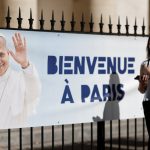
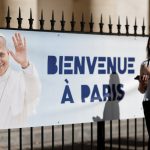
French Church awaits ‘breath of new life’ from Pope Leo XIV’s visit #Catholic – PARIS (OSV News) — With a little over a week left in France to welcome Pope Leo XIV, the country’s Catholics hope for a “breath” of “new life” into their Church from the pope.
They don’t know the pontiff well, but are still counting on the “Leo effect,” a newly released survey has shown.
According to the Sept. 15 poll conducted by the French Institute of Public Opinion, or IFOP, and commissioned by Catholic media outlets Famille Chrétienne, Aleteia and RCF Notre Dame, more than a quarter of respondents — 26% — said Pope Leo’s apostolic visit could “breathe new life into the Church in France.”
Asked what they would like Pope Leo to address in the country, nearly 1 in 3, or 28%, said “peace and global conflicts,” with the respondents also hoping “he will speak candidly about the issue of sexual abuse.”
While 58% of French respondents don’t have an opinion on whether Pope Leo defends Catholic values well, 32% of those who will welcome the pope for the Sept. 25-28 visit to Paris, Lourdes and Metz said the American pope defends them “quite well.”

Click here to subscribe to our weekly newsletter.

French commentators point out that the country’s Catholic community is looking forward to “Leo’s effect.”
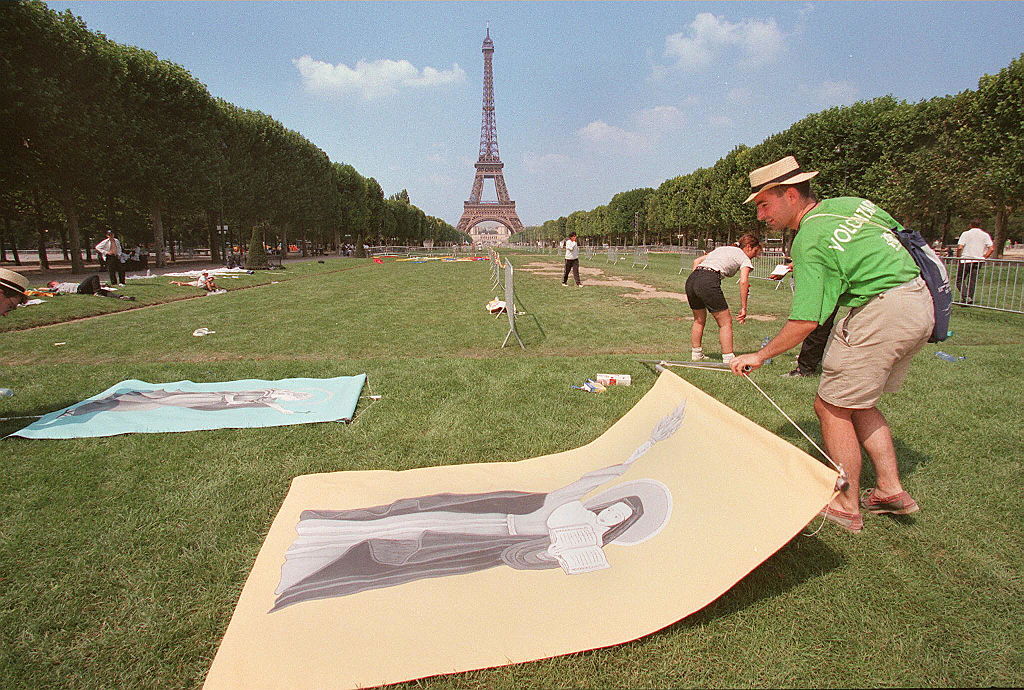
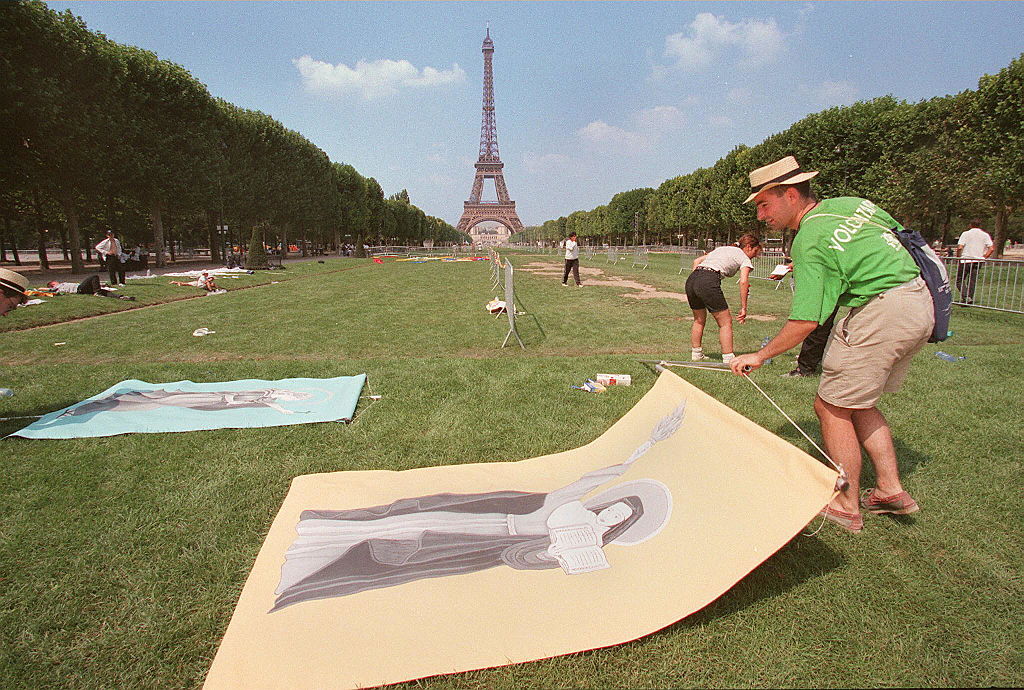
For Jérôme Fourquet, director of the opinion department at IFOP, French Catholics are looking for a momentum similar to the one seen during World Youth Day 1997 with St. John Paul II.
“One of the goals of (Pope) Leo XIV’s visit to France is precisely to create such moments of fervor,” he told Famille Chrétienne, commenting on the newest survey.
For Bishop Pierre-Antoine Bozo, spokesman for the French bishops’ conference, “there is a genuine thirst in the heart of modern man,” and in France, “this spiritual curiosity is awakening” and is seen widely through a record number of baptized Catholics.
“I would add that the pope’s message has the power to resonate with the existential aspirations of many French people,” he said. “He comes to light a spark on fertile ground,” he told Famille Chrétienne.
Fourquet predicts that “those who are 15, 20 or 25 years old today” and who take part in events with the pope — “will later be able to testify to the extraordinary impact it had on their lives.” For some “it will even shape their life choices,” he said, pointing out to many priests admitting in the past they found their vocation through WYD 1997.
While “Leo XIV is not very well known to the French public,” Bishop Bozo added, this apostolic journey “is precisely the opportunity for them to get to know him — to meet him not only as the head of the Church but also as Robert Prevost, with his own distinct personality.”
What French Catholics greatly appreciate, and wait for, the survey has shown, is the papal message of peace.
“In a world defined by sound and fury, (Pope) Leo XIV’s personality stands out very clearly indeed,” Forquet emphasized. “He is a figure of an era where aggression has become the norm,” and in this moment “There is a real need for a stabilizing force,” he said. Pope Leo “answers this latent expectation among a segment of the population.”
Nearly 600,000 people have registered to attend the pope’s Mass in Paris on Sept. 26 — a truly massive turnout, according to observers.
Archbishop Laurent Ulrich of Paris described it as “a number that exceeds all our expectations” in a Sept. 16 press release.
“Given this large turnout, the Archdiocese of Paris is setting up an additional area, secured by law enforcement,” he said, announcing that the area for participants was extended but registration has been closed for that event.
Still, sociologist Yann Raison du Cleuziou cautioned that enthusiasm does not signal a broad Catholic revival.
For Raison du Cleuziou, professor of political science, historian, sociologist of religion and one of the most renowned experts on French Catholicism, the numbers are not yet proving a comeback of Catholicism as a major force in French society.
“We should not conclude from this that Catholicism is regaining significant influence” as “secularization continues in France,” he told OSV News.
“The enthusiasm for the reopening of Notre Dame in 2024 was genuine,” he said, noting “renewed spiritual vitality in certain parishes and movements, and an objective increase in adult baptisms in recent years,” but the number of practicing Catholics, he said, “continues to decline.”
According to Raison du Cleuziou, it’s not communities or the Church as an institution that introduces change in society these days. “Individuality plays a decisive role in society far more so than communities and institutions,” he said, “and the voice of the Catholic Church as such is no longer taken into account.”
“In this context, the future of the Church in France depends on those who remain,” Raison du Cleuziou noted. “In general, it is the most conservative Catholics — those who are very devout and closely follow the Church’s teachings — who have been most successful in passing on the Catholic faith from one generation to the next. Three-quarters of today’s seminarians come from these families.”
For Raison du Cleuziou, today’s younger generations of Catholics in France are very different from those in the 1970s. They are not ashamed of their Catholicism — on the contrary — they want to show off that they’re proud of who they are.
“They want to clearly display their identity, rather than fade into the background, at the risk of being diluted by the dominant secular culture. Seminarians, for example, are increasingly in favor of wearing the cassock, at least occasionally, whereas it had almost completely disappeared after the (Second Vatican) Council.”
“Young people also feel the need for beautiful, meaningful liturgies that combine both a sense of inner reflection and solemnity in the liturgy, along with traditional theological instruction, and clear guidelines for everyday life,” Raison du Cleuziou noted. “And they are reviving individual devotions and collective expressions of popular piety that had been set aside by their elders, such as processions with banners or devotion to the Sacred Heart.”
Still, the “dominant group in France today,” about 70% of the French population, is the “nonreligious,” Raison du Cleuziou told OSV News.
“Among those over (the age of) 60, nearly one in two still identifies as Catholic, but among 18- to 29-year-olds, that figure has dropped to just 15%,” the expert pointed out. “Young Catholics therefore feel like a very small minority. And they are closely followed by Muslims, who now make up 13% of their age group and openly embrace their faith and religious practices without any hesitation.”
In this context, he said, “the presence of Catholics who have immigrated to France, for example, those from Africa, is important,” as immigrant Catholics “embrace their faith openly, calmly and simply,” he said, adding they integrate well into parishes, which are now more vibrant in cities than in the countryside.
For Raison du Cleuziou, the phenomenon of catechumens and neophytes, who often come from families that were once Catholic, is an important indicator of the state of French Catholicism.
“They say they had an ‘experience of encountering Jesus’ that has transformed their lives,” he explained. “It was this encounter that led them to seek to deepen an intimate relationship with Christ they have discovered.”
“For these newly baptized individuals, belonging to the Church as an institution was not a priority at first,” Raison du Cleuziou concluded. “They are not very familiar with the Holy See and the pope. Nevertheless, the visit of Pope Leo XIV, who will meet with some of them, is sure to intrigue them and should pique their interest.”
Caroline de Sury writes for OSV News from Paris.
 

French Church awaits ‘breath of new life’ from Pope Leo XIV’s visit #Catholic – PARIS (OSV News) — With a little over a week left in France to welcome Pope Leo XIV, the country’s Catholics hope for a “breath” of “new life” into their Church from the pope. They don’t know the pontiff well, but are still counting on the “Leo effect,” a newly released survey has shown. According to the Sept. 15 poll conducted by the French Institute of Public Opinion, or IFOP, and commissioned by Catholic media outlets Famille Chrétienne, Aleteia and RCF Notre Dame, more than a quarter of respondents — 26% — said Pope Leo’s apostolic visit could “breathe new life into the Church in France.” Asked what they would like Pope Leo to address in the country, nearly 1 in 3, or 28%, said “peace and global conflicts,” with the respondents also hoping “he will speak candidly about the issue of sexual abuse.” While 58% of French respondents don’t have an opinion on whether Pope Leo defends Catholic values well, 32% of those who will welcome the pope for the Sept. 25-28 visit to Paris, Lourdes and Metz said the American pope defends them “quite well.” Click here to subscribe to our weekly newsletter. French commentators point out that the country’s Catholic community is looking forward to “Leo’s effect.” For Jérôme Fourquet, director of the opinion department at IFOP, French Catholics are looking for a momentum similar to the one seen during World Youth Day 1997 with St. John Paul II. “One of the goals of (Pope) Leo XIV’s visit to France is precisely to create such moments of fervor,” he told Famille Chrétienne, commenting on the newest survey. For Bishop Pierre-Antoine Bozo, spokesman for the French bishops’ conference, “there is a genuine thirst in the heart of modern man,” and in France, “this spiritual curiosity is awakening” and is seen widely through a record number of baptized Catholics. “I would add that the pope’s message has the power to resonate with the existential aspirations of many French people,” he said. “He comes to light a spark on fertile ground,” he told Famille Chrétienne. Fourquet predicts that “those who are 15, 20 or 25 years old today” and who take part in events with the pope — “will later be able to testify to the extraordinary impact it had on their lives.” For some “it will even shape their life choices,” he said, pointing out to many priests admitting in the past they found their vocation through WYD 1997. While “Leo XIV is not very well known to the French public,” Bishop Bozo added, this apostolic journey “is precisely the opportunity for them to get to know him — to meet him not only as the head of the Church but also as Robert Prevost, with his own distinct personality.” What French Catholics greatly appreciate, and wait for, the survey has shown, is the papal message of peace. “In a world defined by sound and fury, (Pope) Leo XIV’s personality stands out very clearly indeed,” Forquet emphasized. “He is a figure of an era where aggression has become the norm,” and in this moment “There is a real need for a stabilizing force,” he said. Pope Leo “answers this latent expectation among a segment of the population.” Nearly 600,000 people have registered to attend the pope’s Mass in Paris on Sept. 26 — a truly massive turnout, according to observers. Archbishop Laurent Ulrich of Paris described it as “a number that exceeds all our expectations” in a Sept. 16 press release. “Given this large turnout, the Archdiocese of Paris is setting up an additional area, secured by law enforcement,” he said, announcing that the area for participants was extended but registration has been closed for that event. Still, sociologist Yann Raison du Cleuziou cautioned that enthusiasm does not signal a broad Catholic revival. For Raison du Cleuziou, professor of political science, historian, sociologist of religion and one of the most renowned experts on French Catholicism, the numbers are not yet proving a comeback of Catholicism as a major force in French society. “We should not conclude from this that Catholicism is regaining significant influence” as “secularization continues in France,” he told OSV News. “The enthusiasm for the reopening of Notre Dame in 2024 was genuine,” he said, noting “renewed spiritual vitality in certain parishes and movements, and an objective increase in adult baptisms in recent years,” but the number of practicing Catholics, he said, “continues to decline.” According to Raison du Cleuziou, it’s not communities or the Church as an institution that introduces change in society these days. “Individuality plays a decisive role in society far more so than communities and institutions,” he said, “and the voice of the Catholic Church as such is no longer taken into account.” “In this context, the future of the Church in France depends on those who remain,” Raison du Cleuziou noted. “In general, it is the most conservative Catholics — those who are very devout and closely follow the Church’s teachings — who have been most successful in passing on the Catholic faith from one generation to the next. Three-quarters of today’s seminarians come from these families.” For Raison du Cleuziou, today’s younger generations of Catholics in France are very different from those in the 1970s. They are not ashamed of their Catholicism — on the contrary — they want to show off that they’re proud of who they are. “They want to clearly display their identity, rather than fade into the background, at the risk of being diluted by the dominant secular culture. Seminarians, for example, are increasingly in favor of wearing the cassock, at least occasionally, whereas it had almost completely disappeared after the (Second Vatican) Council.” “Young people also feel the need for beautiful, meaningful liturgies that combine both a sense of inner reflection and solemnity in the liturgy, along with traditional theological instruction, and clear guidelines for everyday life,” Raison du Cleuziou noted. “And they are reviving individual devotions and collective expressions of popular piety that had been set aside by their elders, such as processions with banners or devotion to the Sacred Heart.” Still, the “dominant group in France today,” about 70% of the French population, is the “nonreligious,” Raison du Cleuziou told OSV News. “Among those over (the age of) 60, nearly one in two still identifies as Catholic, but among 18- to 29-year-olds, that figure has dropped to just 15%,” the expert pointed out. “Young Catholics therefore feel like a very small minority. And they are closely followed by Muslims, who now make up 13% of their age group and openly embrace their faith and religious practices without any hesitation.” In this context, he said, “the presence of Catholics who have immigrated to France, for example, those from Africa, is important,” as immigrant Catholics “embrace their faith openly, calmly and simply,” he said, adding they integrate well into parishes, which are now more vibrant in cities than in the countryside. For Raison du Cleuziou, the phenomenon of catechumens and neophytes, who often come from families that were once Catholic, is an important indicator of the state of French Catholicism. “They say they had an ‘experience of encountering Jesus’ that has transformed their lives,” he explained. “It was this encounter that led them to seek to deepen an intimate relationship with Christ they have discovered.” “For these newly baptized individuals, belonging to the Church as an institution was not a priority at first,” Raison du Cleuziou concluded. “They are not very familiar with the Holy See and the pope. Nevertheless, the visit of Pope Leo XIV, who will meet with some of them, is sure to intrigue them and should pique their interest.” Caroline de Sury writes for OSV News from Paris.  

French Church awaits ‘breath of new life’ from Pope Leo XIV’s visit #Catholic –

PARIS (OSV News) — With a little over a week left in France to welcome Pope Leo XIV, the country’s Catholics hope for a “breath” of “new life” into their Church from the pope.

They don’t know the pontiff well, but are still counting on the “Leo effect,” a newly released survey has shown.

According to the Sept. 15 poll conducted by the French Institute of Public Opinion, or IFOP, and commissioned by Catholic media outlets Famille Chrétienne, Aleteia and RCF Notre Dame, more than a quarter of respondents — 26% — said Pope Leo’s apostolic visit could “breathe new life into the Church in France.”

Asked what they would like Pope Leo to address in the country, nearly 1 in 3, or 28%, said “peace and global conflicts,” with the respondents also hoping “he will speak candidly about the issue of sexual abuse.”

While 58% of French respondents don’t have an opinion on whether Pope Leo defends Catholic values well, 32% of those who will welcome the pope for the Sept. 25-28 visit to Paris, Lourdes and Metz said the American pope defends them “quite well.”


Click here to subscribe to our weekly newsletter.

French commentators point out that the country’s Catholic community is looking forward to “Leo’s effect.”

For Jérôme Fourquet, director of the opinion department at IFOP, French Catholics are looking for a momentum similar to the one seen during World Youth Day 1997 with St. John Paul II.

“One of the goals of (Pope) Leo XIV’s visit to France is precisely to create such moments of fervor,” he told Famille Chrétienne, commenting on the newest survey.

For Bishop Pierre-Antoine Bozo, spokesman for the French bishops’ conference, “there is a genuine thirst in the heart of modern man,” and in France, “this spiritual curiosity is awakening” and is seen widely through a record number of baptized Catholics.

“I would add that the pope’s message has the power to resonate with the existential aspirations of many French people,” he said. “He comes to light a spark on fertile ground,” he told Famille Chrétienne.

Fourquet predicts that “those who are 15, 20 or 25 years old today” and who take part in events with the pope — “will later be able to testify to the extraordinary impact it had on their lives.” For some “it will even shape their life choices,” he said, pointing out to many priests admitting in the past they found their vocation through WYD 1997.

While “Leo XIV is not very well known to the French public,” Bishop Bozo added, this apostolic journey “is precisely the opportunity for them to get to know him — to meet him not only as the head of the Church but also as Robert Prevost, with his own distinct personality.”

What French Catholics greatly appreciate, and wait for, the survey has shown, is the papal message of peace.

“In a world defined by sound and fury, (Pope) Leo XIV’s personality stands out very clearly indeed,” Forquet emphasized. “He is a figure of an era where aggression has become the norm,” and in this moment “There is a real need for a stabilizing force,” he said. Pope Leo “answers this latent expectation among a segment of the population.”

Nearly 600,000 people have registered to attend the pope’s Mass in Paris on Sept. 26 — a truly massive turnout, according to observers.

Archbishop Laurent Ulrich of Paris described it as “a number that exceeds all our expectations” in a Sept. 16 press release.

“Given this large turnout, the Archdiocese of Paris is setting up an additional area, secured by law enforcement,” he said, announcing that the area for participants was extended but registration has been closed for that event.

Still, sociologist Yann Raison du Cleuziou cautioned that enthusiasm does not signal a broad Catholic revival.

For Raison du Cleuziou, professor of political science, historian, sociologist of religion and one of the most renowned experts on French Catholicism, the numbers are not yet proving a comeback of Catholicism as a major force in French society.

“We should not conclude from this that Catholicism is regaining significant influence” as “secularization continues in France,” he told OSV News.

“The enthusiasm for the reopening of Notre Dame in 2024 was genuine,” he said, noting “renewed spiritual vitality in certain parishes and movements, and an objective increase in adult baptisms in recent years,” but the number of practicing Catholics, he said, “continues to decline.”

According to Raison du Cleuziou, it’s not communities or the Church as an institution that introduces change in society these days. “Individuality plays a decisive role in society far more so than communities and institutions,” he said, “and the voice of the Catholic Church as such is no longer taken into account.”

“In this context, the future of the Church in France depends on those who remain,” Raison du Cleuziou noted. “In general, it is the most conservative Catholics — those who are very devout and closely follow the Church’s teachings — who have been most successful in passing on the Catholic faith from one generation to the next. Three-quarters of today’s seminarians come from these families.”

For Raison du Cleuziou, today’s younger generations of Catholics in France are very different from those in the 1970s. They are not ashamed of their Catholicism — on the contrary — they want to show off that they’re proud of who they are.

“They want to clearly display their identity, rather than fade into the background, at the risk of being diluted by the dominant secular culture. Seminarians, for example, are increasingly in favor of wearing the cassock, at least occasionally, whereas it had almost completely disappeared after the (Second Vatican) Council.”

“Young people also feel the need for beautiful, meaningful liturgies that combine both a sense of inner reflection and solemnity in the liturgy, along with traditional theological instruction, and clear guidelines for everyday life,” Raison du Cleuziou noted. “And they are reviving individual devotions and collective expressions of popular piety that had been set aside by their elders, such as processions with banners or devotion to the Sacred Heart.”

Still, the “dominant group in France today,” about 70% of the French population, is the “nonreligious,” Raison du Cleuziou told OSV News.

“Among those over (the age of) 60, nearly one in two still identifies as Catholic, but among 18- to 29-year-olds, that figure has dropped to just 15%,” the expert pointed out. “Young Catholics therefore feel like a very small minority. And they are closely followed by Muslims, who now make up 13% of their age group and openly embrace their faith and religious practices without any hesitation.”

In this context, he said, “the presence of Catholics who have immigrated to France, for example, those from Africa, is important,” as immigrant Catholics “embrace their faith openly, calmly and simply,” he said, adding they integrate well into parishes, which are now more vibrant in cities than in the countryside.

For Raison du Cleuziou, the phenomenon of catechumens and neophytes, who often come from families that were once Catholic, is an important indicator of the state of French Catholicism.

“They say they had an ‘experience of encountering Jesus’ that has transformed their lives,” he explained. “It was this encounter that led them to seek to deepen an intimate relationship with Christ they have discovered.”

“For these newly baptized individuals, belonging to the Church as an institution was not a priority at first,” Raison du Cleuziou concluded. “They are not very familiar with the Holy See and the pope. Nevertheless, the visit of Pope Leo XIV, who will meet with some of them, is sure to intrigue them and should pique their interest.”

Caroline de Sury writes for OSV News from Paris.


– PARIS (OSV News) — With a little over a week left in France to welcome Pope Leo XIV, the country’s Catholics hope for a “breath” of “new life” into their Church from the pope. They don’t know the pontiff well, but are still counting on the “Leo effect,” a newly released survey has shown. According to the Sept. 15 poll conducted by the French Institute of Public Opinion, or IFOP, and commissioned by Catholic media outlets Famille Chrétienne, Aleteia and RCF Notre Dame, more than a quarter of respondents — 26% — said Pope Leo’s apostolic visit could “breathe new

Read More
Why Sept. 17 is a holiday in Vatican City: Pope Leo XIV’s ‘name day’ explained #Catholic – ROME (OSV News) — Pope Leo XIV celebrated his 71st birthday on Sept. 14, but in Vatican City the more significant celebration comes three days later. Sept. 17 marks the pope’s “name day,” the feast of St. Robert Bellarmine.
Born Robert Prevost, the pope shares his given name with the 17th-century saint, a Jesuit cardinal and Doctor of the Church who died on Sept. 17, 1621. In southern Italy, it is common to celebrate one’s “onomastico,” or name day, in addition to one’s birthday.
For Pope Leo XIV, the coincidence of a birthday and a name day falling in the same week offers a moment of double celebration, as well as some surprisingly relevant lessons on Church governance, administration, and holiness for a pope from the saint whose name he has borne for 71 years.
Sept. 17 is and will be an official holiday of Vatican City State for the duration of Pope Leo XIV’s pontificate, following a pattern set by his predecessors. The feast of St. George, April 23, was observed as a holiday under Pope Francis, born Jorge Mario Bergoglio, while the feast of St. Joseph, March 19, held that place during the pontificate of Pope Benedict XVI, born Joseph Ratzinger.
St. Bellarmine, canonized in 1930 and declared a Doctor of the Church in 1931, was one of the towering theological figures of the Counter-Reformation. Born in 1542 into a prominent Tuscan family and a nephew of a pope, he entered the Society of Jesus shortly before his 18th birthday. He studied philosophy and theology in Padua and Louvain, focusing on the works of St. Thomas Aquinas and the Church Fathers, and was ordained a priest in 1570.

Click here to subscribe to our weekly newsletter.

As the first Jesuit to teach at Louvain, he lectured for seven years before returning to Rome in 1576. There he taught at the Roman College, now known as the Pontifical Gregorian University, where he produced a three-volume defense of Catholic teaching against the Protestant heresies of the era, work that shaped Catholic thought in the years following the Council of Trent.
St. Bellarmine went on to serve as spiritual director to Jesuit students at the Roman College, where he guided St. Aloysius Gonzaga, before becoming Jesuit provincial and cardinal-archbishop of Capua.
Pope Clement VIII named him papal theologian, a consultor to the Holy Office and rector of the College of Confessors at St. Peter’s Basilica, later appointing him Examiner of Bishops. He also mediated theological disputes over grace and was drawn into the controversy surrounding Galileo’s teaching that the Earth was not the center of the universe. In his later years, he turned to devotional writing, producing works including “On the Art of Dying Well.”
Pope Benedict XVI devoted a 2011 general audience to St. Bellarmine, praising how the saint balanced administrative duties with personal holiness, lessons that Pope Leo XIV would likely find applicable to the administrative challenges of the highest office of the Church.
“The burdensome offices of governance did not prevent (Bellarmine) from striving daily for holiness, faithful to the demands of his own state as a religious, priest and bishop,” Pope Benedict said, noting that this fidelity drove St. Bellarmine to preach “assiduously” across Flanders, Rome, Naples and Capua.
Pope Benedict also pointed to a lesson in St. Bellarmine’s life applicable to governance of the Church today, “There can be no true reform of the Church unless there is first our own personal reform and the conversion of our own heart.”
St. Bellarmine’s own writings reflect that same conviction. “Whoever finds God finds everything, whoever loses God loses everything,” he wrote, urging readers to seek the glory of God above wealth, honor or health.
He died in Rome on Sept. 17, 1621. Today his tomb can be visited at the Church of St. Ignatius near the Pantheon, near the remains of St. Aloysius Gonzaga, the student he once guided.
“If you have wisdom, may you understand that you have been created for the glory of God and for your eternal salvation. This is your goal, this is the centre of your soul, this the treasure of your heart,” St. Bellarmine wrote. “Therefore consider as truly good for you what leads you to your goal, and truly evil what causes you to miss it.”
Courtney Mares is Vatican editor for OSV News. Follow her on X @catholicourtney.
 

Why Sept. 17 is a holiday in Vatican City: Pope Leo XIV’s ‘name day’ explained #Catholic – ROME (OSV News) — Pope Leo XIV celebrated his 71st birthday on Sept. 14, but in Vatican City the more significant celebration comes three days later. Sept. 17 marks the pope’s “name day,” the feast of St. Robert Bellarmine. Born Robert Prevost, the pope shares his given name with the 17th-century saint, a Jesuit cardinal and Doctor of the Church who died on Sept. 17, 1621. In southern Italy, it is common to celebrate one’s “onomastico,” or name day, in addition to one’s birthday. For Pope Leo XIV, the coincidence of a birthday and a name day falling in the same week offers a moment of double celebration, as well as some surprisingly relevant lessons on Church governance, administration, and holiness for a pope from the saint whose name he has borne for 71 years. Sept. 17 is and will be an official holiday of Vatican City State for the duration of Pope Leo XIV’s pontificate, following a pattern set by his predecessors. The feast of St. George, April 23, was observed as a holiday under Pope Francis, born Jorge Mario Bergoglio, while the feast of St. Joseph, March 19, held that place during the pontificate of Pope Benedict XVI, born Joseph Ratzinger. St. Bellarmine, canonized in 1930 and declared a Doctor of the Church in 1931, was one of the towering theological figures of the Counter-Reformation. Born in 1542 into a prominent Tuscan family and a nephew of a pope, he entered the Society of Jesus shortly before his 18th birthday. He studied philosophy and theology in Padua and Louvain, focusing on the works of St. Thomas Aquinas and the Church Fathers, and was ordained a priest in 1570. Click here to subscribe to our weekly newsletter. As the first Jesuit to teach at Louvain, he lectured for seven years before returning to Rome in 1576. There he taught at the Roman College, now known as the Pontifical Gregorian University, where he produced a three-volume defense of Catholic teaching against the Protestant heresies of the era, work that shaped Catholic thought in the years following the Council of Trent. St. Bellarmine went on to serve as spiritual director to Jesuit students at the Roman College, where he guided St. Aloysius Gonzaga, before becoming Jesuit provincial and cardinal-archbishop of Capua. Pope Clement VIII named him papal theologian, a consultor to the Holy Office and rector of the College of Confessors at St. Peter’s Basilica, later appointing him Examiner of Bishops. He also mediated theological disputes over grace and was drawn into the controversy surrounding Galileo’s teaching that the Earth was not the center of the universe. In his later years, he turned to devotional writing, producing works including “On the Art of Dying Well.” Pope Benedict XVI devoted a 2011 general audience to St. Bellarmine, praising how the saint balanced administrative duties with personal holiness, lessons that Pope Leo XIV would likely find applicable to the administrative challenges of the highest office of the Church. “The burdensome offices of governance did not prevent (Bellarmine) from striving daily for holiness, faithful to the demands of his own state as a religious, priest and bishop,” Pope Benedict said, noting that this fidelity drove St. Bellarmine to preach “assiduously” across Flanders, Rome, Naples and Capua. Pope Benedict also pointed to a lesson in St. Bellarmine’s life applicable to governance of the Church today, “There can be no true reform of the Church unless there is first our own personal reform and the conversion of our own heart.” St. Bellarmine’s own writings reflect that same conviction. “Whoever finds God finds everything, whoever loses God loses everything,” he wrote, urging readers to seek the glory of God above wealth, honor or health. He died in Rome on Sept. 17, 1621. Today his tomb can be visited at the Church of St. Ignatius near the Pantheon, near the remains of St. Aloysius Gonzaga, the student he once guided. “If you have wisdom, may you understand that you have been created for the glory of God and for your eternal salvation. This is your goal, this is the centre of your soul, this the treasure of your heart,” St. Bellarmine wrote. “Therefore consider as truly good for you what leads you to your goal, and truly evil what causes you to miss it.” Courtney Mares is Vatican editor for OSV News. Follow her on X @catholicourtney.  

Why Sept. 17 is a holiday in Vatican City: Pope Leo XIV’s ‘name day’ explained #Catholic –

ROME (OSV News) — Pope Leo XIV celebrated his 71st birthday on Sept. 14, but in Vatican City the more significant celebration comes three days later. Sept. 17 marks the pope’s “name day,” the feast of St. Robert Bellarmine.

Born Robert Prevost, the pope shares his given name with the 17th-century saint, a Jesuit cardinal and Doctor of the Church who died on Sept. 17, 1621. In southern Italy, it is common to celebrate one’s “onomastico,” or name day, in addition to one’s birthday.

For Pope Leo XIV, the coincidence of a birthday and a name day falling in the same week offers a moment of double celebration, as well as some surprisingly relevant lessons on Church governance, administration, and holiness for a pope from the saint whose name he has borne for 71 years.

Sept. 17 is and will be an official holiday of Vatican City State for the duration of Pope Leo XIV’s pontificate, following a pattern set by his predecessors. The feast of St. George, April 23, was observed as a holiday under Pope Francis, born Jorge Mario Bergoglio, while the feast of St. Joseph, March 19, held that place during the pontificate of Pope Benedict XVI, born Joseph Ratzinger.

St. Bellarmine, canonized in 1930 and declared a Doctor of the Church in 1931, was one of the towering theological figures of the Counter-Reformation. Born in 1542 into a prominent Tuscan family and a nephew of a pope, he entered the Society of Jesus shortly before his 18th birthday. He studied philosophy and theology in Padua and Louvain, focusing on the works of St. Thomas Aquinas and the Church Fathers, and was ordained a priest in 1570.


Click here to subscribe to our weekly newsletter.

As the first Jesuit to teach at Louvain, he lectured for seven years before returning to Rome in 1576. There he taught at the Roman College, now known as the Pontifical Gregorian University, where he produced a three-volume defense of Catholic teaching against the Protestant heresies of the era, work that shaped Catholic thought in the years following the Council of Trent.

St. Bellarmine went on to serve as spiritual director to Jesuit students at the Roman College, where he guided St. Aloysius Gonzaga, before becoming Jesuit provincial and cardinal-archbishop of Capua.

Pope Clement VIII named him papal theologian, a consultor to the Holy Office and rector of the College of Confessors at St. Peter’s Basilica, later appointing him Examiner of Bishops. He also mediated theological disputes over grace and was drawn into the controversy surrounding Galileo’s teaching that the Earth was not the center of the universe. In his later years, he turned to devotional writing, producing works including “On the Art of Dying Well.”

Pope Benedict XVI devoted a 2011 general audience to St. Bellarmine, praising how the saint balanced administrative duties with personal holiness, lessons that Pope Leo XIV would likely find applicable to the administrative challenges of the highest office of the Church.

“The burdensome offices of governance did not prevent (Bellarmine) from striving daily for holiness, faithful to the demands of his own state as a religious, priest and bishop,” Pope Benedict said, noting that this fidelity drove St. Bellarmine to preach “assiduously” across Flanders, Rome, Naples and Capua.

Pope Benedict also pointed to a lesson in St. Bellarmine’s life applicable to governance of the Church today, “There can be no true reform of the Church unless there is first our own personal reform and the conversion of our own heart.”

St. Bellarmine’s own writings reflect that same conviction. “Whoever finds God finds everything, whoever loses God loses everything,” he wrote, urging readers to seek the glory of God above wealth, honor or health.

He died in Rome on Sept. 17, 1621. Today his tomb can be visited at the Church of St. Ignatius near the Pantheon, near the remains of St. Aloysius Gonzaga, the student he once guided.

“If you have wisdom, may you understand that you have been created for the glory of God and for your eternal salvation. This is your goal, this is the centre of your soul, this the treasure of your heart,” St. Bellarmine wrote. “Therefore consider as truly good for you what leads you to your goal, and truly evil what causes you to miss it.”

Courtney Mares is Vatican editor for OSV News. Follow her on X @catholicourtney.


– ROME (OSV News) — Pope Leo XIV celebrated his 71st birthday on Sept. 14, but in Vatican City the more significant celebration comes three days later. Sept. 17 marks the pope’s “name day,” the feast of St. Robert Bellarmine. Born Robert Prevost, the pope shares his given name with the 17th-century saint, a Jesuit cardinal and Doctor of the Church who died on Sept. 17, 1621. In southern Italy, it is common to celebrate one’s “onomastico,” or name day, in addition to one’s birthday. For Pope Leo XIV, the coincidence of a birthday and a name day falling in the

Read More
Trump names Bishop Barron to international religious freedom watchdog #Catholic – WASHINGTON (OSV News) — President Donald Trump’s new appointees to the U.S. Commission on International Religious Freedom include Bishop Robert E. Barron of Winona-Rochester, Minnesota, the commission said Sept. 16.
Spokespersons for USCRIF and other religious freedom advocates previously told OSV News they were eager for Trump to make nominations to the commission after several previous commissioners reached the end of their terms in May.
In a statement posted on X, Bishop Barron wrote, “I was honored to accept President Trump’s invitation to serve on the United States Commission on International Religious Freedom.”
“This agency, formed by act of Congress over thirty years ago, is designed to advise both the President and Congress on matters pertaining to the defense and enhancement of religious liberty around the world,” he said. “The Commission, by intention, is strictly bi-partisan, its members chosen by leaders of both major political parties.”
“Distinguished Catholics who have served on this body over the years include Professor Robert George, Ambassador Mary Ann Glendon, Fr. Thomas Reese, S.J., Archbishop Charles Chaput, and Bishop William Murphy,” he continued. “I feel privileged to join their company.”

Click here to subscribe to our weekly newsletter.

Barron was previously named by Trump to the Department of Justice’s Religious Liberty Commission. That commission has presented a draft of its final report to Trump, but has a still-outstanding final meeting to approve it, per the DOJ website.
Trump’s other nominations to USCIRF, an independent, bipartisan U.S. federal government commission that monitors religious freedom around the globe, were Andrew Brunson, an evangelical pastor who did ministry in Turkey and was imprisoned there, and Joe Grogan, previously a top domestic policy adviser to Trump during his first term.
USCIRF also said Trump nominated Jane “Cissie” Lynch, the daughter of the Rev. Franklin Graham and granddaughter of the late Rev. Billy Graham, both evangelical leaders, to be the ambassador-at-large for international religious freedom, a key, related role at the Department of State. That role requires Senate confirmation.
Asif Mahmood, chair of USCIRF, welcomed the nomination and appointments in a statement.
“President Trump’s announcement is a vital step in advancing the human right of freedom of religion or belief (FoRB) abroad. USCIRF calls for a swift confirmation process for IRF Ambassador-Designate Lynch,” Mahmood said. “Filling these roles demonstrates the ongoing commitment of the United States to international religious freedom as a priority in foreign policy.”
CeCe Heil, the commission’s vice chair, added, “With these appointments, USCIRF’s full bipartisan composition further supports our efforts to advance religious freedom abroad for all. We look forward to working together.”
Kate Scanlon is a national reporter for OSV News covering Washington. Follow her on X @kgscanlon.
 

Trump names Bishop Barron to international religious freedom watchdog #Catholic – WASHINGTON (OSV News) — President Donald Trump’s new appointees to the U.S. Commission on International Religious Freedom include Bishop Robert E. Barron of Winona-Rochester, Minnesota, the commission said Sept. 16. Spokespersons for USCRIF and other religious freedom advocates previously told OSV News they were eager for Trump to make nominations to the commission after several previous commissioners reached the end of their terms in May. In a statement posted on X, Bishop Barron wrote, “I was honored to accept President Trump’s invitation to serve on the United States Commission on International Religious Freedom.” “This agency, formed by act of Congress over thirty years ago, is designed to advise both the President and Congress on matters pertaining to the defense and enhancement of religious liberty around the world,” he said. “The Commission, by intention, is strictly bi-partisan, its members chosen by leaders of both major political parties.” “Distinguished Catholics who have served on this body over the years include Professor Robert George, Ambassador Mary Ann Glendon, Fr. Thomas Reese, S.J., Archbishop Charles Chaput, and Bishop William Murphy,” he continued. “I feel privileged to join their company.” Click here to subscribe to our weekly newsletter. Barron was previously named by Trump to the Department of Justice’s Religious Liberty Commission. That commission has presented a draft of its final report to Trump, but has a still-outstanding final meeting to approve it, per the DOJ website. Trump’s other nominations to USCIRF, an independent, bipartisan U.S. federal government commission that monitors religious freedom around the globe, were Andrew Brunson, an evangelical pastor who did ministry in Turkey and was imprisoned there, and Joe Grogan, previously a top domestic policy adviser to Trump during his first term. USCIRF also said Trump nominated Jane “Cissie” Lynch, the daughter of the Rev. Franklin Graham and granddaughter of the late Rev. Billy Graham, both evangelical leaders, to be the ambassador-at-large for international religious freedom, a key, related role at the Department of State. That role requires Senate confirmation. Asif Mahmood, chair of USCIRF, welcomed the nomination and appointments in a statement. “President Trump’s announcement is a vital step in advancing the human right of freedom of religion or belief (FoRB) abroad. USCIRF calls for a swift confirmation process for IRF Ambassador-Designate Lynch,” Mahmood said. “Filling these roles demonstrates the ongoing commitment of the United States to international religious freedom as a priority in foreign policy.” CeCe Heil, the commission’s vice chair, added, “With these appointments, USCIRF’s full bipartisan composition further supports our efforts to advance religious freedom abroad for all. We look forward to working together.” Kate Scanlon is a national reporter for OSV News covering Washington. Follow her on X @kgscanlon.  

Trump names Bishop Barron to international religious freedom watchdog #Catholic –

WASHINGTON (OSV News) — President Donald Trump’s new appointees to the U.S. Commission on International Religious Freedom include Bishop Robert E. Barron of Winona-Rochester, Minnesota, the commission said Sept. 16.

Spokespersons for USCRIF and other religious freedom advocates previously told OSV News they were eager for Trump to make nominations to the commission after several previous commissioners reached the end of their terms in May.

In a statement posted on X, Bishop Barron wrote, “I was honored to accept President Trump’s invitation to serve on the United States Commission on International Religious Freedom.”

“This agency, formed by act of Congress over thirty years ago, is designed to advise both the President and Congress on matters pertaining to the defense and enhancement of religious liberty around the world,” he said. “The Commission, by intention, is strictly bi-partisan, its members chosen by leaders of both major political parties.”

“Distinguished Catholics who have served on this body over the years include Professor Robert George, Ambassador Mary Ann Glendon, Fr. Thomas Reese, S.J., Archbishop Charles Chaput, and Bishop William Murphy,” he continued. “I feel privileged to join their company.”


Click here to subscribe to our weekly newsletter.

Barron was previously named by Trump to the Department of Justice’s Religious Liberty Commission. That commission has presented a draft of its final report to Trump, but has a still-outstanding final meeting to approve it, per the DOJ website.

Trump’s other nominations to USCIRF, an independent, bipartisan U.S. federal government commission that monitors religious freedom around the globe, were Andrew Brunson, an evangelical pastor who did ministry in Turkey and was imprisoned there, and Joe Grogan, previously a top domestic policy adviser to Trump during his first term.

USCIRF also said Trump nominated Jane “Cissie” Lynch, the daughter of the Rev. Franklin Graham and granddaughter of the late Rev. Billy Graham, both evangelical leaders, to be the ambassador-at-large for international religious freedom, a key, related role at the Department of State. That role requires Senate confirmation.

Asif Mahmood, chair of USCIRF, welcomed the nomination and appointments in a statement.

“President Trump’s announcement is a vital step in advancing the human right of freedom of religion or belief (FoRB) abroad. USCIRF calls for a swift confirmation process for IRF Ambassador-Designate Lynch,” Mahmood said. “Filling these roles demonstrates the ongoing commitment of the United States to international religious freedom as a priority in foreign policy.”

CeCe Heil, the commission’s vice chair, added, “With these appointments, USCIRF’s full bipartisan composition further supports our efforts to advance religious freedom abroad for all. We look forward to working together.”

Kate Scanlon is a national reporter for OSV News covering Washington. Follow her on X @kgscanlon.


– WASHINGTON (OSV News) — President Donald Trump’s new appointees to the U.S. Commission on International Religious Freedom include Bishop Robert E. Barron of Winona-Rochester, Minnesota, the commission said Sept. 16. Spokespersons for USCRIF and other religious freedom advocates previously told OSV News they were eager for Trump to make nominations to the commission after several previous commissioners reached the end of their terms in May. In a statement posted on X, Bishop Barron wrote, “I was honored to accept President Trump’s invitation to serve on the United States Commission on International Religious Freedom.” “This agency, formed by act of Congress

Read More
600,000 sign up for Pope Leo’s Paris Mass as organizers expand route – #Catholic – As France puts the finishing touches on preparations for Pope Leo XIVʼs visit, excitement is building across a nation that one French cardinal says is resisting secularization.Nearly 600,000 people registered for the open-air papal Mass at the Place de la Concorde and the Champs-Élysées before sign-ups closed on Sept. 16, according to Archbishop Laurent Ulrich of Paris. Registration was encouraged but not required. The huge response forced organizers to expand the security perimeter well beyond the original footprint.“You responded in great numbers to the Holy Fatherʼs invitation to come and pray with him,” Ulrich said in a statement.Demand built fast: When registration opened Aug. 10, more than 200,000 people signed up for the Paris Mass in the first few hours. All 80,000 places for the youth vigil at the Stade de France on Sept. 25 were claimed within hours. Nearly 300,000 registrations were recorded across both Paris events in the first 24 hours, according to Zenit.Gen. Hervé Wattecamps, the general coordinator appointed by the Archdiocese of Paris, told French media that 8,000 new registrations were arriving daily in the final stretch.The diocese has set up a gigantic overflow zone for people to gather, running from the Place de lʼÉtoile along Avenue de la Grande-Armée toward Porte Maillot.The official papal visit site confirms the Mass is still scheduled for 3 p.m. on Sept. 26. The gates will open at 9 a.m., and Pope Leo is expected to arrive at the Champs-Élysées at 1:45 p.m. local time.Cardinal Jean-Marc Aveline, president of the bishops' conference, told reporters that the level of interest showed France “resists secularization,” citing what he called a “new momentum of neophytes and catechumens.”Passing the plate to pay the billThe French bishops' conference (CEF) has put the total cost of Pope Leoʼs Sept. 25–28 visit at 27 million euros (about  million), well above early estimates. A national fundraising campaign was launched in summer and has raised 5.5 million euros so far, leaving a shortfall of 21.5 million euros. The bishops' conference said the campaign will continue throughout the visit.The French state is providing security forces and public services but no direct financial support or funding. Instead, according to Vatican News, funding sources include corporate sponsorships, the sale of merchandise, and donations from the faithful through the bishops' conference website pape-france.fr.The funding model contrasts with the financing of World Youth Day 2027 in Seoul: South Koreaʼs Ministry of Culture, Sports, and Tourism is leading a cross-agency government support task force alongside the Church-led local organizing committee. In France, prelates are passing the plate.Beyond Paris, a European legacyOutside the capital, the apostolic visit includes two stops: Lourdes and Metz.In Lourdes, the pope will celebrate Mass at the Marian shrine on Sept. 27. He will also meet privately with seven survivors of abuse, according to Vatican News.The visit closes Sept. 28 with a Mass in Metz, a historic town in Lorraine in northeastern France that changed hands between France and Germany through three wars and two annexations.Archbishop Philippe Ballot of Metz told Vatican News: “The border is no longer a place of separation, but a place of encounter.” Pope Leo will speak at the Robert Schuman Centre, named after the Catholic statesman Pope Francis declared venerable in 2021.

600,000 sign up for Pope Leo’s Paris Mass as organizers expand route – #Catholic – As France puts the finishing touches on preparations for Pope Leo XIVʼs visit, excitement is building across a nation that one French cardinal says is resisting secularization.Nearly 600,000 people registered for the open-air papal Mass at the Place de la Concorde and the Champs-Élysées before sign-ups closed on Sept. 16, according to Archbishop Laurent Ulrich of Paris. Registration was encouraged but not required. The huge response forced organizers to expand the security perimeter well beyond the original footprint.“You responded in great numbers to the Holy Fatherʼs invitation to come and pray with him,” Ulrich said in a statement.Demand built fast: When registration opened Aug. 10, more than 200,000 people signed up for the Paris Mass in the first few hours. All 80,000 places for the youth vigil at the Stade de France on Sept. 25 were claimed within hours. Nearly 300,000 registrations were recorded across both Paris events in the first 24 hours, according to Zenit.Gen. Hervé Wattecamps, the general coordinator appointed by the Archdiocese of Paris, told French media that 8,000 new registrations were arriving daily in the final stretch.The diocese has set up a gigantic overflow zone for people to gather, running from the Place de lʼÉtoile along Avenue de la Grande-Armée toward Porte Maillot.The official papal visit site confirms the Mass is still scheduled for 3 p.m. on Sept. 26. The gates will open at 9 a.m., and Pope Leo is expected to arrive at the Champs-Élysées at 1:45 p.m. local time.Cardinal Jean-Marc Aveline, president of the bishops' conference, told reporters that the level of interest showed France “resists secularization,” citing what he called a “new momentum of neophytes and catechumens.”Passing the plate to pay the billThe French bishops' conference (CEF) has put the total cost of Pope Leoʼs Sept. 25–28 visit at 27 million euros (about $31 million), well above early estimates. A national fundraising campaign was launched in summer and has raised 5.5 million euros so far, leaving a shortfall of 21.5 million euros. The bishops' conference said the campaign will continue throughout the visit.The French state is providing security forces and public services but no direct financial support or funding. Instead, according to Vatican News, funding sources include corporate sponsorships, the sale of merchandise, and donations from the faithful through the bishops' conference website pape-france.fr.The funding model contrasts with the financing of World Youth Day 2027 in Seoul: South Koreaʼs Ministry of Culture, Sports, and Tourism is leading a cross-agency government support task force alongside the Church-led local organizing committee. In France, prelates are passing the plate.Beyond Paris, a European legacyOutside the capital, the apostolic visit includes two stops: Lourdes and Metz.In Lourdes, the pope will celebrate Mass at the Marian shrine on Sept. 27. He will also meet privately with seven survivors of abuse, according to Vatican News.The visit closes Sept. 28 with a Mass in Metz, a historic town in Lorraine in northeastern France that changed hands between France and Germany through three wars and two annexations.Archbishop Philippe Ballot of Metz told Vatican News: “The border is no longer a place of separation, but a place of encounter.” Pope Leo will speak at the Robert Schuman Centre, named after the Catholic statesman Pope Francis declared venerable in 2021.

The French bishops’ conference is still short more than 21 million euros to cover the cost of Pope Leo’s Sept. 25–28 visit. Meanwhile, demand for the Paris Mass forced a major expansion of the route.

Read More
Virginia diocese investigates potential sainthood cause for Catholic father who saved his son #Catholic – ARLINGTON, Va. (OSV News) — It’s been 18 years since Thomas Vander Woude gave his life to save his son Joseph from drowning in a septic tank. Now, the Arlington Diocese is investigating his cause for canonization.
Bishop Michael F. Burbidge released an edict Sept. 10, asking the faithful in the diocese to submit any information that should be considered as the diocese continues its investigation to Msgr. Paul deLadurantaye, chancellor of the diocese.
An edict is “the first public notification” that a cause for canonization is being considered, according to Msgr. deLadurantaye. The edict solicits information from those who knew Tom.
Any materials written by him will be “examined for theological accuracy, to make sure there’s nothing that contradicts the faith or moral teaching of the church,” according to Msgr. deLadurantaye.
The edict marks a significant moment in diocesan history. “As far as I’m aware, it’s the first cause the diocese has actually petitioned for,” said Msgr. deLadurantaye.
For the last few years, the diocese has been investigating the Vander Woude case and moving the case through the processes of the Dicastery for the Causes of Saints in Rome. The Tom Vander Woude Guild, a nonprofit promoting his cause for canonization, worked closely with the diocese during this time.

Click here to subscribe to our weekly newsletter.

Offering one’s life for another is one path to canonization, which was introduced by Pope Francis in 2017. Martyrdom and living a life of heroic virtue are two other paths.
“What Tom Vander Woude did in sacrificing his own life to save his son Joseph, that would certainly fit under the conditions of the offering of one’s life,” Msgr. deLadurantaye told The Arlington Catholic Herald, the diocese’s news outlet.
In the Vander Woude case, Bishop Burbidge named the diocese as the petitioner. The diocese has named as postulator, Waldery Hilgeman, who will guide the cause through the dicastery in Rome. It also has named as vice postulator Art Bennett. Vice postulators are located in the area where the cause originates.
In collaboration with the Tom Vander Woude Guild, the diocese created a list of potential witnesses “who could give testimony to the life and the virtues and ultimately the offering of life of Tom Vander Woude,” Msgr. deLadurantaye said. “We noted that some people have reported what would seem to be favors, graces, miraculous events that occurred due to his intercession.” The favors will require further investigation, he added.
The diocese then sent the collected information, including a biographical report of Tom, to Hilgeman, the postulator, who issued a petition to Bishop Burbidge, “asking him to open the cause in a formal way,” and create an investigative tribunal. Bishop Burbidge has also requested that the U.S. Conference of Catholic Bishops discuss the cause at their meeting this November.
For the Tom Vander Woude Guild, the edict is a groundbreaking moment after years of sharing Tom’s story.
“This is a big step in the process,” said Chris Vander Woude, the fifth of Tom’s seven sons and a board member of the guild. He described his reaction to the edict as “a combination of excitement and humility at the same time.”
For Father Thomas P. Vander Woude, pastor of St. Mary of Sorrows Church in Fairfax and the oldest Vander Woude son, the development is “something surreal,” he said. “You read about these things. You read about families and saints, but to go through the process … it’s humbling.”
Born April 24, 1942, Tom Vander Woude grew up on a family farm near Sioux Falls, South Dakota. He married his high school sweetheart, Mary Ellen Earley, Dec. 26, 1964. Several months later, he embarked on a journey to become a U.S. Navy pilot and would go on to serve in the Vietnam War. He later worked as a commercial airline pilot.
The couple moved their family to Virginia in 1981 after researching and reading about the fledgling Seton School in Manassas.
“I was impressed by their strong Catholic faith and desire for their sons to attend a strong Catholic school,” said Anne Carroll, founder and executive director of the school. “We were small with unimpressive facilities, but Tom and Mary Ellen didn’t care about appearances.”
Tom immediately jumped into coaching, starting at Seton School and going on to serve as the athletics director and men’s basketball coach at Christendom College in Front Royal.
“He was not just a coach but also a mentor and helped to form virtue in the young men,” Carroll said.
After moving to Virginia, the family bought a 27-acre farm, raising horses and cows “hobby farm” fashion, according to Chris. “We baled hay in the summer to help pay for college education for the older brothers,” he said.
Chris said his dad practiced his faith in both ordinary and extraordinary ways. “We said the family rosary every night,” he said. “It was because of the faith of my mom and the resolve of my dad.” He described his father dropping to his knees in prayer, even “after a hard day of flying and baling hay.”
Tom also prayed a weekly Holy Hour — in the middle of the night.
“That is quite the example for sons to see (their) dad on his knees,” Chris said. His dad’s spiritual leadership extended into other areas of family life. “We weren’t allowed to play sports on Sunday because of my dad’s belief that that was God’s command,” he said.
Father Vander Woude said that his dad’s spiritual leadership continued even through his seminary days. “As I got closer to ordination, Dad and I had some really good heart-to-heart talks,” he said. “At the ordination, that was pretty emotional. … Dad and I couldn’t look at each other.”
Tom and Mary Ellen’s relationship inspired others, said Keith Henderson, chairman of the guild.
“They were a team like you wouldn’t believe — and such a strong, strong marriage,” he said.
The couple would go on to teach natural family planning to couples across the diocese.
In 1987, the family welcomed their youngest son, Joseph, who was born with Down syndrome.
“We all say he was the greatest gift to our family,” Chris said. He said his parents “demonstrated to the brothers that he was going to be treated just like anyone else, and we were going to love him unconditionally.”
As a baby, Joseph struggled to learn how to crawl. So, Tom spent hours with his son, crawling on all fours and showing him how to move his arms and legs in sync. “There’s two images burned into the minds of me and my brothers: him on his knees, and him on all fours crawling with Joseph,” Chris said.
In 2001, the Vander Woude family helped establish the newly founded parish community of Holy Trinity Church in Gainesville. Bennett, the vice postulator, recalled his tireless devotion to supporting the Holy Trinity Parish community in its infancy.
Every Sunday, parish volunteers set up a “sanctuary” for Mass at a nearby high school while the church was being built. Tom volunteered every week, said Bennett, a former parishioner who also previously served as president and CEO of diocesan Catholic Charities.
“I always noticed he never complained, and he actually did most of the heavy lifting,” he added. “That’s my strongest memory of him: how he served with a smile.”
The day Tom died, Chris was at Mass at Christendom. “I got out, and my cellphone was blowing up,” he said. He called his brother Dan, who told him, “Chris, there’s been an accident. Dad passed away saving Joseph.”
While working with his dad to drain the family’s pool, Joseph fell through a lid covering the property’s septic tank. Without a second thought, Tom climbed into the tank and called for help. Pushing Joseph above the sewage to fresh air, he died in the suffocating methane gases.
Chris was thrown into shock after hearing the news. “For me, and for a lot of people who knew dad, he was never going to die,” he said. “He’s going to be 102 in a wheelchair.”
He began to have a rush of emotions and thoughts: “Joseph’s in trouble. I just lost Dad.” He said the family immediately drew to Joseph, in critical condition at the hospital, and his mom.
“She had just lost the love of her life,” he said. “He was the rock of our community, the rock of our family.”
The family received an outpouring of support from the local community after Tom’s death. Chris said many people began calling his dad a saint already. And while the church has not canonized his dad yet, “he died saving Joseph, which tells me he’s in heaven,” Chris said. “I can personally believe that.”
Anna Donofrio is a staff writer at The Arlington Catholic Herald, news outlet of the Diocese of Arlington. This story was originally published by The Arlington Catholic Herald and distributed through a partnership with OSV News.
 

Virginia diocese investigates potential sainthood cause for Catholic father who saved his son #Catholic – ARLINGTON, Va. (OSV News) — It’s been 18 years since Thomas Vander Woude gave his life to save his son Joseph from drowning in a septic tank. Now, the Arlington Diocese is investigating his cause for canonization. Bishop Michael F. Burbidge released an edict Sept. 10, asking the faithful in the diocese to submit any information that should be considered as the diocese continues its investigation to Msgr. Paul deLadurantaye, chancellor of the diocese. An edict is “the first public notification” that a cause for canonization is being considered, according to Msgr. deLadurantaye. The edict solicits information from those who knew Tom. Any materials written by him will be “examined for theological accuracy, to make sure there’s nothing that contradicts the faith or moral teaching of the church,” according to Msgr. deLadurantaye. The edict marks a significant moment in diocesan history. “As far as I’m aware, it’s the first cause the diocese has actually petitioned for,” said Msgr. deLadurantaye. For the last few years, the diocese has been investigating the Vander Woude case and moving the case through the processes of the Dicastery for the Causes of Saints in Rome. The Tom Vander Woude Guild, a nonprofit promoting his cause for canonization, worked closely with the diocese during this time. Click here to subscribe to our weekly newsletter. Offering one’s life for another is one path to canonization, which was introduced by Pope Francis in 2017. Martyrdom and living a life of heroic virtue are two other paths. “What Tom Vander Woude did in sacrificing his own life to save his son Joseph, that would certainly fit under the conditions of the offering of one’s life,” Msgr. deLadurantaye told The Arlington Catholic Herald, the diocese’s news outlet. In the Vander Woude case, Bishop Burbidge named the diocese as the petitioner. The diocese has named as postulator, Waldery Hilgeman, who will guide the cause through the dicastery in Rome. It also has named as vice postulator Art Bennett. Vice postulators are located in the area where the cause originates. In collaboration with the Tom Vander Woude Guild, the diocese created a list of potential witnesses “who could give testimony to the life and the virtues and ultimately the offering of life of Tom Vander Woude,” Msgr. deLadurantaye said. “We noted that some people have reported what would seem to be favors, graces, miraculous events that occurred due to his intercession.” The favors will require further investigation, he added. The diocese then sent the collected information, including a biographical report of Tom, to Hilgeman, the postulator, who issued a petition to Bishop Burbidge, “asking him to open the cause in a formal way,” and create an investigative tribunal. Bishop Burbidge has also requested that the U.S. Conference of Catholic Bishops discuss the cause at their meeting this November. For the Tom Vander Woude Guild, the edict is a groundbreaking moment after years of sharing Tom’s story. “This is a big step in the process,” said Chris Vander Woude, the fifth of Tom’s seven sons and a board member of the guild. He described his reaction to the edict as “a combination of excitement and humility at the same time.” For Father Thomas P. Vander Woude, pastor of St. Mary of Sorrows Church in Fairfax and the oldest Vander Woude son, the development is “something surreal,” he said. “You read about these things. You read about families and saints, but to go through the process … it’s humbling.” Born April 24, 1942, Tom Vander Woude grew up on a family farm near Sioux Falls, South Dakota. He married his high school sweetheart, Mary Ellen Earley, Dec. 26, 1964. Several months later, he embarked on a journey to become a U.S. Navy pilot and would go on to serve in the Vietnam War. He later worked as a commercial airline pilot. The couple moved their family to Virginia in 1981 after researching and reading about the fledgling Seton School in Manassas. “I was impressed by their strong Catholic faith and desire for their sons to attend a strong Catholic school,” said Anne Carroll, founder and executive director of the school. “We were small with unimpressive facilities, but Tom and Mary Ellen didn’t care about appearances.” Tom immediately jumped into coaching, starting at Seton School and going on to serve as the athletics director and men’s basketball coach at Christendom College in Front Royal. “He was not just a coach but also a mentor and helped to form virtue in the young men,” Carroll said. After moving to Virginia, the family bought a 27-acre farm, raising horses and cows “hobby farm” fashion, according to Chris. “We baled hay in the summer to help pay for college education for the older brothers,” he said. Chris said his dad practiced his faith in both ordinary and extraordinary ways. “We said the family rosary every night,” he said. “It was because of the faith of my mom and the resolve of my dad.” He described his father dropping to his knees in prayer, even “after a hard day of flying and baling hay.” Tom also prayed a weekly Holy Hour — in the middle of the night. “That is quite the example for sons to see (their) dad on his knees,” Chris said. His dad’s spiritual leadership extended into other areas of family life. “We weren’t allowed to play sports on Sunday because of my dad’s belief that that was God’s command,” he said. Father Vander Woude said that his dad’s spiritual leadership continued even through his seminary days. “As I got closer to ordination, Dad and I had some really good heart-to-heart talks,” he said. “At the ordination, that was pretty emotional. … Dad and I couldn’t look at each other.” Tom and Mary Ellen’s relationship inspired others, said Keith Henderson, chairman of the guild. “They were a team like you wouldn’t believe — and such a strong, strong marriage,” he said. The couple would go on to teach natural family planning to couples across the diocese. In 1987, the family welcomed their youngest son, Joseph, who was born with Down syndrome. “We all say he was the greatest gift to our family,” Chris said. He said his parents “demonstrated to the brothers that he was going to be treated just like anyone else, and we were going to love him unconditionally.” As a baby, Joseph struggled to learn how to crawl. So, Tom spent hours with his son, crawling on all fours and showing him how to move his arms and legs in sync. “There’s two images burned into the minds of me and my brothers: him on his knees, and him on all fours crawling with Joseph,” Chris said. In 2001, the Vander Woude family helped establish the newly founded parish community of Holy Trinity Church in Gainesville. Bennett, the vice postulator, recalled his tireless devotion to supporting the Holy Trinity Parish community in its infancy. Every Sunday, parish volunteers set up a “sanctuary” for Mass at a nearby high school while the church was being built. Tom volunteered every week, said Bennett, a former parishioner who also previously served as president and CEO of diocesan Catholic Charities. “I always noticed he never complained, and he actually did most of the heavy lifting,” he added. “That’s my strongest memory of him: how he served with a smile.” The day Tom died, Chris was at Mass at Christendom. “I got out, and my cellphone was blowing up,” he said. He called his brother Dan, who told him, “Chris, there’s been an accident. Dad passed away saving Joseph.” While working with his dad to drain the family’s pool, Joseph fell through a lid covering the property’s septic tank. Without a second thought, Tom climbed into the tank and called for help. Pushing Joseph above the sewage to fresh air, he died in the suffocating methane gases. Chris was thrown into shock after hearing the news. “For me, and for a lot of people who knew dad, he was never going to die,” he said. “He’s going to be 102 in a wheelchair.” He began to have a rush of emotions and thoughts: “Joseph’s in trouble. I just lost Dad.” He said the family immediately drew to Joseph, in critical condition at the hospital, and his mom. “She had just lost the love of her life,” he said. “He was the rock of our community, the rock of our family.” The family received an outpouring of support from the local community after Tom’s death. Chris said many people began calling his dad a saint already. And while the church has not canonized his dad yet, “he died saving Joseph, which tells me he’s in heaven,” Chris said. “I can personally believe that.” Anna Donofrio is a staff writer at The Arlington Catholic Herald, news outlet of the Diocese of Arlington. This story was originally published by The Arlington Catholic Herald and distributed through a partnership with OSV News.  

Virginia diocese investigates potential sainthood cause for Catholic father who saved his son #Catholic –

ARLINGTON, Va. (OSV News) — It’s been 18 years since Thomas Vander Woude gave his life to save his son Joseph from drowning in a septic tank. Now, the Arlington Diocese is investigating his cause for canonization.

Bishop Michael F. Burbidge released an edict Sept. 10, asking the faithful in the diocese to submit any information that should be considered as the diocese continues its investigation to Msgr. Paul deLadurantaye, chancellor of the diocese.

An edict is “the first public notification” that a cause for canonization is being considered, according to Msgr. deLadurantaye. The edict solicits information from those who knew Tom.

Any materials written by him will be “examined for theological accuracy, to make sure there’s nothing that contradicts the faith or moral teaching of the church,” according to Msgr. deLadurantaye.

The edict marks a significant moment in diocesan history. “As far as I’m aware, it’s the first cause the diocese has actually petitioned for,” said Msgr. deLadurantaye.

For the last few years, the diocese has been investigating the Vander Woude case and moving the case through the processes of the Dicastery for the Causes of Saints in Rome. The Tom Vander Woude Guild, a nonprofit promoting his cause for canonization, worked closely with the diocese during this time.


Click here to subscribe to our weekly newsletter.

Offering one’s life for another is one path to canonization, which was introduced by Pope Francis in 2017. Martyrdom and living a life of heroic virtue are two other paths.

“What Tom Vander Woude did in sacrificing his own life to save his son Joseph, that would certainly fit under the conditions of the offering of one’s life,” Msgr. deLadurantaye told The Arlington Catholic Herald, the diocese’s news outlet.

In the Vander Woude case, Bishop Burbidge named the diocese as the petitioner. The diocese has named as postulator, Waldery Hilgeman, who will guide the cause through the dicastery in Rome. It also has named as vice postulator Art Bennett. Vice postulators are located in the area where the cause originates.

In collaboration with the Tom Vander Woude Guild, the diocese created a list of potential witnesses “who could give testimony to the life and the virtues and ultimately the offering of life of Tom Vander Woude,” Msgr. deLadurantaye said. “We noted that some people have reported what would seem to be favors, graces, miraculous events that occurred due to his intercession.” The favors will require further investigation, he added.

The diocese then sent the collected information, including a biographical report of Tom, to Hilgeman, the postulator, who issued a petition to Bishop Burbidge, “asking him to open the cause in a formal way,” and create an investigative tribunal. Bishop Burbidge has also requested that the U.S. Conference of Catholic Bishops discuss the cause at their meeting this November.

For the Tom Vander Woude Guild, the edict is a groundbreaking moment after years of sharing Tom’s story.

“This is a big step in the process,” said Chris Vander Woude, the fifth of Tom’s seven sons and a board member of the guild. He described his reaction to the edict as “a combination of excitement and humility at the same time.”

For Father Thomas P. Vander Woude, pastor of St. Mary of Sorrows Church in Fairfax and the oldest Vander Woude son, the development is “something surreal,” he said. “You read about these things. You read about families and saints, but to go through the process … it’s humbling.”

Born April 24, 1942, Tom Vander Woude grew up on a family farm near Sioux Falls, South Dakota. He married his high school sweetheart, Mary Ellen Earley, Dec. 26, 1964. Several months later, he embarked on a journey to become a U.S. Navy pilot and would go on to serve in the Vietnam War. He later worked as a commercial airline pilot.

The couple moved their family to Virginia in 1981 after researching and reading about the fledgling Seton School in Manassas.

“I was impressed by their strong Catholic faith and desire for their sons to attend a strong Catholic school,” said Anne Carroll, founder and executive director of the school. “We were small with unimpressive facilities, but Tom and Mary Ellen didn’t care about appearances.”

Tom immediately jumped into coaching, starting at Seton School and going on to serve as the athletics director and men’s basketball coach at Christendom College in Front Royal.

“He was not just a coach but also a mentor and helped to form virtue in the young men,” Carroll said.

After moving to Virginia, the family bought a 27-acre farm, raising horses and cows “hobby farm” fashion, according to Chris. “We baled hay in the summer to help pay for college education for the older brothers,” he said.

Chris said his dad practiced his faith in both ordinary and extraordinary ways. “We said the family rosary every night,” he said. “It was because of the faith of my mom and the resolve of my dad.” He described his father dropping to his knees in prayer, even “after a hard day of flying and baling hay.”

Tom also prayed a weekly Holy Hour — in the middle of the night.

“That is quite the example for sons to see (their) dad on his knees,” Chris said. His dad’s spiritual leadership extended into other areas of family life. “We weren’t allowed to play sports on Sunday because of my dad’s belief that that was God’s command,” he said.

Father Vander Woude said that his dad’s spiritual leadership continued even through his seminary days. “As I got closer to ordination, Dad and I had some really good heart-to-heart talks,” he said. “At the ordination, that was pretty emotional. … Dad and I couldn’t look at each other.”

Tom and Mary Ellen’s relationship inspired others, said Keith Henderson, chairman of the guild.

“They were a team like you wouldn’t believe — and such a strong, strong marriage,” he said.

The couple would go on to teach natural family planning to couples across the diocese.
In 1987, the family welcomed their youngest son, Joseph, who was born with Down syndrome.

“We all say he was the greatest gift to our family,” Chris said. He said his parents “demonstrated to the brothers that he was going to be treated just like anyone else, and we were going to love him unconditionally.”

As a baby, Joseph struggled to learn how to crawl. So, Tom spent hours with his son, crawling on all fours and showing him how to move his arms and legs in sync. “There’s two images burned into the minds of me and my brothers: him on his knees, and him on all fours crawling with Joseph,” Chris said.

In 2001, the Vander Woude family helped establish the newly founded parish community of Holy Trinity Church in Gainesville. Bennett, the vice postulator, recalled his tireless devotion to supporting the Holy Trinity Parish community in its infancy.

Every Sunday, parish volunteers set up a “sanctuary” for Mass at a nearby high school while the church was being built. Tom volunteered every week, said Bennett, a former parishioner who also previously served as president and CEO of diocesan Catholic Charities.

“I always noticed he never complained, and he actually did most of the heavy lifting,” he added. “That’s my strongest memory of him: how he served with a smile.”

The day Tom died, Chris was at Mass at Christendom. “I got out, and my cellphone was blowing up,” he said. He called his brother Dan, who told him, “Chris, there’s been an accident. Dad passed away saving Joseph.”

While working with his dad to drain the family’s pool, Joseph fell through a lid covering the property’s septic tank. Without a second thought, Tom climbed into the tank and called for help. Pushing Joseph above the sewage to fresh air, he died in the suffocating methane gases.

Chris was thrown into shock after hearing the news. “For me, and for a lot of people who knew dad, he was never going to die,” he said. “He’s going to be 102 in a wheelchair.”

He began to have a rush of emotions and thoughts: “Joseph’s in trouble. I just lost Dad.” He said the family immediately drew to Joseph, in critical condition at the hospital, and his mom.

“She had just lost the love of her life,” he said. “He was the rock of our community, the rock of our family.”

The family received an outpouring of support from the local community after Tom’s death. Chris said many people began calling his dad a saint already. And while the church has not canonized his dad yet, “he died saving Joseph, which tells me he’s in heaven,” Chris said. “I can personally believe that.”

Anna Donofrio is a staff writer at The Arlington Catholic Herald, news outlet of the Diocese of Arlington. This story was originally published by The Arlington Catholic Herald and distributed through a partnership with OSV News.


– ARLINGTON, Va. (OSV News) — It’s been 18 years since Thomas Vander Woude gave his life to save his son Joseph from drowning in a septic tank. Now, the Arlington Diocese is investigating his cause for canonization. Bishop Michael F. Burbidge released an edict Sept. 10, asking the faithful in the diocese to submit any information that should be considered as the diocese continues its investigation to Msgr. Paul deLadurantaye, chancellor of the diocese. An edict is “the first public notification” that a cause for canonization is being considered, according to Msgr. deLadurantaye. The edict solicits information from those who

Read More