
Lord let me walk with You
Although my steps are small
Stay beside, hold my hand
And never let me fall.
Amen.
:max_bytes(150000):strip_icc():format(jpeg)/TAL-mr-dz-route-66-diner-KINGMANAZ0526-e4d439b325664e8186825e617aeff8c0.jpg)
A reading from the First Letter of St. Paul to Corinthians
15:35-37, 42-49
Brothers and sisters:
Someone may say, “How are the dead raised?
With what kind of body will they come back?”You fool!
What you sow is not brought to life unless it dies.
And what you sow is not the body that is to be
but a bare kernel of wheat, perhaps, or of some other kind.
So also is the resurrection of the dead.
It is sown corruptible; it is raised incorruptible.
It is sown dishonorable; it is raised glorious.
It is sown weak; it is raised powerful.
It is sown a natural body; it is raised a spiritual body.
If there is a natural body, there is also a spiritual one.
So, too, it is written,
“The first man, Adam, became a living being,”
the last Adam a life-giving spirit.
But the spiritual was not first;
rather the natural and then the spiritual.
The first man was from the earth, earthly;
the second man, from heaven.
As was the earthly one, so also are the earthly,
and as is the heavenly one, so also are the heavenly.
Just as we have borne the image of the earthly one,
we shall also bear the image of the heavenly one.
From the Gospel according to Luke
8:4-15
When a large crowd gathered, with people from one town after another
journeying to Jesus, he spoke in a parable.
“A sower went out to sow his seed.
And as he sowed, some seed fell on the path and was trampled,
and the birds of the sky ate it up.
Some seed fell on rocky ground, and when it grew,
it withered for lack of moisture.
Some seed fell among thorns,
and the thorns grew with it and choked it.
And some seed fell on good soil, and when it grew,
it produced fruit a hundredfold.”
After saying this, he called out,
“Whoever has ears to hear ought to hear.”
Then his disciples asked him
what the meaning of this parable might be.
He answered,
“Knowledge of the mysteries of the Kingdom of God
has been granted to you;
but to the rest, they are made known through parables
so that they may look but not see, and hear but not understand.
“This is the meaning of the parable.
The seed is the word of God.
Those on the path are the ones who have heard,
but the Devil comes and takes away the word from their hearts
that they may not believe and be saved.
Those on rocky ground are the ones who, when they hear,
receive the word with joy, but they have no root;
they believe only for a time and fall away in time of temptation.
As for the seed that fell among thorns,
they are the ones who have heard, but as they go along,
they are choked by the anxieties and riches and pleasures of life,
and they fail to produce mature fruit.
But as for the seed that fell on rich soil,
they are the ones who, when they have heard the word,
embrace it with a generous and good heart,
and bear fruit through perseverance.”
This Parable of the Sower is somewhat the ‘mother’ of all parables, because it speaks about listening to the Word. It reminds us that the Word of God is a seed which in itself is fruitful and effective; and God scatters it everywhere, paying no mind to waste. Such is the heart of God! Each one of us is ground on which the seed of the Word falls; no one is excluded! The Word is given to each one of us. We can ask ourselves: what type of terrain am I? Do I resemble the path, the rocky ground, the bramble bush? If we want, with the grace of God, we can become good soil, ploughed and carefully cultivated, to help ripen the seed of the Word. It is already present in our heart, but making it fruitful depends on us; it depends on the embrace that we reserve for this seed. Often one is distracted by too many interests, by too many enticements, and it is difficult to distinguish, among the many voices and many words, that of the Lord, the only one that makes us free. This is why it is important to accustom oneself to listening to the Word of God, to reading it. And I return once more to that advice: always keep a handy copy of the Gospel with you, a pocket edition of the Gospel, in your pocket, in your purse … and then, read a short passage every day, so that you become used to reading the Word of God, understanding well the seed that God offers you, and thinking with what soil do I receive it. (Pope Francis, Angelus, 12 July 2020)
Read More
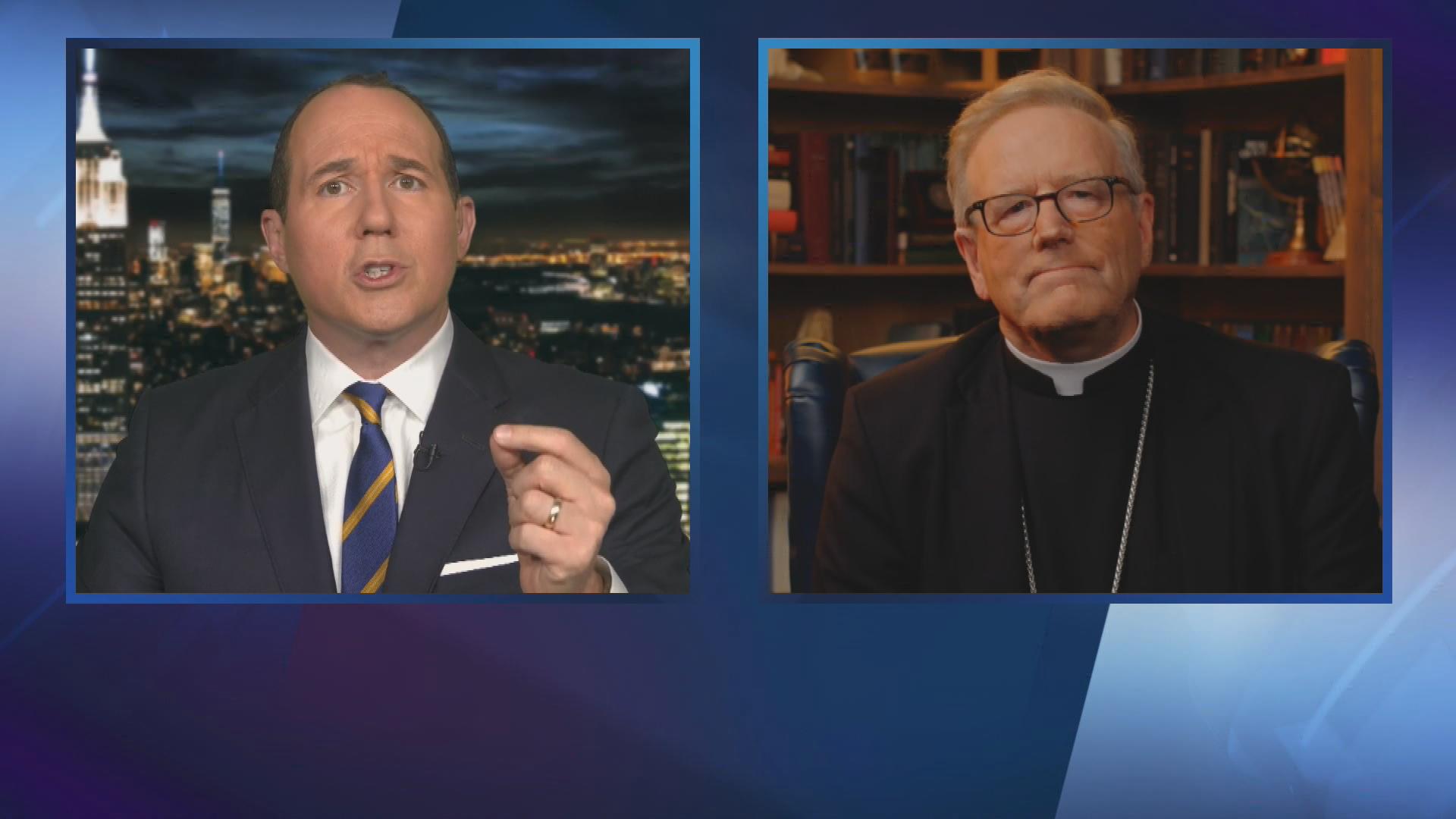
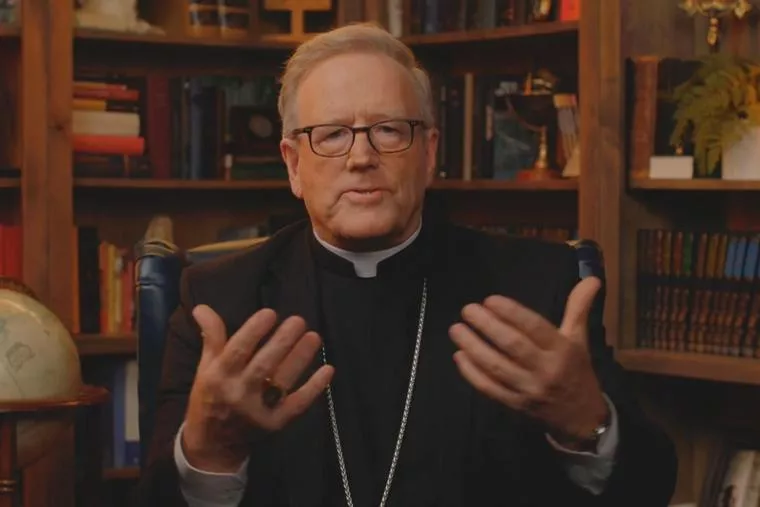
The Word on Fire founder clarifies the call to evangelize, defends his nonpartisan advisory role on religious liberty, and warns of resurgent communism.
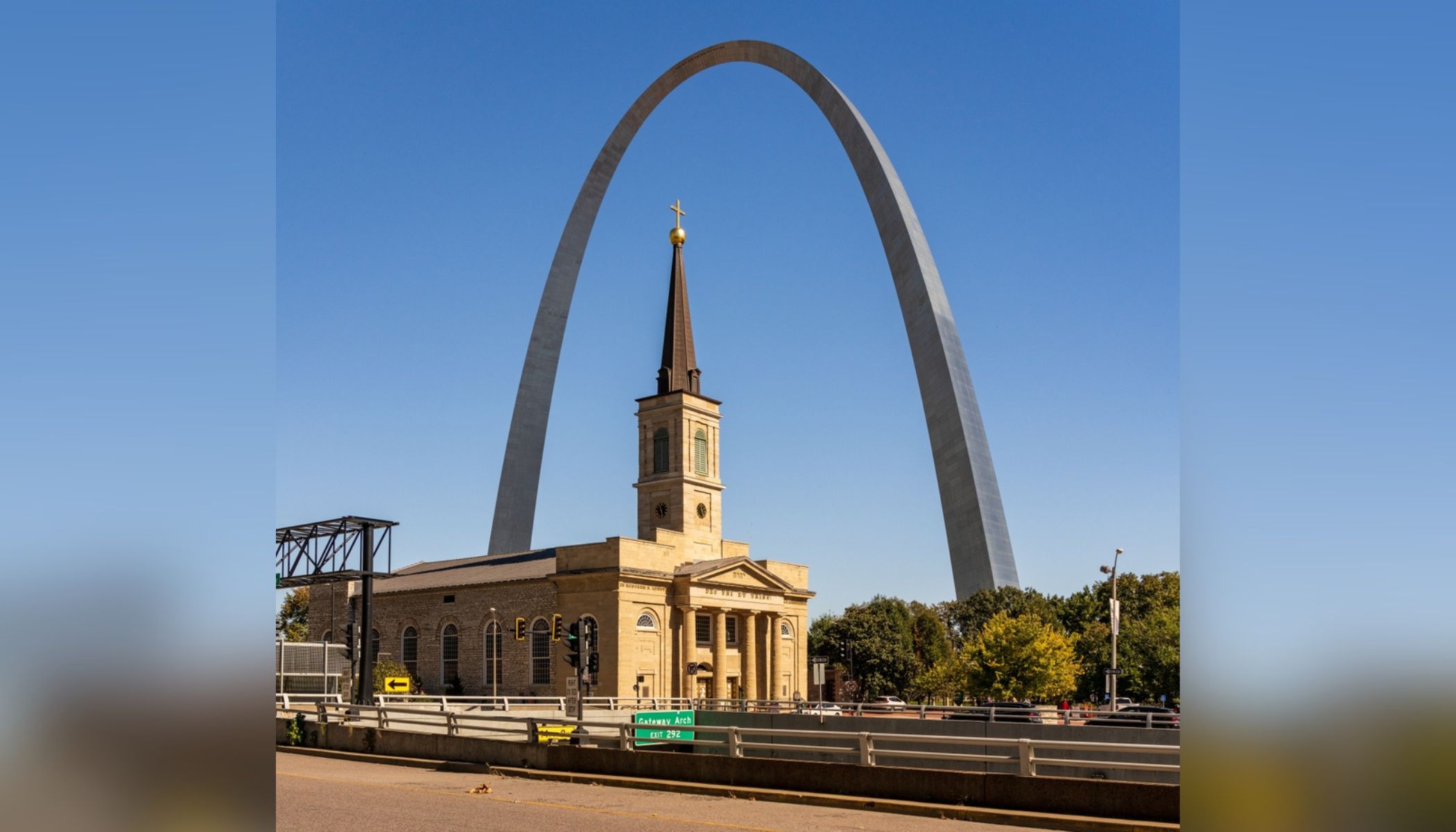
“We pray for an end to the hatred and threats of violence that have become so regrettably prevalent on social media,” an archdiocesan spokesperson said.
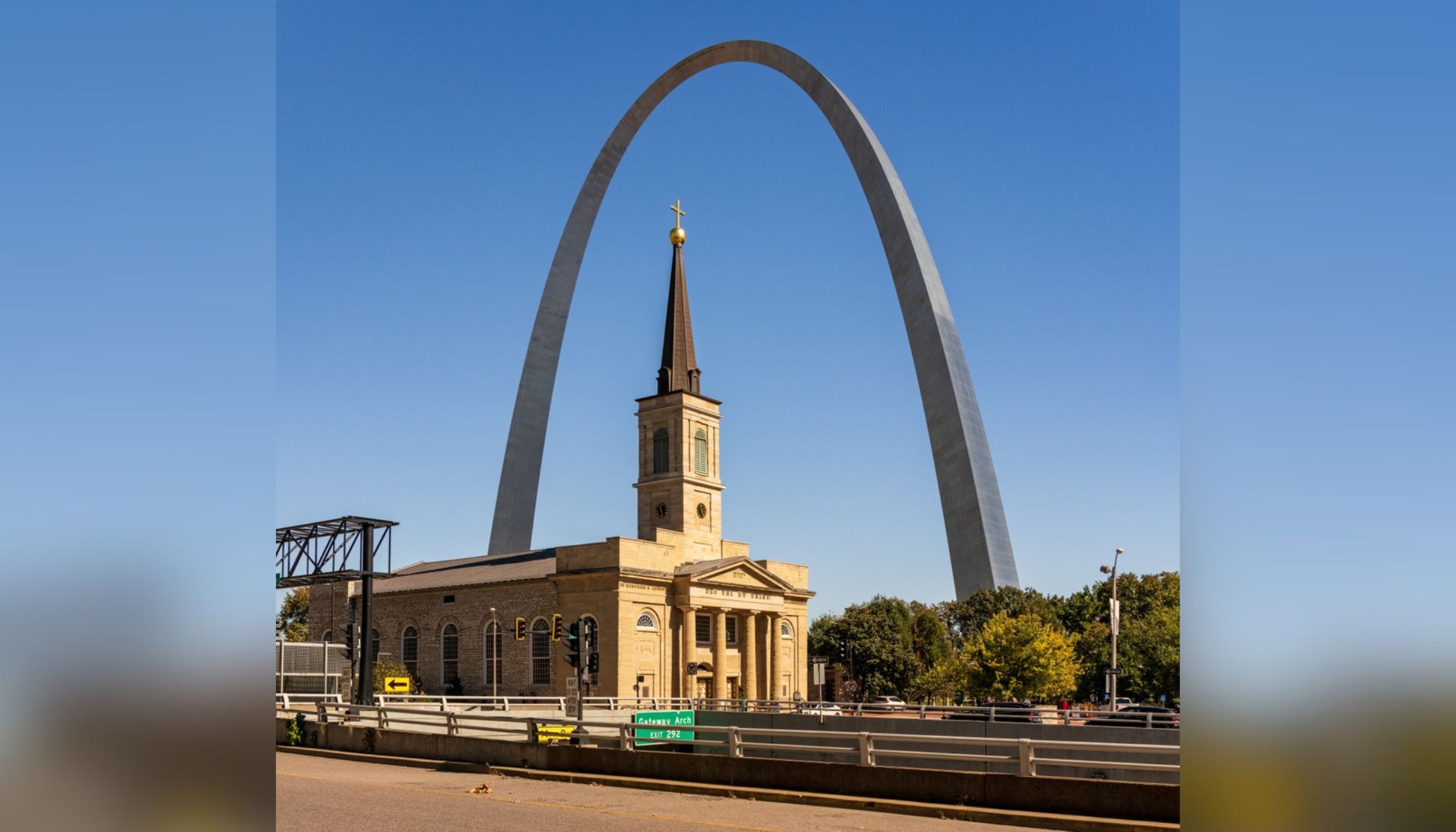
![Priest describes tearful ‘spiritual experience’ during consecration after video goes viral online – #Catholic – A video of a Catholic priest breaking down in tears and struggling to raise the chalice above his head while saying the consecration prayers during Mass spread across social media this week, prompting the priest to issue a statement through his diocese.“Take this all of you and drink from it: For this is the chalice…” Father Brent Bowman prayed at the altar, followed by a six-second pause while celebrating Mass for the feast of the Exaltation of the Holy Cross at St. Gabriel the Archangel Catholic Church in Hopkins, Minnesota, on Sept. 14.He continued the consecration prayer through tears and then sobbed for nearly one minute at the altar, struggling to raise the chalice. He continued to cry as he raised the chalice and was weeping as he knelt before the blood of Christ after the consecration.Instagram postBowman’s emotional response to the consecration was captured on video because the parish livestreams its daily Masses on YouTube and it spread across social media platforms, with many viewers wondering what prompted the reaction.In his statement, he explained that he did not witness what the Church considers a “Eucharistic miracle,” such as when the accidents of the bread and wine apparently change in some way along with the substance. Rather, he said, “I had a private spiritual experience” during the Mass.“During the consecration prayer over the wine at the altar, as I spoke the words, I was given what I believe to be internal knowledge of the power of these words being spoken and the reality of their effect to the point that I had difficulty speaking,” Bowman said in his statement.“With each word, I became more physically overwhelmed as seen in the video,” he said. “At the same time, I was given sensory knowledge of the weight of God’s power coming down upon the altar, and I felt the heaviness of Jesus’s substantial presence in the chalice in my hands.”“The chalice became too heavy to hold as I felt it pulled down to rest upon the altar,” Bowman said. “I felt my hands fixed to the chalice of the Precious Blood, and I could not physically move it. Attempting to elevate the Precious Blood, which I was not able to do for a period of time, I believe I was given grace to understand more deeply the bittersweetness of Our Lord’s Passion and how much blood Christ shed for the immense weight of all our sins.”“I believe I experienced this weight in the chalice,” he said. “This spiritual experience emotionally and physically overwhelmed me as evident in the Mass recording.”Bowman noted that spiritual experiences are “completely unmerited gifts and signs of God’s abundant love for all his people” but “not necessarily signs of any person’s holiness.”“I pray this brief testimony moves all our hearts to contemplate more deeply the mysteries of the Real Presence of Jesus Christ in the Eucharist and the Precious Blood,” he said.Although Bowman did not experience a “Eucharistic miracle” in the sense of the bread or the wine altering its appearance, God does perform a miracle at every Mass during consecration, known as transubstantiation.When the priest consecrates the Eucharist, the “substance” of bread and wine does not remain, but instead the bread and wine are transubstantiated into the true body, blood, soul, and divinity of Jesus Christ even though it maintains the physical appearance and chemical structure of bread and wine.“The presence of Christʼs true body and blood in this sacrament cannot be detected by sense, nor understanding, but by faith alone, which rests upon Divine authority,” St. Thomas Aquinas wrote in the “Summa Theologica.”St. Cyril of Alexandria, a patriarch and doctor of the Church, wrote about the true presence of Christ in the Eucharist in a sermon about the Last Supper, written in the early 400s: “Do not doubt that this is true, since Himself plainly says, ‘This is My body’ [and] ‘This is My blood,’ but rather receive in faith the Saviorʼs word; for He, being the Truth, cannot lie.”“For the words of God are of course true, and in no manner whatsoever can they be false: for even though we understand not in what way God works acts such as these, yet He Himself knows the way of His works,” Cyril wrote.](https://unitedyam.com/wp-content/uploads/2026/09/priest-describes-tearful-spiritual-experience-during-consecration-after-video-goes-viral-online-catholic-a-video-of-a-catholic-priest-breaking-down-in-tears-and-struggling-to-ra.png "Priest describes tearful ‘spiritual experience’ during consecration after video goes viral online – #Catholic – A video of a Catholic priest breaking down in tears and struggling to raise the chalice above his head while saying the consecration prayers during Mass spread across social media this week, prompting the priest to issue a statement through his diocese.“Take this all of you and drink from it: For this is the chalice…” Father Brent Bowman prayed at the altar, followed by a six-second pause while celebrating Mass for the feast of the Exaltation of the Holy Cross at St. Gabriel the Archangel Catholic Church in Hopkins, Minnesota, on Sept. 14.He continued the consecration prayer through tears and then sobbed for nearly one minute at the altar, struggling to raise the chalice. He continued to cry as he raised the chalice and was weeping as he knelt before the blood of Christ after the consecration.Instagram postBowman’s emotional response to the consecration was captured on video because the parish livestreams its daily Masses on YouTube and it spread across social media platforms, with many viewers wondering what prompted the reaction.In his statement, he explained that he did not witness what the Church considers a “Eucharistic miracle,” such as when the accidents of the bread and wine apparently change in some way along with the substance. Rather, he said, “I had a private spiritual experience” during the Mass.“During the consecration prayer over the wine at the altar, as I spoke the words, I was given what I believe to be internal knowledge of the power of these words being spoken and the reality of their effect to the point that I had difficulty speaking,” Bowman said in his statement.“With each word, I became more physically overwhelmed as seen in the video,” he said. “At the same time, I was given sensory knowledge of the weight of God’s power coming down upon the altar, and I felt the heaviness of Jesus’s substantial presence in the chalice in my hands.”“The chalice became too heavy to hold as I felt it pulled down to rest upon the altar,” Bowman said. “I felt my hands fixed to the chalice of the Precious Blood, and I could not physically move it. Attempting to elevate the Precious Blood, which I was not able to do for a period of time, I believe I was given grace to understand more deeply the bittersweetness of Our Lord’s Passion and how much blood Christ shed for the immense weight of all our sins.”“I believe I experienced this weight in the chalice,” he said. “This spiritual experience emotionally and physically overwhelmed me as evident in the Mass recording.”Bowman noted that spiritual experiences are “completely unmerited gifts and signs of God’s abundant love for all his people” but “not necessarily signs of any person’s holiness.”“I pray this brief testimony moves all our hearts to contemplate more deeply the mysteries of the Real Presence of Jesus Christ in the Eucharist and the Precious Blood,” he said.Although Bowman did not experience a “Eucharistic miracle” in the sense of the bread or the wine altering its appearance, God does perform a miracle at every Mass during consecration, known as transubstantiation.When the priest consecrates the Eucharist, the “substance” of bread and wine does not remain, but instead the bread and wine are transubstantiated into the true body, blood, soul, and divinity of Jesus Christ even though it maintains the physical appearance and chemical structure of bread and wine.“The presence of Christʼs true body and blood in this sacrament cannot be detected by sense, nor understanding, but by faith alone, which rests upon Divine authority,” St. Thomas Aquinas wrote in the “Summa Theologica.”St. Cyril of Alexandria, a patriarch and doctor of the Church, wrote about the true presence of Christ in the Eucharist in a sermon about the Last Supper, written in the early 400s: “Do not doubt that this is true, since Himself plainly says, ‘This is My body’ [and] ‘This is My blood,’ but rather receive in faith the Saviorʼs word; for He, being the Truth, cannot lie.”“For the words of God are of course true, and in no manner whatsoever can they be false: for even though we understand not in what way God works acts such as these, yet He Himself knows the way of His works,” Cyril wrote.")
The priest did not witness a Eucharistic miracle but felt “the weight of God’s power coming down upon the altar, and I felt the heaviness of Jesus’s substantial presence in the chalice in my hands.”
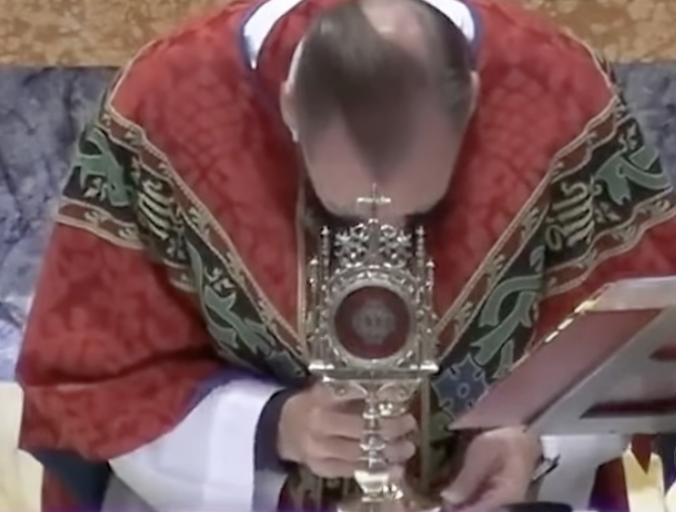
![St. Carlo Acutis relic inspires faith at Wayne parish #Catholic – On Sept. 13, young people, their families, catechists, and parishioners filled Immaculate Heart of Mary (IHM) Church in Wayne, N.J., with joy as the parish embarked on the new religious education year. With help from Bishop Kevin J. Sweeney, the faith community also welcomed the arrival of a first-class relic of St. Carlo Acutis — canonized last year as the first millennial saint — to inspire people’s faith at its new home in IHM’s church.
Pope Leo XIV canonized two young men as saints, St. Carlo Acutis and St. Pier Giorgio Frassati, on Sept. 7 last year in Rome. They have become models of the Catholic faith, especially for youth and young adults in the Church.
Considered to be the first millennial saint, British-born St. Carlo died from incurable leukemia in 2006 at age 15 in Italy. Active in parish life, he served as a catechist and helped inspire several people to convert to Catholicism. Called “God’s influencer,” St. Carlo received the Eucharist daily and used his digital media skills to share the joy of Christ’s Real Presence with the world. He developed what have become traveling exhibitions about Eucharistic miracles, which have visited the Paterson Diocese on several occasions.
On that Sept. 13, Sunday morning, Bishop Sweeney celebrated a Mass at IHM with Father Mateusz “Fr. Matt” Jasniewicz, its pastor. Children from the parish’s religious education program led the congregation in songs of praise during the liturgy.
Click here to subscribe to our weekly newsletter.
“It’s wonderful that one of St. Carlo’s relics has been entrusted to IHM and is available for prayer and veneration. It’s significant because St. Carlo shows young people and everybody that holiness is possible now — not only in the Middle Ages or in the future,” Father Jasniewicz said. “St. Carlo also had a devotion to the Eucharist, the source and summit of our faith. He can open youth to learning more about the Church and our faith and how to have a relationship with Jesus — to fall in love with him — and share that love with others,” he said.
After undergoing a formal process with the Diocese of Assisi in Italy that included Bishop Sweeney, Father Jasniewicz flew to Assisi in August to secure one of St. Carlo’s first-class relics — a snippet of his hair — for IHM. In Assisi, St. Carlo is entombed in the Shrine of Renunciation inside the Church of Santa Maria Maggiore.
Housed in a reliquary, the St. Carlo relic is displayed in a shrine in the rear of IHM’s church near the confessional. It joins several other relics at the shrine in IHM, including ones of St. John Paul II, St. Vincent de Paul, and St. Lucy Filippini.
St. Mary Parish in Dover, N.J., also has a first-class relic of St. Carlo from Assisi.
Father Jasniewicz also said St. Carlo is relatable to young people in their own lives — with backpacks, computers, and soccer balls.
“St. Carlo was a young person who loved life, technology, his friends, and above all, Jesus in the Eucharist. His life reminds our young people that becoming a saint does not mean becoming someone else. It means allowing God to work through who you are and the gifts He has given you,” Father Jasniewicz posted on social media after the Mass.
BEACON PHOTOS | JOE GIGLI
[See image gallery at beaconnj.org]](https://unitedyam.com/wp-content/uploads/2026/09/st-carlo-acutis-relic-inspires-faith-at-wayne-parish-catholic-on-sept-13-young-people-their-families-catechists-and-parishioners-filled-immaculate-heart-of-mary-ihm-church-in-wayne-n-j-w.jpg "St. Carlo Acutis relic inspires faith at Wayne parish #Catholic – On Sept. 13, young people, their families, catechists, and parishioners filled Immaculate Heart of Mary (IHM) Church in Wayne, N.J., with joy as the parish embarked on the new religious education year. With help from Bishop Kevin J. Sweeney, the faith community also welcomed the arrival of a first-class relic of St. Carlo Acutis — canonized last year as the first millennial saint — to inspire people’s faith at its new home in IHM’s church.
Pope Leo XIV canonized two young men as saints, St. Carlo Acutis and St. Pier Giorgio Frassati, on Sept. 7 last year in Rome. They have become models of the Catholic faith, especially for youth and young adults in the Church.
Considered to be the first millennial saint, British-born St. Carlo died from incurable leukemia in 2006 at age 15 in Italy. Active in parish life, he served as a catechist and helped inspire several people to convert to Catholicism. Called “God’s influencer,” St. Carlo received the Eucharist daily and used his digital media skills to share the joy of Christ’s Real Presence with the world. He developed what have become traveling exhibitions about Eucharistic miracles, which have visited the Paterson Diocese on several occasions.
On that Sept. 13, Sunday morning, Bishop Sweeney celebrated a Mass at IHM with Father Mateusz “Fr. Matt” Jasniewicz, its pastor. Children from the parish’s religious education program led the congregation in songs of praise during the liturgy.
Click here to subscribe to our weekly newsletter.
“It’s wonderful that one of St. Carlo’s relics has been entrusted to IHM and is available for prayer and veneration. It’s significant because St. Carlo shows young people and everybody that holiness is possible now — not only in the Middle Ages or in the future,” Father Jasniewicz said. “St. Carlo also had a devotion to the Eucharist, the source and summit of our faith. He can open youth to learning more about the Church and our faith and how to have a relationship with Jesus — to fall in love with him — and share that love with others,” he said.
After undergoing a formal process with the Diocese of Assisi in Italy that included Bishop Sweeney, Father Jasniewicz flew to Assisi in August to secure one of St. Carlo’s first-class relics — a snippet of his hair — for IHM. In Assisi, St. Carlo is entombed in the Shrine of Renunciation inside the Church of Santa Maria Maggiore.
Housed in a reliquary, the St. Carlo relic is displayed in a shrine in the rear of IHM’s church near the confessional. It joins several other relics at the shrine in IHM, including ones of St. John Paul II, St. Vincent de Paul, and St. Lucy Filippini.
St. Mary Parish in Dover, N.J., also has a first-class relic of St. Carlo from Assisi.
Father Jasniewicz also said St. Carlo is relatable to young people in their own lives — with backpacks, computers, and soccer balls.
“St. Carlo was a young person who loved life, technology, his friends, and above all, Jesus in the Eucharist. His life reminds our young people that becoming a saint does not mean becoming someone else. It means allowing God to work through who you are and the gifts He has given you,” Father Jasniewicz posted on social media after the Mass.
BEACON PHOTOS | JOE GIGLI
[See image gallery at beaconnj.org]")
St. Carlo Acutis relic inspires faith at Wayne parish #Catholic – 
On Sept. 13, young people, their families, catechists, and parishioners filled Immaculate Heart of Mary (IHM) Church in Wayne, N.J., with joy as the parish embarked on the new religious education year. With help from Bishop Kevin J. Sweeney, the faith community also welcomed the arrival of a first-class relic of St. Carlo Acutis — canonized last year as the first millennial saint — to inspire people’s faith at its new home in IHM’s church.
Pope Leo XIV canonized two young men as saints, St. Carlo Acutis and St. Pier Giorgio Frassati, on Sept. 7 last year in Rome. They have become models of the Catholic faith, especially for youth and young adults in the Church.
Considered to be the first millennial saint, British-born St. Carlo died from incurable leukemia in 2006 at age 15 in Italy. Active in parish life, he served as a catechist and helped inspire several people to convert to Catholicism. Called “God’s influencer,” St. Carlo received the Eucharist daily and used his digital media skills to share the joy of Christ’s Real Presence with the world. He developed what have become traveling exhibitions about Eucharistic miracles, which have visited the Paterson Diocese on several occasions.
On that Sept. 13, Sunday morning, Bishop Sweeney celebrated a Mass at IHM with Father Mateusz “Fr. Matt” Jasniewicz, its pastor. Children from the parish’s religious education program led the congregation in songs of praise during the liturgy.
Click here to subscribe to our weekly newsletter.
“It’s wonderful that one of St. Carlo’s relics has been entrusted to IHM and is available for prayer and veneration. It’s significant because St. Carlo shows young people and everybody that holiness is possible now — not only in the Middle Ages or in the future,” Father Jasniewicz said. “St. Carlo also had a devotion to the Eucharist, the source and summit of our faith. He can open youth to learning more about the Church and our faith and how to have a relationship with Jesus — to fall in love with him — and share that love with others,” he said.
After undergoing a formal process with the Diocese of Assisi in Italy that included Bishop Sweeney, Father Jasniewicz flew to Assisi in August to secure one of St. Carlo’s first-class relics — a snippet of his hair — for IHM. In Assisi, St. Carlo is entombed in the Shrine of Renunciation inside the Church of Santa Maria Maggiore.
Housed in a reliquary, the St. Carlo relic is displayed in a shrine in the rear of IHM’s church near the confessional. It joins several other relics at the shrine in IHM, including ones of St. John Paul II, St. Vincent de Paul, and St. Lucy Filippini.
St. Mary Parish in Dover, N.J., also has a first-class relic of St. Carlo from Assisi.
Father Jasniewicz also said St. Carlo is relatable to young people in their own lives — with backpacks, computers, and soccer balls.
“St. Carlo was a young person who loved life, technology, his friends, and above all, Jesus in the Eucharist. His life reminds our young people that becoming a saint does not mean becoming someone else. It means allowing God to work through who you are and the gifts He has given you,” Father Jasniewicz posted on social media after the Mass.
BEACON PHOTOS | JOE GIGLI
– On Sept. 13, young people, their families, catechists, and parishioners filled Immaculate Heart of Mary (IHM) Church in Wayne, N.J., with joy as the parish embarked on the new religious education year. With help from Bishop Kevin J. Sweeney, the faith community also welcomed the arrival of a first-class relic of St. Carlo Acutis — canonized last year as the first millennial saint — to inspire people’s faith at its new home in IHM’s church. Pope Leo XIV canonized two young men as saints, St. Carlo Acutis and St. Pier Giorgio Frassati, on Sept. 7 last year in Rome. They

| Picture of the day |
|---|

|
|
Red-and-green macaw (Ara chloropterus) couple in flight in Mato Grosso, Brazil
|
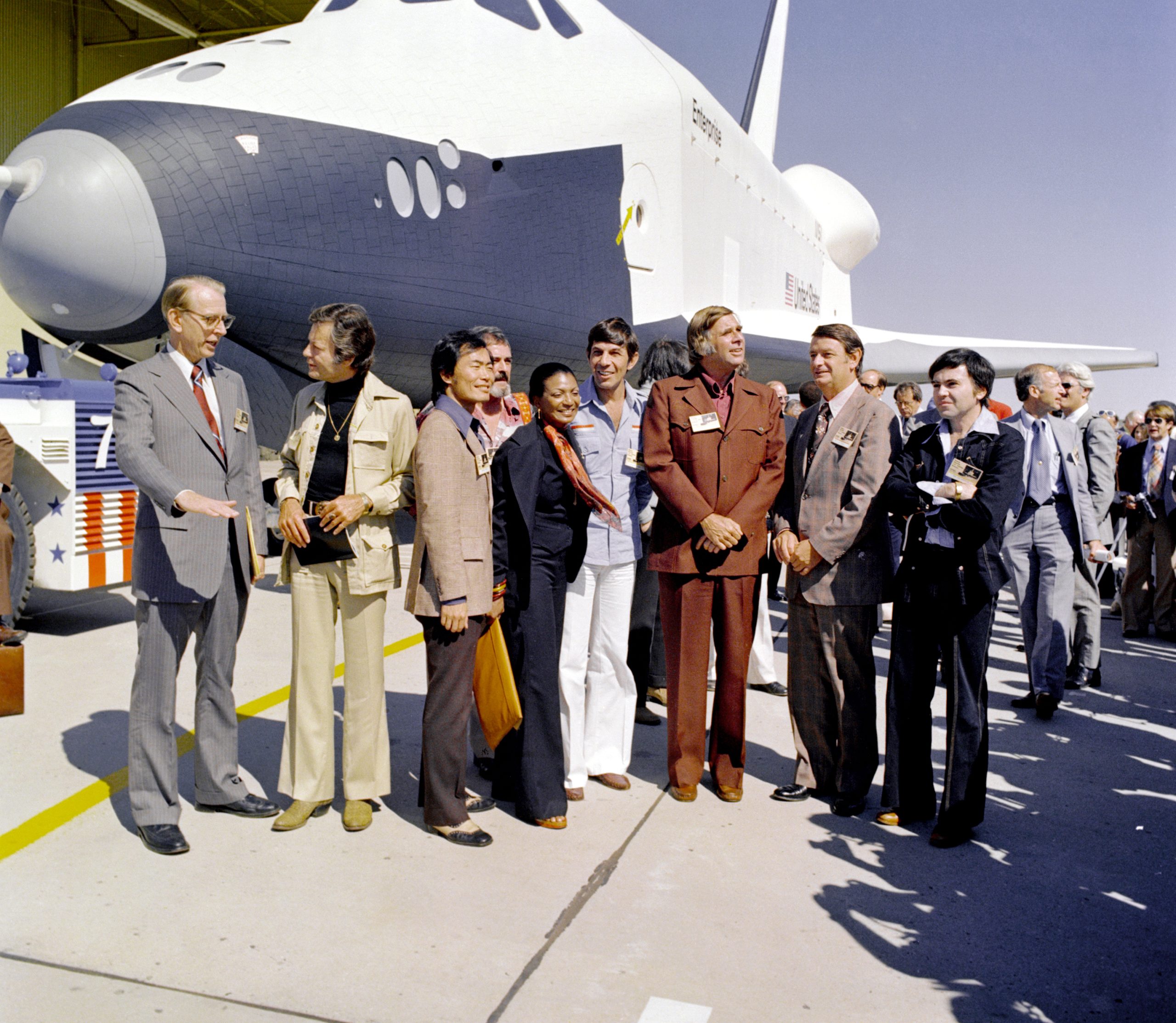
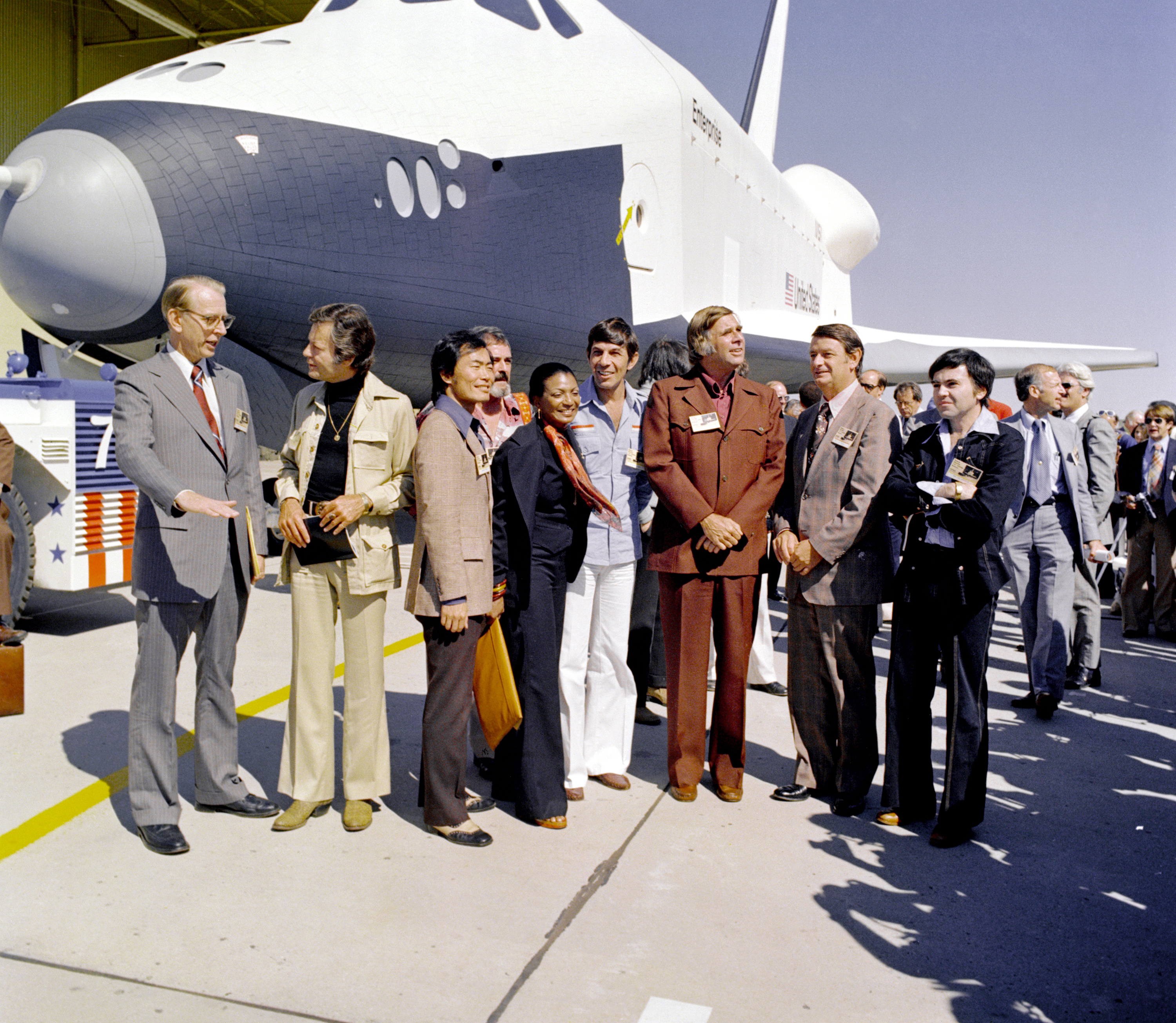
The rollout ceremony for NASA’s first space shuttle, OV-101, coincided with Constitution Day of the nation’s bicentennial on Sept.17, 1976. Although the orbiter was originally planned to be named Constitution, Star Trek fans successfully convinced President Gerald Ford to name it Enterprise after the series’ fictional starship.
Read MoreFriday, September 18First Quarter Moon occurs at 4:44 P.M. EDT. The Moon then reaches apogee, the farthest point from Earth in its orbit, at 11 P.M. EDT. At that time, our satellite will be 251,171 miles (404,221 kilometers) away. Venus reaches greatest brilliancy at 9 P.M. EDT, shining at magnitude –4.8. It’s bright and easyContinue reading “The Sky This Week from September 18 to 25: Autumn begins”
The post The Sky This Week from September 18 to 25: Autumn begins appeared first on Astronomy Magazine.
Read More