Day: September 29, 2026

(This is an old Guardian Angel Prayer)

O Holy Angel,
attendant of my wretched soul
and of mine afflicted life,
forsake me not, a sinner,
neither depart from me for mine inconstancy.
Give no place to the evil demon to subdue me
with the oppression of this mortal body;
but take me by my wretched and outstretched hand,
and lead me in the way of salvation.
Yea, O holy Angel of God,
the guardian and protector
of my hapless soul and body,
forgive me all things …

Read More
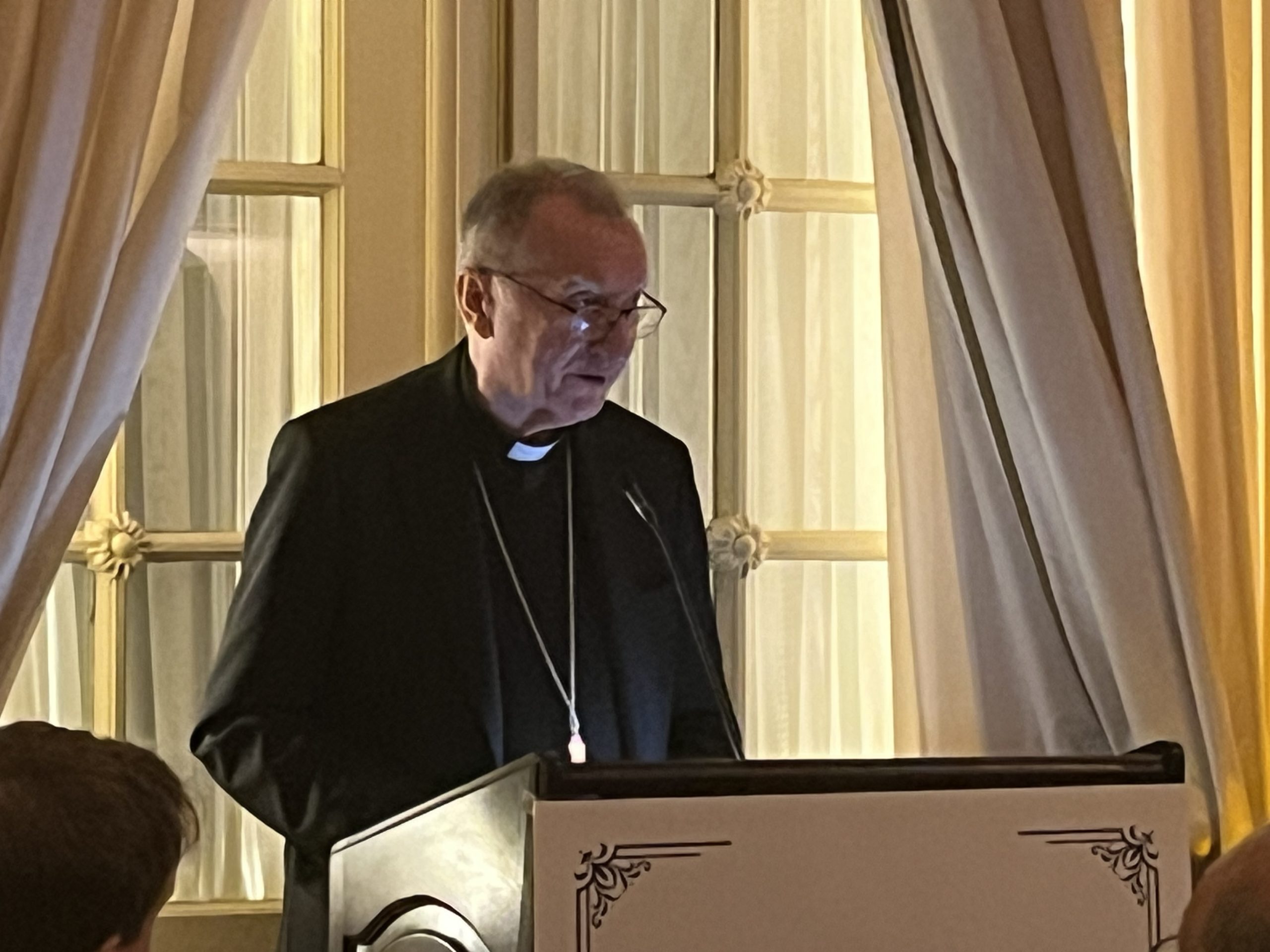
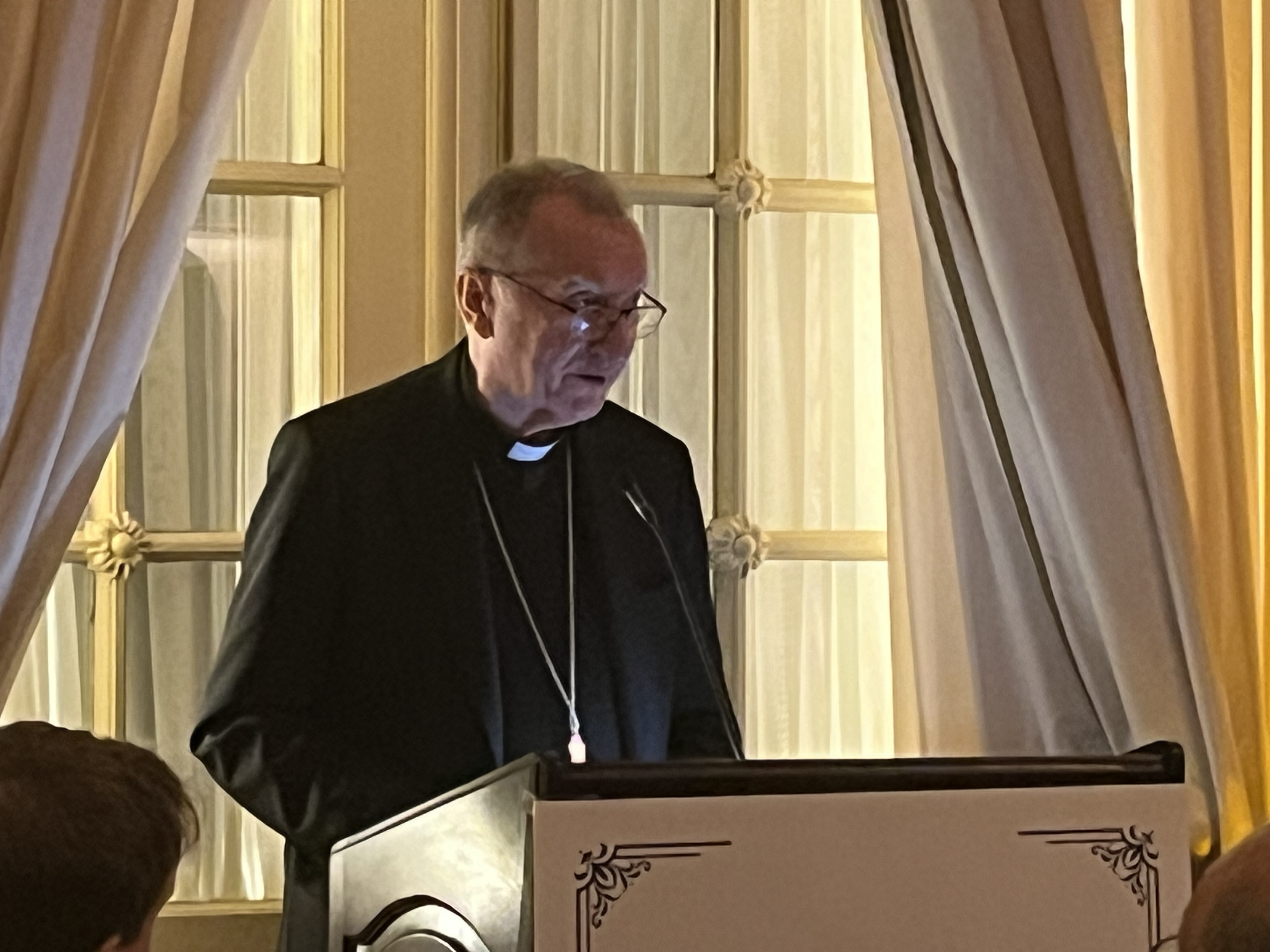
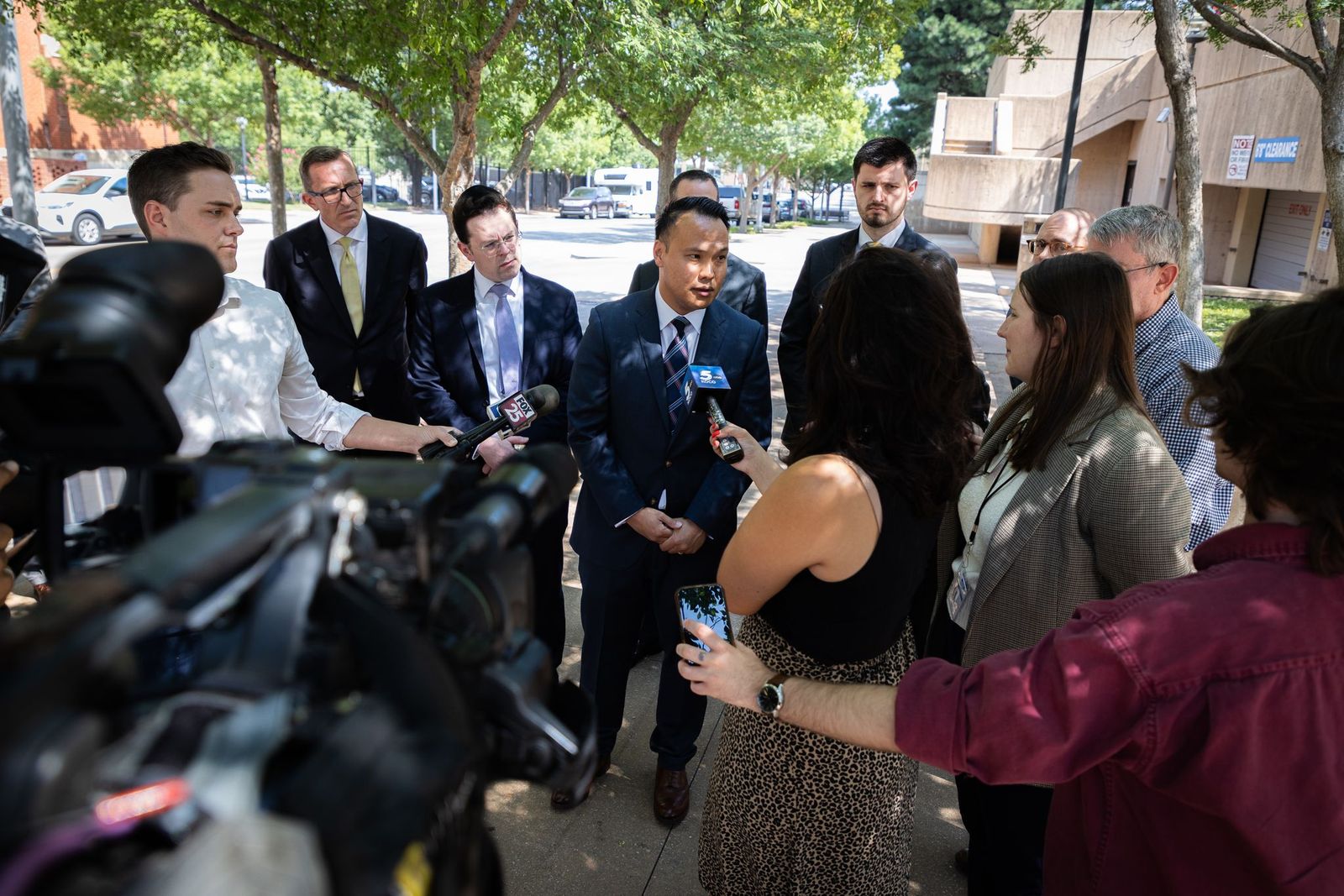
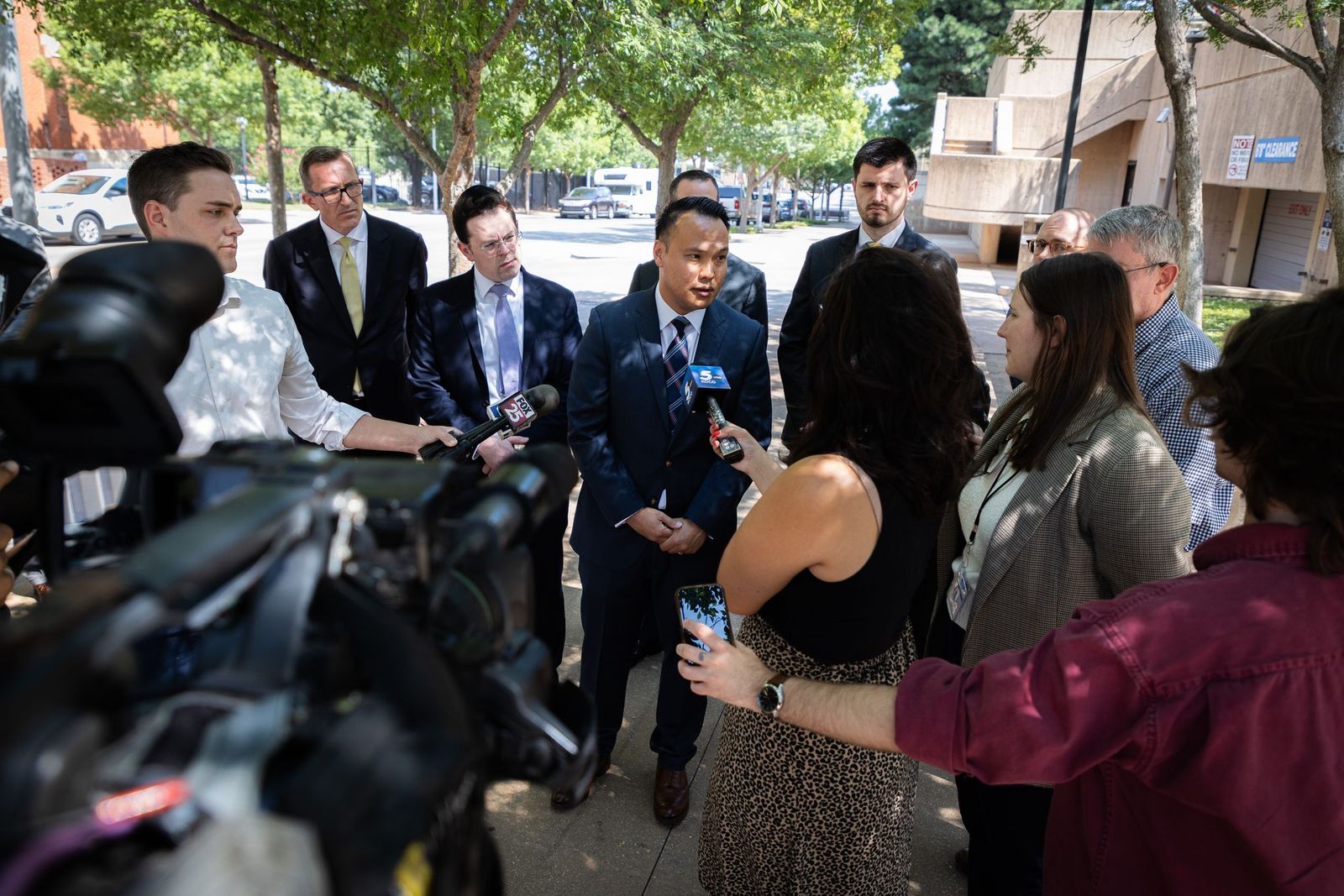
Vatican secretary of state says world’s fragmentation starts with forgetting what a human person is #Catholic NEW YORK — The root of today’s fragmented world is not technology, excess freedom, or diversity but the loss of a common understanding of who the human person is, Vatican Secretary of State Cardinal Pietro Parolin said at a New York dinner that took place during the United Nations General Assembly’s High-level Week.Parolin spoke Sept. 25 as an honoree of CAPP-USA, the U.S. arm of the Fondazione Centesimus Annus Pro Pontifice, a Vatican foundation that promotes Catholic social teaching and was established by St. John Paul II in 1993.Among those present at the event were the U.S. Ambassador to the United Nations (U.N.) Mike Waltz, Knights of Columbus Supreme Knight Patrick Kelly, and the Holy See’s permanent observer to the U.N., Archbishop Christophe-Zakhia El-Kassis, who delivered the evening’s benediction.Parolin said: “In the light of the Gospel, each generation must read the signs of its own times.”Citing Pope Leo XIV’s encyclical Magnifica Humanitas, Parolin said modern technology is not humanity’s enemy but that dignity belongs to people, not systems or algorithms. He also recalled Rerum Novarum, the encyclical Pope Leo XIII penned in 1891 as the Church’s response to the industrial revolution and which laid the foundation for Catholic social teaching.“In a world that builds towers, build places of encounter,” Parolin challenged his listeners. “In a world connected online and disconnected offline, be people of presence. In a world asking whether we can remain human, answer with the witness of your lives.”He told attendees the foundation matters because its members are meant to be “bridge builders between the encyclicals … and the decisions made in daily life.”Fragmentation and lonelinessParolin said people “are more connected than any generation in history, and yet many of us are lonelier than ever.” Exchanging information instantly but struggling to encounter one another as human beings has led to fragmentation, he said, and families, communities, and nations are “divided into camps that no longer even speak the same language.”He noted Pope Leo’s description of this moment in the opening lines of Magnifica Humanitas, saying: “We can either construct a new tower of Babel or build the city in which God and humanity dwell together.”‘A fragmented world is a searching world’Regarding the spiritual hunger many modern people are feeling, he said restlessness, especially among the young, is evidence that our hearts are made for God and cannot rest until we rest in him, citing St. Augustine.“A fragmented world is also a searching world,” he noted.“The human person is not self-made, but receives; he is a being created for relationship,” he said. “Leo expressed the hope that the world will come to recognize the human heart is the place where God desires to dwell.”The Church’s social doctrine is “itself an expression of the spiritual life,” Parolin said, and results in a faith that becomes real “concern for the worker, the family, the poor, and the seeking of the common good.”Freedom and pluralism not to blame, Parolin saysOn freedom and pluralism, he rejected blaming “too much freedom” or “too many voices.” The Church defends “freedom as a gift inseparable from human dignity,” he said, noting the Second Vatican Council’s teaching on “religious freedom as a right found in the very nature of the human person.” But, he said, “freedom detached from truth and responsibility for others turns against itself.” Freedom, in the Christian vision, “is not the capacity to choose anything whatsoever. It is the capacity to choose the good.”Authentic pluralism, he said, rests on dignity, the common good, solidarity, and subsidiarity. “We should respect the family, communities, and institutions through which people flourish,” he urged.The next day, Sept. 26, Parolin addressed the opening of the 81st U.N. General Assembly, whose theme is “Restoring Trust, Managing Transformation: A United Nations That Delivers for All.”

Vatican secretary of state says world’s fragmentation starts with forgetting what a human person is #Catholic NEW YORK — The root of today’s fragmented world is not technology, excess freedom, or diversity but the loss of a common understanding of who the human person is, Vatican Secretary of State Cardinal Pietro Parolin said at a New York dinner that took place during the United Nations General Assembly’s High-level Week.Parolin spoke Sept. 25 as an honoree of CAPP-USA, the U.S. arm of the Fondazione Centesimus Annus Pro Pontifice, a Vatican foundation that promotes Catholic social teaching and was established by St. John Paul II in 1993.Among those present at the event were the U.S. Ambassador to the United Nations (U.N.) Mike Waltz, Knights of Columbus Supreme Knight Patrick Kelly, and the Holy See’s permanent observer to the U.N., Archbishop Christophe-Zakhia El-Kassis, who delivered the evening’s benediction.Parolin said: “In the light of the Gospel, each generation must read the signs of its own times.”Citing Pope Leo XIV’s encyclical Magnifica Humanitas, Parolin said modern technology is not humanity’s enemy but that dignity belongs to people, not systems or algorithms. He also recalled Rerum Novarum, the encyclical Pope Leo XIII penned in 1891 as the Church’s response to the industrial revolution and which laid the foundation for Catholic social teaching.“In a world that builds towers, build places of encounter,” Parolin challenged his listeners. “In a world connected online and disconnected offline, be people of presence. In a world asking whether we can remain human, answer with the witness of your lives.”He told attendees the foundation matters because its members are meant to be “bridge builders between the encyclicals … and the decisions made in daily life.”Fragmentation and lonelinessParolin said people “are more connected than any generation in history, and yet many of us are lonelier than ever.” Exchanging information instantly but struggling to encounter one another as human beings has led to fragmentation, he said, and families, communities, and nations are “divided into camps that no longer even speak the same language.”He noted Pope Leo’s description of this moment in the opening lines of Magnifica Humanitas, saying: “We can either construct a new tower of Babel or build the city in which God and humanity dwell together.”‘A fragmented world is a searching world’Regarding the spiritual hunger many modern people are feeling, he said restlessness, especially among the young, is evidence that our hearts are made for God and cannot rest until we rest in him, citing St. Augustine.“A fragmented world is also a searching world,” he noted.“The human person is not self-made, but receives; he is a being created for relationship,” he said. “Leo expressed the hope that the world will come to recognize the human heart is the place where God desires to dwell.”The Church’s social doctrine is “itself an expression of the spiritual life,” Parolin said, and results in a faith that becomes real “concern for the worker, the family, the poor, and the seeking of the common good.”Freedom and pluralism not to blame, Parolin saysOn freedom and pluralism, he rejected blaming “too much freedom” or “too many voices.” The Church defends “freedom as a gift inseparable from human dignity,” he said, noting the Second Vatican Council’s teaching on “religious freedom as a right found in the very nature of the human person.” But, he said, “freedom detached from truth and responsibility for others turns against itself.” Freedom, in the Christian vision, “is not the capacity to choose anything whatsoever. It is the capacity to choose the good.”Authentic pluralism, he said, rests on dignity, the common good, solidarity, and subsidiarity. “We should respect the family, communities, and institutions through which people flourish,” he urged.The next day, Sept. 26, Parolin addressed the opening of the 81st U.N. General Assembly, whose theme is “Restoring Trust, Managing Transformation: A United Nations That Delivers for All.”

“In a world connected online and disconnected offline, be people of presence,” Cardinal Pietro Parolin said. “In a world asking whether we can remain human, answer with the witness of your lives.”

Read More

Gospel and Word of the Day – 30 September 2026 – A reading from the Book of Job 9:1-12, 14-16 Job answered his friends and said: I know well that it is so; but how can a man be justified before God? Should one wish to contend with him, he could not answer him once in a thousand times. God is wise in heart and mighty in strength; who has withstood him and remained unscathed? He removes the mountains before they know it; he overturns them in his anger. He shakes the earth out of its place, and the pillars beneath it tremble. He commands the sun, and it rises not; he seals up the stars. He alone stretches out the heavens and treads upon the crests of the sea. He made the Bear and Orion, the Pleiades and the constellations of the south; He does great things past finding out, marvelous things beyond reckoning. Should he come near me, I see him not; should he pass by, I am not aware of him; Should he seize me forcibly, who can say him nay? Who can say to him, "What are you doing?" How much less shall I give him any answer, or choose out arguments against him! Even though I were right, I could not answer him, but should rather beg for what was due me. If I appealed to him and he answered my call, I could not believe that he would hearken to my words.From the Gospel according to Luke 9:57-62 As Jesus and his disciples were proceeding on their journey, someone said to him, "I will follow you wherever you go." Jesus answered him, "Foxes have dens and birds of the sky have nests, but the Son of Man has nowhere to rest his head." And to another he said, "Follow me." But he replied, "Lord, let me go first and bury my father." But he answered him, "Let the dead bury their dead. But you, go and proclaim the Kingdom of God." And another said, "I will follow you, Lord, but first let me say farewell to my family at home." Jesus answered him, "No one who sets a hand to the plow and looks to what was left behind is fit for the Kingdom of God."The Evangelist presents us three characters — three cases of vocation, we could say — that shed light on what is required of those who wish to follow Jesus to the end, completely. The first character promises him: “I will follow you wherever you go” (v. 57). Generous! But Jesus replies that the Son of man, unlike foxes that have holes, and birds that have nests, “has nowhere to lay his head” (v. 58). (…) The second character Jesus meets receives the call directly from him, but replies: “Lord, let me first go and bury my father” (v. 59). (…) Nevertheless, Jesus responds: “Leave the dead to bury their own dead” (Lk 9:60). With these deliberately provocative words, he intends to emphasize the primacy of following and of proclaiming the Kingdom of God, even over and above the most important realities, such as the family. (…) The third character also wants to follow Jesus but on one condition: he will do so after bidding farewell to his relatives. And this is the response he receives from the Teacher: “No one who puts his hand to the plow and looks back is fit for the kingdom of God” (v. 62). Following Jesus excludes regrets and backward glances but requires the virtue of decision. Jesus wants us to be passionate about him and about the Gospel. A heartfelt passion which translates into concrete gestures of proximity, of closeness to the brothers and sisters most in need of welcome and care. Precisely as he himself lived. (Pope Francis, Angelus, 30 June 2019)  

A reading from the Book of Job
9:1-12, 14-16

Job answered his friends and said:

I know well that it is so;
but how can a man be justified before God?
Should one wish to contend with him,
he could not answer him once in a thousand times.
God is wise in heart and mighty in strength;
who has withstood him and remained unscathed?

He removes the mountains before they know it;
he overturns them in his anger.
He shakes the earth out of its place,
and the pillars beneath it tremble.
He commands the sun, and it rises not;
he seals up the stars.

He alone stretches out the heavens
and treads upon the crests of the sea.
He made the Bear and Orion,
the Pleiades and the constellations of the south;
He does great things past finding out,
marvelous things beyond reckoning.

Should he come near me, I see him not;
should he pass by, I am not aware of him;
Should he seize me forcibly, who can say him nay?
Who can say to him, "What are you doing?"

How much less shall I give him any answer,
or choose out arguments against him!
Even though I were right, I could not answer him,
but should rather beg for what was due me.
If I appealed to him and he answered my call,
I could not believe that he would hearken to my words.

From the Gospel according to Luke
9:57-62

As Jesus and his disciples were proceeding
on their journey, someone said to him,
"I will follow you wherever you go."
Jesus answered him,
"Foxes have dens and birds of the sky have nests,
but the Son of Man has nowhere to rest his head."
And to another he said, "Follow me."
But he replied, "Lord, let me go first and bury my father."
But he answered him, "Let the dead bury their dead.
But you, go and proclaim the Kingdom of God."
And another said, "I will follow you, Lord,
but first let me say farewell to my family at home."
Jesus answered him, "No one who sets a hand to the plow
and looks to what was left behind is fit for the Kingdom of God."

The Evangelist presents us three characters — three cases of vocation, we could say — that shed light on what is required of those who wish to follow Jesus to the end, completely. The first character promises him: “I will follow you wherever you go” (v. 57). Generous! But Jesus replies that the Son of man, unlike foxes that have holes, and birds that have nests, “has nowhere to lay his head” (v. 58). (…) The second character Jesus meets receives the call directly from him, but replies: “Lord, let me first go and bury my father” (v. 59). (…) Nevertheless, Jesus responds: “Leave the dead to bury their own dead” (Lk 9:60). With these deliberately provocative words, he intends to emphasize the primacy of following and of proclaiming the Kingdom of God, even over and above the most important realities, such as the family. (…) The third character also wants to follow Jesus but on one condition: he will do so after bidding farewell to his relatives. And this is the response he receives from the Teacher: “No one who puts his hand to the plow and looks back is fit for the kingdom of God” (v. 62). Following Jesus excludes regrets and backward glances but requires the virtue of decision. Jesus wants us to be passionate about him and about the Gospel. A heartfelt passion which translates into concrete gestures of proximity, of closeness to the brothers and sisters most in need of welcome and care. Precisely as he himself lived. (Pope Francis, Angelus, 30 June 2019)


Read More
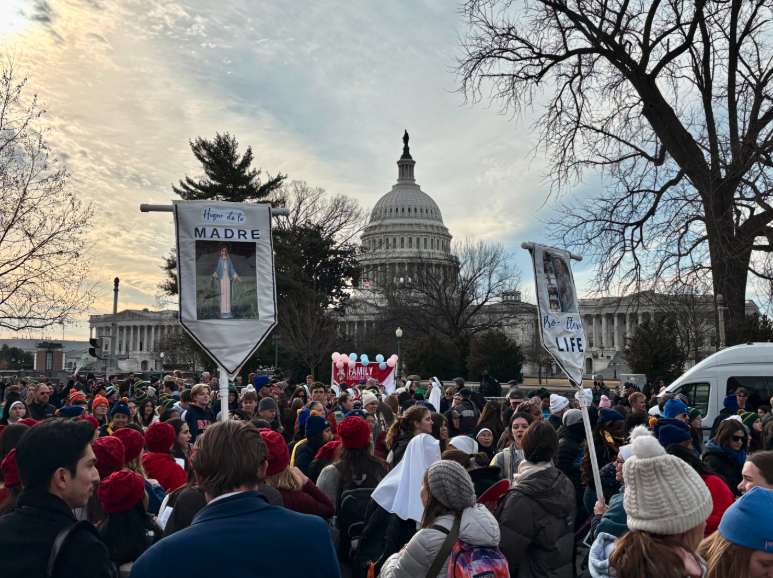
March for Life reveals 2027 theme, with truth as the focus #Catholic The March for Life announced the theme for next year’s rally in Washington, D.C.: “The Truth Is Pro-Life.”In a Sept. 29 teleconference, the group also revealed that recently retired Los Angeles Dodgers pitcher Clayton Kershaw will give the keynote address at the march, taking place on Jan. 22, 2027.“The truth cannot be denied and that’s why we have kept our message so simple and bold this year,” said Hayden Sledge, chief of staff for the March for Life.“Truth doesn’t shout. It’s just there, waiting to be seen,” she said. “Truth has a way of bringing people together. That’s why for more than 50 years we’ve kept showing up to defend that truth. Some things remain true no matter the culture, politics, or the year. The truth is pro-life.”
 
 Retired Los Angeles Dodgers pitcher Clayton Kershaw is set to give the keynote address at the Jan. 22, 2027, March for Life.| Credit: Photo Works/Shutterstock
 
 The national march occurs every year near the anniversary of the legalization of abortion nationwide in the 1973 Supreme Court decision Roe v. Wade. The event continues despite Roe’s reversal by the court in 2022 as abortion remains legal in dozens of U.S. states. In all, some 63 million babies have been aborted since the Roe decision, according to pro-life groups.During the press conference, the committee shared the details of the expected program and the intentional decision behind the chosen theme.Last year’s theme was “Life Is a Gift.”“Last year, our theme spoke to the heart,” Sledge said. “This year, we are speaking to the head and making a clear statement about the truth at the heart of our mission, because truth does not change with an election or due to politics, or current trends. It’s unchanging. That’s why our theme is ‘The Truth Is Pro-Life.’”Kershaw, a three-time Cy Young Award winner and the 2014 National League MVP, operates the nonprofit group Kershaw’s Challenge, which partners with other charities to improve the lives of children in need living in Los Angeles, Dallas, Zambia, and the Dominican Republic.“Iʼm excited to get to be the speaker for the 2027 March for Life,” said Kershaw, while holding his 9-month-old daughter, Chloe, the youngest of his five children. “She’s excited for us to be there, too, and we can’t wait.”In keeping with this year’s theme, the March for Life organizing committee is inviting individuals to ask “the hard questions” about human life when they interact with those outside the pro-life community.“Today, itʼs hard to figure out what the truth is. Not because it isnʼt there, but because of the distractions. But sometimes all you have to do is look closer, get rid of the noise, the chaos, the confusion, and see whatʼs really there,” Sledge said.

March for Life reveals 2027 theme, with truth as the focus #Catholic The March for Life announced the theme for next year’s rally in Washington, D.C.: “The Truth Is Pro-Life.”In a Sept. 29 teleconference, the group also revealed that recently retired Los Angeles Dodgers pitcher Clayton Kershaw will give the keynote address at the march, taking place on Jan. 22, 2027.“The truth cannot be denied and that’s why we have kept our message so simple and bold this year,” said Hayden Sledge, chief of staff for the March for Life.“Truth doesn’t shout. It’s just there, waiting to be seen,” she said. “Truth has a way of bringing people together. That’s why for more than 50 years we’ve kept showing up to defend that truth. Some things remain true no matter the culture, politics, or the year. The truth is pro-life.” Retired Los Angeles Dodgers pitcher Clayton Kershaw is set to give the keynote address at the Jan. 22, 2027, March for Life.| Credit: Photo Works/Shutterstock The national march occurs every year near the anniversary of the legalization of abortion nationwide in the 1973 Supreme Court decision Roe v. Wade. The event continues despite Roe’s reversal by the court in 2022 as abortion remains legal in dozens of U.S. states. In all, some 63 million babies have been aborted since the Roe decision, according to pro-life groups.During the press conference, the committee shared the details of the expected program and the intentional decision behind the chosen theme.Last year’s theme was “Life Is a Gift.”“Last year, our theme spoke to the heart,” Sledge said. “This year, we are speaking to the head and making a clear statement about the truth at the heart of our mission, because truth does not change with an election or due to politics, or current trends. It’s unchanging. That’s why our theme is ‘The Truth Is Pro-Life.’”Kershaw, a three-time Cy Young Award winner and the 2014 National League MVP, operates the nonprofit group Kershaw’s Challenge, which partners with other charities to improve the lives of children in need living in Los Angeles, Dallas, Zambia, and the Dominican Republic.“Iʼm excited to get to be the speaker for the 2027 March for Life,” said Kershaw, while holding his 9-month-old daughter, Chloe, the youngest of his five children. “She’s excited for us to be there, too, and we can’t wait.”In keeping with this year’s theme, the March for Life organizing committee is inviting individuals to ask “the hard questions” about human life when they interact with those outside the pro-life community.“Today, itʼs hard to figure out what the truth is. Not because it isnʼt there, but because of the distractions. But sometimes all you have to do is look closer, get rid of the noise, the chaos, the confusion, and see whatʼs really there,” Sledge said.

Retired Los Angeles Dodgers pitcher Clayton Kershaw is set to give the keynote address at the Jan. 22, 2027, rally.

Read More
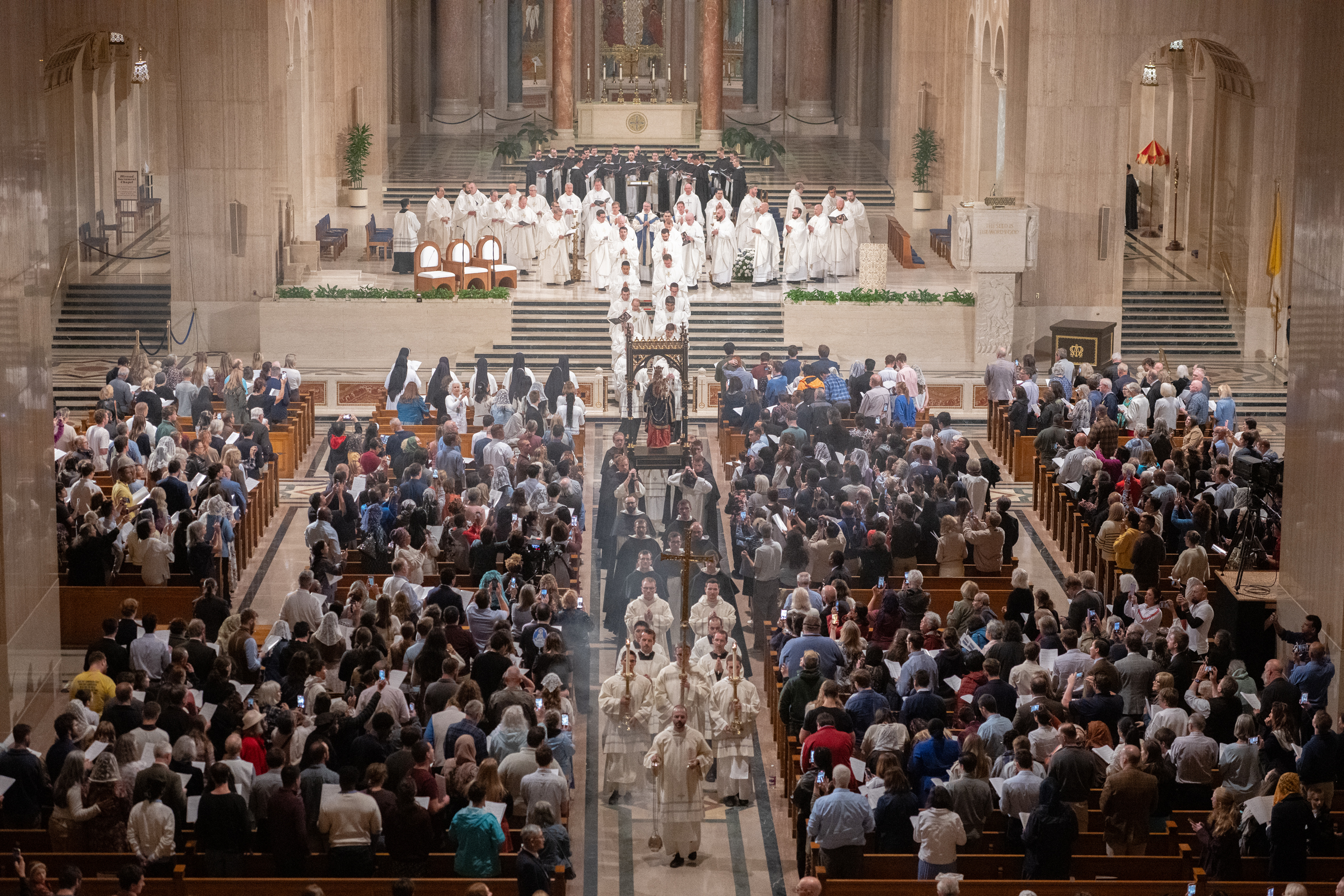
About 3,000 people gather in Washington, DC, for rosary pilgrimage – #Catholic – WASHINGTON — Thousands of Catholics who gathered at the Basilica of the National Shrine of the Immaculate Conception on Saturday got a head start on the approaching month of the rosary by participating in a daylong event featuring prayer and talks centered on the power of the Marian prayer.The fourth annual Dominican Rosary Pilgrimage drew an estimated 3,000 people, with tens of thousands of others joining via livestream broadcast.Hosted by the Dominican Friars of the Province of St. Joseph, the event included opportunities for joining in Eucharistic adoration and receiving the sacrament of reconciliation.“Every year the pilgrimage grows. Every year, more people join us and every year those prayers are lifted up to heaven with greater enthusiasm,” said Dominican Father Patrick Briscoe, promoter general for social communication of the Province of St. Joseph, which extends from New England to Virginia to Ohio.
 
 Pilgrims sit shoulder to shoulder in the basilica, some with hands clasped in prayer, during the Vigil Mass at the Basilica of the National Shrine of the Immaculate Conception in Washington, D.C., for the Dominican Rosary Pilgrimage on Saturday, Sept. 26, 2026. | Credit: Jeffrey Bruno
 
 “It’s such a beautiful event,” said pilgrim Lauren Rodriguez, who traveled from Miami. “This is the second time I’ve come and this year I brought my husband. I just thought it was so impactful to see so much beauty, prayer, and truth in the preaching. It’s incredibly peaceful for as many activities that there are throughout the day.”In preparation for the event, an estimated 100,000 Catholics participated in a nine-month novena, beginning on Jan. 31 and ending on Sept. 26, according to Dominican Father John Paul Kern, the St. Joseph province’s executive director.
 
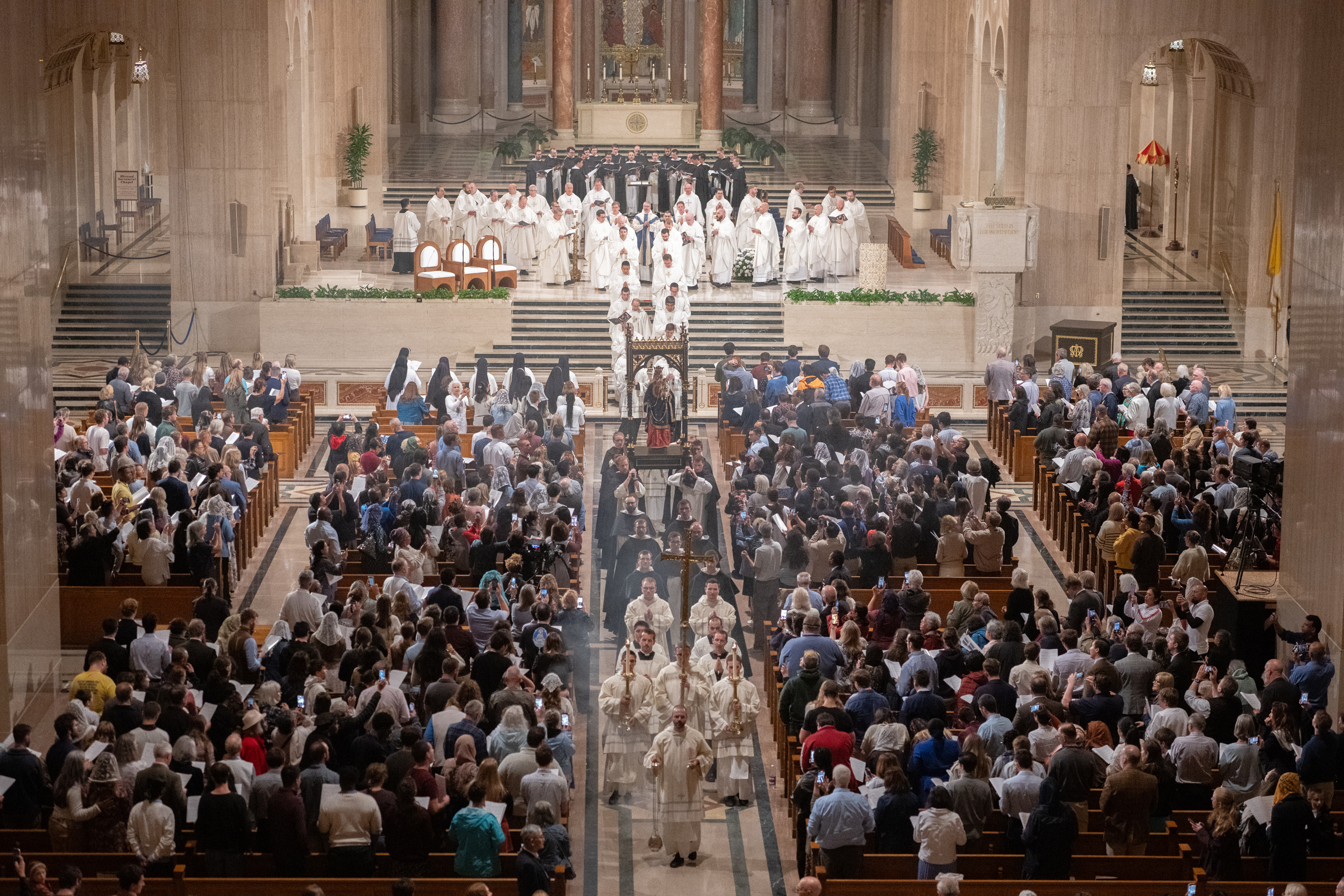
 Dominican friars carry a statue of Mary holding the infant Jesus through the basilica during the rosary procession at the Basilica of the National Shrine of the Immaculate Conception in Washington, D.C., for the Dominican Rosary Pilgrimage on Saturday, Sept. 26, 2026. | Credit: Jeffrey Bruno
 
 “I think Our Lady brings us closer to him and reveals something to us about her son in a very special way with him here at this event,” Kern said.Dominican Father Peter John Cameron, the event’s principal speaker, described the rosary as a gift and a “chain that unites people to God.”
 
 A man bows his head over clasped hands while seated in the church at the Basilica of the National Shrine of the Immaculate Conception in Washington, D.C., for the Dominican Rosary Pilgrimage on Saturday, Sept. 26, 2026. | Credit: Jeffrey Bruno
 
 “The rosary is something truly unique and indescribably precious,” he told EWTN News. “Because more than just a form of prayer, the rosary is a relationship. The rosary is a dynamic experience of our sonship, of our daughtership, in God.”“For someone like me who’s so busy, and so many people are busy, it’s a day dedicated to prayer, to soak it in, receive the graces,” Rodriguez told EWTN News. “You meet so many wonderful people from all over. It really is reaching so many people and touching so many hearts.”The Catholic Church dedicates the entire month of October to the most holy rosary and celebrates the feast of Our Lady of the Rosary on Oct. 7.
 
 Children sit with adults beside a stroller in a crowded pew at the Basilica of the National Shrine of the Immaculate Conception in Washington, D.C., for the Dominican Rosary Pilgrimage on Saturday, Sept. 26, 2026. | Credit: Jeffrey Bruno

About 3,000 people gather in Washington, DC, for rosary pilgrimage – #Catholic – WASHINGTON — Thousands of Catholics who gathered at the Basilica of the National Shrine of the Immaculate Conception on Saturday got a head start on the approaching month of the rosary by participating in a daylong event featuring prayer and talks centered on the power of the Marian prayer.The fourth annual Dominican Rosary Pilgrimage drew an estimated 3,000 people, with tens of thousands of others joining via livestream broadcast.Hosted by the Dominican Friars of the Province of St. Joseph, the event included opportunities for joining in Eucharistic adoration and receiving the sacrament of reconciliation.“Every year the pilgrimage grows. Every year, more people join us and every year those prayers are lifted up to heaven with greater enthusiasm,” said Dominican Father Patrick Briscoe, promoter general for social communication of the Province of St. Joseph, which extends from New England to Virginia to Ohio. Pilgrims sit shoulder to shoulder in the basilica, some with hands clasped in prayer, during the Vigil Mass at the Basilica of the National Shrine of the Immaculate Conception in Washington, D.C., for the Dominican Rosary Pilgrimage on Saturday, Sept. 26, 2026. | Credit: Jeffrey Bruno “It’s such a beautiful event,” said pilgrim Lauren Rodriguez, who traveled from Miami. “This is the second time I’ve come and this year I brought my husband. I just thought it was so impactful to see so much beauty, prayer, and truth in the preaching. It’s incredibly peaceful for as many activities that there are throughout the day.”In preparation for the event, an estimated 100,000 Catholics participated in a nine-month novena, beginning on Jan. 31 and ending on Sept. 26, according to Dominican Father John Paul Kern, the St. Joseph province’s executive director. Dominican friars carry a statue of Mary holding the infant Jesus through the basilica during the rosary procession at the Basilica of the National Shrine of the Immaculate Conception in Washington, D.C., for the Dominican Rosary Pilgrimage on Saturday, Sept. 26, 2026. | Credit: Jeffrey Bruno “I think Our Lady brings us closer to him and reveals something to us about her son in a very special way with him here at this event,” Kern said.Dominican Father Peter John Cameron, the event’s principal speaker, described the rosary as a gift and a “chain that unites people to God.” A man bows his head over clasped hands while seated in the church at the Basilica of the National Shrine of the Immaculate Conception in Washington, D.C., for the Dominican Rosary Pilgrimage on Saturday, Sept. 26, 2026. | Credit: Jeffrey Bruno “The rosary is something truly unique and indescribably precious,” he told EWTN News. “Because more than just a form of prayer, the rosary is a relationship. The rosary is a dynamic experience of our sonship, of our daughtership, in God.”“For someone like me who’s so busy, and so many people are busy, it’s a day dedicated to prayer, to soak it in, receive the graces,” Rodriguez told EWTN News. “You meet so many wonderful people from all over. It really is reaching so many people and touching so many hearts.”The Catholic Church dedicates the entire month of October to the most holy rosary and celebrates the feast of Our Lady of the Rosary on Oct. 7. Children sit with adults beside a stroller in a crowded pew at the Basilica of the National Shrine of the Immaculate Conception in Washington, D.C., for the Dominican Rosary Pilgrimage on Saturday, Sept. 26, 2026. | Credit: Jeffrey Bruno

The Dominican Friars of the Province of St. Joseph hosted the Sept. 26 event.

Read More
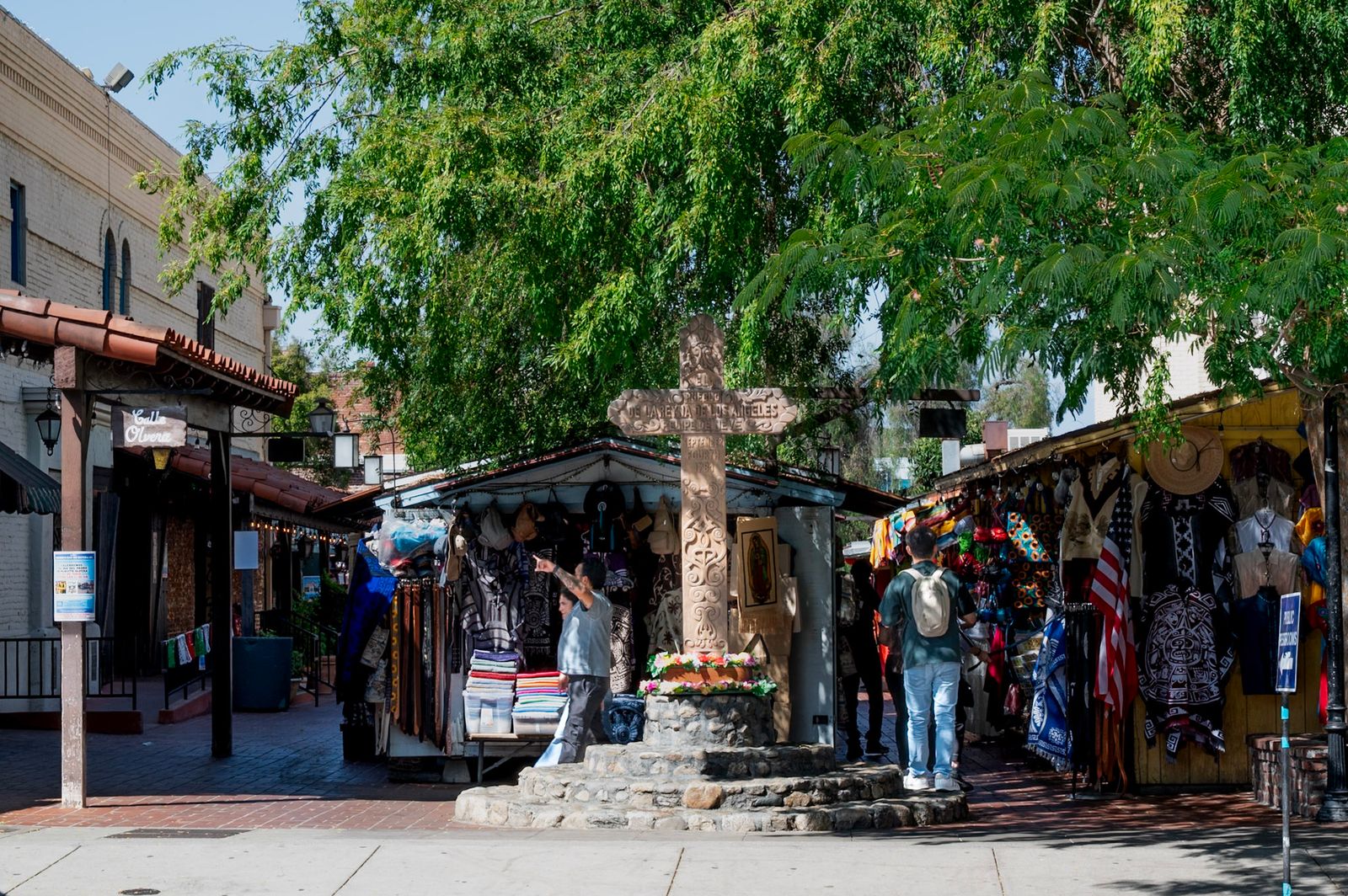
Federal appeals court says historic cross, Nativity can remain in Los Angeles public square – #Catholic – A cross and Nativity will remain in a Los Angeles public plaza after a U.S. appeals court ruled against an atheist who brought a lawsuit to have the displays removed. The two monuments are located at El Pueblo de Los Angeles, the historical center of the Southern California city, marking its founding in 1781. Los Angeles resident Jack Gerritsen sued the city government claiming that the displays violate the establishment clause of the U.S. Constitution. Gerritsen identifies himself as a “nonbeliever” in the suit and claims the monuments make him feel “excluded” in the public space. A U.S. district court ruled against Gerritsen, after which he appealed to the U.S. Court of Appeals for the 9th Circuit. On Sept. 29, the religious liberty law firm Becket announced that the appeals court had also ruled against Gerritsen. The plaintiff “failed to establish the requirements” to justify removing the monument, the appeals court said, including failing to establish that he would “suffer irreparable harm” if the monuments were left in place. He further failed to affirm that removing the monuments would be “in the public interest,” the court noted. The ruling comes after a group of merchants located on Olvera Street near the monuments asked to join the lawsuit in defense of the public displays. Among them was cafe owner Edward Flores, who said that a cultural display such as the cross and Nativity helps “[ennoble] Americans across all ethnicities, faiths, cultures, and generations to take pride in their own contributions and to see more clearly their future potential.”The appeals court ultimately ruled against the efforts of the merchants to join the suit, arguing that their participation in the legal proceeding was moot given the court’s dismissal of Gerritsen’s request. But Andrea Butler, a lawyer at Becket who represented the merchants in their request, said in a news release that the ruling was “common sense.” “Los Angeles belongs to people of every faith and none, and its public square naturally bears the marks of that diversity,” Butler said. The case will be sent back to lower district court following the appeals ruling, according to Becket. The law firm said the monuments will remain “while courts move toward a final decision in the case.”

Federal appeals court says historic cross, Nativity can remain in Los Angeles public square – #Catholic – A cross and Nativity will remain in a Los Angeles public plaza after a U.S. appeals court ruled against an atheist who brought a lawsuit to have the displays removed. The two monuments are located at El Pueblo de Los Angeles, the historical center of the Southern California city, marking its founding in 1781. Los Angeles resident Jack Gerritsen sued the city government claiming that the displays violate the establishment clause of the U.S. Constitution. Gerritsen identifies himself as a “nonbeliever” in the suit and claims the monuments make him feel “excluded” in the public space. A U.S. district court ruled against Gerritsen, after which he appealed to the U.S. Court of Appeals for the 9th Circuit. On Sept. 29, the religious liberty law firm Becket announced that the appeals court had also ruled against Gerritsen. The plaintiff “failed to establish the requirements” to justify removing the monument, the appeals court said, including failing to establish that he would “suffer irreparable harm” if the monuments were left in place. He further failed to affirm that removing the monuments would be “in the public interest,” the court noted. The ruling comes after a group of merchants located on Olvera Street near the monuments asked to join the lawsuit in defense of the public displays. Among them was cafe owner Edward Flores, who said that a cultural display such as the cross and Nativity helps “[ennoble] Americans across all ethnicities, faiths, cultures, and generations to take pride in their own contributions and to see more clearly their future potential.”The appeals court ultimately ruled against the efforts of the merchants to join the suit, arguing that their participation in the legal proceeding was moot given the court’s dismissal of Gerritsen’s request. But Andrea Butler, a lawyer at Becket who represented the merchants in their request, said in a news release that the ruling was “common sense.” “Los Angeles belongs to people of every faith and none, and its public square naturally bears the marks of that diversity,” Butler said. The case will be sent back to lower district court following the appeals ruling, according to Becket. The law firm said the monuments will remain “while courts move toward a final decision in the case.”

Local merchants had rallied to save the historic monument alongside a Nativity display in Los Angeles’ 300-year-old historic center.

Read More
Federal court rules in favor of Oklahoma Jewish charter school amid public funding lawsuit – #Catholic – A Jewish charter school in Oklahoma scored a key victory this month in its federal lawsuit seeking access to the state’s publicly funded charter program. The ruling from the U.S. District Court of the Western District of Oklahoma comes more than a year after a Catholic charter school lost a similar lawsuit seeking to be included in Oklahoma’s charter school funding. In his decision, U.S. District Judge David Russell said the state may not “single out religious schools for exclusion” from public charter funding “solely because of their religious character.” The Oklahoma Statewide Charter School Board may not deny funding to the National Ben Gamla Jewish Charter School Foundation, Russell held, though the order only applies so long as the lawsuit continues through the federal court system. The Oklahoma government requires charter schools to identify as “nonsectarian” and not be affiliated with religious groups. That rule was previously challenged by a Catholic institution, St. Isidore of Seville Catholic Virtual School, which sought funding from the charter school board and which sued the state in 2023 over being excluded from the state program. That suit drew the backing of the U.S. bishops as well as numerous states who advocated expanded educational opportunities. Yet the U.S. Supreme Court ultimately declined to issue a ruling in the case after the court’s justices were split in the dispute, leaving the school without charter funding. It’s unclear whether or not the Jewish charter school dispute will affect the status of the Catholic charter school. But in his ruling Russell said the denial of the school’s application on religious grounds constituted a “concrete” and “actual” injury. A “long line of Supreme Court precedent” supports the school’s position that the denial of its public funding violates the U.S. Constitution, the judge said. Daniel Chen, an attorney with the Becket Fund for Religious Liberty, which is representing the charter school, said in a press release that Oklahoma’s ban on religious charter funding was “destined to fail.” “The Constitution doesn’t permit the state to welcome every kind of charter school except a religious one,” Chen said. The state has 30 days to appeal to the federal Court of Appeals for the 10th Circuit, Becket said.

Federal court rules in favor of Oklahoma Jewish charter school amid public funding lawsuit – #Catholic – A Jewish charter school in Oklahoma scored a key victory this month in its federal lawsuit seeking access to the state’s publicly funded charter program. The ruling from the U.S. District Court of the Western District of Oklahoma comes more than a year after a Catholic charter school lost a similar lawsuit seeking to be included in Oklahoma’s charter school funding. In his decision, U.S. District Judge David Russell said the state may not “single out religious schools for exclusion” from public charter funding “solely because of their religious character.” The Oklahoma Statewide Charter School Board may not deny funding to the National Ben Gamla Jewish Charter School Foundation, Russell held, though the order only applies so long as the lawsuit continues through the federal court system. The Oklahoma government requires charter schools to identify as “nonsectarian” and not be affiliated with religious groups. That rule was previously challenged by a Catholic institution, St. Isidore of Seville Catholic Virtual School, which sought funding from the charter school board and which sued the state in 2023 over being excluded from the state program. That suit drew the backing of the U.S. bishops as well as numerous states who advocated expanded educational opportunities. Yet the U.S. Supreme Court ultimately declined to issue a ruling in the case after the court’s justices were split in the dispute, leaving the school without charter funding. It’s unclear whether or not the Jewish charter school dispute will affect the status of the Catholic charter school. But in his ruling Russell said the denial of the school’s application on religious grounds constituted a “concrete” and “actual” injury. A “long line of Supreme Court precedent” supports the school’s position that the denial of its public funding violates the U.S. Constitution, the judge said. Daniel Chen, an attorney with the Becket Fund for Religious Liberty, which is representing the charter school, said in a press release that Oklahoma’s ban on religious charter funding was “destined to fail.” “The Constitution doesn’t permit the state to welcome every kind of charter school except a religious one,” Chen said. The state has 30 days to appeal to the federal Court of Appeals for the 10th Circuit, Becket said.

A Catholic charter school had previously brought a similar lawsuit against the state but had failed to secure a ruling from the Supreme Court.

Read More
From troubadour to God’s juggler #Catholic – “May the Lord give you peace!” This was a favorite greeting of Saint Francis of Assisi. He said it to rich and poor alike, to soldiers and statesmen, to those who were sick and suffering, and he even said it to the birds. It’s a greeting that reflects the radical transformation that took place in his life. He even shared this greeting in a letter to a close friend while suffering from the illness that took his life on October 3rd, 1226.
We celebrate the Feast of Saint Francis of Assisi on October 4th, and the Franciscan Jubilee honoring the 800-year anniversary of his passing continues until January 10th, 2027. In life, Saint Francis sparked a renewal of faith in Christ. In the 800 years that have passed since his death, he has been a powerful intercessor, and he continues to inspire people to discover the peace of God in their lives.
In his “Saint Francis of Assisi” biography, G.K. Chesterton draws a comparison between the troubadour poets with whom Francis identified prior to his conversion and the title he gave his wandering band of ascetics, the “Jongleurs de Dieu” (“Jugglers of God”). Associating troubadours with knights and jongleurs with jesters, Chesterton writes, “The jester could be free when the knight was rigid…This parallel of the two poets or minstrels is perhaps the best preliminary and external statement of the Franciscan change of heart.”
This change of heart, Chesterton observes, is “the reason why the Franciscan, ragged, penniless, homeless and apparently hopeless, did indeed come forth singing such songs as might come from the stars of morning; and shouting, a son of God.” It was a leap that enabled Francis and his followers to empty themselves of worldly cares to arrive at a deep appreciation for God’s creation. As Chesterton writes, “The mystic who passes through the moment when there is nothing but God does in some sense behold the beginningless beginnings in which there was really nothing else.”
Arriving at this starting point, Francis was able to see God’s gift in the simplest things and the humblest of people, an outlook that has inspired saints from Clare of Assisi in his own time to one of our most recent saints, Carlo Acutis, who was so inspired by Saint Francis that the medieval Umbrian town of Assisi became his favorite pilgrimage site.
Francis, Clare, and Carlo are all buried at churches very near to each other in Assisi. Though Carlo was from Milan in northern Italy, he asked to be buried in Assisi shortly before dying of leukemia in 2006 at the age of 15. It is a testament to the enduring appeal of the detachment preached by Francis that Carlo would make this request while facing his own death.
“Transitus” is the word Franciscans use for the death of Saint Francis. It is a Latin word meaning “a passing,” “going,” or “moving through,” and it is used to refer with confidence to the time when Francis passed from this life into the next. It’s a confidence rooted in that change of heart from Troubadour to Jongleur de Dieu, when Francis started to choose to be a jester for God rather than a king on earth. He was choosing heaven even then, which is why saints like Carlo and Clare and so many others are inspired by Saint Francis of Assisi to live in appreciation for the gift of life itself, in the hope of rising together again in Christ.
For free copies of the Christopher News Note “The Seven Heavenly Virtues,” write: The Christophers, 264 West 40th Street, Room 603, New York, NY 10018; or e-mail: mail@christophers.org

Click here to subscribe to our weekly newsletter.


From troubadour to God’s juggler #Catholic – “May the Lord give you peace!” This was a favorite greeting of Saint Francis of Assisi. He said it to rich and poor alike, to soldiers and statesmen, to those who were sick and suffering, and he even said it to the birds. It’s a greeting that reflects the radical transformation that took place in his life. He even shared this greeting in a letter to a close friend while suffering from the illness that took his life on October 3rd, 1226. We celebrate the Feast of Saint Francis of Assisi on October 4th, and the Franciscan Jubilee honoring the 800-year anniversary of his passing continues until January 10th, 2027. In life, Saint Francis sparked a renewal of faith in Christ. In the 800 years that have passed since his death, he has been a powerful intercessor, and he continues to inspire people to discover the peace of God in their lives. In his “Saint Francis of Assisi” biography, G.K. Chesterton draws a comparison between the troubadour poets with whom Francis identified prior to his conversion and the title he gave his wandering band of ascetics, the “Jongleurs de Dieu” (“Jugglers of God”). Associating troubadours with knights and jongleurs with jesters, Chesterton writes, “The jester could be free when the knight was rigid…This parallel of the two poets or minstrels is perhaps the best preliminary and external statement of the Franciscan change of heart.” This change of heart, Chesterton observes, is “the reason why the Franciscan, ragged, penniless, homeless and apparently hopeless, did indeed come forth singing such songs as might come from the stars of morning; and shouting, a son of God.” It was a leap that enabled Francis and his followers to empty themselves of worldly cares to arrive at a deep appreciation for God’s creation. As Chesterton writes, “The mystic who passes through the moment when there is nothing but God does in some sense behold the beginningless beginnings in which there was really nothing else.” Arriving at this starting point, Francis was able to see God’s gift in the simplest things and the humblest of people, an outlook that has inspired saints from Clare of Assisi in his own time to one of our most recent saints, Carlo Acutis, who was so inspired by Saint Francis that the medieval Umbrian town of Assisi became his favorite pilgrimage site. Francis, Clare, and Carlo are all buried at churches very near to each other in Assisi. Though Carlo was from Milan in northern Italy, he asked to be buried in Assisi shortly before dying of leukemia in 2006 at the age of 15. It is a testament to the enduring appeal of the detachment preached by Francis that Carlo would make this request while facing his own death. “Transitus” is the word Franciscans use for the death of Saint Francis. It is a Latin word meaning “a passing,” “going,” or “moving through,” and it is used to refer with confidence to the time when Francis passed from this life into the next. It’s a confidence rooted in that change of heart from Troubadour to Jongleur de Dieu, when Francis started to choose to be a jester for God rather than a king on earth. He was choosing heaven even then, which is why saints like Carlo and Clare and so many others are inspired by Saint Francis of Assisi to live in appreciation for the gift of life itself, in the hope of rising together again in Christ. For free copies of the Christopher News Note “The Seven Heavenly Virtues,” write: The Christophers, 264 West 40th Street, Room 603, New York, NY 10018; or e-mail: mail@christophers.org Click here to subscribe to our weekly newsletter.  

From troubadour to God’s juggler #Catholic –

“May the Lord give you peace!” This was a favorite greeting of Saint Francis of Assisi. He said it to rich and poor alike, to soldiers and statesmen, to those who were sick and suffering, and he even said it to the birds. It’s a greeting that reflects the radical transformation that took place in his life. He even shared this greeting in a letter to a close friend while suffering from the illness that took his life on October 3rd, 1226.

We celebrate the Feast of Saint Francis of Assisi on October 4th, and the Franciscan Jubilee honoring the 800-year anniversary of his passing continues until January 10th, 2027. In life, Saint Francis sparked a renewal of faith in Christ. In the 800 years that have passed since his death, he has been a powerful intercessor, and he continues to inspire people to discover the peace of God in their lives.

In his “Saint Francis of Assisi” biography, G.K. Chesterton draws a comparison between the troubadour poets with whom Francis identified prior to his conversion and the title he gave his wandering band of ascetics, the “Jongleurs de Dieu” (“Jugglers of God”). Associating troubadours with knights and jongleurs with jesters, Chesterton writes, “The jester could be free when the knight was rigid…This parallel of the two poets or minstrels is perhaps the best preliminary and external statement of the Franciscan change of heart.”

This change of heart, Chesterton observes, is “the reason why the Franciscan, ragged, penniless, homeless and apparently hopeless, did indeed come forth singing such songs as might come from the stars of morning; and shouting, a son of God.” It was a leap that enabled Francis and his followers to empty themselves of worldly cares to arrive at a deep appreciation for God’s creation. As Chesterton writes, “The mystic who passes through the moment when there is nothing but God does in some sense behold the beginningless beginnings in which there was really nothing else.”

Arriving at this starting point, Francis was able to see God’s gift in the simplest things and the humblest of people, an outlook that has inspired saints from Clare of Assisi in his own time to one of our most recent saints, Carlo Acutis, who was so inspired by Saint Francis that the medieval Umbrian town of Assisi became his favorite pilgrimage site.

Francis, Clare, and Carlo are all buried at churches very near to each other in Assisi. Though Carlo was from Milan in northern Italy, he asked to be buried in Assisi shortly before dying of leukemia in 2006 at the age of 15. It is a testament to the enduring appeal of the detachment preached by Francis that Carlo would make this request while facing his own death.

“Transitus” is the word Franciscans use for the death of Saint Francis. It is a Latin word meaning “a passing,” “going,” or “moving through,” and it is used to refer with confidence to the time when Francis passed from this life into the next. It’s a confidence rooted in that change of heart from Troubadour to Jongleur de Dieu, when Francis started to choose to be a jester for God rather than a king on earth. He was choosing heaven even then, which is why saints like Carlo and Clare and so many others are inspired by Saint Francis of Assisi to live in appreciation for the gift of life itself, in the hope of rising together again in Christ.

For free copies of the Christopher News Note “The Seven Heavenly Virtues,” write: The Christophers, 264 West 40th Street, Room 603, New York, NY 10018; or e-mail: mail@christophers.org


Click here to subscribe to our weekly newsletter.


– “May the Lord give you peace!” This was a favorite greeting of Saint Francis of Assisi. He said it to rich and poor alike, to soldiers and statesmen, to those who were sick and suffering, and he even said it to the birds. It’s a greeting that reflects the radical transformation that took place in his life. He even shared this greeting in a letter to a close friend while suffering from the illness that took his life on October 3rd, 1226. We celebrate the Feast of Saint Francis of Assisi on October 4th, and the Franciscan Jubilee honoring the

Read More

The Edge of Space-Time: Particles, Poetry, and the Cosmic Dream Boogie The Knopf Doubleday Publishing GroupNew York, New York In The Edge of Space-Time: Particles, Poetry, and the Cosmic Dream Boogie, Chanda Prescod-Weinstein — professor of physics at the University of New Hampshire and the first Black woman to earn tenure in theoretical cosmology —Continue reading “New astronomy products to fall for this month”

The post New astronomy products to fall for this month appeared first on Astronomy Magazine.

Read More
Celebrating, with gratitude, 100 Years of the Carmel in Morristown … The Month of the Holy Rosary and Respect Life Month #Catholic – “In the very last days of 1926, a very different religious presence came to Morris County in the person of Mother Mary Magdalene of Jesus Crucified Potts, O.C.D. A native of the Washington area and the daughter of an admiral, Sister Mary Magdalene had entered the cloistered Carmelites at Philadelphia in 1911 and then had a bequest from her mother to establish a Carmel at Wheeling, West Virginia in 1913. Feeling a desire to found a Carmel ‘in poverty,’ she was looking for a site for another foundation. The desire of Bishop O’Connor to ‘do something for Our Lady’ in the waning years of his episcopate, and the invitation of a Mrs. Walsh, a woman from Morristown who belonged to a Carmelite third order group in New York City, brought Mother Mary Magdalene to Morristown. On Dec. 30, 2026, four sisters took up residence in a small house on South Street…” 
— From Living Stones by Msgr. Raymond J. Kupke, pgs. 198-99


BISHOP KEVIN J. SWEENEY

“The rest,” as we say, “is history.” When “history” concerns the Diocese of Paterson, I am always grateful to Msgr. Raymond Kupke and his wonderful book, Living Stones, written on the occasion of our Diocese’s 50th anniversary (in 1987). For those who are familiar with Living Stones, its subtitle, “A History of the Catholic Church in the Diocese of Paterson,” could be misleading and cause one to think that it “only” covers the “first 50 years,” 1937 to 1987. The first half of the book is a history of the Catholic Church in northern New Jersey from before the Revolutionary War, beginning in 1764.
So, I was not surprised when I wanted to share some background on how a Carmelite Monastery came to our Diocese (11 years before the foundation of the Diocese of Paterson); I was quickly able to find a compelling account, as cited above, on pages 198-99 of Living Stones. When I was appointed as bishop of the diocese, six years ago, I was very happy to learn that we had a Carmelite Monastery in our diocese. Like millions of others during the past 100-plus years, I was “introduced” to the Carmelites and Carmelite Spirituality when I first heard, in high school, about St. Therese of Lisieux, the “Little Flower,” and her autobiography (spiritual diary), Story of a Soul.
If you are not yet familiar with the Carmelites, their spirituality, and their saints (Therese of Lisieux, Theresa of Avila, John of the Cross, Theresa Benedicta of the Cross, St. Simon Stock, and many, many more — personally, I think that St. Pope John Paul II could be considered an “honorary” Carmelite, because his personal spirituality and vocation were so strongly influenced by the Carmelites, especially John of the Cross and Theresa of Avila), you could Google “Carmelite Saints” or any one of the above. You could also go to the website of the Carmelite Monastery in Morristown where you can learn a great deal about the sisters, their vocation and mission, including their “Vision” and “What (they) Do.”
 “Through self-sacrifice, silence, penance and prayer, the Carmelite Sisters offer their very lives as a prayer to God for all humanity … The Carmelites have a rigorous schedule consisting each day of eight hours of prayer, manual labor, some recreation, as well as contemplation. They are always striving to make themselves more pleasing to God. The Carmelite Sisters adhere to strict silence so that their prayers may be more continuous.”
About the Carmelites


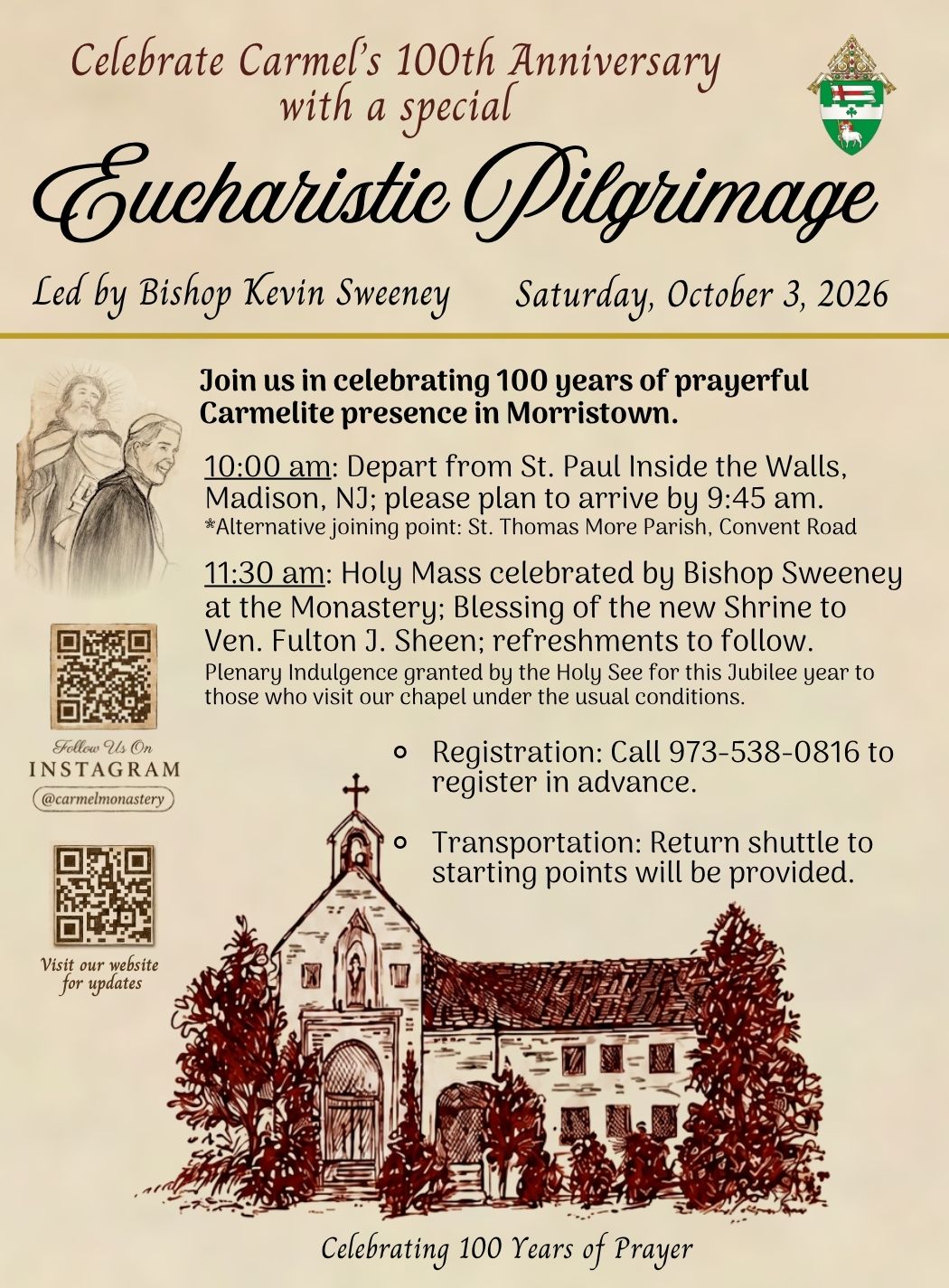
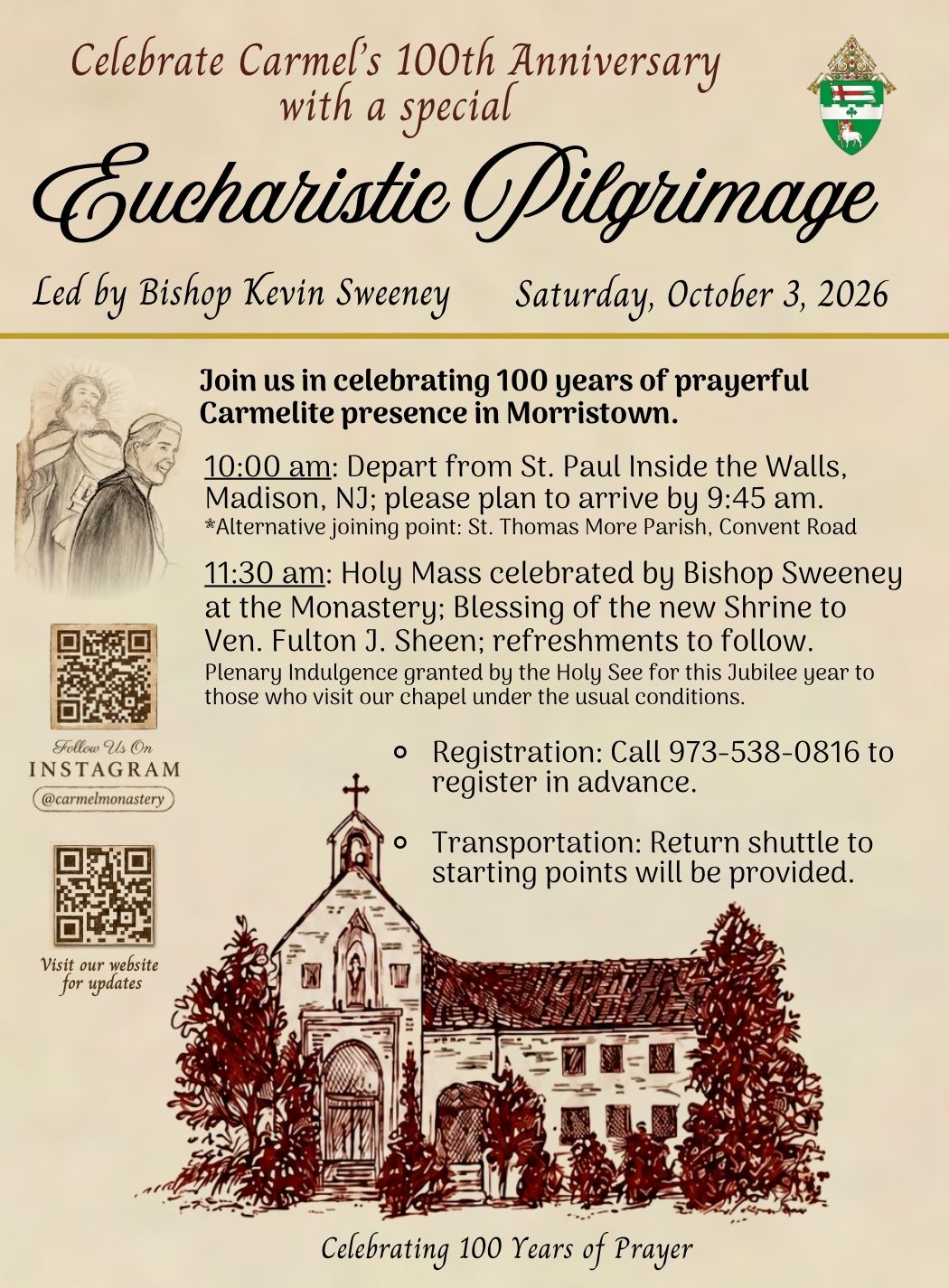
I am very much looking forward to being with the Carmelite Sisters, many of our priests, seminarians, consecrated religious, and faithful from our diocese and beyond, as we celebrate and give thanks for “100 Years” with a Eucharistic Pilgrimage and Mass on Saturday, Oct. 3, beginning at our St. Paul Inside the Wall Evangelization Center in Madison (at 10 a.m.) and concluding with Mass at the monastery at 11:30 a.m. Click here for more information and to register or see the flyer at right.
St. Therese of Lisieux died at the age of 24, on Sept. 30, 1897. She was canonized as a saint (very quickly) on May 17, 1925, during the Jubilee Year, by Pope Pius the XI. From 1927 to 1969, her feast day was celebrated on Oct. 3, before changes in the Church’s liturgical calendar, caused her Feast Day to be “moved” to Oct. 1. Personally, I find it meaningful and appropriate that we begin the month of October, the “Month of the Holy Rosary,” with the Feast of St. Therese, who in addition to being a role model for a life of prayer and contemplation, is also, along with St. Francis Xavier, the patron saint/s of missionaries, and one of only four women recognized (by St. Pope John Paul II in 1997) as a “Doctor of the Church.”
Last year, I wrote a column about the end of September and October as a beautiful (and prayerful) time of year, focusing on “The Saints of Late September and October, Respect Life Month and the Month of the Holy Rosary.” I hope that you might take the time to go back and review it. In this year of 2026, as we celebrate 100 years of the Carmel in Morristown, we are also in a “Jubilee Year of St. Francis of Assisi,” whose Feast we will remember on Sunday, Oct. 4. We will celebrate the Feast of Our Lady of the Rosary (Our Lady of Victories) on Wednesday, Oct. 7, and the next day, Thursday, Oct. 8, will be the New Jersey Mass and March for Life in Trenton. 
This time of year can be beautiful and prayerful; it can also be very busy. You have probably already heard or will be hearing in the coming weeks about our annual Diocesan Ministries Appeal. We will have a very busy (full) “diocesan weekend” from Friday, Oct. 16 through Sunday, Oct. 18, when we will have our Diocesan Marian Pilgrimage to Washington, DC on Friday and Saturday, and then mark the 100th “World Mission Sunday” and host our Diocesan Vivere Christus awards on Sunday, Oct. 18. It is comforting to know that the Carmelite Sisters in Morristown will be praying for us on each step of our journey.
Celebrating this significant anniversary for the Carmel of Morristown and considering the special moments that we have to be united in prayer during the month of October, the month of the Holy Rosary, encourages us to remember that we can always unite our efforts to build up God’s Kingdom through prayer. I think of those who may be homebound, sick, or suffering. The prayers of the homebound and the ill are a source of grace for many. St. Therese, the Little Flower, spent the most significant portion of her brief life in a Carmelite monastery, but she is the co-patroness of the missions because of her commitment to pray for others. No matter where we are, our prayers are a sharing in the Lord’s work. Just as Carmel is a powerhouse of prayer, so too the prayers of those who are homebound or limited in mobility can powerfully contribute to the good of others through prayer. I thank all of the homebound, particularly, for your commitment to pray for so many worthy intentions.

Click here to subscribe to our weekly newsletter.


Celebrating, with gratitude, 100 Years of the Carmel in Morristown … The Month of the Holy Rosary and Respect Life Month #Catholic – “In the very last days of 1926, a very different religious presence came to Morris County in the person of Mother Mary Magdalene of Jesus Crucified Potts, O.C.D. A native of the Washington area and the daughter of an admiral, Sister Mary Magdalene had entered the cloistered Carmelites at Philadelphia in 1911 and then had a bequest from her mother to establish a Carmel at Wheeling, West Virginia in 1913. Feeling a desire to found a Carmel ‘in poverty,’ she was looking for a site for another foundation. The desire of Bishop O’Connor to ‘do something for Our Lady’ in the waning years of his episcopate, and the invitation of a Mrs. Walsh, a woman from Morristown who belonged to a Carmelite third order group in New York City, brought Mother Mary Magdalene to Morristown. On Dec. 30, 2026, four sisters took up residence in a small house on South Street…” — From Living Stones by Msgr. Raymond J. Kupke, pgs. 198-99 BISHOP KEVIN J. SWEENEY “The rest,” as we say, “is history.” When “history” concerns the Diocese of Paterson, I am always grateful to Msgr. Raymond Kupke and his wonderful book, Living Stones, written on the occasion of our Diocese’s 50th anniversary (in 1987). For those who are familiar with Living Stones, its subtitle, “A History of the Catholic Church in the Diocese of Paterson,” could be misleading and cause one to think that it “only” covers the “first 50 years,” 1937 to 1987. The first half of the book is a history of the Catholic Church in northern New Jersey from before the Revolutionary War, beginning in 1764. So, I was not surprised when I wanted to share some background on how a Carmelite Monastery came to our Diocese (11 years before the foundation of the Diocese of Paterson); I was quickly able to find a compelling account, as cited above, on pages 198-99 of Living Stones. When I was appointed as bishop of the diocese, six years ago, I was very happy to learn that we had a Carmelite Monastery in our diocese. Like millions of others during the past 100-plus years, I was “introduced” to the Carmelites and Carmelite Spirituality when I first heard, in high school, about St. Therese of Lisieux, the “Little Flower,” and her autobiography (spiritual diary), Story of a Soul. If you are not yet familiar with the Carmelites, their spirituality, and their saints (Therese of Lisieux, Theresa of Avila, John of the Cross, Theresa Benedicta of the Cross, St. Simon Stock, and many, many more — personally, I think that St. Pope John Paul II could be considered an “honorary” Carmelite, because his personal spirituality and vocation were so strongly influenced by the Carmelites, especially John of the Cross and Theresa of Avila), you could Google “Carmelite Saints” or any one of the above. You could also go to the website of the Carmelite Monastery in Morristown where you can learn a great deal about the sisters, their vocation and mission, including their “Vision” and “What (they) Do.”  “Through self-sacrifice, silence, penance and prayer, the Carmelite Sisters offer their very lives as a prayer to God for all humanity … The Carmelites have a rigorous schedule consisting each day of eight hours of prayer, manual labor, some recreation, as well as contemplation. They are always striving to make themselves more pleasing to God. The Carmelite Sisters adhere to strict silence so that their prayers may be more continuous.” About the Carmelites I am very much looking forward to being with the Carmelite Sisters, many of our priests, seminarians, consecrated religious, and faithful from our diocese and beyond, as we celebrate and give thanks for “100 Years” with a Eucharistic Pilgrimage and Mass on Saturday, Oct. 3, beginning at our St. Paul Inside the Wall Evangelization Center in Madison (at 10 a.m.) and concluding with Mass at the monastery at 11:30 a.m. Click here for more information and to register or see the flyer at right. St. Therese of Lisieux died at the age of 24, on Sept. 30, 1897. She was canonized as a saint (very quickly) on May 17, 1925, during the Jubilee Year, by Pope Pius the XI. From 1927 to 1969, her feast day was celebrated on Oct. 3, before changes in the Church’s liturgical calendar, caused her Feast Day to be “moved” to Oct. 1. Personally, I find it meaningful and appropriate that we begin the month of October, the “Month of the Holy Rosary,” with the Feast of St. Therese, who in addition to being a role model for a life of prayer and contemplation, is also, along with St. Francis Xavier, the patron saint/s of missionaries, and one of only four women recognized (by St. Pope John Paul II in 1997) as a “Doctor of the Church.” Last year, I wrote a column about the end of September and October as a beautiful (and prayerful) time of year, focusing on “The Saints of Late September and October, Respect Life Month and the Month of the Holy Rosary.” I hope that you might take the time to go back and review it. In this year of 2026, as we celebrate 100 years of the Carmel in Morristown, we are also in a “Jubilee Year of St. Francis of Assisi,” whose Feast we will remember on Sunday, Oct. 4. We will celebrate the Feast of Our Lady of the Rosary (Our Lady of Victories) on Wednesday, Oct. 7, and the next day, Thursday, Oct. 8, will be the New Jersey Mass and March for Life in Trenton.  This time of year can be beautiful and prayerful; it can also be very busy. You have probably already heard or will be hearing in the coming weeks about our annual Diocesan Ministries Appeal. We will have a very busy (full) “diocesan weekend” from Friday, Oct. 16 through Sunday, Oct. 18, when we will have our Diocesan Marian Pilgrimage to Washington, DC on Friday and Saturday, and then mark the 100th “World Mission Sunday” and host our Diocesan Vivere Christus awards on Sunday, Oct. 18. It is comforting to know that the Carmelite Sisters in Morristown will be praying for us on each step of our journey. Celebrating this significant anniversary for the Carmel of Morristown and considering the special moments that we have to be united in prayer during the month of October, the month of the Holy Rosary, encourages us to remember that we can always unite our efforts to build up God’s Kingdom through prayer. I think of those who may be homebound, sick, or suffering. The prayers of the homebound and the ill are a source of grace for many. St. Therese, the Little Flower, spent the most significant portion of her brief life in a Carmelite monastery, but she is the co-patroness of the missions because of her commitment to pray for others. No matter where we are, our prayers are a sharing in the Lord’s work. Just as Carmel is a powerhouse of prayer, so too the prayers of those who are homebound or limited in mobility can powerfully contribute to the good of others through prayer. I thank all of the homebound, particularly, for your commitment to pray for so many worthy intentions. Click here to subscribe to our weekly newsletter.  

Celebrating, with gratitude, 100 Years of the Carmel in Morristown … The Month of the Holy Rosary and Respect Life Month #Catholic –

“In the very last days of 1926, a very different religious presence came to Morris County in the person of Mother Mary Magdalene of Jesus Crucified Potts, O.C.D. A native of the Washington area and the daughter of an admiral, Sister Mary Magdalene had entered the cloistered Carmelites at Philadelphia in 1911 and then had a bequest from her mother to establish a Carmel at Wheeling, West Virginia in 1913. Feeling a desire to found a Carmel ‘in poverty,’ she was looking for a site for another foundation. The desire of Bishop O’Connor to ‘do something for Our Lady’ in the waning years of his episcopate, and the invitation of a Mrs. Walsh, a woman from Morristown who belonged to a Carmelite third order group in New York City, brought Mother Mary Magdalene to Morristown. On Dec. 30, 2026, four sisters took up residence in a small house on South Street…”

— From Living Stones by Msgr. Raymond J. Kupke, pgs. 198-99

BISHOP KEVIN J. SWEENEY

“The rest,” as we say, “is history.” When “history” concerns the Diocese of Paterson, I am always grateful to Msgr. Raymond Kupke and his wonderful book, Living Stones, written on the occasion of our Diocese’s 50th anniversary (in 1987). For those who are familiar with Living Stones, its subtitle, “A History of the Catholic Church in the Diocese of Paterson,” could be misleading and cause one to think that it “only” covers the “first 50 years,” 1937 to 1987. The first half of the book is a history of the Catholic Church in northern New Jersey from before the Revolutionary War, beginning in 1764.

So, I was not surprised when I wanted to share some background on how a Carmelite Monastery came to our Diocese (11 years before the foundation of the Diocese of Paterson); I was quickly able to find a compelling account, as cited above, on pages 198-99 of Living Stones. When I was appointed as bishop of the diocese, six years ago, I was very happy to learn that we had a Carmelite Monastery in our diocese. Like millions of others during the past 100-plus years, I was “introduced” to the Carmelites and Carmelite Spirituality when I first heard, in high school, about St. Therese of Lisieux, the “Little Flower,” and her autobiography (spiritual diary), Story of a Soul.

If you are not yet familiar with the Carmelites, their spirituality, and their saints (Therese of Lisieux, Theresa of Avila, John of the Cross, Theresa Benedicta of the Cross, St. Simon Stock, and many, many more — personally, I think that St. Pope John Paul II could be considered an “honorary” Carmelite, because his personal spirituality and vocation were so strongly influenced by the Carmelites, especially John of the Cross and Theresa of Avila), you could Google “Carmelite Saints” or any one of the above. You could also go to the website of the Carmelite Monastery in Morristown where you can learn a great deal about the sisters, their vocation and mission, including their “Vision” and “What (they) Do.”

 “Through self-sacrifice, silence, penance and prayer, the Carmelite Sisters offer their very lives as a prayer to God for all humanity … The Carmelites have a rigorous schedule consisting each day of eight hours of prayer, manual labor, some recreation, as well as contemplation. They are always striving to make themselves more pleasing to God. The Carmelite Sisters adhere to strict silence so that their prayers may be more continuous.”

About the Carmelites

I am very much looking forward to being with the Carmelite Sisters, many of our priests, seminarians, consecrated religious, and faithful from our diocese and beyond, as we celebrate and give thanks for “100 Years” with a Eucharistic Pilgrimage and Mass on Saturday, Oct. 3, beginning at our St. Paul Inside the Wall Evangelization Center in Madison (at 10 a.m.) and concluding with Mass at the monastery at 11:30 a.m. Click here for more information and to register or see the flyer at right.

St. Therese of Lisieux died at the age of 24, on Sept. 30, 1897. She was canonized as a saint (very quickly) on May 17, 1925, during the Jubilee Year, by Pope Pius the XI. From 1927 to 1969, her feast day was celebrated on Oct. 3, before changes in the Church’s liturgical calendar, caused her Feast Day to be “moved” to Oct. 1. Personally, I find it meaningful and appropriate that we begin the month of October, the “Month of the Holy Rosary,” with the Feast of St. Therese, who in addition to being a role model for a life of prayer and contemplation, is also, along with St. Francis Xavier, the patron saint/s of missionaries, and one of only four women recognized (by St. Pope John Paul II in 1997) as a “Doctor of the Church.”

Last year, I wrote a column about the end of September and October as a beautiful (and prayerful) time of year, focusing on “The Saints of Late September and October, Respect Life Month and the Month of the Holy Rosary.” I hope that you might take the time to go back and review it. In this year of 2026, as we celebrate 100 years of the Carmel in Morristown, we are also in a “Jubilee Year of St. Francis of Assisi,” whose Feast we will remember on Sunday, Oct. 4. We will celebrate the Feast of Our Lady of the Rosary (Our Lady of Victories) on Wednesday, Oct. 7, and the next day, Thursday, Oct. 8, will be the New Jersey Mass and March for Life in Trenton. 

This time of year can be beautiful and prayerful; it can also be very busy. You have probably already heard or will be hearing in the coming weeks about our annual Diocesan Ministries Appeal. We will have a very busy (full) “diocesan weekend” from Friday, Oct. 16 through Sunday, Oct. 18, when we will have our Diocesan Marian Pilgrimage to Washington, DC on Friday and Saturday, and then mark the 100th “World Mission Sunday” and host our Diocesan Vivere Christus awards on Sunday, Oct. 18. It is comforting to know that the Carmelite Sisters in Morristown will be praying for us on each step of our journey.

Celebrating this significant anniversary for the Carmel of Morristown and considering the special moments that we have to be united in prayer during the month of October, the month of the Holy Rosary, encourages us to remember that we can always unite our efforts to build up God’s Kingdom through prayer. I think of those who may be homebound, sick, or suffering. The prayers of the homebound and the ill are a source of grace for many. St. Therese, the Little Flower, spent the most significant portion of her brief life in a Carmelite monastery, but she is the co-patroness of the missions because of her commitment to pray for others. No matter where we are, our prayers are a sharing in the Lord’s work. Just as Carmel is a powerhouse of prayer, so too the prayers of those who are homebound or limited in mobility can powerfully contribute to the good of others through prayer. I thank all of the homebound, particularly, for your commitment to pray for so many worthy intentions.


Click here to subscribe to our weekly newsletter.


– “In the very last days of 1926, a very different religious presence came to Morris County in the person of Mother Mary Magdalene of Jesus Crucified Potts, O.C.D. A native of the Washington area and the daughter of an admiral, Sister Mary Magdalene had entered the cloistered Carmelites at Philadelphia in 1911 and then had a bequest from her mother to establish a Carmel at Wheeling, West Virginia in 1913. Feeling a desire to found a Carmel ‘in poverty,’ she was looking for a site for another foundation. The desire of Bishop O’Connor to ‘do something for Our Lady’ in

Read More
Space Station View of Earth at Night – This nighttime view of the United States, dotted with city lights looking toward New York City (center), was taken at approximately 3:40 a.m. local time from the International Space Station as it orbited 259 miles above Earth.

This nighttime view of the United States, dotted with city lights looking toward New York City (center), was taken at approximately 3:40 a.m. local time from the International Space Station as it orbited 259 miles above Earth.

Read More